Which one is your favorite?
How word of mouth has changed over the years
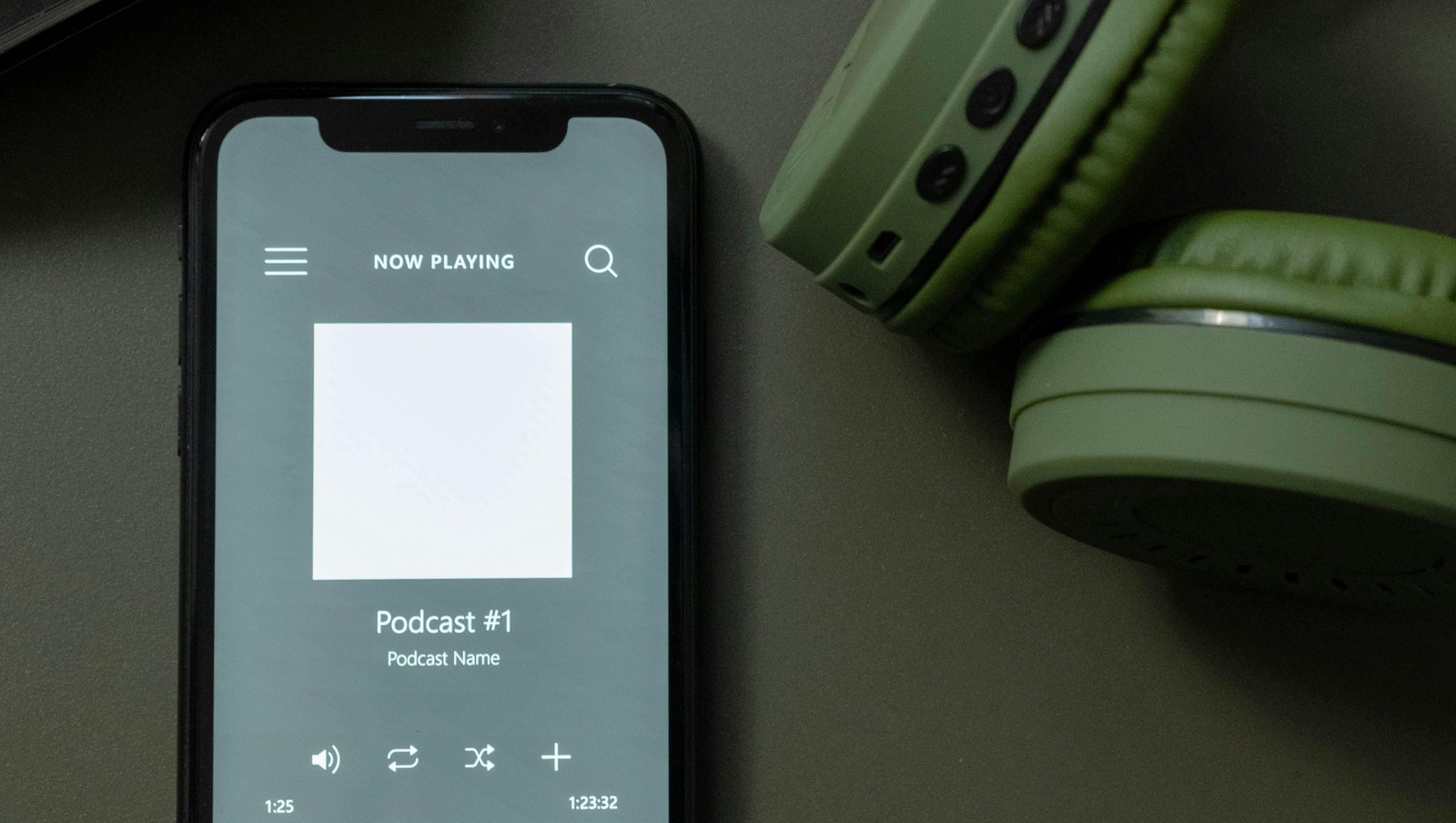
Image: Cottonbro Studio
Over the years, how we’ve tuned into news, music, and entertainment in America has undergone serious changes. From the days of gathering around to hear stories passed down through oral traditions, to listening to the radio for the evening broadcast, to the modern age of podcasts, each era has its flavor. Take a look at these 12 media formats that we have used and use today.
1
The human voice

Image: Priscilla Du Preez 🇨🇦
Before modern technology, oral communication and word of mouth were the primary ways people shared news, stories, and music everywhere.
From Native American storytelling traditions to community gatherings, spoken word connected people, passed down history, and spread important information long before any other medium ever existed.
2
Public proclamations

Image: Andrew Ebrahim
Public proclamations were an early form of mass communication in America, used to spread news and official announcements.
Town criers or officials would read proclamations aloud in public squares , ensuring that important information reached everyone, even those who couldn't read, who were more than a handful at the time.
3
Live music

Image: Francesco Giacomini
Before recorded music, people would gather at local events, fairs, or churches to hear musicians perform songs that reflected current events, social issues, or, often, served as entertainment.
In the same way as today, live performances were a major form of entertainment and communication.
4
Gramophones
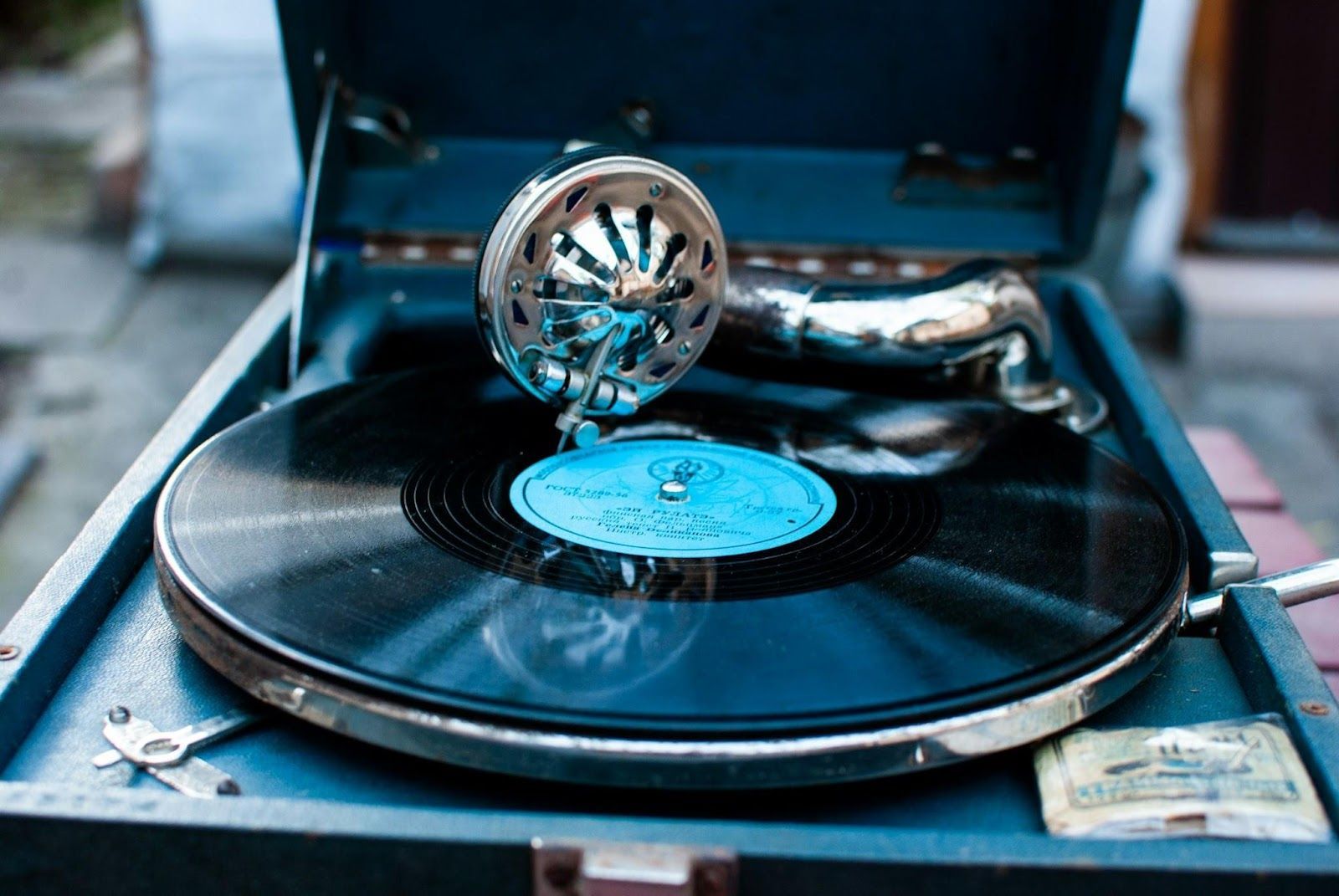
Image: Tasha
Gramophones and Edison’s musical cylinders revolutionized how Americans consumed music and news in the late 19th and early 20th centuries.
These devices allowed people to listen to recorded sound at home for the first time , offering a new way to enjoy music, speeches, and even news broadcasts.
5
Radio broadcasts
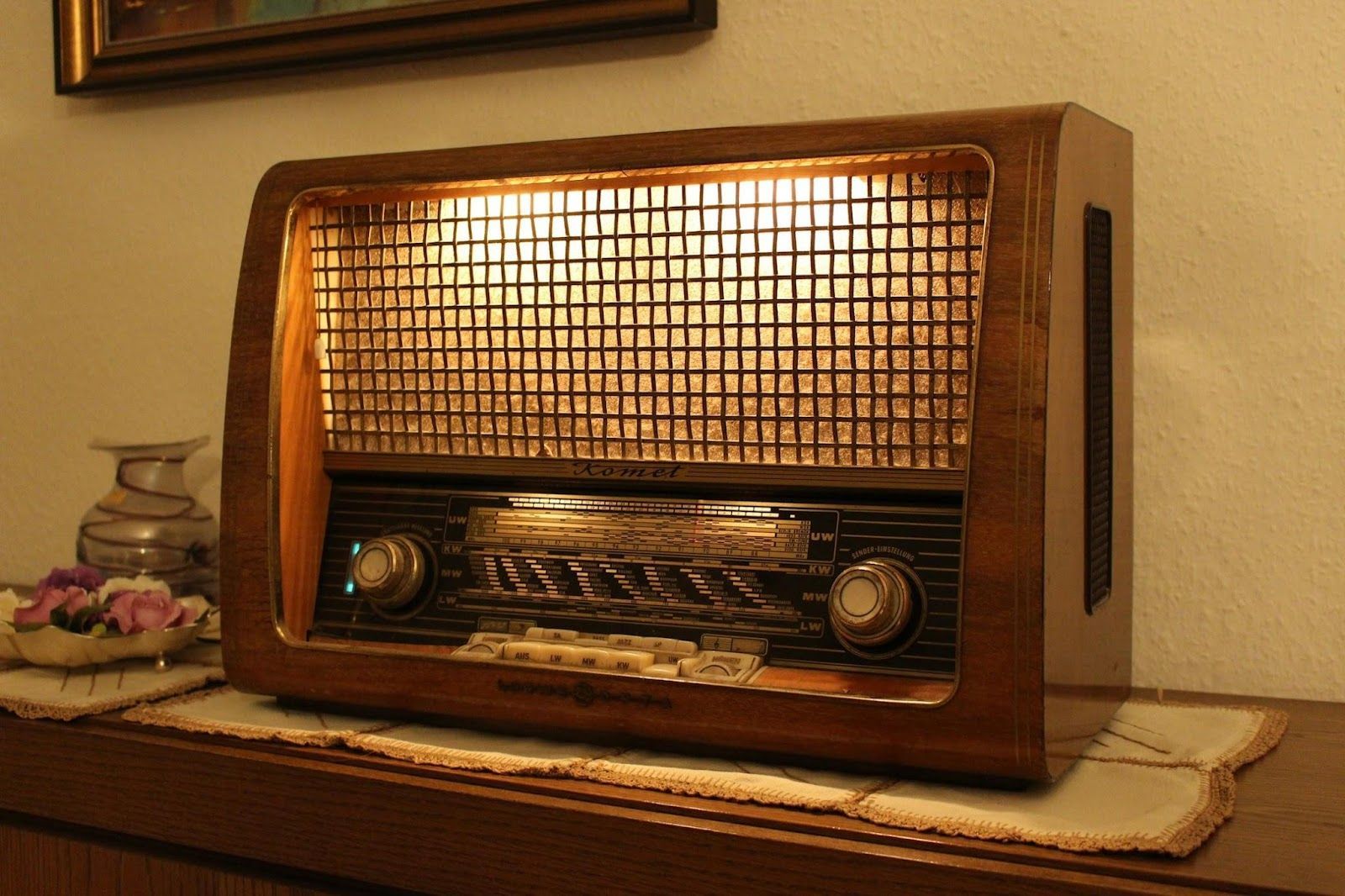
Image: Maximilian Hofer
It is hard to overstate the importance of radio. It was a game-changer in the early 20th century, bringing news, music, and entertainment directly into homes across America.
For the first time, families could listen to live broadcasts of events, catch the latest hits, or hear radio dramas .
6
Television
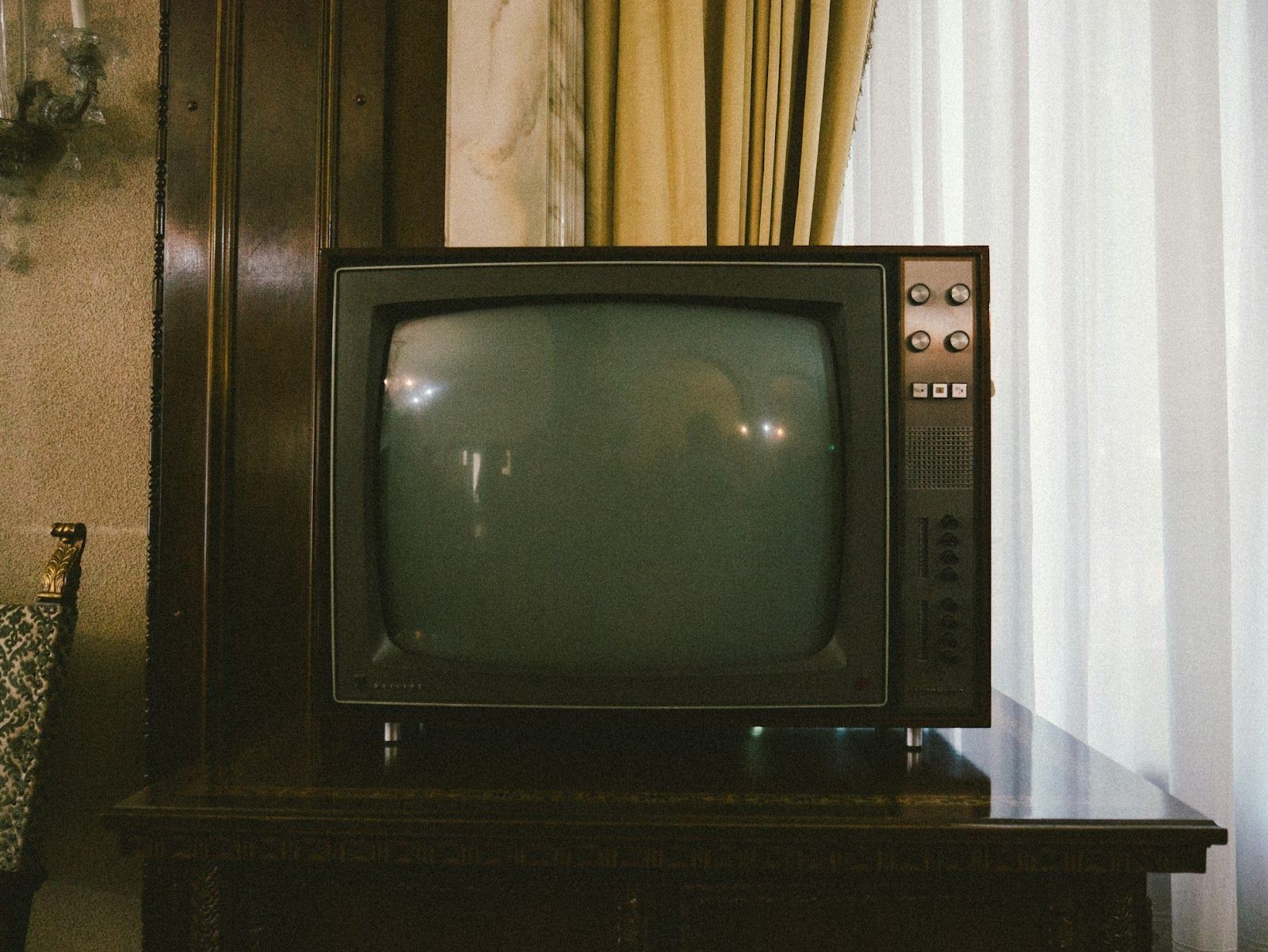
Image: PJ Gal-Szabo
Television caused a huge impact in the 1950s, blending news, music, and entertainment into one screen . As with radio, families gathered around the TV for nightly broadcasts, from the evening news to variety shows and music performances.
This new visual element added a deeper level of engagement, shaping how Americans consumed information and entertainment, making TV a major force in media for decades.
7
Vinyl record players
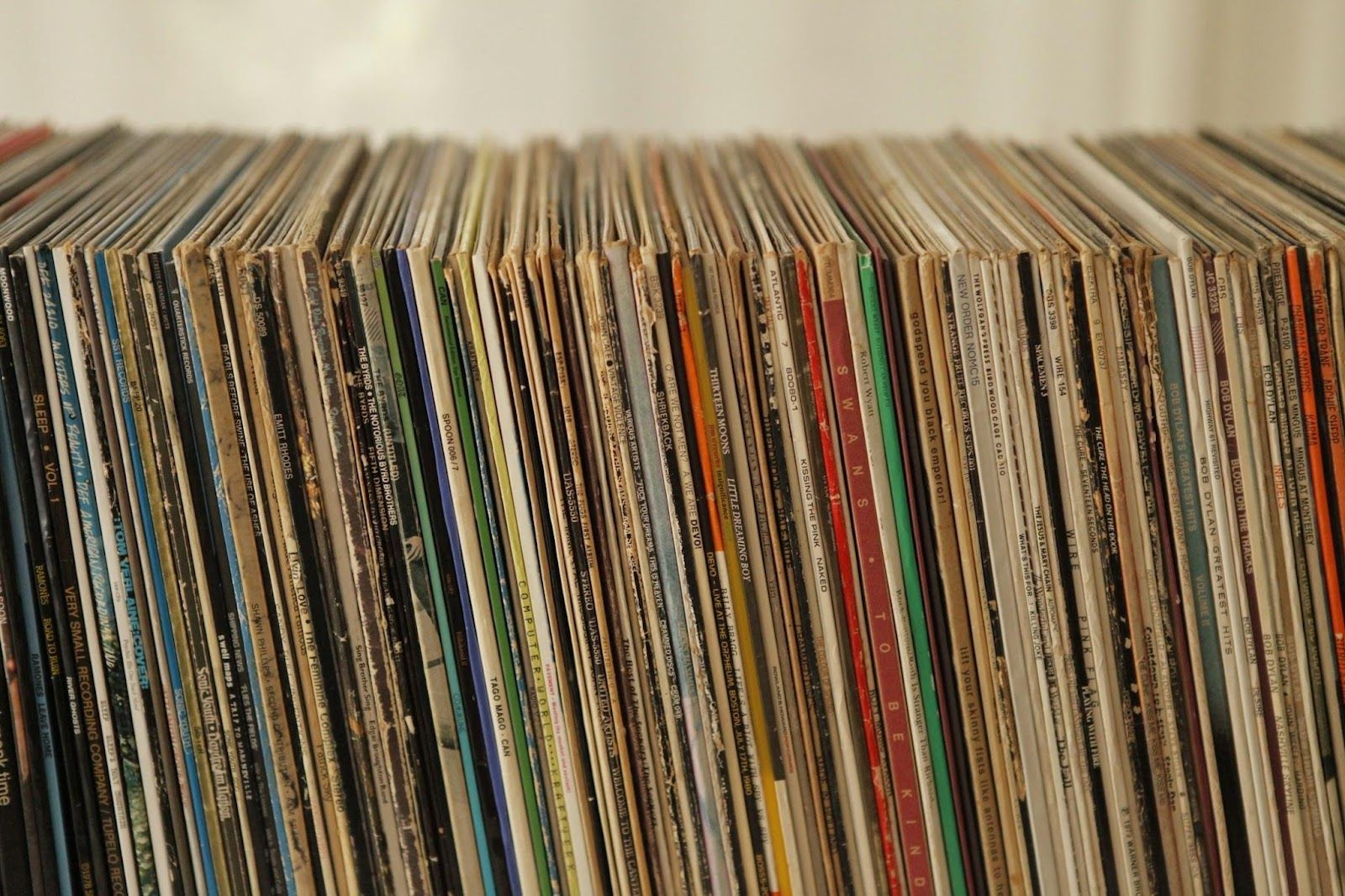
Image: Eran Menashri
Vinyl record players became a major music format in the mid-20th century, offering high-quality sound. People could listen to entire albums, making music a personal, immersive activity .
Vinyl records also became a cultural icon, with album artwork and collector’s editions turning listening into a ritual.
8
Magazine players
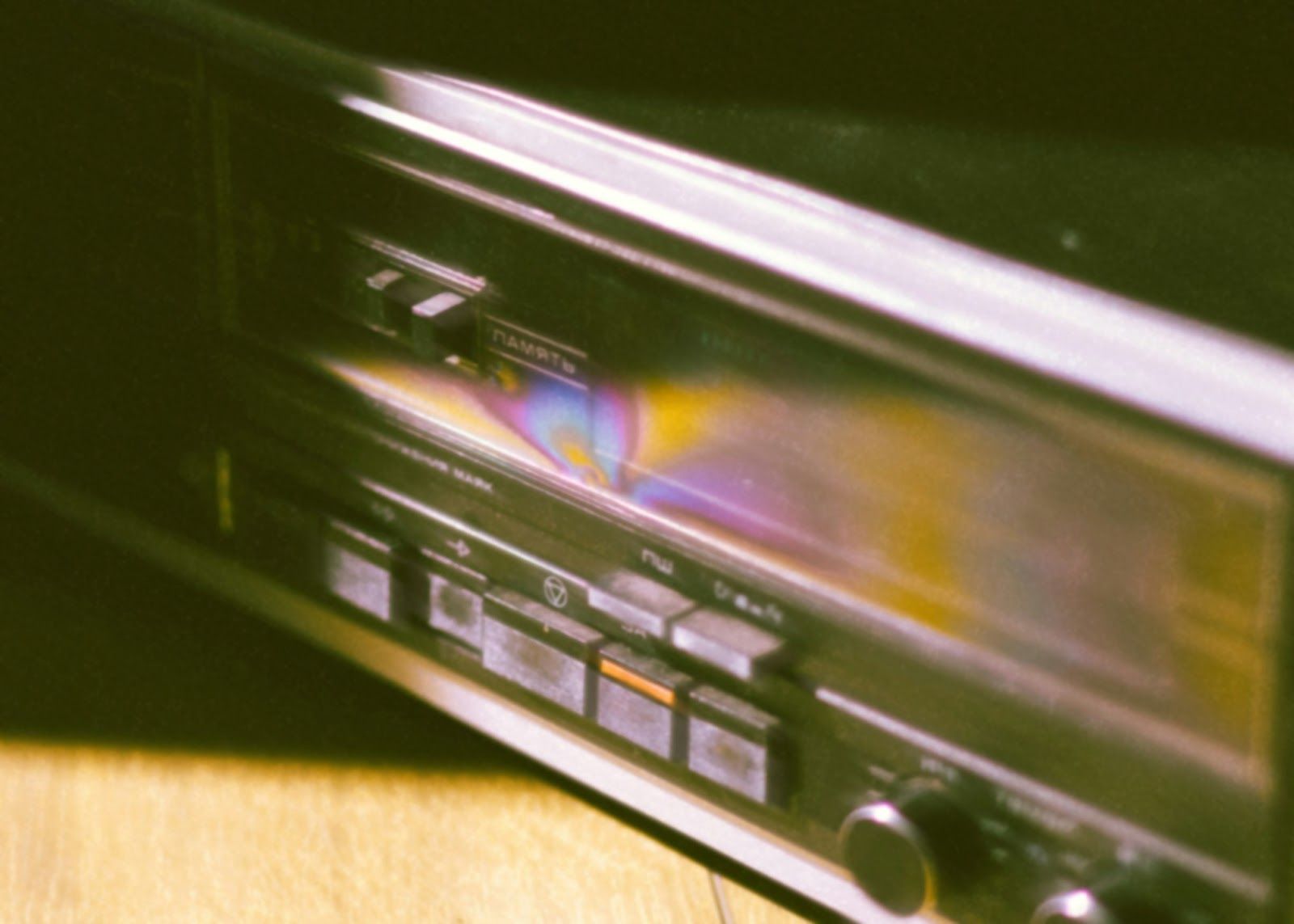
Image: Ciocan Ciprian
Somewhat of a half-step format between the vinyl records and compact cassettes , magazine players offered a portable way to listen to music and news in the 1960s through the 1980s.
These devices used cartridges or tapes that could hold multiple songs or recordings, making it easy for people to enjoy their favorite tunes on the go.
9
Cassette players

Image: Dave Weatherall
If magazine players made music a portable activity, cassette players and, especially, Walkmans, took it even further.
With the ability to play mixtapes or purchased albums anywhere, these devices gave people personal control over their music while on the go . Walkmans, in particular, became iconic for offering a private, on-demand listening experience.
10
CD players
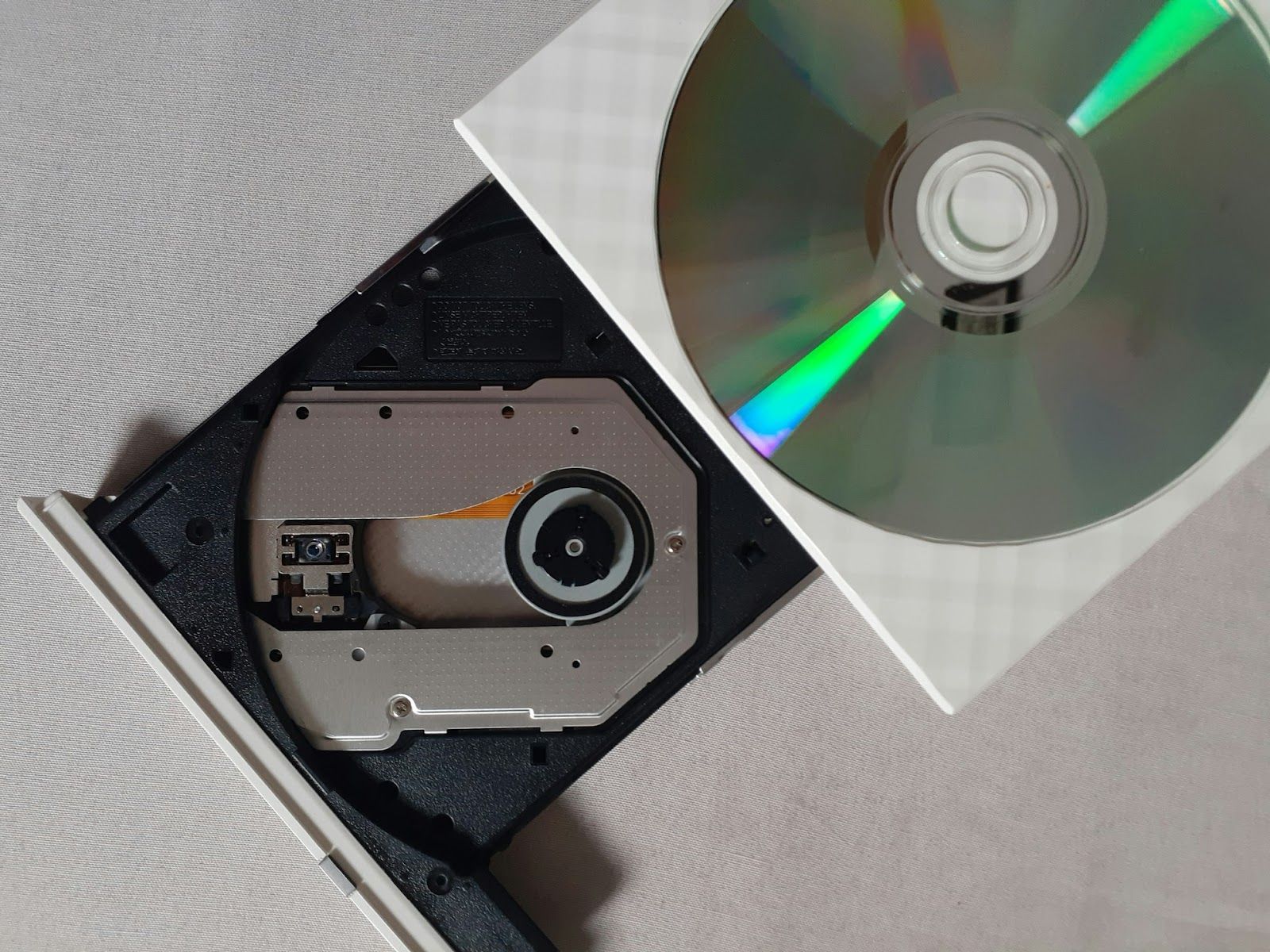
Image: Lucky Alamanda
CD players became the go-to music format in the 1990s, offering a digital upgrade to cassettes with better sound quality and durability .
Compact discs could store albums without the wear-and-tear issues of tapes, and CD players were easy to use, making them popular in cars, homes, and portable devices.
11
MP3 players
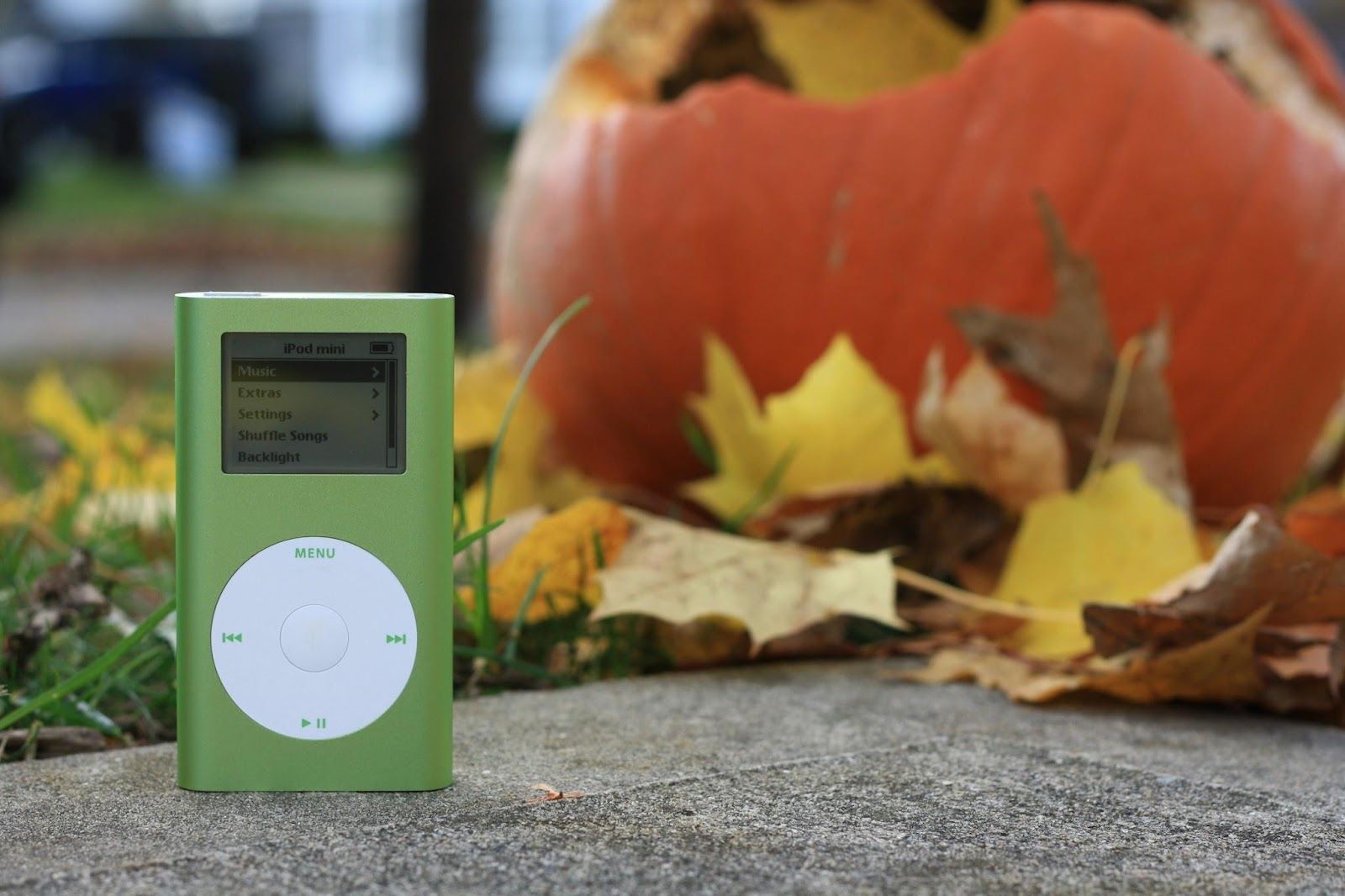
Image: Ben Szymanski
The possibility of holding entire album catalogs and more in a single portable device became real in the early 2000s when MP3 players made their appearance.
Devices like the iPod became cultural icons, shaping how people accessed and enjoyed music, paving the way for the next and last item on our list.
12
Streaming services
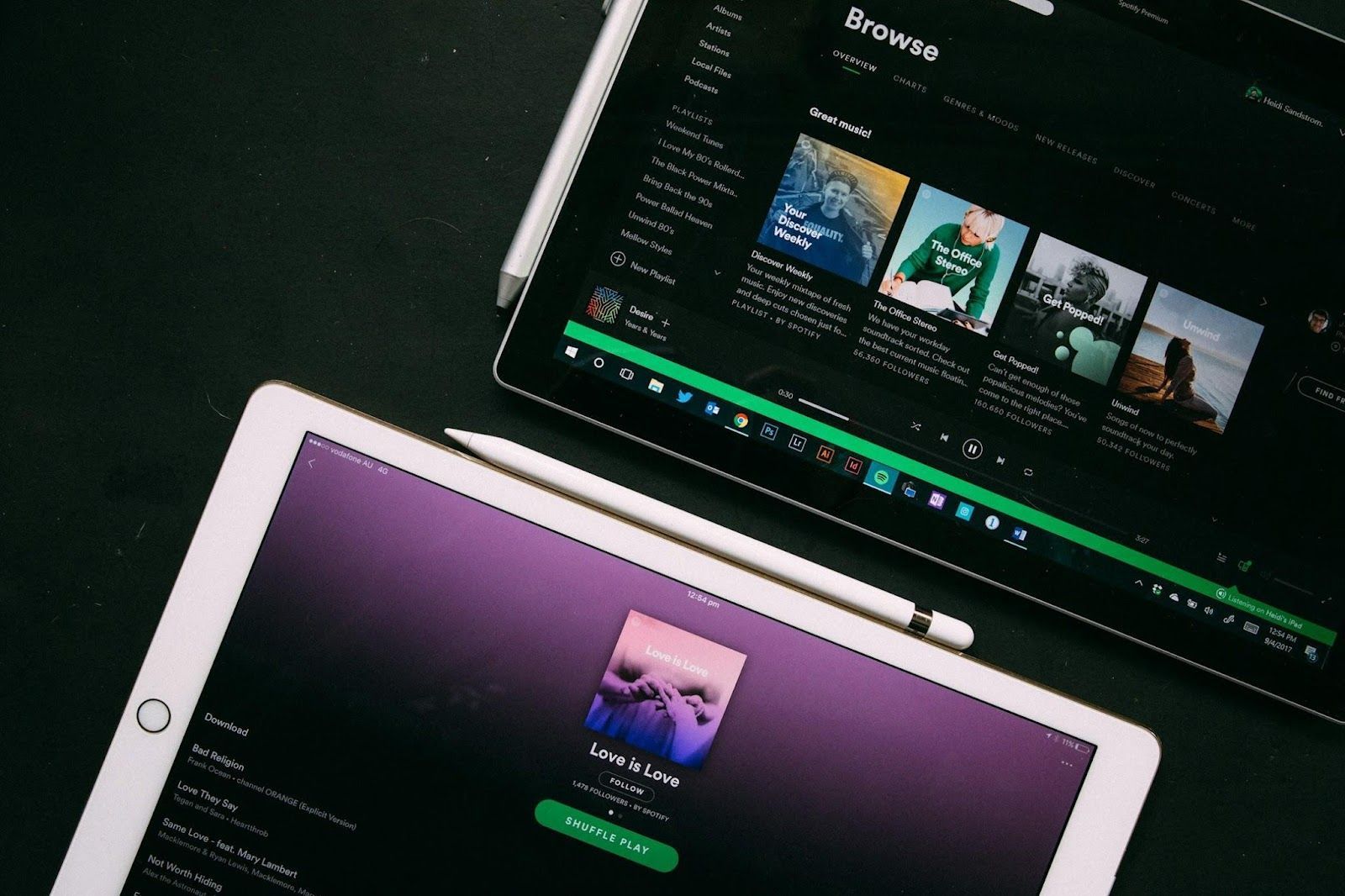
Image: Heidi Fin
In the last decade, streaming services and podcasts have transformed the media landscape, allowing everybody to instantly access music, news, and entertainment on demand.
Platforms like Spotify and Apple Music put millions of songs at users' fingertips, while podcasts offer a vast range of topics for all interests .