How well do you really know the Seattle Space Needle?
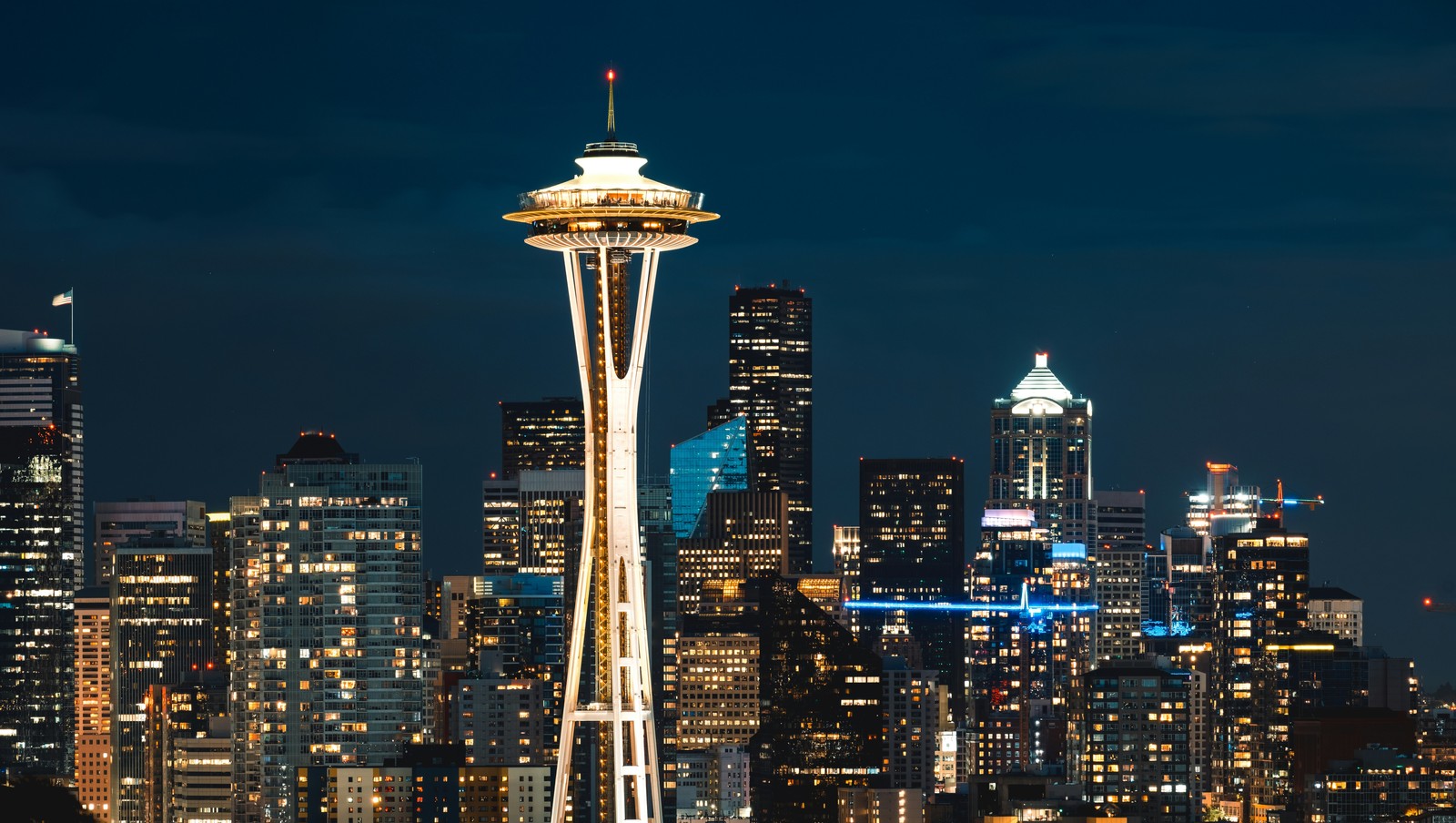
Image: Andrea Leopardi
Rising above Seattle’s skyline since the early 1960s, the Space Needle is easy to recognize but often taken for granted. Built for a single world’s fair, it is a beacon of design and history. From its fast construction to its changing colors and hidden features, this tower has quietly collected dozens of stories. Here are 10 facts that show how much more there is to know about the Seattle Space Needle!
1
It was built for the Seattle World’s Fair
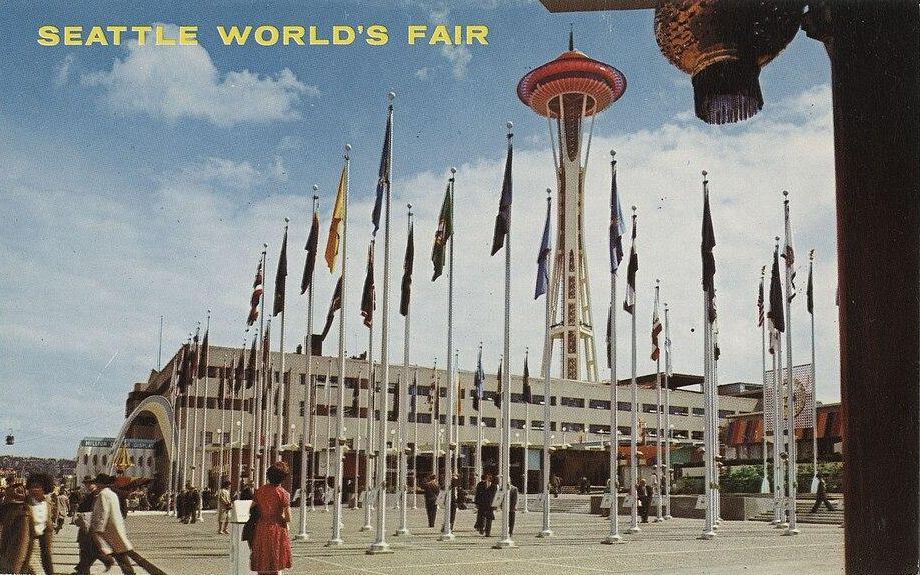
Image: Seattle Public Library, No restrictions, via Wikimedia Commons
The Space Needle wasn’t supposed to be a permanent monument. It was completed in 1962 specifically for the Seattle World’s Fair, an event aimed to highlight science, technology, and forward-looking design. During the fair, the tower helped visitors orient themselves within the Seattle Center grounds and served as a central meeting point. After the fair ended, the building was not dismantled, as many other fair structures were. Instead, it remained open to the public and gradually became a regular part of the city’s skyline.
2
The original colors had distinctive Space Age names
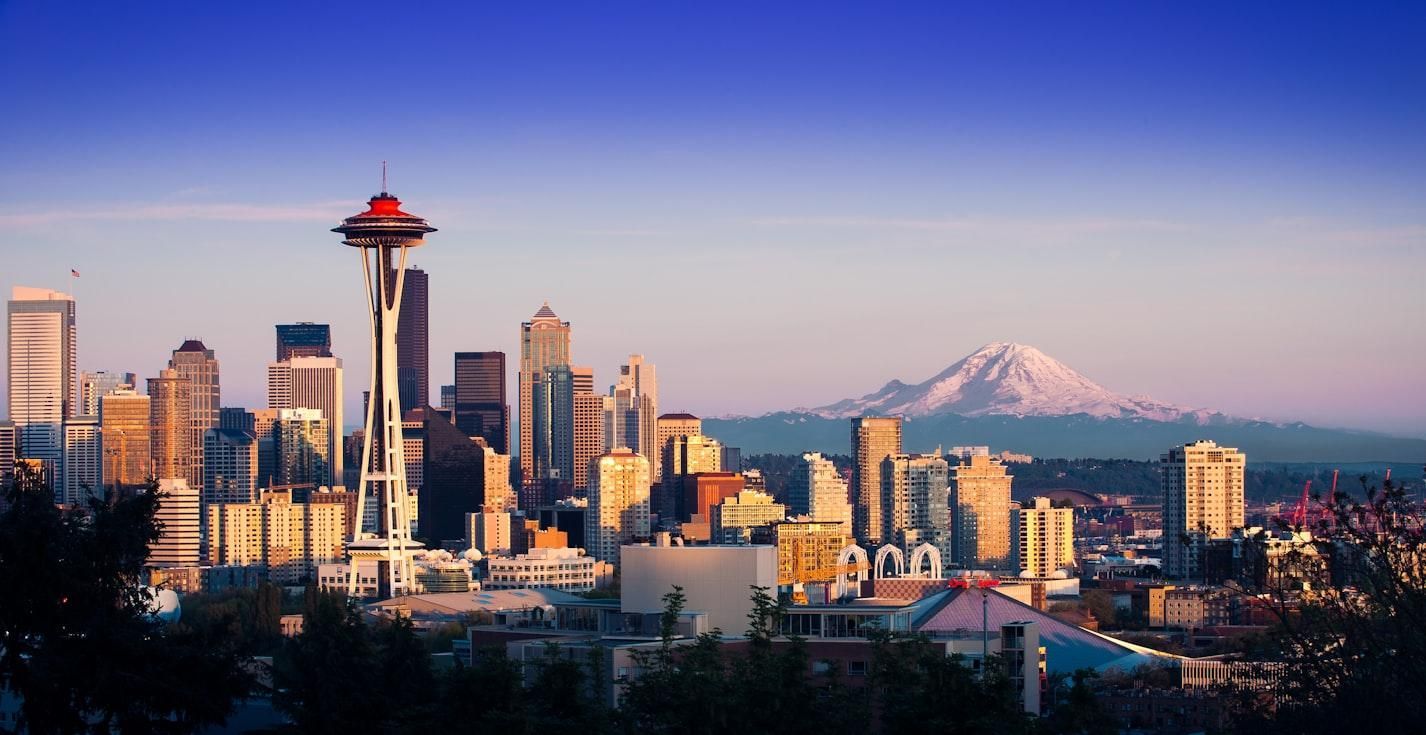
Image: Thom Milkovic
When the Space Needle first opened, its paint scheme reflected the era’s optimism about technology and space exploration. The main tower was painted Astronaut White, while the central core used a darker tone called Orbital Olive. Accent areas were finished in Re-Entry Red, and the top featured a warm, yellow-orange color called Galaxy Gold . These names were officially used at the time and appeared in design documents and promotional materials. Although later renovations replaced this scheme with more neutral colors, the original palette shows how strongly the tower’s design was tied to early 1960s ideas about the future.
3
Elvis was there
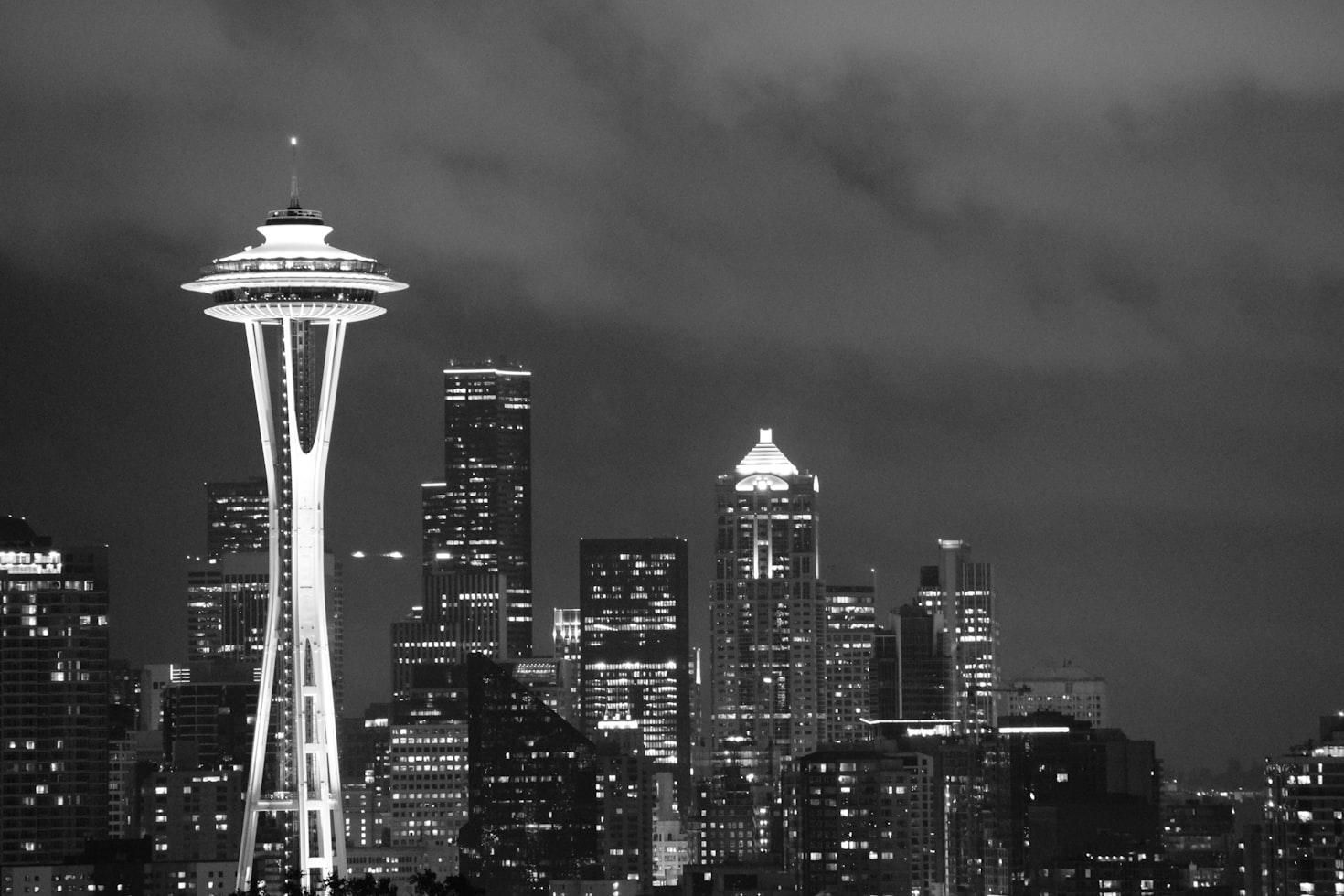
Image: Courtney Hutchin
Not long after it opened, the Space Needle entered American pop culture. Elvis Presley filmed scenes at the tower for the movie It Happened at the World’s Fair , which was released in 1963. The filming took place shortly after the 1962 World’s Fair, when the structure was still new. At that time, many Americans had never traveled to Seattle, and television and movies were major sources of information about distant cities. Hence, the film helped introduce the Space Needle to a nationwide audience.
4
It was inspired by a UFO
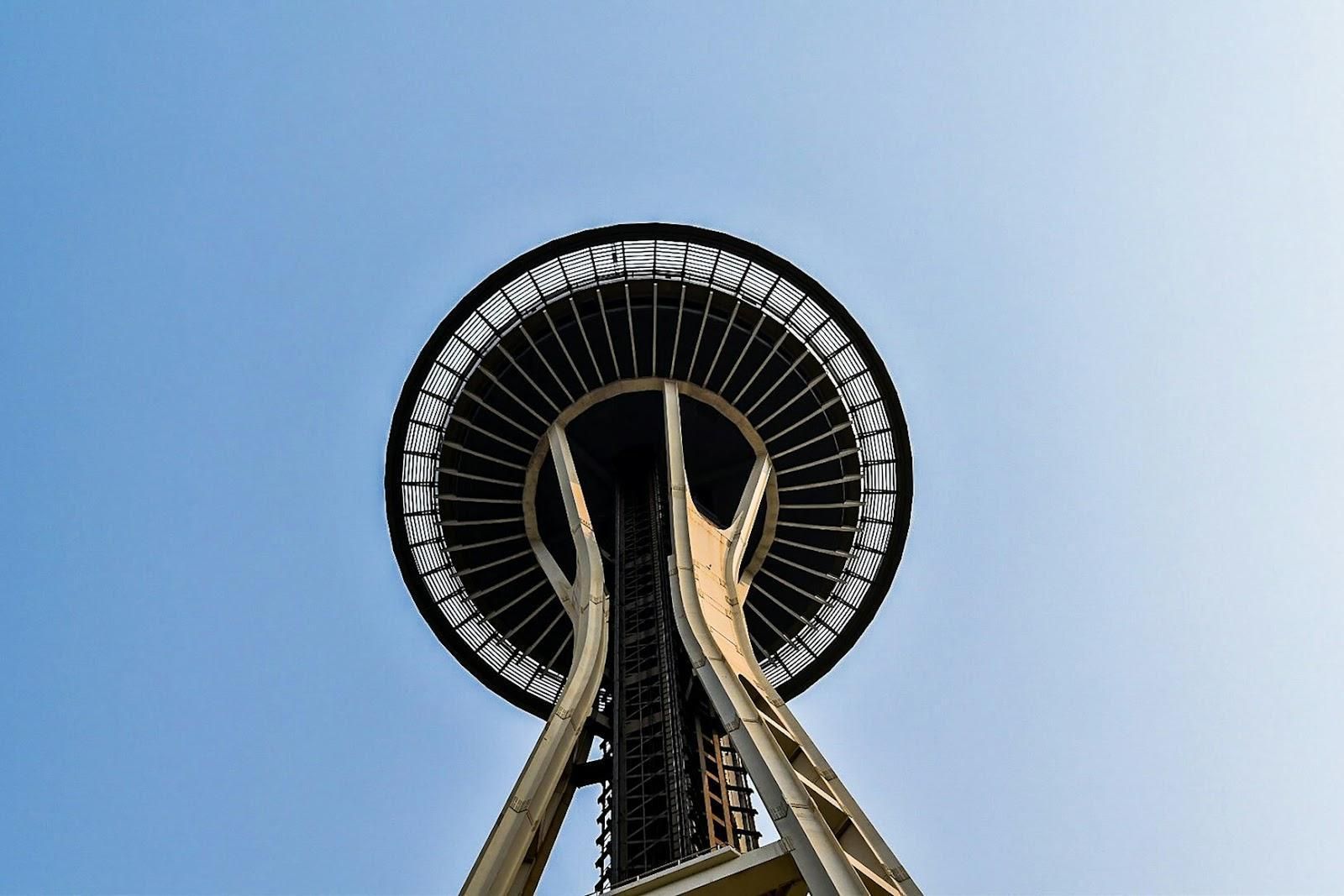
Image: Patrick Hodskins
The building’s most recognizable feature, the round observation deck, was shaped with intention. Designers chose a wide, circular form that reflected the Space Age themes common in the late 1950s and early 1960s. At the time, images of spacecraft and flying saucers appeared often in popular magazines, films, and exhibitions. The Space Needle’s top was meant to echo those ideas in a way that was easy to recognize from a distance. This design helped distinguish the tower from older observation structures and aligned it closely with the forward-looking message of the World’s Fair.
5
It was built in 400 days
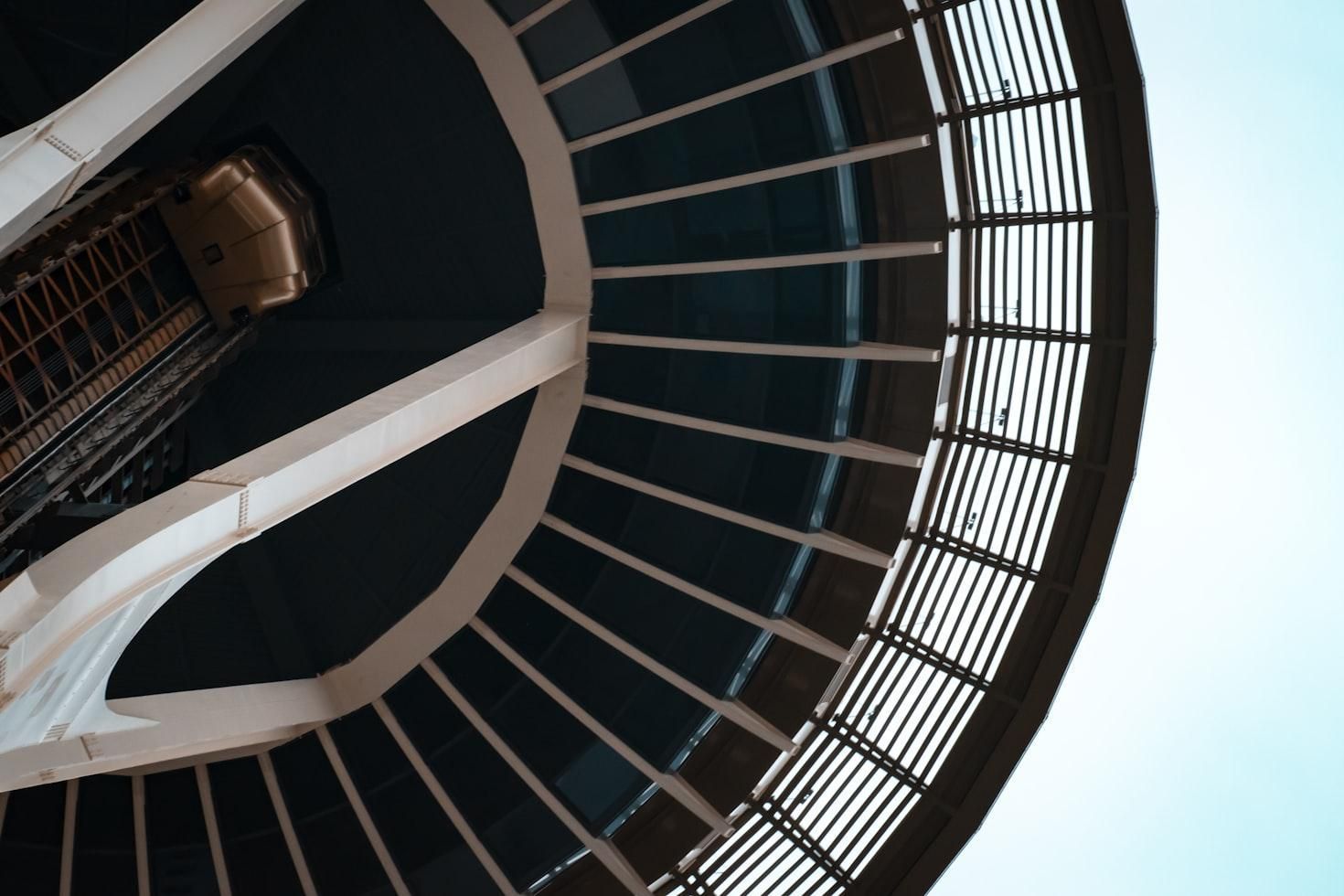
Image: Andy Li
Speed mattered. Construction began in 1961, and the entire tower was completed in roughly 400 days so it could open on time for the World’s Fair in 1962. This schedule required crews to work in carefully planned stages, with steel sections fabricated off-site and assembled quickly once delivered. Concrete for the foundation and core had to be poured and set on a tight timeline. Despite the fast pace, engineers followed existing building standards, and inspections were carried out to ensure the tower could safely handle weight, wind, and daily public use.
6
Forget the elevator, take the stairs
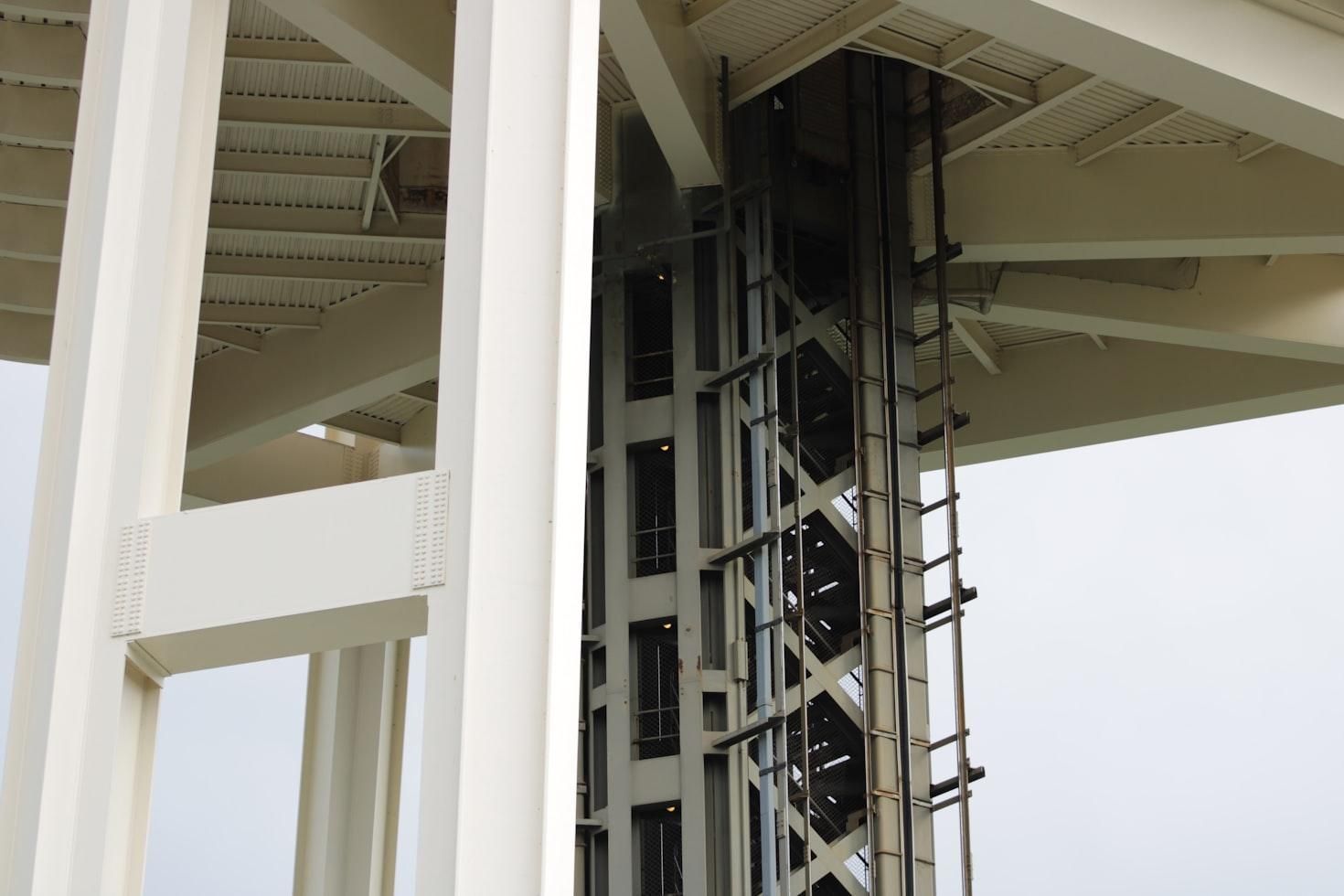
Image: HAYOUNG CHO
Most visitors take the elevator, but the Space Needle also has stairs, 848 of them, from the base to the observation level. The stairs are primarily used for maintenance and special events rather than daily tourist access. Structurally, the tower is held together by tens of thousands of bolts and rests on a deep concrete foundation. Engineers designed the foundation and central core to withstand high winds and seismic activity, which are common in the Pacific Northwest. These construction details are not visible to most visitors, but they play a key role in keeping the tower stable and open to the public year after year.
7
It harbored a secret time capsule from the 1980s
Image: Mick Haupt
In 1982, staff placed a time capsule inside one of the Space Needle’s steel beams without a public announcement. The capsule was sealed and left in place as part of a routine update, rather than a formal ceremony. It remained hidden for more than thirty years until it was rediscovered and opened in 2017. Inside were everyday items from the early 1980s, including handwritten letters, photographs, and postcards. Several of these items were saved and included in a new capsule, which is planned to be opened in 2062 to mark the tower’s 100th anniversary.
8
It was the site of a famous April Fools’ prank
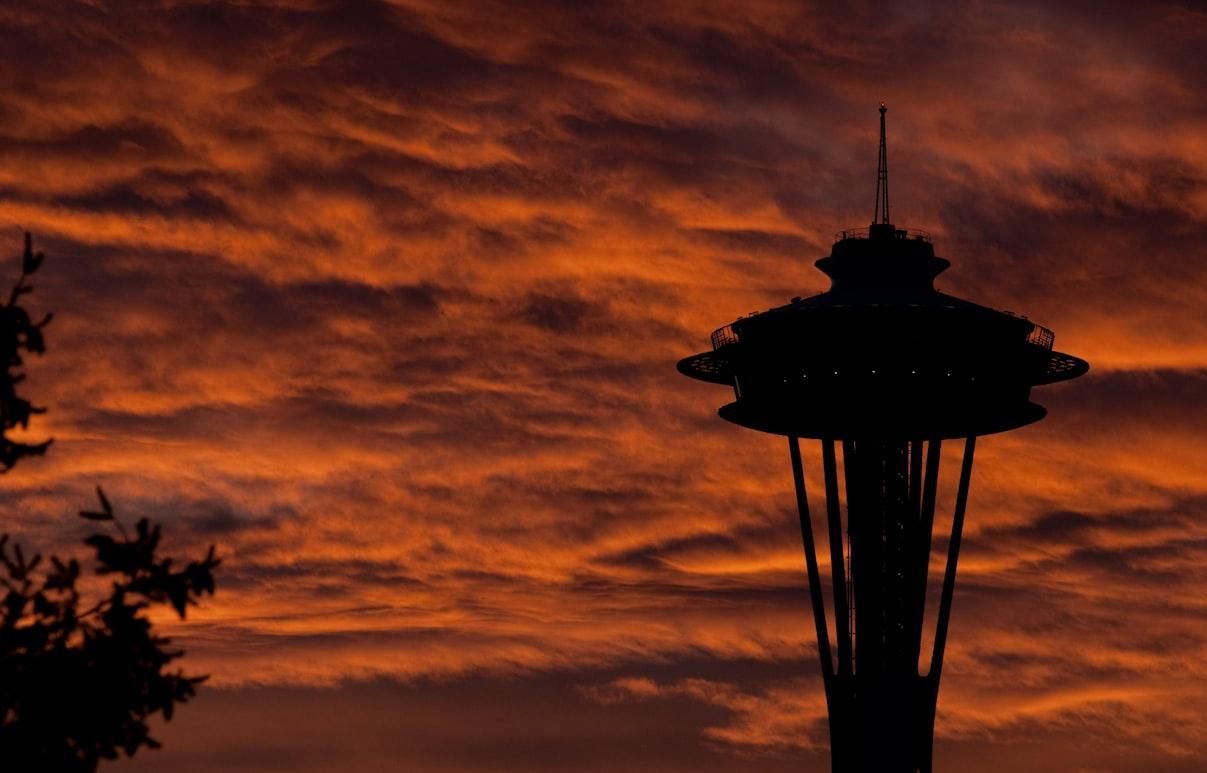
Image: Ben Mater
In 1989, a local television station aired a report claiming the Space Needle had collapsed. The segment was intended as an April Fools’ joke and included on-screen text explaining that it was not real. Even so, many viewers did not notice the disclaimer or tuned in late. Emergency phone lines and the station’s own offices received hundreds of calls from concerned residents and relatives. The reaction showed how familiar and important the Space Needle had become to people in Seattle and beyond.
9
There’s a restaurant at the top
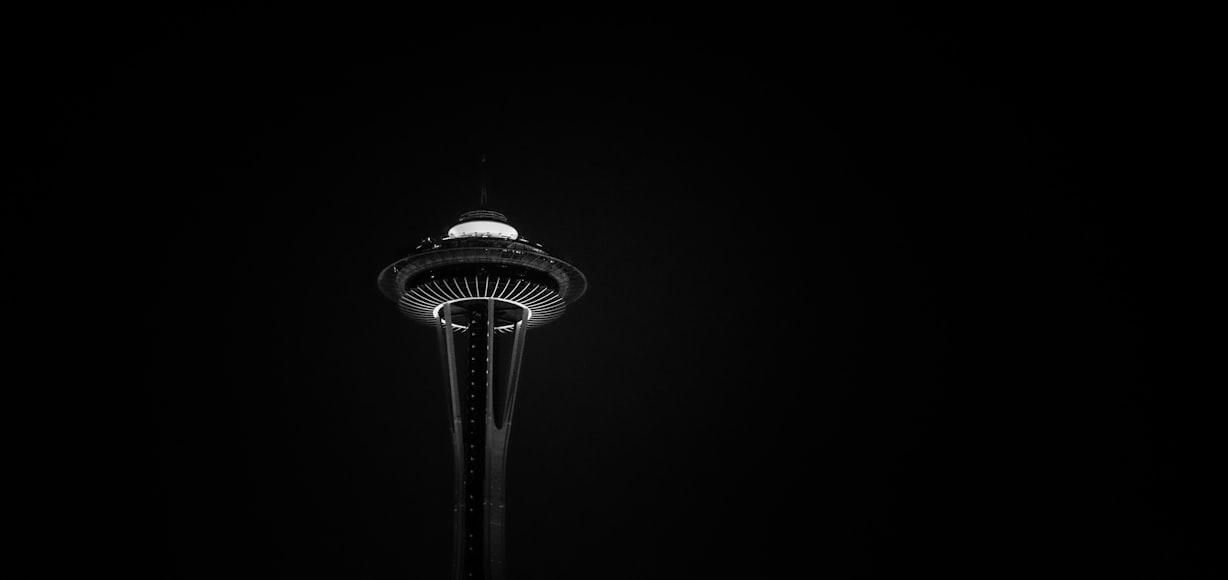
Image: Jason Dent
Dining has always been part of the Space Needle experience. A restaurant opened with the tower in 1962 and was designed to give guests a place to eat while overlooking the city. Over the years, the restaurant has changed names, seating arrangements, and menu styles to match new trends and renovations. Despite these updates, the basic idea has stayed the same. Visitors can order food or drinks and spend extended time at the top, rather than just stopping briefly to look out the windows. For many people, the combination of a meal and a wide city view defines the visit.
10
It has the world’s first and only revolving glass floor
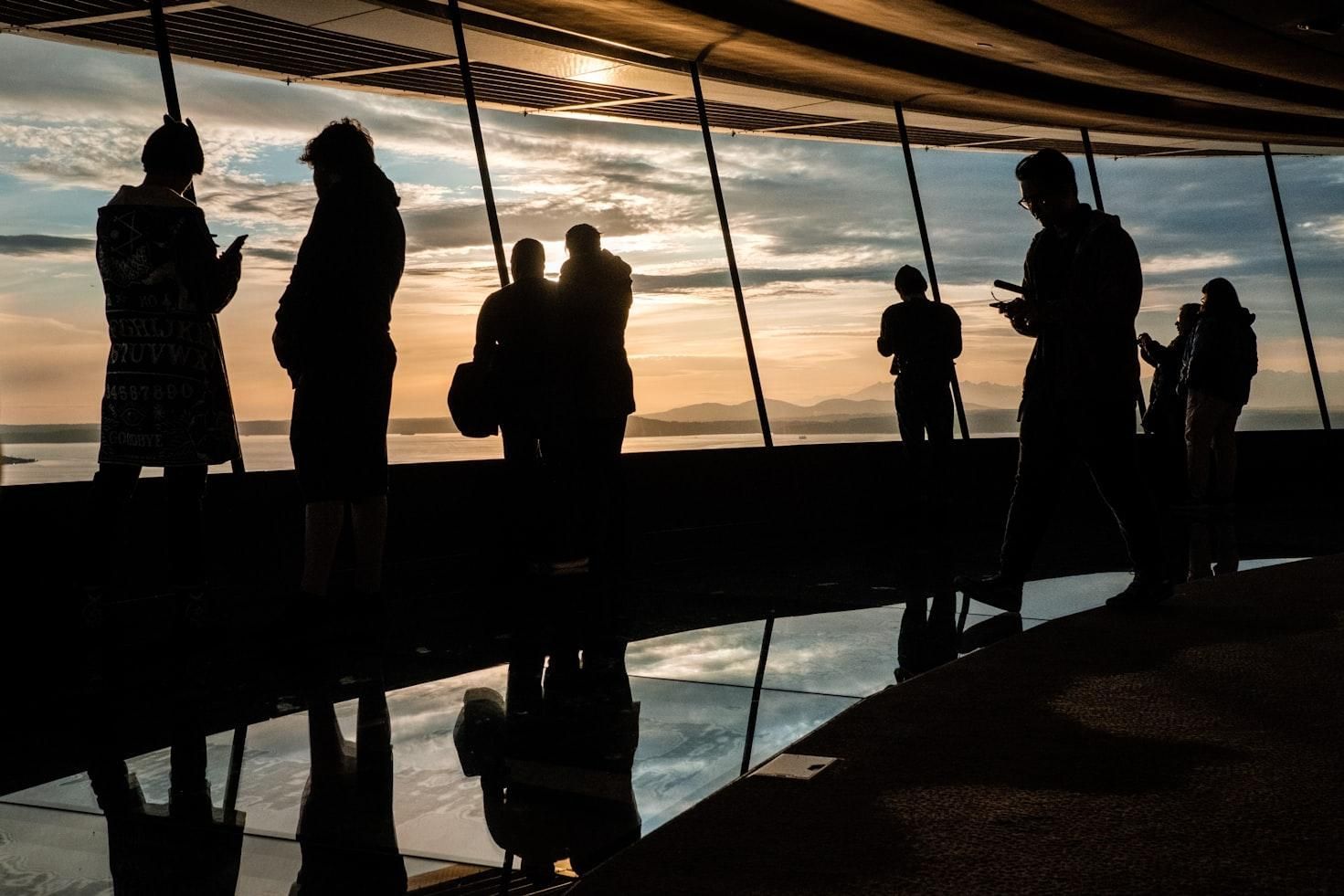
Image: Morgan Petroski
A major renovation in 2018 introduced The Loupe, a rotating glass floor in the observation area. The platform moves slowly, allowing visitors to stand in one place while the view changes. Through the clear panels, people can look straight down at streets, buildings, and open spaces below. This is the only revolving glass floor of its kind in the world. The addition shows how the Space Needle continues to update its visitor experience while keeping its original structure intact.