History History 4 min read

Do you practice any of these?

From RSVPs to sunglasses: 12 etiquette rules that deserve a comeback
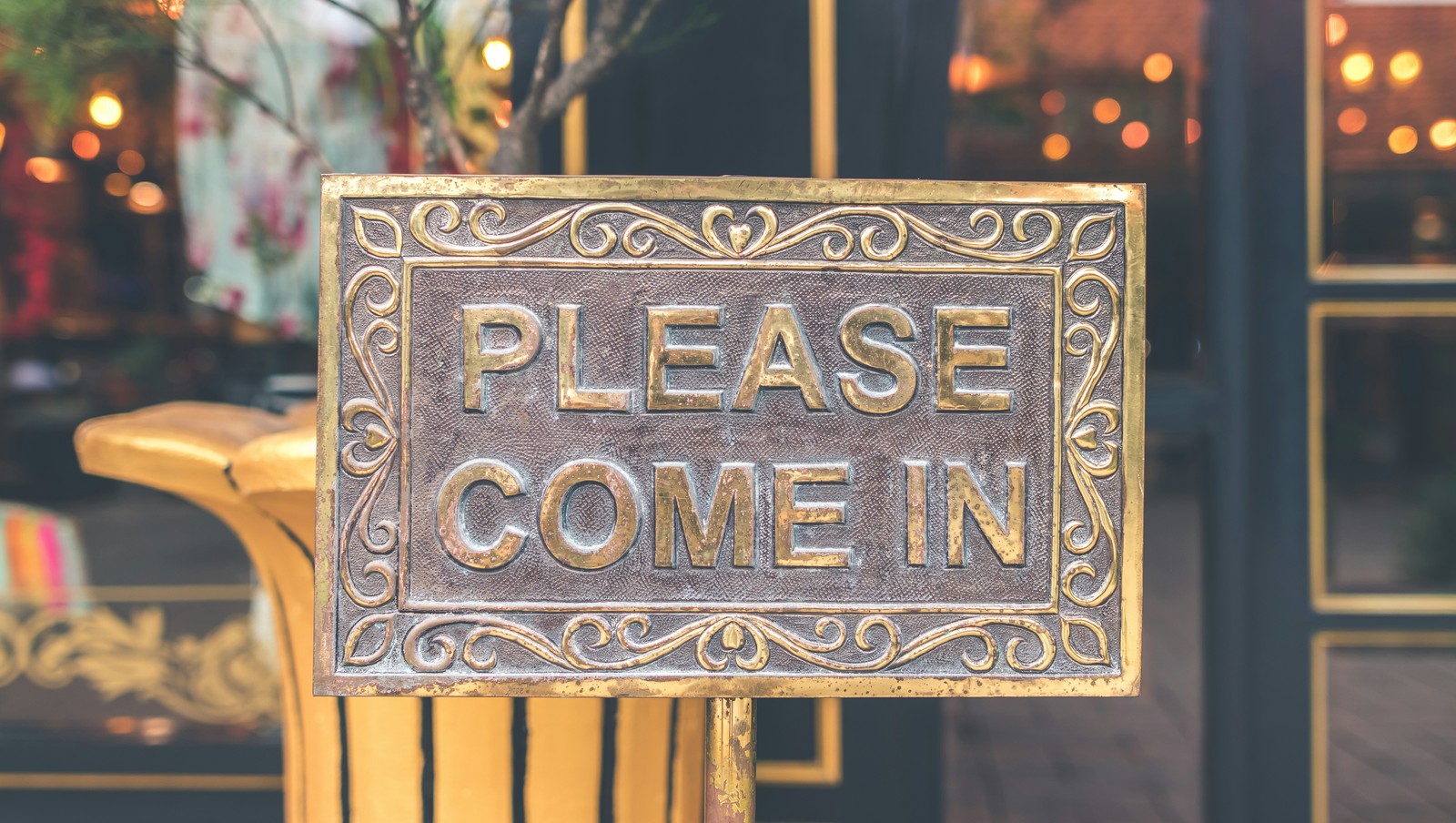
Image: Artem Beliaikin

Etiquette may sometimes seem old-fashioned, but there are a few rules from the past that deserve a comeback. Little things like taking off your sunglasses indoors, standing up when greeting someone new, or writing a thank-you note after receiving a gift may feel a little dated, but they’ve got a charm that’s hard to ignore. Do you think these 12 small rules should be brought back?

1
Pulling out the good china
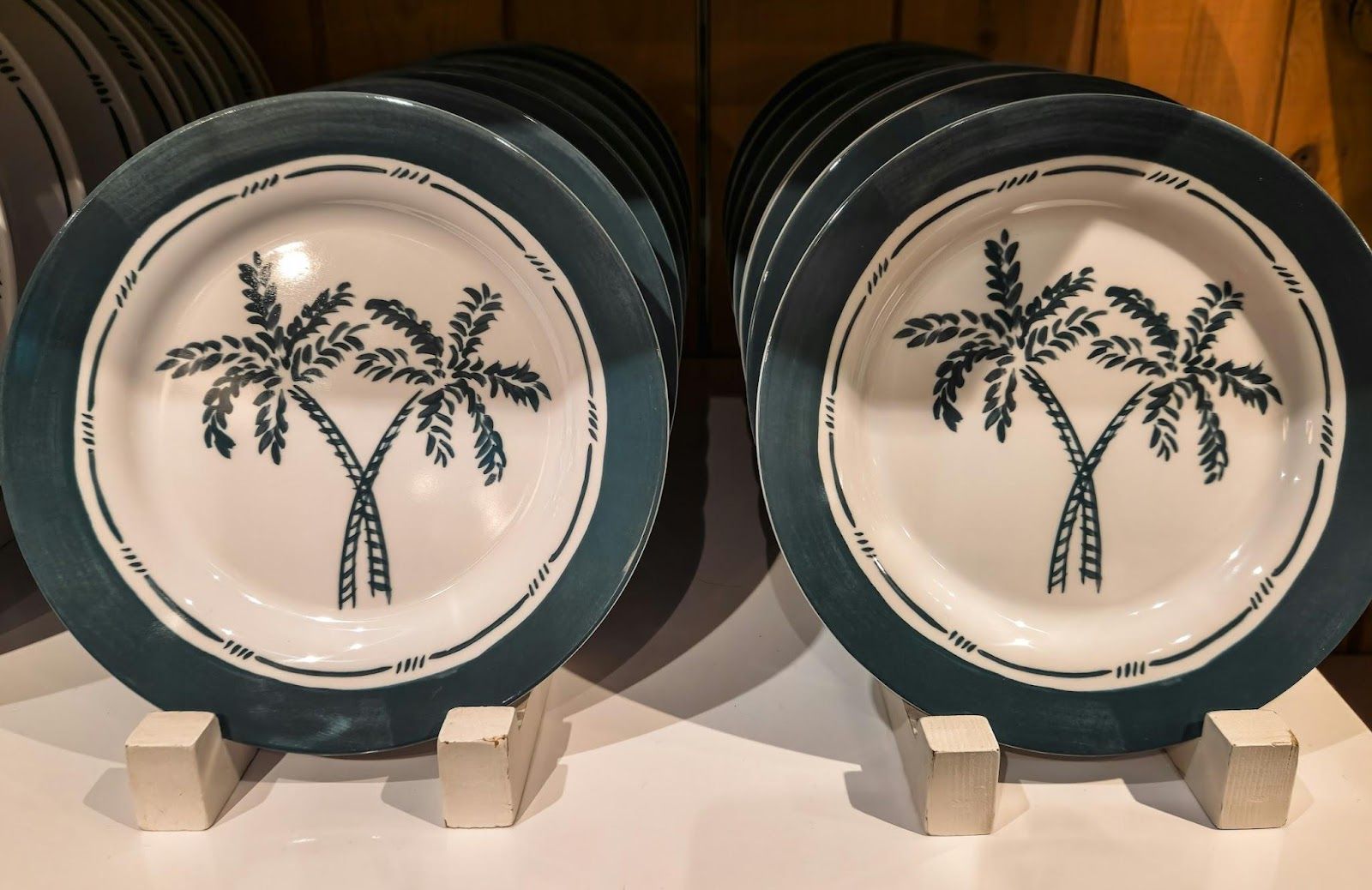
Image: Zoshua Colah

In the past, people often had a set of special dishes reserved for holidays or important guests to make meals feel more memorable.

Today, many people use just one set of dishes and often eat casually, sometimes even standing over the sink. Taking the time to create a pleasant dining experience can show respect not only for your guests but also for yourself .

2
Good table manners

Image: Noah Samuel Franz

Good table manners are often mistaken for being overly formal or pretentious, but that couldn’t be further from the truth.

The true purpose of practicing polite dining habits is to make sure everyone enjoys a relaxed and pleasant meal together , and it’s often easier to practice than most people realize.

3
Not taking off your shoes in public

Image: Beth Macdonald

Recently, there’s been a noticeable trend of people going shoeless in places like airplanes and restaurants. As society grows more casual, some even put their bare feet on seats, armrests, or tables.

However, it's best to keep your shoes on in public unless your host specifically asks you to remove them.

4
Standing when greeting someone new

Image: Musemind UX Agency

When meeting someone for the first time or welcoming someone into a group, it's polite to stand as a gesture of acknowledgment .

This simple act, expected of both men and women, conveys both warmth and respect.

5
Making introductions

Image: Elevate

Making introductions is becoming less common, yet it remains one of the most valuable social skills. Even if you forget someone’s name, it’s always better to ask than to risk letting them feel left out in a group.

Good manners are all about helping others feel at ease , and introductions don’t have to be uncomfortable or awkward when done with a little thought and effort.

6
Thank-you notes

Image: Kelly Sikkema

While everyone enjoys being thanked, it has become rare for people to express gratitude in a lasting way. Any form of thanks, including a text or email, is appreciated, but a handwritten thank-you card remains the most meaningful .

The personal touch of seeing your handwriting shows thoughtfulness, and many people cherish and keep these cards, something that’s much harder to do with digital messages.

7
Asking permission

Image: Dias ^

In a society where people often say, "It’s easier to apologize than to ask for permission," many act without asking, whether it’s hugging someone, posting their picture online, or taking a bite of their food.

However, it’s always more polite to ask before doing anything that involves or affects someone else . A simple question like "Are you okay with this?" can go a long way toward showing respect without taking up much time.

8
Opening doors for men and women

Image: Jan Tinneberg

Chivalry may have some outdated interpretations, but politeness is something everyone can practice, regardless of gender . Simple acts like holding the door open are easy to do and appreciated by everyone.

9
Holding the elevator

Image: Derrick Treadwell

In today’s world, many people are either too wary of strangers or adopt a "not my problem" attitude when seeing someone struggle in public. But as long as there’s no safety concern, it's important to continue practicing simple courtesies, like holding the elevator door for someone in a hurry .

10
Returning phone calls

Image: Hassan OUAJBIR

As society evolves, so does etiquette, especially with the rise of new technology, but some shifts aren't always for the better. A common example is responding to a phone call with a text message.

While some people may prefer texting over speaking on the phone, it’s still considered polite to return a call with another phone call , particularly when someone has taken the time to reach out to you.

11
No sunglasses indoors

Image: Lucas George Wendt

These days, it’s common to see people wearing sunglasses everywhere, even in places like movie theaters, but it raises a question: Are we avoiding others, or simply hiding behind our shades?

Eye contact is essential for effective communication, as it demonstrates respect and facilitates understanding. While it's fine to wear sunglasses outdoors, it’s best to take them off indoors to engage properly with others.

12
RSVP’ing promptly

Image: Artsy Vibes

With the rise of casual invites, often sent by email or social media, RSVPing has become increasingly rare. Failing to respond to an invitation is not only poor etiquette but also inconsiderate.

Hosts put significant time and effort into planning events, from buying food to organizing entertainment. Not RSVPing or waiting until the last minute only makes their job harder.
History History 3 min read

Got mail?

Did you know these 12 facts about the evolution of mail delivery?

Image: Wolfgang Vrede

We take many things for granted, especially when they have been around forever. Their stability is reassuring and commanding. But everything has to start somewhere, and mail delivery certainly has had an interesting history in America. From humble tavern-based post offices to airplanes and ZIP codes, the postal service has a few stories to share. Did you know about these 12?

1
The first post office? A Boston tavern

Image: Mick Haupt

In 1639, the first organized mail service in British North America started at Richard Fairbank’s tavern . The owner collected and distributed mail brought by ship.

Although informal and modest by today’s standards, this post office laid the foundation for communal mail collection and delivery.

2
Enter Benjamin Franklin

Image: Brett Wharton

From 1753, Franklin served as joint Postmaster General for the colonies and undertook a sweeping reform: he organized delivery routes, aligned them with major roads and rivers, and cut the mail travel time between Philadelphia and New York to about 33 hours .

He also introduced the first rate chart, standardizing delivery costs based on weight and distance, turning what had been a scattered courier network into a more reliable, structured mail system.

3
National Postal System founded

Image: David Trinks

With the American Revolution underway, the Second Continental Congress established the first national postal agency in 1775 , appointing Benjamin Franklin as the first Postmaster General.

This new postal service initially handled mostly military and diplomatic correspondence, but the agency laid the groundwork for what would become a national communications service.

4
The Age of Steam: mail by steamboat

Image: mandylin

In 1813, Congress authorized the Postmaster General to contract steamboat companies to carry mail. Soon, steamboats were ferrying mail up and down the East Coast and the Mississippi River .

By 1848, mail even traveled to California via steamship and across the Isthmus of Panama, a three-week voyage.

5
Overland stagecoaches and the Butterfield Overland Mail

Image: Ricky BiggsSr

Between 1858 and 1861, the Butterfield Overland Mail stagecoach service carried U.S. mail across the western frontier, from eastern posts like Memphis and St. Louis to San Francisco .

This service helped connect the eastern U.S. with rapidly growing western settlements long before the completion of the transcontinental railroad.

6
Railroads enter the picture

Image: Jay Kettle-Williams

As railroads expanded, the postal service started to use this new technology: in 1832, the first mail deliveries by train were made.

Rail transport vastly improved speed and reliability compared to horse and stagecoach travel , and became a key advance as mail traffic increased and the nation expanded westward.

7
First U.S. postage stamps

Image: The New York Public Library

In 1847, the first official U.S. postage stamps were issued: a 5-cent stamp featuring none Ben Franklin and a 10-cent stamp featuring George Washington .

Prepaid stamps simplified payment and collection of postage, removing complications from pay-on-delivery systems and helping the postal system function more efficiently.

8
The Pony Express

Image: The New York Public Library

In 1860, the Pony Express started its overland mail route between Missouri and California, nearly 1800 miles of relay horseback riding . The mail took 10 days between endpoints.

Although short-lived (it ended in 1861), the Pony Express demonstrated the demand for rapid cross-country communication.

9
City-wide home delivery

Image: Lesli Whitecotton

In 1863, free city mail delivery began , allowing residents in major cities to receive letters directly at their homes rather than picking them up at a post office.

This represented a major shift: mail became a part of everyday domestic life, not just something dropped off and picked up by hand.

10
Pneumatic tube mail in NYC

Image: The New York Public Library

In 1897, a pneumatic-tube mail system began operation in New York City. Mail could travel underground at high speeds, from the General Post Office to other offices in Manhattan within minutes .

At its peak, the system carried thousands of letters daily: at one point, nearly 30% of New York City mail went through this immense underground network.

11
Parcel post service launches

Image: Olivier Rouge

On New Year’s Day 1913, the U.S. Post Office inaugurated the first official parcel post service , allowing packages, not just letters, to be sent through the mail.

The impact was immediate: within the first five days, millions of packets passed through post offices, fueling mail-order business and expanding commerce everywhere.

12
First airmail route

Image: Qihao Wang

In 1918, the postal service launched the first regularly scheduled air mail route between Washington, D.C., and New York , marking the beginning of mail carried by airplane.

Airplane mail allowed far faster coast-to-coast and long-distance communication, a major leap from sailboats, stagecoaches, or railroads.

Culture Culture 5 min read

The truth is out there

Attention, humans: Did you know these 10 fictional aliens?

Image: Couleur

Space is often referred as the "Final Frontier": That cold and mysterious place so vast and immense that we can’t possibly explore it in its entirety. The unknown nature of space has inspired countless creative minds to think about which fantastical and bizarre creatures could possibly be found out there, eventually leading to the creation of science fiction’s favorite trope: the alien. In that sense, America is no stranger to countless iconic aliens , so we have decided to select 10 of our all-time favorites for your enjoyment. Live long and prosper!

1
ALF

Image: Erik Mclean

In case you didn’t know, this beloved TV character’s name is not short for "Alfred." It actually comes from the term " A lien L ife F orm," but don’t be alarmed: This alien is as friendly as they come. ALF is the quirky and lovable adopted family member of the Tanner family, who gained the heart of the American public in the 80s and 90s.

ALF’s story begins after this alien’s spaceship crash-landed in the garage of the Tanner’s, a typical suburban American family. Although his many antics often bring trouble for the entire family, ALF’s big heart quickly makes the Tanners fall in love with him, harboring and keeping him hidden from the U.S. government.

2
E.T.

Image: Rick L

Are we in the presence of the most famous film alien in history? While we might not be able to answer this question (the remaining entries on this list might very well be as beloved), E.T. is definitively a heavy contender for this highly-coveted title. It’s been over 40 years since this extraterrestrial’s only on-screen appearance, but he still remains as iconic as he ever was.

Steven Spielberg’s 1982 film tells the story of Elliot, a typical American boy who befriends a lovable alien stranded on Earth. Elliot, alongside his family and friends, helps E.T. go back home, leaving us with a few of the most memorable moments in cinematic history.

3
Mork

Image: photo by Alan Light, CC BY 2.0

Not every alien on this list has to look weird: Leave it to the amazing Robin Williams to portray one of the most beloved TV aliens in history. "Mork and Mindy" shows the adventures of Mindy McConnell, an American teenager who befriends an alien simply known as "Mork from Ork."

Not many know that this now classic TV show was an offshoot of another beloved American show, "Happy Days." Williams's only appearance in a Happy Days episode impressed producers so much that they decided to give this TV legend his first chance.

4
Marvin the Martian

Image: cogdogblog, CC BY 2.0

Marvin the Martian might be the first alien on this list to pose a threat to mankind, but don’t worry: His plans usually backfire in a spectacular fashion, usually thanks to a wisecracking rabbit or to a lisping duck with anger issues.

Originally voiced by the legendary Mel Blanc, perhaps what’s more memorable about Marvin is his unusual design: You wouldn’t expect a creature of outer space to sport a red unitard, green skirt, nor a fashionable broom on his helmet, right?

5
Chewbacca

Image: Kadyn Pierce

If you had to describe Chewbacca to someone who had never seen the film, the image they would form in their head wouldn’t necessarily describe Han Solo’s partner in crime, right? After all, they would probably think of Chewie as some sort of huge and extremely adorable teddy bear, unaware of the danger they would be in if they called this iconic Wookie cute.

However, as ferocious as Chewbacca was to any Storm Trooper that dared to step in his way, he was also an extremely loyal and loving comrade to any of his many rebel friends. Few movie sounds are as memorable as Chewie’s deafening roar.

6
Xenomorph

Image: Hossam el-Hamalawy, CC BY 2.0

First things first: In case you didn’t know, the titular alien species in the " Alien " film series does have a name. Well, sort of. These jet-black monstrosities are actually known as the Xenomorph . However, should you ask an etymology aficionado about what this Ancient Greek word actually means, the answer would simply be "an alien or strange creature." So, in a way, these creatures can simply be called "Aliens.".

In any case, few extraterrestrials have instilled so much fear into the hearts of moviegoers: Their razor-sharp claws, amazing strength, and acidic blood definitively make them one of the most dangerous creatures in film history. In fact, only one fictional alien species has been able to stand their ground against the vicious Xenomorphs and, as luck would have it, they are the next entry on this list!

7
Predator

Image: Anderson Mancini from Sao Paulo, Brazil, CC BY 2.0

Way before the 2001 movie "Alien vs Predator" pitted these two science-fiction juggernauts against one another, the Predator had already established itself as the deadliest hunter in the galaxy. This alien race lives for one thing and one thing only: To prove their skills by tracking and hunting down the most dangerous and exquisite creatures.

The 1987 film "Predator" introduced the world to this cold-blooded hunter by placing him in a terrifying environment: The film follows Vietnam War veteran Major Dutch (played by Arnold Arnold Schwarzenegger) and his efforts to escape the Predator that’s hunting them in the deep jungle. However, the second Predator film saw an even more unnerving scenario: The Predator hunting down prey in the streets of Los Angeles.

8
Mr. Spock

Image: Wonderlane

Is Mr. Spock on this list? It seems only logical. In a list almost entirely comprised of extraordinary and bizarre creatures, it only took a set of pointy ears to turn actor Leonard Nimoy into one of the most instantly recognizable fictional aliens in history.

Mr. Spock has been a staple of the Star Trek universe since the very first episode of the original show aired in the 1960s. Spock quickly became a fan favorite: His highly logical brain, combat skills and passion for science made him extremely interesting to TV audiences. Not only that, Nimoy’s deep voice and magnetic personality added to the depth of this character.

9
Mars Attacks!

Image: Derpy CG

When audiences saw Tim Burton’s 1996 black comedy "Mars Attack!," they were quickly enthralled by the menacing yet funny-looking Martians attacking our country. However, few of them knew that these aliens were actually much older, dating back to a 1960s trading card game produced by Topps.

The lore established by the trading card series and the film is pretty much the same: One day, our planet finds itself invaded by a race of Martians hell-bent on taking over our planet. While the Earth is first unable to defend against their superior technology, our tenacity and grit allow us to battle these hideous space invaders.

10
Superman

Image: Esteban López

We’ll end this article with the last son of Krypton. Sometimes we tend to forget that Superman , a superhero believed by many to be the ultimate American icon, arrived on our planet as a baby from outer space. After his home planet was doomed, Kal-El’s biological father sent him far away across the galaxy, with his small vessel crash-landing into a small farm in Smallville, Kansas.

Baby Kal-El was found by Jonathan and Martha Kent, two farmers who instantly adopted him as their own child. Now known as Clark, the boy that would eventually become the "Man of Steel" found his powers at an early age, and set out to defend our world from all sorts of dangers.

Explore more American facts

Choose your favorite category!

General
General

As American as apple pie—the very best America has to offer!

Culture
Culture

Delve into the astounding richness of American lore.

Geography
Geography

Hop in and explore vast and diverse American landscapes.

History
History

Discover the key moments that shaped the United States.