Culture Culture 5 min read

How much did Frank Sinatra pay annually for his suite at the Waldorf?
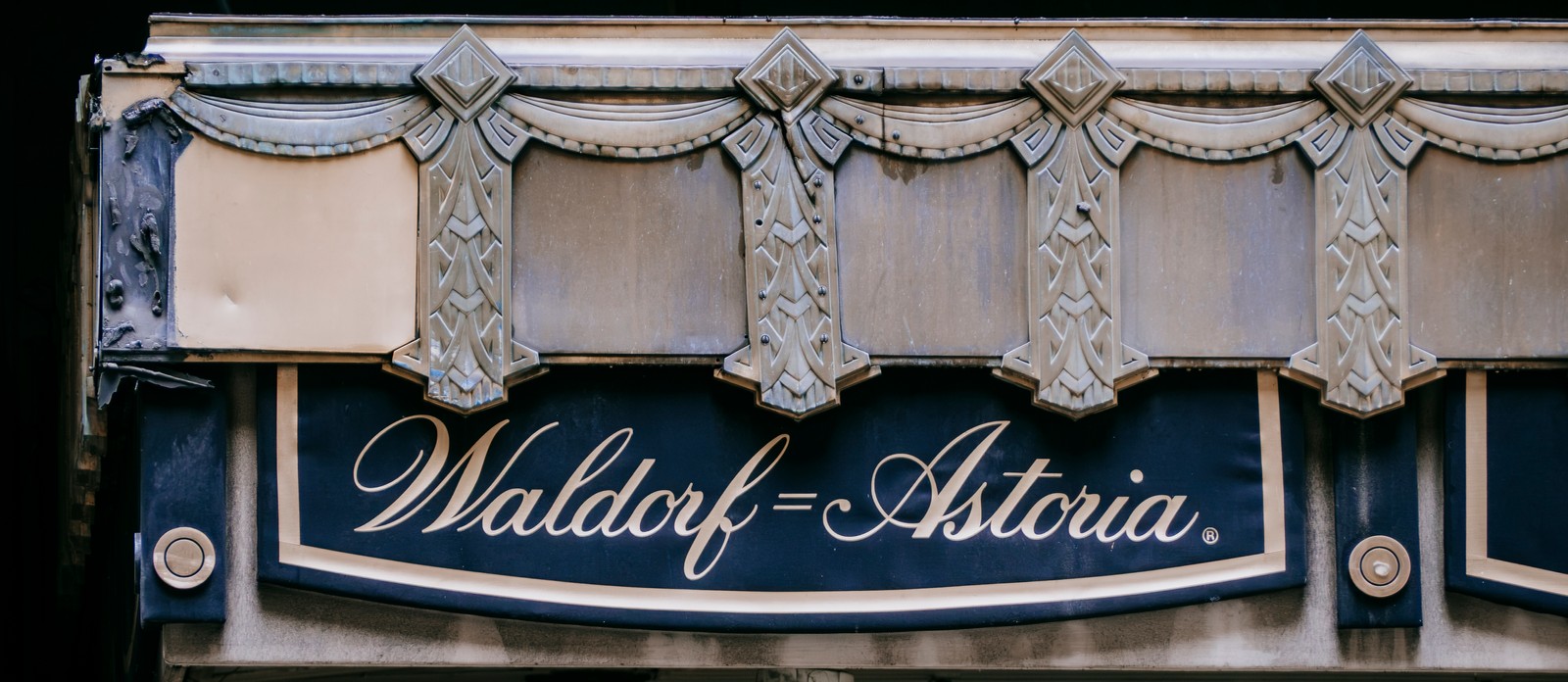
Image: ReginaPivetta

If only hotel walls could talk… For nearly a century, the legendary Waldorf Astoria has served as an unofficial palace for global politicians, Hollywood royalty, and musical legends. From brilliant inventors to notorious mobsters and silver screen stars, here are 10 of the most famous guests who ever checked into this luxurious New York landmark.

1
Nikola Tesla
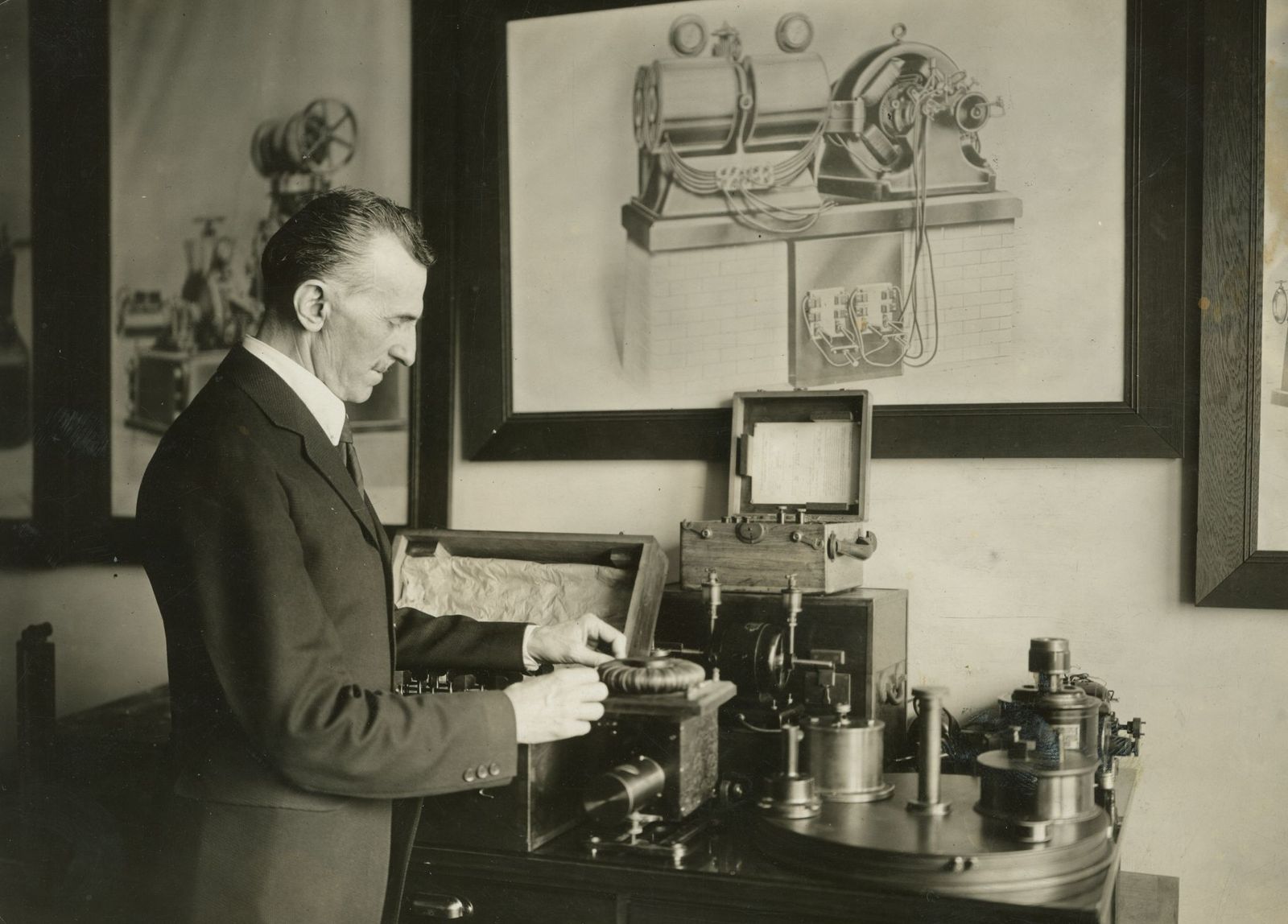
Image: The Nikola Tesla Museum, CC BY-SA 4.0, via Wikimedia Commons

Before the original Waldorf-Astoria (located on Fifth Avenue at 33rd and 34th Streets in Manhattan) was demolished in 1929 to make way for the Empire State Building, brilliant inventor Nikola Tesla spent several years living there. At the peak of his career, he used his hotel room to host lavish dinner parties for friends like Mark Twain. The Waldorf-Astoria served as his personal headquarters, where he spent his nights and also conducted business.

2
Frank Sinatra
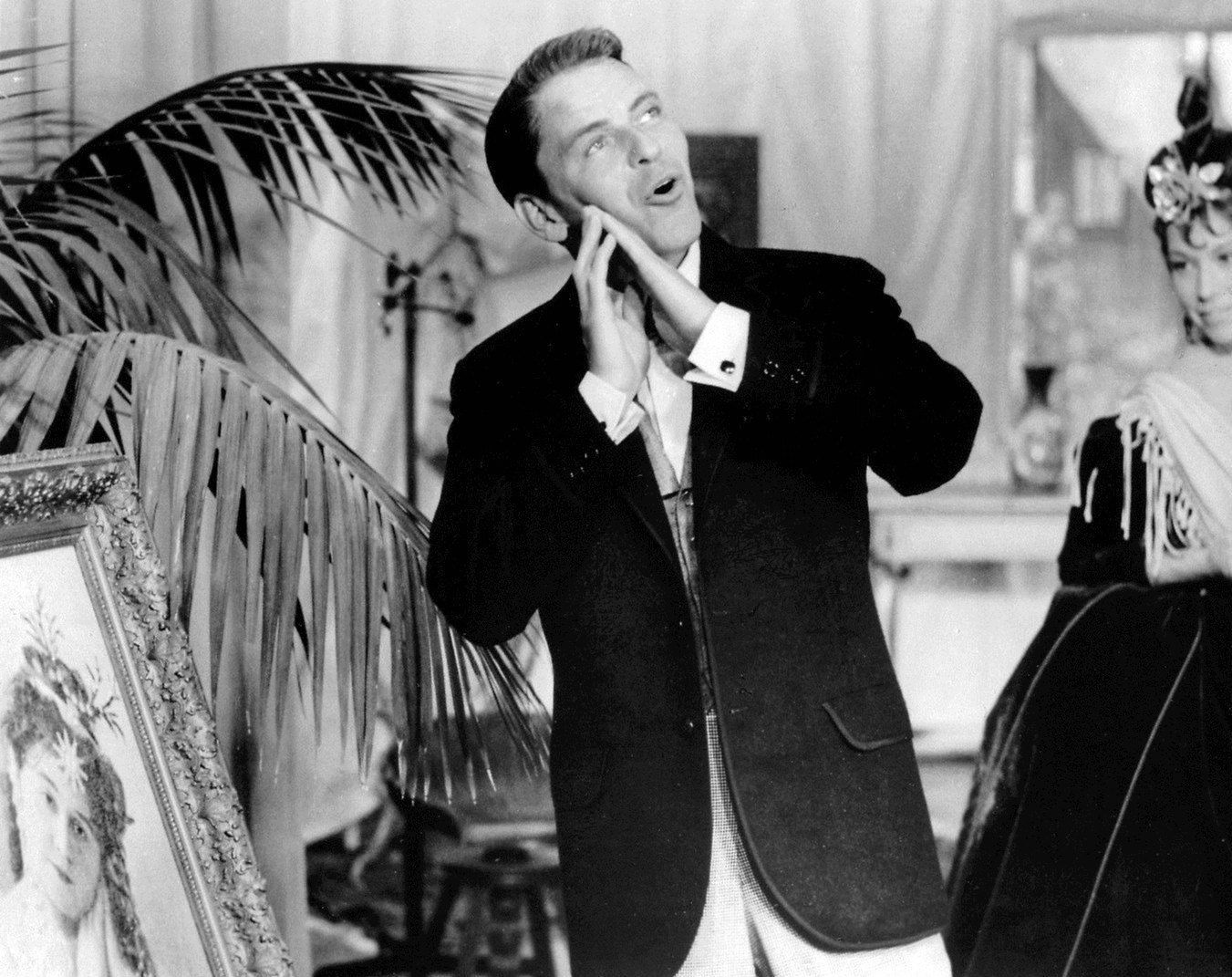
Image: 20th Century Fox, Public domain, via Wikimedia Commons

The new Waldorf was rebuilt on Park Avenue (between 49th and 50th Streets) in 1931. Musicians have always loved the legendary New York City hotel, but few left a mark like Frank Sinatra. In 1979, "Ol' Blue Eyes" moved into the building’s 33rd-floor suite—previously occupied by songwriter Cole Porter—and lived there until 1988**,** paying a staggering one million dollars a year in rent. Sinatra loved the space so much that hotel staff later discovered he and his wife Barbara had scratched their initials into the bathroom glass shower doors.

3
Jackie and John F. Kennedy
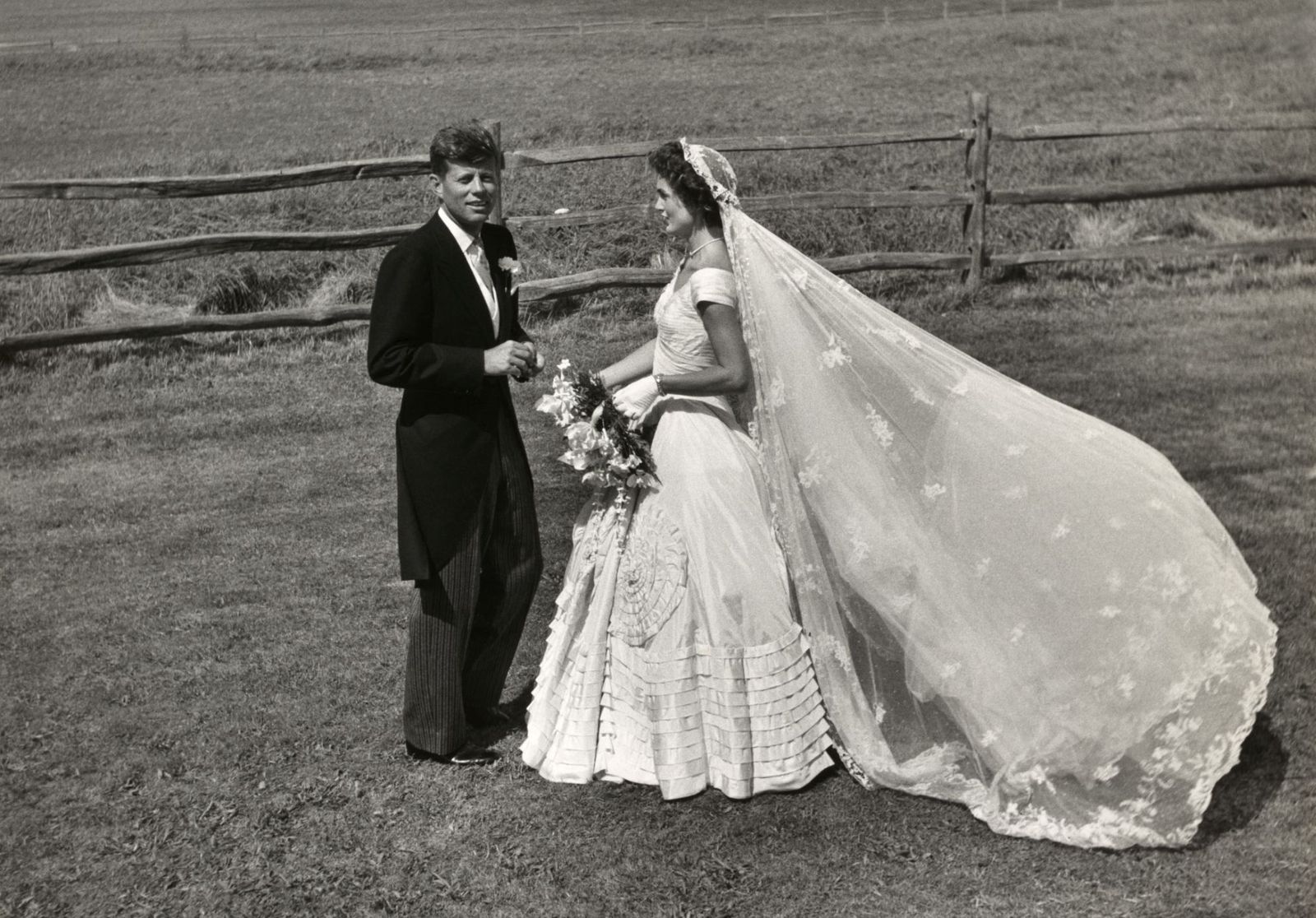
Image: Toni Frissell, Public domain, via Wikimedia Commons

In September 1953, in front of hundreds of illustrious guests, John F. Kennedy and Jacqueline Bouvier tied the knot in Newport, Rhode Island. After the big day, America’s favorite new power couple chose the Waldorf Astoria as the stepping stone for their life together. They spent the first night of their honeymoon in the hotel’s luxurious suites. The event cemented the hotel’s reputation as the ultimate venue for high-end romantic celebrations.

4
Charles "Lucky" Luciano
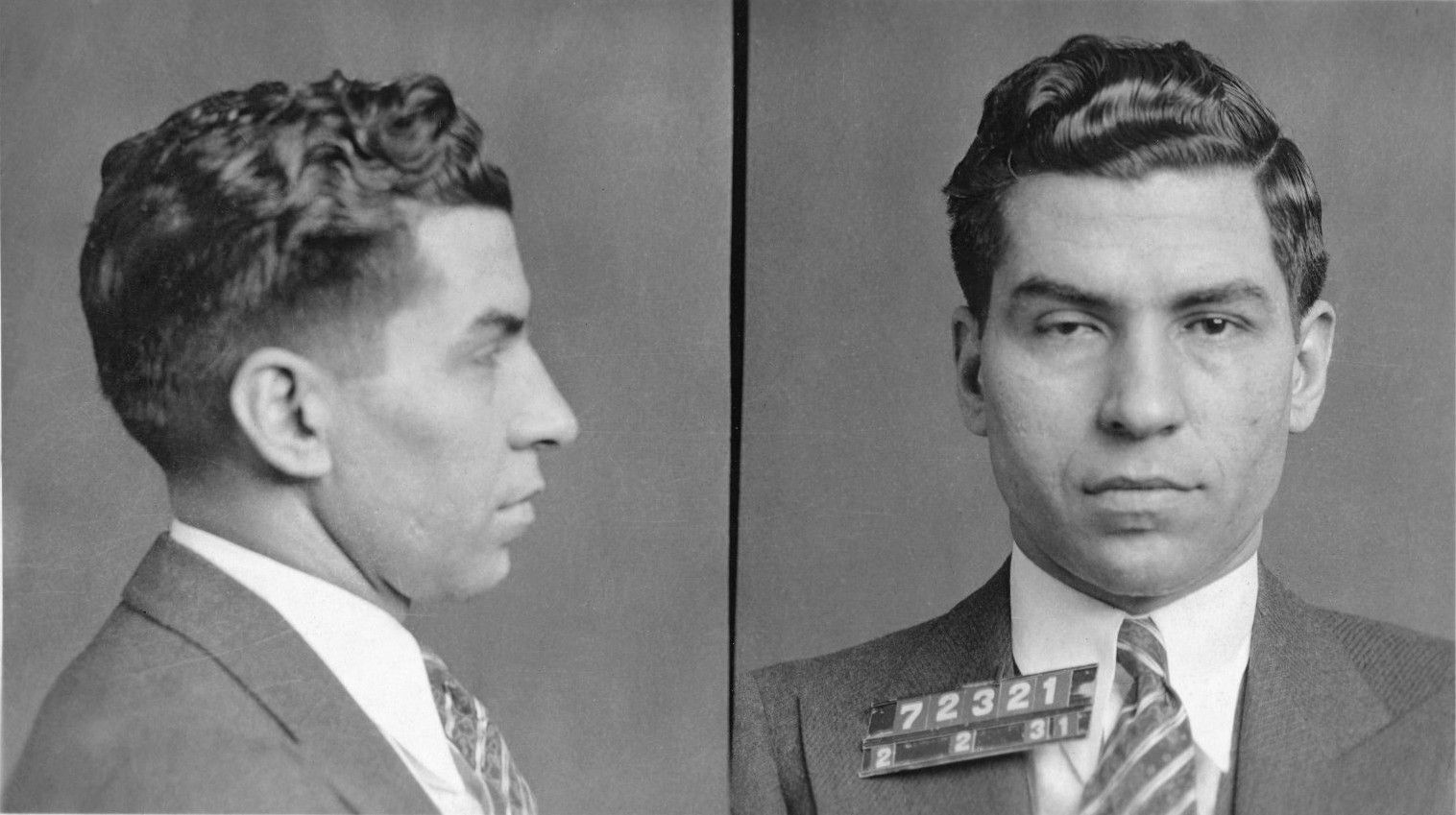
Image: New York Police Department, Public domain, via Wikimedia Commons

The Waldorf wasn’t reserved for scientists, statesmen, and stars; it also welcomed less savory characters. During the peak of his organized crime infamy, mob boss Charles "Lucky" Luciano could frequently be spotted dining in the hotel’s fancy restaurants or wandering around the lobby. Dressed in impeccable custom suits, Luciano blended right in with the high-society crowd. Apparently, the hotel’s legendary discretion applied to everyone, even criminals.

5
Marilyn Monroe
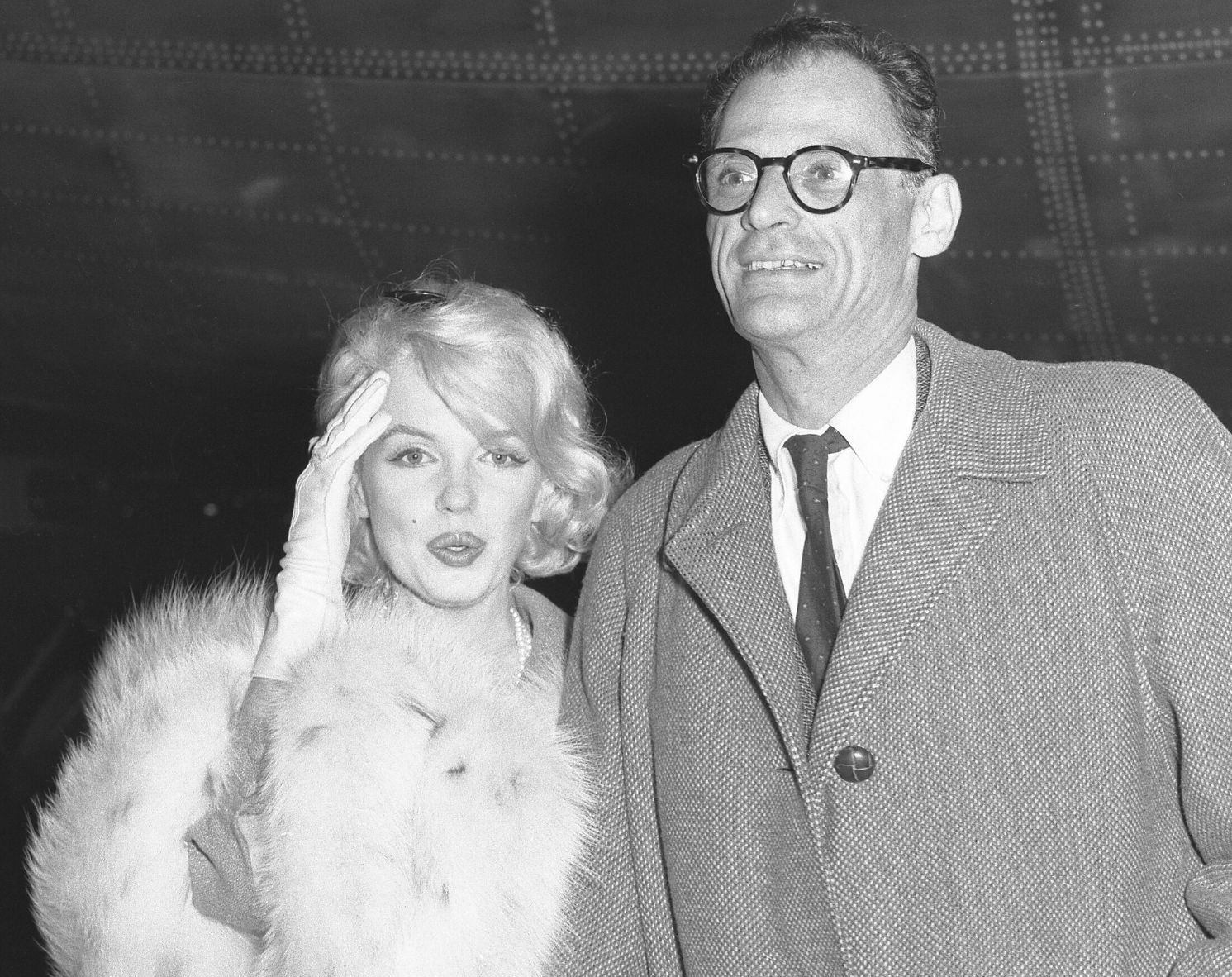
Image: Los Angeles Times, CC BY 4.0, via Wikimedia Commons

In 1955, Marilyn Monroe moved into the Waldorf-Astoria, leasing a suite within the Waldorf Towers. She relocated to New York City after she walked out of Hollywood studio contracts and she enrolled at the Actors Studio.

During her time living at the Waldorf, Monroe frequently used the hotel for public and social events, including attending the annual April in Paris Ball with her third husband, playwright Arthur Miller.

6
Dwight D. Eisenhower
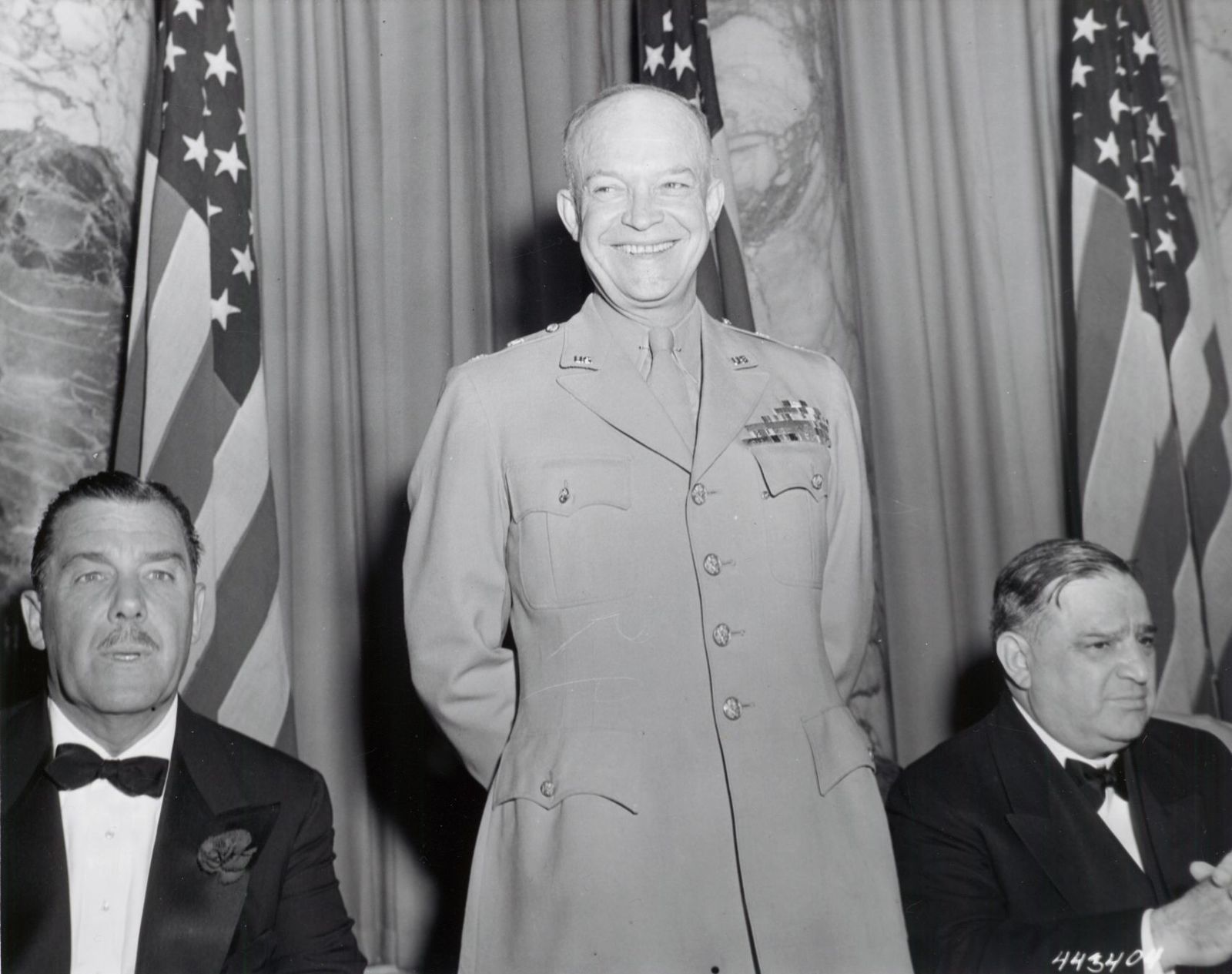
Image: National Archives and Records Administration, Public domain, via Wikimedia Commons

The Waldorf Astoria has hosted nearly every U.S. president since Herbert Hoover, but Dwight D. Eisenhower took his relationship with the hotel a step further. After completing his two terms in the Oval Office in 1961, Eisenhower chose to live in the famous hotel .

Ike and Mamie settled in Suite 700R. Because of the former first lady’s fear of heights, management arranged for them to stay lower to the ground rather than in the highest residential towers. The hotel also provided the ex-POTUS with a safe, comfortable environment where he could write his memoirs, meet with global leaders, and enjoy his retirement. The couple resided in the Waldorf until his death in 1969.

7
Muhammad Ali
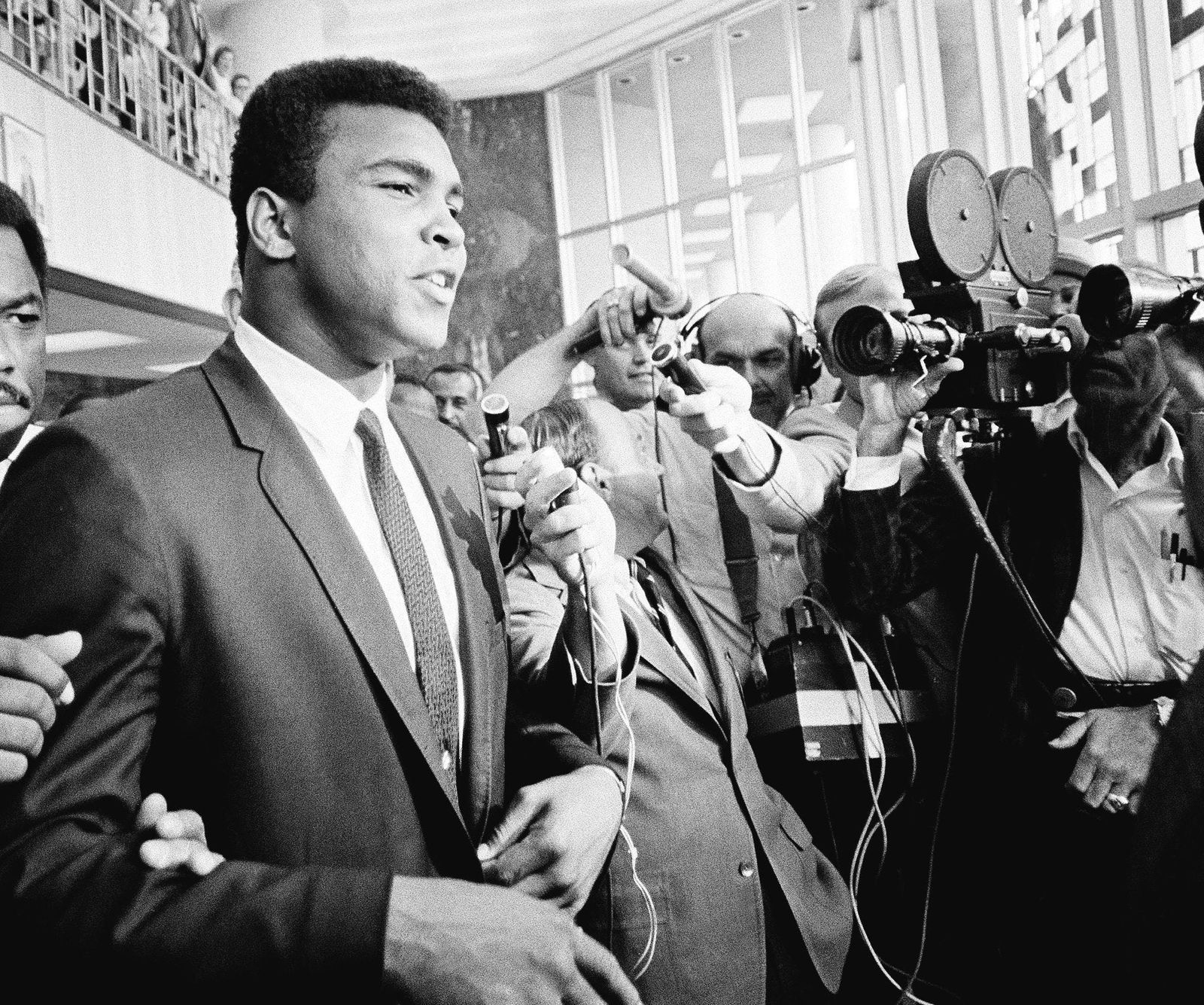
Image: Ed Kolenovsky, Public domain, via Wikimedia Commons

Legendary boxer Muhammad Ali was a regular at the Waldorf-Astoria. Ahead of his heavyweight championship fight against George Foreman in September 1974, he chose the New York City hotel to host a press conference. Ali delivered a publicized promotional speech along with promoter Don King, where he pronounced some of his most famous lines: "I done wrestled with an alligator... I murdered a rock, injured a stone, hospitalized a brick".

8
Prince Rainier III and Grace Kelly of Monaco
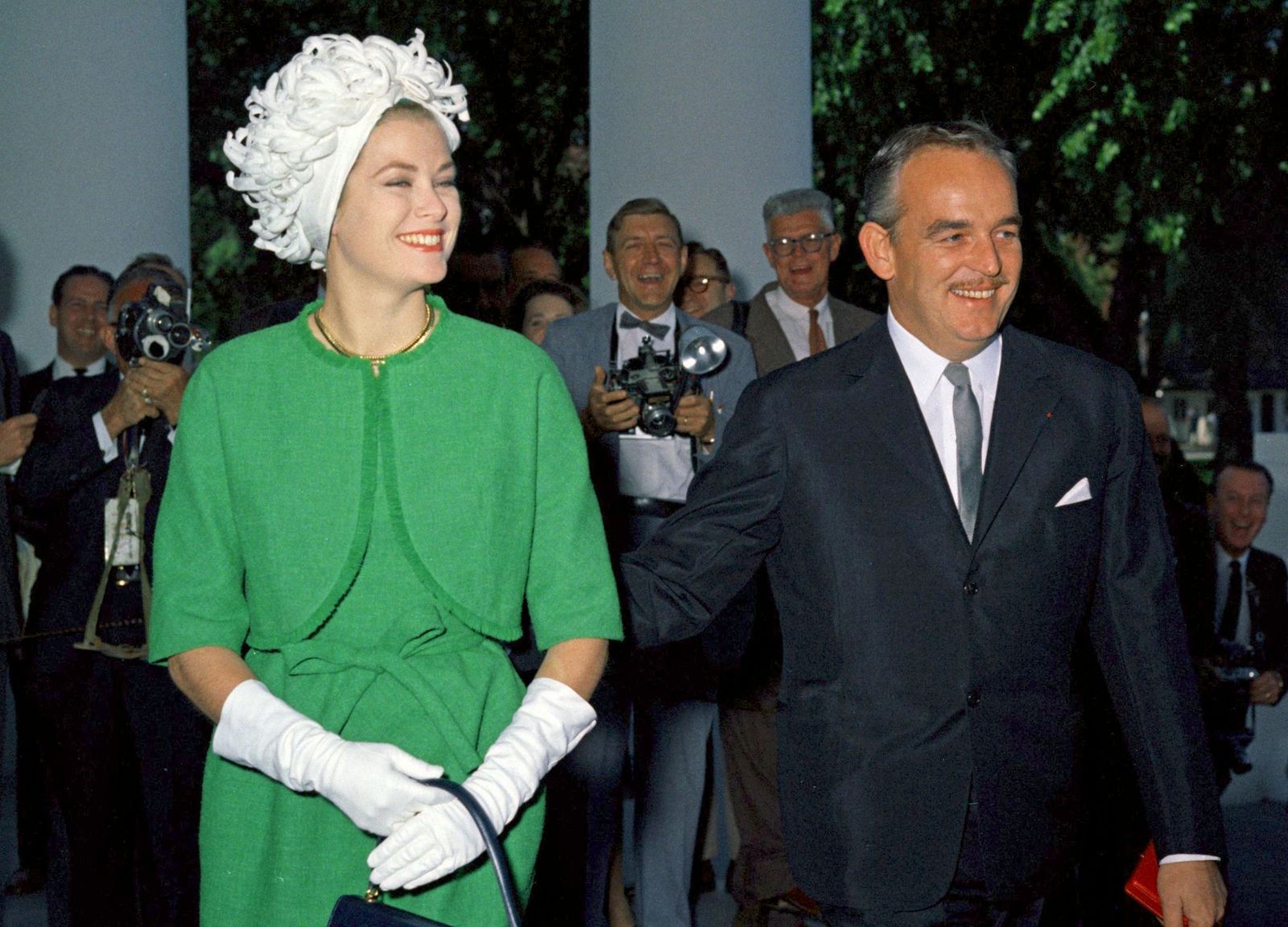
Image: Robert LeRoy Knudsen, Public domain, via Wikimedia Commons

When Academy Award-winning actress Grace Kelly prepared to marry Prince Rainier III, their romance captured the attention of the entire world. In January 1956, prior to Kelly’s relocation to Monaco, the couple held their official engagement ceremony at the Waldorf Astoria Hotel with a grand ball. The event gathered members of New York high society and the press.

9
Winston Churchill
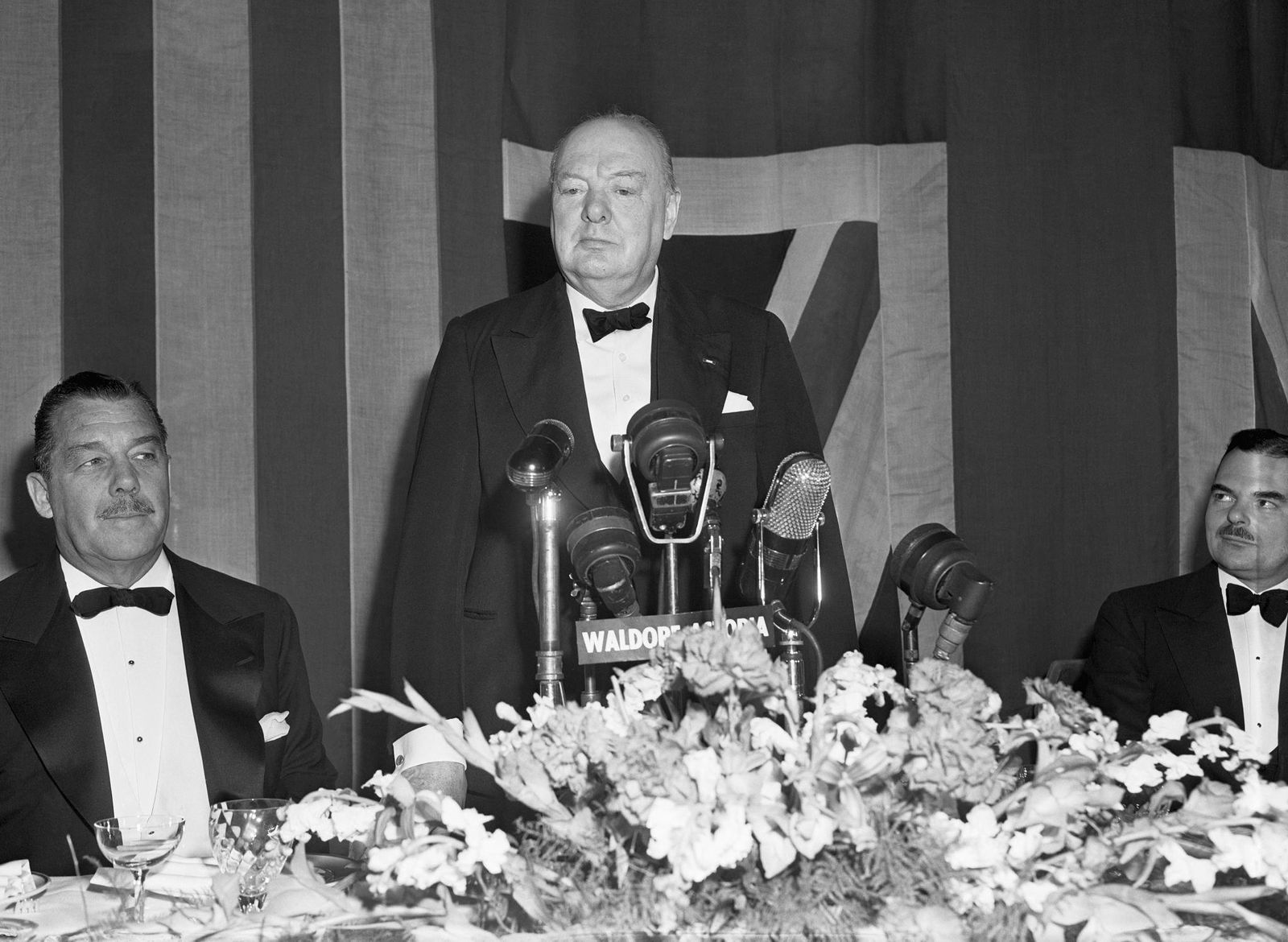
Image: Unknown, dedicated to the Bettmann Archive, Public domain, via Wikimedia Commons

Whenever British Prime Minister Winston Churchill visited New York, the Waldorf Astoria was always his home away from home.

Churchill loved the hotel’s top-tier security, opulent rooms, and attentive service. He often used his stays to conduct diplomacy and deliver speeches. In fact, his connection to the building was so deep that one of the hotel’s premier luxury suites was eventually named in his honor.

10
Elizabeth Taylor

Image: Roland Godefroy, CC BY 3.0, via Wikimedia Commons

Hollywood’s Golden Age superstar Elizabeth Taylor frequently stayed at the Waldorf Astoria Hotel during her visits to New York City. In the 1980s, she often stayed at Suite 28H, and according to lore, she was particularly fond of the hotel’s decadent bathtubs, which could accommodate up to three people. She also hosted and attended galas to talk about her various causes, including AIDS research and maternal and infant health support.

Geography Geography 3 min read

Which is your favorite season?

Beyond Vermont: Discover 12 amazing places to watch the fall foliage

Image: Pixabay

Everybody knows that Vermont is a popular destination for watching the leaves change color in the fall. However, as locals know, there are many other places in our gorgeous country where one can marvel at the rainbow created by nature during the autumn months. Did you know about these 12?

1
McKenzie River Scenic Byway, Oregon

Image: Atanas Malamov

Oregon is famous for its stunning landscapes, and autumn months are no exception. The McKenzie River Scenic Byway stretches from the vineyards of the Willamette Valley to the forests of the Cascade Mountains .

The best time of the year to visit if you want to enjoy the vibrant colors is mid-to-late October.

2
Charlottesville, Virginia

Image: Mitchell Kmetz

The endless forests and rolling hills of Virginia, especially in the foothills of the Blue Ridge Mountains, create breathtaking landscapes painted in red, orange, yellow, and green during October and November.

3
French Lick West Baden, Indiana

Image: Adam Bouse

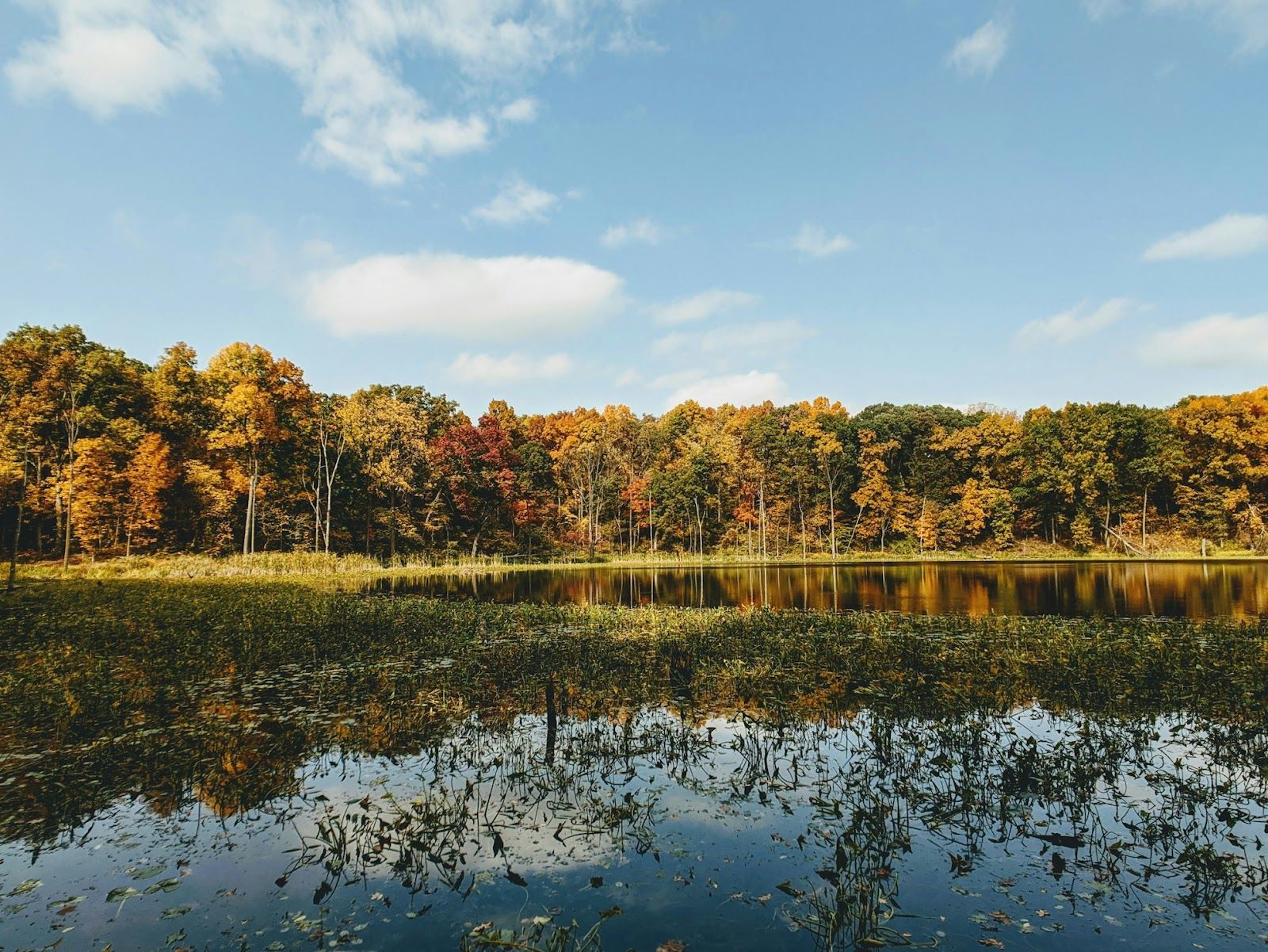
Nestled in the hills of Hoosier National Forest, French Lick West Baden is a resort town that showcases some amazing views when it comes to fall foliage . The best time to visit is from mid-October to early November.

4
Mississippi River Valley, Minnesota

Image: Josh Hild

The Mississippi River Valley in southern Minnesota is home to vibrant forests, steep hillsides, and picturesque river towns , waiting to be explored by those eager to make the trip.

The best time to see the foliage change is from late September to mid-October.

5
Breckenridge, Colorado

Image: Thomas Morse

Breckenridge, Colorado, bursts into vivid colors every late September, with the changing leaves of the aspen trees creating a gold, red, and orange rainbow in the heart of the Rocky Mountains.

6
Northwoods, Wisconsin

Image: Dave Hoefler

Thousands of lakes and vast forests that stretch across five counties can be found in the Northwoods of Wisconsin. From mid-September to early October, visitors are treated to some of the best foliage in the region, with vibrant shades of orange, red, yellow, and purple.

7
Highlands, North Carolina

Image: Wes Hicks

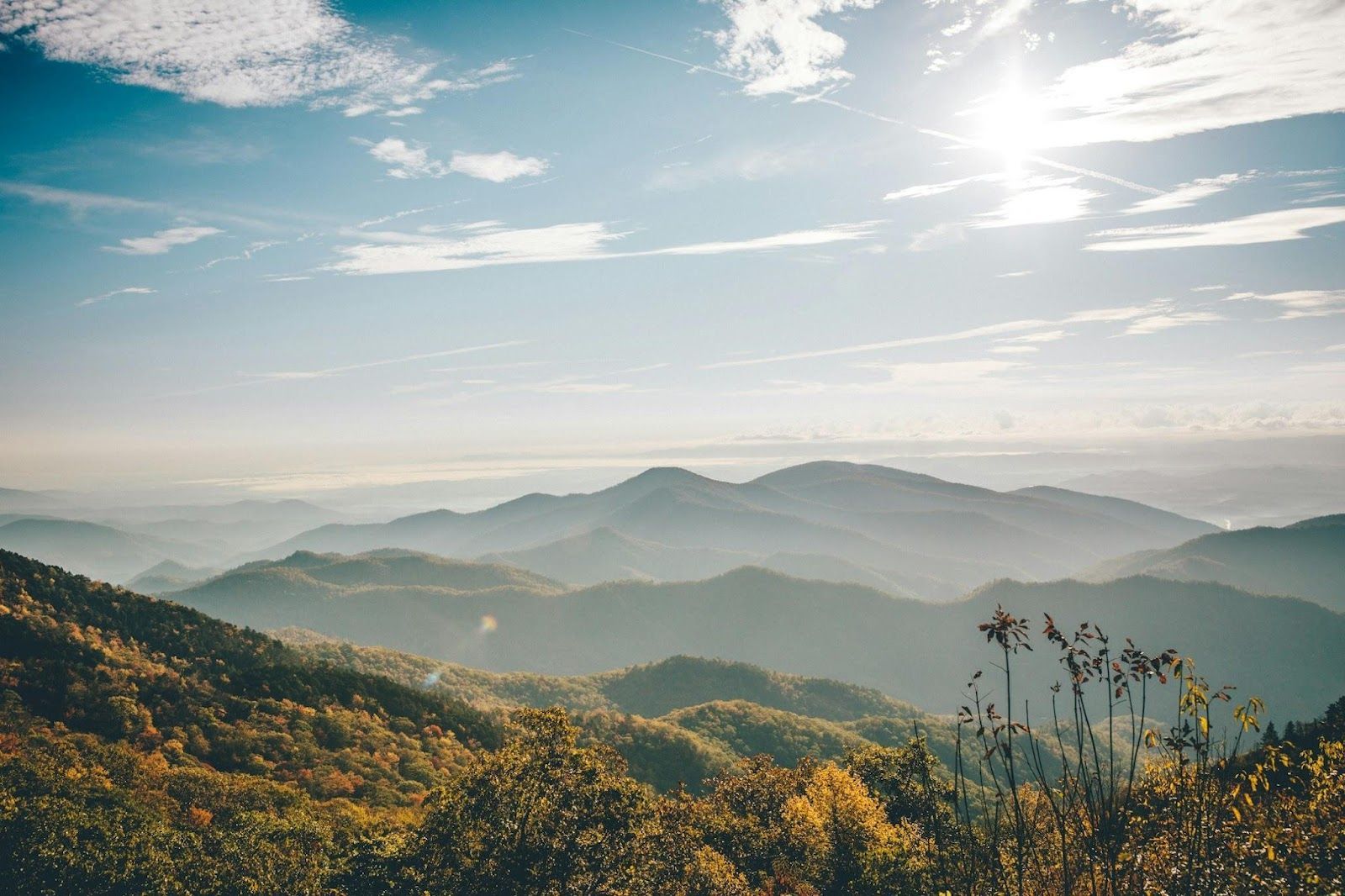
Imagine a lush rainforest with waterfalls, rivers, and lakes to explore, combined with the typical colors of the leaf change season. Such a place exists in North Carolina. The mountain town of Highlands, perched at over 4,100 feet on the Highlands Plateau in Nantahala National Forest, offers breathtaking fall foliage, with the best viewing time in mid-October.

8
Whidbey Island, Washington

Image: Toan Chu

Washington’s ultimate road trip, the Cascade Loop, winds along the Puget Sound via the Whidbey Island Scenic Byway . Peak fall colors along this drive commonly occur between late September and mid-October showcasing brilliant shades of gold, orange, and red.

9
Tunnel of Trees, Michigan

Image: AJ Yorio

A place known as the Tunnel of Trees will hardly disappoint visitors who come during the foliage change season. This 20-mile scenic route follows the historic Michigan 119 highway between Harbor Springs and Cross Village . The canopy of gold, orange, yellow, and purple leaves is typically on display from late September to mid-October.

10
North Lake Tahoe, California & Nevada

Image: Ben Carless

The stunning Lake Tahoe is framed by the peaks of the Sierra Nevada range on its north shore. Its hundreds of hiking trails wind through diverse tree species that display vivid red, orange, and yellow foliage from mid-September to late October.

11
The Ozarks, Arkansas

Image: Derek Livingston

The Ozark Mountains are most famous for their neighboring lake of the same name, but the amazing autumn colors are a spectacle that deserves all the attention during October. The palette of bright golds, reds, and oranges is especially stunning in the Buffalo National River area near the small town of Ponca.

12
Anchorage to Kenai drive, Alaska

Image: Derek Livingston

Alaska is nothing short of breathtaking, and fall is no exception. Its vast landscapes come alive with vibrant shades of red, purple, yellow, and orange from late August through September.

One of the best ways to experience the season is on the 160-mile drive along the Seward and Sterling highways from Anchorage to Kenai, following two National Scenic Byways.

General General 6 min read

From the Nike Air to the Cell phone camera

NASA in your house: 10 inventions that revolutionized everyday life

Image: NASA

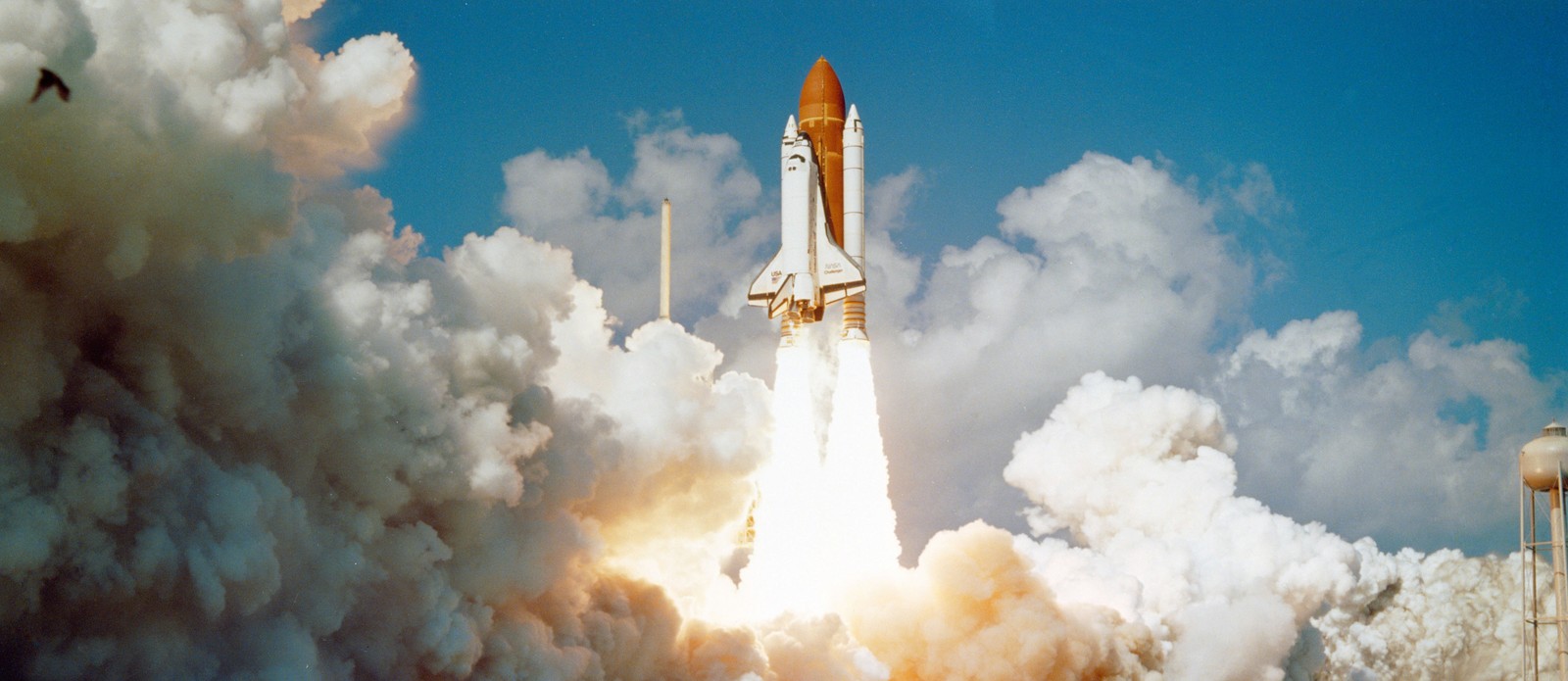
You probably never realized that NASA, the same agency that revolutionized space travel back in the sixties and seventies, is also responsible for the microchips in your favorite electronics, the alarm that warns you of fire, the sensor that lets you take a quick selfie on your phone , among other everyday inventions. Ready to rediscover them?

1
Microchip

Image: Laura Ockel

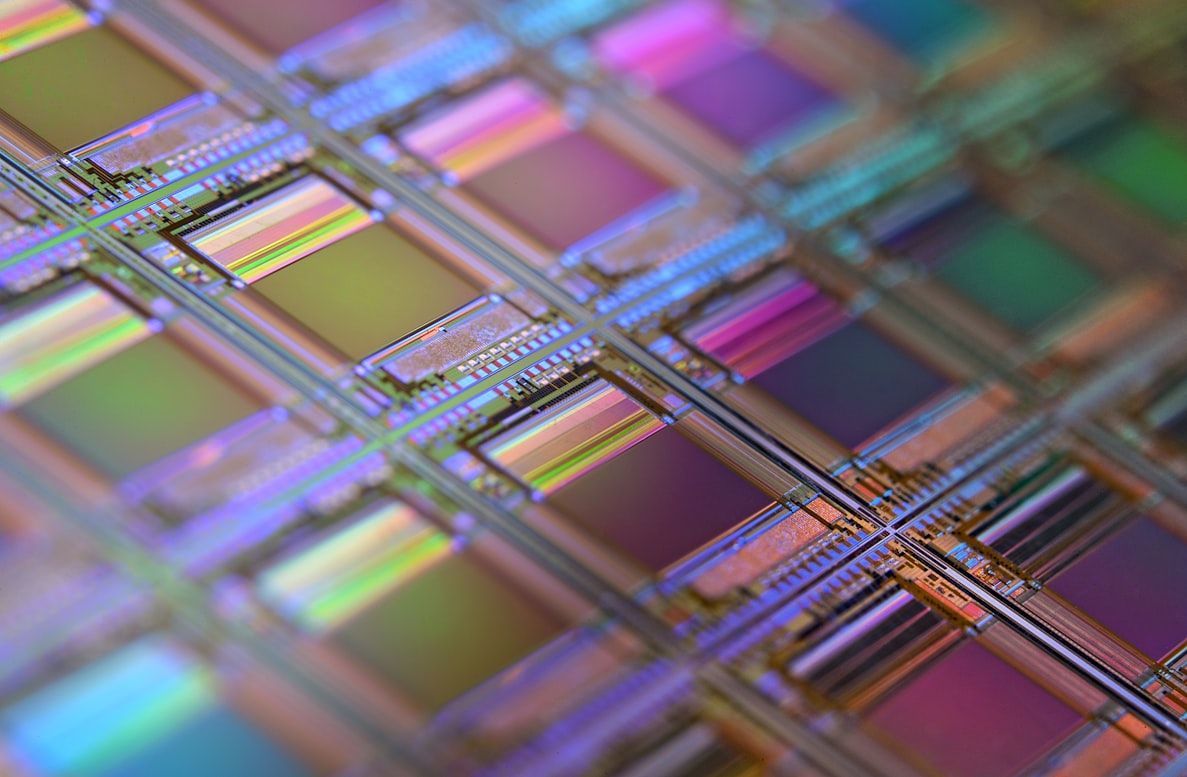
Before microchips, computers relied on glass vacuum tubes that were large, fragile, and too heavy for a spacecraft. To solve this, NASA, during the moon race in the 60s, made a massive bet on a new invention called the integrated circuit, which packed complex electronics onto a tiny sliver of silicon. While these early "microchips" were very expensive and unproven, the Apollo program committed to buying over 60 per cent of all chips made in America. This guaranteed market gave companies like Fairchild Semiconductor, a Californian technology company, the support they needed to perfect the tech and lower the costs. NASA's support as the principal customer for microchips helped the digital revolution happen much sooner than expected. Today, that technology is within almost every electronic device, from the microwave to the laptop.

2
Smoke Detector

Image: Yosuke Ota

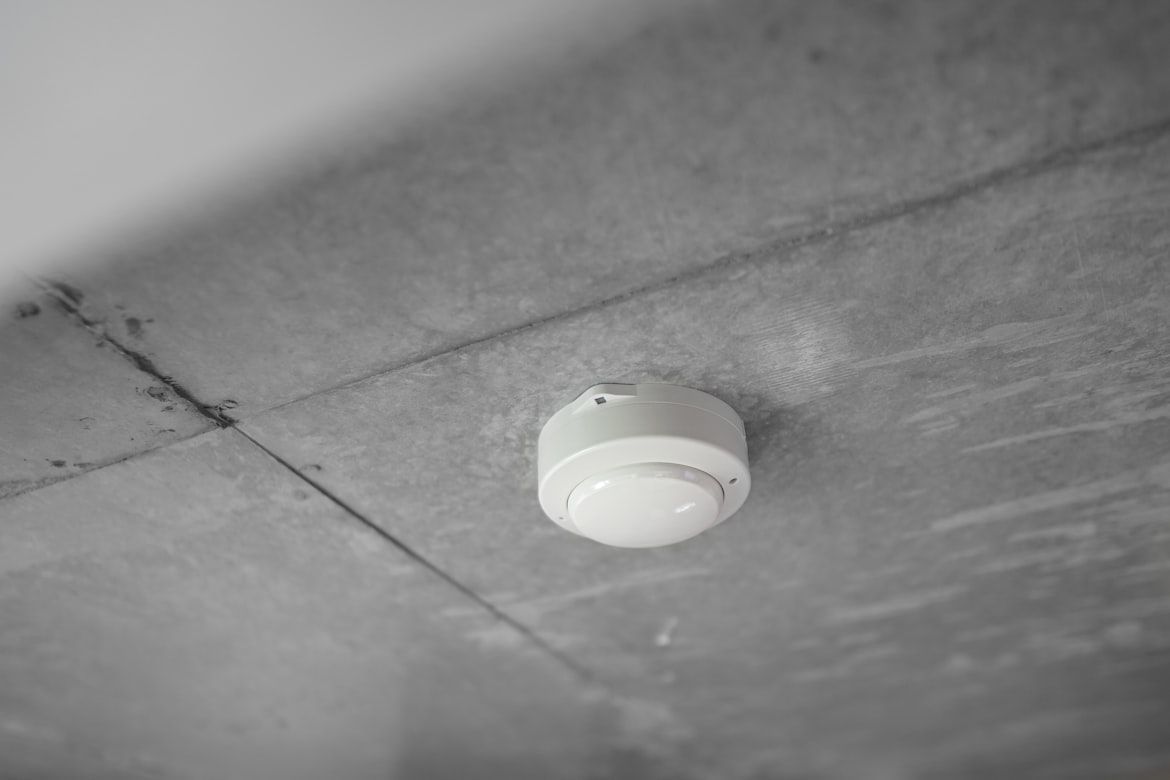
They are among the most important safety tools in our homes, and most people don't know their modern version was shaped for a 1970s space mission. Truth is, the first electric smoke detector was invented in the 1930s by Swiss physicist Walter Jaeger, almost by accident, while working on a gas detection device. Early smoke detectors worked, but they were often too expensive or sensitive for everyday homes.

In the 1970s, NASA teamed up with Honeywell Corporation, a North Carolina-based technology and manufacturing company, to improve the design for Skylab, the first U.S. space station. Astronauts needed an alarm that could detect a real fire without constantly reacting to harmless gases inside the station's tight living quarters. So they added an adjustable sensitivity and long-lasting backup batteries, creating the "nuisance-free" smoke alarm we still use in our homes today.

3
Cell Phone Camera

Image: JD Mason

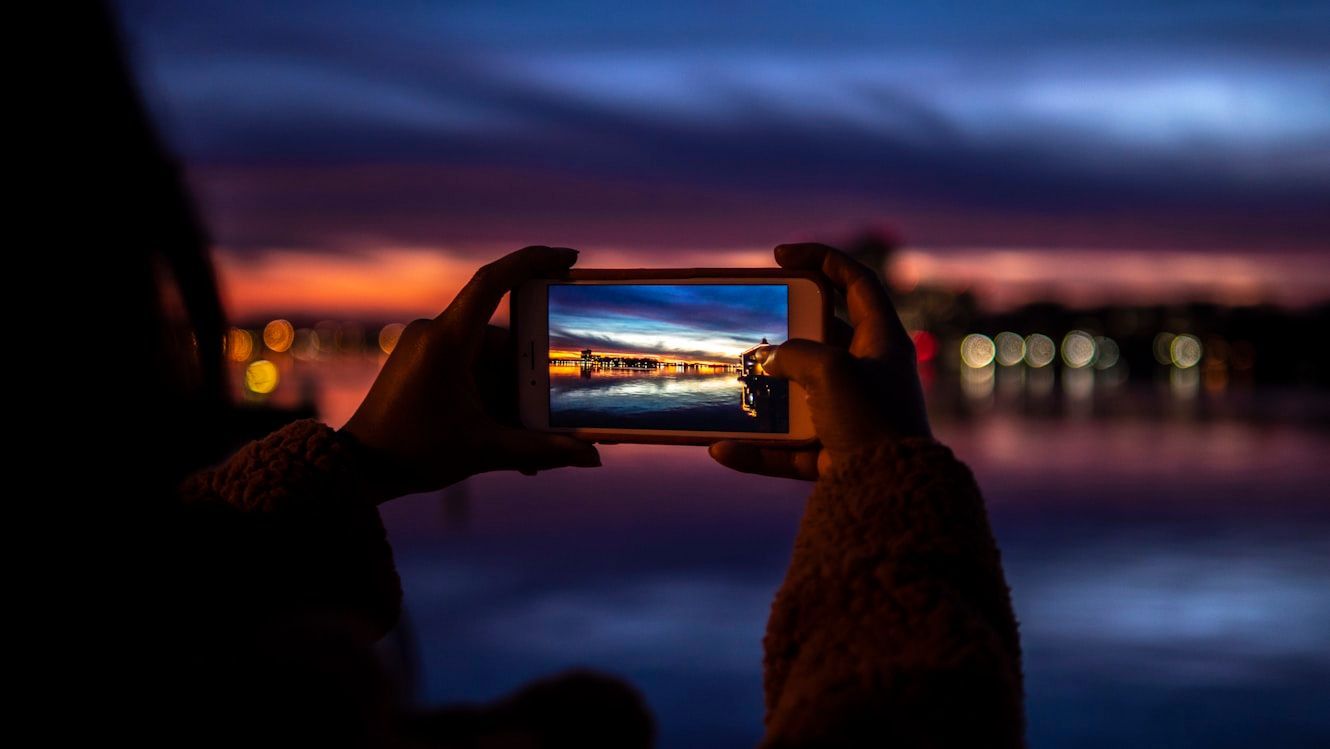
In the 1990s, NASA's Jet Propulsion Laboratory needed to shrink cameras down so they could fit on small spacecraft without draining the battery. Engineer Eric Fossum invented the image sensor, which put all the camera's functions onto a single tiny chip , making cameras much smaller and more efficient than ever before.

In 1995, Fossum founded the company Photobit to bring this space-age sensor to the commercial market. Today, this technology allows smartphones to take high-quality photos while staying thin enough to fit almost everywhere, making it the most used camera tech in the world.

4
Cordless Tools

Image: rakhmat suwandi

In the early 1960s, Black & Decker developed the first cordless electric drill for commercial use. NASA later recognized the potential and, in 1965, contracted Black & Decker to adapt and refine this technology for the Apollo program, creating a lightweight, battery-powered drill that could operate in the moon's harsh environment and in zero gravity.

But that wasn't all. To make it work for space, they had to improve a specialized motor and smart software that didn't drain the battery too fas t. By the late 1970s, the Dustbuster, the first cordless vacuum, was created, along with the improved battery-powered tools we still rely on today.

5
Memory Foam

Image: Kier in Sight Archives

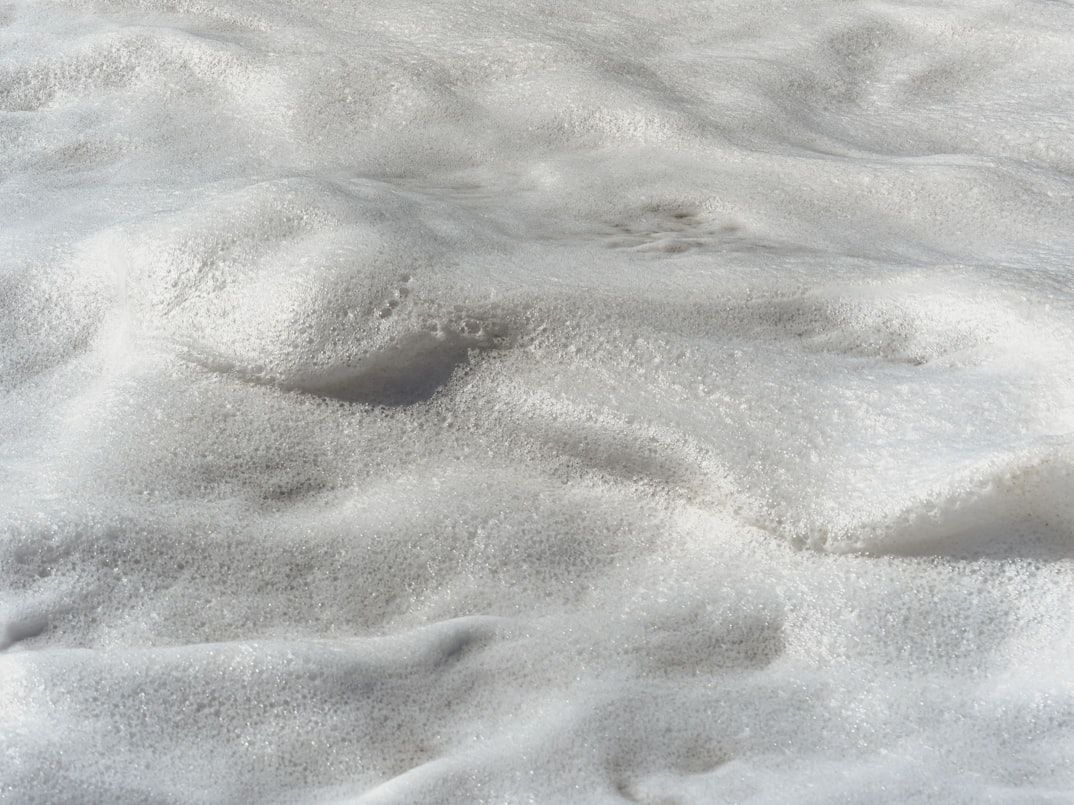
Have you ever wondered why your mattress is smart enough to remember its original shape? Memory foam is a type of high-density polyurethane foam that softens when heated and under pressure. When you lie down on it, it molds to your body, and when you get up, it slowly returns to its original shape. That's what the "memory" part is about.

NASA developed memory foam in the 1960s to improve seat cushioning and crash protection for airline pilots and passengers, and later adapted it to protect astronauts from "G-forces" during space travel . As it reacted to body heat, the foam softened and molded perfectly to a person's frame, absorbing shock on impact. It took about twenty years to reach the public; the first memory foam mattress didn't hit the market until the early 1990s by companies like Tempur-Pedic and Fagerdala World Foams.

6
Sneaker Air Cushioning

Image: Damian Barczak

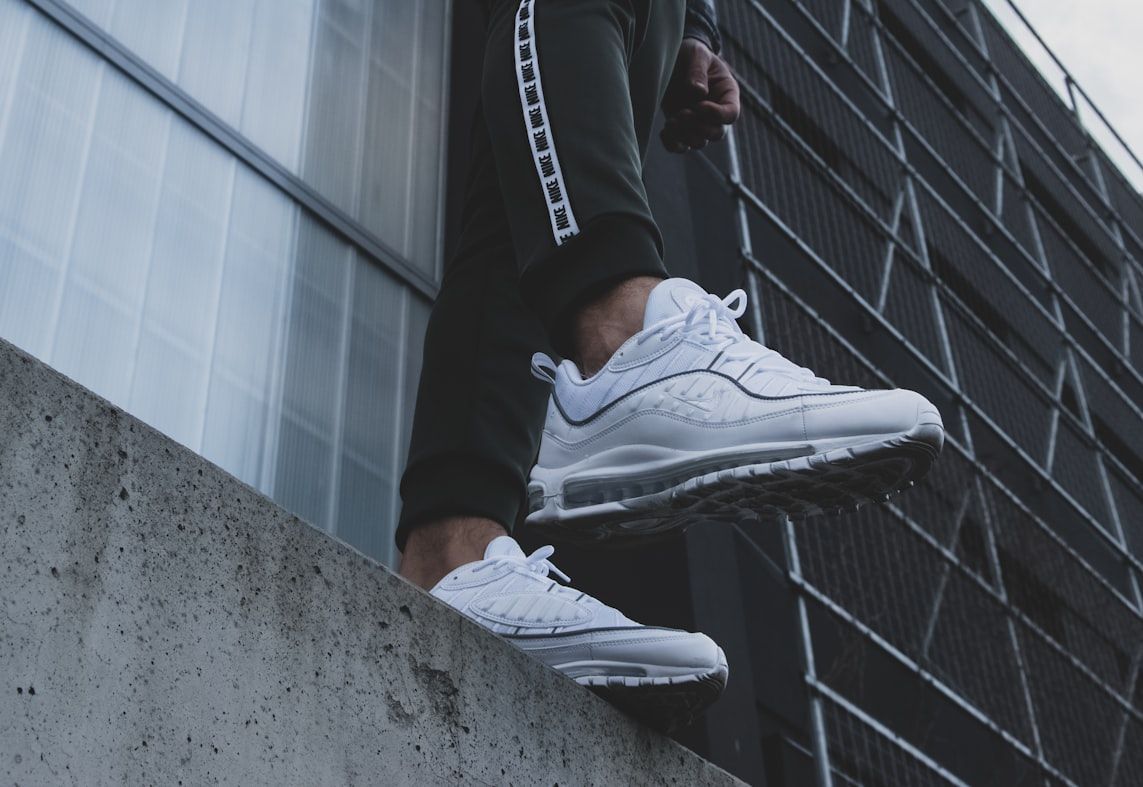
Ever wondered how Nike Airs were created? The truth is that the bounce in many modern sneakers is actually a product of the space industry. A NASA engineer named Frank Rudy, who worked on the Saturn and Apollo rocket engines, was introduced to a process called blow rubber moulding, used to create sealed, pressurised membranes for aerospace applications. He realized this same process could be used to trap gas inside a shoe sole.

In 1977, he brought this idea to Nike, and this led to the creation of the Nike Air Tailwind in 1978, the first shoe to feature this space-inspired cushioning. Today, air-cushioned soles are a standard, using the same aerospace tech to protect joints in every step.

7
Water Filters

Image: RephiLe water

In 1963, NASA faced an important challenge for the Apollo program: keeping drinking water pure for long missions without using heavy chemicals. To solve this, they pioneered a system that used silver ions to kill bacteria and activated carbon to remove pollutants. This allowed astronauts to have clean water stored for weeks.

By the 1970s, NASA shared this technology with the public, leading to the creation of companies like Aquaspace. These days, this same silver-ion and carbon tech is used inside household water pitchers and refrigerator filters to remove contaminants.

8
Scratch-Resistant Lenses

Image: Alireza Hashemi

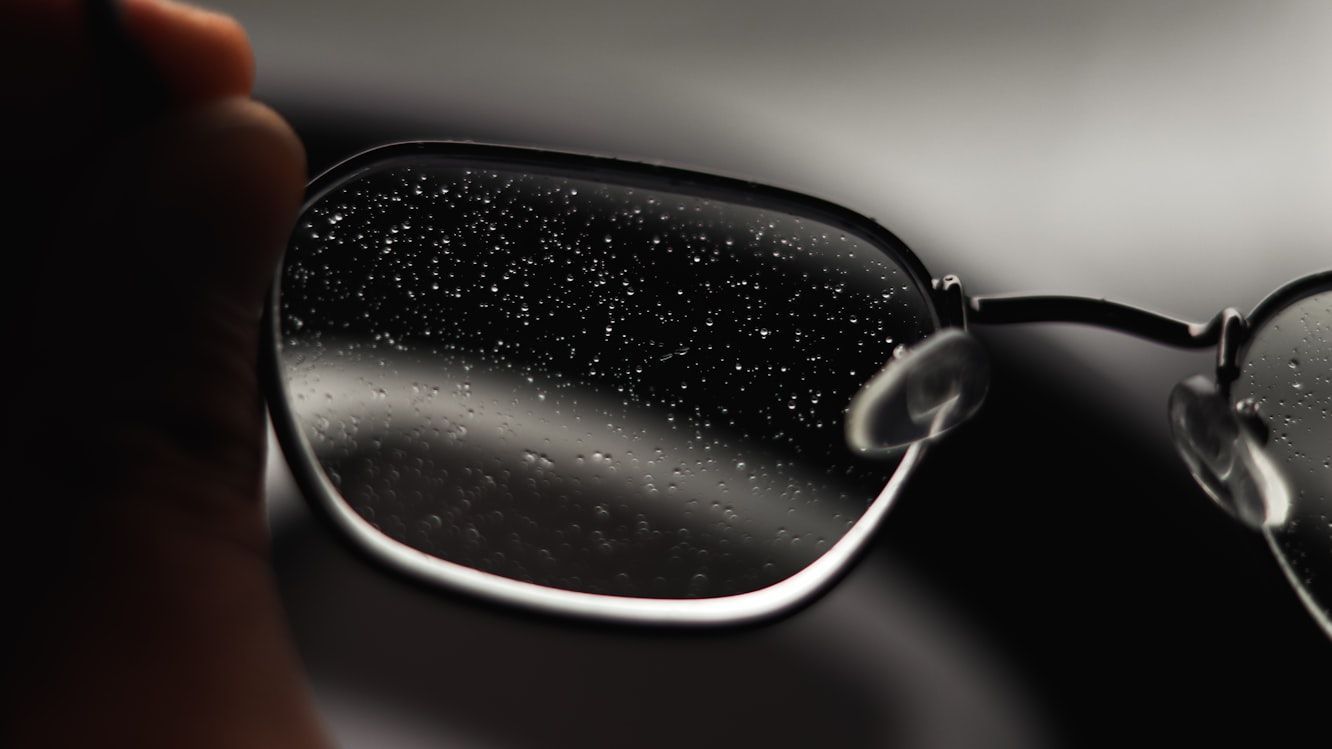
In the 1970s, NASA scientist Ted Wydeven of the Ames Research Center was working on a spacecraft water purification system when he coated a filter with a thin plastic film using an electric discharge of an organic vapor. The result protected the plastic surfaces of aerospace equipment from scratching.

This film made plastic up to ten times more scratch-resistant than earlier materials. In 1983, Foster-Grant licensed the technology and used it to produce scratch-resistant lenses for sunglasses and eyeglasses, introducing space technology to our daily lives.

9
Ear Thermometer

Image: Artur Solarz

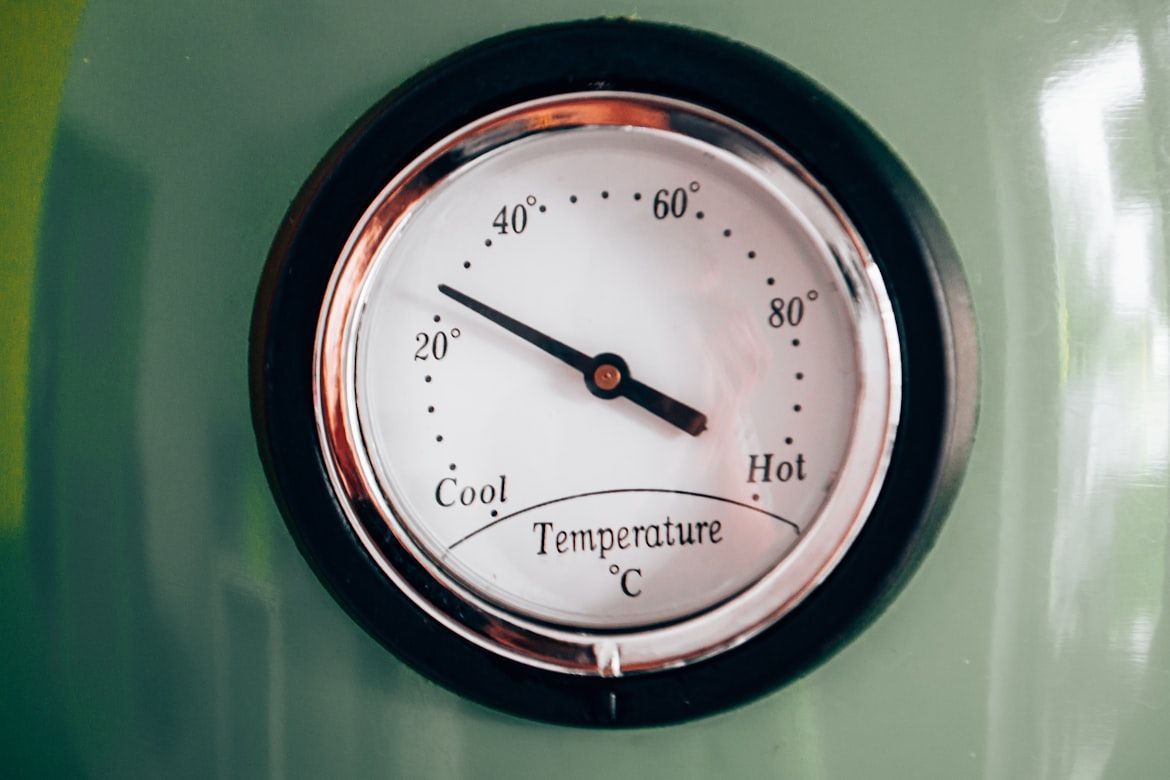
NASA technology and modern healthcare are surprisingly close. It turns out that the same tech used to measure the heat of distant stars is now in our medicine cabinet . In the 1980s, NASA developed special infrared sensors because scientists evidently couldn't place a physical thermometer on a planet millions of miles away. These sensors worked by "reading" invisible heat energy from a distance.

By 1991, a medical technology company called Diatek teamed up with NASA to bring this space tech into daily medicine. They realized the human eardrum also emits infrared heat, and that could work as a perfect window to measure our body temperature. This partnership resulted in the first handheld ear thermometer, making fever checks much more comfortable and easier.

10
Super Soaker

Image: Michael Starkie

You probably assumed that the world's most famous water gun was created in a toy lab. It was actually invented in the home workshop of NASA engineer Lonnie Johnson. In 1982, while working on a new heat pump that used water instead of refrigerant, a nozzle he was testing shot a powerful stream across his bathroom.

Johnson realized its toy potential and licensed his "Power Drencher" design to the toy company Larami. It was renamed to the Super Soaker in 1991, and it uses the same air-pressure principles Johnson applied to spacecraft systems.

Explore more American facts

Choose your favorite category!

General
General

As American as apple pie—the very best America has to offer!

Culture
Culture

Delve into the astounding richness of American lore.

Geography
Geography

Hop in and explore vast and diverse American landscapes.

History
History

Discover the key moments that shaped the United States.