Culture Culture 5 min read

Relive the classics

How did these 10 TV lines become more famous than their shows?

Image: TopSphere Media

Some TV lines and catchphrases are so famous that even people who’ve never seen the show know them well. Though they were created decades ago, one thing is certain: just reading these quotes will bring back all those memories. From "What’chu talkin’ ’bout, Willis?" to "Here’s Johnny!", we’re revisiting 10 unforgettable TV lines that are part of pop culture history.

1
"Here’s Johnny!" - The Tonight Show Starring Johnny Carson
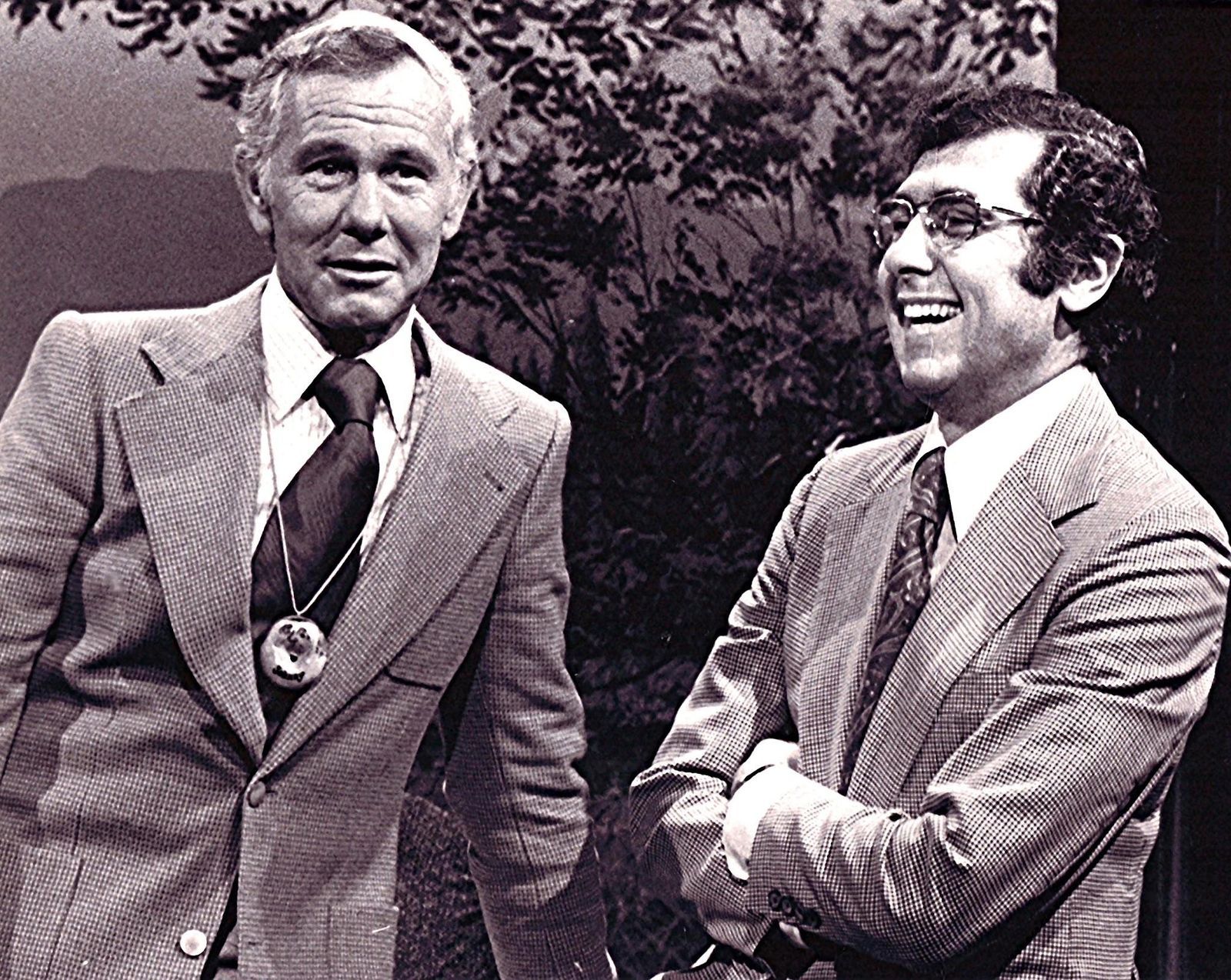
Image: Carl Lender, CC BY 2.0, via Wikimedia Commons

The Tonight Show is one of the longest-running and most influential programs in television history. The late-night show premiered in 1954, but Johnny Carson took over in 1962 and became the face of the show for three decades. It was Ed McMahon, Carson’s longtime sidekick and announcer, who gave birth to the iconic introduction: "Heeeeeere’s Johnny!" The phrase took hold so firmly in American culture that it was referenced endlessly across other shows and media, most famously parodied to terrifying effect by Jack Nicholson in Stanley Kubrick’s The Shining (1980).

2
"What’chu talkin’ ’bout, Willis?" - Diff’rent Strokes
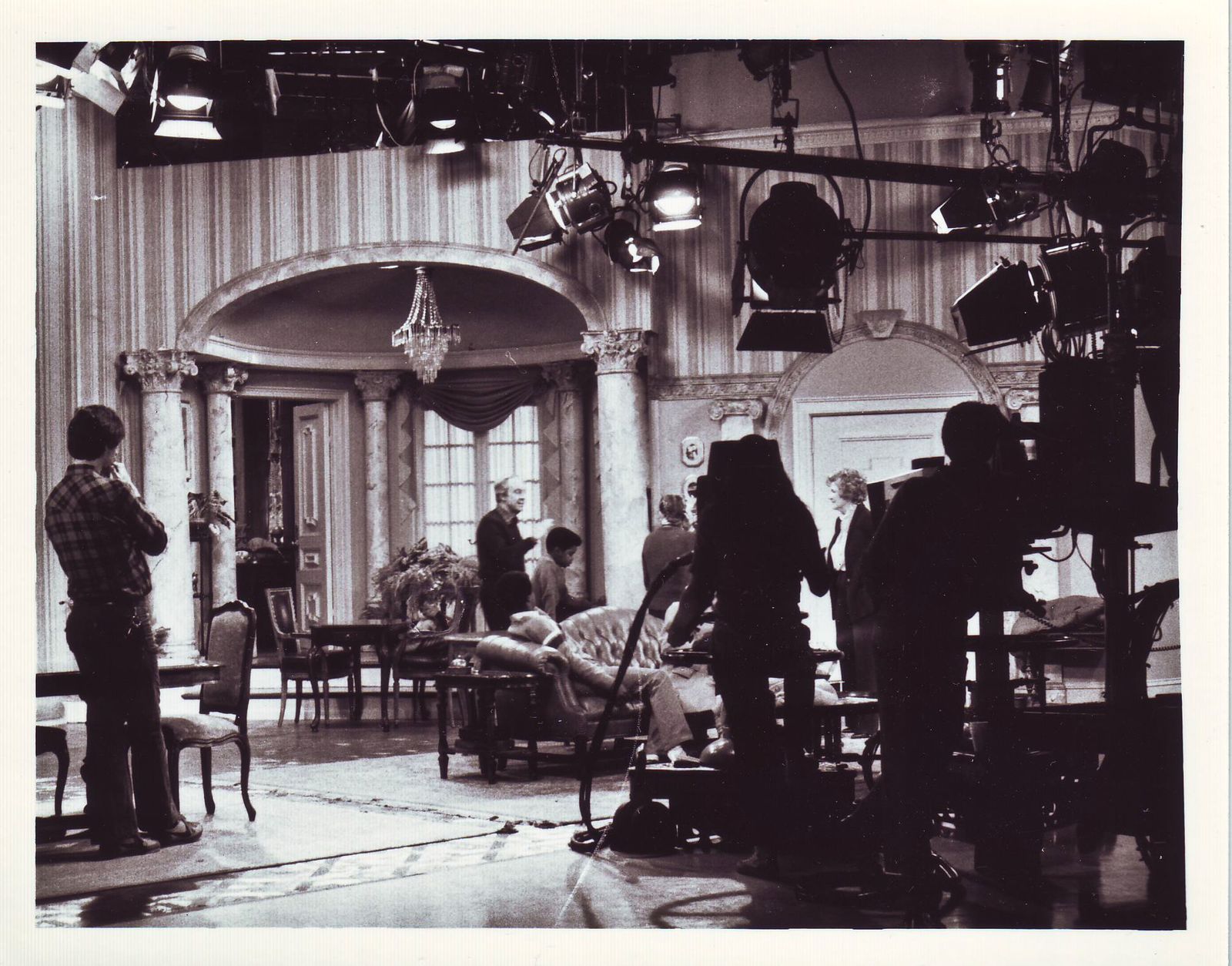
Image: Louise Palanker, CC BY-SA 2.0, via Wikimedia Commons

It’s impossible not to picture Gary Coleman’s face when you hear "What’chu talkin’ ’bout, Willis?" The line, uttered by Arnold (Coleman) to older brother Willis (Todd Bridges), became so famous that it’s still used today to express confusion, even by young people around the world who don’t know it comes from the NBC sitcom Diff’rent Strokes (1978–1985). The catchphrase helped catapult Coleman to international fame, but it was repeated so often that, by the later seasons, he admitted he sometimes refused to say it.

3
"Ayyyyyy!" - Happy Days
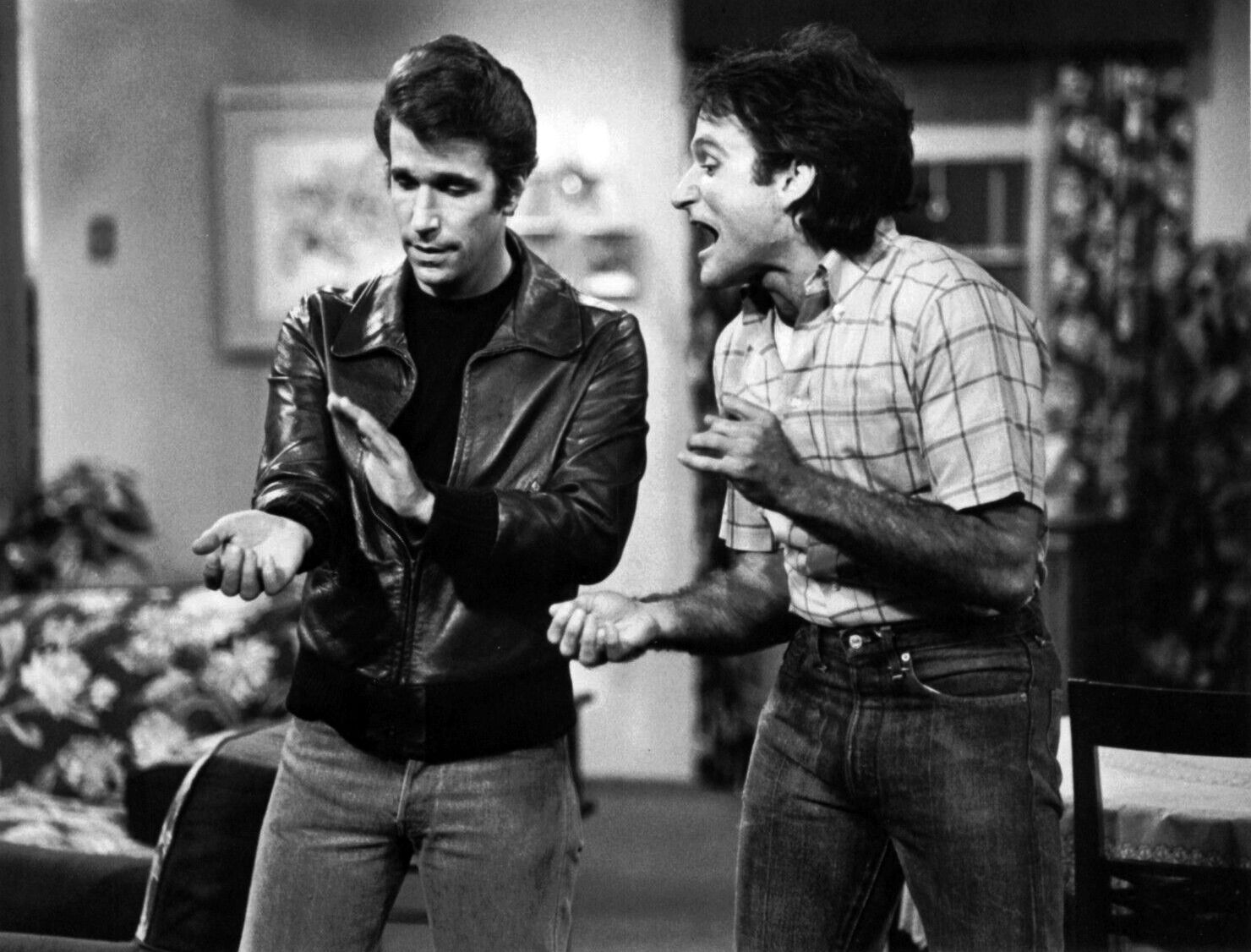
Image: ABC, Public domain, via Wikimedia Commons

Yes, the power of a catchphrase can be so strong that some of the most memorable ones are just one consonant-free syllable. A perfect example is the signature line of Arthur Fonzarelli, A.K.A. Fonzie, or "The Fonz," from Happy Days (1974–1984). Played by Henry Winkler, Fonzie was the coolest guy on TV, so all it took was a leather jacket, a thumbs-up, and an "Ayyyyy!" to make him immortal.

4
"Dy-no-mite!" - Good Times

Image: Aleks Dorohovich

Actor Jimmie Walker rose to fame playing J.J. Evans on the American sitcom Good Times (1974–1979). His clever and energetic character had a trademark: "Dy-no-mite!", his exclamation of excitement, approval, or surprise. The line became so famous that it appeared everywhere, from T-shirts to posters, and for many viewers, it’s the thing they most remember about the show.

Although the line was undeniably a hit, the actor admitted in later interviews that he wasn’t entirely sure it would take off. Who could have predicted what was coming?

5
"I love it when a plan comes together!"- The A-Team
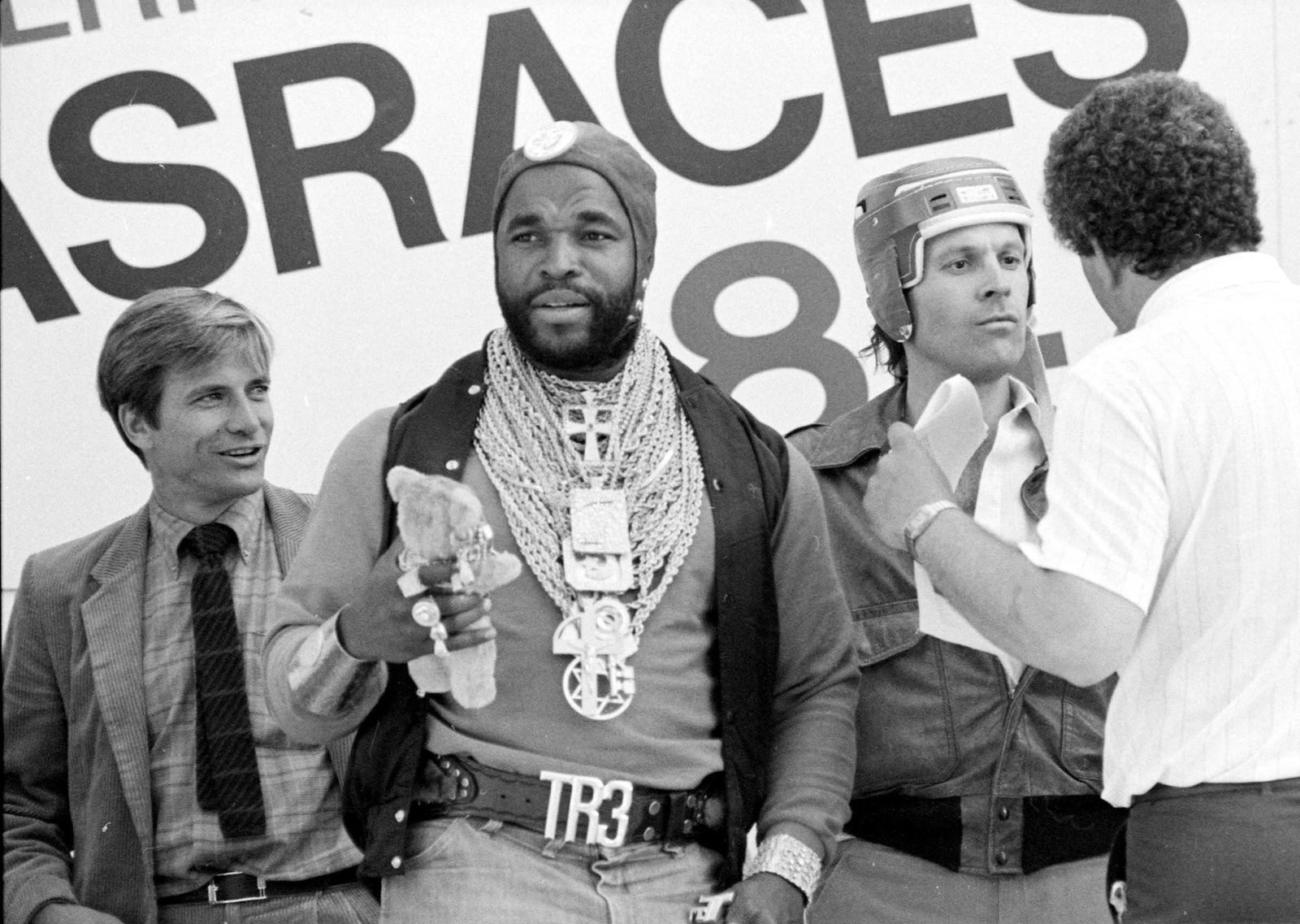
Image: Fotopersbureau De Boer, CC0, via Wikimedia Commons

"I love it when a plan comes together!" was the iconic catchphrase delivered by George Peppard’s character in The A-Team (1983–1987). At the end of many episodes of the action series, Lieutenant Colonel John "Hannibal" Smith would light or just hold his cigar as he delivered the line, signaling that his plans (usually elaborate, risky, and a little over the top) had worked out perfectly. Over time, the phrase became part of popular culture and is still used today whenever everything falls into place.

6
"Book 'em, Danno" - Hawaii Five-O
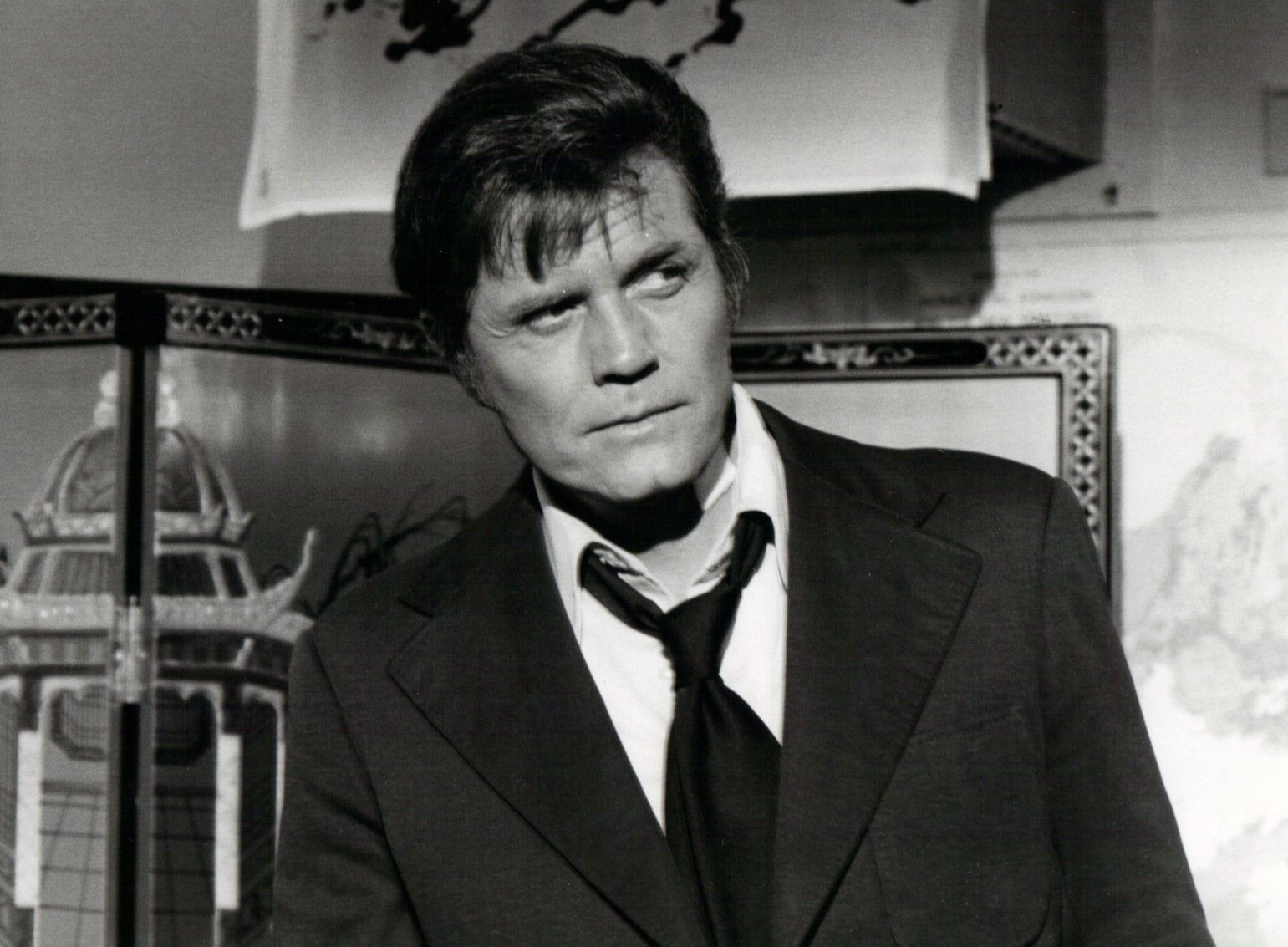
Image: CBS Television, Public domain, via Wikimedia Commons

"Book ’em, Danno" was the iconic line delivered by Jack Lord’s character, Detective Steve McGarrett, to his partner Danny "Danno" Williams (played by James MacArthur) on Hawaii Five-O (1968–1980). The utterance often came at the end of an episode when the bad guy had finally been caught. It became hugely popular and turned into a cultural shorthand for "case closed" in the 1970s.

7
"Lucy, you got some 'splaining to do!"- I Love Lucy
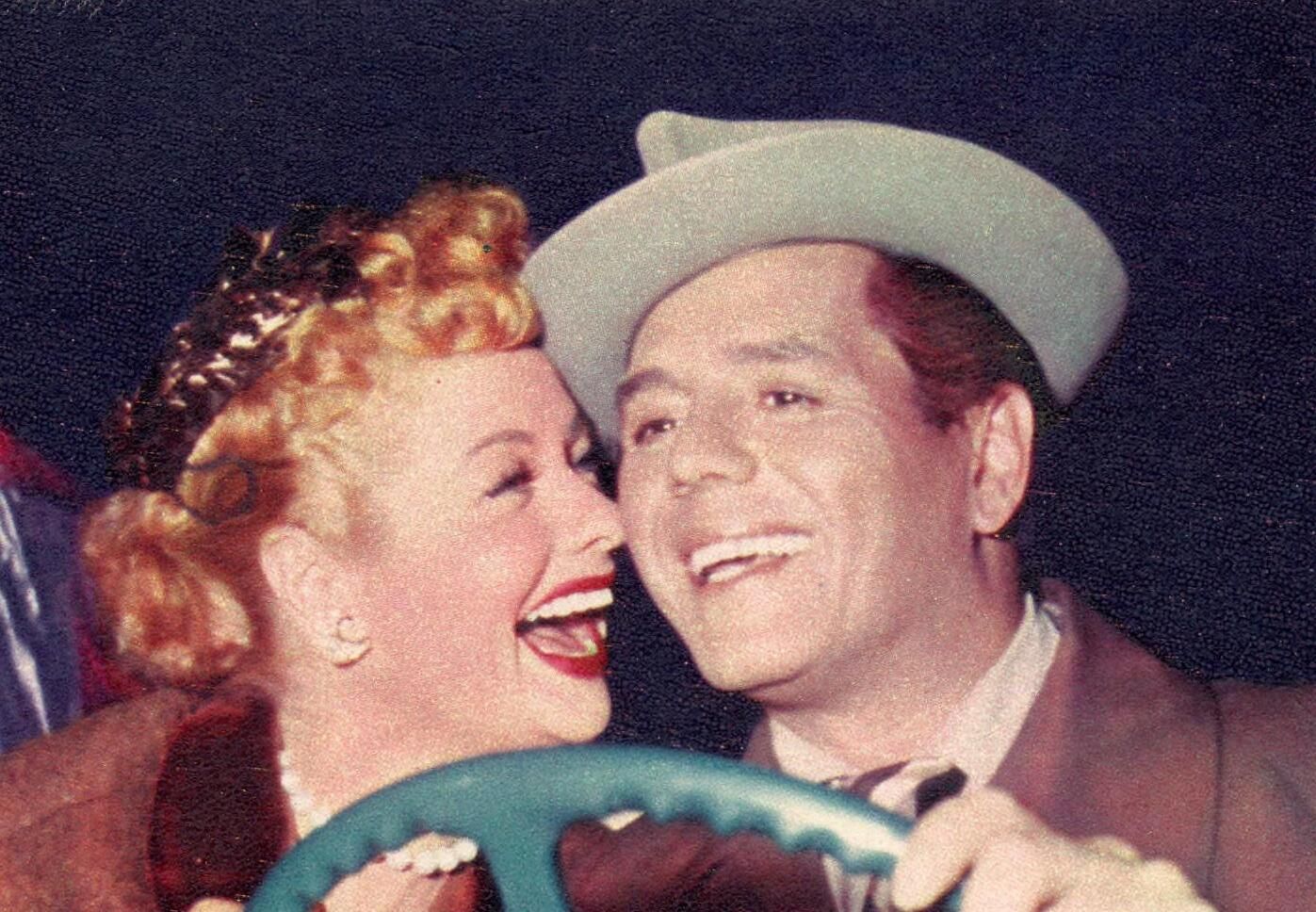
Image: TV Guide, Public domain, via Wikimedia Commons

Desi Arnaz and Lucille Ball played the ultimate sitcom couple, Ricky and Lucy Ricardo, on I Love Lucy (1951–1957). Whenever Lucy got caught up in one of her classic schemes or hilarious misunderstandings, Ricky would step in to deliver some version of "Lucy, you got some ‘splaining’ to do!"

Even though the line was never delivered exactly the same way, Ricky would always demand an explanation in similar terms, with variations like "Lucy, something needs ‘splaining’" or "What needs ’splainin’?"

8
"Is that your final answer?" - Who Wants to Be a Millionaire?

Image: Idea SV, CC BY-SA 3.0, via Wikimedia Commons

Maybe it’s just nostalgia, but it’s hard not to feel the tension when you hear "Is that your final answer?" That classic line from Who Wants to Be a Millionaire? originated with Chris Tarrant, the original host of the British version, which debuted in 1998. But it was Regis Philbin, host of the American version (which premiered in 1999), who helped the phrase achieve worldwide fame.

The question added a moment of suspense, often making contestants second-guess themselves. Over time, its impact went far beyond the game, becoming an indisputable part of the cultural lexicon

9
"Live long and prosper" - Star Trek
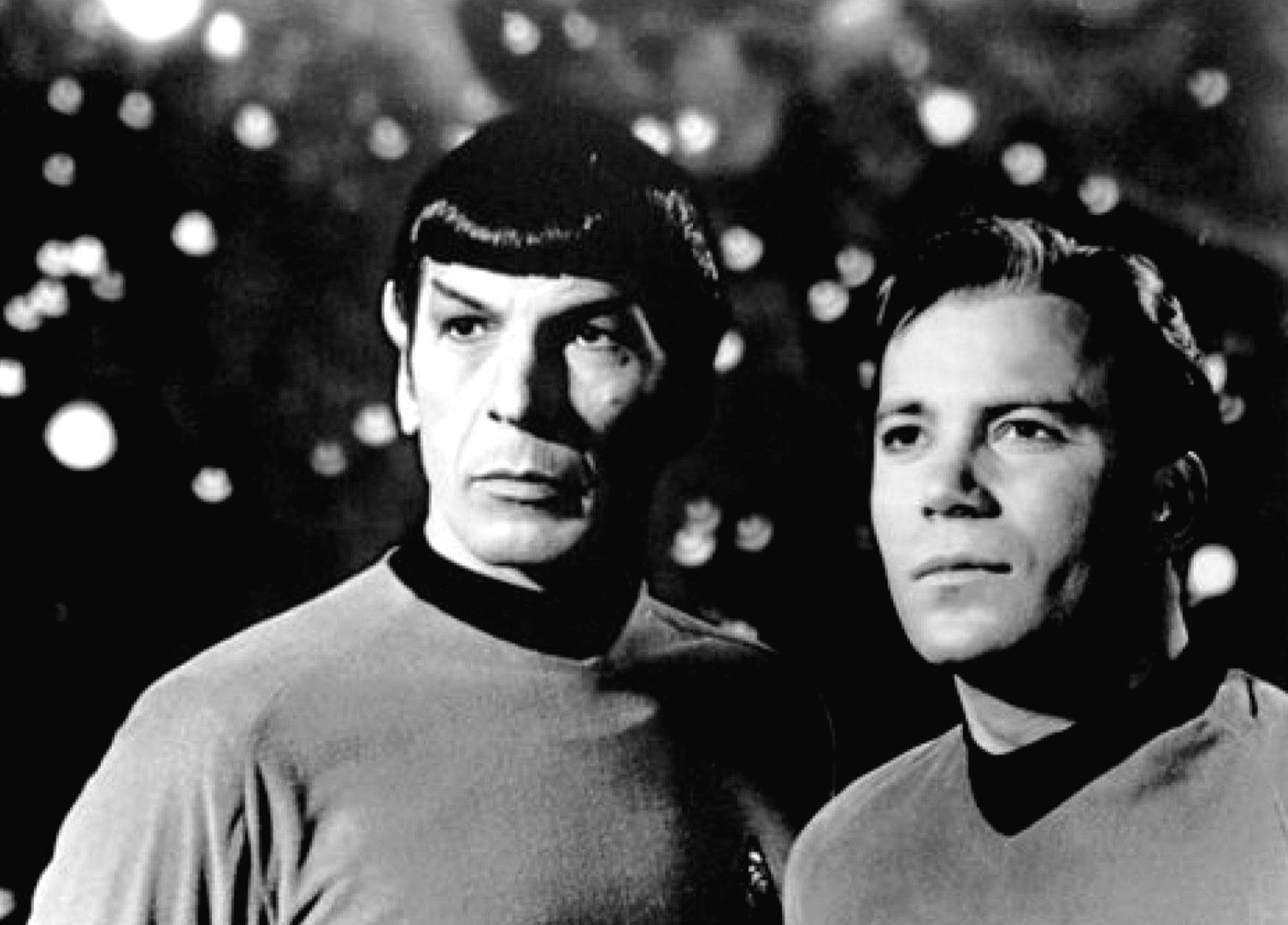
Image: NBC Television, Public domain, via Wikimedia Commons

You may remember Leonard Nimoy’s voice as Spock delivering his signature "Live long and prosper" in the original Star Trek (1966–1969). As a traditional Vulcan greeting, the line was often paired with the iconic hand gesture, where the fingers split to form a "V" shape. The phrase went on to transcend generations, which makes it even more surprising that it wasn’t part of the original script; it was Nimoy who came up with both the gesture and the phrase for the show.

10
"Norm!" - Cheers
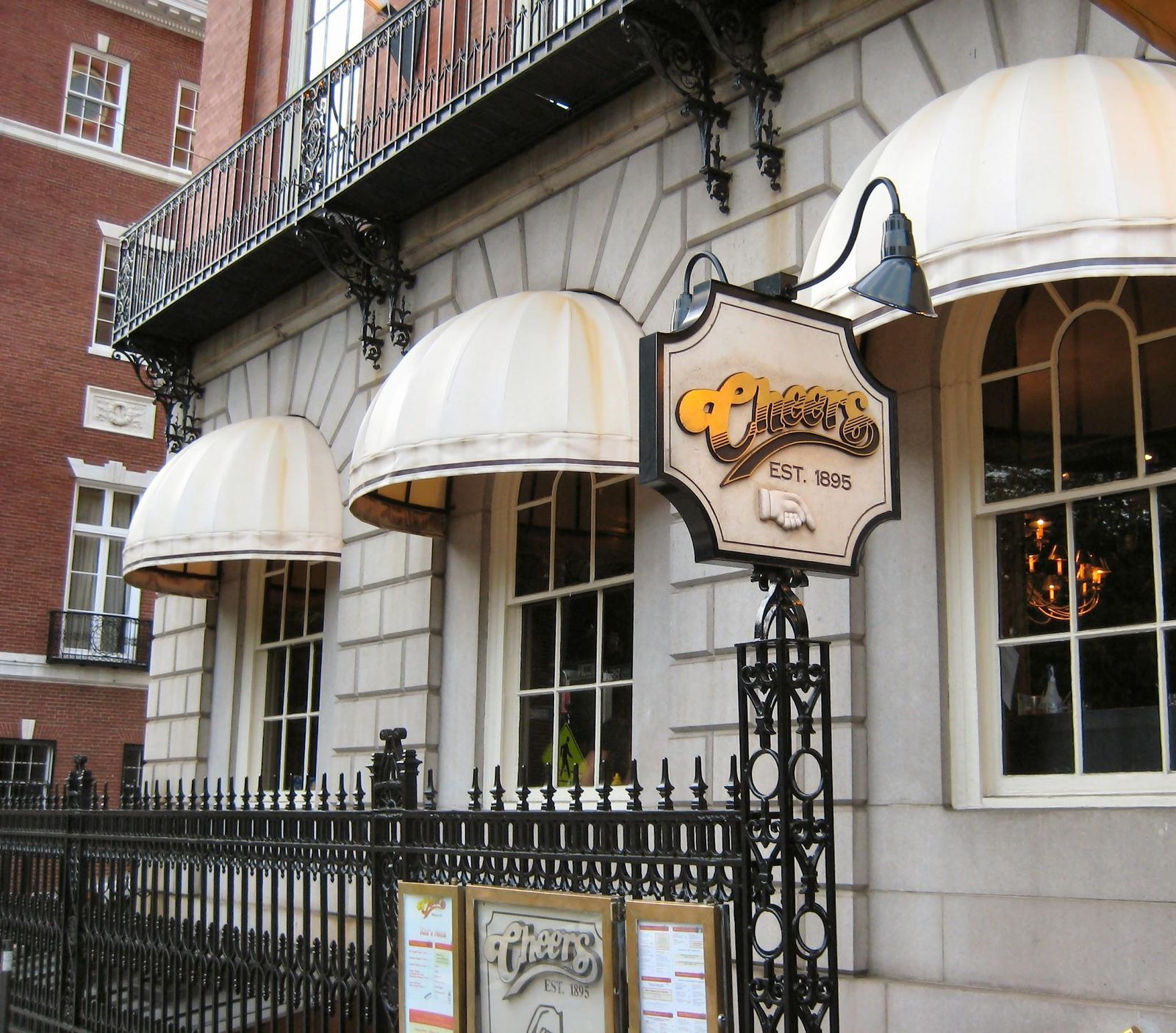
Cheers (1982–1993) is one of those shows that’s hard to forget, and anyone who’s seen it will instantly remember the shout of "Norm!" This was the familiar greeting from the bar’s staff and regulars every time Norm Peterson, played by George Wendt, walked through the door. Norm is one of the few characters to appear in all 275 episodes of the series, so that moment became a beloved and frequent (very frequent) ritual.

General General 4 min read

WHAT GOES INTO A NAME?

10 States with unusual names explained

Image: Nico Smit

A lot of consideration goes into naming a state. Or, at least, it should. After all, that enormous piece of public land will be an important part of the country, and its citizens will be defined by its name as well. Some states’ names are obvious: New York was named after the English town of York, New Mexico was named after Mexico, and so on. But many other states have strange-sounding names, like Wyoming or Connecticut. Stick around until the end of this list and learn why ten of these states are named that way!

1
Massachusetts

Image: Kaya Arro

A curious word in itself, Massachusetts originated from an Algonquian word meaning "large hill place." The term "Massachusett" was first recorded in 1616 as the name of a village near present-day Boston, and the English added an -s to signify the plural.

The name was applied to the bay, from which the Massachusetts Bay Company, founded in 1629, took its name. With the Massachusetts Constitution of 1780, legislators officially adopted the name Commonwealth of Massachusetts.

2
Michigan

Image: Aaron Burden

Another name with an Algonquian origin, like Massachusetts, Michigan comes from the word mishigama which means "big lake." The state was named after its chief geological feature: that large body of water to its west. After all, Michigan is in direct contact with four of the five Great Lakes.

When the area became a U.S. territory, the name Michigan was adopted as the name of the state. Michigan achieved statehood in 1837.

3
Montana

Image: Tim Stief

A name most likely derived from the either Spanish ( Montaña ) or Latin ( Montanus ) word for mountain, Montana was suggested by Rep. James M. Ashley of Ohio, who was a member of the House Committee on Territories. He recommended it in 1863 for the territory that would become Idaho. He liked the name so much that he recommended it again for a territory being organized in 1864.

The name Montana itself was first given in 1858 to a town in the Pike’s Peak gold region, which was at the time part of Kansas and is today part of Colorado. The town eventually died, though, when the gold ran out, but the name lived on.

4
Oklahoma

Image: Skyler Smith

The name Oklahoma was coined in 1866 by Allen Wright, a Choctaw chief and Presbyterian minister who served in the Confederate Army during the Civil War. He combined two Choctaw words that, together, mean "Land of the Red People." Eventually, the name was adopted into the Choctaw-Chickasaw Treaty.

5
Pennsylvania

Image: Lera Kogan

In 1681, the English king Charles II gave a land grant to William Penn. The charter designated that the colony was to be called Pennsylvania, which was a combination of Penn’s name and the Latin " silva " (spelled " sylva " in the 17th century), meaning "forest." Therefore, Pennsylvania means " Penn’s forest ."

William Penn had originally suggested that the land be called New Wales, but since the charter was signed with Pennsylvania permanently inscribed, he declared that the name was in honor of his father.

6
Tennessee

Image: Brice Cooper

While the names of many states originate from descriptions, the name of Tennessee didn’t have any particular meaning when it was bestowed upon the Volunteer State. This name originally came from a Cherokee town called Tanasqui by the Spanish, and Tinnase by the English. But the Cherokees themselves didn’t associate any literal meaning with the word.

The name was also given to a stream near the town, and as English settlers moved downstream, they carried the name with them. Tennessee first appeared in that spelling as the name of a newly organized county in North Carolina in 1788, and it was eventually proposed and accepted by Congress as a state name in 1796.

7
Wyoming

Image: Kellie Klumb

The name of Wyoming originated from the Algonquian word meche-weami-ing , which meant " at the big flats. " It was originally applied to a valley in Pennsylvania and became well-known through Thomas Campbell’s epic 1809 poem "Gertrude of Wyoming," which was about a girl from Pennsylvania.

James Ashley, a member of the House Committee on Territories representing Ohio, suggested the name for a new territory in 1868.

8
Alaska

Image: Rod Long

The name Alaska is thought to come from the Aleut word aláxsxaq or aleyska , which translates to " an object to which the sea is directed ."

When Alaska was purchased from Russia in 1867, the name Alaska was suggested by Senator Charles Sumner under the belief that it meant "great land," when in fact the word was simply what Aleuts used to refer to the mainland.

9
Connecticut

Image: Christopher Luther

Whoever thinks Connecticut sounds like a complicated word, should take a look at the Algonquian word from which it originated: Quinnehtukqut , which means " place beside the long tidal river. "

An English scribe probably inserted the second, silent "c" in the name into the word to form the more common "connect" section, as we know it today.

10
Idaho

Image: Clay Elliot

The name of the state of Idaho has at least two probable origins. On the one hand, it may be derived from the word Idahi , the Kiowa-Apache name for the Comanche, both of whom were known to have been in that area. On the other hand, it might have been fabricated by a mining lobbyist at a time when native-sounding names were popular.

When Colorado was being organized as a territory in 1860, the name Idaho was considered, but Congress chose Colorado instead. The name came up again in 1863 when territories farther north were being organized. Montana was first proposed for the new area, but the U.S. Senate decided to call it Idaho.

Culture Culture 5 min read

Music legends

Rock all night with these 10 American rockstars!

Image: Kenny Eliason

Rock music is considered by many to be the most groundbreaking genre of the 21st century. It has spawned countless iconic songs, and almost 80 years since its inception, it shows no sign of slowing down. In that sense, America has produced its fair share of iconic rockstars throughout the decades. These revolutionary musicians have helped shape the music of their time, so we decided to pay homage to 10 of the most innovative and influential American rockstars in history. With that in mind, there’s only one question left to ask: Are you ready to rock?!

1
Chuck Berry

Image: Provincial Archives of Alberta

Let’s begin with the man known as the "Father of Rock and Roll." To label Chuck Berry as a pioneer would definitively misrepresent the legacy of this amazing musician; Berry was almost solely responsible for introducing the key elements that would eventually define rock music.

Songs like "Maybellene," "Roll Over Beethoven," and "Johnny B. Goode" influenced countless musicians through the ages. Legendary artists like the Beatles and the Rolling Stones famously covered some of his songs, while Bob Dylan once defined Berry as "the Shakespeare of Rock n’ Roll."

2
Bruce Springsteen

Image: Jose Antonio Gallego Vázquez

Up next, we have a boss that anyone would love to have in their office. Bruce Springsteen is undoubtedly one of New Jersey’s favorite sons. Known as "The Boss," Springsteen has dazzled the American public since his first album in 1973, earning a myriad of awards and recognitions in the process, including the Presidential Medal of Freedom.

Known for his insane charisma and distinctive voice, Springsteen has performed with his iconic "E Street" band since 1972. Rolling Stone magazine has described him as "the embodiment of rock and roll" and included him in its list of "100 Greatest Artists of All Time."

3
Jimi Hendrix

Image: Aditya Wardhana

Can the ‘60s be summarized by one musician? Many believe they can even summarized by one performance: Jimi Hendrix’s jaw-dropping rendition of the "Star-Spangled Banner" at Woodstock. In a way, this legendary guitarist embodies the innovation and freedom that characterize this era, but make no mistake: Hendrix’s contributions to rock and roll can’t be limited to a single decade. Suffice it to say that the Rock and Roll Hall of Fame considers him to be "arguably the greatest instrumentalist in the history of rock music."

Born in Seattle, Hendrix showed interest in music from an early age. He bought his first guitar at age 15 and practiced daily, imitating the styles of blues musicians like B.B. King and Howlin’ Wolf. While he sadly passed away at age 27, his legacy continues to live on in every single one of his amazing songs.

4
Elvis Presley

Image: Clem Onojeghuo

Chuck Berry might have been the "Father of Rock and Roll," but Elvis Presley was this genre’s undisputed "King." This musician’s legacy is as timeless and eternal as his songs are, earning him a well-deserved spot among America’s most beloved pop culture icons. Just think of all the countless Elvis impersonators around the world to realize how iconic Elvis’s music and style were.

Elvis received his first guitar at the age of 7. Little did anyone know that this birthday gift would be the first step in a meteoric musical career. From his amazing dance moves to his unbelievable charisma, Elvis will forever be remembered as an American icon.

5
Tom Petty

Image: Samuel Ramos

In the 1980s, when Tom Petty joined the musical supergroup "The Traveling Wilburys," he stood shoulder to shoulder with juggernauts like Bob Dylan, George Harrison, and Roy Orbison. While Petty was relatively a newcomer when he joined what many believe to be the biggest supergroup in history, time would prove that he had what it takes to become one of the most memorable rock stars in history.

According to the man himself, Petty’s love for rock 'n' roll first started when he met Elvis Presley at age 10. This love for music would eventually lead him to form his most iconic band, "Tom Petty and the Heartbreakers," with which he performed for almost 40 years.

6
Jon Bon Jovi

Image: Simon Weisser

It takes talent to make your last name synonymous with rock 'n' roll, but John Francis Bongiovi Jr., better known as Jon Bon Jovi , was able to turn his last name into the name of one of the most groundbreaking bands of the ‘80s.

Born in Perth Amboy, New Jersey, Jon formed Bon Jovi when he was still in his teens, quickly rising to fame and becoming an undisputed rock star. While he is still very much active in music, he has also built a very successful acting career, appearing in TV shows like Sex and the City and The West Wing .

7
Jim Morrison

Image: Markus Spiske

Take it to the world of rock 'n' roll to produce a nickname like "the Lizard King" to describe one of the most emblematic vocalists of the '70s. Regardless of whether there was someone who could pull off such a strange nickname, it was Jim Morrison . In fact, this singer chose the nickname himself, as it perfectly described both his fascination with reptiles and Native American culture.

Morrison’s deep voice and magnetic persona were among the main reasons behind The Doors' rise to prominence, quickly making them the first American band to achieve eight consecutive Gold LPs. While his life was unfortunately cut short at the age of 27, his songs, poetry, and journals will forever celebrate the Lizard King’s legacy.

8
Prince

Image: DJ Johnson

Prince's first live band was called "The Revolution," and we believe that this is one of the most aptly named bands in history. After all, this Minneapolis-born musician brought forward a revolutionary and fresh take on music, fashion, and art in general. Known for his amazing falsetto voice and flamboyant persona, Prince is considered to this day one of the very best musicians in history.

You would think that such a flashy and daring musician would take a more ostentatious stage name, but Prince Rogers Nelson performed under his first name throughout his entire career. Actually, that’s not entirely true: while in the midst of a contractual dispute, he performed as " The Artist Formerly Known as Prince " for approximately a decade.

9
Steven Tyler

Image: Matt Botsford

Steven Tyler might have the nickname that every rock singer probably covets: known as "the Demon of Screamin’," Aerosmith’s frontman is recognized for his powerful voice and vast vocal range.

Tyler has been at the helm of Aerosmith since its beginning in Boston in the early ‘70s, producing such hits as "Dream On" and "Walk This Way." While the band is currently on hiatus due to Steven injuring his vocal cords, Aerosmith still hopes to return to performing soon.

10
Kurt Cobain

Image: Panos Sakalakis

The '90s introduced the world to a new take on rock music: for many, grunge was the quintessential sound of this decade, characterized by its raw and angry tone. In that sense, there’s no band that represents the '90s better than Nirvana, and this legacy is in no small part due to Kurt Cobain.

Known for his scruffy yet powerful voice, Cobain led this iconic trio since its inception in 1987. While his untimely death deprived the world of his incredible talent, his legacy still lives on in amazing songs like "Smells like Teen Spirit" and "Come as You Are."

Explore more American facts

Choose your favorite category!

General
General

As American as apple pie—the very best America has to offer!

Culture
Culture

Delve into the astounding richness of American lore.

Geography
Geography

Hop in and explore vast and diverse American landscapes.

History
History

Discover the key moments that shaped the United States.