How did a car manufacturer change American barbecue forever?

Image: EMRANU
Few culinary rituals bring people together quite like gathering around a sizzling grill on a summer afternoon. The modern backyard grill is a perfect blend of ancient culinary traditions, industrial ingenuity, suburban expansion, sports, and pop culture. From ancient hearths and car manufacturing to sea buoys cut in half, here are 10 surprising facts about the fascinating history of the backyard grill.
1
Grilling dates back to ancient civilizations
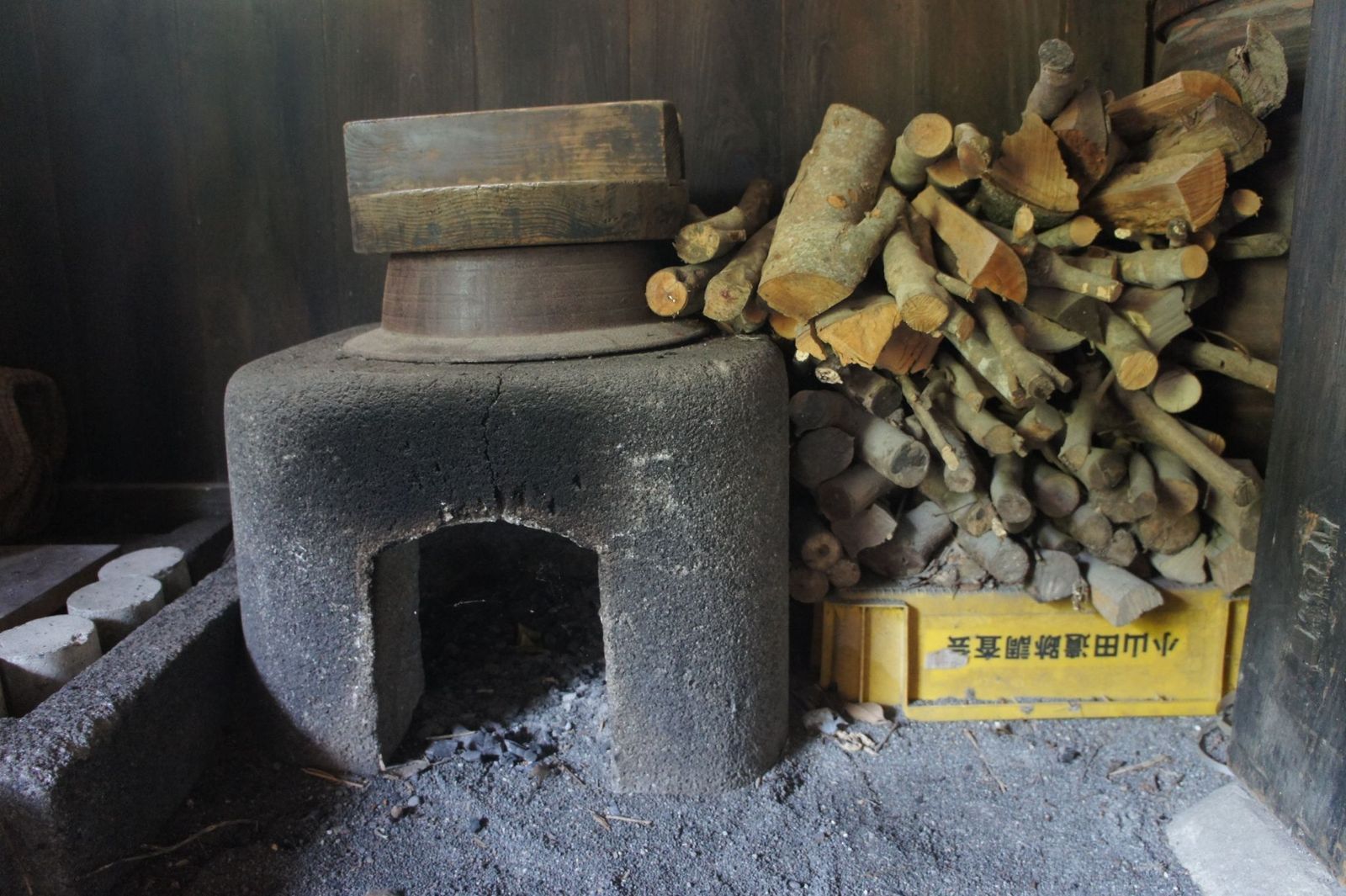
Ancient civilizations were the first to master the art of cooking meat over open flames. Archaeological digs across the Mediterranean, Asia, and Mesoamerica have unearthed primitive clay braziers, iron grates, and roasting pits dating back thousands of years.
Ancient Greeks and Romans cooked meat on iron grids elevated over hot embers, while ancient Asian cultures used portable ceramic cookers like the Japanese Kamado. The fundamental principle, direct heat transforming raw meat into a charred meal, has remained unchanged for millennia.
2
Caribbean roots of modern barbecue
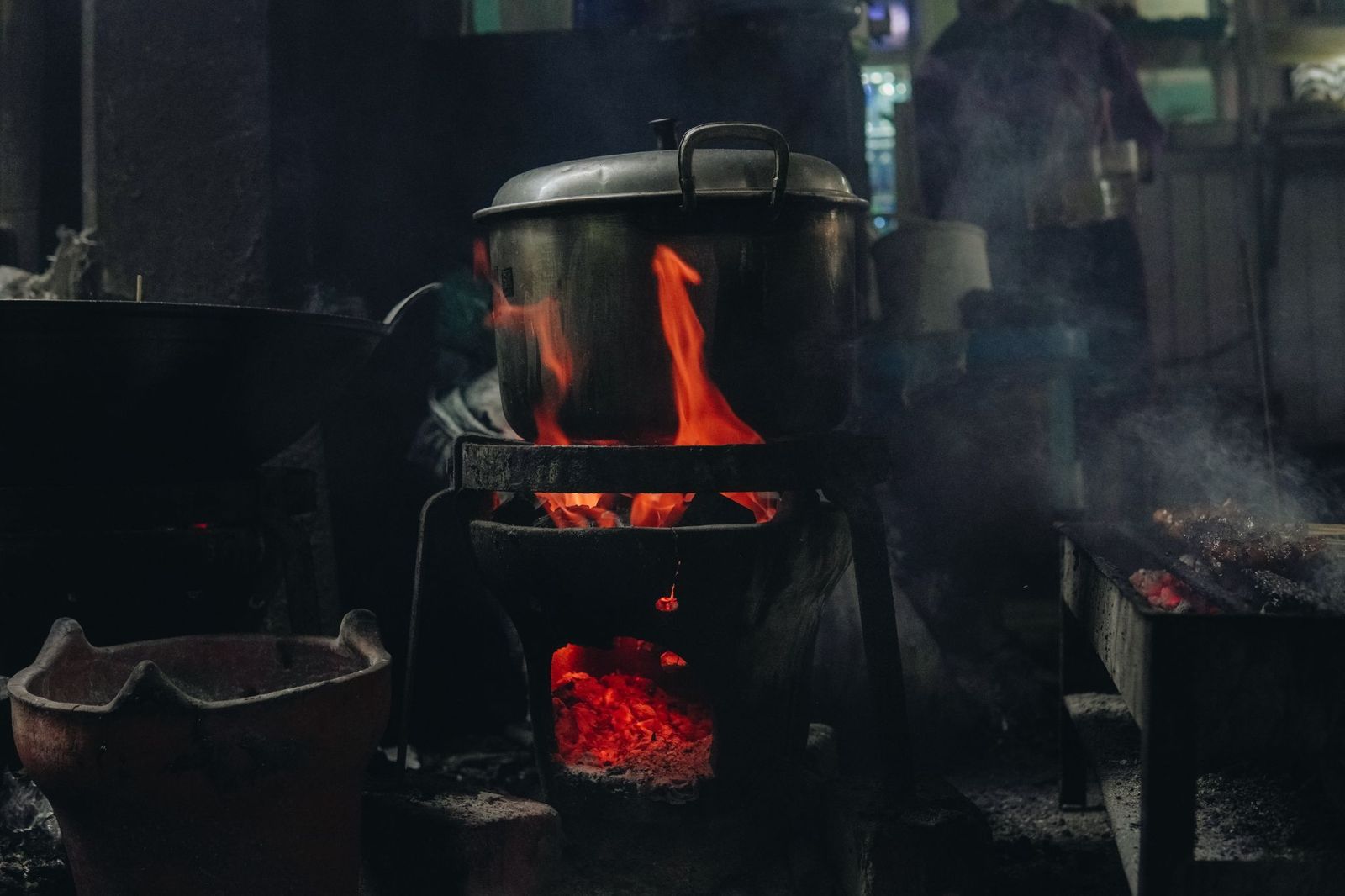
The word "barbecue" traces back to the Indigenous Taíno and Arawak peoples of the Caribbean. When Spanish explorers arrived in the West Indies during the 15th and 16th centuries, they observed native inhabitants drying and slow-smoking meat over raised wooden frameworks built from green timber.
The Arawak called this elevated rack a barabicu . Spaniards adapted the term to barbacoa and eventually made its way into English as "barbecue".
3
Henry Ford patented the first charcoal briquette
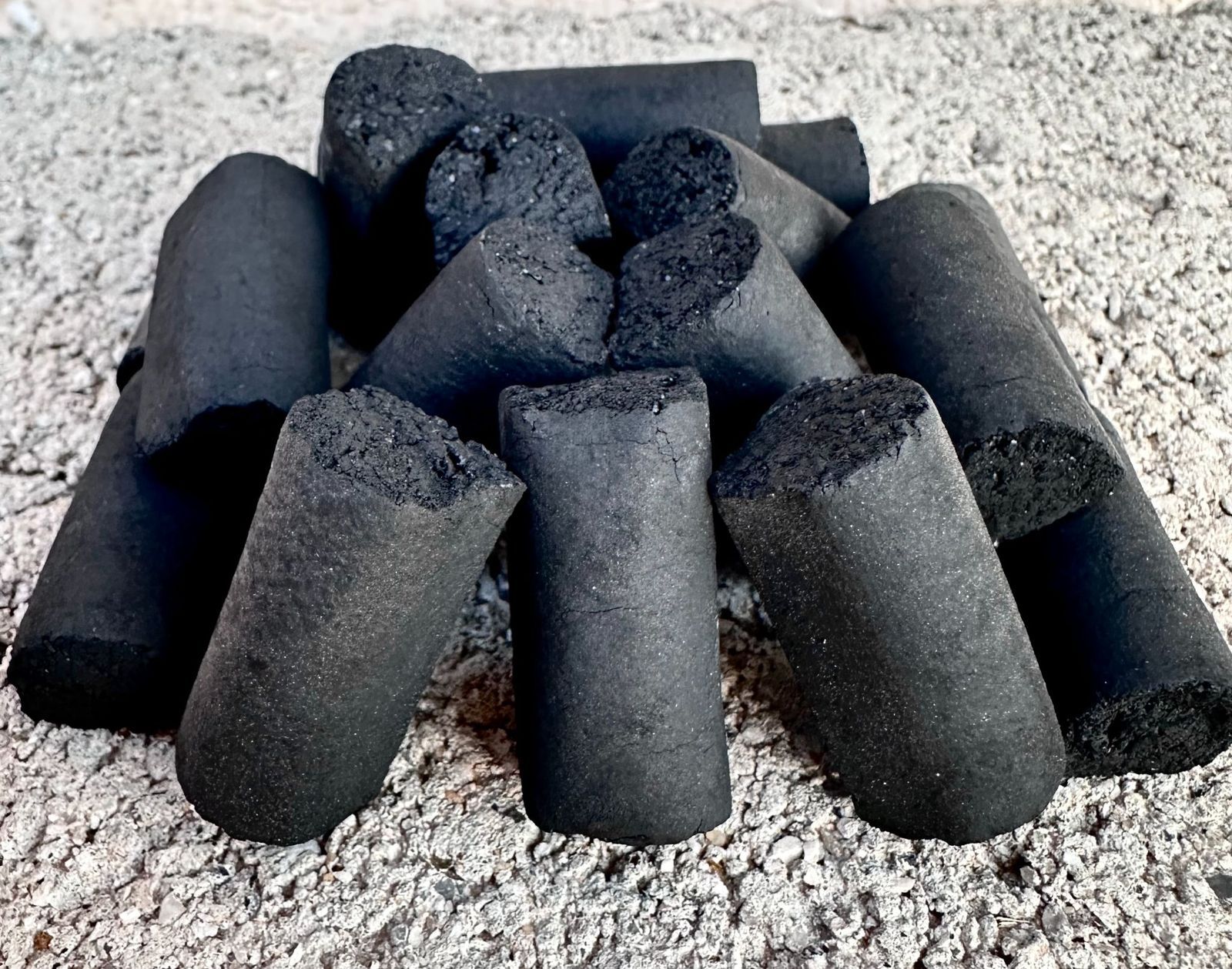
In one of history’s most surprising industrial crossovers, the charcoal briquette exists thanks to the Model T car. In the 1920s, Henry Ford realized his automotive plants were generating tons of scrap wood and sawdust. Looking for a profitable way to repurpose the waste, Ford consulted inventor Thomas Edison.
Together they developed a process to compress powdered charcoal mixed with starch binders into dense pillows. Ford established a charcoal plant and sold "Ford Charcoal" at his car dealerships, encouraging motorists to explore the countryside on weekend camping trips. After Ford sold the operation, it was renamed Kingsford Charcoal, which remains a dominant brand today.
4
Weber invented the iconic kettle grill
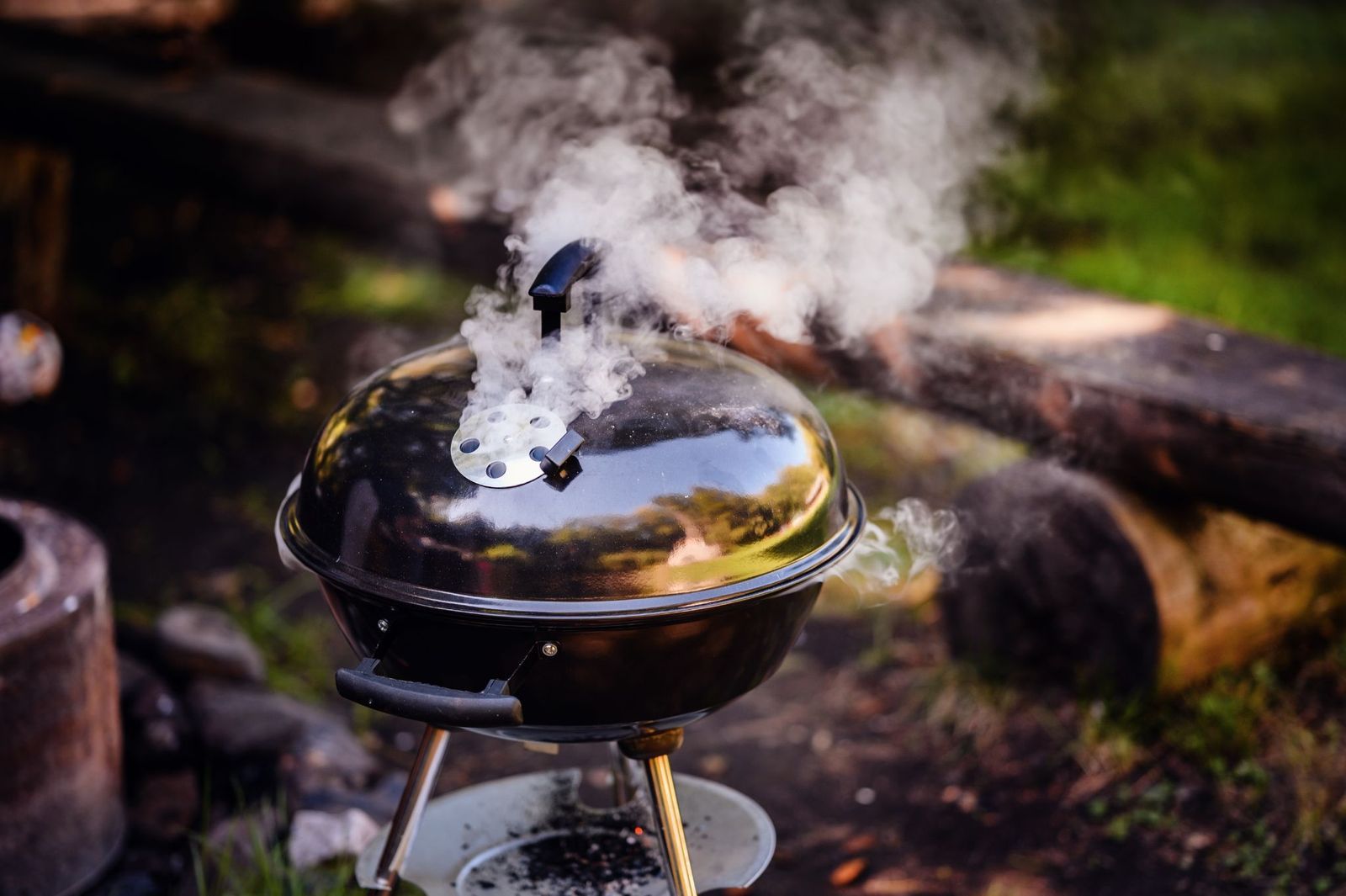
Before the 1950s, backyard outdoor cooking was an irritating chore conducted over open brick pits or shallow metal brasero pans. Rain, wind, ash, and sudden grease flare-ups frequently ruined meals.
Frustrated by open grills, a welder at Weber Brothers Metal Works in Chicago took a hollow metal buoy used for lake navigation, cut it in half, added legs, and punched ventilation holes in the top dome. The enclosed sphere created a convection oven effect, giving cooks control over oxygen, heat, and smoke while protecting food from the elements. Released in 1952 as the "Weber Kettle," it revolutionized backyard cooking forever.
5
The rise of the gas grill
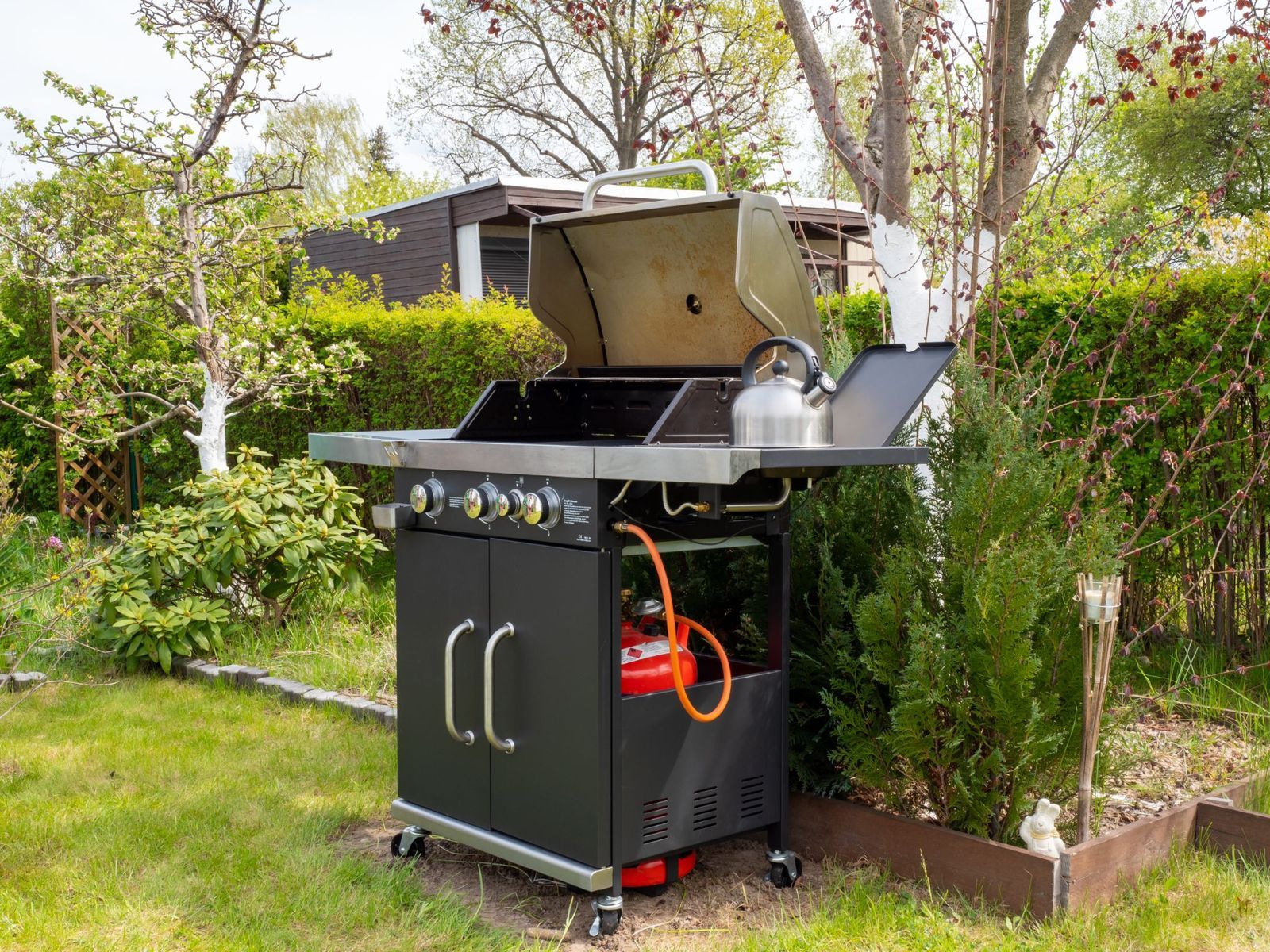
Charcoal provided a delicious smoky flavor, but it required patience and cleanup. In the late 1950s and early 1960s, natural gas companies looked for new ways to promote gas consumption during warm summer months when home heating demands dropped.
In 1960, Walter Coleman and William G. Wepfer of the Arkansas-Louisiana Gas Company modified a charcoal grill to run on liquid propane bottled in portable tanks. Shortly thereafter, companies like Chicago Combustion Corporation introduced the LazyMen gas grill. The promise of turning a knob and cooking within minutes opened up weeknight outdoor dining to busy families.
6
Backyard grilling became a post-war tradition
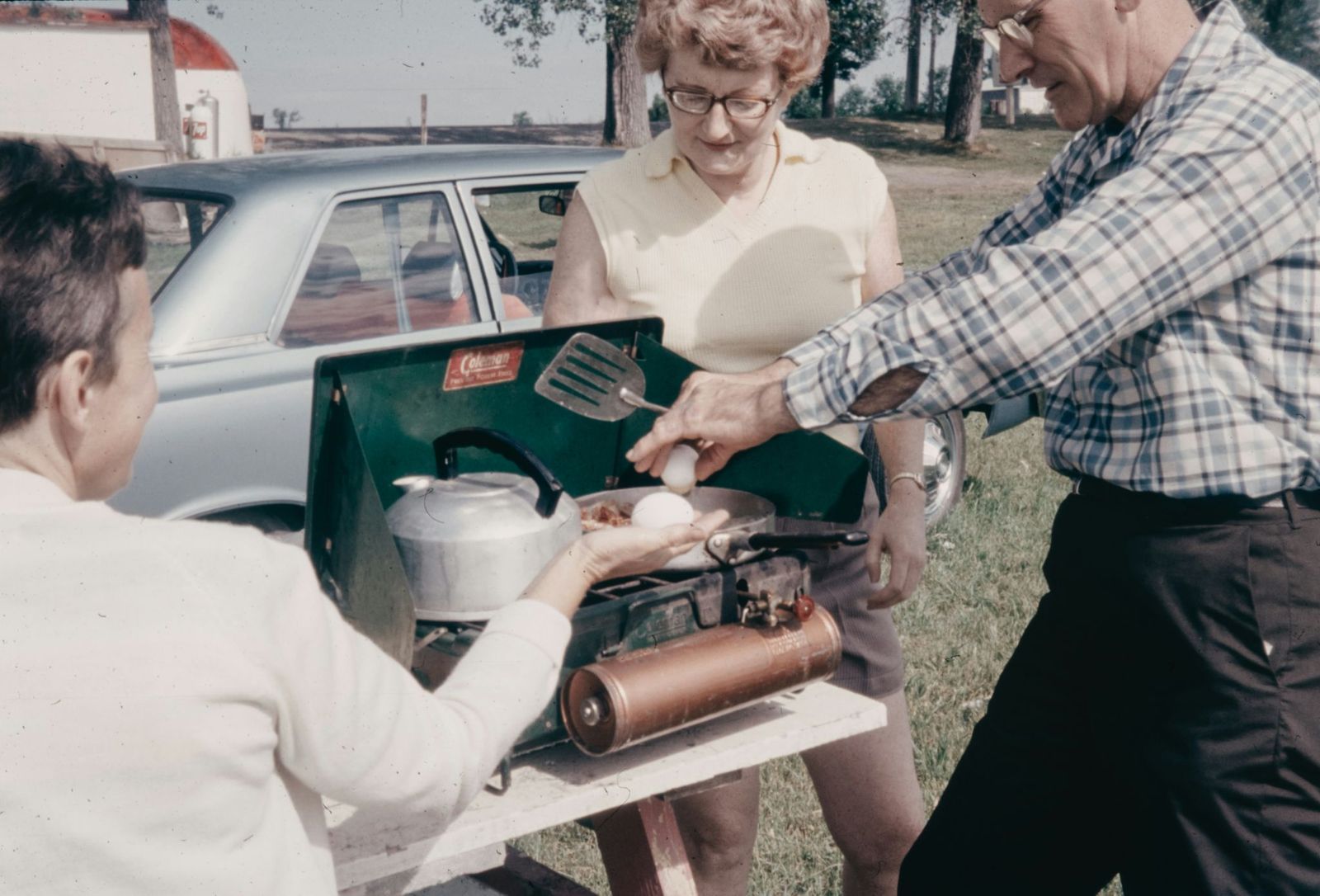
The end of World War II sparked an unprecedented housing boom across North America, giving rise to suburban neighborhoods. Suburban homes featured private yards, paved patios, and sliding doors that blurred the line between indoor and outdoor.
Grilling became a symbol of leisure and hospitality. Pop culture reinforced this trend, positioning suburban fathers as the "pitmasters" of the backyard.
7
Grilling goes global: international influences
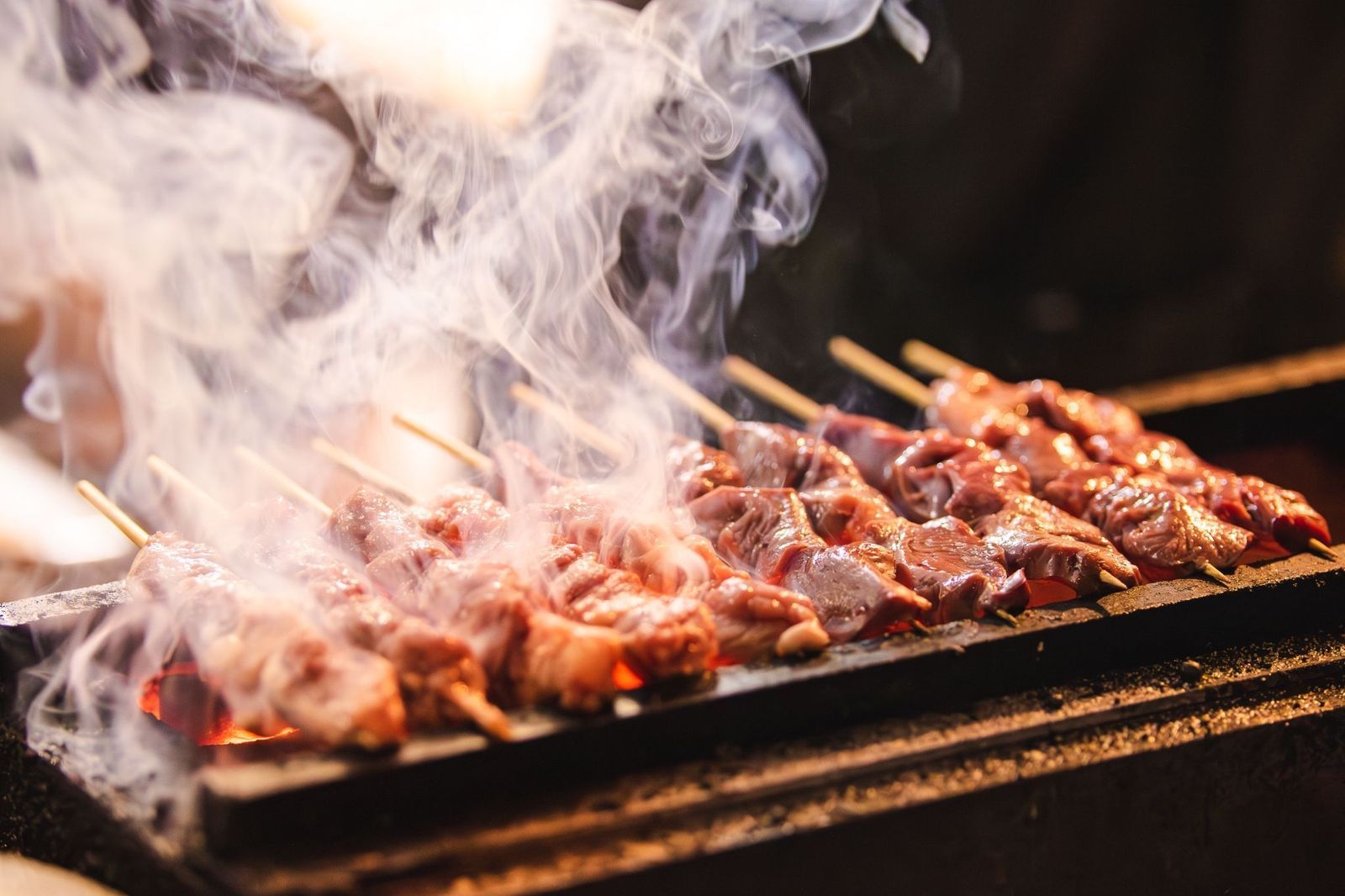
20th-century travel and immigration made suburban pitmasters incorporate global traditions into their setups. These diverse techniques, such as Japanese Hibachi & Yakitori, South African Braai, Korean Gogi-gui, and Brazilian Churrasco, enriched backyard menus, elevating simple burgers and hot dogs into a world of complex marinades and skewered meats.
8
The first barbecue cookbook
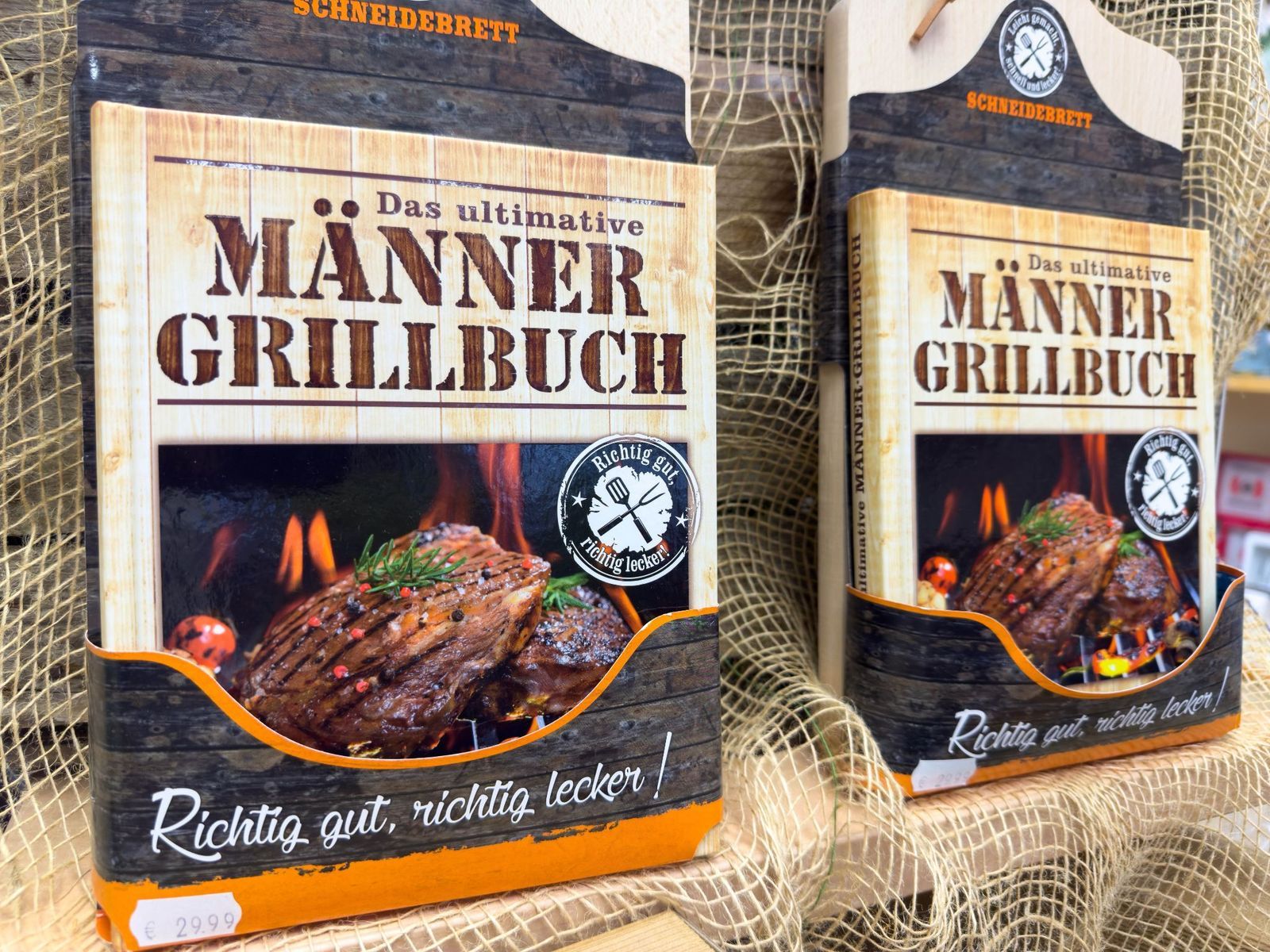
As outdoor cooking conquered the backyards, home cooks needed help beyond basic grilling. In 1939, Sunset Magazine published Sunset’s Barbecue Book , considered the first dedicated barbecue cookbook.
Written specifically for suburban homeowners, the book included blueprints for building stone or brick backyard pits, alongside recipes for marinades, basting mops, and dry rubs. In just a few years, pit cooking became a domestic culinary art form.
9
Grill competitions spark a culinary movement
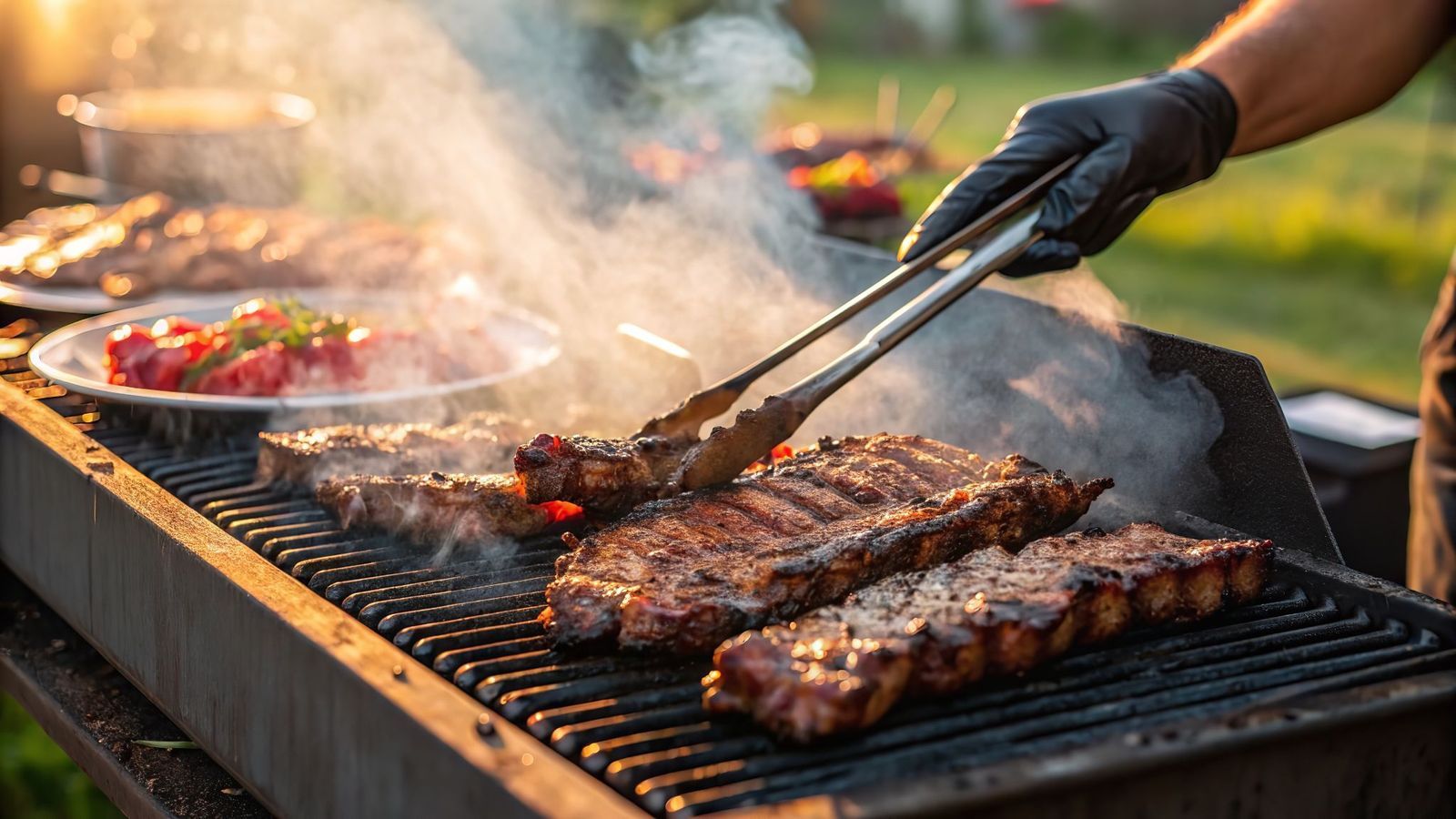
In the late 1970s and 1980s, casual regional rivalries blossomed into competition circuits like the Memphis in May World Championship Barbecue Cooking Contest and the Kansas City Barbeque Society (KCBS).
These events brought together backyard enthusiasts, commercial pitmasters, and scientists to debate the precise mathematics of internal meat temperatures, smoke rings, and wood choices.
10
Tailgating perfected the portability of grills

The growth of American college football and professional sports stadiums during the mid-20th century gave birth to a unique pre-game tradition: tailgating. Fans realized that portable propane units and mini kettle grills could turn stadium parking lots into outdoor kitchens. Grill manufacturers responded by designing lightweight and folding models, solidifying the grill as an essential tool for community gathering.


