General General 5 min read

A taste of home

How a fisherman's breakfast became South Carolina's official dish
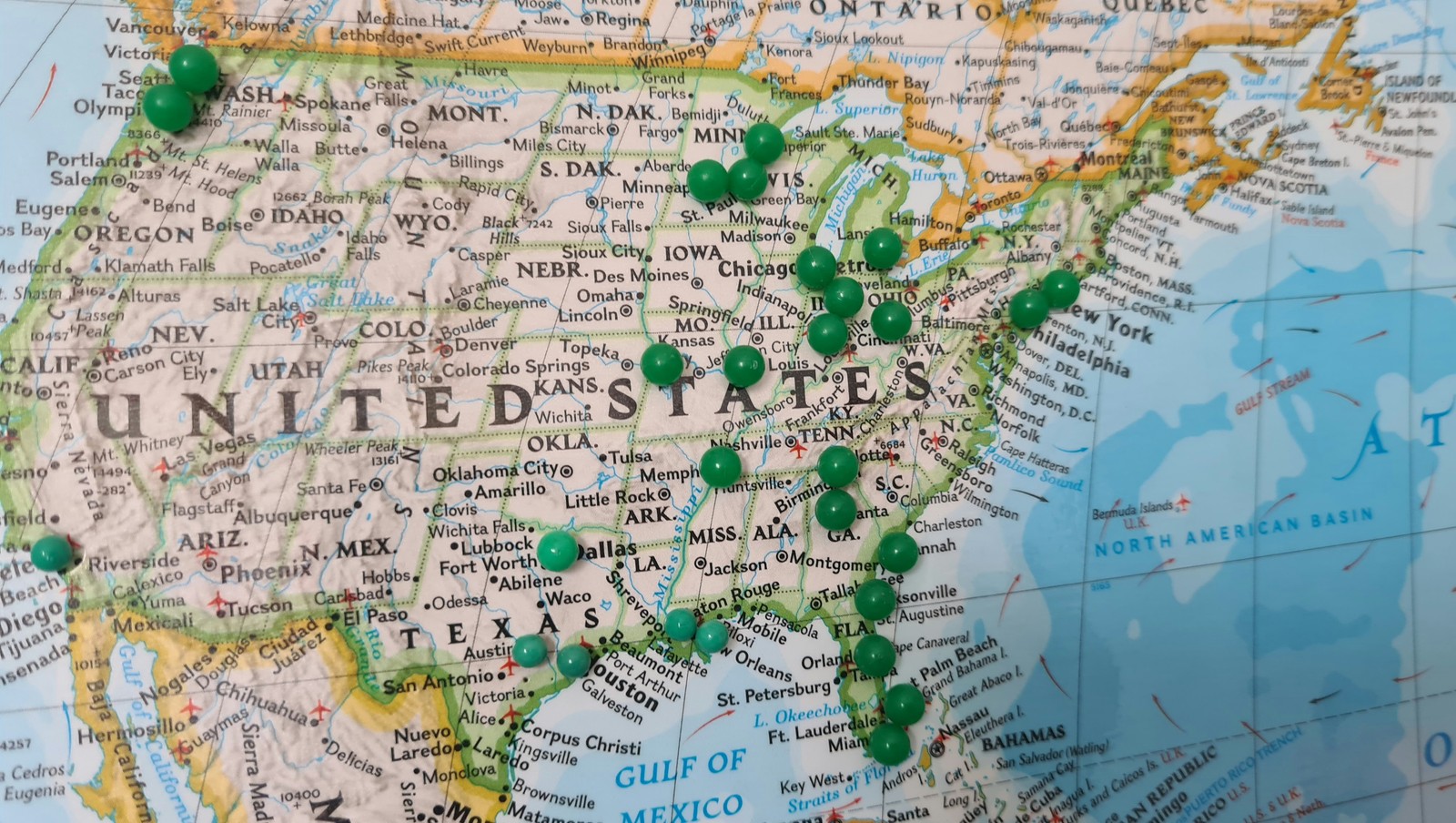
Image: Nico Smit

Every state has its pride, and sometimes that pride comes on a plate. From Baltimore's legendary crab cakes—held together with just enough filler and seasoned with Old Bay—to Boston's creamy clam chowder, unchanged since 1826, America's most iconic state foods tell stories of heritage, geography, and good old-fashioned comfort . Let's take a delicious road trip through 10 states and discover where the locals go to get the real deal!

1
Maryland: Crab Cakes
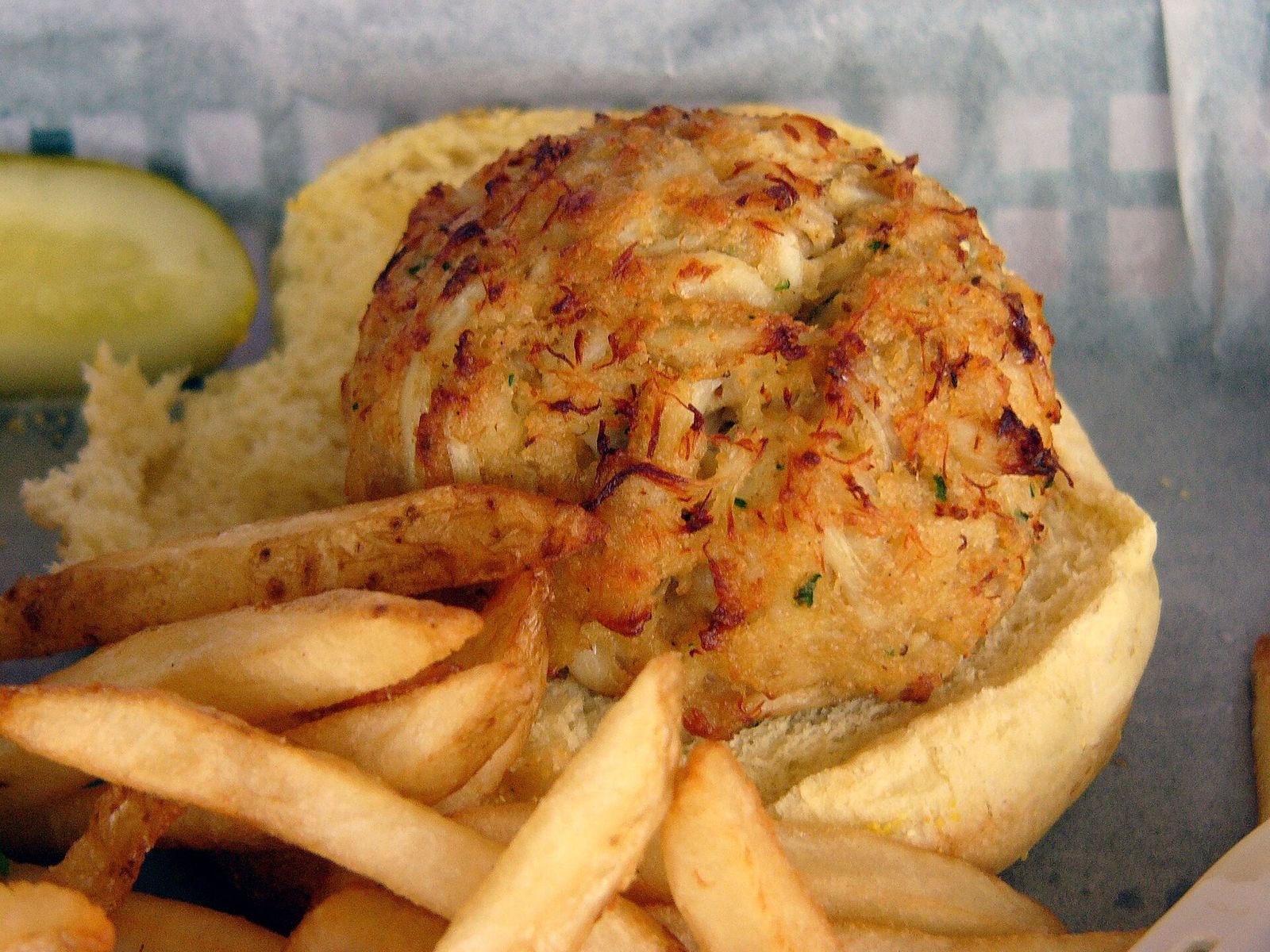
Image: Kathleen Conklin, CC BY 2.0, via Wikimedia Commons

Maryland designated the blue crab as its official state crustacean . The Chesapeake Bay is by now synonymous with blue crabs, and these legendary cakes are a point of pride for the state. A proper Maryland crab cake should contain lump meat held together with just enough filler to keep it from falling apart, seasoned with Old Bay.

Head to Faidley's Seafood in Baltimore's Lexington Market, where they've been serving them since 1886.

2
Louisiana: Gumbo
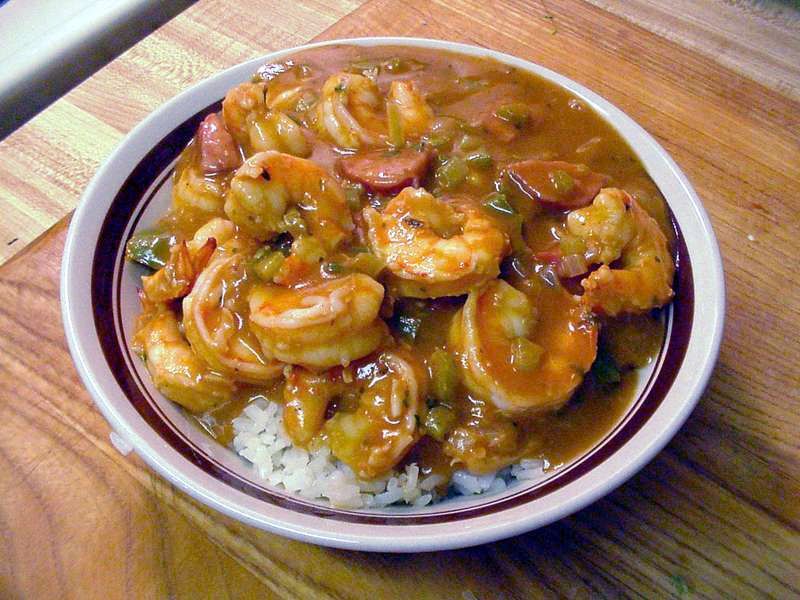
Image: jons2 at pdphoto.org, Public domain, via Wikimedia Commons

Gumbo is widely recognized as one of Louisiana’s emblematic dishes, and for good reason. This rich, soul-warming stew was born in the melting pot of 18th-century Louisiana, where enslaved Africans, French colonists, and Native American communities lived in close proximity and blended their culinary traditions into one. Whether you prefer it with chicken and sausage or loaded with seafood, the dark roux is non-negotiable.

For the authentic experience, locals head to Dooky Chase's Restaurant in New Orleans, where Leah Chase served her legendary gumbo for decades.

3
South Carolina: Shrimp and Grits
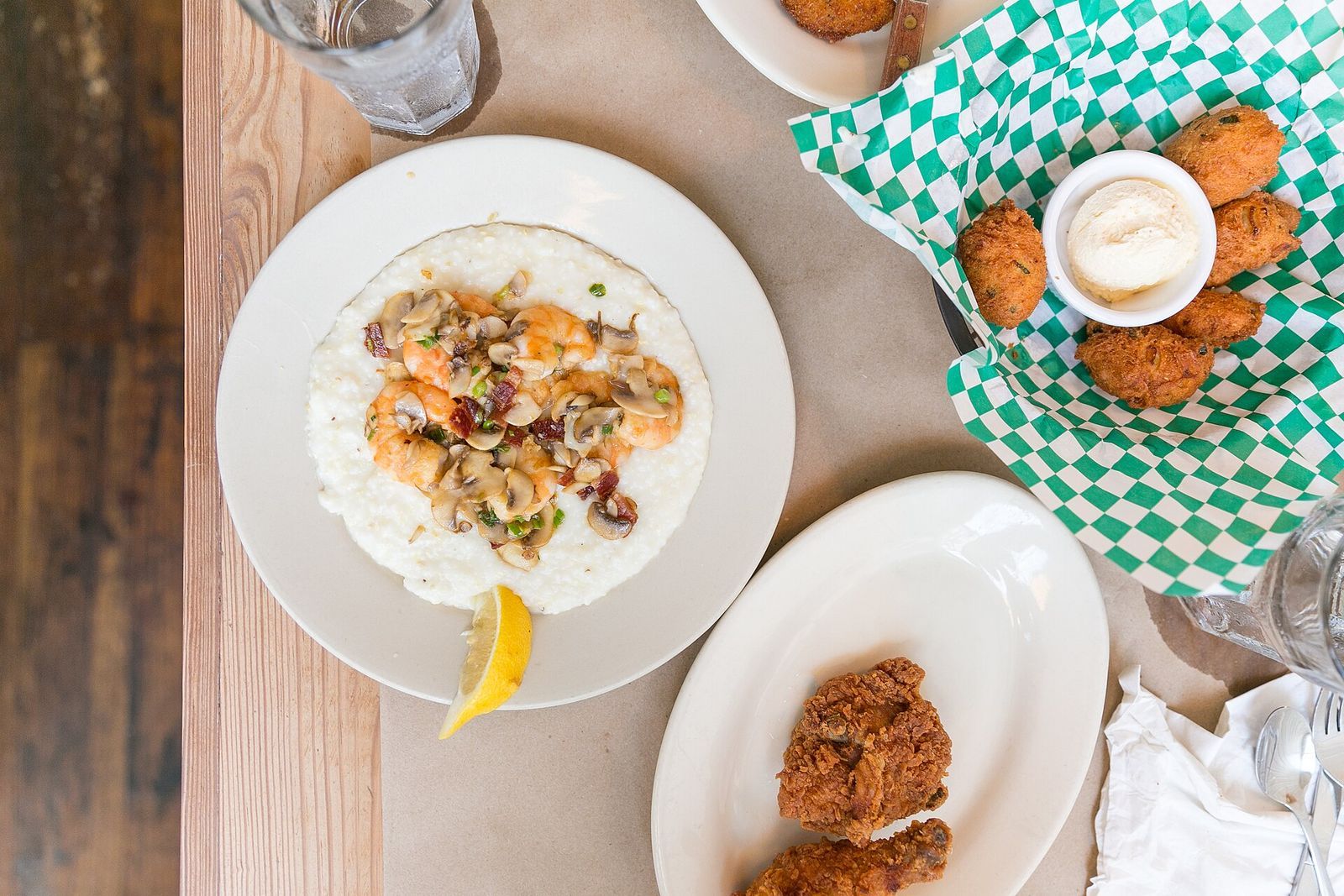
Image: City Foodsters, CC BY 2.0, via Wikimedia Commons

What started as a humble breakfast for Lowcountry fishermen has become South Carolina's staple dish. Creamy stone-ground grits topped with plump shrimp in a savory sauce: it's simple Southern comfort elevated to an art form.

Charleston's Hominy Grill perfected the combination throughout 24 years before closing in 2019, but the torch has been passed to spots like Slightly North of Broad, where locals still gather for their take on this classic.

4
New Mexico: Chile
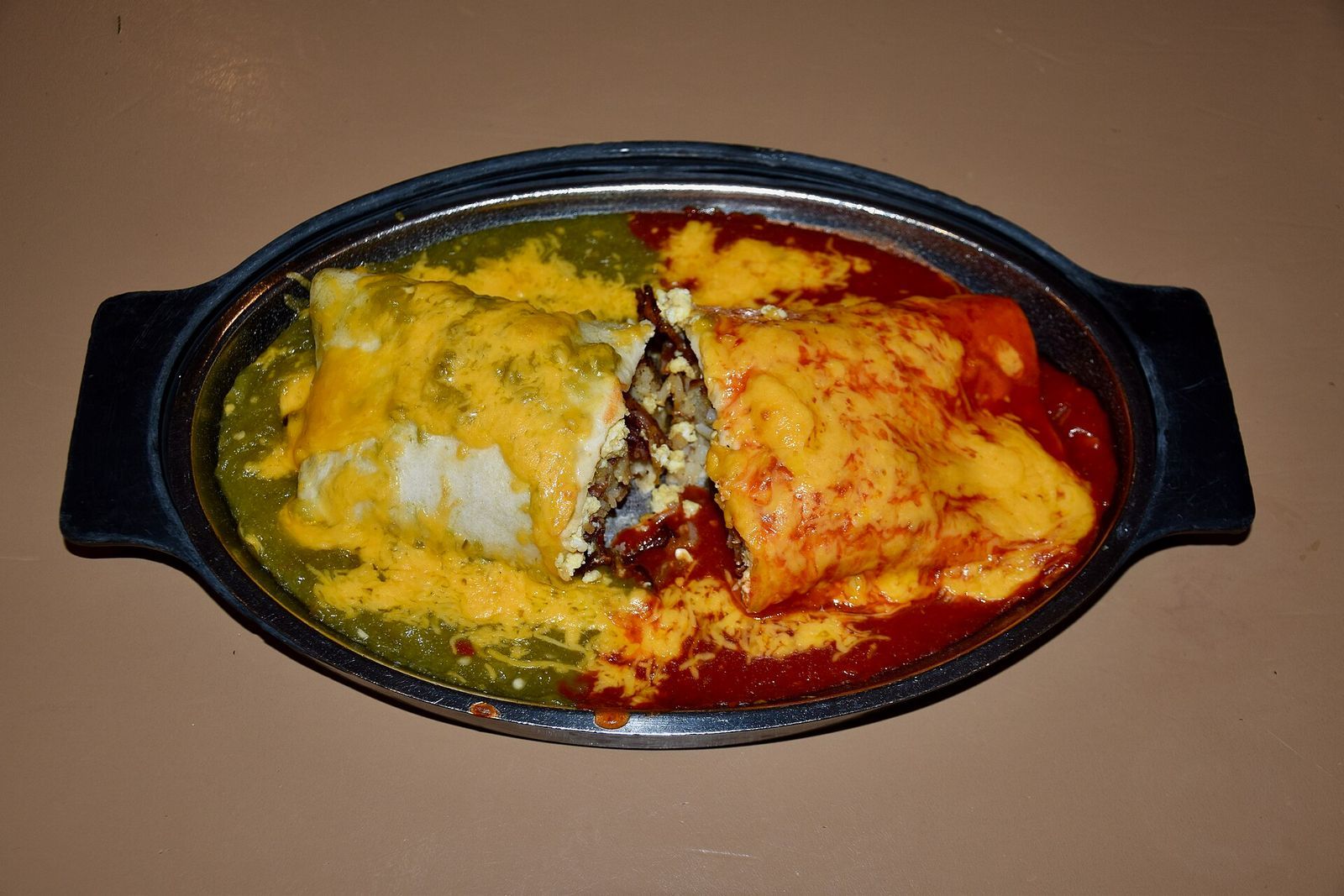
Image: Nurban, CC BY-SA 4.0, via Wikimedia Commons

New Mexico is so serious about chile that it's both the official state vegetable and the official state question: "Red or green?" refers to which chile sauce you want on everything from enchiladas to burgers.

The Shed in Santa Fe has been serving traditional New Mexican cuisine since 1953, and their red and green chile sauces are legendary.

5
Texas: Chili con carne
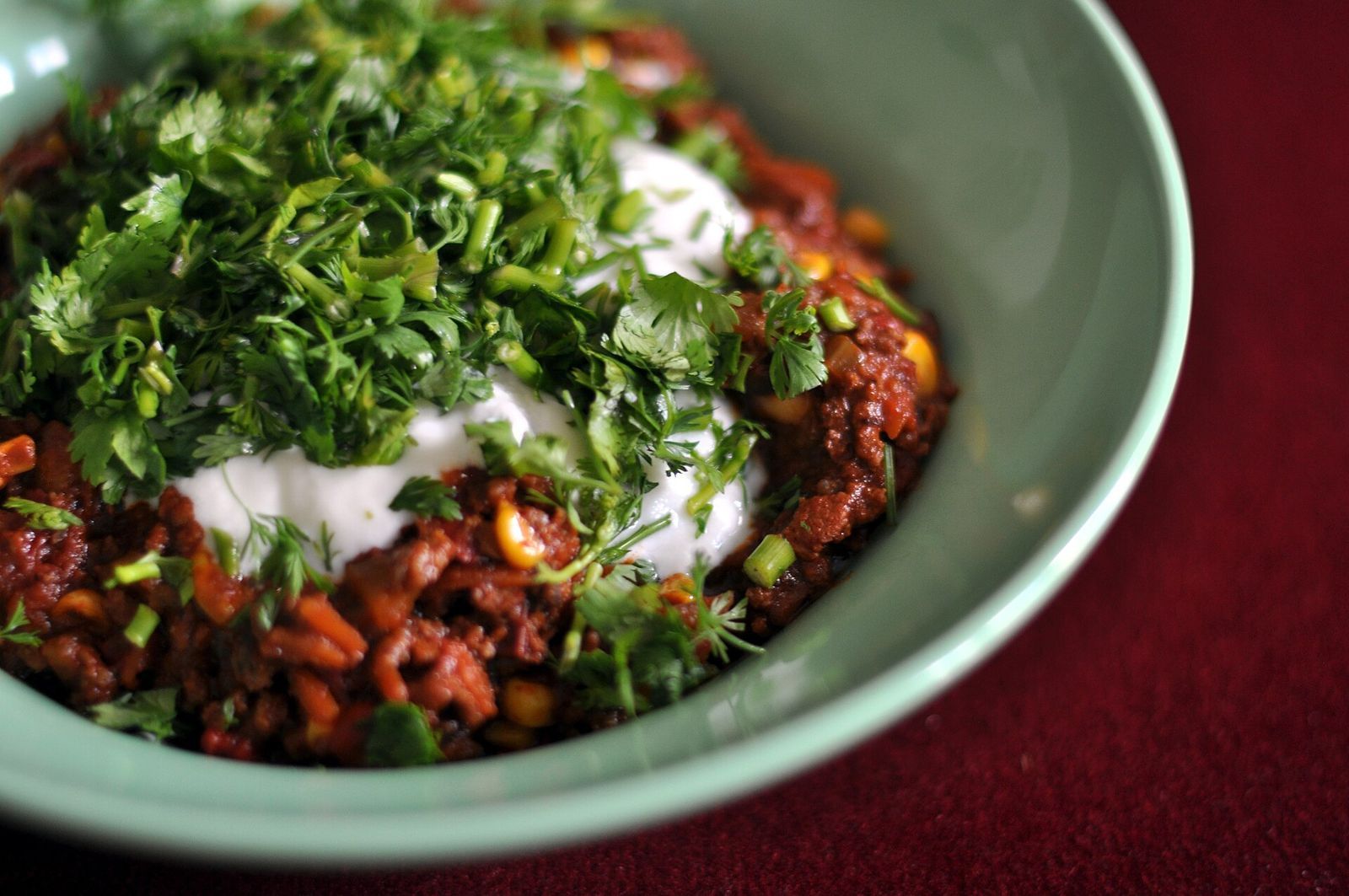
Image: cyclonebill from Copenhagen, Denmark, CC BY-SA 2.0, via Wikimedia Commons

Texas doesn't mess around when it comes to chili; there are no beans allowed in the official state dish. Dating back to the 19th century, Texas chili is believed to have originated among cattle drivers and frontier cooks along the famous chili trail , who relied on dried chilies and tough cuts of meat to fuel long drives. Real Texas chili is all about the meat, the chilies, and the spices, slow-cooked until everything melds into something magical.

Austin's Texas Chili Parlor has been dishing it out since 1976, with regulars debating the merits of X-fire versus their milder options. The walls covered in license plates and the no-nonsense attitude make it quintessentially Texan.

6
Massachusetts: Boston Clam Chowder
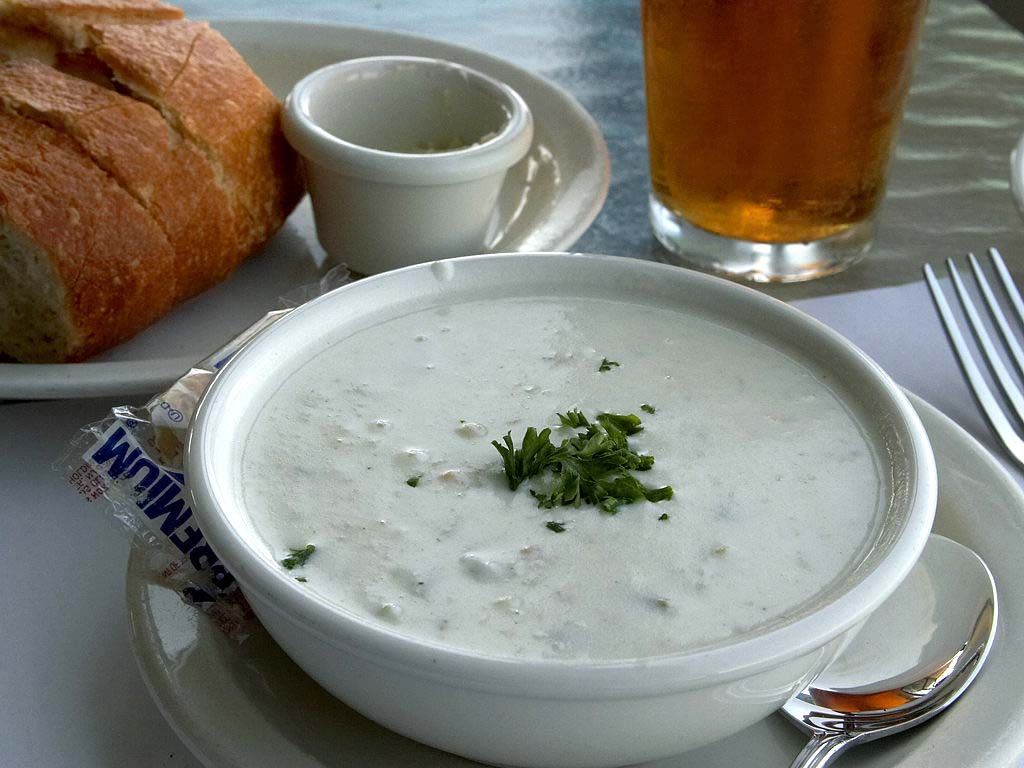
Image: Jon SullivanThe original uploader was Y6y6y6 at English Wikipedia., Public domain, via Wikimedia Commons

At Boston's Union Oyster House, America's oldest continuously operating restaurant, the clam chowder recipe hasn't changed much since 1826 , and one spoonful tells you why. While every New England state has its own take on this creamy, thick, clam-and-potato stew—Maine keeps it simple, Rhode Island goes clear-broth, and Connecticut prefers a milky base—Boston's version has become the gold standard, beloved for its richness and depth.

The debate over who makes it best has fueled friendly regional rivalries for generations — though Legal Sea Foods makes a strong case, having served its chowder at multiple presidential inaugurations.

7
Illinois: Popcorn
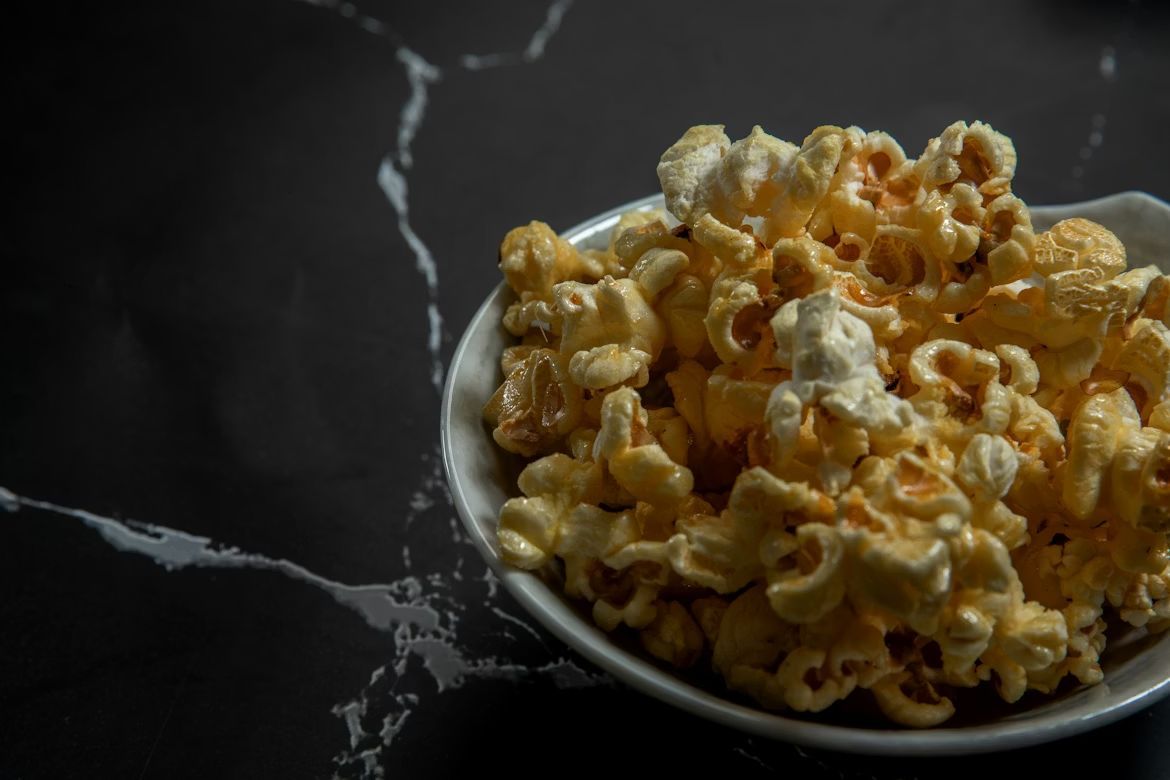
Image: Charles Chen

Illinois is one of the top popcorn producers in the US—and in 2003, it became the official state snack, thanks to an unlikely group of advocates: a class of elementary school students from Joliet, a Chicago suburb, who made it their class project to lobby lawmakers for the designation . Governor Rod Blagojevich signed the bill into law, and popcorn joined the cardinal and the bluegill as official state symbols.

Garrett Popcorn Shops in Chicago have been making people wait in line since 1949. Their "Chicago Mix" combines buttery caramel corn with sharp cheddar cheese popcorn, and locals know to grab a bag whenever they're downtown.

8
Vermont: Apple Pie
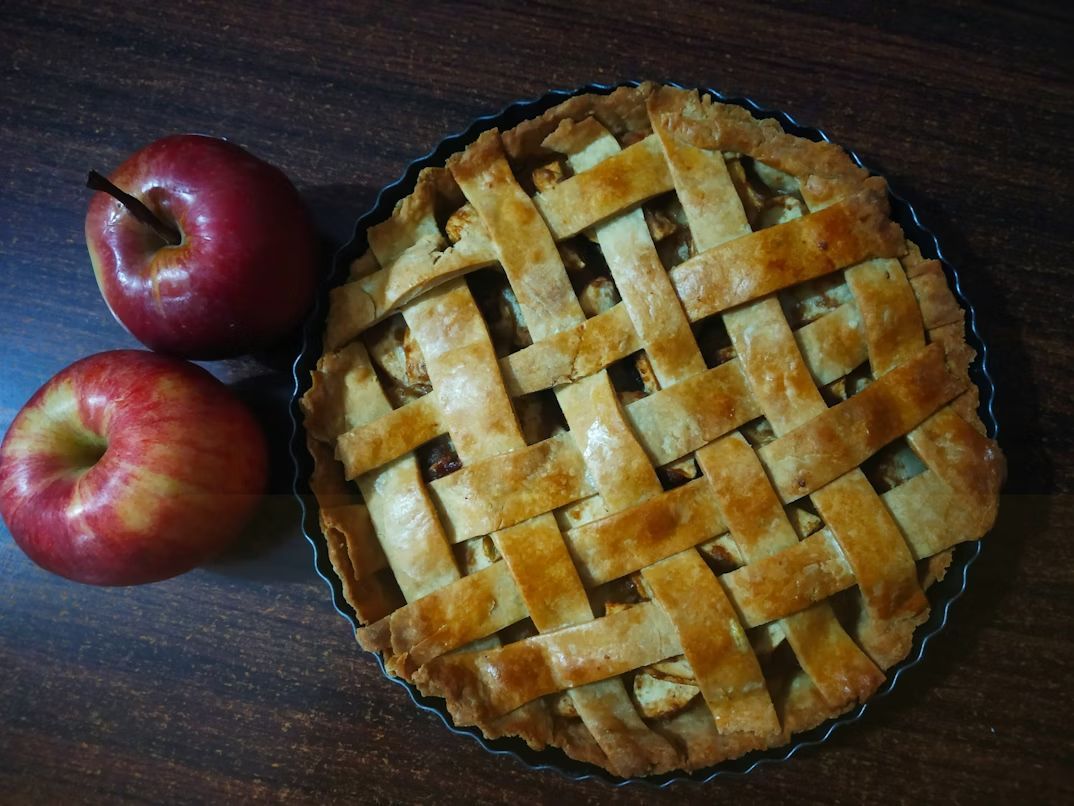
Image: Kavya P K

Vermont made apple pie its official state pie in 1999, celebrating the state's apple orchards and New England baking traditions. A proper Vermont apple pie should feature tart local apples, a flaky crust, and maybe a slice of cheddar on the side .

The Blue Benn Diner in Bennington serves classic homemade apple pie that locals have been driving out of their way for since 1948.

9
Oklahoma: Fried Okra
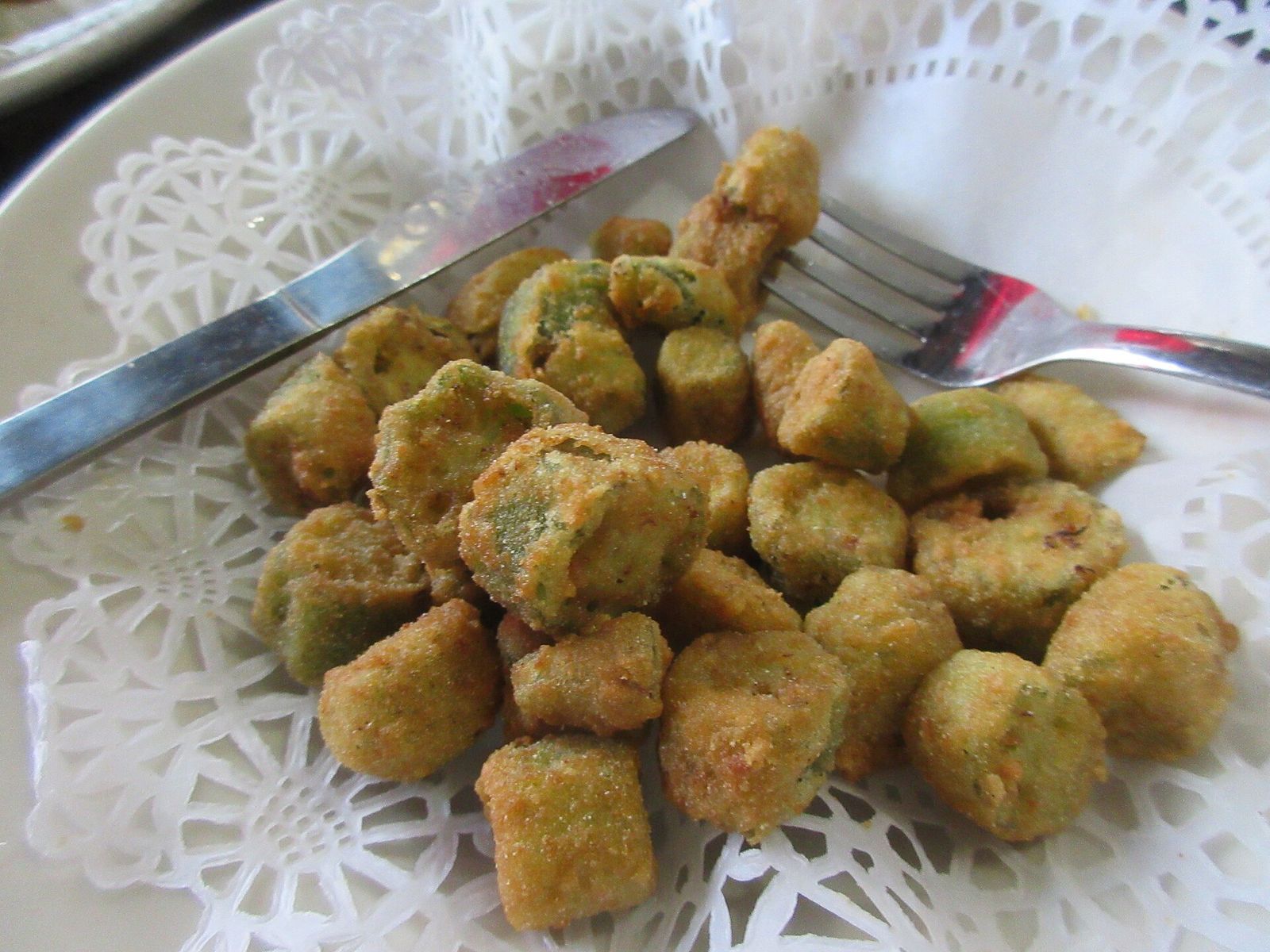
Image: Infrogmation of New Orleans, CC BY-SA 4.0, via Wikimedia Commons

Few vegetables are as deeply tied to Oklahoma's identity as okra. It was brought to the American South by enslaved Africans, who carried the seeds with them and wove the crop into the region's culinary fabric. Over generations, it became a cornerstone of Southern cooking.

Coated in cornmeal and fried to golden, crispy perfection, it's a staple at family gatherings and church potlucks across the state . Eischen's Bar in Okarche, Oklahoma's oldest bar, serves fried okra alongside their famous fried chicken.

10
Rhode Island: Clam Cakes and Chowder
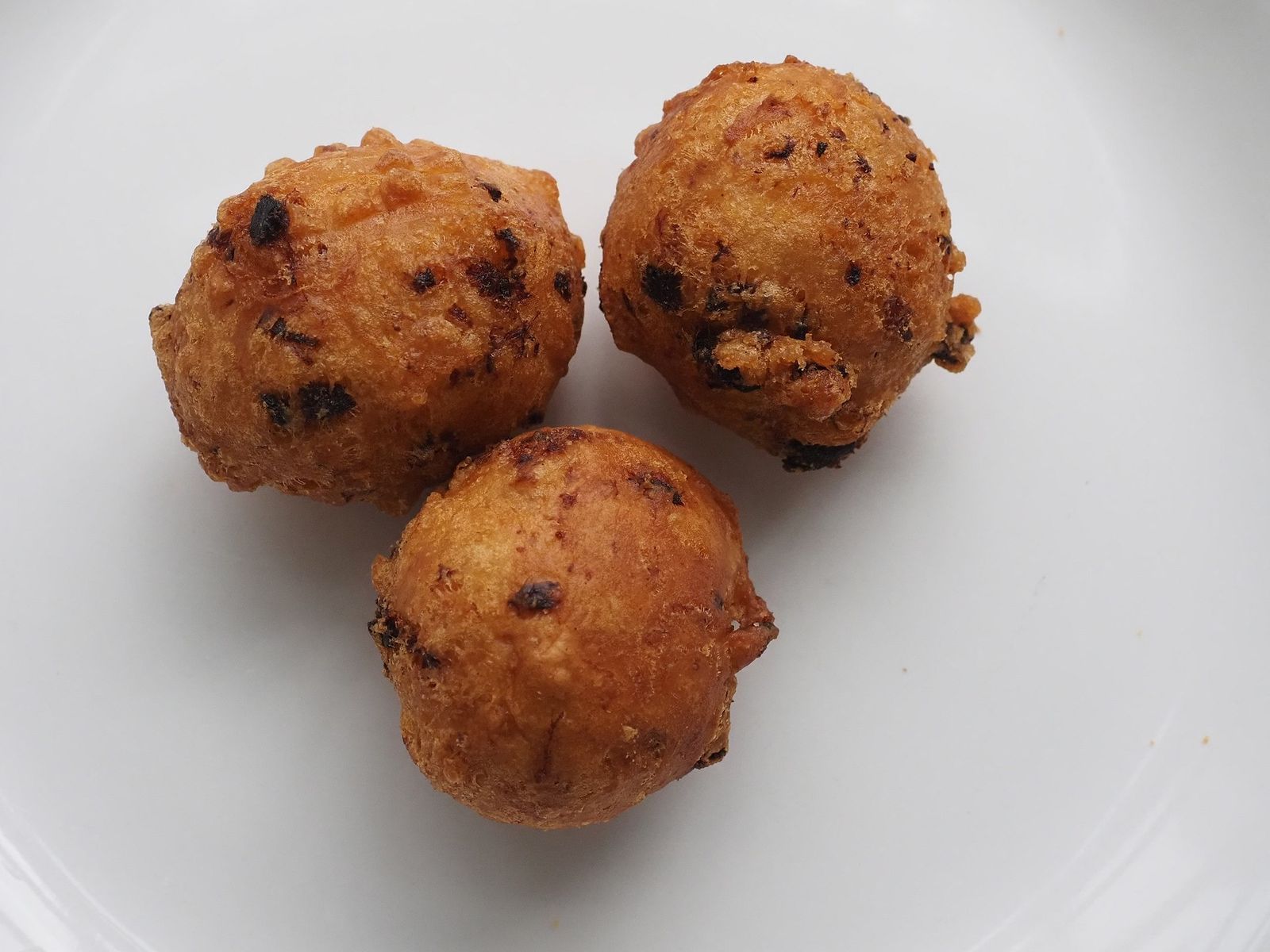
Image: ajay_suresh, CC BY 2.0, via Wikimedia Commons

One of Rhode Island's favorite appetizers is actually a dynamic duo: clam cakes (fried dough balls studded with chopped clams) paired with their distinctive clear clam chowder . Unlike Massachusetts' creamy version, Rhode Island keeps it brothy, more like a seafood soup without dairy (like the Boston-style one) or tomato (like the Manhattan-style one).

Iggy's Doughboys and Chowder House in Narragansett has been a beachside institution since 1924. Order at the window, grab a picnic table, and watch the ocean while you eat.

History History 6 min read

Behind the everyday

Brilliant minds that changed our lives: check 10 American creations!

Image: Bruno Cervera

Let’s be real, American inventors have given us some pretty amazing stuff over the years. Consider how the Walker Method was a blessing for black women’s hair, or how praised the Kodak camera was and still is. All these things made America what it is. And the best part? Many of these creations have become so much a part of our daily routines that we don’t even stop to think about where they came from! So, grab your favorite drink, kick back, and let’s take a look at 10 American inventors whose brilliant ideas have changed the game in ways no one saw coming!

1
The Walker Method by Madame C. J. Walker

Image: TopSphere Media

It was Einstein who said that in the midst of every crisis lies an opportunity, and if he said so, it must have been for good reason. Or so thought Madam C.J. Walker, born Sarah Breedlove, who turned her personal hair loss struggles into a revolutionary business.

Do you know how hair is different for everyone? Well, she created a specialized hair care system for Black women that included pomade, a specific brushing technique, and heated combs. She called it the "Walker Method," and it was all about creating confidence while taking care of hair. Walker’s products became wildly popular because she also empowered others by training saleswomen and teaching them entrepreneurial skills.

2
Portable fridge by Frederick Jones

Image: Eric Prouzet

Frederick Jones’ brilliance lies in his ability to solve real-world problems—like the need to transport perishable goods safely (or keeping our soda cold at the beach).

During World War II, he developed portable refrigeration units, developed during World War II, made it possible to transport food, blood, and medicine to soldiers on the frontlines. This invention didn’t just change the war effort; it revolutionized how we transport essentials today.

A self-taught engineer, Jones received over 60 patents, many related to refrigeration but also to X-ray machines and engines. His cooling technologies still affect our daily lives, from grocery stores to hospital supplies. With his work, Jones quietly transformed modern logistics. He showed us that staying cool under pressure can lead to incredible things!

3
Ironing board by Sarah Boone

Image: Eric Vö

We get so used to certain everyday objects, that we usually forget (or not even think about) who was the brilliant mind behind them. Take the ironing board, for example, have you ever wondered who made ironing a little easier?

Well, the creator was Sarah Boone, a dressmaker who improved the basic ironing board design.

In the late 1800s, ironing clothes meant laying them flat on a wooden plank which was, ultimately, awkward and inefficient. Boone improved it with a design of a curved, padded board that fit better inside dresses and allowed for easier pressing.

It was collapsible for storage, a feature we still appreciate today. Boone’s 1892 patent made her one of the first Black women in America to secure such recognition. Thanks to her, ironing boards became a must in every home and, ironing, an easier task for everyone!

4
Electronic television by Philo T. Farnsworth

Image: Muhammed ÖÇAL

Philo T. Farnsworth might not be a household name, but his creation certainly is. Farnsworth is responsible for the first electronic television. As a young boy, Farnsworth’s dream was to transmit images electronically, and in 1927, that is exactly what he did.

Life was not fair with him so, although much of his career was spent in legal battles defending his invention, his technology paved the way for modern broadcasting. Beyond television, Farnsworth also contributed to radar and nuclear fusion research. While RCA eventually marketed the first home televisions, Farnsworth’s work was the true foundation of it all. So, turn your modern TV on and cheer to Philo!

5
Super Soaker by Lonnie Johnson

Image: Michael Starkie

Not all inventions are created in a lab, some of them happen by accident, like Lonnie Johnson’s Super Soaker! While working on a heat pump for NASA, Johnson came up with a new idea in his bathroom. When a powerful jet of water shot out of his experimental device, he realized he had a potential toy in his hands.

After tweaking the design, he sold it to the Larami Corporation in 1989, and the Super Soaker became a backyard sensation. Ever since, millions of kids (and adults, don’t deny it!) have enjoyed epic water fights thanks to this fun twist of fate.

6
Kodak Moments: George Eastman’s Picture-Perfect Idea

Image: britt gaiser

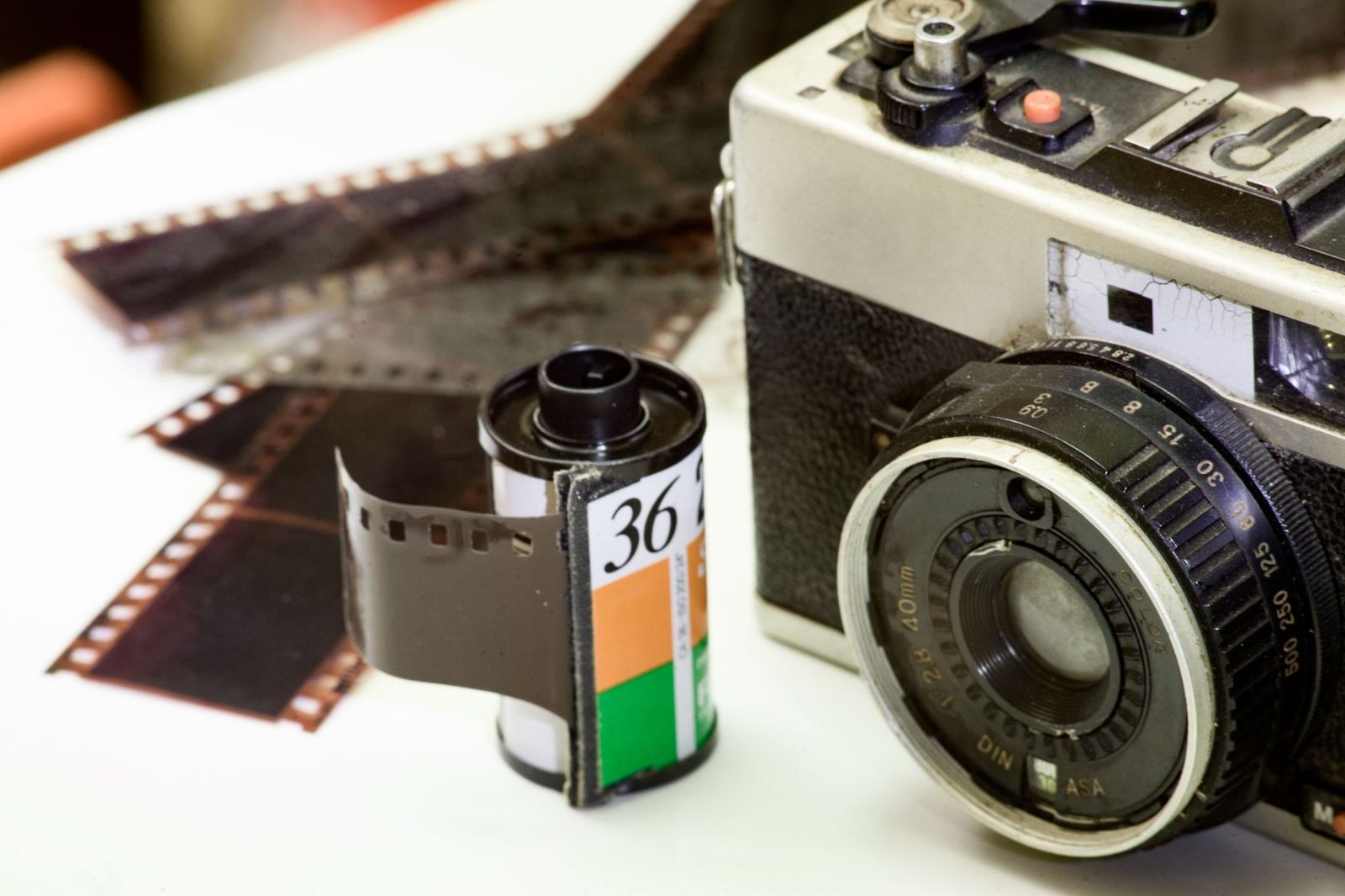
Photography wasn’t always as simple as point-and-shoot, but George Eastman changed that forever. In the late 1800s, he invented the Kodak camera and made it affordable and easy for the average person to snap photos. His invention included a roll-holder device and a new type of flexible film, which made cameras lighter and more portable. Before Eastman, photography was a complicated process reserved for professionals, as you can imagine.

But by 1900, with the launch of the Brownie camera, every man and woman could document their everyday lives. Eastman’s vision of making photography "as convenient as the pencil", as he put it, became a reality. Now, every selfie we take can be traced back to his work.

7
Handy pencil sharpener by John Lee Love

Image: Detmold

Next time you sharpen a pencil, thank John Lee Love for making it a whole lot easier. This talented carpenter and inventor patented a portable pencil sharpener that was rather similar to the ones we use today.

Originally known as the "Love Sharpener," his design was simple, yet genius: The main benefit was it could fit in your hand and didn’t require much effort. Before his invention, sharpening a pencil meant dealing with large, bulky devices. He fully understood it’s the small details that make life easier and more effective so, his invention was, as we can see today, highly popular!

8
Sewing machine by Isaac Singer

Image: Claudio Schwarz

Don’t we all have a mother or grandmother who wouldn’t just put away their Singer machine? Well, the name Singer is nothing less than its creator’s last name. Isaac Singer’s sewing machine invention didn’t just change fashion, it changed the whole industry.

His design from 1850 included a presser foot and could sew 900 stitches per minute, a huge improvement compared to previous models. Singer’s machine was versatile too, able to sew curves, not just straight lines, making it easier to tackle a wide range of garments. Now, about the company, that was the result of his connection with Edward Clark, together they turned the invention into a household name.

9
Model T by Henry Ford

Image: Nadine E

Some creations are popular worldwide, but they started in our country and no article about our inventions would be complete without mentioning the assembly line by Henry Ford. Ford invented the car, that’s right, and thanks to it he put the whole country on wheels with the Model T. This car represented the first affordable vehicle for the everyday American.

As if that wasn’t enough, Ford’s biggest breakthrough came five years later, in 1913 with the moving assembly line, which cut production time and reduced the cost of manufacturing. This meant more Americans could own cars, changing life as we knew it. Before Ford, cars were luxury items for the rich, but the Model T and the way it was manufactured made personal transportation accessible.

10
Apple computer by Steve Jobs

Image: Tetsuya Tomomatsu

Sadly, Steve Jobs was not the inventor of the first computer ever. However, alongside Steve Wozniak, they brought computers out of laboratories and into our homes.

Up until this moment, computers were not an everyday object and even if that wasn’t until later, the path’s first steps were taken by this dynamic duo.

In 1976, they started Apple Computers in Jobs’ family garage. They created machines that were more affordable and user-friendly than anything else at the time. Their first major hit was the Apple II, which helped define the personal computer market.

Jobs left the company and came back a few years later but, the rest, from the Mac, to the iPod, to the iPad and every cellphone every year, is simply history!

General General 5 min read

Say cheese!

Did you know American cheese is not actually cheese?

Image: Jonathan Borba

Few foods trigger as much heated debate as the neon-orange, perfectly square slice of American cheese. To culinary purists, it’s an industrial piece of rubber. But to the backyard grill master and the late-night grilled cheese enthusiast, it is a scientific masterpiece of consistency and meltability. The truth is, American cheese has been both witness and party to U.S. history, from World War I to Apollo missions. Before you peel back the wrapper on your next slice, let’s dive into 10 mind-melting facts that prove American cheese is one of the most fascinating—and misunderstood—innovations in food history.

1
It was invented in Switzerland

Image: NastyaSensei

While the name suggests a US origin, the technology that created American cheese actually began in the heart of the Alps. It was developed in 1911 by Swiss researchers Walter Gerber and Fritz Stettler, who were looking for a way to extend the shelf life of their country’s famous Emmental cheese.

The problem with traditional cheese is that it eventually dries out, molds, or separates into a greasy mess when heated. By shredding the cheese, adding sodium citrate, and heating it, the Swiss duo discovered they could create a stable, smooth product that didn't separate. While they weren't trying to create "American" cheese as we know it today, their emulsification process laid the foundational science for every single-wrapped slice produced today.

2
It was popularized by a Canadian

Image: Martylunsford, CC BY-SA 4.0, via Wikimedia Commons

The man responsible for the global dominance of American cheese was James L. Kraft. Ring any bells? Kraft was a Canadian immigrant who moved to Chicago in 1903. While he didn't invent the concept of processed cheese, he perfected the industrial scale of its production and marketing.

Kraft noticed that retailers struggled with cheese spoilage; if a wheel of cheddar didn't sell quickly, it was a total loss. He experimented with various methods of heating and blending cheese until he found a formula that could be canned and shipped long distances without spoiling. In 1916, he received a patent for his "processed cheese," and during World War I, the U.S. government purchased millions of pounds of it for soldiers, cementing its privileged place in the American diet.

3
It was almost called "Embalmed Cheese"

Image: Internet Archive Book Images, No restrictions, via Wikimedia Commons

When processed cheese first hit the market, it had its detractors. Traditional cheesemakers were horrified, and so were pure food advocates. These critics argued that the product shouldn't even be called cheese. They’ve even gone so far as to call it "embalmed cheese" because of its unnaturally long shelf life and the chemical emulsifiers used to keep it stable. Yet, Kraft’s marketing prowess and the sheer convenience of the product ultimately won the naming battle. At least in the court of public opinion.

4
Technically, it isn’t cheese

Image: RDNE Stock project

Kraft may have won the battle among the people, but legally, American cheese is not considered cheese. If you look closely at the packaging, you will rarely see the word "cheese" on its own. Because of strict FDA regulations, most varieties are legally classified as "Pasteurized Process Cheese Product" or "Pasteurized Process American Cheese Food."

To be labeled "cheese," a product must be made primarily of milk, salt, and enzymes. Processed American cheese, however, is made by blending real cheese—usually cheddar or Colby—with emulsifying salts, whey, and sometimes extra milk or fats.

5
Any cheese can be made into American cheese

Image: Edita Brus

The term "American cheese" refers more to a process than a specific flavor. In theory, you could make "American-style" brie, blue cheese, or parmesan. The defining characteristic is the addition of an emulsifier, which breaks down the proteins and allows the fats and water to stay together.

In fact, some high-end chefs now make their own artisanal American cheese with aged cheddars processed with sodium citrate to create a slice that has the complex flavor of an expensive block but the melting point of a Kraft Single.

6
It isn’t naturally yellow

Image: jianwei zhu

The vibrant orange-yellow hue of American cheese is entirely a cosmetic choice. Traditionally, cheese color varied by the season; when cows ate fresh grass in the summer, their milk contained more beta-carotene, leading to a naturally yellowish cheese. To make their cheese look high-quality all year round, cheesemakers began adding dyes.

American cheese takes this tradition to the extreme. It is typically colored with annatto, a seed from the achiote tree. Without this dye, American cheese would be a pale, creamy white, which is how it is sold in many delis as "White American". Yes, that’s right, there is no flavor difference between the white and yellow versions.

7
It has an extremely low melting point

Image: Vinícius Caricatte

The scientific superpower of American cheese is its meltability. Traditional cheeses have a protein structure that tightens when heated, which is why a slice of aged cheddar on a burger often results in an oily puddle and a rubbery clump.

Because of the emulsifying salts, the proteins in American cheese can withstand heat without clumping together. This gives it an incredibly low and stable melting point, transforming the slice into a silky sauce. This is why it remains the undisputed king of grilled cheese sandwiches.

8
It’s been in space

Image: NASA, Public domain, via Wikimedia Commons

When you're hurtling through orbit in a cramped capsule, you need food that is stable, easy to eat, and won't crumble into thousands of tiny, electronics-clogging pieces. American cheese fit the bill perfectly for early NASA missions.

Processed cheese in tubes or cubes was a staple of the Apollo missions. Because it doesn't separate or sweat oil in varying temperatures and pressures, it was one of the few dairy products that could reliably provide flavor and calcium to astronauts.

9
It helped bring cheese to the masses

Image: Internet Archive Book Images, No restrictions, via Wikimedia Commons

Before the advent of processed cheese, cheese was often a seasonal luxury. It was difficult to transport, expensive to store, and highly variable in quality. James L. Kraft’s invention changed that. By creating a product that was uniform in flavor and shelf-stable, he made cheese affordable and accessible to every corner of the United States.

10
The U.S. Government once gave it out

The U.S. government not only bought tons of American cheese during World War I. In the 1980s, the term "government cheese" became a thing. During a period of dairy surpluses, the government bought millions of pounds of cheese to prop up prices for struggling farmers.

To avoid letting it rot, the Reagan administration began distributing five-pound blocks of cheese to low-income families, seniors, and schools. For many who grew up in that era, that pale orange processed cheese was a lifesaver.

Explore more American facts

Choose your favorite category!

General
General

As American as apple pie—the very best America has to offer!

Culture
Culture

Delve into the astounding richness of American lore.

Geography
Geography

Hop in and explore vast and diverse American landscapes.

History
History

Discover the key moments that shaped the United States.