Culture Culture 6 min read

STORIES BEHIND THE STARS

Hollywood Walk of Fame: take a stroll down 10 stars and their backstories
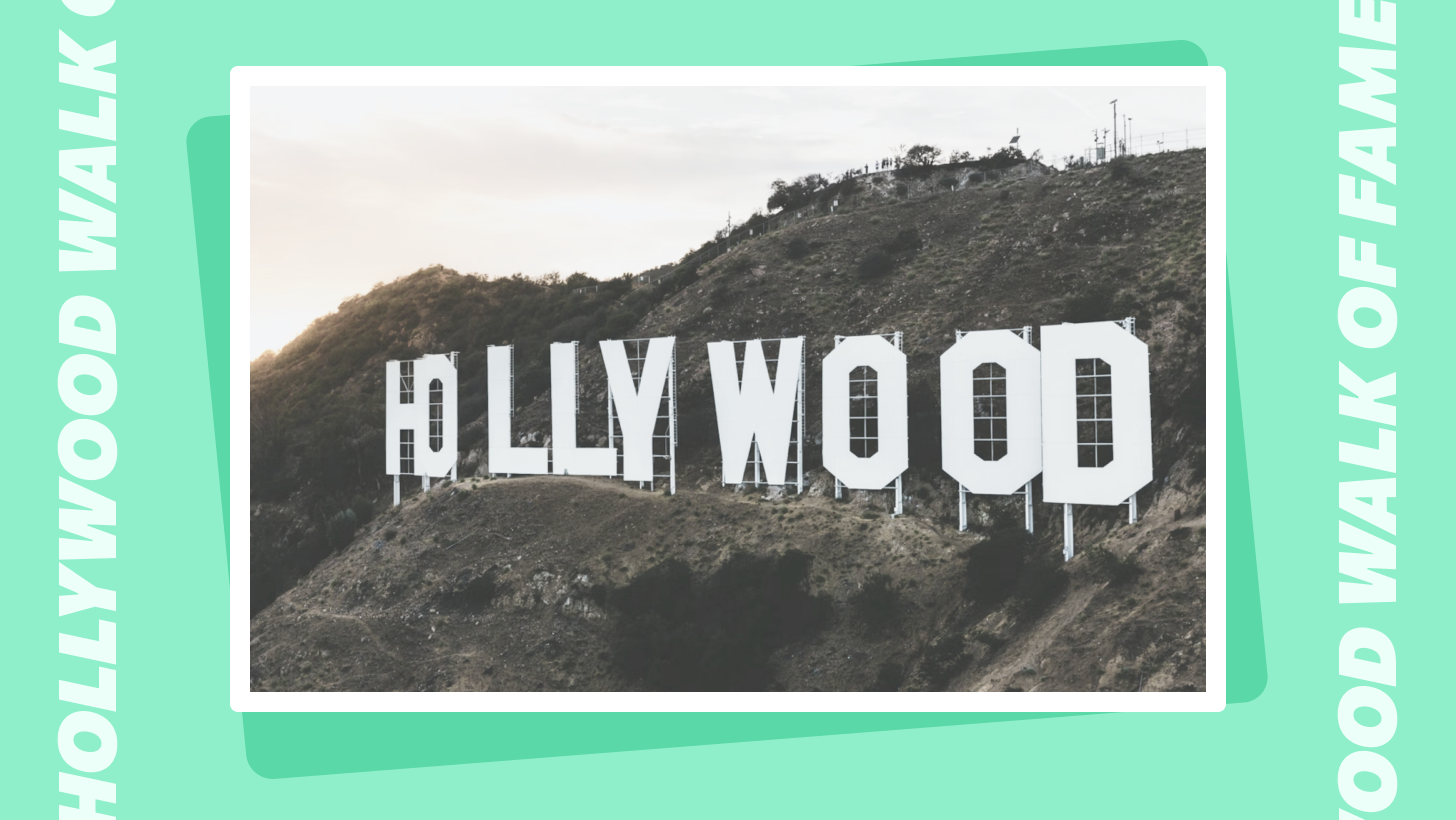
Image: Ahmet Yalçınkaya

The Hollywood Walk of Fame began in 1958 as a way to celebrate the best of the best in showbiz. Stretching along Hollywood Boulevard and Vine Street, this sidewalk superstar tribute honors actors, musicians, directors, and even a few surprises. To receive a star, celebs are nominated, a fee is paid, and they must attend the big reveal. With over 2,600 stars, it’s the ultimate stroll down memory lane for entertainment lovers. In this article, we’ve gathered ten names that received a star. From the fictional to the very real, here are 10 names that have a star on the Boulevard and an anecdote to go with it!

1
Mickey Mouse: first fictional character
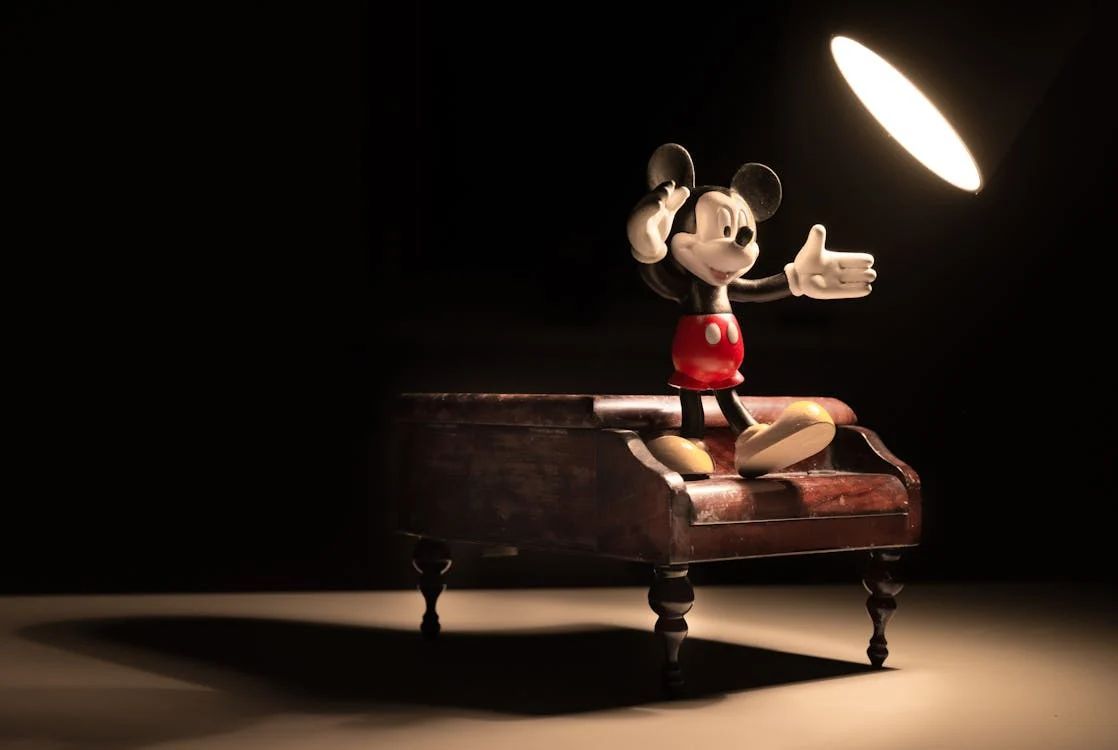
Image: Skitterphoto

Mickey Mouse, the iconic character created by Walt Disney, became the first fictional character to receive a star on the Hollywood Walk of Fame. Honored in 1978, Mickey’s star celebrates his influence on entertainment and his status as a cultural icon.

The ceremony marked the 50th anniversary of Mickey’s debut in Steamboat Willie , a milestone in animation history. The star is located at 6925 Hollywood Boulevard, a fitting tribute to the mouse who built an empire. Mickey's star paved the way for other beloved fictional characters to be recognized. Animation also holds a special place in Hollywood’s heart!

2
Joanne Woodward: first to be photographed

Image: Noom Peerapong

The beginning of the Walk of Fame was a process rather than a moment, which is why we cannot appoint a single person as the first one to receive this honor. However, Joanne Woodward, an accomplished actress of the 1950s, was the first person ever photographed with a star on the Walk of Fame.

Awarded in 1960, she was part of the very first group of stars to be unveiled. Her star, located at 6801 Hollywood Boulevard, honors her remarkable career in film and television, including her Academy Award-winning performance in The Three Faces of Eve . The image of her kneeling beside her star became an iconic moment in Hollywood history and it was the moment that set the future ceremony tradition around the stars!

3
Gene Autry: how many?
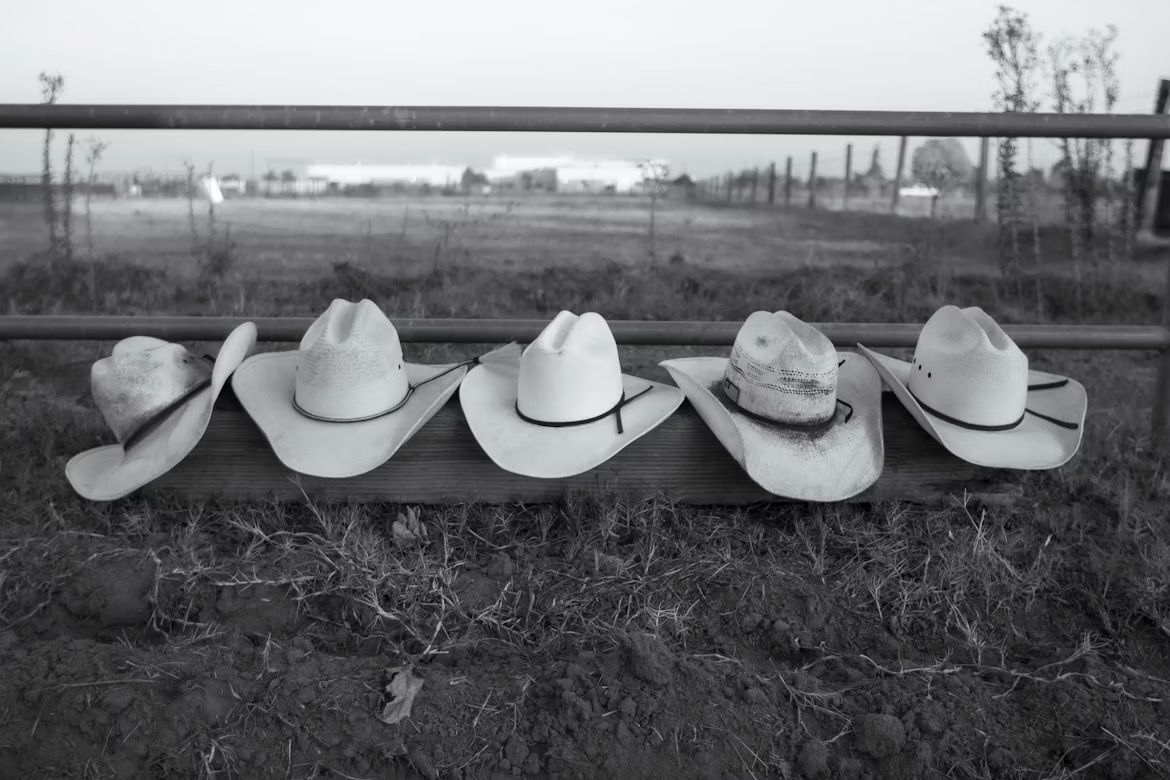
Image: Colton Jones

Known as the "Singing Cowboy," Gene Autry is the only entertainer with not one, not two, not even three… but five stars on the Hollywood Walk of Fame! What an accomplishment, don’t you think?

His stars are scattered along Hollywood Boulevard and each one of them represents his contributions to different areas of entertainment: film, television, music, radio, and live performance. Autry’s career spanned decades, and he was a pioneer in popularizing country music and Western films. With so much on his resume, five stars are suddenly not enough!

4
Harrison Ford: which one of them?
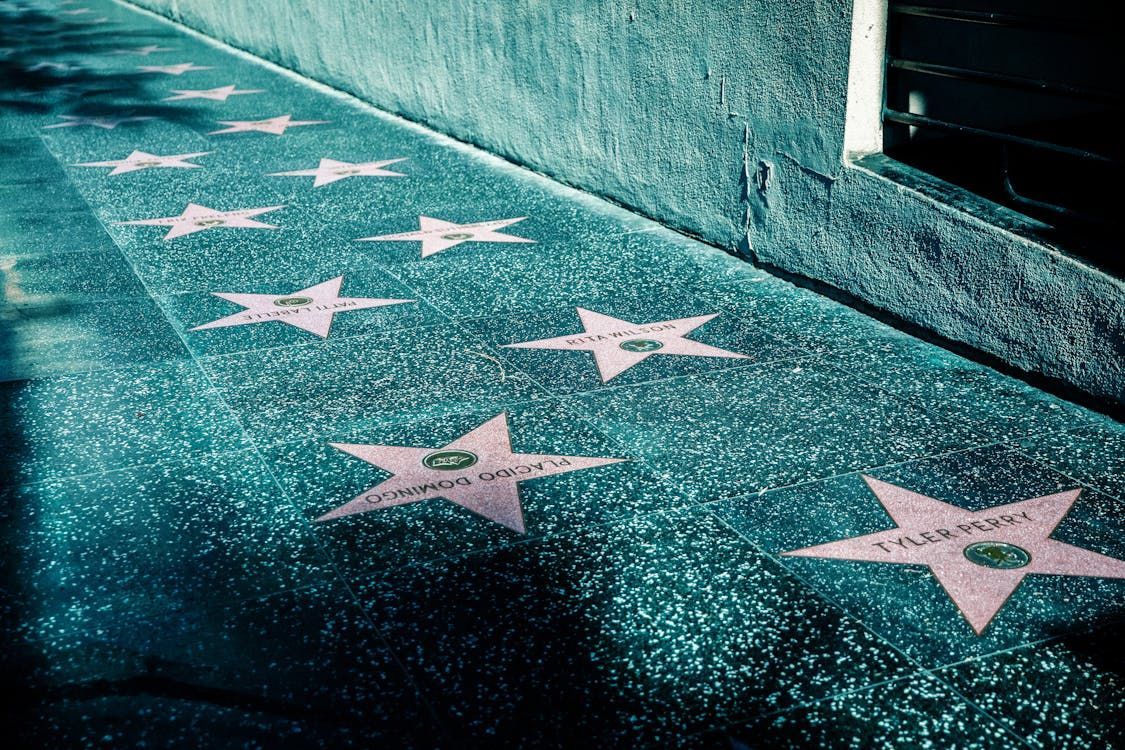
Image: Ekaterina Belinskaya

The name "Harrison Ford" appears twice on the Hollywood Walk of Fame, but this is not like Gene Auntry’s case. The two "Ford" stars honor two different individuals. Do you know who they are?

The first star, located at 6665 Hollywood Boulevard, belongs to the silent film actor Harrison Ford, who was active in the early 20th century. The second star, located at 6801 Hollywood Boulevard, honors the modern-day actor known for his roles in Star Wars and Indiana Jones .

Despite sharing the same name, these stars commemorate different careers. It’s a quirky detail that adds an intriguing layer of Hollywood history to the Walk of Fame, don’t you think?

5
Bugs Bunny: what’s up, walk of fame?
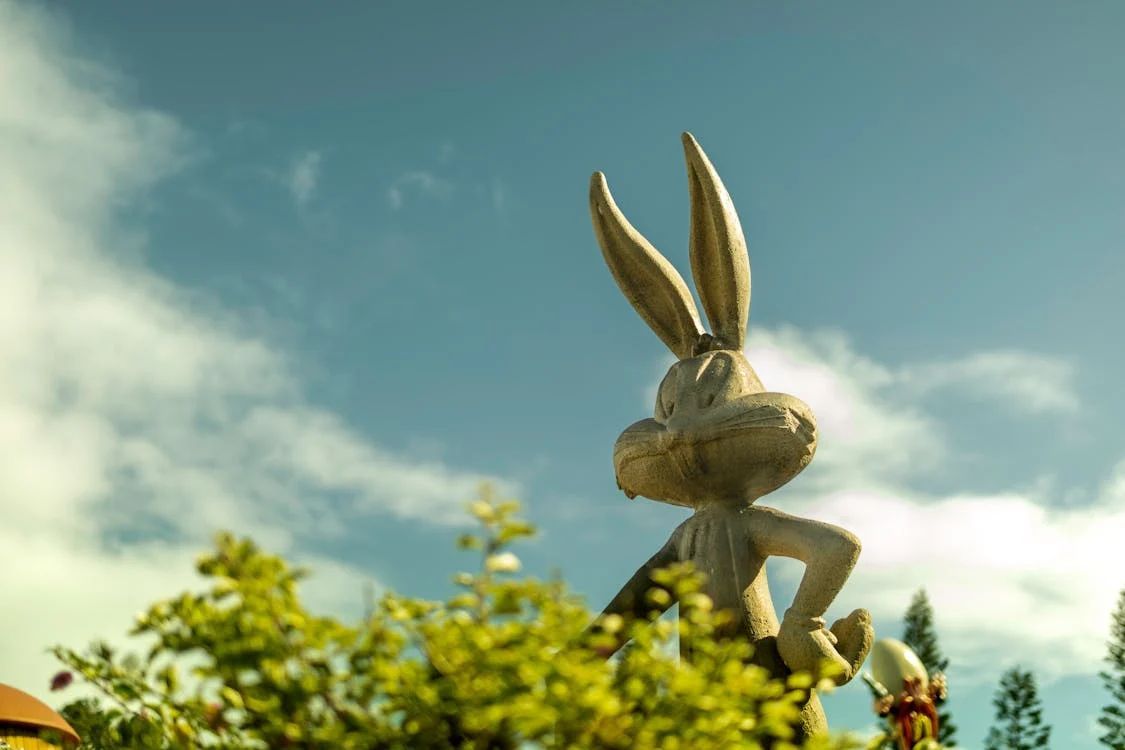
Image: Nate Biddle

What’s up, doc? Bugs Bunny hopped onto the Hollywood Walk of Fame in 1985, making him one of the most famous cartoon characters to get a star. Voiced by the incredible Mel Blanc, Bugs is known for his snappy comebacks and carrot-chomping swagger.

His star, located at 7007 Hollywood Boulevard, celebrates his role as the ultimate animated troublemaker. Bugs is so much more than just a cartoon character, he has brought laughter and joy to many generations. His star is a fitting tribute to the bunny with brains, who said the Hollywood Walk of Fame was just for real-life entertainers?

6
Ray Bradbury: writing his way to the stars

Image: freddie marriage

Just as fictional characters can have a great impact on Hollywood, so can writers. After all, writers and their work have inspired many movies and series. True as that can be, only two writers have stars on the Walk of Fame.

Ray Bradbury, the literary genius behind Fahrenheit 451 and The Martian Chronicles , got his own star on the Walk of Fame in 2002 . Bradbury’s imagination took us to distant planets and dystopian futures, and Hollywood couldn’t help but take notice. His star at 6644 Hollywood Boulevard honors his profound influence on movies and TV through his books. Only two novelists have stars on the Walk, and Bradbury’s spot is well-deserved. Curious about the other novelist with a star? It’s Sidney Sheldon!

7
Disneyland: a magical addition
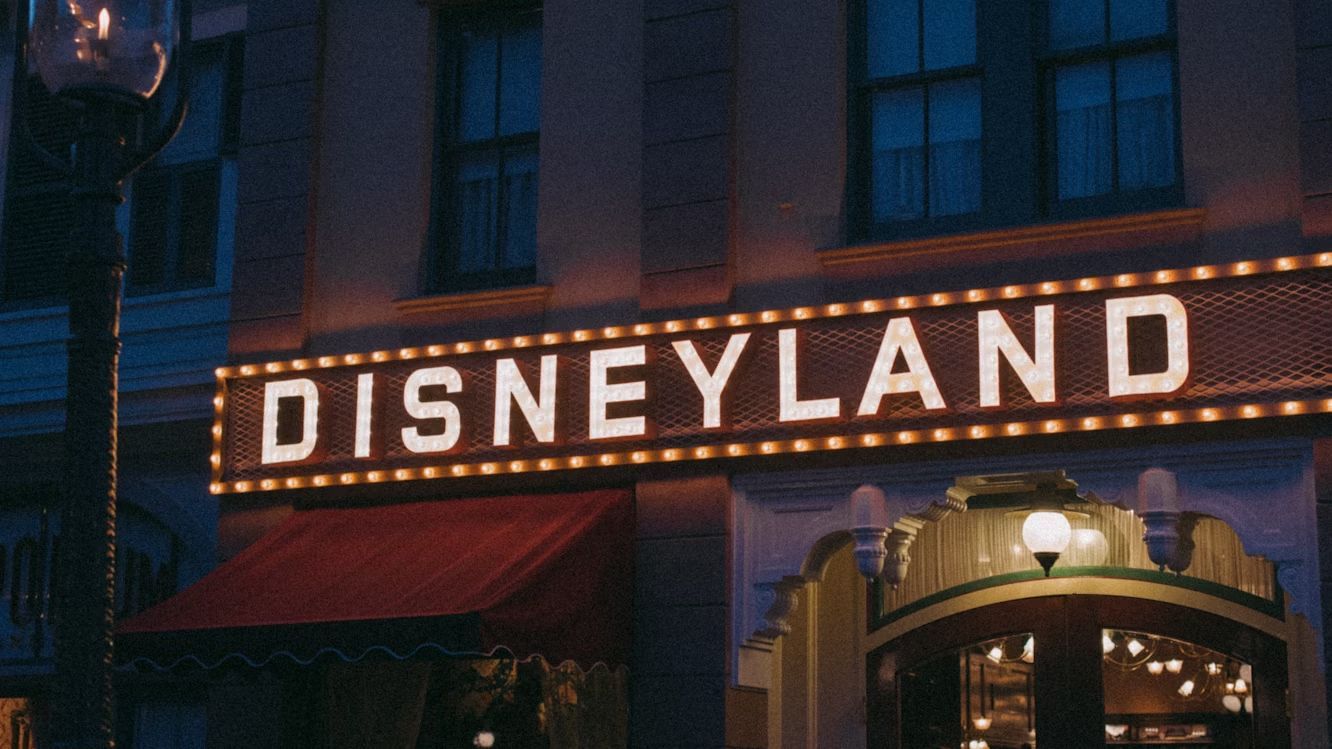
Image: Aubrey Odom

If you thought a fictional character receiving a star was a bit unusual, wait until you find out that even some corporations have their own star! But it’s for a good reason, trust us!

Disneyland, the happiest place on Earth, got its own star on the Walk of Fame in 2005. Though it’s not technically on the Walk (city rules, go figure), the star sits right next to it, near Disney’s Soda Fountain on Hollywood Boulevard.

Opened in 1955, the park is a cornerstone of entertainment history, which is why it has received a star. Even without a spot on the official Walk, Disneyland’s star shines just as bright. It’s the ultimate fairy-tale ending!

8
Julia Louis-Dreyfus: a star with a funny twist

Image: cottonbro studio

Now, you haven’t heard the quirkiest detail. The Hollywood Walk of Fame is a place of honor, but that doesn’t mean it’s free of mistakes.

In 2010, Julia Louis-Dreyfus, the comedy queen from Seinfeld and Veep , received her star on the Hollywood Walk of Fame. But here’s the kicker: They misspelled her name as "Julia Luis Dreyfus" at first!

The mistake was quickly fixed, and it became a hilarious story. But a star for a comedian like her couldn’t go without a funny anecdote. Now, her star at 6250 Hollywood Boulevard is spelled correctly and honors her amazing TV career.

9
Dick Van Dyke: spelling erratum
Image: Annie Spratt

Dick Van Dyke, the man who made us all want to sing and dance, received his Walk of Fame star in 1993. But, oops! They misspelled his name initially too! His star read "Vandyke" when it was first installed, but don’t worry the mistake was soon fixed.

The mix-up was corrected, and his star at 7021 Hollywood Boulevard now proudly displays his name the right way. Van Dyke’s star honors his legendary career in TV and film, from Mary Poppins to The Dick Van Dyke Show . The little hiccup just adds to the fun-loving spirit of his legacy. After all, if anyone can laugh off a typo, it’s Dick Van Dyke!

10
Lassie: everyone’s best friend

Image: Kanashi

Who didn’t wish to have a dog like Lassie at home? Lassi is the most famous collie in the world and she got her star on the Hollywood Walk of Fame in 1960. Well, at least the character did because, spoiler alert, Lassie was played by many dogs!

Lassie’s star, located at 6368 Hollywood Boulevard, honors her role as TV’s favorite four-legged hero. She’s one of only four dogs to receive a star, and honestly, she deserves it for all the lives she’s "saved" on screen.

The star isn’t just for one dog, it’s for every amazing canine that played Lassie over the years. It was only fair that a man’s best friend received a star on such an iconic street!

Culture Culture 5 min read

The Man Behind the Magic

A secret apartment? 10 fun facts about Walt Disney you might not know!

Image: Steve DiMatteo

If there is one animated character who has reached worldwide fame, it is undeniably the beloved Mickey Mouse. We all know one of the men who brought our favorite mouse to life: Walt Disney, the visionary animator, producer, entrepreneur, and voice actor who created a magical world of characters that marked our childhoods. But beyond his well-known accomplishments, there are some fun and lesser-known facts about Walt Disney that might surprise you. Keep reading to discover 10 interesting facts about the man behind Mickey Mouse!

1
His first home

Image: Lucija Ros

Elias and Flora were the parents of the iconic Walt Disney. But beyond raising one of the world's most famous entrepreneurs, they also had several talents and skills, thanks to which they could build their house with their own hands.

Determined to create their home, Elias obtained a permit in 1892 to build a two-story, 18 x 28-foot wooden cottage for $800. Flora was in charge of designing and drawing the plans, and Elias was responsible for every aspect of construction.

Nine years later, on December 5, 1901, Walt Disney was born on the second floor of that house.

2
His birth name

Image: Heike Mintel

But his parents didn't just give him a home; they also gave him a name . While we all know him as "Walt Disney", his full birth name was quite different.

Walt Disney was born Walter Elias Disney, inheriting his father's name as a middle name. Although he never officially changed his ID, he was most famously known by his diminutive , "Walt," which he had been called since childhood.

It didn’t take long for little Walter to begin showing an interest and talent in one of the artistic forms that would lead him to success: drawing.

3
Another name

Image: Steven Beyer

Speaking of names, let's take a look at Mickey Mouse.

Although "Mickey" and "Mouse" are inseparable for everyone today, this famous character was originally called something completely different when he was first created. Believe it or not, the rodent was originally named "Mortimer."

And guess who suggested the new name? Lillian, Walt Disney's wife. When Lillian first heard the name of the cute cartoon character, she felt it sounded too solemn. Instead, she suggested "Mickey," and thankfully, they decided to take her advice!

4
The voice

Image: kaleb tapp

The voice behind the lovable little mouse was none other than Walt Disney. That's right! He brought Mickey Mouse to life with his own voice from his creation in 1928 all the way until 1947. That's almost 20 years giving one of the world's most famous cartoons not only a voice but also a personality. So now you know: when you watch a Mickey movie from those years, you're hearing the voice of his very own creator!

After 1947, other actors took over the role of voicing Mickey, and they've done a great job. But it's always special to remember Walt was the first to take on that job.

5
A special character

Image: Marko Blažević

Besides Mickey, another character held a special place in Walt Disney's heart: the legendary Peter Pan, "the boy who never grew up."

As a young boy on his way to school, Walt Disney noticed posters for a theater company coming to Marceline, Missouri, to perform Peter Pan . Excited by the chance to see the play, the future animation legend got tickets and went with one of his brothers. But that's not all: shortly after, Walt was chosen to play Peter Pan himself in a school play!

Disney told this story himself, highlighting how much Peter Pan meant to him throughout his life. In 1953, he brought Peter Pan to the big screen, allowing thousands of children around the world to discover the magical world of Neverland!

6
High school dropout

Image: Khyta

In 1917, when Walt Disney turned 16, he decided to leave high school and try to join the army. But his plan did not succeed: he was too young to enlist and wasn't accepted. However, his brave spirit was stronger, so he joined the Red Cross to work with them in Europe.

In 1918, he was sent to France as an ambulance driver for the Red Cross, a role he performed for a couple of months. And there's one detail that highlights Walt Disney's passion. It's said that the inside of his ambulance was decorated with dozens of cartoons he had drawn himself!

7
Previous job

Image: JJ Ying

Walt Disney's passion for drawing was clear from his childhood, staying with him through his teenage years and adulthood.

After returning from France at the age of 18, Disney got a job as a commercial illustrator in Kansas City. The story goes that he ran to his aunt, exclaiming, "Aunt! They're paying me for drawing!" In that position, he created advertisements for newspapers, magazines, and posters. Shortly after, he discovered the world of animation.

There's no doubt that this job played an important role in helping Walt Disney eventually establish his own animation and production company.

8
Secret apartment

Image: Aubrey Odom

We could safely say that Disneyland is, without a doubt, a magical place filled with surprises.

But beyond the incredible attractions, such as exciting rides, parades, enchanting shows, and adored characters, there are also some hidden details that often go unnoticed. For example, the fact that Walt had a secret apartment in Disneyland, where he worked and spent time with his loved ones, managing and enjoying the park.

The apartment is still there, and while it's not open to the public, you can pass by and see a lamp that's kept lit as a symbol of Walt Disney's eternal presence in the hearts of many.

9
Train enthusiast

Image: Mike Bergmann

Walt Disney was a multifaceted man, so drawing and animation were just a part of his many passions.

It turns out that the entrepreneur also had a love for trains that began in his childhood. Along with using trains for transportation and collecting model trains, he built a miniature railroad in his backyard where guests could enjoy short and fun rides! He named it the Carolwood Pacific Railroad.

As you might guess, this interest also influenced the design of Disneyland, where the railroad is one of the main features.

10
His favorite song

Image: Guillaume de Germain

One of the things that had a special place in the heart of Walt Disney was his favorite song. Want to know what it was?

Rumor has it that his favorite song comes from one of Disney's most enchanting films: Mary Poppins . Composed in 1964 specifically for the movie, the song "Feed the Birds" had a unique meaning for him.

Its complexity and emotional depth moved him deeply, as the song highlights the importance of being kind and respectful to others. If you haven't listened to it yet or need a refresher to remember the melody, go ahead; you won't regret it!

Geography Geography 5 min read

Cradles of history

How did these 10 states pick the location for their current capital?

Image: Martin Zenker

Every state has its heart: A main city that serves as the center for governance, lawmaking, and administration. But what about the cities that once held the title, only to see it moved elsewhere? Did any of them resist the change? Let’s look into towns that left indelible marks on the culture of their states, even after the halls of power packed up and moved inland.

1
San Francisco, California

Image: Belle Co

San Francisco was never officially a state capital, but there was a 9-month period during the early governance of California when the capitol stood in the city’s Merchant’s Exchange building .

The seat of California’s capital moved multiple times among cities, including Monterey, San Jose, Vallejo, and Benicia. In the mid-19th century, it settled in Sacramento, strategically situated at the confluence of major rivers –which also meant proneness to flood . Severe flooding hit the city in the 1860s, temporarily incapacitating it as a state capital.

The administration then moved to San Francisco, which had been instrumental during the Gold Rush and remained a cultural and economic powerhouse. When Sacramento had recovered, though, the legislature moved back and it has remained the state capital since.

2
Savannah, Georgia

Image: Jessica Furtney

Savannah, the beautiful city in Georgia famous for its cobblestone streets and picturesque squares, was the state’s first colonial capital. It continued to hold the capitol following the American Revolution.

In the late 1700s, however, the capital moved inland to Augusta, where the population was growing. The decision was also meant to protect the government from potential coastal attacks .

Several cities served as capitals in the decades that followed, such as Louisville and Milledgeville. It wasn’t until a constitutional convention was held in Atlanta that the city’s potential as a state capital was recognized, and later realized.

3
St. Augustine, Florida

Image: Maddie DiFilippo

Known for its well-preserved colonial architecture, like the Castillo de San Marcos fortress , St. Augustine was the capital of East Florida for hundreds of years, since Spanish rule.

When Florida became a U.S. territory, St. Augustine, on Florida's northeast coast, maintained its role as one of two capitals, alongside Pensacola, which served West Florida. However, the difficulty of travel between these two cities led to inefficiencies in governance.

A halfway point was set exactly at Tallahassee to make access easier for legislators of both sides. To this day, St. Augustine maintains many constructions and a strong heritage from its colonial past.

4
New Orleans, Louisiana

Image: Stella He

When Louisiana was admitted into the Union, vibrant New Orleans was the state capital, and it remained so for over 30 years until the government seat was changed to Baton Rouge.

New Orleans was the largest and most economically significant city in the state at the time, so it was a natural choice. Still, its location also posed challenges, like disease outbreaks that often plagued it, and the powerful political influence of the French Creole population .

Eventually, Baton Rouge became the official capital, and its new Gothic Revival-style capitol building opened in the mid-19th century. Today, New Orleans remains a cultural hub for the state and the country.

5
Lewiston, Idaho

Image: Anthony Camerlo

The original capital of Idaho was upstate Lewiston, a key shipping hub thanks to its access to river transport. But the discovery of gold in the Boise Basin meant that the population –and the riches– flew to southern Idaho.

With the majority of settlers now in the south, the capital's relocation was pushed. Lewiston residents did not take this lightly: They fiercely resisted losing the capital and went so far as to lock the territorial seal and papers in the town jail to prevent their removal.

Federal troops had to intervene to complete the relocation. Today, Lewiston still proudly proclaims itself as "Idaho's First Territorial Capital," a line displayed everywhere downtown.

6
Plymouth, Massachusetts

Image: donwhite84

Plymouth, located in southeastern Massachusetts on Plymouth Bay, was the landing site of the Pilgrims in 1620. For many decades it remained its capital until the colony merged with that in Massachusetts Bay.

After the merger, Boston, a city with a larger population and a central hub for trade and governance, was designated the new capital. But Plymouth is still considered "America's Hometown" and hosts elaborate Thanksgiving celebrations annually.

Plymouth will always retain its historical significance, such as being the home of Plymouth Rock , which commemorates the site of the disembarkation of the Mayflower Pilgrims.

7
Kingston, New York

Image: Amy Lavine, CC BY-SA 4.0

Kingston is located along the Hudson River in Ulster County, New York, with a scenic backdrop of the Catskill and Shawangunk Mountains.

It retains its Revolutionary War-era stone buildings, historic landmarks, and its title as the "birthplace" of New York State's government; It was its first capital. But when it became a center for revolutionary activities in the late 18th century, British forces burned the city in retaliation.

Kingston was rebuilt, but it never regained its capital status. Albany was later chosen as the capital for its central location and strong infrastructure.

8
Detroit, Michigan

Image: Alex Brisbey

Detroit, a.k.a. "Motor City," is not just the center of the U.S. automotive industry, but was Michigan's first capital before it moved inland to Lansing.

Michigan Territory had Detroit as its center, and it remained so even after it became a state. But there were concerns over Detroit's proximity to the Canadian border , and, as with many other capitals, a desire to fix the capitol in the state’s center.

Lansing, just a small settlement at the time, was more accessible and more secure. Detroit didn’t stay behind, though; Its role as a transportation hub during the Industrial Revolution helped it become a manufacturing powerhouse .

9
Kaskaskia, Illinois

Image: Dave Hoefler

Kaskaskia is now nearly a ghost town , a quiet community of fewer than 20 residents. This is due to Mississippi River flooding and shifting channels –but it was once its state capital.

Situated in Randolph County, Illinois, near the Mississippi River, it’s uniquely located on the western bank of the river. In the early 19th century it was a center for trade and governance and remained the capital until the legislature decided to relocate to Vandalia.

Vandalia, inland and growing, was a reasonable choice back then, but it would be replaced by Springfield eventually, largely due to the efforts of Abraham Lincoln .

10
New Castle, Delaware

Image: jakob

New Castle served as Delaware’s colonial capital during the 17th and 18th centuries. It was here, in 1776, that Delaware declared independence from both Pennsylvania and Great Britain, establishing itself as a state.

The city’s location by the Delaware River was key during colonial times, but it also made it susceptible to British naval attacks during the American Revolution. That was why the seat was moved to Dover, although it wasn’t made the permanent capital until the 1780s.

New Castle still keeps its well-preserved colonial architecture, particularly in the district surrounding its courthouse.

Explore more American facts

Choose your favorite category!

General
General

As American as apple pie—the very best America has to offer!

Culture
Culture

Delve into the astounding richness of American lore.

Geography
Geography

Hop in and explore vast and diverse American landscapes.

History
History

Discover the key moments that shaped the United States.