General General 5 min read

BEHOLD OLD GLORY

History of the American flag: 10 fascinating facts you never knew

Image: Paul Weaver

A symbol of freedom, courage, and justice, the United States flag is one of the most iconic emblems in the world . No matter where it’s flying, everyone can recognize it from miles away. But it's not just a piece of fabric: its history, what its stripes, stars, and colors represent, is full of fascinating stories you should learn about. Read on to discover 10 fun and interesting facts about the American flag you probably didn’t know.

1
The American Flag has a special day

Image: Pramod Kotipalli

Every June 14 in the United States we celebrate Flag Day by hanging the flag outside our homes and participating in parades and other patriotic events. It was on this same day in 1777 that the Second Continental Congress officially adopted our flag as America's national symbol.

The first Flag Day was celebrated in 1877, 100 years after the Continental Congress. However, it was President Woodrow Wilson who finally issued a presidential proclamation establishing June 14 as Flag Day in 1916. A few years later, in 1949, President Harry Truman officially made it a national observance .

2
Colors have meaning

Image: Joshua Hoehne

Have you ever thought about why our flag is red, blue, and white? Yes, we’ve originally taken the colors from the British flag, and although they didn’t have a special meaning in the beginning, over time they took on new significance .

In 1782, Charles Thomson, Secretary of the Continental Congress, presented a proposed U.S. seal. He suggested that each of the colors of the American flag represented something different : white for purity and innocence, blue for perseverance and justice, and red for bravery and valor.

3
The first flag

Image: Gerard Avril

As the colonies seceded from Great Britain, it became necessary to have a flag to represent the patriotic cause. It is a popular belief that the first American flag was created in 1776 by a seamstress known as Betsy Ross at the request of George Washington, Robert Morris, and George Ross. However, there is no conclusive historical evidence to confirm this theory.

What is certain is that a year later, on June 14, 1777, Congress approved the first official flag composed of 13 red and white stripes representing the American colonies and 13 stars over a blue field symbolizing a constellation.

4
Twenty-seven versions

Image: Dan Parlante

Since that first 1777 version of 13 stripes and 13 stars, the flag of the United States has undergone numerous changes. In fact, over the years, there have been 27 versions of the American flag .

Each time a state was incorporated into the Union, a star was added to the flag. Of the 27 versions, some flew for only a short time, a clear sign of the nation’s rapid expansion. Our current flag has 50 stars representing the 50 states that make up the United States today, but to know the story behind this particular flag you’ll have to keep on reading.

5
Designed by a school student?

Image: Luke Michael

The history of great nations is also based on much-needed myths of origin. For many years it was believed that our current flag, one of the most recognizable symbols in the world, had come out of the creative mind of a teenager . According to this version, 17-year-old Robert G. Heft of Lancaster, Ohio had won a contest in 1958 for creating a new flag that represented the growth of the country.

However, this legend was refuted in 2022 by writer Alec Nevala-Lee. The truth is that the 50-star flag we use today was made official in 1960 with the addition of Alaska and Hawaii. The final design was selected by President Dwight D. Eisenhower from among 1500 contenders. At the time, credit for this design was given by the executive department to the United States Army Institute of Heraldry.

6
Our flag has a nickname

Image: Thomas Ashlock

Well, actually, it has a few. Over the years the American flag has received many monickers , including Stars and Stripes and Star-Spangled Banner . But perhaps the most known nickname for our red, white, and blue flag is Old Glory . This name derives from a flag owned by the 19th-century American sea captain William Driver who proudly flew it on his ship throughout his career.

According to historical reconstructions, this flag was sewn by Driver's mother and other women in 1824 and given to him as a gift when he was granted his own ship. It is believed that the Captain, before sailing to China and other places in Asia and the Pacific, uttered the following words, "Behold Old Glory." This flag was preserved and is now part of the collection of the Smithsonian Institution, and can be visited at the National Museum of American History.

7
Backward flag

Image: Jessica Radanavong

Did you know that the American flag must be displayed backward on military uniforms ? This tradition dates back to the early days of the Army. During the Civil War, both cavalry and infantry units had a bearer who was responsible for carrying the standard in combat. After launching an offensive, the impulse would cause the flag to be raised backward.

Since then, the Stars and Stripes have been placed in such a way that the section with the blue field stands on the right. This location makes it possible to create an effect as if the flag were waving before combat.

8
Say goodbye with dignity

Image: Anthony Garand

Although some may consider it disrespectful, the proper way to dispose of an American flag is to burn it . If the flag can no longer be washed or repaired, ceremonial burning is the correct and respectful way to discard a damaged flag.

It is believed to be illegal to set the flag on fire. As a matter of fact, according to the First Amendment to the United States Constitution, it is unconstitutional for any government to prohibit the cremation of a flag if it was made as a cultural or political statement, due to its status as "symbolic speech."

9
To the Moon and back

Image: NASA

The U.S. flag has flown everywhere the nation has conquered, even the Moon. Probably one of the most iconic images of the 20th century is that of astronaut Buzz Aldrin saluting the American flag during the Apollo 11 mission. It was quite an achievement: in order to get the flag to fly and stay upright in the airless lunar environment, NASA technicians had to design a special mechanism .

In the following three years, 5 other flags were planted on the Moon . But the flag left by Apollo 17 is the most special. It is a piece that had traveled on Apollo 11 and had returned to Earth. It was kept at Mission Control until it was time to return to the place it was destined for: the Moon.

10
Capitol Flag Program

Image: Adam Michael Szuscik

You probably didn't know this: you can own a flag that has flown over the Capitol . Amazing, right? The Capitol Flag Program began in 1937 and allows citizens to have access to an official flag through the offices of the members of the United States Senate and the House of Representatives.

Flags flown every day on Capitol Hill —except Thanksgiving Day, Christmas Day, and New Year's Day— receive a certificate of authenticity before they are delivered. There are currently about 100,000 orders for flags from members of Congress and the number is increasing each year. So now you know, if you want your official capitol flag just contact your local representative or senator!

Geography Geography 5 min read

A guide to the Mother Road

Did you know Route 66 has a halfway point and a crater?

Image: madeleine craine

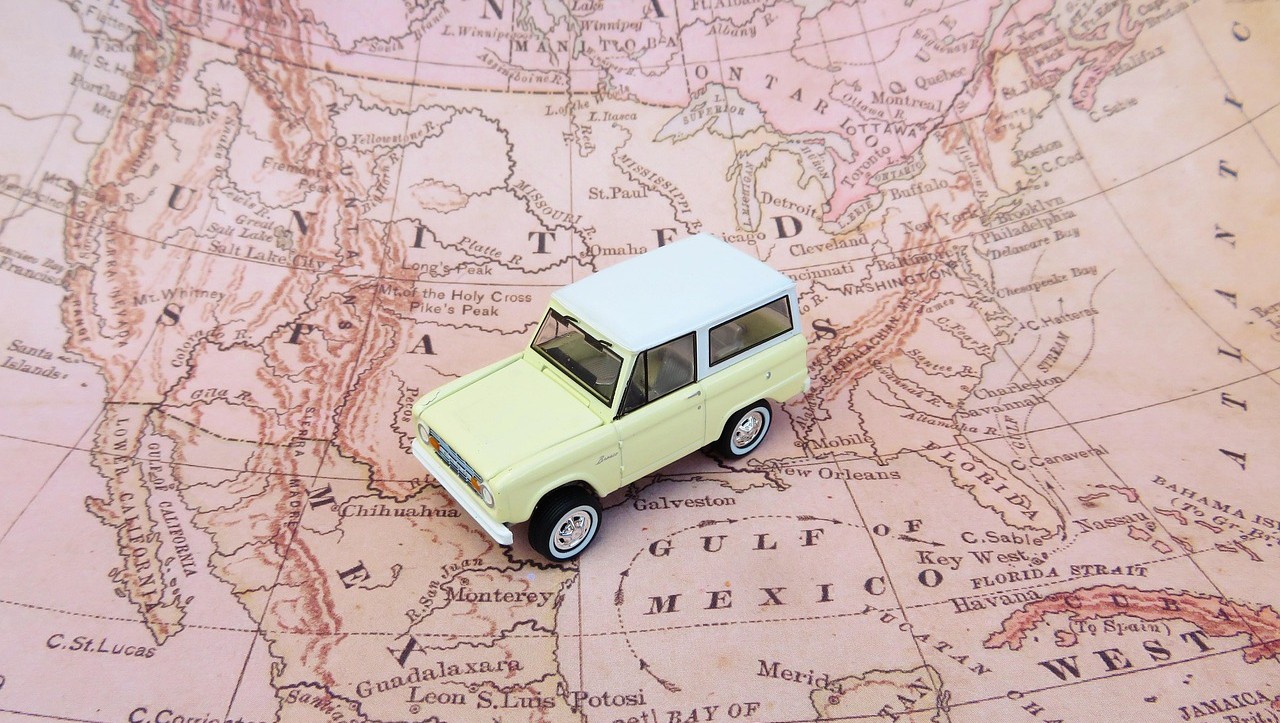
Route 66 is more than just a highway. If you do it right, it can be an epic journey through America’s past and present. With many roadside attractions, iconic landmarks, and mouthwatering pit stops, it’s the ultimate bucket-list road trip . Have you ever dreamed of kicking up dust in the desert or soaking in the nostalgia of the past? Well, we’ve put together 12 stops along the Mother Road that have something for everyone. So pack your snacks, gas up the car, and let’s hit the road. Ready to roll?

1
122 S. Michigan Ave.

Image: Allen Boguslavsky

Why not start the trip at the place where it all began? For Route 66, the beginning is right in the heart of Chicago , at 122 S. Michigan Ave. Look for the iconic pylon near the intersection of South Michigan Avenue and East Adams Street.

Fun fact: the Mother Road didn’t always start there. Back in 1926, Jackson Boulevard at Michigan Avenue was the official launch point for travelers!

2
Gateway Arch

Image: Intricate Explorer

Follow your adventure in St. Louis with the Gateway Arch, a towering 630-foot tribute to westward expansion. This stainless-steel beauty isn’t just a landmark, it’s an experience in itself.

Ride the tram to the top for jaw-dropping views of the Mississippi River and the city skyline. It’s the perfect way to set the tone for the rest of your journey.

3
Route 66 Drive-In Theater

Image: Tim Mossholder

Ready for some vintage vibes? Swing by the Route 66 Drive-In Theater in Carthage, Missouri. This blast from the past offers double features under the stars , just like in the good old days.

Opened in 1949, closed in 1985, and re-opened in 1998, this drive-in theatre has functioned ever since and plays two movies from Friday to Sunday every single week. Bring your lawn chairs and a cooler, or cozy up in your car for the full retro experience.

4
The Golden Driller

Image: Jametlene Reskp

Now it’s time to meet the Golden Driller, a 76-foot-tall oil worker who’s been standing proud in Tulsa, Oklahoma, since the 1960s.

It’s one of the largest freestanding statues in the country and a nod to Oklahoma’s rich oil history. At the base, there’s a sign that reads: "The Golden Driller, a symbol of the International Petroleum Exposition. Dedicated to the men of the petroleum industry who, by their vision and daring, have created from God’s abundance a better life for mankind." Strike a pose with this gentle giant, and you’ll feel downright tiny.

5
Route 66 Museum

Image: Carol Highsmith's America

For the following stop, you can take a break to explore the Oklahoma Route 66 Museum in Clinton. In it, you’ll be able to see artifacts, photos, and exhibits celebrating the history of the Mother Road.

Wander through rooms themed by decade, and you’ll feel like you’re traveling through time. From the Dust Bowl to the heyday of diners, this museum paints quite a vivid picture of Route 66’s golden era. And, of course, you can go by the gift shop to get a road trip memento.

6
Cadillac Ranch

Image: Heidi Kaden

If you’ve ever wanted to graffiti a Cadillac, this is your chance. Cadillac Ranch in Amarillo, Texas, features 10 half-buried cars sticking nose-first out of the ground. It’s an open-air art installation that’s as weird as it is wonderful.

Grab a can of spray paint (provided by friendly locals or your fellow travelers) and leave your mark. Just be warned, it might only last a day before someone else paints over it!

7
Route 66 Halfway Point

Image: Vicky McLain

Welcome to Adrian, Texas, the official halfway point of Route 66! You’re 1,139 miles from both Chicago and Los Angeles, so take a breath and celebrate!

The MidPoint Café is famous for its "ugly crust" pies. Don’t trust the name; they are actually delicious! It’s a perfect pit stop to recharge and think about the fact that you’ve conquered half of the Mother Road. Only halfway to go!

8
Meteor Crater

Image: John Ballem - a collection of personal photos

Arizona is home to some magical attractions, and Meteor Crater is no exception. This massive impact site, located near Meteor City, was created by a meteorite over 50,000 years ago . Standing on the rim and peering into the 560-foot-deep crater, you’ll feel like a tiny speck in the universe. The visitor center has some cool exhibits on space and meteors, which is perfect for science lovers or anyone who likes their roadside stops with a side of awe.

9
Old Trails Bridge

Image: Jimmy Whitson

Crossing the Colorado River into Arizona, the Old Trails Bridge in Topock is a picturesque reminder of Route 66’s early days. Though it’s no longer open to traffic , it’s a popular photo spot for travelers.

The rusted steel beams and sweeping desert views will give you a beautiful moment. Pause here, take in the history, and imagine the countless cars that once went across its span.

10
Burger Hut

Image: Haseeb Jamil

Needless, California, may be small, but it’s big on charm, especially at Burger Hut. This unassuming little eatery is beloved for its old-school burgers, fries, and milkshakes. It’s the kind of place where the food is made with love , and the portions are hearty. Don’t take our word for it; just go try it!

After hours on the road, there’s nothing better than a juicy burger and a chance to stretch your legs. This spot is a gem along Route 66!

11
Hollywood sign

Image: Scott Greer

As you approach the end of Route 66, why not take a detour to see the world-famous Hollywood Sign? Perched on the hills overlooking Los Angeles, it’s a symbol of dreams and stardom .

Take a hike to the best viewpoints for some exercise (and epic photos, of course). Sure, it’s a bit off the beaten path, but what’s a road trip without a side quest?

12
Santa Monica Pier

Image: Joel Mott

You’ve made it! The Santa Monica Pier marks the official end of Route 66 . With its iconic Ferris wheel, arcade games, and ocean views, it’s the perfect spot to celebrate completing your journey.

Now you’re done, dip your toes in the Pacific, grab a cone of soft-serve, and reflect on all the memories you’ve made along the way. The Mother Road may end here, but the stories you’ve collected will last a lifetime.

History History 4 min read

Fur, feathers, and fame

The first pets: The surprising, funny, and furry side of history!

Image: Sara Kurfeß

Before social media and spin doctors, some of the most beloved figures in Washington had four legs or wings. From dogs to horses, rabbits, and even raccoons, presidents have shared the White House with a colorful parade of creatures. These pets weren’t just sidekicks; they were family, confidants, and sometimes even headline-makers.

1
George Washington’s hungry hound

Image: Mitchell Orr

George Washington didn’t just lead a new nation; he also led a lively pack of dogs . His favorite, Vulcan, became a bit of a legend after sneaking into the kitchen and stealing a ham right before a fancy dinner party. Washington’s home was full of animals, from hounds with names like Sweet Lips and Madam Moose to strong horses such as Nelson and Blueskin, who carried him through the Revolution. The father of our country clearly had a soft spot for man’s best friend.

2
Thomas Jefferson’s exotic companions

Image: 🇸🇮 Janko Ferlič

When Thomas Jefferson returned from France, he brought back more than political ideas. He also brought home a dog named Bergere, who had puppies during the voyage. Later, explorers Lewis and Clark sent him two bear cubs that lived for a time at Monticello. Jefferson also kept birds, which showed a curious and gentle side to the man remembered for serious debates and historic documents.

3
Abraham Lincoln’s family menagerie

Image: Sergiu Vălenaș

Abraham Lincoln’s household was full of affection, laughter, and animals. His loyal dog, Fido, stayed behind in Springfield when the family moved to Washington, but Lincoln made sure he was cared for. The White House soon filled up with two playful goats named Nanny and Nanko , horses, cats named Tabby and Dixie, and even a few rabbits. Lincoln’s kindness toward animals mirrored his compassion for people.

4
Theodore Roosevelt’s White House zoo

Image: Jaroslaw Slodkiewicz

Theodore Roosevelt didn’t just bring energy to politics; he brought it to pet ownership too. His home was a whirlwind of fur, feathers, and scales. Alongside horses and dogs, there were guinea pigs, a macaw, a badger, a snake named Emily Spinach, and even a bear called Jonathan Edwards. Roosevelt’s six kids were always introducing new creatures, turning the White House into a joyful, unpredictable zoo.

5
Woodrow Wilson’s tobacco-chewing ram

Image: Livin4wheel

Woodrow Wilson’s presidency wasn’t all about policy and world affairs. He also had a ram named Old Ike, who was known for chewing on cigars . Wilson kept a flock of sheep on the White House lawn during World War I to help raise money for the Red Cross by selling their wool. Along with dogs, birds, and a cat named Puffins, the Wilson White House looked more like a small farm than a seat of government.

6
Calvin Coolidge’s cheerful chaos

Image: Christian Hess Araya

If anyone rivaled Roosevelt’s menagerie, it was Calvin Coolidge. He and his wife, Grace, were devoted animal lovers. Their White House included twelve dogs, two cats, seven birds, a donkey named Ebenezer, two raccoons called Reuben and Rebecca, and even a bobcat named Smoky. Rob Roy, their white collie, was so beloved that he appeared in Grace Coolidge’s official portrait. With so many paws and claws around, quiet moments were rare, but laughter was constant.

7
Franklin D. Roosevelt’s loyal Fala

Image: Chris Arthur-Collins

Few pets have reached celebrity status quite like Franklin Roosevelt’s Scottish terrier, Fala . The little dog went everywhere with the president and even had his own fan club. When critics accused Roosevelt of forgetting Fala during a trip to Alaska, the president jokingly denied it in a speech that won over the crowd. Fala stayed faithfully by his side through good times and bad, a symbol of loyalty during some of the nation’s hardest years.

8
John F. Kennedy’s household of charm

Image: Gary Bendig

The Kennedys filled the White House with laughter and animals. Their pets included Pushinka, a gift from Soviet leader Nikita Khrushchev, who had puppies with the family’s dog, Charlie. The Kennedys gave the puppies to children who wrote to them. They also had horses, cats, birds, hamsters, and even a rabbit named Zsa Zsa . Caroline’s pony, Macaroni, became a favorite of photographers and fans, perfectly matching the family’s youthful, warm image.

9
Lyndon B. Johnson’s famous beagles

Image: Doğan Alpaslan DEMİR

Lyndon B. Johnson’s dogs, Him and Her, became almost as well known as their owner. Johnson once caused a stir by lifting one of them by the ears for a photo, but he truly loved his pets. He kept several dogs, along with birds and hamsters that entertained his family. Johnson was the last president to keep anything beyond the usual cats and dogs at the White House, marking the end of a particularly lively era for presidential pets.

10
Ronald Reagan’s ranch companions

Image: Florin Palamarciuc

For Ronald Reagan, animals were part of the good life. His dogs, Lucky and Rex, often joined him at the family ranch, where he could ride horses and enjoy the open air away from Washington. Rex even had his own miniature White House doghouse . The Reagans saw their pets as family and often talked about how much joy they brought to their lives, proof that even presidents need a wagging tail to make a house feel like home.

Explore more American facts

Choose your favorite category!

General
General

As American as apple pie—the very best America has to offer!

Culture
Culture

Delve into the astounding richness of American lore.

Geography
Geography

Hop in and explore vast and diverse American landscapes.

History
History

Discover the key moments that shaped the United States.