General General 5 min read

Americans superstar foods

Hemingway and JFK both had the same favorite cocktail: what was it?
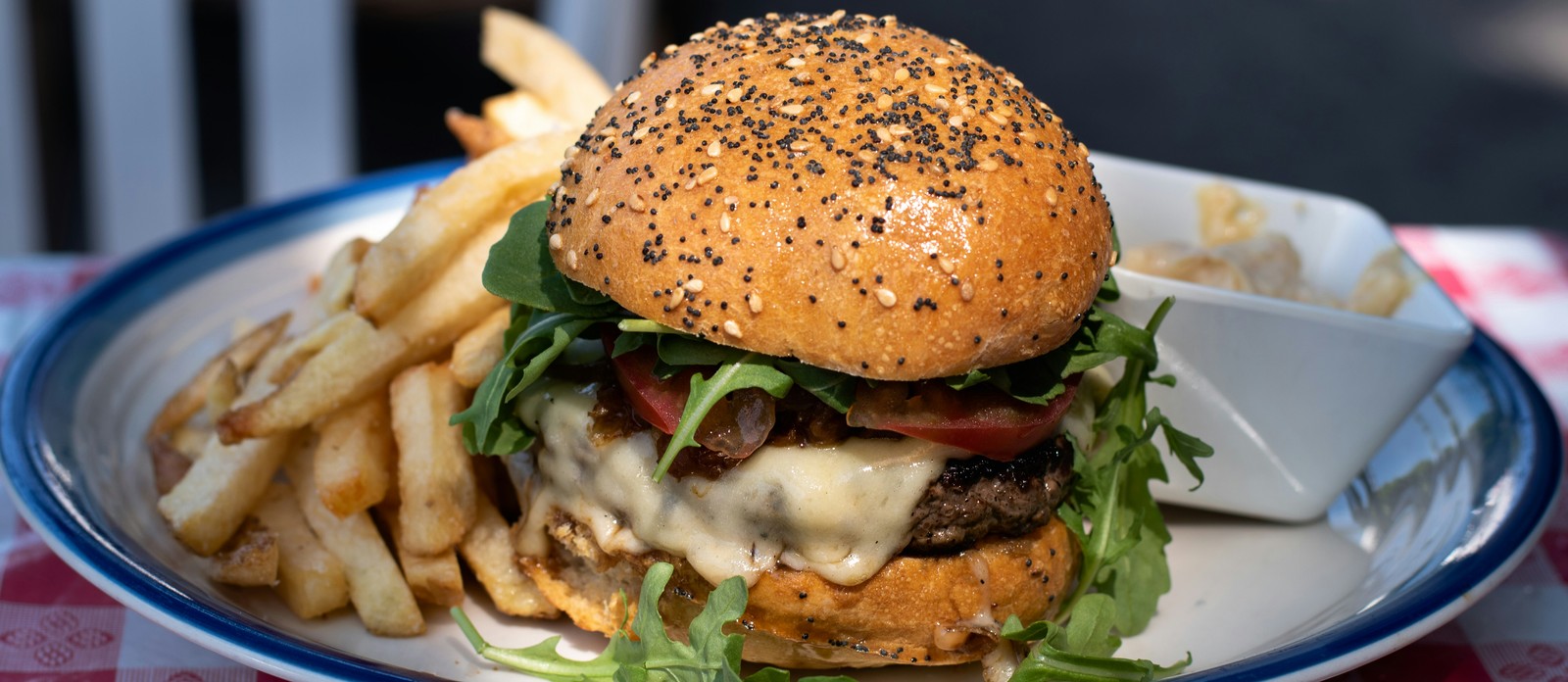
Image: Kelly Visel

Food and drink represent much more than the nutrition and hydration we need to survive — they’re part of a nation’s culture and history. Just as Hemingway and JFK loved drinking daiquiris, which were supposedly invented as a worker's "medicine" , these 10 iconic foods and drinks all carry surprising stories behind their names, recipes, and rise to fame.

1
Daiquiri
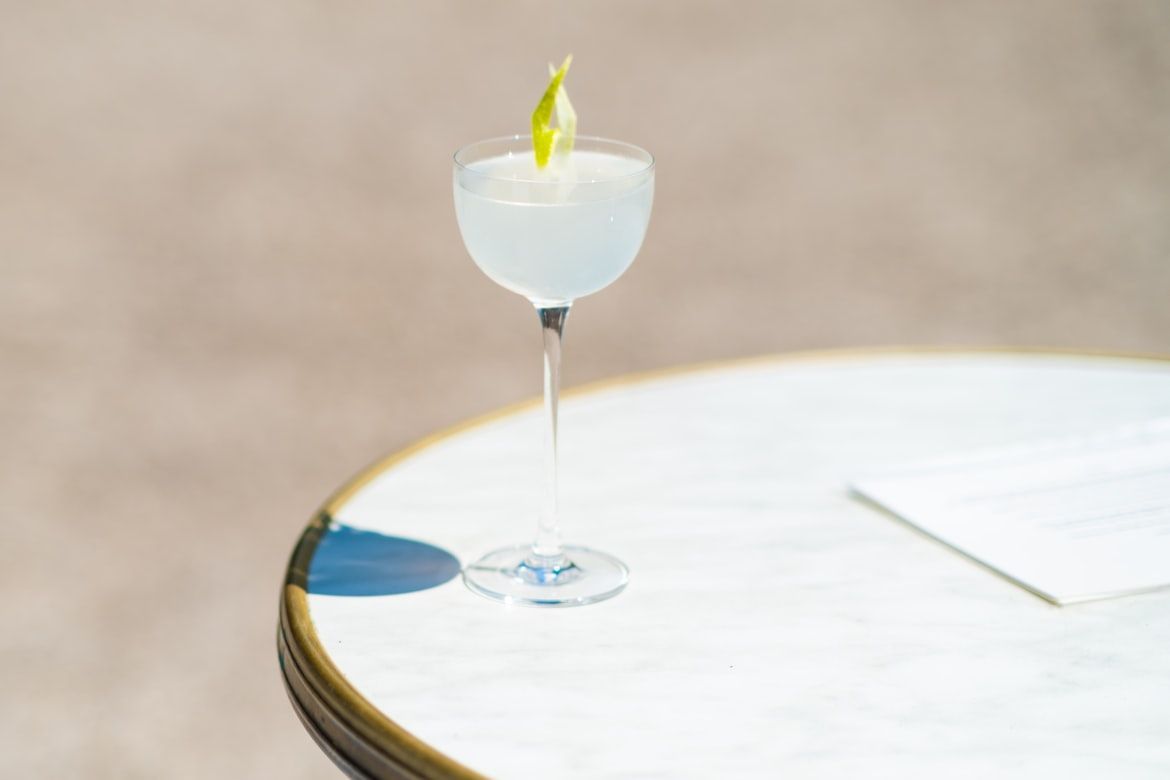
Image: Timothé Durand

Is it possible that our favorite vacation cocktail was originally a "medicine"? Back in 1898, an American mining engineer named Jennings Cox was working in the village of Daiquiri, Cuba. He mixed local rum, lime, and sugar to keep his workers refreshed and to ward off yellow fever.

This drink migrated to the States, becoming popular during the 1940s and 1950s, and a favorite of Ernest Hemingway and President John F. Kennedy . While Hemingway famously drank daiquiris in Havana, JFK later helped make the cocktail fashionable in American political circles. Rum brands like Bacardi and Captain Morgan helped make the cocktail a summer favorite, and the original recipe started to vary among bars and vacation spots.

2
Hamburger
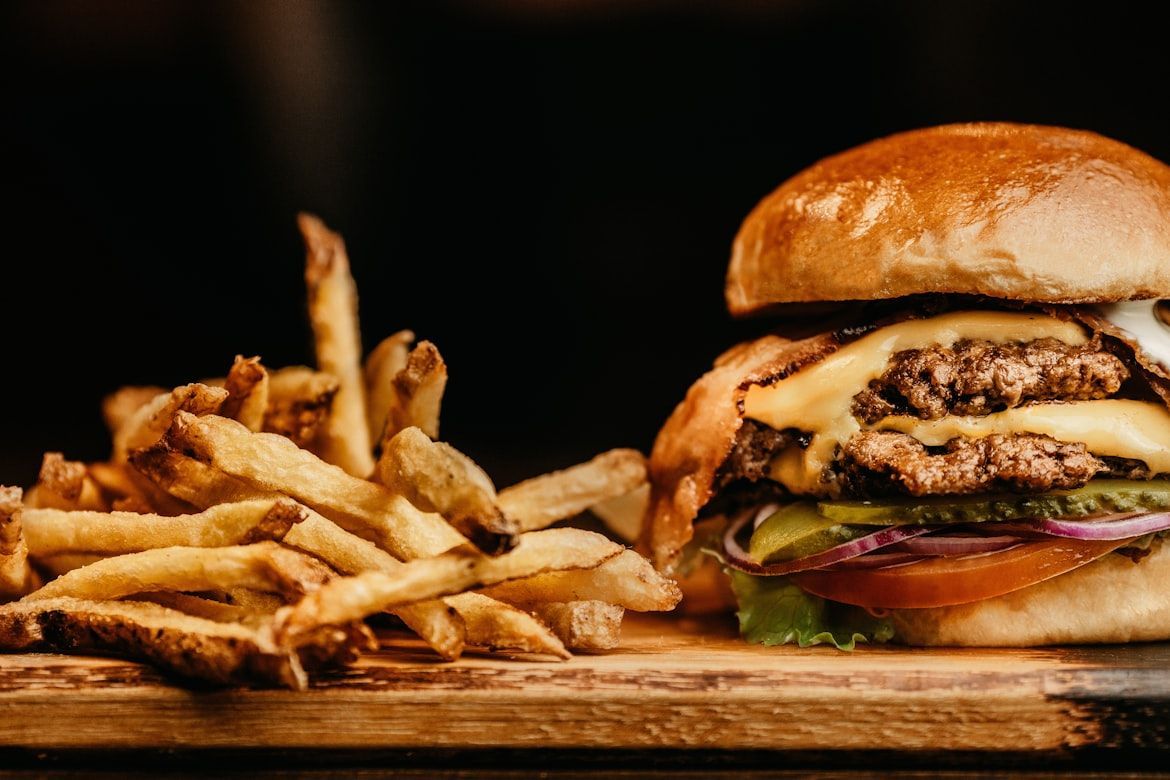
Image: Jonathan Borba

Did you know one famous hamburger origin story points to a small town in New York? According to the Menches family legend, brothers Frank and Charles Menches were selling pork sausage sandwiches at the 1885 Erie County Fair in Hamburg, New York, when they ran out of pork . A local butcher suggested ground beef instead. The brothers reportedly seasoned the beef with coffee, brown sugar, and other ingredients, then served it between bread with ketchup and sliced onions. The sandwich was said to be a hit, so they named it the "hamburger" after the town where the fair was held.

3
German Chocolate Cake
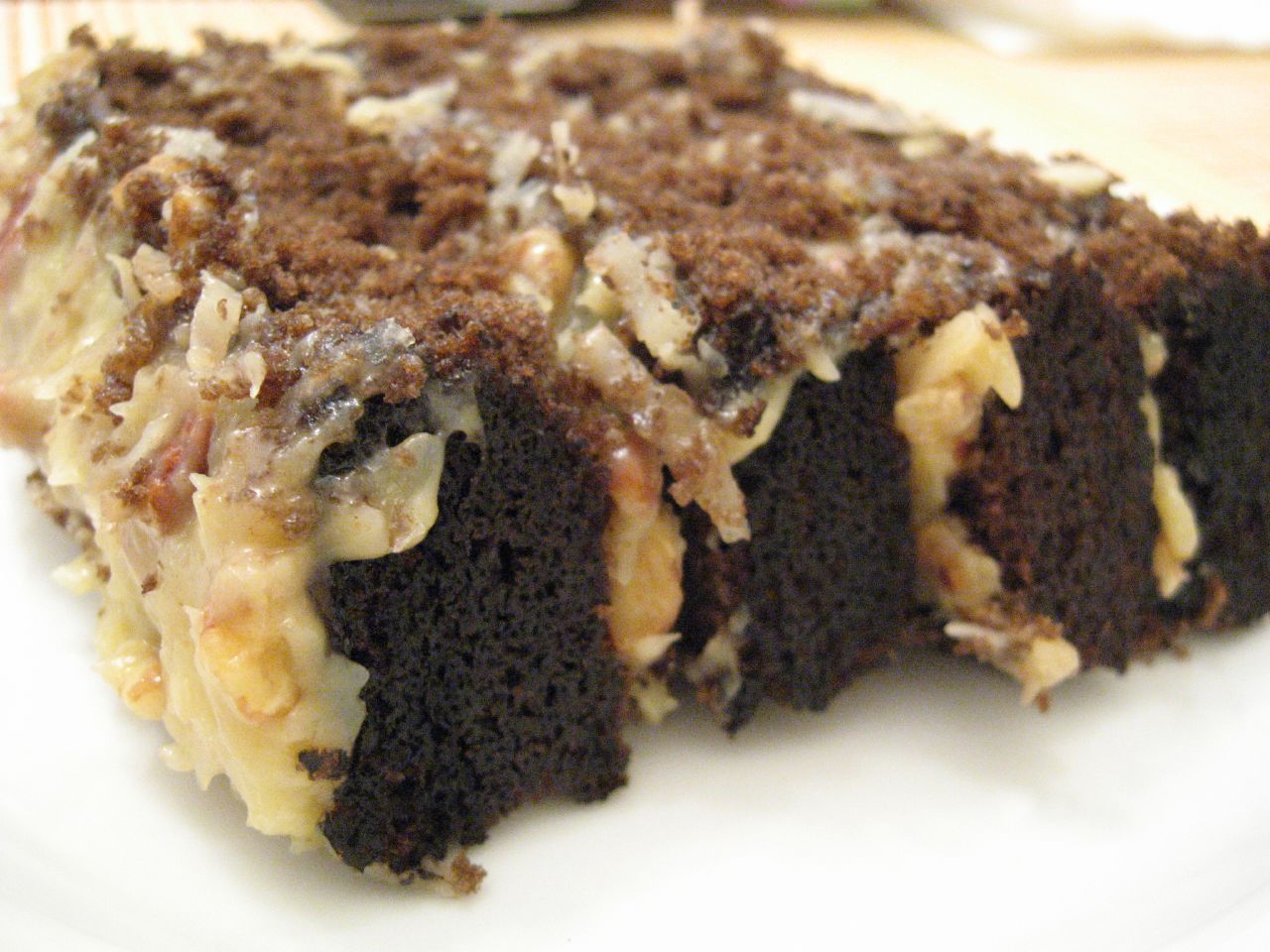
Image: Kimberly Vardeman

Don’t let the name fool you into thinking this recipe comes from overseas. This dessert was actually born in Dallas in 1957 when Mrs. George Clay sent the recipe to the local newspaper, the Dallas Morning News . The German part actually comes from Sam German, the man who developed the dark baking chocolate for Baker’s Chocolates Company back in the 1850s.

This cake quickly became a sensation at birthdays and other celebrations thanks to its coconut-pecan frosting. The confection eventually inspired similar cupcakes, brownies, and even an ice cream flavor.

4
Philly Cheesesteak
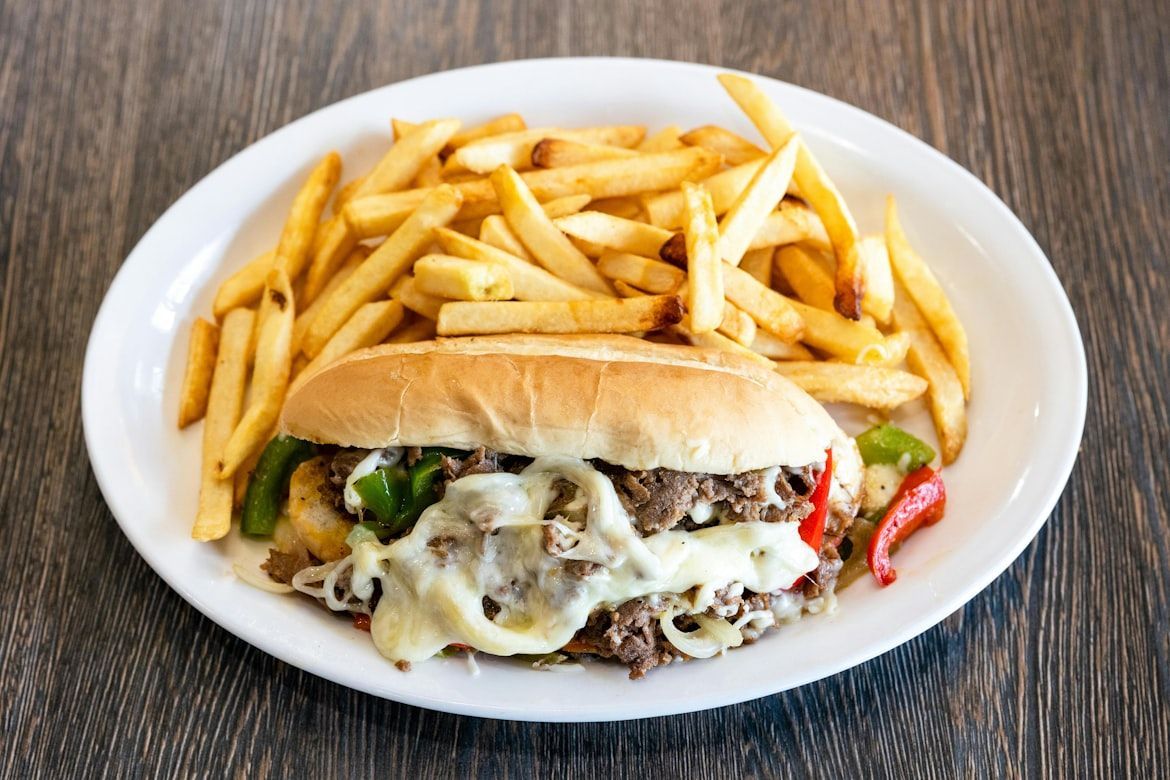
Image: Snappr

One of Philadelphia’s most famous foods started almost by accident. In 1930, Pat Olivieri was running a hot dog stand in South Philly when he decided to grill some chopped beef and place it inside an Italian roll for himself. A taxi driver nearby smelled it, asked for one too, and legend follows that the word spread quickly around the city .

Shortly after, melted cheese became part of the recipe —usually Cheez Whiz, provolone, or American cheese. Today, locals debate whether the best version is sold at Pat's King of Steaks or Geno's Steaks.

5
Hot Dog
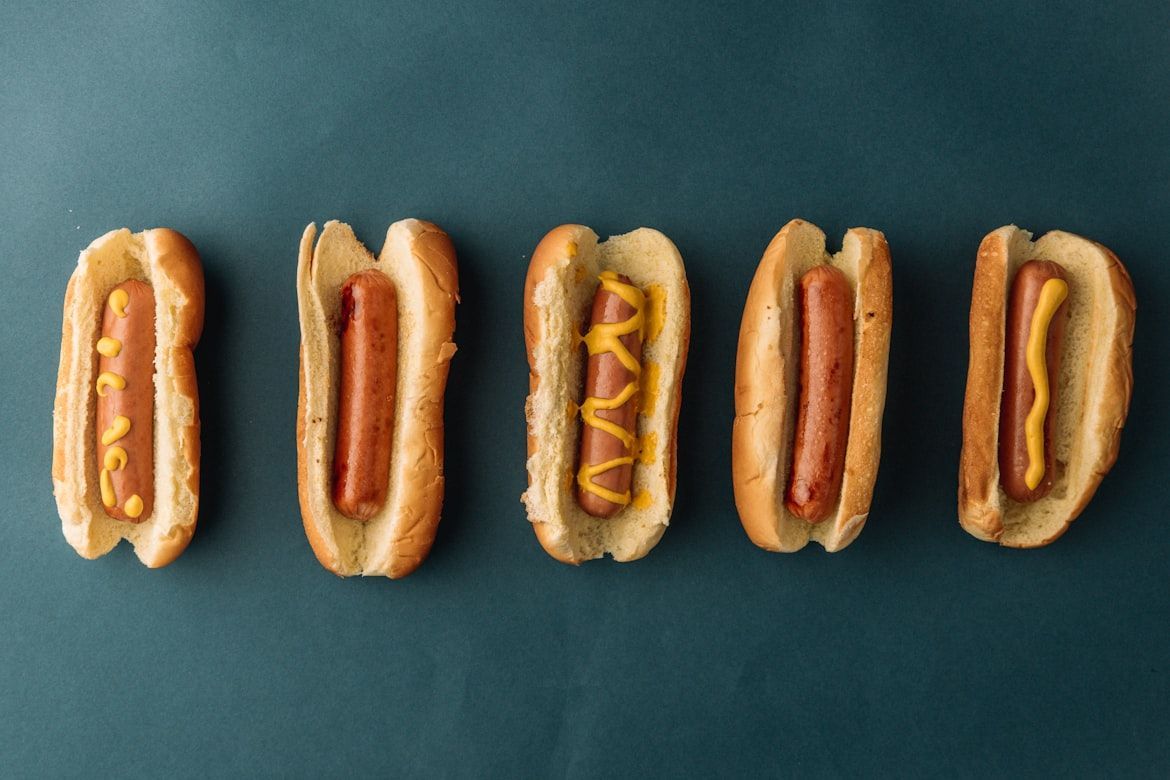
Image: Ball Park Brand

Just like the hot dog itself has two main ingredients, its origin story also comes in two parts. Some people say the sausage came from Frankfurt, Germany, while others believe the wieners of Vienna, Austria, inspired it. Frankfurt even celebrated the sausage’s 500th anniversary in 1897 to strengthen its claim.

But how did the hot dog become an American favorite? Before the 1850s, people in New York usually ate frankfurters between two slices of bread. Around that time, Austrian baker Ignatz Frischman arrived near Coney Island, and he noticed how much the crowds loved the sandwiches. After opening his bakery, he created a long, soft roll made especially for the sausages, and street vendors quickly started using them .

6
S'mores
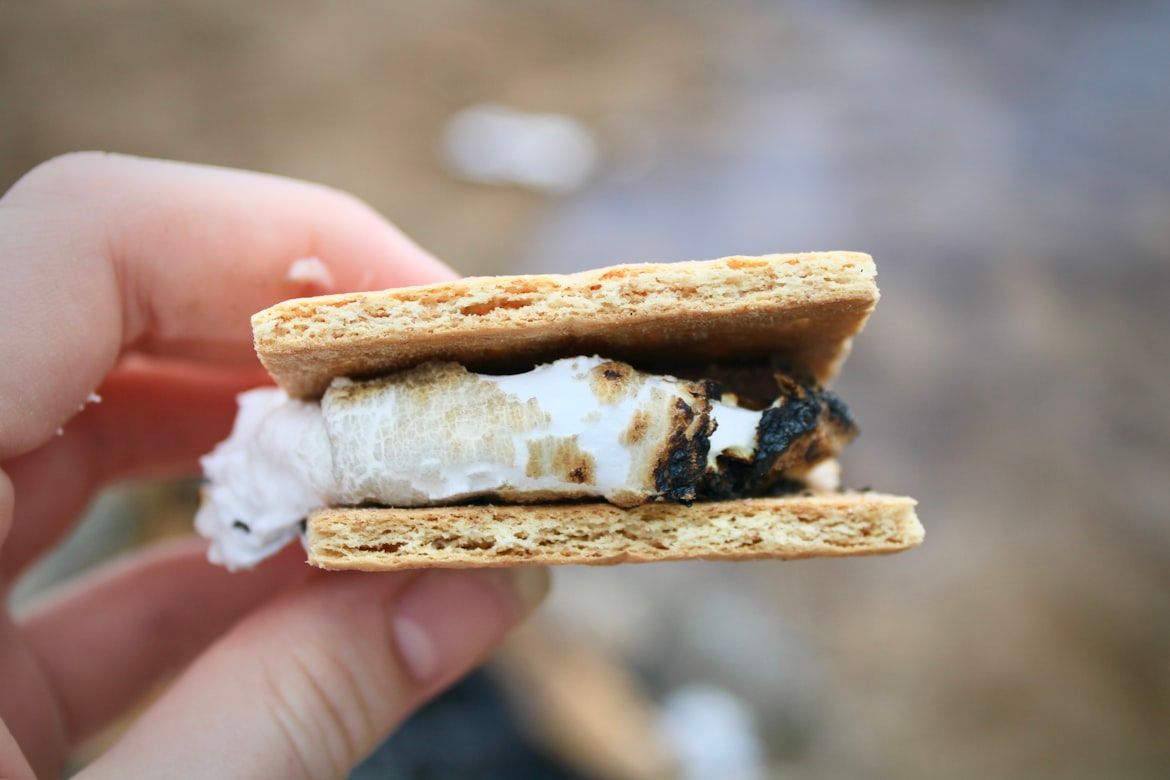
Image: Ava Tyler

The first known recipe for the summertime classic appeared in a 1927 Girl Scout handbook, where campers were taught to roast marshmallows over a fire and sandwich them between graham crackers and chocolate.

Companies like Hershey's, Jet-Puffed, and Honey Maid helped turn s’mores into a must for campfire treats, and now, they can be made in ovens or microwaves with peanut butter or flavored chocolate.

7
Corn Dog
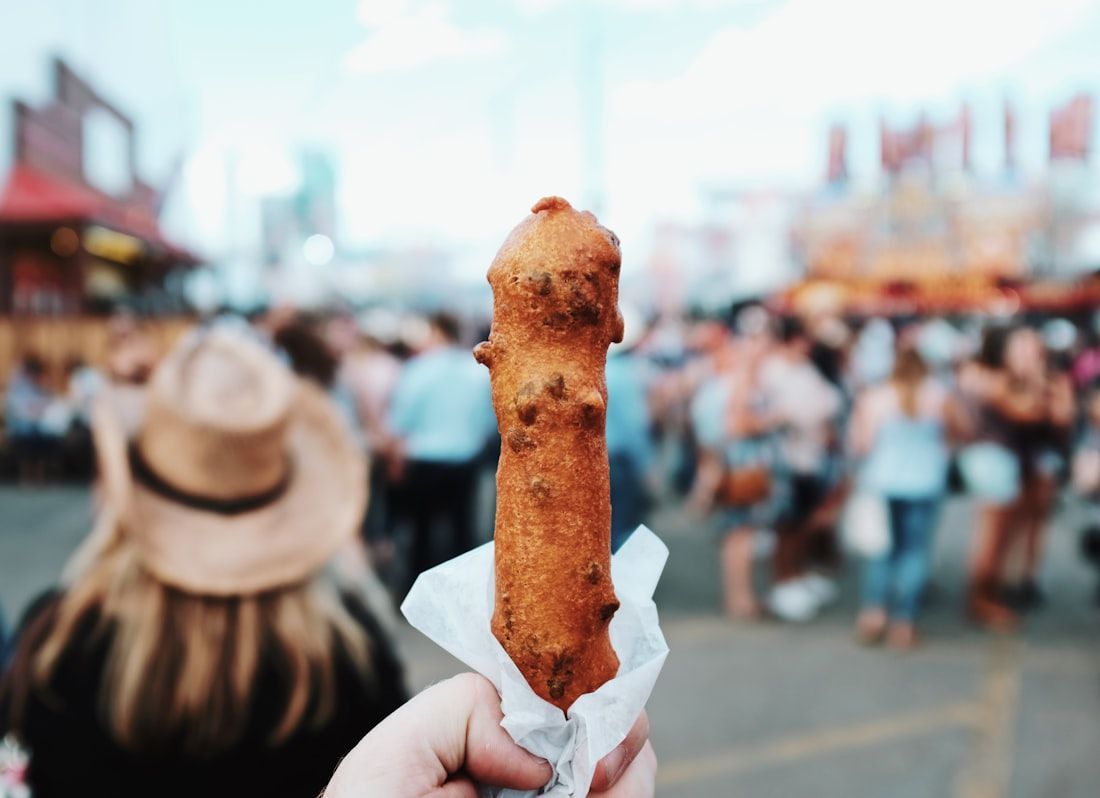
Image: Blake Guidry

A hot dog dipped in cornmeal batter, placed on a stick, and deep-fried until golden brown. That is how a classic corn dog is made. During the late 1920s, one Minnesota family sold their version of the corn dog at the Oregon local fairs under the name "Pronto Pup" because they disliked the term "corn dog." Even so, "corn dog" became the most recognized name, especially after state fairs in Texas and the Midwest helped popularize it throughout the country.

They are staples at carnivals, baseball games, and amusement parks, and are usually adorned with mustard or ketchup . Also, newer versions use spicy sausages, cheese-filled batter, or mini bite-sized pieces for easy snacking.

8
Lobster Roll
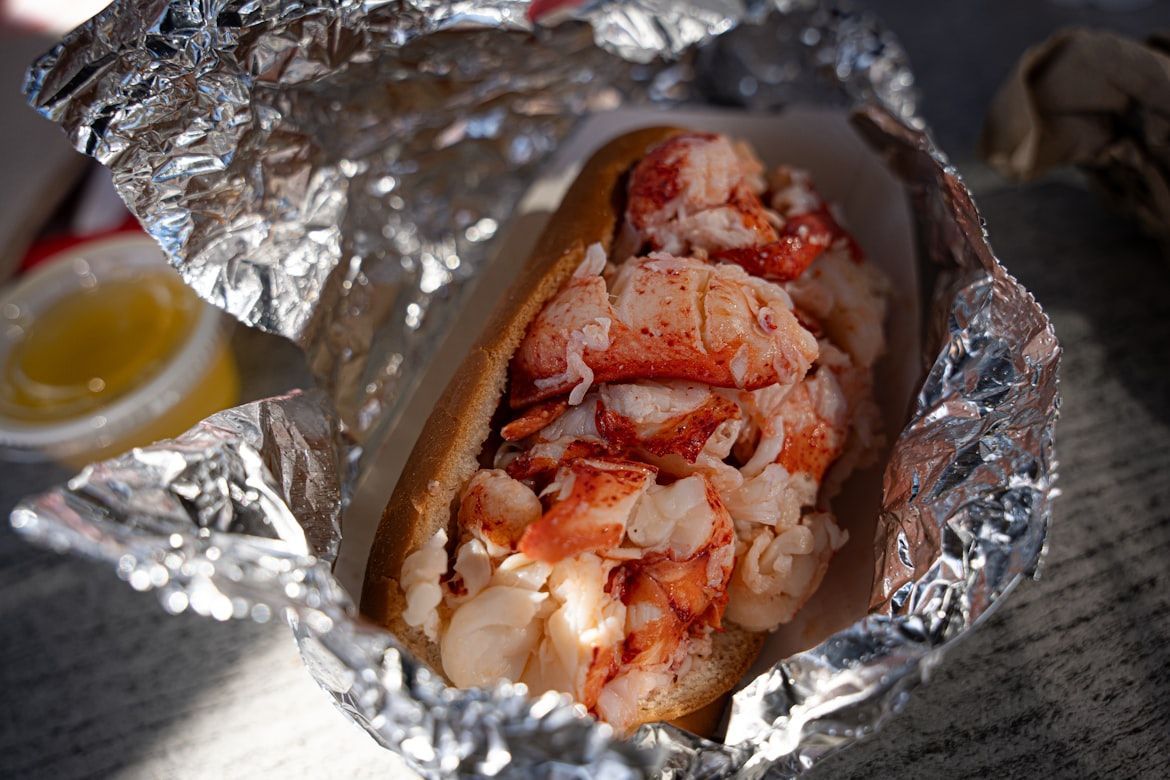
Image: Will Ma

One early story places its birth in a Connecticut restaurant during the 1920s, where warm lobster soaked in butter was served inside a toasted roll. Years later, Maine helped popularize a different version with cold lobster mixed with mayonnaise, and the debate between the two styles continues.

By the 1970s, lobster rolls had turned into a symbol of seaside vacations across the Northeast. People have them at seafood shacks, harbor towns, and summer festivals. Famous spots like Red's Eats became famous for lobster meat rolls, while others, such as Luke's Lobster, helped introduce the sandwich to the rest of the country.

9
Reuben Sandwich
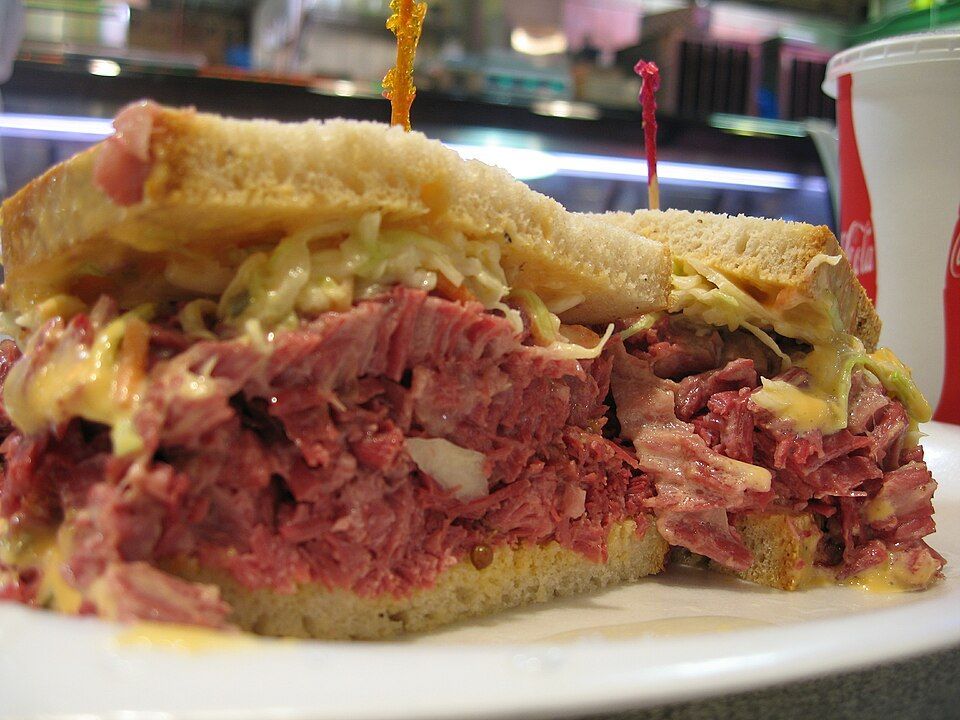
Image: Michaela den

The Reuben Sandwich has been part of a food debate for nearly a century. One version takes us to the 1920s, Omaha, Nebraska, where grocer Reuben Kulakofsky asked for a special sandwich during late-night poker games at a hotel . The other one says a New York deli owner was already serving something very similar around the same time.

No matter the truth, the sandwich was already appearing on menus by the 1930s with its mix of corned beef, Swiss cheese, sauerkraut, and Russian dressing on rye bread. It is a classic choice at American diners and Jewish-style delis.

10
Piña Colada
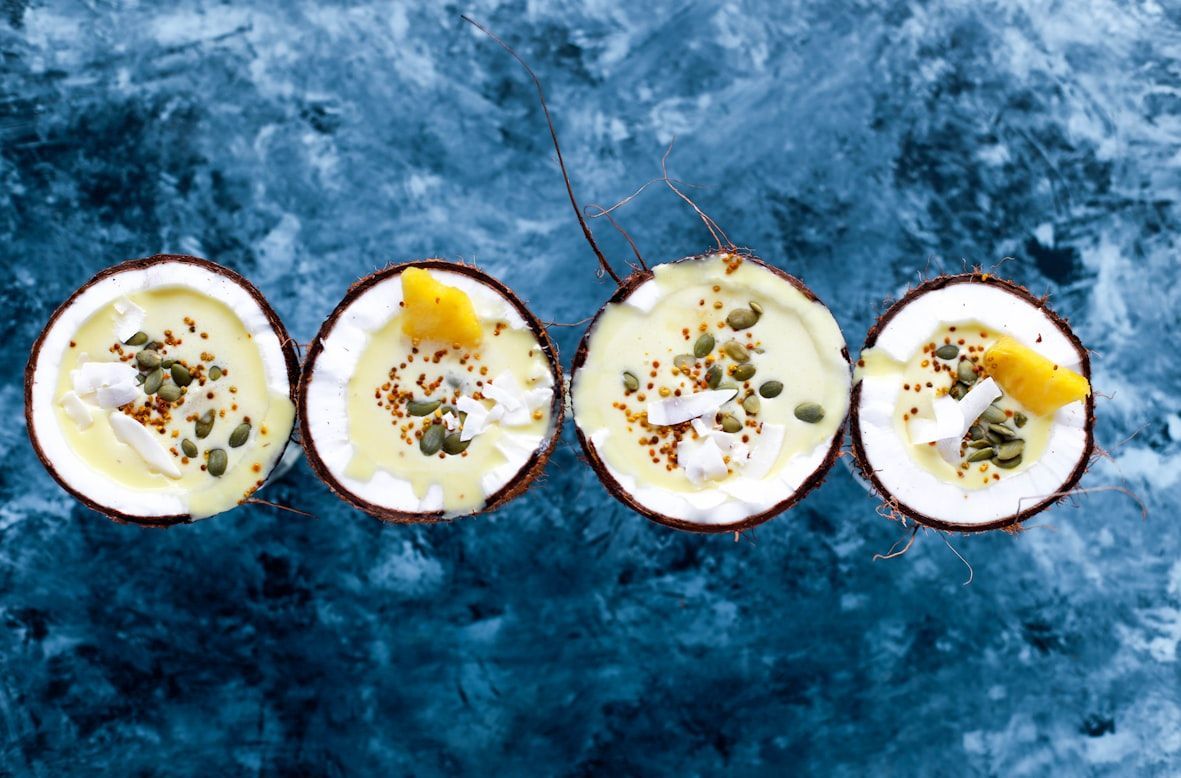
Image: Brenda Godinez

It first appeared in 1954 at the Caribe Hilton. Bartender "Monchito" Marrero, after trying different recipes, finally arrived at the rum, coconut, pineapple juice fusion we enjoy today.

Coco López and Malibu, both liquor brands, helped turn the drink into an easy, homemade one, enabling more flavors like strawberry, mango, or even banana. Also, as Caribbean vacations and cruise trips became popular during the second half of the 20th century, the piña colada started showing up at beach bars and resorts all over the country.

Geography Geography 5 min read

Special details

Have you heard these fun facts about 10 famous American landmarks?

Image: Joe Richmond

Yes, we all know which cities are home to America's most iconic monuments and attractions, such as the Statue of Liberty, the impressive Gateway Arch, or the unique Hollywood Sign. However, as famous as these landmarks are, there are some hidden details and stories about them that you might have never heard before! If you'd like to surprise your friends in your next conversation, keep reading to discover 10 incredible facts about America's most famous landmarks!

1
A change in plans

Image: Alexey Komissarov

Can a color be a worldwide celebrity? It seems so! This is the case of the famous "international orange" of the Golden Gate Bridge in San Francisco, California.

It's hard to imagine this iconic bridge in any other color. But believe it or not, it was once about to be painted in another hue.

The original idea was to paint the Golden Gate Bridge black with yellow stripes to make it visible to ships and planes. However, the sharp vision of consulting architect Irving Morrow changed the plans. When he saw the reddish color of the primer used on the iron, he realized that this color would work much better and would also give the imposing structure an original touch.

2
Too good to be true?

Image: Hana Oliver

We all know that incredible creatures and breathtaking landscapes await us in Yellowstone. You probably also know that this amazing area that covers more than 3,400 square miles in parts of Wyoming, Montana, and Idaho was the first national park in the United States. Not only that, it was actually the first national park in the entire world!

But, while it's totally famous and celebrated today, there was a time when only a few knew about this place. Early explorers who walked Yellowstone in the 19th century wrote detailed journals about what they saw and experienced there, but when they returned, they found that people didn't believe their stories. We have to admit that those skeptics had a point; such a beautiful place seems out of this world!

3
Capitol's subway

Image: Louis Velazquez

Nobody can deny the metro system is great. Its speed and efficiency allow thousands of people around the world to get to their homes and jobs every day. Did you know that the members of the U.S. Congress have their own subway system right underneath the Capitol building?

That's right! Under the impressive structure that houses U.S. Representatives and Senators lies an entire subway system. This allows workers there to access different parts of the complex in a matter of seconds. It must make things easier on busy days, don't you think?

4
The final detail

Image: MIKE STOLL

But not all of the Capitol's surprises are underground; some are in plain sight. We're talking about the spectacular dome that crowns the famous neoclassical building in Washington, D.C. While the dome is a symbol of our country today, there was a time when the Capitol Building didn't have this gracious final detail.

The construction was considered completed in 1800. However, one last touch was still needed. In 1824, the first and smaller dome arrived, made of wood. Finally, it was replaced in 1866 by the impressive dome we see today, which stands an incredible 288 feet high and is made of cast iron, brick, stone, and copper.

5
A misspelling?

Image: Dan Mall

The Liberty Bell must be one of the most recognized icons of the United States. Preserved as a symbol of our Independence, everyone can visit the famous bell at the Independence Hall in Philadelphia, Pennsylvania.

In addition to its well-known history and its famous "crack," this bell has even more hidden details to discover. When you read the inscription on the Liberty Bell, you'll be able to read "Pensylvania" instead of "Pennsylvania." While you could think that those in charge of inscribing the bell weren't paying attention, it wasn't actually a misspelling; it was one of the accepted spellings for Pennsylvania in those days.

6
Hollywood(land)

Image: Justin Aikin

Whether in person or through the screen, we all had the chance to see the legendary Hollywood sign over Mount Lee in Los Angeles, California.

But, while this landmark is recognized around the world today, it didn't always look as we see it now. The Hollywood sign had several changes throughout its history. It was first erected in 1923 as an advertisement for a real estate development. At the time, it read "Hollywoodland" and even had lights, illuminating the entire area at night.

Many things happened in our country before 1949, when the last four letters were removed, leaving just the current "Hollywood."

7
Good things take time

Image: Jeromey Balderrama

As we grow older, we understand one truth: good things often take time. While patience seems to be in short supply these days, it was certainly in abundance for those who built the impressive Mount Rushmore National Memorial, one of our most famous attractions.

The construction of this imposing monument that features the faces of George Washington, Thomas Jefferson, Theodore Roosevelt, and Abraham Lincoln began in 1927 and took 14 years to complete. Carving four 60-foot-tall heads on a granite hill is no easy task. But, on top of that, some budget difficulties slowed down the process even more.

8
Mount Rushmore's secret door

Image: John Bakator

Mount Rushmore National Memorial has more secrets to disclose! Although not visible to the naked eye, there is a particular detail among the heads of Washington, Jefferson, Roosevelt, and Lincoln. Want to know what it is?

If you haven't heard about it, this might surprise you: there is a small door right there on Mount Rushmore. Mysteries everywhere! The door leads to a chamber known as the "Hall of Records." According to the plans of sculptor Gutzon Borglum, this spot would hold important documents and objects of our history.

9
Time capsule

Image: Mark Serafino

Besides being the tallest human-made monument in the United States and also the tallest arch in the world, the famous Gateway Arch in St Louis has much more to offer.

During its construction in the 1960s, a curious detail was placed inside its iconic metal structure. At the base of the monument, you can find nothing less than a time capsule!

The capsule, which contains various artifacts and relics from our country's history and culture, was thought to give future generations an idea of what the world and the United States were like in those days.

10
19th-century graffiti

Image: Dineda Nyepan

At 555 feet tall, the Washington Monument is one of the most imposing in our country. But besides its height, this landmark also possesses a couple of surprising facts.

It might seem that graffiti is a modern artistic expression that has only been around recently, but this isn't the case, and the Washington Monument is proof of that. At the structure's base, there is a series of graffiti made in the 19th century, during the Civil War.

That's right! Many people and soldiers passing by at the time left signatures, dates, and patriotic messages inscribed on the famous obelisk, and some of them are still visible!

Culture Culture 3 min read

Which one is your favorite?

Tigers, cheetahs & more: 12 advertising mascots turned cultural icons

Image: Erik Mclean

From cereal boxes to car commercials, advertising mascots are a big part of our pop culture. These characters aren't just selling products—they’ve become household names. Whether it’s a talking gecko or a grinning doughboy, mascots help brands stick in our minds. Can you recognize these 12?

1
Colonel Sanders

Image: Aleks Dorohovich

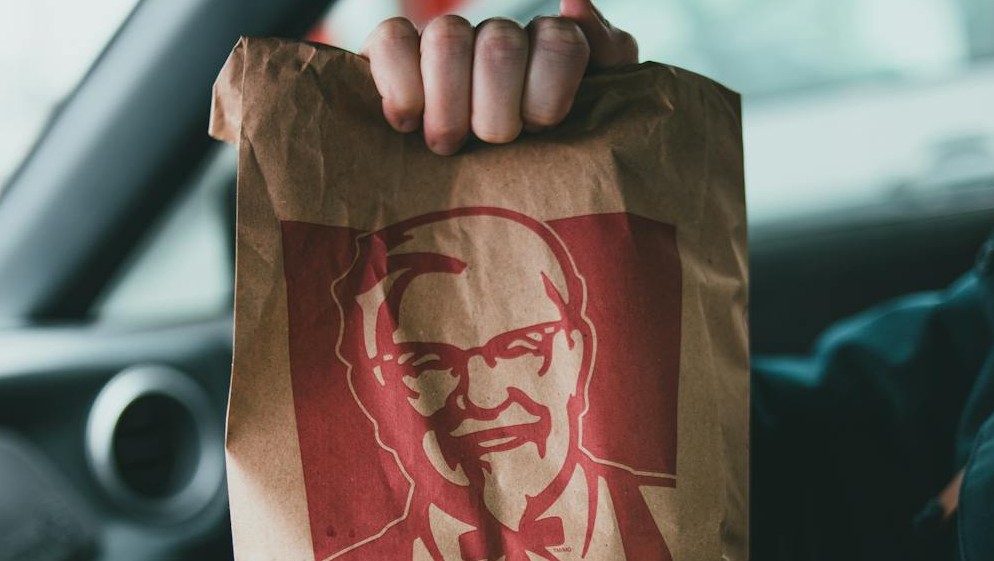
Colonel Sanders, the iconic KFC mascot, is based on Harland Sanders, the chain's founder . He received the honorary title of "Colonel" from Kentucky's governor in 1935.

Sanders embraced the persona, adopting a white suit, goatee, and bow tie, creating the famous image that still represents KFC today.

2
Energizer bunny

Image: Jerry Wang

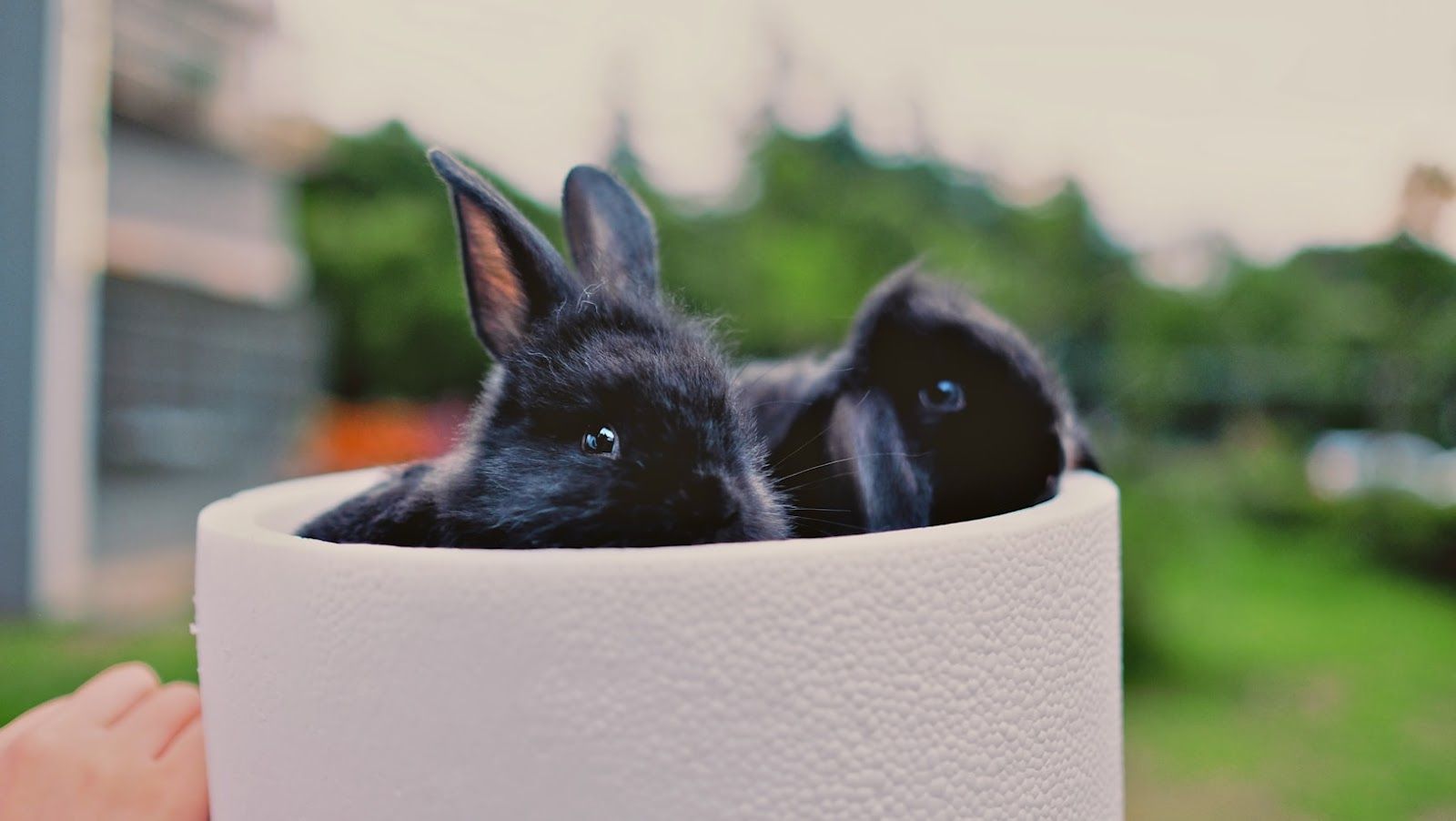
The Energizer Bunny debuted in 1988 as a parody of Duracell’s "Drumming Bunny." Designed with sunglasses, flip-flops, and a bigger drum, it stood out as a bold contrast to its competitor’s mascot.

The campaign grew into a long-running success, and, obviously, a trademark battle followed, ultimately ending with Energizer securing exclusive rights to the pink bunny in the U.S. and Canada.

3
GEICO gecko

Image: Hunter Masters

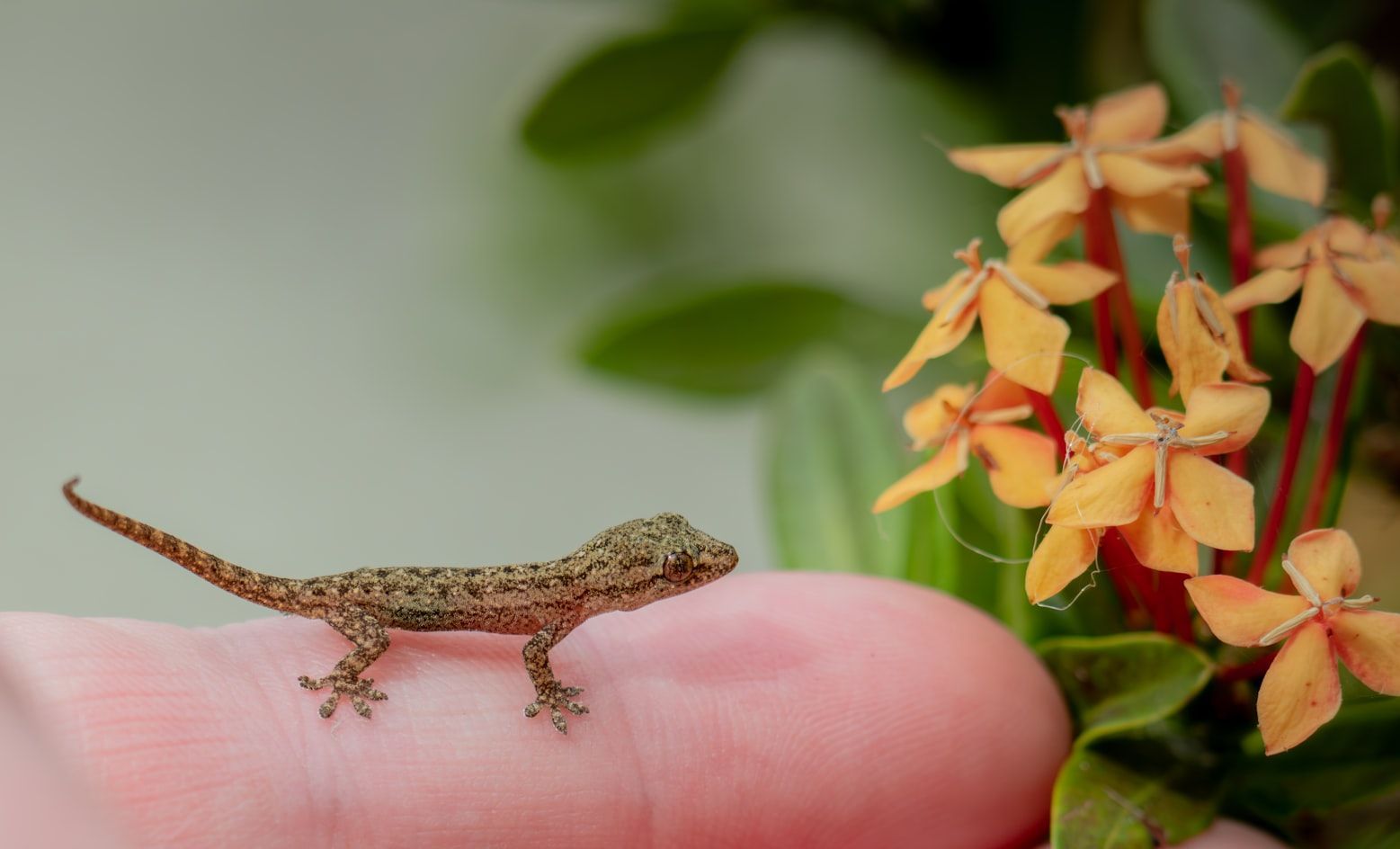
The GEICO Gecko debuted in 1999 during an actors' strike, when live talent was unavailable. The idea stemmed from people mispronouncing "GEICO" as "Gecko," inspiring a quick lizard doodle during a brainstorming session.

In his first ad, the Gecko held a press conference asking people to stop confusing him with the company. The quirky concept quickly became a memorable and enduring mascot.

4
Jolly Green Giant

Image: Jun Weng

The Jolly Green Giant began in 1925 with the Minnesota Valley Canning Company’s "Green Giant" peas. The original mascot was a stern, fairy tale–like figure.

In 1936, ad legend Leo Burnett redesigned him with a leafy toga and a friendly smile, making him "jolly." The company later adopted the Green Giant name, and the mascot became a lasting icon.

5
Pillsbury Doughboy

Image: Sonia Nadales

The Pillsbury Doughboy, named Poppin' Fresh, was created in 1965 by ad copywriter Rudy Perz. The idea came to him as he imagined a dough character popping out of a can in his kitchen .

First seen in stop-motion animation, the Doughboy became a cheerful brand icon, starring in over 600 commercials since his debut.

6
Chester Cheetah

Image: Erik Mclean

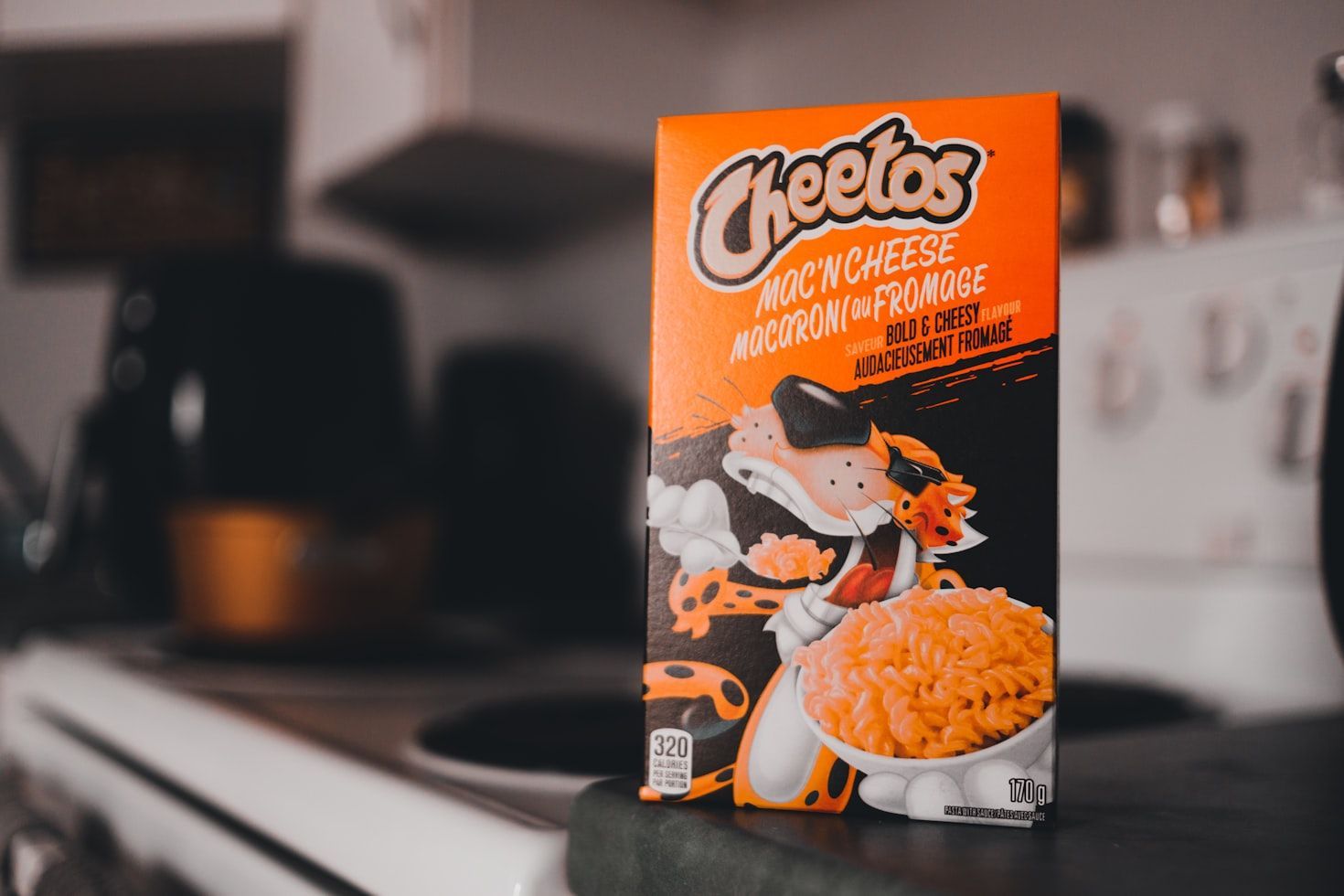
Chester Cheetah became the face of Cheetos in 1986, replacing the original Cheetos Mouse. He debuted as a cool, animated cartoon character in TV ads.

Known for his smooth voice, catchy rhymes, and laid-back style, the character is depicted as a "cool cat" with a strong craving for Cheetos.

7
Kool-Aid Man

Image: Fotografía de Alimentos

The Kool-Aid Man, a smiling pitcher of Kool-Aid, evolved from earlier iterations and became the brand’s mascot after General Foods acquired the company in the 1950s. He quickly stood out in ads with his dramatic entrances.

Known for crashing through walls and shouting "Oh yeah!", this mascot became instantly recognizable.

8
Tony the Tiger

Image: Dom .

Tony the Tiger has been the mascot for Frosted Flakes since 1952, known for his upbeat catchphrase, "They’re gr-r-reat!" and his iconic presence on cereal boxes. He has also represented other cereals, such as Tony’s Cinnamon Krunchers.

9
Planters

Image: aboodi vesakaran

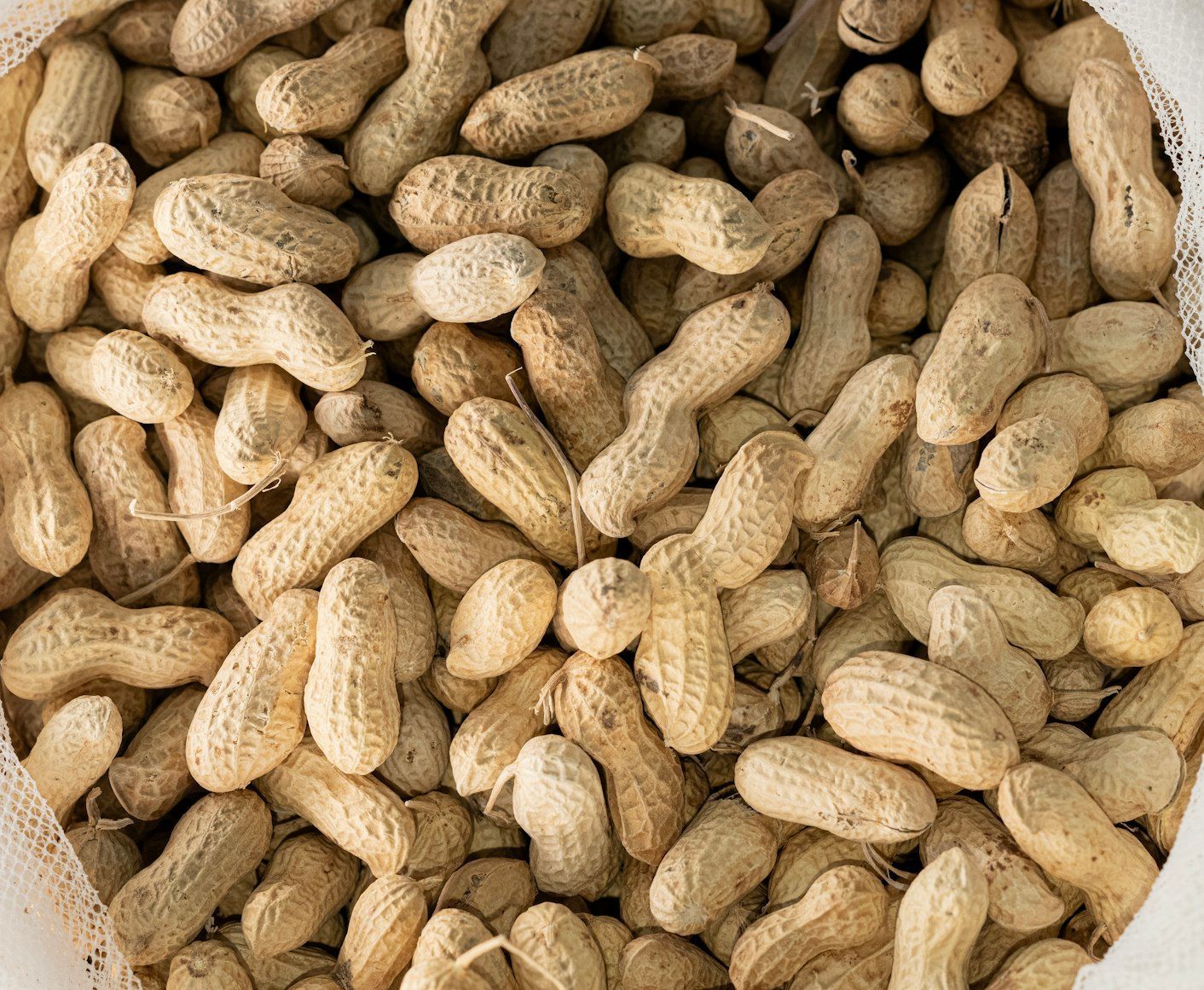
Mr. Peanut was created in 1916 by Antonio Gentile, a schoolboy who entered a design contest held by Planters. His original drawing featured a peanut with arms, legs, and a cane .

A commercial artist later refined the character by adding a top hat, monocle, and spats , transforming it into the classic Mr. Peanut mascot we know today.

10
Mr. Clean

Image: Clay Banks

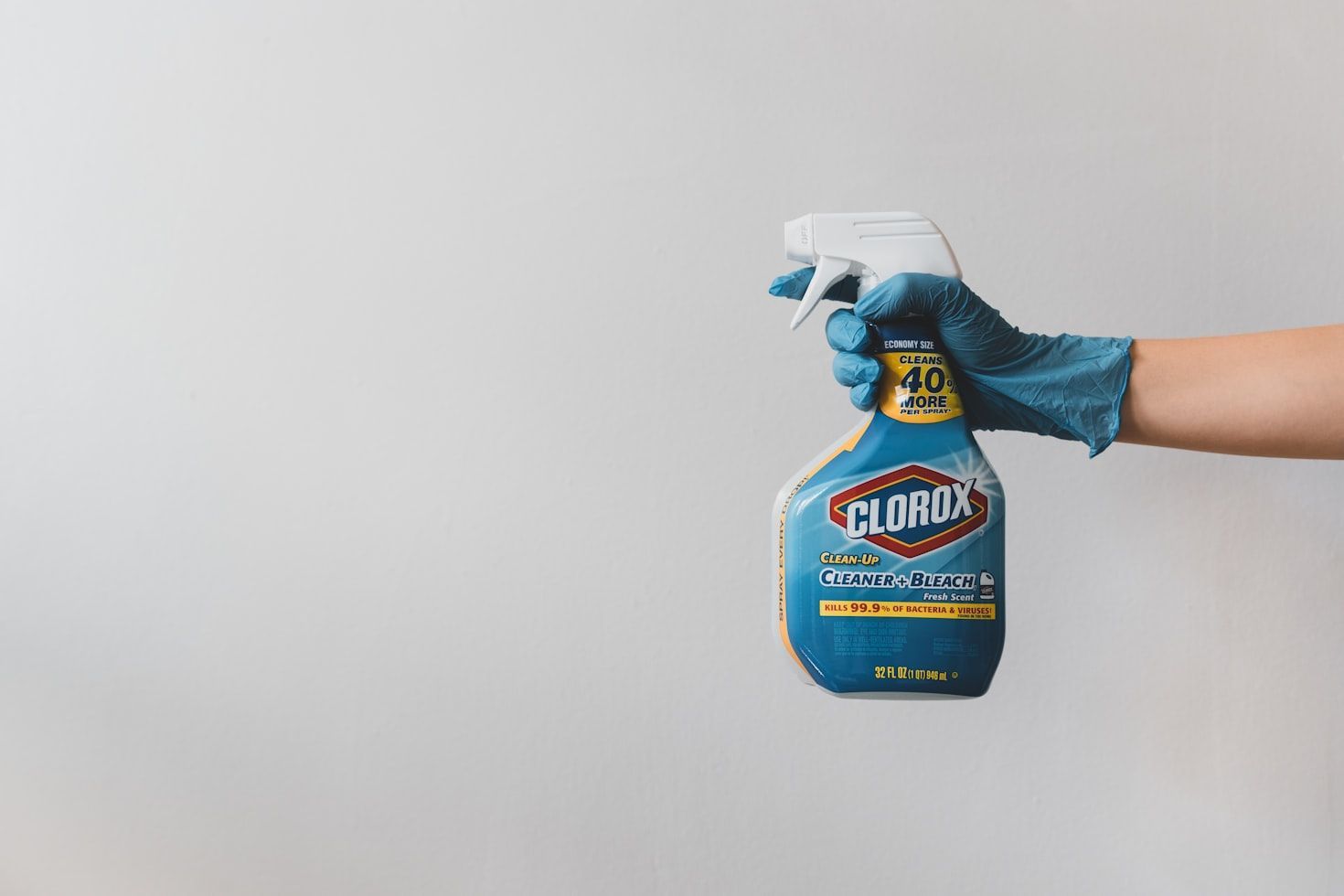
Mr. Clean was created in 1957 by an ad agency for Procter & Gamble. Originally conceived as a genie, he evolved into a muscular, bald man dressed in white, sporting an earring and folded arms. Inspired by a Navy sailor, he became a symbol of powerful cleaning.

11
Toucan Sam

Image: Zoshua Colah

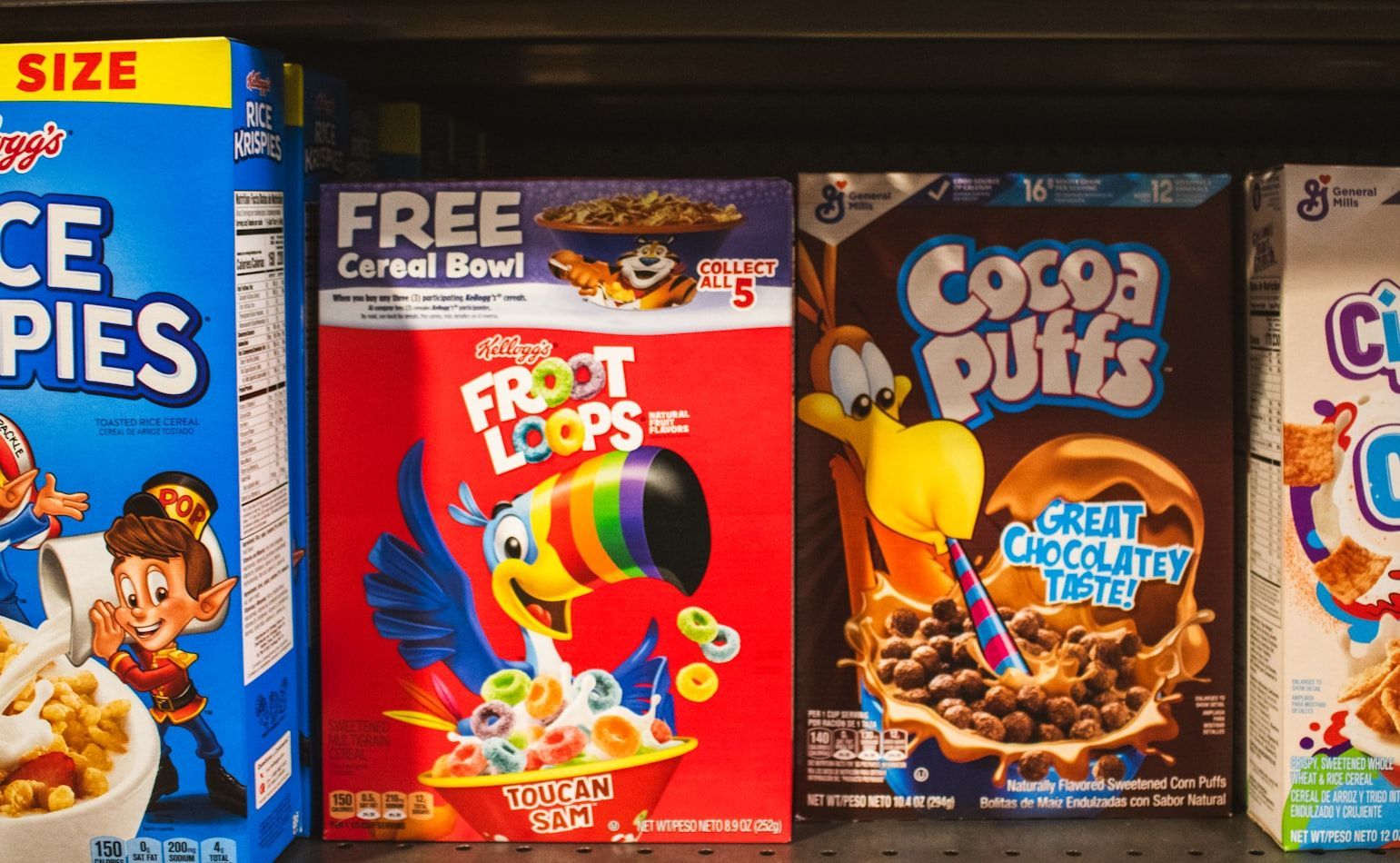
Toucan Sam, the colorful blue-and-orange mascot for Froot Loops, was created in 1963. Known for his catchphrase, "Follow my nose!" and his ability to "smell" Froot Loops from afar, Sam’s voice and design have evolved over time, making him a beloved cereal icon.

12
Ronald McDonald

Image: Erik Mclean

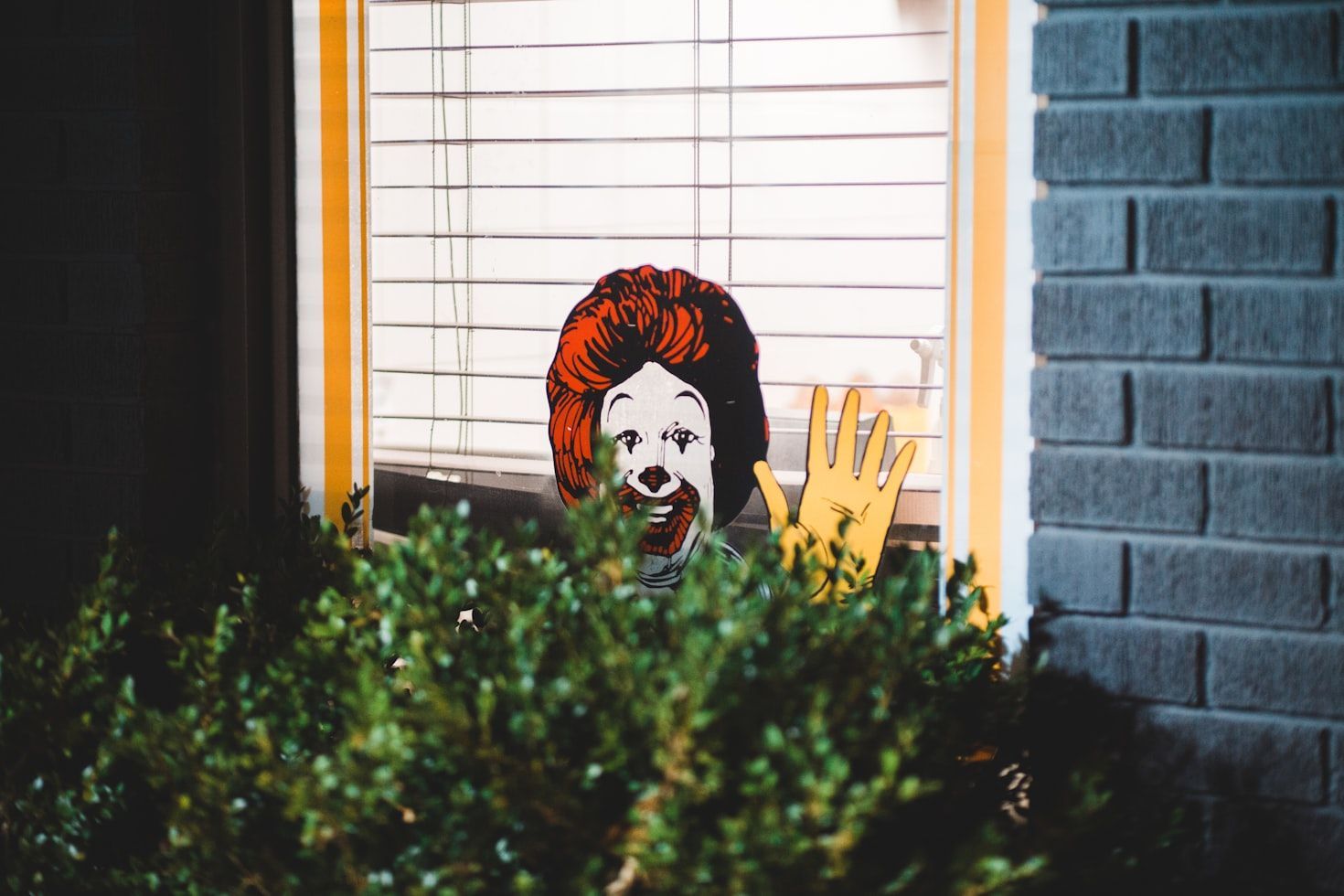
Ronald McDonald first appeared in 1963 in local TV ads in Washington, D.C., portrayed by actor Willard Scott. He was created by the Oscar Goldstein ad agency.

In 1965, McDonald's expanded Ronald’s role to national commercials with a slightly altered look. He became a key figure in McDonaldland, interacting with other characters . Over time, Ronald’s image and advertising style evolved, with updates to his outfit and overall presence.

Explore more American facts

Choose your favorite category!

General
General

As American as apple pie—the very best America has to offer!

Culture
Culture

Delve into the astounding richness of American lore.

Geography
Geography

Hop in and explore vast and diverse American landscapes.

History
History

Discover the key moments that shaped the United States.