Culture Culture 5 min read

Travel guide

Harlem, New Orleans, Montgomery, and more places where jazz began
Image: Jon Tyson

If you’ve ever tapped your foot to a jazz tune, you already know it’s more than music; it’s a feeling. Now imagine stepping right into the places where it all originated. Across the U.S., you’ll find museums, historic homes, and lively venues that keep jazz alive and swinging. Whether you’re planning a trip or just dreaming for now, these stops bring the story of jazz up close in a way no recording ever could.

1
French Quarter Festival (New Orleans)
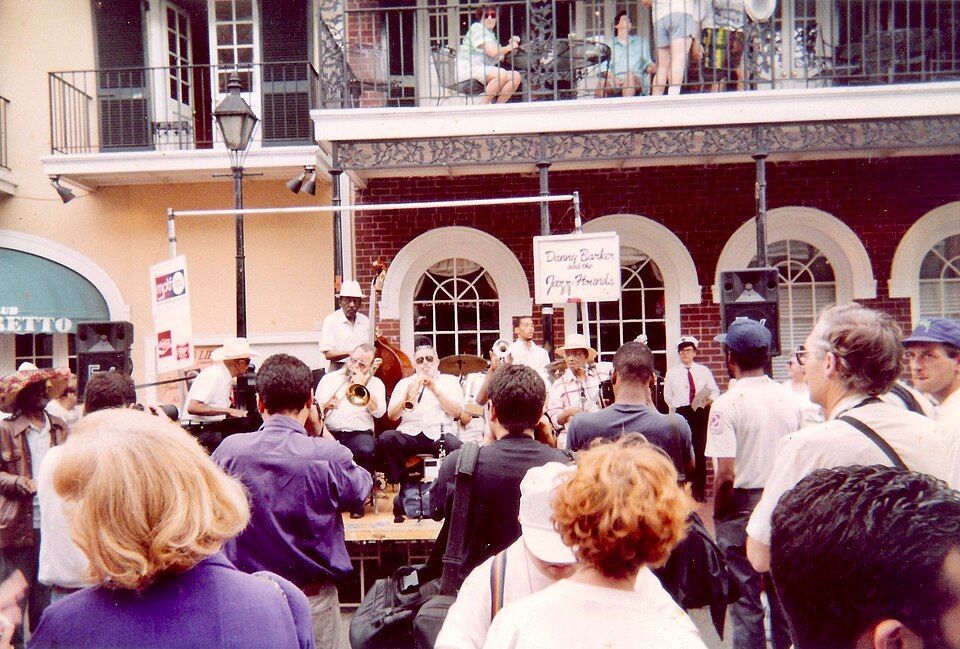
Image: Infrogmation of New Orleans, CC BY-SA 4.0, via Wikimedia Commons

Every March since 1984, New Orleans turns into one big open-air stage during the French Quarter Festival. With hundreds of performances spread across the neighborhood, live music is around every corner. What makes it special is its local flavor — you’re hearing musicians who live and breathe the city’s sound. It’s lively, welcoming, and admission is free! Bonus: Throughout the fest, you can sample food from beloved local restaurants, too.

2
Louis Armstrong House Museum (Queens, New York)
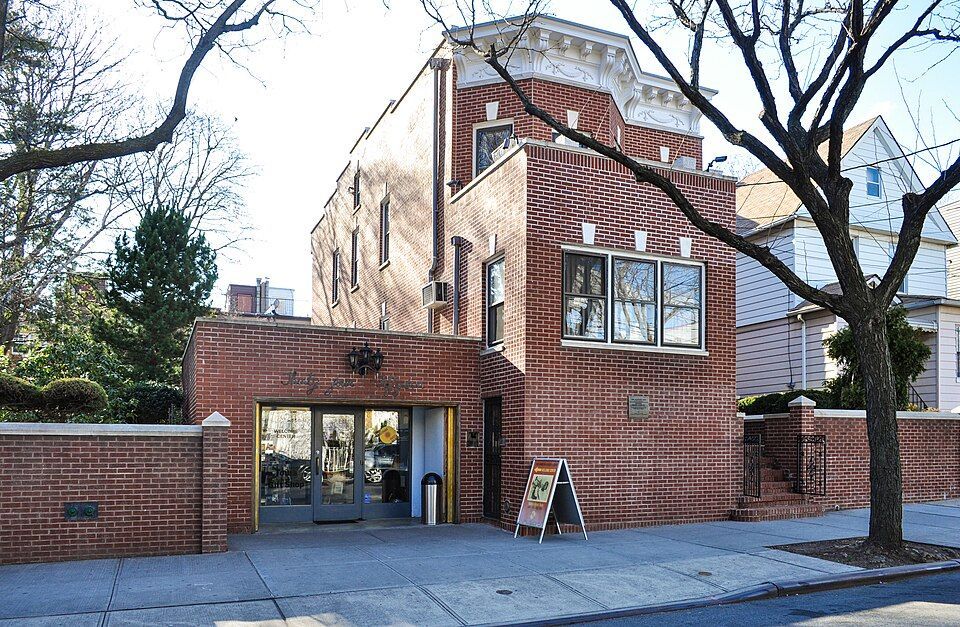
Image: Joe Mabel, CC BY-SA 3.0, via Wikimedia Commons

In Queens, New York, the Louis Armstrong House Museum lets you see the quieter side of a global legend. This is where Armstrong lived with his wife Lucille from 1943 until his death in 1971, and walking through the building feels surprisingly intimate. Guided tours share stories that go beyond the stage, giving you a sense of the man behind the music. It’s a simple but meaningful stop for anyone who has ever hummed "What a Wonderful World."

3
Jazz at Lincoln Center (New York)
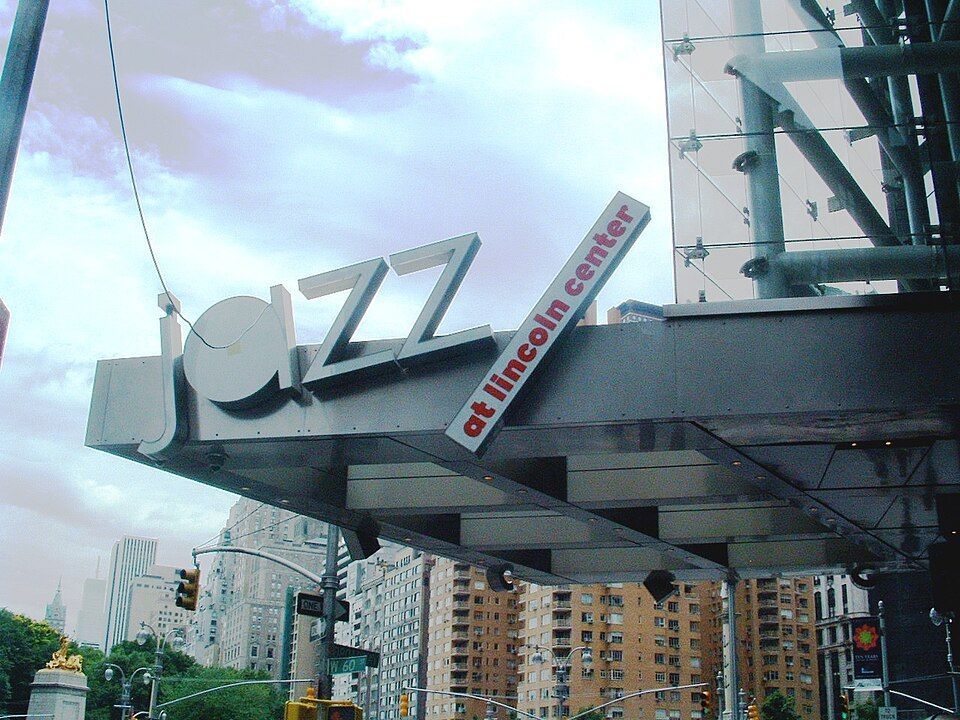
Image: I, Fbv65edel, CC BY-SA 3.0, via Wikimedia Commons

At New York City’s Columbus Circle, the Jazz at Lincoln Center tour offers more than just a seat in the audience. You get a peek inside Frederick P. Rose Hall , along with sweeping views of Central Park from the House of Swings, which makes the visit feel extra special. The tour brings the jazz world to life through stories and history lessons. You can learn about the educational programs the center offers, as well as how performances come together in one of the country’s top venues.

4
Apollo Theater (New York)
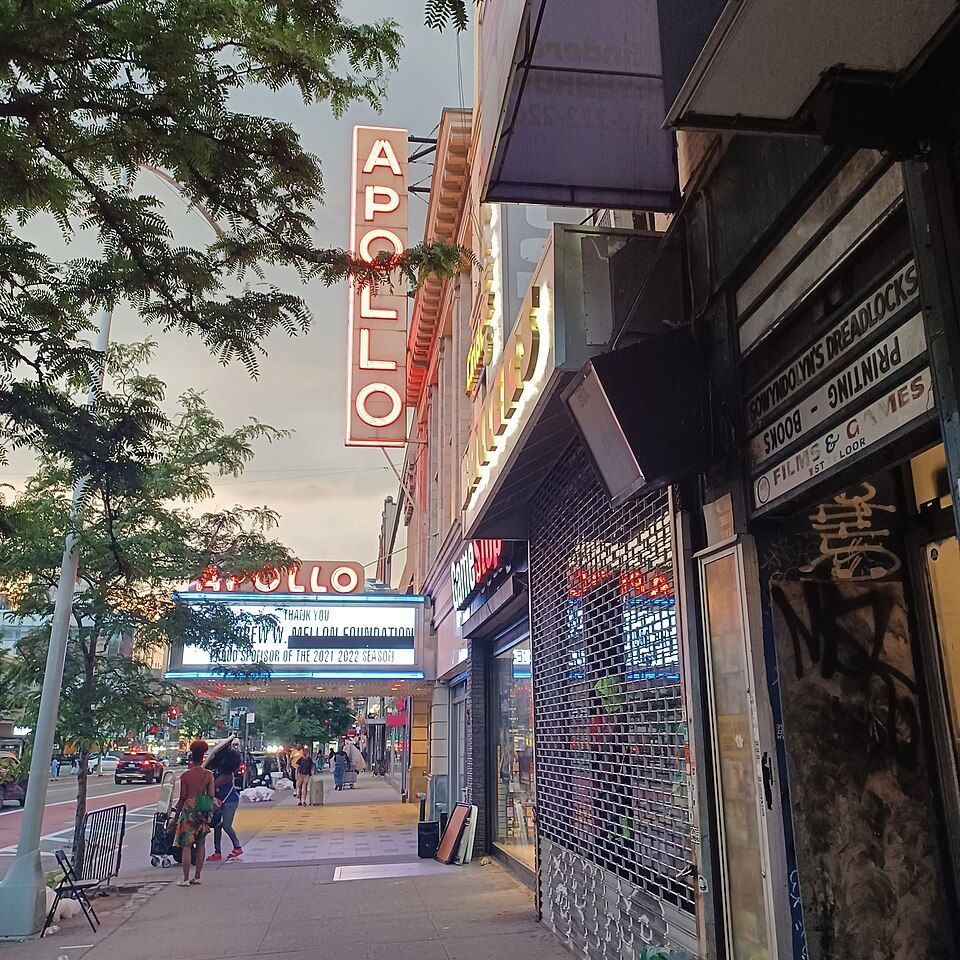
Image: Adjoajo, CC BY-SA 4.0, via Wikimedia Commons

Built in 1914, the historic Apollo Theater in Harlem has launched some of the biggest names in music: Ella Fitzgerald, Sammy Davis Jr., and so many more. Stepping through its doors, you’ll discover a place where audiences enjoyed unforgettable performances while careers were born. You can access guided tours only by reservation, so check the webpage for details on booking your visit.

5
Satchmo SummerFest (New Orleans)
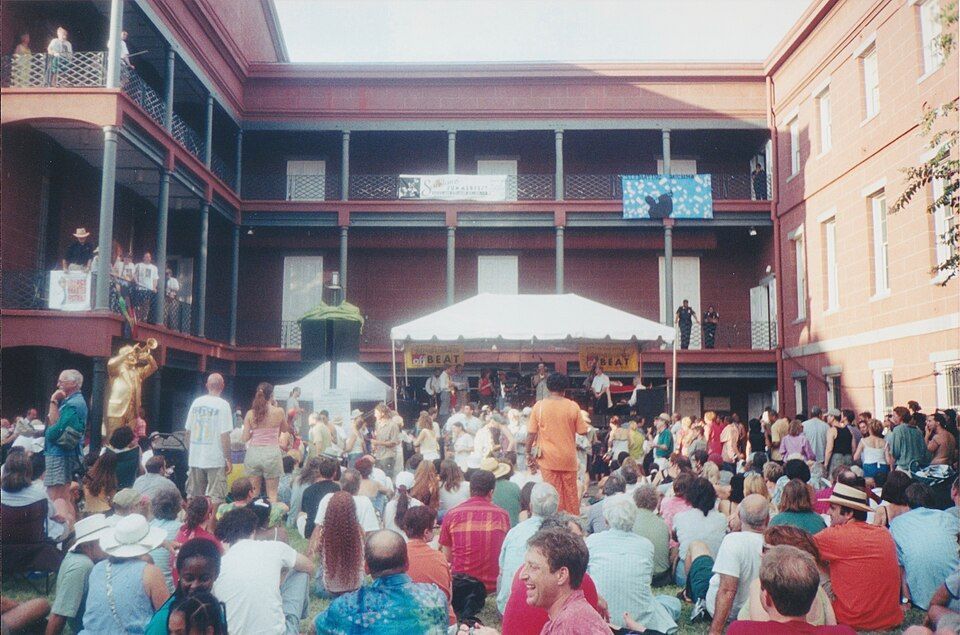
Image: Infrogmation of New Orleans, CC BY-SA 4.0, via Wikimedia Commons

Late summer in New Orleans brings Satchmo SummerFest, a two-day tribute to Louis Armstrong . The atmosphere is relaxed, the music is rich, and it’s free! More than anything, it feels like a community gathering, one that keeps Armstrong’s spirit alive while supporting local musicians. It’s the kind of event that leaves you smiling long after the last note fades.

6
Nat King Cole’s birth house (Montgomery, Alabama)
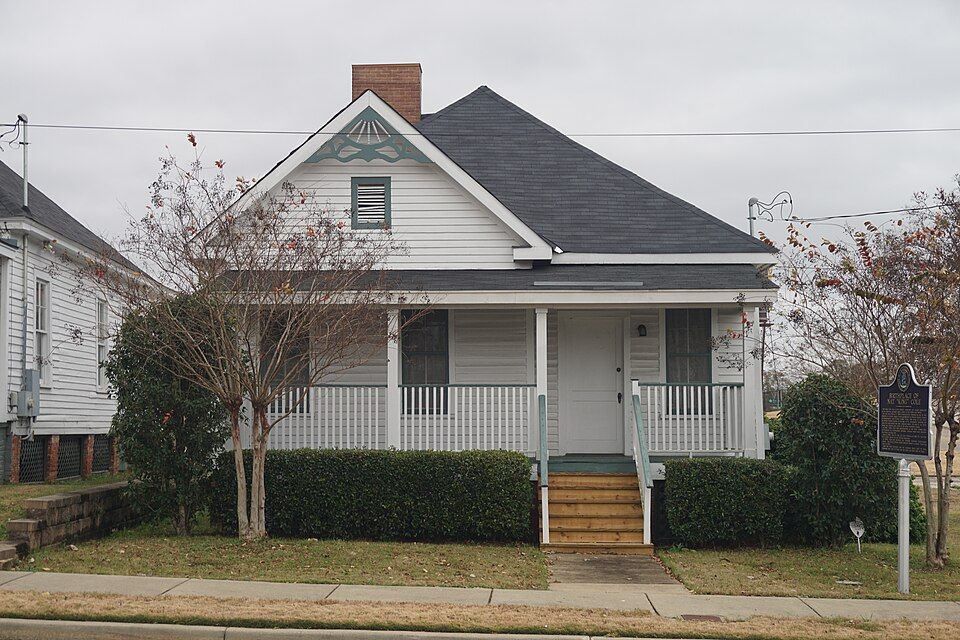
Image: Michael Barera, CC BY-SA 4.0, via Wikimedia Commons

Montgomery, Alabama, offers a look at where Nat King Cole was born in 1919. The entrance is free, but it’s currently going through renovations . However, a curbside visit can be enough to get a sense of Cole’s history. The house was moved from its original location in Montgomery County to the campus of Alabama State University in 2000, where it is part of the Selma to Montgomery Civil Rights Trail.

7
New Orleans Jazz National Historical Park
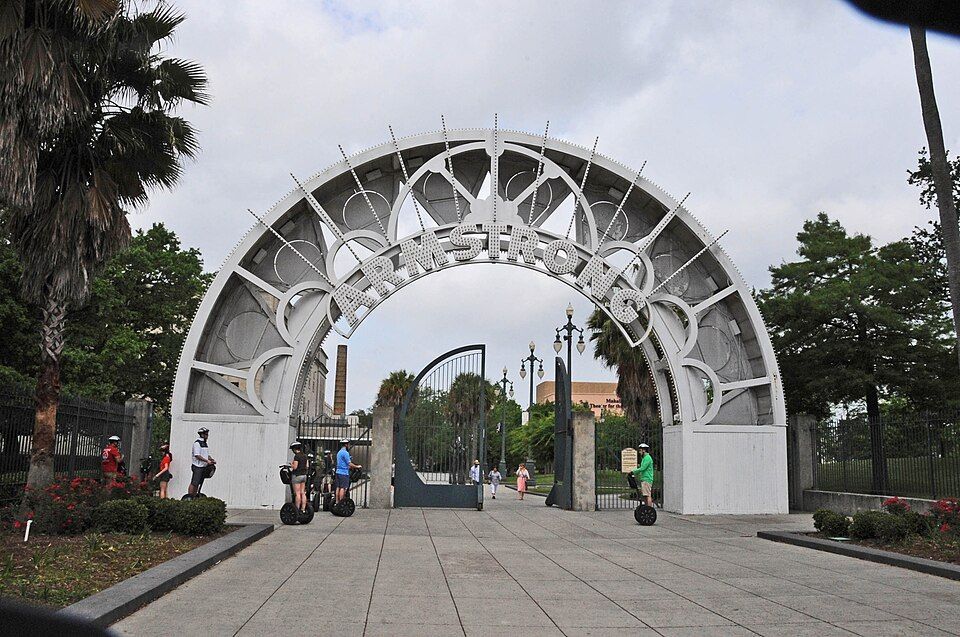
Image: Jerrye & Roy Klotz, MD, CC BY-SA 4.0, via Wikimedia Commons

The New Orleans Jazz National Historical Park , located in the Treme neighborhood and created in 1994, gives you a deeper appreciation for how jazz began. Rangers host talks, while frequent live performances make the music feel personal and immediate. Not far away, the New Orleans Jazz Museum adds another layer, with thousands of artifacts and regular concerts.

8
Village Vanguard (New York)
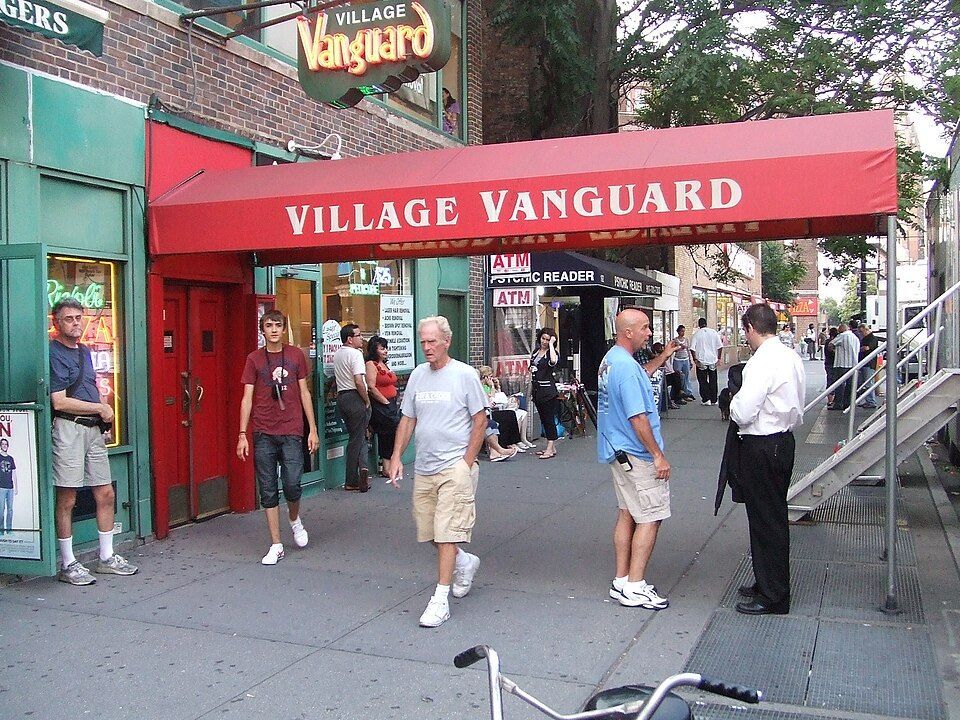
Image: Freimut Bahlo, CC BY-SA 3.0, via Wikimedia Commons

The Village Vanguard is one of those rare places that has stood the test of time. Located in New York’s Greenwich Village downtown, the club opened in 1935 and became a jazz hotspot in 1957 . Unlike other historic sites that closed, it still hosts live jazz in the same cozy space. Sitting there, you can almost feel history coming from the speakers. Monday nights are a treat with the Vanguard Jazz Orchestra, but any evening offers a chance to hear world-class musicians up close.

9
New Orleans Jazz Museum
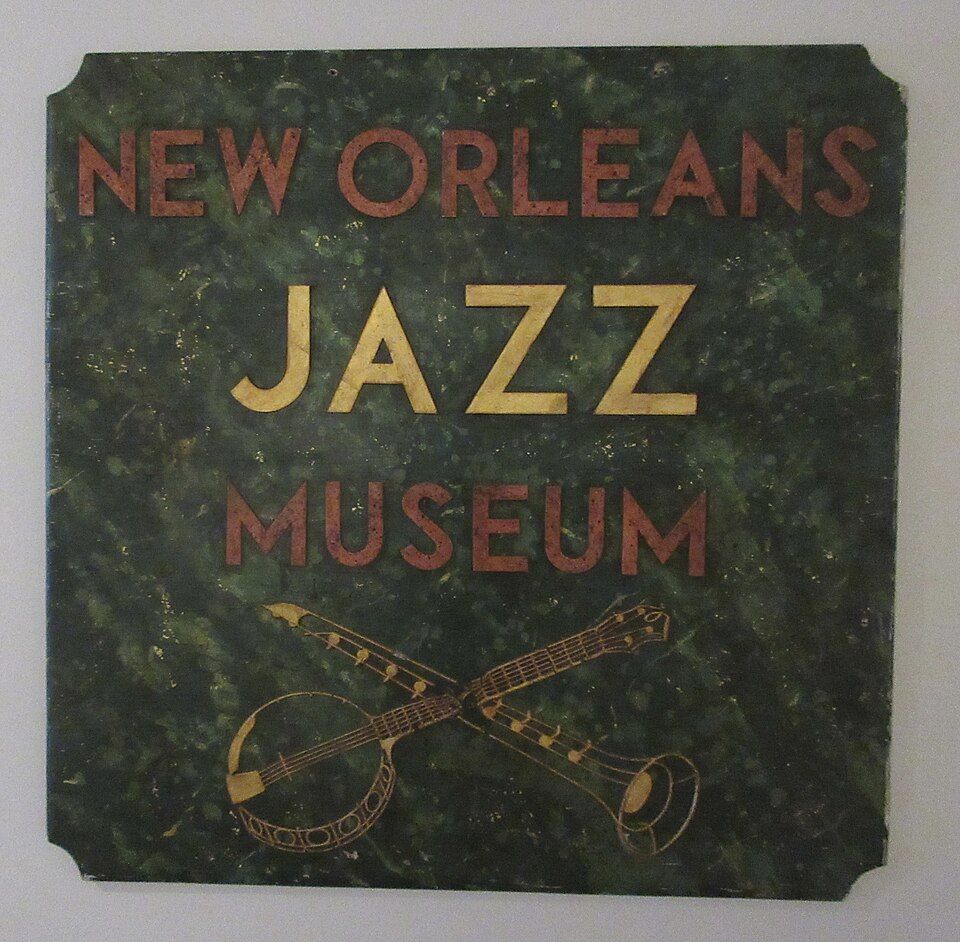
Image: Infrogmation of New Orleans, CC BY-SA 4.0, via Wikimedia Commons

Few places are as closely tied to jazz as New Orleans. With its mix of cultures, the city created the perfect setting for a new kind of music to take shape at the turn of the 20th century. At the New Orleans Jazz Museum, you’ll find thousands of artifacts that trace jazz from its earliest days. Not far away, Preservation Hall continues the tradition with live performances that stay true to the original sound.

10
Dizzy Gillespie Home Site Park (Cheraw, South Carolina)
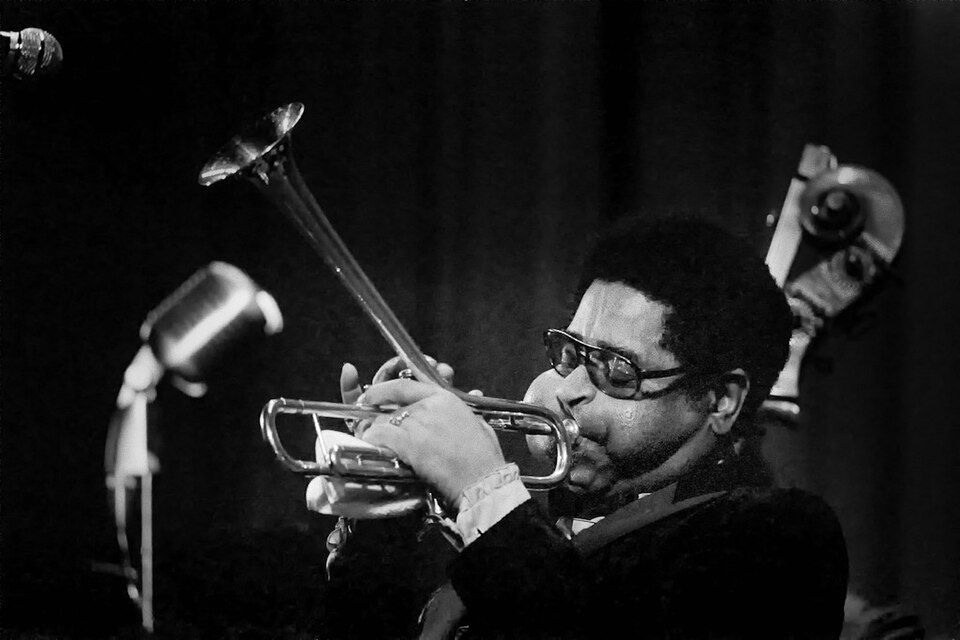
Image: JPRoche, CC BY-SA 4.0, via Wikimedia Commons

In Cheraw, South Carolina, a small park called the Dizzy Gillespie Home Site Park celebrates the great trumpeter. It’s a quieter stop, but one that feels personal. You can follow a simple brochure to explore spots tied to Dizzy’s early life, including Wesley Methodist Episcopal Church and the Robert Smalls School. If you visit in October, the town’s jazz festival adds a lively touch, turning this peaceful place into a celebration of music and community.
History History 4 min read

Young bright minds

Did you know these 11 things were children's ideas?

Image: Pexels

Do you remember how you spent your free time at age 12? As it turns out, some young creative minds were running around inventing things like popsicles, trampolines, and earmuffs. Sure, most kids come up with new stuff all the time, but today we’re looking at inventions that adults actually paid attention to—and they worked!

1
Swim fins

Image: NEOM

If you don’t know who invented swim fins, this one might startle you! Before he was flying kites in thunderstorms, Benjamin Franklin was just an 11-year-old boy who loved to swim.

He invented early swim fins, but not the kind we wear on our feet. He designed wooden paddles with thumb holes that could be held in the hands to help propel a swimmer through the water faster. He also tried strapping fins to his feet, but found them less effective and even painful.

2
Popsicles

Image: Jill Wellington

The brand Popsicle tells the legendary story: eleven-year-old Frank Epperson left his soda drink with a stirring stick on the porch overnight. When he returned the next morning, he discovered a brilliant idea— frozen juice on a stick !

Originally named the "Epsicle" (after himself), the invention was patented in the 1920s. His children called them "Pop’s ’sicles," and the name Popsicle stuck.

3
Earmuffs

Image: Ellen Kerbey

Chester Greenwood couldn’t endure Maine winters. At 15 years old, his ears got cold, and he didn’t like the feeling of wool hats on his skin. So he devised a creative solution: his grandmother sewed beaver fur onto a wire headband that he shaped into circular ear loops.

That invention was later patented in the 1870s, becoming the world’s first earmuffs, according to historical records.

4
Toy trucks

Image: Allison Astorga

Using bottle caps, cardboard, and ingenuity, Robert W. Patch created a toy truck that could transform into multiple styles: a dump truck, flatbed, or box truck. And he was only 5 years old.

The modular vehicle concept was so compelling that his father, who happened to be a patent attorney, filed for official recognition. By the time Patch turned six, he had been granted a U.S. patent, making him one of the youngest inventors in history.

5
Superman

Image: Esteban López

Jerry Siegel and artist Joe Shuster were both high school students when they came up with the idea for the Man of Steel in 1933.

They created Superman as the ultimate underdog: an alien orphan who fights for justice. The character was sold to Action Comics in 1938, launching the entire superhero genre.

6
Hot seat

Image: Erik Mclean

A heartbreaking story of a baby dying after being left inside a hot car reached Bishop Curry V when he was 10 years old.

This inspired him to design a device he called Oasis (often referred to in the media as the "Hot Seat"). His invention detects rising temperatures in a car, blows cool air, and alerts parents and emergency services.

7
Water skis

Image: Wyatt Harrom

Ralph Samuelson was a teenager when he had an idea: if people could ski on snow, why not on water? In the early 1920s, he took two pine staves , curved the tips using boiling water , and hit the lake with his brother, towing him behind a motorboat.

After many belly flops, he figured out the proper posture and became the first water skier in history. Although he never patented his creation, he spent years performing and became known as the "Father of Water Skiing."

8
Trampolines

Image: Jasper Garratt

Who knew? George Nissen was just 16 when he devised the bouncy fun. In the early 1930s, he watched circus trapeze artists drop and land into safety nets and realized: what if you could bounce back ?

Working out of his parents’ garage, he stretched canvas across a frame and added springs. Initially, trampolines were used for gymnastics training, but even NASA later adopted them to train astronauts.

9
Makin’ Bacon

Image: Polina Tankilevitch

Michigan native Abbey Fleck did not invent bacon itself, but at 8 years old, she had grown tired of soggy bacon and paper towels. She brainstormed a simpler solution: hang the bacon while it cooked, allowing grease to drip away cleanly.

Together with her dad, she built a prototype in the 1990s and earned a U.S. patent for the microwavable "Makin’ Bacon" tray. It became a retail hit .

10
Wristies

Image: Valeriy Borzov

Cold, wet sleeves are a winter misery. 10-year-old Kathryn Gregory grew frustrated with snow slipping between her mittens and coat sleeves, so she sewed together a pair of warm fleece tubes to cover the gap between glove and sleeve .

She called them Wristies. Her invention was such a hit with friends and family that her Girl Scout troop encouraged her to patent it—and she did! Kathryn became one of the youngest inventors to receive a U.S. patent.

11
Crayon holders

Image: AlexanderStein

Ever struggled to hold a crayon that’s worn down to a stub? So did 11-year-old Cassidy Goldstein. She noticed how frustrating tiny crayons could be, especially for kids just learning to grip.

She came up with a simple solution: a plastic cylinder that could hold broken or short crayons , making them easier to use. Patenting the design earned Cassidy the Youth Inventor of the Year Award.

Geography Geography 6 min read

Nicknames for miles

How many pelicans does it take? The stories behind 10 US state nicknames

Image: Pixabay

Who first called New York the "Empire State"? Does Minnesota actually have 10,000 lakes? And why is Florida the "Sunshine State," if Arizona boasts more sunny days a year? The nicknames that the U.S. states have cultivated over the decades are straightforward in some cases but very intriguing in others. What is a "Hoosier," and how many pelicans are there in Louisiana? Let’s explore the stories behind these license-plate monickers and whether others were considered for these 10 states.

1
The Show-Me State

Image: Chris Duan

Missouri’s license plates contain one of the strangest state nicknames in our list: The Show-Me State. Does that speak of residents with a no-nonsense, skeptical character? In part. This title can be traced back to 1899, when U.S. Congressman Willard Duncan Vandiver used the phrase in a speech, implying that Missourians aren't easily swayed by "frothy eloquence" and need proof, saying, "I am from Missouri. You have got to show me. "

Since then, though "Show-Me State" isn't an official legislative title, it has been recognized as part of the state’s identity. Beyond this nickname, Missouri also holds others such as "The Cave State" due to its large number of caves, and "The Mother of the West" because of its historical significance in westward expansion.

2
The Hoosier State

Image: Pixabay

Indiana is famously known as "The Hoosier State", though the origin of this monicker is one of the most debated topics in the state’s history. One popular theory attributes it to a canal contractor named Samuel Hoosier, who preferred to hire workers from Indiana. These laborers were known as "Hoosier’s men," which eventually shortened to "Hoosiers."

Others say it came from the frontier slang word hoozer , meaning "someone from a rural area". Whichever version is real, "Hoosier" gained popularity in the 1830s through a poem titled The Hoosier's Nest by John Finley, which celebrated Indiana’s rural charm. The "Hoosier Dome" (now the site of Lucas Oil Stadium) and companies like the Hoosier Bat Company embraced the nickname. Indiana is sometimes also known as the "Crossroads of America" for being a key geographical center for major highways.

3
The Beehive State

Image: David Hablützel

The nickname "Beehive State" has roots in Utah's founding by members of the Church of Jesus Christ of Latter-day Saints (LDS). When these settlers arrived in the Salt Lake Valley, they viewed the beehive as an emblem of industriousness, unity, connection, and hard work —qualities they wanted their new society to represent.

The other term used to reference all things Utah is "Deseret," with a similar story: the term appeared in the Book of Mormon standing for "honeybee." It’s also the reason why the state’s motto is "Industry", and features an illustration of a beehive in the center of the state’s flag.

4
The Land of 10,000 Lakes

Image: Josh Hild

Minnesota actually has around 11,842 lakes , excluding smaller ponds and wetlands. But calling it "The Land of Over 11,842 Lakes" would have been a nuisance. This nickname evokes the territory’s vast natural beauty: The catchy term was adopted as part of a strategic tourism campaign in the early 20th century, aiming to get more Americans to visit the state. With the automobile industry booming, Minnesota promoted itself as a destination for camping, boating, and fishing.

The slogan helped create a reputation for Minnesota as a water paradise and led to the formation of the Ten Thousand Lakes of Minnesota Association in 1917, which spread the message of the joys of lakeside vacations. Within a decade, Minnesota's lakes were drawing visitors from across the country. The state is also sometimes called "The North Star State" or L'Étoile du Nord for being the northernmost state in the contiguous U.S.

5
The Empire State

Image: Frederik Sørensen

The Empire State is New York's longstanding nickname. It’s hard to dispute: it stands for the state’s significant economic, cultural, and historical influence. Though the exact origin of the nickname remains unclear, it’s believed to have stemmed from a comment by George Washington in 1785, where he referred to New York as the "Seat of the Empire" in recognition of its central role in the post-Revolutionary War. With time, this expression grew into the nickname "Empire State".​

The famous Empire State Building is an example of the prevalence of the nickname: The iconic skyscraper was completed in 1931 and held the title of the world's tallest building for several decades. The Empire State Plaza in Albany, a government complex, is another example. New York also goes by other nicknames, including "The Excelsior State," referencing the state motto, "Excelsior," meaning "ever upward."

6
The Pelican State

Image: Zac Lois

How many pelicans does it take to earn a full state this nickname? It is said that early settlers were impressed not just by the amount of birds in the territory’s bayou, but by the nurturing character that the birds showed. The brown pelican eventually became the state’s official bird and prominent emblem. It was endangered in the '60s, but fortunately, thanks to the state’s efforts in banning the pesticides that harmed them, the population was restored.

Louisiana also has other descriptive nicknames. It’s known as "The Bayou State" for its lush marshlands, "The Creole State" for its unique culture, and "The Sportsman’s Paradise."

7
The Lone Star State

Image: Lucas Beck

The "Lone Star" reflects Texas's struggle for independence from Mexico , when Texas briefly became its own republic before joining the United States in 1845. This star stood as a symbol of pride and the determination for self-governance. Today, it still shines bright in the middle of Texas’ flag.

Texas has a few other nicknames, though they’re less well-known. In the 1960s, The New Yorker called it the "Super-American State". Texas has also been called "The Beef State" and "The Jumbo State".

8
The Golden State

Image: Elizabeth Iris

Is it because of the beautiful sunsets tainting the Pacific Coast in a golden light? Well, no. California’s nickname, "The Golden State," refers to multiple facets of its history. Most prominently, it alludes to the California Gold Rush of 1848-1855, a period that saw thousands flock to the state. Gold remains a powerful symbol in California, commemorated by the state’s official colors, blue and gold, representing the state’s skies, beaches, and mineral wealth.

The state also boasts an official fish, the California golden trout, and a butterfly, the California dogface butterfly, whose hues contribute to this golden theme. There are other unofficial names, such as "The Land of Milk and Honey" and "The Grape State."

9
The Sunshine State

Image: Nextvoyage

Who could dispute this nickname? Florida boasts an impressive average of 237 sunny days a year, so of course we would refer to it as "The Sunshine State." Florida's year-round pleasant weather has positioned it as a top destination for those seeking a break from colder regions, especially in winter. But technically, Florida isn’t the sunniest state —that title goes to Arizona .

Before settling on "The Sunshine State," Florida had other, less recognized nicknames, including the "Alligator State" and "Everglade State." Today, the "Sunshine State" nickname supports Florida’s brand as a sunny paradise, though it’s worth noting that its climate also includes frequent rain and thunderstorms, making it both sunny and tropically lush year-round.

10
The Natural State

Image: Jessica Garner

The state is renowned for its 52 state parks , lush forests, clear rivers, and diverse geography that includes everything from mountainous regions to bayous. Arkansas earned its official nickname, "The Natural State," in 1995, replacing "The Land of Opportunity." This new name aided in promoting it as a top destination for outdoor-enthusiast tourists.

Arkansas has had several other notable nicknames throughout its history. "The Bear State" was one of its earliest names, winking at the high number of black bears once found there. "The Wonder State" was adopted in the 1920s to highlight its natural wonders, and "The Land of Opportunity" came into use around the 1940s as part of an economic development initiative.​

Explore more American facts

Choose your favorite category!

General
General

As American as apple pie—the very best America has to offer!

Culture
Culture

Delve into the astounding richness of American lore.

Geography
Geography

Hop in and explore vast and diverse American landscapes.

History
History

Discover the key moments that shaped the United States.