General General 3 min read

Middle matters

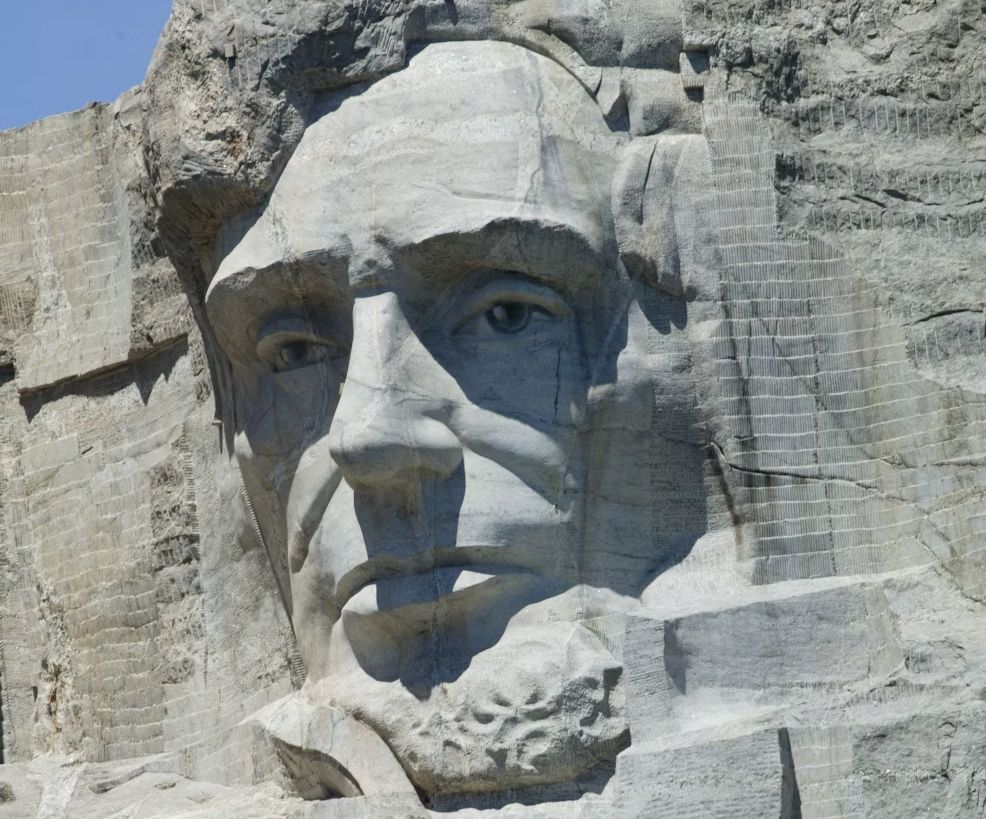
Guess which president didn’t even have a real middle name!
Image: Tim Mossholder

Ever wonder about the names of our presidents? Turns out those middle names often tell family stories, reveal forgotten traditions, or, sometimes, just show how human our most powerful leaders really are. Some honored relatives, others used their middle names to stand out, and one didn’t have a middle name at all. Here are some fascinating tales hidden in the middle of history.

1
John Adams
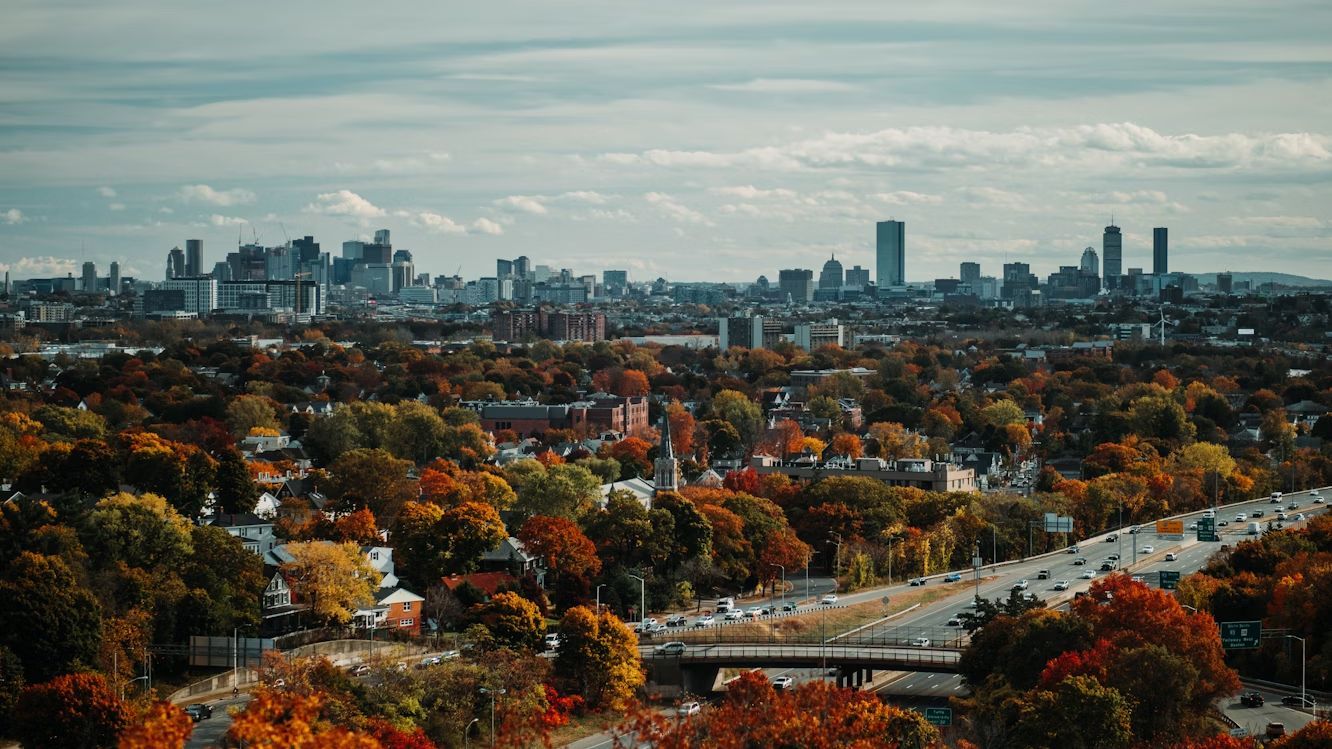
Image: Mark Olsen

Middle name: Quincy

Our sixth president, John Quincy Adams, was the son of the second president, John Adams. He was named "Quincy" after his maternal great-grandfather, John Quincy, and later signed his initials as "JQA" to avoid confusion with his father. A strong mind clearly ran in the family.

2
William Harrison
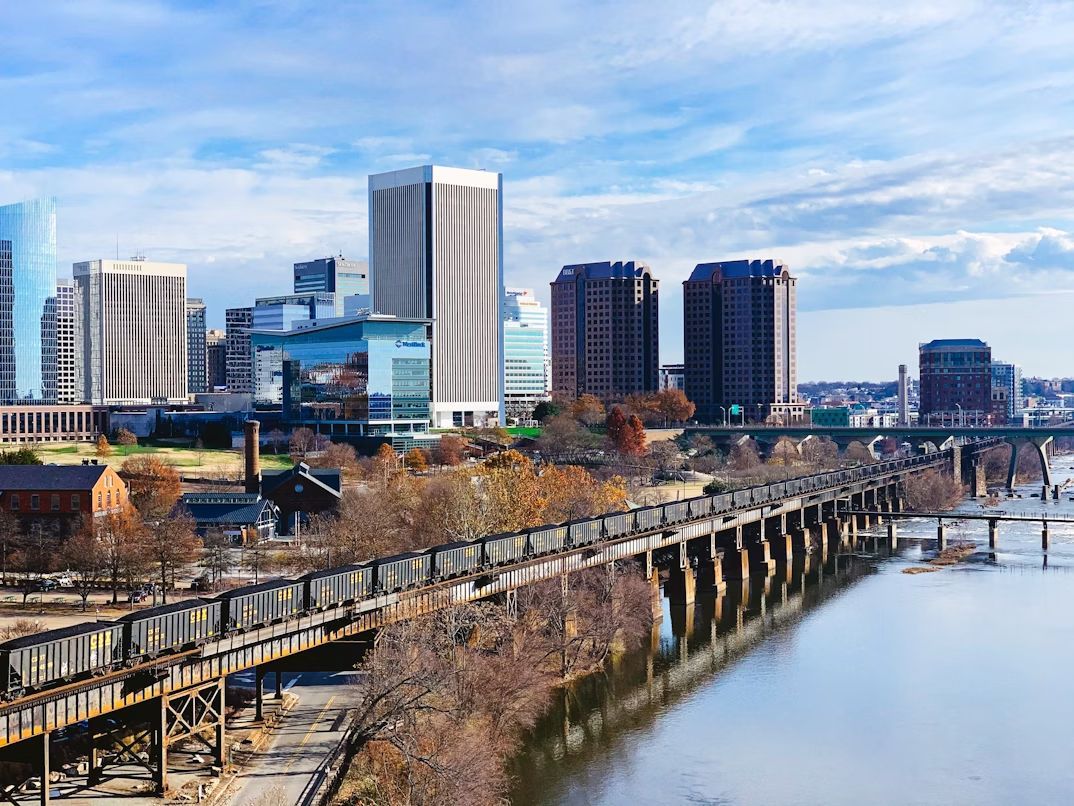
Image: STEPHEN POORE

Middle name: Henry

William Henry Harrison, the ninth president, was named for both his grandfather and uncle. Sadly, his presidency was the shortest in history, just one month after he caught pneumonia giving a long speech in the rain.

3
James Polk
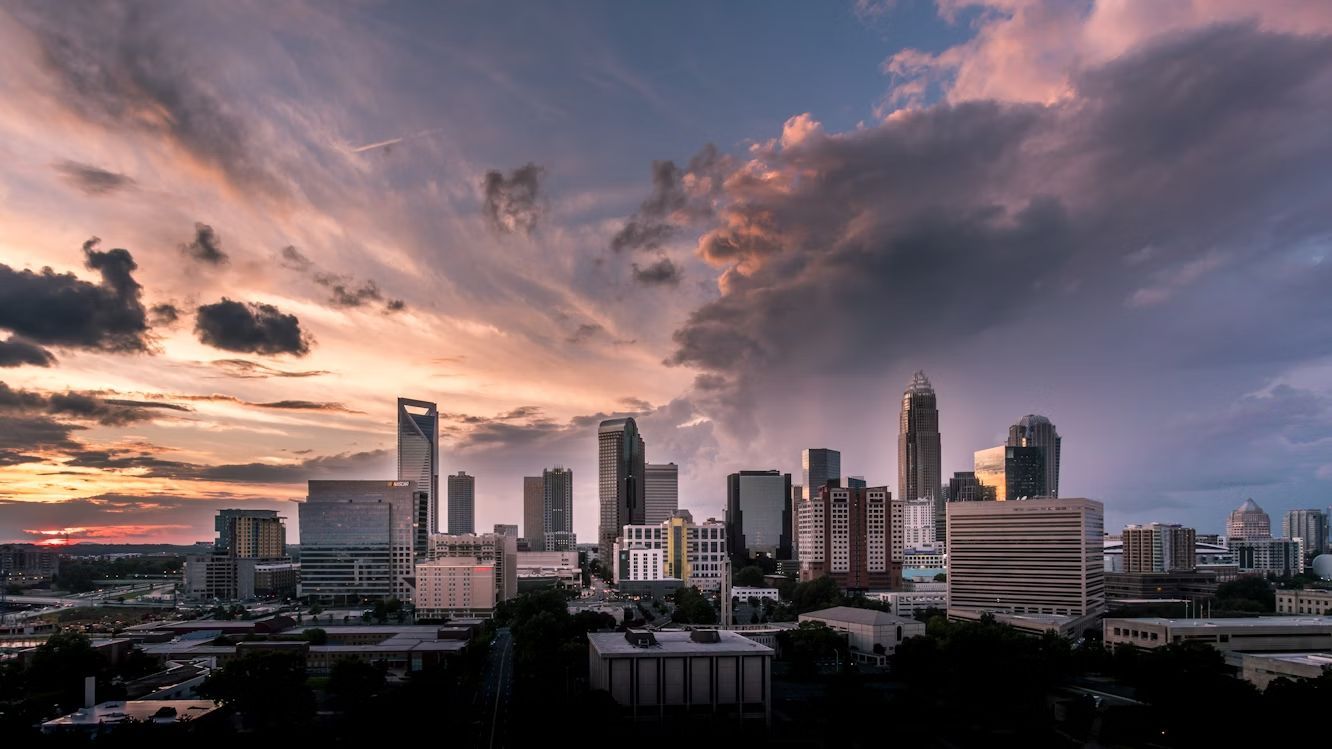
Image: Daniel Weiss

Middle name: Knox

James Knox Polk carried his grandfather’s name with pride. Born in North Carolina in 1795, he expanded the nation’s territory by more than a third during his single term, finally stretching the U.S. from coast to coast. Quite an accomplishment for one presidency.

4
Ulysses Grant
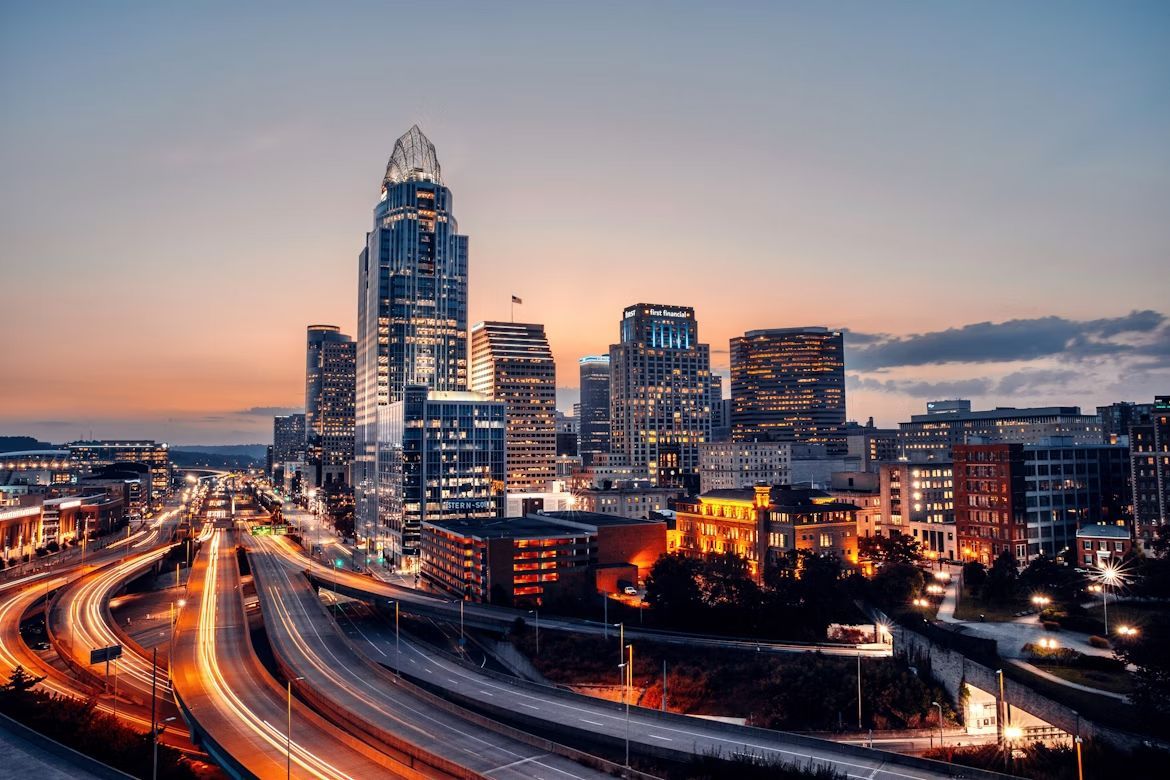
Image: Jake Blucker

Middle name: Ulysses

Fun fact: "Ulysses S. Grant" wasn’t his real name. He was born Hiram Ulysses Grant, but a paperwork mix-up at West Point changed it forever. The "S" came later as a nickname, "US" Grant, something that fit a general far better than "H.U.G." ever could.

5
Rutherford Hayes
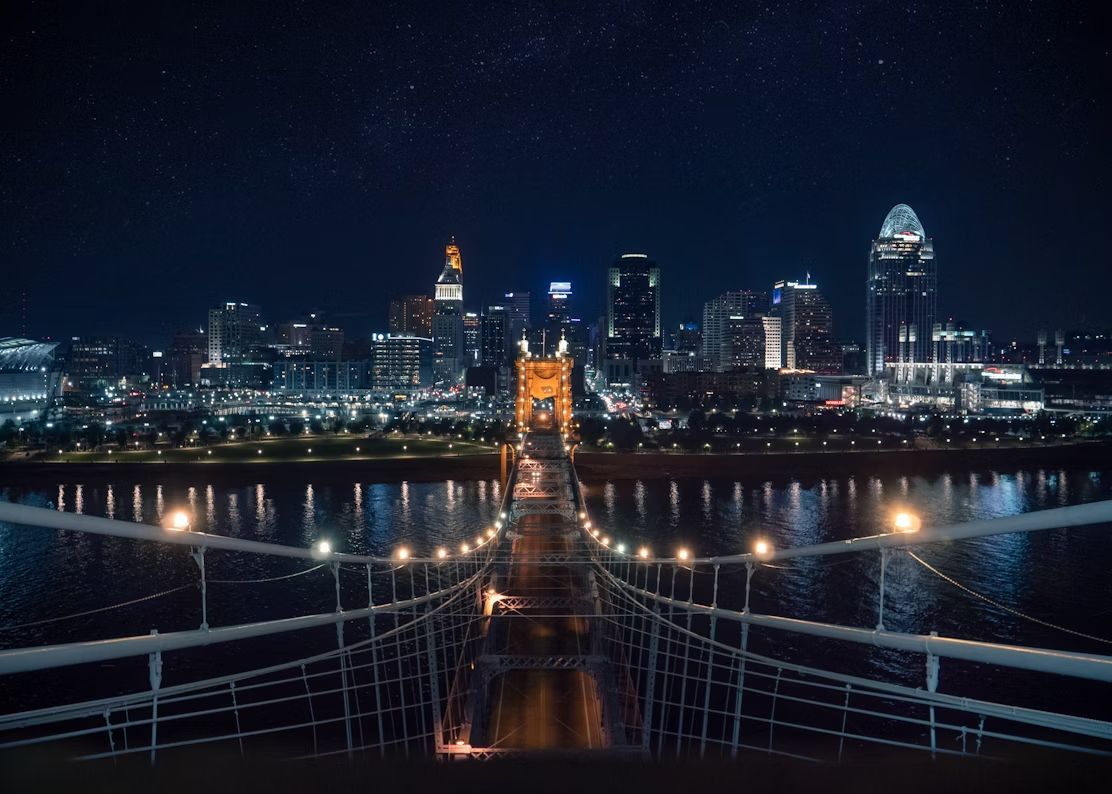
Image: Matt Koffel

Middle name: Birchard

Rutherford Birchard Hayes got his middle name from his mother’s maiden name. Born in 1822, he lost his father before birth but grew up to become the 19th president. He’s remembered for restoring faith in the presidency after a rough patch in American politics.

6
Grover Cleveland

Image: Manisha Raghunath

Middle name: Grover

Stephen Grover Cleveland dropped his first name early in life and stuck with Grover. It worked out well for him: he’s the only president in history to serve two nonconsecutive terms, making him both the 22nd and 24th president. That’s a comeback story.

7
William Taft
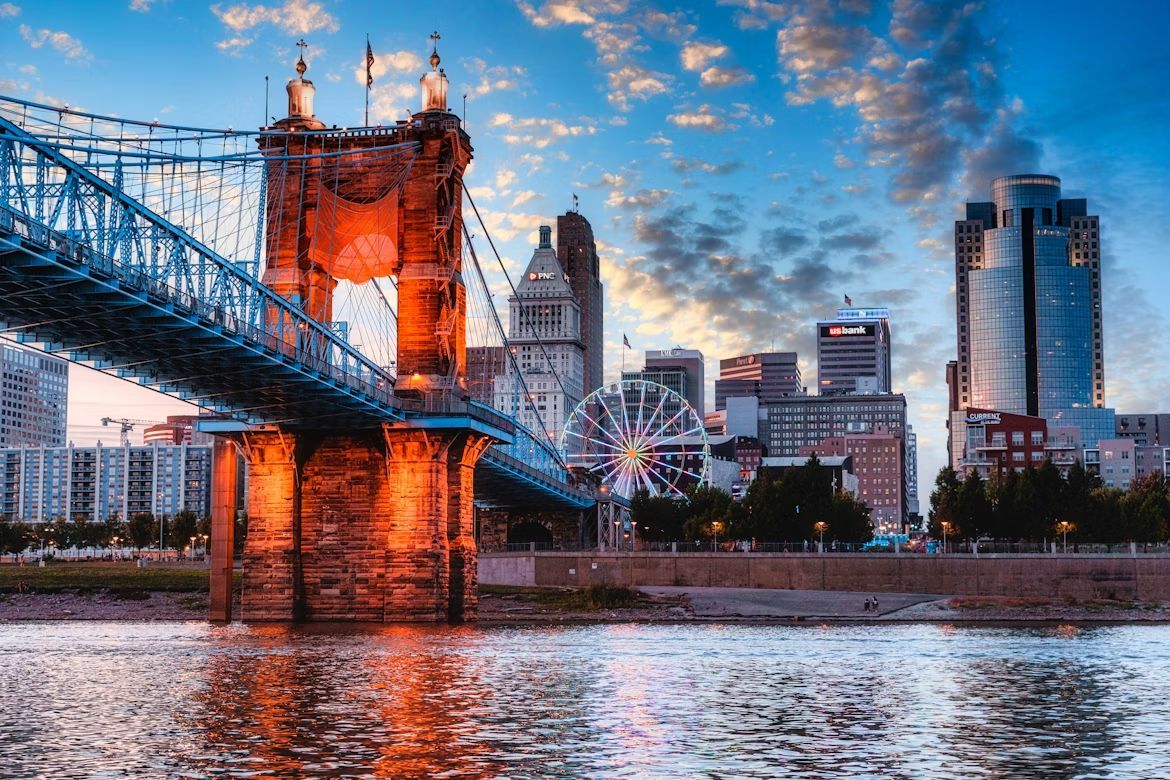
Image: Jake Blucker

Middle name: Howard

William Howard Taft’s middle name honored his grandmother’s family, the Howards. He remains the only person to ever serve as both U.S. president and Chief Justice of the Supreme Court. That’s two of the toughest jobs in one lifetime.

8
Woodrow Wilson
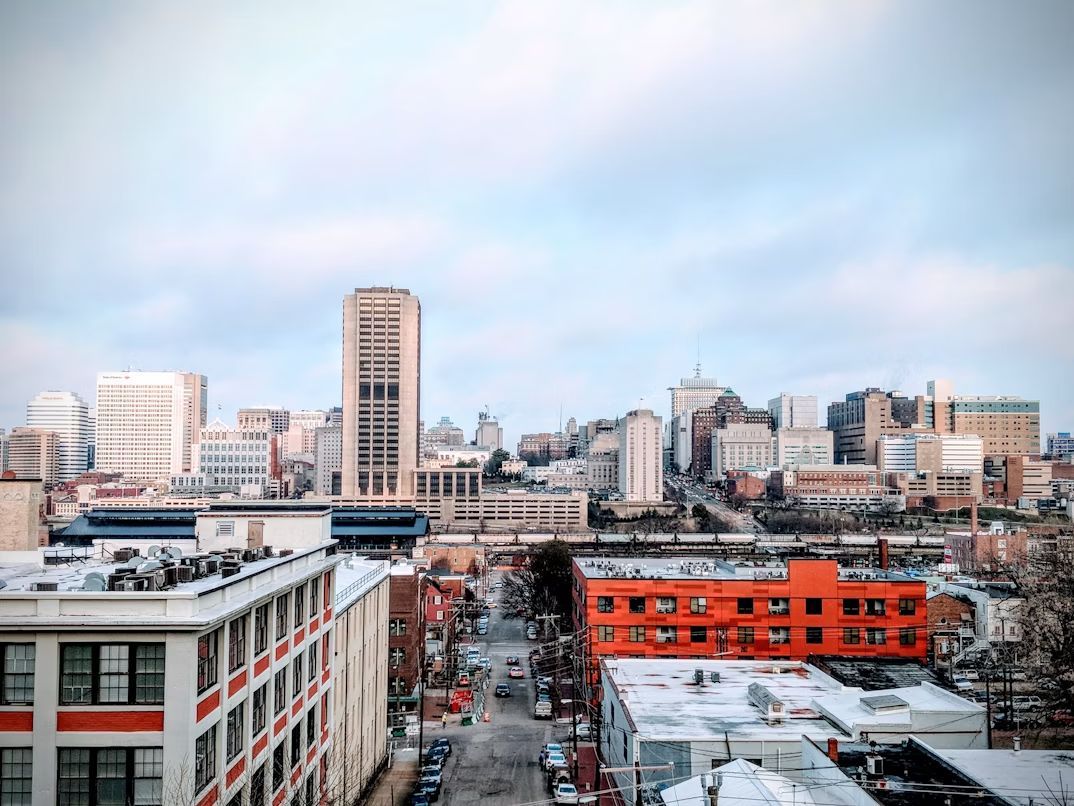
Image: STEPHEN POORE

Middle name: Woodrow

Born Thomas Woodrow Wilson, he eventually dropped his first name and went by Woodrow instead. It sounded distinguished, and clearly, it worked for him. As our 28th president, he guided the nation through World War I and helped shape modern international relations.

9
Warren Harding
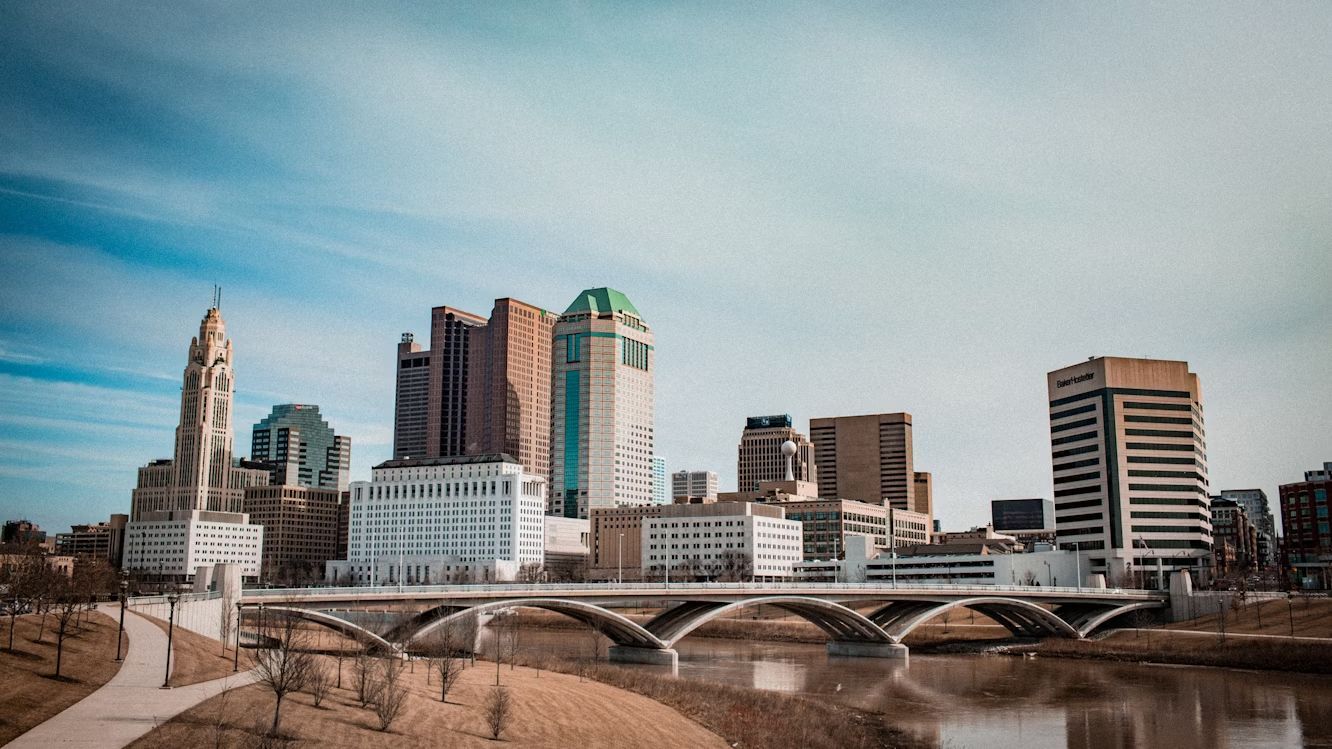
Image: Oz Seyrek

Middle name: Gamaliel

Warren Gamaliel Harding, born in Ohio in 1865, left his mark on American vocabulary by coining the word "normalcy." He wanted life to return to normal after World War I. His middle name, likely biblical, matched his calm, reassuring image.

10
Calvin Coolidge
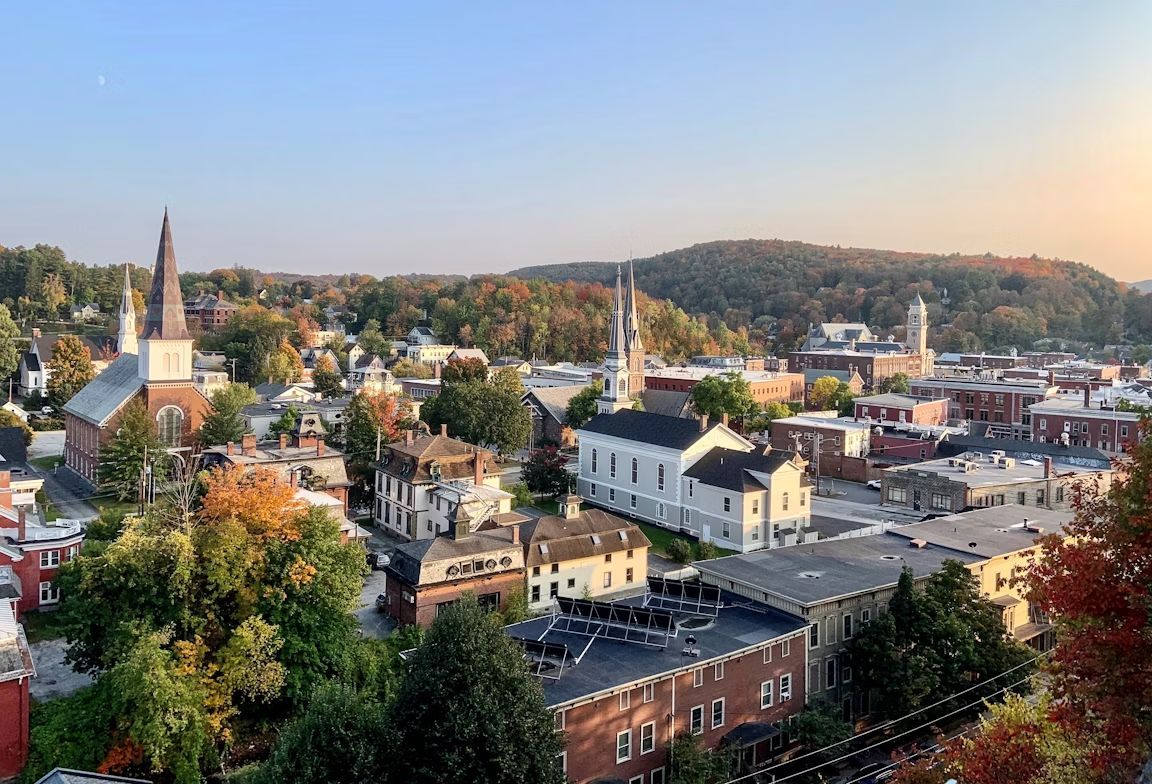
Image: John Holm

Middle name: Calvin

John Calvin Coolidge, our 30th president, was named for his father but went by his middle name from childhood. Known as "Silent Cal," he led with few words and steady leadership during the Roaring Twenties.

11
Herbert Hoover
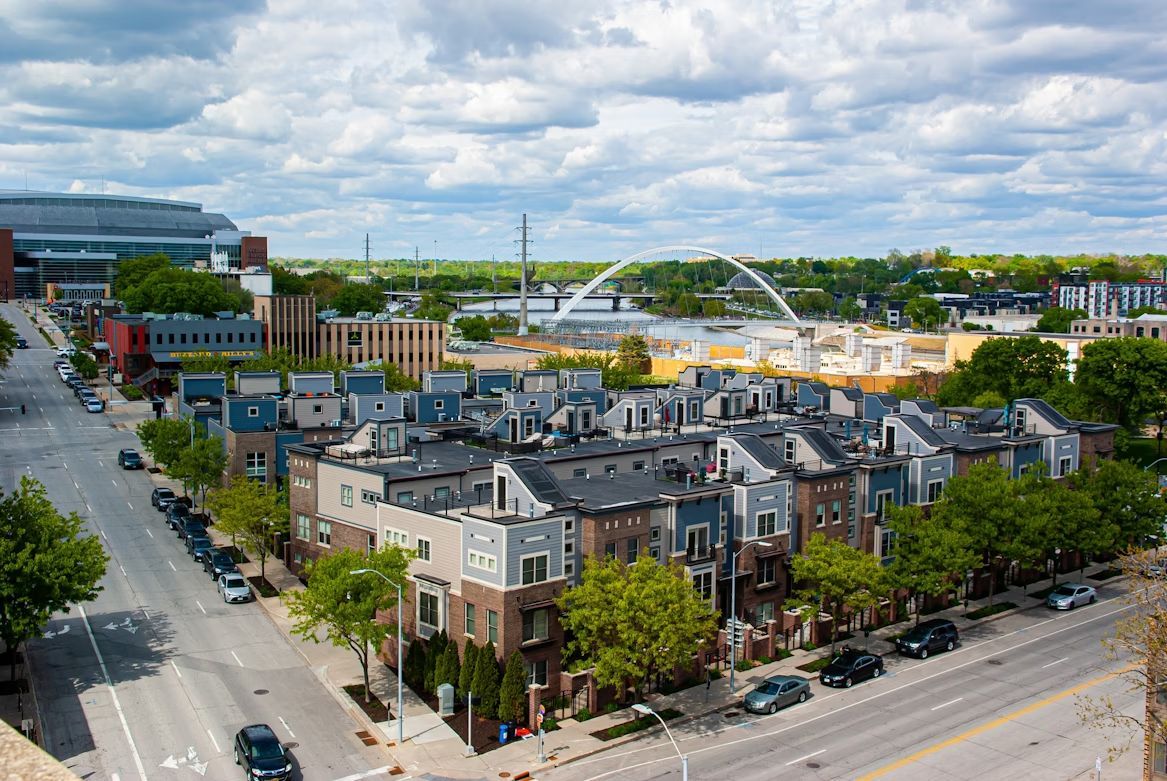
Image: Niko Vassios

Middle name: Clark

Herbert Clark Hoover shared his middle name with his father, Jesse Clark Hoover. Born in Iowa in 1874, he was a self-made man long before entering politics. Sadly, his presidency became synonymous with the Great Depression, but he remained known for his work ethic and humanitarian efforts.

12
Harry Truman
Image: Mike Gattorna

Middle name: S.

Harry S. Truman’s middle initial doesn’t stand for anything at all. His parents couldn’t decide between his two grandfathers, Solomon and Shippe, so they settled on "S." It’s a fitting story for a man known for making tough choices, including some of history’s most remembered.

13
Gerald Ford
Image: John Matychuk

Middle name: Lynch / Rudolph

Gerald Ford had two middle names in his lifetime. He was born Leslie Lynch King Jr., but after his mother remarried, his name was changed to Gerald Rudolph Ford Jr., in honor of his stepfather. He’s also the only president who never won an election but took office after Nixon’s resignation.

Geography Geography 4 min read

Let’s ride!

Enjoying America while exercising: discover 10 great bike trails

Image: Pixabay

The vast American landscapes offer a virtually infinite array of opportunities to explore nature from various perspectives. Hikers, drivers, cyclists, campers, motorhome travelers, and more can enjoy this beautiful country in their own unique ways. Exploring it on a bicycle has numerous benefits : it provides valuable physical exercise, fosters closer contact with the environment compared to motorized vehicles, and allows for a deeper exploration of the surroundings. To say that the country has many bicycle trails would be a huge understatement. There are trails within city and town limits, inside national parks, and in almost any other location you can think of. The following 10 trails are meant to inspire anyone willing to explore and take their bike for a spin.

1
Florence Trail, Vermont

Image: Rod Long

Intermediate mountain bikers will love this berm-and-jump-filled descent, which can be incorporated into a 5-mile ride at Cady Hill . The Florence Trail is known as the best flow trail in Stowe, and one of the finest trails in the state of Vermont.

Advanced riders seeking to add some swoop and flow to their biking adventures will also find this trail enjoyable.

2
Devil's Den, Arkansas

Image: Oliver Graham

A mountain bike trail with history attached to it, Devil's Den State Park is a hallmark in the Arkansas mountain biking scene. At the very trailhead, a sign proudly declares that the lower area of the park, known as Fossil Flats, was the "Birthplace of Arkansas Mountain Biking" in 1989.

Recently designated as a "Monument Trail," the park underwent renovations to update sections of the historic trail while expanding the network with brand-new segments. Featuring impressive rock formations, jumps, and drops, Devil's Den truly is a biker’s paradise.

3
Citrus Tech Trail, Michigan

Image: Aishwarya MV

Despite being the most remote mountain bike destination in the Lower 48, Copper Harbor is home to some of the highest-quality trails in the nation. The newest additions to the network, located on Rock Solid's privately owned East Bluff mountain, include some of the best trails that have been built in the nation . Among them, the Citrus Tech trail stands out, earning praise from every mountain biker who has ridden it.

4
South Boundary Trail, New Mexico

Image: Richard Hedrick

An epic trail that winds through stunning mountain meadows and aspen groves before descending into the desert town of Taos , the South Boundary Trail features 4,500 vertical feet of downhill riding. However, it’s worth noting that bikers will face 2,000 feet of climbing along the way—but the breathtaking ride more than makes up for the effort.

5
Doctor Park, Colorado

Image: Holly Mandarich

One of the most thrilling descents in the country, the Doctor Park singletrack takes riders on an unforgettable journey. Starting at a high elevation, the trail winds through an alpine meadow , descends into an aspen grove, and continues down into pine forests before reaching a dry, lower-elevation climate zone .

Bikers from across the country and around the world can either shuttle to the top or pedal their way up to experience this incredible ride.

6
The Presidio, California

Image: Tim Trad

California is brimming with bike trails, making it difficult to recommend just one. However, this former military base turned national park stands out with its 25 miles of paved or hard-packed trails. Offering sightlines to the bay, coastal cliffs, beaches, forests, Alcatraz, the city skyline, and, of course**,** the iconic Golden Gate Bridge , it’s an unforgettable biking destination.

7
DuPont State Forest Slickrock, North Carolina

Image: Leslie Cross

The DuPont State Forest is a rarity on the East Coast due to its exposed bedrock trail. The biking experience in the North Carolina mountains offers epic descents, small mountains, and trails that flow nicely on soft rocky terrain , giving visitors a great experience, with the Slickrock (Cedar Rock, Big Rock, and Burnt Mountain) trail being one of its highlights.

8
Alpine Trail, Oregon

Image: everett mcintire

There are many trails named "Alpine Trail" but this one, at least, honors its name. Beginning high in the mountains, it goes downhill on soft and beautiful black dirt . A few open meadows and exposed outcroppings provide brief panoramic views of the Cascade Mountains, before dropping back into the timber for more high-speed ripping.

9
Tahoe Rim and Flume Trails, Nevada

Image: Abhi Verma

The Flume Trail wasn’t originally designed for bicycles—it began as the grade for a water flume that delivered lumber from high in the mountains above Lake Tahoe to the towns below. Today, remnants of the flume are still visible, but the old flume bed has been repurposed for use by mountain bikers and hikers.

10
Osberg Ridgeline Epic, Idaho

Image: Karsten Winegeart

The Osberg Ridgeline Epic isn’t for everyone. While it requires a shuttle to reach the trail’s starting point, bikers are still faced with over 3,000 feet of uphill pedaling. However, on the other hand, that 3,000 feet of climbing rewards riders with 5,500 feet of thrilling descent, along with a 15-mile ridge traverse with amazing views .

Geography Geography 3 min read

What's behind American cities' nicknames? Prepare to be surprised!

Image: Trev W. Adams

We love giving our cities all sorts of nicknames—and American cities wear them like badges of honor! But do you know where they come from? Some seem obvious, while others have mysterious origins, but all have a unique connection to the places they describe . Join us for a fun guessing game as we explore the nicknames of six iconic U.S. cities, with their surprising origins revealed in the second half of this list .

1
The Big Apple: New York City

Image: Nik Shuliahin

Everybody knows "The Big Apple" refers to New York— the city that never sleeps . But why, exactly? Is it because there’s a worm (the subway) underneath it? Or is it a metaphor for something we strive for?

2
The Big Easy: New Orleans

Image: mana5280

It sure feels easy to stroll through New Orleans, a city known for its laid-back atmosphere and rich cultural energy, where jazz bands can spontaneously form on any corner and lively public celebrations are always just around the bend. But what’s the story behind its nickname?

3
Motor City: Detroit

Image: Doug Zuba

The most populous city in Michigan, the nickname "Motor City" certainly feels right for its bustling streets and large industrial background —but what exactly led to the adoption of this powerful nickname?

4
Sin City: Las Vegas

Image: Grant Cai

We all know the famous adage: "What happens in Vegas, stays in Vegas." Given the city’s notorious nightlife and gambling scene , it’s understandable—you might prefer to forget how you lost all your savings on a slot machine. But is that the only reason it earned its infamous nickname?

5
The Windy City: Chicago

Image: Ozzie Stern

Situated on the shores of Lake Michigan, Chicago's nickname might seem to stem from its exposure to harsh weather —but sometimes, the obvious answer isn’t the correct one. Is it really the weather, or is something stranger at play?

6
The Mile High City: Denver

Image: Emmanuel Appiah

Is Denver really a "Mile High" city because of its geographical proximity to the towering Rockies, or is it just a nod to its ever-expanding skyline? Keep reading to find out!

And now, the answers:

7
The Big Apple: Horse-racing origins

Image: Taylor Sondgeroth

The nickname originated in the 1920s as horse-racing slang , where "The Big Apple" informally referred to New York’s prize racetracks. Jazz musicians later popularized it, and a 1970s tourism campaign ultimately cemented it as a symbol of the city’s cultural and financial prominence.

8
The Big Easy: Chill and jazz

Image: Robson Hatsukami Morgan

If you followed our line of thought—you were right! This nickname emerged from the city's reputation for its relaxed lifestyle and vibrant jazz scene . While there are many theories about who first used the term—and whether it was originally meant to be derogatory—one thing is certain: all New Orleanians agree it 100% reflects the city’s unique blend of music, culture, and laissez-faire attitude.

9
Motor City: Infinite assembly lines

Image: Austrian National Library

Detroit earned its nickname as the birthplace of the American auto industry. Henry Ford’s revolutionary assembly line and the rise of car manufacturing giants cemented the city’s status as the global automotive capital of the 20th century. In fact, it remains home to the headquarters of America’s largest auto manufacturers—General Motors, Ford, and Chrysler.

10
Sin City: Prohibition defiance

Image: Jakub Dziubak

For a city founded by religious missionaries, "Sin City" is certainly an ironic nickname. In truth, its origins trace back to the construction of the nearby Hoover Dam in the 1930s. Thousands of workers flocked to the city in search of lodging and—presumably—entertainment. This led to the rapid rise of casinos and a thriving underground alcohol industry that—during Prohibition—was as profitable as it was illegal.

11
The Windy City: Long-winded speeches

Image: Kristina Paparo

While many assume it refers to Chicago’s weather, the nickname was actually coined by journalists mocking the boastful speeches of local politicians as they aggressively promoted the city as the ideal location for the World’s Fair. The term was meant to highlight the "hot air" of their rhetoric rather than the city's literal windiness.

12
The Mile High City: A matter of altitude

Image: Bill Griepenstroh

Denver sits exactly 5,280 feet one mile above sea level , earning its nickname, the "Mile High City," quite literally. Its natural elevation, combined with stunning Rocky Mountain views, makes it truly unique. Even more interesting, Denver’s altitude leads to some unusual effects: golf balls can travel up to 10% farther than at sea level, and alcohol tends to hit harder since high altitudes reduce the body's ability to process it efficiently.

Explore more American facts

Choose your favorite category!

General
General

As American as apple pie—the very best America has to offer!

Culture
Culture

Delve into the astounding richness of American lore.

Geography
Geography

Hop in and explore vast and diverse American landscapes.

History
History

Discover the key moments that shaped the United States.