History History 4 min read

History within reach

From declarations to gunfights: 10 places of historical importance
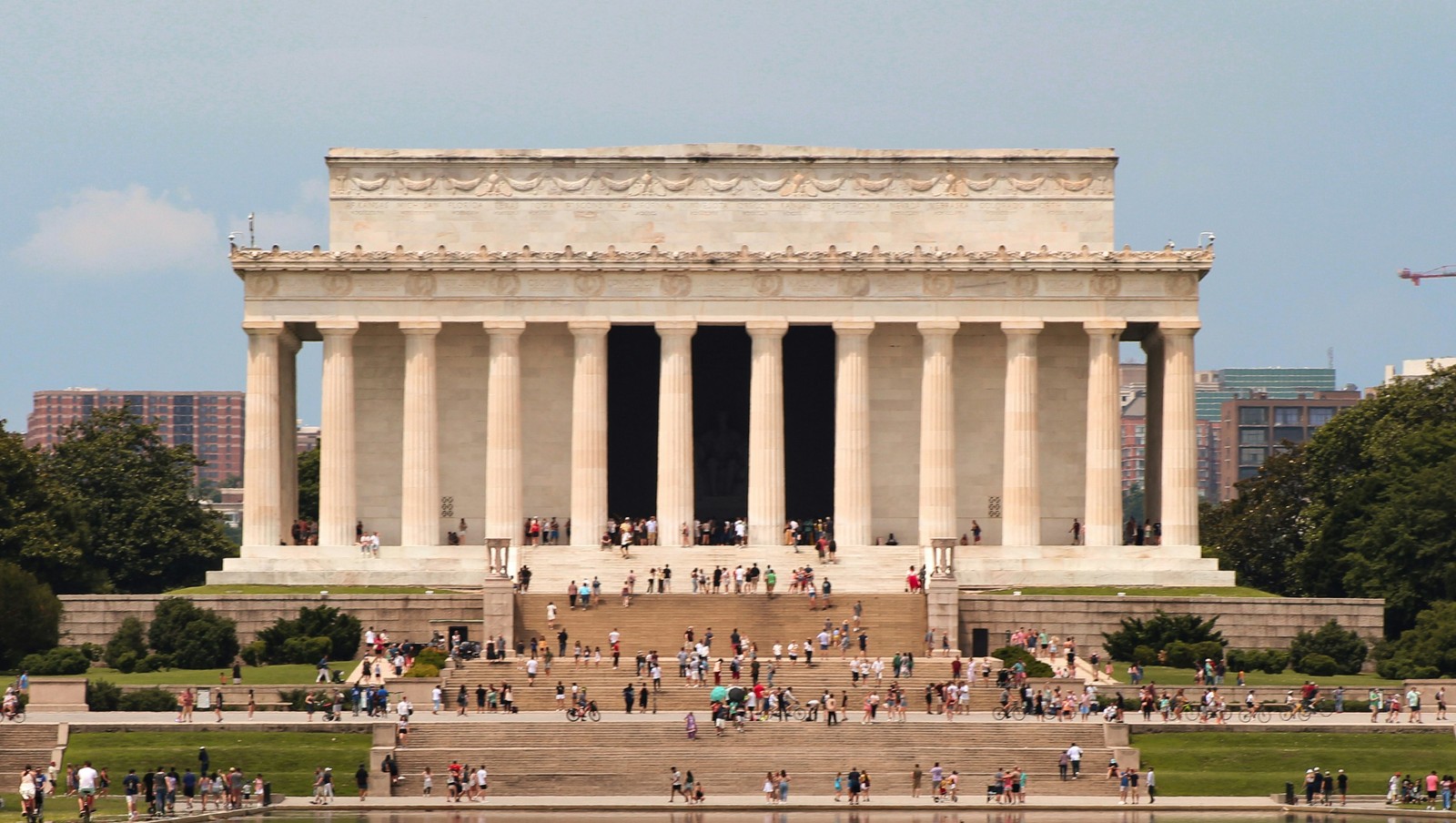
Image: Tama Moni

Why do people travel? For fun, to relax, to do business, to visit relatives. But what about traveling to learn? Is it possible? Well, America is not without historical sites, but some places—such as the National Mall in Washington, D.C., or the Philadelphia sites where independence was conceived—are particularly packed with history . If learning about American history first-hand is important for you, here are 10 places that will allow you to do just that.

1
Independence National Historical Park
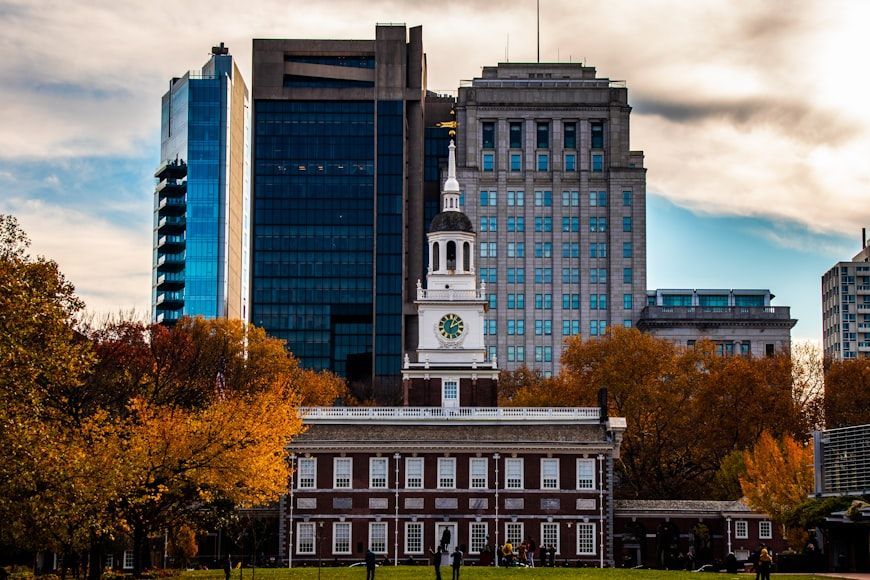
Image: Jimmy Woo

A historic district in Philadelphia, this 55-acre national park—established in 1956—preserves several sites related to American Independence and the Revolutionary War. Among the main sites of this park, we can find Independence Hall—originally the Pennsylvania State House—where the Declaration of Independence was signed and proclaimed, the Liberty Bell, the Carpenters' Hall—the location of the First Continental Congress—and Congress Hall, the place of reunion of the U.S. Congress before its relocation to Washington, D.C.

2
National Mall
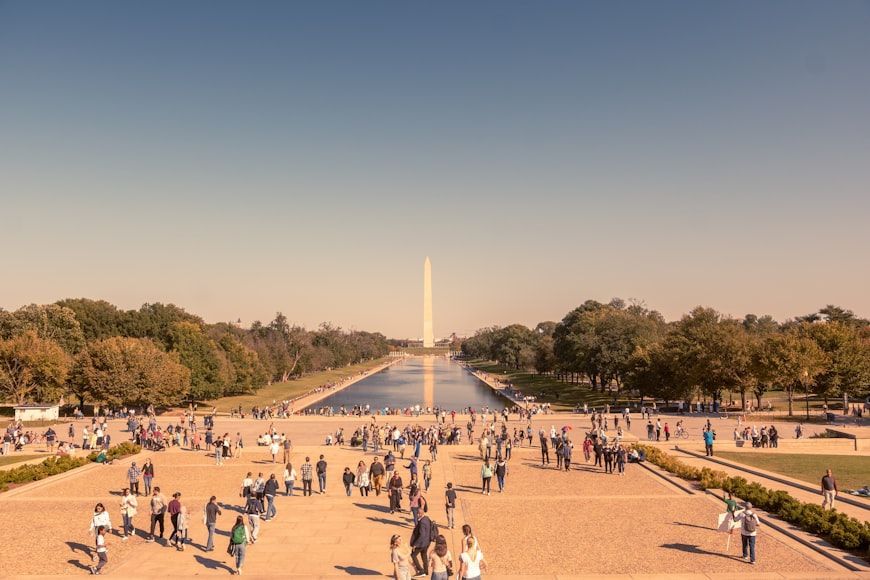
Image: Samuel Girven

Located in Washington, D.C., this park, often called ‘America's Front Yard’, stretches from the Capitol to the Lincoln Memorial , and has been the location of many historical events. Across and around it, we can find several museums, art galleries, cultural institutions, and memorials, sculptures, and statues, including the Washington Monument, Union Square, the Botanic Garden, the Martin Luther King Jr. Memorial, and the Vietnam Veterans Memorial.

3
Freedom Trail
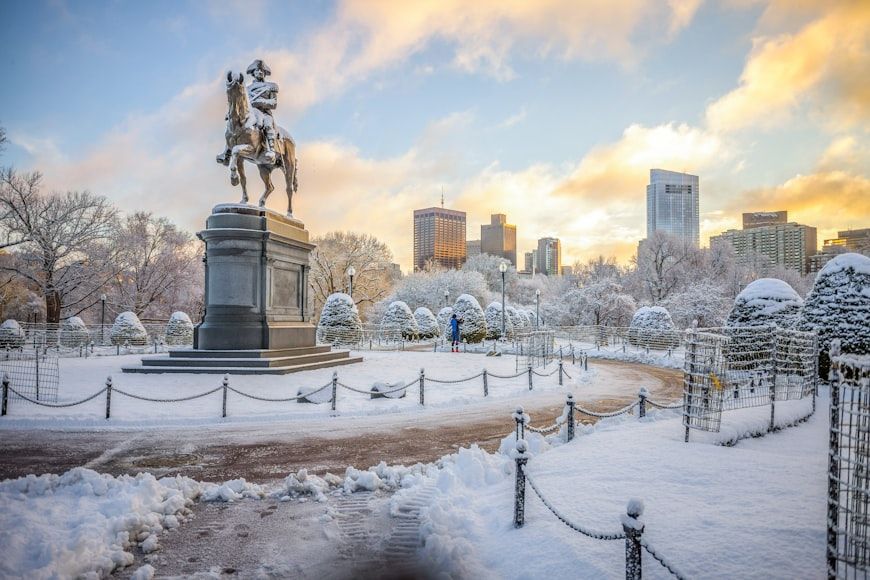
Image: Sean Sweeney

This 2.5-mile-long path stretches across Boston, linking 16 sites related to American history and the American Revolutionary War. Starting in the Boston Common, down to the Bunker Hill Monument in Charleston, this trail will lead you to sites such as the Massachusetts State House, the Boston Massacre Site, Paul Revere’s House, and the Old North Church.

4
Taos Pueblo
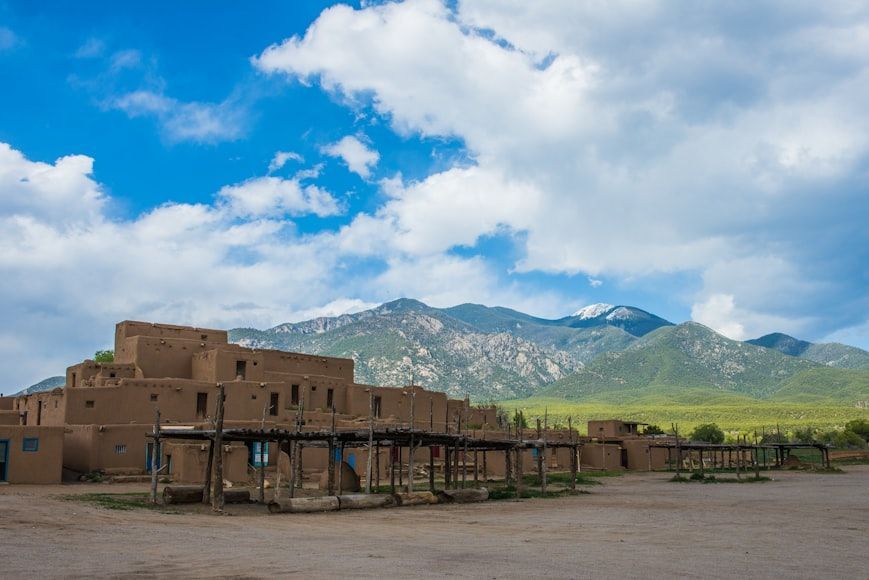
Image: Richard Hedrick

Located near the city of Taos, New Mexico, this settlement is believed to have been established around the 13th century, making it the oldest continuously inhabited place in U.S. territory . Famous for its red adobe, multi-storied buildings, the settlement has been home to the Puebloan people for nearly a thousand years. The site has been declared a National Historic Landmark and a UNESCO Heritage Site.

5
Ellis Island
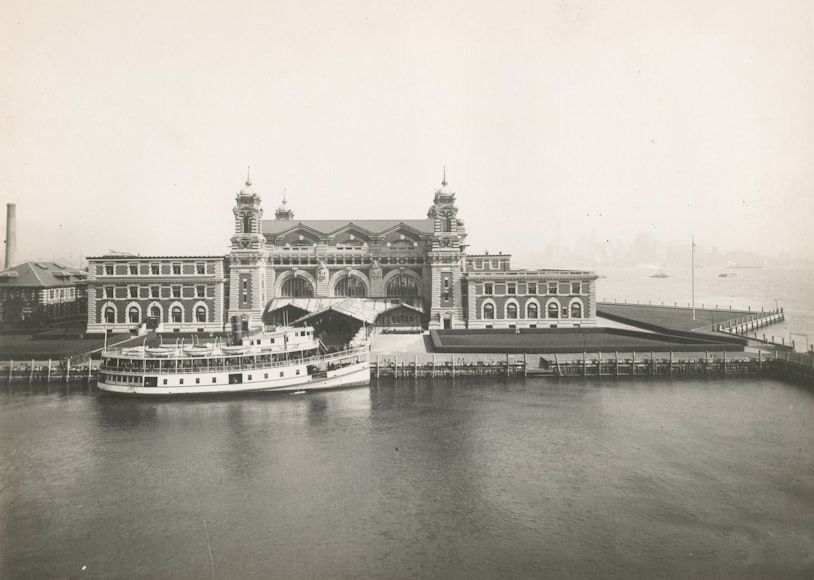
Image: The New York Public Library

Out of all the historic immigrant inspection and processing stations in America, Ellis Island is certainly the most well-known. Located in the New York Harbor, this station processed about 12 million immigrants in six decades before its closure in 1954. A source of territorial conflict between New York and New Jersey, the island is now part of the Statue of Liberty National Monument, and works as a museum of immigrant history.

6
Gettysburg National Military Park
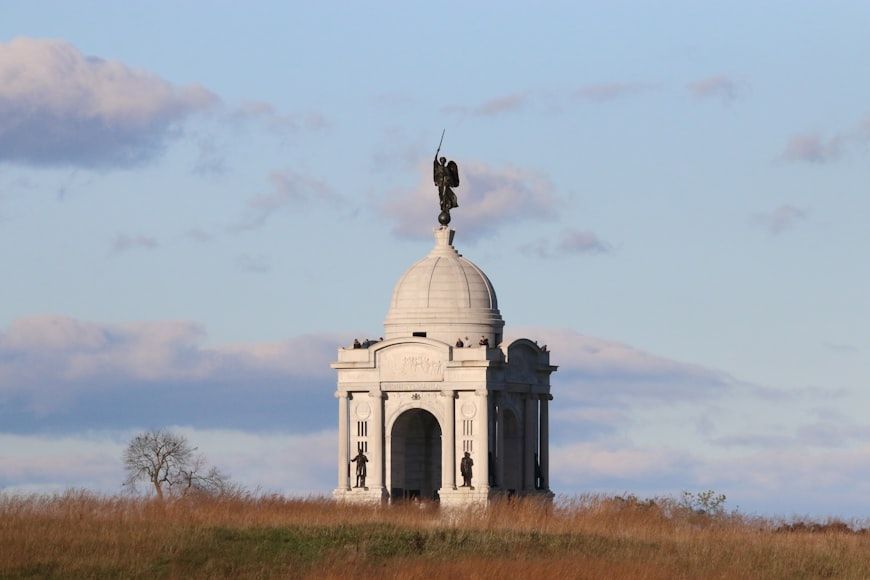
Image: Timothy Pierce

The Battle of Gettysburg, fought over three days across Gettysburg, Pennsylvania, is widely considered to have been a turning point in the American Civil War and the key to the Union’s victory . The site of the conflict, as well as Gettysburg National Cemetery—the location of President Lincoln’s famous address—is preserved by the Gettysburg National Military Park—established in 1966—alongside thousands of war artifacts.

7
Cape Canaveral
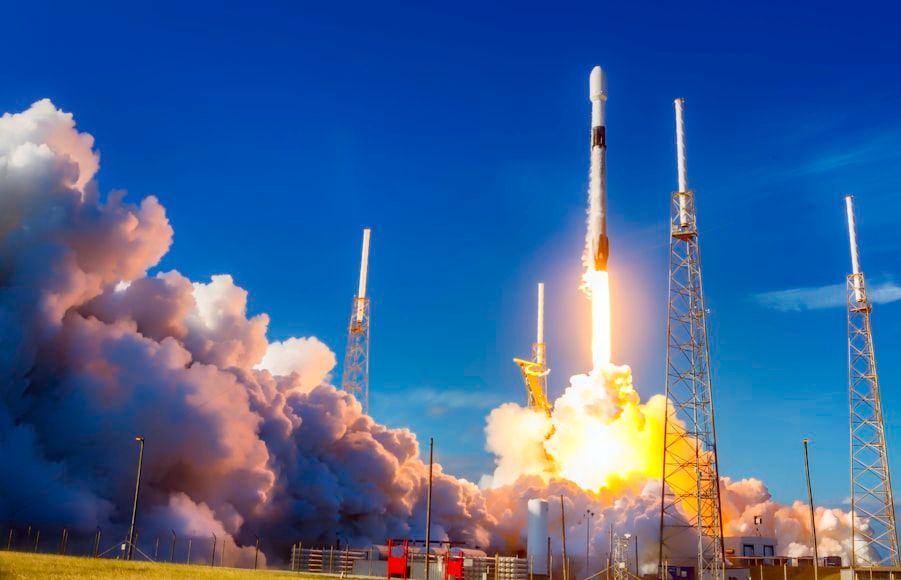
Image: Bill Jelen

One of NASA’s main space centers, Cape Canaveral has been the starting point of several history-changing space missions like the Apollo, Skylab, and Space Shuttle programs since the 1940s. Home to two different installations—the Kennedy Space Center and the Cape Canaveral Space Force Station—several firsts in space history were launched from Cape Canaveral, such as the first U.S. Earth satellite, the first U.S. astronaut in orbit, the first U.S. uncrewed lunar landing, and the Apollo 11 moon landing.

8
Pearl Harbor National Memorial
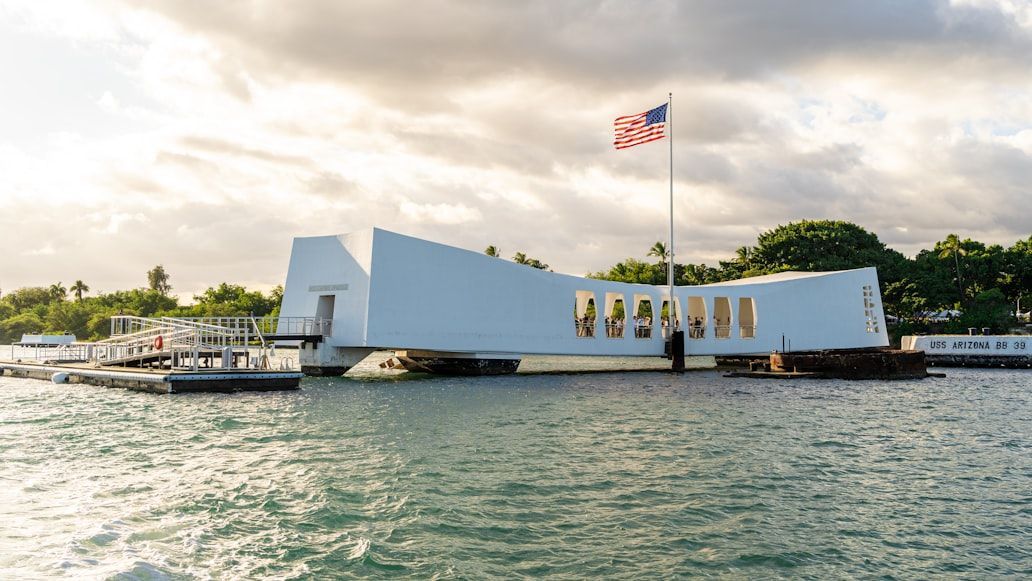
Image: Winston Chen

This memorial, included in the National Park System, commemorates the attack on Pearl Harbor on December 7, 1941 , an event that resulted in 2,400 American casualties and the subsequent involvement of the U.S. in the Second World War. The memorial, located at the site of the attack in O’ahu, Hawaii, and dedicated in 1962, includes memorials for three ships lost alongside their crews, a visitor center with information about the Pacific theater of World War II, and the Pearl Harbor Aviation Museum.

9
The Alamo
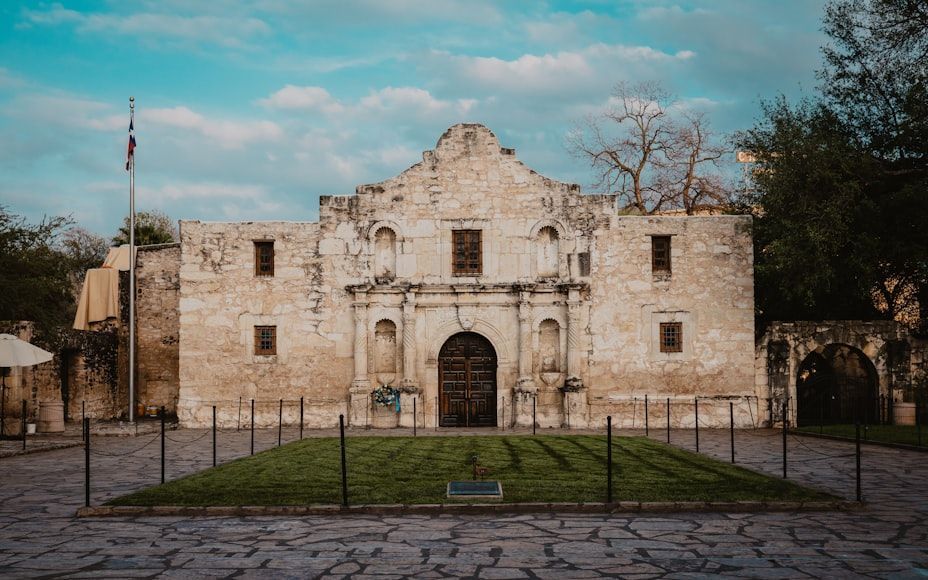
Image: Eric Francis

Known as the ‘Shrine of Texas Liberty’, the Alamo Mission was the site of key events of the Texan Revolution and of Southern history . Initially a Spanish Catholic mission and later used as a military fortress, the compound was sieged by the Mexican Army in 1836. The nearly 250 Texan soldiers garrisoned at the complex resisted the siege for 13 days before being defeated and slain by the much more numerous Mexican army, a resistance that fuelled Texan patriotism and its fight for independence.

10
Tombstone
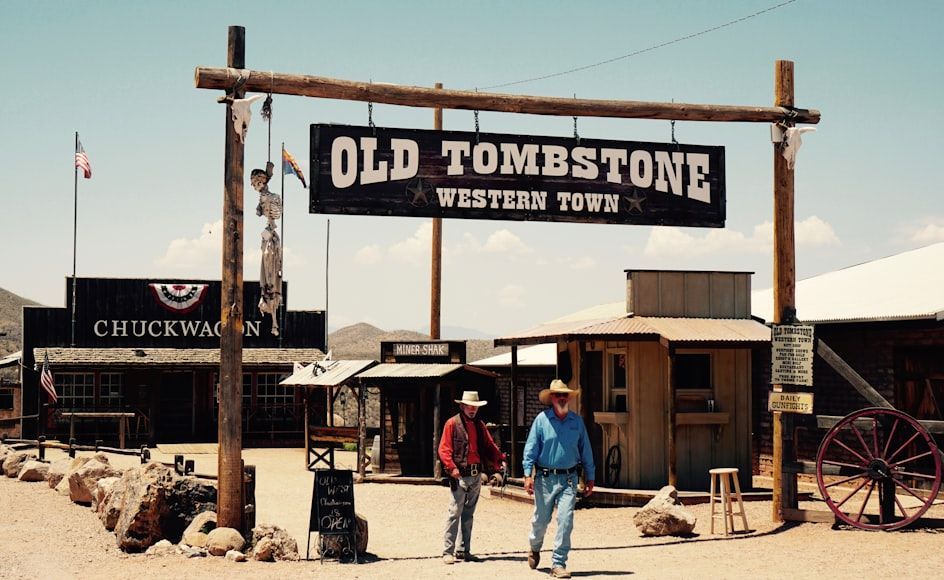
Image: Xiang Gao

A flourishing Arizona town during the silver mining boom of the late 19th century, Tombstone gained its place in history books as the location of the famous ‘Gunfight at the O.K. Corral’ . An archetype of the Wild West, this confrontation was the result of a long feud between U.S. marshals—Town Marshal Virgil Earp and his deputees Wyatt Earp, Morgan Earp, and Doc Holliday—and an outlaw group known as the Cochise County Cowboys. Though the shootout lasted less than a minute, it remains one of the most famous events of the Old West, with the town of Tombstone designated a National Historic Landmark.

General General 4 min read

Hear them out!

Words of wisdom: These patriotic quotes will speak to your heart

Image: WikiImages

Patriotism isn’t just about fireworks and flags; it’s also about values, courage, and unity. From the Founding Fathers to modern leaders, American history is filled with powerful words and phrases that inspire reflection on freedom, bravery, and responsibility. These quotes speak to the American spirit, reminding us of who we are and what we stand for. Let’s explore these timeless expressions of patriotism and the wise people who said them!

1
Ralph Waldo Emerson

Image: Samantha Jean

Emerson, a celebrated essayist and poet, found joy in trying to describe the essence of the American spirit. His quote "America is another name for opportunity" reflects the belief that America is a land of boundless possibilities where dreams can take root and flourish.

His phrase is from the 19th century, and it resonates with the idea that hard work and determination can turn aspirations into reality. For many, this phrase embodies the American Dream—the promise of a better life through opportunity and perseverance. What do you think about it?

2
Elmer Davis

Image: Wesley Tingey

Elmer Davis, a journalist and WWII-era director of the Office of War Information, deeply understood the connection between freedom and bravery.

His quote "the land of the free… and the home of the brave," emphasizes that liberty doesn’t come without courage. In turn, it’s the bravery of those who defend it that keeps freedom alive.

Quite accurate if we think of the sacrifices many made to build the nation we cherish today. Don’t you agree?

3
John F. Kennedy

Image: History in HD

In his 1961 inaugural address, JFK delivered this unforgettable line: "Ask not what your country can do for you, but what you can do for your country." Do you remember who were the recipients of such a call?

This was a direct appeal to all Americans, to prioritize service over self-interest. It was a rallying cry during a time of change and uncertainty, inspiring citizens to contribute to the greater good. The underlying message? Patriotism isn’t passive, it’s about active participation.

4
Benjamin Franklin

Image: Adam Nir

Benjamin Franklin, one of America’s founding fathers, believed that liberty was the cornerstone of a great nation and we all agree with him! His quote, "Where liberty is, there is my country," underscores his commitment to freedom, wherever it might be found.

During the Revolutionary War, Franklin’s words carried immense weight, symbolizing the fight for independence. For Franklin, protecting freedom wasn’t just a right; it was a responsibility.

5
Calvin Coolidge

Image: William Rudolph

Coolidge, the 30th US president, had a no-nonsense approach to patriotism. To him, it wasn’t about grand gestures or flashy displays but about taking care of your community and nation. His quote, " Patriotism means looking out for your country ," reflects a practical, everyday kind of patriotism—one rooted in responsibility and mutual care.

From lending a hand to a neighbor to preserving natural resources, it’s all about the small acts of kindness that add up to a stronger country.

6
Frederick Douglass

Image: Tim Mossholder

Freedom and bravery are common in patriotic quotes, but Frederick Douglass, a former enslaved man turned abolitionist leader, understood the moral backbone a nation needs to thrive too.

His quote, "Honesty keeps the nation secure," reminds us that truthfulness and virtue are essential for lasting security and justice. His words challenge us to strive for integrity in our actions and decisions. After all, a nation built on truth is a nation that endures, don’t you agree?

7
Thurgood Marshall

Image: Jason Richard

Thurgood Marshall, the first Black Supreme Court Justice, spoke these powerful words about democracy: "Make it. Protect it. Pass it on."

His message is quite clear: democracy and responsibility go hand in hand. It requires effort to build, vigilance to protect, and a commitment to pass it down to future generations. In just three simple steps, he captured the essence of what it takes to sustain democracy—and it’s all up to us.

8
Eleanor Roosevelt

Image: Thomas Park

It was only right to include a woman in this article. Eleanor Roosevelt, First Lady, and human rights advocate, redefined the definition of patriotism to include dignity and equality for all.

Her quote, "True patriotism knows no borders," challenges us to think beyond national lines and embrace universal values like freedom and respect. Her words are a call to take patriotism—and the American ideals of dignity and growth—wherever we go, ensuring that everyone has the opportunity to thrive.

9
Thomas Wolfe

Image: Ian MacDonald

Novelist Thomas Wolfe had a poetic way of capturing the magic of America—and we love it. His quote, "Miracles happen all the time in America," celebrates the idea that this country is a land of endless possibilities, where the extraordinary can feel quite ordinary.

From scientific breakthroughs to everyday acts of kindness, Wolfe saw America as a place where hope and wonder flourish. No wonder we developed the whole concept of the American Dream, huh?

10
Robert Frost

Image: Wilson Hobbs

Another poet makes an appearance in this article—our beloved Robert Frost. He wasn’t afraid to speak his mind, and his quote, "Freedom lies in being bold," is all about that!

For him, freedom is closely tied to courage, and the willingness to take risks and stand firm in the face of adversity. Both in personal choices or collective action, Frost’s words value independence and self-expression.

11
Franklin D. Roosevelt

Image: Daniele La Rosa Messina

This might be the most powerful quote in the article. While the other phrases speak of freedom as something granted, FDR—a president who led America through the Great Depression and WWII—understood the hard work behind true freedom.

His quote, "Freedom must be achieved, not given," takes a step back and makes sure nobody takes it for granted!

General General 3 min read

One-of-a-kind

The one thing these states can brag about (and no one else can)

Image: RDNE Stock project

Every state in the U.S. has its own personality, but some come with bragging rights no one else can touch. From deserts and diamonds to cave systems and cheese-making microbes, each of these states has a claim to fame that sets it apart. If you enjoy travel trivia, fun facts, or just knowing more about our big and quirky country, you’ll want to stick around for this one. Let’s take a lighthearted look at the states that are true originals.

1
South Dakota sits right in the middle of it all

Image: Intricate Explorer

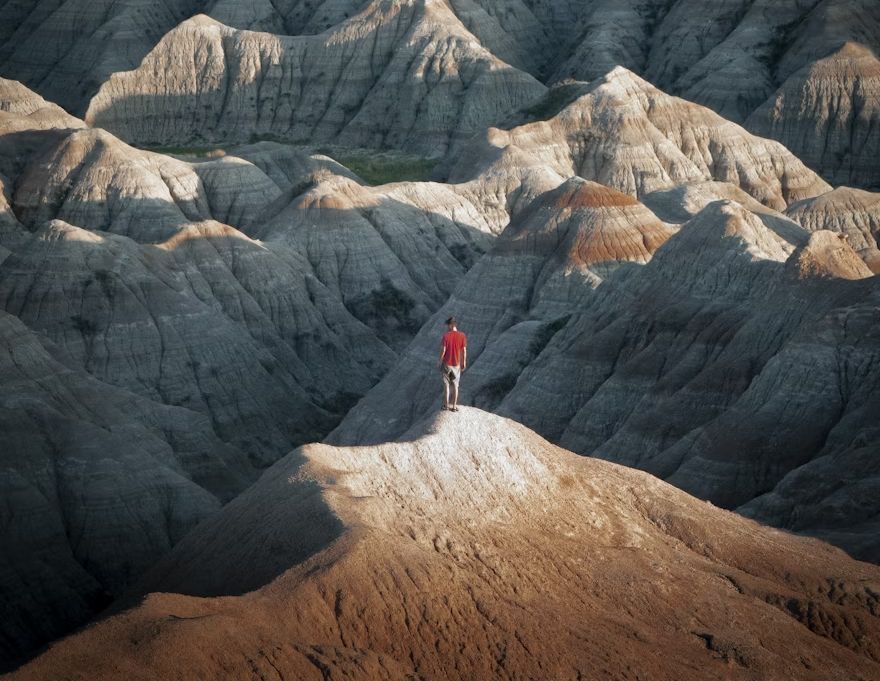
Just outside the town of Belle Fourche, South Dakota, lies the geographic center of the United States when you include Alaska and Hawaii . It is not marked with neon signs or big crowds, but there is something satisfying about standing near the heart of the whole country. It feels like the center of gravity for the U.S.

2
Iowa is flanked by rivers on both sides

Image: Justin Wilkens

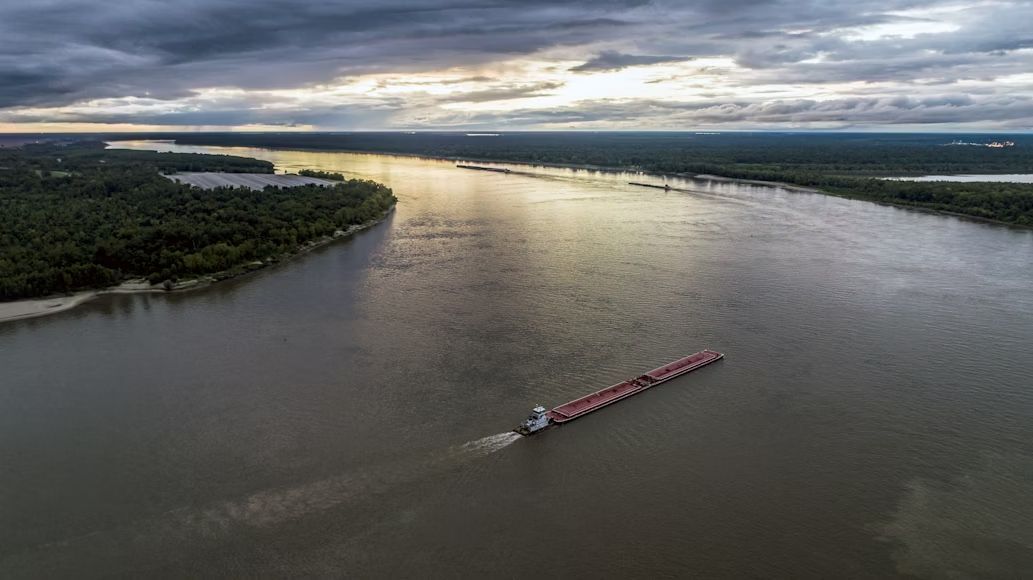
If you look at a map, you will see Iowa neatly tucked between two mighty rivers . The Mississippi River borders it to the east, and the Missouri River forms most of its western boundary. No other state can say that its entire east and west borders are made up of rivers. That gives Iowa a front-row seat to river life from both sides.

3
Kansas is flatter than a breakfast pancake

Image: Edson Saldaña

Believe it or not, a group of researchers once compared Kansas to a pancake and found that Kansas is actually flatter . This was not a joke. They used real measurements. If long, open roads and wide horizons are your thing, Kansas is the ultimate smooth ride.

4
Arizona has all the deserts in one place

Image: Keith Hardy

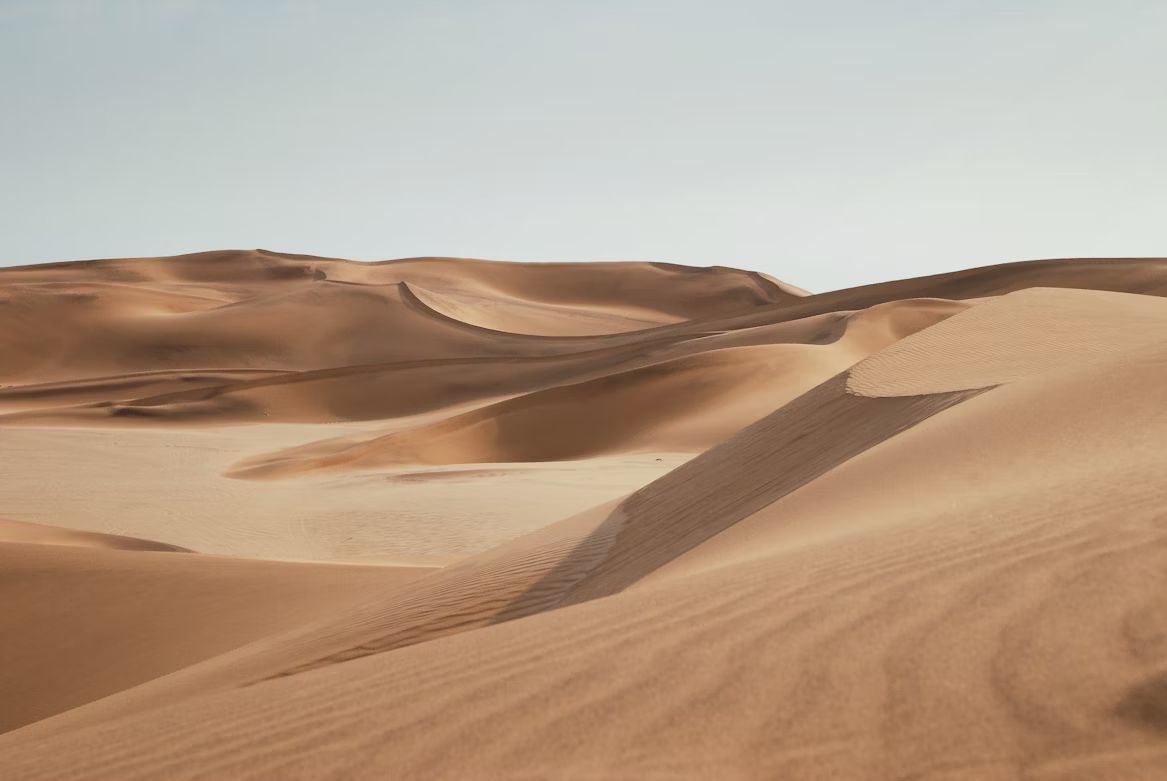
Arizona is not just dry, it’s uniquely arid. It is the only state that includes parts of nearly all of the major North American deserts . These include the Sonoran, Mojave, Chihuahuan, and Great Basin deserts. That makes it a desert lover's dream and a living science exhibit where four very different ecosystems meet in one sunbaked state.

5
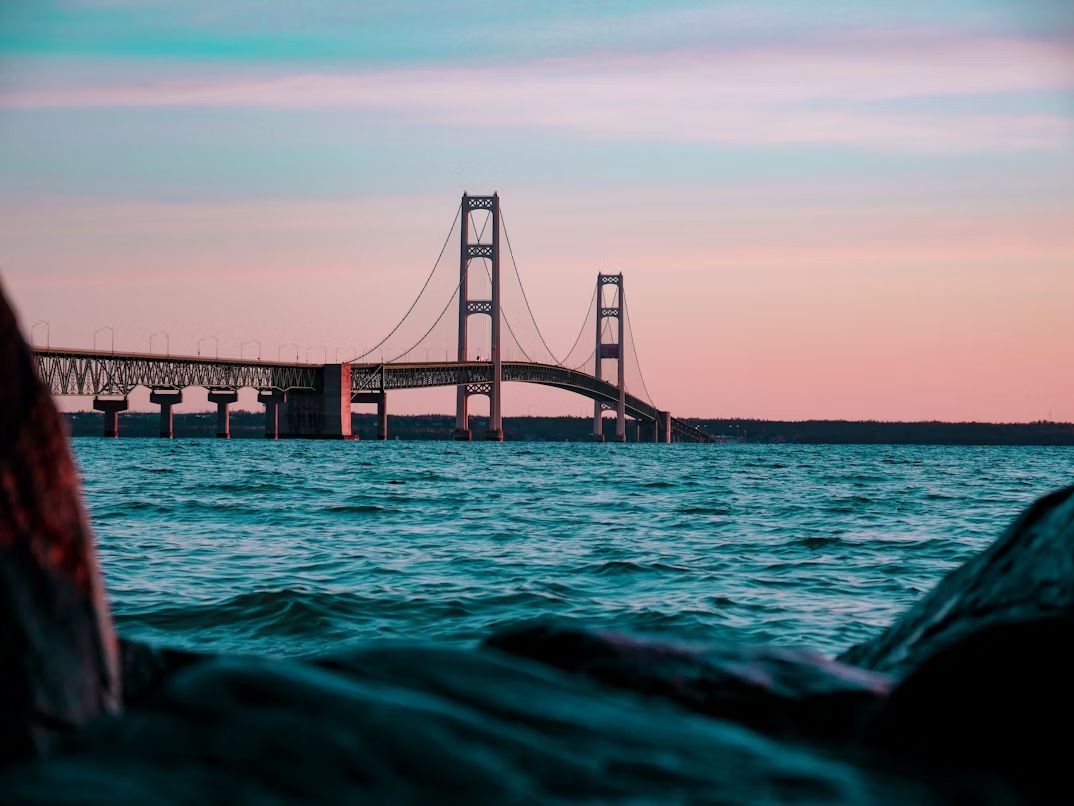
Michigan lives and breathes freshwater

Image: Aaron Burden

Michigan has more freshwater shoreline than any other state in the country. It borders four of the five Great Lakes , features two peninsulas, and is even home to a floating post office that delivers mail by boat. If you enjoy water views and lakeside life, Michigan delivers the goods in a big way.

6
Connecticut gave counties the pink slip

Image: Rusty Watson

Unlike most states, Connecticut does not have county governments. The state decided back in the late 1950s and early 1960s to get rid of them entirely. Now, counties are just lines on a map and have no political power. If you live in Connecticut, you deal directly with your town or city. No middleman needed.

7
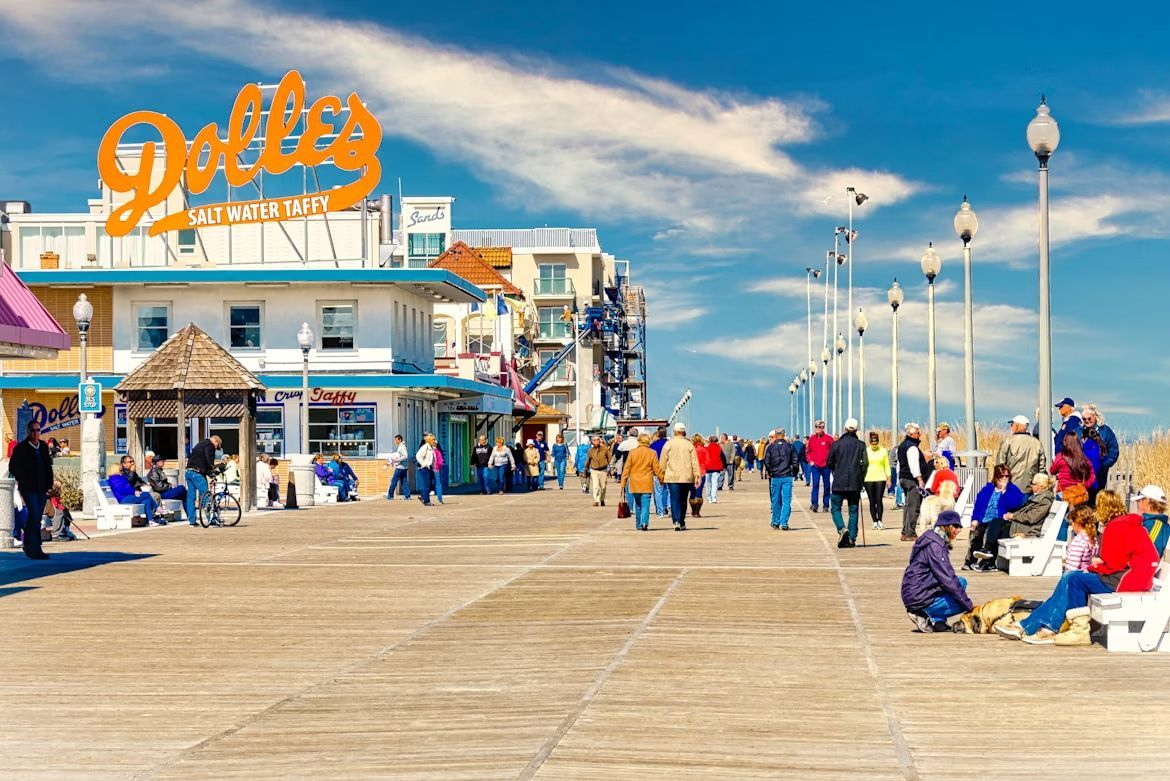
Delaware still uses ‘hundreds’ and no, not the money kind

Image: Gary Cole

In Delaware, land is still divided into areas called hundreds . These are old British-style subdivisions that originally represented areas able to support roughly 100 households. While they do not play a role in law or government today, the names still show up in property documents and tax records.

8
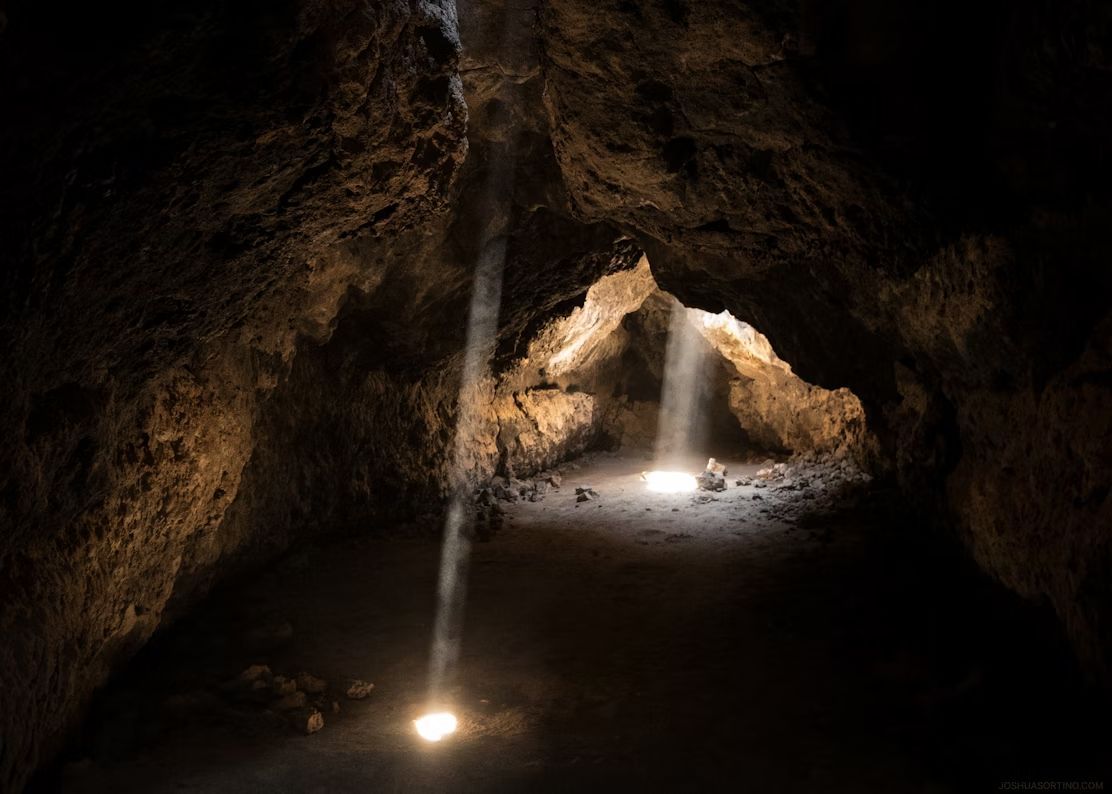
Kentucky hides the longest cave under its feet

Image: Joshua Sortino

Beneath Kentucky’s surface lies a giant underground wonder called Mammoth Cave. It holds the record as the longest known cave system in the world , with over 400 miles of mapped tunnels. That is a whole lot of rock and mystery. Whether you are into history, geology, or just cool natural landmarks, this cave system is something special.

9
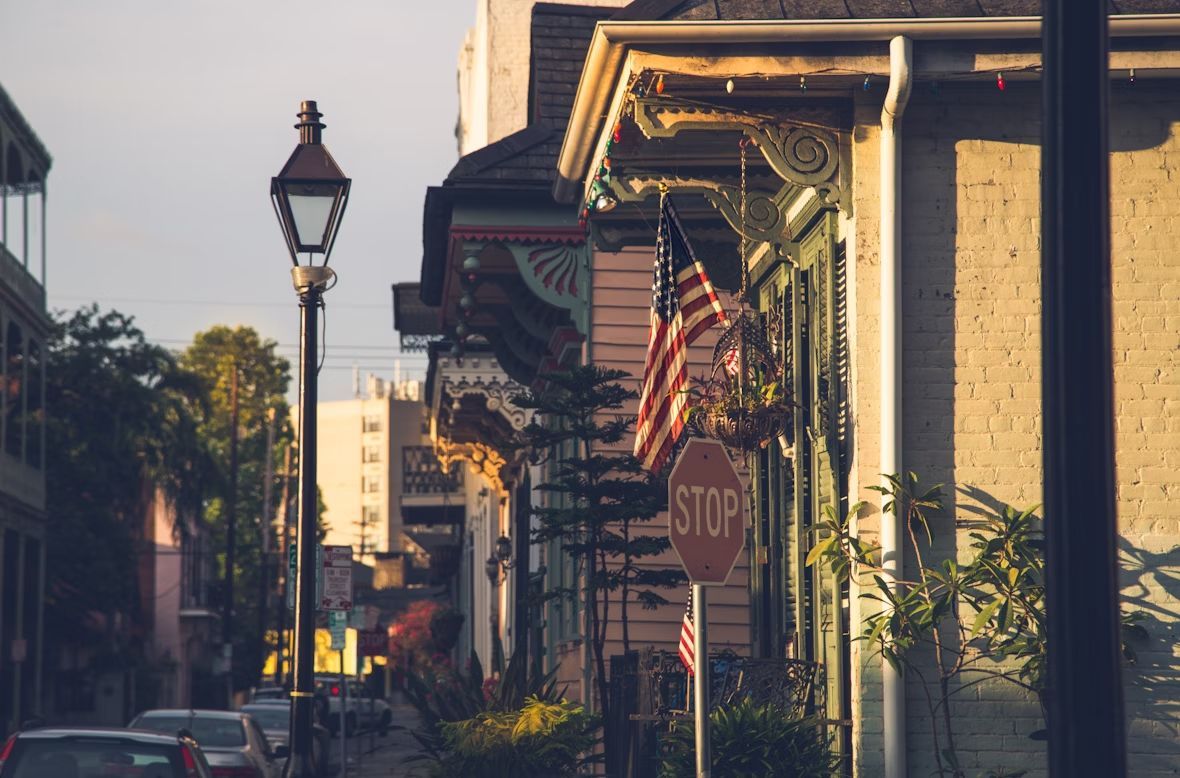
Louisiana prefers parishes over counties

Image: Joe Lavigne

Louisiana does not have counties like the rest of the country. Instead, it has parishes , a term carried over from its French and Spanish colonial days. These parishes work the same way counties do elsewhere, but the name gives the state a unique cultural twist.

10
Montana provides the nation's platinum and palladium

Image: Calvin Chai

Montana is the only significant source of domestically mined platinum and palladium in the United States. These rare metals are used in things like jewelry, dental tools, and car parts. Tucked into its rugged mountains, Montana’s mines quietly produce some of the most valuable materials in the country.

11
Wisconsin has an official microbe, and it makes cheese

Image: Azzedine Rouichi

Of course, Wisconsin would go this route. The state named Lactococcus lactis as its official microbe. It is the helpful little organism behind the cheese-making magic. Without it, you would not have cheddar, Colby, or many other favorites. Leave it to the dairy state to give a tiny cheese-maker its moment of fame.

Explore more American facts

Choose your favorite category!

General
General

As American as apple pie—the very best America has to offer!

Culture
Culture

Delve into the astounding richness of American lore.

Geography
Geography

Hop in and explore vast and diverse American landscapes.

History
History

Discover the key moments that shaped the United States.