History History 2 min read

Born in America

From Pickleball to Pigskin: 10 sports only America could invent

Image: Riley McCullough

America has long been a land of innovation—not just in tech and culture, but in sports too. From backyard pastimes to professional spectacles, many athletic pursuits started here and captured the imagination of millions. Join us as we explore 10 uniquely American sports.

1
Baseball
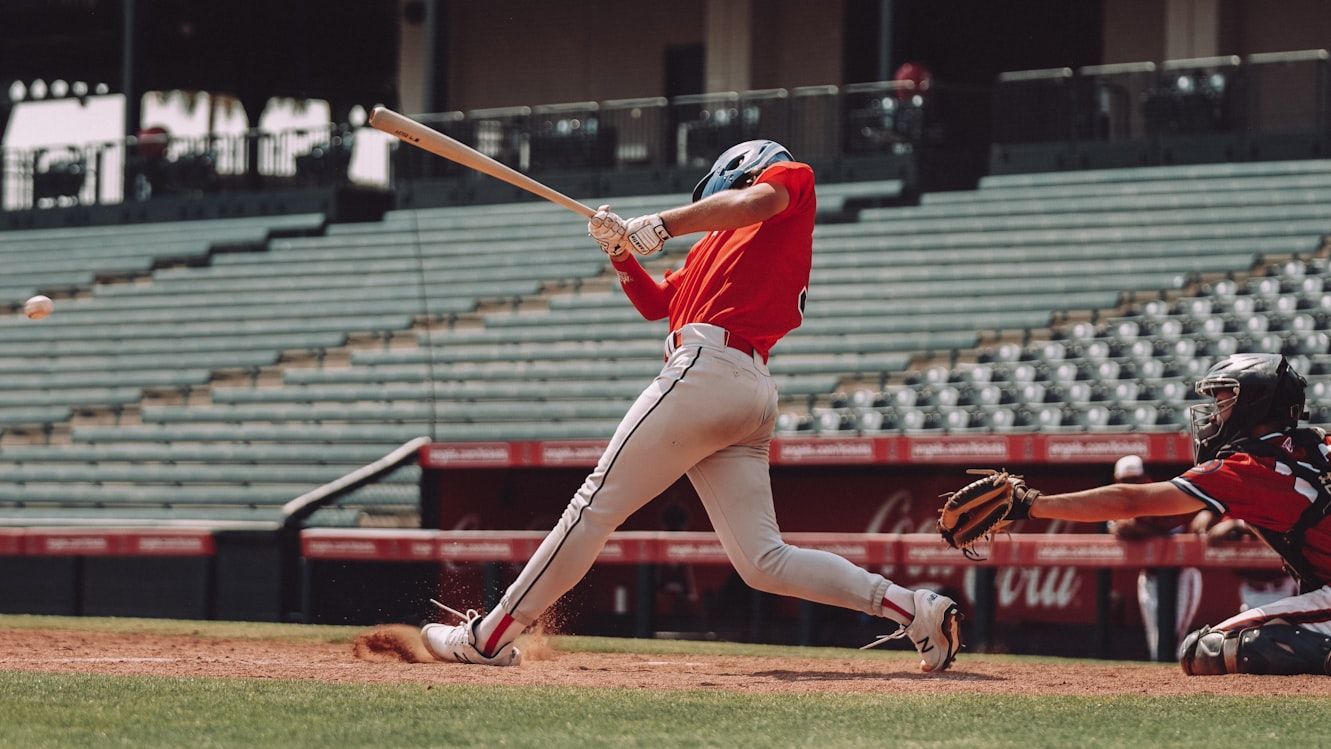
Image: Josh Hemsley

Originating in the early 19th century, baseball evolved from British bat-and-ball games like rounders. By the 1840s, it was widely played in New York and spread quickly across the country.

Professional leagues began forming in the 1870s, and by the 20th century, baseball had become a defining cultural symbol. The Major League Baseball (MLB) remains a cornerstone of American sports identity.

2
American Football
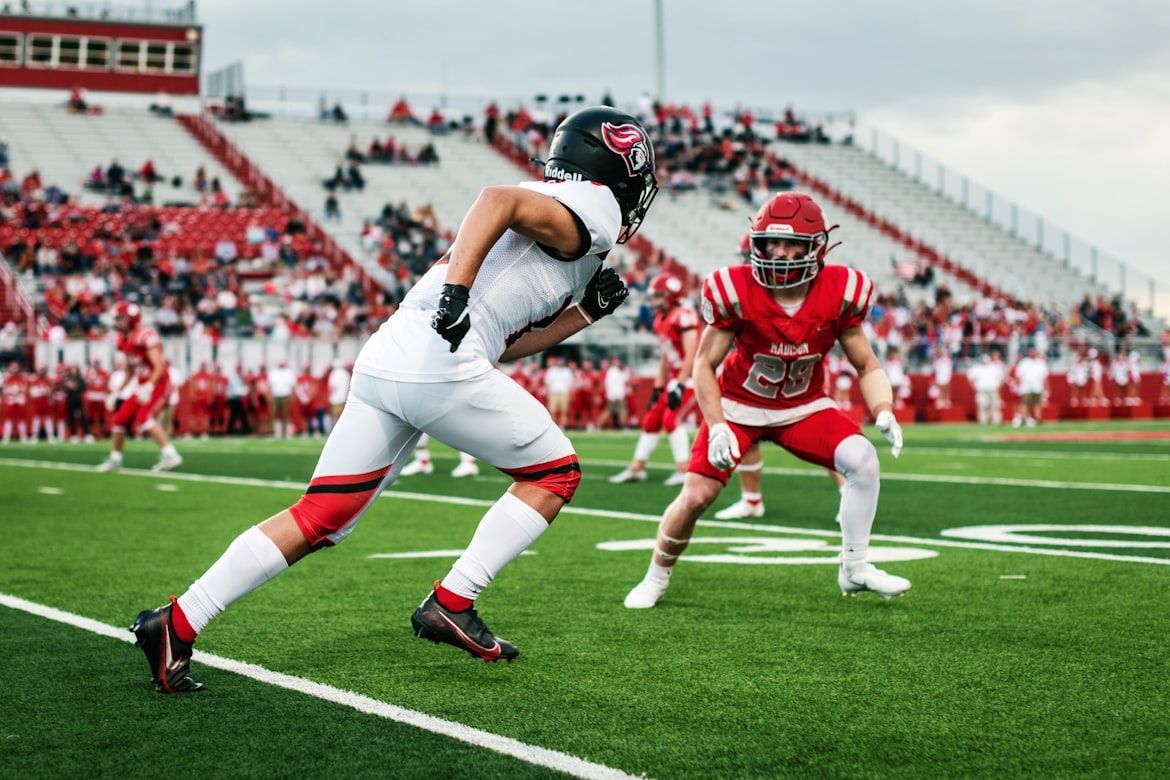
Image: Tim Mossholder

American football developed from rugby and soccer in the late 19th century, with Walter Camp shaping key rules like the line of scrimmage.

Today, the NFL is a multi-billion-dollar enterprise, with the Super Bowl considered an unofficial national holiday. Its unique strategic play sets it apart globally.

3
Basketball

Image: Markus Spiske

Invented in 1891 by James Naismith in Springfield, Massachusetts, basketball was created as an indoor game to keep athletes active during winter.

Basketball rapidly grew in schools and colleges, evolving into the NBA by 1946. Its fast pace and high scoring made it a uniquely American phenomenon with global influence.

4
Volleyball
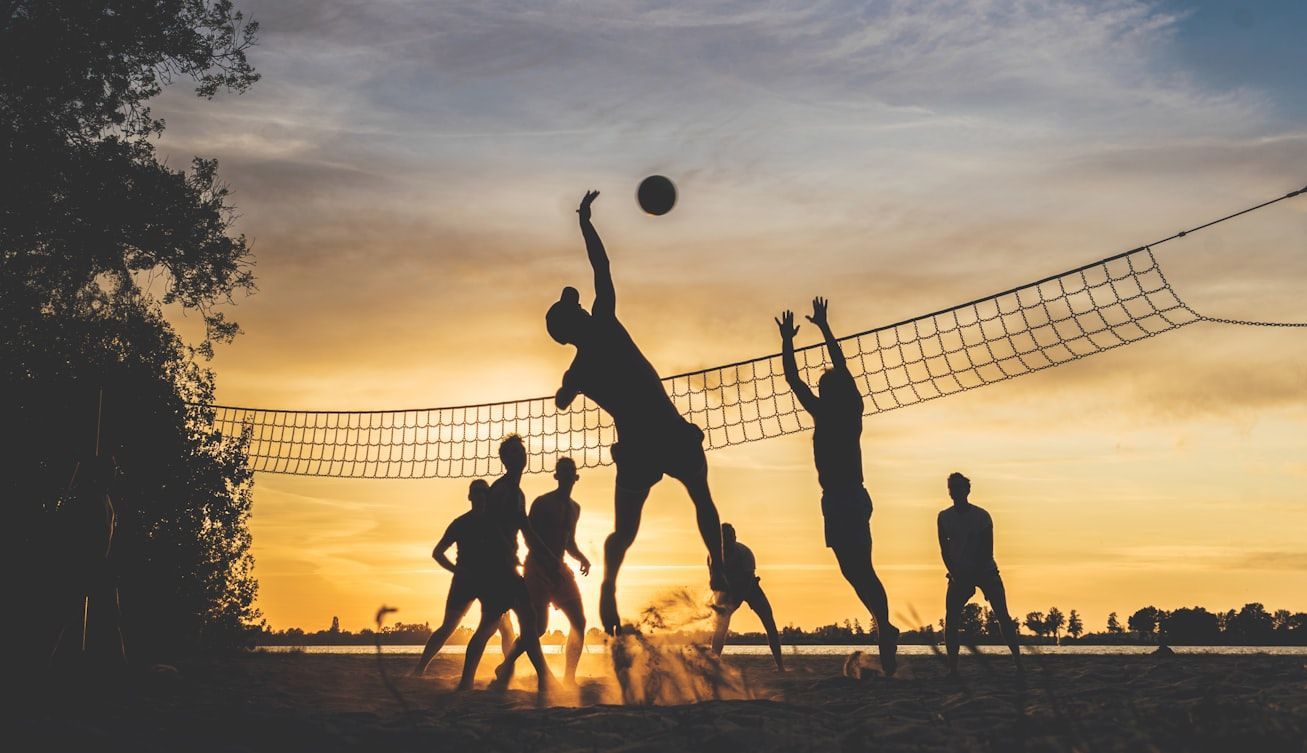
Image: Jannes Glas

William G. Morgan invented volleyball in 1895 in Holyoke, Massachusetts, as a less strenuous alternative to basketball for older athletes.

Originally called "Mintonette," it quickly spread through YMCA programs. Today, volleyball is a staple in American schools and a popular recreational and Olympic sport.

5
Lacrosse
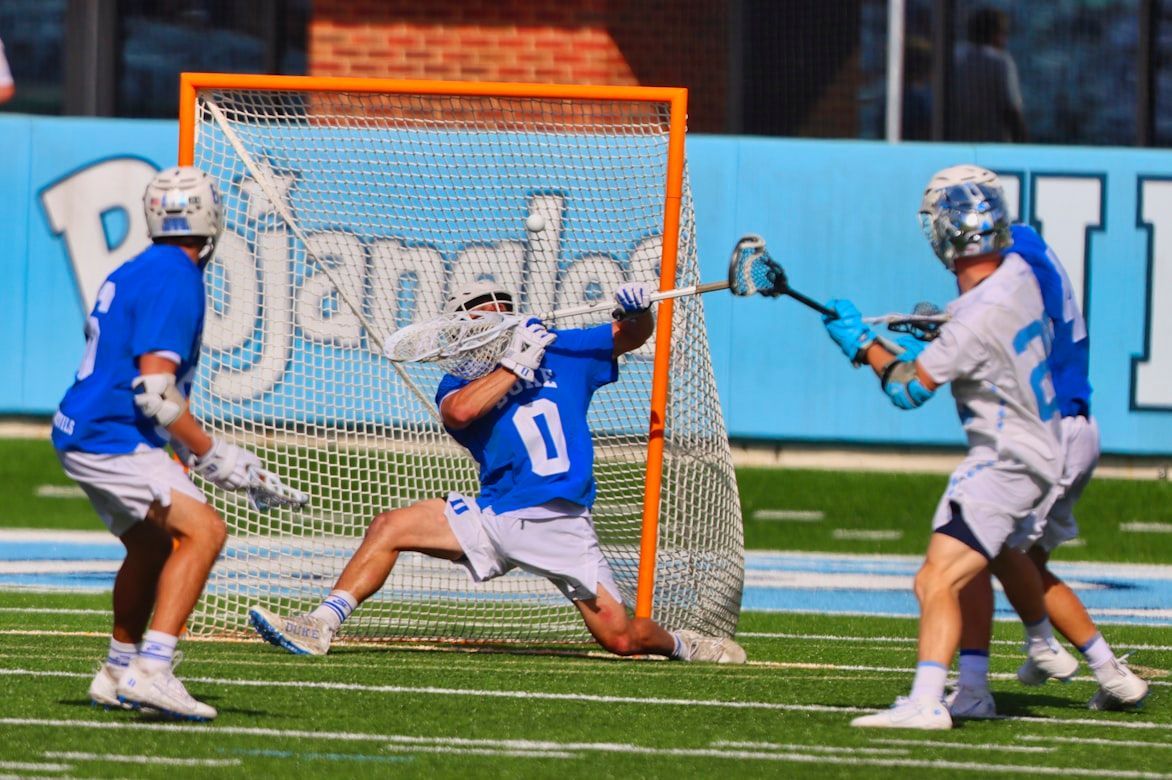
Image: Gene Gallin

Though based on Indigenous games, the modern field version of lacrosse was codified in the U.S. in the mid-19th century, particularly in New York and Maryland.

American collegiate leagues helped popularize the sport. Its fast pace, physicality, and unique stick skills differentiate it from similar sports elsewhere.

6
Rodeo
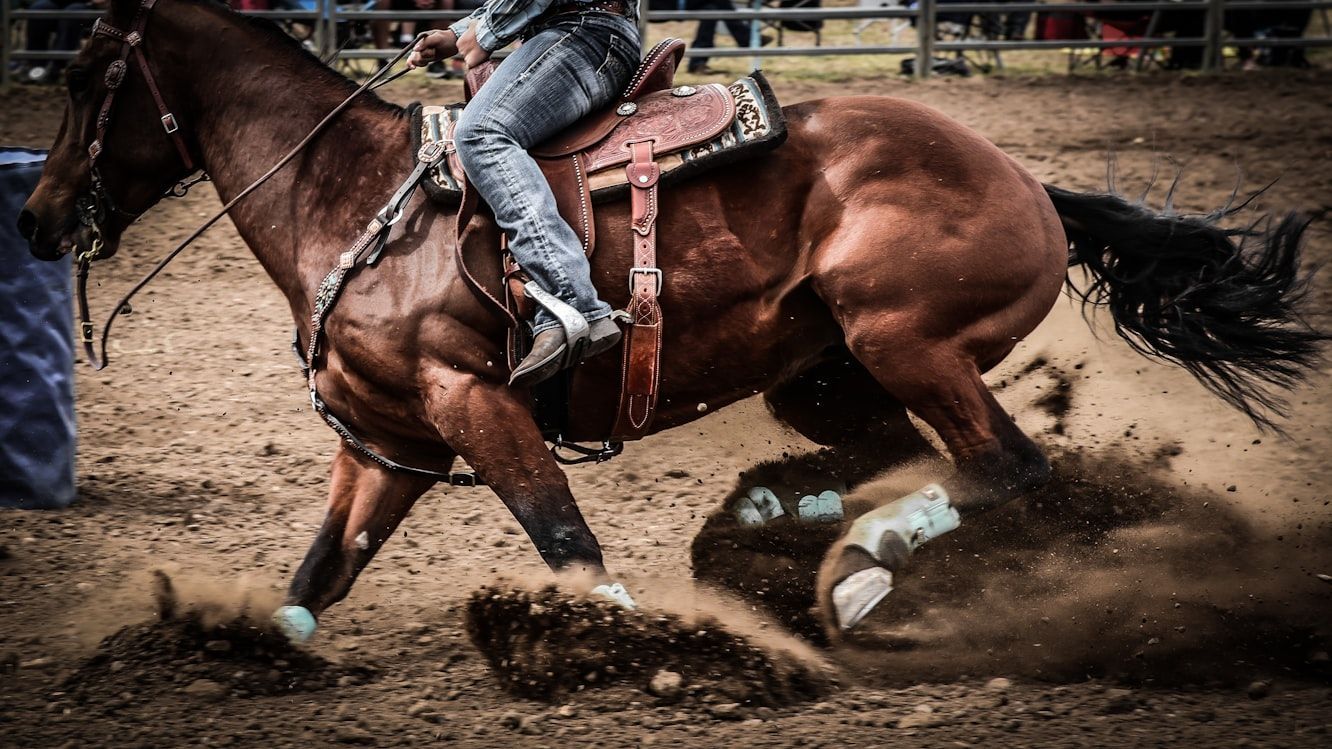
Image: Lee Pigott

Rodeo emerged from cattle herding competitions in the American West in the late 1800s. Cowboys demonstrated skills like bronco riding, roping, and barrel racing.

Rodeo reflects frontier life and is heavily celebrated in states like Texas and Wyoming. It became an organized sport with professional circuits in the 20th century.

7
Skateboarding

Image: Rhendi Rukmana

Developed in California in the 1950s as "sidewalk surfing," skateboarding transformed surfing techniques for urban environments.

The sport gained a professional scene by the 1970s, complete with skate parks and competitions. Its counterculture roots remain distinctly American.

8
Roller Derby

Image: River Fx

Emerging in the 1930s as a banked-track endurance race, roller derby evolved into a full-contact team sport.

Especially popular with women, modern roller derby combines athleticism and theatrical flair. It’s a uniquely American mix of sport and spectacle.

9
Cheerleading

Image: Rojan Maharjan

Starting at the University of Minnesota in 1898, cheerleading began as organized support for college football teams.

Over time, it developed competitive elements with complex stunts and routines. Today, cheerleading is recognized both as a sport and a cultural phenomenon in the U.S.

10
Pickleball
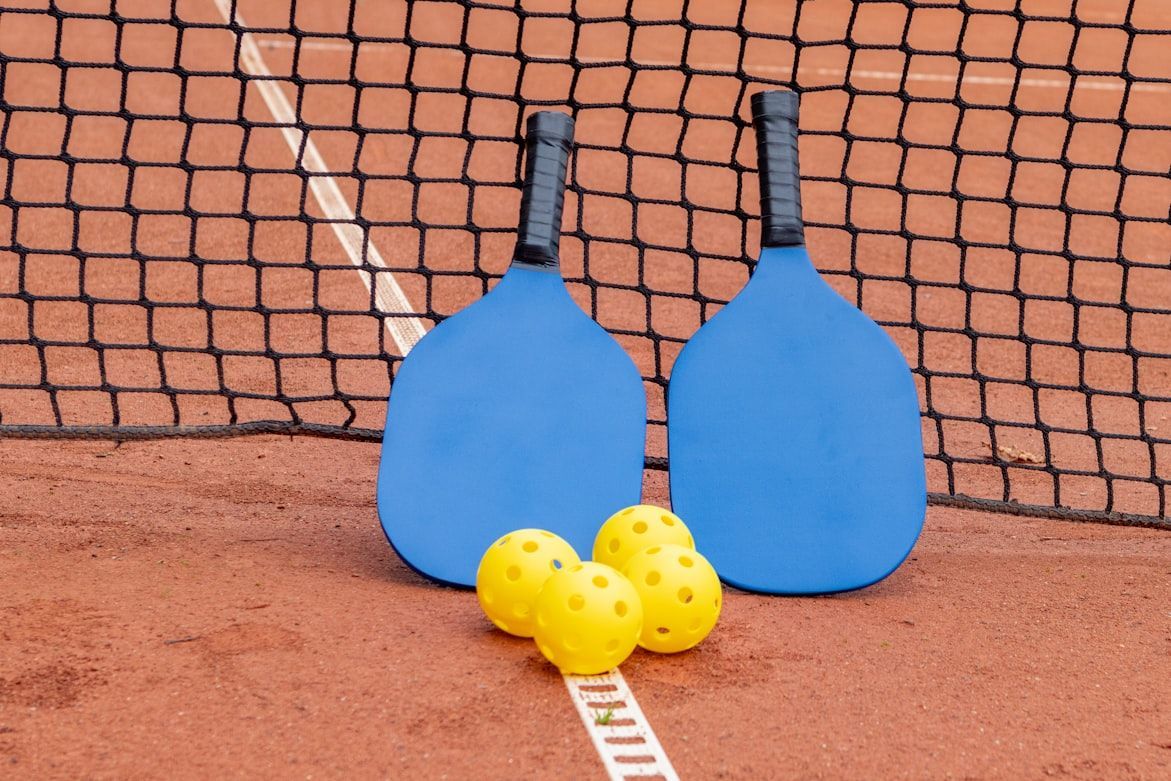
Image: Aleksander Saks

Invented in 1965 on Bainbridge Island, Washington, pickleball blends tennis, badminton, and ping-pong.

It gained popularity for all ages due to its accessibility and social appeal. Pickleball’s exponential growth highlights American ingenuity in casual sports.
Geography Geography 3 min read

More than a map

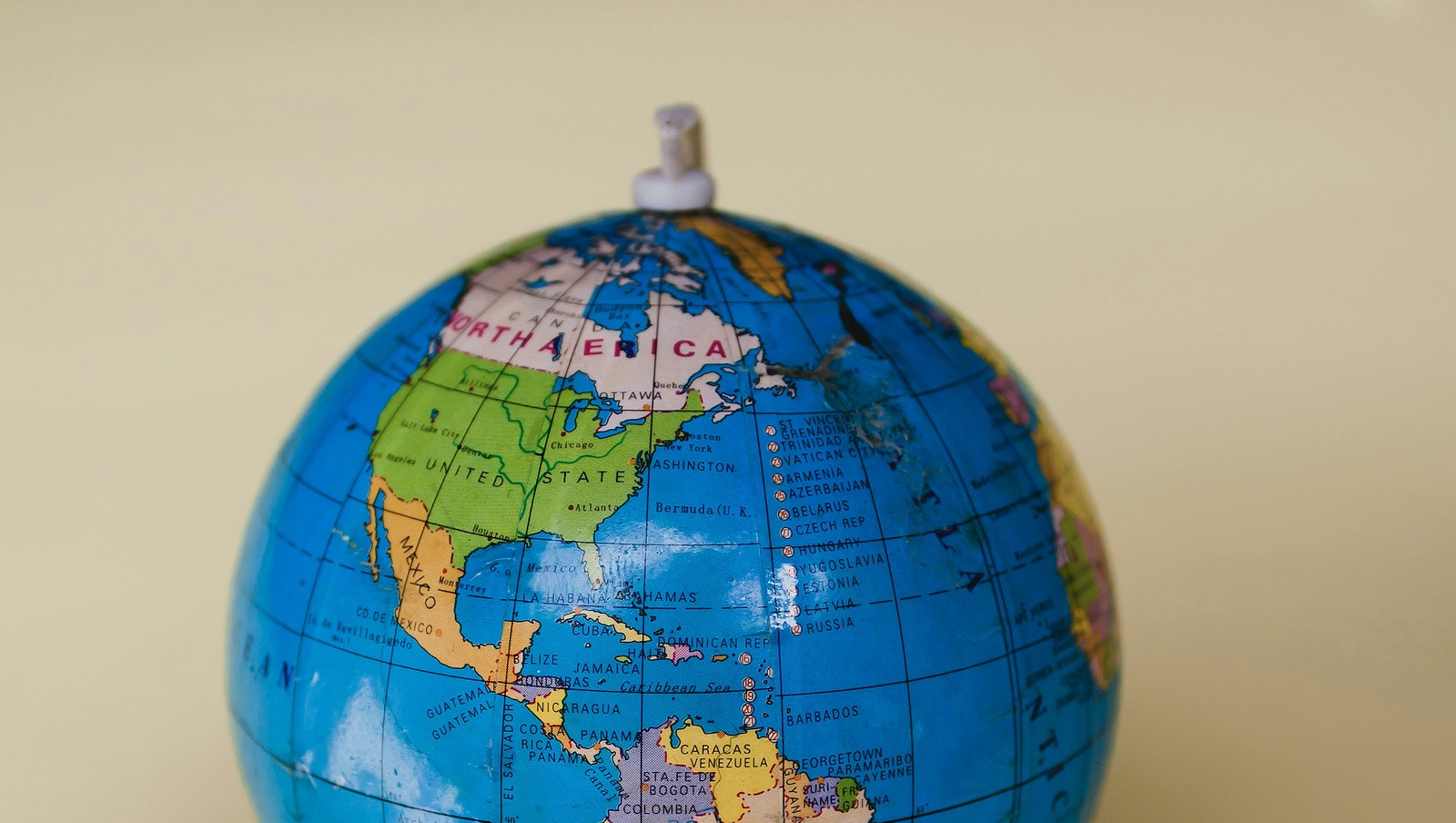
America, you’re full of surprises! 12 Geography facts you overlooked

Image: Arthur A

Maybe geography class wasn’t your favorite back in the day, but now that there are no pop quizzes, it’s actually pretty fascinating, don’t you think? The United States is full of quirky facts and surprising stories that most people never hear about: long coastlines, westernmost points, short rivers, and many more. American geography is anything but boring. So grab your coffee (or tea), kick back, and enjoy some bite-sized facts about this big, beautiful country of ours.

1
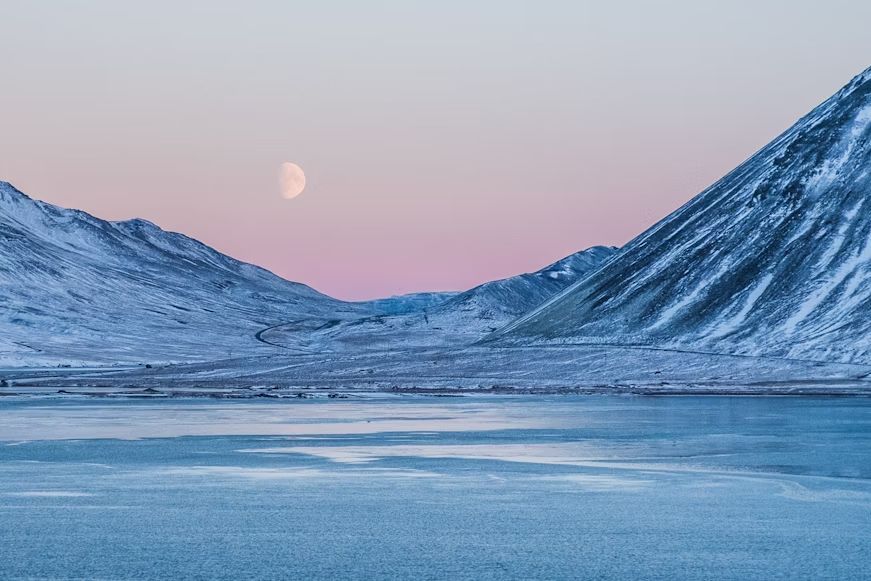
The US touches three oceans

Image: Daiwei Lu

Most people remember the Atlantic and the Pacific, but the Arctic often gets overlooked. Alaska’s northern edge dips into icy Arctic waters, technically giving the US access to all three. From sunbathing to snowshoeing, we’ve got the full spectrum of ocean vibes covered!

2
America has the shortest river in the world

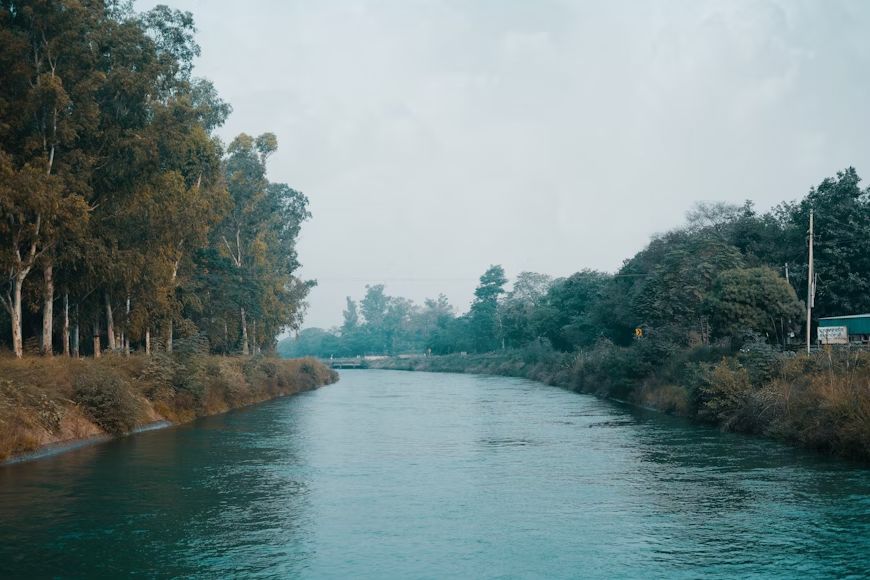
Image: Gaurav Kumar

Montana is home to the Roe River, which runs for just 201 feet. That’s shorter than a city block! It flows from its source at Giant Springs to the Missouri River near Great Falls. Sure, it’s not as mighty as the Mississippi, but it holds the record for shortest river, and that’s enough to brag about.

3
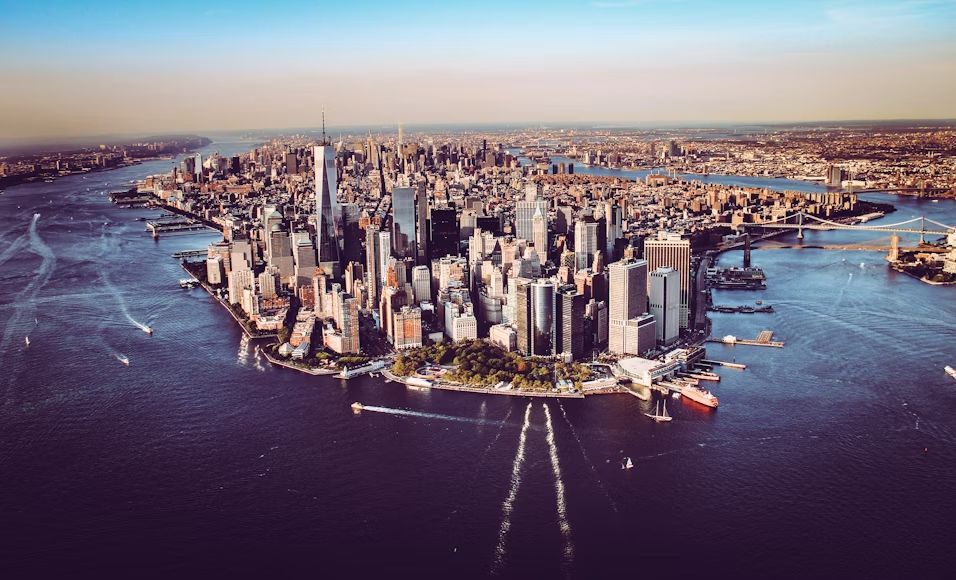
Some NYC buildings are big enough to have their own zip codes

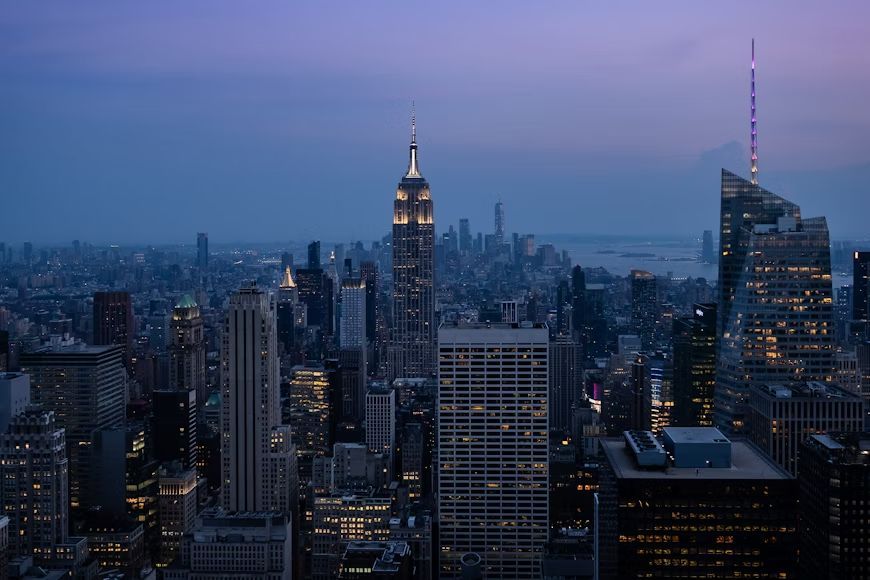
Image: Andrew Jephson

Most of us share a zip code with our neighbors. In New York City, though, some skyscrapers are so massive they have one all to themselves. You know the Empire State Building? Yep, it has its own zip code: 10118. The same goes for the MetLife and Chrysler Buildings. Manhattan alone has over 300 zip codes!

4
Alaska is the westernmost and easternmost state

Image: Rod Long

That’s right: Alaska holds the title as both the farthest west and farthest east state in the United States. How is that possible? Well, the Aleutian Islands, which belong to Alaska, stretch so far out that they cross the International Date Line and enter the Eastern Hemisphere. Isn’t that just fascinating?

5
From Stamford, CT, all roads lead to New York

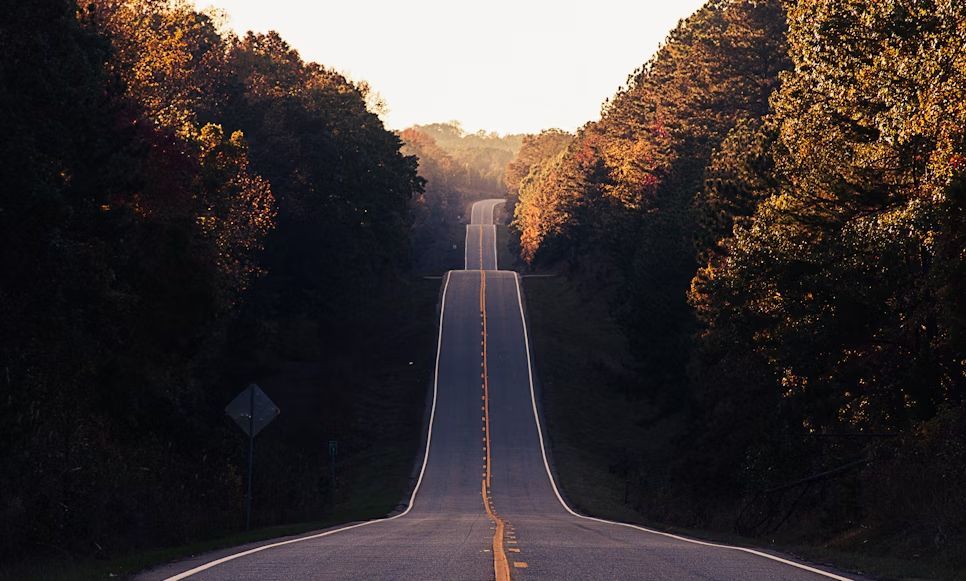
Image: Matt Foxx

Picture this: no matter which direction you drive—north, south, east, or west— you can end up in New York if you start in Stamford, Connecticut. Heading east requires a boat, of course, but it still counts!

6
Florida and California don’t have the longest coastline

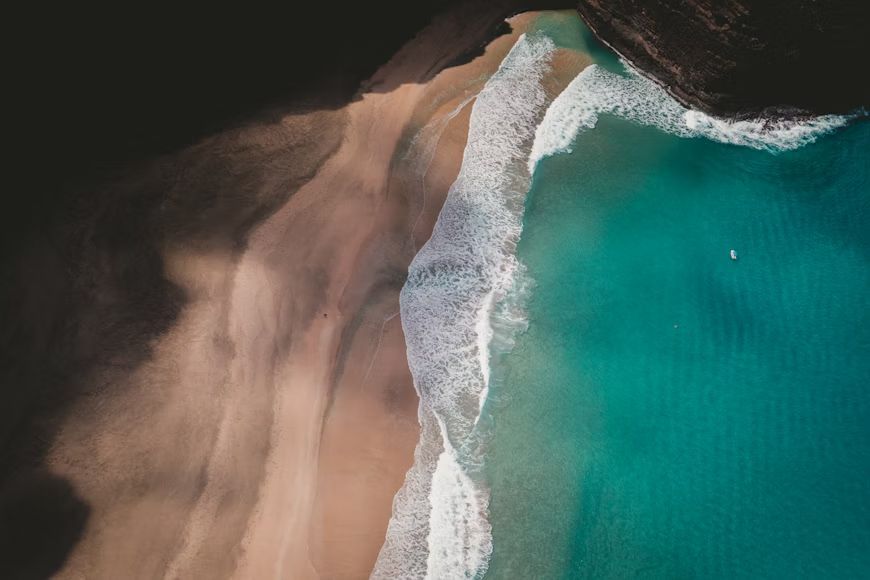
Image: Jakob Owens

Think sun and sand, and Florida or California might come to mind. But the state with the longest coastline is actually Alaska, by a long shot. With over 6,600 miles of shoreline, it beats the combined coastlines of all other states. Snow lovers will enjoy this one!

7
California has almost as many people as all of Canada

Image: Joseph Chan

Yes, the Golden State is that packed. California’s population hovers around 39 million, not enough to beat Canada, which has roughly 41 million. But give it two more years, and we’ll discuss this again. This may not sound so surprising, but bear in mind that we’re comparing a single state to a whole country!

8
Only two states are truly off on their own

Image: Dave Hoefler

Most states have neighbors, but that’s not the case for Alaska and Hawaii. They’re the loners of the country, separated by either the ocean or international borders. Meanwhile, Missouri and Tennessee are the social butterflies of the map, each touching eight other states. Whatever the number of neighbors, we love them all!

9
The four largest US cities (by area) are in Alaska

Image: Kedar Gadge

When we talk about big cities, most folks think of population. But if you’re measuring square miles, Alaska takes the cake. Sitka, Juneau, Wrangell, and Anchorage are the four largest cities by land area. You could fit entire states inside some of these!

10
The first US capital wasn’t D.C. or Philly

Image: Florian Wehde

Washington, D.C., may be the capital now, but it wasn’t the first, you know? That honor goes to New York City, which held the title for a couple of years after the Constitution was ratified. The capital later moved to Philadelphia and then finally settled in D.C.

11
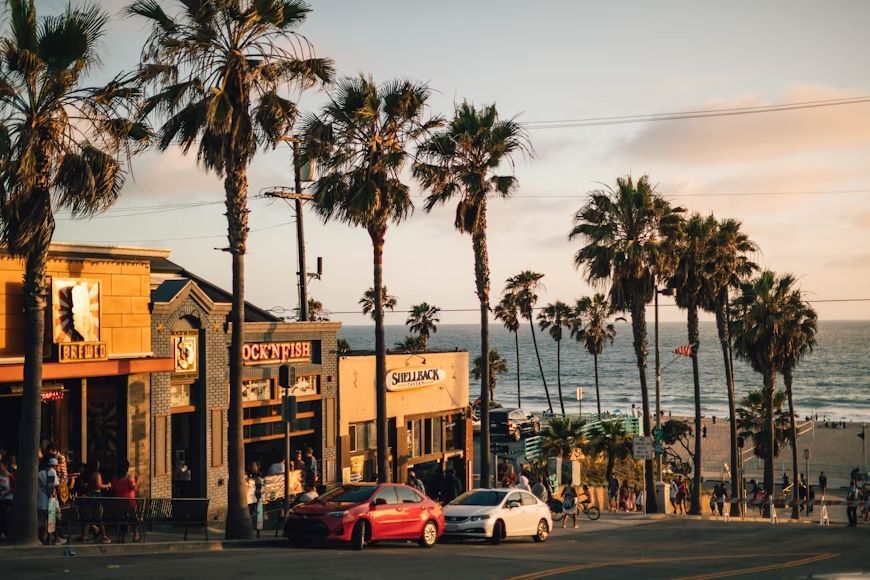
Los Angeles had a name as long as your arm

Image: Roberto Nickson

Before it was known for Hollywood, Los Angeles had a name that would never fit on a postcard. The original Spanish settlers called it El Pueblo de Nuestra Señora la Reina de los Ángeles de Porciúncula . Translation? You try saying that! Thankfully, we shortened it. "L.A." is just easier for everyone.

12
Nebraska is the only triply landlocked state

Image: Laura Seaman

If you’re in Nebraska and want to see the ocean, you’ll have to cross at least three states. That makes it the most landlocked state in the U.S.—"triply landlocked," to be exact. For those craving a beach day, that’s a bit of a hike. But for folks who love open plains, it’s prime real estate.

History History 3 min read

Homebrewed ingenuity

The weirdest things Americans once thought were great ideas

Image: Johnny Briggs

From genuine problem-solving to baffling overengineering, American inventors have produced some truly strange creations. From electric spoons to fragile glass instruments, many of these bold designs were patented, tested, or even briefly sold. Below are 10 inventions that prove innovation isn’t always a hit—even when it comes from brilliant minds.

1
The horse diaper

Image: Lucia Macedo

Designed to catch manure in crowded cities—a problem once so severe that it shaped public infrastructure as well as the entrances to houses—the horse diaper was an invention meant to be strapped beneath working horses pulling carts and carriages.

The idea was to reduce disease and street filth during the horse-powered urban era. While the device saw limited use before automobiles rapidly replaced horses, similar designs are still occasionally used in modern veterinary practice.

2
The baby cage

Image: Taylor Flowe

Built as wire cages attached to apartment windows, so-called "baby cages" allowed infants to get fresh air when outdoor space was unavailable. Some models were guaranteed to safely hold over 30 pounds.

While alarming today and ultimately abandoned due to obvious safety concerns, the designs likely inspired some of the baby-proofing nets used today.

3
The pneumatic subway

Image: Eddi Aguirre

In the late 1860s, American entrepreneur and inventor Alfred Ely Beach set out to prove the feasibility of a human-sized pneumatic subway system beneath New York City, capable of moving both people and cargo using nothing more than air pressure.

The prototype was set up as a public attraction and carried passengers along a tunnel just over 300 feet long, from a station to a dead end. Despite its initial success, bureaucratic obstacles and high costs halted expansion, leaving it as a functional but largely forgotten underground experiment.

4
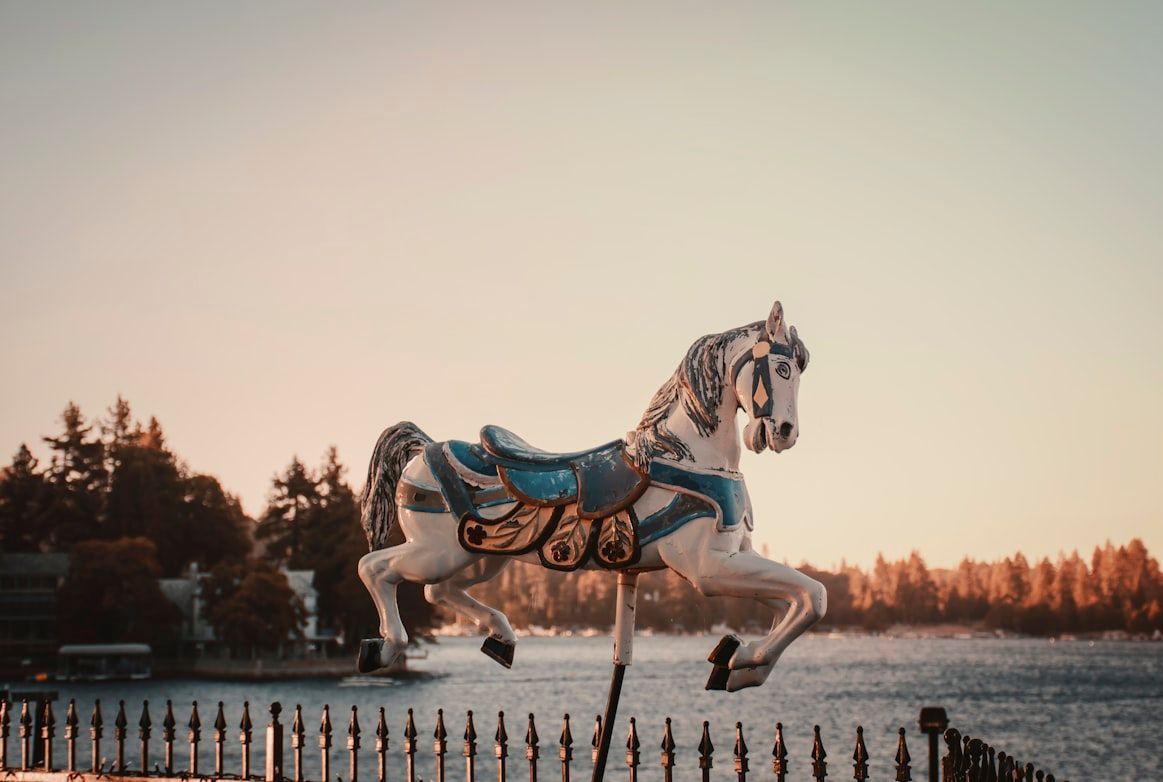
The mechanical horse

Image: Gabriel Tovar

Created for exercise and riding practice, the mechanical horse used a system of gears, cranks, and pedals to simulate walking and trotting motions while the rider sat in a saddle-like seat. It was marketed to urban riders and cavalry trainees who lacked access to stables or live horses.

Though bulky and impractical for widespread use, the device anticipated modern fitness machines by replicating real-world movements for conditioning and skill retention, rather than simple repetitive exercise.

5
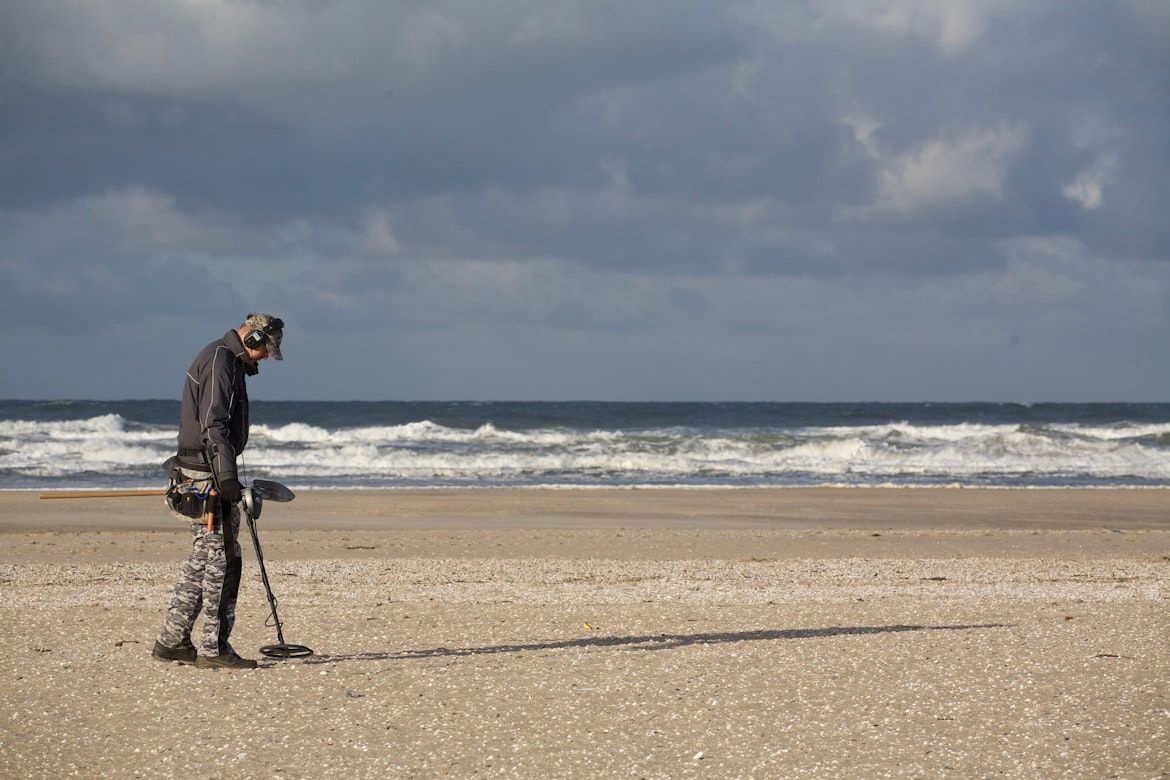
The first metal detector

Image: Fer Troulik

After a failed assassination attempt on President James Garfield, Alexander Graham Bell hastily built an early metal detector in an effort to locate the bullet lodged in his body. The device functioned as intended, but it was unable to find the bullet because metal bed springs interfered with the signal.

Despite this setback, Bell’s early design proved the concept and directly influenced the development of modern metal detectors.

6
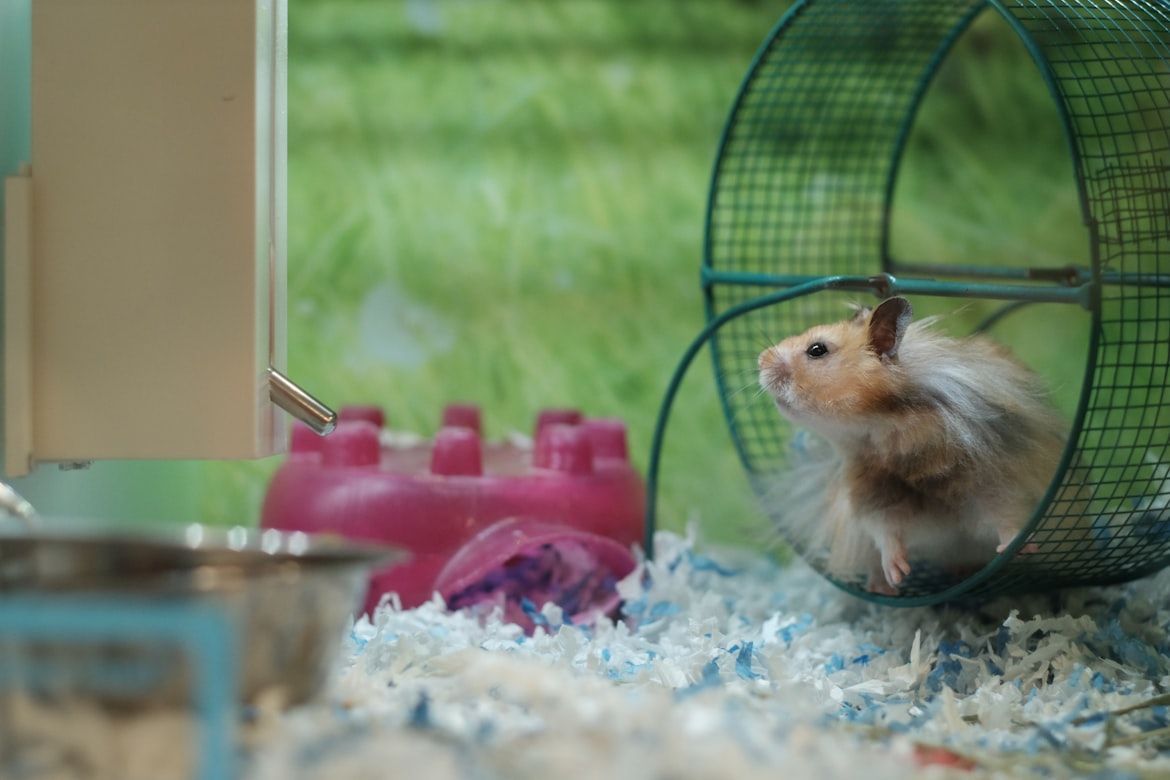
The pet-powered butter churn

Image: Matt Bero

In an inventive twist on animal-powered machinery, some 19th-century American farmers rigged small treadwheels for dogs, cats, or even goats to generate kinetic energy for churning butter. The animal ran inside the wheel, turning a rope or pulley connected to the churn.

While technically functional, the system was limited by the animal's willingness to cooperate and the small amount of power it generated.

7
The umbrella hat

Image: Claudio Schwarz

Robert W. Patten, often called the "Umbrella Man," patented one of the first commercially successful hands-free umbrella hats. It strapped a small umbrella directly to the wearer’s head, providing both sun and rain protection while keeping the hands free for work or walking.

His original design even included a mosquito net attached to the canopy. Patten didn’t enjoy much commercial success but became somewhat of an eccentric and comical popular figure, partly due to a series of comics that were inspired by his unusual invention.

8
The one-wheel motorcycle

Image: CJ Toscano

In 1971, American inventor Kerry McLean built and refined a monowheel—a one‑wheeled motorized vehicle in which the rider and engine sit inside the wheel’s circumference.

Since then, various attempts have been made to build on his original design, but it remains a niche vehicle used primarily for entertainment rather than practicality, as riders must be highly skilled simply to turn or even stay upright.

9
The first talking doll

Image: Holly Ward

In 1890, Thomas Edison embedded miniature versions of one of his most popular inventions —the phonograph—inside dolls so they could recite nursery rhymes.

While the idea was innovative, the technology was not yet there. The recordings were fragile, distorted, and often failed to work properly. The dolls were pulled from the market within weeks due to customer complaints, making it one of Edison’s rare commercial failures.

10
The glass harmonica

Image: Francesco Bovolin

Faithful to his eccentricity and inventive spirit, Benjamin Franklin redesigned the existing glass harp into a rotating spindle of glass bowls, played by touching the spinning rims with wet fingers, which he called the "glass harmonica."

The instrument produced eerie, sustained tones unlike anything else of its era. However, its fragile nature made it somewhat impractical, and the rotating mechanism posed a potential danger to the player if anything went wrong.

Explore more American facts

Choose your favorite category!

General
General

As American as apple pie—the very best America has to offer!

Culture
Culture

Delve into the astounding richness of American lore.

Geography
Geography

Hop in and explore vast and diverse American landscapes.

History
History

Discover the key moments that shaped the United States.