History History 4 min read

Which ad do you remember?

From Nike to Dove: Discover the stories behind 12 iconic ads
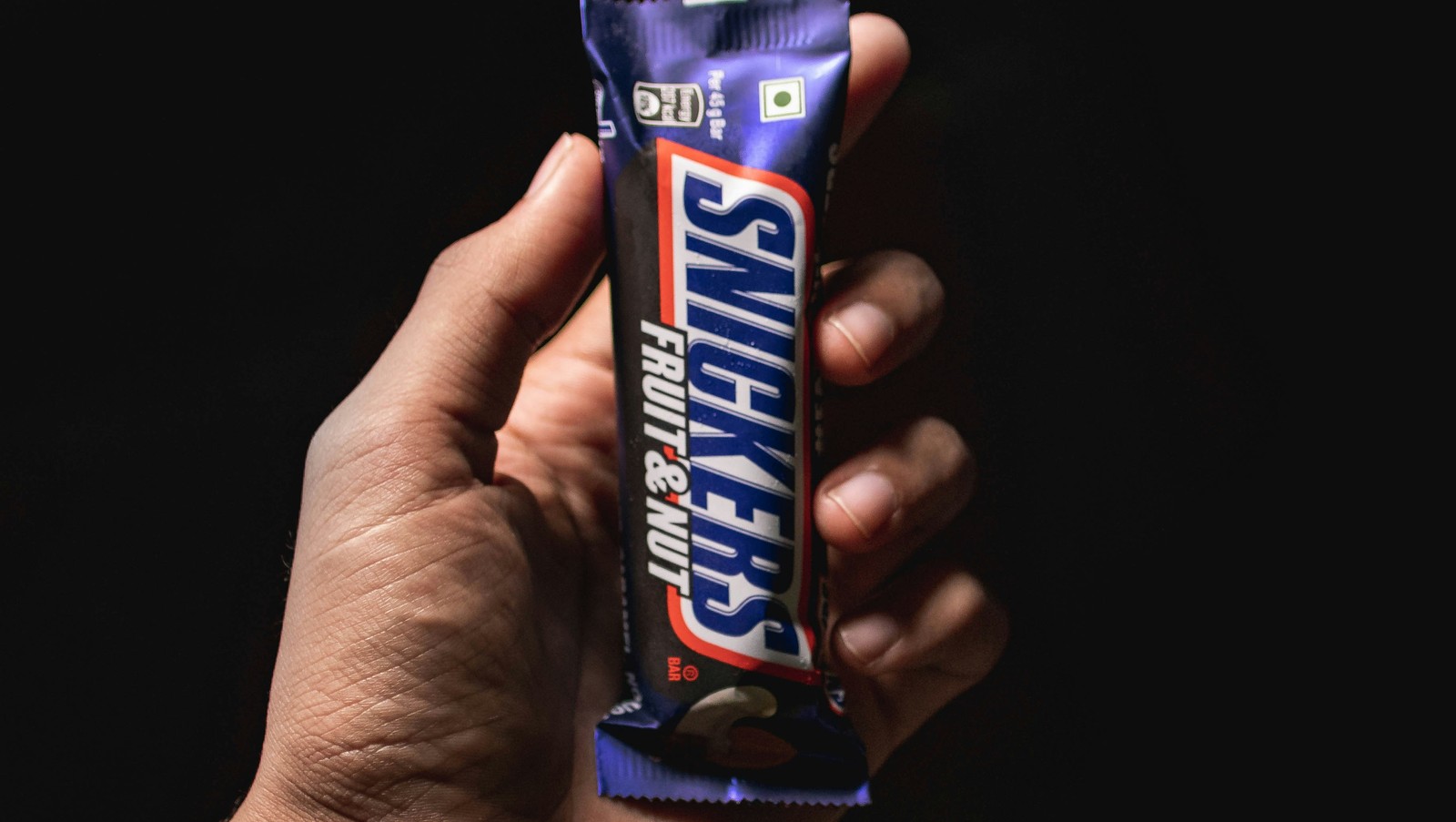
Image: Shreesha bhat

Some ads are so catchy, clever, or downright bold that they become part of American culture. From slogans we still repeat to jingles we can’t forget, the best campaigns leave a lasting impression. Take a look at the stories behind 12 of these iconic pieces. Which one do you remember most?

1
Pepsi: "Is Pepsi OK?"
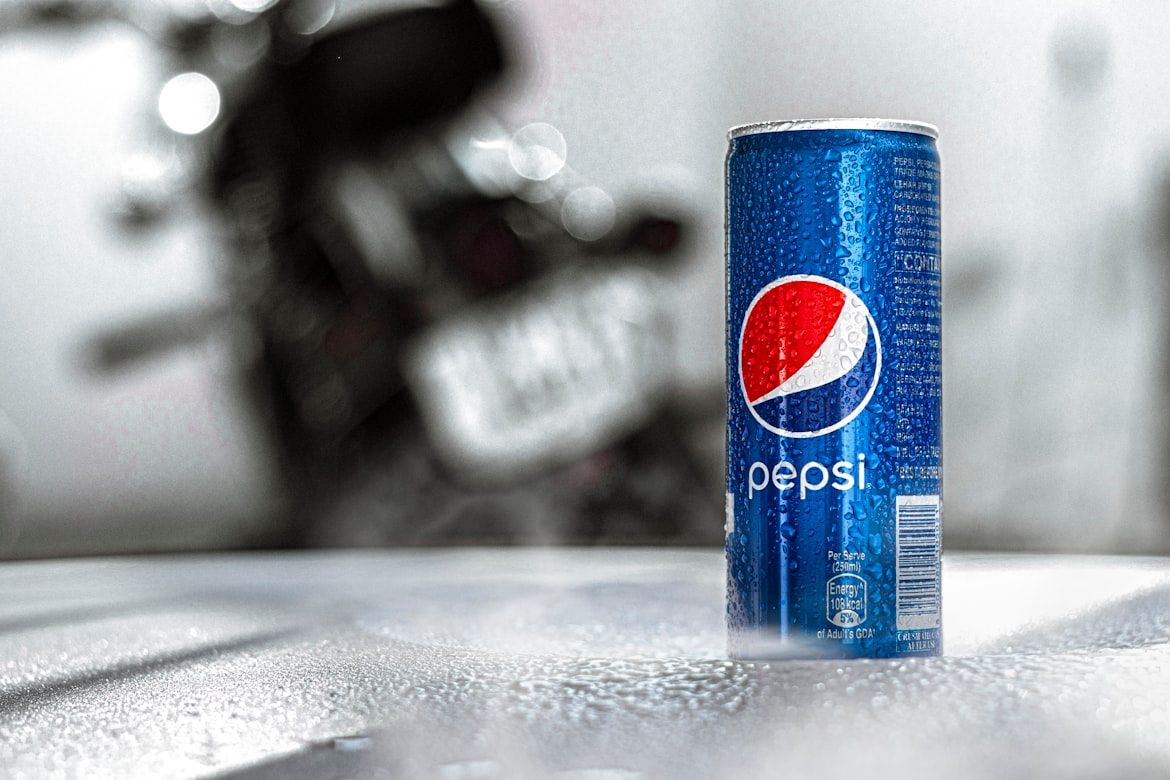
Image: NIKHIL

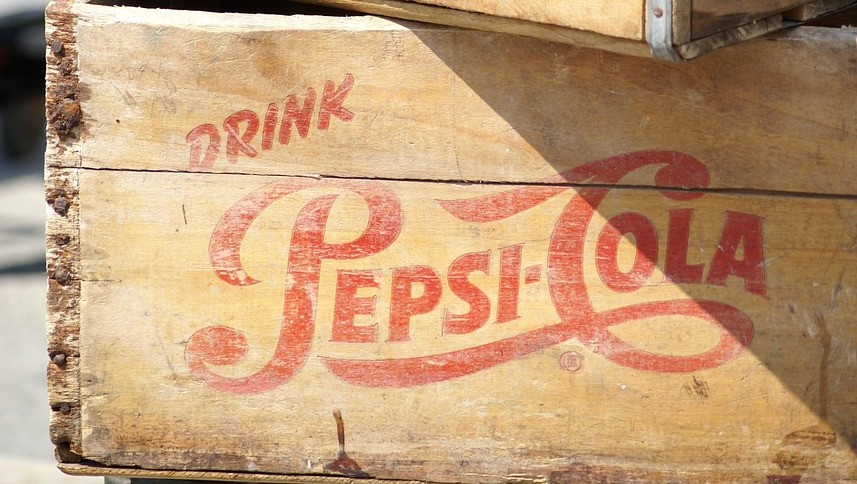
If you’ve ever asked for a Coke and heard, "Is Pepsi OK?", you’re not alone—it’s a common scenario that has become a cultural cliché. In 2019, Pepsi embraced that moment and turned it into an ad campaign.

Featuring celebrities, the ads leaned into the joke and confidently rebranded Pepsi as more than just "OK."

2
Westinghouse: "We Can Do It!"

Image: Nayani Teixeira

Westinghouse Electric’s We Can Do It! poster, created during World War II to boost morale among female workers , later became a symbol of female empowerment in the 1970s.

Initially unrelated to the Rosie the Riveter character, the poster eventually gained widespread use in advertisements and pop culture, celebrating women’s strength and independence.

3
Pan-American Coffee Bureau: "Give yourself a coffee break!"

Image: Jakub Dziubak

In the 1950s, the Pan-American Coffee Bureau popularized the concept of the "coffee break" with a campaign that encouraged workers to relax while drinking the popular beverage .

By the 1960s, coffee breaks had become so essential that the United Auto Workers union demanded them in their contracts, even threatening a strike if they were not included.

4
Marlboro: The Marlboro Man

Image: Brendan Stephens

Created in 1954, the Marlboro Man transformed Marlboro from a women’s cigarette into a symbol of rugged masculinity . The iconic cowboy became so recognizable that by the late '90s, nearly 90% of schoolchildren knew him.

The character was retired in 1998 as part of a tobacco industry settlement that banned the use of human and cartoon figures in advertisements.

5
Ad Council: "Friends don't let friends drive drunk."

Image: Aedrian Salazar

Launched in 1983, the "Friends Don’t Let Friends Drive Drunk" PSA became a cultural milestone, directly addressing the widespread problem of drunk driving .

At the time, alcohol was involved in roughly half of all car crash fatalities. The campaign played a key role in shifting public attitudes and helped reduce that number to around 31% in the decades that followed.

6
Levi Strauss & Co.: "A Guide to Casual Businesswear"

Image: Varun Gaba

In the 1980s, "Casual Fridays" gained popularity , but many companies quickly regretted the trend as employees began showing up in overly casual or sloppy attire. In 1992, Levi Strauss & Co. capitalized on the situation by releasing A Guide to Casual Businesswear , promoting its Dockers and Levi’s brands as polished, workplace-appropriate options.

By 1995, Levi’s reported record sales of $6.2 billion, helping to redefine "business casual" and promoting a more professional yet relaxed dress code in the workplace.

7
Snickers: "You’re Not You When You’re Hungry"

Image: Shyam Mishra

Snickers’ Super Bowl ad featuring Betty White, in which hunger causes a man to momentarily "become" her during a football game , became an instant hit and introduced the now-iconic tagline: "You’re Not You When You’re Hungry."

The campaign's humor and relatable message made it highly successful, with the concept evolving over the years through new scenarios and celebrities.

8
KFC: "FCK"

Image: Aleks Dorohovich

During a 2018 chicken shortage , KFC used humor to manage the crisis with a bold ad that featured an empty bucket and the letters "FCK" in place of its logo .

This self-aware and cheeky approach helped diffuse customer frustration and strengthened the brand’s connection with its audience through honesty and wit.

9
Pepsi: "Pepsi Challenge"

Image: NIKHIL

Pepsi’s second entry on this list is the iconic "Pepsi Challenge," a blind taste-test campaign that invited consumers to compare Pepsi and Coca-Cola .

By focusing on taste and showing that many participants preferred Pepsi, the campaign successfully shifted public perception and boosted brand loyalty during the fiercely competitive "Cola Wars" of the 1980s.

10
Nike: "Just Do It"

Image: wuyi

Launched in 1988, Nike’s "Just Do It" campaign featured athletes like 80-year-old marathoner Walt Stack to inspire people from all walks of life to take action.

The slogan quickly resonated with audiences, sparking countless personal stories of bold choices and perseverance. It has since become one of the most enduring and recognizable taglines in advertising history.

11
California Milk Processor Board: "Got Milk?"

Image: engin akyurt

Launched in 1993, the legendary "Got Milk?" campaign emphasized the importance of milk through a study showing how people felt when they ran out .

With its clever use of celebrity endorsements and pop culture references, the campaign ran for over two decades and produced hundreds of memorable ads nationwide, cementing its place as one of the most influential marketing successes in advertising history.

12
Dove: "Real Beauty"

Image: Matthew Tkocz

Launched in 2004, Dove’s "Real Beauty" campaign aimed to boost self-confidence by challenging traditional beauty standards.

Featuring real women instead of professional models , the campaign focused on diversity, aging, and natural imperfections, promoting a more inclusive and empowering definition of beauty.

Culture Culture 4 min read

More than a dream

Was MLK's "I Have a Dream" speech improvised? Discover more!

Image: Tim Simons

We all know the legendary Martin Luther King Jr., the father of the civil rights movement and the man behind four words that changed the course of our nation's history: "I have a dream." However, Martin Luther King Jr. was a multifaceted man, and there’s probably much you don’t know about him yet . If you’re up for a surprise, join us as we explore 10 fun facts about MLK!

1
Federal holiday

Image: Kyrie kim

Every year in America, we celebrate Martin Luther King Jr. Day on the 3rd Monday of January. This date was chosen because MLK was born on January 15, 1929, which fell on a Thursday.

But did you know that MLK Day is the only US federal holiday that celebrates the birthday of someone who wasn't a US president? Can you guess what the other one is? That’s right—it’s Presidents’ Day, observed on the 3rd Monday of February in honor of George Washington’s birthday.

2
Not afraid

Image: Grant Durr

If there’s one thing that defines MLK, it’s his bravery. And just as he was not afraid to confront the oppressive norms of his time, neither was he afraid of jail. In fact, he was arrested between 25 and 30 times, always for reasons related to his nonviolent activism.

It was during one of these arrests, in 1963, that he wrote his famous Letter from Birmingham Jail.

3
Improvisation

Image: Demure Storyteller

Martin Luther King Jr.'s " I Have a Dream" speech remains one of the most famous speeches in the world to this day. Those powerful, inspiring words could only come from a brilliant mind. But did you know that part of his speech was improvised?

That's right! On August 28, 1963, MLK impressed the world from the Lincoln Memorial steps with a carefully prepared speech, but he also added spontaneous thoughts inspired by the excitement of the moment. In fact, the speech's most famous words—the ones that gave it its title—weren’t part of the original draft.

4
Star Trek fan

Image: Stefan Cosma

MLK was also someone who appreciated quality TV. He was known to be a fan of the original Star Trek series.

But he wasn't just a fan—he went on to influence the show! Actress Nichelle Nichols, best known for playing Lieutenant Uhura, was about to leave the show, but she met King, and he encouraged her to stay. He believed that Nichols' role was crucial in inspiring young African Americans.

5
Birth name

Image: insung yoon

The famous Martin Luther King Jr. was born on January 15, 1929, as Michael King Jr. in Atlanta, Georgia, named after his father, Michael King Sr. However, a few years later, that would change.

In 1934, after learning about Martin Luther, the leader of the Protestant Reformation, Michael King Sr. decided to change both his own name and his son’s to Martin Luther King Sr. and Martin Luther King Jr., respectively.

6
College at 15

Image: Priscilla Du Preez 🇨🇦

Martin Luther King Jr. skipped several grades and entered college at the young age of 15! Given his remarkable intelligence, this isn’t surprising, but his brilliance never fails to impress.

In 1944, he was admitted to Morehouse College in Atlanta, where he earned a Bachelor of Arts degree in Sociology. His studies there helped shape his critical perspective on society and its dynamics. Additionally, it was during his time at Morehouse that he decided to become a minister.

7
The first on Time

Image: NordWood Themes

Time magazine's Person of the Year (originally called "Man of the Year") debuted in 1927, with American aviator Charles Lindbergh gracing the cover.

It took 36 years for the first African American to earn this recognition. Of course, that honor went to Martin Luther King Jr., who was named Person of the Year in 1963 , following the historic March on Washington and his unforgettable " I Have a Dream " speech.

8
Julia Roberts!

Image: Nikhil Mistry

Just when you think there are no more surprises , here’s a fact that will astonish you: What do Martin Luther King Jr. and actress Julia Roberts have in common?

It turns out that Julia Roberts’ mom, Betty Lou Bredemus, was an active member of the Civil Rights Movement—even during her pregnancy—making her well-known to Martin Luther King Jr.'s family. And here’s the surprising part: MLK’s parents helped cover the medical expenses for Julia Roberts’ birth!

9
He lived to 39

Image: Unseen Histories

His impressive career, filled with groundbreaking achievements, might lead us to believe that he had many years to achieve all of it.

However, the minister was still a young man when he was tragically attacked on April 4, 1968, in Memphis, Tennessee. Sadly, Martin Luther King Jr. lived to be only 39 years old.

10
Writer

Image: Aaron Burden

MLK was not only a leader, activist, thinker, pastor, and Nobel Peace Prize winner; he was also a writer. That's right! King Jr. wrote several articles, letters, and books.

Among the most cited are his books Stride Toward Freedom: The Montgomery Story (1958), Strength to Love (1963), Why We Can't Wait (1964), Where Do We Go from Here: Chaos or Community? (1967), and the Letter from Birmingham Jail (1963).

Geography Geography 3 min read

Carved in stone

Who nearly replaced Roosevelt? 10 truths about Mount Rushmore!

Image: Takefreebies

We've all seen Mount Rushmore, whether in person or on screen. But this monumental landmark is more than just four giant heads carved into granite. If you want to discover some surprising facts they don't teach in schools, read on!

1
A tough decision

Image: Spencer James Lucas

While the first three figures —Washington, Jefferson, and Lincoln— were almost unanimously agreed upon, there was some debate over who should be the fourth face on Mount Rushmore. Gutzon Borglum, the sculptor, advocated for Theodore Roosevelt, but others believed Woodrow Wilson should be included. In the end, Borglum stuck with his original choice, and that's why today we see Teddy Roosevelt up there on America's Shrine of Democracy.

2
The original plan

Image: Jon Sailer

While it's hard to picture the Black Hills without the iconic faces of Washington, Jefferson, Roosevelt, and Lincoln, the original idea for Mount Rushmore was actually quite different. At first, Sculptor Gutzon Borglum envisioned a more complex job (yes, even more complicated than it already is!) In his original plan, he imagined not just the presidents' heads but their upper bodies as well! There was even talk of including other key figures from American history, like explorers Lewis and Clark.

3
14 long years

Image: piotr sawejko

We can assume that carving the giant heads of 4 presidents into the granite was no easy task. But do you know how long it took to complete the monument we see today? 14 years! That's right; 14 years of hard work, 400 men, and a whole lot of dynamite went into bringing this colossal project to life.

4
The first

Image: Spencer James Lucas

As the first President of the United States and widely known as the "Father of His Country," George Washington was a must for this incredible monument. In fact, his face was the first to be completed and was officially dedicated in a grand ceremony. In addition, as part of the powerful symbolism behind the work, Washington's sculpture is also the most prominent.

5
Starting over

Image: Raimund Schlager

One of the many unexpected construction challenges involved the placement of Thomas Jefferson's sculpture.

The original plan was to place Jefferson's face to the left of Washington. However, when the dynamiting process began, they found quartz beneath the surface, which made it impossible to continue carving in that spot. After 18 months of work, they "erased" (yes, again, with dynamite) what they had of Jefferson and started over to the right of Washington, where it is today.

6
The secret door

Image: Tommy Bond

Did you know there's a secret room hidden behind the 60-foot-tall heads on Mount Rushmore? The sculptor had big plans for the monument, including a Hall of Records carved into the mountain to store important national documents like the Constitution. And he started to build it! However, when Congress found out that part of the budget was set aside for the Hall of Records, they asked Borglum to focus solely on carving the heads.

7
The last one

Image: caleb weiner

After Washington's, the other faces followed: Jefferson's was dedicated second, and Lincoln's was officially unveiled in 1937. So, which one came last? That's right! The last to be completed was Theodore Roosevelt's, with his iconic mustache included! Of course, members of the Roosevelt family attended the big ceremony.

8
The legacy

Image: Ashim D’Silva

Building Mount Rushmore took many years. Unfortunately, Gutzon Borglum, the mind behind the project, didn't get to see it fully completed, as he passed away just a few months before the work officially ended. However, it was his son Lincoln who stepped in to complete the great work his father had started.

9
An extra foot

Image: Andrew Ling

Borglum believed this monument should stand the test of time, built to inspire and be admired for thousands of years to come. So, how did he achieve that? Some historical sources suggest one of Borglum's techniques was adding extra material to certain angled areas of the sculpture, like Washington's nose, for example. That's right! It's believed that the author added an extra foot to George Washington's nose to help it better withstand erosion over time.

10
The man behind the name

Image: Pamela Huber

Long before the presidents were carved into the Black Hills, a New York lawyer paid a visit to the area, and that visit wouldn't go unnoticed. In 1885, attorney Charles E. Rushmore was at the site for business, and he asked for the name of a particular peak. When they told him it didn't have a name, he jokingly suggested they could call it "Rushmore Peak." Charles E. Rushmore was actually the first person to make a private donation to get the project started: $5,000! And so it was that his name stuck.

Explore more American facts

Choose your favorite category!

General
General

As American as apple pie—the very best America has to offer!

Culture
Culture

Delve into the astounding richness of American lore.

Geography
Geography

Hop in and explore vast and diverse American landscapes.

History
History

Discover the key moments that shaped the United States.