Culture Culture 6 min read

Wives of democracy

From Martha Washington to Betty Ford: 10 facts about the First Ladies

Image: Florida Memory / Cristina Staver

The contributions of America’s First Ladies are often overlooked. But every woman who has held the role has left a meaningful mark on the nation’s history. For that reason, we have decided to commemorate 10 First Ladies by bringing to the spotlight their achievements, their marriages, and their many strengths. While we would love to feature every single First Lady in this article, we would need much more space to do so. However, these 10 iconic women are often referred to as examples of the amazing characteristics that all First Ladies share. Without further ado, enjoy!

1
Martha Washington

Image: Boston Public Library, CC BY 2.0

Let’s begin with the inaugural first lady of our country. In May 1789, Martha Washington inaugurated the role of First Lady of the United States when she arrived in New York City to meet her husband, George Washington. Interestingly, the name "First Lady" wouldn’t be used until some time later. Instead, Martha was simply referred to as "Lady Washington".

As you would expect, Martha Washington installed practices that went on to become traditions held by many future First Ladies, including receptions to the general public on New Year’s Eve. Furthermore, President Washington asked Martha to hold special drawing room events at their residence. These social gatherings became instrumental in forming what was known as the "Republican Court" , an influential group of American intellectuals and politicians.

2
Rosalynn Carter
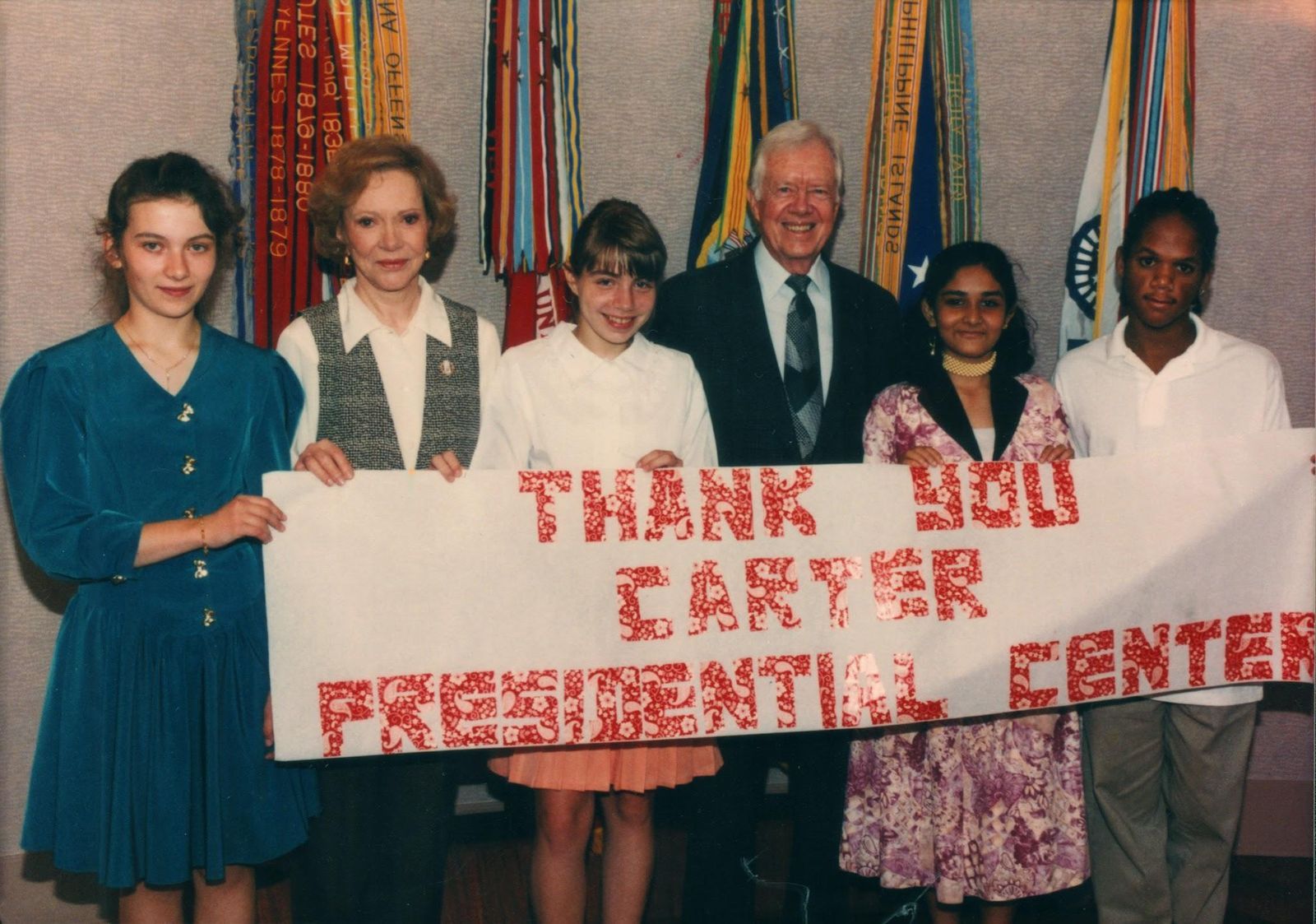
Image: Tatiana V. Konokotina, CC BY 4.0

According to Rosalynn Carter , she first became attracted to her husband, future president Jimmy Carter, when she saw him in a photograph dressed in his U.S. Navy uniform. What followed is a long and prosperous love story, which only ended in 2023 after Rosalynn passed away at the age of 96 years old.

During her tenure as First Lady, Rosalynn became an advocate for mental health and women’s rights, and she continued to support these causes through her work in the Carter Center. Both Rosalyn and President Carter were awarded the Presidential Medal of Freedom in 1999.

3
Barbara Bush
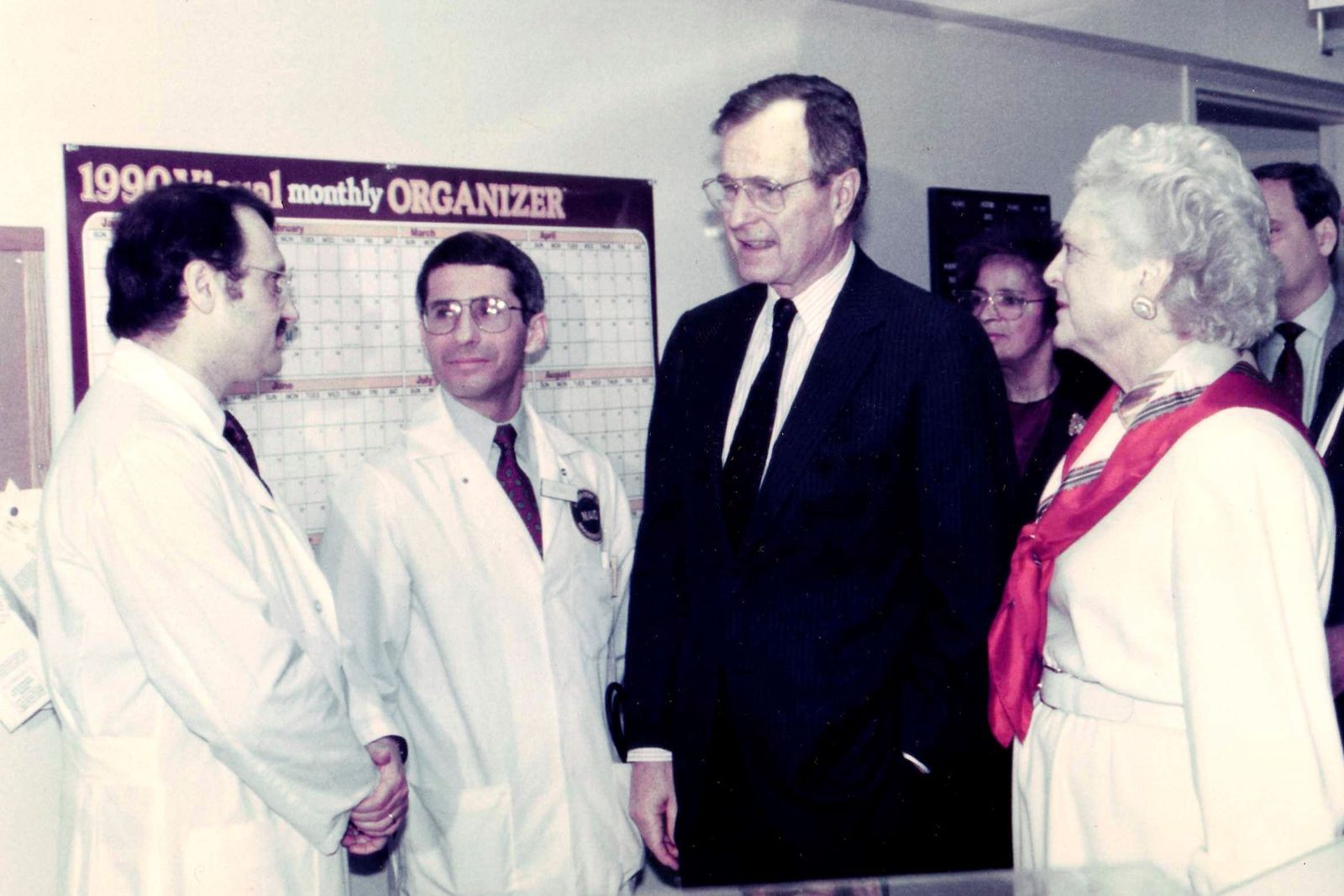
Image: NIAID, CC BY 2.0

Few First Ladies hold the honor of being both the wife and the mother of a U.S. President, and Barbara Bush is one of them. She served as the First Lady during the presidency of George H. W. Bush, who acted as the 41st U.S. President from 1989 to 1993.

Although she presented herself in an almost apolitical manner, Barbara often engaged in charity work, most notably in campaigns to fight illiteracy. After her husband’s presidency ended, she continued to work in campaigning for her sons, including our 43rd President, George W. Bush.

4
Eleanor Roosevelt
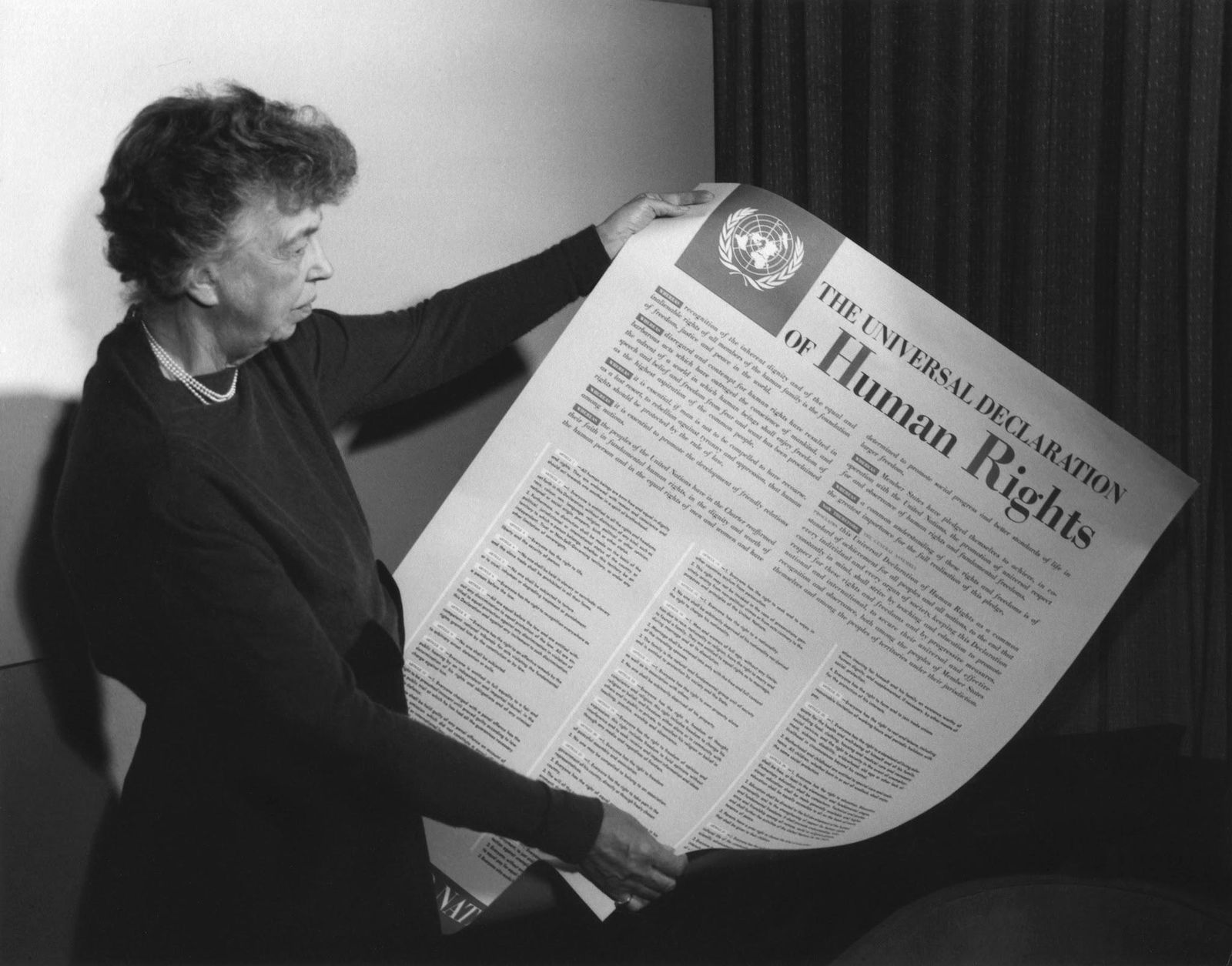
Image: FDR Presidential Library & Museum, CC BY 2.0

Eleanor Roosevelt is remembered as the longest-serving First Lady in U.S. history. However, the legacy of this amazing figure is not limited to this fact. Roosevelt is considered to be one of the most groundbreaking First Ladies in history, completely revolutionizing the function.

Roosevelt took an active role during her husband’s terms, actively engaging in public events, travels, and cultural activities. Not only that, she was instrumental in President Roosevelt’s involvement with the then-newly formed United Nations. Eleanor served as a delegate to the U.N. General Assembly, acting as the leading figure behind the drafting of the Universal Declaration of Human Rights.

5
Nancy Reagan
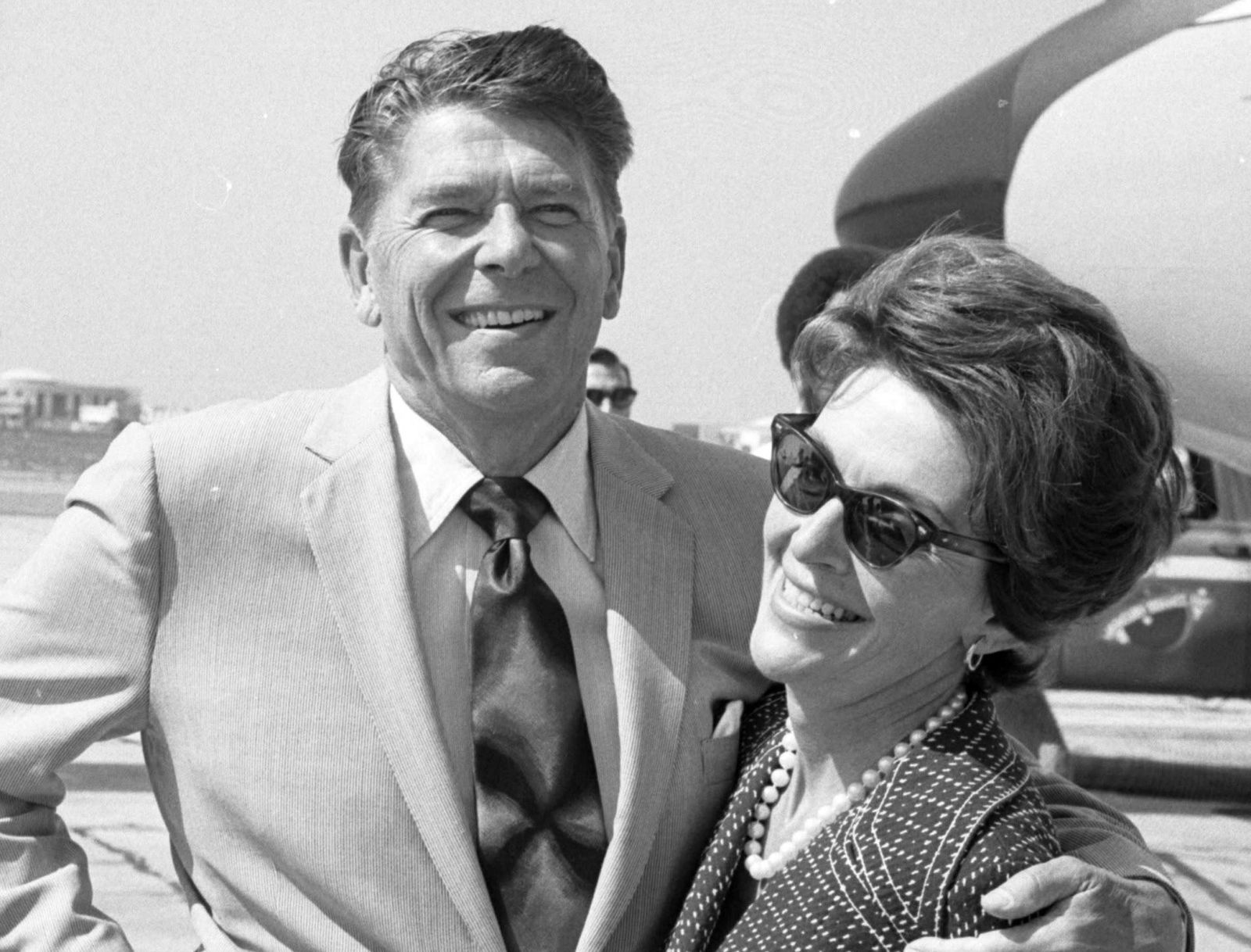
Image: Bill Varie, Los Angeles Times, CC BY 4.0

Just like her husband, Nancy Reagan’s career before the White House was filled with the glamour and excitement of Hollywood. Between the 1940s and 1950s, she starred in several blockbusters such as "The Next Voice You Hear...", "Night into Morning", and "Donovan ’ s Brain", acting under her maiden name, Nancy Davis.

In 1952, she married then-fellow actor Ronald Reagan, the president of the Screen Actors Guild at the time. Nancy first served as First Lady of California when her husband was governor of the state, and later on as First Lady of the country in 1981.

6
Lady Bird Johnson
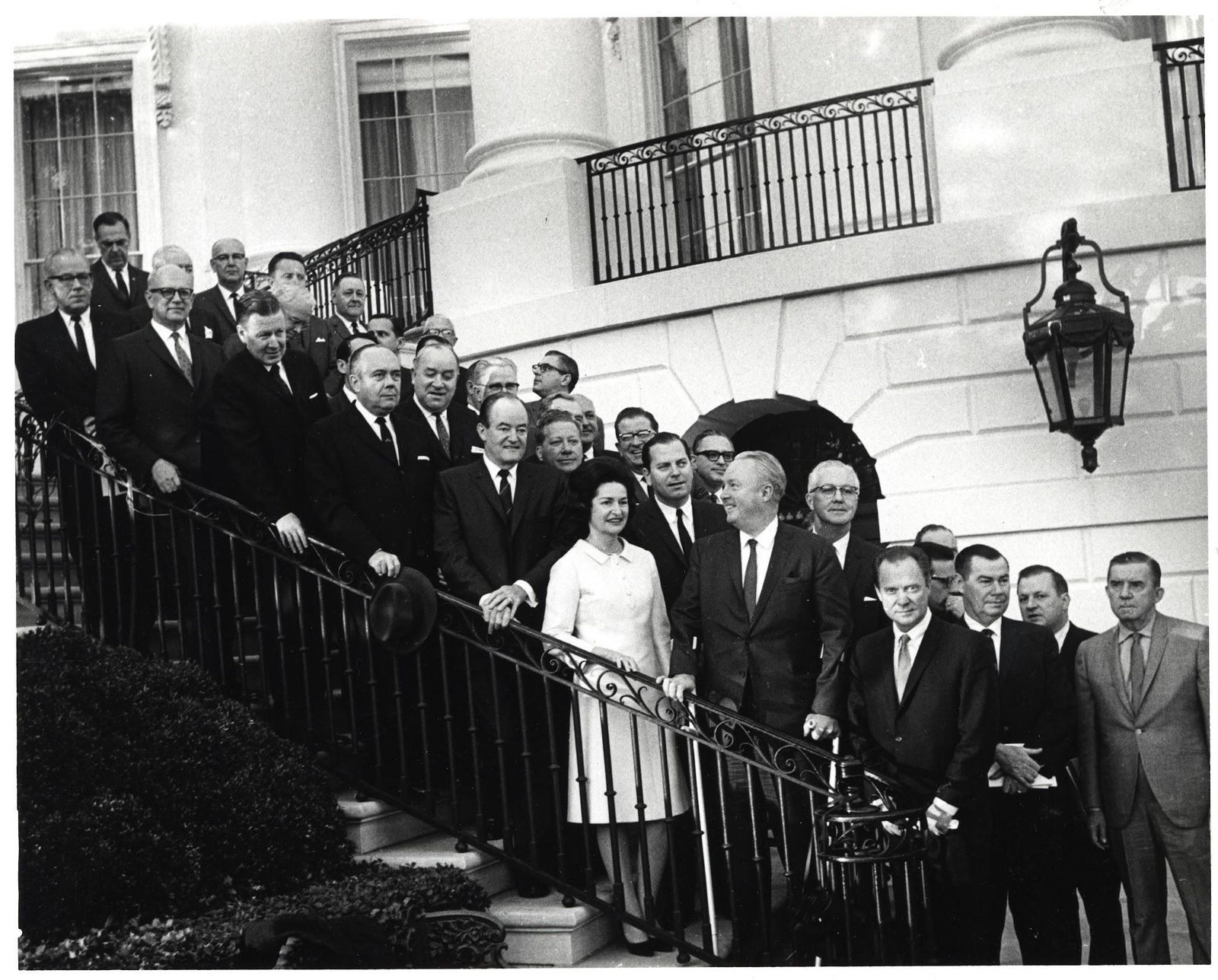
Image: City of Boston Archives from West Roxbury, United States, CC BY 2.0

Some First Ladies (although not many) are better known by their nicknames, and that’s certainly the case with " Lady Bird" Johnson . Born Claudia Alta Taylor in Karnack, Texas, this First Lady’s nickname comes from the fact that her nursemaid apparently stated that young Claudia was "as pretty as a ladybird".

When she was in her early 20s, Lady Bird met a young congressional aide named Lyndon B. Johnson after a mutual friend introduced them. The First Lady would later declare that she felt "like a moth drawn to a flame" on that first meeting. A few weeks after their first dates, the couple married and went on to have two daughters, Lynda Bird and Luci Baines.

7
Jackie Kennedy
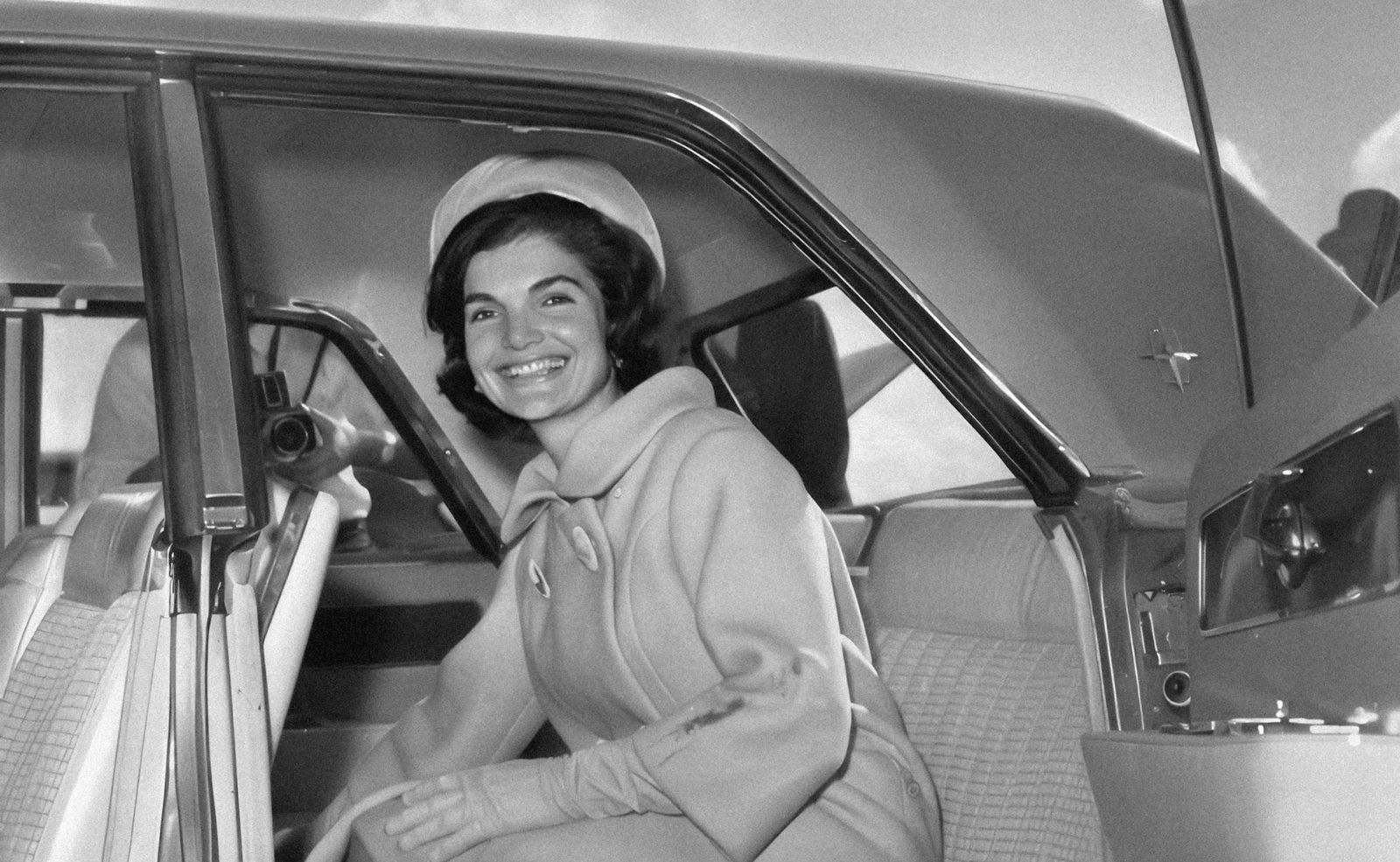
Image: Florida Memory

For many Americans, First Ladies are the pinnacle of glamour. Their impeccable manners and warm personalities perfectly match their classy outfits. In that sense, Jacqueline "Jackie" Kennedy is considered to this day an international icon, known for her daring yet elegant attire and her devotion to their family and her country.

Jackie met President Kennedy, then U.S. Representative for Massachusetts, at a dinner party held by journalist Charles L. Bartlett. A year later, in 1953, the couple married in an event that was listed as the social event of the season. Jackie took a rather active role in her duties as First Lady. She conducted a massive restoration process of the White House and often joined her husband on many trips abroad, becoming a beloved cultural ambassador for America.

8
Hillary Clinton
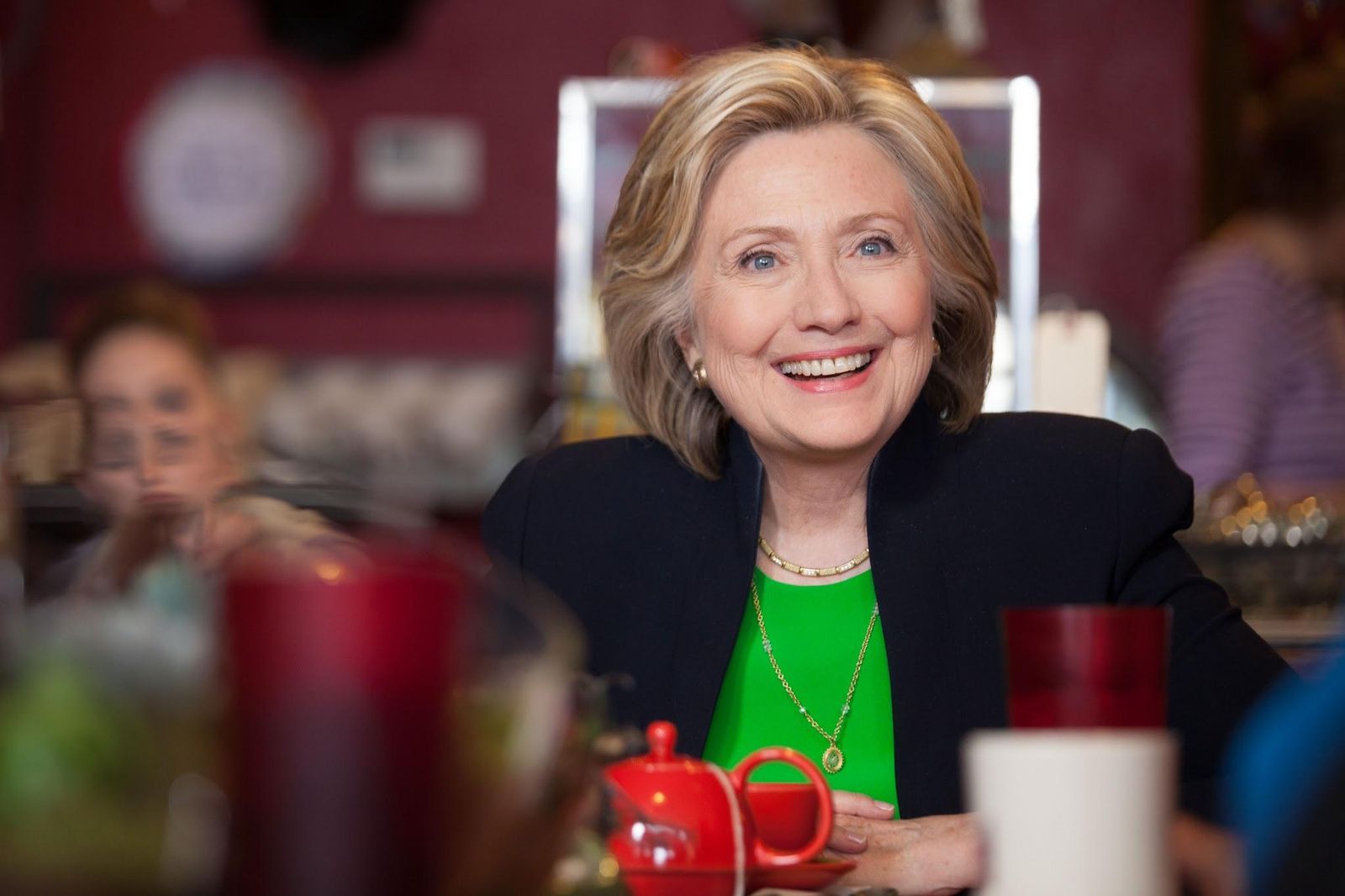
Image: Hillary for Iowa, CC BY 2.0

Hillary Clinton is definitively the person on this list with the most political experience. She was Secretary of State, Senator for the State of New York, and presidential candidate. However, we shouldn’t overlook the fact that she dutifully served as First Lady of the United States while her husband was in the White House.

While the world knew her as Hillary Rodham, she entered Yale Law School in the early 70s, where she met a fellow law student by the name of William "Bill" Clinton. They married in 1975 and welcomed their only daughter, Chelsea, in 1980.

9
Michelle Obama
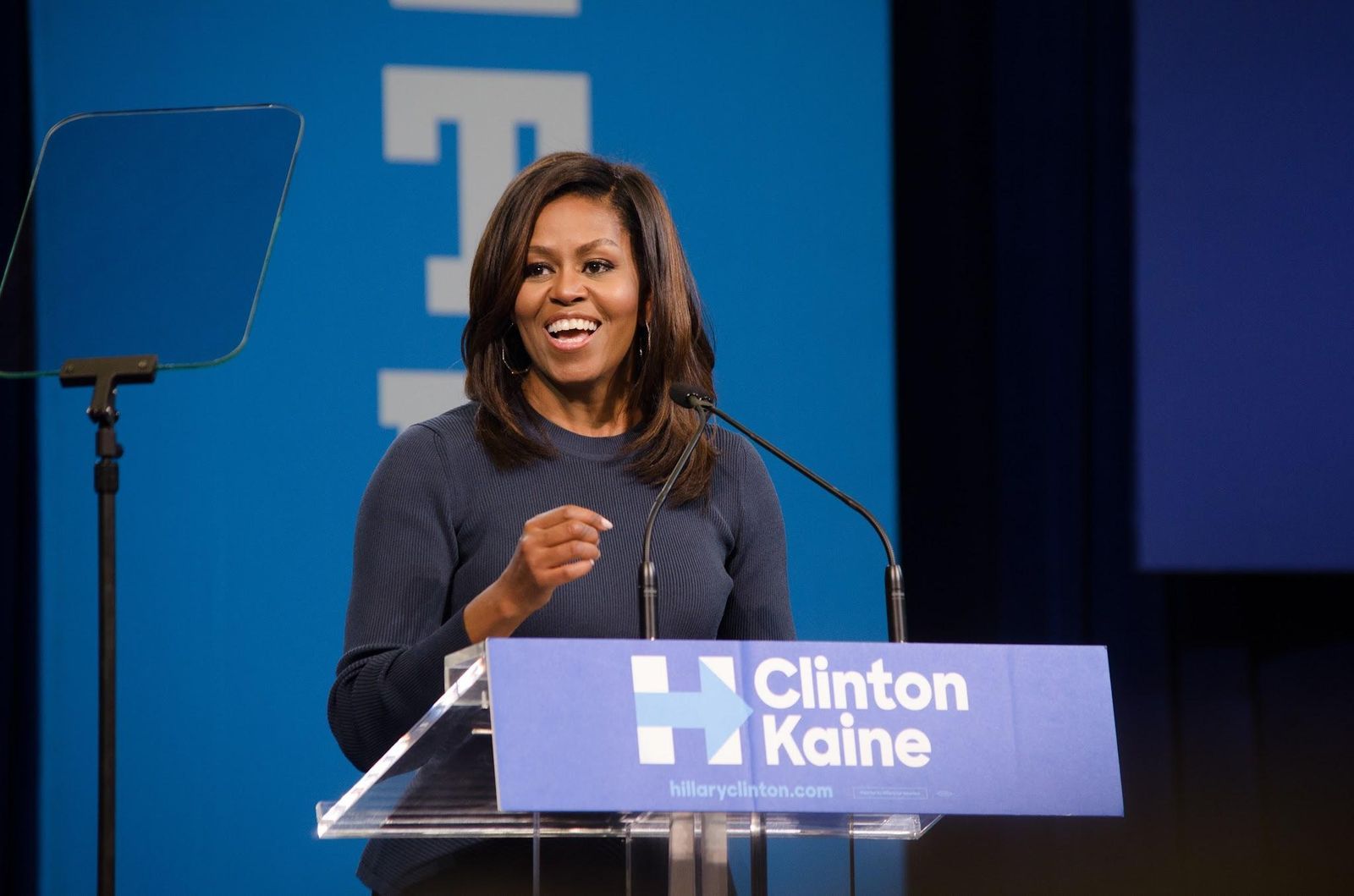
Image: Tim Pierce from Berlin, MA, USA, CC BY 2.0

Following her graduation from Princeton University, a young lawyer by the name of Michelle LaVaughn Robinson started working in a Chicago law firm, focusing on marketing and intellectual property law. During her time in this office, she met another young lawyer named Barack Obama. Did any of them know that they were meeting their future spouse?

Let’s now jump to the year 2009: Barack Obama was the first African-American President of our country, and Michelle Obama became the First Lady of the United States. During her time in the White House, Michelle took a stand against many difficulties, like poverty, childhood obesity, and illiteracy.

10
Betty Ford
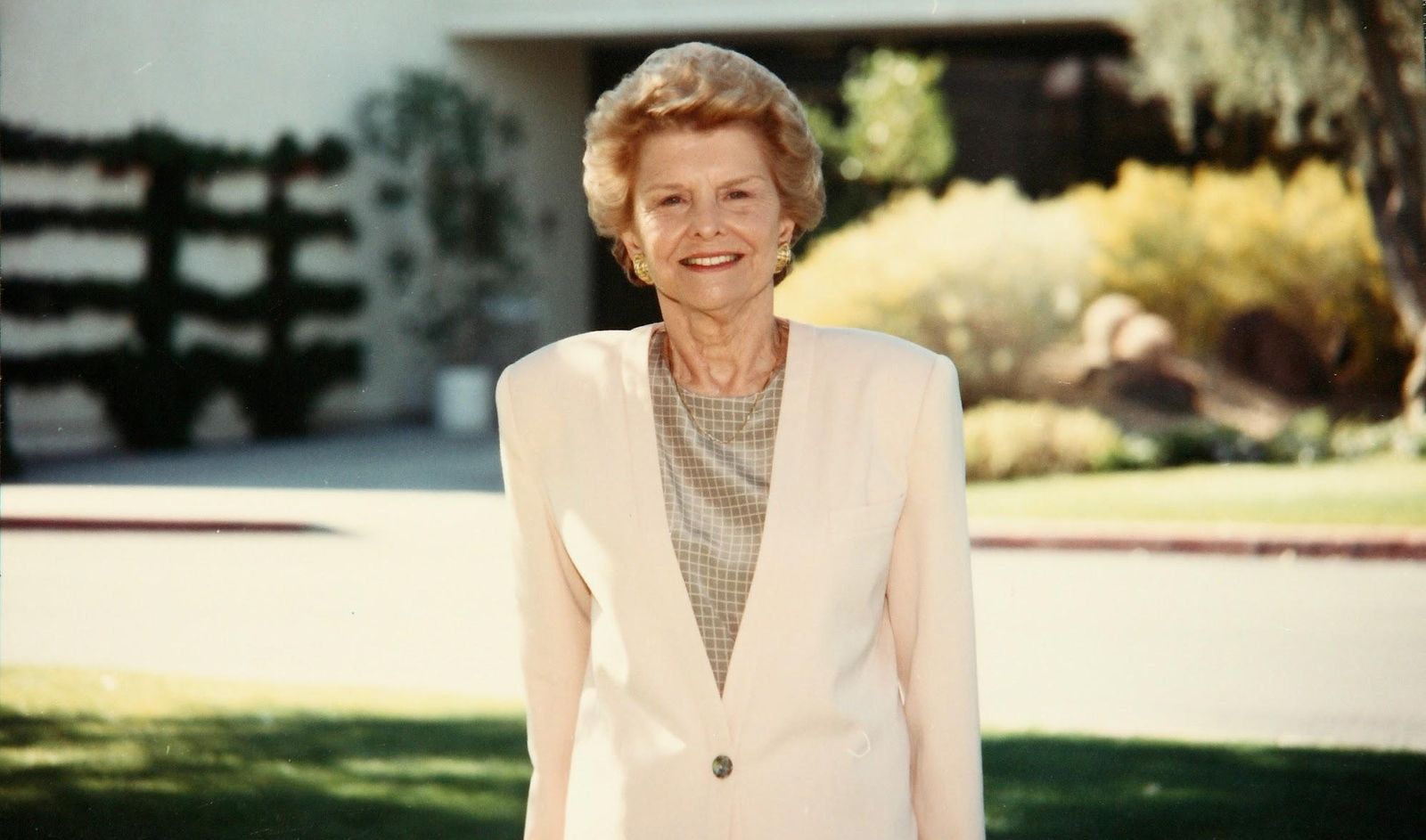
Image: Image courtesy of Betty Ford Center, Attribution, via Wikimedia Commons

Elizabeth Anne "Betty" Ford assumed the role of Second Lady when her husband, Gerald Ford, served as Vice President to Richard Nixon (1973-1974), and she became the First Lady when Nixon resigned from the presidency in August 1974.

However unexpected her rise to the role was, Betty Ford is fondly remembered as one of the most courageous First Ladies of our country; she was not afraid to speak her mind and get involved in politics. During her time in the White House, she became known as a passionate defender of the Equal Rights Amendment, as well as a public spokesperson for breast cancer awareness.
General General 4 min read

The trains that changed what time it was & more incredible true stories

Image: Erman Gunes

Did you play with toy trains when you were little? Do you love a good scenic train ride? If either is the case, you’re in luck: get ready to uncover 10 surprising train stories that shaped the country . From wartime transportation to presidential campaigns, these moments in train-related history changed America forever.

1
The trains that changed what time it was

Image: Sergii Figurnyi

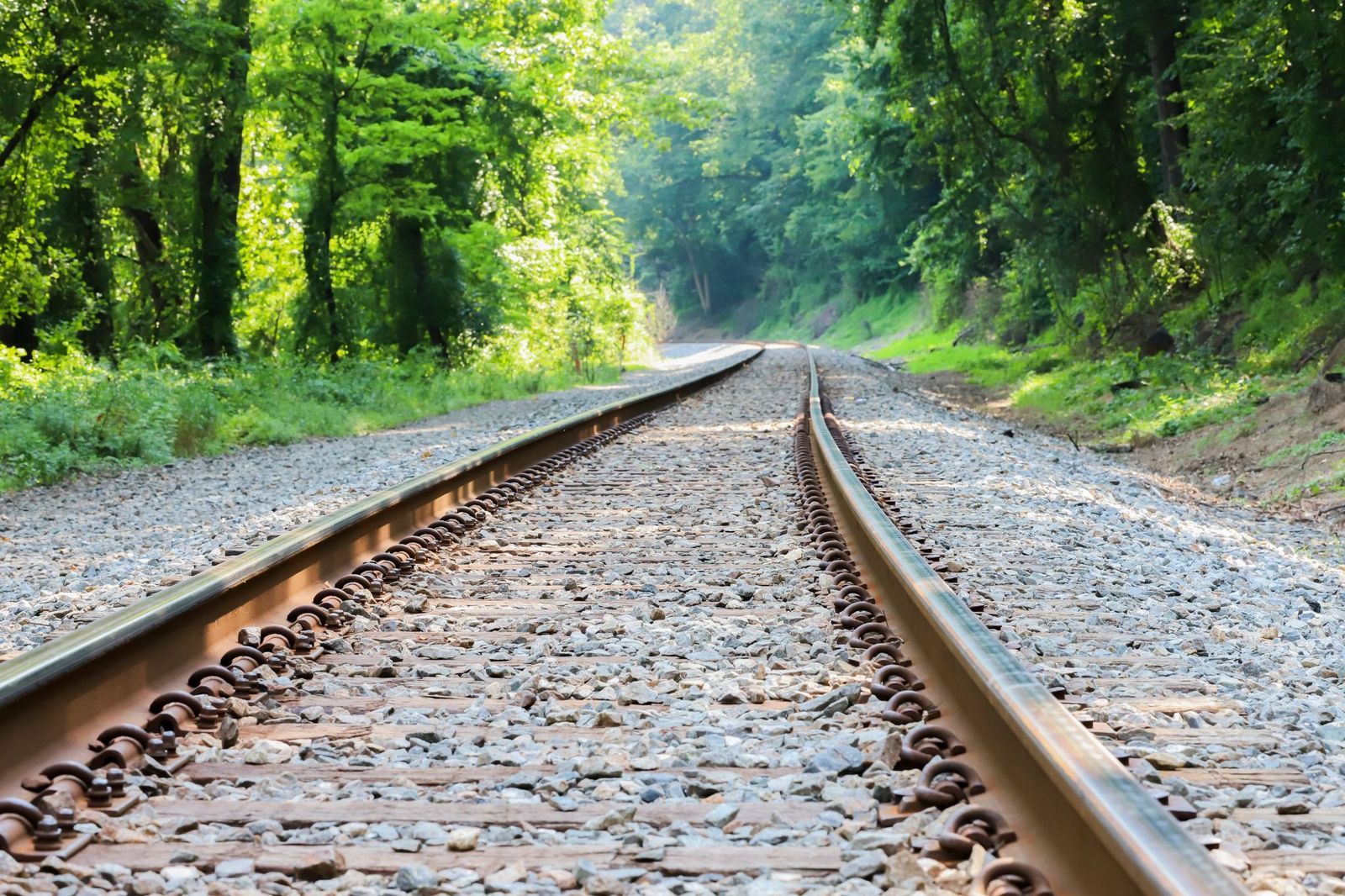
The railroads helped establish standardized time zones, ending the mayhem of thousands of local times. On November 18, 1883 (dubbed "The Day of Two Noons" ), U.S. and Canadian railroads adopted a system of standard time zones to coordinate railroad schedules.

This private initiative greatly reduced the chaos caused by hundreds of local, sun-based times and helped make railroad travel safer. Congress would not formally establish standard time nationwide until 1918.

2
The mailmen who sorted letters at full speed

Image: Ritu Manoj Jethani

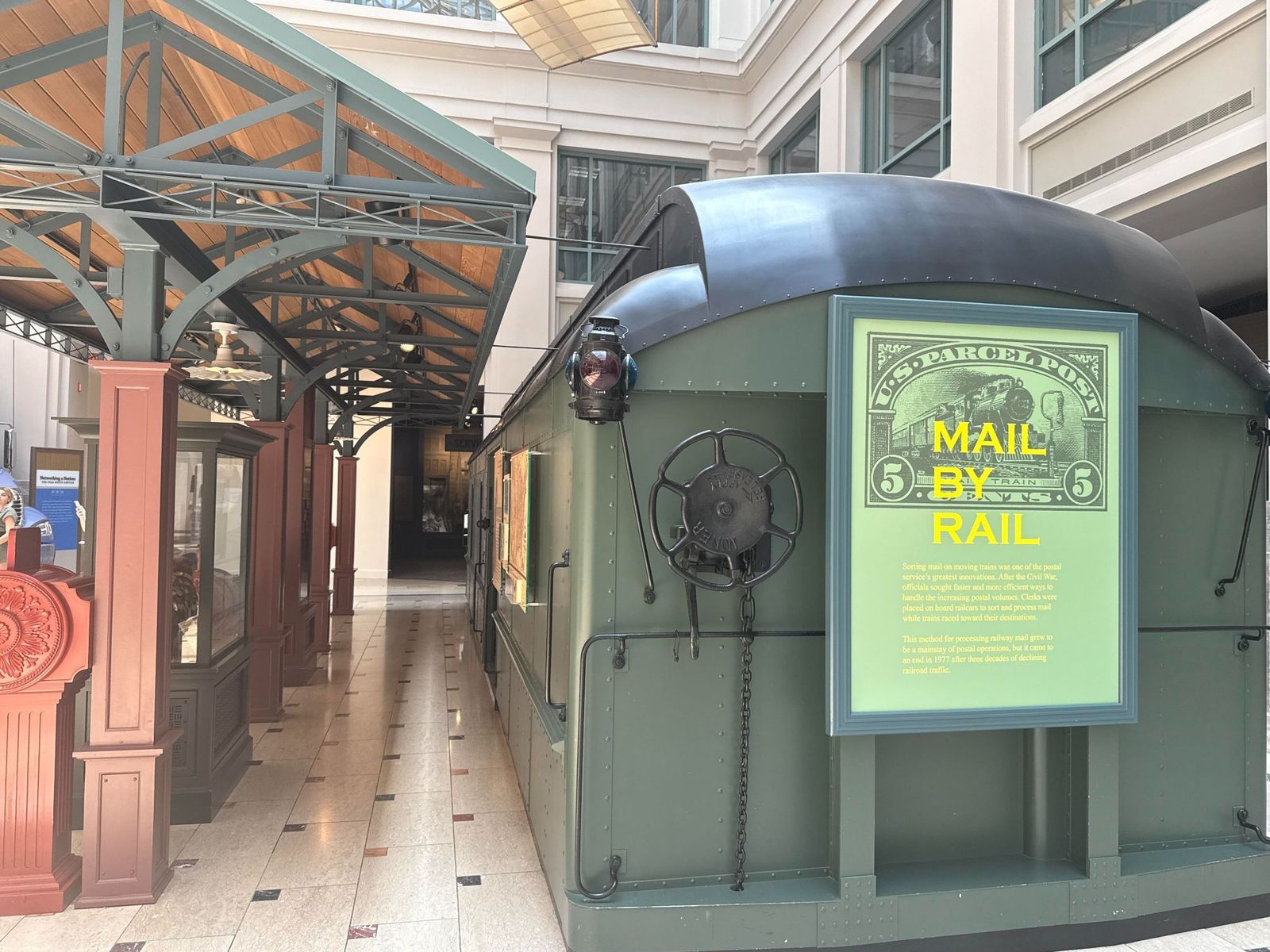
The U.S. Railway Mail Service (1860s—1970s) operated Railway Post Office (RPO) cars, where specially trained clerks sorted non-local mail on moving trains. Using a system called "mail on the fly" , clerks sometimes exchanged mail pouches without the train stopping. At its peak, the service handled 93% of the nation's non-local mail.

They would memorize complex routing diagrams to toss letters into narrow pigeonholes while on the move. A trackside crane held an incoming pouch while a steel catcher arm on the moving train snatched it in milliseconds. This continued until June 30, 1977, when the service finally ended.

3
The train that became Truman's campaign headquarters

Image: Primakov

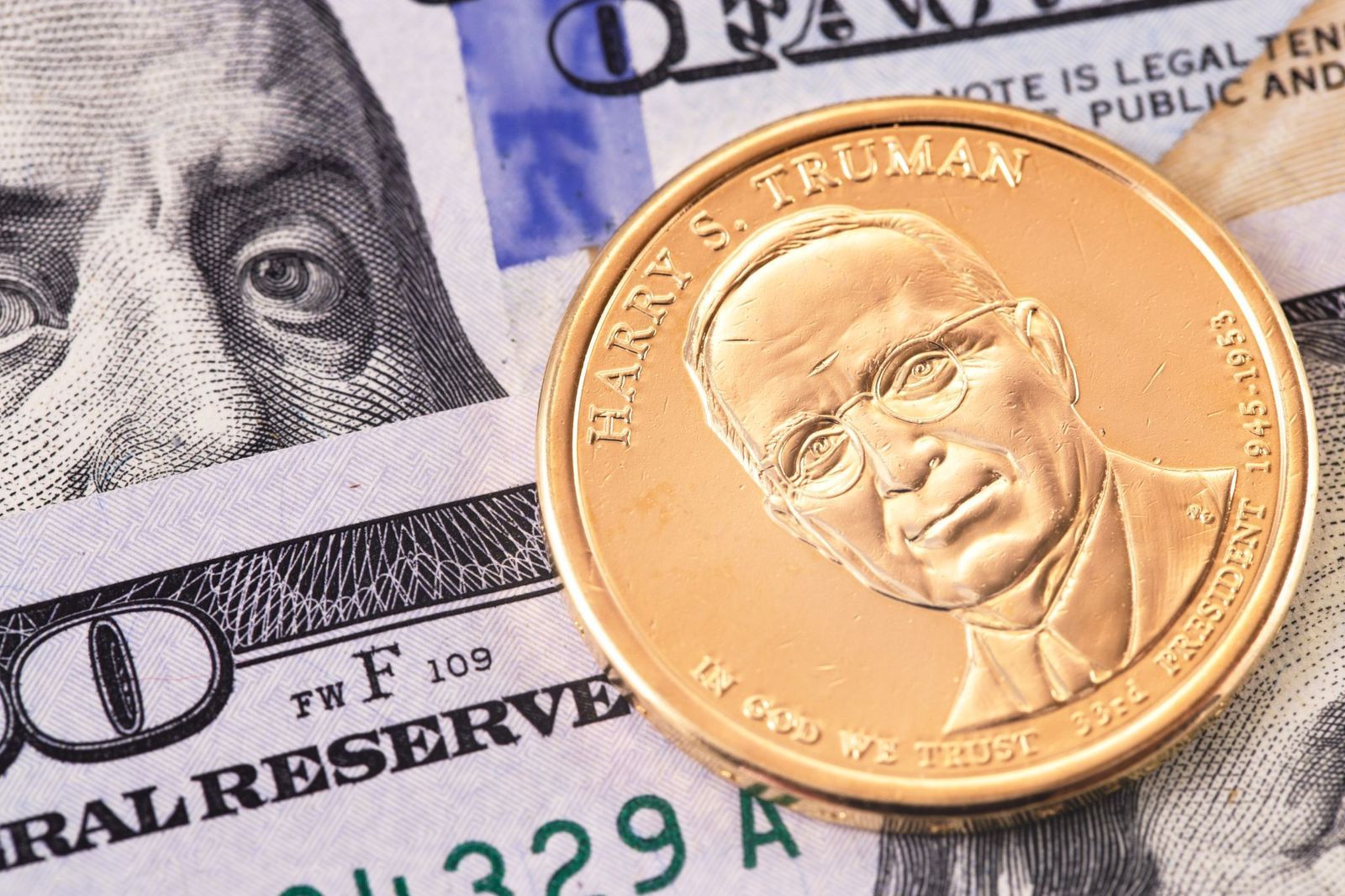
Harry Truman’s 1948 whistle-stop presidential campaign was a massive train journey that helped produce one of the most shocking results in U.S. election history. It included thousands of miles of travel across the country, during which Truman gave hundreds of fiery speeches from the rear platform of the Ferdinand Magellan, a heavily armored presidential railcar originally built in 1928. It is said he delivered 356 speeches during the 35-day tour .

4
The four-minute mistake that changed railroad watches

Image: Everett Collection

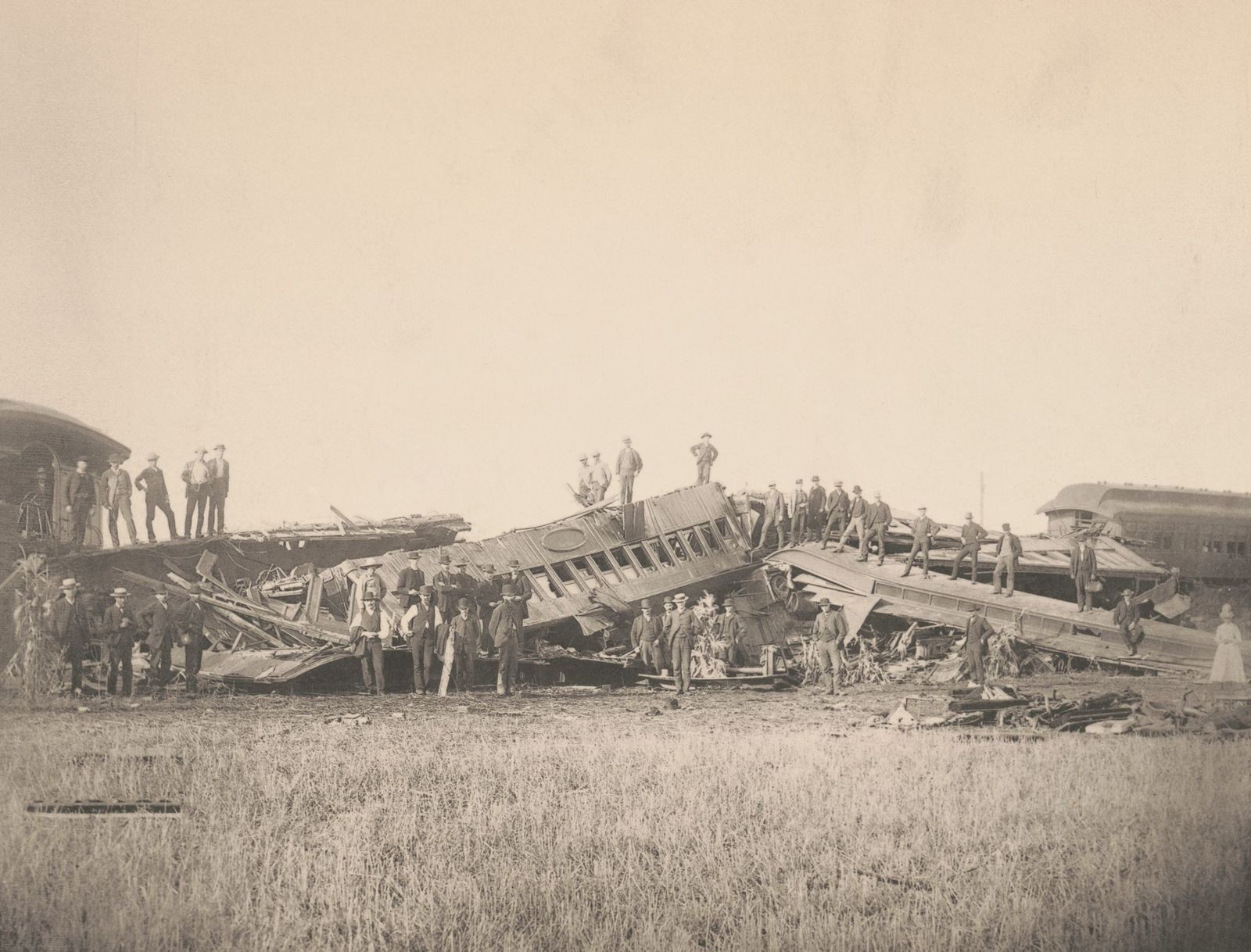
What’s generally known as the 1893 Great Kipton Train Wreck actually occurred in 1891 and led to stricter timekeeping rules, including standardized railroad watches to prevent collisions.

Here’s what happened: a conductor’s pocket watch stopped for four minutes and restarted, contributing to a fatal head-on collision between two trains. This disaster led to the appointment of jeweler Webb C. Ball as Chief Time Inspector. He subsequently developed strict standards for railroad watches and regular inspections.

5
The sleeper cars that changed travel forever

Image: Heather Shimmin

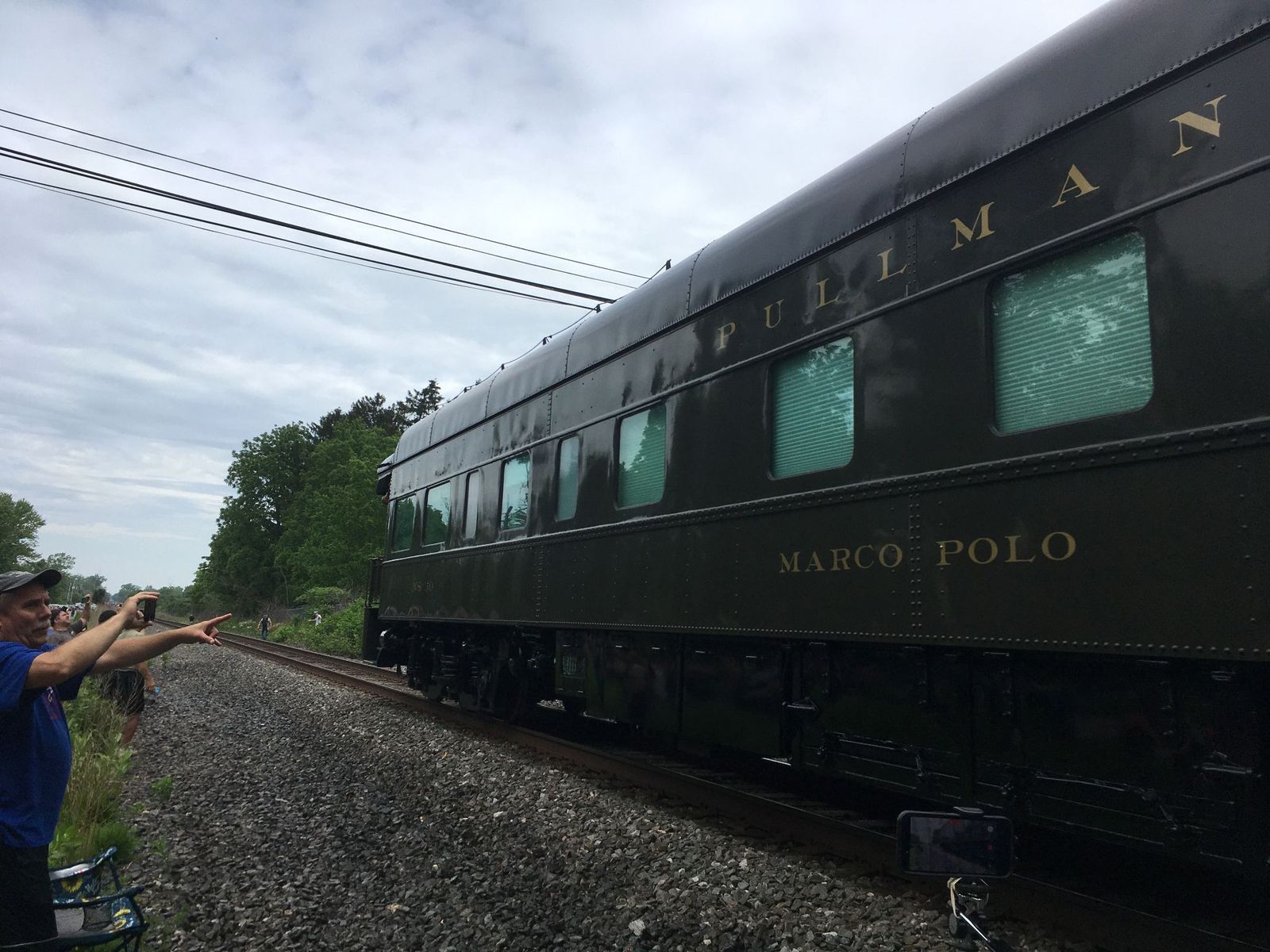
Pullman sleeper cars were created by George Pullman in the 1860s, revolutionizing long-distance travel with onboard beds and luxury service , including his first model, the 1864 Pioneer.

This comfort fueled rapid national expansion, but also sparked major labor and social shifts across the United States.

6
The railroad that turned America into one nation

Image: Lefteris Papaulakis

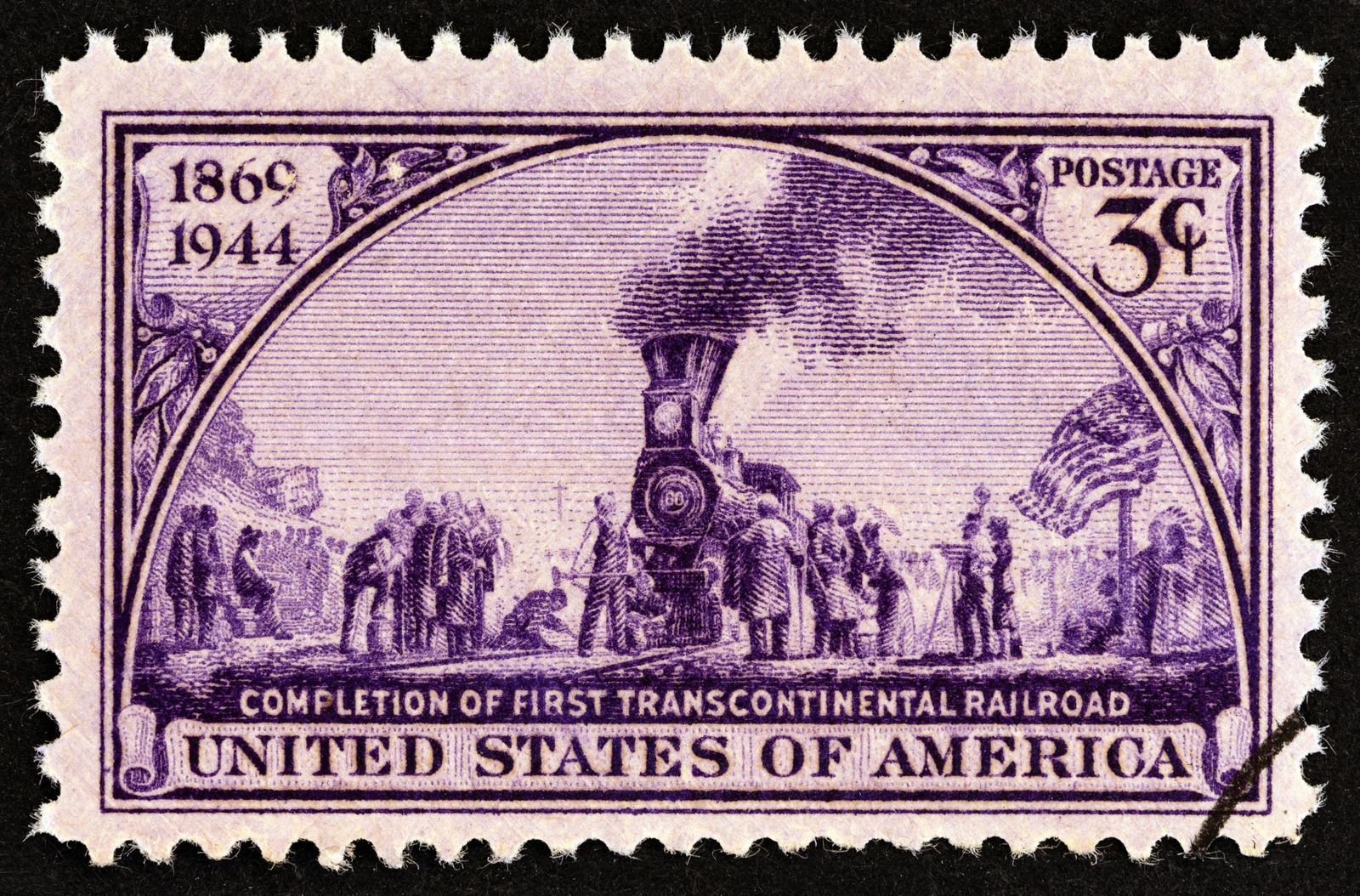
The Transcontinental Railroad was completed in 1869 and relied heavily on Chinese and Irish immigrant labor, which often involved dangerous working conditions. Workers blasted through rocks and mountainsides , carved paths across difficult terrain, and endured brutal weather as they laid tracks across the country.

This massive project changed travel and trade forever, cutting cross-country travel to roughly a week and helping transform the nation’s economy by connecting the Atlantic and Pacific coasts.

7
The Civil War trains that carried wounded soldiers to safety

Image: Khairil Azhar Junos

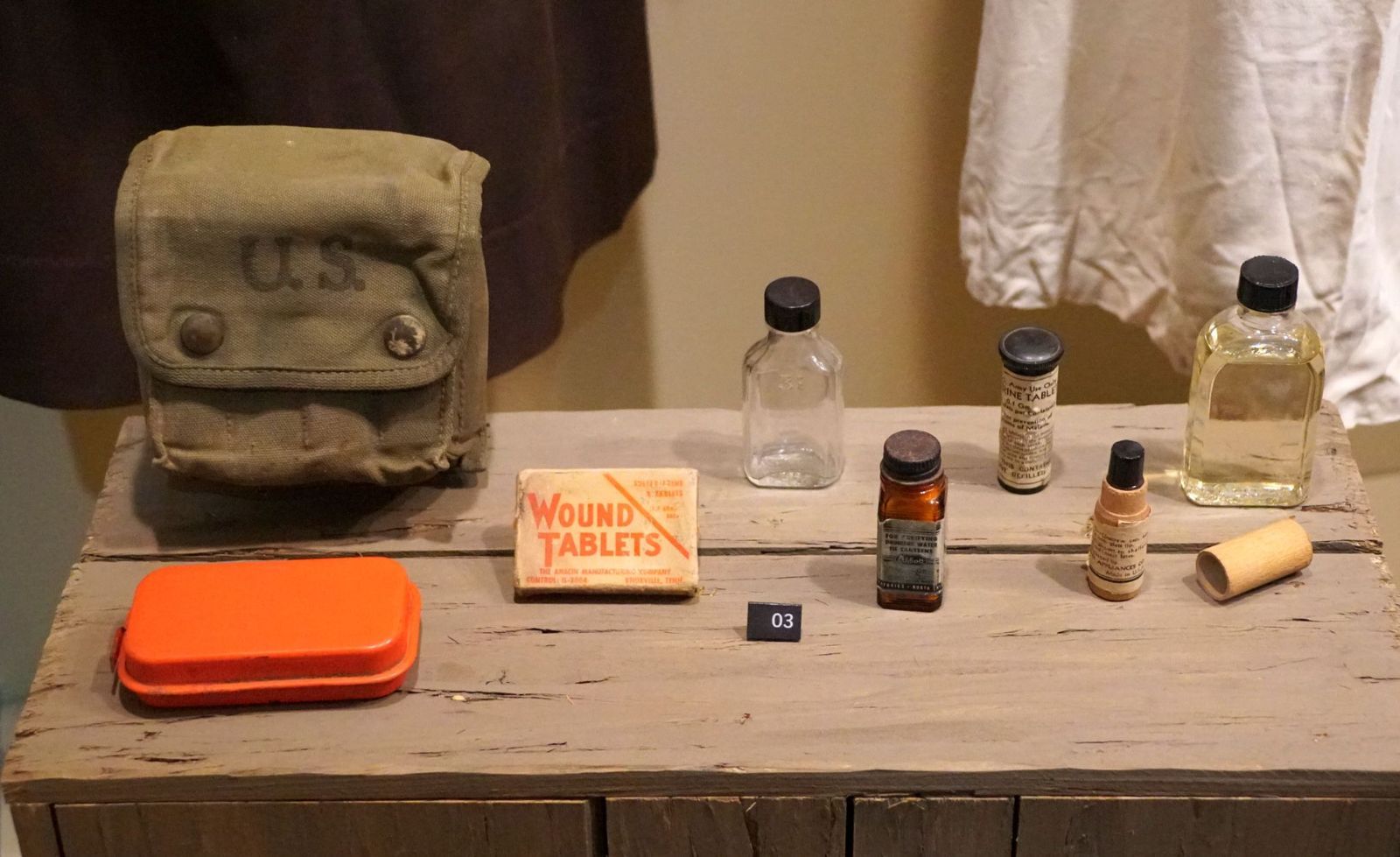
Civil War hospital trains helped transform how wounded soldiers were evacuated and treated . Early hospital trains were often converted freight or passenger cars, but they gradually became specially outfitted with stretcher racks, medical personnel, kitchens, and other equipment.

By 1864, purpose-designed hospital cars were being used by Union forces to transport wounded soldiers from battlefields to larger hospitals.

8
The trains that kept America’s war effort moving

Image: Shiva Photo

During World War II, the U.S. railroads played a crucial role. They carried vast quantities of military freight and personnel, making the railroads a crucial lifeline of the domestic war effort .

Gasoline and rubber shortages at the time also forced more of the car-driving public onto trains, pushing passenger traffic to historic peaks. Unlike in World War I, the federal government left daily operations under private rail control while coordinating closely through the Association of American Railroads.

9
The women who kept America’s railroads running

Image: Everett Collection

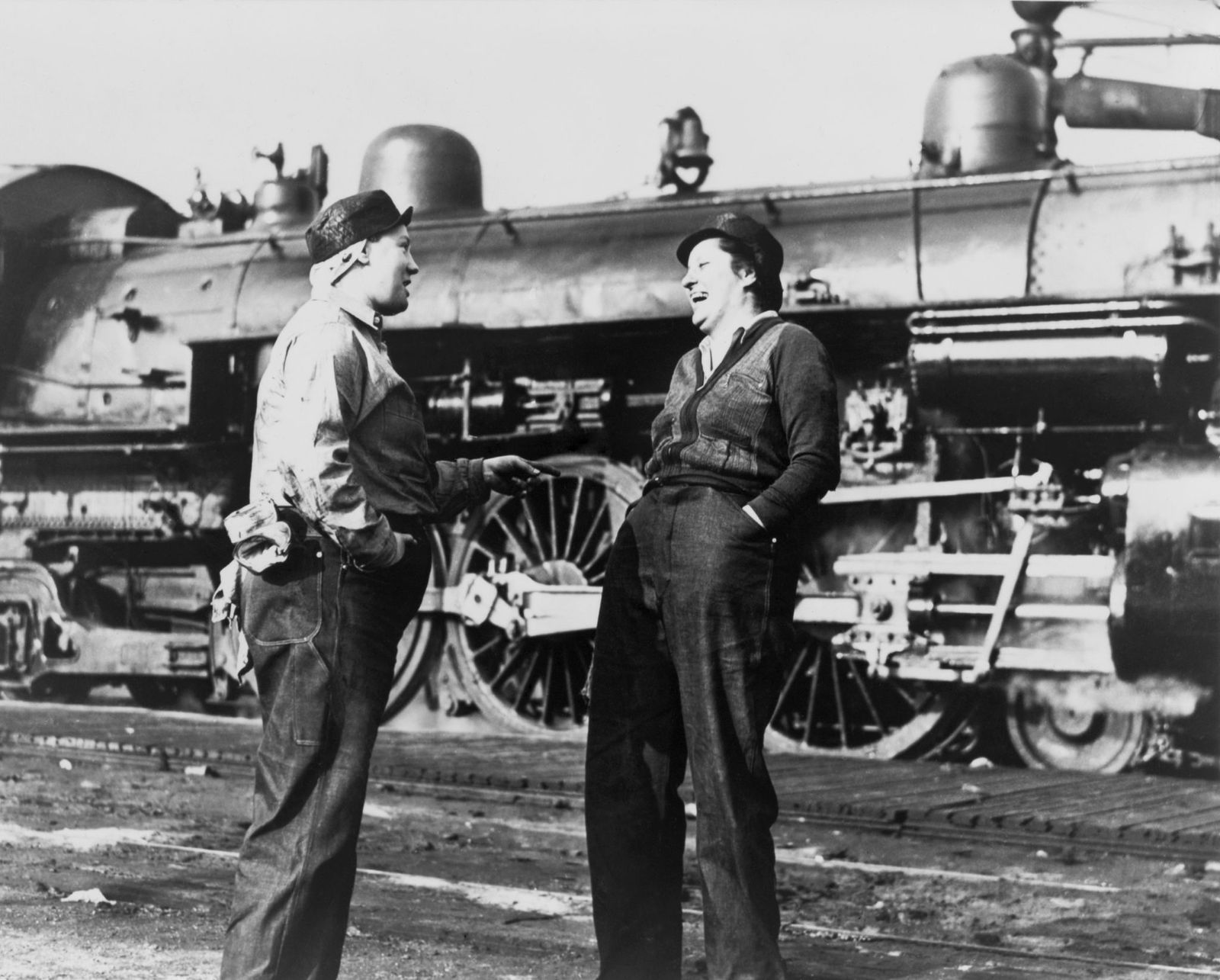
During World War II, women took on a much greater role in railroad work across the country, covering diverse occupations such as telegraphers, station agents, and workers who maintained and cleaned massive steel locomotives.

They replaced men who had entered the military service and helped keep the nation’s rail system running.

10
The Gold Rush that helped put the West on the rails

Image: telesniuk

The California Gold Rush of 1849 ignited a massive, never-before-seen western migration, but coast-to-coast travel still took months via dangerous sea routes or wagon trains.

That changed dramatically on May 10, 1869, when the previously mentioned First Transcontinental Railroad was completed at Promontory Summit in Utah. The railroad made it far easier to move people, goods, and valuable cargo between the coasts, although the Gold Rush itself had begun long before the railroad existed.

General General 3 min read

All about the Great White Way

Why is Broadway called the Great White Way?

Image: Jordhan Madec

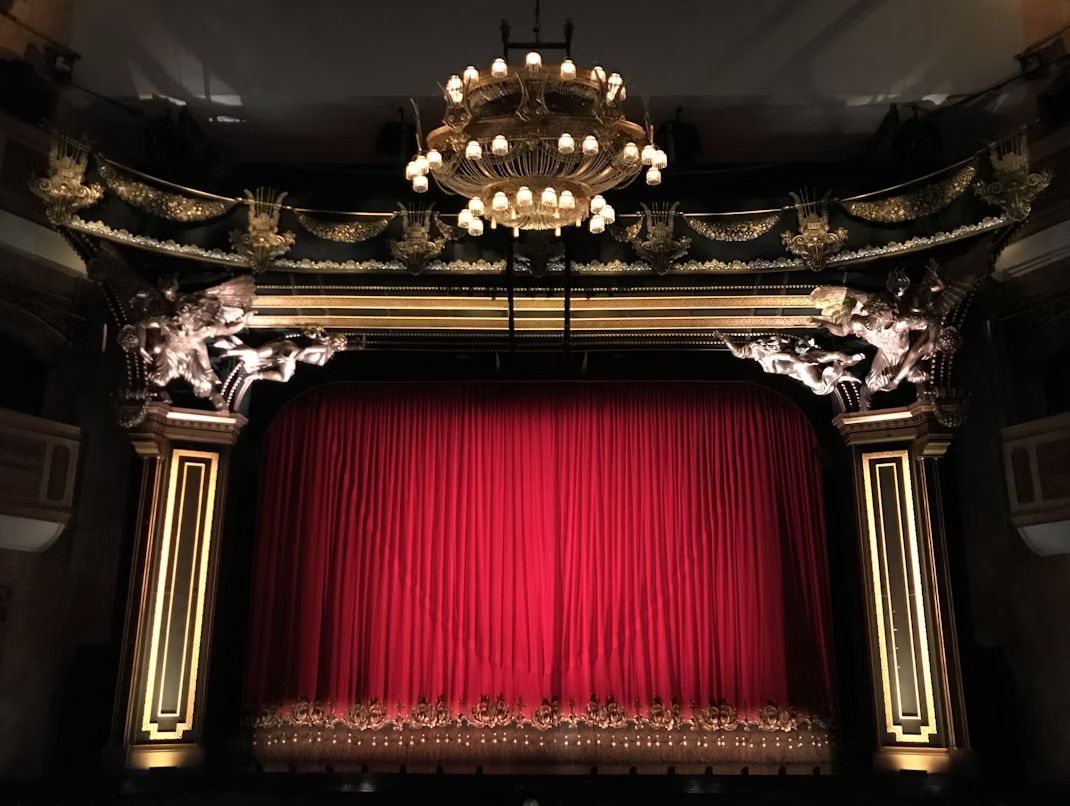
You say Broadway, and all the marquees and red curtains come to mind. But behind them, you’ll also find history, facts, and interesting records you probably didn’t know about. Drama happens both onstage and offstage in this particular place of our beloved country. So, here are some gems for you!

1
From trail to theater capital

Image: Christian Lendl

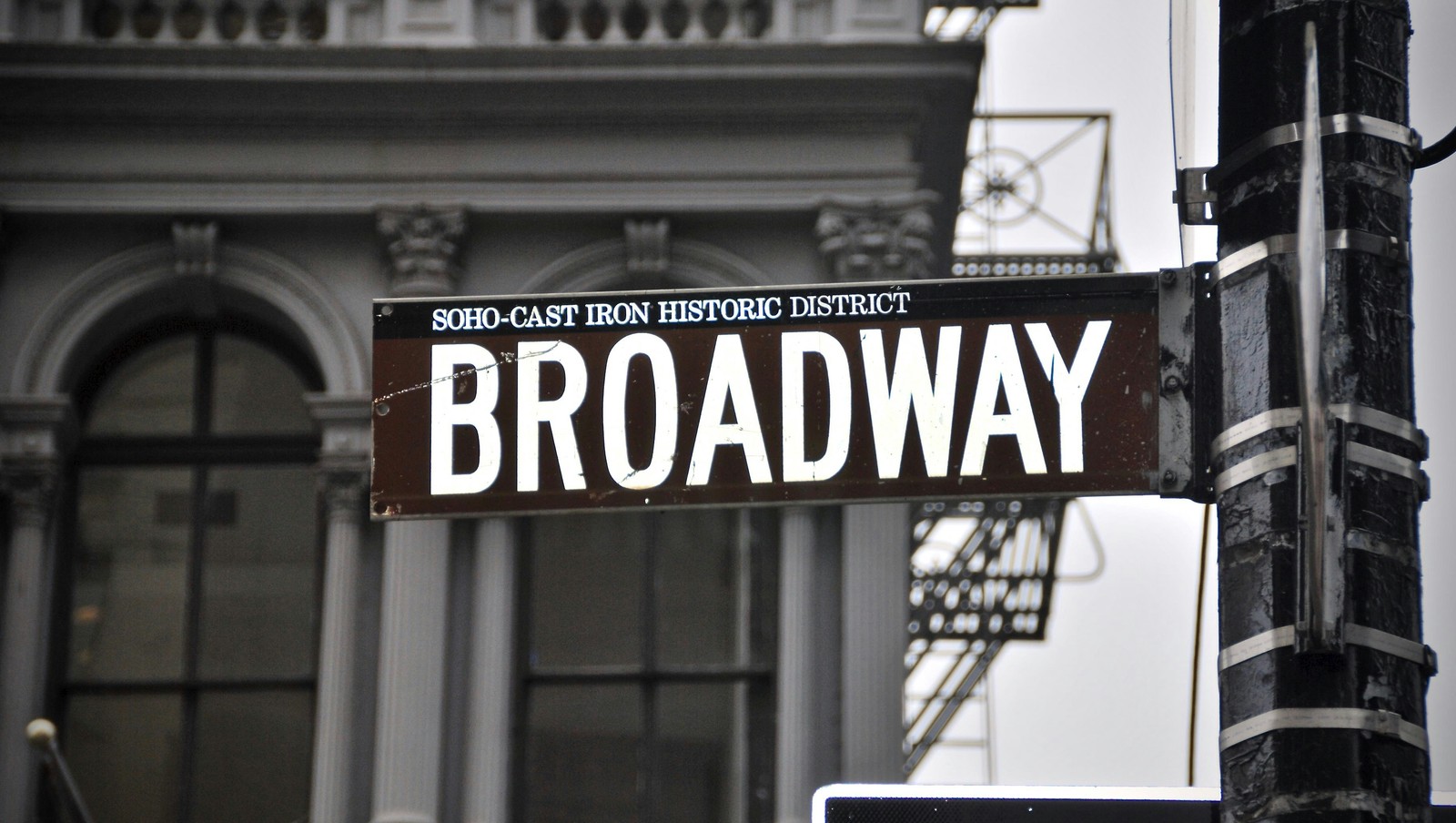
Before Broadway was packed with theaters, it was a Native American trail cutting across Manhattan. The Dutch later called it "the Gentlemen’s Street," and eventually the name "Broadway" stuck because of its unusual width. Did you know that?

2
Theater superstitions

Image: Gwen King

Broadway has its own share of taboos. For example, whistling backstage was once a no-no, since stagehands used whistles as signals. Saying the word "Macbeth" inside a theater is also believed to bring bad luck , so actors usually call it "the Scottish Play." Even in modern times, performers still keep these superstitions alive—just in case.

3
Why it’s called the Great White Way

Image: Martin Sanchez

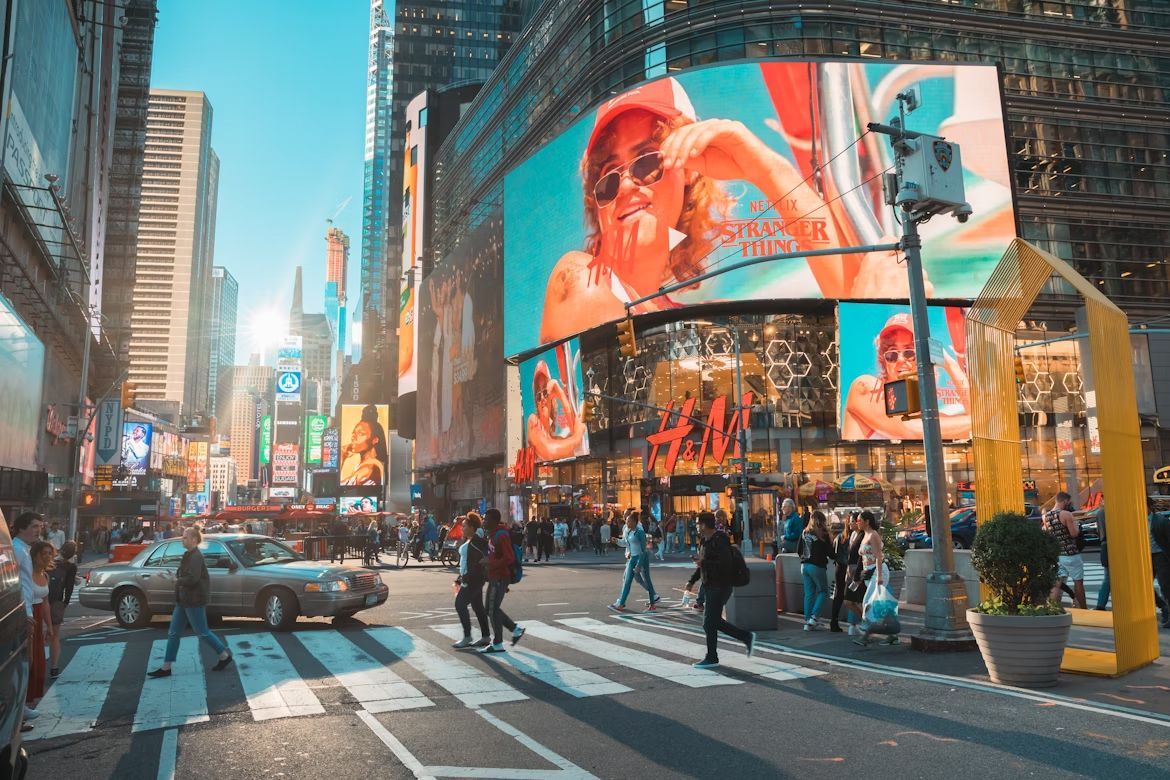
All those glowing signs around Times Square gave Broadway its sparkling nickname. Starting in the early 1900s, electric lights lit up the blocks between 41st and 53rd Streets, dazzling visitors and creating the famous "Great White Way." Today, it’s still one of the brightest spots in New York City.

4
The first Broadway musical

Image: Kyle Head

In 1866, a play called The Black Crook made history. After a fire destroyed another theater, producers combined a ballet and a melodrama , creating a six-hour spectacle of music, dancing, and over-the-top staging. It became a runaway success and is often called the very first Broadway musical.

5
What counts as "on Broadway"

Image: Andreas M

People often think "on Broadway" just means any theater on that street, but it’s actually trickier than that . A show is considered Broadway if the theater has 500 or more seats and meets certain contract rules. Only a handful of actual Broadway theaters are physically on Broadway itself, which can be confusing for first-time visitors.

6
Phantom holds the record

Image: Rodrigo dos Santos

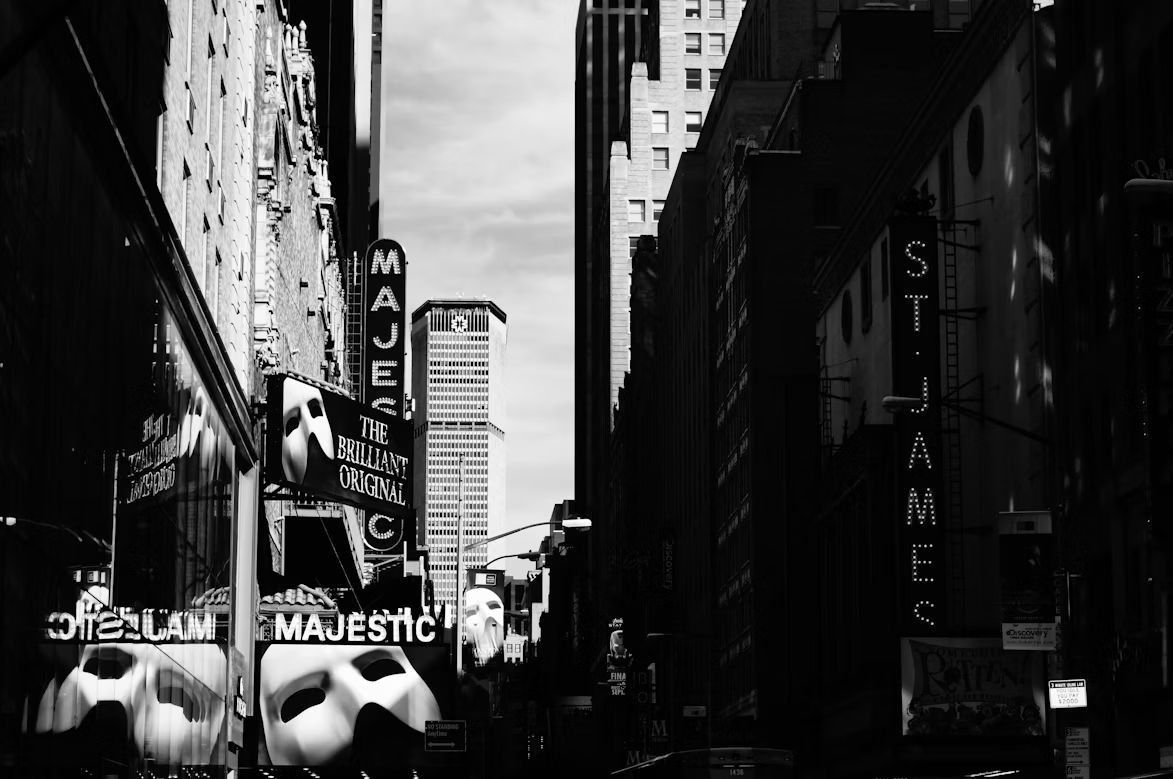
Andrew Lloyd Webber’s The Phantom of the Opera holds the crown as Broadway’s longest-running show. With more than 13,000 performances , it kept audiences hooked for decades. Some orchestra members even played the same music eight times a week for years, perfecting their own unique coping routines. Can you imagine doing that?

7
Cats and its mountain of yak hair

Image: Roman Suslov

During its long run, Cats became famous for something other than the catchy songs. The costume crew went through over 3,200 pounds of yak hair for wigs alone . It certainly paid off, as the play also became one of the biggest shows in Broadway’s history. Talk about commitment to authenticity.

8
The Lion King roars the loudest at the box office

Image: Iván Díaz

Since its 1997 debut, The Lion King has been Broadway’s biggest earner , pulling in over a billion dollars in ticket sales. With its breathtaking puppetry and Elton John’s music, it managed to win over both theatergoers and families who grew up with the movie.

9
Carrie, the musical failure

Image: Samuel Regan-Asante

Even if we’ve mentioned the greatest on Broadway, we must say not every show becomes a hit . In 1988, Broadway tried to turn Stephen King’s horror novel Carrie into a musical. Let’s just say it didn’t land, and if you’ve read the book, you can imagine why. Critics compared it to disasters of epic scale, and it closed after only five performances. One thing is for sure: Even the flops are big on Broadway.

10
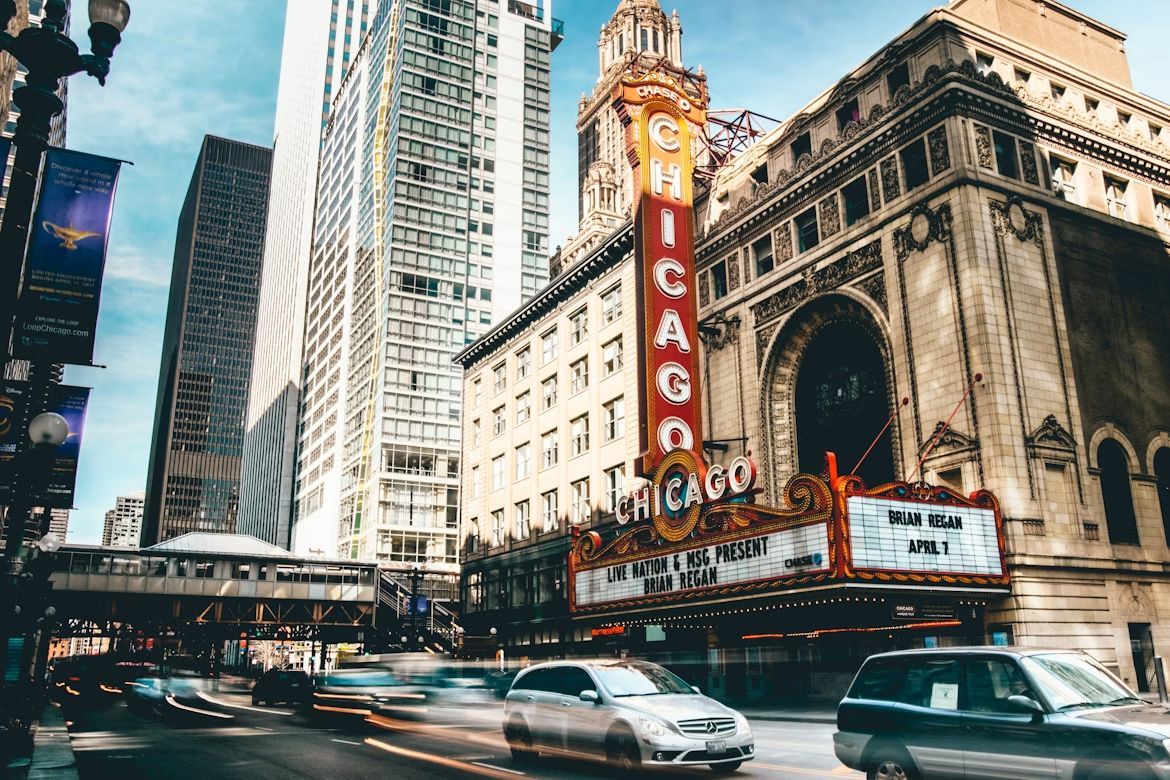
Chicago’s real inspirations

Image: Sawyer Bengtson

The hit musical Chicago may feel like pure entertainment, but its leading ladies were inspired by real 1920s women accused of murder. Beulah Annan and Belva Gaertner were both acquitted after trials that captured the public’s imagination. Their stories of crime, fame, and scandal became the backbone of the show.

11
Why theaters skip row I

Image: Vlah Dumitru

Maybe you’ve never noticed, but many theaters go from row H to J, and that’s not because of superstition. The reason is that the letter I looks too much like the number 1 , which can make ticketing confusing in dimly lit theaters. Some places also skip O or Q for similar reasons. It’s all about keeping the seating simple for audiences. Do you agree with this policy?

Explore more American facts

Choose your favorite category!

General
General

As American as apple pie—the very best America has to offer!

Culture
Culture

Delve into the astounding richness of American lore.

Geography
Geography

Hop in and explore vast and diverse American landscapes.

History
History

Discover the key moments that shaped the United States.