History History 4 min read

Stories of fire

Facts you probably didn't know about the 1814 White House fire
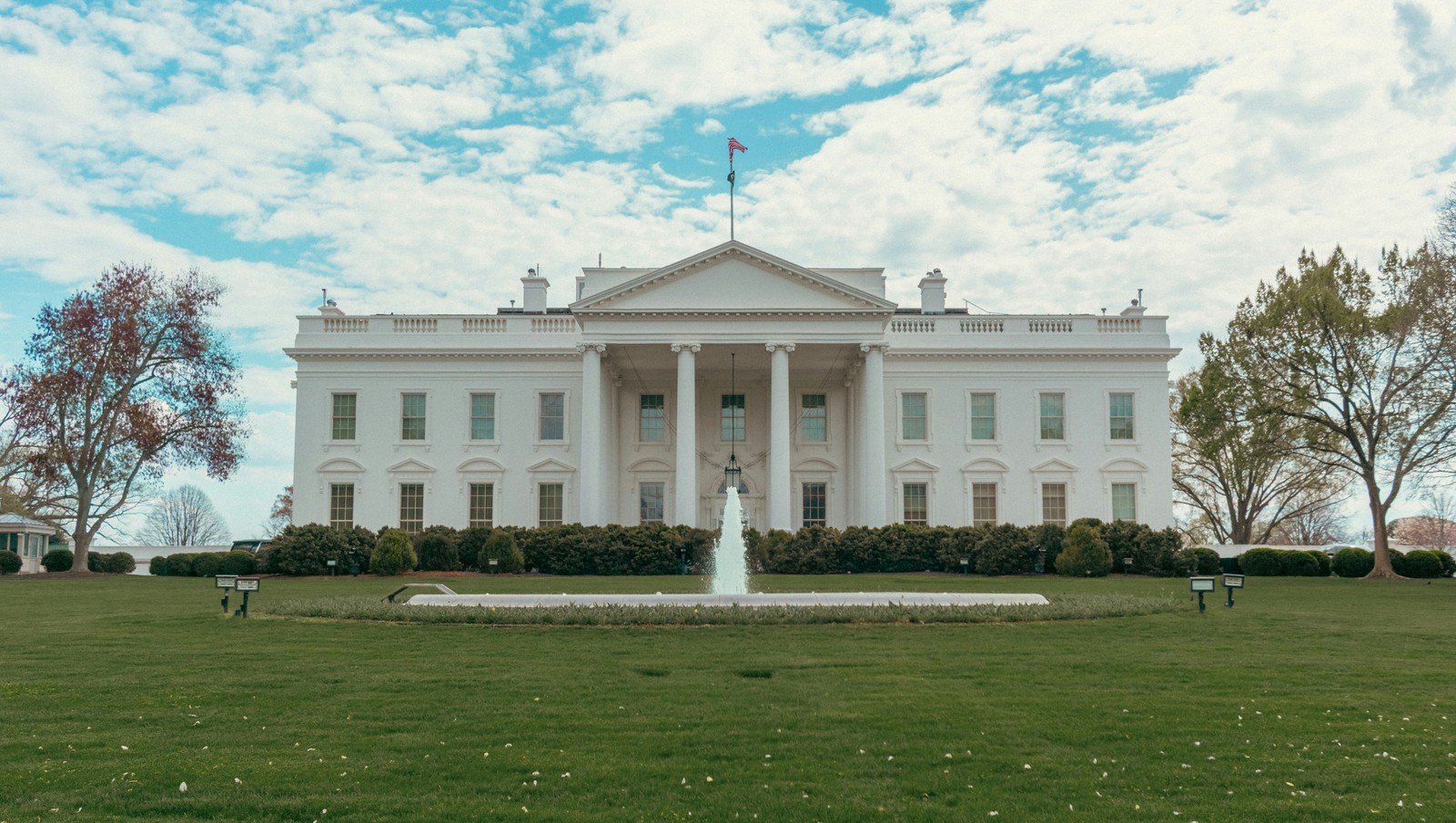
Image: Zihao Wang

How much do you know about the night the White House was set on fire ? Maybe you’re familiar with some basic details: that it took place during the War of 1812, or that some foundational documents were lost. But did you know that First Lady Dolley Madison rushed to save a George Washington portrait, or that the U.S. government temporarily relocated to a local tavern? Read on to explore some lesser-known facts about a perilous moment in American history.

1
It was the only foreign occupation of Washington
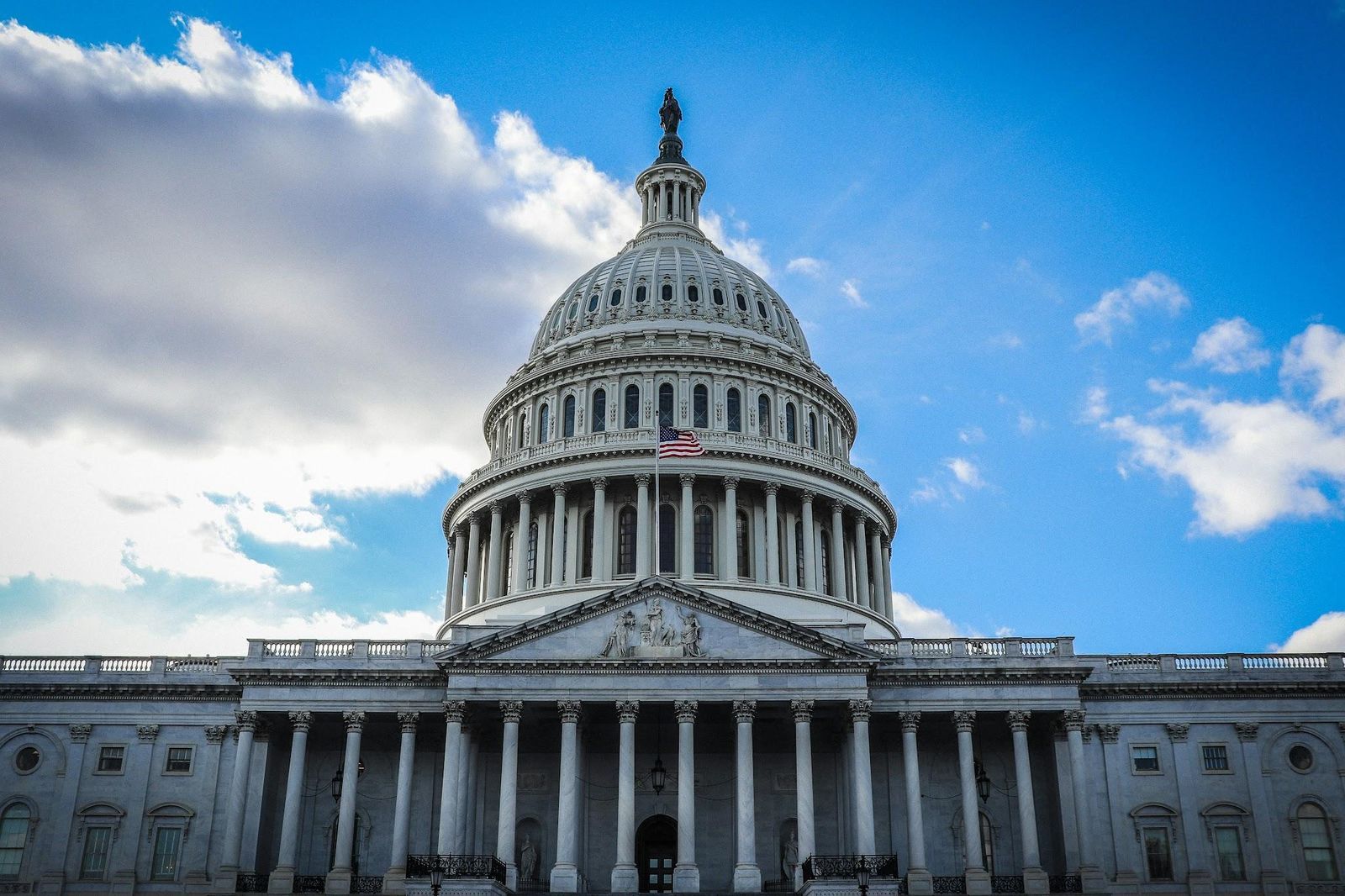
Image: PartTime Portraits

In August 1814, Washington, D.C. fell under British control during the War of 1812, marking the only time in history that a foreign army has captured the U.S. capital.

The British quickly descended upon and moved into the city, and for one tense night, the American government and its symbols (like the Capitol and the Presidential Mansion) were at the mercy of foreign soldiers.

2
Planned retaliation for American raids

Image: William Krause

The British attack was not random. The year before, American troops had burned York, the capital of Upper Canada (now Toronto), and destroyed homes in Port Dover.

Historians explain that, through this invasion, the British hoped to humiliate the United States on the world stage and force it to accept peace negotiations .

3
Who were the key British commanders?
Image: Maksim ŠiŠlo

The attack on Washington was carried out under the leadership of Major General Robert Ross and Rear Admiral George Cockburn. Ross commanded the land forces that marched directly into the city after defeating the Americans at Bladensburg.

Cockburn even posed for sketches in the Capitol’s chamber before ordering it set ablaze.

4
Iconic buildings were targeted and destroyed
Image: Sonder Bridge Photography

Once inside Washington, the British struck at the heart of the nation’s institutions. The Capitol building , a symbol of American democracy, was set on fire, and its chambers, library, and even the Supreme Court room were consumed in flames.

The Presidential Mansion, which would later earn the name "White House" — then occupied by President James Madison — was also targeted. Other damaged key government buildings were the Treasury and the War Department.

5
The original Library of Congress was lost
Image: Ciocan Ciprian

Among the greatest cultural losses was the destruction of the Library of Congress. Housed in the Capitol’s north wing, its collection contained about 3,000 volumes. Unlike today’s collection, which spans every human subject imaginable, this original library was mostly practical. It consisted of documents, like British common law records or international laws and treaties, carefully gathered to serve lawmakers.

In just a few hours, all of that had been reduced to ashes. The loss was so devastating that Congress later purchased Thomas Jefferson’s personal library (6,487 books) to rebuild the national collection. Jefferson was a true polymath; his collection included books on architecture, agriculture, chemistry, philosophy, and literature in multiple languages. This new foundation shifted the idea of what a national library should be.

6
A valuable ledger was stolen and later returned
Image: Mishaal Zahed

Not everything was destroyed in the fire; some items were simply stolen. Rear Admiral Cockburn seized a large financial ledger from the Treasury, reportedly amused by the idea of plundering the Americans’ accounting books.

He later gifted it to his brother in England, where it remained as a curious war trophy for more than a century. In 1940, the ledger was returned to the United States and today rests in the Library of Congress.

7
Dolley Madison performed a daring rescue
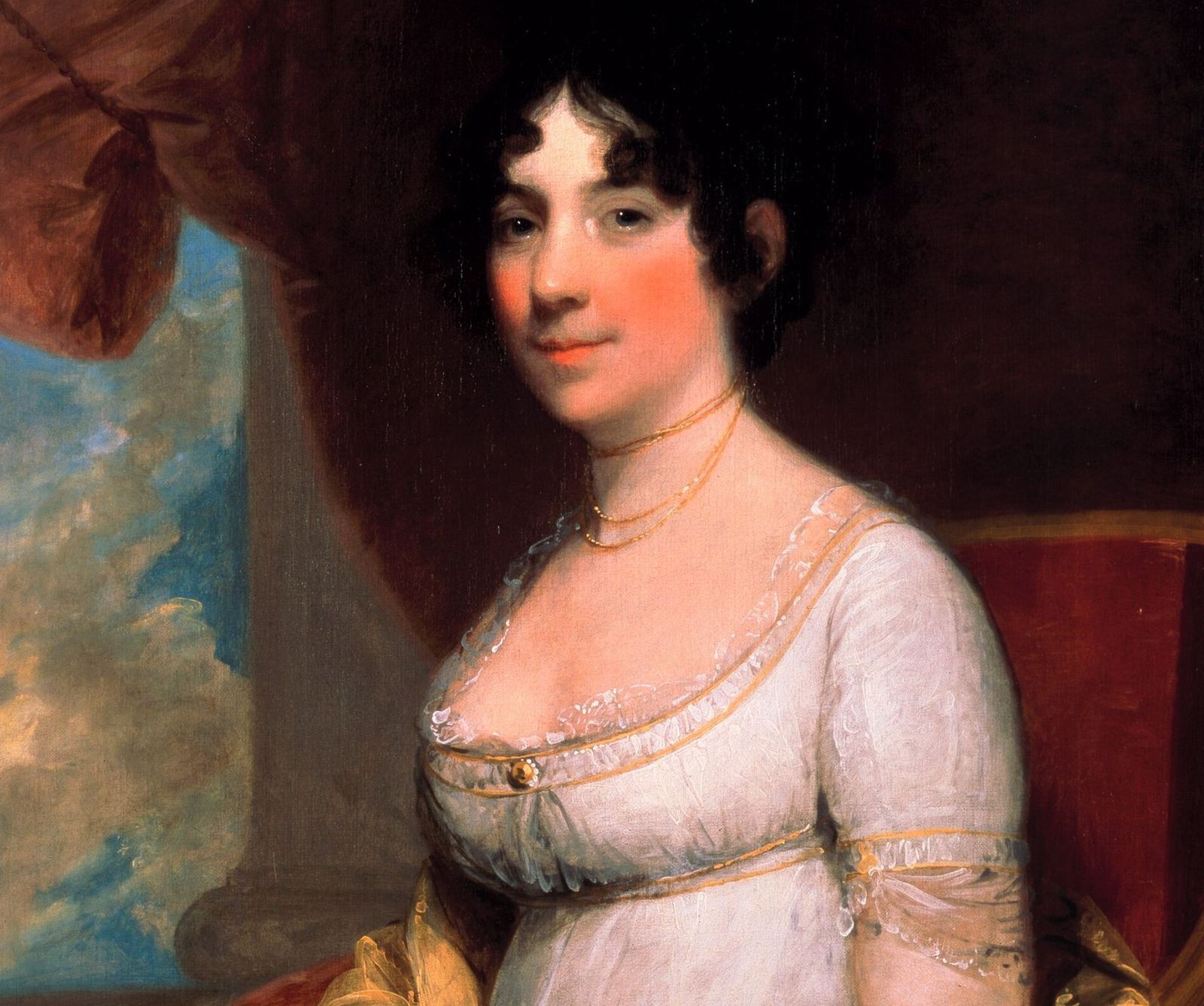
Image: Gilbert Stuart, Public domain, via Wikimedia Commons

Amid the chaos, First Lady Dolley Madison became a heroine ; reports claim that, before fleeing the Presidential Mansion, she insisted on saving the full-length portrait of George Washington that hung in the dining room. The canvas was too firmly screwed to the wall to move quickly, so staff aided in smashing its frame to rescue it.

Thanks to her foresight, the portrait survives today and still hangs in the White House.

8
British troops dined at the White House
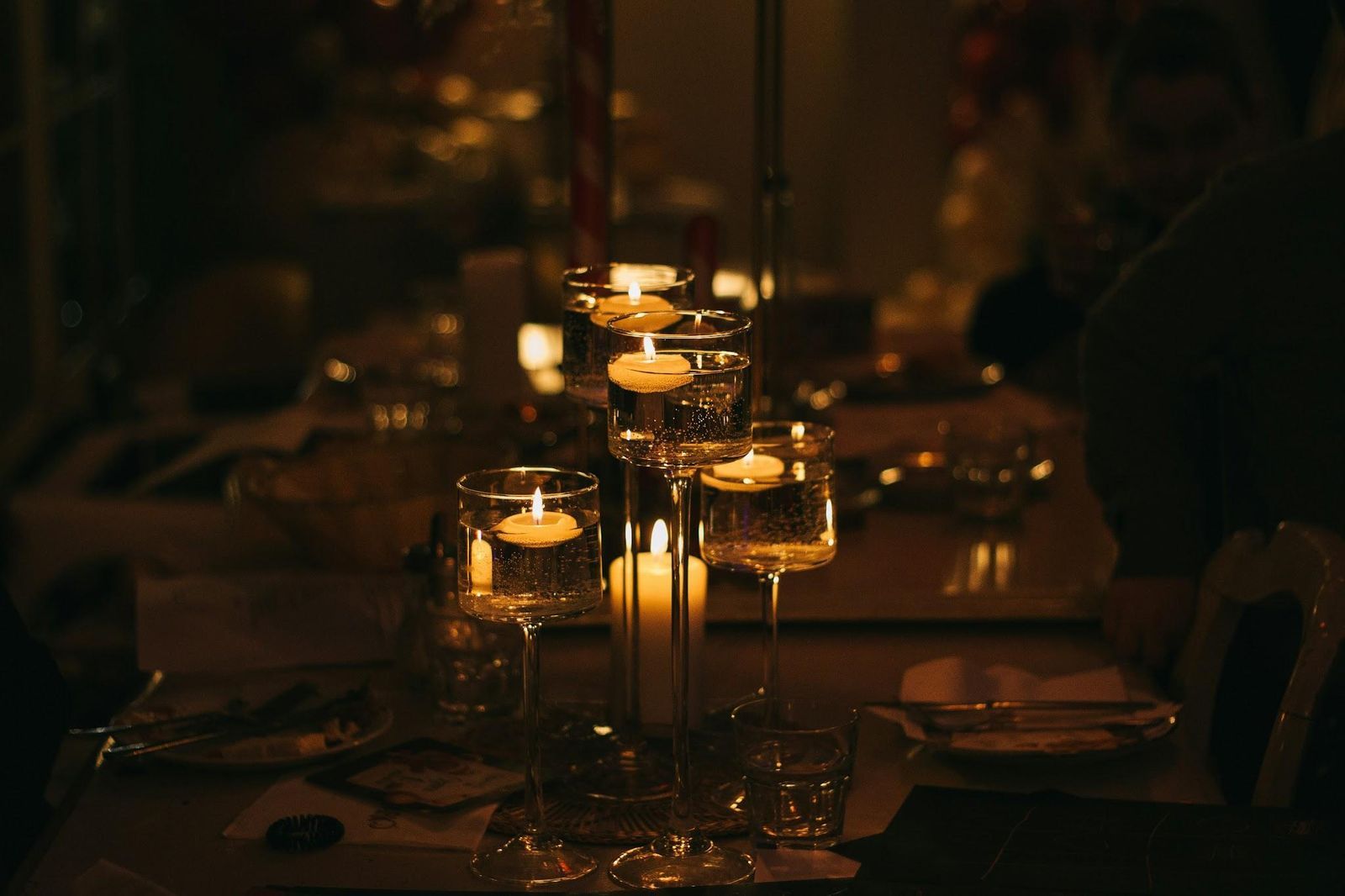
Image: Tamara Govedarovic

Before setting the mansion alight, the British paused for a rather theatrical stunt. Finding a meal that President Madison had left behind on the dining table, they sat down to feast, eating from the presidential china and drinking wine.

9
A devastating storm intervened
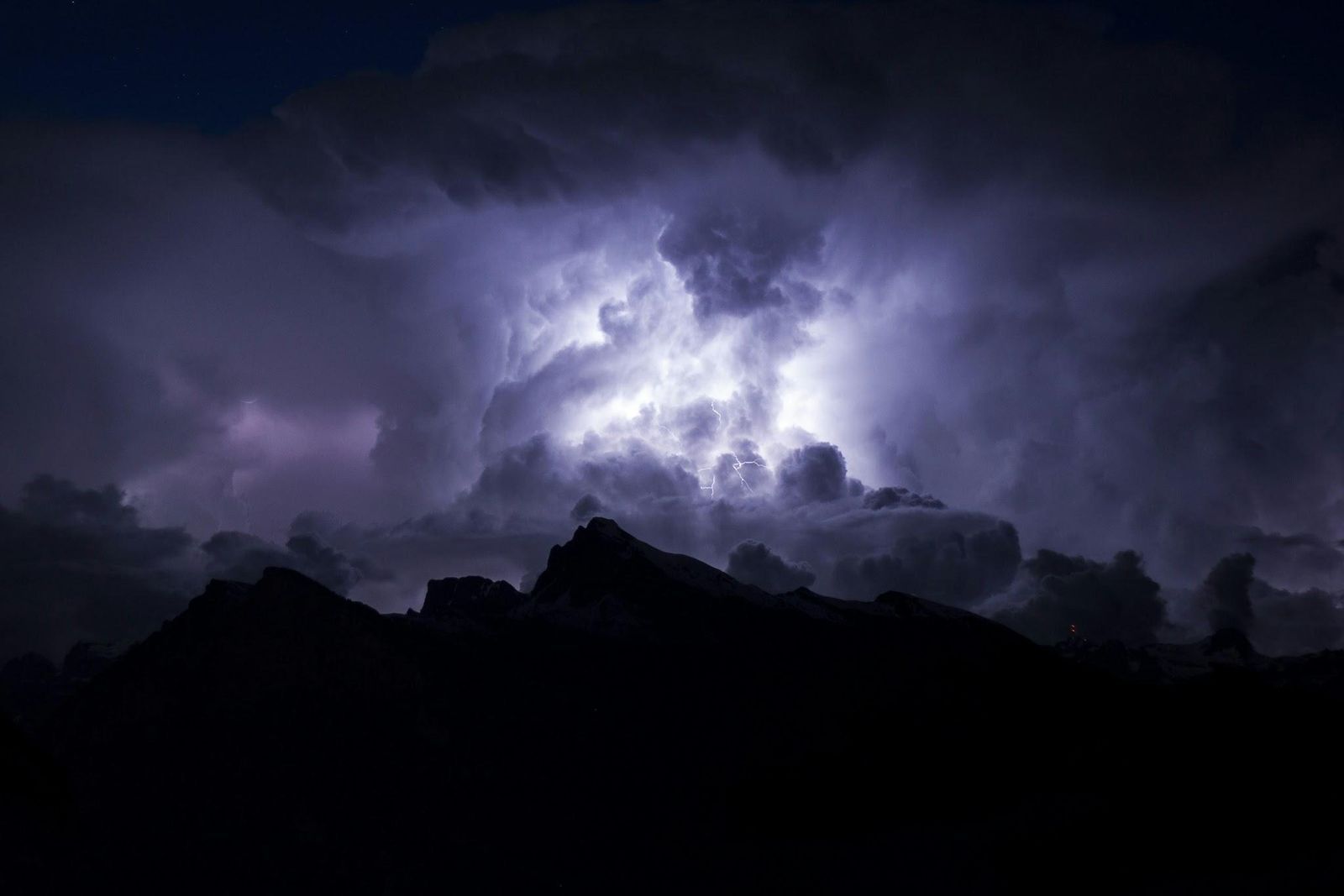
Image: Marc Wieland

Shortly after the fires were set, a thunderstorm swept into the city . This helped douse some of the flames, but hardly helped; witnesses described winds strong enough to lift cannons and topple buildings, killing soldiers on both sides. This forced the British to retreat for safety.

10
Capital for a day: Brookeville’s role
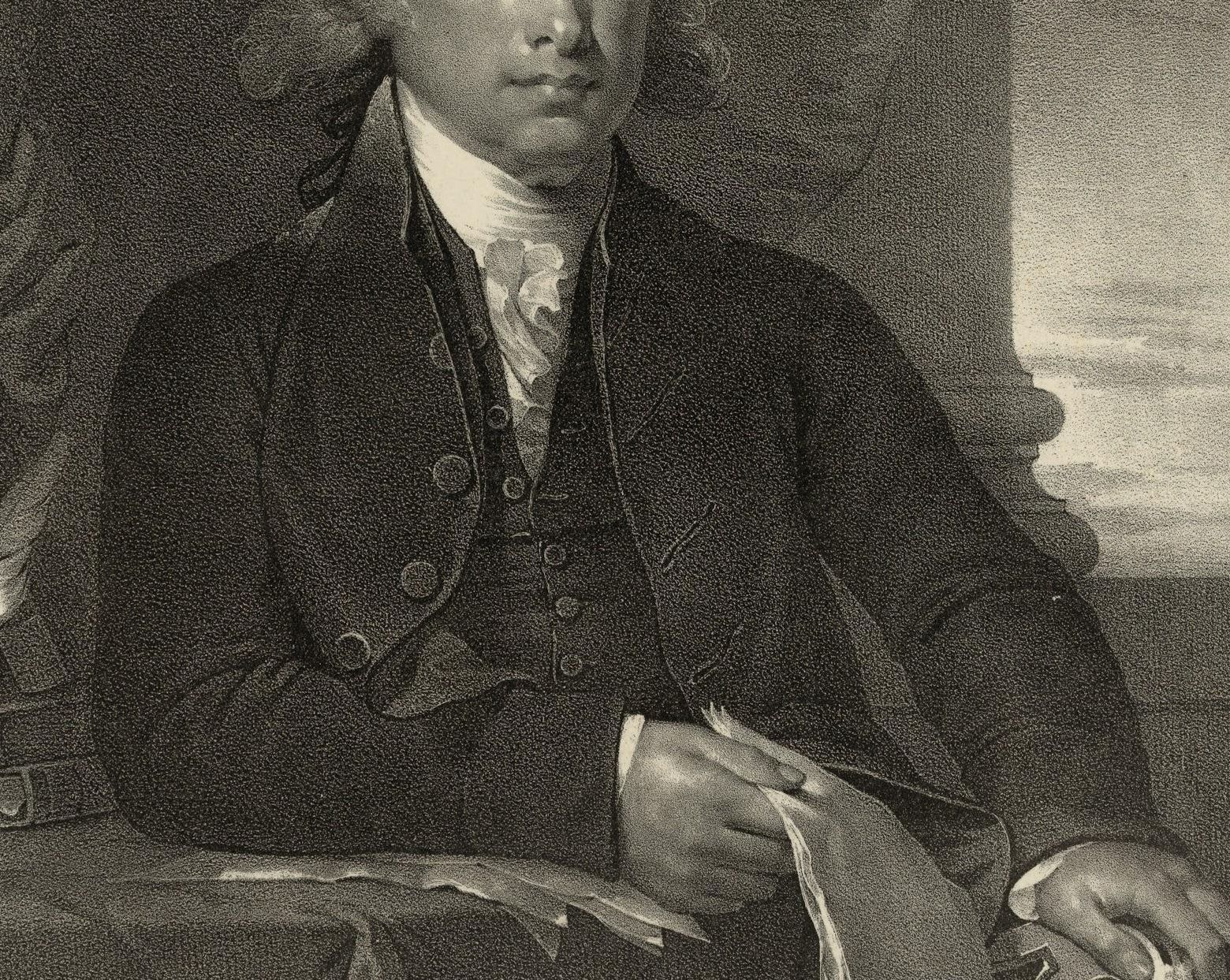
Image: Library of Congress

During the invasion, President James Madison sought refuge outside the city. He ended up in Brookeville, a small Quaker town in Maryland, where he spent the night at the home of a local silversmith.

For that brief period, the quiet village earned the nickname "United States Capital for a Day."

11
The government regrouped in the Patent Office, which had been spared

Image: Sergiu Vălenaș

With the Capitol burned and government records destroyed, Congress needed a new place to meet. They turned to Blodgett’s Hotel, a tavern that also housed the Post and Patent Office. Legend has it that it had survived only because its clerk convinced the British not to burn it.

12
The events were turned into a symbol of national unity
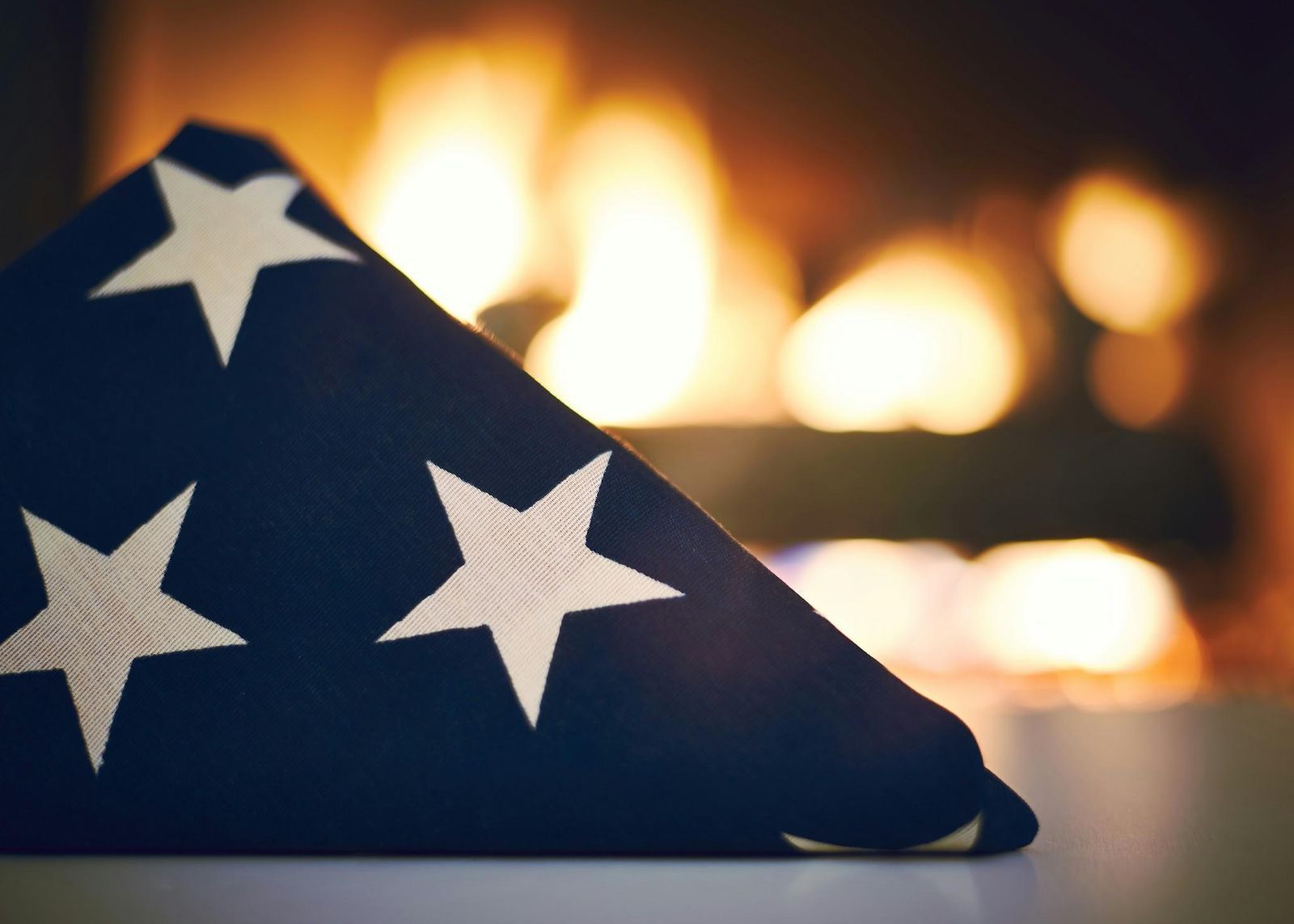
Image: Anthony Garand

For Americans, the sight of their capital in ruins was deeply humiliating. Newspapers at the time described widespread panic and shame, and the event seemed to have exposed the young republic before the world.

But in the months that followed, the destruction sparked a renewed sense of unity among citizens. They rallied behind the effort to rebuild, and the nation’s leaders treated the task as symbolic of America’s resilience.

General General 6 min read

COLORFUL COMPANIONS

From Uncle Sam To Toucan Sam, Here Are 10 Of The Most Iconic Mascots!

Image: Library of Congress

Some believe that the concept of mascots is outdated and that we don’t really need to have these cheerful and colorful ambassadors pop up in our daily lives. However, most Americans (us included) not only consider mascots to still be relevant, but we believe that they are heavily ingrained in our country’s pop culture and history. Some of these characters (many of them featured in this article) have been with us for our entire lives, teaching us about responsibility or simply entertaining us while we are enjoying a nice bowl of cereal. We have selected ten of the most iconic and cherished American mascots, in an effort to pay a well-deserved tribute to these amazing and timeless characters. Enjoy!

1
Tony the tiger

Image: Sten Ritterfeld

Tony the Tiger is a strong contender for the title of the world’s most famous cereal mascot: his go get 'em' attitude and amazing design have cemented him as a pop culture icon. Tony has been the quintessential mascot for Frosted Flakes since the 1950s, encouraging families to add this delicious cereal to their kids’ breakfast.

Curiously, Tony first appeared as part of a group of mascots that included characters like Katy the Kangaroo or Elmo the Elephant. However, this tiger’s immense popularity made him Frosted Flakes' sole representative. In due time, Tony’s family got bigger: the character now has a spouse called "Mrs. Tony" and two children, Antoinette and Tony Jr.

2
Ronald McDonald

Image: Erik Mclean

McDonald’s chooses to describe their iconic mascot and symbol, Ronald McDonald as "The Smile Known Around the World." This phrase perfectly summarizes this clown’s unbelievable popularity: McDonald’s claims that Ronald is only second to Santa Claus in terms of recognition and that virtually every schoolchild in America can immediately identify him.

In his 1963 television debut, Ronald McDonald’s appearance was quite different: these television spots featured a clown with yellow hair, striped yellow pants, and a McDonald’s cup on his nose. It wasn’t until 1966 that a real-life clown helped redesign the character, turning him into this instantly recognizable mascot.

3
Snap, Crackle, and Pop

Image: SqueakyMarmot from Vancouver, Canada, CC BY 2.0

Not many people know this, but the names of the three timeless Rice Krispies mascots actually come from a 1930s radio ad. At the time, Rice Krispies was advertised as "the talking cereal" and they promised to "merrily snap, crackle, and pop in a bowl of milk." A few years later, illustrator Vernon Grant took these onomatopoeic sounds to name the trio, calling them Snap, Crackle, and Pop.

Since their first appearance in 1933, these elf-like creatures have appeared in countless ads, often voiced by a myriad of talented actors that include names like Ben Schwartz, Tom Kenny, and Josh Brener.

4
Toucan Sam

Image: Necip Duman

As you might have noticed through their unusual spelling, Froot Loops are all about their loopy shape and the fun times that come with them. In that sense, this colorful breakfast cereal has an equally colorful representative: Toucan Sam, Froot Loops’ mascot since 1963.

Originally voiced by Hollywood legend Mel Blanc (responsible for voicing Bugs Bunny and Barney Rubble, among others), Toucan Sam has an extraordinary sense of smell, which helps him find Froot Loops from a great distance. Most Froot Loops ads end with Sam using his nose to locate a hidden bowl of cereal, before chanting his catchphrase "Follow your nose! It always knows!"

5
Phillie Phanatic

Image: Michael Stokes, CC BY 2.0

Few characters literally stand out as the Phillie Phanatic does. The moment you arrive at Citizens Bank Park to watch the amazing Philadelphia Phillies play, you will immediately notice this furry, green bird dancing somewhere in the stadium. Since 1978, this character has brought joy and treasured memories to countless Philadelphians.

Did you know that the Phanatic is a distant relative of the Muppets ? You would think his green fur made him a long-lost cousin of Kermit the Frog, but this relation comes from the fact that one of the Phanatic’s creators, Bonnie Erickson, also created the Muppets’ Miss Piggy and Statler & Waldorf.

6
Mr. Met

Image: Metropolitan Transportation Authority of the State of New York from United States of America, CC BY 2.0

We hope we don’t start any heated baseball debates by including this mascot, who many believe to be the very first Major League mascot to appear in human form. While Mr. Met first appeared as a cartoon character in programs, it was his 1964 introduction as a live costumed mascot that skyrocketed him to fame.

Although his design has varied over the years, Mr. Met is instantly recognizable through his striped Mets uniform and large baseball head. Soon after his inception, Mr. Met was given a female counterpart companion known as "Mrs. Met," who joins him in Citi Field to cheer on every New York Mets game.

7
Smokey the Bear

Image: Brian Wangenheim

Since 1944, Smokey the Bear has helped U.S. forests and landscapes with his prevention campaigns. Generations of American children have been inspired and encouraged by Smokey and his memorable catchphrase: "Only you can prevent wildfires!"

What’s interesting is that this iconic fictional bear inspired the name of a beloved real bear. In 1950, a three-month black bear cub was rescued from a massive wildfire in the Capitan Mountains in New Mexico. Although he was originally named "Hotfoot Teddy" by his rescuers, the cub was renamed "Smokey" after the fire safety mascot and was relocated to the National Zoo, where he grew up to become an American icon.

8
The California Raisins

Image: Syed F Hashemi

How did a 1986 commercial promoting the California Raisin Advisory Board end up becoming an Emmy-nominated, Billboard Hot 100-listed supergroup? Well, that’s the magic of the California Raisins at work. No one expected these anthropomorphized claymation raisins to be as popular as they were, and yet they went on to become the quintessential mascot for one of California’s most cherished agricultural products.

The Raisins were created by the advertising firm Foote, Cone & Belding. According to legend, one of the firm’s writers came up with the concept after saying "We have tried everything but dancing raisins singing 'I Heard It Through the Grapevine'." To everyone’s surprise, the Raisins' rendition of Marvin Gaye’s classic song became a massive success and paved the way for numerous other TV appearances, including a Saturday morning cartoon and a Christmas special.

9
McGruff the Crime Dog

Image: sydney Rae

In a medium already filled with exemplary TV detectives, McGruff the Crime Dog broke through the ranks and taught an entire generation of American children to "Take a bite out of crime!" Dressed in his iconic beige raincoat (reminiscent of the legendary Frank Columbo), this anthropomorphic hound was created by the National Crime Prevention Council in an effort to help prevent crime in America.

Over 40 years have passed since his national debut, but McGruff the Crime Dog still manages to do his part in increasing the safety of all Americans. This iconic character has appeared in national campaigns as recently as 2022, and will undoubtedly return whenever his country needs him.

10
Uncle Sam

Image: Steve Shook from Moscow, Idaho, USA, CC BY 2.0

We’ll end with what many believe to be the most iconic personification of the United States. While Uncle Sam is perhaps most known for the "I Want You" posters encouraging citizens to enlist in WWI, the truth is that the character is much older than that. In fact, his origins can’t be entirely traced, to the point that the birth of this iconic character is still shrouded in mystery.

Most historians agree that Uncle Sam first came into use during the War of 1812. According to this popular theory, the man who inspired this mascot was Samuel Wilson, a meatpacker from New York who supplied rations to the Army during the war. Apparently, many soldiers jokingly referred to the U.S. initials in their packages (that stood for "United States") as the initials for "Uncle Sam," unknowingly giving birth to this American legend.

Culture Culture 7 min read

Through thick and thin

Did you know these 12 historical figures were friends?

Image: Dimhou

Truman Capote considered friendship and love to be exactly the same thing. As in love, we never know what makes us fond of others enough to build a friendship. In fact, friendships can arise between people with very different backgrounds, beliefs, and professions. Some friendships between historical figures are as surprising as they are genuine, though not all were long-lasting. From John F. Kennedy and Frank Sinatra to Ella Fitzgerald and Marilyn Monroe, today we introduce you to the story of 12 friendships between great historical figures that you may not have known about but that offer a new perspective into the lives of influential personalities.

1
Ella Fitzgerald and Marilyn Monroe

Image: William P. Gottlieb, Public domain, via Wikimedia Commons

Strange as it may sound, Ella Fitzgerald and Marilyn Monroe developed a beautiful friendship in the 1950s. Hollywood's favorite blonde was a big fan of Fitzgerald's music and went to see her perform in Los Angeles in 1954. When they met in person they became inseparable.

Monroe helped her land a gig at the famous Mocambo nightclub in Los Angeles, which had previously turned Fitzgerald down. These performances were a turning point in the career of the Queen of Jazz. Marilyn used to say that Ella was her favorite person and that she loved her as a person and as a singer. They remained friends until Monroe's death at the age of 36.

2
Thomas Jefferson and John Adams

Image: Tholey, A. (Augustus), artist, Public domain, via Wikimedia Commons

John Adams and Thomas Jefferson are perhaps America's most famous pair of "frenemies". Their historic relationship began in 1775. Despite their very different political views, the two Founding Fathers maintained an on-and-off relationship for five decades, tinged by a mixture of mutual respect and contempt.

Their relationship began to crack when George Washington decided not to run for a third term, and Adams and Jefferson had to compete for the presidency. They stopped speaking to each other for 12 years, but finally, in 1812, they resumed contact. Perhaps as proof of their troubled but strong friendship, John Adams and Thomas Jefferson died just a few hours apart on July 4, 1826, the 50th anniversary of the adoption of the Declaration of Independence.

3
Groucho Marx and T.S. Eliot

Image: Flybynight

One was a comedian of the absurd, the other a melancholic poet and Nobel laureate. Believe it or not, Groucho Marx and T.S. Eliot were friends and admired each other. In 1961, Eliot wrote to Marx, telling him he was a fan and asking for an autographed photo. Marx agreed to the request and asked the same of Eliot. For the next three years, the two became pen pals, exchanging many letters.

According to Groucho Marx, they shared three things: an affection for good cigars, a love of cats, and a weakness for puns. However, when they finally met in person in 1964 they realized that they didn’t have that much in common after all and their relationship started to fade.

4
Ulysses S. Grant and James Longstreet

Image: Mathew Benjamin Brady, Public domain, via Wikimedia Commons

Ulysses S. Grant was the commander of the Union Army during the Civil War. James Longstreet, on the other hand, fought for the Confederate Army and became one of General Robert E. Lee's most trusted officers. That should make them enemies, right? Well, not exactly.

Grant and Longstreet became friends as young officers in the US Army and served together in the Mexican-American War. Years later they went their separate ways but were reunited after the Confederate surrender at Appomattox Court House. In fact, it was Longstreet who convinced General Lee to surrender, knowing that Grant would offer him generous terms. As soon as Grant saw Longstreet, he shook his hand warmly and asked him to play a game of cards for old time's sake.

5
Susan B. Anthony and Elizabeth Cady Stanton

Image: DawesDigital, CC0, via Wikimedia Commons

Susan B. Anthony is known for having been a tireless activist who dedicated most of her 86 years to achieving women's suffrage. In 1851, Anthony met suffragist Elizabeth Cady Stanton, with whom she developed a lifelong friendship. Together they launched a national women's suffrage movement, published a newspaper called The Revolution , and gave many lectures.

Stanton died in 1902 and Anthony in 1906. It was not until 1920 that women were allowed to vote legally for the first time in U.S. federal elections, yet the legacy of these two friends was certainly invaluable.

6
Mark Twain and Nikola Tesla

Image: Marija Zaric

Can a literary genius and a giant of science become good friends? In the case of Mark Twain and Nikola Tesla, the answer is definitely yes. Although the professions of writer and inventor seem very different, they actually have something very strong in common: creativity.

Tesla, who had been bedridden for nine months because of cholera, found in Twain's work a refuge that made him completely forget his state of despair. Meanwhile, Twain was fascinated by technological innovations and, in particular, by electricity. When the two men finally met in the 1890s, they became close friends. Over the years they maintained an assiduous correspondence and supported each other both professionally and personally.

7
Bill Gates and Warren Buffett

Image: ENERGY.GOV, Public domain, via Wikimedia Commons

Bill Gates and Warren Buffett, two of the richest men in the United States, have been friends for more than 30 years. They met in 1991 at a Fourth of July celebration, and although they thought they had nothing in common, they spent 11 hours discussing business and philanthropy.

Bill and Warren played ping-pong together, traveled the world for business and pleasure, and shared several initiatives to encourage billionaires to invest their money in social and charitable endeavors. The creator of Microsoft also claims that Warren Buffett's advice and business vision were indispensable for the growth of his company.

8
Mary Todd Lincoln and Elizabeth Keckley

Image: National Archives at College Park, Public domain, via Wikimedia Commons

In the 1860s, Elizabeth Keckley, a former slave who had managed to buy her freedom and start a sewing business, landed an important position in the White House as Mrs. Mary Todd Lincoln's personal dressmaker. Despite their different upbringings, the two women developed a close relationship. In fact, the first lady came to describe her as her best friend.

Over the years Keckley became a confidant of Mrs. Lincoln; the two women traveled and worked together to raise money for the war effort. Unfortunately, their friendship ended when Keckley published her memoirs in 1868. Keckley had wanted the book to celebrate Mrs. Lincoln's legacy, but the First Lady felt betrayed as it revealed some private conversations.

9
Dwight D. Eisenhower and Bob Hope

Image: NBC Television, Public domain, via Wikimedia Commons

Throughout his long career, comedian Bob Hope was a frequent White House visitor who had the honor of entertaining 11 different commanders-in-chief. In fact, he considered them the best possible audience. But of all the presidents who laughed at his jokes, Dwight D. Eisenhower was the one with whom he formed the most enduring relationship.

They met in Algeria in 1943 when Eisenhower was a General for the U.S. Army and Hope was performing at a United Service Organization show. They immediately hit it off. Even when Ike became president 10 years later their friendship continued. They often exchanged letters and played golf together.

10
Ben Affleck and Matt Damon

Image: Bill Ingalls, Public domain, via Wikimedia Commons

Matt Damon and Ben Affleck met in the 1980s in Cambridge, Massachusetts when they were still young children. They bonded over their passion for basketball and acting, and have been friends ever since. In fact, while in high school, they often traveled together to audition.

Damon and Affleck's partnership is arguably one of the most successful in Hollywood. They not only acted in movies together several times, but they also co-wrote the screenplay for Good Will Hunting , which earned them an Academy Award for Best Original Screenplay in 1997.

11
Truman Capote and Barbara "Babe" Paley

Image: Eric Koch for Anefo, CC0, via Wikimedia Commons

Another controversial friendship was that of author Truman Capote and New York socialite Barbara "Babe" Paley. This odd couple met in the late 1960s after Capote published In Cold Blood and became something of a celebrity. They quickly became close friends and confidants.

However, when in 1975 Capote published a preview of his forthcoming book Answered Prayers in Esquire magazine airing some of his friend’s secrets, their relationship was forever ruined. Although the writer admired Babe and considered her perfect, he could not resist the temptation to betray her.

12
John F. Kennedy and Frank Sinatra

Image: FotoshopTofs

No one knows exactly when and how they met, but it is not surprising that US President John F. Kennedy and music legend Frank Sinatra were friends. In addition to their mutual admiration, their relationship was beneficial to both. Sinatra gained access to the halls of power, while Kennedy relied on The Voice's charm and popularity to win votes in the 1960 presidential election.

When Kennedy won, the president-elect publicly thanked Sinatra for his campaign efforts. Unfortunately, the friendship fell apart after JFK entered the White House. According to lore, First Lady Jackie Kennedy didn't like the singer. And, let's be honest, Sinatra's alleged connections to organized crime weren't a good look for a head of state anyway.

Explore more American facts

Choose your favorite category!

General
General

As American as apple pie—the very best America has to offer!

Culture
Culture

Delve into the astounding richness of American lore.

Geography
Geography

Hop in and explore vast and diverse American landscapes.

History
History

Discover the key moments that shaped the United States.