Culture Culture 6 min read

Simplier traditions

10 American traditions younger generations will never truly understand
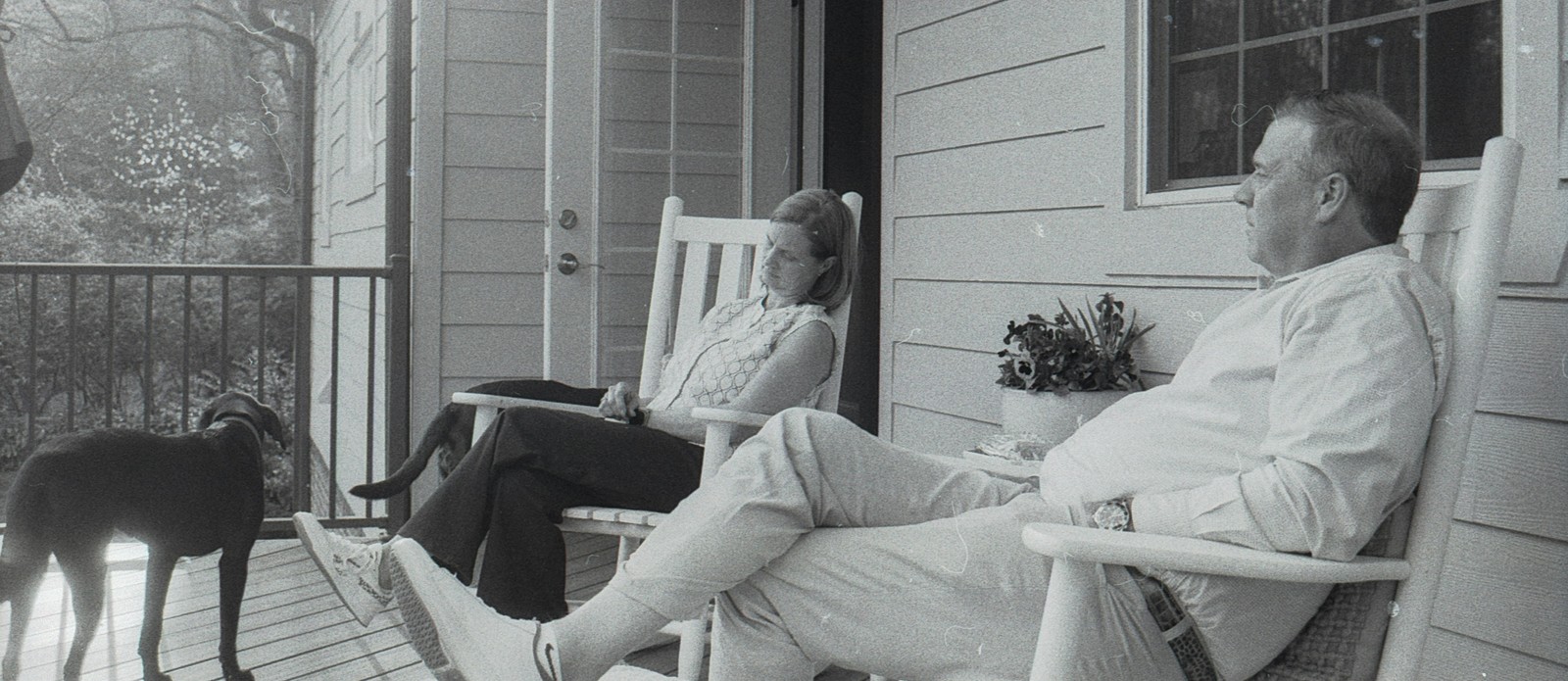
Image: Jackson Barger

Do you remember flipping through the Sears "Wish Book" before Christmas and circling everything you wanted? Or when families planned their evenings around a TV schedule? Maybe it's been a while since you've had to wait to get your vacation photos developed, not knowing until days later whether the pictures even came out. Somewhere along the way, most of these familiar routines, traditions, and little shared experiences quietly disappeared from everyday life. Here are 10 customs that younger generations may never experience, but that millions of Americans once grew up with.

1
Watching TV together at a fixed time
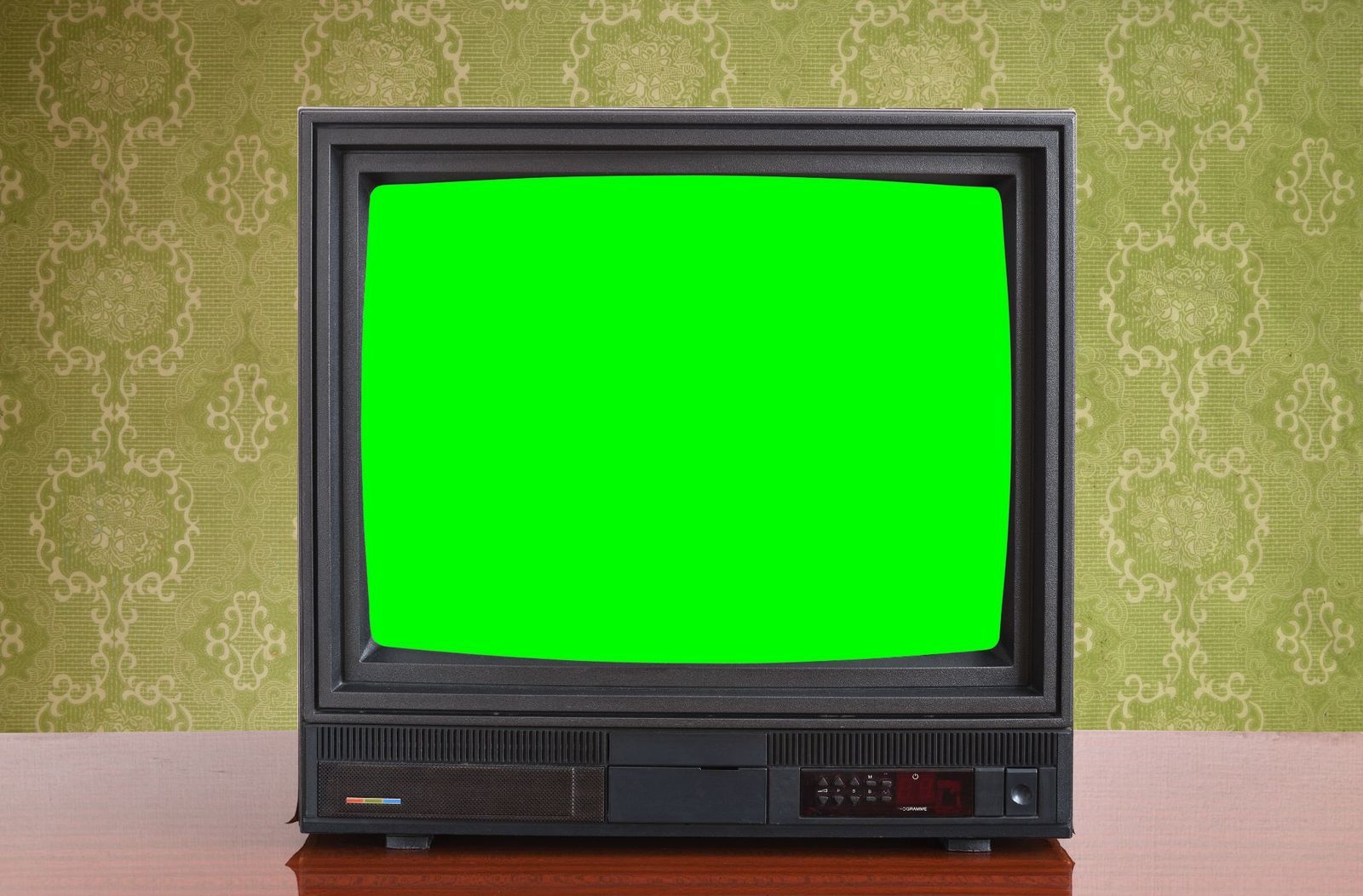
Image: shutterstock

Back when the only screen in the house was the TV in the living room, families gathered every night to watch their favorite shows at a specific time.

Long before streaming services let us pause, rewind, skip commercials, binge, or watch on demand, families built their evenings around the TV schedule. Shows like I Love Lucy , The Ed Sullivan Show , and later M A S H and The Cosby Show gave millions of Americans something to laugh and talk about together the next day. By the 2000s, though, that shared experience began to fade. With endless entertainment available anytime on phones, tablets, and computers, families no longer had to gather around one screen at one set hour.

2
Drive-in movies
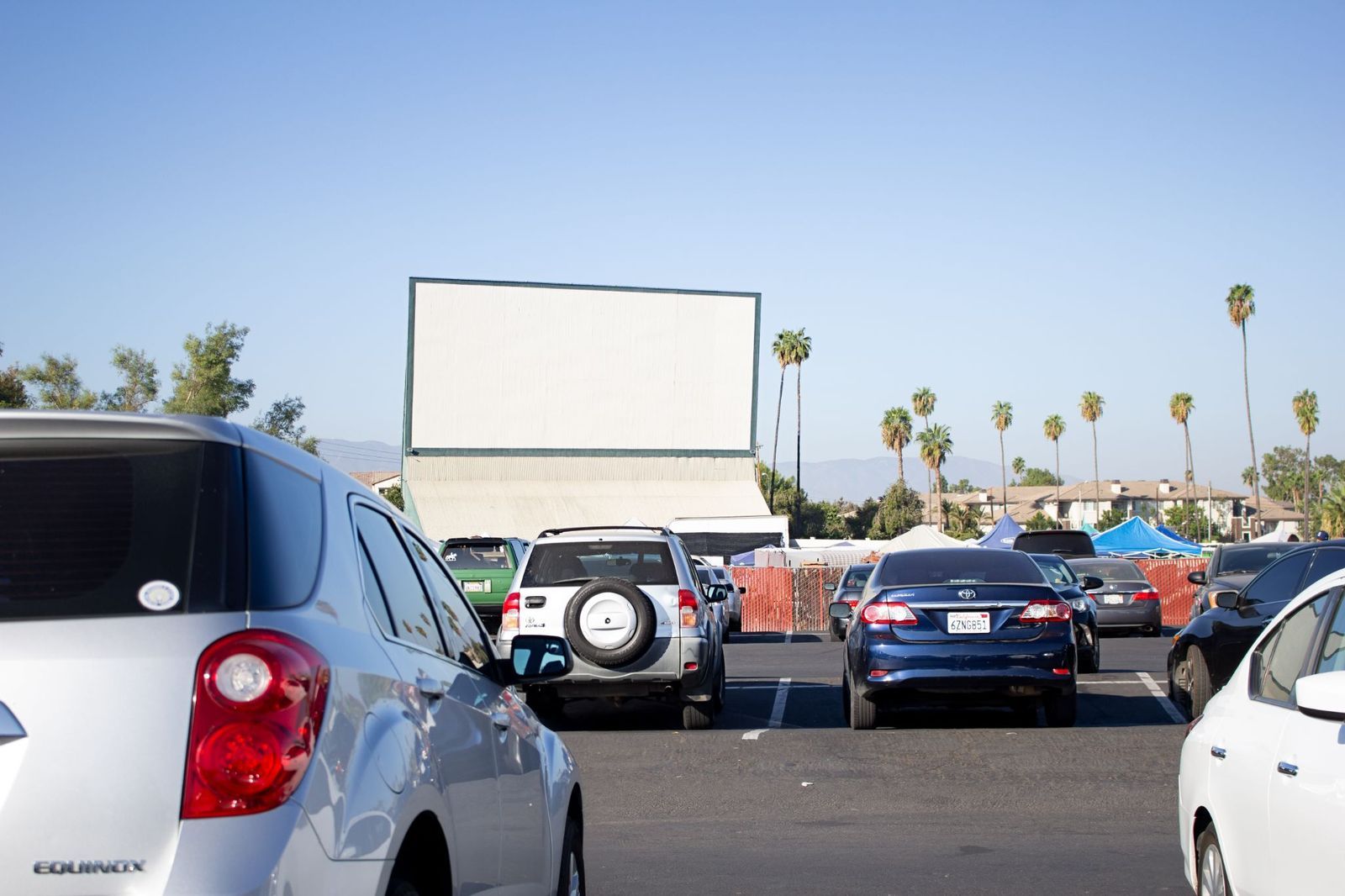
Image: shutterstock

A night at the drive-in was about much more than just watching a movie. Families piled into the car with blankets and snacks, kids often already wearing their pajamas, while teenagers saw it as the perfect date night. It was a kind of movie experience that today’s theaters can’t quite recreate.

But beginning in the 1970s, many drive-ins started disappearing. Growing suburban property values made those huge lots that provided low-cost entertainment harder to maintain, while cable TV and VHS gave families an easier and cheaper option: staying home to watch movies instead. Despite all this, drive-ins didn’t disappear completely. Around 300 are still operating across the country today, including famous spots like Bengies Drive-In Theatre in Middle River, Maryland, home to one of the largest movie screens in America, at 52 feet high by 120 feet wide.

3
Browsing the Sears catalog before Christmas

Image: Mike Kalasnik from Jersey City, USA, CC BY-SA 2.0, via Wikimedia Commons

Long before Amazon, we had another way to shop remotely: the famous Sears catalog. For many families, the arrival of the Sears Christmas "Wish Book" was one of the signs that the holiday season had begun.

Kids spent hours flipping through its pages, circling toys they dreamed of, while parents browsed everything from clothes and appliances to tools and furniture. You filled out an order form, mailed in a check, and waited for your package to arrive. First introduced in 1933, the beloved Wish Book remained a holiday tradition for generations, but as online shopping grew and Sears struggled to keep up with changing times, the iconic catalog slowly disappeared before being discontinued in 2011.

4
Larger celebrations

Image: Nadia Valko

Years ago, holidays like Christmas and Thanksgiving often meant one thing: the whole family gathering in one house. The turkey had to be big enough for everyone, and folding tables appeared out of nowhere for cousins, grandparents, aunts, and uncles.

Holiday gatherings are still an important American tradition, but they are often smaller than they used to be. Today, many families celebrate with only close relatives or a few friends instead of the massive family reunions. And there’s something that explains part of this phenomenon: in earlier generations, these holidays were one of the few chances extended families had to truly reconnect. Long-distance calls were expensive, travel was harder, and there were no video calls to keep everyone in touch year-round. Ironically, even though we were far apart, we actually saw each other in person more often.

5
Waiting for photos to be developed
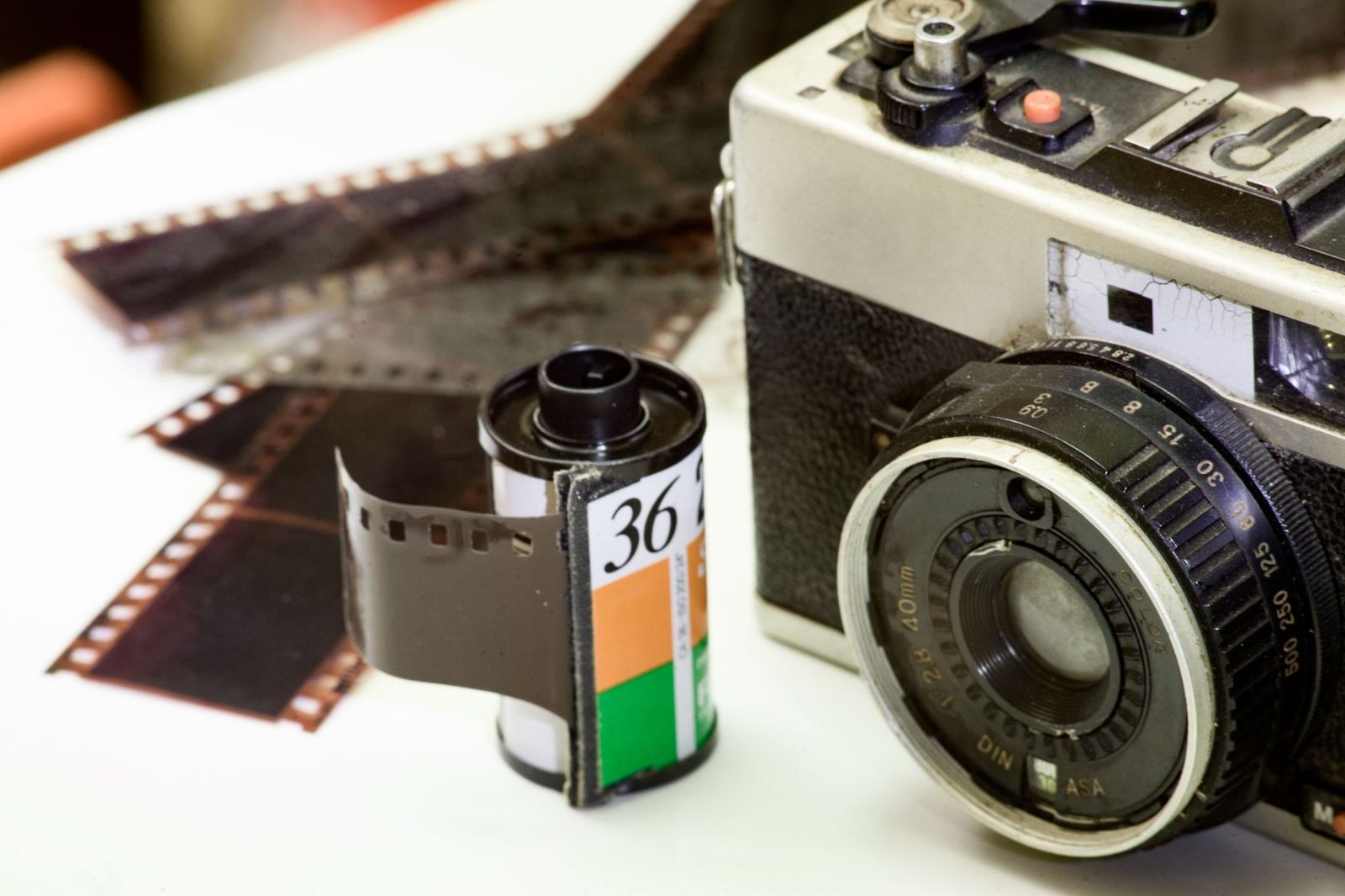
Image: shutterstock

For much of the 20th century, capturing memories meant waiting days, sometimes weeks, for vacation and holiday photos to be developed. And that wait was part of the fun. There was always a little excitement in wondering how the pictures had turned out, along with the surprise of discovering funny or beautiful moments you didn’t even remember capturing.

Those photos didn’t stay buried in a phone gallery; they filled family albums, sat in frames around the house, and became something families pulled out to relive old memories. But beginning in the 1980s, instant cameras like Polaroid and later digital photography slowly changed all that. Today, we can instantly take and keep thousands of pictures, but nothing compares to the analog experience.

6
Popping over to a friend’s house unannounced

Image: shutterstock

Young people today often wonder how we made plans, checked if friends were home, or stayed connected before cell phones. The answer is as simple as life was back then: people just showed up.

Before texting and instant messaging, it was completely normal to stop by a friend’s or neighbor’s house unannounced, ring the doorbell, and see if they were around. Today, with constant digital communication, that kind of spontaneity has largely faded. Sometimes, showing up without warning is now seen as rude rather than friendly. But in many ways, that shift makes sense: busier schedules and a greater need for privacy have naturally led to a more planned way of life.

7
Sending Christmas cards and holiday postcards
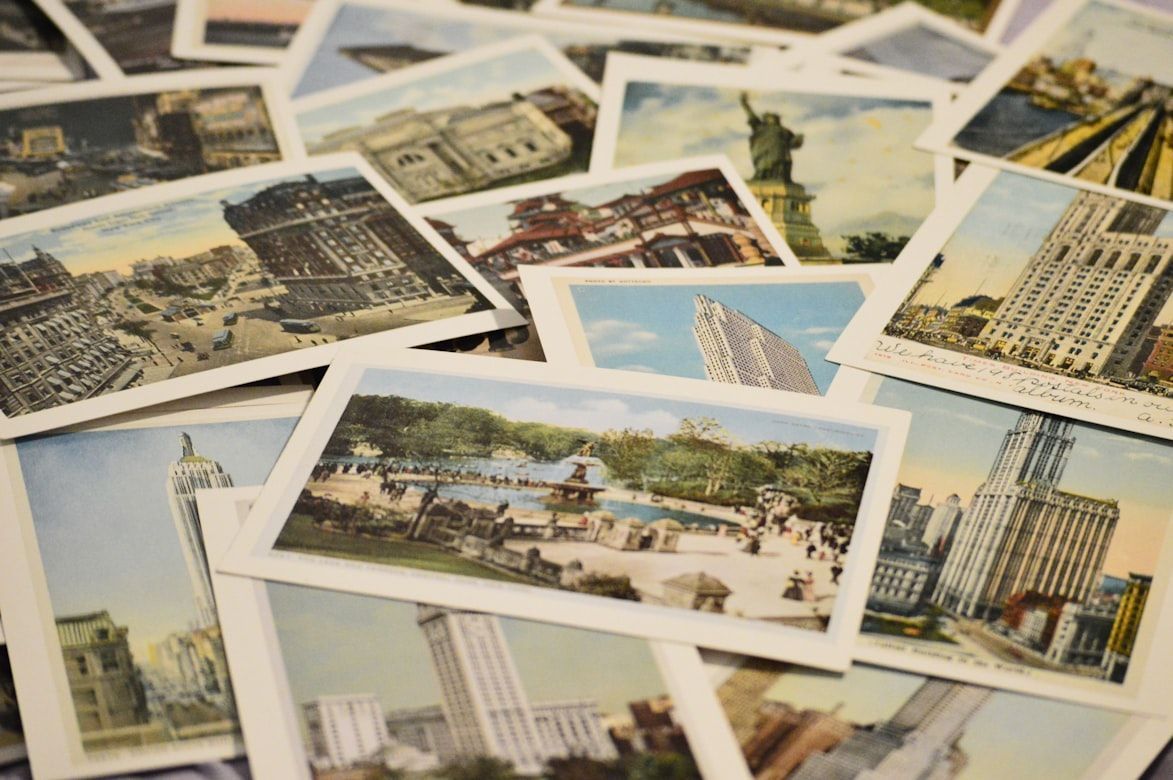
Image: Becky Phan

Long before emails, group chats, and social media, sending Christmas cards and postcards was one of the most common ways we stayed connected during the holidays.

Although the tradition began in Britain, it truly took off in the US in the 1870s, thanks in large part to German immigrant Louis Prang, whose beautifully printed Christmas cards became wildly popular across the country. By the early 20th century, mailing holiday cards had become a cherished American tradition, with families eagerly checking the mailbox throughout December. The custom is still alive today, but it is no longer as central to the holiday season as it once was. Even so, we still send an estimated 1.3 to 1.6 billion Christmas and holiday cards every year.

8
Using paper road maps
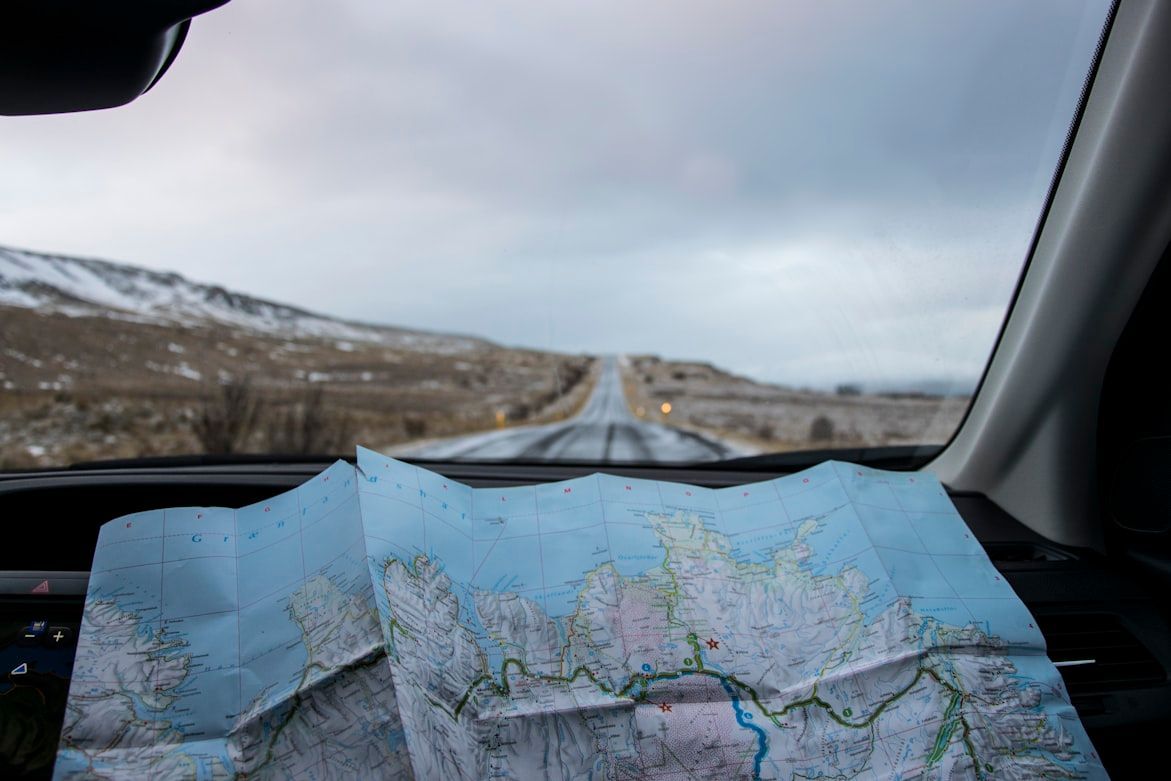
Image: Tabea Schimpf

For decades, almost every car had one thing tucked inside the glove compartment: a folded paper road map. Long before GPS and smartphones, knowing how to read a map was a requirement for any traveler.

Gas stations often gave them away for free, and on family road trips, one person usually drove while another tried to follow the route and give directions, sometimes correctly, sometimes not. Getting lost, arguing over the map, and struggling to fold it back up were all part of the experience.

9
Midnight Black Friday shopping

Image: freestocks

Do you remember when people spent a night outside stores, waiting for the doors to open on Black Friday? As the shopping frenzy grew in the late 2000s, major retailers like Target, Best Buy, and Macy’s pushed their opening hours earlier and earlier, until many stores were opening right at midnight.

Shoppers bundled up in coats, stood in long lines, and rushed through the doors to grab the year’s hottest TVs, toys, and holiday gifts before they sold out. It was chaotic, exhausting, and for many, surprisingly fun. But once online shopping and home delivery became faster and easier, those midnight shopping crowds slowly began to disappear. By the 2010s, the tradition was already fading away.

10
Door-to-door caroling

Image: shutterstock

A few decades ago, opening the door during Christmastime often meant being greeted by neighbors or local groups singing carols. From the late 19th into the early 20th century, caroling was a community tradition, with churches, schools, and neighborhoods organizing routes.

Over time, the tradition began to fade. As cities grew and daily life became more fast-paced, privacy and safety concerns changed how people interacted with their neighbors. Today, door-to-door caroling is much less common, though it still survives in some communities. But America still loves the music: According to the market research company "YouGov," about 75% say they listen to holiday songs or carols at home during the season.
Geography Geography 4 min read

The sharpest minds

Top US cities with the highest IQs revealed! Did your city make the list?

Image: Olav Ahrens Røtne

Intelligence comes in many forms, but when it comes to education, things like graduation rates, quality, and achievement speak loudest. With this in mind, we've put together a list revealing the smartest cities in the United States, starting with Boston (after all, it's not called "The Athens of America" for nothing!) Want to know which cities made the list? Keep reading to find out if your city is on it!

1
Boston, Massachusetts

Image: Aubrey Odom

The vast majority of Boston residents hold college degrees. With research-driven institutions like Harvard and Boston University, the city enables a rich academic environment that promotes learning, innovation, and scientific advancement in different fields. In addition, Boston's public schools and statewide educational standards rank among the best in the country!

2
Seattle, Washington

Image: S Edward

Seattle is definitely considered one of the smartest cities in the US! But why? Well, there are several factors. First, most of its population over age 25 (53.8%) holds a bachelor's degree or higher. And it's no surprise: Seattle is home to the University of Washington, one of the top-ranked universities in the world. In addition, the city is a tech hub, with one in five residents working in STEM fields (Science, Technology, Engineering, and Mathematics).

3
Chicago, Illinois

Image: Willian Justen de Vasconcellos

Chicago is a city everyone should experience at least once. Its rich cultural, intellectual, and innovative atmosphere secures its spot on this list. The city has a well-established education scene, with prestigious institutions like the University of Chicago and Northwestern University, and a high percentage of residents holding professional degrees in fields like law, medicine, and business. Plus, its smart use of technology to enhance life quality makes it stand out even more.

4
Atlanta, Georgia

Image: Jessica Furtney

Atlanta, Georgia, is succeeding in today's world thanks to its growing tech job market and fast internet speeds, making it an ideal place for anyone interested in science and technology. The city is also proud of its academic presence, with standout institutions like Emory University, Georgia Institute of Technology, and Georgia State University.

5
San Jose, California

Image: Zetong Li

If you're into technology, San Jose, California, might be your ideal city. As the heart of Silicon Valley, San Jose boasts an elevated number of highly educated residents: Over 26% hold a graduate or professional degree. It's also home to tech giants like Apple and Google, making it a hub of innovation and opportunity.

6
Durham-Chapel Hill, North Carolina

Image: Brandon Griggs

The metropolitan area composed of Durham and Chapel Hill in North Carolina is part of the renowned Research Triangle, named for the three major research universities in the region: Duke University, UNC Chapel Hill, and North Carolina State University. A significant portion of residents in this region hold graduate degrees, particularly in fields like medicine, science, and technology.

7
Boulder, Colorado

Image: Hongtao Cai

Sustainability, innovation, and education are top priorities in Boulder, Colorado. The city has been recognized for its commitment to the environment, including a bold goal of reaching 100% renewable energy by 2030. On top of that, Boulder was highlighted by Forbes as a major "intellectual center," ranking among the US cities with the highest percentage of residents holding a bachelor's degree or higher.

8
Austin, Texas

Image: Alexander Williams

With over 19% of its residents holding a professional degree, Austin, Texas, has earned its spot on the list. In addition to the prestigious University of Texas fueling its educated population, Austin also has a rapidly growing tech industry. Its young, creative, and highly skilled workforce makes the city stand out even more.

9
Ann Arbor, Michigan

Image: Brad Switzer

Thanks to its high concentration of highly educated residents, Ann Arbor, Michigan, regularly earns a spot on the list of the smartest cities in the United States. Much of that reputation comes from the University of Michigan, a major science, research, and tech hub, and the city's overall high level of educational attainment.

10
Washington, DC

Image: Kyaw Tun

Washington, DC, also ranks as one of the smartest cities in the country thanks to its high concentration of highly educated professionals, policy experts, and researchers. The capital city also boasts one of the highest graduation rates nationwide. From the Smithsonian Museums and the Library of Congress to the Kennedy Center and the National Archives, the city offers endless opportunities to enrich your cultural experience.

Culture Culture 6 min read

ALL-TIME CLASSICS

Are you looking for the Great American Novel? Explore 10 contenders

Image: Laura Chouette

American literature is rich in stories and authors. Its best examples capture life in the big cities, luxury, and glamour, but also the small rural American towns, diving into their roots and history. Books like Francis Scott Fitzgerald's The Great Gatsby or John Steinbeck's The Grapes of Wrath are classics that have left a lasting mark on generations of readers . Today we have put together a bookshelf with 10 of the best American novels of the 20th century. This list will surely fall short, but we hope you enjoy our selection!

1
The Great Gatsby , F. Scott Fitzgerald (1925)

Image: Girl with red hat

Written by F. Scott Fitzgerald, one of the most iconic authors of the so-called "Lost Generation", The Great Gatsby portrays the dark side of the American dream . The protagonist, the mysterious and apparently frivolous millionaire Jay Gatsby, is obsessed with winning back a woman he loved in his youth. Set in the Jazz Age, Fitzgerald’s book raises the contradictions between the power of money and the most intimate individual aspirations.

Published in 1925, The Great Gatsby is one of the greatest masterpieces of American fiction . Since then, it has sold millions of copies all over the world, has had numerous theatrical and film adaptations, and was chosen as the best American novel of the 20th century on several occasions.

2
The Sound and the Fury , William Faulkner (1929)

Image: Brandi Redd

Published in 1929, The Sound and the Fury is William Faulkner's fourth novel and is considered the greatest opus of this Nobel Laureate . It chronicles the decadence of the Compsons, an aristocratic family in the American South, their secrets, and the relationships of love and hate that sustain and destroy them.

The Sound and the Fury is a profound and heartbreaking exploration of decay, despair, and loss . Faulkner's innovative narrative technique, while challenging, allows for an intimate and visceral portrayal of the characters. The novel also addresses issues of race, gender, and class with admirable narrative prowess.

3
The Old Man and the Sea , Ernest Hemingway (1952)

Image: MonicaVolpin

The Old Man and the Sea was the last novel published by Ernest Hemingway during his lifetime. For it, he won the Pulitzer Prize for Fiction in 1953 and it undoubtedly contributed to the Nobel Prize for Literature he was awarded in 1954.

The novel tells the story of Santiago, an old and experienced fisherman who embarks on a grueling three-day battle when he finally manages to catch a huge marlin. The Old Man and the Sea is considered one of the masterpieces of universal literature that has captivated readers around the world for decades . Its message about perseverance, dignity, and the search for life’s meaning is still relevant today. The novel is a must-read for anyone interested in literature and human nature.

4
In Cold Blood , Truman Capote (1965)

Image: Brandi Redd

On November 15, 1959, in a small Kansas town called Holcomb, the four members of the Clutter family, a married couple and their two teenage children, were savagely murdered by Dick Hickcock and Perry Smith.

Based on these gruesome events, the American novelist Truman Capote managed to turn around his career as a storyteller by writing In Cold Blood , the novel that definitively established him as one of the great authors of twentieth-century American literature. This book catapulted him as the pioneer of the New Journalism literary movement , a non-fiction genre that became popular in the 1960s for narrating stories based on real events.

5
The Catcher in the Rye , J. D. Salinger (1951)

Image: Gratisography

The Catcher in the Rye , written by the great J. D. Salinger, is a contemporary novel that has become a classic of modern literature. At the time of its publication in 1951, it provoked numerous controversies for its provocative language and its unabashed portrayal of teenage struggles, such as sexuality, the loss of innocence, and the transition to adulthood.

The Catcher in the Rye could be framed within the Bildungsroman —a literary genre that focuses on the psychological and moral growth of the protagonist. It follows Holden Caulfield, a teenager who, after being expelled from school, gets lost in New York trying to find his way in the world. The novel is rich in symbolism and themes , and the literary style and narrative technique are unique and exceptional.

6
American Pastoral , Philip Roth (1997)

Image: Arno Senoner

Published in 1997, American Pastoral is the novel that earned Philip Roth the Pulitzer Prize and is the first in the well-known "American Trilogy", a series of novels narrated by Nathan Zuckerman, the author's alter ego. With the Vietnam War as a backdrop, this book is a lucid tale that questions American values during the end of the happy sixties.

In American Pastoral we find Roth at his best: deep, intense, incisive, magnificent . His ability to build a universe of complex characters and dig into their psychologies is astounding and overwhelming. Few writers have managed to capture the contradictions of American society as he has done.

7
Beloved , Toni Morrison (1987)

Image: Artis Kančs

Beloved , published in 1987 by Nobel Prize winner Toni Morrison, takes place in the aftermath of the American Civil War . The novel tells the story of an African-American slave, Margaret Garner, who escapes from Kentucky to Ohio, a free state.

Magic realism runs throughout the entire book and manifests through the ghostly presence of Beloved's character. Morrison uses this technique to explore collective memory and the persistence of the past . The novel is considered a masterpiece of contemporary literature and has been acclaimed for its innovative writing style and its exploration of sensitive subjects such as slavery, freedom, identity, and memory.

8
On the Road , Jack Kerouac (1957)

Image: Daria Kraplak

On the Road is a semi-autobiographical novel in which Jack Kerouac recounts a series of trips he made across the United States and Mexico with his friend Neal Cassady. Inspired by his passion for jazz, Kerouac developed the idea of a book that would be a great improvised prose solo . He wrote it on his typewriter on a long, single roll of paper in just three weeks.

A cornerstone of the so-called "Beat Generation," On the Road was published in September 1957, after 6 years of delay due to the publisher's reservations about the explicit contents. At the time, this emblematic book had a major impact, especially on the younger readers of the 60s. Today, On the Road is still considered one of the great American novels of the 20th century for capturing the rebellious spirit of an entire generation.

9
The Heart is a Lonely Hunter , Carson McCullers (1940)

Image: Faith Enck

The Heart is a Lonely Hunter is a literary masterpiece that continues to resonate in the hearts of readers, even though it was published more than 60 years ago. Set in a small southern town, it tells the story of a group of people who have in common the rejection of a society that ignores them.

This is Carson McCullers' first novel, written when she was only twenty-three years old. She masterfully captures the essence of loneliness and the search for human connection in a way that transcends time. With a moving narrative and unforgettable characters, the novel has received critical acclaim and has earned a prominent place in literary history.

10
The Grapes of Wrath , John Steinbeck (1939)

Image: Sonder Quest

We couldn't leave The Grapes of Wrath, 1940 Pulitzer Prize winner , out of this list. In this harrowing book, Nobel laureate John Steinbeck narrates the difficult journey of a family of farmers who, beset by hunger and misery, leave the fields of Oklahoma to reach the golden shores of California, the promised land.

First published in 1939, The Grapes of Wrath is a seminal work in American literature that explores the conflict between the rich and the poor and reflects the horrors of the Great Depression with sensitivity and sharp insight. Steinbeck's chronicle of the shameful mistreatment of 1930s families is perhaps the most "American" of all American classics.

Explore more American facts

Choose your favorite category!

General
General

As American as apple pie—the very best America has to offer!

Culture
Culture

Delve into the astounding richness of American lore.

Geography
Geography

Hop in and explore vast and diverse American landscapes.

History
History

Discover the key moments that shaped the United States.