Are we there yet?
Every parent should read this article before embarking on a road trip

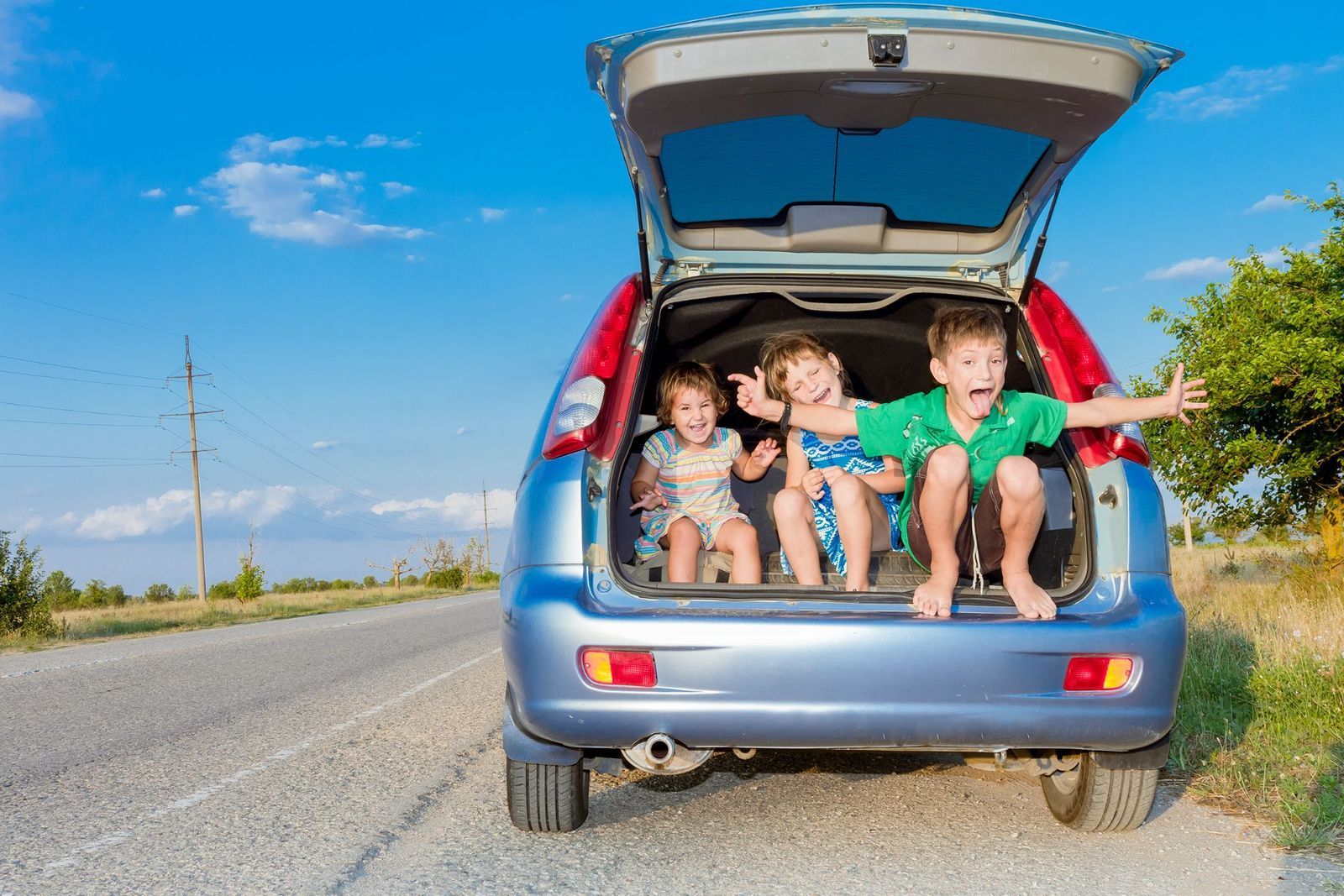
Image: LeManna
Traveling with children can be one of life's most rewarding adventures and one of its biggest challenges. A trip that looks effortless on social media often involves careful planning, a healthy dose of flexibility, patience, and a willingness to expect the unexpected. Fortunately, experienced parents, pediatricians, and travel experts agree on several practical habits that help reduce stress and keep kids happier on the road.
1
Choose flights that work with your child’s schedule
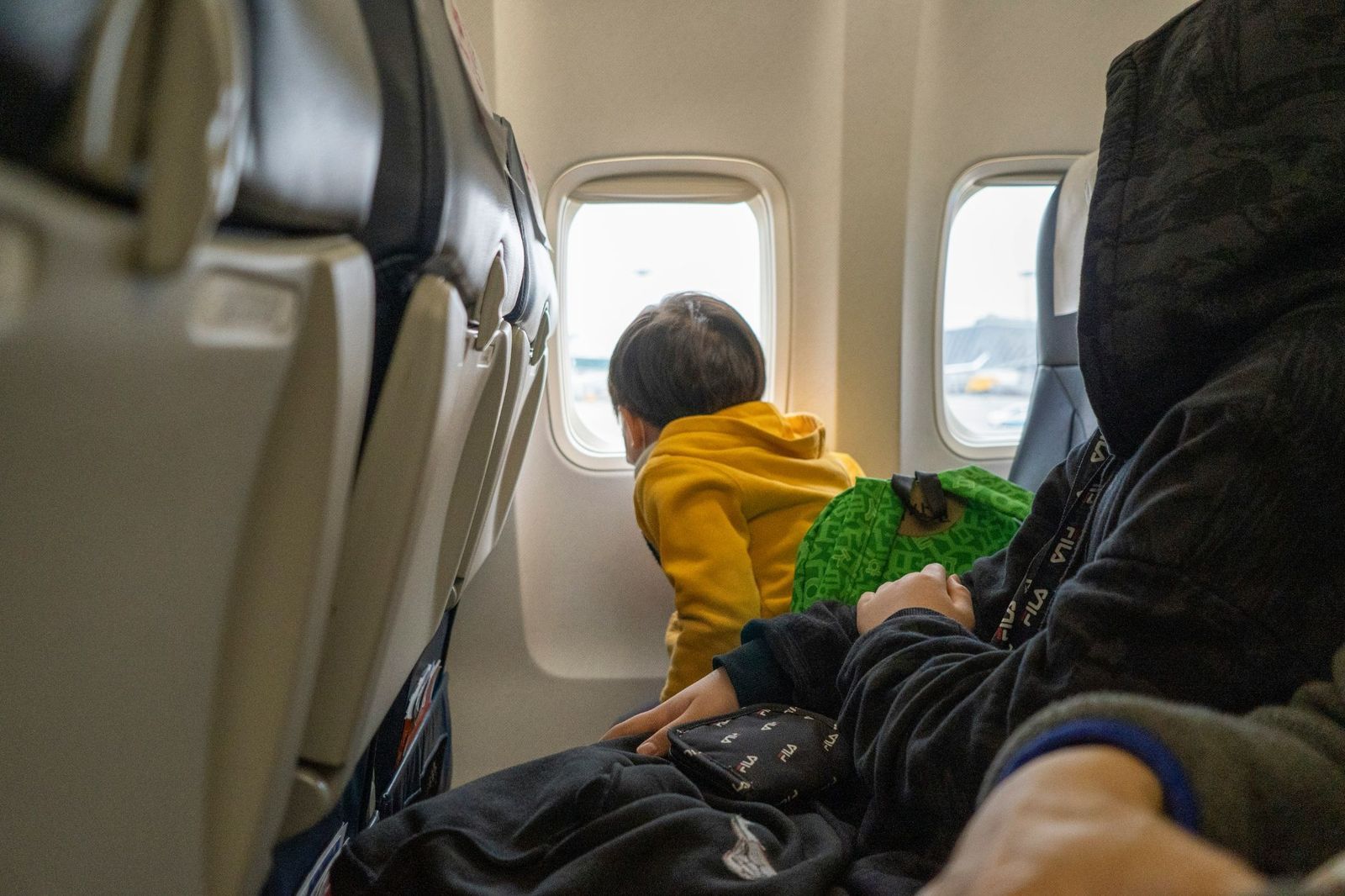
Of course, it’s tempting to book the cheapest flight available, but the lowest fare isn't always the best value when you're traveling with young children. Whenever possible, look for departure times that line up with your child's regular nap or bedtime . A sleepy child is often far more likely to relax, or even sleep, through a good portion of the journey, making the experience easier for everyone on board.
Direct flights can also be worth paying a little extra for. Every layover means another security check, another boarding process, and another opportunity for delays to throw off routines. Pediatric experts also recommend arriving at the airport with plenty of time to spare, reducing the stress of rushing through terminals with children and luggage. Starting the trip calmly often sets the tone for everything that follows.
2
Bring more snacks than you think you’ll need
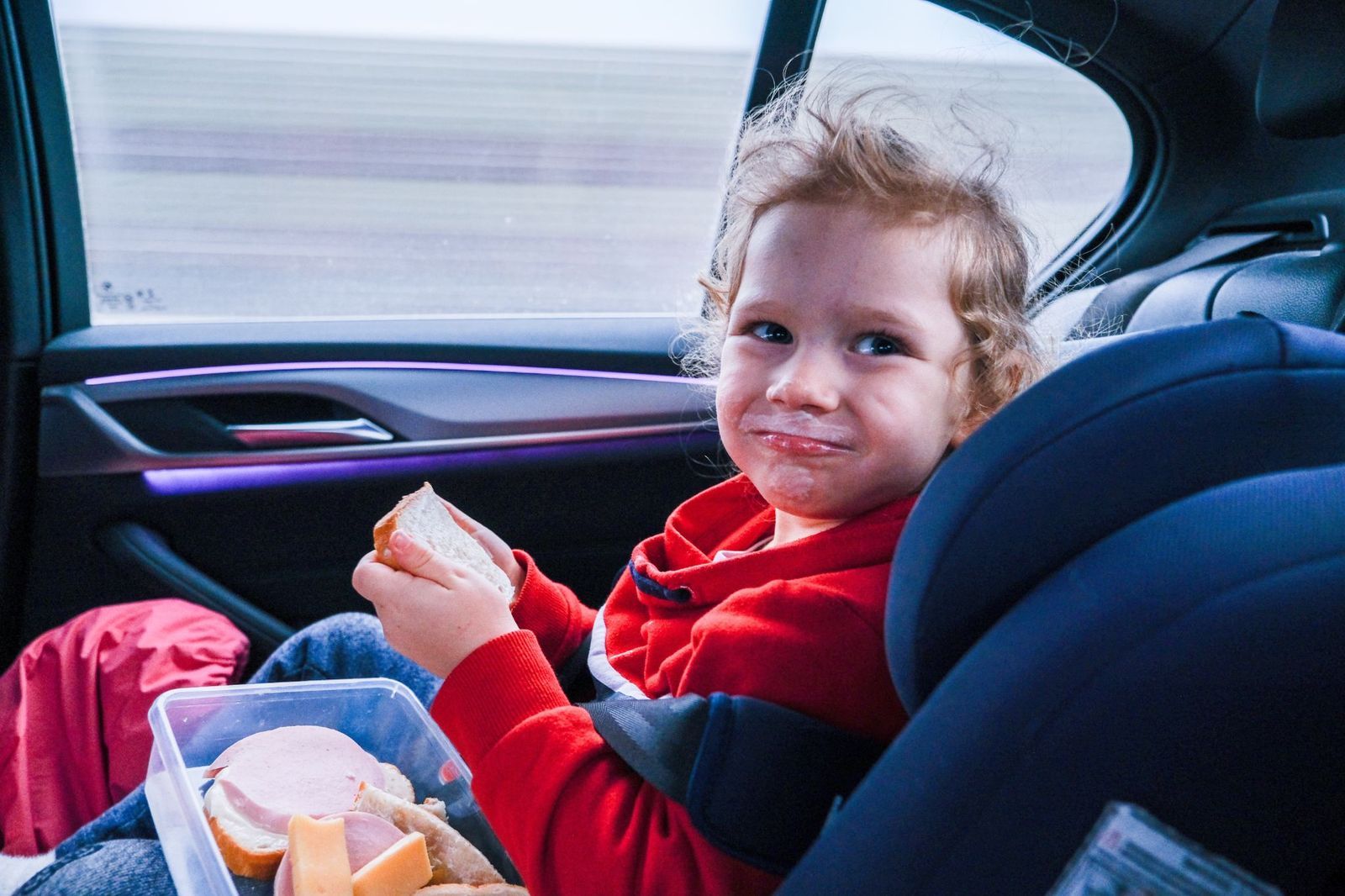
If there's one piece of advice nearly every experienced parent agrees on, it's this: pack extra snacks. Delayed flights, long security lines, traffic jams, and unexpected detours have a way of stretching meal times, and hungry children rarely become more patient as the hours pass .
Choose foods that travel well and don't require refrigeration, such as crackers, granola bars, dried fruit, applesauce pouches, or pretzels. Keeping familiar snacks within easy reach can also help picky eaters adjust to new surroundings. Even if you never open every bag, having plenty available provides peace of mind—and may help avoid an expensive airport food stop.
3
Download entertainment before you leave
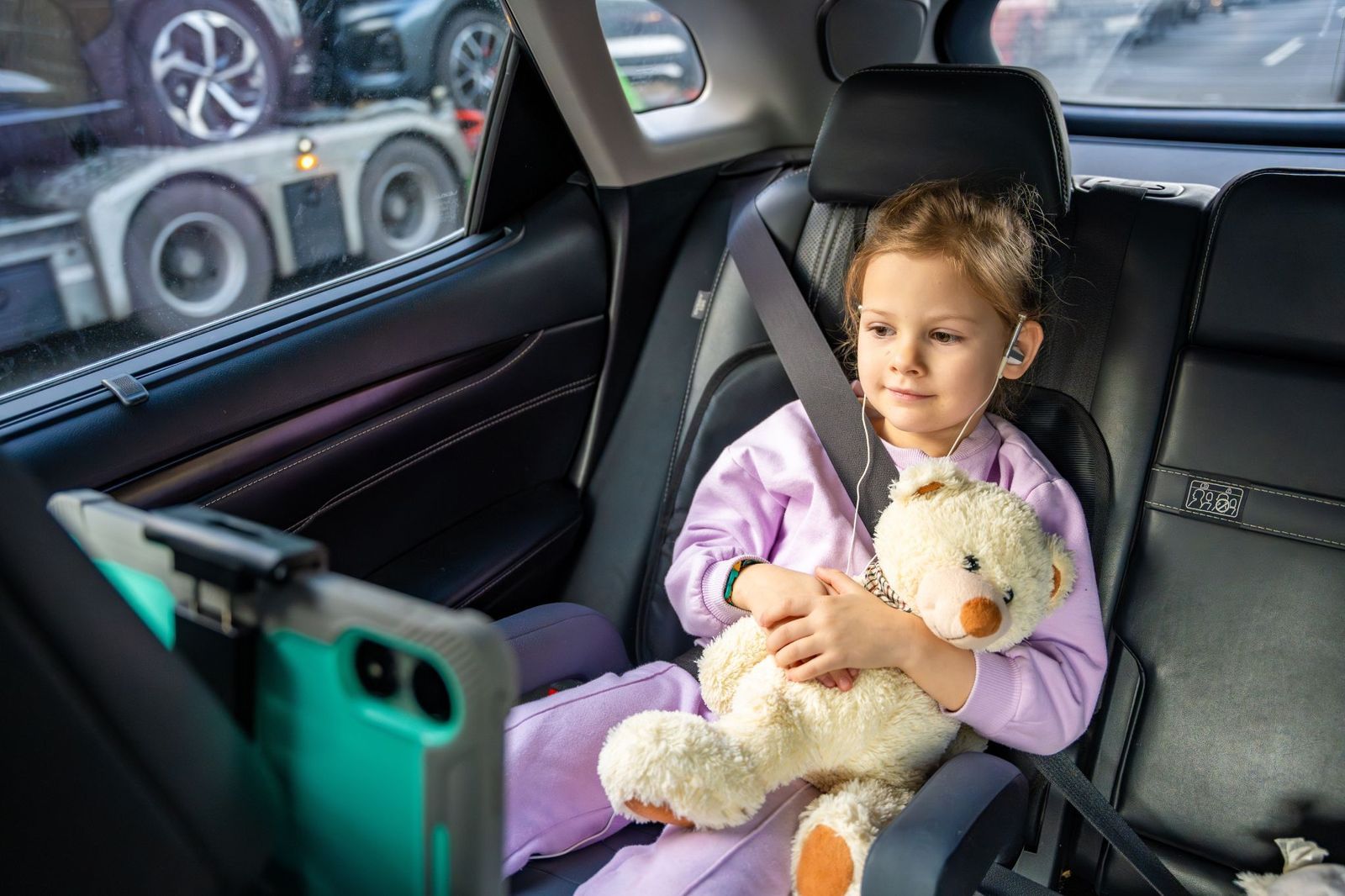
Modern travel has become much easier thanks to tablets and smartphones, but they're only helpful if the content is actually available when you need it. Airplane Wi-Fi isn't always reliable, mobile signals disappear in remote areas, and onboard entertainment systems occasionally malfunction.
Before leaving home, download favorite movies, television shows, audiobooks, music playlists, and age-appropriate games directly onto your devices . Packing headphones and portable chargers is just as important. Having entertainment ready to go means you'll never have to rely on an internet connection to keep little travelers happily occupied during long stretches of the journey.
4
Pack a complete change of clothes

Children have an incredible talent for finding the one puddle, juice box, or muddy patch capable of soaking an entire outfit. That's why seasoned travelers rarely leave home without packing at least one complete change of clothes in their carry-on luggage .
Include fresh socks, underwear, and a lightweight sweater in addition to a clean outfit. A plastic bag for dirty clothing is another simple addition that can make life much easier. Some parents even pack an extra shirt for themselves, since babies and toddlers have a remarkable ability to spread spills well beyond their own clothes.
5
Reserve seats together whenever possible
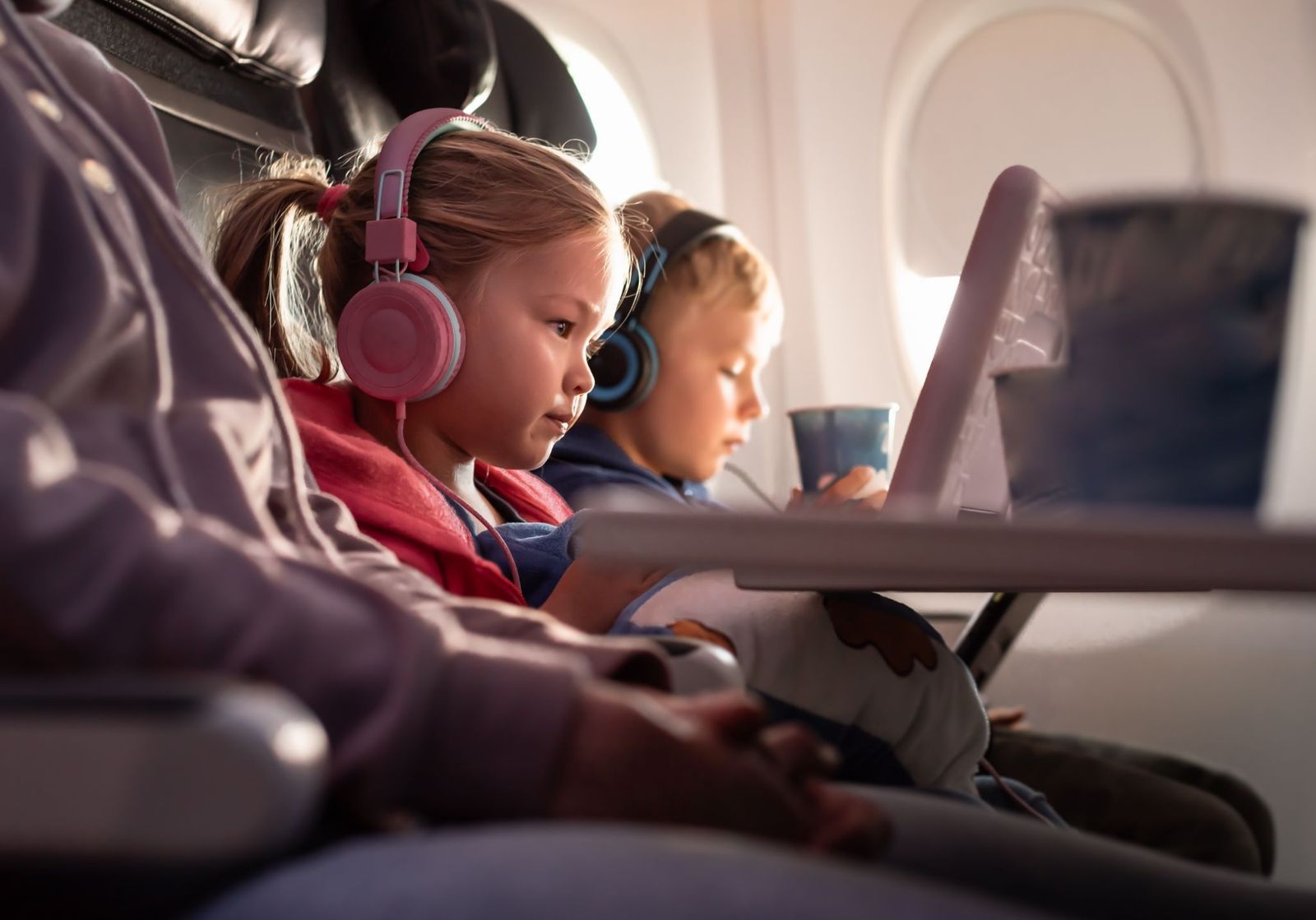
Sitting together isn't simply more convenient; it makes traveling significantly easier. Being close allows parents to quickly hand over snacks, help with entertainment, comfort nervous children, and manage unexpected situations without disturbing other passengers .
While many airlines try to seat families together, it's never guaranteed unless seats are selected in advance. Booking early increases your chances of staying together throughout the flight. For infants and toddlers traveling in their own seats, using an FAA-approved child restraint system provides an additional layer of safety during turbulence and takeoff.
6
Include flexibility in your plans

One of the quickest ways to create unnecessary stress is to try to pack every hour of the vacation with activities. Children naturally move at a different pace than adults, and even the most exciting attraction can become overwhelming after a long day.
Instead of scheduling four major attractions in a single afternoon, consider planning one primary activity with plenty of free time around it . Unexpected playground visits, leisurely lunches, or simply taking a break at the hotel often become some of the most enjoyable parts of a family vacation. Leaving room for spontaneity allows everyone to enjoy the trip rather than race through it.
7
Follow proper car seat and booster seat rules
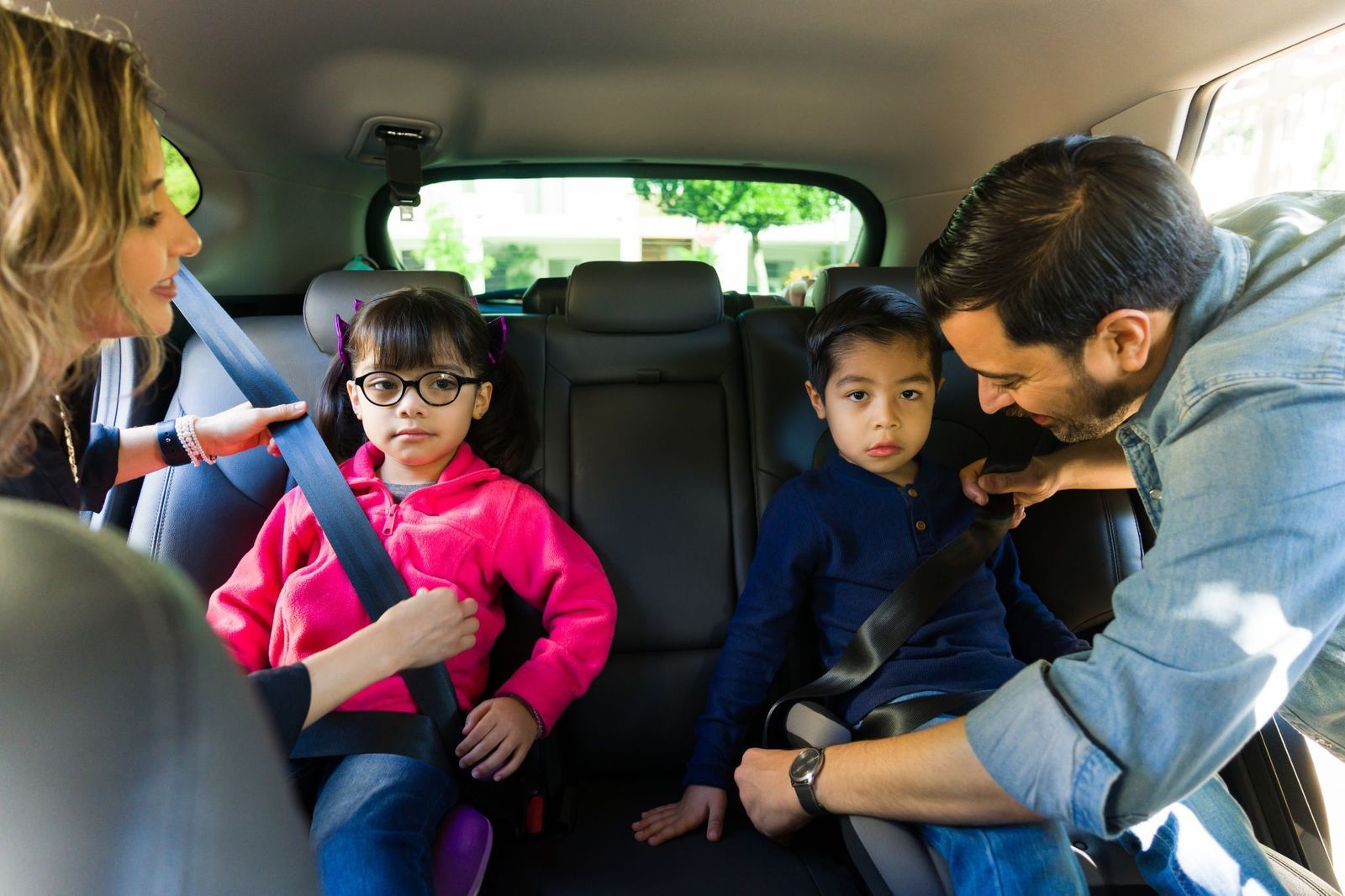
Whether you're driving your own vehicle or renting one at your destination, using the correct child restraint is one of the most important safety decisions you'll make. Motor vehicle crashes remain one of the leading causes of injury and death for children, making proper car seat use essential.
Health and safety experts recommend keeping children rear-facing as long as possible before transitioning to forward-facing seats, followed by booster seats until an adult seat belt fits correctly . Children under 13 are generally safest riding in the back seat. Taking a few extra minutes to install a seat correctly can make a tremendous difference in protecting young passengers.
8
Plan regular breaks on road trips

Adults may be able to drive for hours without stopping, but children usually need regular opportunities to stretch, move around, and burn off energy. Long periods of sitting can quickly lead to boredom, frustration, and restless behavior.
Planning a break every two or three hours gives everyone a chance to use the restroom, grab a snack, or simply walk around for a few minutes . Scenic overlooks, parks, picnic areas, and playgrounds can transform routine stops into enjoyable parts of the journey while helping drivers stay refreshed as well.
9
Bring a familiar comfort item
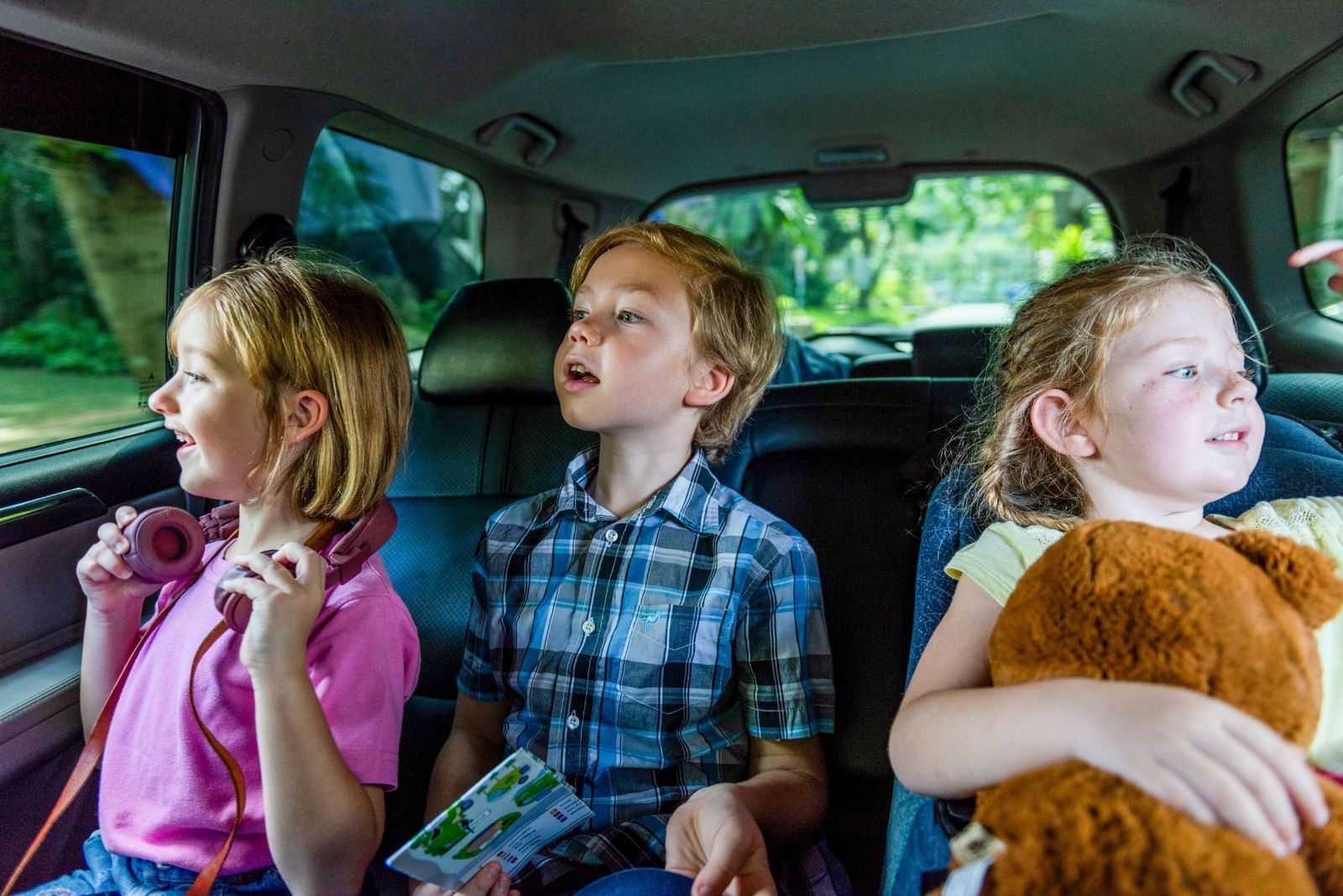
New places can be exciting, but they can also feel overwhelming for younger travelers. A favorite stuffed animal, blanket, bedtime book, or small pillow provides a comforting reminder of home when everything else feels unfamiliar .
Psychologists often refer to these cherished belongings as "transitional objects" because they help children cope with change and unfamiliar situations. Even older children sometimes appreciate having a familiar item nearby while sleeping in hotels or staying with relatives. Small comforts can make a surprisingly big difference after a busy day of sightseeing.
10
Involve kids in the planning

Vacations become even more exciting when children feel like active participants instead of passive passengers. Depending on their age, let them help choose a restaurant, pick one attraction to visit, or learn interesting facts about the destination before leaving home .
Younger children often enjoy marking locations on a map or helping pack their own travel bag, while older kids may enjoy researching museums, hiking trails, or local foods. Giving every child one special choice during the trip encourages enthusiasm and creates memories they'll feel personally connected to.
11
Keep bedtime routines as consistent as possible

Travel naturally disrupts daily schedules, but maintaining familiar bedtime habits can help children settle down more easily in new surroundings . Reading the same bedtime story, brushing teeth in the usual order, or listening to a familiar lullaby signals that it's time to sleep, even if bedtime happens in a hotel halfway around the world.
Well-rested children generally handle busy sightseeing days, long flights, and unfamiliar environments much better than overtired ones. While vacations don't require military precision, preserving a few comforting routines often helps the entire family enjoy each day a little more.
12
Remember that perfect trips don’t exist
Perhaps the best family travel advice has nothing to do with luggage, flights, or packing lists. Even the most carefully planned vacation will probably include a delayed flight, unexpected rainstorm, forgotten toy, or missed reservation somewhere along the way .
The families who seem to enjoy traveling the most aren't necessarily the ones whose trips go perfectly; they're the ones who treat surprises as part of the adventure. Years later, it's often the unexpected moments that become the funniest stories and the happiest memories. A successful family vacation isn't measured by perfection, but by the experiences you share along the way.