General General 4 min read

The secrets of the greenback

Dollar bills are green for this reason

Image: Pepi Stojanovski

The U.S. dollar is one of the most powerful and recognizable currencies in the world, but its physical form is unique for many other reasons . From its composition to its symbols, dollar bills and coins are carefully designed to combine history, security, and convenience. Let’s explore our national currency!

1
What are bills made of?
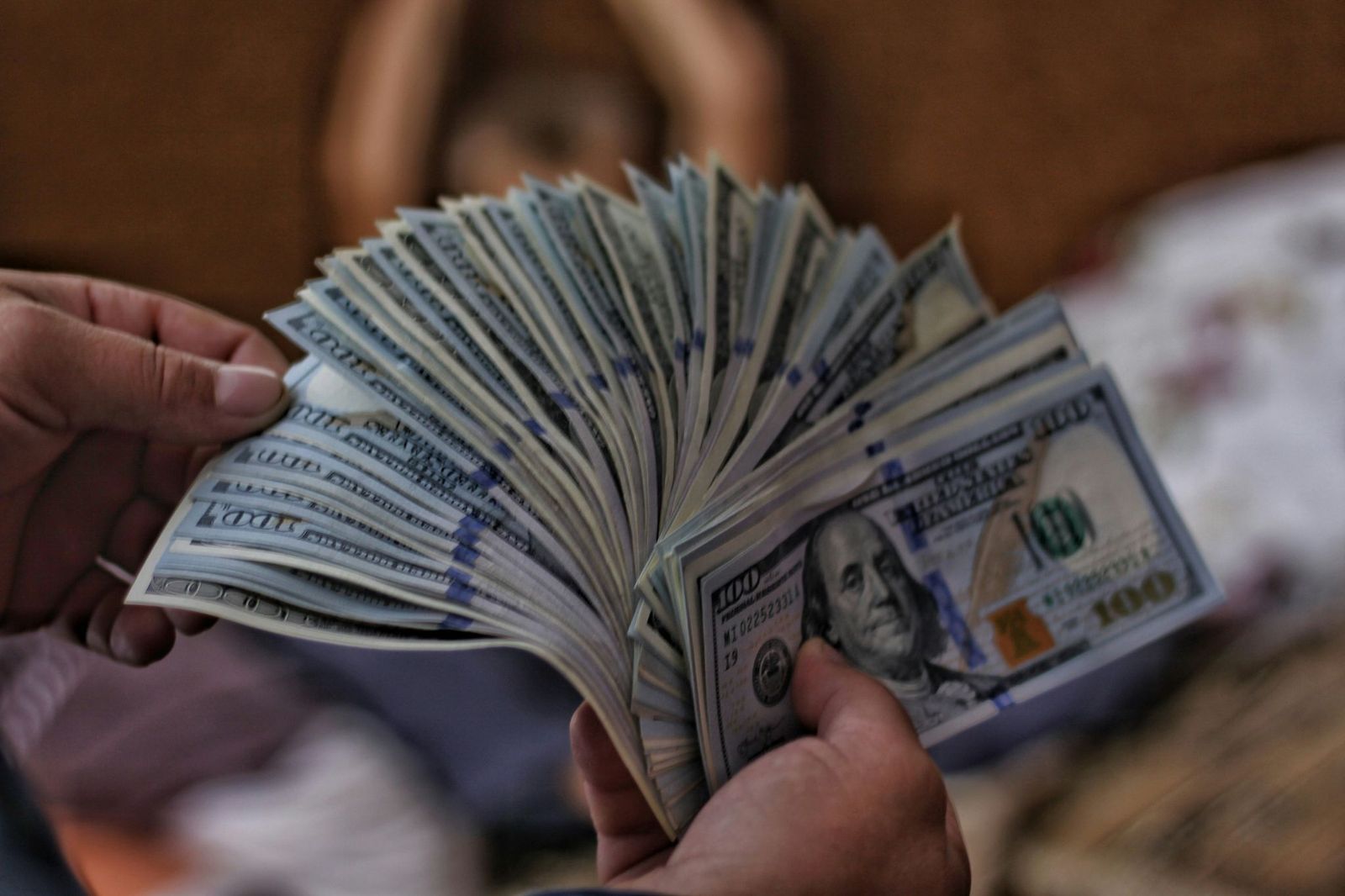
Image: Viacheslav Bublyk

Unlike other currencies, dollar bills are not made of paper or plastic. U.S. dollar bills are made from a special fabric blend composed of 75% cotton and 25% linen. This mix makes the bills extremely durable and resistant, and they can be folded about 4000 times before tearing.

2
What bills are valid?
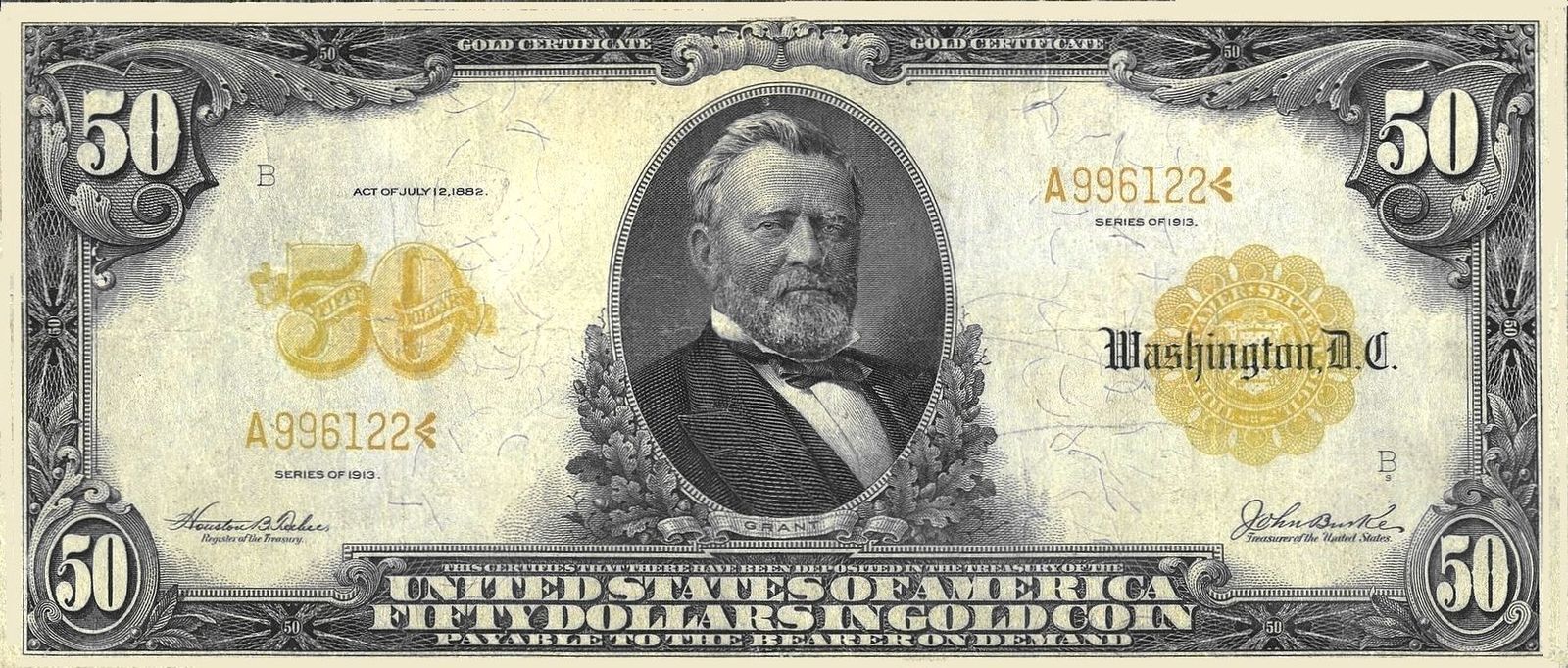
Image: U. S. Government, The Bureau of Engraving and Printing, Public domain, via Wikimedia Commons

Any U.S. dollar bill that was legally printed is valid, no matter how old, as American currency does not have an expiration date. While some bills might not be accepted by businesses of foreign exchange services due to their condition or if they are a discontinued version of the bill, the bills themselves are still valid, and American banks will accept them, though they might take them out of circulation.

3
American leaders
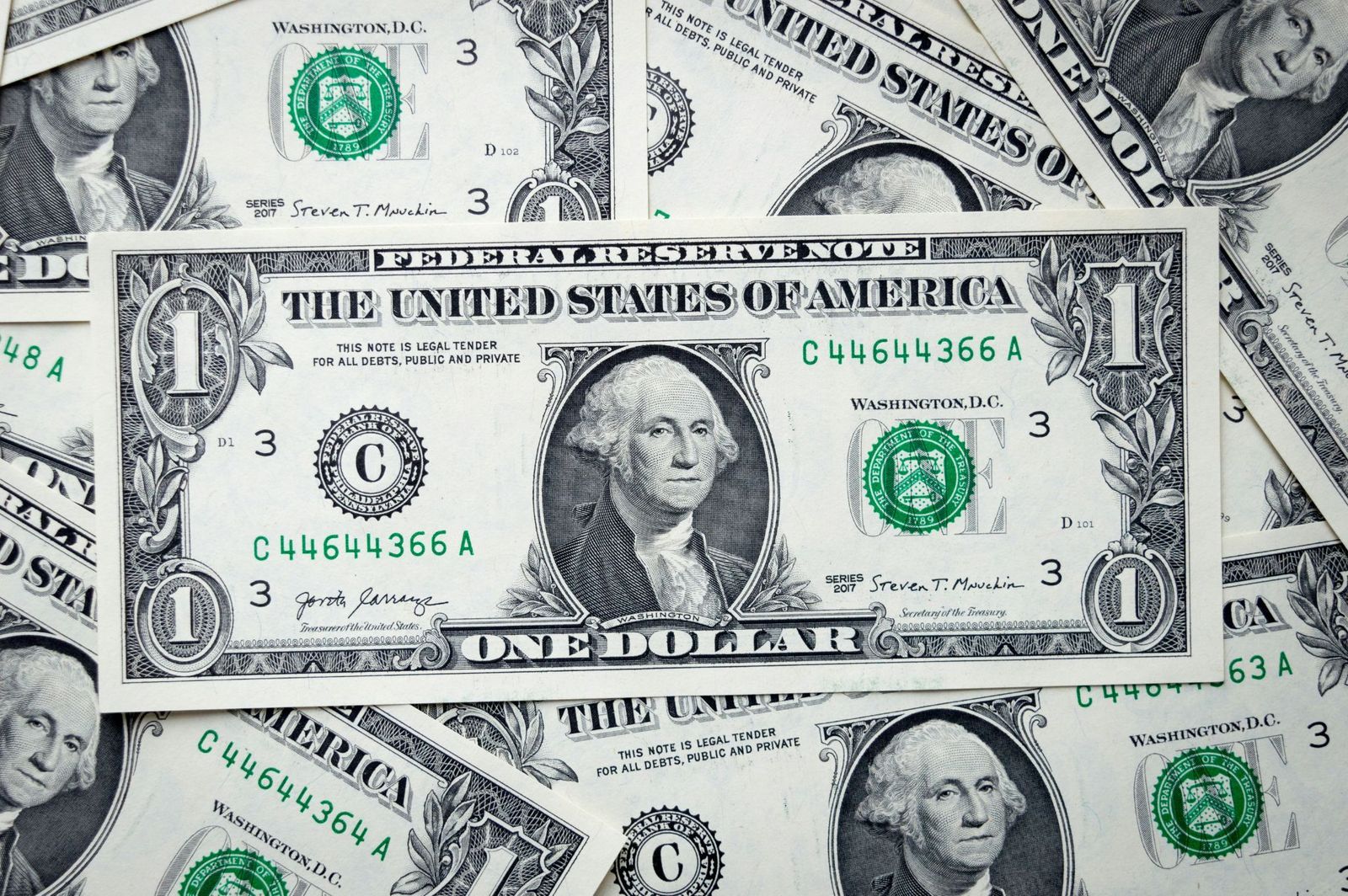
Image: Lukasz Radziejewski

Five bills have a depiction of an American president. The exceptions are the $10 bill, with Alexander Hamilton on the front, and the $100 bill, with Benjamin Franklin. The $1 bill, depicting George Washington, is extremely symbolic: several elements are repeated 13 times as a nod to the thirteen colonies, and it showcases the Bald Eagle and the Eye of Providence as a sign of God watching over America.

4
A change in size
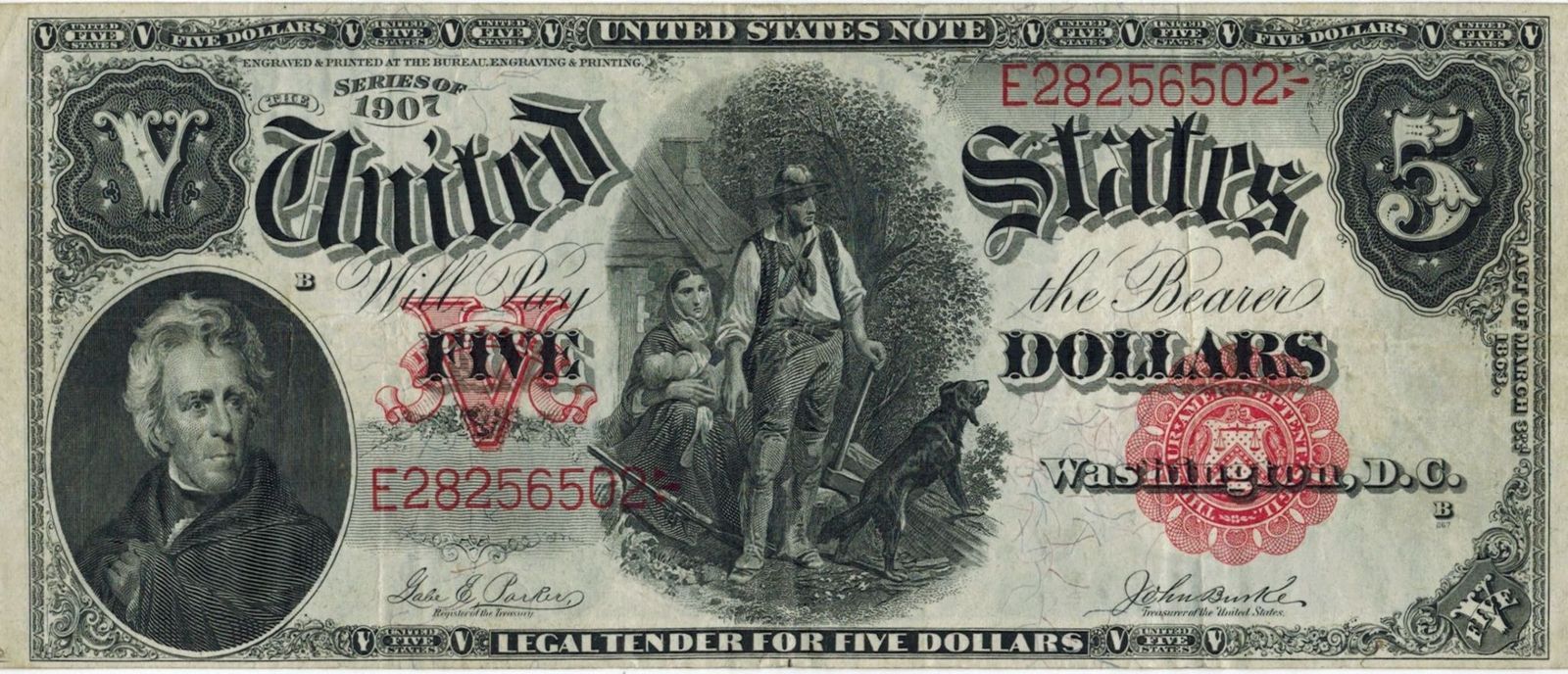
Did you know that dollar bills used to be so big that they were nicknamed "horse blankets"? Original dollar bills were 7.4 × 3.1 inches. In 1929, the Treasury Department reduced the size of bills to 6.14 × 2.61 inches to reduce production costs and materials. Old bills, though still valid, are worth much more as collector items.

5
Uniformity
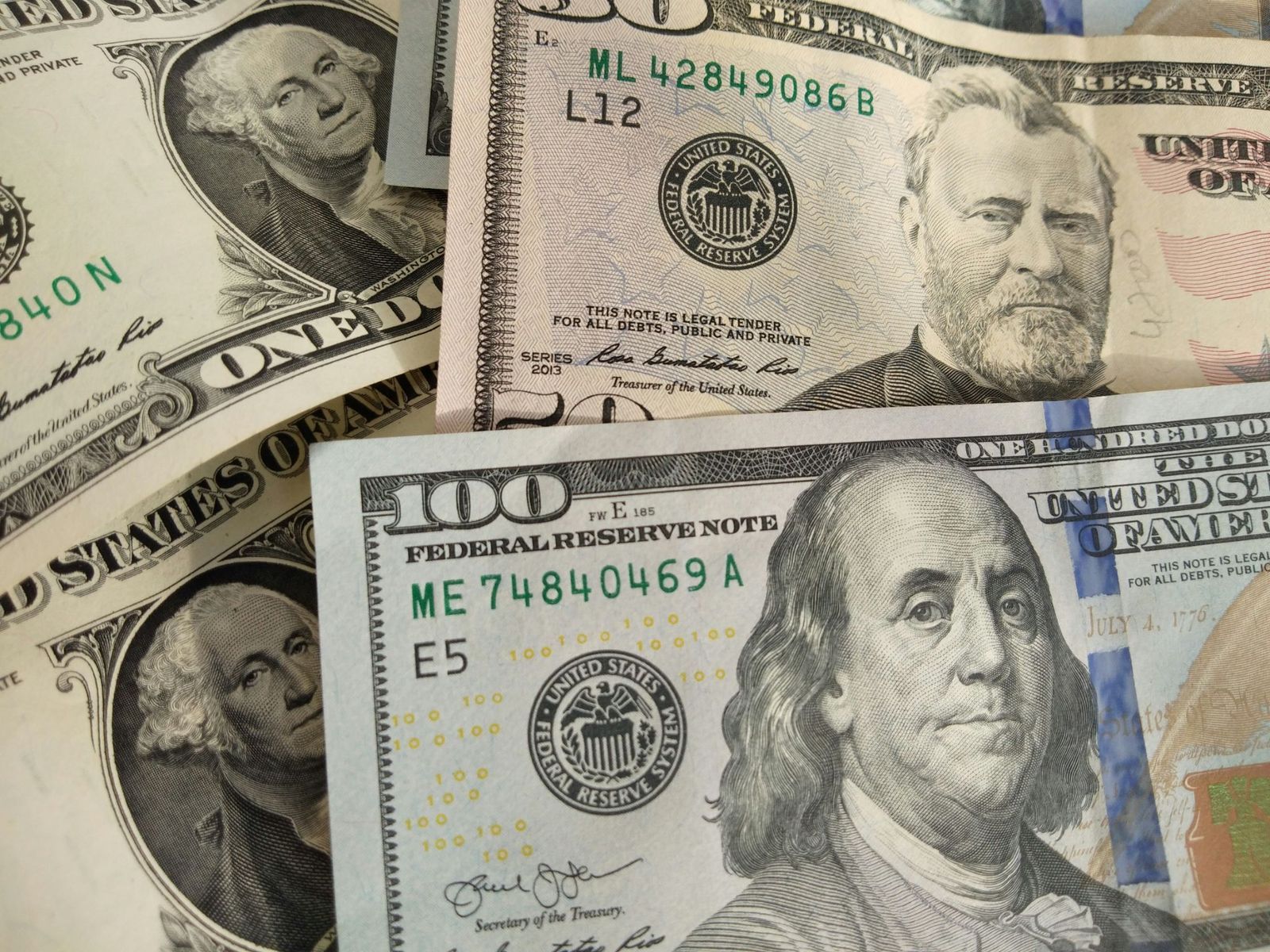
Image: Avinash Kumar

Besides their value and design, all dollar bills have the same size (6.14 × 2.61 inches), color, and weight (1 gram) , which sets American currency apart from other countries where bills of different values are differentiated by size, color, or both. Why doesn’t the U.S. implement differences among bills? The cost of adapting vending machines, bank drawers, and ATMs to new bill sizes would cost billions of dollars.

6
Hard to copy
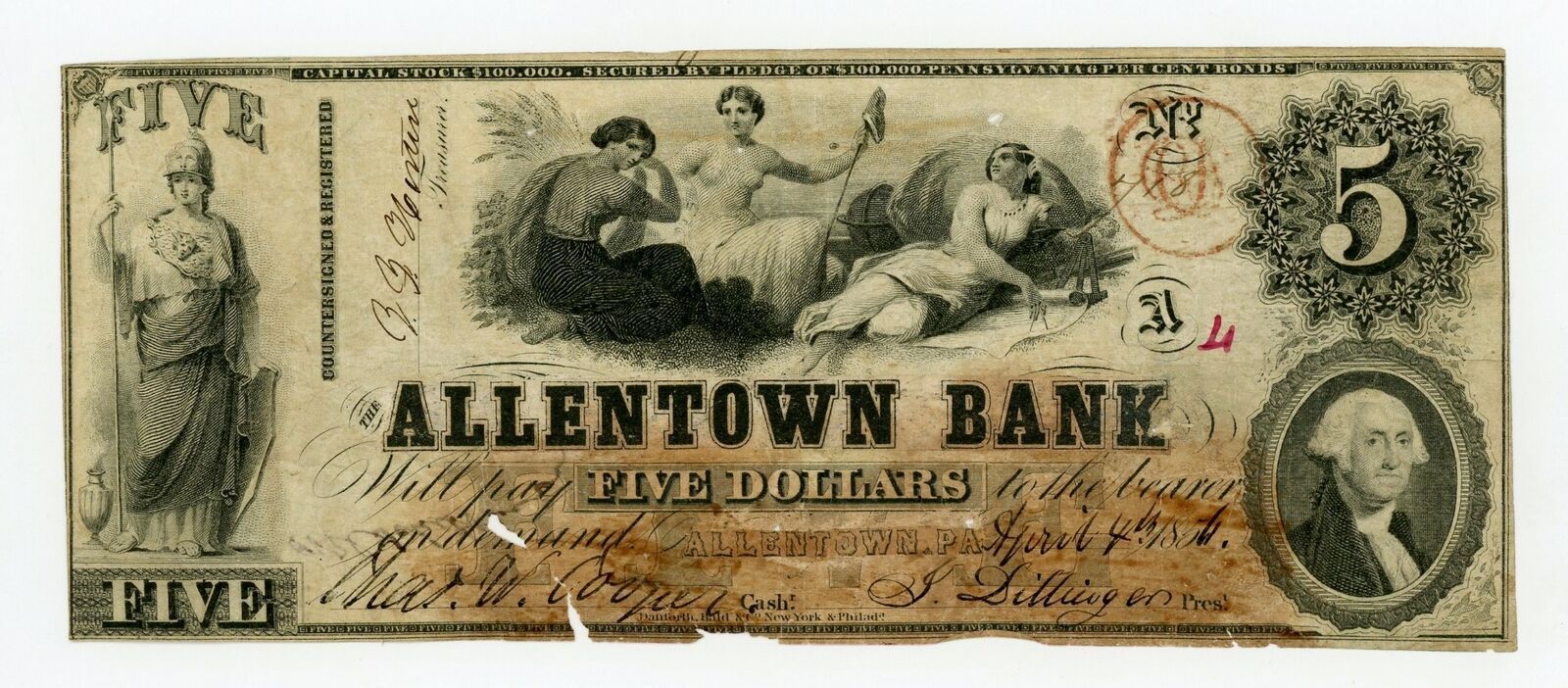
Image: United States Treasury Department, Public domain, via Wikimedia Commons

Originally, dollars were not green, but black. As time passed, green ink was favored, as it was cheap and did not fade as much as black. The new color also prevented people from using black-and-white cameras to create counterfeit money. Currently, dollar bills are predominantly green, but newer versions also include extra colors, such as pink, orange, or purple.

7
A $100,000 bill?
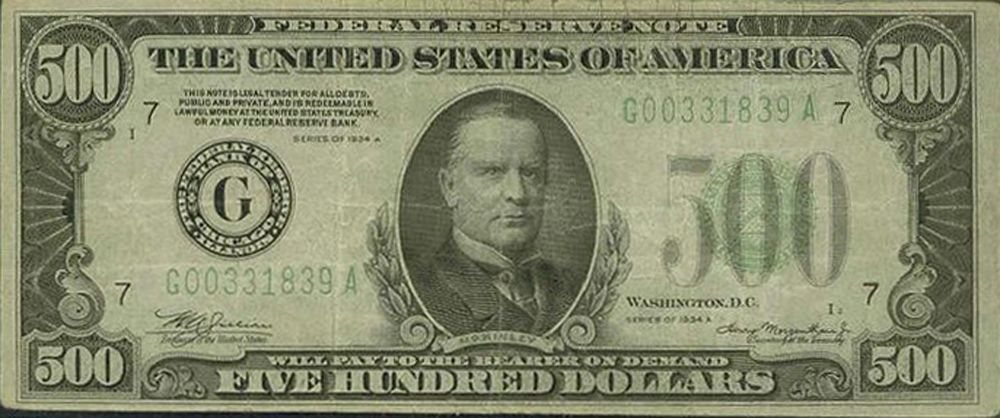
Image: The original uploader was Durova at English Wikipedia., Public domain, via Wikimedia Commons

Have you ever seen a $500 or 1,000 dollar bill? What about a $100,000? Up until 1945, the U.S. Treasury printed $500, $1,000, $5,000, $10,000, and $100,000 notes , in addition to the values currently in use. These higher-value notes were mainly intended for bank and government use, but were sought by criminals as they made it easier to hide large amounts of money. Even though they were officially discontinued in 1969, these notes are still valid, though rare, and they have a high worth as collector's items.

8
No numbers
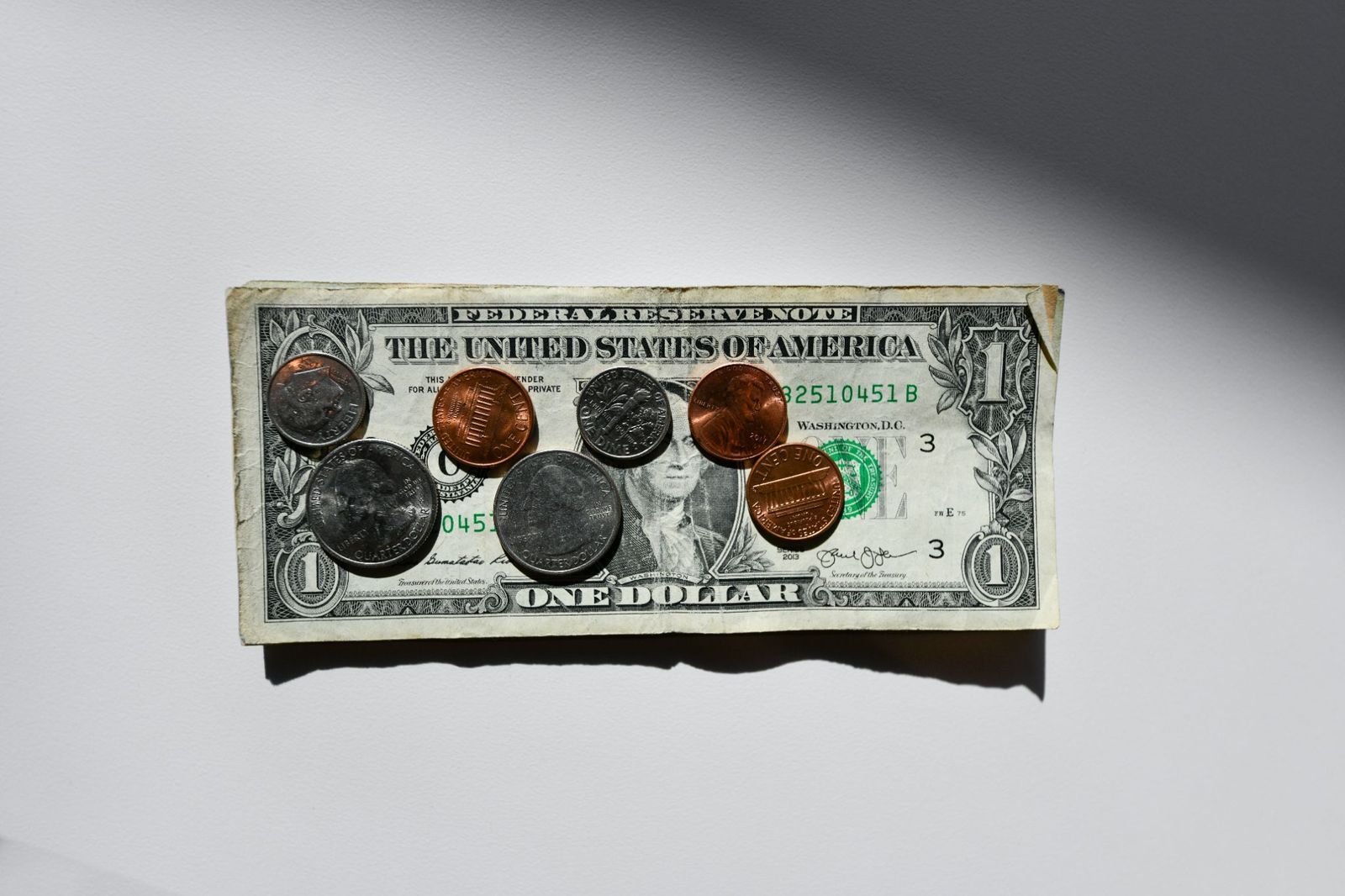
Image: Quilia

Unlike bills, American coins have different sizes and colors related to their value. Originally, gold, silver, and copper were used for coins, but modern coins are made of copper, zinc, or nickel. Besides their size and design, the value of each coin is printed in letters, not in numbers , alongside depictions of American presidents.

9
Liberty for all (the coins)
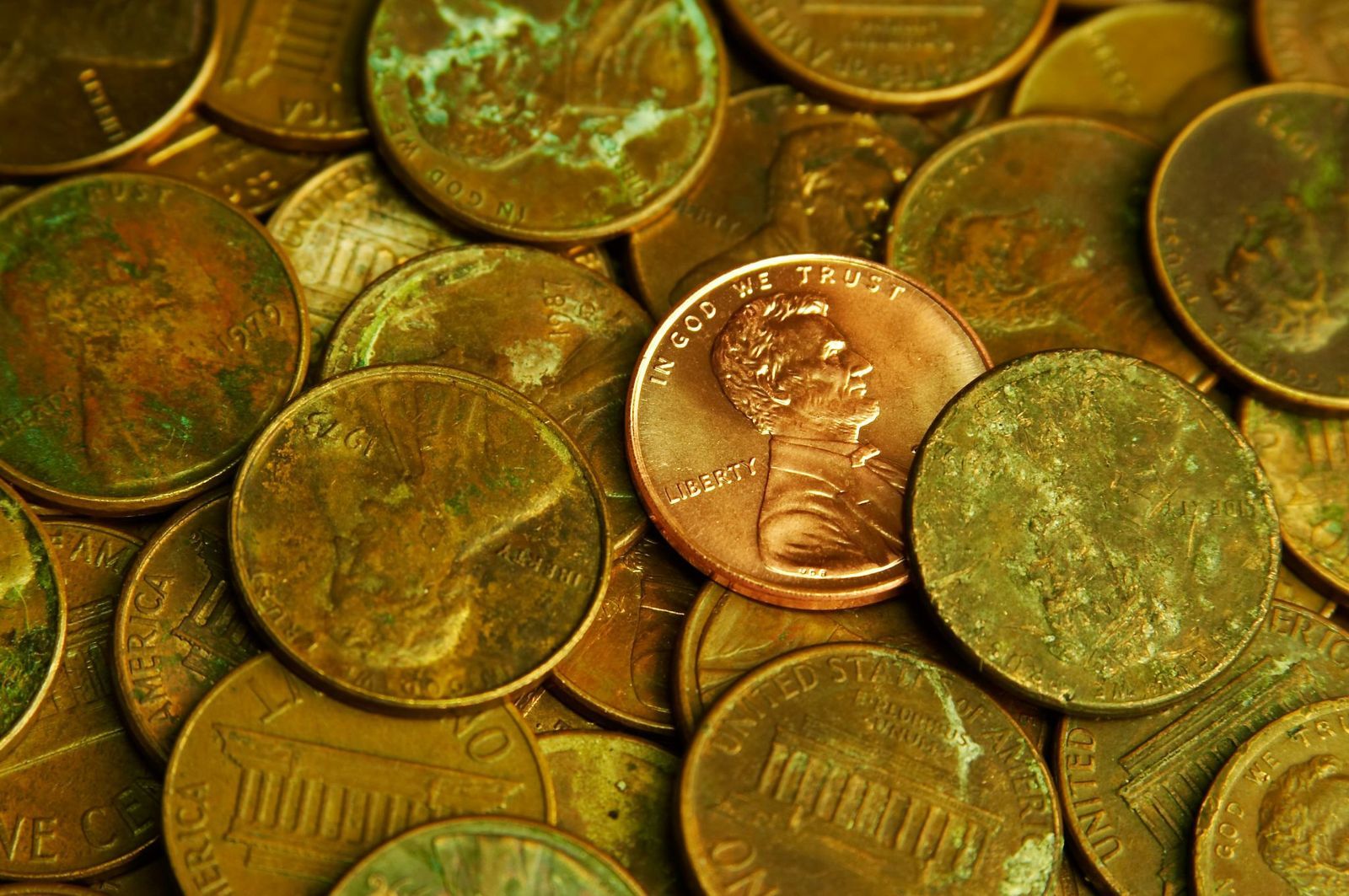
Image: Money Knack

By law, all American coins must include six specific details : the word ‘Liberty’, the name of our country, the national motto "In God We Trust", the oldest American motto "E Pluribus Unum", the value of the coin, and the year. Each coin also includes a mint mark that shows where it was made: "P" for Philadelphia, "D" for Denver, "S" for San Francisco, and "W" for West Point.

10
A global currency
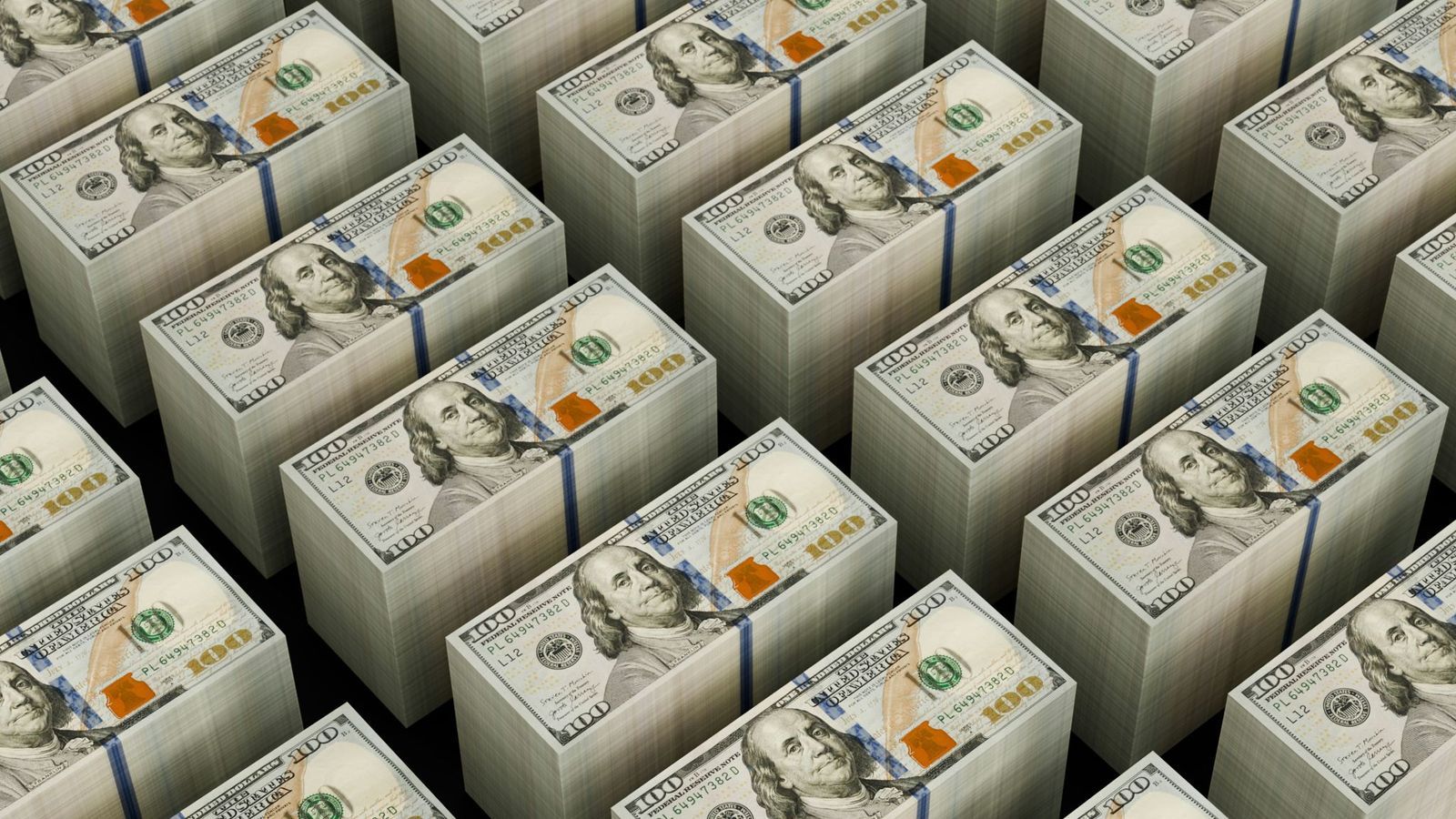
Image: Logan Voss

The American dollar is one of the most powerful currencies in the world, acting as a backbone for international trade and finances. It is estimated that two-thirds of the physical dollars in circulation are outside American territory. Besides the U.S. and its territories, eight sovereign nations have the U.S. dollar as their official currency, with several more accepting it as legal tender.

Culture Culture 4 min read

They said, "No Thanks."

From Dolly Parton to Tom Cruise: why these stars refused major awards

Image: Mirko Fabian

Have you ever imagined yourself winning an Oscar or an Emmy? While that might sound like a dream come true for many people, some stars have actually turned down major awards. From clashes with fellow nominees to political statements, each had their own reasons. Keep reading to discover why these 10 famous stars said "no thanks" to these recognitions.

1
Marlon Brando

Image: Trailer screenshottrailer at IMDB, Public domain, via Wikimedia Commons

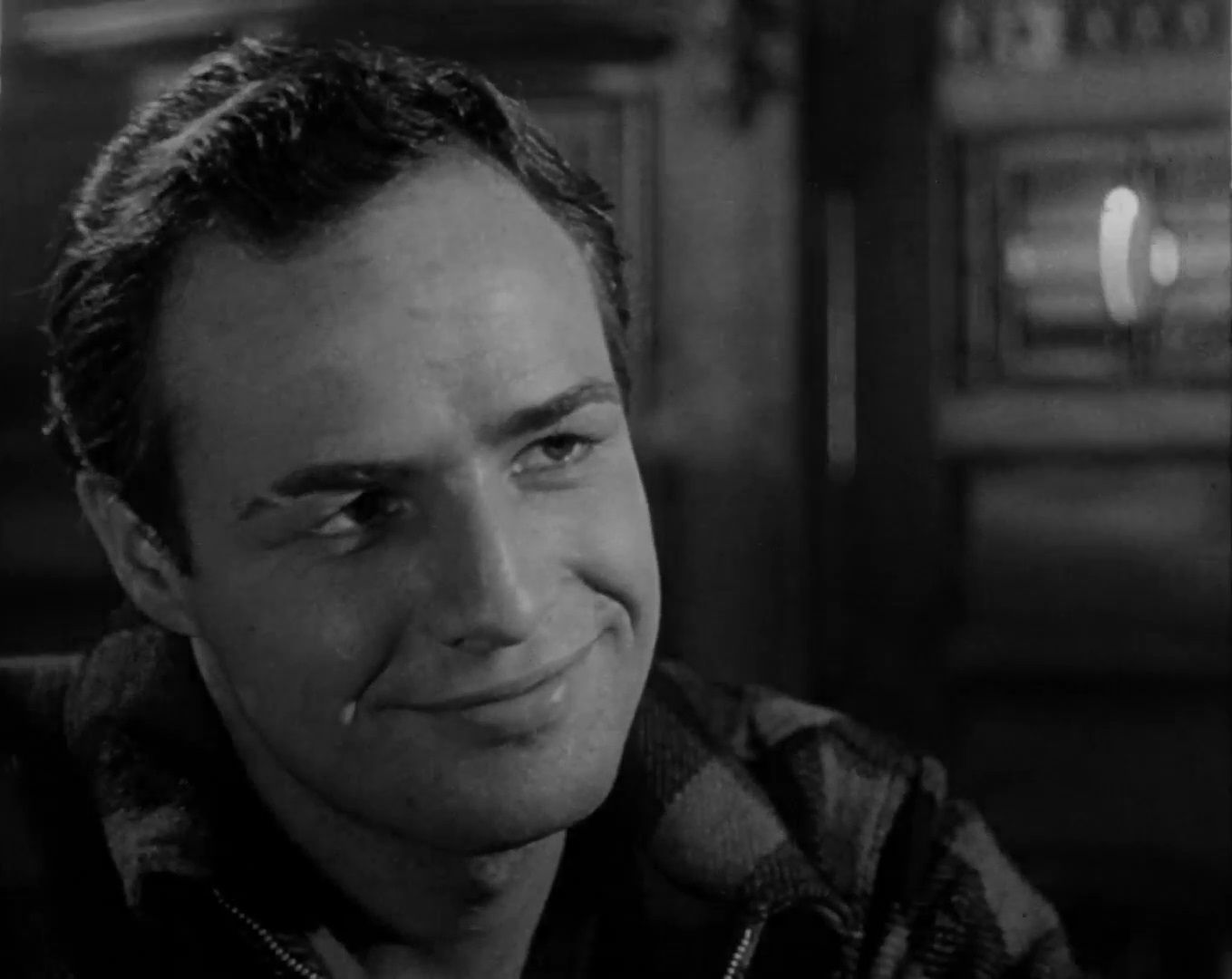
Marlon Brando was one of Hollywood’s most iconic stars, admired for his talent, charisma, and unforgettable roles. He won his first Oscar for On the Waterfront (1954), but things took a very different turn with his second win. When The Godfather earned him another Academy Award in 1972, Brando refused to attend and sent a Native American representative in his place, using the moment to protest Hollywood’s mistreatment and misrepresentation of Indigenous peoples.

2
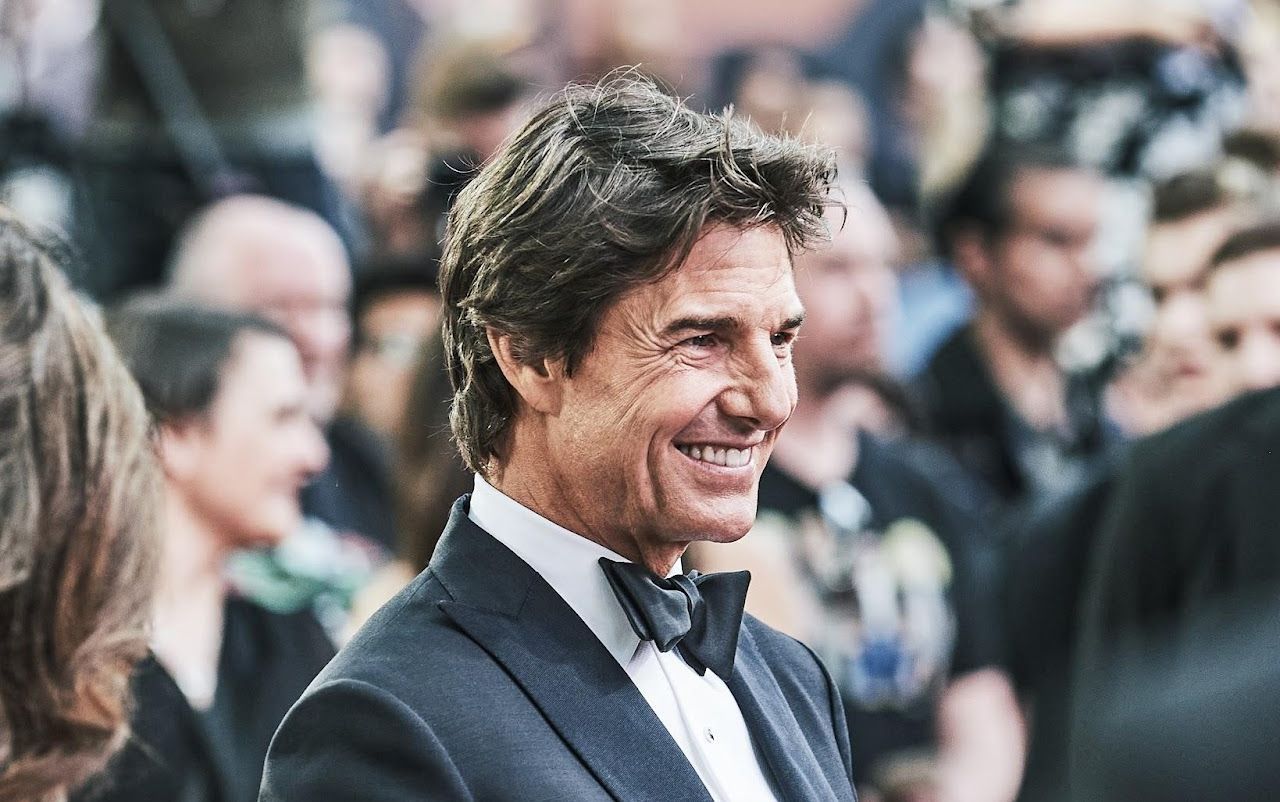
Tom Cruise

Image: Gabriel Hutchinson Photography, CC BY-SA 4.0 <https://creativecommons.org/licenses/by-sa/4.0>, via Wikimedia Commons

Like many of the actors on this list, Tom Cruise is a global icon whose career has earned him three Golden Globes: Best Actor for Jerry Maguire (1996), Best Actor for Born on the Fourth of July (1989), and Best Supporting Actor for Magnolia (1999). But in 2021, he made headlines for a very different reason: he returned all three awards. According to reports, Cruise did so as a protest against the ethics and lack of diversity within the organization behind the Globes.

3
Woody Allen

Image: Andreas Tai, CC BY-SA 3.0 <https://creativecommons.org/licenses/by-sa/3.0>, via Wikimedia Commons

Woody Allen is known for refusing to participate in awards season, despite earning many nominations throughout his career. With around 24 Academy Award nominations, he has attended virtually none of the ceremonies. He has won four Oscars, but he never went to pick them up, though he did not decline or return them. And it’s not just the Oscars: Allen rarely attends any award ceremonies, including the Golden Globes.

4
George C. Scott

Image: Directed by Stanley Kubrick, distributed by Columbia Pictures, Public domain, via Wikimedia Commons

George C. Scott was one of Hollywood’s great classic stars, celebrated for his powerful work on both stage and screen. And he was also the first actor in history to refuse an Oscar. Not only did he decline nominations for The Hustler (1961) and The List of Adrian Messenger (1963), but he also rejected the Best Actor award he won for Patton (1970). Scott believed that each performance is too unique to be ranked against another, and that art should never be treated like a competition. What do you think?

5
Dolly Parton

Image: https://upload.wikimedia.org/wikipedia/commons/0/08/Dolly_Parton_with_guitar.jpg

Actors aren’t the only ones who turn down awards; musicians do it too. One of them is Dolly Parton, who has declined more than just music honors. She was selected three times for the Presidential Medal of Freedom and turned it down each time. The first two refusals were during the pandemic, and the third came from her concern that accepting might seem politically partisan. In addition, in 2022, she also declined a nomination to the Rock & Roll Hall of Fame, saying she hadn’t yet "earned that right."

6
Katharine Hepburn

Image: Metro-Goldwyn-Mayer Studios; Restored by Adam Cuerden, Public domain, via Wikimedia Commons

The incredible Katharine Hepburn won four Oscars! But she never showed up to collect a single one. She always sent someone else to accept them on her behalf. In fact, she only attended the Oscars once, and it wasn’t to receive an award but to present one. When asked why she stayed away, she summed it up perfectly: "Awards are nothing; my reward is my work."

7
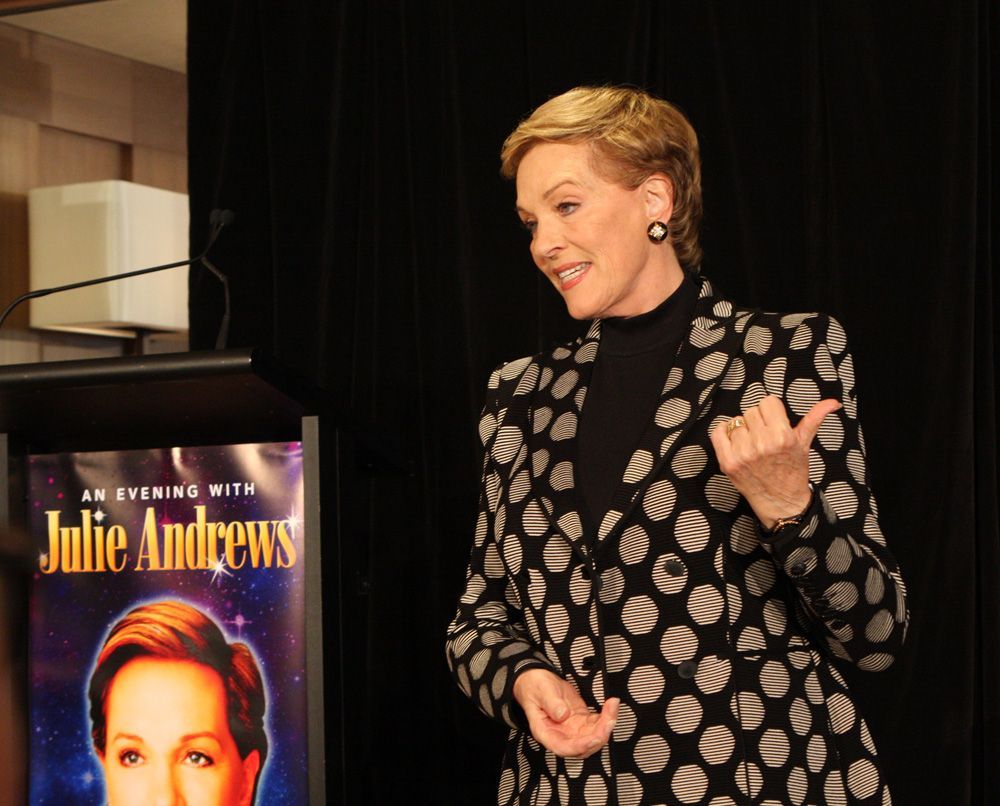
Julie Andrews

Image: Eva Rinaldi, CC BY-SA 2.0 <https://creativecommons.org/licenses/by-sa/2.0>, via Wikimedia Commons

Born in the United Kingdom, Julie Andrews is adored by Americans for many reasons, including the unforgettable films, such as Mary Poppins (1964) and The Sound of Music (1965). But beyond her cinematic gems, she also built a remarkable career in theater. In 1996, she received a Tony nomination for her role in Victor/Victoria , and chose to decline it. Why? Because she was the only member of the entire cast and production recognized, and she simply didn’t think that was fair.

8
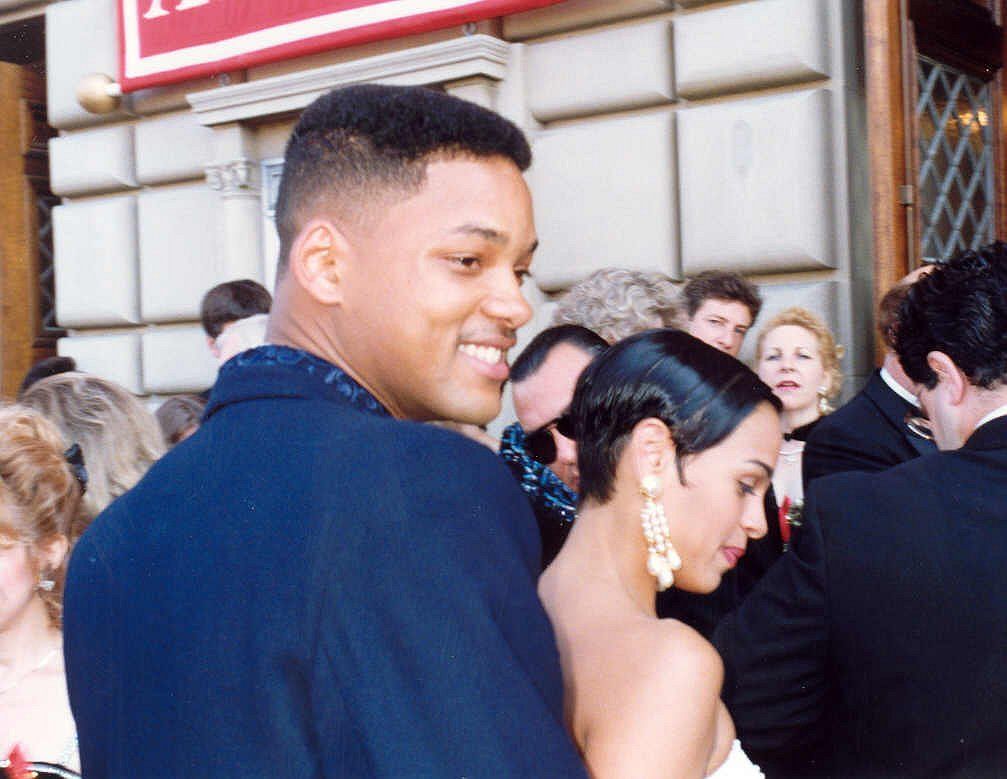
Will Smith

Image: photo by Alan Light, CC BY 2.0 <https://creativecommons.org/licenses/by/2.0>, via Wikimedia Commons

In the late 80s, Will Smith and DJ Jazzy Jeff won the first-ever Grammy for Best Rap Performance. But when they learned that their category wouldn’t be televised, they chose to boycott the 1989 Grammy Awards in protest. They didn’t turn down the award itself, but their stand made an impact: the following year, the rap category was broadcast on air, finally receiving the same visibility as the others.

9
Sinéad O'Connor

Image: Globe photo/Dave Shea, Public domain, via Wikimedia Commons

Sinéad O'Connor was world-famous, and in America, we remember her mainly for the unforgettable hit "Nothing Compares 2 U." As a passionate activist, she carried her convictions into her career choices, which led her to turn down her Grammy nomination. She specifically asked that her name be withdrawn, arguing that the Grammys were too commercial and rewarded popularity over ethics, artistry, and musical integrity.

10
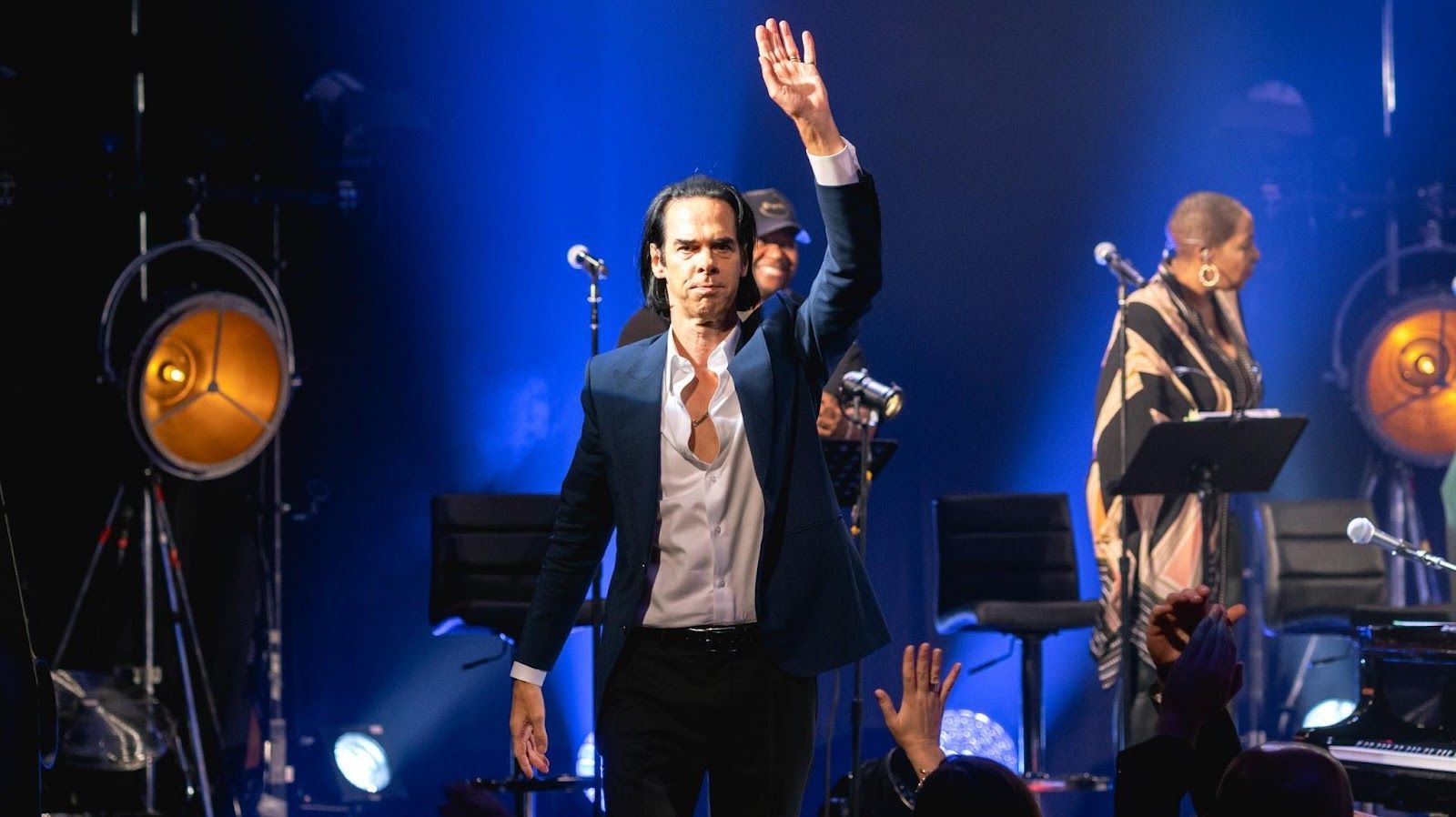
Nick Cave

Image: Raph_PH, CC BY 2.0 <https://creativecommons.org/licenses/by/2.0>, via Wikimedia Commons

Australian artist Nick Cave declined his nomination for Best Male Artist at the 1996 MTV Video Music Awards. He even sent a formal letter asking that his name be withdrawn, famously saying: "My muse is not a horse, and I am not in any horse race."

General General 4 min read

Made in the U.S.A.

Are you familiar with these 10 iconic American car brands?

Image: Brett Sayles

America lovers cars. And cars love America. Its infinite roads and vast landscapes are the perfect environment for a four-wheeled vehicle to thrive in. From historic brands still alive and kickin’, like Ford, to new and disrupting players like Tesla, or the gone but not forgotten, like Oldsmobile, this list showcases ten examples of what America’s car industry can produce. Have you ever driven any of these brands?

1
Ford

Image: Ross Sokolovski

What is to say about Ford that hasn’t been said already? This omnipresent American car brand, founded by Henry Ford in 1903, is popularly known as the auto manufacturer responsible for putting America on wheels. Ford’s first car, the Model A , was assembled at a plant in Detroit.

The Model T was an affordable, reliable, and efficient vehicle . Within 10 years, half the cars in America were Model T’s. Ford created the world’s first moving assembly line for cars, which would change the industry forever. This invention allowed the company to produce one Model T in under thirty seconds.

2
Chevrolet

Image: Gary Sandoz

Another legendary brand, Chevrolet was founded in 1911, in Detroit, Michigan, by Louis Chevrolet and William C. Durant. Chevrolet introduced its first model, which was the Series C Classic Six and almost three thousand cars were sold the first year.

Chevrolet produced its one-millionth vehicle in the 1920s. In the late 1920s, Chevrolet surpassed Ford in sales, becoming the top seller of both cars and trucks. This position for first place went back and forth between the two brands over the years.

3
Jeep

Image: Kenny Eliason

A brand that was born strong, Jeep vehicles were first used in World War II as a reliable ride and then slowly made their way into the American non-military market. This brand is dubbed as a "Go anywhere, Do anything" kind of vehicle, owing to its sturdy frame and powerful engine.

Nowadays Jeep is popular among off-roaders and has several classic models in its roster, including the Wrangler, Cherokee, and Grand Cherokee, among others.

4
Dodge

Image: Dan Gold

Believe it or not, Dodge was a bicycle maker before being a car maker . The brand, established in 1900 dealt with bicycles in the first place and then started supplying car parts before deciding to get into the production of vehicles in 1914.

In the early 1920s, after the original founders passed away Chrysler bought the brand and continued producing successful cars, among them, the Ram, the Charger, the Caravan, and many others.

5
GMC

Image: todd kent

Another hugely successful American brand is GMC. The General Motor Truck Company came into existence in 1911. Over the years, the company started manufacturing large powerful vehicles including SUVs, vans, and a massive range of trucks. Popular GMC models include Acadia, Canyon, Sierra, Sienna, and Yukon among others.

6
Cadillac

Image: Sidney Pearce

The most famous luxury car in America, Cadillac owes its name to Antoine Laumet de La Mothe Cadillac, a French adventurer who discovered the city of Detroit. Believe it or not, passenger seats and an enclosed cabin were introduced for the very first time by Cadillac because, well, that was considered a luxury back then.

Some famous Cadillac car brands include the Camaro, Silverado, Tahoe, and Impala, among others.

7
Lincoln

Image: Arvin Dale

Other than Cadillac, most people would say Lincoln if asked for a luxury car brand, since this company is also a pioneer in this segment. This popular American car manufacturer started making luxury vehicles in 1917, at a time when the concept was not affordable for many.

Some classic Lincoln cars that are timeless to date include the Zephyr, the Town Car, the Mark LT, and the Navigator SUV. The latest SUVs popular among car enthusiasts include the Nautilus, MKC, Aviator, and Lincoln Corsair.

8
Tesla

Image: Tesla Fans Schweiz

Not many car brands have become so iconic in as few years as Tesla has and there is a simple reason for this: this American car brand revolutionized regular automobiles and made them electric . It had been done before, yes. But not with this level of success.

Tesla is a pioneer in reducing the carbon footprint of the environment with its electric vehicles. Many auto manufacturers are now following in Tesla’s footsteps. The revolutionary company unveiled its first creation called the Tesla Roadster in 2008.

9
Buick

Image: Mohammad Hoseini Rad

Buick is one of the oldest automobile brands in the world, having been founded in 1899. The company has a long history of producing high-quality, luxury, and performance-oriented vehicles and has been a part of General Motors since 1908.

In recent years, Buick has seen a decline in sales in the United States and has focused on the Chinese market where the brand has experienced success. Buick has shifted its focus towards producing more crossover and SUV models to meet the demand for larger vehicles in the current market.

10
Oldsmobile

Image: Hombre

Honoring its name, Oldsmobile, like the aforementioned Buick, was one of the oldest automobile brands in the United States, being founded in 1897. It initially gained popularity through innovations such as the first mass-produced car and the first automatic transmission.

In the mid-20th century, it was known for its performance and style, being a public favorite. However, by the late 1990s, Oldsmobile’s sales began to decline, leading to its discontinuation in 2004 as part of General Motors’ restructuring.

Explore more American facts

Choose your favorite category!

General
General

As American as apple pie—the very best America has to offer!

Culture
Culture

Delve into the astounding richness of American lore.

Geography
Geography

Hop in and explore vast and diverse American landscapes.

History
History

Discover the key moments that shaped the United States.