History History 5 min read

New professions

The president who went back home to produce whiskey
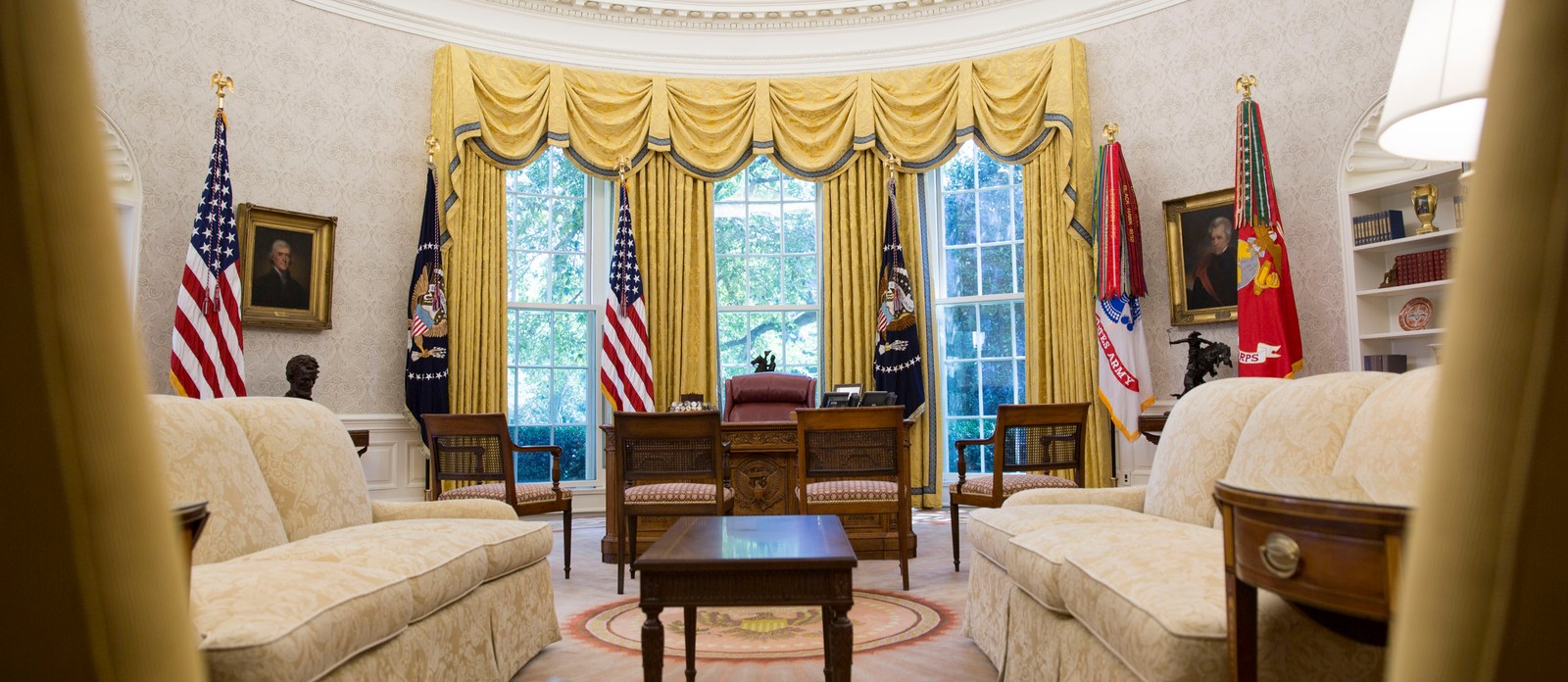
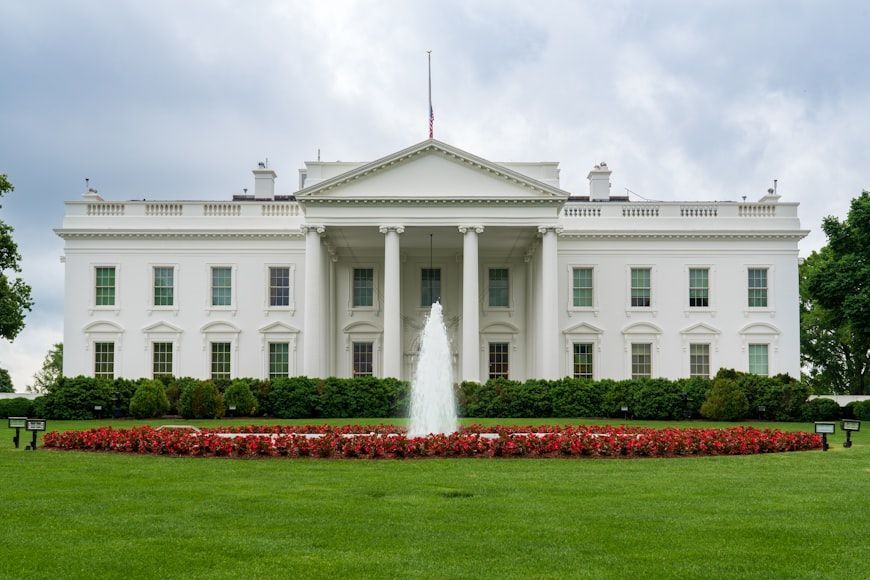
Image: White House, Public domain, via Wikimedia Commons

Being the President of the United States of America is a sure-proof way of being remembered by generations to come, be it for one’s triumphs and achievements, for one’s mistakes, or even for being unremarkable. But what does one do after being the most powerful person in the country? Here are 10 American presidents and their endeavors after retiring from office.

1
George Washington: Whiskey distiller
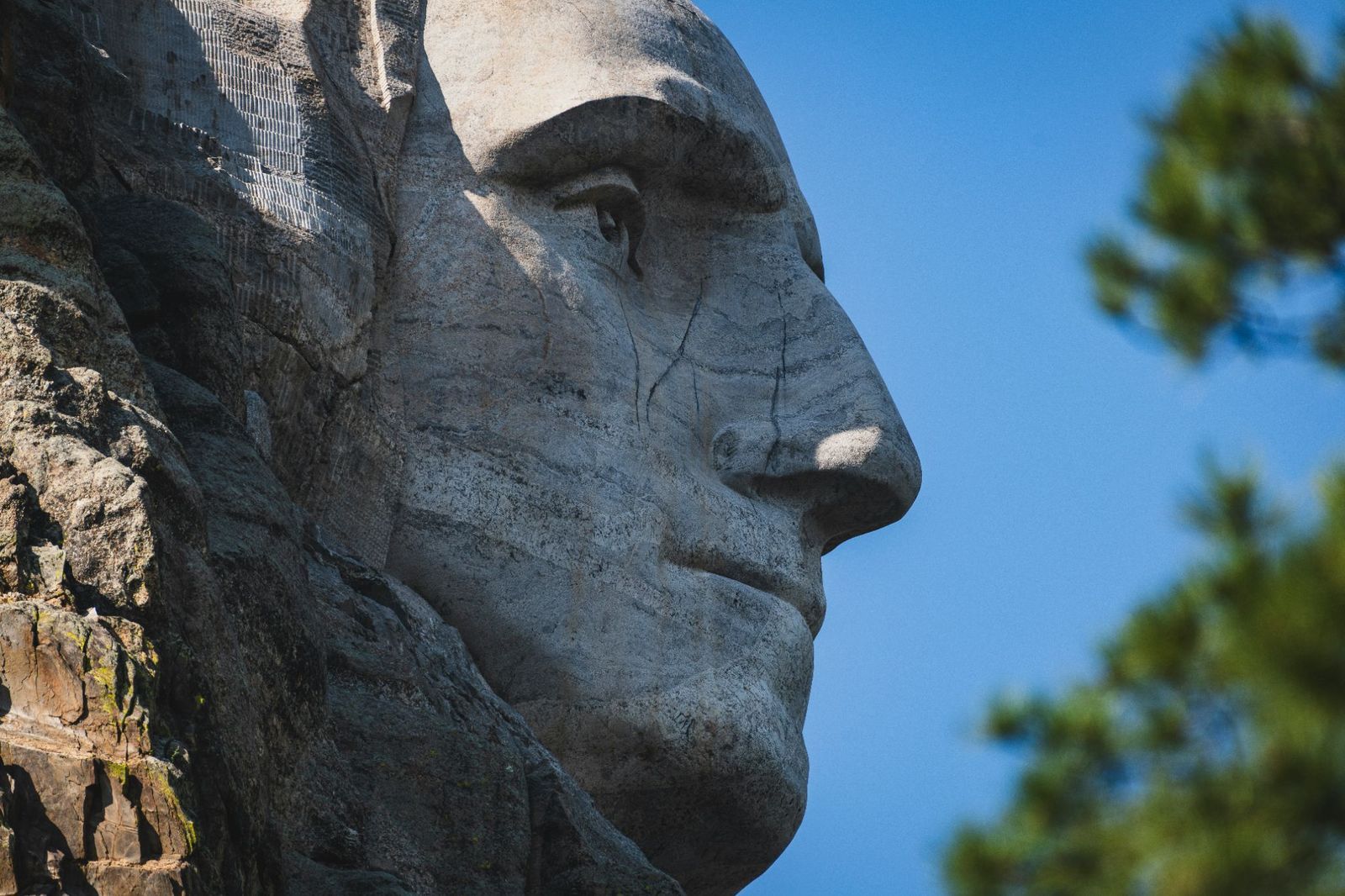
Image: Jon Sailer

George Washington’s retirement after his second presidency (1797) was important in itself as it set a precedent for presidents only serving two terms —although this was only a tradition and not a legal limit until the ratification of the 22nd Amendment in 1951. Despite his enormous prestige, George Washington decided to retire from public life and returned to his Mount Vernon estate , focusing on agriculture and building a whiskey distillery that would become one of the biggest in the country. He was appointed General of the Army by President Adams in 1798, but he never actively served in that position.

2
John Adams: Farmer and writer

Image: Storied Vistas

In 1801, John Adams retired to Massachusetts, where he would spend the rest of his life managing his estate and writing his autobiography . Reconciled with his former friend and long-time rival Thomas Jefferson, they exchanged letters and writings for more than a decade. After seeing the inauguration of his son, John Quincy Adams, as the 6th American president in 1825, Adams died on July 4, 1826. Famously, his last words were "Thomas Jefferson still survives", not knowing Jefferson had passed a few hours earlier.

3
Thomas Jefferson: Founder of the University of Virginia
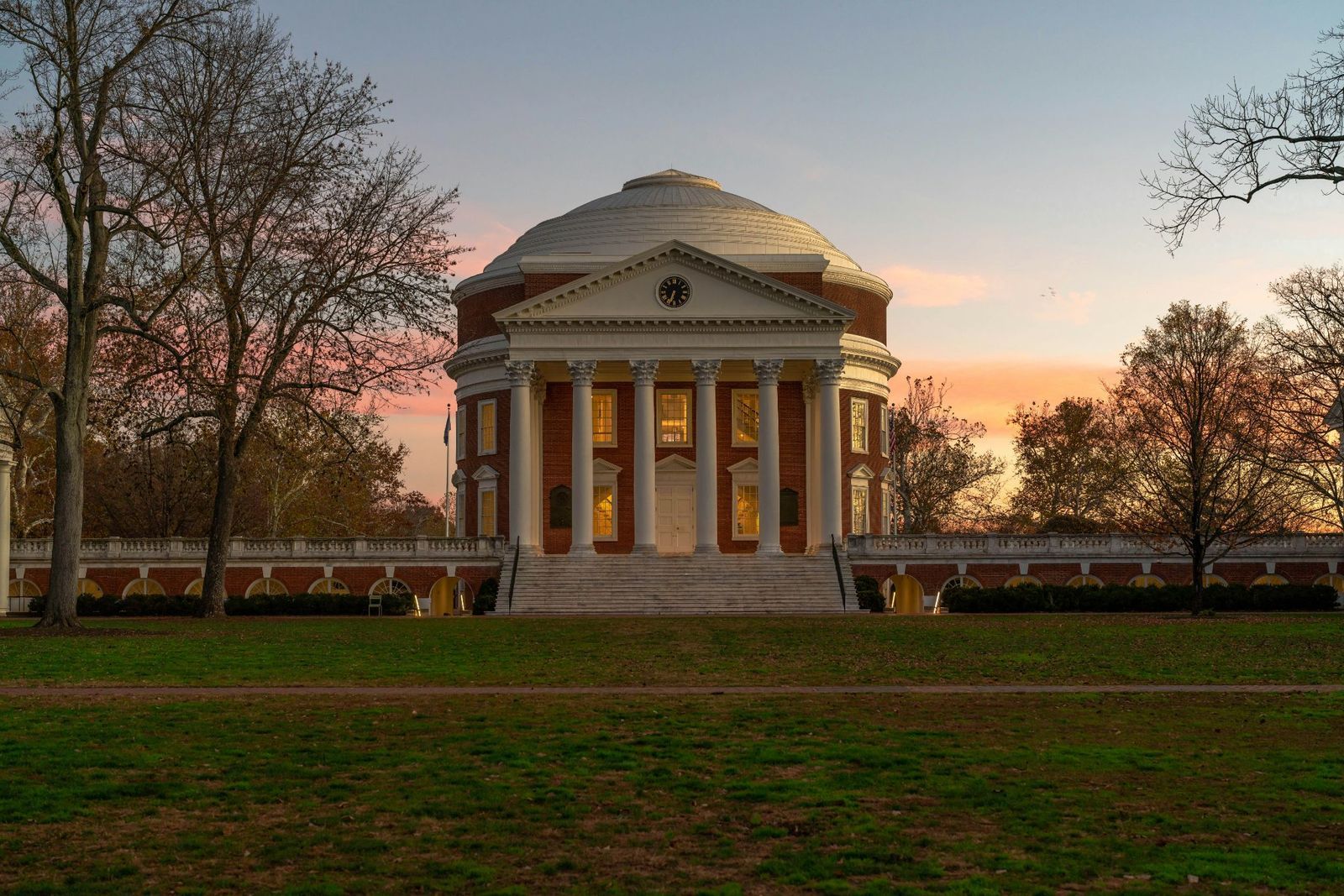
Image: Tim Thorn

After leaving the White House in 1809, Thomas Jefferson went back home to Monticello, Virginia, where he devoted his time to reading, writing, and science, while corresponding with many political figures of the time. In 1815, he sold his personal book collection to Congress to help replace the books burned by the British in 1814. A firm believer in education as a pillar of society, Jefferson envisioned a university where students could pursue studies not offered in other institutions. He chose the location, campaigned for the state charter, designed the buildings and the curriculum, and served as the first rector of the University of Virginia.

4
William H. Taft: Supreme Court Justice
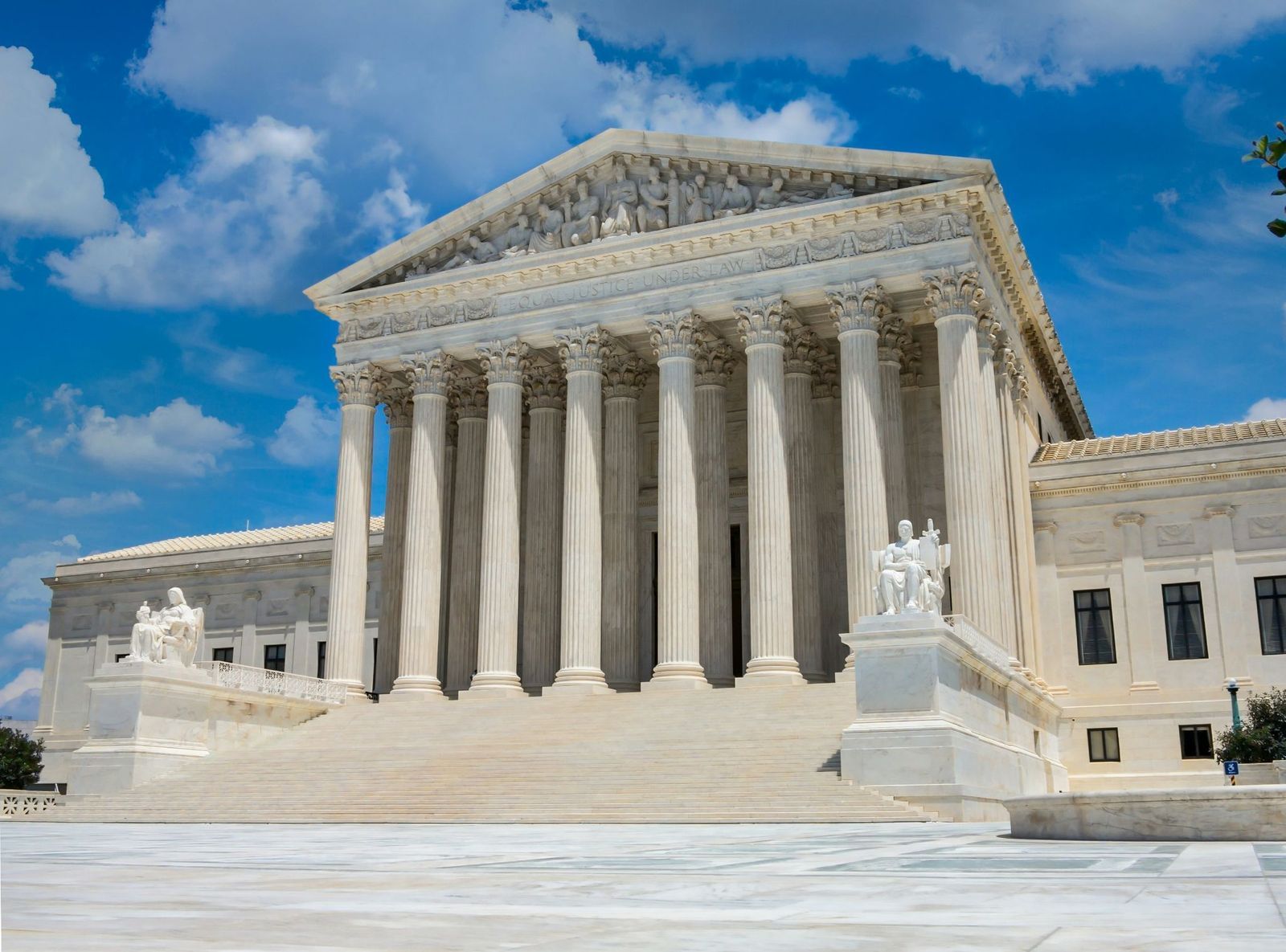
Image: Fine Photographics

Upon his retirement from office in 1913, Taft considered returning to the practice of law. However, he had appointed many federal judges —a few Supreme Court Justices included— which created a conflict of interest. Instead, he decided to accept a position as a lecturer at Yale University. In 1920, after Harding was elected president, Taft was offered a position as a Supreme Court Justice, and he accepted , making him the only person to be both President and Chief Justice of the Supreme Court. After his appointment, Taft focused on organizing the legal system and making it more efficient, and campaigned for the construction of the Supreme Court building.

5
Grover Cleveland: Lawyer
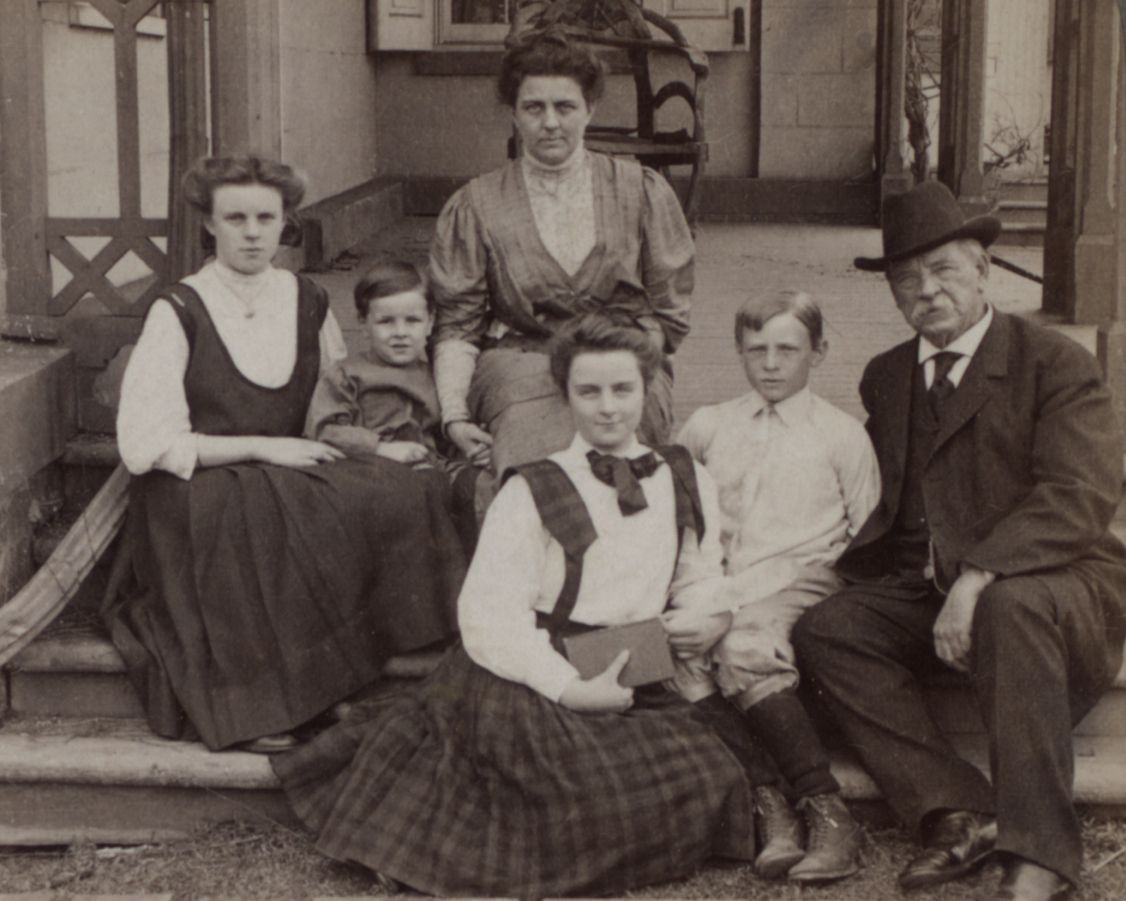
Image: Underwood & Underwood (Publisher), Public domain, via Wikimedia Commons

After losing re-election in 1889, Cleveland took a position at a law firm in New York City and mostly stayed out of politics. A year before the 1892 election, however, he wrote a public letter against President Harrison’s economic policies that quickly made him a favored candidate and won him the Democratic nomination. After winning the election and serving his second term, Cleveland went back to practicing law. He is one of only two presidents to have served two non-consecutive terms.

6
Theodore Roosevelt: Explorer
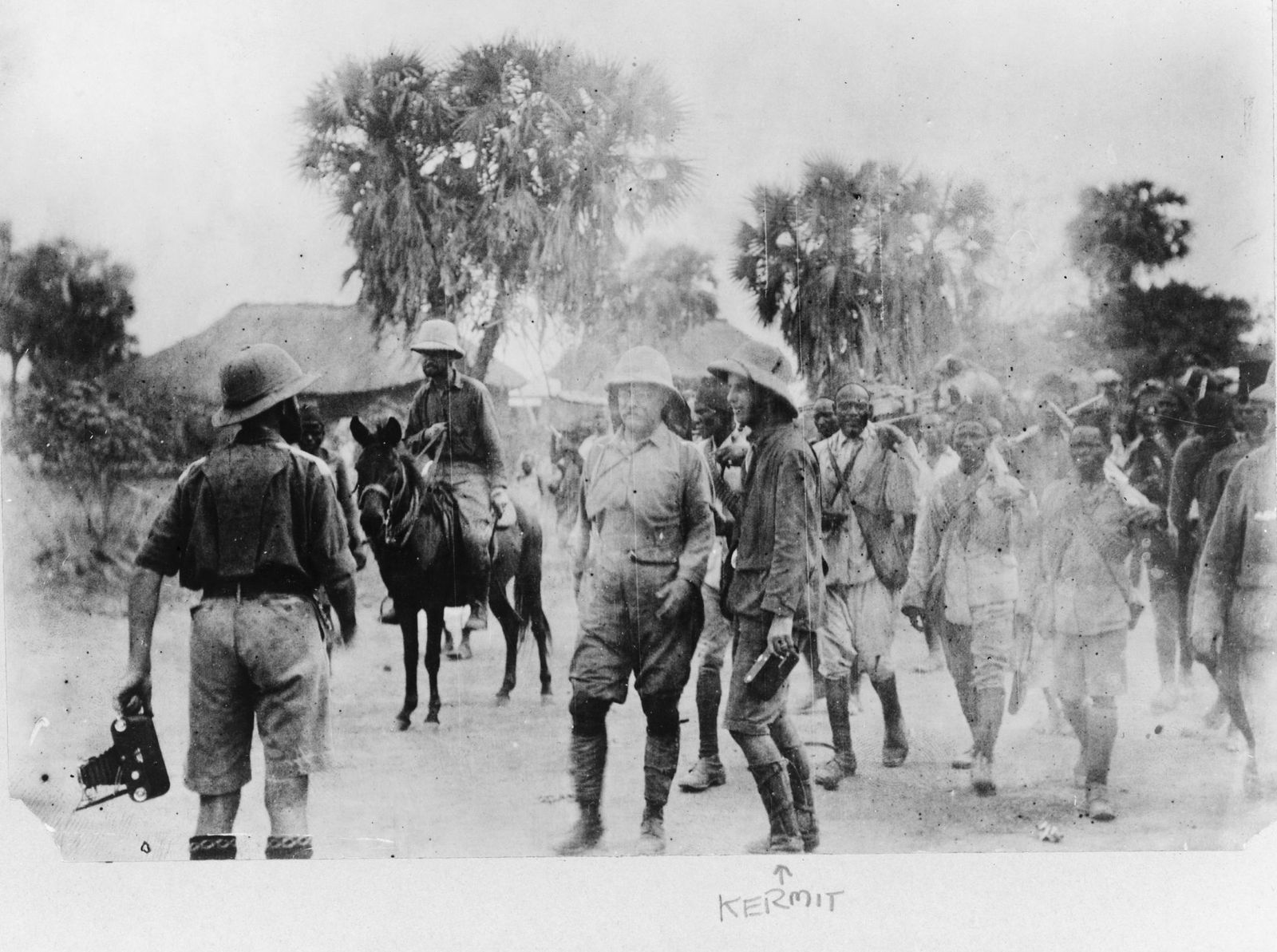
Image: Scott Kraft from USA, Public domain, via Wikimedia Commons

After leaving office in 1909, Roosevelt led a safari expedition in Africa, where he hunted specimens for the Smithsonian Institution. After running for president in 1912 and losing to Woodrow Wilson, Roosevelt and his son Kermit embarked on a seven-month expedition across the jungles of Brazil to explore the Amazon Rive r. During the journey, Roosevelt contracted malaria and suffered from an infected leg wound, which nearly killed him. Back in America, he devoted his time to writing about politics and science, and actively campaigned for the war effort as the U.S. joined World War I.

7
Ulysses S. Grant: Writer
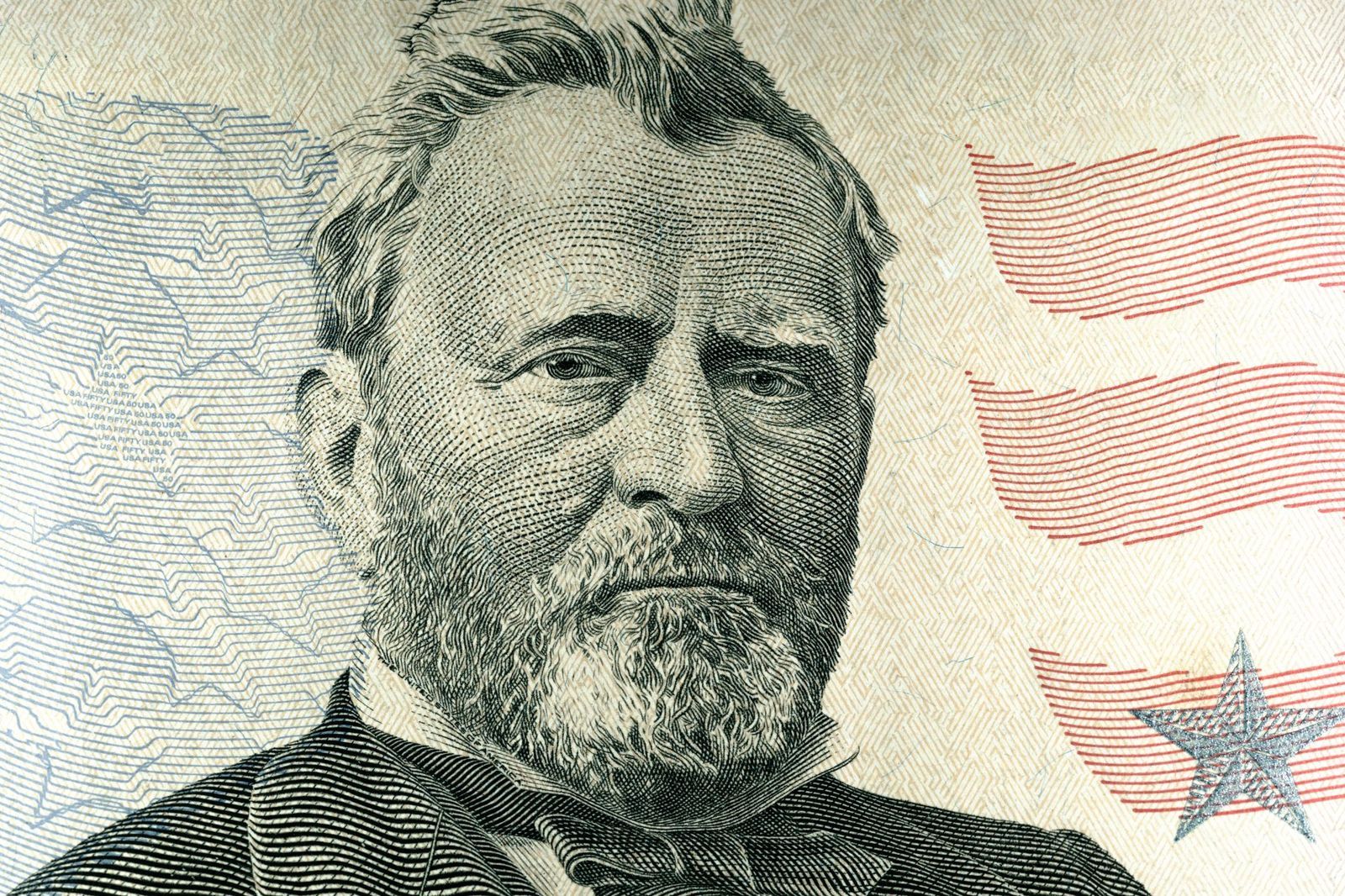
Image: Klochkov SCS

A hero of the Civil War and the Reconstruction era, Grant embarked on a two-year world tour after leaving office in 1877, where he was received by leaders such as Queen Victoria, Chancellor Otto Von Bismarck, and the Japanese Emperor Meiji. Back in America, he invested all of his savings into a Wall Street firm run by his son, but lost all of his money as a consequence of a Ponzi scheme. Penniless and diagnosed with terminal cancer, Grant started writing articles for magazines in order to raise money for his family , while also penning an autobiography, which he finished on his deathbed. The book was a major success, earning his family close to $450,000 and securing their future.

8
John Quincy Adams: Congressman
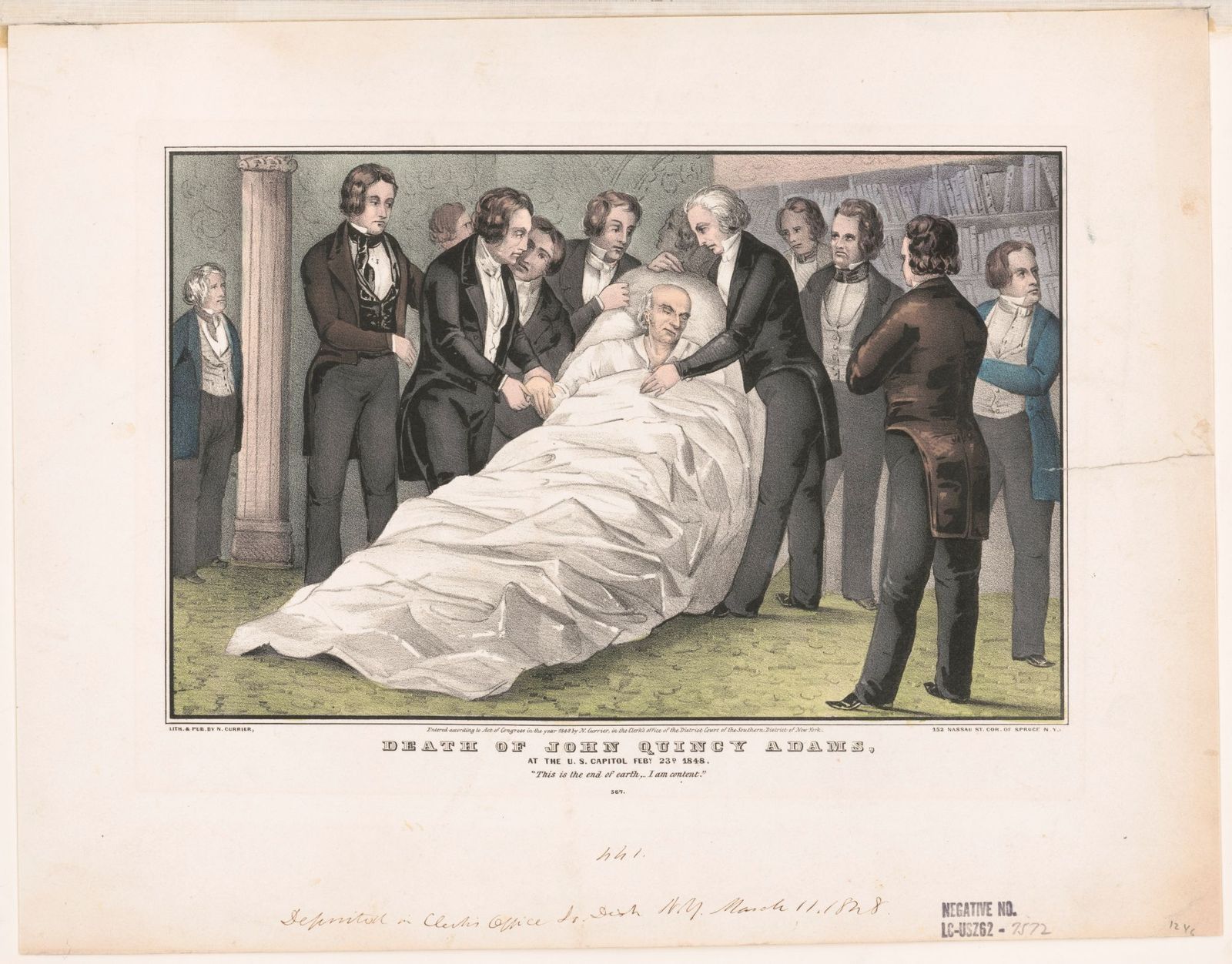
Image: N. Currier (Firm), Public domain, via Wikimedia Commons

After retiring from office in 1829, John Quincy Adams returned to Congress, where he had previously served as senator, but this time as a member of the House of Representatives, being the only U.S. President to do this (Andrew Jackson is the only other former president to go back to Congress, but as a senator). Across 18 years and nine terms as a congressman, he became one of the leaders of the abolitionist cause, fighting to repeal a gag rule that prevented Congress from discussing slavery, and presenting several petitions for the abolition of slavery. Working as a congressman until the end, he died in the Capitol after suffering a stroke during a passionate debate against war.

9
Dwight D. Eisenhower: Cattle rancher
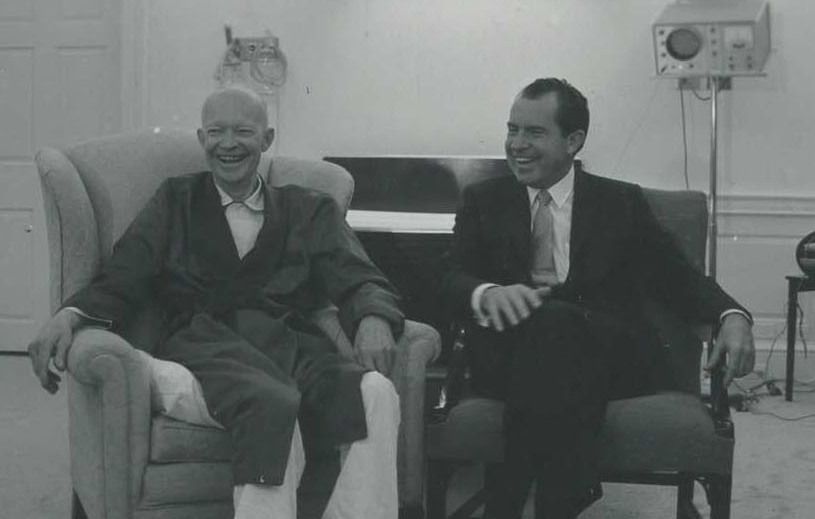
Image: Robert L Knudsen, Public domain, via Wikimedia Commons

As many presidents did before him, Eisenhower retired to his farm after leaving office in 1961. However, he remained involved in politics, serving as an advisor to presidents such as Kennedy, Johnson, or Nixon . Despite having resigned his military commission upon becoming president, Eisenhower had his five-star general rank reinstated by President Kennedy, being the only president —except Washington— to re-enter the armed forces after the presidency.

10
George W. Bush: Oil painter
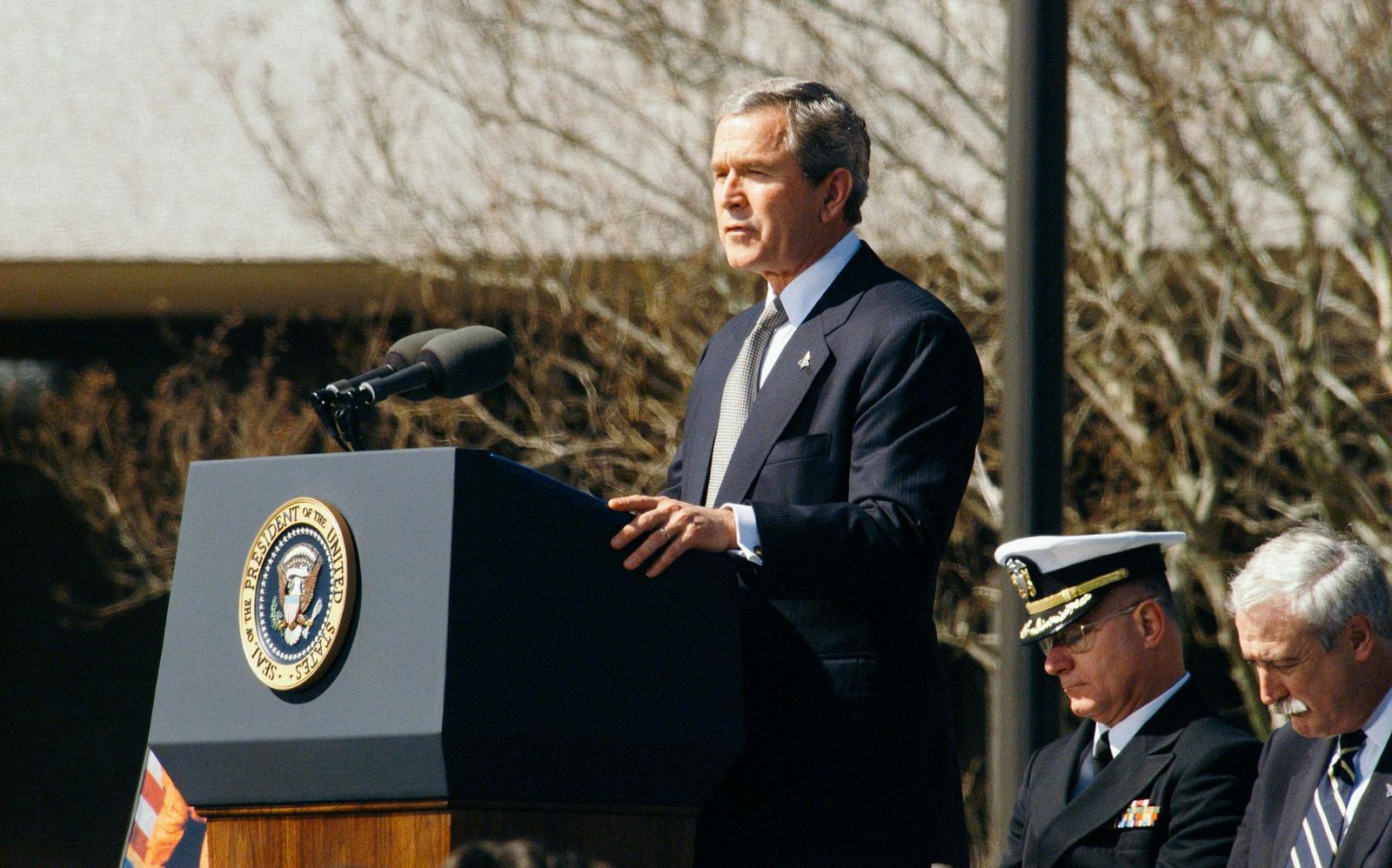
Image: History in HD

After leaving office in 2009, George W. Bush retired to his home in Texas. There, inspired by Winston Churchill’s essay "Painting as a Pastime", he took up oil painting , focusing on portraits of close friends, pets, and world leaders he had met while in office. In 2017, he released an art book focused on portraits of U.S. veterans and their stories.
Culture Culture 5 min read

Are we talking about the same thing?

Regional menu: American classics that go by different names

Image: Stephen Han

Ever sat down at a diner during a road trip, picked up the menu, and thought, "I don’t know what half of these things are" ? A hero? A bismarck? A flapjack? They’re usually all things that you know — they just go by another name.

Sandwiches, donuts, pancakes; what you call them probably depends on where you were raised , because their names might differ from state to state, or from region to region. Keep on reading to find out under what names you can find your favorite treat.

1
Soft drinks

Image: Emmanuel Edward

People on the East and West Coasts might butt heads a lot of times, but they are united when it comes to the name of soft drinks. For them, it’s a soda . Midwesterners differ and will ask for a pop , while across the Southern U.S. coke has become a generic name for any soft carbonated drink. If you ask for a Coke in the South, they might bring you a Sprite or an Orange Fanta.

2
Long sandwiches

Image: Bilal Rana

If an extra-hearty sandwich (with substantial fillings, often on a long roll) is your lunch of choice, you need to be aware of the regional varieties and names that exist across America. Because asking for a hoagie in New England will get you a few weird stares and no sandwich. While sub is the most widespread term, it’s not the only one. People from South Jersey and the Philadelphia area will use the name hoagie , while New Yorkers will call it a hero if it's filled with cold cuts, cheese, and veggies. Upstate New York follows the New England tradition of the grinder , while Louisiana and the Gulf Coast prefer the Po’Boys , typically made with French bread and filled with seafood. The terms wedgie , spuckie , and torpedo are less common, but if you come across them, now you know what they are.

3
Stuffing or dressing?

Image: Chelsea shapouri

Does your family’s Thanksgiving table feature stuffing or dressing? There is a lot of debate about the proper name of this dish, but the answer is that they are two different, though similar, dishes, which leads to the names being considered interchangeable. Stuffing is typically cooked inside the turkey, allowing it to absorb the juices, while dressing is cooked in a dishpan, and it’s usually crispier and crunchier. Folks in the Northeast and Midwest, along with the West Coast, tend to use the term stuffing, even when they cook it in a separate pan, while Southern cuisine calls it dressing and, unlike other areas, mainly uses cornbread instead of white bread.

4
Donuts

Image: Rod Long

Do you spell it donut or doughnut ? In the end, it doesn’t really matter because there are many other names for it. Besides the classic ring-shaped donut , you can find the Midwestern long john (sometimes called eclair donut in the Mid-Atlantic or Southern U.S., and donut bar in the West Coast), the round bismarck or berliner (filled with jelly in the Midwest and with cream in the Northeast), the Louisiana beignet , or the New England twisted cruller .

5
Pancakes

Image: Luke Pennystan

We can agree that pancake is a pretty universal term for this breakfast staple, but that doesn’t mean that regional names aren’t still alive and thriving. The terms griddle cake and hotcake are heavily used in the South, with hotcake having been made popular across the country thanks to the McDonald’s breakfast menu. The name flapjack is common in the Southeast, while part of New England uses johnycake —originally a corn flatbread— for buttermilk pancakes. For miniature pancakes, the term silver dollars is also widely used in different regions of the country..

6
Gravy or sauce?

Image: victoria.

We find ourselves again discussing a technicality. All gravies are technically sauces , but sauce is a much wider concept than gravy. Why is there a debate, then? Italian immigrants, upon arriving in America, noticed that gravy was used in English for meat-infused liquids, so they adopted the name to refer to tomato sauces that included meatballs, sausage, or pork. While these are technically sauces, they are still called gravy by many Italian-Americans, especially in the Northeast.

7
Milkshake

Image: Sebastian Coman Photography

Although it's usually called just a shake in many parts of America, some regions have their own names for a blended drink of milk and ice cream. In New England, asking for a milkshake will get you milk with syrup, while for the ice cream version, you have to ask for a frappe (pronounced frap ). In Rhode Island and Southeastern Massachusetts, asking for a cabinet will get you a coffee-flavored milkshake, and many Midwestern chains offer thicker milkshakes under the name thick shakes or concretes . The malt , another popular version, includes malt powder in its formulation.

8
Sprinkles or jimmies?

Image: Josephina Kolpachnikof

This debate is very local to a particular area of New England and the Mid-Atlantic. The overwhelming majority of Americans uses the word sprinkles for the small, colorful sugar confectionery used for decorating baked goods. That is, unless they are from Boston, Philadelphia, or some areas of New Jersey, where the name jimmies is more commonly used. Some claim that jimmies specifically refers to the chocolate version of sprinkles, but the name is also widely used for the multicolored version, so the jury is still out on that.

9
Frosting or icing?

Image: Alexander Grey

Again, two different things with a similar purpose that became synonymous. While both are used to cover and decorate cakes and baked goods, frosting is fat-based and has a thicker and fluffier consistency. On the other hand, icing is a mix of water and sugar, so it’s naturally more liquid. Where does the confusion stem from? Icing is often used as an umbrella term for cake and baked goods toppings —including frosting— which can lead to the idea that they are the same thing.

10
Casserole or hot dish?

Image: sheri silver

First of all, what identifies a casserole ? It’s a meal baked in a deep pan, usually including protein, vegetables, starches, and a binding liquid. Following that logic, the Midwestern hot dish is a type of casserole, but there is an important distinction. While casserole is a wide term that includes both sides and main dishes, Midwestern hot dishes are a main course on their own.

11
Last piece of bread

Image: Perry Stevens

The end of a loaf of bread can create strong emotions. People either love it or hate it, so it’s only fitting that it has unique regional names. The end piece or the heel seems to be the most widespread name for it, though butt is commonly used across the Midwest and the South. Knobby is a common name for it in New England, but it is used in combination with other terms, while it is sometimes called the booty in the African-American vernacular.

General General 3 min read

Which one is your favorite?

How word of mouth has changed over the years

Image: Cottonbro Studio

Over the years, how we’ve tuned into news, music, and entertainment in America has undergone serious changes. From the days of gathering around to hear stories passed down through oral traditions, to listening to the radio for the evening broadcast, to the modern age of podcasts, each era has its flavor. Take a look at these 12 media formats that we have used and use today.

1
The human voice

Image: Priscilla Du Preez 🇨🇦

Before modern technology, oral communication and word of mouth were the primary ways people shared news, stories, and music everywhere.

From Native American storytelling traditions to community gatherings, spoken word connected people, passed down history, and spread important information long before any other medium ever existed.

2
Public proclamations

Image: Andrew Ebrahim

Public proclamations were an early form of mass communication in America, used to spread news and official announcements.

Town criers or officials would read proclamations aloud in public squares , ensuring that important information reached everyone, even those who couldn't read, who were more than a handful at the time.

3
Live music

Image: Francesco Giacomini

Before recorded music, people would gather at local events, fairs, or churches to hear musicians perform songs that reflected current events, social issues, or, often, served as entertainment.

In the same way as today, live performances were a major form of entertainment and communication.

4
Gramophones

Image: Tasha

Gramophones and Edison’s musical cylinders revolutionized how Americans consumed music and news in the late 19th and early 20th centuries.

These devices allowed people to listen to recorded sound at home for the first time , offering a new way to enjoy music, speeches, and even news broadcasts.

5
Radio broadcasts

Image: Maximilian Hofer

It is hard to overstate the importance of radio. It was a game-changer in the early 20th century, bringing news, music, and entertainment directly into homes across America.

For the first time, families could listen to live broadcasts of events, catch the latest hits, or hear radio dramas .

6
Television

Image: PJ Gal-Szabo

Television caused a huge impact in the 1950s, blending news, music, and entertainment into one screen . As with radio, families gathered around the TV for nightly broadcasts, from the evening news to variety shows and music performances.

This new visual element added a deeper level of engagement, shaping how Americans consumed information and entertainment, making TV a major force in media for decades.

7
Vinyl record players

Image: Eran Menashri

Vinyl record players became a major music format in the mid-20th century, offering high-quality sound. People could listen to entire albums, making music a personal, immersive activity .

Vinyl records also became a cultural icon, with album artwork and collector’s editions turning listening into a ritual.

8
Magazine players

Image: Ciocan Ciprian

Somewhat of a half-step format between the vinyl records and compact cassettes , magazine players offered a portable way to listen to music and news in the 1960s through the 1980s.

These devices used cartridges or tapes that could hold multiple songs or recordings, making it easy for people to enjoy their favorite tunes on the go.

9
Cassette players

Image: Dave Weatherall

If magazine players made music a portable activity, cassette players and, especially, Walkmans, took it even further.

With the ability to play mixtapes or purchased albums anywhere, these devices gave people personal control over their music while on the go . Walkmans, in particular, became iconic for offering a private, on-demand listening experience.

10
CD players

Image: Lucky Alamanda

CD players became the go-to music format in the 1990s, offering a digital upgrade to cassettes with better sound quality and durability .

Compact discs could store albums without the wear-and-tear issues of tapes, and CD players were easy to use, making them popular in cars, homes, and portable devices.

11
MP3 players

Image: Ben Szymanski

The possibility of holding entire album catalogs and more in a single portable device became real in the early 2000s when MP3 players made their appearance.

Devices like the iPod became cultural icons, shaping how people accessed and enjoyed music, paving the way for the next and last item on our list.

12
Streaming services

Image: Heidi Fin

In the last decade, streaming services and podcasts have transformed the media landscape, allowing everybody to instantly access music, news, and entertainment on demand.

Platforms like Spotify and Apple Music put millions of songs at users' fingertips, while podcasts offer a vast range of topics for all interests .

Explore more American facts

Choose your favorite category!

General
General

As American as apple pie—the very best America has to offer!

Culture
Culture

Delve into the astounding richness of American lore.

Geography
Geography

Hop in and explore vast and diverse American landscapes.

History
History

Discover the key moments that shaped the United States.