General General 4 min read

Not everything is digital

Do you remember these 12 gifts people used to give but don’t anymore?

Image: Joshua Lam

No one can deny that the modern age has brought an almost infinite number of advantages. But, be it for nostalgic reasons or otherwise, everybody misses something from the past that was rendered obsolete by technology, social convention, or simply fell out of fashion at some point in time. Among those are many things that we used to gift to each other and we don’t anymore, from music to DVDs, to preserves. Which one do you miss the most?

1
Music

Image: Jamakassi

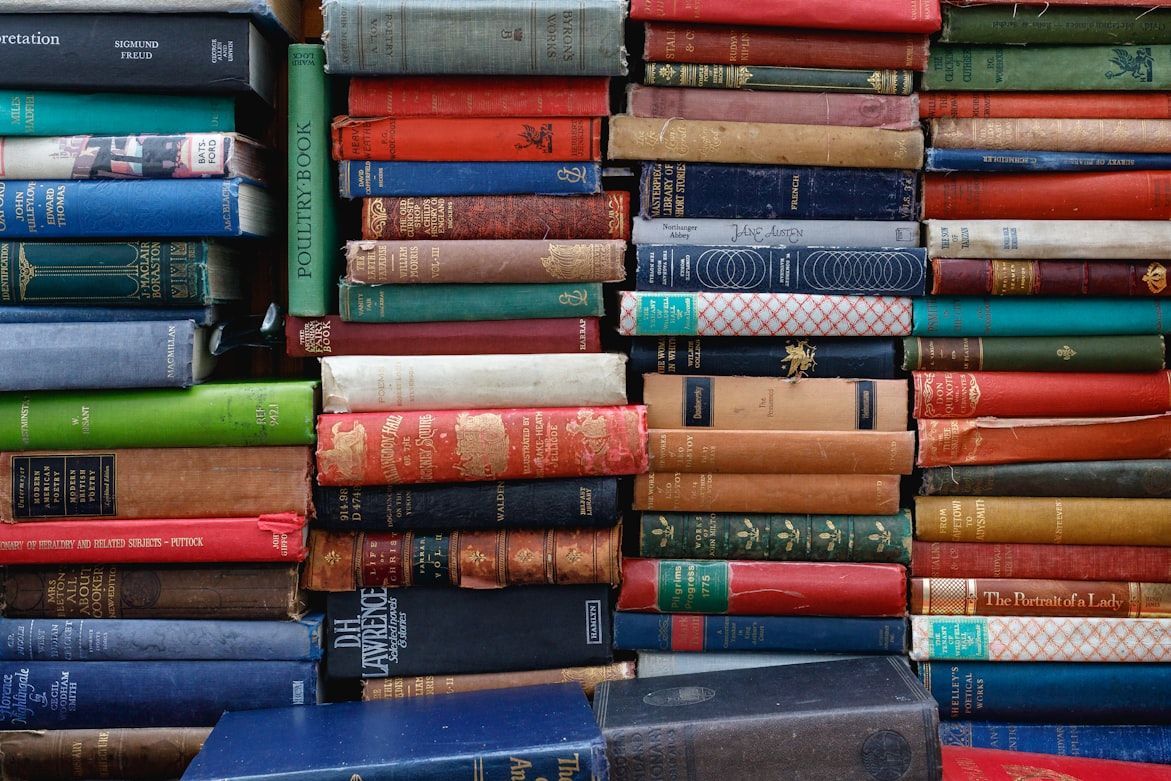
Back in the day, the gift of music used to mean something. It was a connection between the person who made the gift and the one who received it . It was a beautiful object, to be played on a music player and stored at home. Nowadays, music is something much more abstract that is streamed from online services and is not given as a gift of discovery anymore.

2
Movies
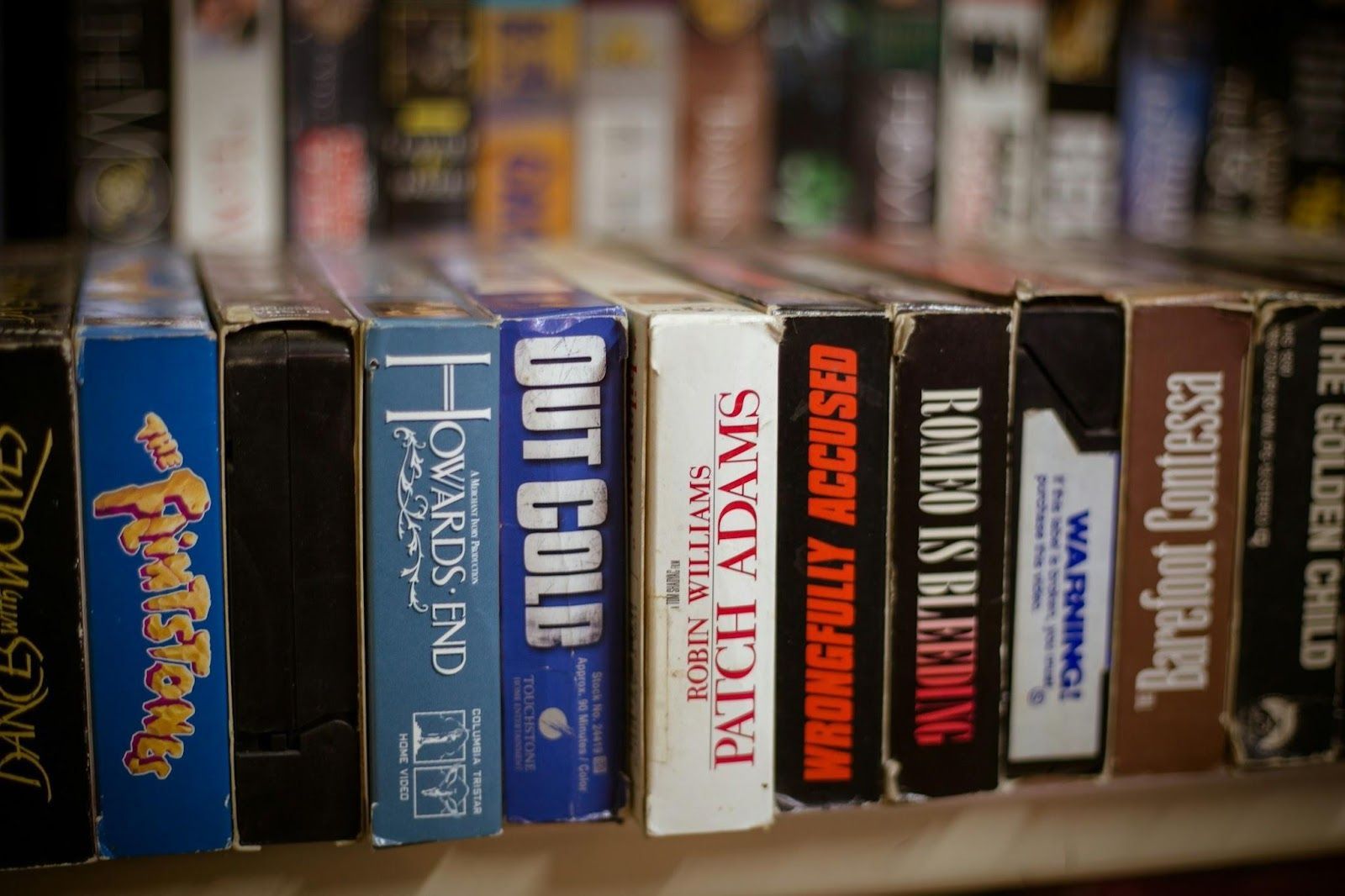
Image: Delaney Van

Movies have experienced a fate similar to the one suffered by music. Thanks to streaming services like Netflix, Amazon Prime, and the rest, movies are available to watch online, and no one owns a VHS, DVD, or Blu-Ray player anymore . It used to be a fun thing to give as a gift. "You are going to love this movie". Not anymore. Nowadays, we just recommend things from HBO or Disney to each other.

3
Preserves
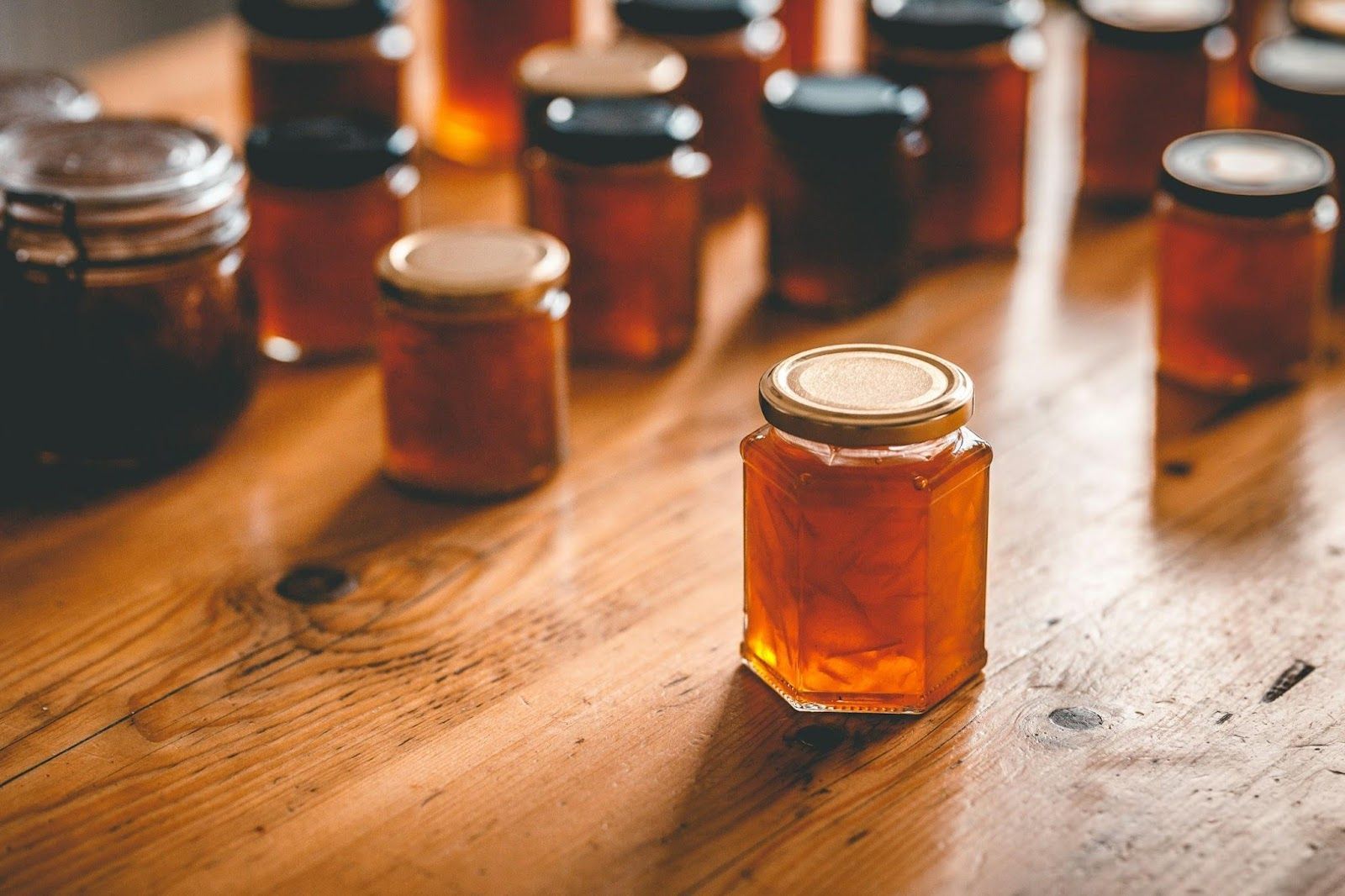
Image: Rob Wicks

Since the dawn of time, preparing a meal with care and dedication for somebody else has always been a way to show affection. Until not so long ago, gifting preserves used to be a common practice and a way to express love from a distance . Nowadays, if you want strawberry jam, you can just go to the store.

4
Knitted clothes

Image: Liana S

The many hours invested in knitting a clothing item are an integral part of the gift that the person who created it is giving . The warm embrace of a knitted sweater, scarf, socks, or any other item created similarly cannot be replaced by store-bought clothes.

5
Fresh flowers
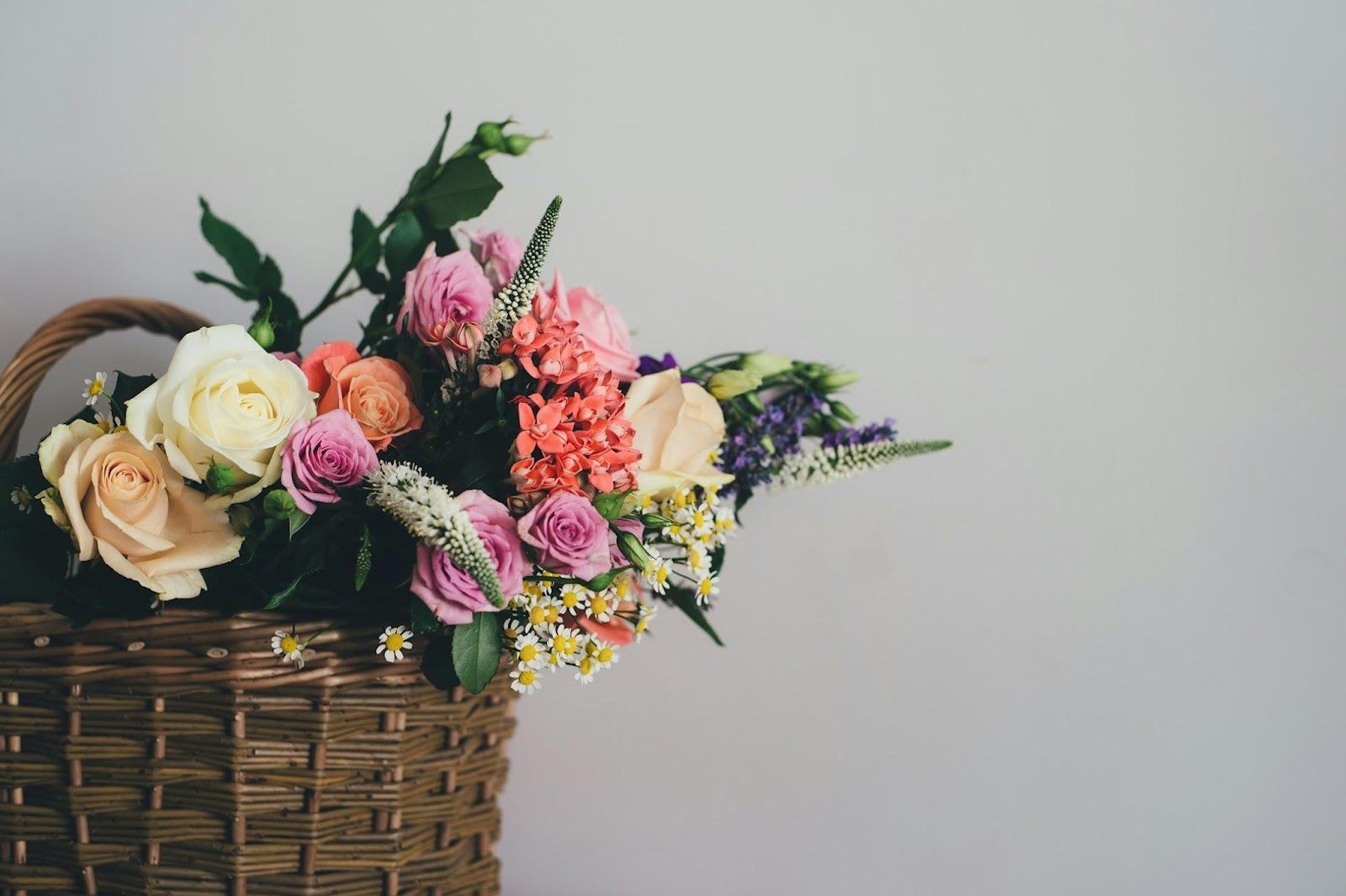
Image: Annie Spratt

Giving someone a fresh bouquet, especially harvested from one’s own garden, used to be a thing in the past, at least for people who had gardens. It was meant as a kind gesture that said "I thought about you when I picked these flowers" and embellished the home of the one who received it.

6
Homemade cooking
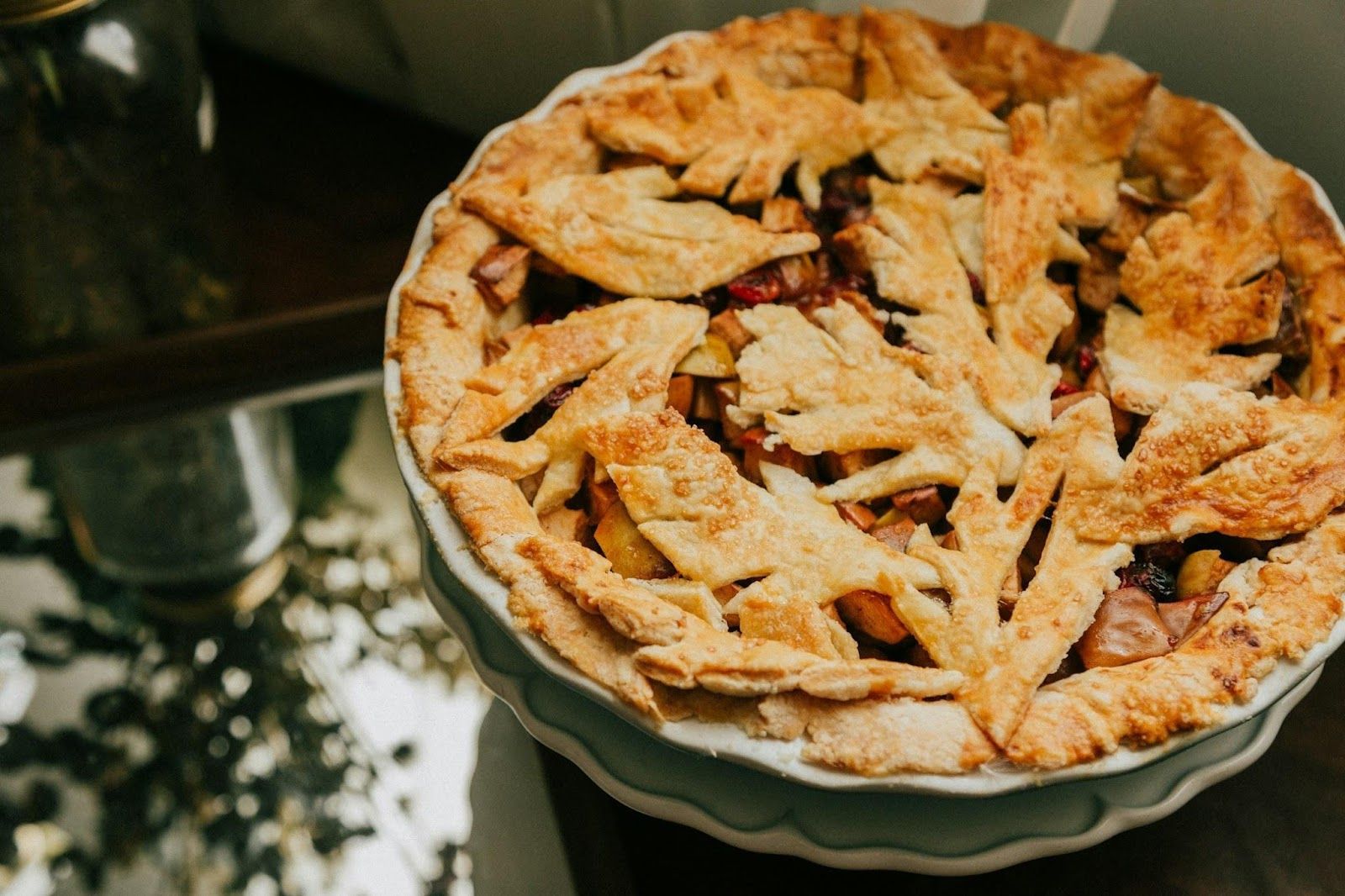
Image: Priscilla Du Preez 🇨🇦

A delicious homemade pie or a nice dessert used to be a common thing for house guests to bring to their hosts. While it still happens from time to time, it used to be much more common. These days, the usual drill involves stopping by the deli to get a packaged item, at best.

7
House plants

Image: Lasma Balode

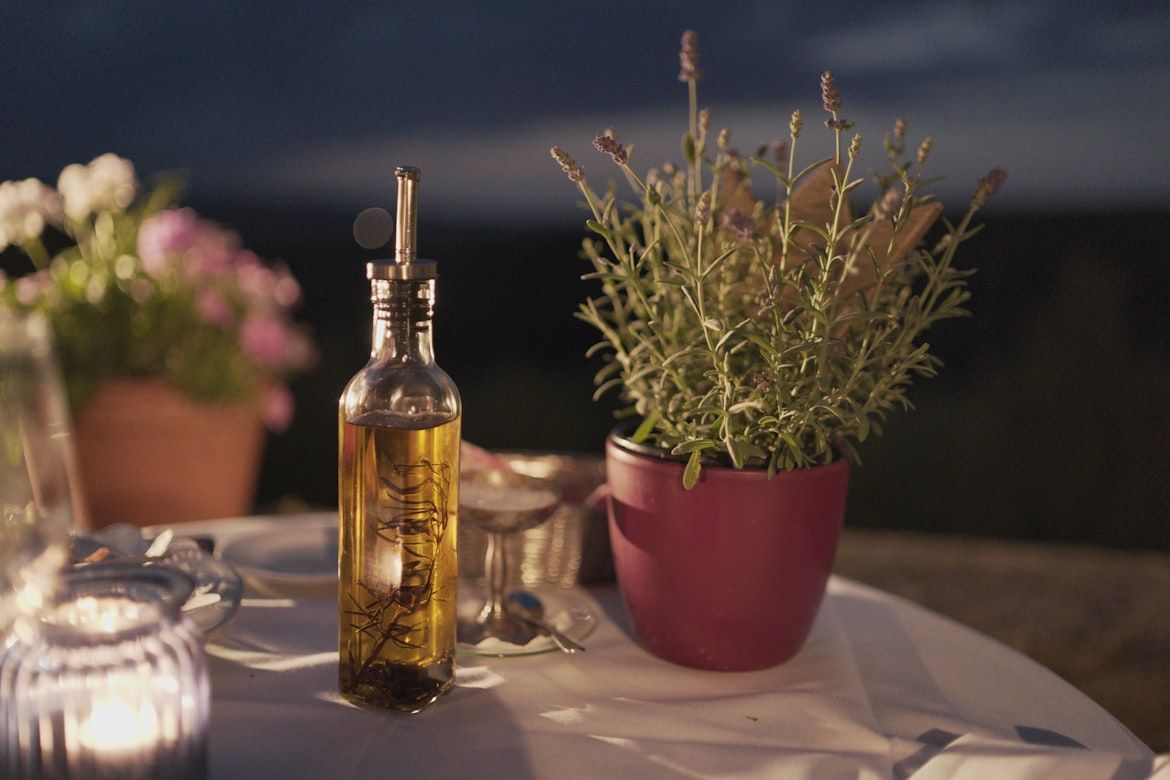
Plants can really upgrade a room, and people used to know this, at least to a larger extent than today. Bringing a small house plant to a new home is a great gift , and it used to be a much more common practice than it is these days.

8
Framed artwork

Image: Jonny Caspari

Paintings have the reputation of being expensive things. And in some cases, they are. But beautiful artwork by unknown artists can be found for low and reasonable prices everywhere . People used to know this and bought paintings to decorate their walls and, taking into consideration the personal taste of the receiver, to give as gifts.

9
Maps

Image: Hutomo Abrianto

In the age of smartphones, paper maps have become somewhat irrelevant and cumbersome. But they make for beautiful objects and can be framed into beautiful works of art . Gifting maps depicting places that are relevant to the gift receiver is a habit that should come back.

10
Greeting cards
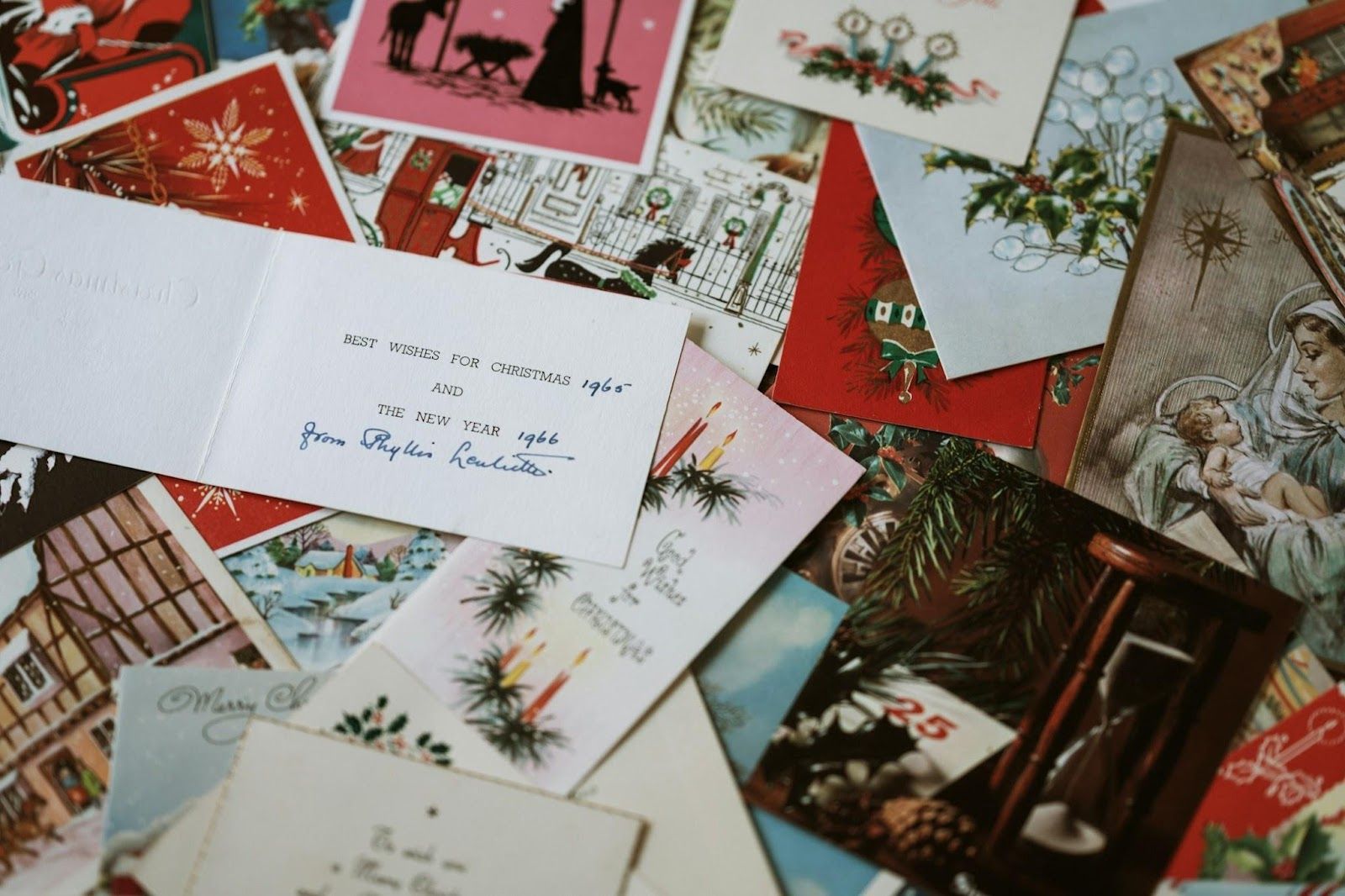
Image: Annie Spratt

Be it of the Hallmark kind or any other, greeting cards used to be given for many different occasions throughout the year. Since the Internet came around with emails, social media, and WhatsApp messages, these cards have all but faded into oblivion.

Even if you only kept them for a couple of months before throwing them away, it was fun to receive those cards as a reminder of the fact that someone cared about you enough to buy, write, and mail the card.

11
Handwritten postcards
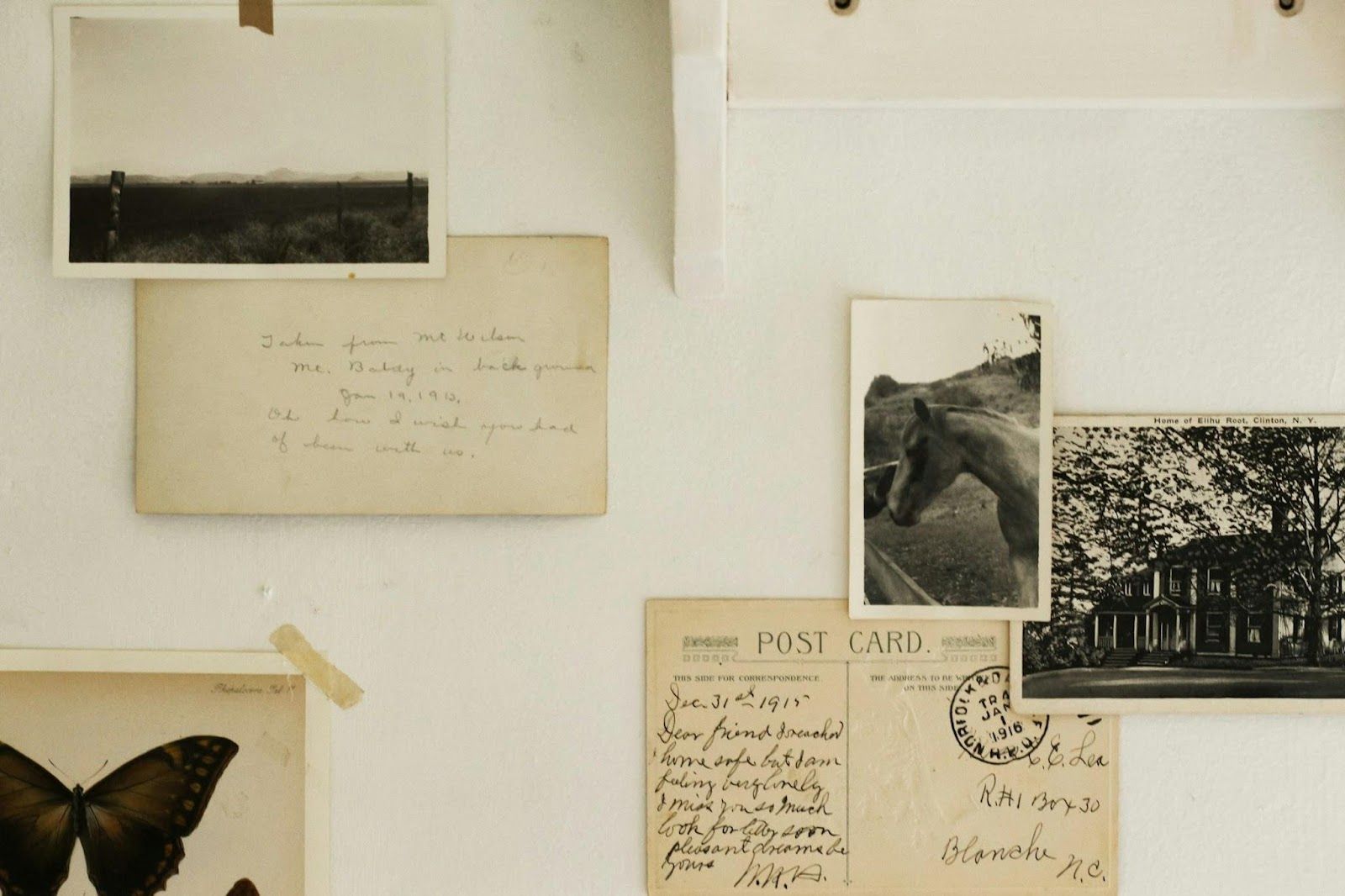
Image: Ireland Rogers

Somewhat similar to greeting cards but not quite the same are postcards. These lovely reminders of a friend or a relative’s trip brought the comfort of knowing that whoever wrote the postcard was thinking about you .

Again, the internet has rendered postcards obsolete, but that does not mean that, even to this day, receiving one would be a very nice gesture.

12
Framed pictures

Image: Natalia Rüdisüli

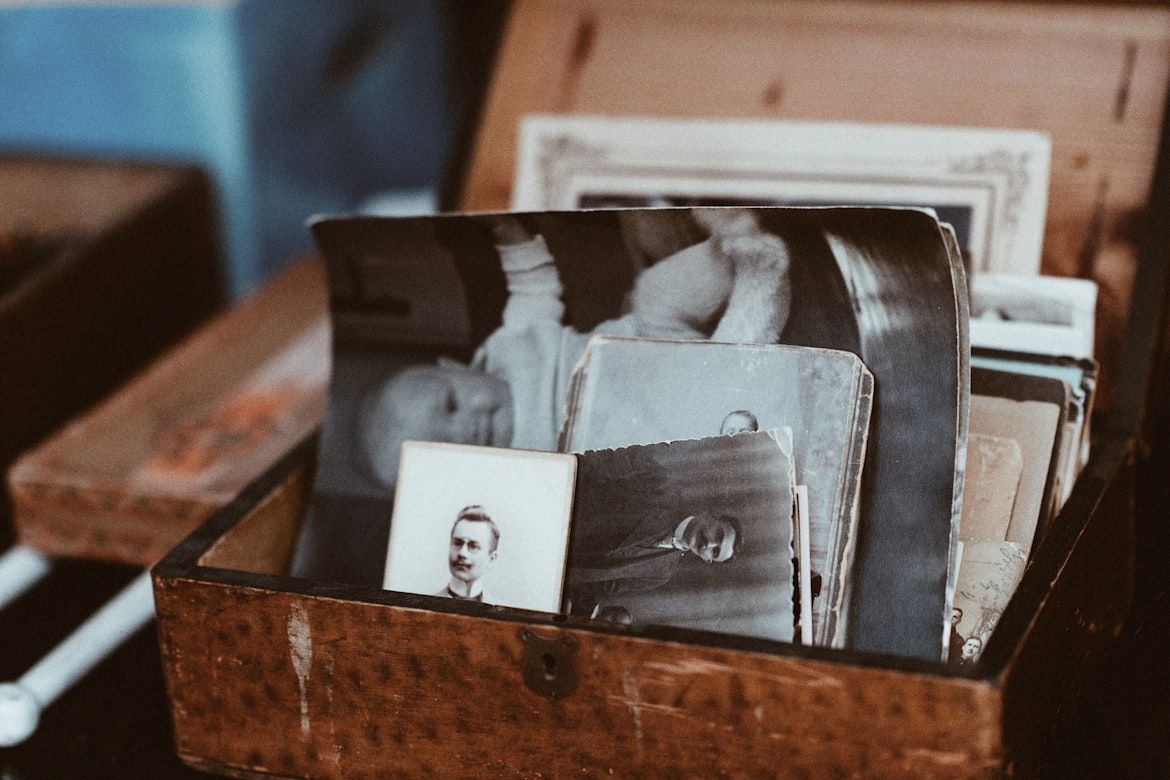
Giving someone a framed picture of a significant moment can be a great gift, and it used to be much more common. Just like in the case of the framed artwork, it is important to understand the personal taste of the person who is receiving this gift . But if this is understood and taken into account, there is no reason why this shouldn’t come back as a great gift idea.

General General 4 min read

Wave them with pride

Honoring the states: learn about the history of 10 state flags

Image: Tina Chelidze

From the 13 colonies to the consolidation of the 50 states, America’s journey of growth and unity is remarkable. Each state is unique, with distinctive features, mottos, and, of course, flags. Each flag tells a story and honors the rich history and heritage of the state it represents. Among the 50 state flags, we’ve chosen 10 state flags to learn about their design, elements, and the history they represent.

1
New York

Image: Clker-Free-Vector-Images

New York was one of the 13 original colonies and is one of the most populated states today. Its flag, with a vibrant blue in the background, features a sun symbol, one supporter on each side, and the state’s inspiring motto "Excelsior," meaning "ever upward."

The scene in the coat of arms paints a picture of the Hudson River flanked by Liberty on the left, and Justice on the right. Topping it all off is a bald eagle, always majestic, perched atop the world. Powerful, isn’t it?

2
California

Image: Clker-Free-Vector-Images

California was the 31st state to be admitted to the Union (1850) and the history behind its flag has elements present in previous models of banners used by what we know today as Mexico.

This flag was first hoisted in 1846 after American settlers in the territory fought for its independence. Finally, it was recognized as official in 1911.

The flag depicts a grizzly bear —also the official state animal— and a lone red star symbolizing previous attempts to gain independence.

3
Indiana

Image: Clker-Free-Vector-Images

Indiana’s flag was designed by Paul Hadley and approved as the state flag in 1917 after the Daughters of the American Revolution held a flag design contest.

Over the dark blue flag stands a golden torch surrounded by 19 stars . The 13 stars on the outer circle represent the 13 original colonies, while the five stars in the inner circle were added to symbolize the next five states that joined the union, Indiana being the 19th.

The torch? You guessed it right, it represents liberty and enlightenment.

4
Louisiana

Image: Clker-Free-Vector-Images

Blue background abounds among the official state flags and it’s no surprise since it’s one of the national colors. Louisiana’s flag is not the exception.

This flag is the only one to depict a pelican nurturing its offspring in a nest. What is curious about it is that the pelican, an animal that symbolizes devotion to progeny, is crying tears of blood, which represents sacrifice. Underneath, belted in a white ribbon, the state’s motto: "Union, Justice, and Confidence".

5
New Jersey

Image: Clker-Free-Vector-Images

New Jersey’s flag is the only state flag to have a buff background , although it is wrongly depicted as yellow most times. This background color represents the uniform worn by soldiers from New Jersey’s regiments in the Revolutionary War.

In the center of the flag, there is a coat of arms supported by Liberty and the goddess Ceres, representing agriculture. Above the coat of arms, a horse’s head that stands for strength, and, below it, a helmet that symbolizes sovereignty.

6
Arkansas

Image: Clker-Free-Vector-Images

Arkansas’s flag depicts a complex symbolism using well-known elements: a diamond shape, with 25 stars on the outer part, the state’s name in the middle, one star above, and three stars below.

Arkansas was the 25th state to join the union, hence the stars around the diamond. The star over the word "Arkansas" represents the Confederacy to which it was admitted in 1861. The three stars below represent different things: the nations Arkansas belonged to, the Louisiana Purchase, and the fact that it was the third state formed after such purchase. A simple design, yet a complex meaning, don’t you think?

7
Colorado

Image: Clker-Free-Vector-Images

Colorado’s flag is quite simple in its design, although it represents many state elements . For example, the name, a Spanish word that means "red", is symbolized by the red C in the middle. But that’s not all, the letter C also means "columbine" the state flower, represented by the colors blue, yellow, and white. These two last colors also stand for the gold and silver present in the area.

Last, but not least, the letter C stands for "Centennial State" as Colorado became a state in 1876, when the nation was celebrating a century of its independence.

8
Washington

Image: Clker-Free-Vector-Images

Washington is the only state to have a flag with a green background. At the same time, it is the only one to depict a real person . George Washington’s picture is surrounded by a golden ring that reads "The Seal of the State of Washington 1889," the year in which the territory became a state.

The background color refers to the "Evergreen State" while the golden ring represents the wheat areas of the Eastern part of the state.

9
Wyoming

Image: Clker-Free-Vector-Images

This flag was also chosen during a flag design competition held in 1916. It consists of a dark blue background bordered by white and red and, in the center, the silhouette of a bison with the state seal that reads "Great Seal of the State of Wyoming."

Within the seal, the state motto "Equal rights," since Wyoming was the first state to grant women the right to vote. Below the ribbon, a farmer and a cowboy, the main occupations in the state, and two pillars that read "Livestock, mines, grain, oil." And that’s not all, at the bottom, a bald eagle and a star with the number 44, the order of admission to the union.

10
New Mexico

Image: Clker-Free-Vector-Images

Let’s finish this list with what may be the simplest flag of all the 50 states: New Mexico’s. With colors that symbolize the Spanish ruling over the territory, this state flag was adopted in 1925 and it consists of a yellow background with the Zia sun in the center.

The Zia sun is an ancient interpretation of the sun and its design consists of four rays, a sacred number of the Zia. Beautiful, isn’t it?

Culture Culture 2 min read

Wild words

Hold your horses! 10 phrases born on the American frontier

Image: Documerica

The American frontier shaped more than just maps—it shaped the way people talked. From cattle trails to mining camps, settlers coined many blunt and vivid expressions that have stuck. These everyday phrases still carry the grit of survival, the humor of hardship, and the improvisation of a world built fast. Here are 10 common sayings whose roots run straight into frontier soil.

1
Circle the wagons

Image: Dana Davis

Pioneer wagon trains literally circled their wagons at night for protection.

Creating a closed ring helped shield families, livestock, and supplies from raids, wild animals, and harsh weather—and the formation later evolved into a metaphor for any type of unified, defensive action.

2
Hold your horses

Image: Cemrecan Yurtman

Frontier riders needed to keep horses steady at all times, but particularly in chaotic and potentially dangerous settings like stage stops and river crossings.

By the mid-1800s, the phrase became a common command, later evolving into a figurative call for patience.

3
On the warpath

Image: Andrew James

This term originated as an English rendering of a Native American expression for wartime mobilization—specifically the route or course taken toward an impending conflict.

Euro-American settlers later adopted the phrase, and by the late 19th, century newspapers were using it metaphorically to describe anyone behaving aggressively or angrily.

4
Branding iron

Image: Jonny Gios

Ever wonder where the term "brand name" comes from? Frontier ranchers used heated irons to mark ownership on their cattle.

The idea of a distinctive identifying mark later moved into the commercial world, where "brand name" came to signify a recognizable product or company identity.

5
Come hell or high water

Image: Furkan Elveren

Ranchers driving cattle across rough terrain used this phrase to signal determination despite floods, storms, conflict, and whatever else the wild frontier could throw at them.

The earliest known printed use appears in an 1882 issue of The Burlington Weekly Hawk Eye, an Iowa newspaper. Railroads later adopted it in contracts requiring delivery despite natural obstacles.

6
Riding shotgun

Image: Paul Einerhand

In Wyatt Earp’s era, the seat beside a stagecoach driver was reserved for an armed guard carrying a shotgun to deter bandits.

By the early 20th century, the job had vanished, but the expression endured as a casual claim for the front passenger seat.

7
Belly up to the bar

Image: Vidar Nordli-Mathisen

Saloon bars on the frontier often lacked stools, so patrons had to stand and lean their bellies directly against the counter.

The phrase soon came to mean approaching something boldly, whether at a bar or any other challenge.

8
Kick the bucket

Image: Lucas van Oort

Rural butchers often suspended animals from a beam called a "bucket," and they sometimes kicked during slaughter.

The phrase was popular on farms and frontier towns, eventually becoming a euphemism for dying.

9
Dead ringer

Image: Annie Spratt

Frontier horse racers engaged in plenty of shady practices—and one of the most common was substituting a horse with a look-alike, a "ringer," to scam bets.

When the substitute was an exceptionally close match, it was called a "dead ringer," emphasizing its perfect likeness.

10
High noon

Image: CHUTTERSNAP

Before standardized clocks or reliable rail schedules, "high noon" was an easy way to tell time by noting the sun at its highest point.

It also became associated with showdowns and other events because midday offered the clearest visibility.

Explore more American facts

Choose your favorite category!

General
General

As American as apple pie—the very best America has to offer!

Culture
Culture

Delve into the astounding richness of American lore.

Geography
Geography

Hop in and explore vast and diverse American landscapes.

History
History

Discover the key moments that shaped the United States.