Culture Culture 3 min read

Creative states

Do you know what was invented in your state? Be surprised by the answer!
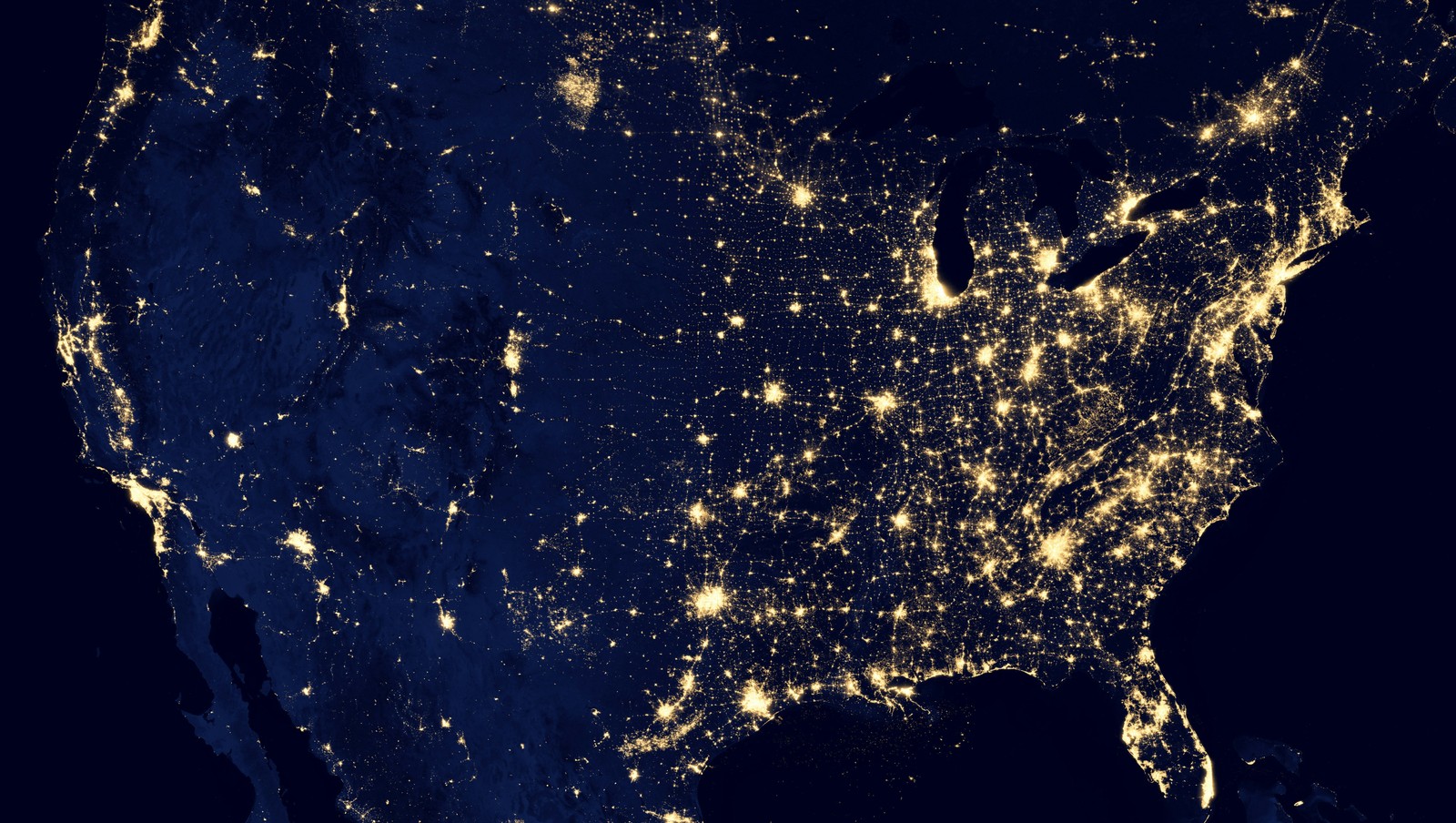
Image: NASA

Take a look around your house for a second: The lights are on, breakfast was easy, your jeans fit just right, and your nose knows exactly where that Vicks is hiding. Funny thing is, you can thank a handful of American states for these, but you may not even know it! America is great for many things, and these states have some pretty famous inventions we should thank them for! Read on and see what your state created!

1
Tennessee - Cotton candy
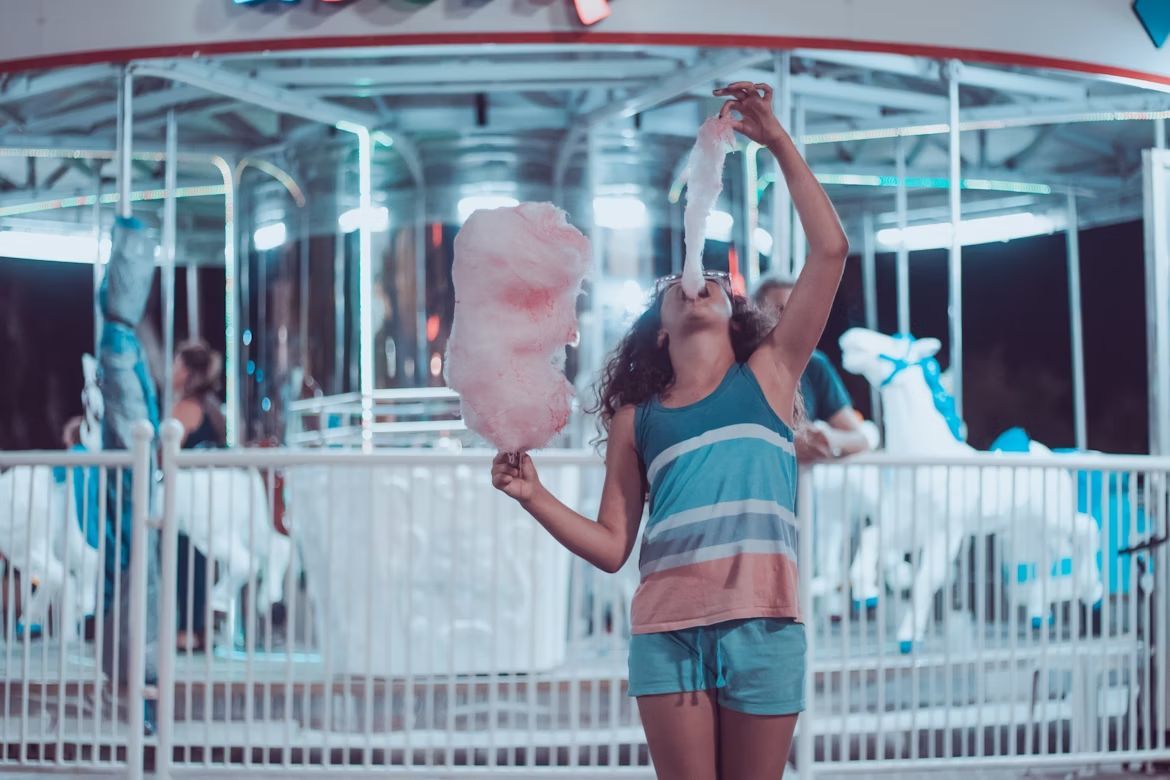
Image: Yarden

Cotton candy feels like pure fun, which makes its origin even better. A Nashville dentist helped invent the machine that turns sugar into fluffy clouds. It debuted at the St. Louis World’s Fair and became a carnival favorite. Genius way to get more patients on his chair, huh?

2
Georgia - Coca-Cola
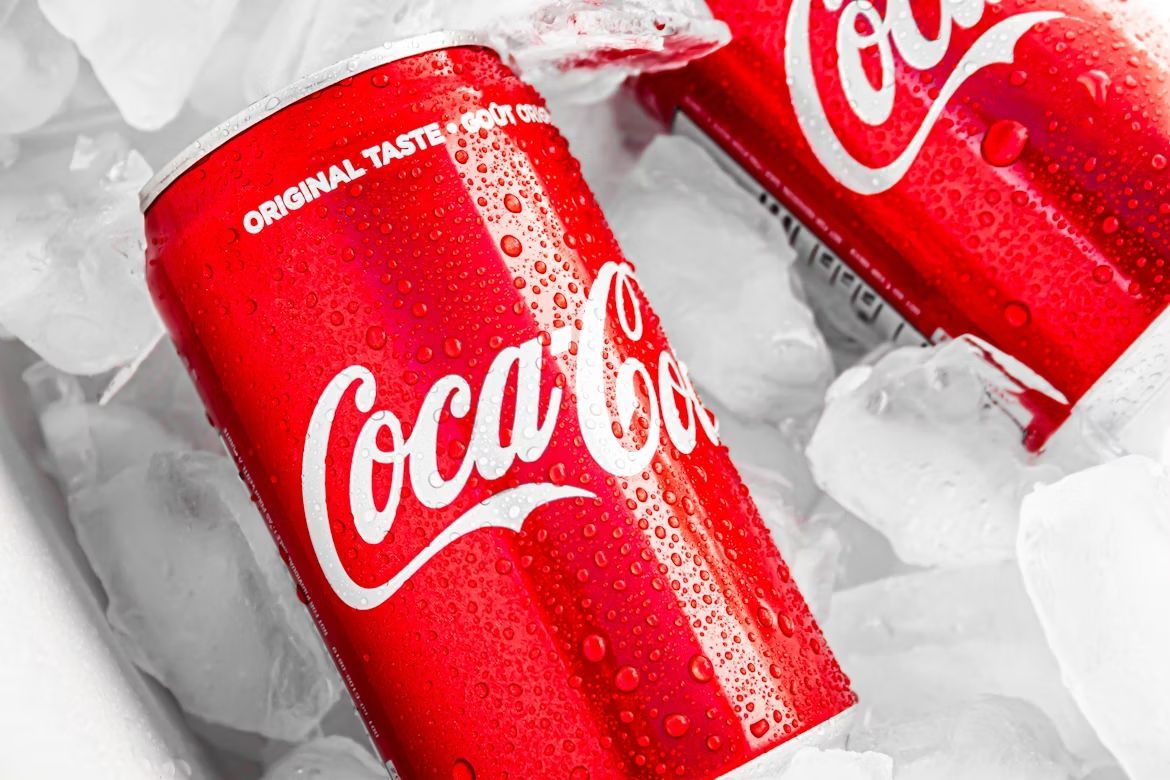
Image: James Yarema

In an Atlanta pharmacy in 1886, John Pemberton mixed up a syrup meant to be medicinal. It included coca leaf extract and kola nuts and was sold as a tonic. The drink evolved quickly, lost its medical claims, and became Coca-Cola. The rest is simply history!

3
New Jersey - Light bulb
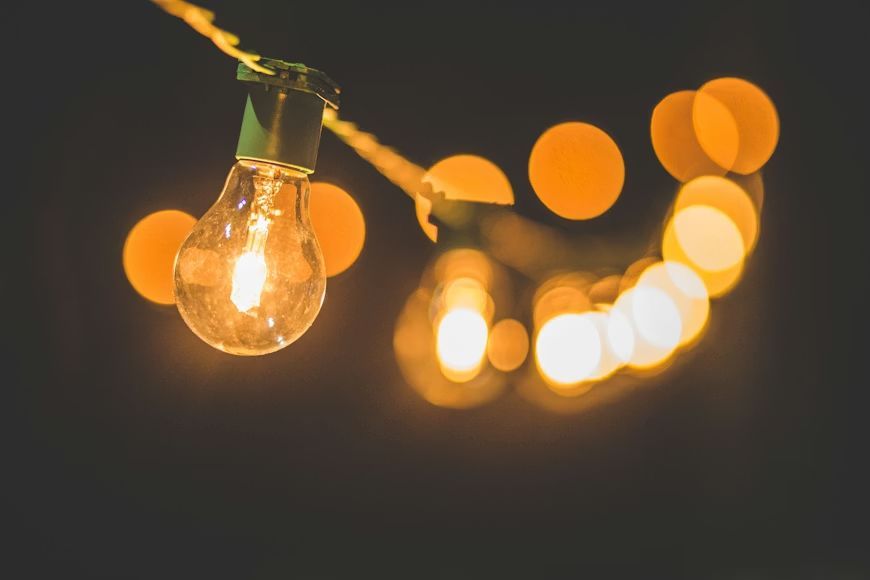
Image: Luis Tosta

This one is a classic! In Menlo Park, Thomas Edison built a laboratory that became an invention factory. There, a commercially viable incandescent light bulb was developed. While this gets most of the applause, that same New Jersey workspace also helped shape recorded sound and motion pictures.

Image: NAM CZ

4
Indiana - Rearview mirror

At the very first Indianapolis 500, one driver decided he did not need someone sitting behind him to watch traffic. Can you imagine how uncomfortable a job that was? Ray Harroun instead attached a mirror to his dashboard. That simple choice helped him win the race and changed driving for everyone.

5
California - Jeans
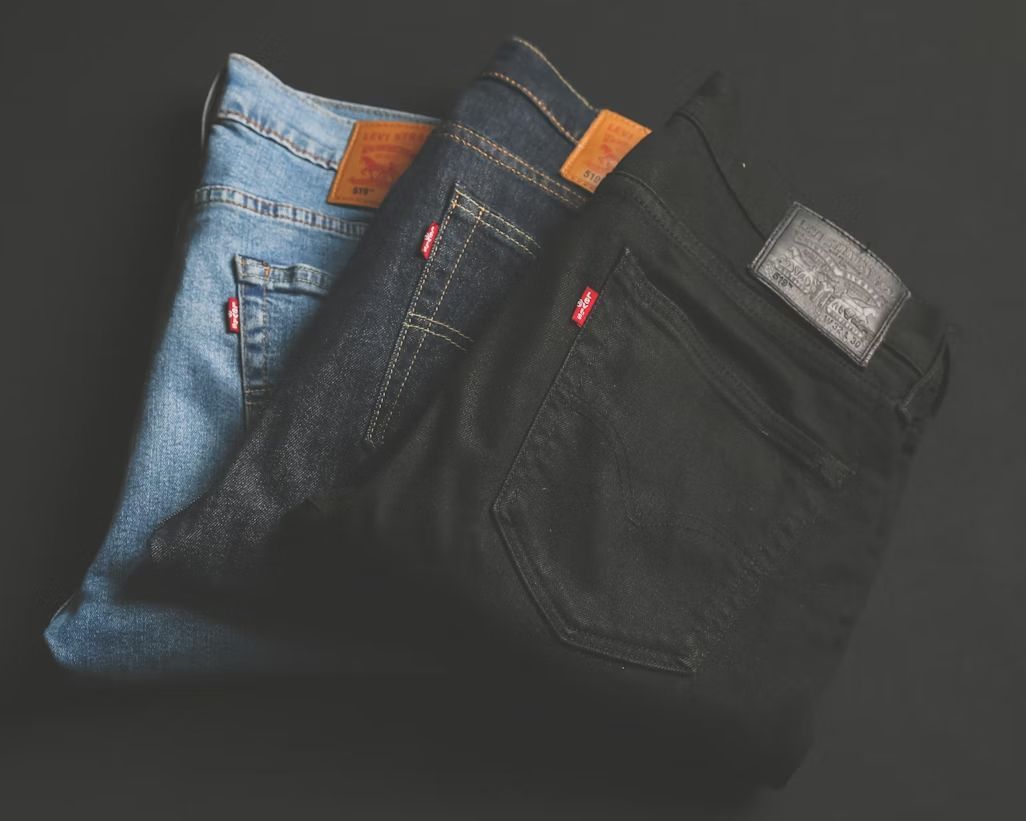
Image: Mnz

Rugged work pants were falling apart under hard labor until rivets entered the picture. A tailor named Jacob Davis teamed up with Levi Strauss in San Francisco to reinforce trousers for miners . Denim soon followed, and jeans became a global staple. From gold fields to casual Fridays, the look never left.

6
Ohio - Traffic light
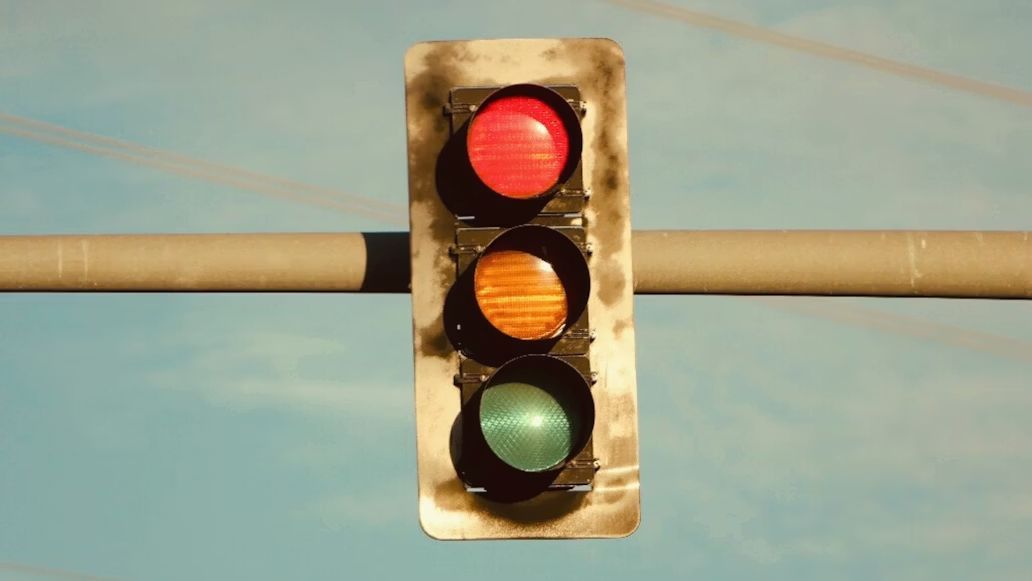
Image: CARTER SAUNDERS

Cleveland inventor Garrett Morgan noticed a deadly problem at busy intersections . His improved traffic signal added a pause that stopped all directions before letting cars move again. That brief moment of calm saved lives and brought order to chaos.

7
Missouri - Ready mix

Image: Land O'Lakes, Inc.

Pancakes once meant measuring flour, salt, and patience. In 1889, Missouri innovators created one of the first commercially successful ready mixes under the Aunt Jemima name . Pour, add liquid, and cook. It reshaped home kitchens and paved the way for countless boxed mixes.

8
North Carolina - Vicks VapoRub
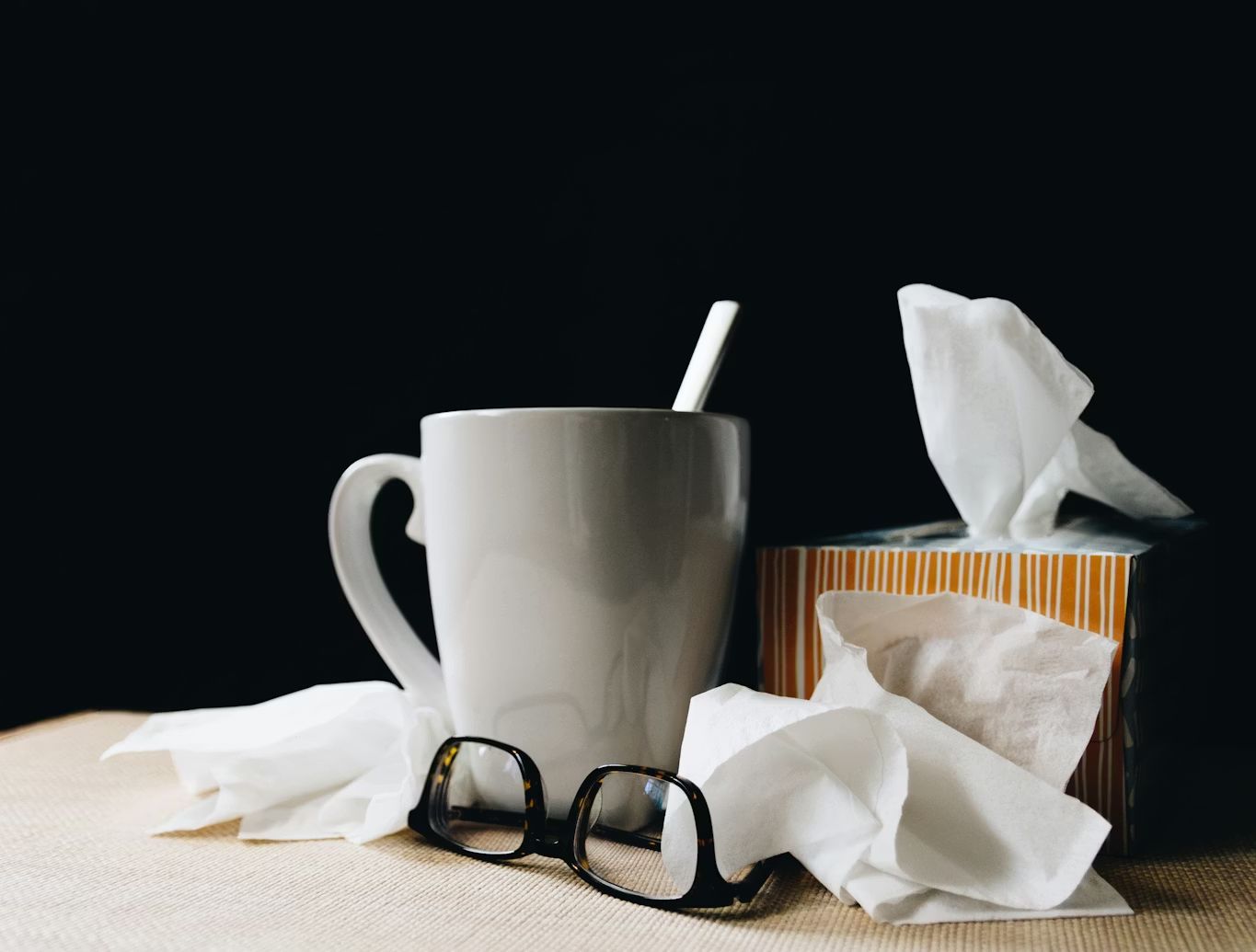
Image: Kelly Sikkema

A Greensboro pharmacist created dozens of remedies, but one stood out. His menthol ointment eased breathing and comforted countless families. Rebranded as Vicks VapoRub, it became a staple in every medicine cabinet.

9
Wisconsin - Blender
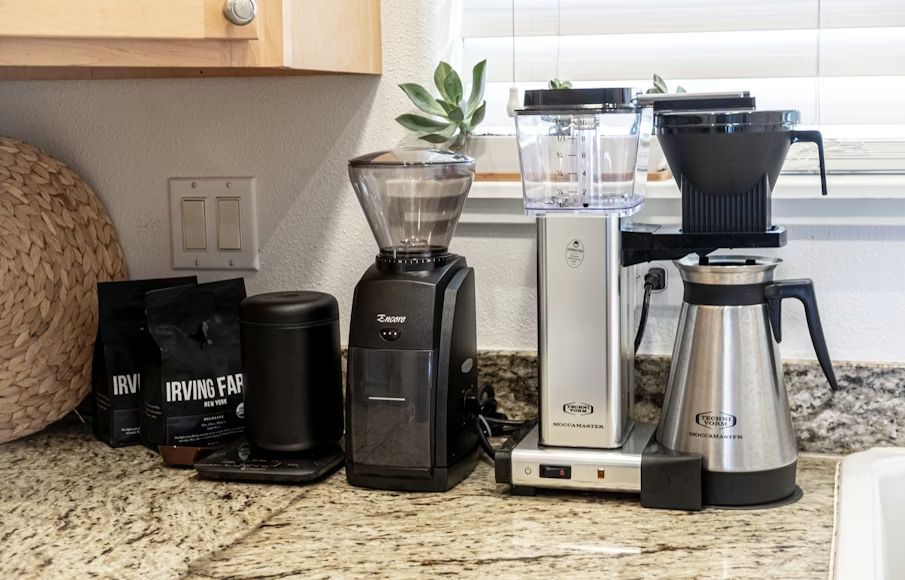
Image: Daniel Norris

The first motor-powered blenders came from Wisconsin, even if they needed a little help to work properly. Once refined, they became the Waring Blendor and found their way into diners, homes, and smoothie shops. Nowadays, they are a household essential; even kids know how to work one!

10
Oklahoma - Parking meter
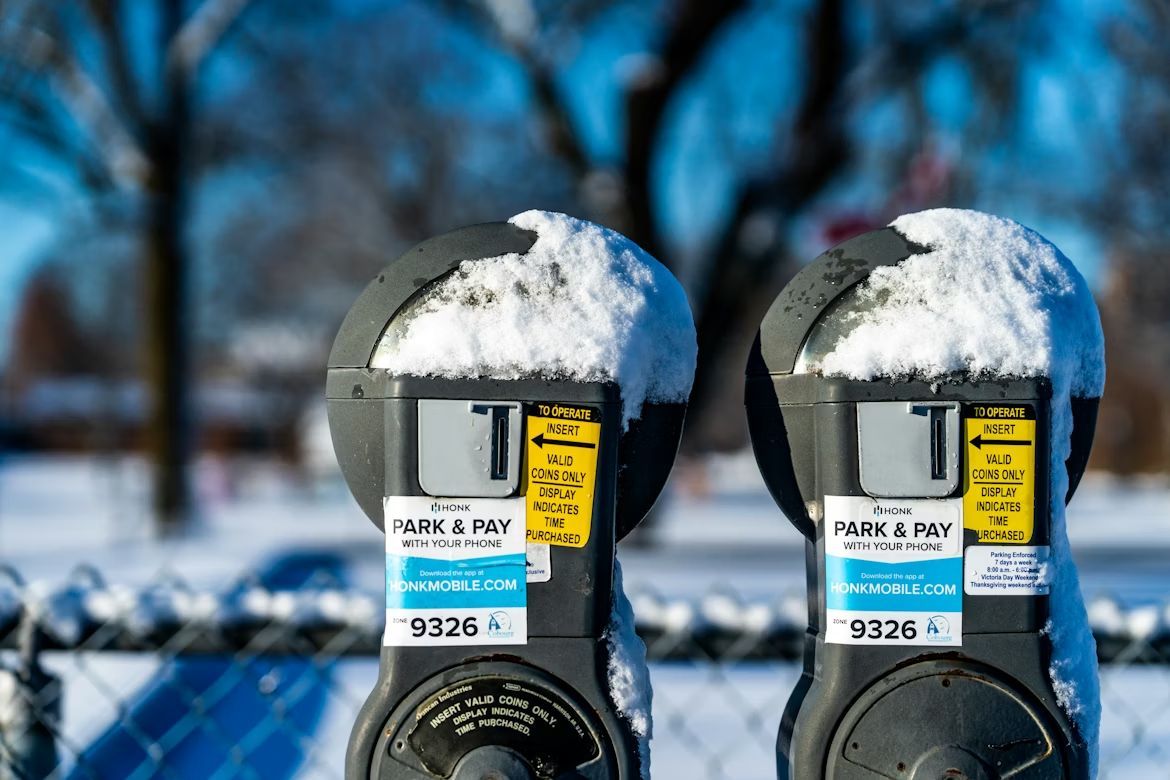
Image: chris robert

Crowded streets needed turnover, so Oklahoma City tried something new. The parking meter encouraged drivers to move along and freed up spaces for shoppers. Love them or hate them, parking meters changed how cities function.

11
New York - Toilet paper
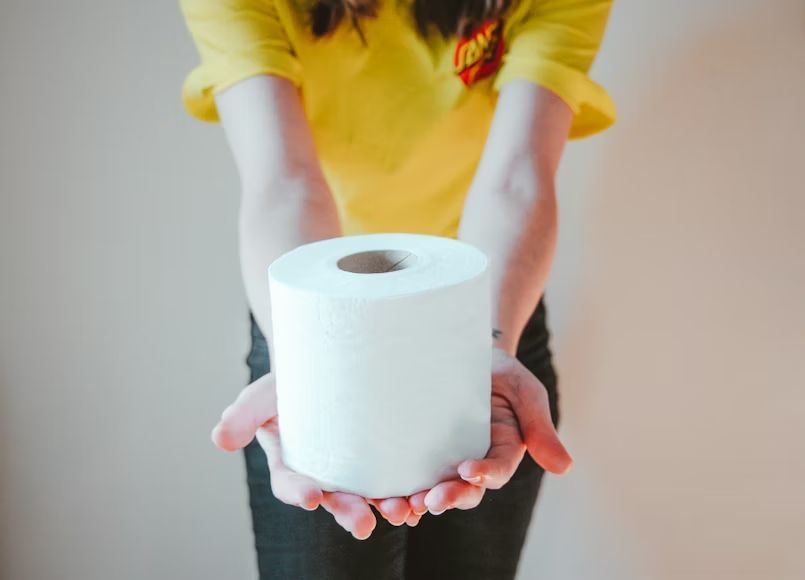
Image: Nik

Toilet paper feels like it has always been around, but it hasn’t. In 1857, a New Yorker named Joseph Gayetty introduced paper designed specifically for bathroom use . His marketing was not so effective, but the idea stuck. Before that, people relied on catalogs and newspapers. Thank you, New York!
History History 4 min read

Sip back in time

Ombibulous times: Talking the talk of prohibition

Image: Moussa Idrissi

Back in the 1920s, when alcohol was outlawed but far from out of reach, people got creative—not just with cocktails, but with their lingo, too. From secret bars to shady drinks and sly lawmen, the Prohibition era brewed up a whole dictionary of clever slang. Some of these phrases are still with us today, while others sound like something out of an old gangster flick. Let’s raise a (legal) glass and dive into the wild vocabulary of the dry years!

1
Giggle water

Image: Tristan Gassert

Sounds fun, doesn’t it? "Giggle water" was slang for champagne, but later came to mean any kind of alcoholic drink that made you feel good.

The term popped up around 1910 and hung around well into the ’20s. Lighthearted and cheeky, it captured the mood of a tipsy good time. It was all laughs—until the next morning.

2
Blind pig

Image: Annie Spratt

A "blind pig" was code for an underground bar, or speakeasy, where patrons paid to see an "exotic animal" and conveniently received a cocktail with the show. This ruse was an early attempt to skirt the law. The term dates back to the 1800s and had a cousin in crime: the "blind tiger." No matter the name, nobody was there to admire animals—they came for the booze.

3
Juice joint

Image: John Hernandez

At first glance, this might sound like a fruit stand. But during the 1920s, a "juice joint" was slang for a speakeasy—especially the more modest ones. However humble, they had it all: music, dancing, and definitely drinks, legal or not.

The name originally referred to soda stands, but it didn’t take long before it meant something much stronger. If you were thirsty during the dry years, this was a must-stop.

4
Jake walk

Image: Ve al perfil de Andreas M Andreas M

Here’s a sobering one. "Jake" was shorthand for Jamaican ginger extract, a legal tonic with high alcohol content. But manufacturers altered it to skirt regulations—and the results were tragic. Drinkers developed a distinct limp from nerve damage, called the "Jake walk" or "Jake leg." Thousands were affected, especially in the South. It became both a medical crisis and a dark symbol of the risks people took to sneak a drink.

5
Ombibulous

Image: Kelsey Chance

Writer H.L. Mencken had a way with words—and a taste for booze. In 1920, he dubbed himself "ombibulous," meaning he happily drank anything alcoholic, no matter what. He was also known for calling bootleggers "booticians," always with a wink. A strong critic of Prohibition, Mencken turned his drinking habits into witty declarations.

6
Needle beer

Image: Wil Stewart

You know the drill: desperate times, desperate measures. Some barkeeps took regular beer, injected it with alcohol via a syringe through the cork, and served it up as the real deal. This DIY hack became known as "needle beer." It was risky and often poorly mixed, but in an era when options were slim, creativity was all people had. Probably not the safest pint you ever drank, though.

7
Brick of wine

Image: Kym Ellis

Yes, really! You could buy a block of grape concentrate, add water, and wait—voilà, wine! These "bricks" came with an ironic warning not to store them in a cool, dark place (wink, wink), or they might "accidentally" ferment. For wine lovers who craved a glass during the dry years, this was a sly workaround. Just add water, patience, and a sense of humor, of course!

8
Bathtub gin

Image: Bjarne Vijfvinkel

Not a flavor—a method. "Bathtub gin" referred to homemade hooch often mixed in, you guessed it, a bathtub. Tall bottles didn’t fit under sink taps, so a larger space was needed. We’ve said it before, and we’ll say it again: how creative could they get?

The quality varied wildly, and safety wasn’t exactly guaranteed. However, it became the generic term for all sorts of homebrewed booze.

9
Teetotaler

Image: Jessica Smith

This word originated before Prohibition but got plenty of use during it. A "teetotaler" is someone who avoids alcohol entirely. The term comes from the emphatic "T" in "total abstinence." It gained popularity thanks to temperance movements in the 1800s, long before the ban was official. While others were sneaking into blind pigs, teetotalers were proudly saying, "Thanks, but no thanks."

10
Dry

Image: engin akyurt

If you were "dry," you were all in on Prohibition. Drys supported the ban, and dry counties banned alcohol completely. Agents who enforced the law were often called "dry agents." The term became both a political and cultural identifier. You were either dry or...

11
Wet

Image: CHUTTERSNAP

...you were wet. A "wet" person supported legal alcohol sales, plain and simple. Wet cities and counties allowed booze to flow, and many Americans never bought into the dry movement. The wet/dry divide wasn’t just about drinks—it represented a much larger cultural clash. And as we know now, the wets eventually won.

12
Whale

Image: Todd Cravens

Not a sea creature, but someone who could drink like a fish. A "whale" was a heavy drinker, often the life of the party and the last one standing. Whether at a juice joint or speakeasy, whales had reputations to uphold. The term lives on today in gambling circles, too—but back then, it was all about your booze tolerance.

History History 6 min read

FROM CHEEKY TRADITIONS TO PROMINENT FIGURES

Top 10 American Universities: Amazing Facts You May Not Know About

Image: RUT MIIT

Every university has its own culture, folklore, customs, and pranks . Some even go back centuries. It may be a long time since you were last in school, but no one can deny college years are an unforgettable period in every person’s life that is forever imprinted on the memory.

For most of its history, the US university system has served the mission of economic and social progress, educating the world's greatest leaders and contributing to unprecedented scientific breakthroughs. In this article, we have gathered some of the most curious facts about the country's most prominent schools .

1
Yale

Image: Pixabay

One of America’s most illustrious universities, Yale has been creating stories and forging traditions for more than three centuries. Being one of the oldest universities in the country means you can claim a couple of "oldest". For example, Yale is home to the earliest collegiate daily newspaper still in existence. The Yale Daily News has been around since 1878, reporting consistently five days a week. Also, the Whiffenpoofs, Yale’s oldest a capella group, has been singing every Monday night since 1909 .

Another fun fact? They may not teach magic at Yale, but theuniversity’s residential college system is very similar to the Hogwarts house system portrayed in the famous Harry Potter series . Each year, Yale freshmen are treated to a formal holiday banquet at one of the 17 extravagant Gothic dining halls on campus.

2
Stanford

Image: Jason Leung

The campus of Stanford University spans 8,180 acres in the center of the San Francisco Peninsula. It includes 630 buildings, 49 miles of roads, 3 dams, more than 40,000 trees , 25 fountains, a biological preserve, and a historic equestrian barn, among many other special features. It’s so big that it even has its own special zip code!

Perhaps one of the most relevant facts about Stanford is that it is considered the birthplace of Silicon Valley . In the 1930s, the university's Dean of Engineering, Frederick Terman, encouraged his students to stay in the area to develop a high-tech hub. This is how Bill Hewlett and David Packard ended up creating Hewlett-Packard in a garage in Palo Alto not far from campus.

3
MIT

Image: Ana GG

The Massachusetts Institute of Technology was founded on April 10, 1861, just two days before the start of the Civil War. MIT’s official colors are Cardinal Red and Silver Gray and, in 1914, the beaver was chosen as the university’s formal mascot due to its "engineering and mechanical skill and habits of industry."

This distinguished university currently counts 98 Nobel Laureates among its alumni, faculty, and staff. But the nerdy ways of the MIT crowd don't end there.Did you know that acceptance letters for undergraduates are sent out every March 14, in commemoration of Pi Day? Admissions are even delivered at exactly 6.28 pm, which is known as "Tau time" (πx2). No wonder MIT’s motto is mens et manus , Latin for "mind and hand".

4
UCLA

Image: tommao wang

The University of California is synonymous with excellence and innovation, but there are a lot of tidbits about it that even graduates don’t know about. UCLA’s football team has had many nicknames over the years : they were known as the "Cubs", the "Grizzlies", and finally the "Bruins". A live bear even used to take the field at some games until it was banned!

UCLA was also home to some of America’s most prominent cultural icons : James Dean majored in drama, Francis Ford Coppola earned a Master of Fine Arts in Film, NASA astronaut and first mother in space, Anna Lee Fisher, graduated as a doctor and mastered in chemistry, and neuroscientist Dr. Mayim Bialik popularised this field of science with her character in the famous TV series The Big Bang Theory . Can you name any other stars who went to UCLA?

5
Brown

Image: Keming Tan

Founded in 1764, Brown is a leading American research university, the first Ivy League school to accept students from all religious affiliations . Located in Providence, Rhode Island, this school has a bear mascot named Bruno and a library with no windows that resembles a tomb —in fact, rumor has it, that Rush and Annmary Brown Hawkins are buried here. Another one of its libraries, The John Carter Brown Library, holds an invaluable treasure: seven 15th-century letters from Christopher Columbus proclaiming his "discovery" of the Americas.

But perhaps Brown’s most curious feature is Carberry Day. Every Friday the 13th, students celebrate Josiah S. Carberry, a legendary fictional professor of "psychoceramics" who was created as a joke in 1929. Since then, every Carberry Day all students and faculty spread the campus with brown jugs filled with change they donate to the professor and his ‘future late wife Laura’. Have you ever heard of this traditional Brunonian holiday?

6
Johns Hopkins

Image: Falkenpost

This university named after the 18th-century Quaker entrepreneur and philanthropist Johns Hopkins was the first research university established in the United States . Johns Hopkins has a long and fascinating history, including mutant rabbit-related mysteries and famous alums: President Woodrow Wilson, Wolf Blitzer, Mike Bloomberg, Tori Amos, and Wes Craven, just to name a few.

Johns Hopkins is also home to some important events in literary history . In 1932, Zelda Fitzgerald was admitted to the university’s hospital and treated for schizophrenia. Soon after, F. Scott Fitzgerald, moved across the street to be closer to his wife. While in Baltimore, they wrote two novels: Save Me the Waltz and Tender is the Night .

7
UPenn

Image: Dyana Wing So

"Here’s a toast to dear old Penn", sing students at the University of Pennsylvania during home football games. Originating in the prohibition years, this tradition of throwing pieces of toast on the field seems to have taken the expression rather literally. Another popular myth at UPenn indicates that freshmen should never cross the compass embedded into the center of Locust Walk if they don't want to risk failing their first exams.

But serious things also happen at this legendary Philadelphia university. For example, it was founded by none other than Benjamin Franklin , the first general-purpose electronic computer was created here in 1946, has 38 Nobel laureates, and many other prominent Americans attended the school, such as Noam Chomsky, Ezra Pound, Warren Buffett, Tory Burch, and John Legend.

8
Caltech

Image: LisetteBrodey

Since its founding in 1891, the California Institute Of Technology has made significant contributions in various scientific fields. It has produced 39 Nobel Laureates and operates the world’s largest optical telescope , located at the Palomar Observatory. Caltech’s most popular major is Computer Science and it also has numerous groundbreaking space-related discoveries under its belt —as a matter of fact, the campus is home to NASA’s Jet Propulsion Laboratory.

While academic excellence is what makes Caltech unique, they also have some quirky traditions. For example, pranks are common practice, often involving rivalries between student houses , especially during Halloween. And it's not all about using their brains, Caltech students put their bodies to work as well. Ditch Day, a celebration whose origins date back to 1921, is said to resemble, wait for it, The Amazing Race .

9
Princeton

Image: jplenio

The Princeton campus is so picturesque that it has been used as a set for numerous Hollywood productions , including films like A Beautiful Mind and Across the Universe , among others. This renowned Ivy League university also houses the oldest college literary and debating club in the United States , whose graduates include two U.S. presidents, two U.S. vice presidents, and four U.S. Supreme Court justices.

There are more than 60,000 senior theses stored at the Seeley G. Mudd Manuscript Library, for example, those of Michelle Obama, Ethan Coen, Sonia Sotomayor, and Maria Ressa. Princeton University is not only famous on Earth but also in outer space . In November 1969, Charles "Pete" Conrad, a former student and the commander of the Apollo 12 mission, took a Princeton flag to the moon.

10
Harvard

Image: Tamás Mészáros

Harvard University was founded as early as 1636, which makes it the oldest institution of higher education in the United States . With almost 400 years of history, it is not surprising that this prestigious university houses several interesting stories and curious facts to discover. Named after John Harvard, who donated half of his estate and his library of more than 400 books, the school currently has 79 libraries holding about 20.4 million items in 150 miles worth of shelves.

But there’s more! Did you know that eight Harvard alumni signed the Declaration of Independence? Also, Harvard had the first native Chinese instructor to teach Chinese in America, former students won 110 Olympic medals —including 46 gold—, 51 of its affiliates are Nobel laureates, 48 hold a Pulitzer Prize, and 10 won Academy Awards. Not bad, huh?

Explore more American facts

Choose your favorite category!

General
General

As American as apple pie—the very best America has to offer!

Culture
Culture

Delve into the astounding richness of American lore.

Geography
Geography

Hop in and explore vast and diverse American landscapes.

History
History

Discover the key moments that shaped the United States.