History History 6 min read

Would you live in any of these?

Do you know what a spite house is? 12 odd architectural jewels in America
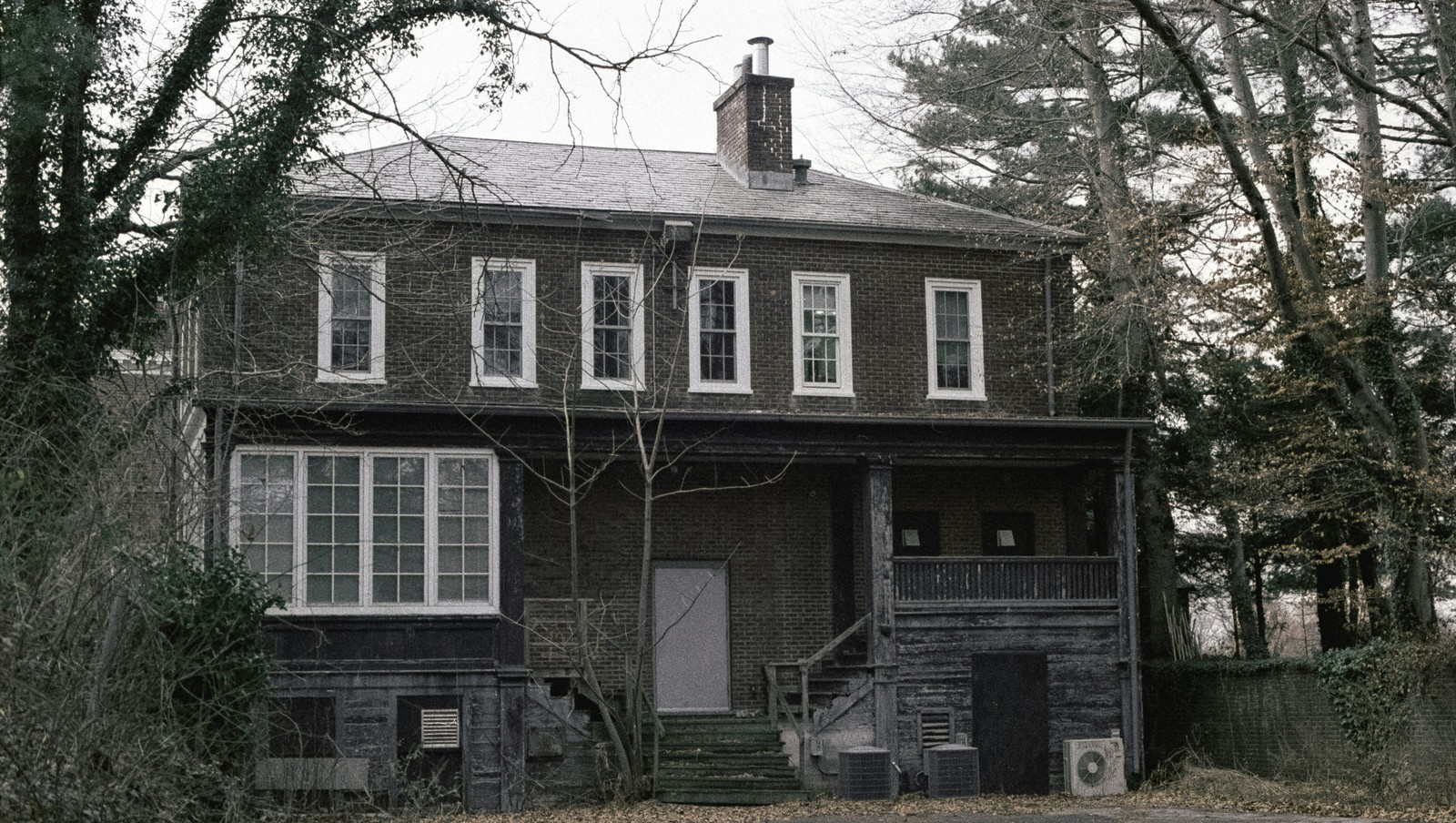
Image: Adrian Hernandez

Not all of the U.S.’s historic homes are created equal; some of them are downright weird, with strange origins, one-of-a-kind features, and supposed spirits lurking on the premises. From labyrinths built for ghosts to"revenge houses", these places mix architecture with folk tales, tragedy, and much more. Here are 12 truly bizarre examples.

1
Winchester House (San Jose, California)
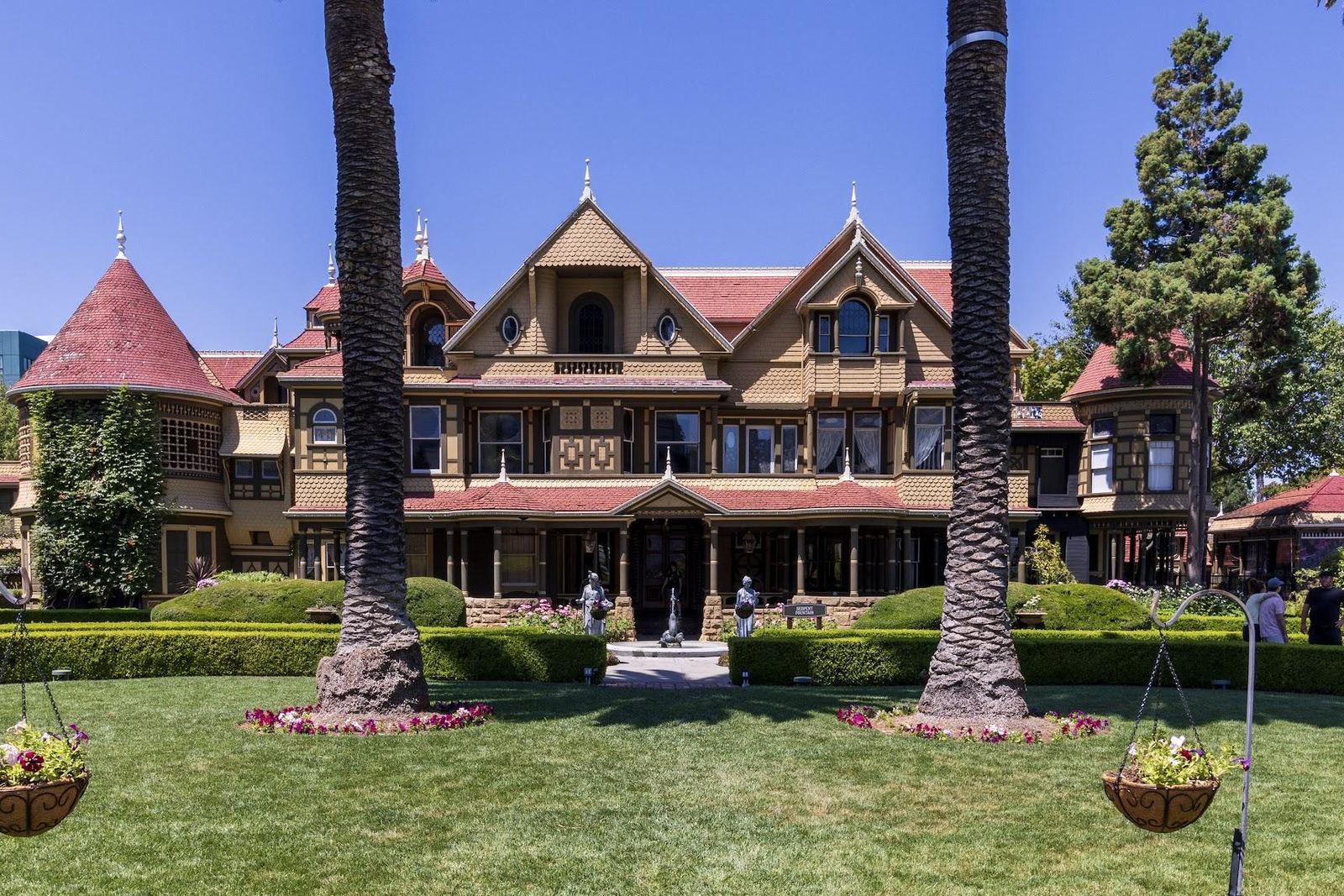
Image: The wub, CC BY-SA 4.0, via Wikimedia Commons

Starting in 1884, Sarah Winchester, the heir to the rifle fortune, spent almost four decades expanding her Victorian mansion into a behemoth 160-room maze of doors to nowhere, staircases into ceilings, and windows facing walls .

Haunted (perhaps in more ways than one) by the deaths of those killed by Winchester rifles, it is said that she had the structure built nonstop day and night to thwart the spirits of those victims. Today, the house is a popular tourist attraction, with tours through secret passages included.

2
Whaley House (San Diego, California)
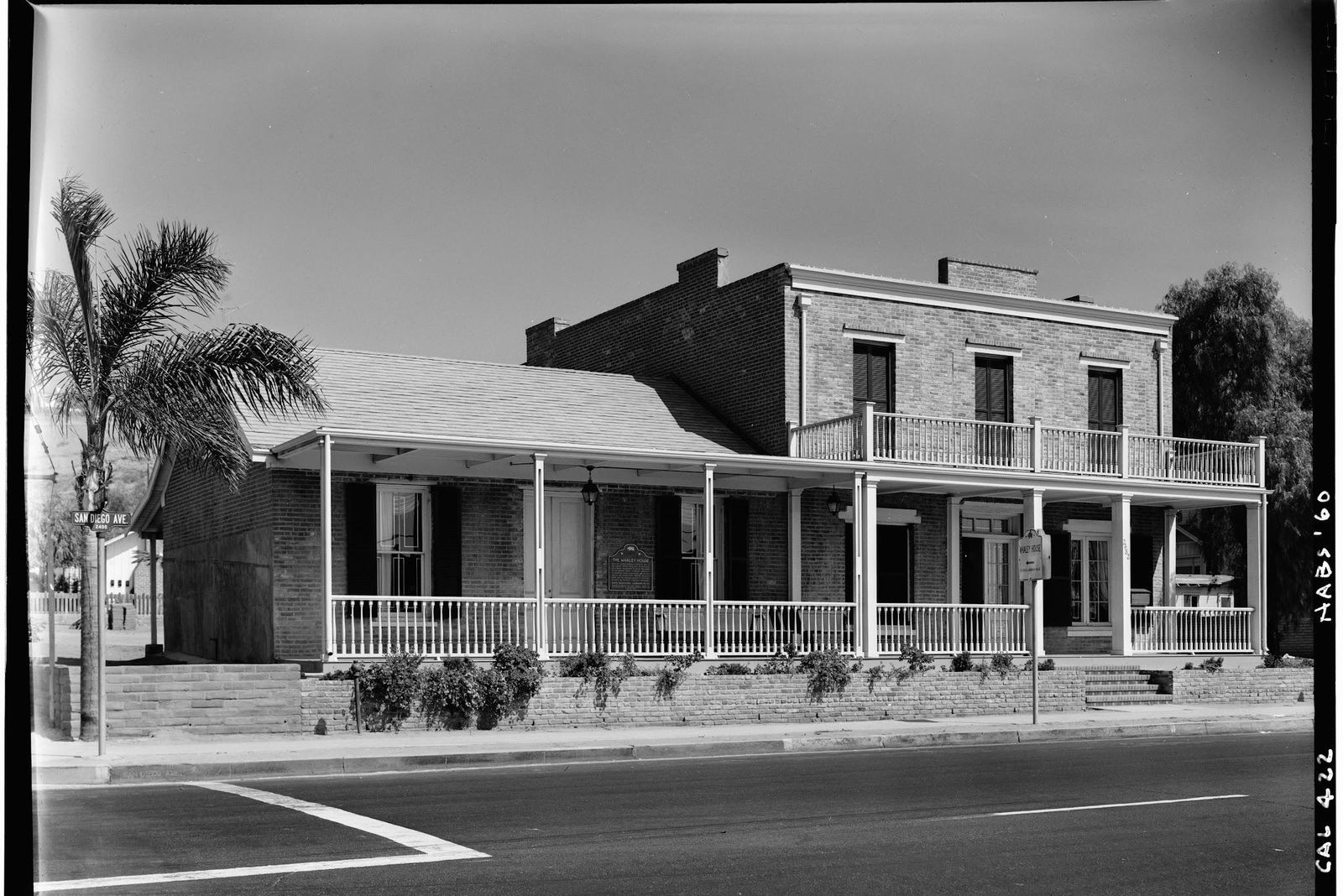
Image: Jack Boucher, Public domain, via Wikimedia Commons

Built in 1857 on the site of San Diego’s old gallows, the Whaley House blended a family home, a store, and a courthouse under one roof. Soon after moving in, the Whaleys reported h eavy footsteps they believed belonged to James "Yankee Jim" Robinson, a tall outlaw hanged on the property years earlier .

Over time, the house became a museum and one of America´s most haunted homes, complete with official recognition as a historic site.

3
Amityville House (Amityville, New York)
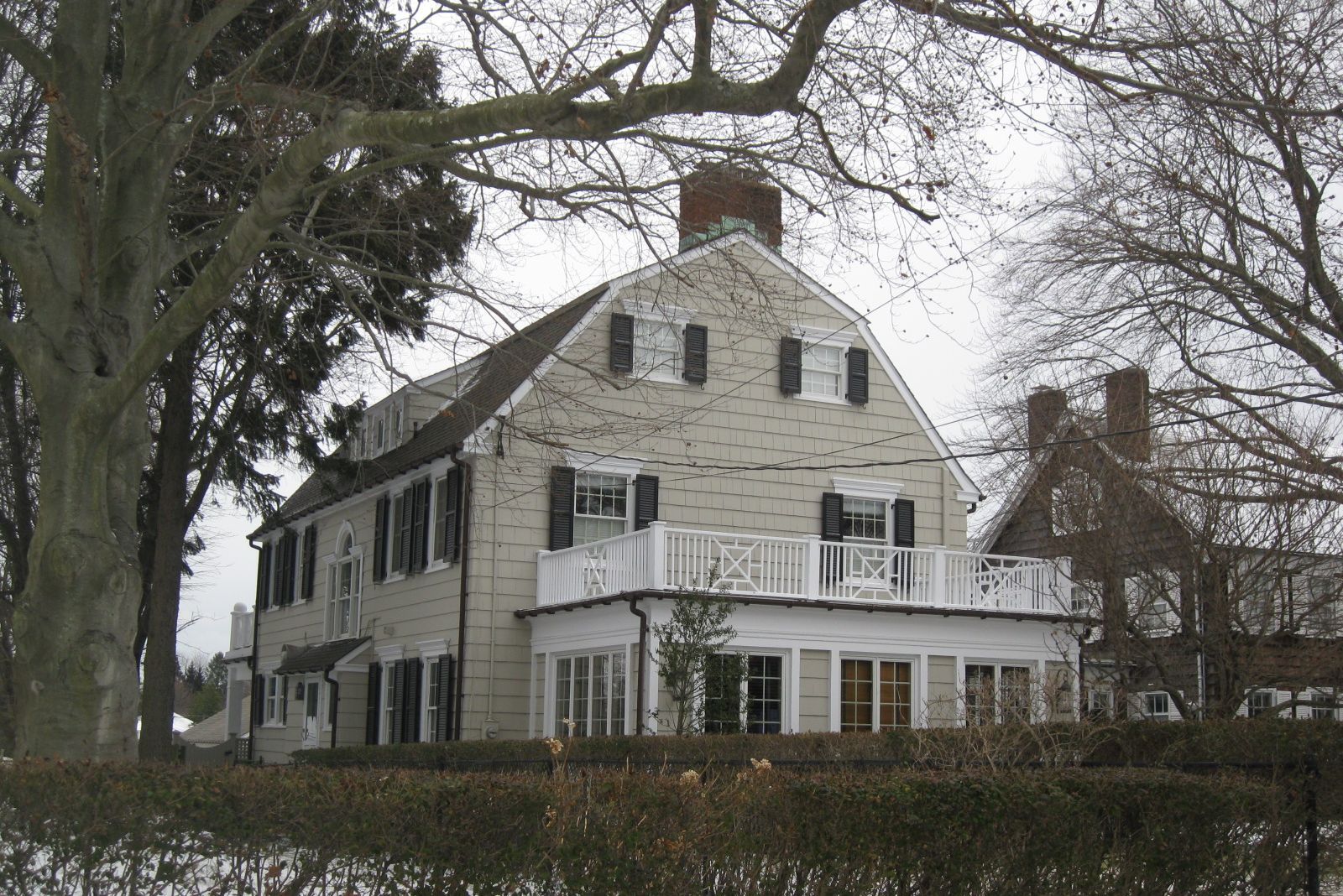
Image: Doug Kerr, CC BY-SA 2.0, via Wikimedia Commons

This quiet Long Island house became infamous after a 1974 murder case in which the DeFeo family was killed by one of their own. A year later, new owners George and Kathy Lutz claimed they were driven out by violent paranormal activity , which, in turn, inspired the book The Amityville Horror and a popular movie that spawned a franchise.

Over time, lawyers and witnesses have called parts of the haunting story a hoax, and later, residents reported no supernatural trouble at all. But the fame of the house lives on.

4
Bissel Mansion (St. Louis, Missouri)
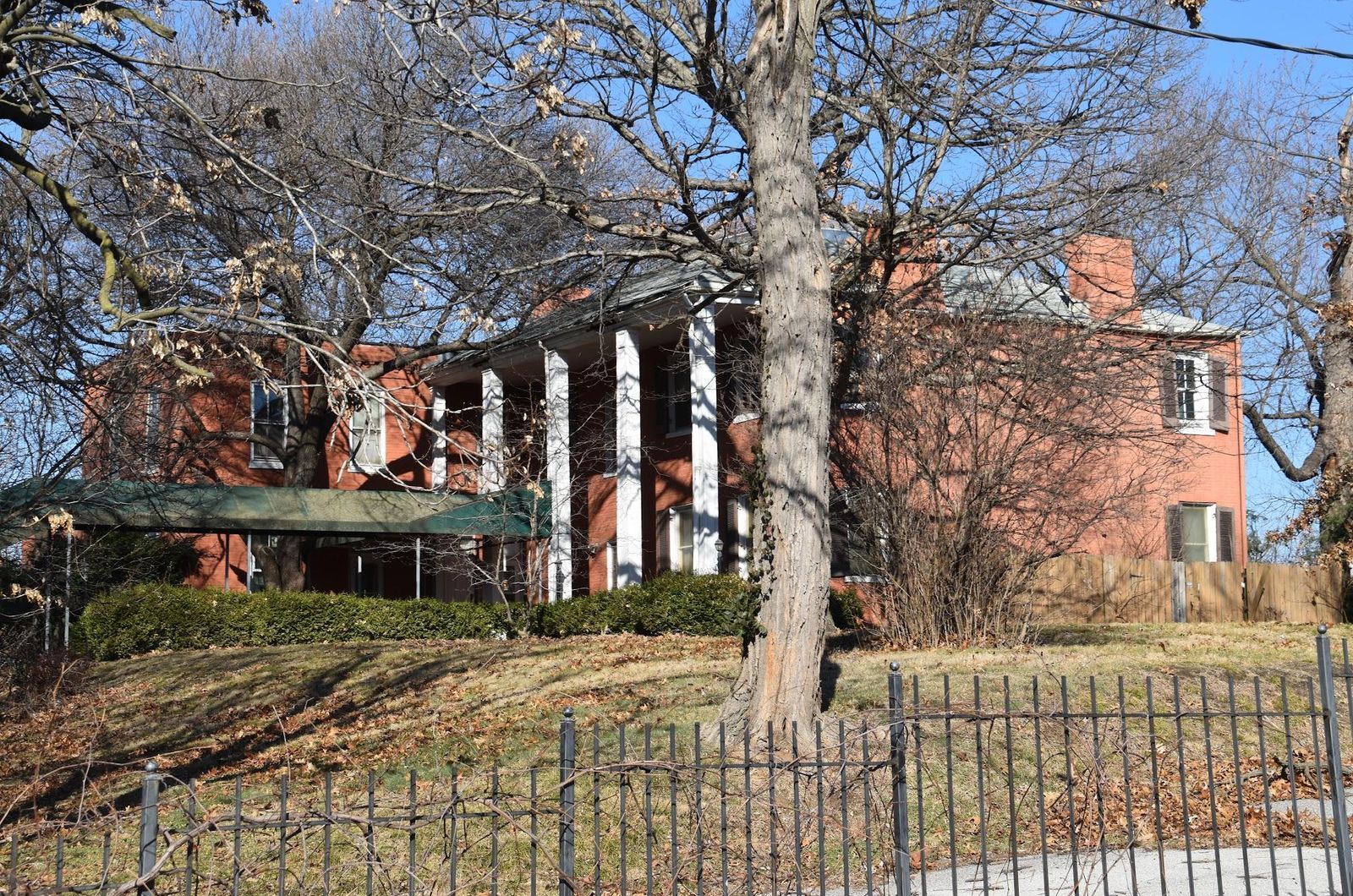
Image: RoiSTL, CC BY-SA 4.0, via Wikimedia Commons

Built in the 1820s for Captain Lewis Bissel, this is believed to be the oldest brick house in St. Louis. Over the years, it has been a family home, a restaurant, and a murder-mystery dinner theater.

An episode of HGTV’s Scariest House in America highlighted its bricked-up cave entrance, which was once said to be a secret escape route, and its long history of odd happenings , such as ghostly children, a woman in white on the stairs, and items moving on their own.

5
William Westerfeld House (San Francisco, California)
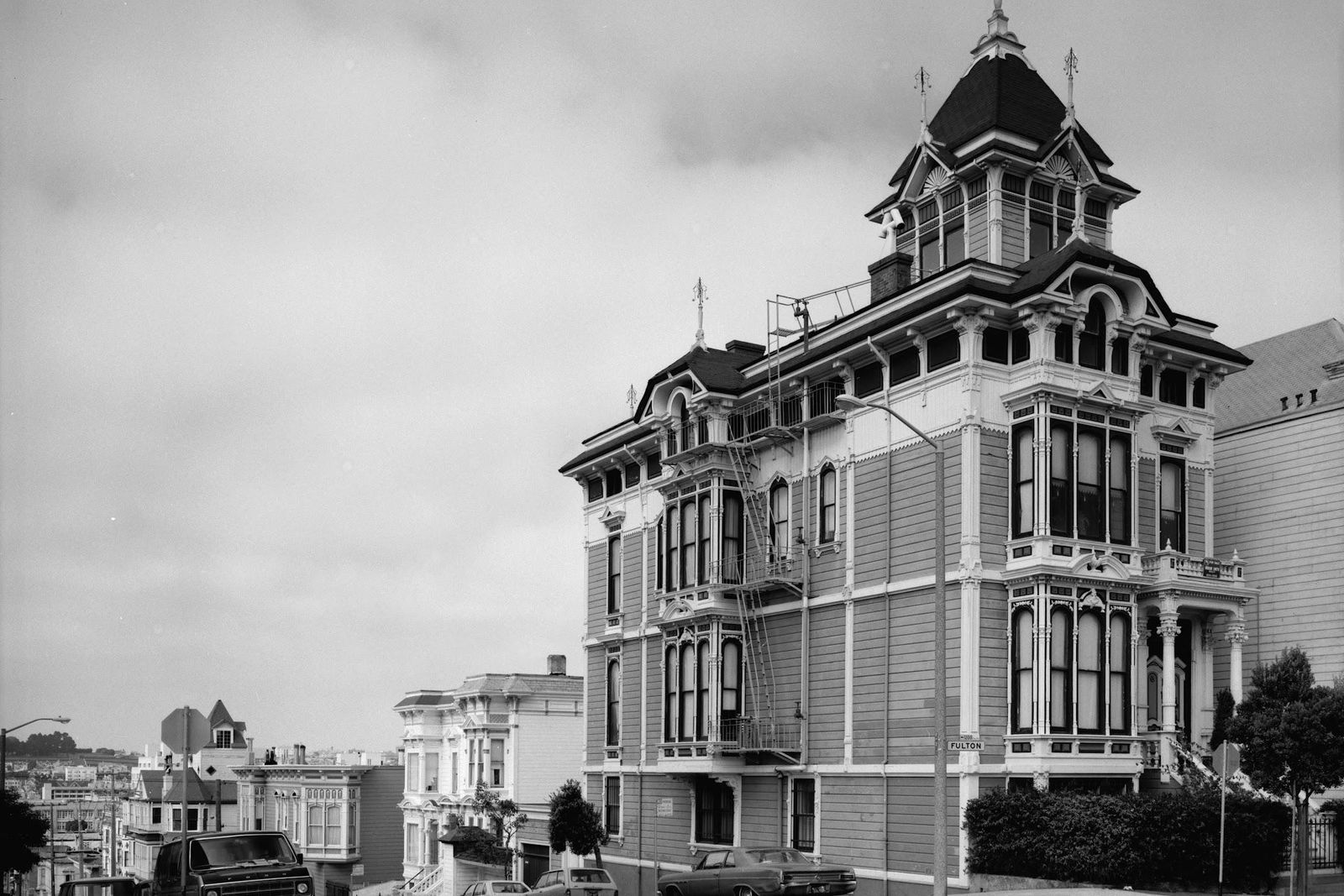
Image: Jet Lowe, Public domain, via Wikimedia Commons

Another Victorian building in our list, this house was built for a wealthy German baker in 1889. Over the years, it served as a Russian immigrant social club and brothel nicknamed "The Russian Embassy," a jazz-era boarding house, a 1960s hippie commune , and a rumored hub for occult-themed film shoots and rituals.

Today, this 28-room mansion is privately owned but remains a popular landmark, with a reputation as a haunted time capsule, surrounded by a mix of verified history and neighborhood lore about ghosts, secret rooms, and wild parties.

6
House of the Seven Gables (Salem, Massachusetts)
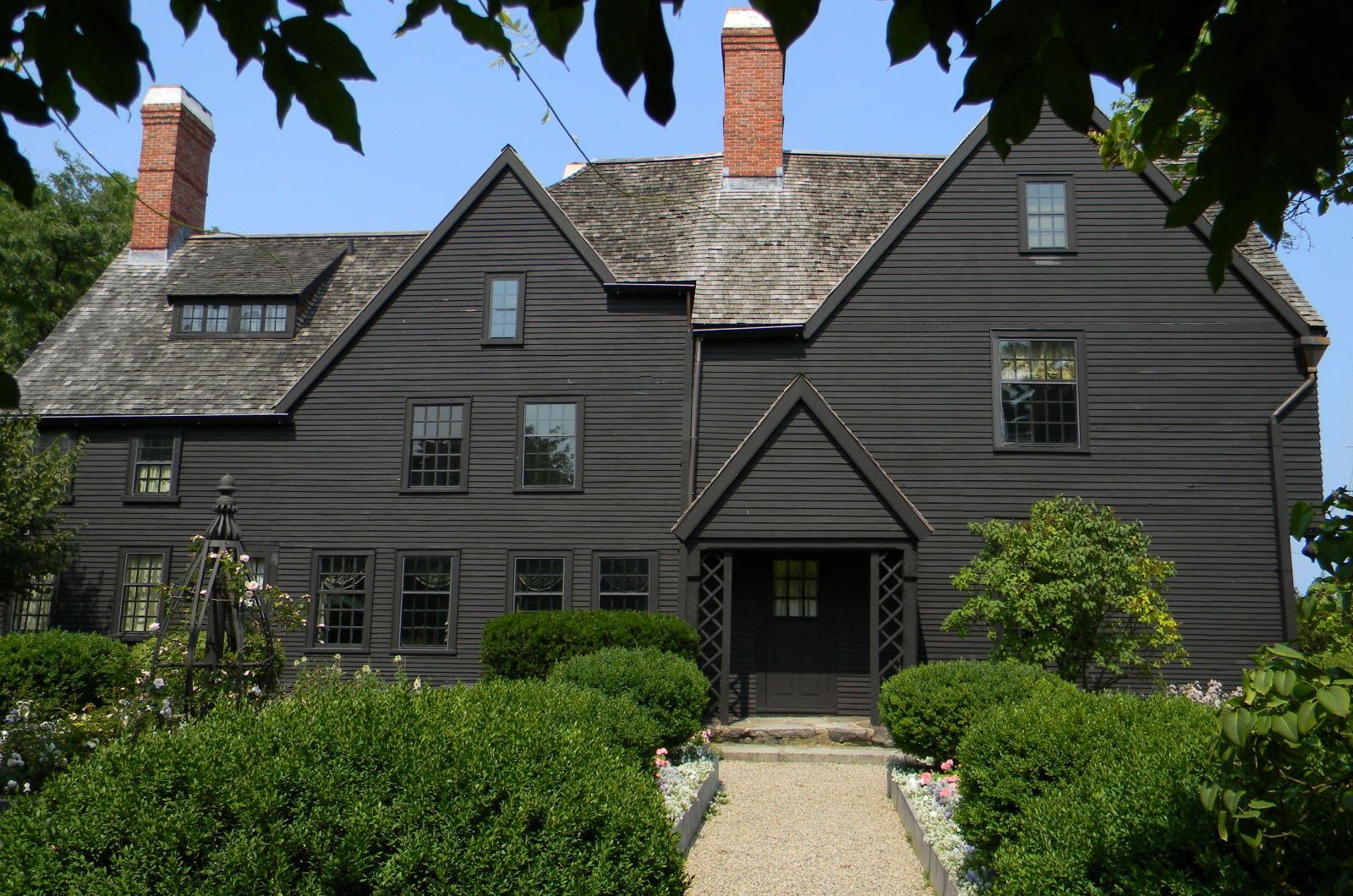
Image: Upstateherd, CC BY-SA 4.0, via Wikimedia Commons

Captain John Turner built this waterfront house in 1668, and it was later owned by Susanna Ingersol, who welcomed her cousin Nathaniel Hawthorne. The legendary writer penned his famous novel, The House of the Seven Gables, inspired by the mansion .

In the early 1900s, the house was restored and reshaped as a museum, even adding a secret staircase to match the haunting mood of Hawthorne’s novel.

7
Biltmore Estate (Asheville, North Carolina)
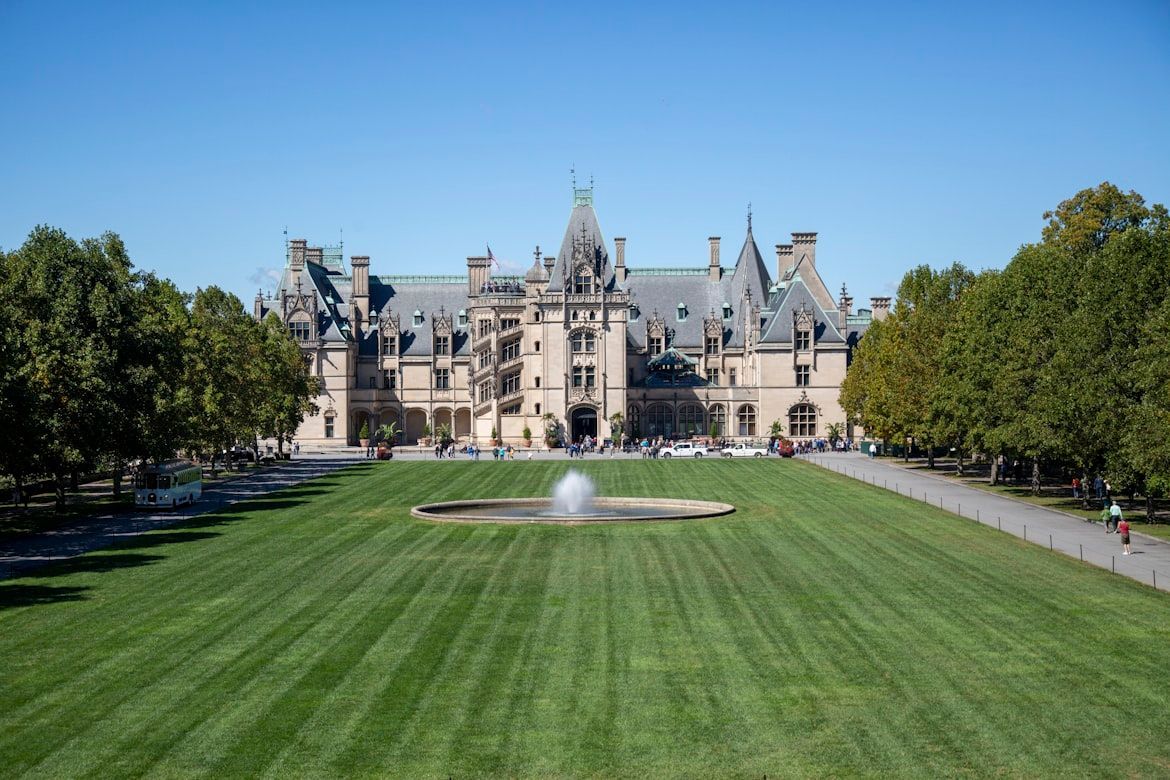
Image: William Recinos

Built between the years 1895 and 1898, George Vanderbilt’s Biltmore House is America’s largest private home, but its grand halls hide multiple secret doors and passageways. Concealed panels in the library and breakfast room allowed servants and guests to slip between rooms unseen .

Visitors on modern tours sometimes miss these disguised doors unless guides point them out. The effect is not unlike one of those mystery mansions where someone presses a bookshelf and a secret door opens.

8
Lizzie Borden House (Fall River, Massachusetts)
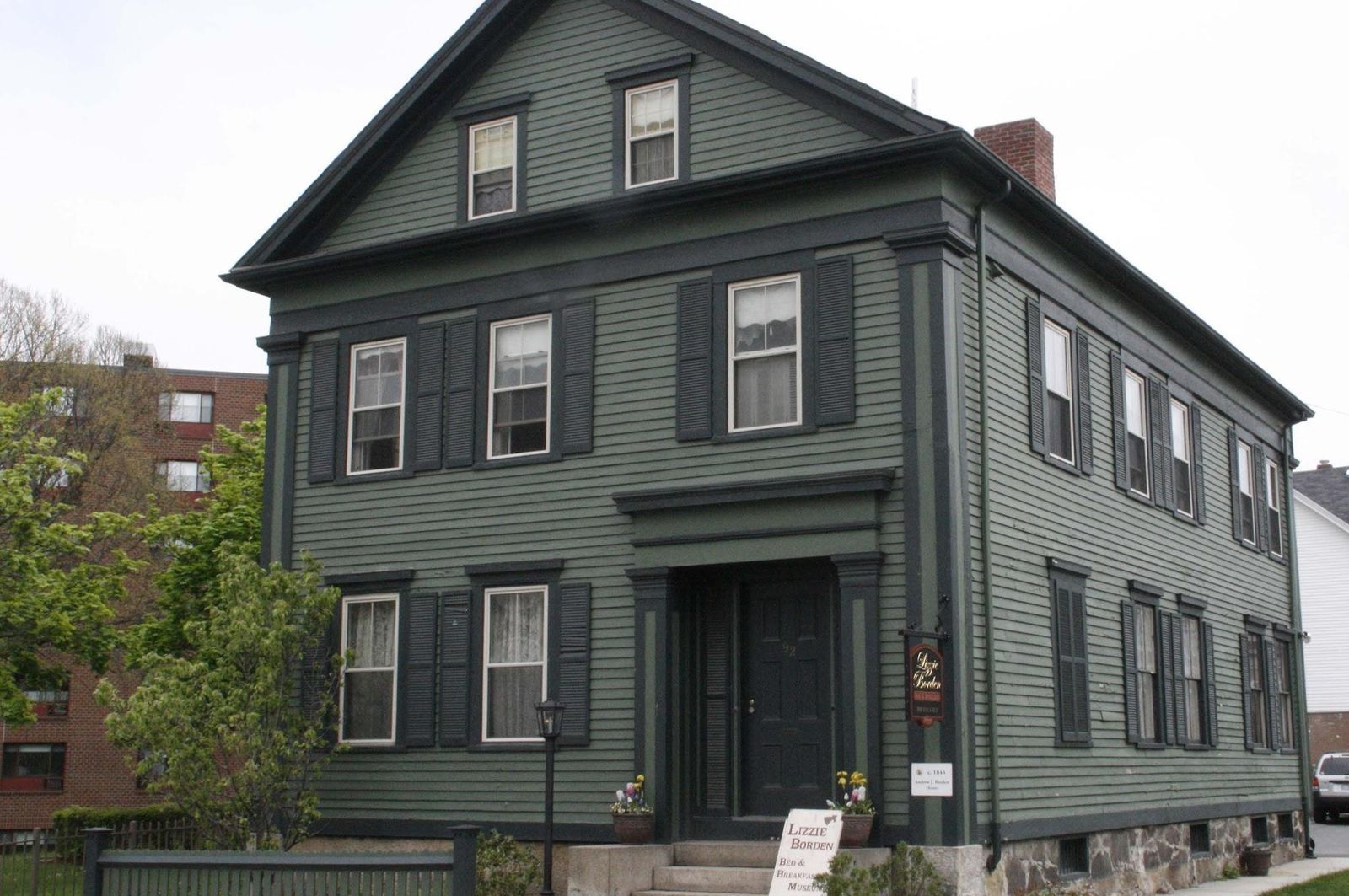
Image: dbking from Washington, DC, CC BY 2.0, via Wikimedia Commons

This modest home was the scene of a 1892 double murder in which Andrew and Abby Borden were killed with an axe. Their daughter Lizzie was tried and acquitted, but her notorious reputation lived on .

The house now functions as a museum and an overnight destination with carefully restored rooms and guides who walk tourists through evidence, theories, and reported ghost activity.

9
Octagon House (Washington, DC)
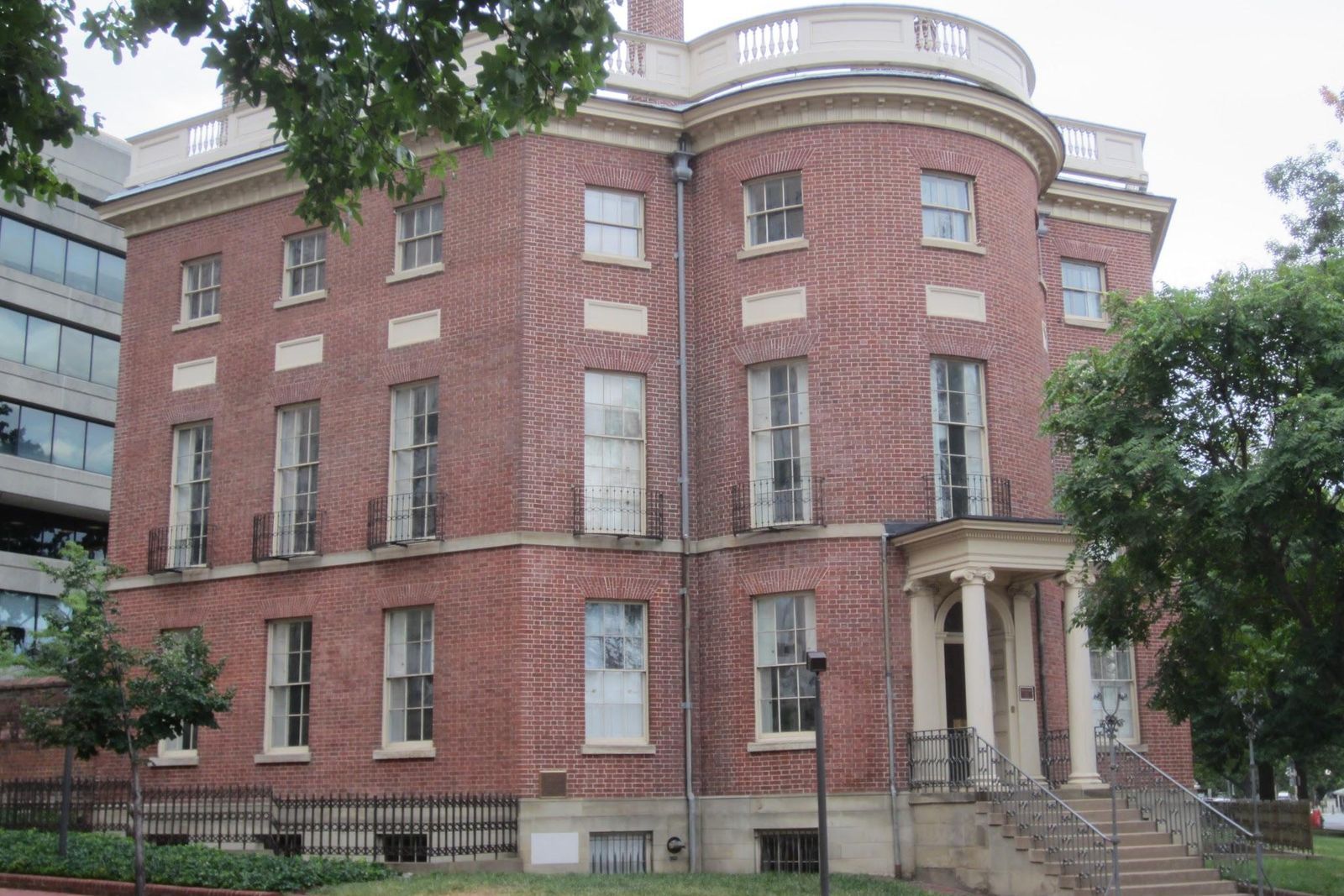
Image: Another Believer, Public domain, via Wikimedia Commons

Despite its name, this mansion is not a perfect octagon, but its story is particularly unusual, to say the least. As it turns out, President James Madison and his wife briefly lived in it after the British burned down the White House in 1814.

Later, stories emerged of mysterious bells ringing long after the servant-call wires were cut, and ghostly figures appearing on the spiral staircase . The most famous legend claims that two girls died on those stairs, though there is no evidence that this actually happened.

10
Villa Montezuma (San Diego, California)
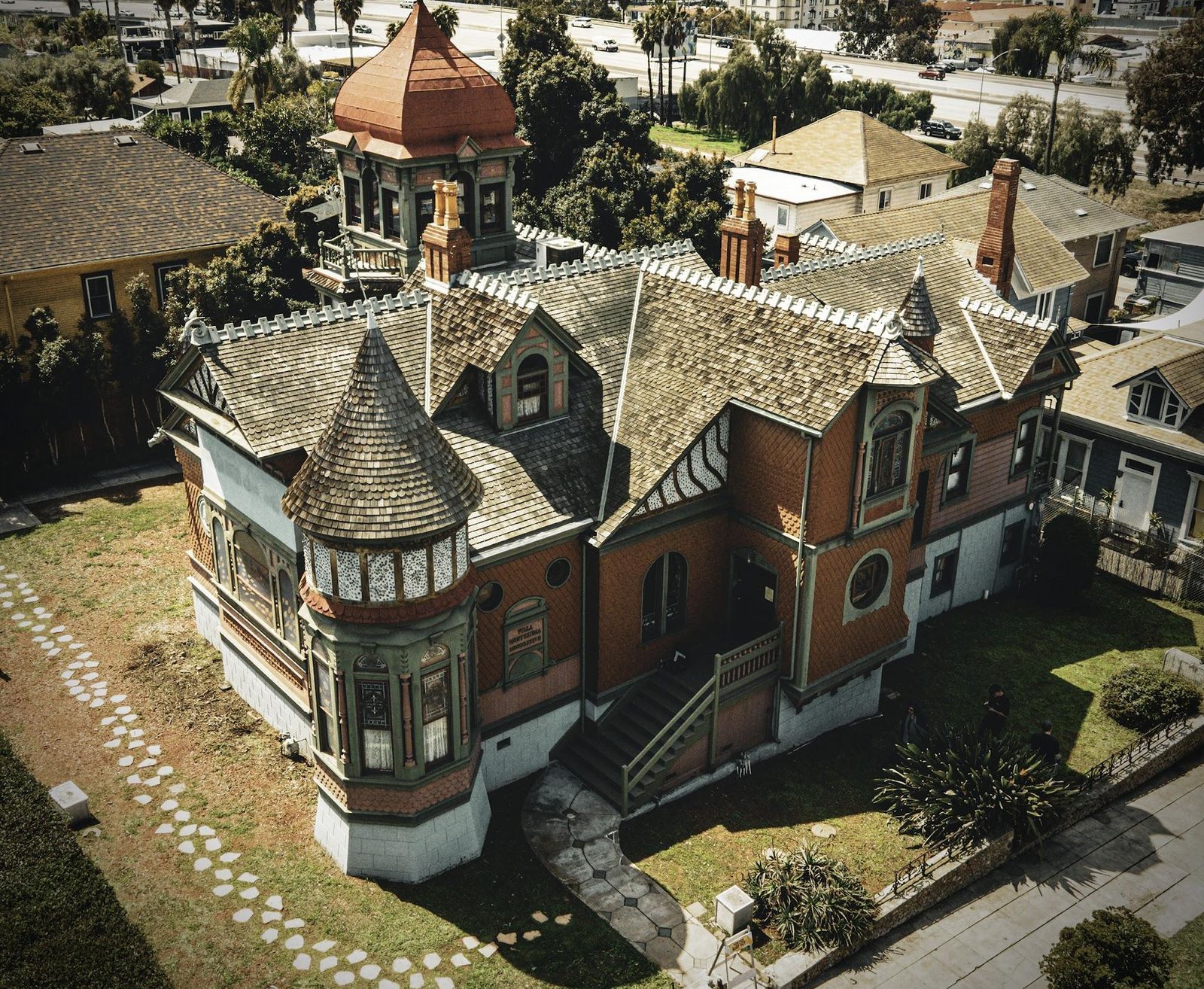
Image: Redideo, CC BY 4.0, via Wikimedia Commons

In 1887, spiritualist, pianist, and author Jesse Shepard moved into this mansion, filled with art glass, elaborate woodwork, and a music room specially designed for his dramatic concerts.

Over time, stories began to be told about Shepard’s performances, summoning more than just applause. The presence of ghosts in the towers and odd sounds in empty room s became common talk among the visitors. These days, the mansion can be visited, and the mysterious house can be explored by the curious and the fearless.

11
Montlake Spite House (Seattle, Washington)
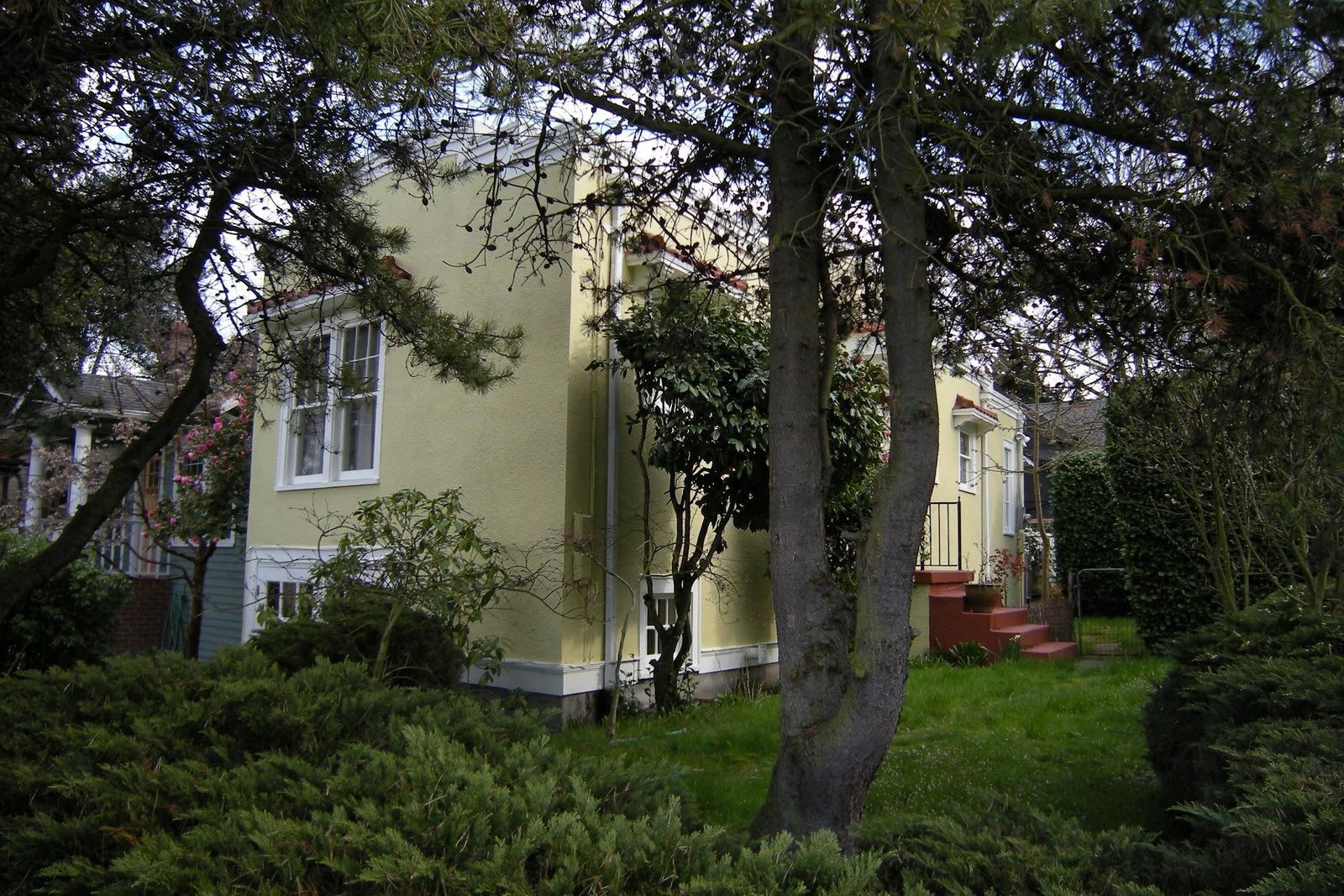
Image: Joe Mabel, CC BY-SA 3.0, via Wikimedia Commons

So, "What is a spite house?" you might very reasonably ask. Wedged into Seattle’s Montlake neighborhood, this 1925 Spanish Revival cottage is about 15 feet wide at one end and just 55 inches at the other. The architectural equivalent of a wedge of cheese .

Local legend says that it was built by a scorned ex-wife who received a skinny strip of land in a divorce and used it to block her ex-husband’s view.

12
Alameda Spite House (Alameda, California)
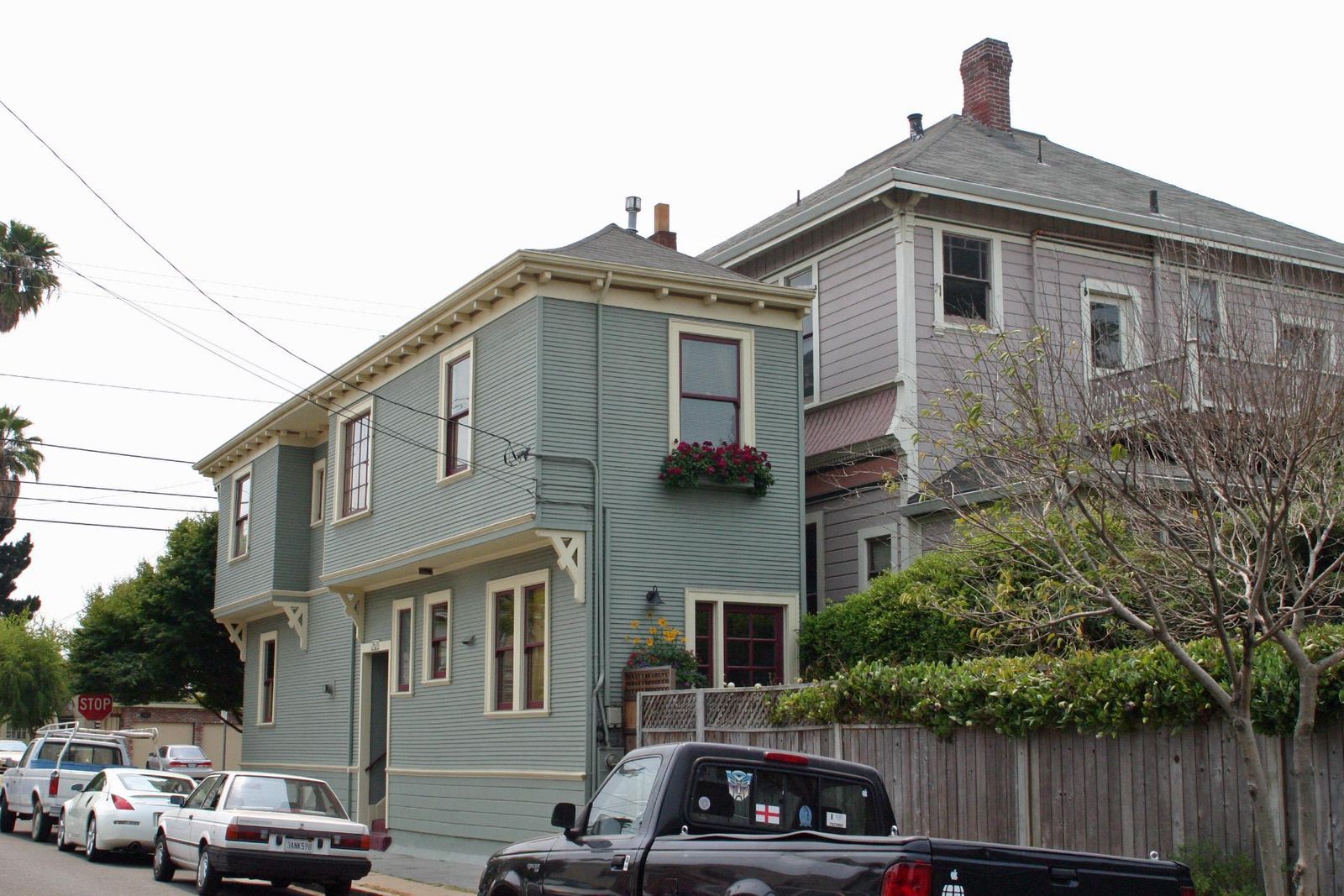
Image: Elf, CC BY-SA 3.0, via Wikimedia Commons

Yes, another spite house. Around 1908, Charles Froling planned his dream home in Alameda, until the city used eminent domain to slice off most of his lot for a street, leaving a sliver of land .

Annoyed with both the city and an unhelpful neighbor, Charles responded by building a two-story house, only about 10 feet deep but 54 feet long along the remaining strip . The narrow revenge house still stands at Broadway and Crist, and its peculiar proportions can be viewed by anyone passing by.


History History 5 min read

The foundation of the American nation

The Founding Fathers of America: 10 interesting facts

Image: The New York Public Library

We all know who the Founding Fathers were, but we seldom think of them as human beings rather than heroes who gave shape to our country . Despite their amazing deeds, they still were a group of men of varied origins, ideologies, beliefs, and concerns, which led to more than one discussion and rivalry. Let’s learn some more about them!

1
There is no official ‘Founding Fathers’ list

Image: The New York Public Library

Who can be called a Founding Father? The term was coined by Senator Warren G. Harding in 1916 and is used to refer to the leaders of the Revolutionary movement, but there’s no set list . While it is mainly used for key figures such as George Washington, Thomas Jefferson, John Adams, Benjamin Franklin, Alexander Hamilton, John Jay, and James Madison, the term applies broadly to those who signed the Declaration of Independence and the Constitution .

2
4th of July deaths

Image: Stephanie McCabe

The legal separation of the Thirteen Colonies from the British Crown was voted by the Continental Congress on July 2nd, 1776, but was formally adopted on July 4th , immortalizing the date for the rest of American history. But did you know that it is also the death anniversary of three Founding Fathers?

Thomas Jefferson and John Adams both died July 4, 1826, on the 50th anniversary of the Declaration of Independence, while James Monroe died five years later, on July 4th, 1831. Interestingly, John Adams disliked the date chosen for celebrations, as he believed the day of the vote to be more significant.

3
Refusal to sign the Constitution

Image: Howard Chandler Christy, Public domain, via Wikimedia Commons

The Constitutional Convention took place in 1787, from May to September. The Constitution of the United States was presented on September 28, 1787 , but nearly two years had to pass for it to be ratified by all the states, superseding the nation’s first constitution, the Articles of Confederation.

Not all signing constituents agreed on the final seven articles, among them Benjamin Franklin, but three of them in particular —George Mason, Edmund Randolph, and Elbridge Gerry— flat out refused to sign the document . Mason suggested the addition of a bill of rights, but was denied, a suggestion that would ultimately inspire the drafting of the Bill of Rights by James Madison.

4
A lawyer for the enemy

Image: National Archives at College Park, Public domain, via Wikimedia Commons

The Boston Massacre of 1770 was part of the incidents that prompted the start of the Revolutionary movement in the colonies. British soldiers stationed in Massachusetts to support the implementation of the Townshend Acts were confronted by an angry crowd. Overwhelmed, the soldiers opened fire without authorization, resulting in five deaths and six wounded.

During the subsequent trial, Founding Father John Adams worked as a defense lawyer for the British soldiers charged , a decision that prompted public criticism. However, he was a firm believer in the right to a fair trial for everyone, and argued that most soldiers had acted in self-defense. In the end, only two soldiers were convicted of manslaughter, a verdict Adams agreed with.

5
The origins

Image: Alex Boyd

None of the Founding Fathers was born an American (for obvious reasons), but most of them were born in the American colonies and had British origins . Out of the 56 signers of the Declaration of Independence, 47 were born in what is now U.S. territory.

The other nine? Eighth of them came from the British Isles : Two were English-born (Button Gwinnett, Robert Morris), three were Irish (George Taylor, Matthew Thornton, and James Smith), two were Scottish (James Wilson, John Witherspoon), and one was Welsh (Francis Lewis). The last one, Alexander Hamilton, was born in the British West Indies , now St. Kitts and Nevis.

6
The first signature

Image: David Nitschke

Have you ever wondered why people ask for a ‘John Hancock’ when they need a signature? It is all because of Founding Father John Hancock. One of the wealthiest men in the Thirteen Colonies, Hancock was a merchant (and smuggler) by trade, served as president of the Continental Congress, and as Governor of the Commonwealth of Massachusetts after the Revolution.

Why is he associated with a signature? John Hancock was the first person to sign the Declaration of Independence, and his signature stands out because it is visibly larger than the rest. According to legend, he claimed to have made it big so King George would be able to read it.

7
The anti-slavery clause that wasn’t

Image: Hussain Badshah

It is no secret that many Founding Fathers were slaveholders, but there was no unified opinion on the subject. Some, such as George Washington, freed their slaves in their wills, while others, such as Franklin, Paine, Hamilton, and Adams, were passionate abolitionists. Thomas Jefferson was a curious case: while he owned numerous slaves all his life, he was against the international slave trade and believed that America had to abolish slavery gradually to avoid civil unrest.

In his first draft of the Declaration of Independence, Jefferson included his conflicted views on slavery in a paragraph condemning King George III for his role in the Transatlantic Slave Trade and the affronts to liberty caused by this. Ultimately, this clause had to be removed due to the objections of many delegates who supported slavery.

8
The vice president

Image: Ian Hutchinson

When the Constitutional Convention considered the best way to choose a chief executive (a.k.a., the president), they weren’t even considering the figure of the vice president , and had decided that the Senate would elect its own president. After creating the Electoral College, they realized that, being a new country, state loyalty would most likely outweigh loyalty to the union. The solution? Each elector had to choose two candidates, one of which should be from a different state. The two most-voted candidates would be president and vice president, respectively.

The first elected vice president, John Adams, was not happy with the position . He had received a huge amount of votes, but George Washington had still won in a landslide. Although he regarded the position as the "most insignificant office that ever the invention of man contrived", he took on his role as President of the Senate with the utmost dedication.

9
Confidence in the Constitution

Image: Adam Nir

It is difficult to believe that any Founding Father thought the Constitution to be perfect. After all, not only did some refuse to sign it, but they also included the possibility of amending it to better protect the stability and liberties of the country.

Some Founding Fathers, however, lacked confidence in the Constitution as a document. Benjamin Franklin expressed his disapproval of certain clauses . Still, he was not sure they could write one better, so he decided to sign it, faults and all, preferring to doubt himself than halt the constitutional process. On the other hand, Washington believed the Constitution to be much better than the Articles of the Confederation, but he expressed his doubts about the document lasting for more than twenty years.

10
A varied group of men

Image: Nathaniel Currier, CC0, via Wikimedia Commons

The centuries passed, and the wigs on the portraits have created the illusion of the Founding Fathers being a group of old men , but this is not exactly right. Although Benjamin Franklin was around 70 years old during the Revolutionary War, most Founding Fathers were young enough to fight and were between 30 and 45 years old.

The differences of age, background, and ideology between the Founding Fathers were the cause of many discussions, enmities, and rivalries, but these differences contributed to the foundation of the United States of America.

Culture Culture 5 min read

The Man Behind the Magic

A secret apartment? 10 fun facts about Walt Disney you might not know!

Image: Steve DiMatteo

If there is one animated character who has reached worldwide fame, it is undeniably the beloved Mickey Mouse. We all know one of the men who brought our favorite mouse to life: Walt Disney, the visionary animator, producer, entrepreneur, and voice actor who created a magical world of characters that marked our childhoods. But beyond his well-known accomplishments, there are some fun and lesser-known facts about Walt Disney that might surprise you. Keep reading to discover 10 interesting facts about the man behind Mickey Mouse!

1
His first home

Image: Lucija Ros

Elias and Flora were the parents of the iconic Walt Disney. But beyond raising one of the world's most famous entrepreneurs, they also had several talents and skills, thanks to which they could build their house with their own hands.

Determined to create their home, Elias obtained a permit in 1892 to build a two-story, 18 x 28-foot wooden cottage for $800. Flora was in charge of designing and drawing the plans, and Elias was responsible for every aspect of construction.

Nine years later, on December 5, 1901, Walt Disney was born on the second floor of that house.

2
His birth name

Image: Heike Mintel

But his parents didn't just give him a home; they also gave him a name . While we all know him as "Walt Disney", his full birth name was quite different.

Walt Disney was born Walter Elias Disney, inheriting his father's name as a middle name. Although he never officially changed his ID, he was most famously known by his diminutive , "Walt," which he had been called since childhood.

It didn’t take long for little Walter to begin showing an interest and talent in one of the artistic forms that would lead him to success: drawing.

3
Another name

Image: Steven Beyer

Speaking of names, let's take a look at Mickey Mouse.

Although "Mickey" and "Mouse" are inseparable for everyone today, this famous character was originally called something completely different when he was first created. Believe it or not, the rodent was originally named "Mortimer."

And guess who suggested the new name? Lillian, Walt Disney's wife. When Lillian first heard the name of the cute cartoon character, she felt it sounded too solemn. Instead, she suggested "Mickey," and thankfully, they decided to take her advice!

4
The voice

Image: kaleb tapp

The voice behind the lovable little mouse was none other than Walt Disney. That's right! He brought Mickey Mouse to life with his own voice from his creation in 1928 all the way until 1947. That's almost 20 years giving one of the world's most famous cartoons not only a voice but also a personality. So now you know: when you watch a Mickey movie from those years, you're hearing the voice of his very own creator!

After 1947, other actors took over the role of voicing Mickey, and they've done a great job. But it's always special to remember Walt was the first to take on that job.

5
A special character

Image: Marko Blažević

Besides Mickey, another character held a special place in Walt Disney's heart: the legendary Peter Pan, "the boy who never grew up."

As a young boy on his way to school, Walt Disney noticed posters for a theater company coming to Marceline, Missouri, to perform Peter Pan . Excited by the chance to see the play, the future animation legend got tickets and went with one of his brothers. But that's not all: shortly after, Walt was chosen to play Peter Pan himself in a school play!

Disney told this story himself, highlighting how much Peter Pan meant to him throughout his life. In 1953, he brought Peter Pan to the big screen, allowing thousands of children around the world to discover the magical world of Neverland!

6
High school dropout

Image: Khyta

In 1917, when Walt Disney turned 16, he decided to leave high school and try to join the army. But his plan did not succeed: he was too young to enlist and wasn't accepted. However, his brave spirit was stronger, so he joined the Red Cross to work with them in Europe.

In 1918, he was sent to France as an ambulance driver for the Red Cross, a role he performed for a couple of months. And there's one detail that highlights Walt Disney's passion. It's said that the inside of his ambulance was decorated with dozens of cartoons he had drawn himself!

7
Previous job

Image: JJ Ying

Walt Disney's passion for drawing was clear from his childhood, staying with him through his teenage years and adulthood.

After returning from France at the age of 18, Disney got a job as a commercial illustrator in Kansas City. The story goes that he ran to his aunt, exclaiming, "Aunt! They're paying me for drawing!" In that position, he created advertisements for newspapers, magazines, and posters. Shortly after, he discovered the world of animation.

There's no doubt that this job played an important role in helping Walt Disney eventually establish his own animation and production company.

8
Secret apartment

Image: Aubrey Odom

We could safely say that Disneyland is, without a doubt, a magical place filled with surprises.

But beyond the incredible attractions, such as exciting rides, parades, enchanting shows, and adored characters, there are also some hidden details that often go unnoticed. For example, the fact that Walt had a secret apartment in Disneyland, where he worked and spent time with his loved ones, managing and enjoying the park.

The apartment is still there, and while it's not open to the public, you can pass by and see a lamp that's kept lit as a symbol of Walt Disney's eternal presence in the hearts of many.

9
Train enthusiast

Image: Mike Bergmann

Walt Disney was a multifaceted man, so drawing and animation were just a part of his many passions.

It turns out that the entrepreneur also had a love for trains that began in his childhood. Along with using trains for transportation and collecting model trains, he built a miniature railroad in his backyard where guests could enjoy short and fun rides! He named it the Carolwood Pacific Railroad.

As you might guess, this interest also influenced the design of Disneyland, where the railroad is one of the main features.

10
His favorite song

Image: Guillaume de Germain

One of the things that had a special place in the heart of Walt Disney was his favorite song. Want to know what it was?

Rumor has it that his favorite song comes from one of Disney's most enchanting films: Mary Poppins . Composed in 1964 specifically for the movie, the song "Feed the Birds" had a unique meaning for him.

Its complexity and emotional depth moved him deeply, as the song highlights the importance of being kind and respectful to others. If you haven't listened to it yet or need a refresher to remember the melody, go ahead; you won't regret it!

Explore more American facts

Choose your favorite category!

General
General

As American as apple pie—the very best America has to offer!

Culture
Culture

Delve into the astounding richness of American lore.

Geography
Geography

Hop in and explore vast and diverse American landscapes.

History
History

Discover the key moments that shaped the United States.