US money mysteries
Did you notice this detail on the $100 bill? 10 surprising currency facts
Image: Alicia Razuri
You use it every day, you keep it in a safe place, and yet there are still so many things you may not know about it. Yes, we’re talking about US currency! From their size and composition to the details of their designs, both our bills and coins have a fascinating history behind them, and some secrets you probably never imagined. Join us as we uncover them.
1
Clock change
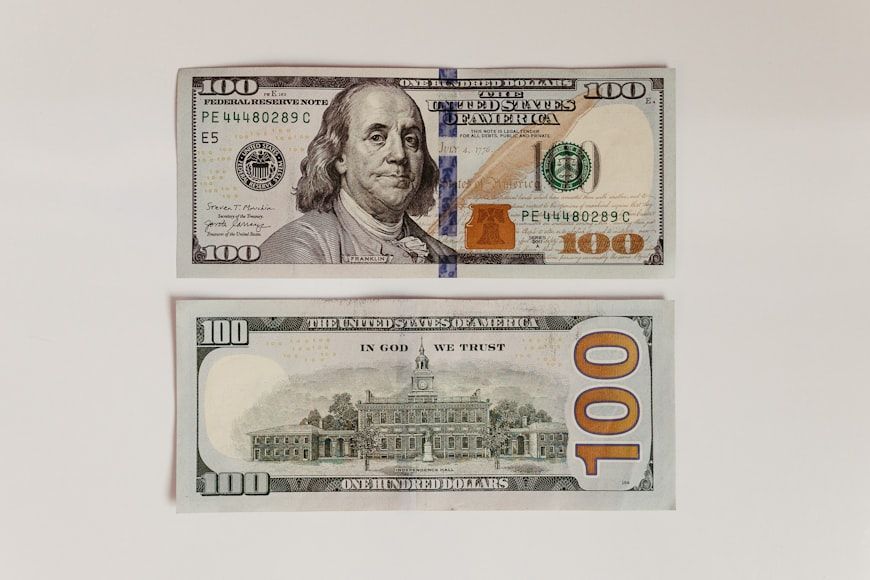
Image: Jonathan Borba
US currency is full of symbolism, and the $100 bill is no exception. Since 1928, we have seen Independence Hall depicted on the back of this bill. But in 2013, it was redesigned, and one change stands out: the clock tower, which previously showed 4:10, now reads 10:30. Did you notice?
2
Jackie Kennedy’s choice
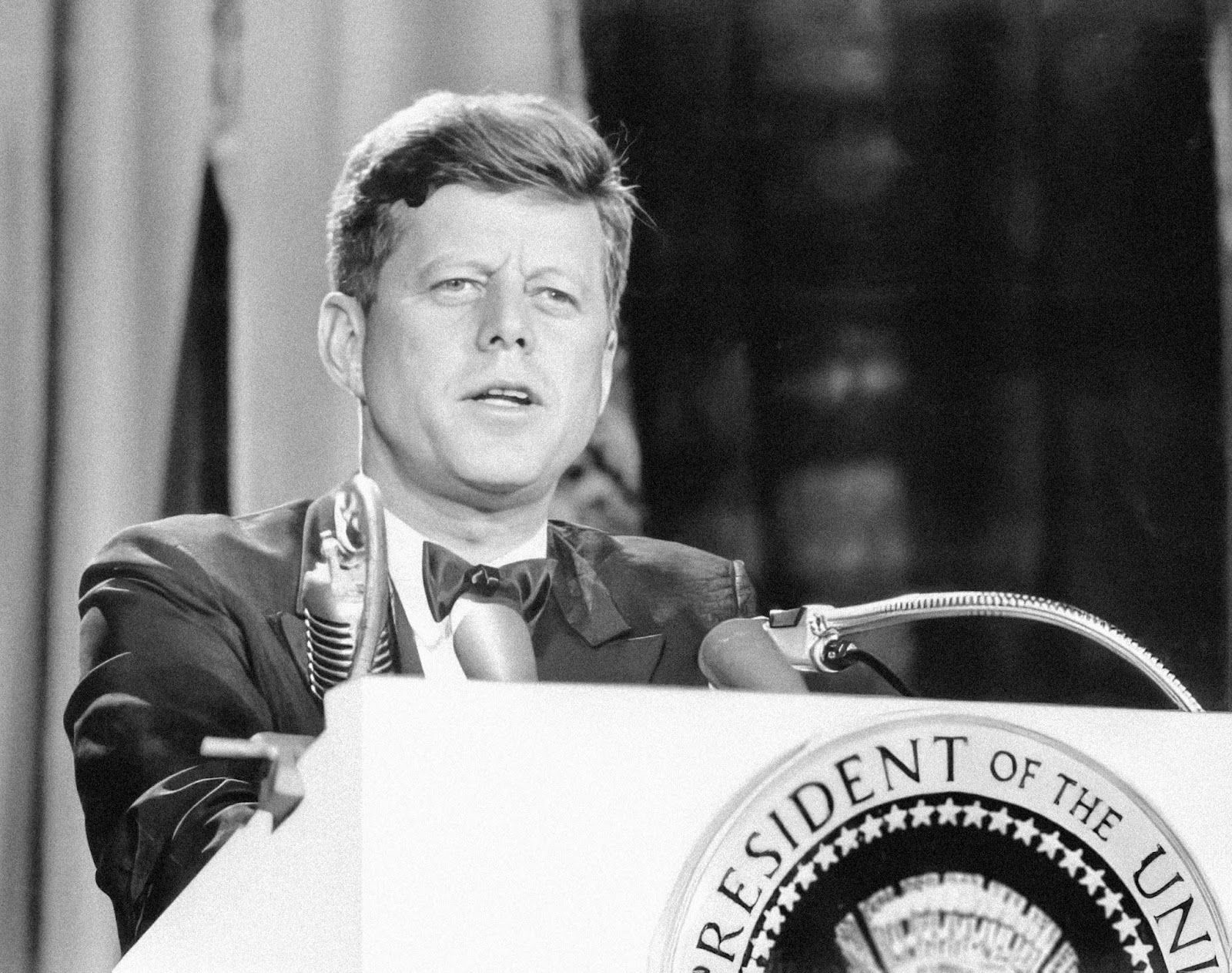
Image: Florida Memory
Jackie Kennedy played a key role in designing the coin that would feature the portrait of her ex-husband. When the U.S. Mint planned the Kennedy half dollar in 1964, she was consulted and provided input on various aspects of the coin, including its imagery and symbolism.
3
Not paper
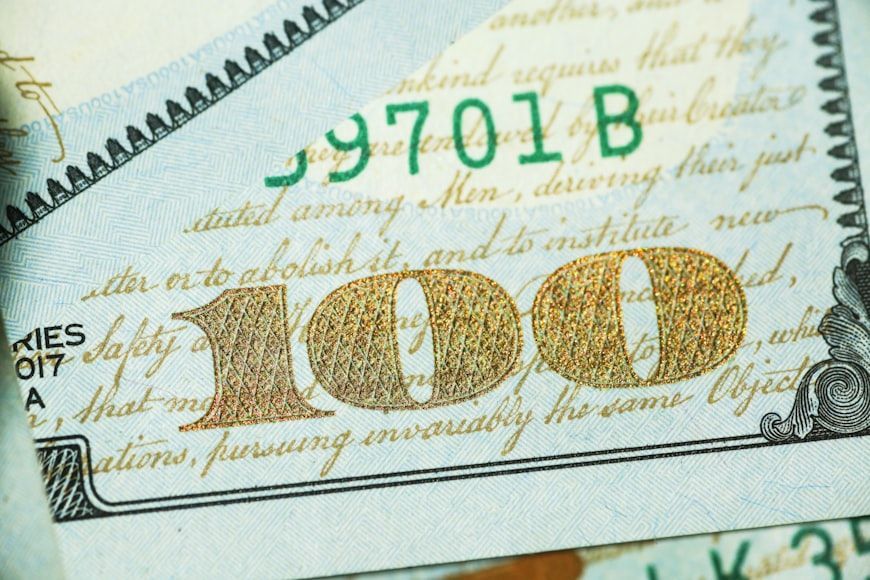
Image: Giorgio Trovato
Although it is called paper money, our bills do not contain any paper at all. In fact, they are made of a blend of 75% cotton, 25% linen, and fine silk fibers embedded. This mixture is not random; it was specially chosen so that your bills can withstand everything: folds, wrinkles, stains, and even an accidental shower in the washing machine.
4
The unfinished pyramid
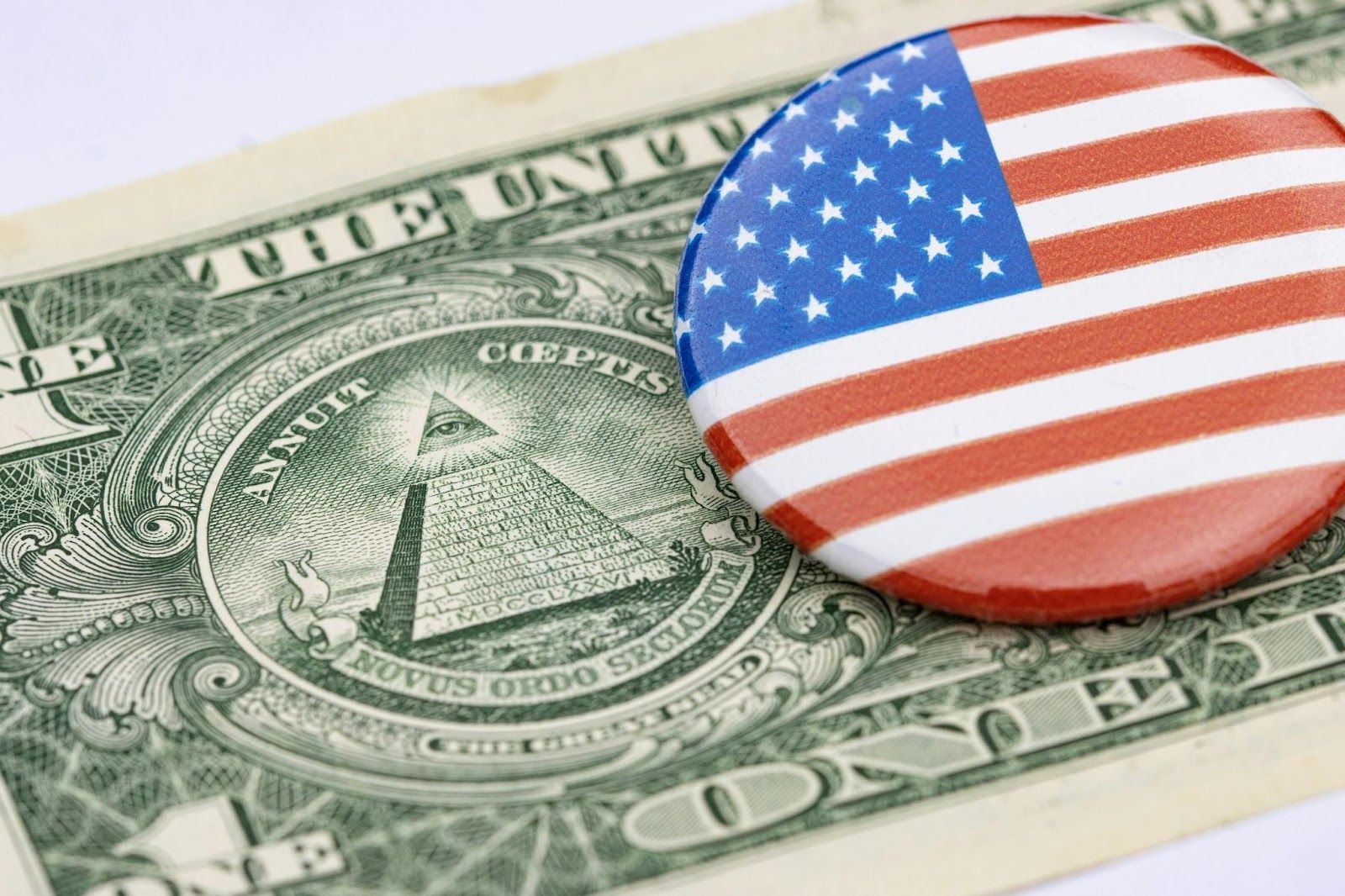
Image: Marek Studzinski
The one-dollar bill also has its secrets and details. On its back, you’ll find an unfinished pyramid, part of the Great Seal of the United States designed in the 1780s. Why unfinished? The pyramid has 13 steps, representing the original 13 colonies, and its incomplete form symbolizes the nation’s ongoing growth and expansion.
5
50% larger
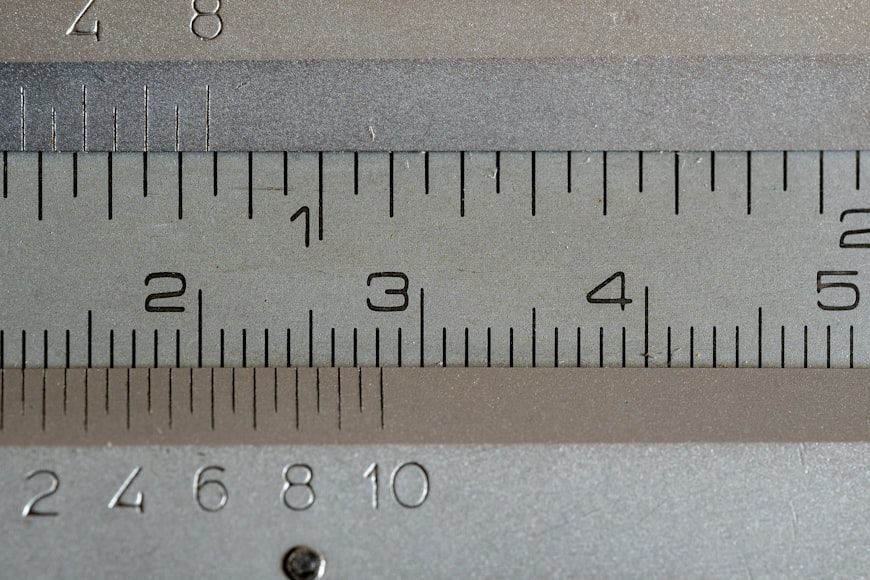
Image: Bozhin Karaivanov
Before 1929, US banknotes were significantly larger, measuring approximately 7.375 x 3.125 inches. Today, collectors refer to these as "large-size" notes, sometimes even nicknamed "Horseblankets." In contrast, modern bills measure just 6.14 x 2.61 inches. The government decided to reduce the bill's size to cut production and design costs.
6
Andrew Jackson’s preference
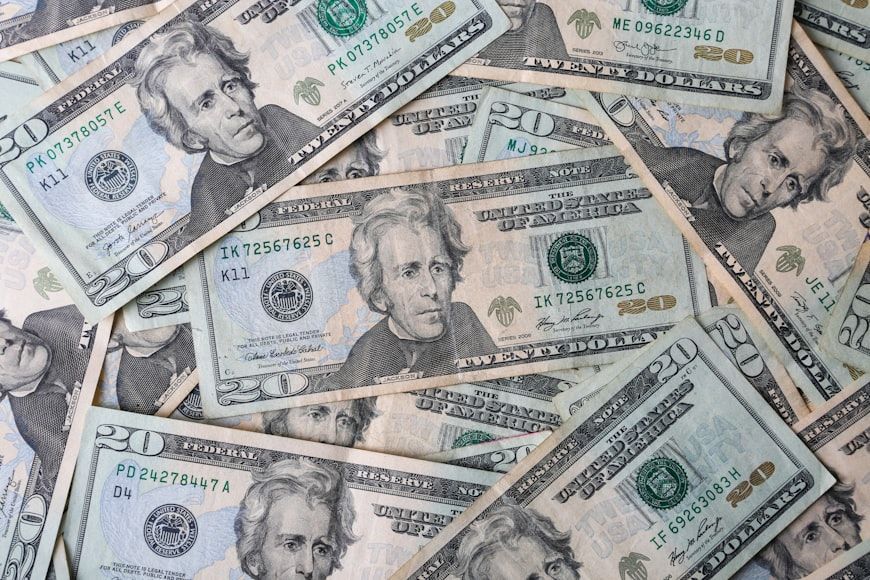
Image: Giorgio Trovato
Andrew Jackson has been the face of the $20 bill since 1928, when he replaced Grover Cleveland. Ironically, Jackson was opposed to paper money. He didn't trust that form of payment, believing it could be easily manipulated. According to historians, the 7th U.S. President favored "hard money": gold and silver coins.
7
Alexander Hamilton’s portrait
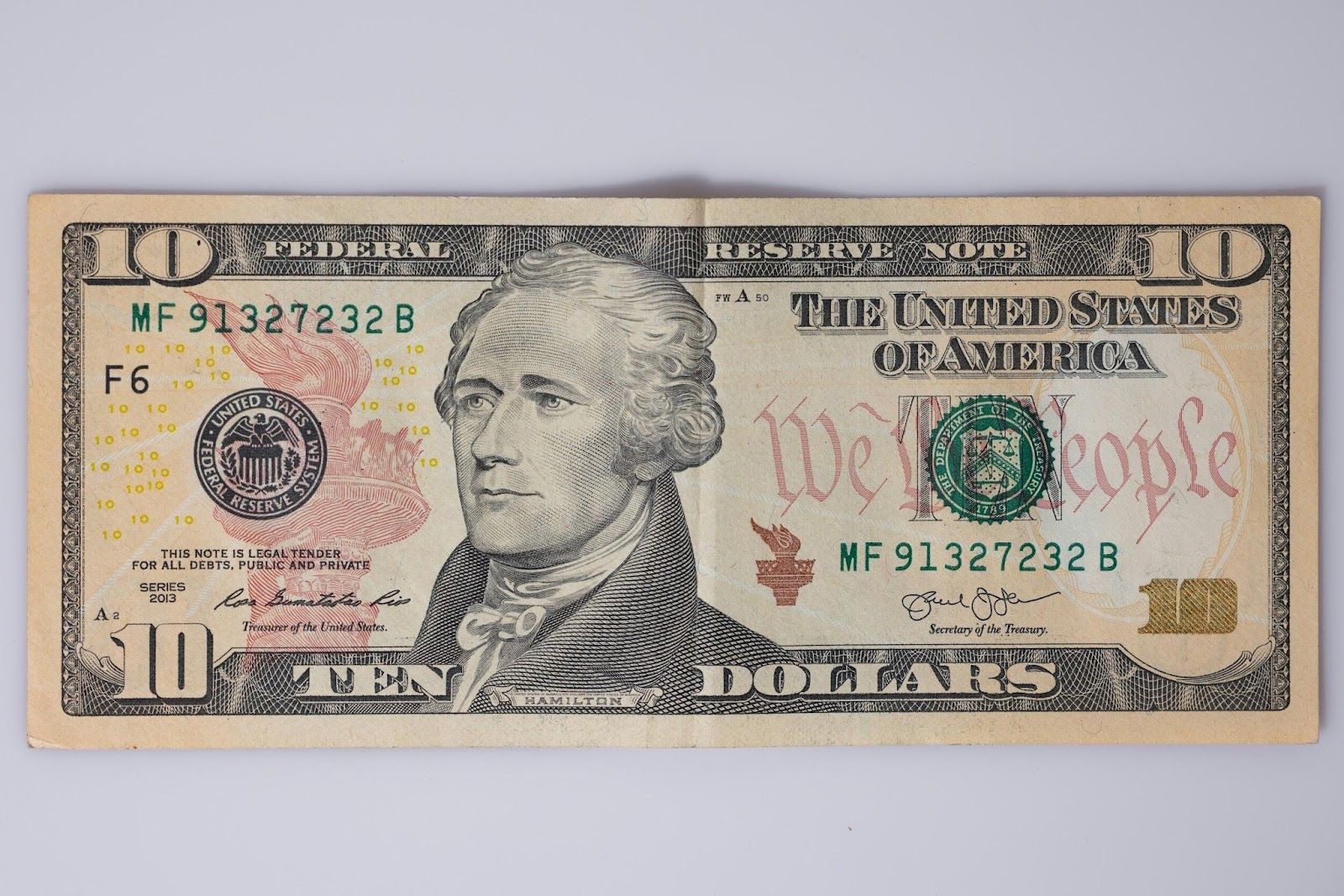
Image: engin akyurt
Most portraits on US bills face left, with one exception: Alexander Hamilton on the $10 bill, the only one facing right (toward the viewer’s left). You might wonder why, but there’s no official explanation; it seems to have been simply a design choice.
8
"In God We Trust"
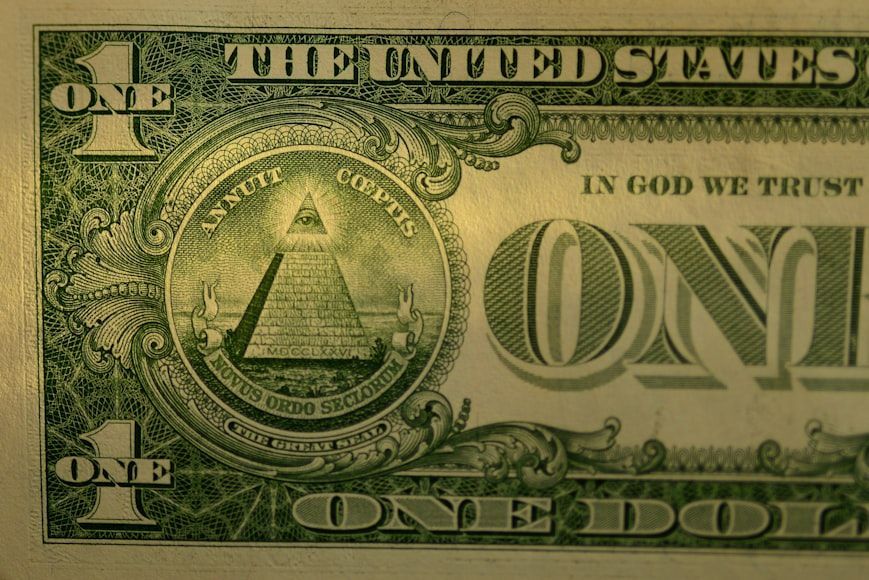
Image: rc.xyz NFT gallery
In 1956, Congress passed a law declaring "In God We Trust" the national motto, making it mandatory on all U.S. coins and banknotes. But this wasn’t its first appearance: the phrase first appeared in 1864 on the two-cent coin. Beyond faith, it also carried political weight, suggesting that God favored the Union during the Civil War.
9
The change that never happened
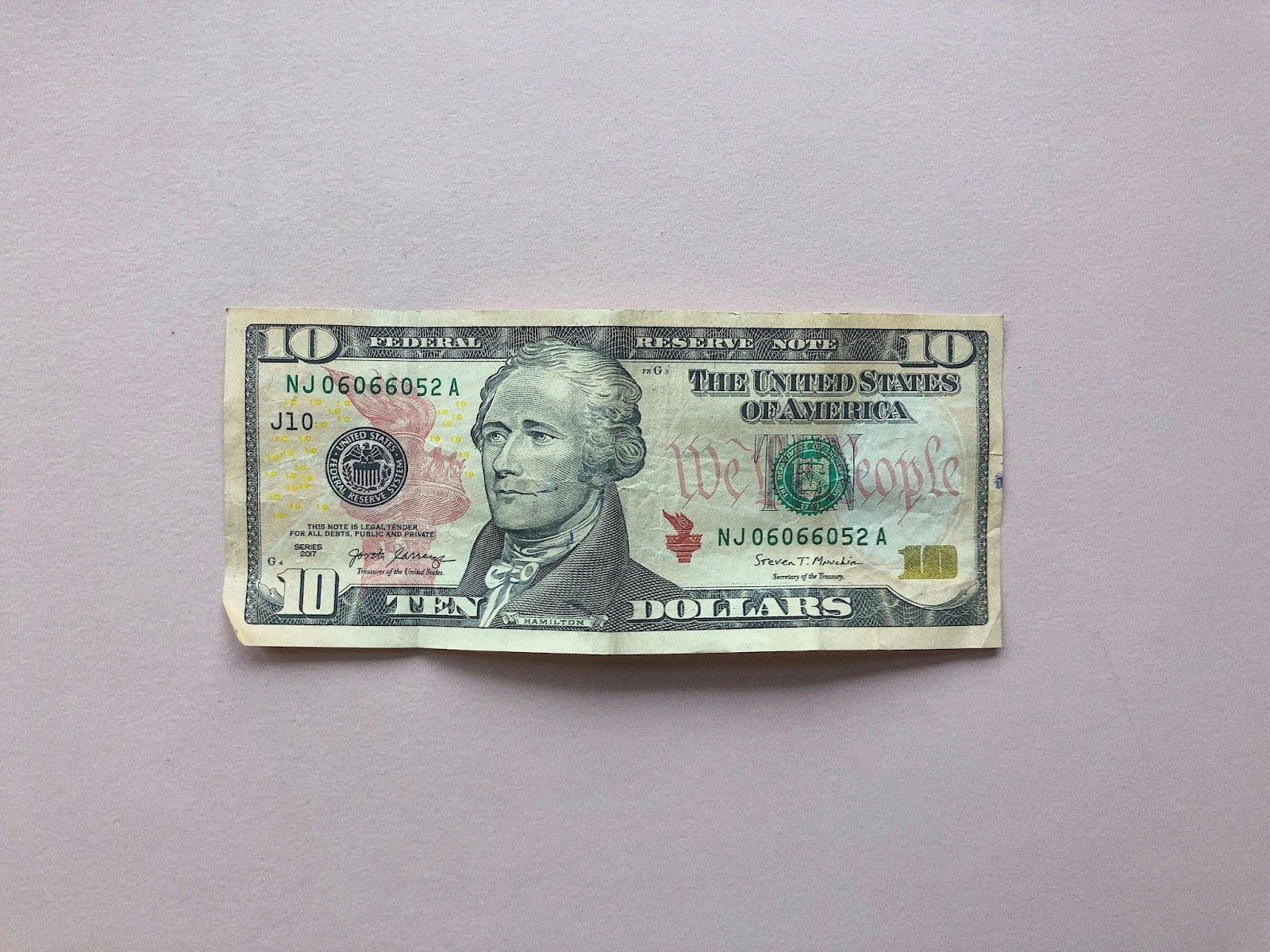
Image: Ryan Quintal
In 2015, the Treasury announced plans to redesign the $10 bill, stating that Hamilton's portrait would be replaced by that of an influential woman from US history. However, the change never happened. Why? Those years saw a surge in Hamilton's popularity thanks to the hit musical of the same name, leading the Treasury to backtrack on the replacement plan.
10
Criteria
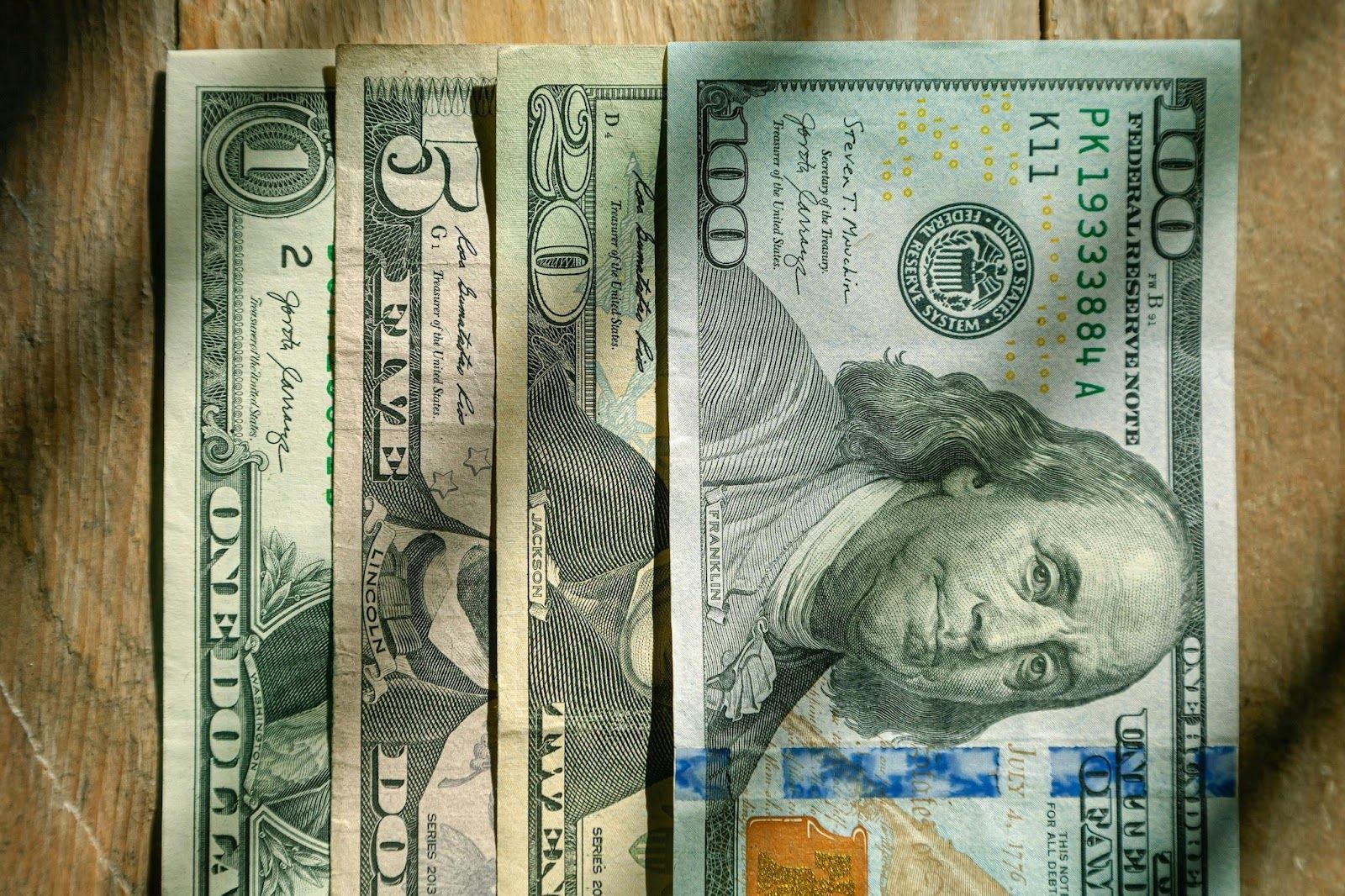
Image: Live Richer
As is well known, not just any portrait can appear on US currency. But beyond historical significance, the figures on our bills and coins must meet other criteria you might not know: They must also be deceased and well recognized by citizens, ensuring that the people represented are familiar and meaningful to the public.