Female pioneers
Did you know a First Lady once ran the U.S. after her husband's stroke?
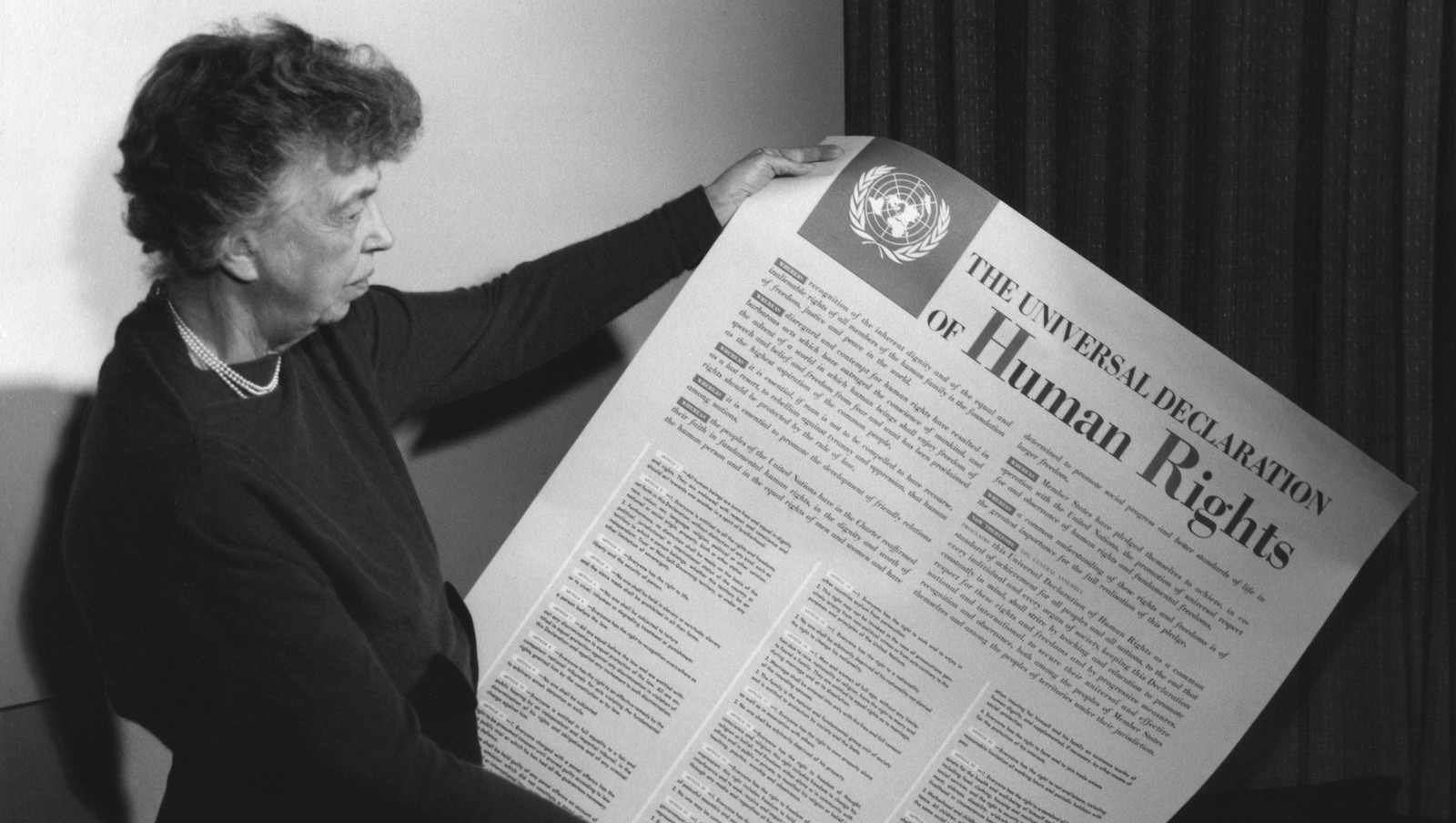
Image: FDR Presidential Library & Museum, CC BY 2.0, via Wikimedia Commons
Not all First Ladies were content to simply smile and wave. Some of them shaped American history in ways we still feel today: one redecorated the White House and captivated the world, another quietly ran the country after her husband’s stroke, and yet another one went public about deeply personal issues at a time when no one dared. Here’s a look at ten of the most impactful women to ever call the White House home.
1
Jackie Kennedy (1961–1963)
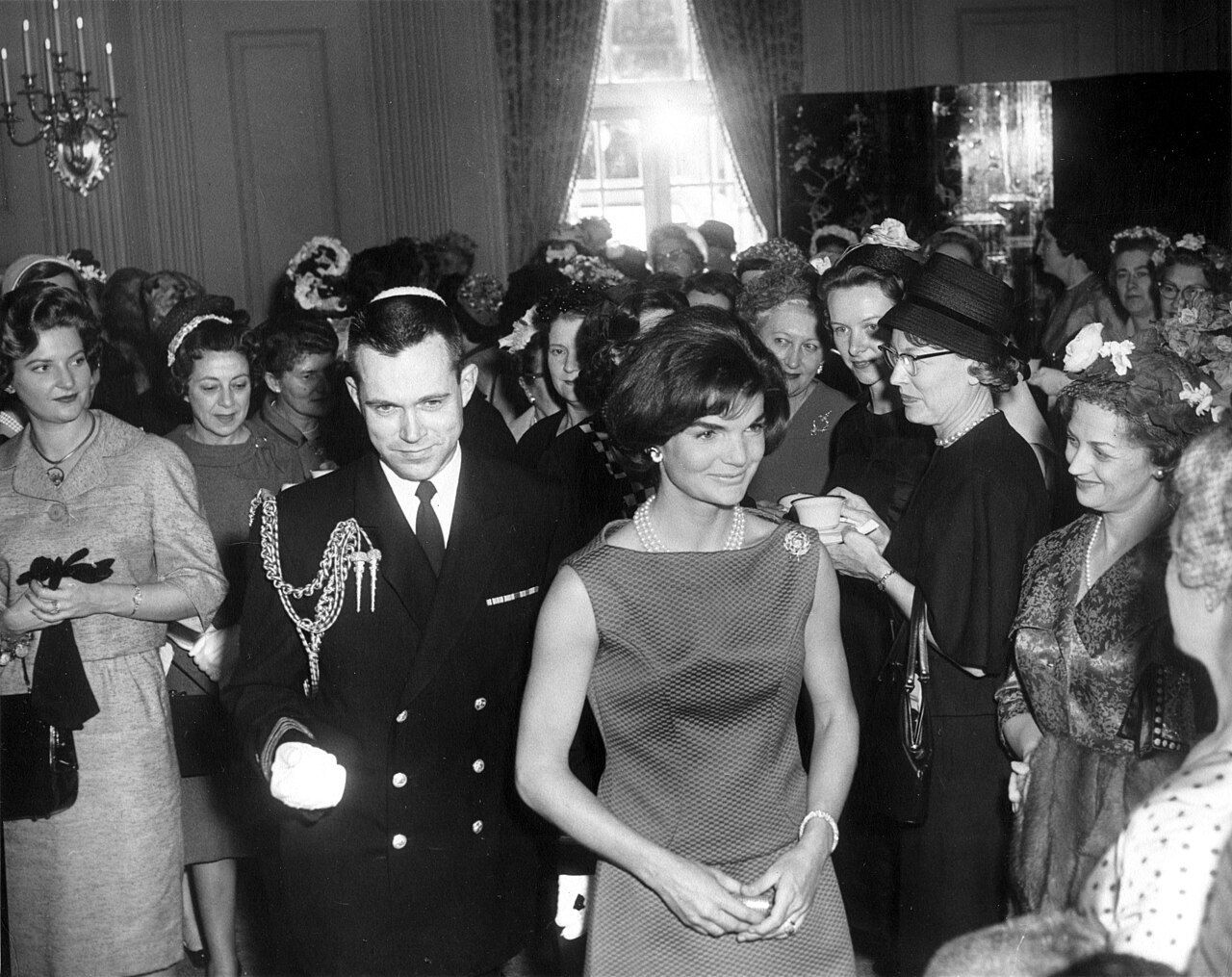
Jackie Kennedy brought elegance, culture, and a whole lot of style to the White House. But she was much more than a fashion icon : She led a historic restoration of the White House and made sure Americans saw it as a true national treasure through a famous televised tour in 1962.
Her poise during the devastating days following her husband’s assassination gave the country something to hold onto in a time of profound national grief.
2
Eleanor Roosevelt (1933–1945)
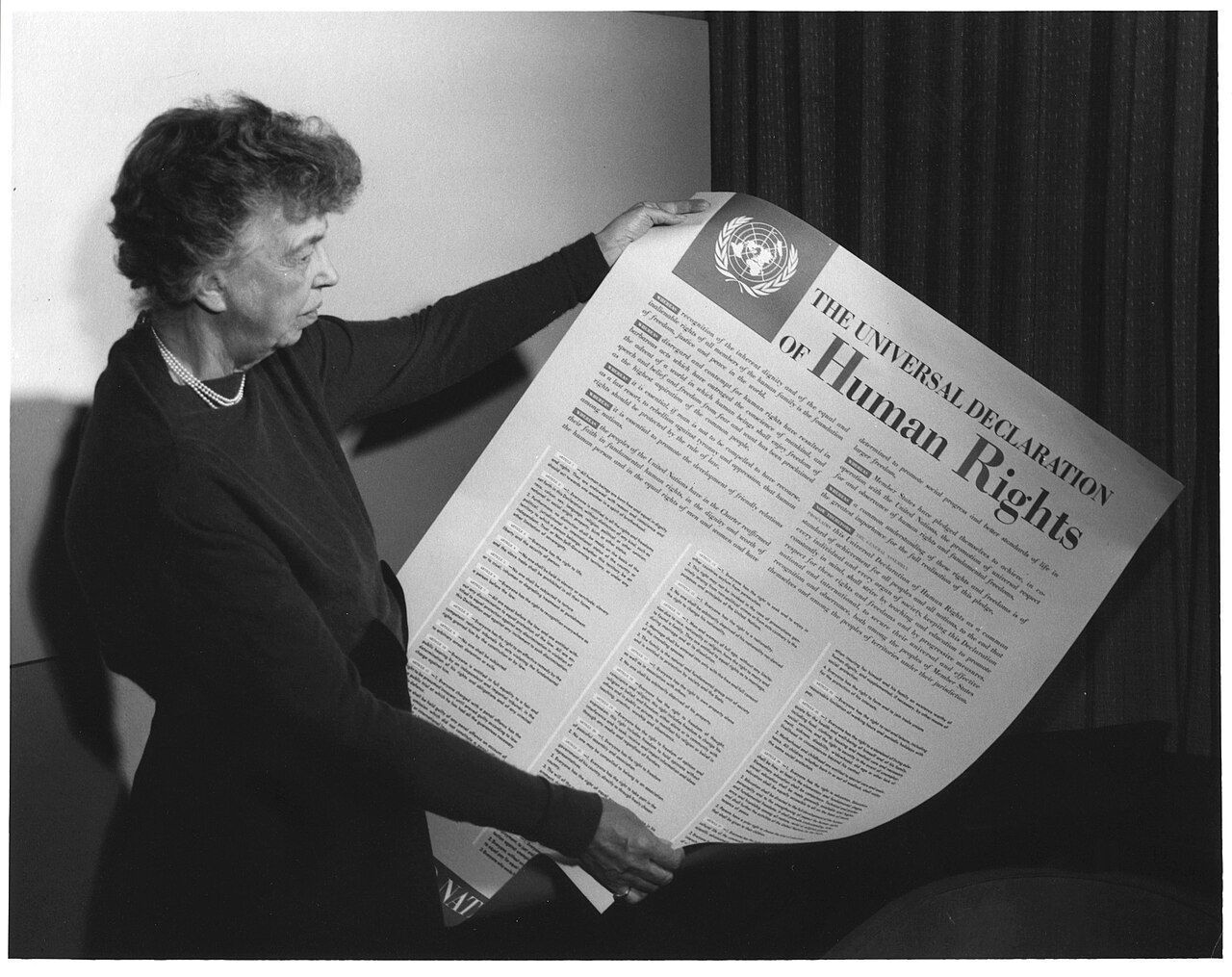
Eleanor Roosevelt completely redefined what a First Lady could be . She held press conferences, wrote a daily newspaper column, traveled the country during the Great Depression, and pushed her husband, Franklin Delano Roosevelt, hard on civil rights.
After President Franklin died, she kept going, serving as a U.S. delegate to the United Nations and helping to draft the Universal Declaration of Human Rights. Simply put, she is the gold standard of First Ladies.
3
Betty Ford (1974–1977)
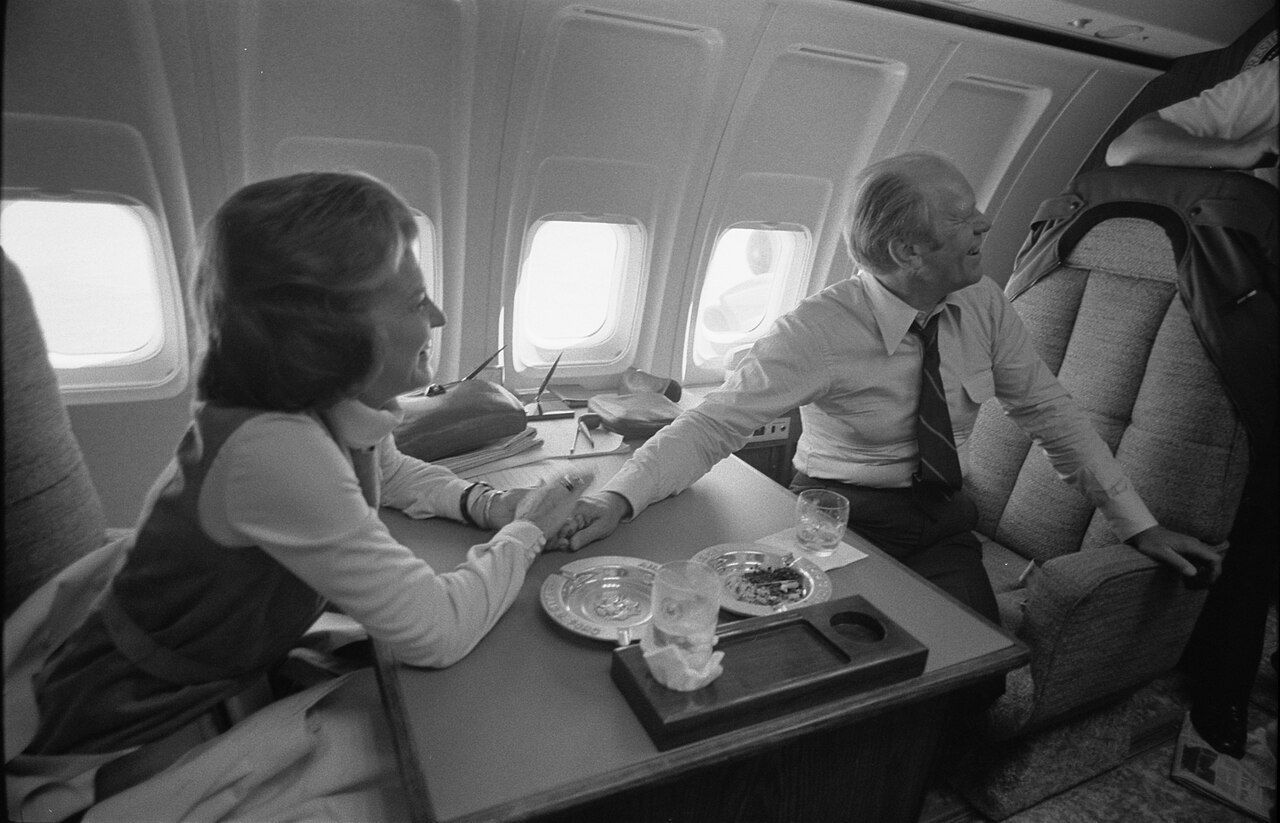
Betty Ford was refreshingly honest for a First Lady. She spoke openly about her breast cancer diagnosis at a time when people barely dared to whisper the word, and her candor is credited with encouraging countless women to get mammograms.
After leaving the White House, she went public about her struggles with substance abuse and founded the Betty Ford Center, which has helped thousands of people get sober over the years. She turned personal hardship into public good .
4
Dolley Madison (1809–1817)
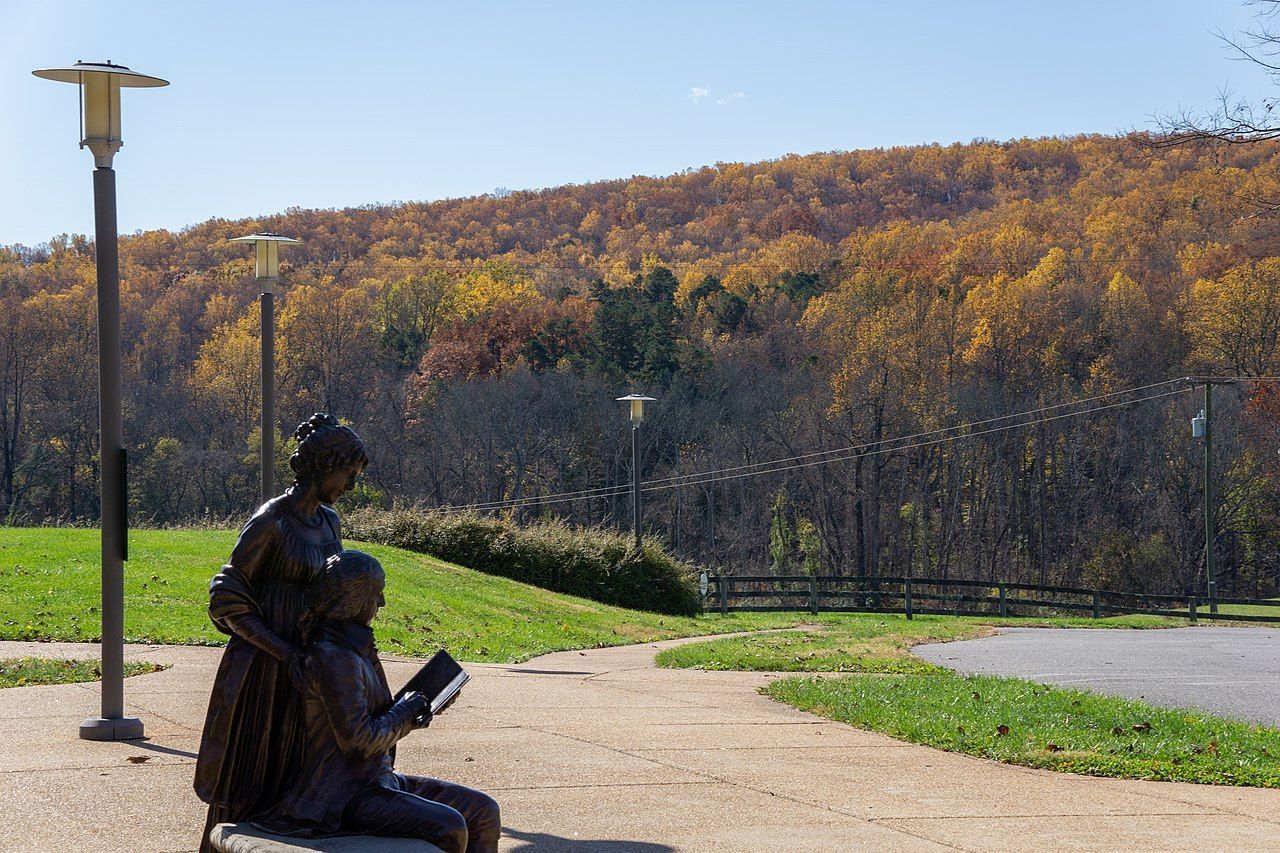
Dolley Madison turned the White House into a lively gathering place. She also used her dinner parties to help James Madison smooth over political feuds that might otherwise have blown up.
Her most famous moment was when the British invaded in 1814 and set the White House on fire, and Dolley stayed behind just long enough to save a portrait of George Washington .
5
Edith Wilson (1915–1921)
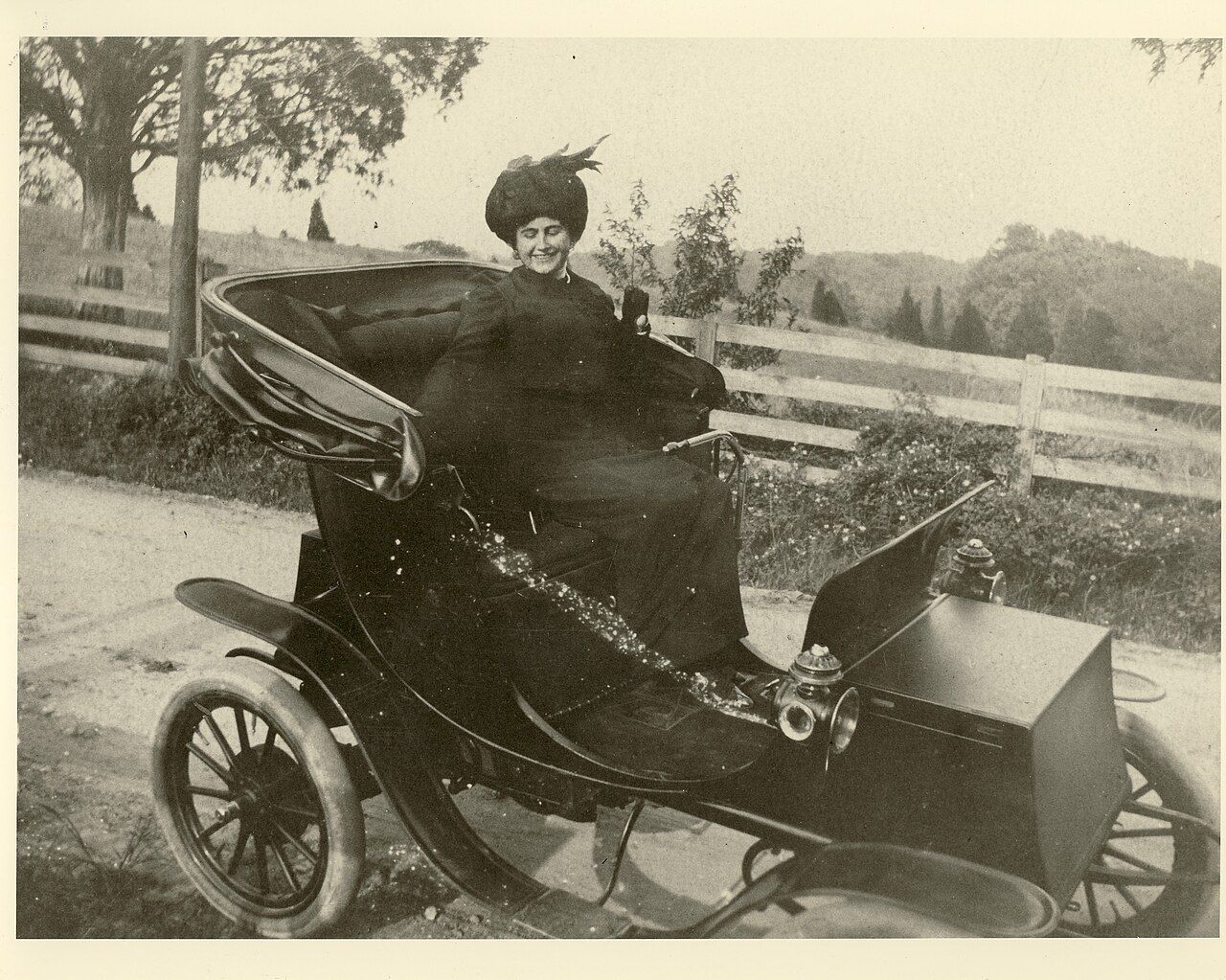
When President Woodrow Wilson suffered a severe stroke in 1919, Edith didn't just stand by his side: she basically ran the show . She controlled who could see the president, filtered his communications, and made key decisions about what information reached him. In a time when women couldn't even vote yet, Edith Wilson played a key role in keeping the nation afloat during her husband's sickness.
6
Mary Todd Lincoln (1861–1865)
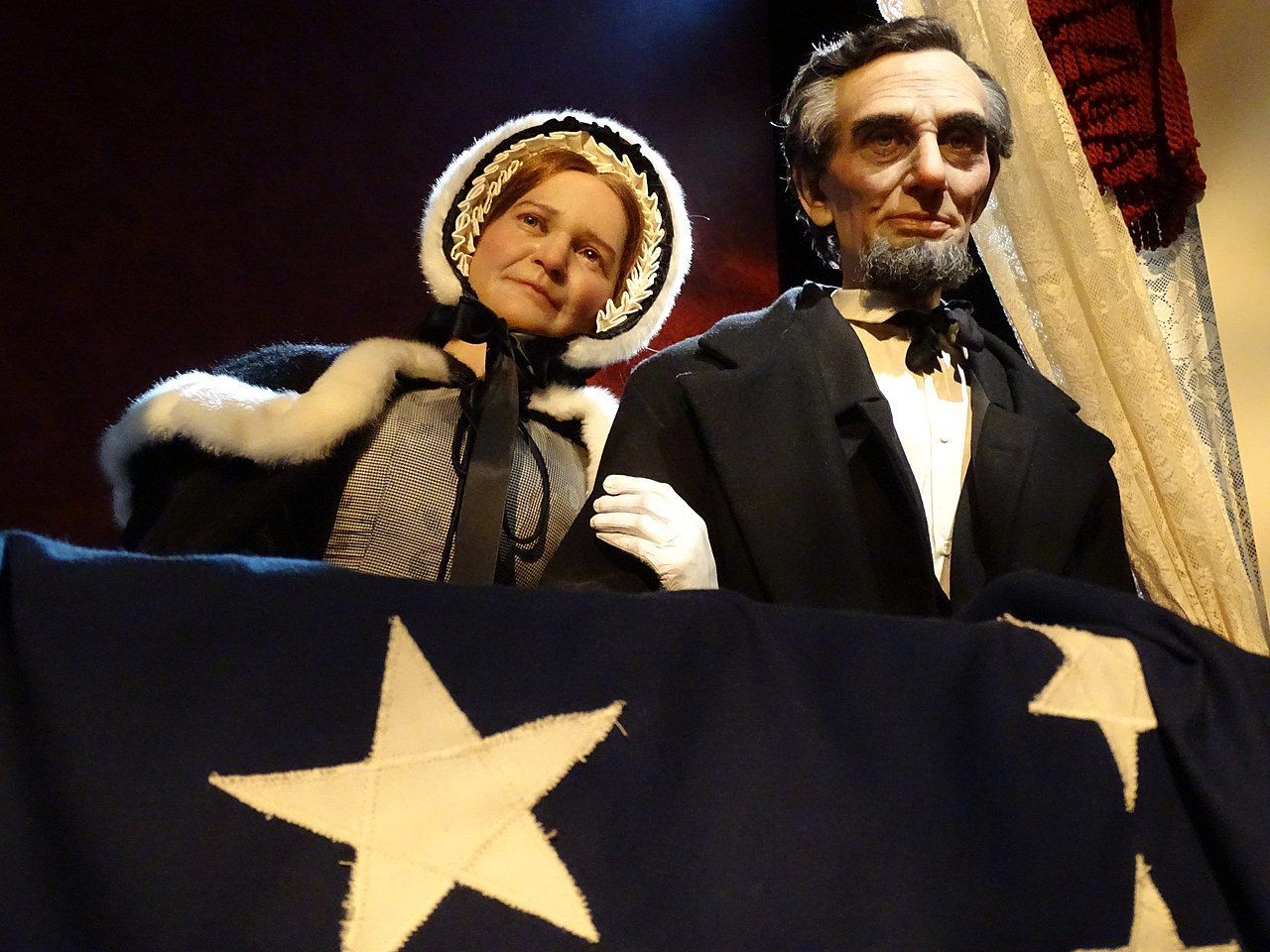
Mary Todd Lincoln had one of the hardest roles any First Lady has ever faced: supporting a president through the Civil War while grieving the death of their son. She was sharp, opinionated, and deeply involved in her husband Abraham's presidency.
While she was often criticized during her time by political opponents, history has been kinder to her, recognizing that she was a complex, intelligent woman navigating an almost impossible situation.
7
Lou Henry Hoover
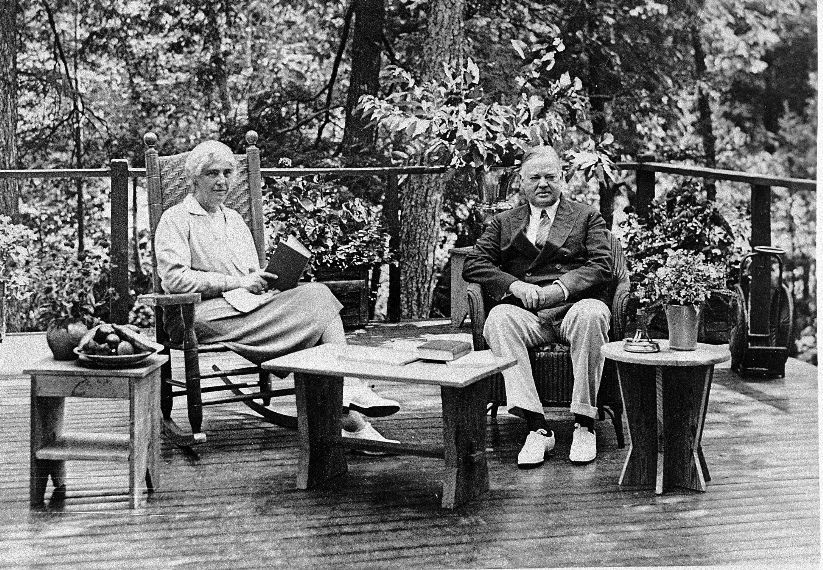
Lou Henry Hoover brought an intellect to the White House unlike almost any First Lady before her during Herbert Hoover's presidency (1929-1933). A Stanford-educated geologist who spoke five languages, she was an accomplished woman in her own right at a time when that was genuinely rare . When the Great Depression hit, she used her own personal funds to quietly help White House staff and struggling families, often anonymously.
Her most lasting legacy was her passionate dedication to the Girl Scouts of America. She championed the idea that young women deserved the same opportunities for outdoor education and leadership development as young men, and she funded troops in underserved communities. In 1933, she became the first First Lady to deliver a solo nationwide radio broadcast, using the platform to call on Americans to support their neighbors during the crushing hardships of the Depression.
8
Lady Bird Johnson (1963–1969)
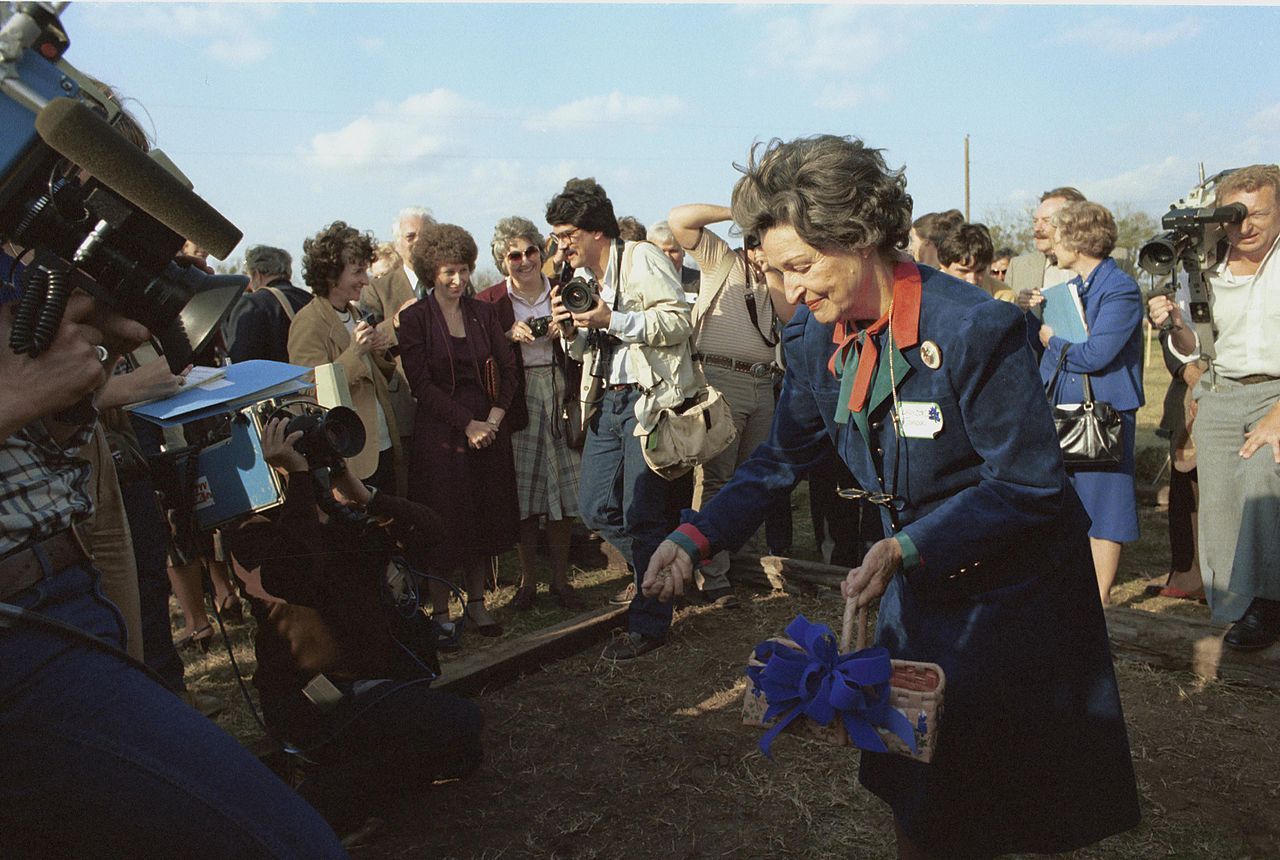
Lady Bird Johnson championed the Highway Beautification Act of 1965 , a landmark piece of legislation that regulated billboards and junkyards along federal highways and promoted the planting of native wildflowers across the country. She worked closely with the National Park Service , helped establish or improve numerous parks and green spaces, and brought conservation to the center of the national conversation at a time when few politicians were willing to do so.
She also ran the White House with great skill and was a key behind-the-scenes supporter of Lyndon B. Johnson’s ambitious Great Society programs.
9
Abigail Adams (1797-1801)
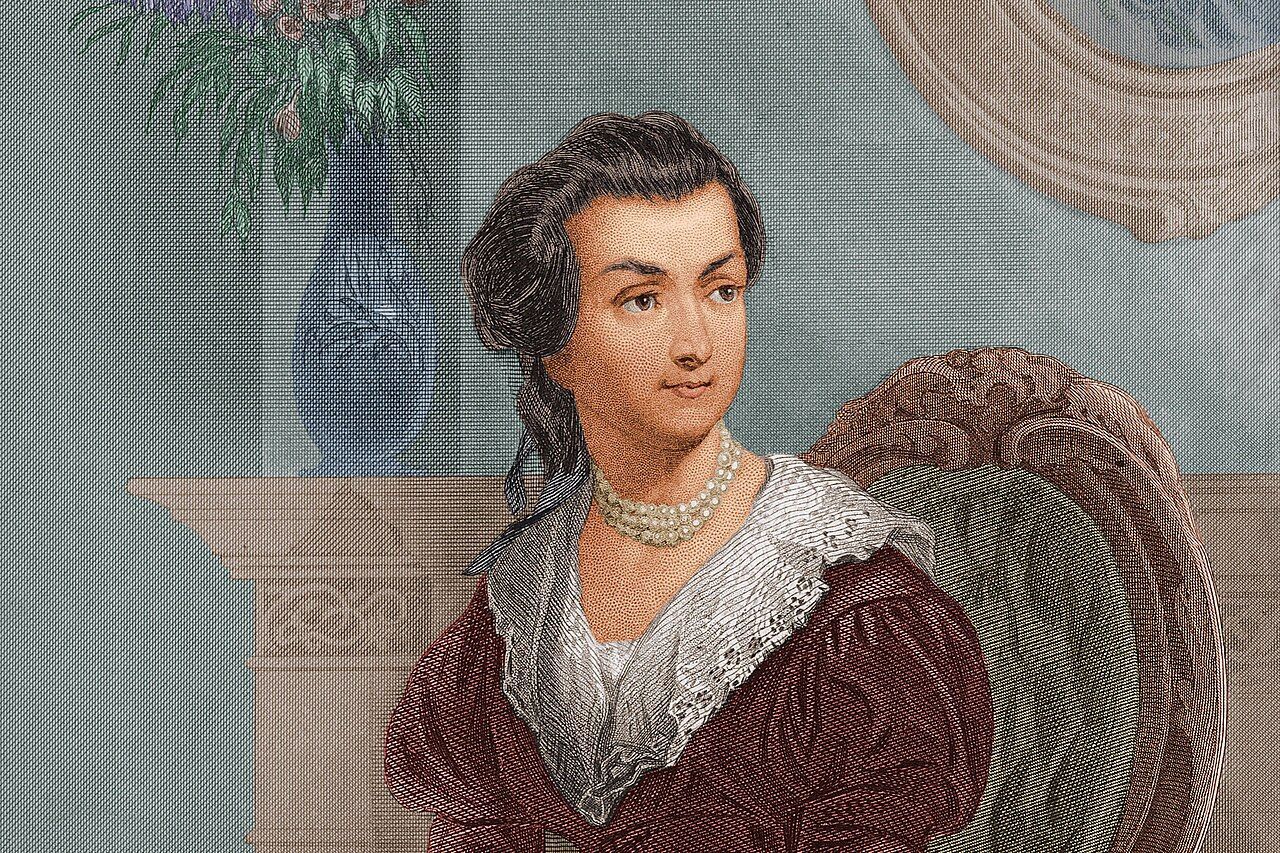
Long before women had the right to vote, Abigail Adams was already telling her husband to "remember the ladies", and she meant it. She was one of the most politically engaged women of her era, writing sharp, witty letters to John that were basically unofficial policy memos.
She's often considered America's first truly political First Lady, and she was ahead of her time by about 150 years .
10
Edith Roosevelt
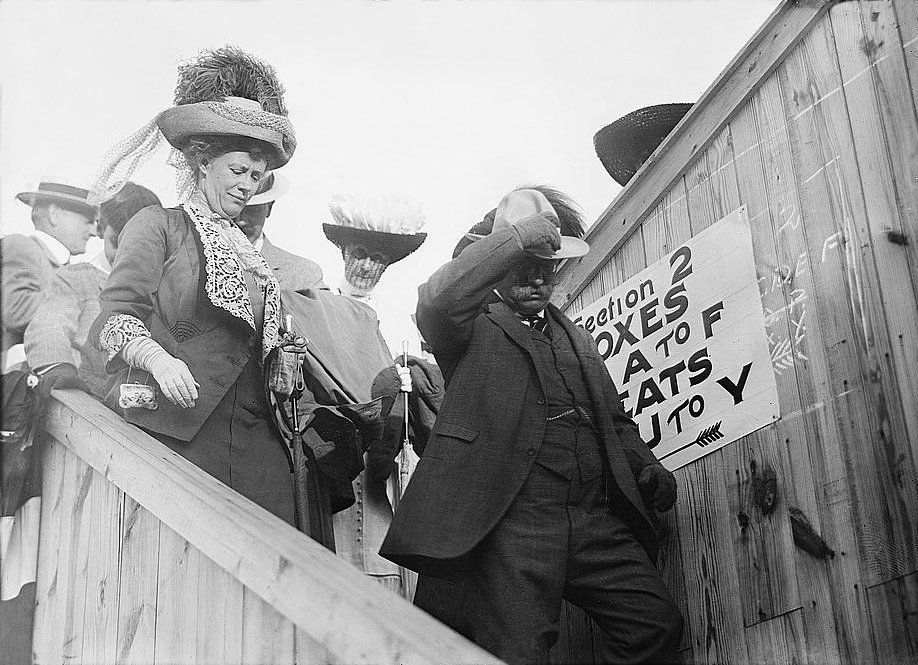
Edith Roosevelt transformed the role of First Lady during Theodore Roosevelt's presidency (1901–1909), turning it into something closer to what we recognize today. Edith created a formal staff, managed the White House's finances, and oversaw its major renovation in 1902 , which gave the building its now-iconic East and West Wings.
She was also a master of image control , carefully curating which photographs of her family reached the press and keeping the famously boisterous Roosevelt children from becoming a public relations liability. Behind closed doors, she was one of her husband Theodore's most trusted advisors, and many historians believe her steady judgment was a quiet but powerful force throughout his presidency.