History History 5 min read

Mass hysteria, anyone?

Did you fall for any of these 10 outrageous fads?
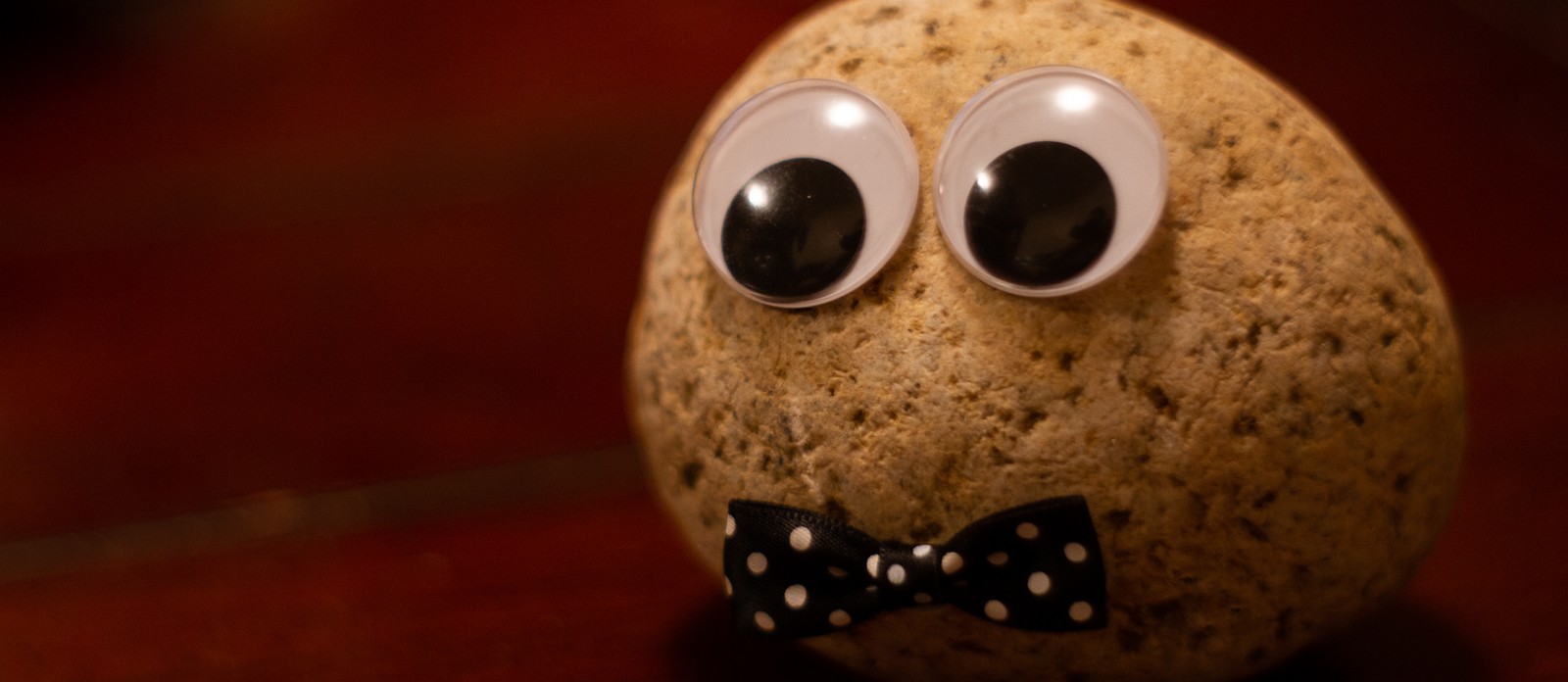
Image: txking

Every generation leaves behind a few trends that make the next one wonder what they were possibly thinking. You probably can think of one or two from your childhood. Long before viral challenges, folks climbed flagpoles, fought over dolls, bought rocks as pets, and turned playground games into miniature economies. Some of these crazes lasted for years, while others disappeared almost overnight. Yet for one strange moment, each of them was enormously popular.

1
People spent weeks sitting on flagpoles
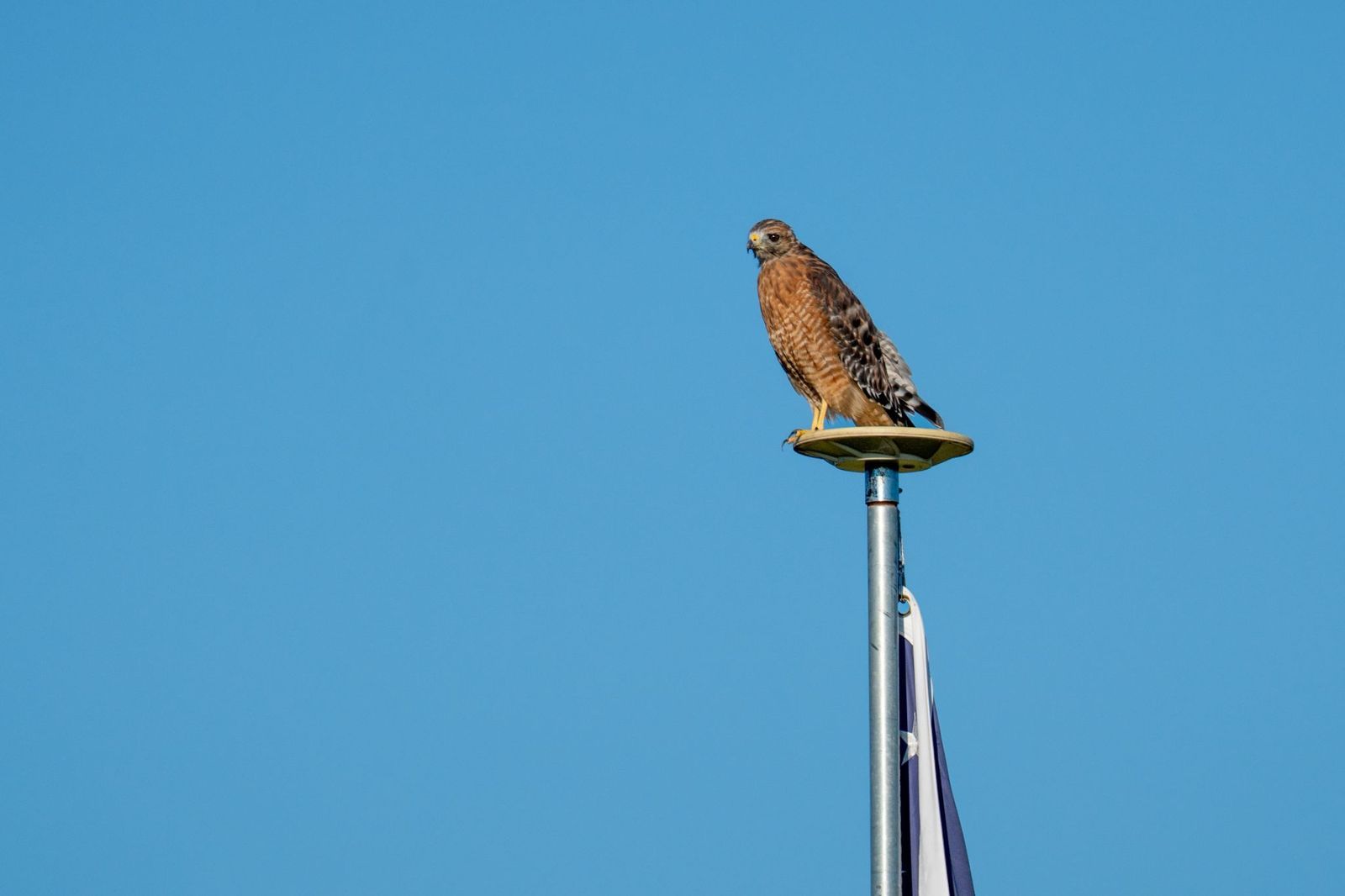
Image: The Camera Dad

In the 1920s, sitting still became a spectator sport —as long as the seat was on top of a flagpole. Stuntman Alvin "Shipwreck" Kelly, from New York City, helped launch the craze in 1924 by remaining aloft for 13 hours and 13 minutes. Soon, imitators across the country were competing to stay up longer.

Kelly kept raising the bar. He spent seven days on a pole in St. Louis, 23 days in Baltimore, and 49 days and one hour above Atlantic City’s Steel Pier in 1930 . He ate, shaved, and even slept on his perch before the Great Depression helped bring the strange craze back down to earth.

2
College students crammed themselves into telephone booths
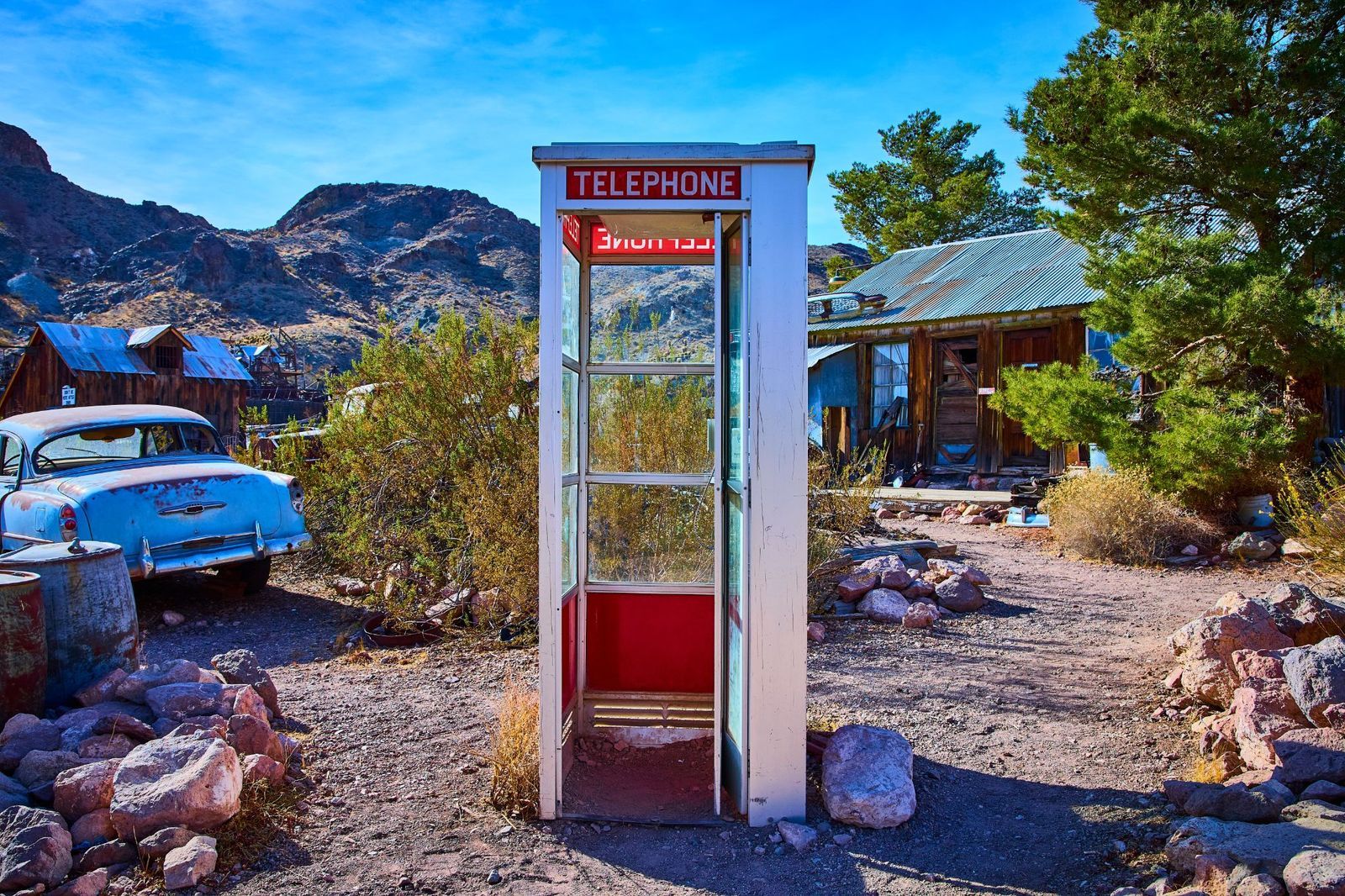
Image: Nicholas J Klein

In 1959, American college students embraced a wonderfully pointless challenge: stuffing as many people as possible into a telephone booth . The fad had already appeared overseas, including a 25-student attempt in Durban, South Africa, before spreading rapidly across U.S. campuses.

At Saint Mary’s College in Moraga, California, 22 students squeezed into one upright booth , producing one of the craze’s most famous photos. Arguments soon broke out over rules: Did feet have to fit? Could the booth lie sideways? By the end of 1959, the fad was already giving way to the next campus novelty.

3
Pet Rocks were a thing
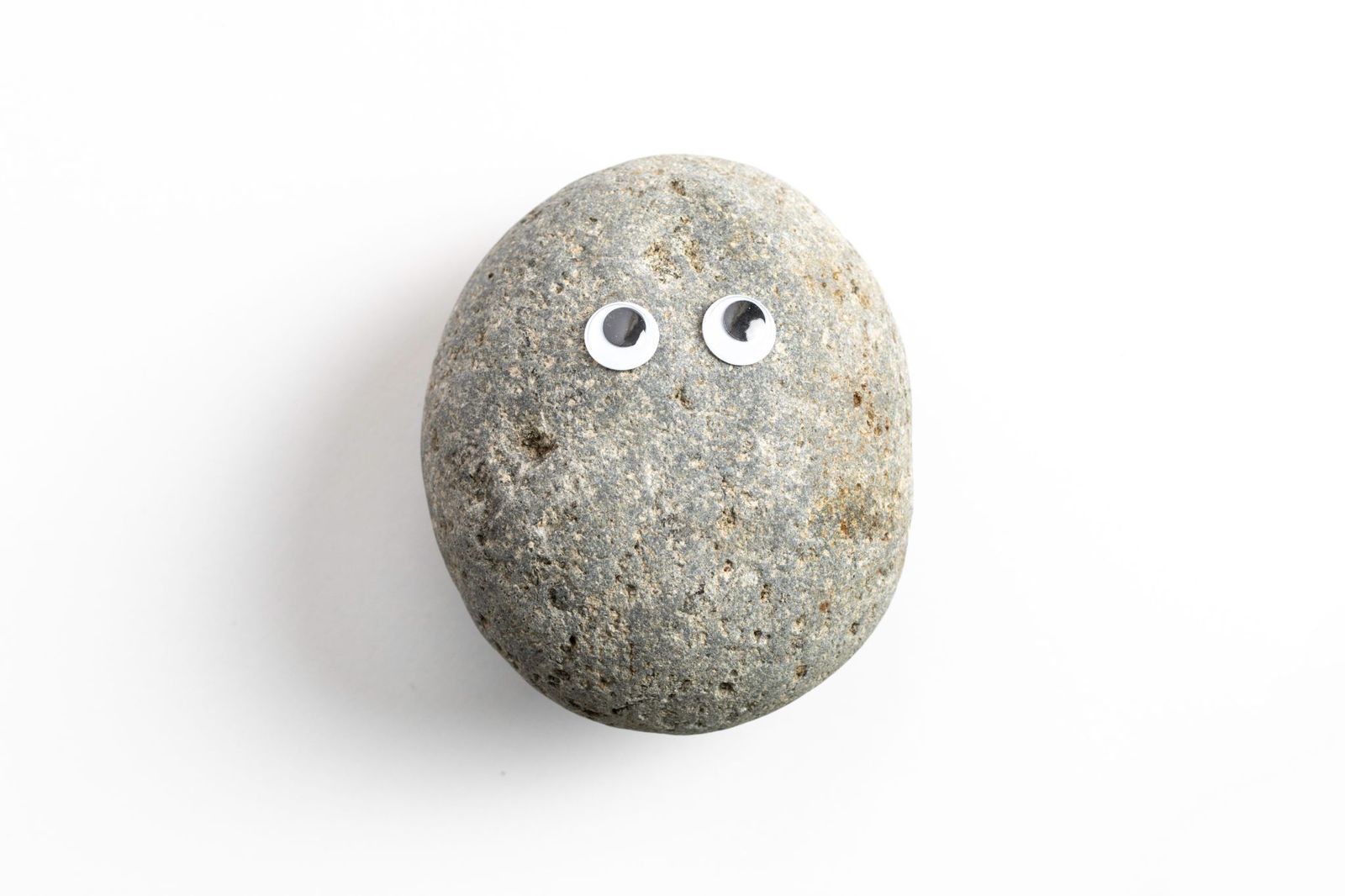
Image: Duntrune Studios

In 1975, advertising executive Gary Dahl came up with the perfect low-maintenance pet: a rock. For about $4, buyers received a smooth Mexican beach stone in a cardboard carrier with straw, air holes, and a tongue-in-cheek manual explaining how to "train" and care for it .

The joke became a genuine business sensation. Dahl later estimated that about 1.5 million Pet Rocks were sold, especially during the 1975 holiday season, making him a millionaire. The craze faded almost immediately afterward, but it proved that clever packaging could turn an ordinary stone into a national phenomenon.

4
Raccoon coats became a college status symbol
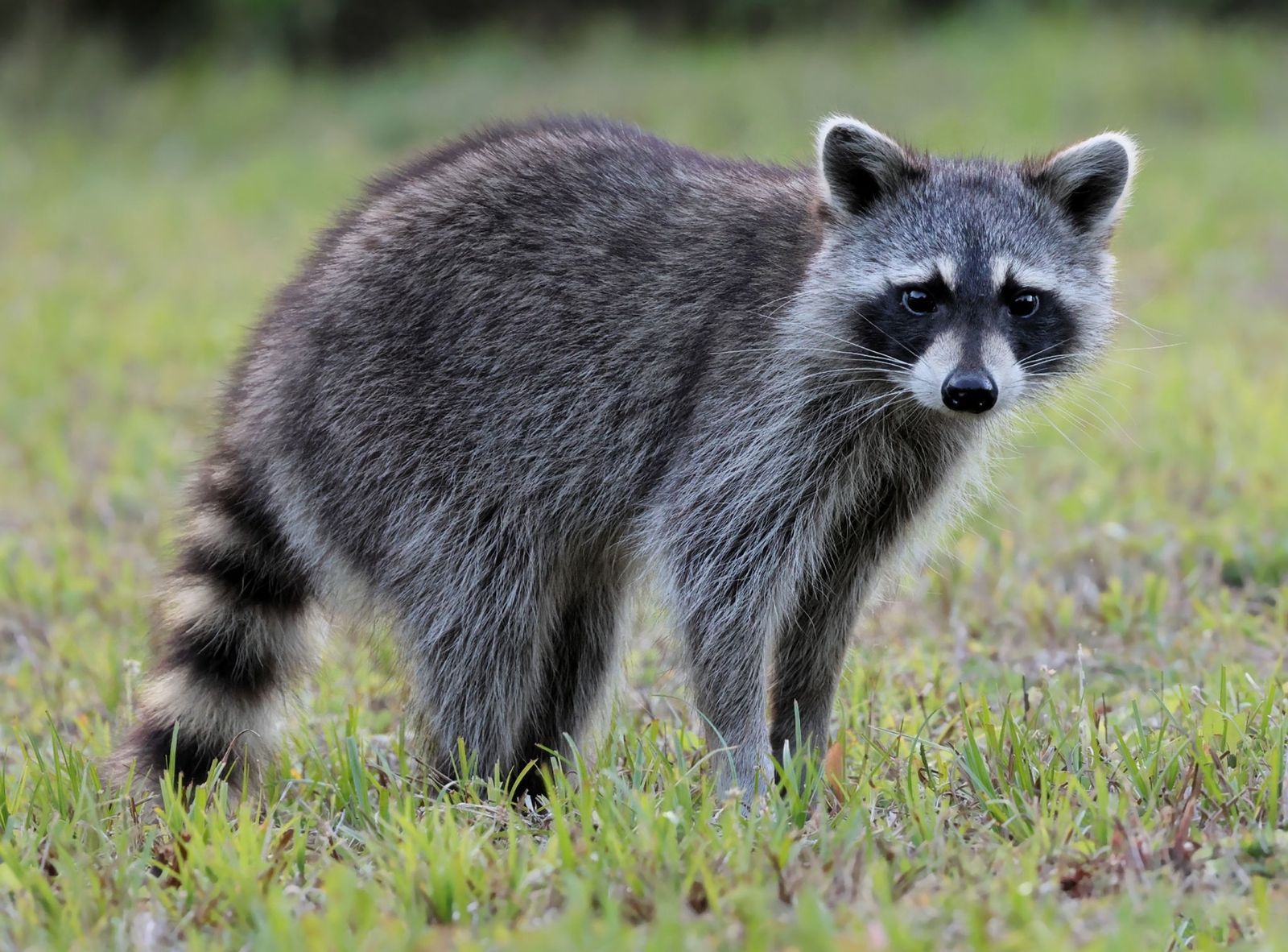
Image: Jean Blom

During the Roaring Twenties, enormous raccoon-fur coats became a fashionable badge of college life . Princeton’s student newspaper reported in 1923 that the coats were "as thick as flies" on campus. They were warm enough for chilly open cars, but they also signaled money and status .

They were expensive, too: typical prices reportedly ranged from $350 to $500 in the 1920s (worth about $5,840 to $8,350 today). Football star Red Grange and movie heartthrob Rudolph Valentino helped popularize the look , and the 1928 song "Doin’ the Raccoon" celebrated the fad. After the 1929 crash, however, such extravagant outerwear lost much of its appeal.

5
Troll dolls were everywhere
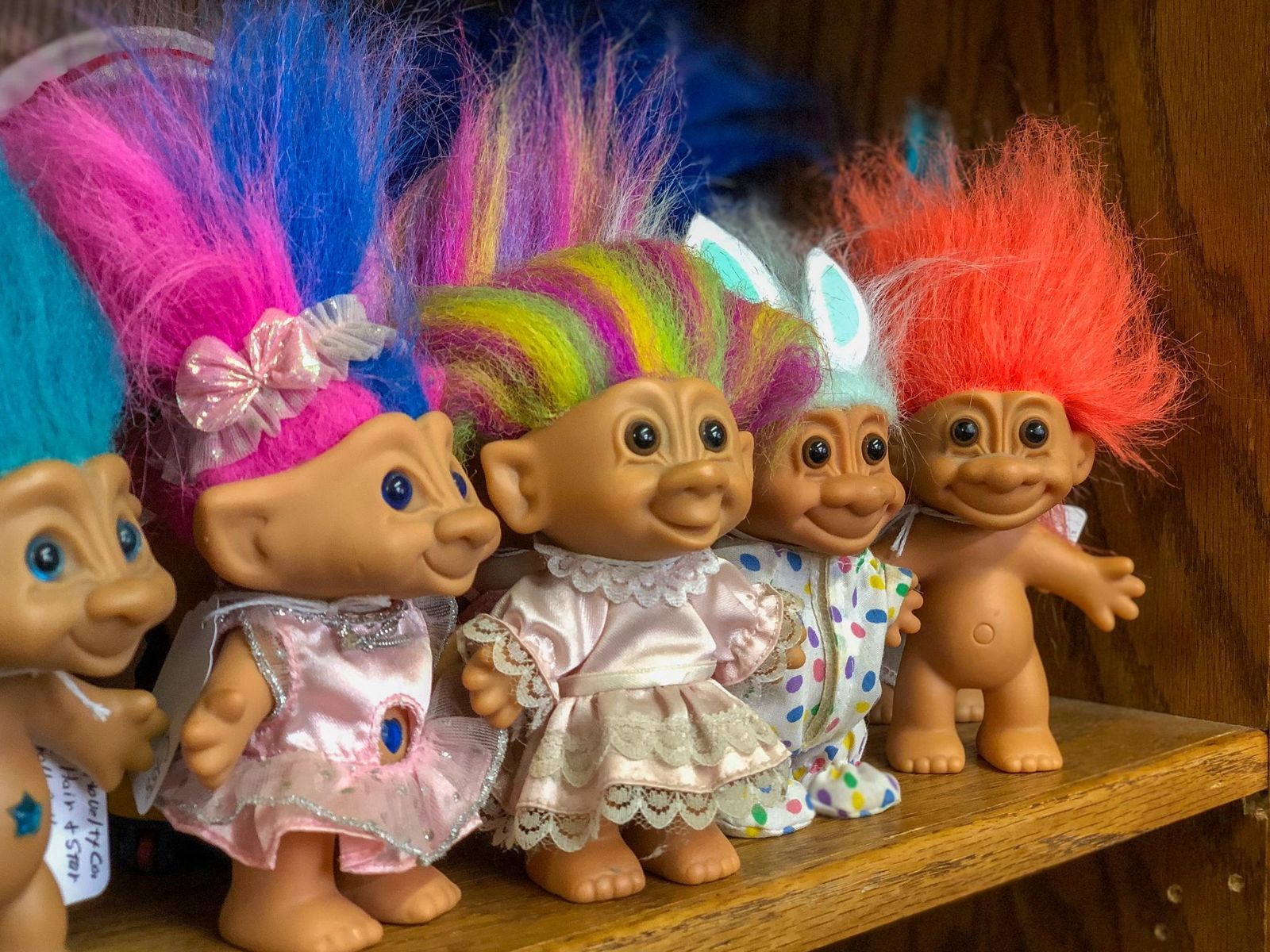
Image: Rex K. Williams

With potbellies, oversized heads, wild hair, and faces that were more odd than cute, troll dolls somehow became a huge American toy craze. Danish creator Thomas Dam developed them in the 1950s, and by the 1960s the strange little figures had become enormously popular in the country .

Americans bought more than one million genuine Dam trolls in 1964 alone. Demand for their distinctive hair reportedly grew so large that Dam’s company bought Iceland’s entire sheepskin harvest. The popular dolls had a revival of sorts in the late 80s and early 90s, but nowhere near their first wave.

6
Cabbage Patch Kids caused shopping mayhem
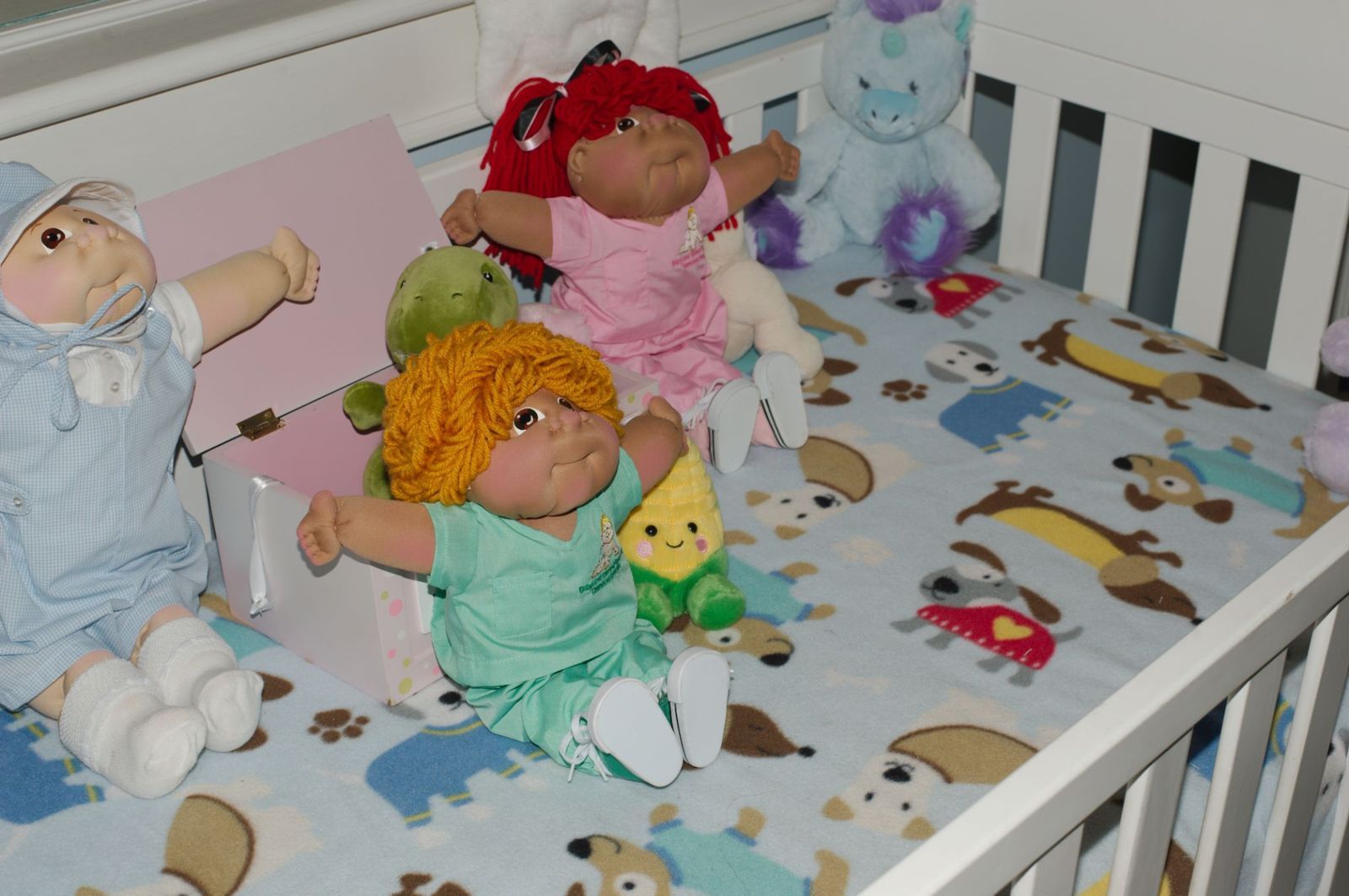
Image: Del Harper

Cabbage Patch Kids turned holiday shopping into chaos in 1983. The dolls, based on creations by Georgia artist Xavier Roberts, came with names, birth certificates, and adoption papers. When Coleco mass-produced them, demand quickly overwhelmed supply across the country.

At a Hills store in Charleston, West Virginia, about 5,000 shoppers reportedly crowded in during one sale. Elsewhere, customers camped outside, grabbed dolls from carts, and even suffered injuries in the rush . More than 2.5 million dolls (not counting the black market versions that preyed on the craze) were sold in their first year, with a price tag ranging from $18 to $35 depending on location.

7
Pogs took over playgrounds
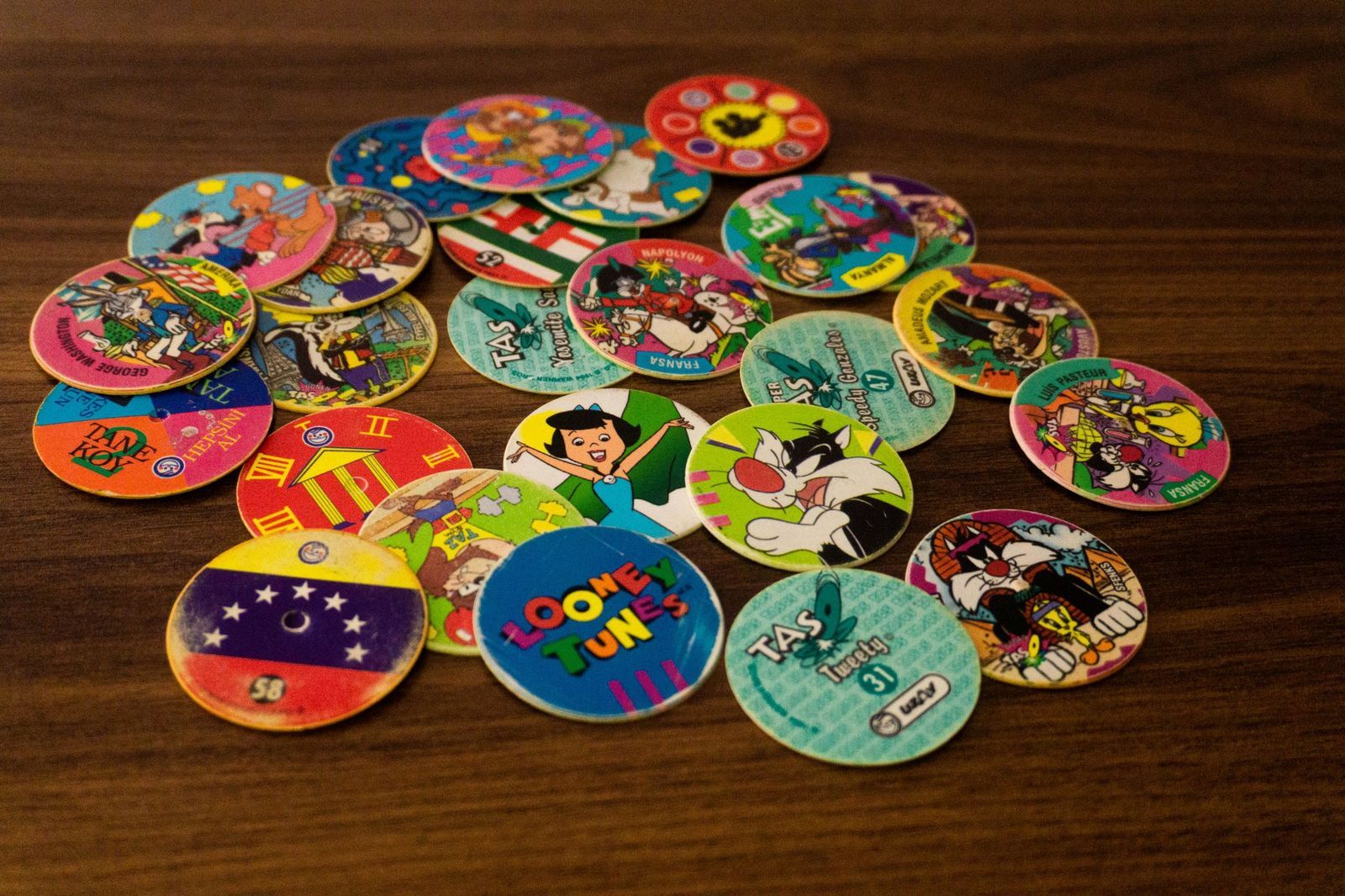
Image: Emre Turkan

For a brief stretch in the 1990s, colorful cardboard discs became serious playground currency. Pogs grew from a Hawaiian milk-cap game revived by teacher Blossom Galbiso around 1991. Players stacked the discs and struck them with a heavier "slammer," trying to flip them over .

The trouble came when children played "for keeps," taking any Pogs they flipped. Arguments, theft, distractions, and concerns about gambling led many schools to ban or restrict the game.

8
Dance marathons lasted weeks

Image: Master1305

Dance marathons began as a 1920s endurance craze and became far harsher during the Great Depression. In 1923, New York instructor Alma Cummings danced for 27 hours, inspiring imitators . Promoters soon turned marathon dancing into paid entertainment watched by large crowds.

Contestants could be required to remain in motion for 45 minutes of every hour, day and night, with only brief rest periods. Some events lasted for weeks: a 1935 marathon in Wenatchee, Washington, ran for 1,492 hours . Cities increasingly objected to the grueling conditions, and Seattle banned the contests in 1928. The bleak Depression-era extremes of the fad were dramatized in the 1969 film They Shoot Horses, Don’t They? starring Jane Fonda.

9
The Davy Crockett caps craze
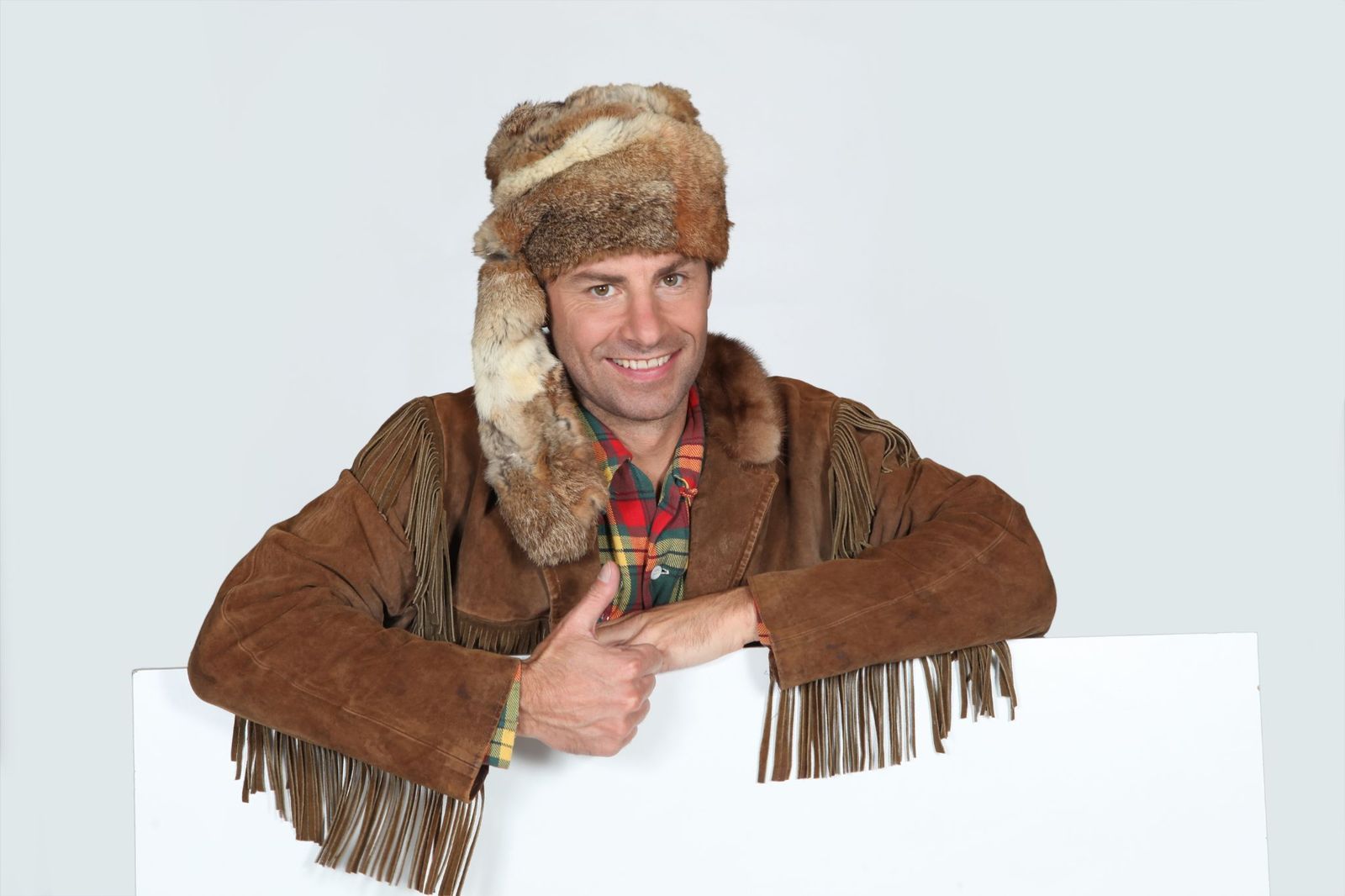
Image: Phovoir

When Disney aired its Davy Crockett television adventures beginning in late 1954, actor Fess Parker helped turn the frontiersman into a national sensation. Children suddenly wanted the hero’s trademark coonskin cap, complete with a furry tail hanging down the back .

At the height of the craze, about 5,000 children’s caps were reportedly selling each day. "Polly Crockett" versions were even marketed to girls. By May 1955, TIME estimated that Americans had bought about $100 million in Crockett merchandise.

10
More than 20 million Hula Hoops sold in four months
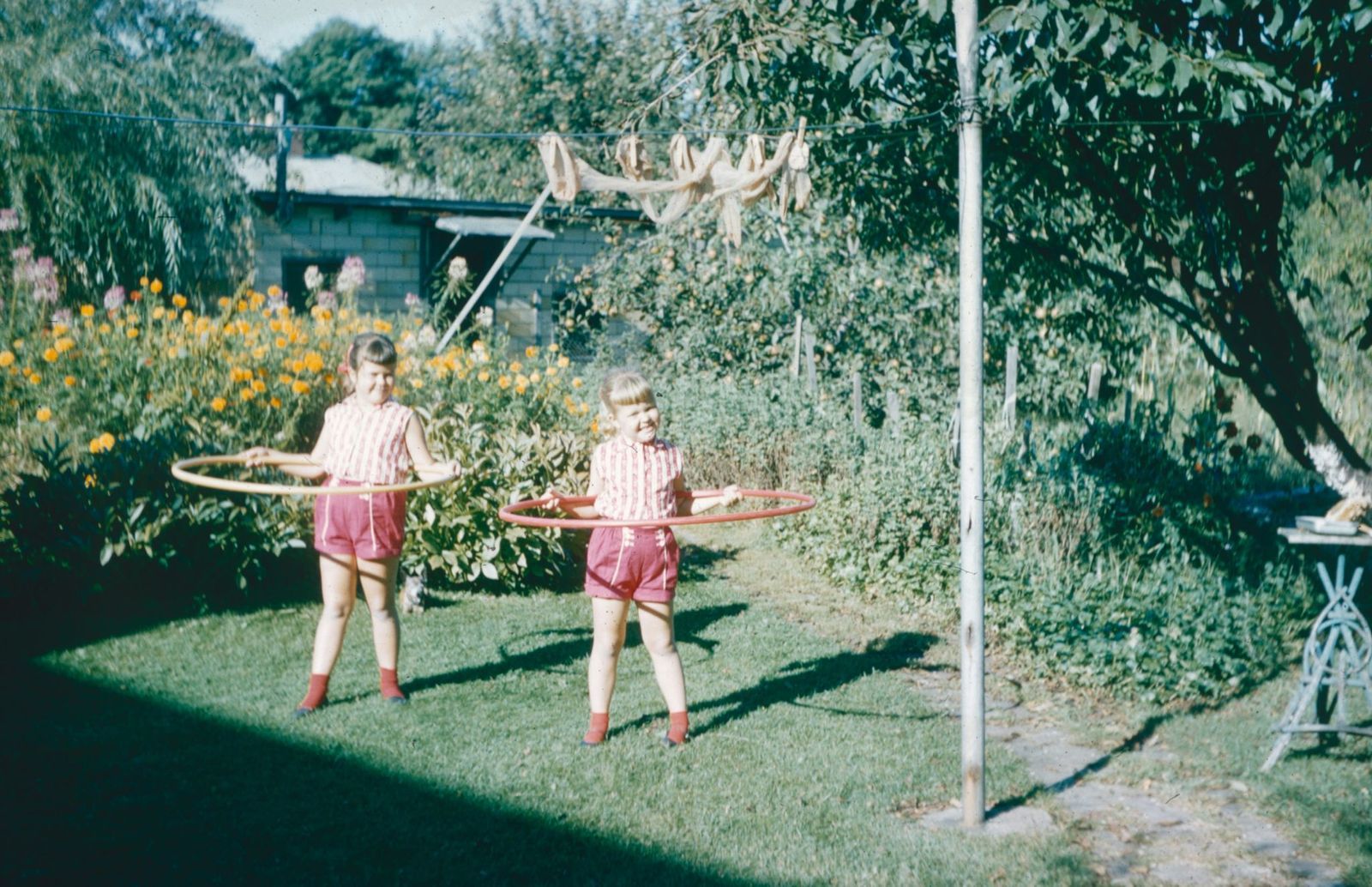
Image: Annie Spratt

When Wham-O introduced the Hula Hoop in 1958, the toy became one of the fastest-moving crazes in American history. Founders Richard Knerr and Arthur "Spud" Melin were inspired by hoops used by Australian children and developed a lightweight plastic version for the local market.

The company promoted the toy directly to schoolchildren, and the strategy worked spectacularly . More than 20 million Hula Hoops were sold in the country within four months. Wham-O was reportedly producing around 20,000 a day as competitors rushed in, before the mania faded almost as quickly as it had begun. Nowadays, Hula Hoops are still popular, but nowhere near their heyday.

General General 3 min read

Folklore files

Think you’re tough? Try reading these hometown legends at night!

Image: Justin Ziadeh

Every town has at least one story that makes folks lower their voices and lean in a little closer. Across the country, these tales have grown legs and wandered far beyond the places where they started. Here are ten of America’s most talked-about urban legends, the ones that keep popping up in conversations, road trips, and campfire chats.

1
Bigfoot in the Pacific Northwest

Image: Jon Sailer

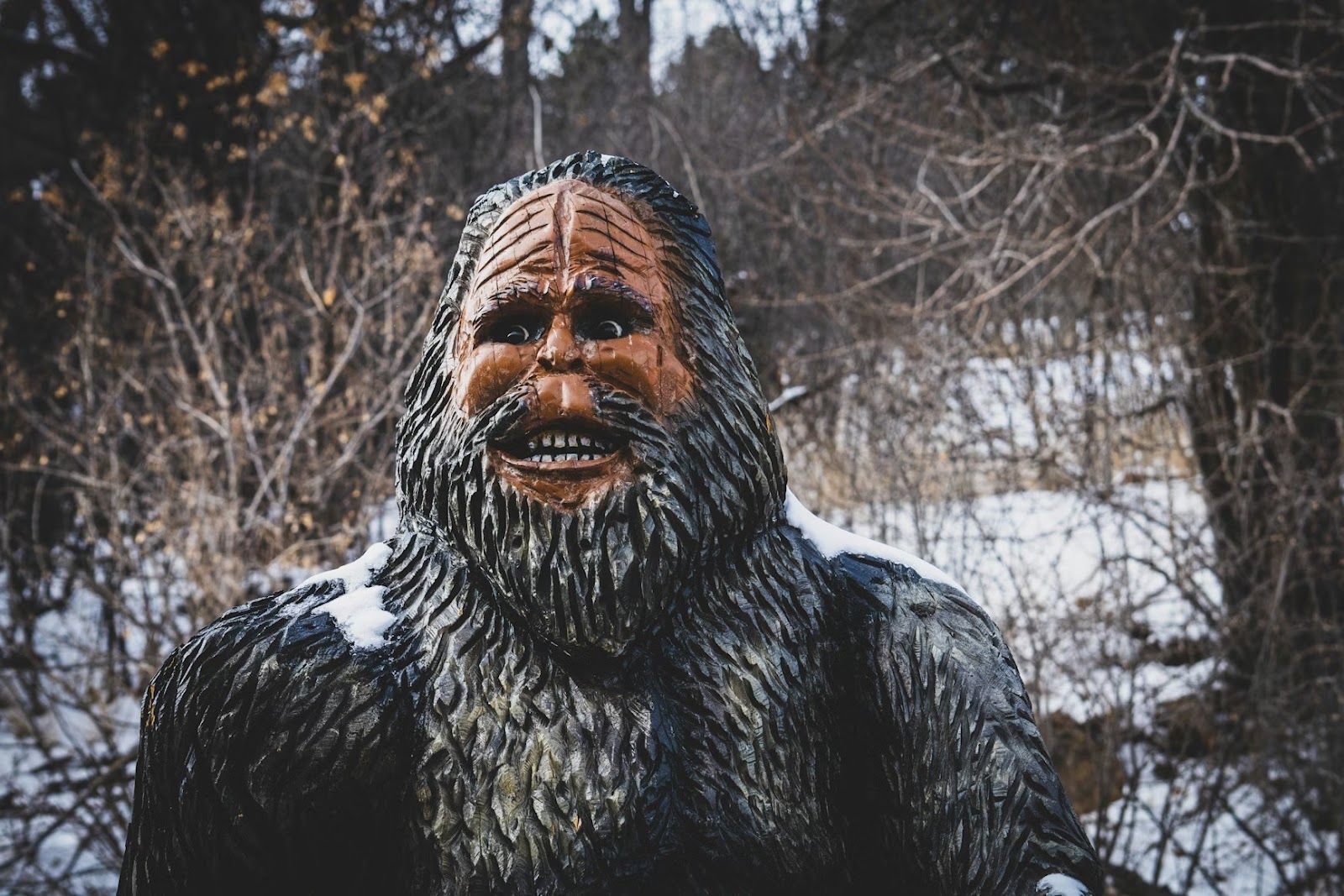
The forests of Oregon and Washington have been a treasure trove of Bigfoot sightings for decades. Hikers, campers, and loggers all have their own take, from gentle encounters to hair-raising escapes. Whether he’s a shy forest neighbor or just a legendary wanderer, the mystery has inspired countless hunts, tales, and devoted believers who swear the creature is still out there.

2
West Virginia’s winged visitor

Image: Bhong Bahala

Point Pleasant had quite a moment in the 1960s, when locals reported seeing a tall figure with glowing eyes sweeping through the sky. Newspapers named it the Mothman, and soon the stories were everywhere. Some people thought it was a bird, others guessed something stranger. The sightings even lined up with a real bridge collapse, which only added to the town’s long-lasting fascination.

3
Minnesota’s winter monster

Image: Anoushka Puri

Northern tribes have long shared stories about the Wendigo, a creature tied to greed, hunger, and the frozen wilderness. Descriptions vary, but all versions paint a picture of something you wouldn’t want to cross paths with on a snowy night. Whether seen as a physical creature or a spirit, the tale has survived because it taps into those deep winter fears we all understand, right?

4
The Jersey Devil in New Jersey

Image: Donovan Reeves

The Pine Barrens have been home to strange stories since colonial days. One of the oldest is about Mother Leeds, who supposedly cursed her thirteenth child. Folks say the baby flew off into the forest and took on a life of its own, complete with wings and hooves. Sightings pop up every so often, especially during the wave of excitement in 1909, when everyone was looking over their shoulder.

5
Riverdale Road in Colorado

Image: Dennis Schmidt

This quiet stretch of pavement near Thornton has earned quite a reputation. People love to talk about its old gates, said to be the ruins of a long-gone mansion, where a ghostly woman in white sometimes steals the spotlight. Drivers also swap stories about a phantom jogger keeping pace with them.

6
The Shaman’s Portal in Oklahoma

Image: Daniëlle Eibrink Jansen

Out in Beaver Dunes Park, people have been whispering for centuries about strange lights flickering across the sand. Early explorers were warned to steer clear, and some stories claim travelers simply vanished after a flash of eerie green. Modern visitors usually come for ATV rides, but the legend of an otherworldly doorway tucked into the dunes still gives the place a curious chill.

7
Hell’s Gate Bridge in Alabama

Image: The New York Public Library

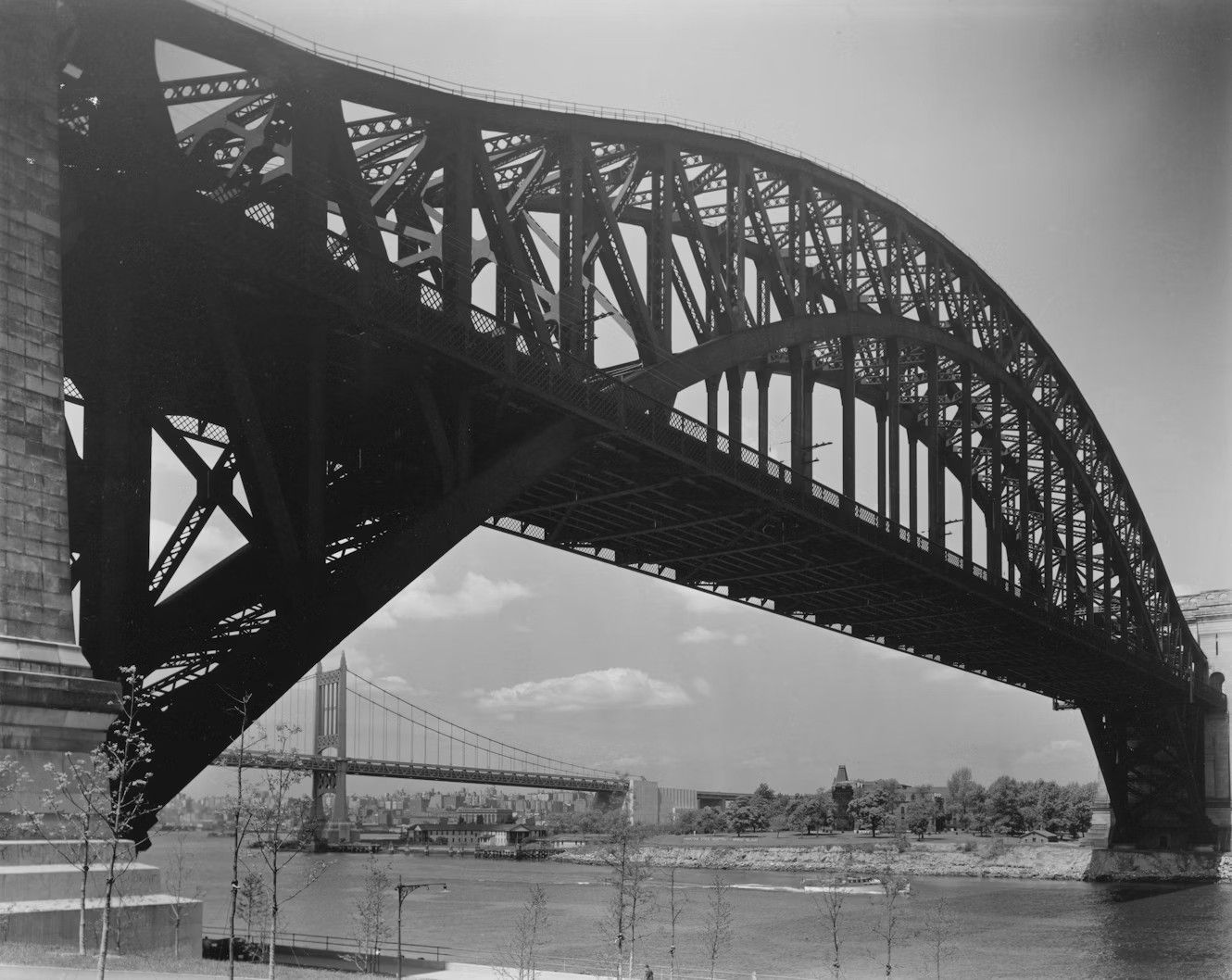
Locals tell an old tale about a young couple whose late-night drive ended in tragedy. The story took on a life of its own, with people claiming that if you sit on the bridge in the dark, you might spot the couple. Everyone knows it’s just a slice of local lore, but it hasn’t stopped anyone from swapping stories.

8
Utah’s petrified forest curse

Image: Adrian Hernandez

Escalante Petrified Forest is a beautiful destination, but visitors hear one warning loud and clear: leave the wood where it lies. Rangers say they get packages every year with pieces of petrified wood sent back by people who swear they had nothing but bad luck after taking a souvenir. Whether you believe in curses or just want a peaceful trip, it’s safer to enjoy the scenery with your hands empty.

9
The Cropsey tale in New York

Image: Mahdi Bafande

Growing up in New York, plenty of kids heard a version of Cropsey. Sometimes he was a runaway patient, other times a shadowy presence lurking near camps or tunnels. The unsettling part is that a real criminal case in the 1980s made the stories feel even closer to home. Over time, the legend inspired scary movies, bedtime warnings, and a whole generation of whispered fears.

10
Virginia’s Bunnyman

Image: Justin Ziadeh

Clifton has a little train bridge that looks simple enough in the daytime. But the Halloween story tied to it turned it into a local fixture. Some say a dangerous fugitive patient once hid there. Others remember a real-life incident from the 1970s involving a hatchet and a mysterious figure. The tale grew in the retelling, and before long, the Bunnyman hopped right into regional folklore.

Culture Culture 4 min read

Funny papers

Do you remember these timeless American comic strips?

Image: somecomputer

Comic strips might seem like a colorful little detail on the last page of a stuffy, boring newspaper, but they are so much more. They not only add humor and levity to our day, but many people can attest that they learned to read as children through their favorite comic strips. In that sense, America has produced its fair share of amazing comic strips over the years, so we thought it appropriate to honor 10 of the most iconic "funny papers" with this article. Enjoy!

1
Peanuts

Image: ZENG YILI

We’ll start with what some describe as "arguably the longest story ever told by one human being." When Charles Schulz started Peanuts in 1950, he wasn’t aware that he would single-handedly produce a plethora of amazing stories until his death in 2000. The original Peanuts run, which introduced iconic characters like Charlie Brown, Snoopy, and Linus, appeared in over 2,600 newspapers and has been translated into 21 languages.

2
Marmaduke

Image: Oliver Bichard

As any Great Dane owner can tell you, these massive dogs can sometimes be a handful. However, if the comic strip Marmaduke has taught us anything, it’s that no matter how messy their lovable dog is, the Winslow family will always care for their Great Dane, the titular Marmaduke. This comic strip was created in 1954 by cartoonist Brad Anderson, who continued to make Marmaduke comics for 61 years until his death in 2015.

3
Krazy Kat

Image: Shelby Murphy Figueroa

While perhaps not as well-known as other comic strips in this article, George Herriman’s Krazy Kat (also known as Krazy and Ignatz ) is considered by many critics to be one of the most influential comic strips in history. At first glance, Krazy Kat , which ran from 1913 to 1944, appears to be a simple gag-a-day comic depicting an anthropomorphic cat and his mouse rival. However, Herriman’s impressive artwork and groundbreaking creativity have led critics to regard Krazy Kat as one of the most significant pieces of American art .

4
Garfield

Image: Jason Yuen

Garfield is a strong contender for the title of "world’s most famous cartoon cat." True, he is competing with heavy hitters like Tom from Tom and Jerry or Felix the Cat, but this Monday-hating, lasagna-loving orange cat is truly a force to be reckoned with. Created by Jim Davis in 1976, Garfield was first introduced in a comic strip named Jon after the cat’s owner. However, Garfield quickly took the spotlight, and the comic strip was renamed Garfield in 1977. From that point onward, Garfield became an international icon, earning the Guinness World Record for being the world's most widely syndicated comic strip.

5
Calvin and Hobbes

Image: cogdogblog, CC BY 2.0

Can you remember the stuffed animal you would carry everywhere as a child, going on imaginary adventures all across your backyard? Well, for many of us, Calvin and Hobbes perfectly encapsulates those beloved memories. Created by Bill Watterson in 1985, this comic strip depicts the adventures of a young boy named Calvin and his best friend Hobbes, a whimsical and friendly tiger. What’s most moving about this comic strip is that both Calvin and the readers see Hobbes not as a stuffed animal, but as the best friend a young boy could have.

6
The Far Side

Image: Luis Cortés

Up until this point, we’ve been focusing on multi-paneled comic strips, which have several panels at their disposal to tell a compelling story. However, The Far Side has the remarkable distinction of making us laugh heartily with just a single panel. Written and drawn by Gary Larson, this comic strip combines surreal humor with unexpected punchlines , often depicting social situations or the author’s unique view of the world.

7
Dilbert

Image: The Conmunity - Pop Culture Geek from Los Angeles, CA, USA, CC BY 2.0

The break rooms of offices across America are filled with newspapers, which tired employees read during their breaks before returning to work. In that sense, artist Scott Adams perfectly chose office humor as the ideal backdrop for his comic strip, Dilbert . First published in 1989, the strip tells the story of the titular Dilbert, a white-collar engineer trying to navigate the hilarious madness of working in an office.

8
The Family Circus

Image: William Fitzgibbon

At times, the chaos of living with a big family might seem not too dissimilar to the frenzy and excitement of a circus. This seems to be the premise behind the beloved comic strip The Family Circus , created by cartoonist Bil Keane and continued by his son Jeff after Bil’s death. This comic strip revolves around an unnamed family and the many adventures that their three small children and modern life bring to them.

9
Popeye

Image: Jonathan MONCK-MASON

Years before becoming the world’s most famous sailor, Popeye debuted in 1929 as a character in a comic strip called Thimble Theatre . Interestingly, he first appeared when the series was already in its tenth year, but he quickly became its most famous character, eventually overshadowing the original cast and becoming the protagonist. In due time, the strip was renamed Thimble Theatre Starring Popeye before being simply shortened to Popeye in the 1930s.

10
Little Nemo in Slumberland

Image: Hayffield L

We’ll end with the oldest comic strip in this article, which many believe to be the father of all American comic strips. In 1905, American cartoonist Winsor McCay first published Little Nemo in Slumberland . The comic revolved around the titular Nemo, a young boy who often found himself embarking on wonderful adventures in the dream world. McCay’s remarkable artistry and surreal imagery influenced generations of cartoonists and visual artists throughout history.

Explore more American facts

Choose your favorite category!

General
General

As American as apple pie—the very best America has to offer!

Culture
Culture

Delve into the astounding richness of American lore.

Geography
Geography

Hop in and explore vast and diverse American landscapes.

History
History

Discover the key moments that shaped the United States.