Beyond the candy: The true story behind modern Halloween
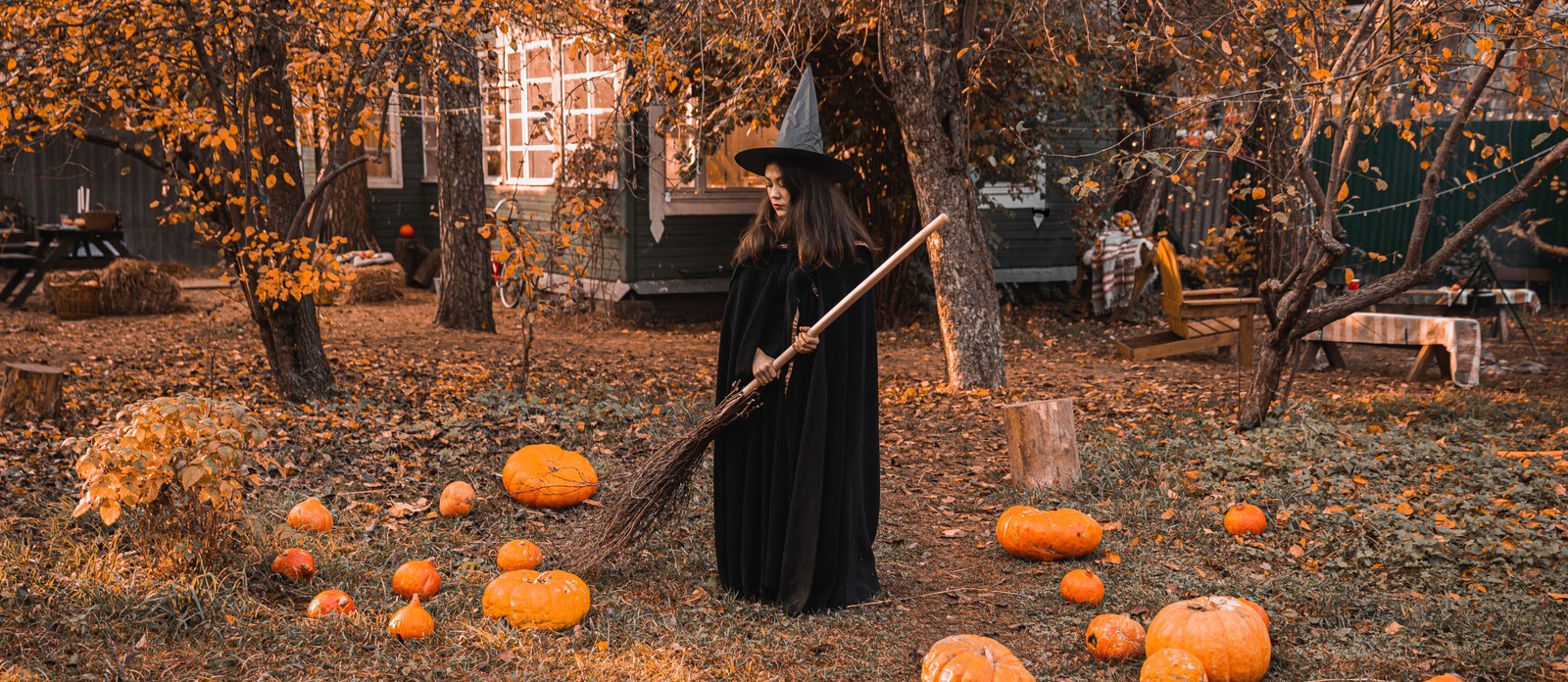
Image: Monstera Production
Every October 31st, millions of people, kids and adults alike, carve pumpkins, put on spooky costumes, and hit the streets looking for free candy. Although nowadays Halloween is a modern pop culture event, its roots run thousands of years deep. Think more of medieval tribal fires rather than a commercial phenomenon. Here are 10 facts that reveal how an ancient festival evolved into the Halloween we know and love today.
1
Ancient Samhain
The celebration we now know as Halloween derives from Samhain (pronounced sow-in ), an ancient festival that marked the end of the harvest and the start of winter. Samhain’s roots can be traced back to pre-Celtic peoples, as well as early Germanic and Scandinavian tribes across Northern Europe.
The Norse celebrated "Winter Nights" around mid-October, while Anglo-Saxons called November Blod-monath ("blood month") because it was time to kill livestock for winter survival. These agrarian traditions laid the groundwork for our modern October festivities.
2
Spirits were free to explore
In ancient Europe, people believed that on the night of October 31st, the veil separating the living from the dead thinned out. Spirits, fairies, and ancestors could cross over and wander the earth.
In a sense, these supernatural fears were a way for communities to process the real dangers of winter. Cold temperatures, starvation, crop failure, and disease were constant threats, so attributing harsh weather and misfortune to wandering spirits helped people make sense of an unpredictable season.
3
Bonfires and lanterns to purify and protect
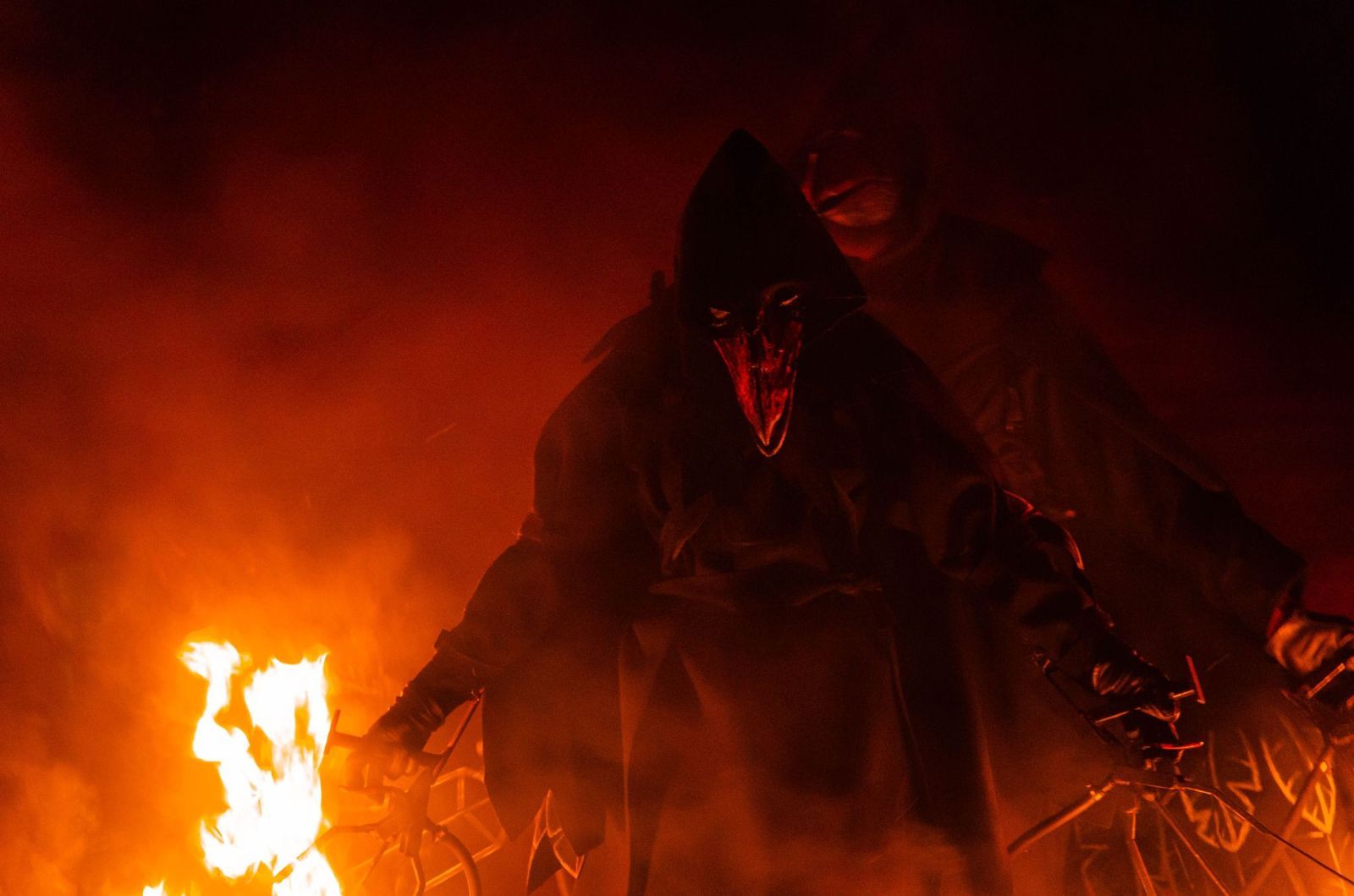
To keep harmful entities at bay, ancient societies lit bonfires. Fire was seen as a purifying force that protected land and livestock and warded off dark powers.
About two hundred years before pumpkin carving became popular, people also carved faces into large turnips, beets, or potatoes, placing burning embers inside to create portable lanterns. Known as Jack-o'-lanterns starting in the 17th century, these glowing vegetables were placed near doorways to scare away roaming ghosts.
4
Divination across the British Isles
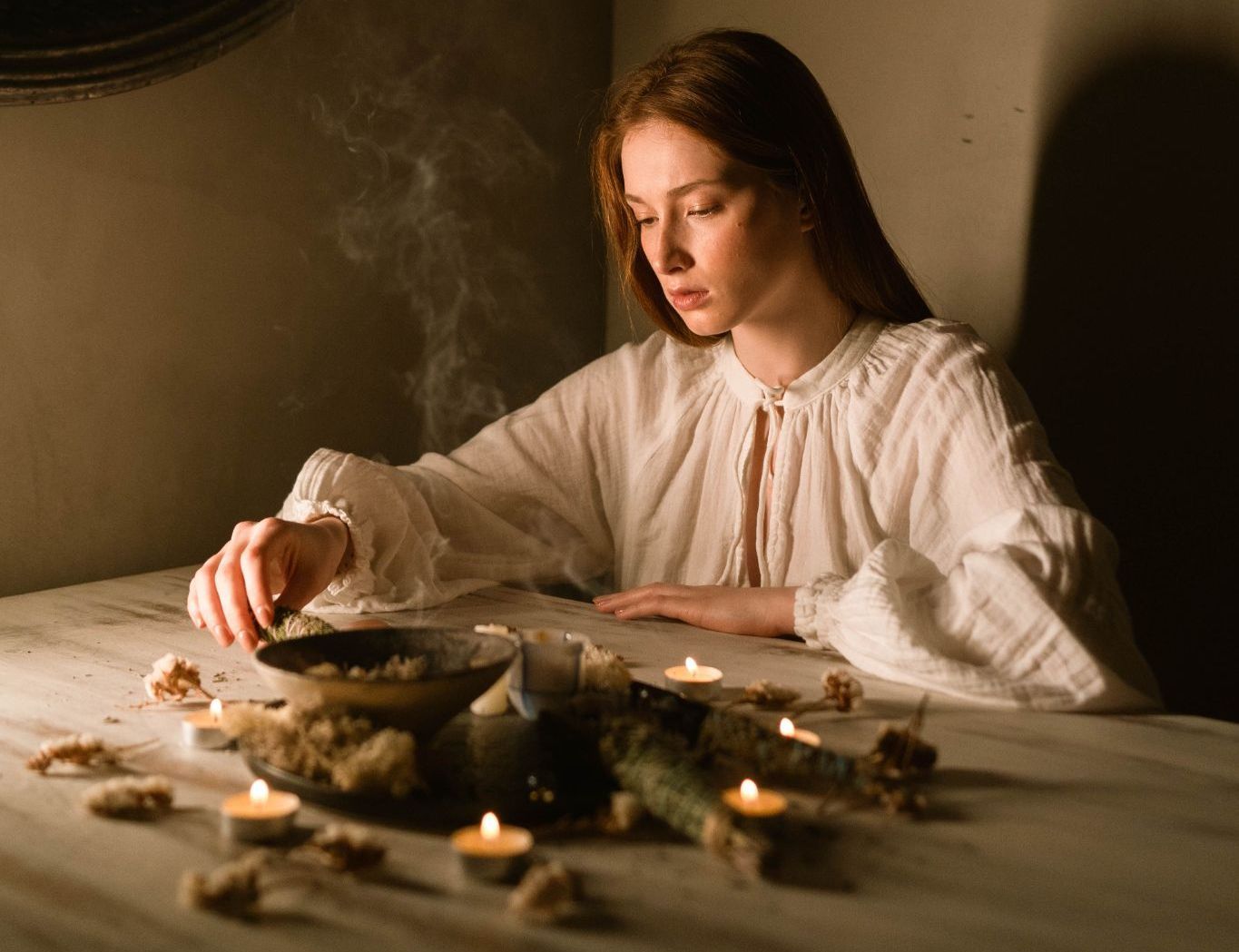
Samhain wasn’t just about scaring away spirits; it was also a time for fortune-telling. Across Ireland, Scotland, and Wales, communities performed different divination games to predict the future.
Young people tossed hazelnuts into fires to see if their future marriages would be peaceful or stormy, pulled kale stalks out of the ground to judge their spouse’s appearance, or cut apples to secure good fortune. Finding a ring or coin hidden inside mashed potatoes ( colcannon ) was seen as a sign of incoming wealth or romance.
5
All Saints’ Day and the Lemuria
During the rise of Christianity in Europe, the Catholic Church incorporated local folk festivals into its own calendar. In ancient Rome, May 13 was called the Lemuria, a festival dedicated to expelling malevolent spirits from homes.
In the 8th century, Pope Gregory III moved the celebration of All Saints’ Day (a day honoring all Christian martyrs and saints) from May to November 1. November became "All Hallows’ Day," which made October 31 "All Hallows’ Eve" (a phrase that eventually became "Halloween").
6
All Souls’ Day
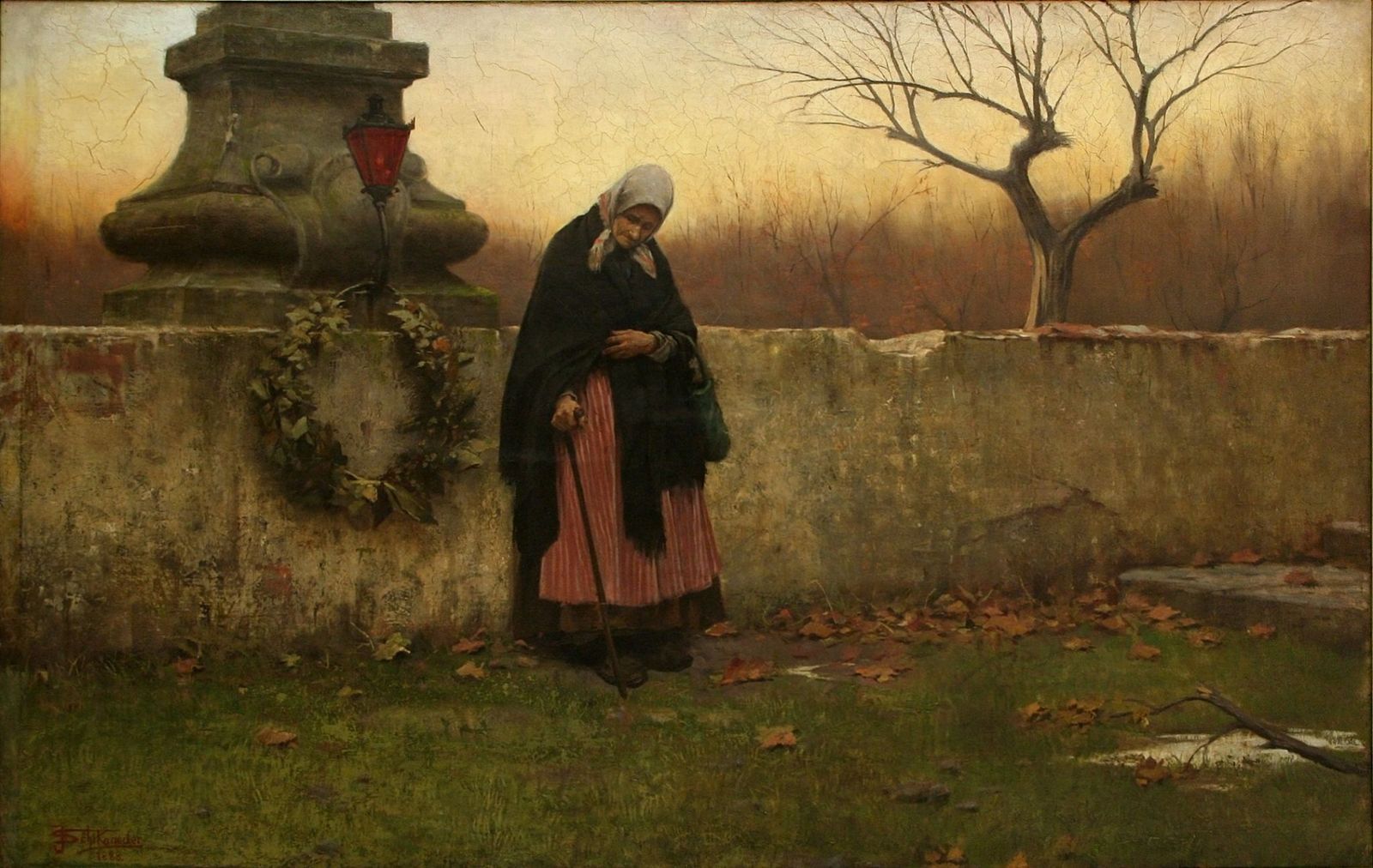
Later, in the 11th century, the Church also added "All Souls’ Day" on November 2. While November 1 honored holy saints, November 2 was dedicated to ordinary souls stuck in purgatory.
This made the three-day stretch from October 31 to November 2 a unified period known as Allhallowtide. November 2 served as the final stage of the season’s rituals, bringing a spiritual close to the ancient end-of-summer traditions.
7
From soul cakes to trick-or-treating
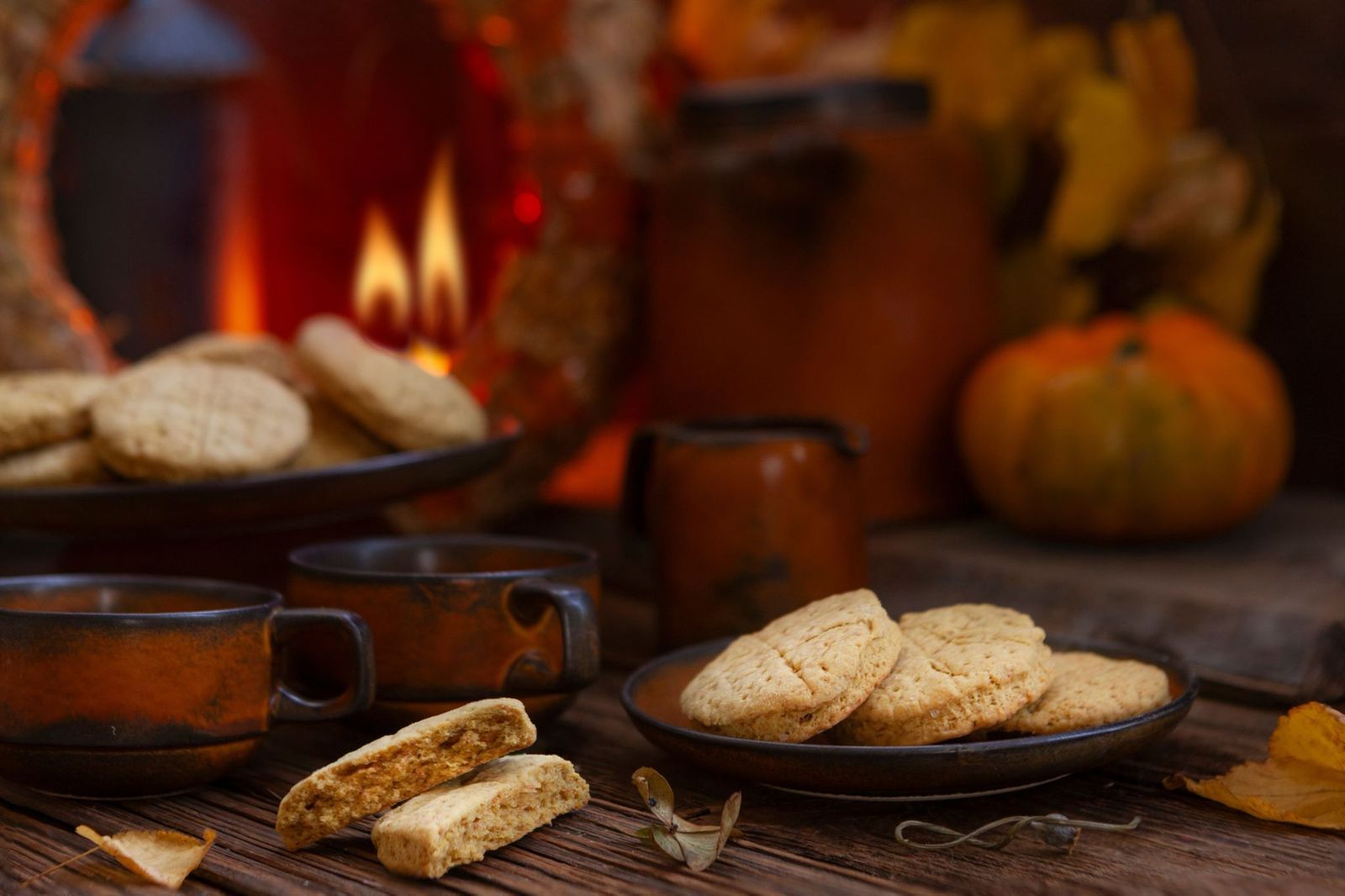
During medieval All Souls’ Day in Britain and Ireland, there was a practice known as "souling." Poor citizens and children would go door-to-door begging for small baked goods called "soul cakes."
In exchange for the sweet treats, the beggars promised to say prayers for the household's dead relatives to help them escape purgatory. Over the centuries, souling merged with "guising" (dressing up in costumes to perform songs or jokes), eventually becoming the modern tradition of trick-or-treating.
8
Dressing up to fool spirits
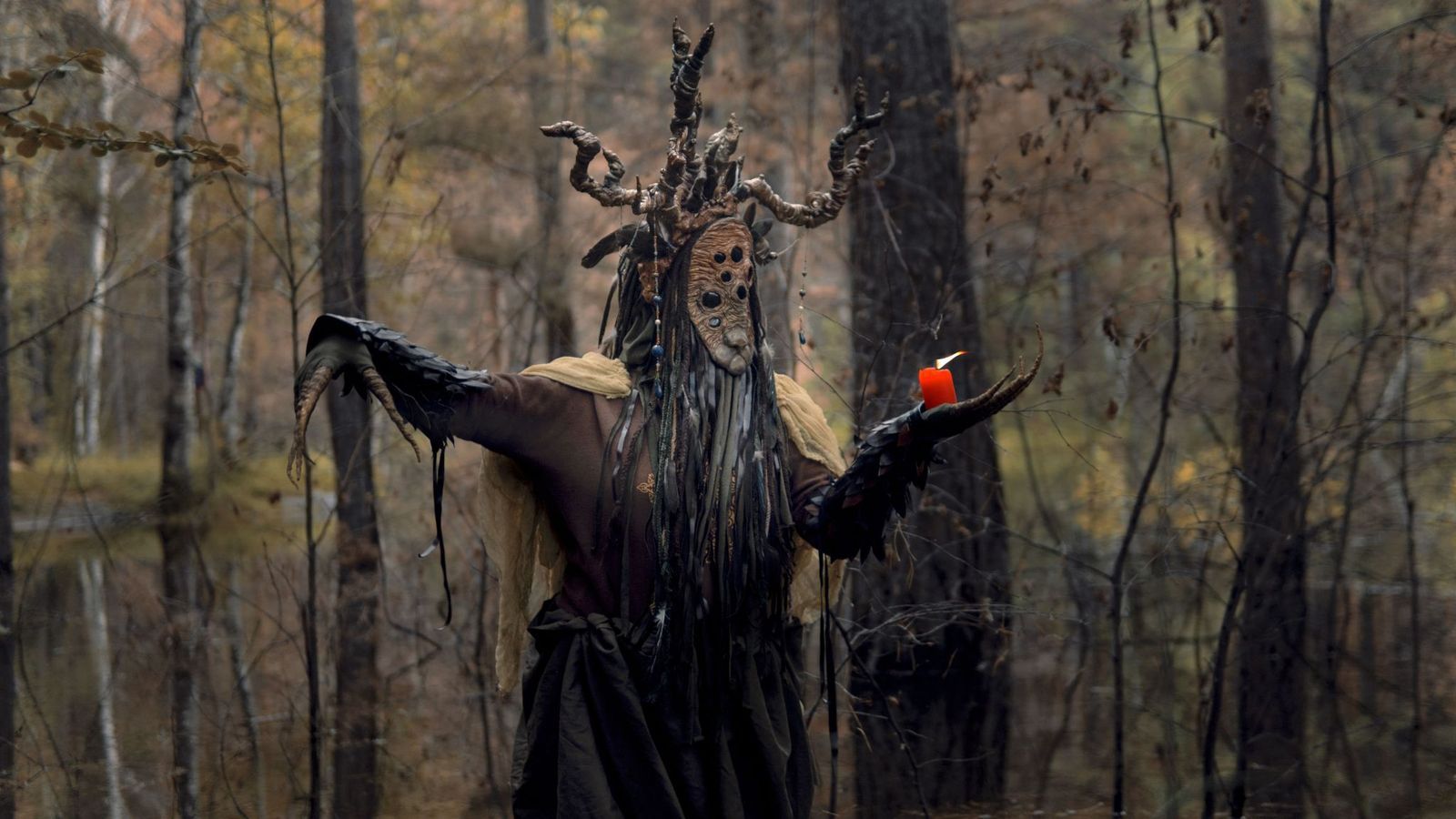
The tradition of wearing costumes wasn’t originally about looking like movie characters. Ancient villagers knew that if spirits were roaming on October 31st, stepping outside in normal clothes could make you an easy target for wicked fairies or vengeful ghosts.
By putting on animal skins, darkening their faces, or wearing cloaks, people disguised themselves as monsters. The goal was to fool the spirits into thinking you were one of them so they would leave you alone.
9
Halloween in America
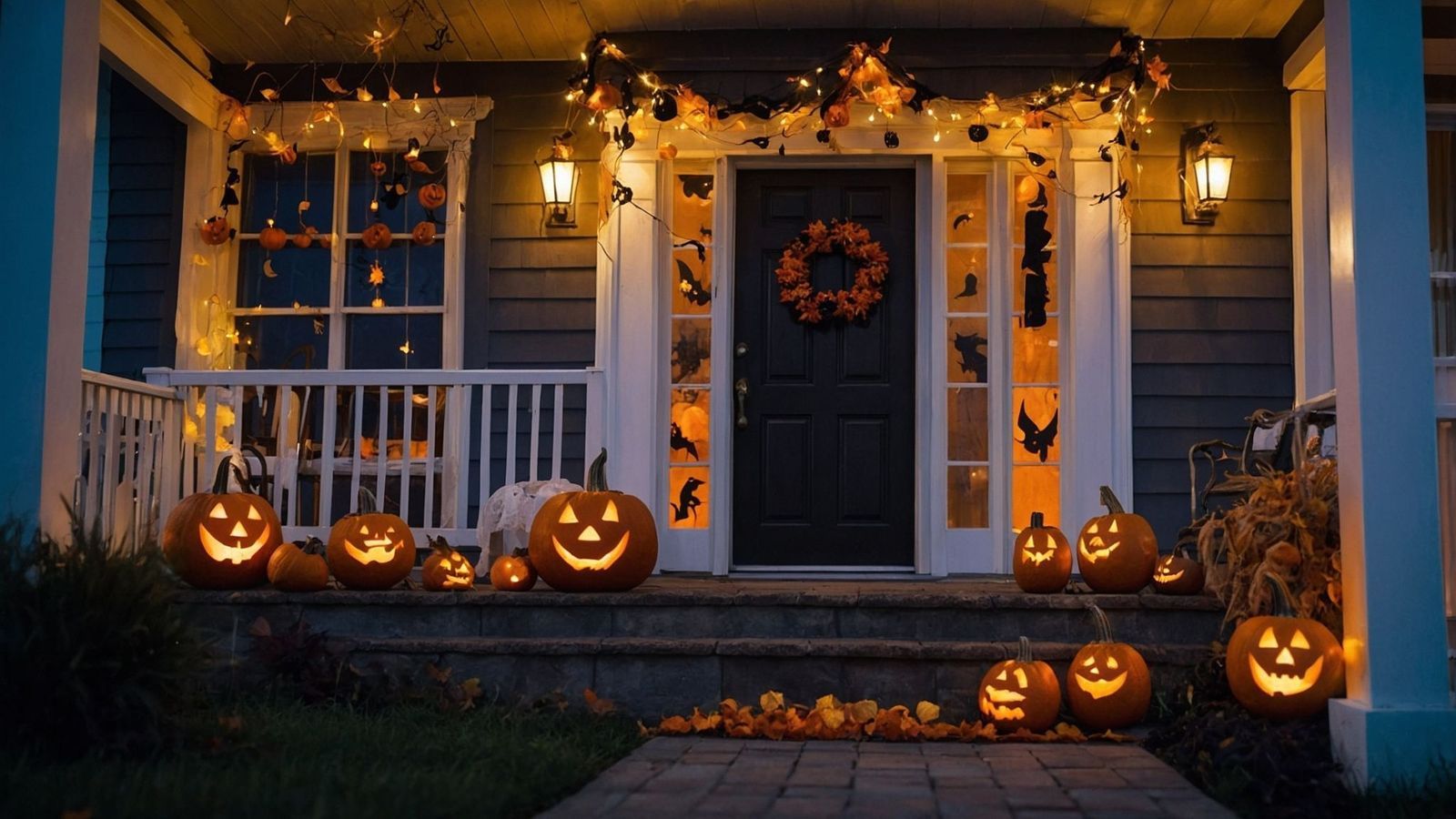
When early European colonists arrived in New England, Halloween was no longer celebrated by the masses, so the custom didn’t cross the pond. That changed in the 1840s during the Great Famine in Ireland.
Hundreds of thousands of Irish and Scottish immigrants arrived in North America, bringing their ancient folk customs with them. They reignited interest in the festival, changed turnips for native American pumpkins, and laid the foundation for the street parties, parades, and trick-or-treating we see across America today. In the 20th century, thanks to cinema and television, Halloween spread across the world, becoming a global pop-culture phenomenon.
10
Black and Orange
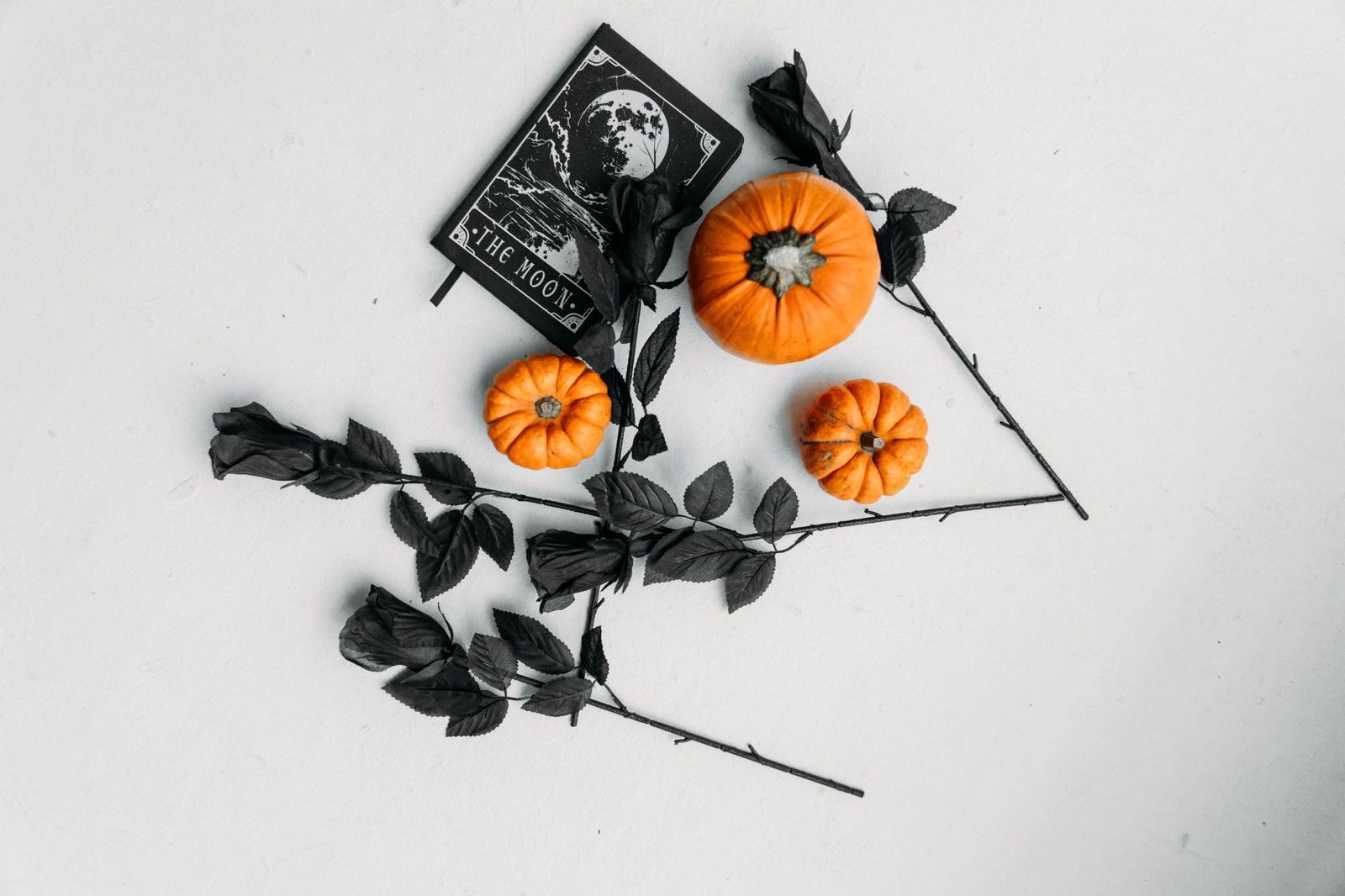
Ever wonder why black and orange are the staple colors of Halloween? That color pairing comes from ancient Samhain symbolism. Orange represents the autumn harvest as well as the glowing embers of the bonfires.
Black, on the other hand, symbolized the "death" of summer, the dark approach of cold winter nights, and the mysterious world of the dead. Together, the two colors capture the transition from warmth to winter cold.