General General 4 min read

Have your cake and eat it too!

Beyond American Pie: these local desserts are worth trying!

Image: Kenrick Mills

Americans have a sweet tooth that has led to the creation of some of the most delicious desserts in the world. And yes, while the American pie reigns supreme when it comes to pointing a national favorite, there are many other contenders that are nearly as popular as this classic apple treat. The following ten desserts offer just a small taste of the rich American cookbook, yet they manage to represent quite well the sweet cravings preferred in this country. If you haven’t tried some of these, we encourage you to give them a taste—they’re all delicious!

1
Cobbler

Image: Enrique Briseno

What’s not to love about a cobbler? It’s the perfect mix between tart and sweet. The popular choices include peach, apple, and blueberry, but other fruits like pears, and rhubarb, also make great options.

This popular dessert can range from tart to sweet depending on how much sugar is added to the fruit. Cobblers vary from more cake-like to crunchy, especially with the addition of oats for texture instead of flour.

2
Cheesecake

Image: Kelsey Todd

All hail the cheesecake! This amazing dessert comes in many varieties and flavors, from rich double chocolate decadence to fluffier and fruitier options . The cheesecake base also pairs wonderfully with other sweet treats, like brownies and pies, for extra richness.

While it may seem like a very contemporary dessert, the first cheesecakes were created as early as the 5th century B.C. on the Greek island of Samos, where a dessert was created from cheese, honey, and nuts.

3
Banana Pudding

Image: Nicole Winchel Brayton

Few fruits are better companions to creamy desserts than bananas. Their texture and sweetness blend perfectly with many other ingredients. The Banana Pudding is a layered mix of creamy banana custard, fresh bananas, wafer cookies, and whipped cream —a fluffy, chilled delight straight from the icebox.

The recipe for banana pudding first appeared in Good Housekeeping in 1888 and has been a beloved classic ever since, with good reason.

4
S’mores

Image: Jessica Ruscello

This quintessential camping dessert is a truly American creation. The simple concept of graham crackers, toasted marshmallows, and chocolate has become home to a variety of innovations, including the addition of peanut butter, caramel, and other ingredients.

The recipe for s’mores first appeared in a cookbook in the 1920s, when it was already gaining popularity among campers in the Boy Scouts and Girl Scouts of America. And if you’re nowhere near a campfire, you can make this classic treat in your own oven at home.

5
Lemon Squares

Image: Elena Kloppenburg

This yellow cousin of the brownie (more on that later) is perfect for anyone who loves tart and flaky treats. The most successful recipes include a buttery shortbread crust, a layer of deliciously tangy lemon curd, and a light dusting of powdered sugar.

Chilled in the fridge, lemon squares make an ideal summertime dessert to savor when the heat is overwhelming.

6
Frozen custard

Image: Tim Mossholder

Everybody knows custard, right? And, as tasty as it is, frozen custard is—even better for many people. This gourmet ice cream treat, made with eggs, cream, and sugar is specially celebrated in Milwaukee, Wisconsin—the so-called "Custard Capital of the World"—where it's sold more than anywhere else around the globe.

Because it contains much less air than other similar treats, frozen custard is thick, dense, and packed with flavor.

7
Key lime pie

Image: Nathan Lemon

Who doesn’t love key lime pie? This sweet and sour dessert originates from the Florida Keys. It consists of Key lime juice, condensed milk, and eggs, mixed into a creamy custard. The custard is poured into a buttery crust made from graham crackers and topped with sweet whipped cream. The acidic flavors of the limes provide a perfect contrast to the sweetness of the sugar and cream.

8
Gooey Butter Cake

Image: Olga Petnyunene

Gooey butter cake is an accurately descriptive name for this treat, a hallmark of the city of St. Louis. It’s a flat, dense cake made from wheat flour, butter, sugar, and eggs . The cake is traditionally garnished with powdered sugar and sometimes a few raspberries.

Sweet, rich, and firm, gooey butter cake was created in the 1930s by a baker who, while attempting to make a standard yellow cake, accidentally added too much sugar, butter, or shortening. Rather than discard the gooey, sticky batter, he decided to sell it—and customers couldn’t get enough.

9
Beignets

Image: Keesha's Kitchen

While this dish originated in France, America has made it its own. Beignets are squares of deep-fried pastry dough sprinkled with powdered sugar and traditionally served hot . These days, beignets are most commonly associated with the French Quarter of New Orleans, where they were declared the official state donut in 1986. These treats are often enjoyed alongside chocolate milk or café au lait.

10
Brownies

Image: NordWood Themes

Last but not least, another American favorite makes its entrance. These small chocolate cakes come in various forms, from thicker, fudge-like brownies to lighter, fluffier versions. Brownies are also perfect for pairing with other popular desserts, like ice cream and caramel sauce, and can include nuts or frosting. There’s even a "blonde" variation!

Brownies hold a special place in American culture, often associated with home-baked goods, school bake sales, and family gatherings. Everyone has a favorite type of brownie. What’s yours?
General General 3 min read

On the road

Driving us crazy: Traffic rules too strange to be true (But they are!)

Image: Wolfgang Eckert

We all recognize the red octagon of STOP signs or notice the speed limits, but that’s not all to traffic laws. America’s roads are full of surprises, and if you don’t believe us, just read this article! Today, we’re taking a scenic (and slightly absurd) drive through some of the oddest traffic laws in the country. Buckle up: You won’t believe what’s technically illegal out there!

1
Florida – Meter feeding for elephants

Image: AJ Robbie

Florida’s traffic code once required that if you tied your elephant, goat, or alligator to a parking meter, you had to pay the fee, just as you would for a car. It sounds wild today, but it’s rooted in a time when people actually rode animals into town.

Though it’s not actively enforced (we checked), the law technically still lingers on the books. So, you'd better leave your pet elephant behind from now on!

2
Idaho – Seniors and motorcycles don’t mix

Image: Harley-Davidson

In Idaho Falls, it’s long been rumored that a local ordinance makes it illegal for anyone over 88 to ride a motorcycle. That sounds oddly specific—and a bit ageist. Whether it was meant to encourage safety, misinterpreted, or inspired by one daredevil granny, no one’s quite sure.

While there's no sign of active enforcement (or even proof it still exists), the message seems clear: once you’re nearing 90, it might be time to stick to the golf cart.

3
Arizona – Don’t even think about driving in reverse

Image: Jerry Kavan

Arizona doesn't mess around when it comes to driving in reverse. On public roads, moving backward is a big no-no. While it’s unlikely you’ll get arrested for backing out of a driveway, pulling a full-speed reverse cruise down Main Street might land you in hot water. Arizona wants you to move forward in life—literally.

4
Illinois – You need a steering wheel to drive

Image: Zach Wiley

Well, isn’t that obvious? Apparently not—because Illinois actually has a law stating that you can’t drive a car without a steering wheel.

Even if it seems like common sense, laws like this were created during the early days of car modifications, when people got creative (and sometimes reckless). So, if you were planning to steer your car using a rope-and-pulley system… maybe don’t.

5
Maine – No Sunday car shopping

Image: Hilbert Hill

In Maine, it’s illegal to buy a car on Sunday. Dealerships are closed by law, making it impossible to seal the deal on the most relaxing day of the weekend. Why? The rule has roots in so-called "blue laws," which were designed to preserve Sunday as a day of rest. So in Maine, if you get a wild urge to car shop after church, you’ll have to wait until Monday.

6
Michigan – Streets are not for reading

Image: bruce mars

Michigan has a law that says you can’t sit in the middle of the road and read a newspaper. Yeah, no joke!

We know—it’s hard to imagine someone actually doing this (unless it was a very juicy headline), but the law’s goal is clearly about safety. Still, you have to admit the mental image is pretty great—just don’t try it unless you want to make the evening news.

7
New Hampshire – Bus fumes are not a high

Image: Lizgrin F

New Hampshire takes a hard stance on inhaling bus fumes "with intent to cause euphoria." That’s a legal phrase, not a band name. It’s part of the state’s broader anti-huffing laws, aimed at curbing substance abuse.

Well, that’s odd!

8
Vermont – Backfiring is a no-go in Rutland

Image: RoonZ nl

In Rutland, Vermont, letting your car backfire could technically get you in trouble. This law was probably put in place to cut down on noise or prevent panic during quieter times in history.

Today, it’s unlikely to get you arrested, but a surprise backfire might still earn you some serious side-eye from the locals. If you ask us, this should be a law everywhere!

9
Wisconsin – Hands off the handlebars? Not allowed

Image: Darko Pribeg

In Wisconsin, you’re not allowed to ride a bicycle with no hands. Even if you’re showing off your balance skills from the 1970s, the law says at least one hand must stay on the handlebars.

It’s all about safety—but if you’re feeling rebellious, maybe show off at the park. Just don’t do it on public roads. Keep it hands-on!

10
South Carolina – No trash hoarding in Hilton Head

Image: Alireza Mirzabegi

In Hilton Head, it’s illegal to store trash in your car. That’s right—your vehicle can’t double as a mobile garbage can. The law aims to keep the area clean and tourist-friendly, but it also sounds like a not-so-subtle jab at anyone using their backseat as a trash bin. Hilton Head wants pristine beaches and clean cars!

Culture Culture 3 min read

Memorial facts

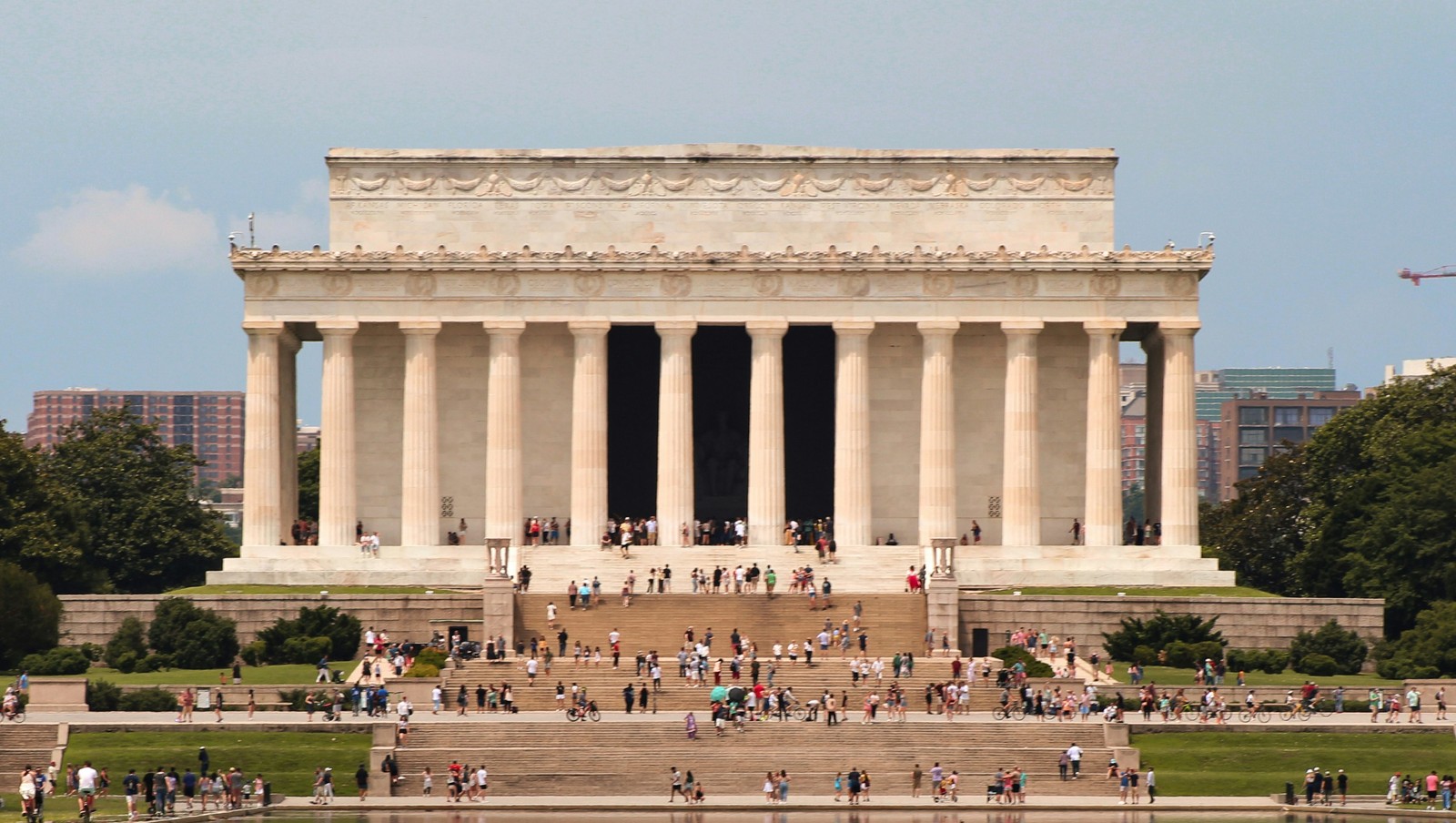
Why does the Lincoln Memorial have 87 steps? The real reason

Image: Kyaw Tun

Washington, DC, is known for its many landmarks, but the Jefferson and Lincoln memorials stand out, drawing millions of visitors every year. And even though they’ve been part of the city for decades, there’s still a lot that most people don’t know about them. If you want to discover 10 facts you probably never learned in school, this article is for you!

1
87 steps

Image: Ryan Stone

In case you haven't counted them, there are exactly 87 steps leading up to the Lincoln Memorial. But why does that number matter? Although the National Park Service says it wasn’t intentional, many people connect it to the opening line of Lincoln’s Gettysburg Address: "Four score and seven years ago..." Coincidentally, 87 is also the number of years between the moment he delivered the speech and the monument’s dedication. Pretty incredible, right?

2
Hidden underground chamber

Image: Kdwk Leung

The Lincoln Memorial is more than what you see at first glance; there’s an entire hidden world beneath it. That’s right! Underground lies a large chamber built as part of the monument’s foundation. Giant concrete columns support the structure above, and there are also narrow corridors where workers once walked. You can even find graffiti and markings left by those builders in the early 1900s. Although the public can’t visit this space yet, the National Park Service has said it hopes to open it in the future.

3
A pyramid?

Image: Andrew Backhouse

Can you imagine a giant pyramid rising over the landscape of Washington, DC? It’s hard to picture, but it could have happened. Among the many design proposals for the Lincoln Memorial were some extravagant ideas, including a huge pyramid. In the end, the Greek temple design we know today won out.

4
The typo

Image: Andre Schofield

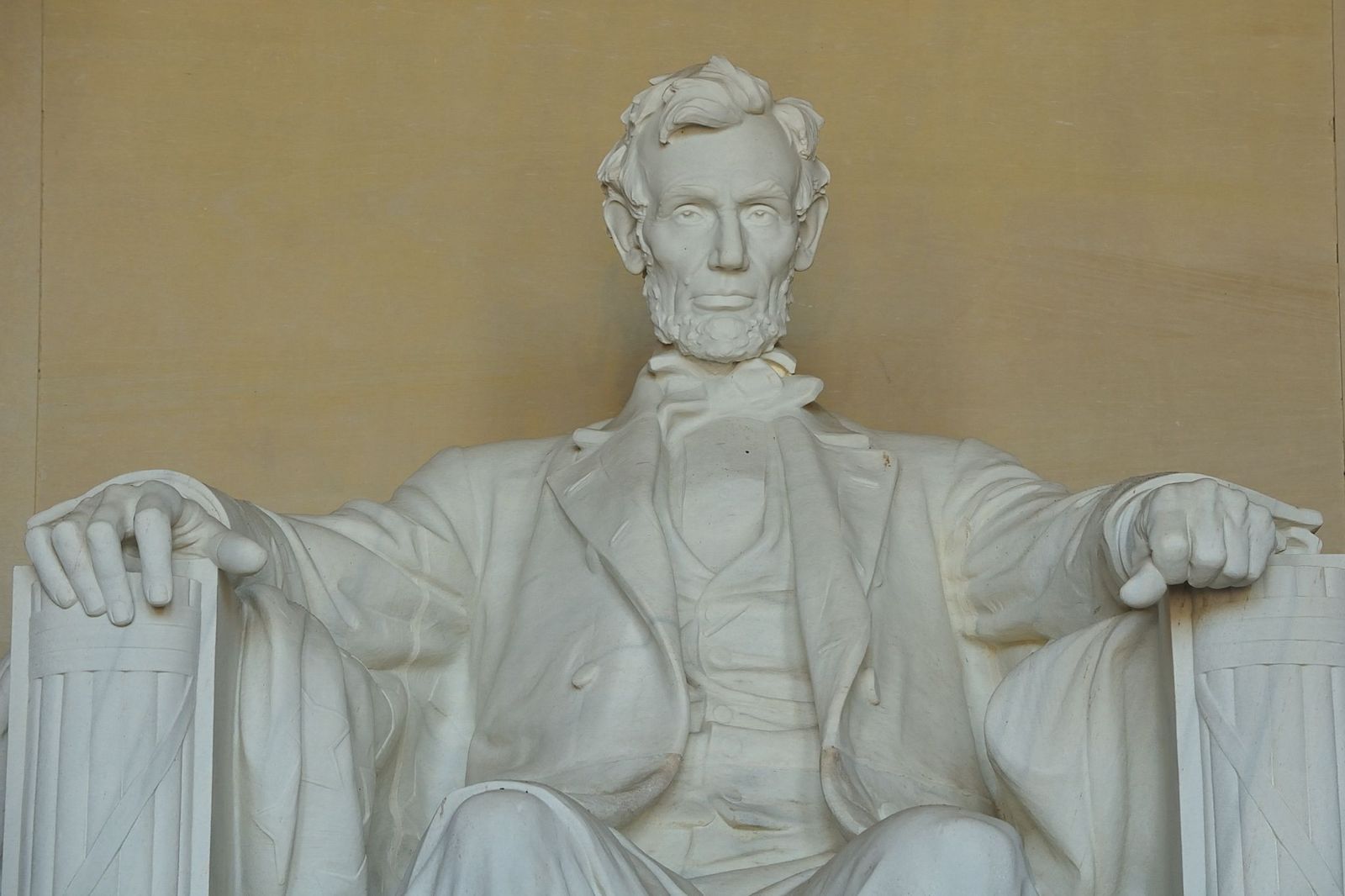
To err is human, and the Lincoln Memorial is no exception. As you may know, Lincoln’s Gettysburg Address and his Second Inaugural Address are engraved on the interior walls. But the carver made a small mistake when transcribing the Second Inaugural Address, writing "euture" instead of "future" in the line "high hopes for the future." Although the error was corrected, people say that if you look closely enough, you can still see it.

5
Lincoln's friends made it happen

Image: Casey Horner

For years, several proposals to build a memorial to Abraham Lincoln failed in Congress. Fortunately, Senator Shelby Collum and Speaker of the House Joseph Cannon joined forces to get the final bill approved. These men had known Lincoln and felt that a memorial to Honest Abe was both fitting and necessary.

6
Who is Thomas Jefferson looking at?

Image: J. Amill Santiago

It’s well known that the statue of Thomas Jefferson inside his memorial faces north toward the White House and the Washington Monument. But there’s another interesting interpretation. Also to the north is the statue of Alexander Hamilton on the south side of the US Treasury Building. Since Jefferson and Hamilton were once colleagues who later became political rivals, some like to imagine that Jefferson’s bronze likeness is keeping a cautious, almost "watchful eye" on Hamilton.

7
FDR specifically requested the Jefferson Memorial

Image: Rafik

Since the early 20th century, there had been talk of building a memorial to honor Thomas Jefferson. But nothing moved forward until Franklin D. Roosevelt took office in 1933. An admirer of Jefferson, FDR pushed tirelessly for the project until Congress approved it. But he was not only the one who requested it; he even delivered the dedication speech when the memorial was completed in 1943.

8
10,000 pounds

Image: Michael Kranewitter, Public domain, via Wikimedia Commons

We all know Jefferson was a great man, but do you know how big his statue is? It stands around 19 feet tall and weighs an astonishing 10,000 pounds; that’s a lot of bronze! Originally, the statue was a painted plaster model because, when it was dedicated in 1943, metal shortages from World War II made bronze unavailable. Four years later, in 1947, the bronze statue we see today was installed.

9
Once a popular beach

Image: Amelia Cui

Before becoming the site of the Jefferson Memorial, the Tidal Basin Beach was a popular beach in Washington. That's right; at the beginning of the 20th century, the area was used for swimming, boating, and picnics. This, coupled with the need to cut down some cherry blossom trees for construction, sparked controversy and turned some people against the project.

10
Created by a landfill

Image: Sharosh Rajasekher

Before the Jefferson Memorial could be built, the area had to be transformed. The Tidal Basin was originally shallow and surrounded by marshland, so workers filled it with material dredged from the Potomac River to create a stable foundation. Definitely a big effort.

Explore more American facts

Choose your favorite category!

General
General

As American as apple pie—the very best America has to offer!

Culture
Culture

Delve into the astounding richness of American lore.

Geography
Geography

Hop in and explore vast and diverse American landscapes.

History
History

Discover the key moments that shaped the United States.