History History 7 min read

The history before the history

Before North and South Carolina there was just Carolina
Image: Aaron Burden

The thirteen original colonies are the birthplace of America as a free country, but their history started way before 1776 . Did you know that there were actually only twelve proper colonies? Or that not all colonies were originally settled by the British? How did they come to be? What is the origin of their names? Let’s explore all these questions and more!

1
Virginia (1607)
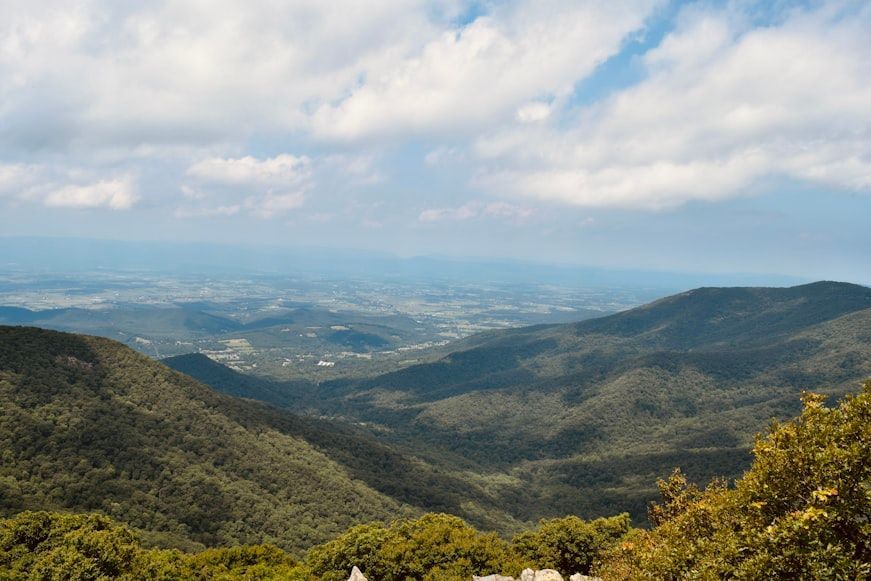
Image: Praswin Prakashan

Before being an established colony, the entirety of England’s territories in North America was referred to as Virginia. While it is commonly accepted that Sir Walter Raleigh named it after Elizabeth I, the Virgin Queen , some historians have suggested that it is the European rendering of Wingina , the name of that region’s native ruler.

The first two English settlements (in modern-day Newfoundland and North Carolina) were not successful. The third one, Jamestown, was settled by the Virginia Company as a charter (a sovereign’s permission to establish a colony). Eventually returned to the crown’s authority, it was officially known as the Virginia Colony. After the English Civil War, Charles II conferred on it the title of "Old Dominion" as a token of gratitude, a name that survives as the state’s current nickname.

2
Massachusetts (1620)
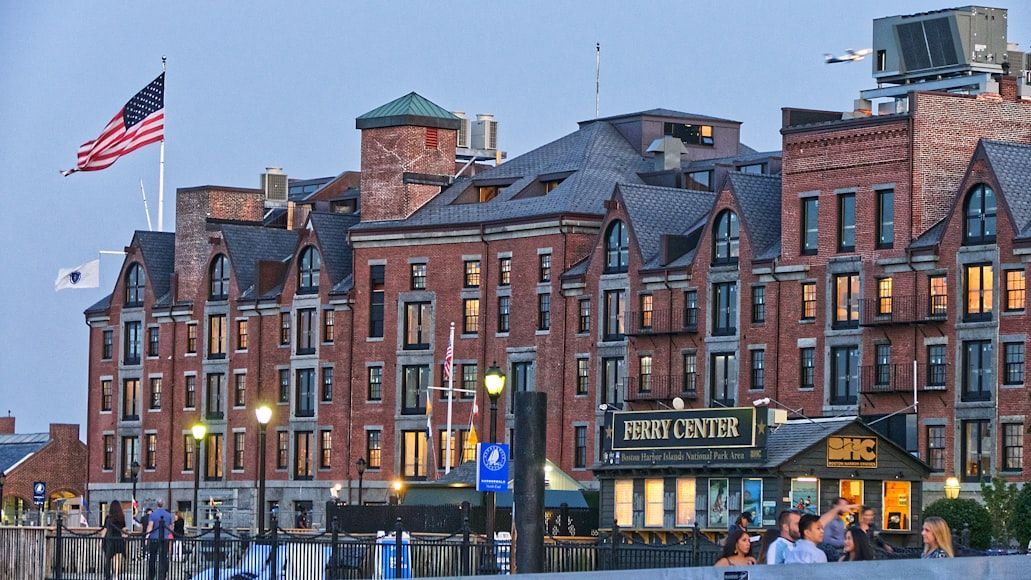
Image: Pascal Bernardon

Also established by charter, the Massachusetts Bay Colony was not only created for trading purposes, like other settlements. It was also intended as a safe haven for English Puritans who desired to escape persecution . Its charter and name changed several times due to the Civil War and political unrest. Eventually, several colonies were merged into the Dominion of New England and later into the Province of Massachusetts Bay.

The name Massachusetts was taken from the indigenous population of the region, an Algonquian tribe called the Massachusett or Muhsachuweesut . It is believed that the name means ‘by the great hills’ or ' at the range of hills’, in reference to the Blue Hills.

3
New Hampshire (1623)
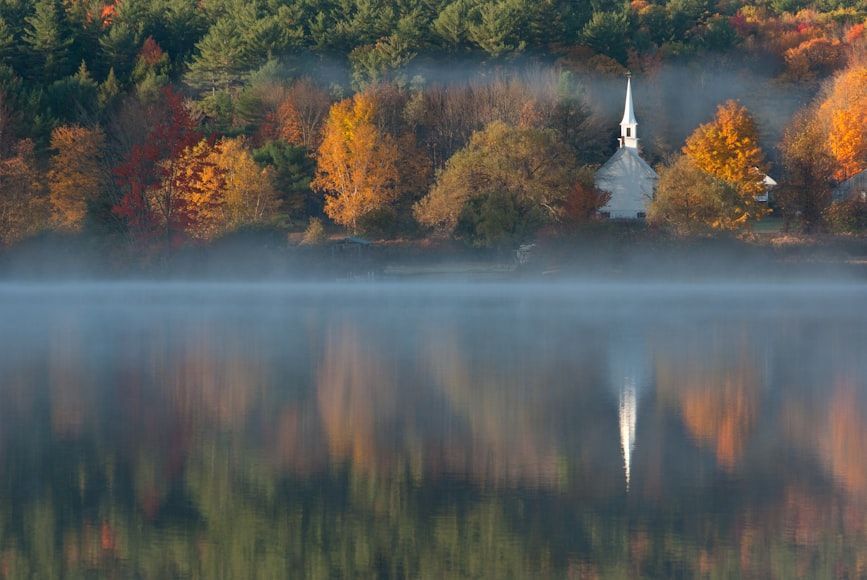
Image: Peter Lewis

The first settlements in New Hampshire were the result of land being granted to John Mason and Sir Ferdinando Gorges , neither of whom ever traveled to the region. Additional settlements in the area were established by colonists from Massachusetts Bay, who were unhappy with the strict Puritan rule of the colony.

Although John Mason had been born in Norfolk, he had ties to Hampshire County in South East England, after whom he decided to name his newly granted land . After Mason’s death, the region lacked a proper authority, and the settlers voted to be part of the Massachusetts Bay Colony. After the Civil War, the Province of New Hampshire was established by Charles II.

4
Maryland (1634)
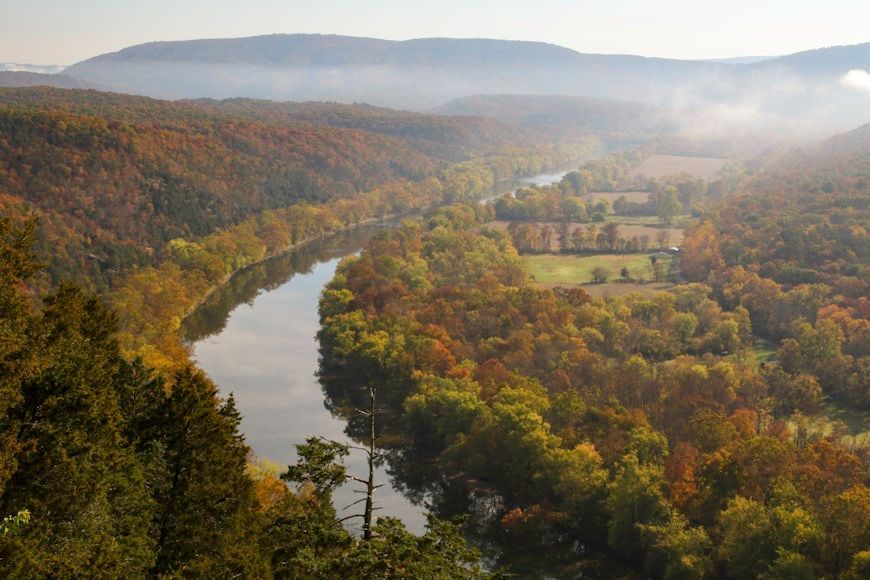
Image: Liz Guertin

A similar situation to the Massachusetts colony, Maryland was also established as a refuge from religious persecution, this time for Roman Catholics . With this purpose in mind, George Calvert, 1st Baron Baltimore, secured a land grant from Charles I. Despite several religious conflicts, Maryland remained one of the most tolerant colonies.

Maryland was named after Charles I’s wife, Henrietta Maria , who was a devout Catholic. Lord Baltimore had initially intended to use the name Crescentia (or ‘the land of growth’), but he decided to let the King choose the name. Charles named it Terra Mariae (Maria’s land), although the English version quickly became more widely used.

5
Connecticut (1636)
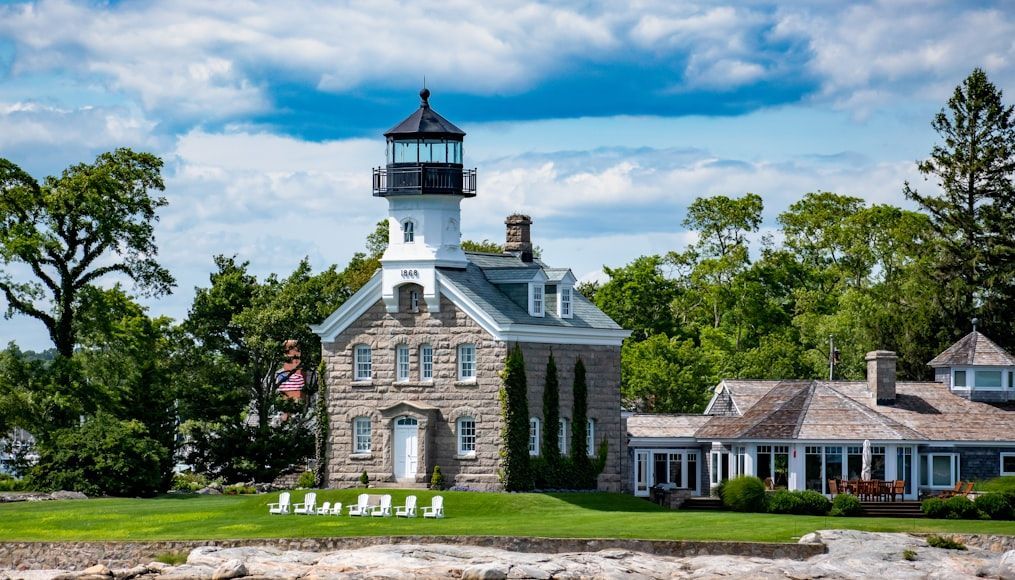
Image: Rusty Watson

The first settlements in the area were established by Dutch explorers, but English settlers soon arrived from the Plymouth colony in Massachusetts. The colony took its name from the Connecticut River , a corrupted form of the native words quinetucket and kwinitekw , meaning ‘beside the long, tidal river’.

Connecticut's current nickname, ‘the Constitution State’, is a reference to the Colony’s constitution, the Fundamental Orders of Connecticut , one of the earliest constitutions in modern history.

6
Rhode Island (1636)
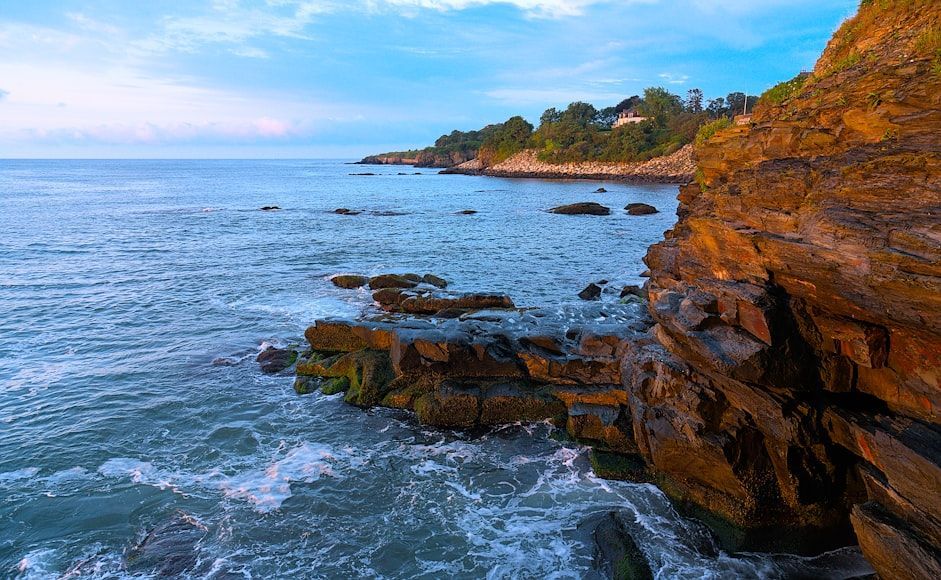
Image: Steve Anton

Founded by a Puritan minister who had been expelled from the Massachusetts Colony, Rhode Island was initially named Providence Plantations . Committed to ensuring religious freedom, it became a refuge for religious dissenters who found it difficult to live in the strict Puritan colonies. Later on, it merged with several other settlements —among them, Aquidneck Island, also known as Rhode Island— and took the name of the Colony of Rhode Island and Providence Plantations.

It’s uncertain where the name Rhode Island came from, but the two most likely theories cite either a connection with the Greek island of Rhodes or the Dutch phrase "een rodlich eylande" (‘a reddish island’) . All three names (Rhode Island, Island of Rhodes, and Red Island) are used in 17th-century documents.

7
North and South Carolina (1663)
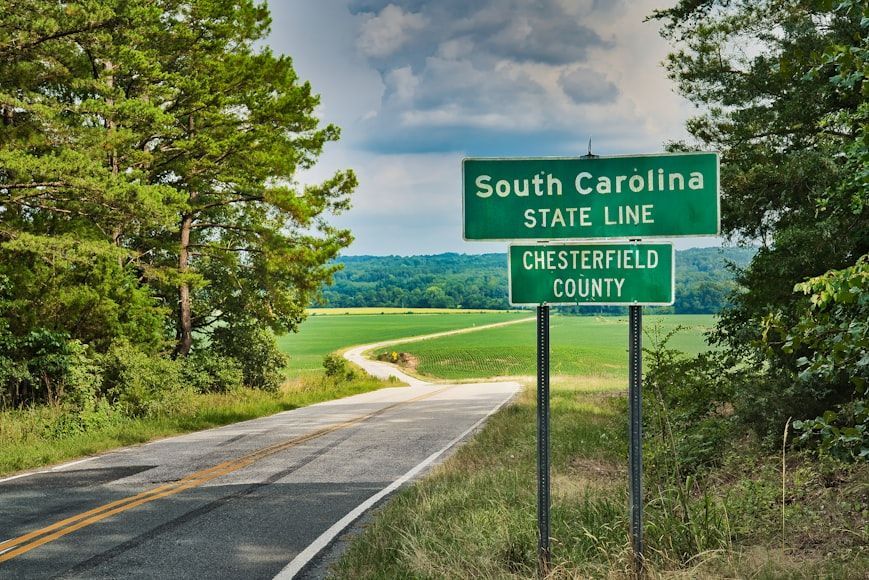
Image: Clint Patterson

Before there was a North and a South Carolina, there was just Carolina . The land of both colonies had been granted to various nobles as a reward for their role in the restoration of the monarchy. The charter granting the lands —which included areas from present-day North Carolina, Tennessee, South Carolina, Georgia, Alabama, Mississippi, and Florida— named them Carolina (from the Latin Carolus ) after King Charles I .

The area covered by the province of Carolina was divided into two distinct parts, and communication and transportation between the two proved difficult. A deputy governor for the northern region was initially appointed, but the noble proprietors eventually decided to divide the province into two , North Carolina and South Carolina.

8
New York (1664)
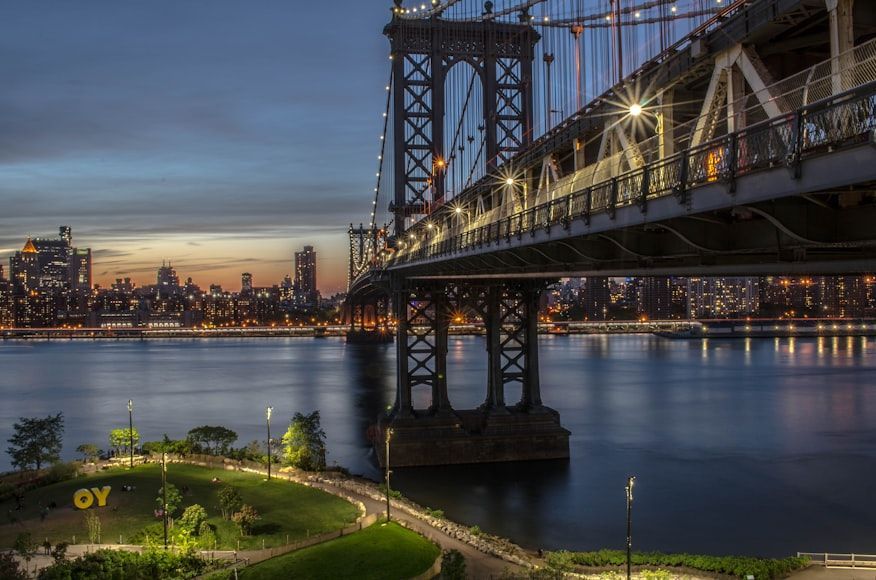
Image: Matthias Kinsella

It is a widely known fact that modern-day New York was initially colonized by Dutch settlers under the name ‘New Netherland’, with ‘New Amsterdam’ as its capital city . In 1664, King Charles II and his brother, the Duke of York, gathered a fleet to seize the New Netherland territories, a conquest disputed by the Dutch West India Company, the colony administrator.

The Duke of York was made proprietor of the territory, now renamed ‘New York’. In the following decade, the ownership of the territory was disputed, and the Dutch made several attempts to recover it. Eventually, the Treaty of Westminster was signed in 1674, where the Dutch forfeited the New York territories in exchange for the Suriname colony in South America.

9
Delaware (1664)
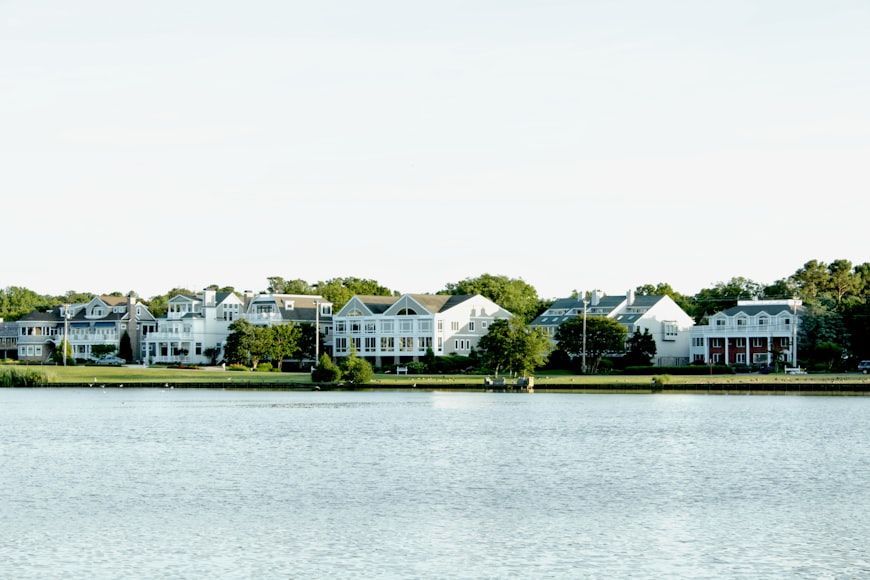
Image: Gökhan Kara

The territory of Delaware was originally part of New Netherland, which made it part of the New York Province after British conquest, but it was never effectively controlled by the New York government. These counties had taken their name from the neighboring Delaware River , which in turn had been named after Thomas West, 3rd Baron De La Warr, governor of Virginia at the time the English gained control of that territory.

While they were never a colony of their own, the Delaware counties had an independent legislature and functioned as a de facto colony. Later included in the land granted to William Penn, they refused to merge with the Pennsylvania government and were eventually granted their own assembly. At the start of the Revolutionary War, the Delaware assembly voted for separation from Britain, thus creating the state of Delaware.

10
New Jersey (1665)
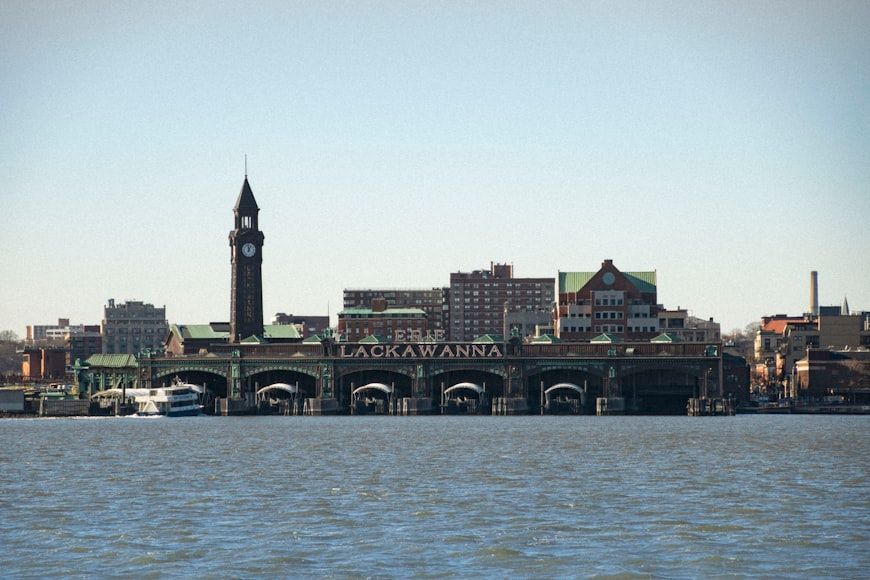
Image: R

Originally part of the New Netherland territory, half of the New Jersey territory was conferred by the Duke of York to Sir George Carteret as a reward, while the other half was sold to Lord Berkeley of Stratton. The territory was named after Carteret’s homeland, the island of Jersey .

A few years later, New Jersey was divided into two provinces, East and West Jersey , with their respective governors and constitutions, which were eventually incorporated into the New England Dominion, alongside the province of New York. However, the Dominion was dissolved after a few years, and the East and West Jersey territories were unified as the Province of New Jersey.

11
Pennsylvania (1681)
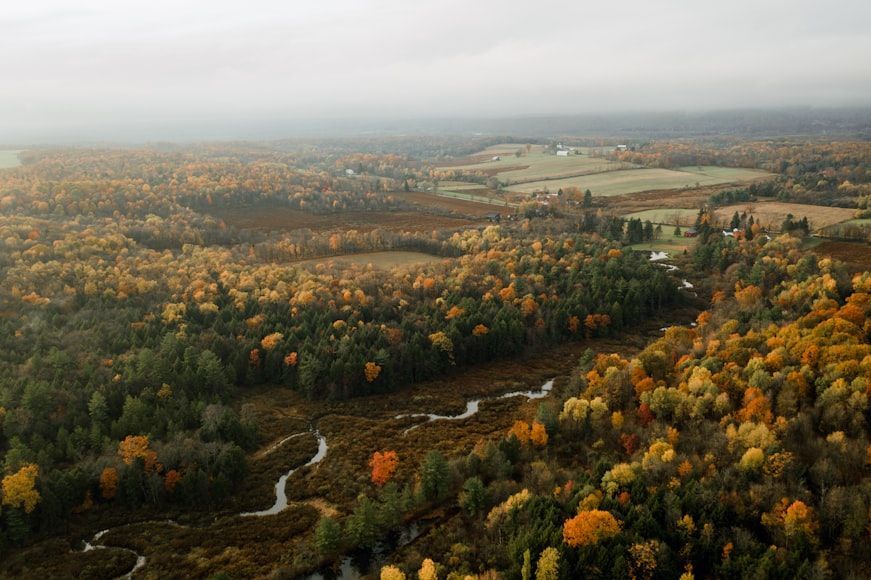
Image: Donnie Rosie

Pennsylvania, alongside Carolina, is one of the two major Restoration colonies, chartered by Charles II to reward loyal subjects after the war. In this case, it was conferred on William Penn, an influential Quaker thinker, to settle a debt owed to his father. Penn and his associates had already purchased most of the New Jersey territory to establish a Quaker haven, but religious tensions in England made him propose a mass emigration of Quakers to the King.

The king conferred Penn a large territory —which made him the largest private non-royal landowner— with almost absolute rights. While Penn intended to name the colony either ‘New Wales’ or ‘Sylvania’ (Latin for ‘forests’), the king named it Pennsylvania after Penn’s father . Penn personally travelled to the territory to establish the first settlements, signed treaties with the Lenape tribes of the area, and established a proto-constitution which guaranteed freedom of religion, elections, and trials by jury.

12
Georgia (1732)
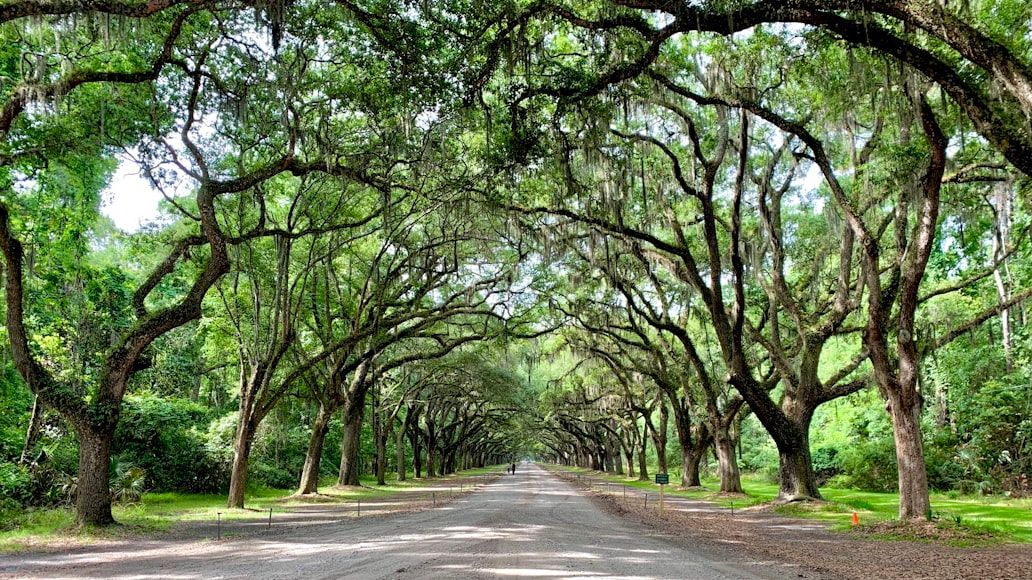
Image: Jacob Mathers

The last colony to be established, Georgia was chartered to James Oglethorpe by King George II, after whom it was named . A social reformer, Oglethorpe, wanted to establish the territory as a haven for debtors and poor people, and implemented measures such as the banning of alcohol and slavery. He also disliked the large plantation system, favoring smallholdings.

The colony was also intended to be a ‘buffer’ between the British colonies and the Spanish territories in Florida. Despite Oglethorpe’s well-intentioned designs, the colony was difficult to manage, and it was returned to the crown two decades later. Upon becoming a royal colony, Oglethorpe’s measures against slavery and the plantation system were overturned.
Culture Culture 5 min read

Obsolete occupations

12 forgotten jobs that once existed and became obsolete

Image: Igor Saikin

At various points in history, people earned a living performing jobs that sound downright strange today. Folks once knocked on windows to wake strangers for work. Others spent their days resetting bowling pins by hand, lighting streetlamps at dusk, or harvesting ice from frozen rivers. Machines have certainly made life easier in many ways, but they have replaced the livelihood of many. Here’s a small handful of some forgotten jobs that were once fundamental to everyday life in America and elsewhere in the world.

1
Town crier

Image: Birmingham Museums Trust

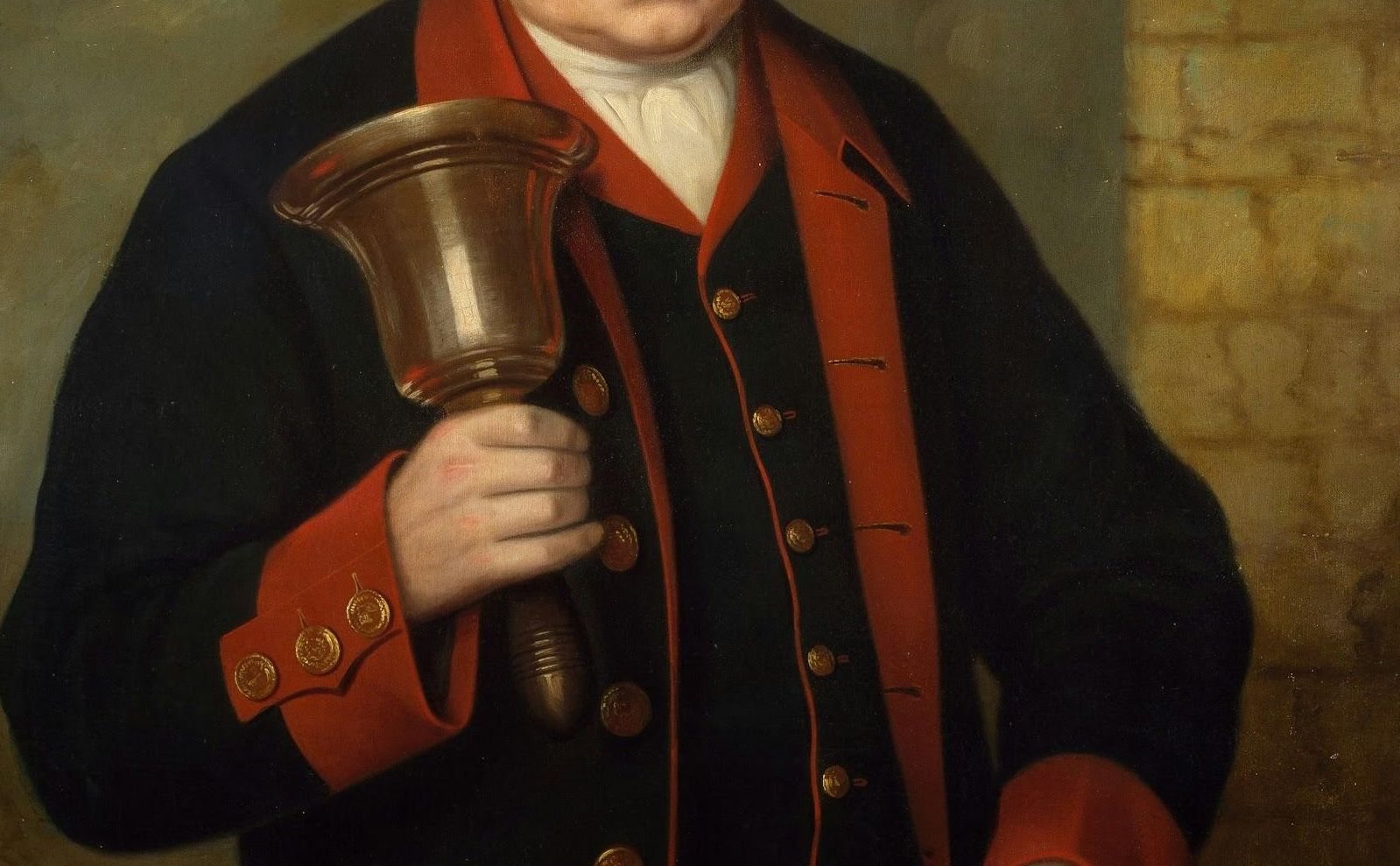
In early American towns (and elsewhere in the world), before printed media and mass communication were the norm, news didn’t arrive through newspapers or broadcasts: it arrived by voice. Town criers walked streets ringing bells and loudly announcing public notices, laws, and important events . They were essential in communities where literacy was limited, and information traveled slowly.

2
Factory lectors

Image: Amsterdam City Archives

Nowadays, when you have some manual, boring labor to do, you can turn on the radio, listen to some music, or a podcast. Of course, that wasn’t an option once upon a time. In some factories, workers hired a lector to read aloud while they worked .

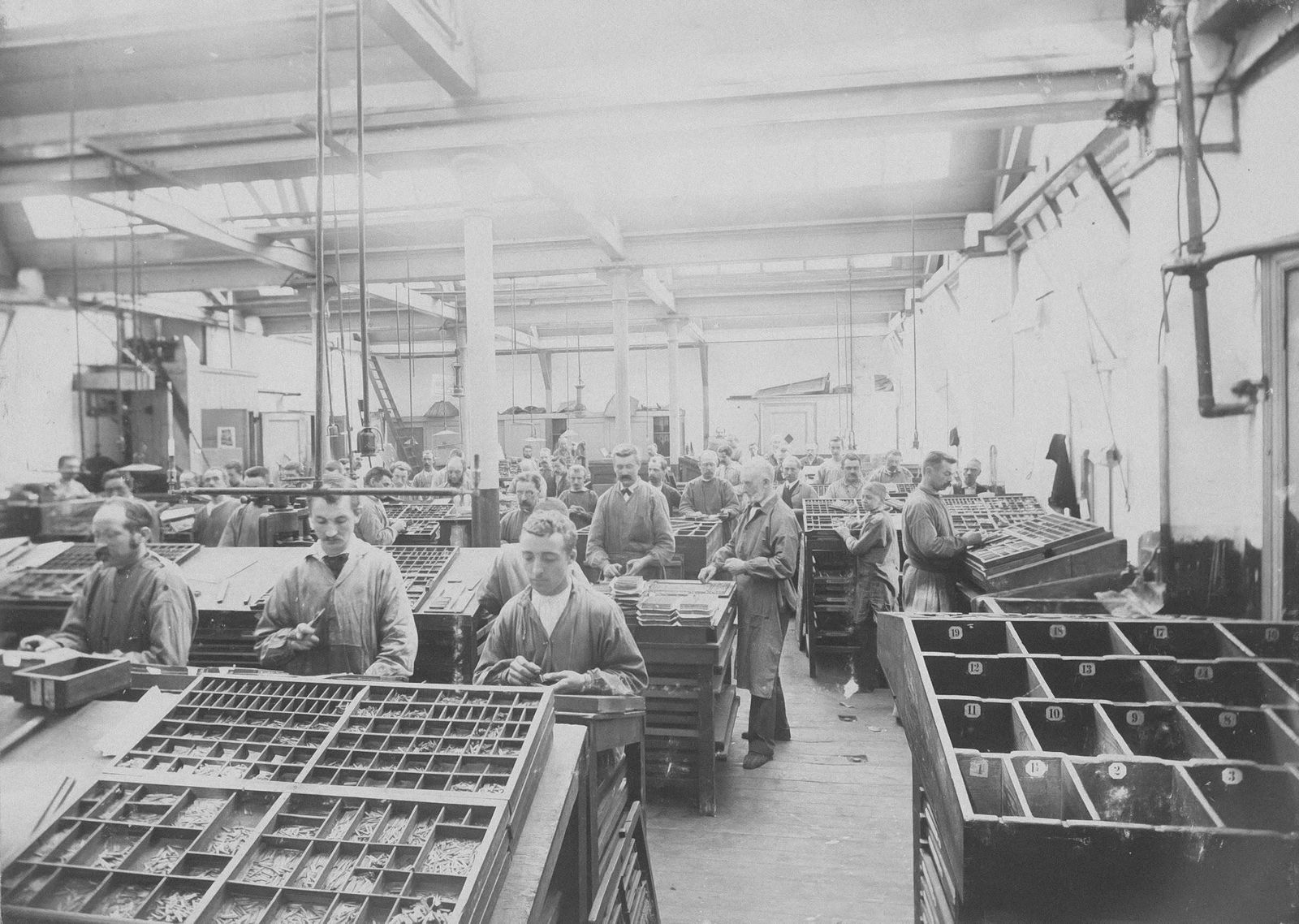
Starting in the mid 1800s and into the beginning of the 1900s, lectors in factories shared newspapers, novels, and political texts, keeping workers informed and entertained during long hours.

3
Elevator operator

Image: Possessed Photography

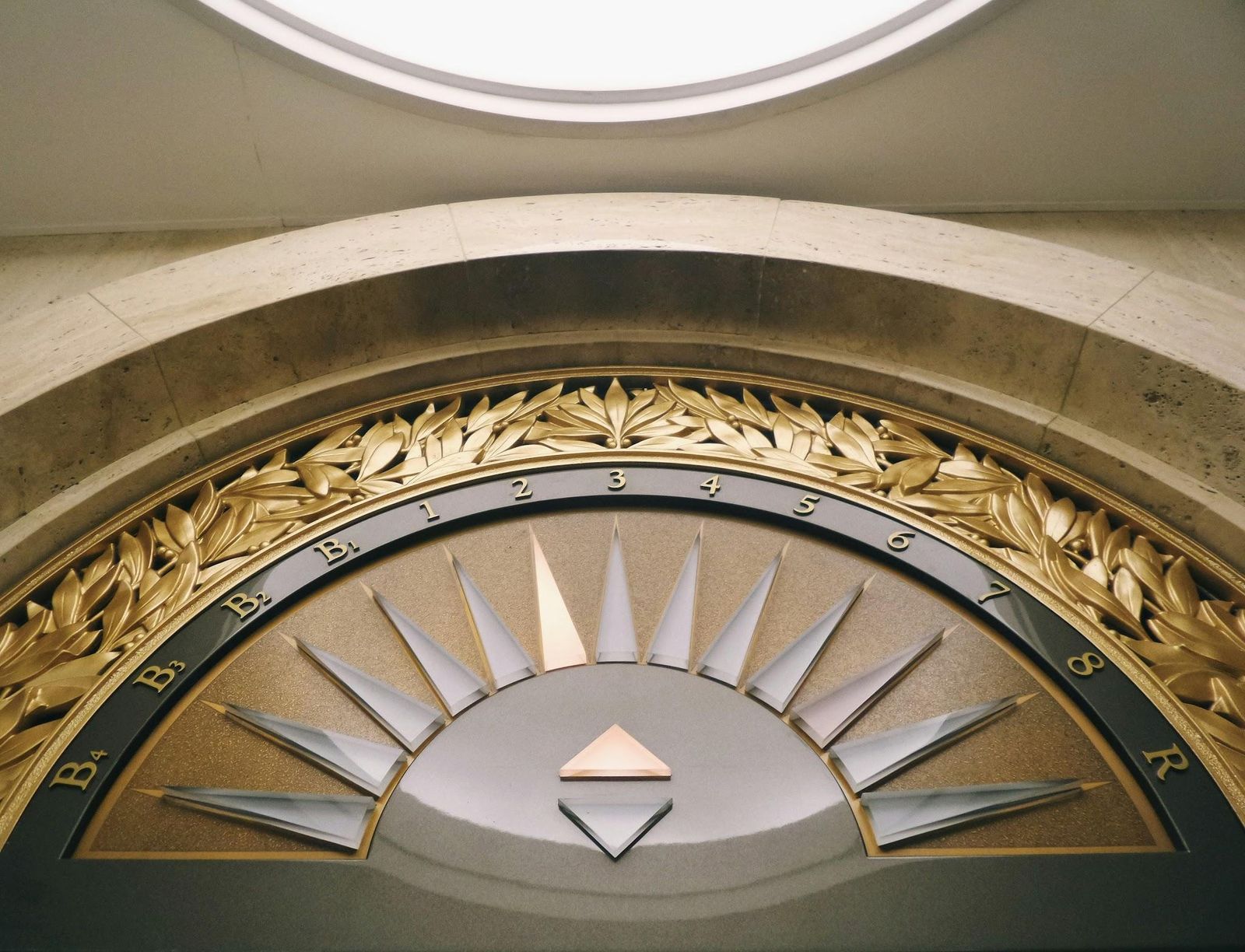
Using an elevator seems easy enough today, but for decades, elevators didn’t run themselves. Operators manually controlled speed, direction, and stopping points using levers and switches , while also greeting passengers and announcing floors.

In luxury hotels and department stores, a skilled, often uniformed operator was part of the experience, expected to be polite, precise, and calm under pressure. The job peaked in the early 20th century, especially in big cities like New York and Chicago.

4
Switchboard operator

Image: Matt Benson

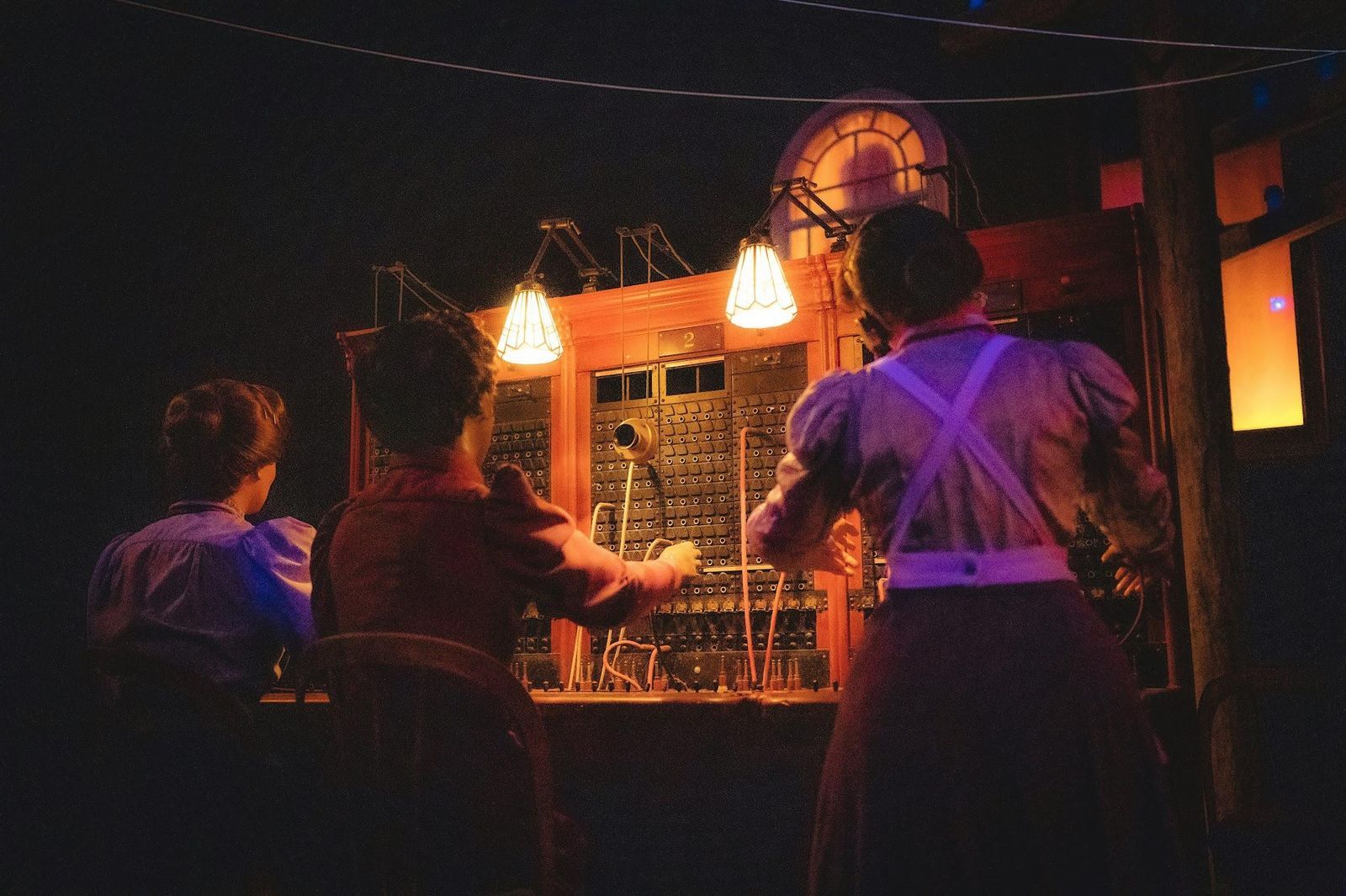
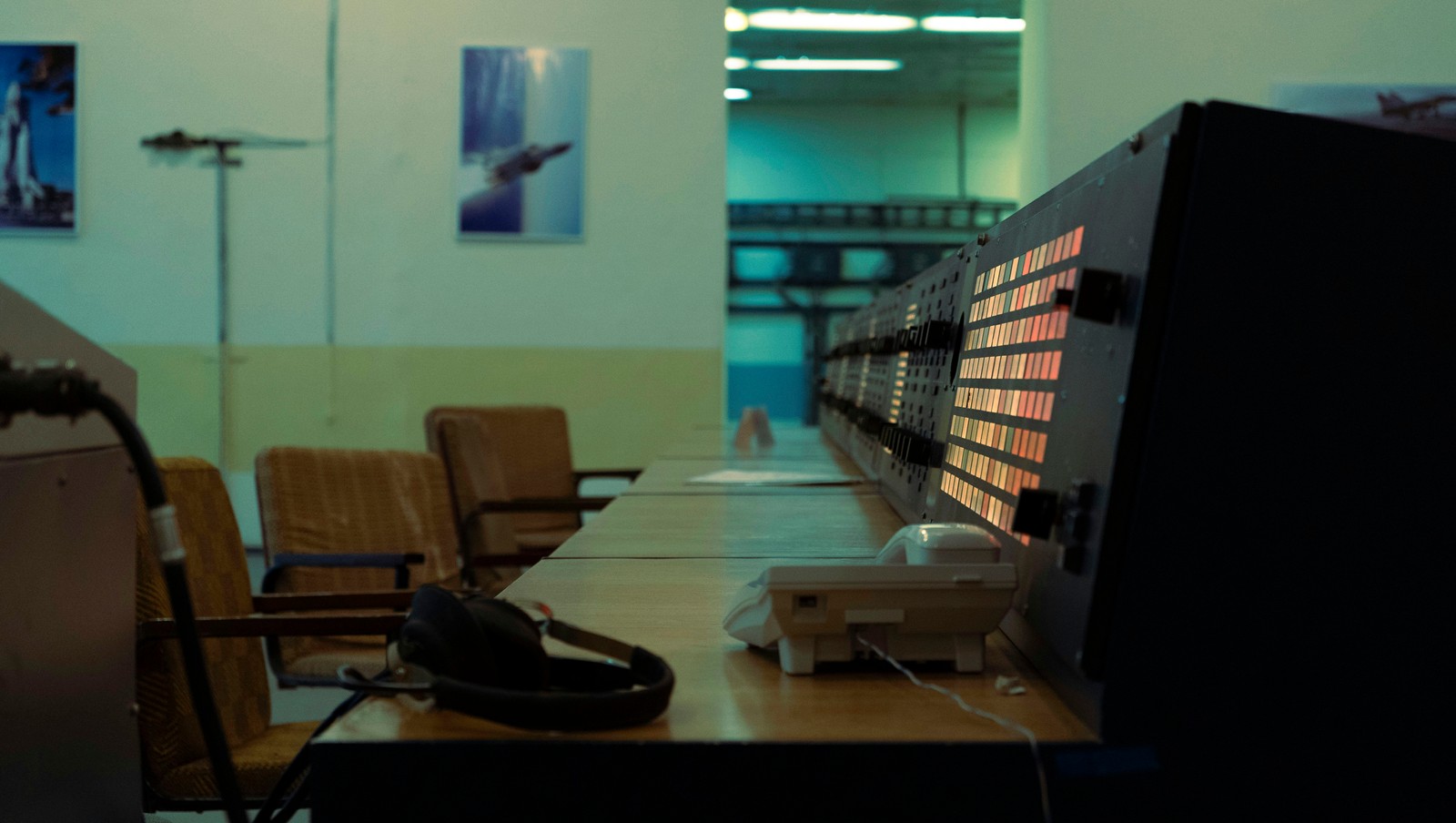
For early telephone calls, switchboard operators had to manually plug cords into panels to link callers together . The occupation rose shortly after Alexander Graham Bell patented the telephone in the 1870s, and became a fundamental job until the middle of the following century, when direct dialing was introduced.

Most operators were women, chosen for their calm voices, speed, and courtesy. They often memorized local names, numbers, and even callers’ personal habits and routines.

5
Bowling pinsetter

Image: engin akyurt

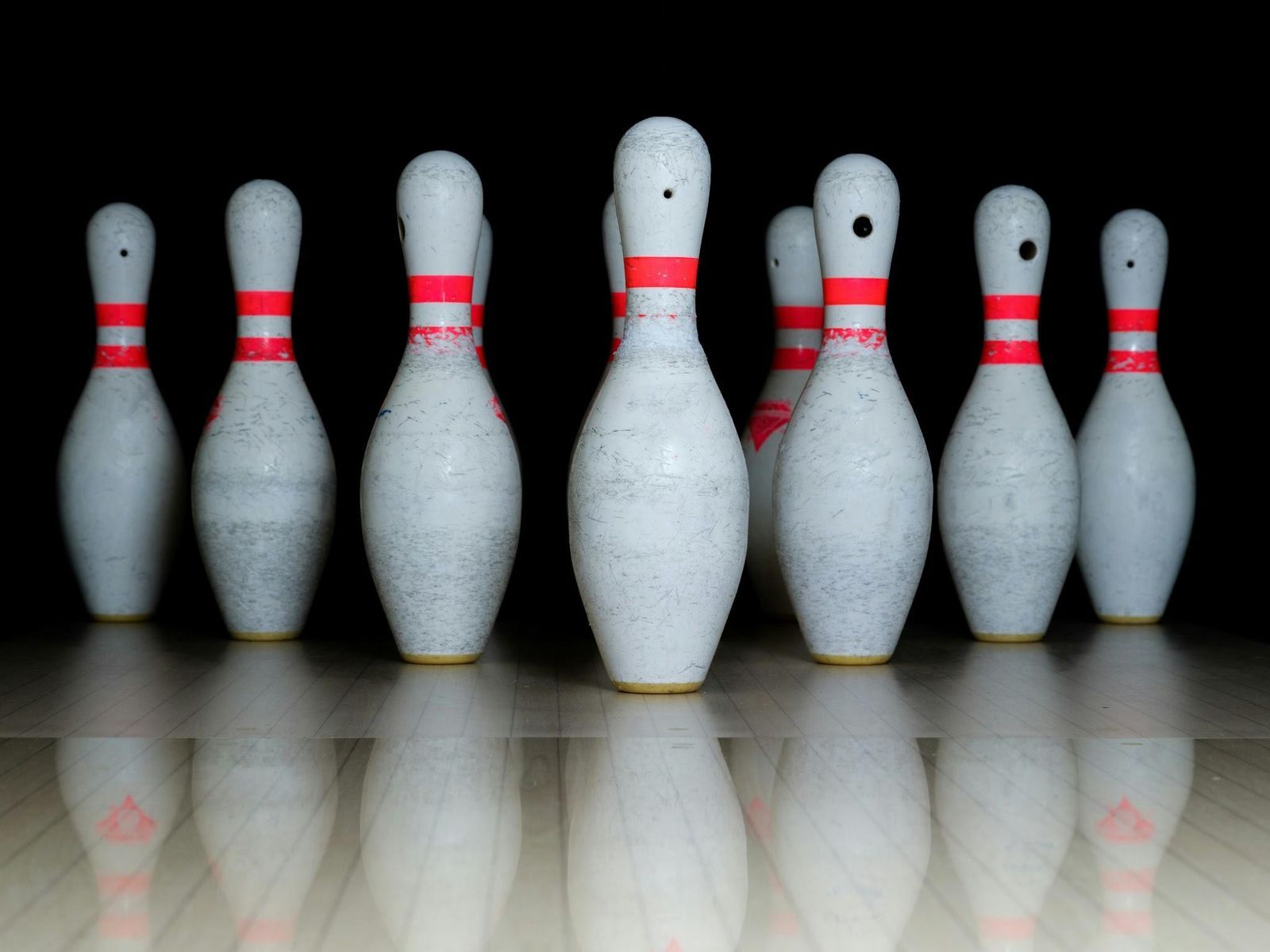
In early bowling alleys, pins did not magically reset themselves via machines. Pinsetters stood behind the lanes, manually rearranging pins after every roll.

It was noisy, repetitive, and sometimes dangerous work, often done by teenagers . It was only in the 1950s that automatic pinsetting machines were introduced.

6
Lamplighter

Image: Jason Peter

Since the beginning of the 19th century, every evening, lamplighters walked city blocks, lighting gas lamps one by one . At dawn, they returned to extinguish them. This job was vital for public safety because the lights helped prevent crime and accidents in dark streets.

It wasn’t until the 1880s that the first electric streetlights were introduced in some cities, but they weren’t the norm until the 1950s. At that point, the cost of maintaining gas pipes had become too high compared to electricity, so the last gas lamps were removed.

7
Milkman

Image: Nationaal Archief

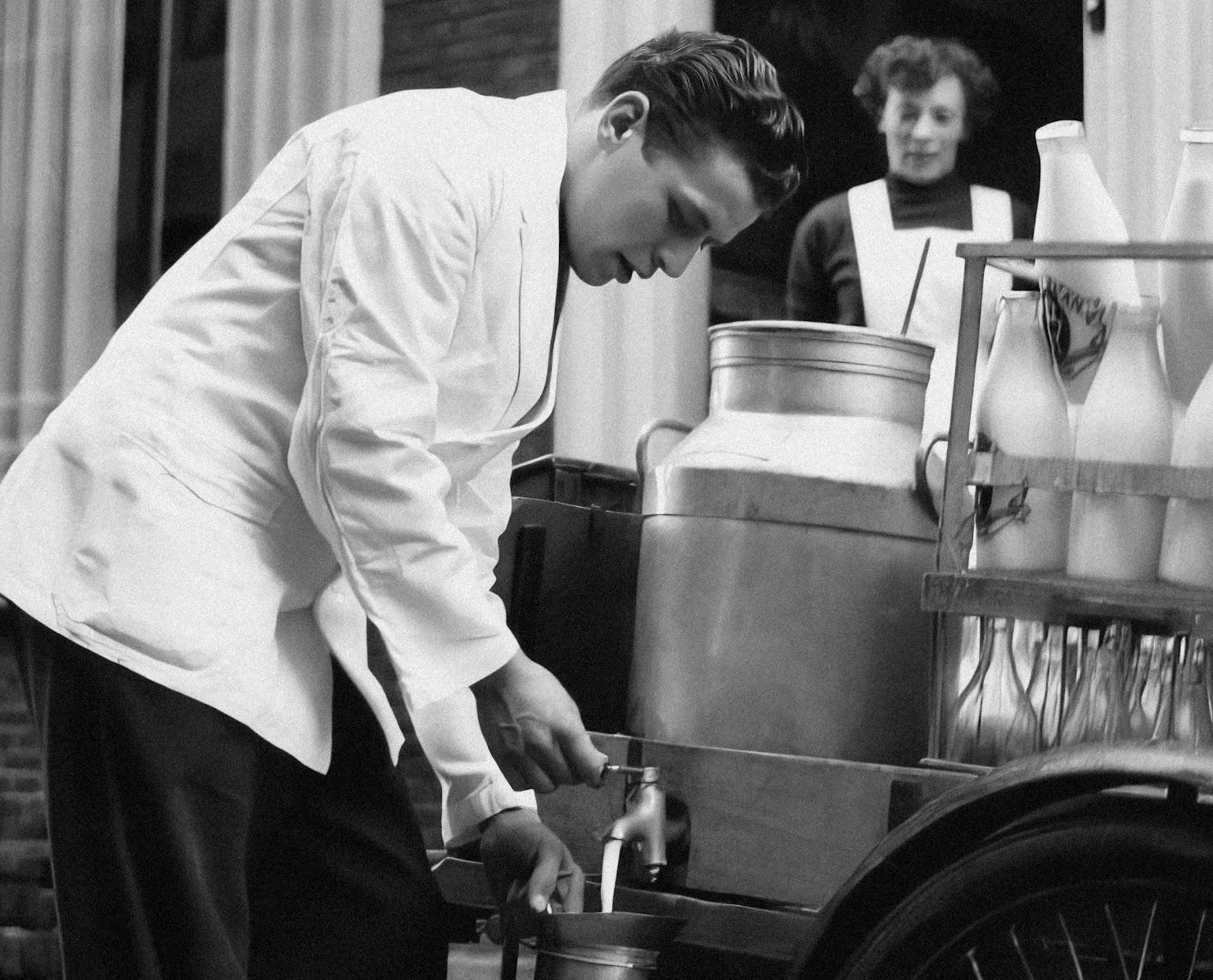
For the first half of the 20th century, the milkman was a familiar sight on American streets. He delivered fresh milk in glass bottles, leaving them in insulated boxes by the door. Many families depended on daily or near-daily deliveries, since refrigeration was limited or unreliable. By the 1940s, however, most American homes owned a refrigerator and the role of milkmen slowly faded.

8
Typist

Image: Denise Jans

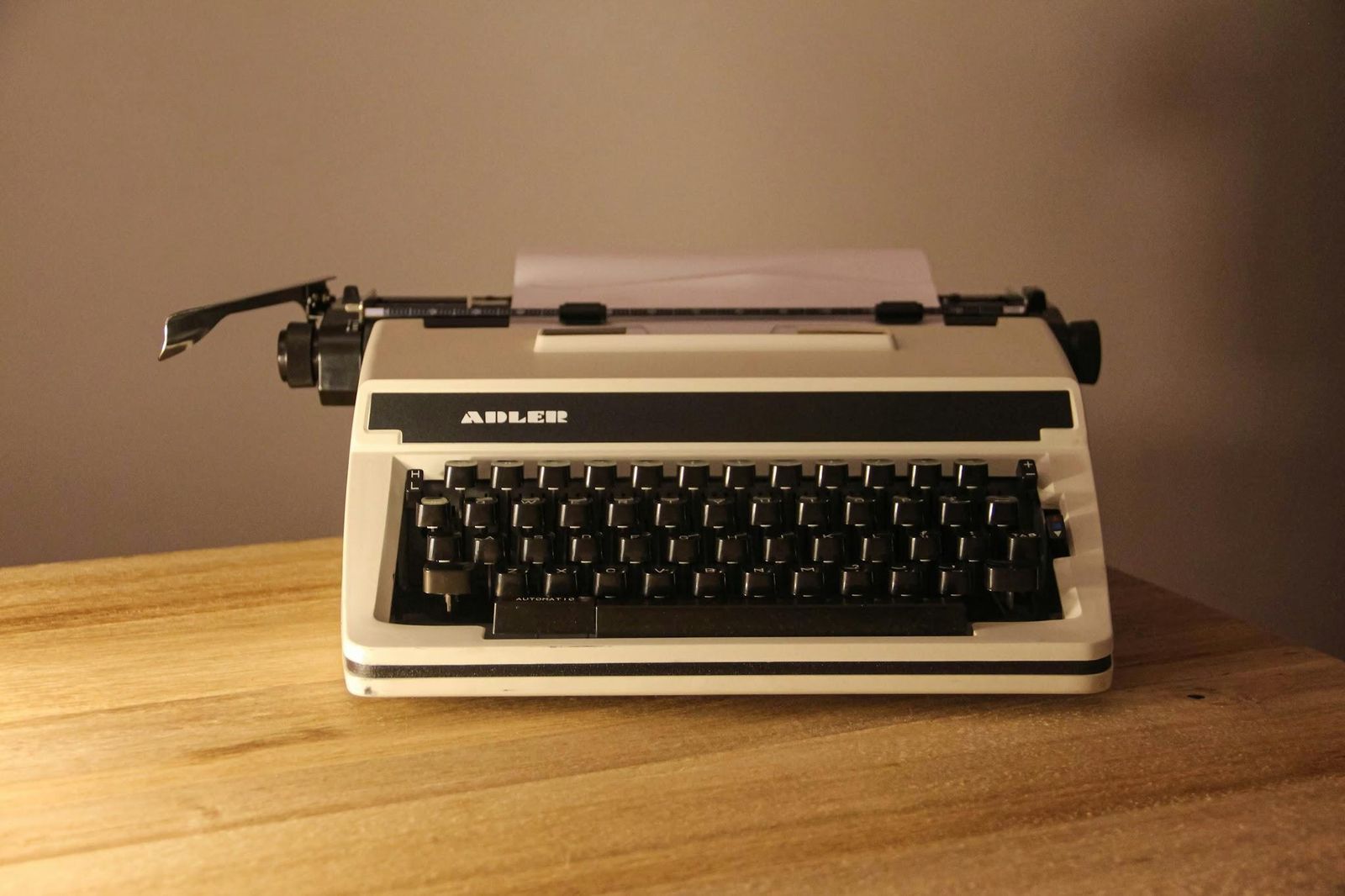
There was a time, before computers, autocorrect, and AI, when offices relied on professional typists to produce everything from letters to legal documents. Many large companies employed entire "typing pools," rooms filled with workers trained to type quickly and accurately on typewriters. Precision mattered more than you may think; unlike today, mistakes on paper (rather than the screen) sometimes meant starting the document over.

9
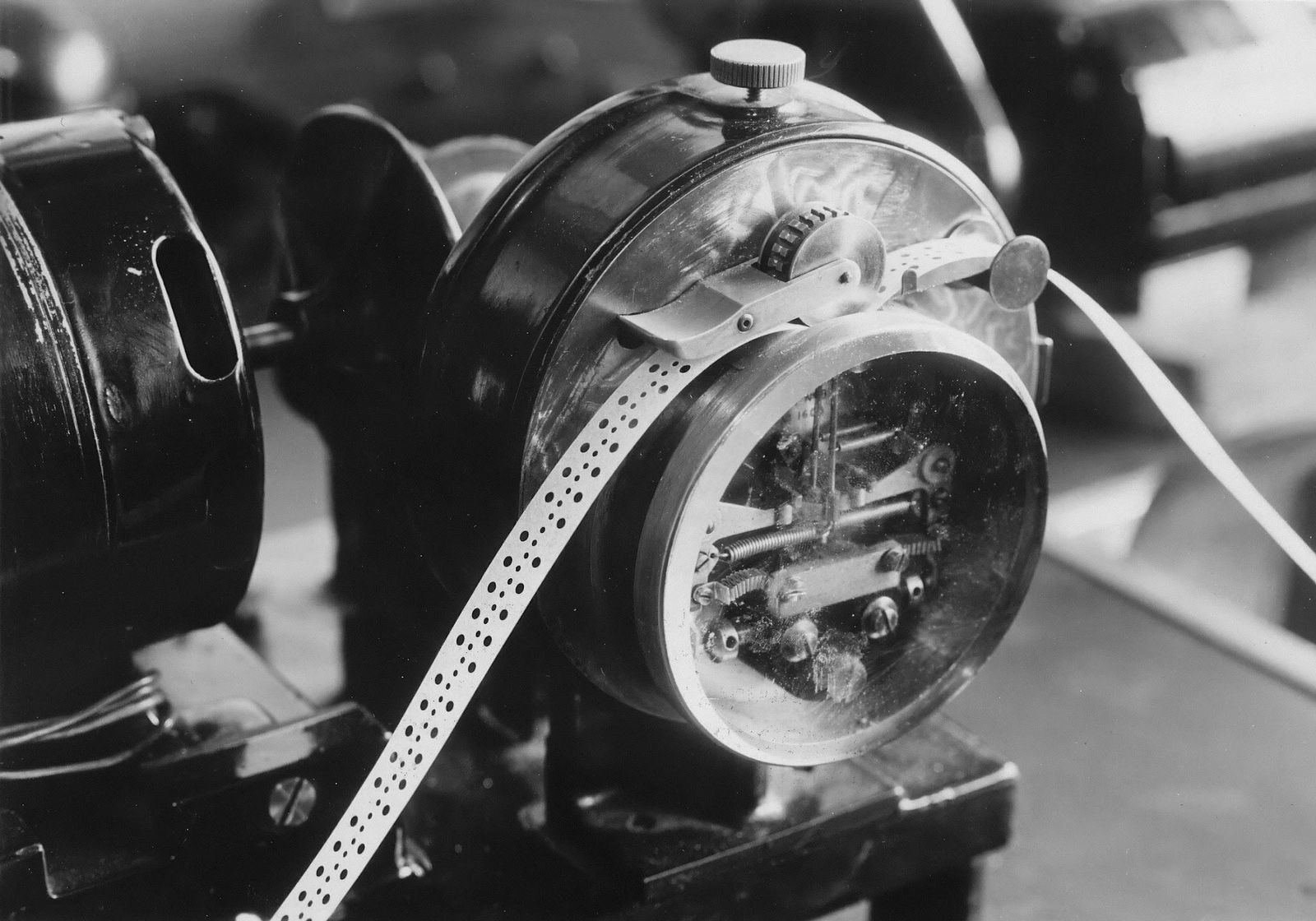
Human computer

Image: Roman Mager

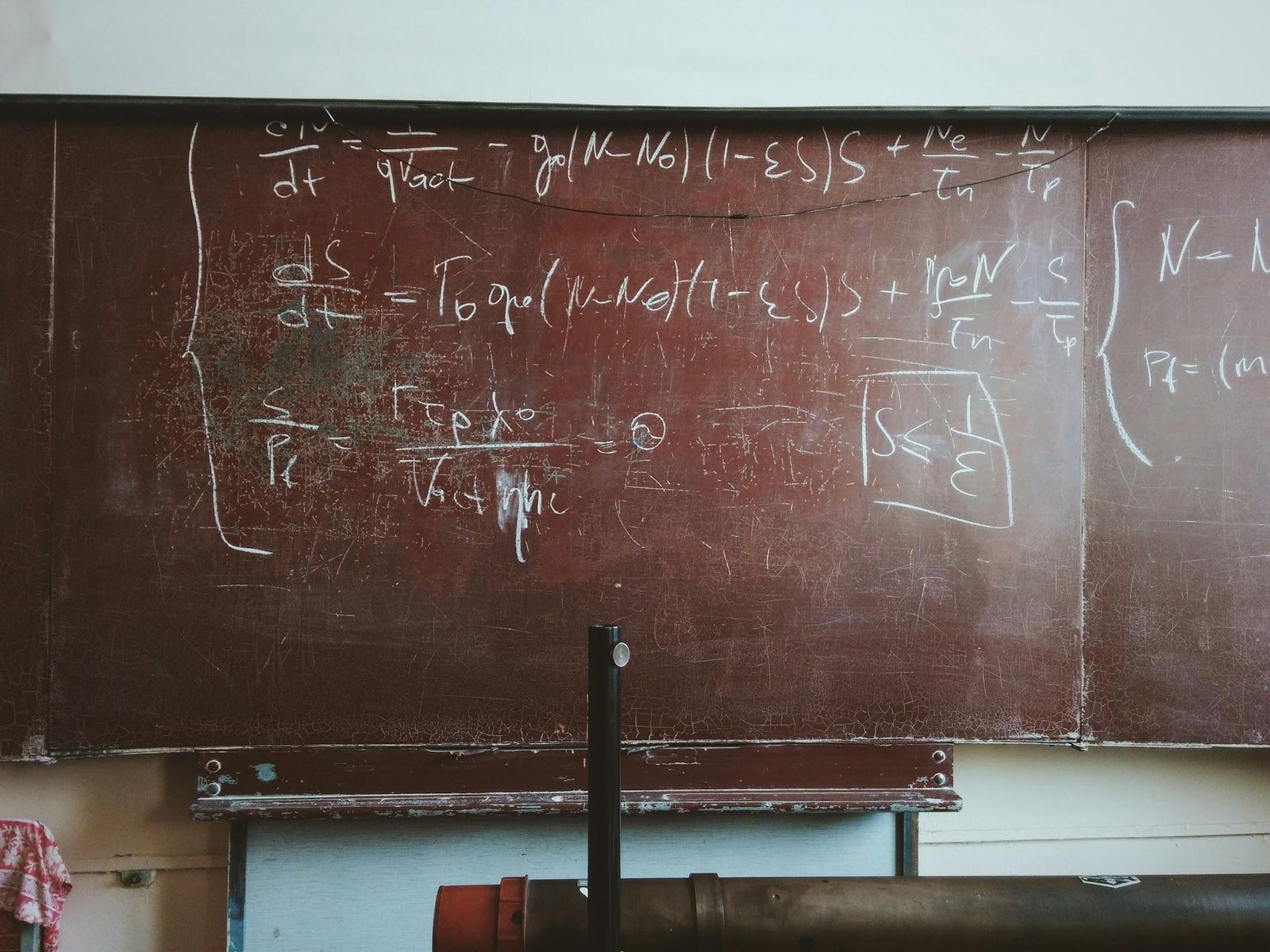
There was also a time when "computers" were people; their occupation was first mentioned in texts from 1613. Their role was to develop complex mathematical calculations by hand for scientific research, engineering projects, and more. Astronomers during the Renaissance, navigators during the Age of Exploration, and NASA space missions all relied on human computing for their operations.

Imagine that: teams worked through equations for hours or days, checking each other’s math for accuracy. During World War II and the early Cold War, this work was vital to national defense.

10
Knocker-upper

Image: Annie Spratt

Before the Industrial Revolution, most people woke up with the sun. However, by the early 1800s, when factory systems took hold of big cities, being even five minutes late ceased to be an option for workers. To avoid oversleeping, which could mean lost wages, they paid a person to wake them up.

Knocker-uppers walked neighborhoods early in the morning, tapping on windows with long poles or shooting dried peas through blowpipes . Eventually, alarm clocks were introduced in the late 1800s, and the need for this occupation started declining.

11
Telegraph operator

Image: Amsterdam City Archives

A case in which the occupation disappeared along with the technology. Before phones and instant messaging, the telegraph, which was invented in 1837, was the fastest way to send information across long distances.

Telegraph operators translated messages into Morse code , sending dots and dashes through wires that spanned the country. Speed and accuracy were critical, especially for news, business, and wartime communication. With the introduction of radio transmissions and telephones in the late 1800s, the service became more and more obsolete, although Western Union, the major telegraph service in the US, continued to operate until 2006.

12
Iceman

Image: Joy Ru

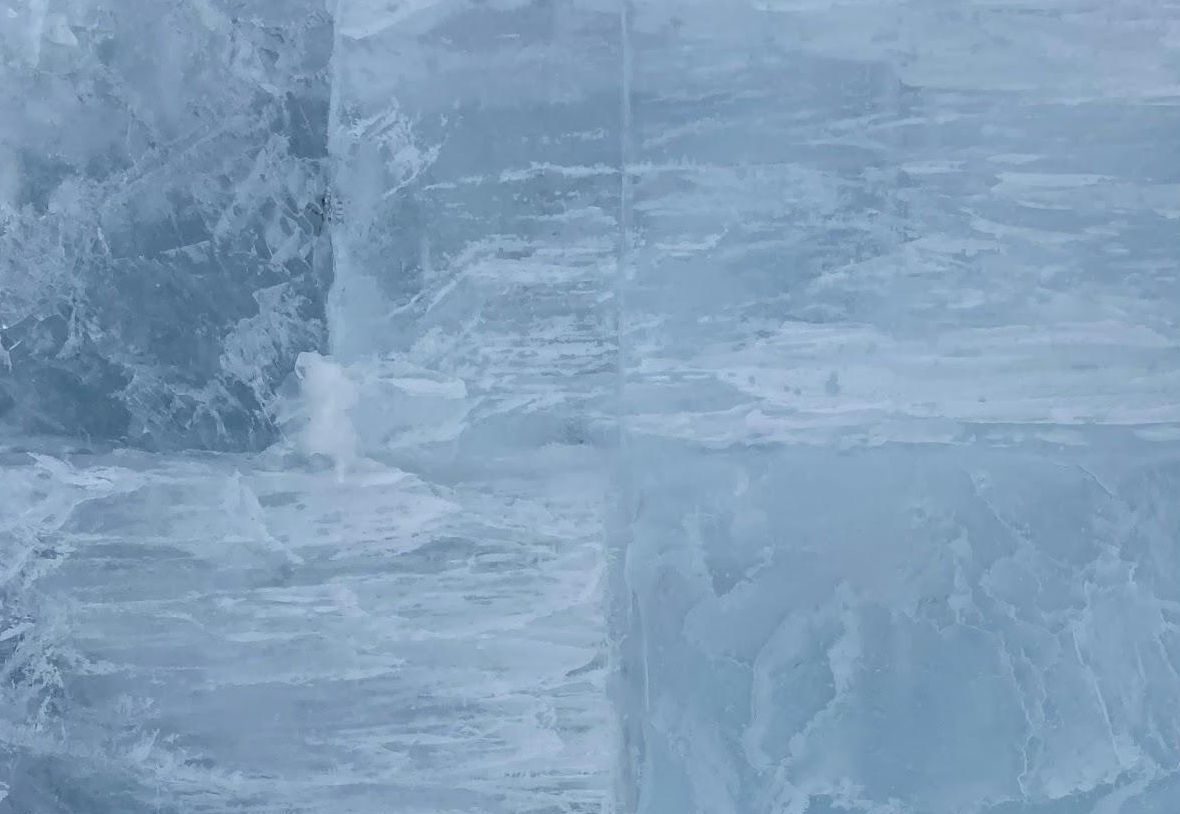
Finally, there were the icemen. Before refrigerators became household staples, the iceman was an essential figure in American daily life. He delivered massive blocks of ice straight to people’s homes .

These blocks kept food fresh and milk cold in an era before electric cooling. Ice was harvested from frozen lakes in winter, stored in insulated warehouses, and rationed carefully during warmer months.

General General 5 min read

Which would you attend first?

Would you try Garlic Ice Cream? 10 unusual festivals held in the U.S.

Image: Matt Benson

Would you rather attend a subaquatic music concert or sail in a hollowed-out pumpkin? Or maybe you’d prefer to watch a jousting tournament or try garlic ice cream? These are just a few of the quirky activities that were or are still offered in some of the strangest and dearest festivals held annually around the country. Read on to find out if you’ve heard of them—or if one of them happens to be a festival you've attended!

1
Bay to Breakers

Image: Cecep Rahmat

Back in 1986, Bay to Breakers set the Guinness World Record for the largest footrace, with 110,000 registered participants. If you want to understand what type of sports event would summon so many athletes, you need to picture a unique blend of a race and an all-out costume parade.

This 7.5-mile course stretches from the San Francisco Bay (at Howard Street) to the Pacific Ocean. Held every third Sunday of May, the event is a local party where people wear elaborate costumes —think cartoon characters, colorful animals, and even synchronized group outfits. Bay to Breakers began in 1912 as a way to boost morale in San Francisco after the devastation of the 1906 earthquake.

2
Running of the Bulls

Image: San Fermin Pamplona - Navarra

You’d be wrong to think that the San Fermin Festival is only held in Pamplona, Spain. In 2007, New Orleans created its own version of the "Running of the Bulls." Here in the U.S., participants dress in all-white clothing with red accessories, as per tradition. But they don’t run from bulls: they run from roller derby skaters wearing horned helmets , wielding plastic bats, and chasing them around the streets.

Held in the summer to coincide with Pamplona's festival dates, this event is accompanied by food, drinks, live music, and a lively atmosphere that blends Spanish and New Orleans styles.

3
Goffstown Pumpkinboat Regatta

Image: Kris Møklebust

Did you know that you can sail inside a pumpkin ? This is standard procedure at Goffstown Pumpkin Regatta, held every autumn in New Hampshire. In the year 2000, local growers envisioned an event that would turn oversized pumpkins—some weighing as much as 1,000 pounds—into something fun and unusual.

Their challenge? Hollowing out massive pumpkins to turn them into boats, to then paddle them in a regatta down the Piscataquog River. Over the years, more and more contestants signed up to participate with flamboyant pumpkin designs and matching costumes. Of course, the event also features a pumpkin weigh-off , craft and food vendors, as well as live music and games.

4
Twins Days

Image: Keisha Montfleury

Twinsburg, Ohio, decided many decades ago that it was the perfect location to hold a yearly celebration of twin siblings. After all, the town was named after identical twin brothers who owned most of the land in the 1800s. Over the years, the festival has grown to become the world’s largest annual gathering of twins, triplets, and other multiples.

Traditionally, all participating twins show up dressed either identically or mismatchedly. Some of them even showcase their talents, ranging from music to comedy. Among food stalls, carnival rides, and live music, there is also a "Research" spot. There, scientists and researchers attend to study willing twins for insights into genetics, biometric data, and their health conditions.

5
Houston Art Car Parade

Image: Christopher Osten

Houston’s Art Car Parade began in the 1980s as a way to promote unconventional creativity and art . Back then, only 40 vehicles participated, but today the festival has become one of the most colorful art car parades in the world.

Participants transform their cars, bikes, and other vehicles into mobile artworks for this yearly parade held every April. Cars with the most outrageous designs—styled to look like dragons, unicorns, fruits, or even structured to appear to be stacked on top of one another—have been featured in past celebrations. Nowadays, the parade attracts over 250 art cars from across the U.S., as well as an audience of 250,000 lined up to watch.

6
Corgi Beach Day

Image: huoadg5888

A beach invaded by corgis sounds like a heavenly sight for dog lovers . Every year at Huntington Beach, California, this event gathers corgi enthusiasts and their furry friends to celebrate their love for the breed.

Sometimes the dogs wear costumes, and contests are run with categories like "Best Themed Outfit" and "Cutest Corgi." Short races are also organized, though owners know their corgi's legs aren't built for speed, so the event is held in good humor to watch the corgis happily walk around. Mr. Pickles the Corgi, the mascot of the event, has become an internet sensation. Of course, the beach day features merchandise stands with corgi-themed products for dogs and their humans to take home.

7
Fremont Solstice Parade

Image: Jordan Crawford

Organized on the Saturday closest to the summer solstice in Seattle’s Fremont neighborhood, this celebration has become a symbol of creativity, self-expression, and community . It was conceived in the late ‘80s to counter corporate-sponsored parades, which locals found cold and generalistic. They decided to combat it by organizing a parade that would showcase warmth and individuality.

The parade prohibits motorized vehicles, written words, and commercial logos. Only handmade arts and crafts are allowed. Puppets, dance troupes, musicians, and giant kinetic sculptures are often seen parading the streets of Freemont under the sun. The event usually wraps up at sunset with picnics and music at Gas Works Park.

8
Underwater Music Festival

Image: Victoria Ballesteros

You read that correctly. There’s an underwater music festival held every summer at Looe Key Reef , off the coast of the Florida Keys. The event was designed to combine two things the region is known for: the preservation of marine life and laid-back music.

Don’t worry, the music is not played directly underwater. Musicians pre-record the performances and these are transmitted through waterproof speakers placed along the reef. The playlist also often includes water-themed hits like "Yellow Submarine" by The Beatles and "Fins" by Jimmy Buffett. Many participants show up to dive in wearing fanciful costumes, like mermaids or sea creatures.

9
Texas Renaissance Festival

Image: Matt Benson

Some of the most famous festivals across the country are Renaissance fairs that draw visitors into an immersive celebration of medieval and fantasy culture . The largest of these is the Texas Renaissance Fair, which takes place on a former strip-mining site near Houston.

Hundreds of thousands of fans flock to this festival. It features a 55-acre village with cobblestone streets, themed buildings, and costumed performers. In it, fans can wander through medieval taverns , blacksmith shops, and artisan booths. Different shows add to the atmosphere, including jousting tournaments and falconry demonstrations. The event is held over several weekends, each with a different theme, such as Oktoberfest, Pirate Adventure, or Celtic Christmas.

10
Garlic Festival

Image: Min An

We conclude with the only festival in the country where you could ask for garlic ice cream . Until 2019, every July in Gilroy, California, garlic growers and lovers would gather for the Gilroy Garlic Festival, which had become a world-renowned event. Sadly, after 2020, the event was discontinued.

Of course, you could approach the food stands and ask for your typical garlic fries or garlic bread. But there was much more to do. You could attend cooking demonstrations, and garlic-themed contests (like the garlic-braiding competition), and enjoy live music across several stages. There was also a Miss Gilroy Garlic Queen pageant, where contestants were judged not only on traditional pageant criteria but also on their knowledge of garlic.

Explore more American facts

Choose your favorite category!

General
General

As American as apple pie—the very best America has to offer!

Culture
Culture

Delve into the astounding richness of American lore.

Geography
Geography

Hop in and explore vast and diverse American landscapes.

History
History

Discover the key moments that shaped the United States.