General General 4 min read

Sworn enemies

All-American rivalries: 10 feuds that left their mark in history
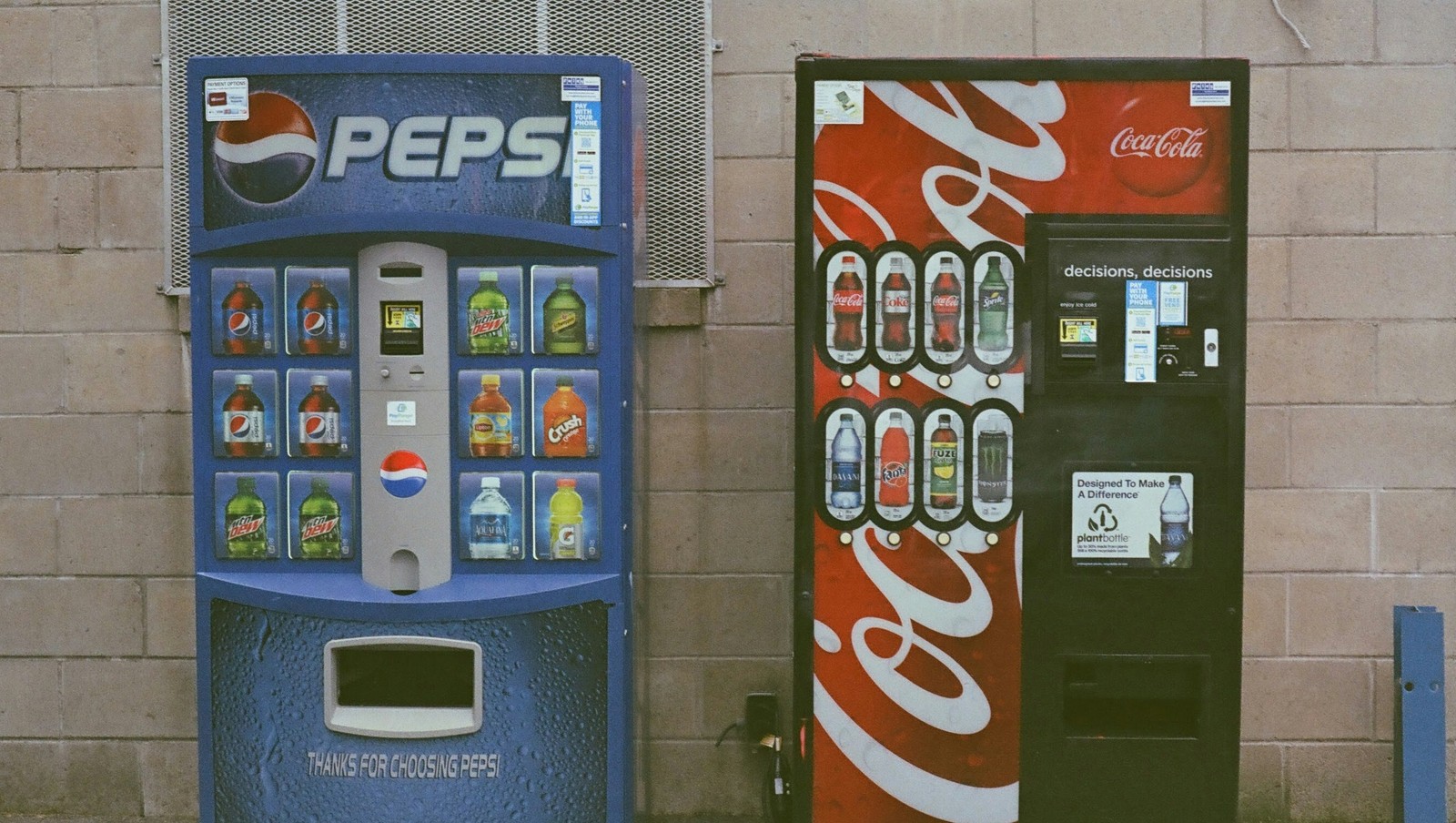
Image: Nik A.

America is often described as the land of opportunity, and opportunity frequently comes hand in hand with conflict. American history has served as background for many rivalries—some of them real, others inflated by legend—that have greatly influenced American culture. Let’s take a stroll down (rival) memory lane!

1
Coca-Cola vs. Pepsi

Image: K8

The "Cola Wars" have been going on for decades, but it seems that there’s no resolution in sight. In the late 1970s, both companies started directing their marketing campaigns against each other, with mixed results , though Coca-Cola always seems to be half a step ahead of Pepsi. They have both gained a loyal following, but the war remains as strong as ever.

2
Hamilton vs. Burr
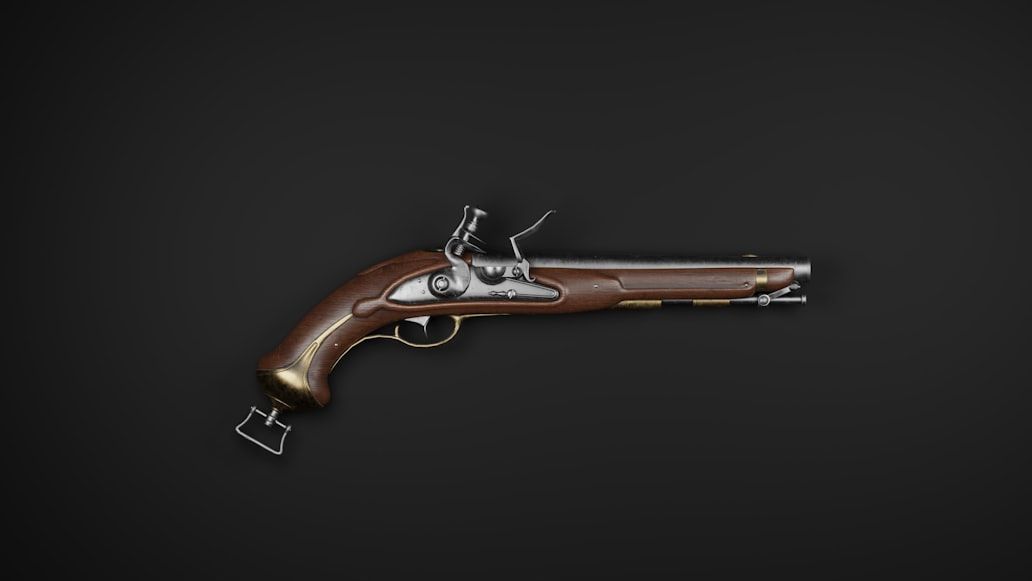
Image: Suleman Serwar

Political rivalries are not uncommon in America, but few include a deadly duel involving a sitting vice president. The animosity between Alexander Hamilton and Aaron Burr intensified after Burr won a Senate seat from Hamilton’s father-in-law, Philip Schuyler. During the presidential election of 1800 and the New York gubernatorial election of 1804, Hamilton actively supported candidates opposing Burr. Deeply angered by Hamilton’s continued opposition and public criticism, Burr challenged him to a duel, and the rest is history.

3
Yankees vs. Red Sox
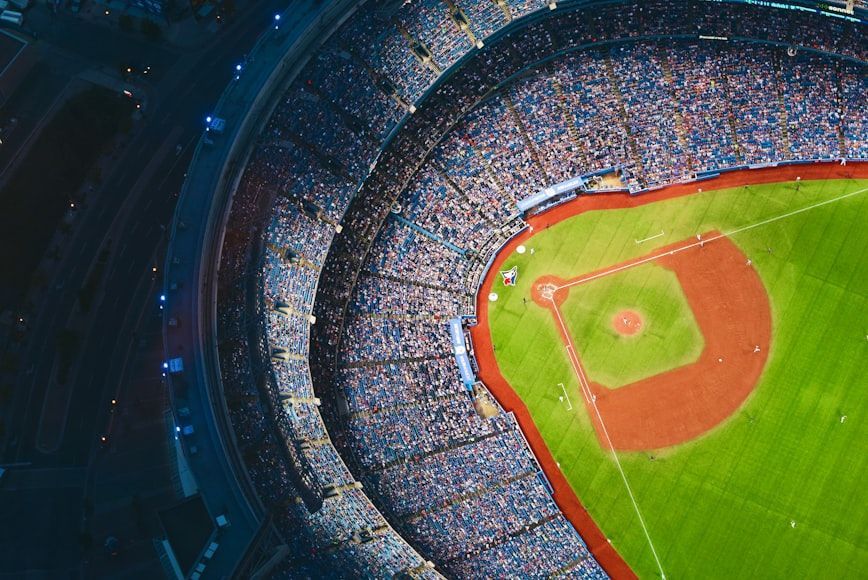
Image: Tim Gouw

Sports fans are dedicated, but few rivalries match the intensity of those who support the New York Yankees and the Boston Red Sox. They have been rivals since their first meeting more than 120 years ago, with the Yankees often being perceived as a dominant team, while the Red Sox filled the role of the underdog . Their enmity deepened dramatically in 1920, when Babe Ruth was sold to the Yankees. What followed was an 86-year championship drought for Boston, popularly known as the "Curse of the Bambino," which the Red Sox finally broke in 2004.

4
Miami vs. Tampa

Image: Denys Kostyuchenko

Can a sandwich cause a rift between two cities? It sure can. Cuban sandwiches are a Floridian staple , and their construction is often considered set in stone: ham, roast pork, Swiss cheese, pickles, and mustard on Cuban bread, served pressed. Unless you live in Tampa. There, a strong Italian influence has translated into the addition of Genoa salami to the Cuban sandwich, much to the outrage of their Miami neighbors.

5
Mark Twain vs. USPS
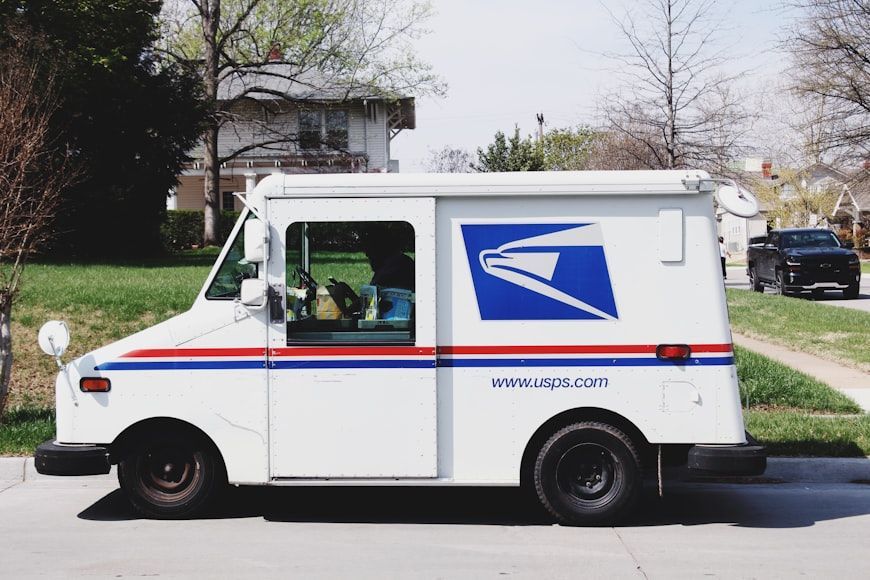
Image: Joel Moysuh

Renowned writer Mark Twain had no qualms about criticizing the things he disliked, and he surely disliked the United States Postal Service . He thought it costly, inefficient, and overregulated, and he made sure to let everyone know in articles, complaint letters, and conversations with influential figures. In a poetic turn of events, the USPS released a Mark Twain commemorative stamp in 2011.

6
Hatfields vs. McCoys

Image: Tuan Nguyen

One of the most infamous feuds in American history, the rivalry between the Hatfield and McCoy families shook the West Virginia-Kentucky area for three decades . Starting with the murder of a McCoy who was returning home from war, the hostilities and deaths escalated to a point where the Supreme Court was forced to intervene.

7
Edison vs. Tesla
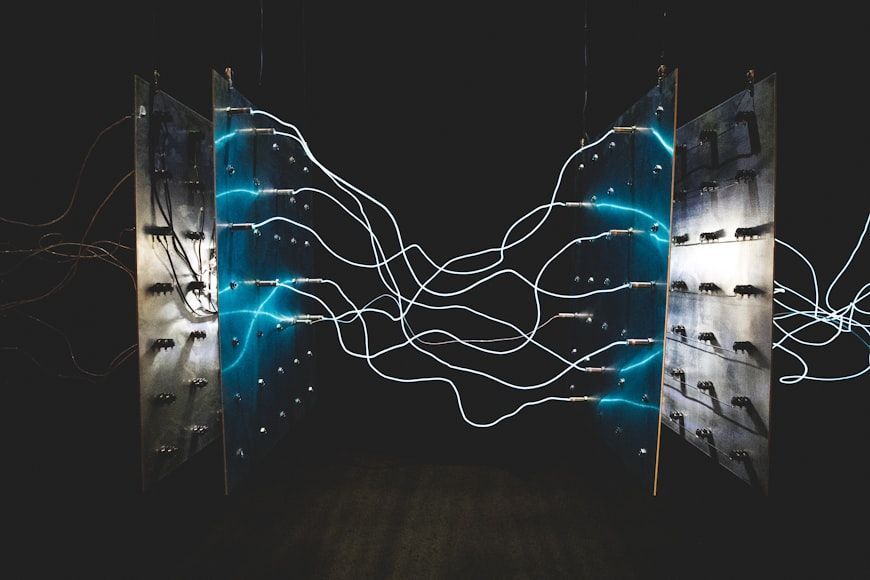
Image: israel palacio

Many inventors were involved in the so-called "War of the Currents," waged on electric power systems, but Thomas Edison and Nikola Tesla are the most remembered. Edison championed direct current (DC) electrical systems, which operated at relatively low voltages and were suited to short-distance distribution. Tesla, working with George Westinghouse, promoted alternating current (AC), which could be transmitted over long distances more efficiently. Despite Edison’s strong campaign to discredit AC and its proponents, it ultimately became the standard power system.

8
Joan Crawford vs. Bette Davis
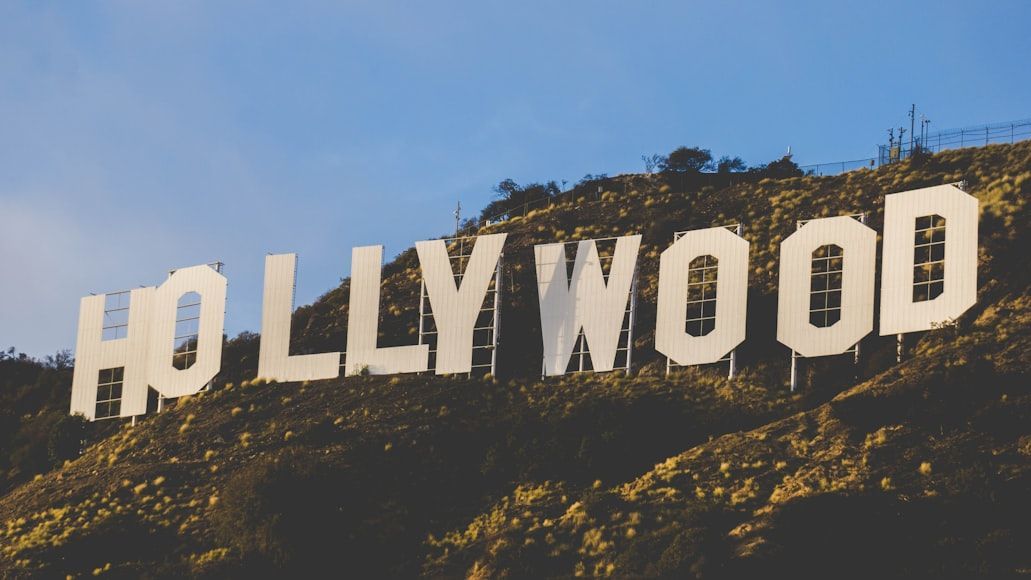
Image: De'Andre Bush

Rivalries are everywhere in the film industry, but some become the stuff of legends. Allegedly, the feud between Joan Crawford and Bette Davis was never as intense as portrayed. While the two actresses did clash at times over personality differences, professional competition, and rumored romantic entanglements, much of the rivalry’s enduring reputation was fueled by gossip columns and sensational press coverage. And their respective film studios took advantage of it.

9
Burger King vs. McDonald’s
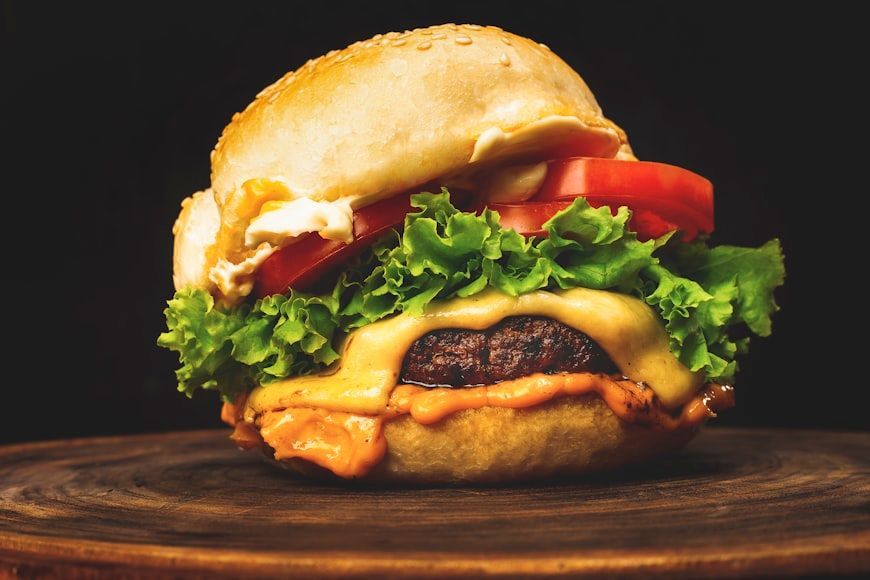
Image: mafe estudio

The fast-food industry has always had McDonald’s as one of its key players, but other companies have given their all to take that position. Burger King is one of McDonald’s oldest challengers , and has repeatedly tried to influence their customer base through a series of aggressive and often tongue-in-cheek marketing campaigns. While other brands, such as Wendy’s or Five Guys, have dipped their toes in the "Burger Wars," McDonald’s and Burger King remain two of the biggest names in the industry.

10
Edgar Allan Poe vs. Rufus Wilmot Griswold
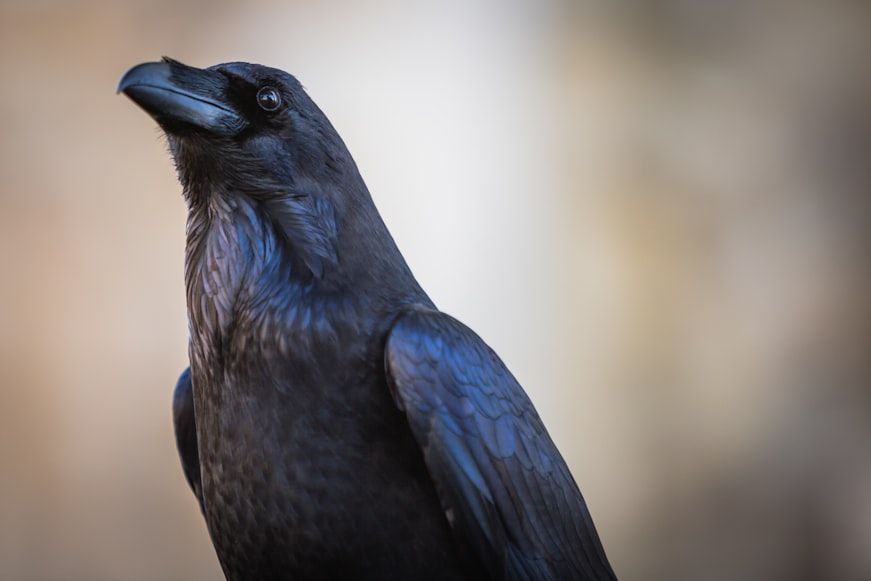
Image: John Cobb

While Poe looms far larger than Griswold in the modern American mind, much of what the public believes about the "Nevermore" poet was influenced by his rival . Their feud began with the publication of a poetry anthology by Griswold, which displeased Poe due to its contents and criticism of his own poetry. The animosity intensified when they both vied for the same editorial position and, reportedly, the affections of the same woman. After Poe’s death, Griswold wrote an obituary and a biography filled with attacks and slander, which contributed to the idea of Poe as a drunkard and a madman.

Culture Culture 4 min read

Unique pieces of history

10 incredible items that are kept in the Library of Congress

Image: Stephen Walker

Founded in 1800, the Library of Congress is the oldest federal cultural institution in the U.S. , and works as a de facto national library. Its main purpose is to serve as a research library for the U.S. Congress, but in addition to this, it houses one of the world’s most extensive collections of books, manuscripts, and artifacts in the world, many of them rare and unique. Here are some one-of-a-kind items from its collection!

1
Gutenberg Bible

Image: Danika Perkinson

The Gutenberg Bible was the first book to be printed after the invention of movable type printing, around the year 1455. Nowadays, only 49 copies have survived from the 180 believed to have been printed by Gutenberg himself , and only 21 are considered complete copies. The copy kept in the Library of Congress is one of three complete copies printed in vellum —a parchment made from animal skin.

2
Draft of the Declaration of Independence

Image: The New York Public Library

The Declaration of Independence kept at the National Archives in Washington, D.C, is the final document presented to the Second Continental Congress. Before that, six drafts were made. The copy kept in the Library of Congress is the first ‘rough draft’ written by Thomas Jefferson , with notes from Benjamin Franklin, John Adams, and the other committee delegates. It was part of Jefferson’s personal library and papers, which were acquired by the Library of Congress in 1815.

3
Waldseemüller Map

Image: Jakob Braun

The only surviving copy, this 1507 map by Martin Waldseemüller was an ambitious project that aimed to depict the geographical discoveries of the past few decades , including those made by Amerigo Vespucci after his voyages in 1501 and 1502, which confirmed that the ‘new world’ was not part of the Indies, but a separate continent altogether. To honor this, Waldseemüller named the continent America, and this map was the first to utilize the name.

4
The Stradivarius

Image: Umutcan Günüç

Created by the luthier Antonio Stradivari and his family in the 17th and 18th centuries, Stradivarius instruments are renowned for their exquisite craftsmanship and sound, and are valued in the millions. It is estimated that 650 instruments have survived out of the around 1100 made . Six of them —two violas, three violins, and a cello— are kept in the Library of Congress.

5
Bay Psalm Book

Image: Alex Shute

This book of psalms was the first book to be printed in British North America , and it dates to the year 1640, just 20 years after the arrival of the Pilgrims. This copy lacks a title page, and 12 of its pages have been removed. One of 11 surviving copies, it is a valuable testimony to America’s printing history.

6
Leaves of Grass

Image: Patrick Tomasso

Whalt Whitman’s Leaves of Grass is considered to be one of the most important poetry collections in American Literature and a celebration of the American spirit. The Library of Congress houses several editions of this book, the most important being a copy of its first edition, self-published in 1855, as well as a page of the original manuscript.

7
Wilbur and Orville Wright Papers

Image: History in HD

The Wright brothers are credited with the invention, building, and flying the world’s first successful airplane in North Carolina in 1903. This collection in the Library of Congress comprises 10,121 items related to them , including notebooks, photographs, papers, drawings, prints, correspondence, and more.

8
Giant Bible of Mainz

Image: Boudewijn Huysmans

Before the invention of movable type printing, most Bibles were handwritten, a laborious task that could take years to complete. The Great Bible of Mainz is one of the last Bibles made in this way , and it is dated around the year 1452. Made from 459 vellum skin leaves and embellished with illuminated initial letters and borders, this Bible was gifted to the Library of Congress in 1952.

9
Huexotzinco Codex

Image: Max Letek

Composed of 8 sheets of amatl —a pre-Hispanic Nahuatl type of paper—, this 1521 codex registers a legal complaint against a colonial administrator. The Nahua people of Huexotzinco were part of Hernán Cortés’s estate after aiding him in his campaign against the Aztec Empire. During one of Cortés’s trips, the administrators of the estate implemented abusive taxes. After his return, Cortés and the Nahua presented a joint formal complaint, and they were successful. The case was retried in Spain, where the courts and King Charles both agreed with the initial verdict and ruled that excess taxes were returned to the Nahua.

10
Gettysburg Address

Image: Timothy Pierce

One of the most significant speeches of the American Civil War and of American History, the Gettysburg Address was delivered by President Lincoln on the occasion of the inauguration of the Soldiers' National Cemetery , now Gettysburg National Cemetery. Of the five surviving manuscript copies of the short speech —it lasted roughly two minutes— only two were written before the occasion, which were gifted by Lincoln to his personal secretaries, and were later donated to the Library of Congress.

History History 6 min read

Behind the everyday

Brilliant minds that changed our lives: check 10 American creations!

Image: Bruno Cervera

Let’s be real, American inventors have given us some pretty amazing stuff over the years. Consider how the Walker Method was a blessing for black women’s hair, or how praised the Kodak camera was and still is. All these things made America what it is. And the best part? Many of these creations have become so much a part of our daily routines that we don’t even stop to think about where they came from! So, grab your favorite drink, kick back, and let’s take a look at 10 American inventors whose brilliant ideas have changed the game in ways no one saw coming!

1
The Walker Method by Madame C. J. Walker

Image: TopSphere Media

It was Einstein who said that in the midst of every crisis lies an opportunity, and if he said so, it must have been for good reason. Or so thought Madam C.J. Walker, born Sarah Breedlove, who turned her personal hair loss struggles into a revolutionary business.

Do you know how hair is different for everyone? Well, she created a specialized hair care system for Black women that included pomade, a specific brushing technique, and heated combs. She called it the "Walker Method," and it was all about creating confidence while taking care of hair. Walker’s products became wildly popular because she also empowered others by training saleswomen and teaching them entrepreneurial skills.

2
Portable fridge by Frederick Jones

Image: Eric Prouzet

Frederick Jones’ brilliance lies in his ability to solve real-world problems—like the need to transport perishable goods safely (or keeping our soda cold at the beach).

During World War II, he developed portable refrigeration units, developed during World War II, made it possible to transport food, blood, and medicine to soldiers on the frontlines. This invention didn’t just change the war effort; it revolutionized how we transport essentials today.

A self-taught engineer, Jones received over 60 patents, many related to refrigeration but also to X-ray machines and engines. His cooling technologies still affect our daily lives, from grocery stores to hospital supplies. With his work, Jones quietly transformed modern logistics. He showed us that staying cool under pressure can lead to incredible things!

3
Ironing board by Sarah Boone

Image: Eric Vö

We get so used to certain everyday objects, that we usually forget (or not even think about) who was the brilliant mind behind them. Take the ironing board, for example, have you ever wondered who made ironing a little easier?

Well, the creator was Sarah Boone, a dressmaker who improved the basic ironing board design.

In the late 1800s, ironing clothes meant laying them flat on a wooden plank which was, ultimately, awkward and inefficient. Boone improved it with a design of a curved, padded board that fit better inside dresses and allowed for easier pressing.

It was collapsible for storage, a feature we still appreciate today. Boone’s 1892 patent made her one of the first Black women in America to secure such recognition. Thanks to her, ironing boards became a must in every home and, ironing, an easier task for everyone!

4
Electronic television by Philo T. Farnsworth

Image: Muhammed ÖÇAL

Philo T. Farnsworth might not be a household name, but his creation certainly is. Farnsworth is responsible for the first electronic television. As a young boy, Farnsworth’s dream was to transmit images electronically, and in 1927, that is exactly what he did.

Life was not fair with him so, although much of his career was spent in legal battles defending his invention, his technology paved the way for modern broadcasting. Beyond television, Farnsworth also contributed to radar and nuclear fusion research. While RCA eventually marketed the first home televisions, Farnsworth’s work was the true foundation of it all. So, turn your modern TV on and cheer to Philo!

5
Super Soaker by Lonnie Johnson

Image: Michael Starkie

Not all inventions are created in a lab, some of them happen by accident, like Lonnie Johnson’s Super Soaker! While working on a heat pump for NASA, Johnson came up with a new idea in his bathroom. When a powerful jet of water shot out of his experimental device, he realized he had a potential toy in his hands.

After tweaking the design, he sold it to the Larami Corporation in 1989, and the Super Soaker became a backyard sensation. Ever since, millions of kids (and adults, don’t deny it!) have enjoyed epic water fights thanks to this fun twist of fate.

6
Kodak Moments: George Eastman’s Picture-Perfect Idea

Image: britt gaiser

Photography wasn’t always as simple as point-and-shoot, but George Eastman changed that forever. In the late 1800s, he invented the Kodak camera and made it affordable and easy for the average person to snap photos. His invention included a roll-holder device and a new type of flexible film, which made cameras lighter and more portable. Before Eastman, photography was a complicated process reserved for professionals, as you can imagine.

But by 1900, with the launch of the Brownie camera, every man and woman could document their everyday lives. Eastman’s vision of making photography "as convenient as the pencil", as he put it, became a reality. Now, every selfie we take can be traced back to his work.

7
Handy pencil sharpener by John Lee Love

Image: Detmold

Next time you sharpen a pencil, thank John Lee Love for making it a whole lot easier. This talented carpenter and inventor patented a portable pencil sharpener that was rather similar to the ones we use today.

Originally known as the "Love Sharpener," his design was simple, yet genius: The main benefit was it could fit in your hand and didn’t require much effort. Before his invention, sharpening a pencil meant dealing with large, bulky devices. He fully understood it’s the small details that make life easier and more effective so, his invention was, as we can see today, highly popular!

8
Sewing machine by Isaac Singer

Image: Claudio Schwarz

Don’t we all have a mother or grandmother who wouldn’t just put away their Singer machine? Well, the name Singer is nothing less than its creator’s last name. Isaac Singer’s sewing machine invention didn’t just change fashion, it changed the whole industry.

His design from 1850 included a presser foot and could sew 900 stitches per minute, a huge improvement compared to previous models. Singer’s machine was versatile too, able to sew curves, not just straight lines, making it easier to tackle a wide range of garments. Now, about the company, that was the result of his connection with Edward Clark, together they turned the invention into a household name.

9
Model T by Henry Ford

Image: Nadine E

Some creations are popular worldwide, but they started in our country and no article about our inventions would be complete without mentioning the assembly line by Henry Ford. Ford invented the car, that’s right, and thanks to it he put the whole country on wheels with the Model T. This car represented the first affordable vehicle for the everyday American.

As if that wasn’t enough, Ford’s biggest breakthrough came five years later, in 1913 with the moving assembly line, which cut production time and reduced the cost of manufacturing. This meant more Americans could own cars, changing life as we knew it. Before Ford, cars were luxury items for the rich, but the Model T and the way it was manufactured made personal transportation accessible.

10
Apple computer by Steve Jobs

Image: Tetsuya Tomomatsu

Sadly, Steve Jobs was not the inventor of the first computer ever. However, alongside Steve Wozniak, they brought computers out of laboratories and into our homes.

Up until this moment, computers were not an everyday object and even if that wasn’t until later, the path’s first steps were taken by this dynamic duo.

In 1976, they started Apple Computers in Jobs’ family garage. They created machines that were more affordable and user-friendly than anything else at the time. Their first major hit was the Apple II, which helped define the personal computer market.

Jobs left the company and came back a few years later but, the rest, from the Mac, to the iPod, to the iPad and every cellphone every year, is simply history!

Explore more American facts

Choose your favorite category!

General
General

As American as apple pie—the very best America has to offer!

Culture
Culture

Delve into the astounding richness of American lore.

Geography
Geography

Hop in and explore vast and diverse American landscapes.

History
History

Discover the key moments that shaped the United States.