General General 5 min read

Mysterious historic connections

Adams died thinking Jefferson was still alive. He was mistaken.
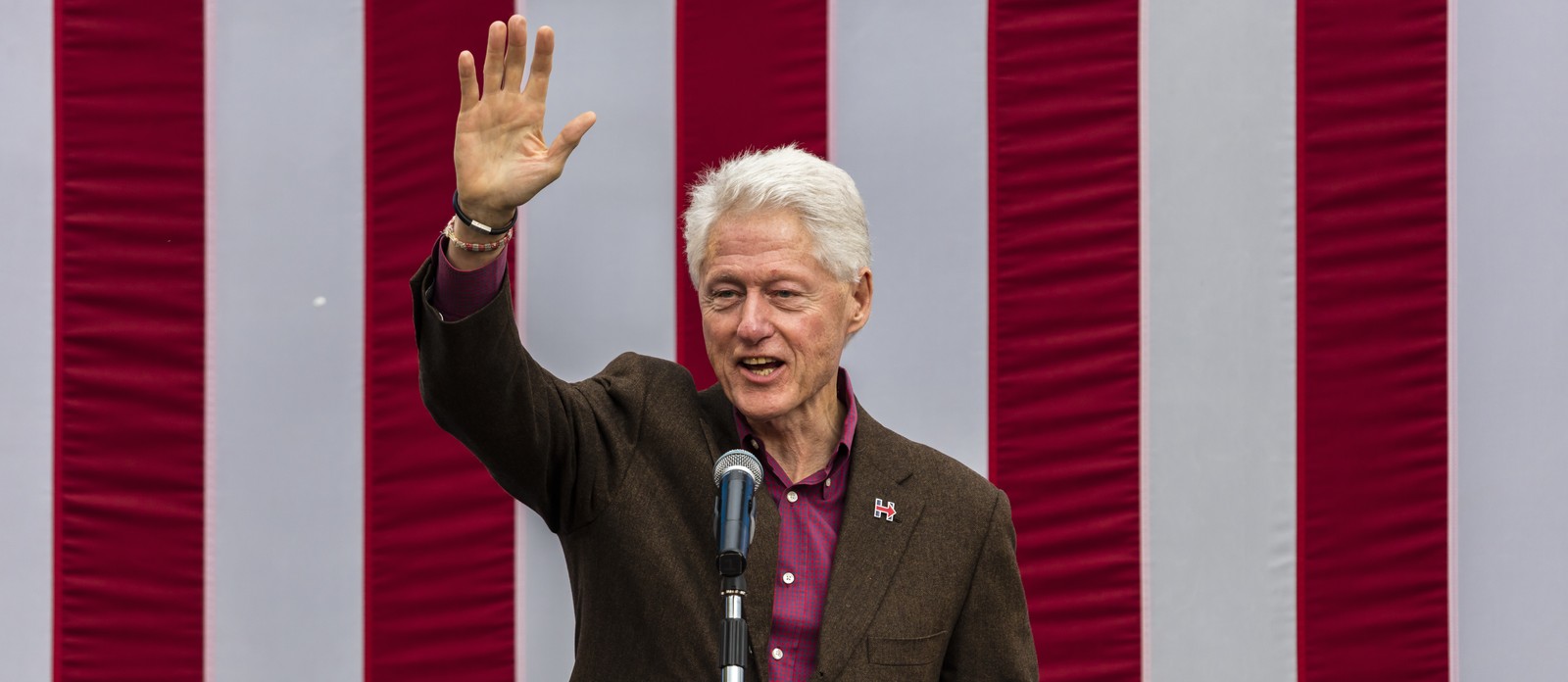
Image: Shutterstock

History is full of "Wait, that actually happened?" moments. Like finding out Lincoln and Kennedy shared the same tragic destiny , that Adams spent his last breath on Jefferson's name, not knowing his friend was already gone, or that Mark Twain called his own death years before it happened. Read on to discover 10 startling connections.

1
Abraham Lincoln and John F. Kennedy
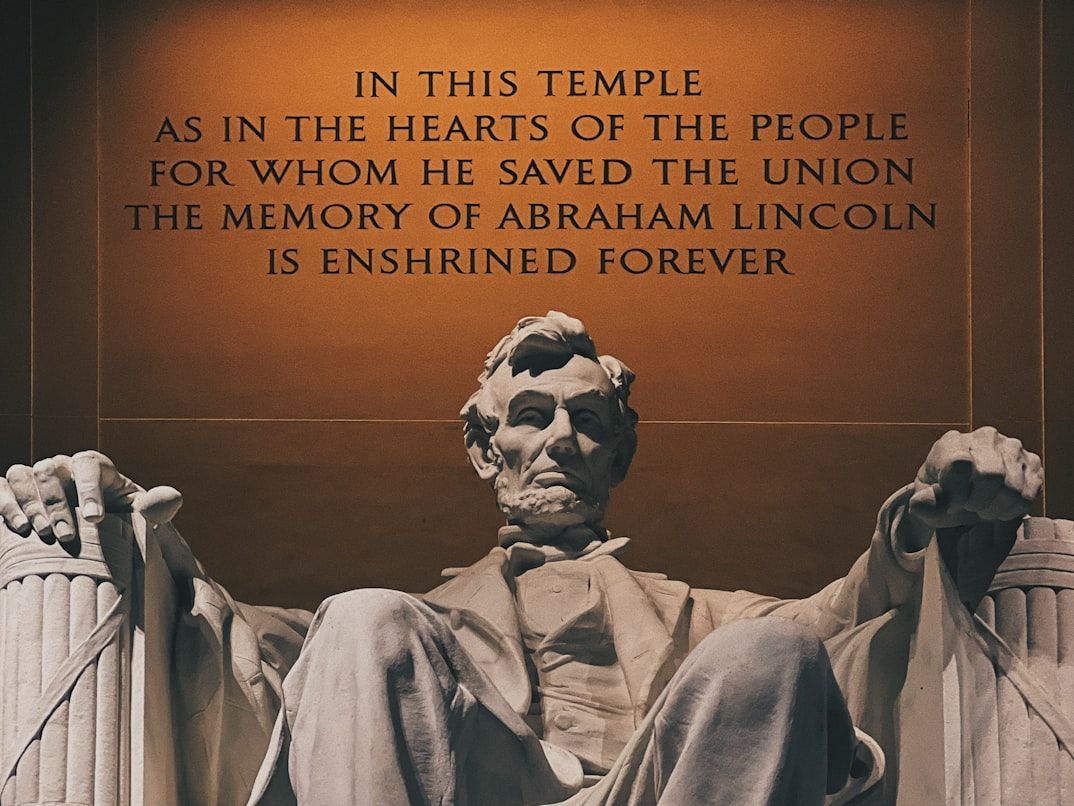
Image: Naomi August

Abraham Lincoln led the country through the Civil War in the 1860s, while John F. Kennedy governed during the Cold War and the civil rights movement of the 1960s. Both led the U.S. during make-or-break moments, and both were tragically assassinated while in office.

The major coincidence is the exact 100-year parallel in their timelines . Lincoln was elected to Congress in 1846, became president in 1861, and was killed at Ford's Theatre in Washington, D.C. on the night of April 14, 1865. Kennedy was elected to Congress in 1946, became president in 1961, and was shot while riding in the presidential motorcade in Dallas, Texas , in 1963. There is more: both men were shot on a Friday while sitting next to their wives. Lincoln was 56, while Kennedy was 46.

2
Jefferson and Adams
Image: 4300streetcar

Thomas Jefferson was born in Virginia in 1743 and was eight years older than John Adams, who was born in Massachusetts in 1735. While Adams was a Federalist, Jefferson helped lead the Democratic-Republicans, and the bitter election of 1800 pushed them apart for years. Then, in 1812, Adams wrote to Jefferson, opening the door to a long exchange of letters that slowly repaired their friendship.

The tragic yet mysterious event came on July 4, 1826, exactly 50 years after the Declaration of Independence. Jefferson died in Virginia at age 83 of intestinal and kidney issues, and Adams died a few hours later in Massachusetts at age 90 due to heart failure. According to reports, Adams’s last words were "Thomas Jefferson survives," not knowing Jefferson had already died .

3
Monroe
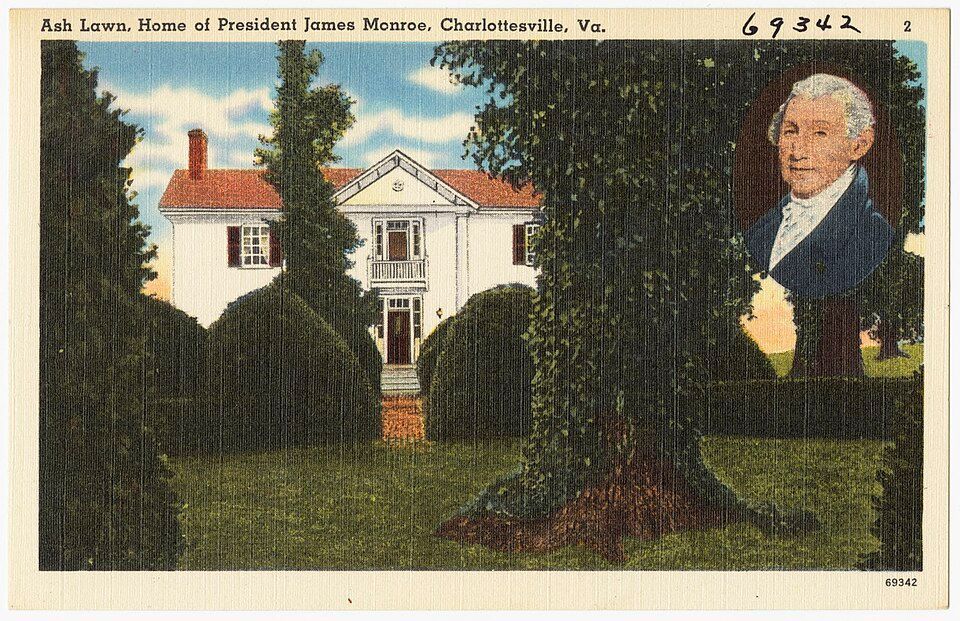
Image: Boston Public Library

James Monroe has more in common with Jefferson and Adams than you might think. He became the fifth president of the United States and is best remembered for the Monroe Doctrine, a major statement in American foreign policy.

Five years after Jefferson and Adams passed away, Monroe, 73, died on the same date in 1831, the 4th of July. This incident made him the third U.S. president to die on Independence Day.

4
Mark Twain
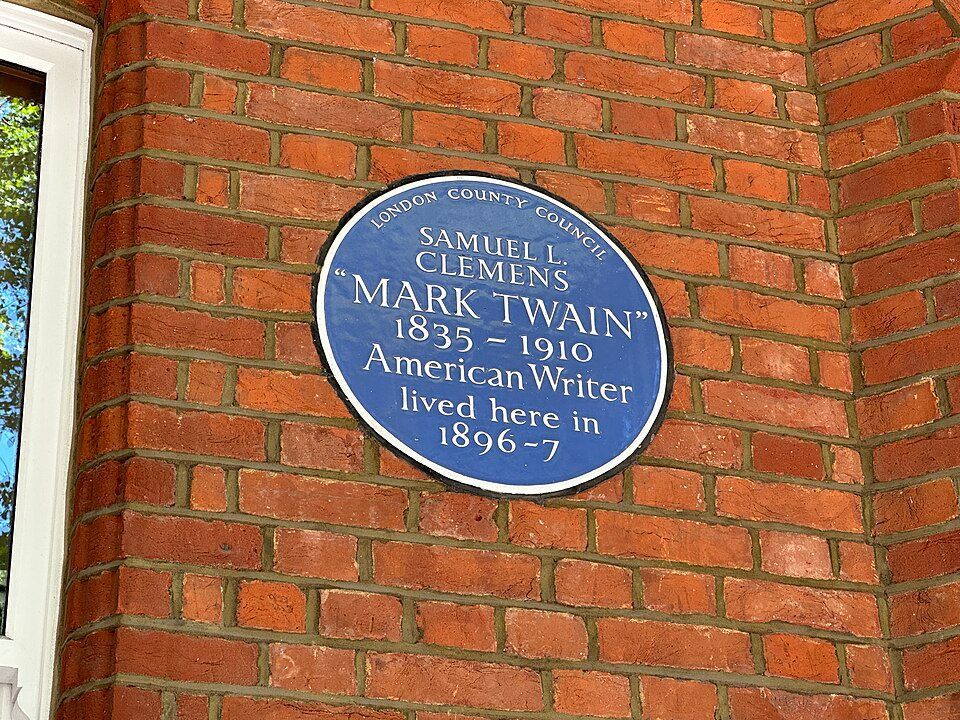
Image: Matt Brown

Mark Twain is one of America’s greatest authors, famous for such classics as The Adventures of Tom Sawyer and The Adventures of Huckleberry Finn .

The unusual coincidence is the timing of his life and death. Twain was born in 1835, the exact year Halley’s Comet passed by Earth. In 1909, he publicly joked that he came in with the comet and expected to die when it returned. In fact, his prediction came true: the comet returned to view in April 1910, and Twain died at age 74 of a heart attack the very next day.

5
Martin Luther King Jr. and Anne Frank
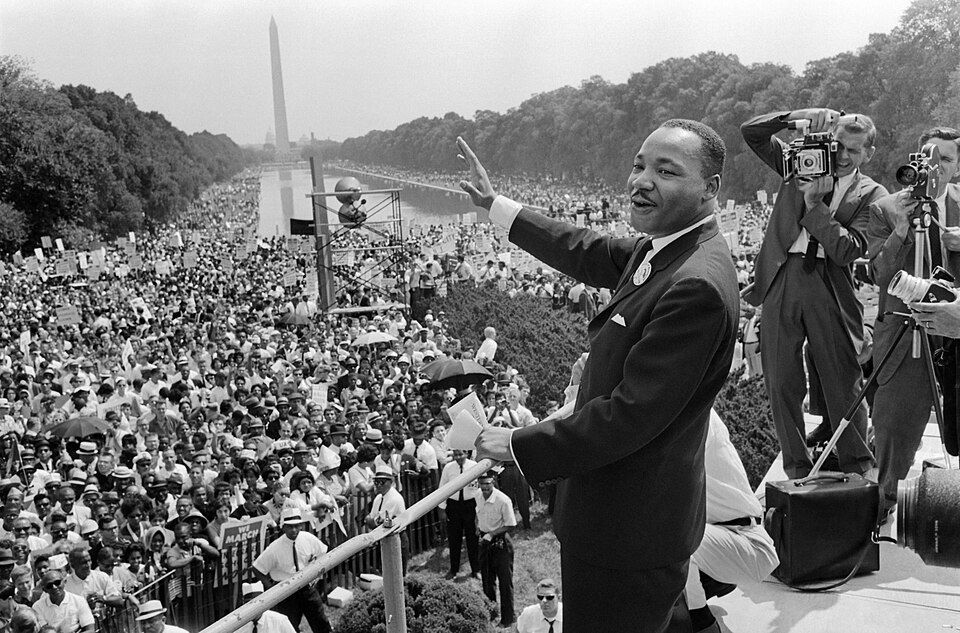
Image: National Park Service

Martin Luther King Jr. was the activist who led the American civil rights movement. Anne Frank was a young German Jewish girl whose hidden diary, discovered after her death, made her one of the most iconic figures of the Holocaust.

Because we remember Anne Frank as a teenager and Martin Luther King Jr. as an adult leader, it feels like they belong to two different eras. But the truth is, both were born in 1929, just a few months apart. Martin Luther King Jr. in January and Anne Frank in June.

6
Johnson and Clinton
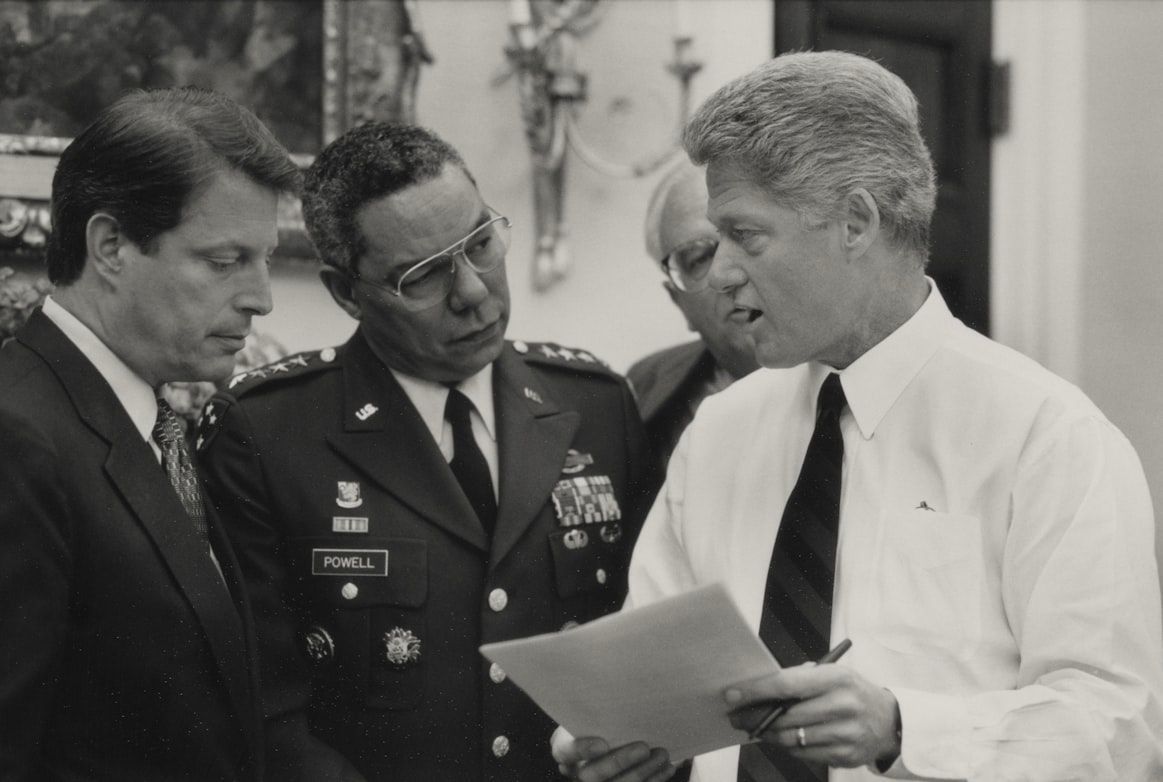
Image: Smithsonian

Andrew Johnson became president after Abraham Lincoln was assassinated, while Bill Clinton was the president who oversaw a massive economic boom in the 1990s. What do they have in common? Both men were impeached, but neither removed from office.

Johnson’s case grew out of the fight over Reconstruction after the Civil War, especially his clash with Congress over how the South should be rebuilt. On the other hand, Clinton’s case came from a personal scandal, centered on accusations that he lied under oath and obstructed justice during the Monica Lewinsky investigation, which involved his relationship with a White House intern.

7
Theodore Roosevelt and Franklin D. Roosevelt
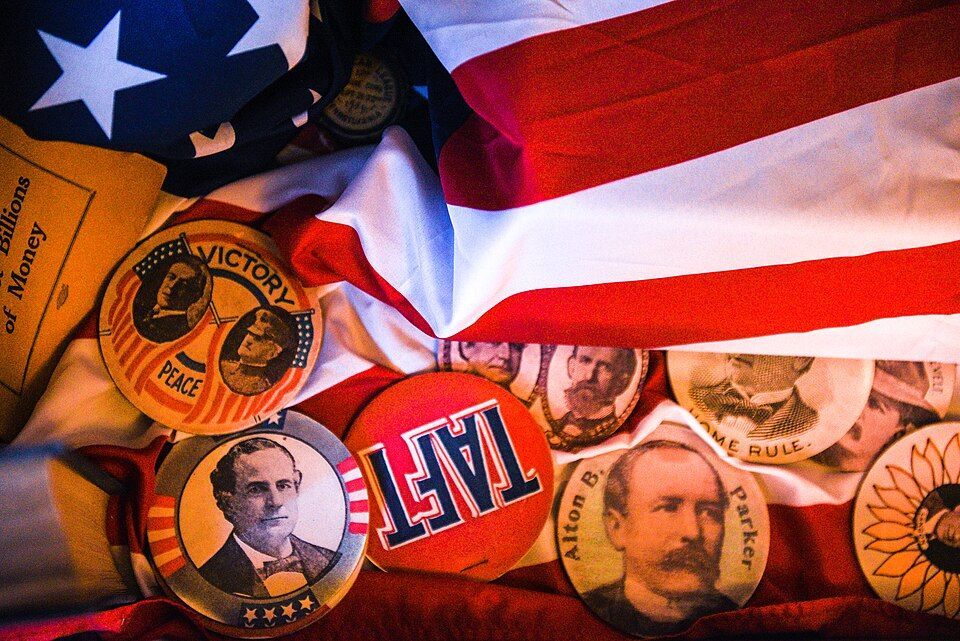
Image: PEO ACWA

Theodore Roosevelt was a president famous for his environmental conservation efforts and his "Square Deal" policies. Franklin D. Roosevelt guided America through its two biggest 20th-century crises: the Great Depression and World War II.

They were fifth cousins by blood from different branches of the New York Roosevelt family. However, the connection became even closer when Franklin married Theodore’s niece, Eleanor Roosevelt. Franklin once explained the relationship in court during Theodore Roosevelt’s 1915 libel trial, calling himself Theodore’s "fifth cousin by blood and nephew by law."

8
Theodore Roosevelt at Lincoln’s funeral
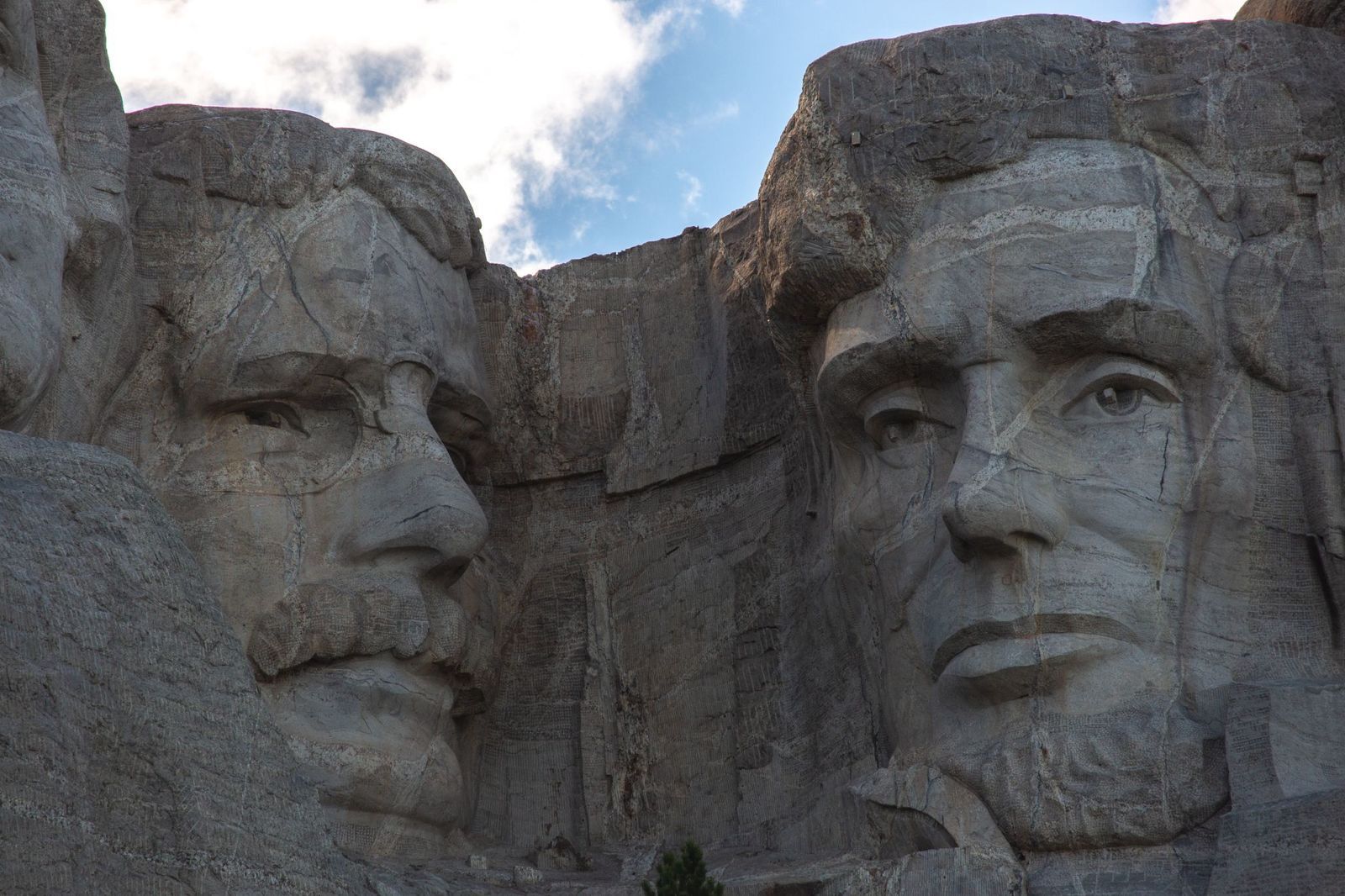
Image: Shutterstock

When Abraham Lincoln’s funeral procession passed through New York City in 1865, a small boy was watching from a window on Broadway. That boy was Theodore Roosevelt, not yet seven years old , standing in his grandfather’s house as the nation mourned its assassinated president.

Decades later, Roosevelt would become president himself after another assassination, when William McKinley was shot in 1901. The scene is striking: a future president watching the funeral of Abraham Lincoln decades before he would enter the White House after another president was assassinated.

9
Bill Clinton’s comeback
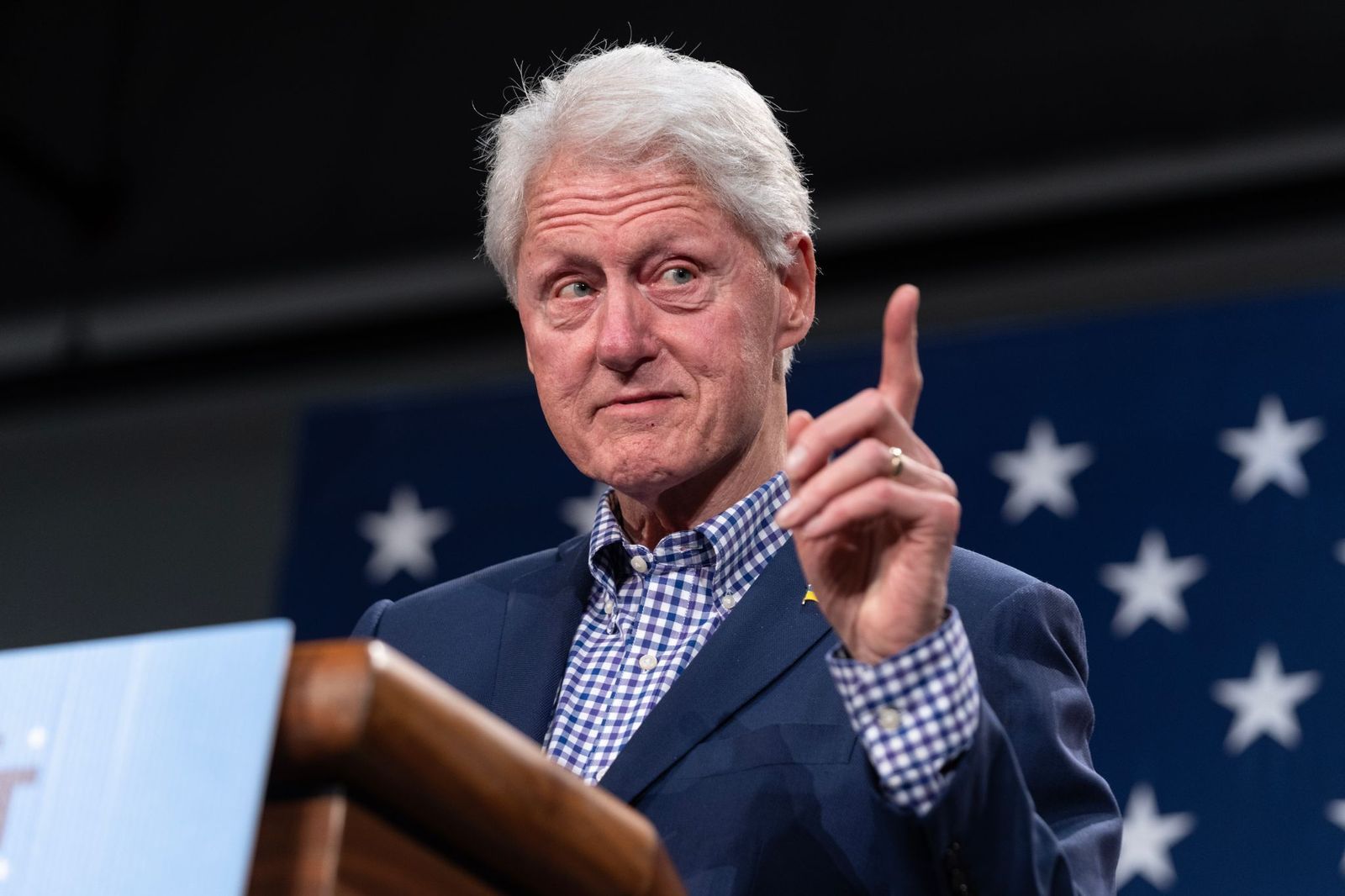
Image: Shutterstock

In 1988, Bill Clinton was a little-known governor from Arkansas when he gave the nominating speech for Michael Dukakis at the Democratic National Convention. Dukakis was the governor of Massachusetts and the Democratic nominee for president at that moment. Apparently, the speech went on too long, and the crowd famously cheered when Clinton finally said, "In conclusion."

Four years later, Clinton returned to the same national stage as the Democratic nominee for president. The man who was first mocked for talking too long became one of the party’s most famous speakers. Later, he won two terms in the White House, and the rest is history.

10
General George Patton and James Dean
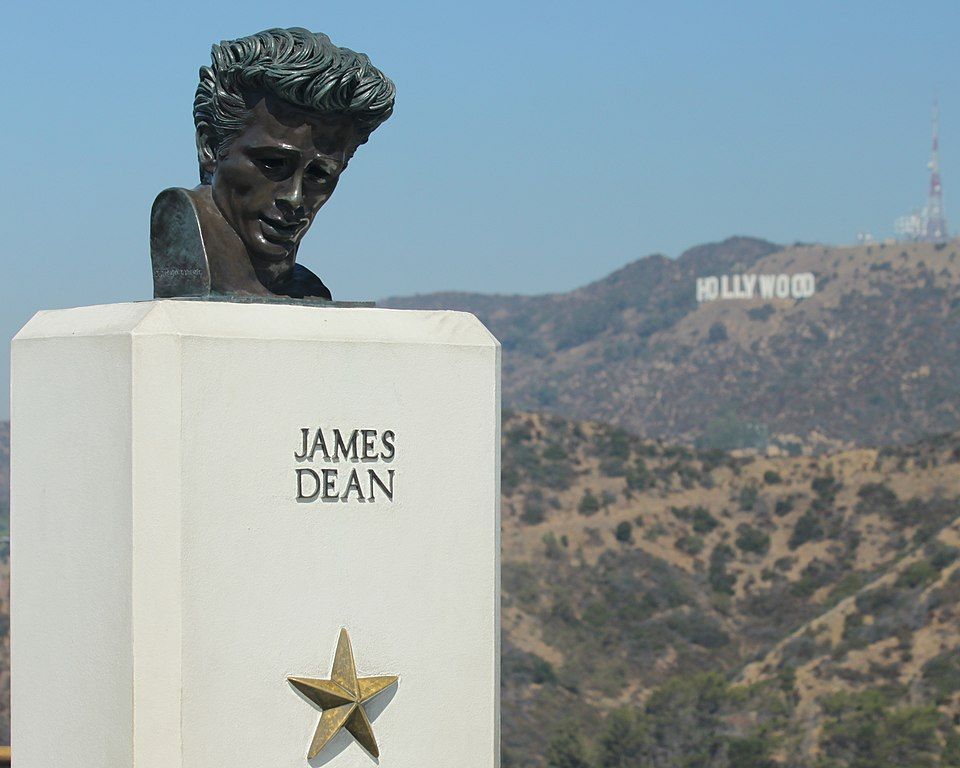
Image: Prayitno / Thank you for (12 millions +) view from Los Angeles, USA

George S. Patton was a famous U.S. Army General who led American troops to victory during World War II, while James Dean was a legendary Hollywood actor who became a cultural icon starring in films like Rebel Without a Cause .

Exactly ten years apart, Patton in 1945 and Dean in 1955, both men were involved in car accidents. In both crashes, the vehicles were not traveling at high speeds, and the other people involved survived, but Patton, 60, and Dean, 24, were the only individuals who suffered fatal injuries.

General General 4 min read

Unexplained & unforgettable

Wait, they saw what? 10 UFO sightings that will make you question reality

Image: Bruce Warrington

Since the dawn of time, humans have stared at the heavens in search of answers, and the question of life on other planets has always been with us. But sometimes what we see defies explanation. From strange-shaped objects crossing the sky to tales of encounters with extraterrestrials, today we’re remembering 10 shocking UFO stories.

1
Roswell Incident (New Mexico, 1947)

Image: Albert Antony

It was July 1947 when something extraordinary happened near Roswell, New Mexico: a mysterious, large object crashed on a ranch outside the town. It wasn't an airplane, it wasn't a helicopter, it didn't resemble any known aircraft at the time. Interestingly, the military first described it as a "flying disc," only to later retract the statement and claim it was just a weather balloon. This shift caused endless theories and made Roswell perhaps the most famous UFO story of all time.

2
Kenneth Arnold Sighting (Washington, 1947)

Image: Parastoo Maleki

No one knows the skies better than pilots, and in June 1947, one of them, Kenneth Arnold, saw something that would change the way we think about extraterrestrial life. According to his report, Arnold spotted nine bright objects moving near Mount Rainier, Washington. He described their flight as being like "a saucer skipping across water." That phrase would go on to coin the term "flying saucer," marking what many consider the beginning of the modern UFO era.

3
Washington, DC, Flap (1952)

Image: Ben Collins

Do you think UFO sightings only happen in rural or remote areas? Between July 12 and 29, 1952, something unexplainable occurred over Washington, DC. People in the US capital reported seeing mysterious objects moving randomly in the sky. But that wasn't all; pilots and even radar stations reported the same. While the US Air Force suggested that temperature might have affected radar performance, the sightings were never fully and clearly explained.

4
Kelly-Hopkinsville Encounter (Kentucky, 1955)

Image: Danie Franco

On August 21, 1955, two families in rural Kelly, Kentucky, experienced something straight out of their wildest nightmares. In the evening, a bright, fleeting light appeared in the sky. According to their reports to the police, the light was followed by the arrival of small creatures with large eyes and long arms, described as "little green men," who allegedly approached their homes and peered through the windows. Terrified, the families shot at them for nearly four hours, until the "little green men" finally seemed to disappear. When police arrived the next day, the houses were empty. According to neighbors, both families had packed up and left, saying the creatures had returned around 3 a.m.

5
Kecksburg UFO Incident (Pennsylvania, 1965)

Image: Lamna The Shark

We all know what to do when we see a shooting star: make a wish! But that was far from the reaction in Kecksburg, Pennsylvania, where on December 9, 1965, residents watched what looked like a massive fireball streak across the night sky before crashing into a forest on the town’s outskirts. Some people rushed to the site and claimed they saw a large metallic object shaped like an acorn. The military arrived soon after and launched an investigation that suggested it may have been a meteor or space debris. But the doubters were not convinced, and the event sparked a wave of theories and speculation that continues to this day.

6
Coyne Helicopter Incident (Ohio, 1973)

Image: James Pere

On October 18, 1973, near Mansfield, Ohio, something occurred that would challenge even the most stubborn skeptics. Captain Lawrence Coyne was piloting a US Army Reserve helicopter when it was allegedly intercepted by a large, cigar-shaped craft flying erratically at high speed and emitting green and red lights. During the encounter, the helicopter suddenly ascended beyond Coyne’s control. People on the ground witnessed the event and later confirmed parts of the pilot’s account. To this day, the incident remains unexplained.

7
Cash–Landrum Incident (Texas, 1980)

Image: Anton Kapralov

The ’80s were a wild decade, and that even included alleged encounters with alien spacecraft! In December 1980, three people reported a terrifying experience while driving through Texas: they were suddenly forced to stop when a huge craft hovered over the highway. According to their account, the metallic object emitted bright lights and intense heat. Later, all three developed physical symptoms, including burns, nausea, vomiting, and hair loss. Medical reports suggested these effects were consistent with prolonged radiation exposure, although it could not be proven that the incident itself caused the symptoms.

8
Hudson Valley UFO Wave (New York, 1982-1986)

Image: Clay Banks

An isolated UFO sighting involving just a few people is one thing. But it’s quite another when, for years, hundreds of people report sightings in the same place with similar characteristics. We’re talking about New York’s Hudson Valley, where for several years (1982–1986), residents, police officers, and even pilots reported UFO sightings. Many described the same thing: a large craft with a V-shaped row of lights that moved strangely and flew very low, sometimes even approaching houses. While some skeptics claimed they were planes flying in formation, witnesses didn’t fully accept this explanation.

9
Phoenix Lights (Arizona, 1997)

Image: Jaizer Capangpangan

If one person’s sighting seems hard to believe, maybe the testimony of thousands will convince you. In March 1997, one of the most famous UFO events witnessed by large groups occurred. Thousands of people reported seeing the same phenomenon in the skies over Arizona, Nevada, and Mexico: a formation of lights moving silently and strangely across the night sky. Even Fife Symington, the then-governor of Arizona, later claimed he had seen the lights himself.

10
O'Hare Airport Sighting (Illinois, 2006)

Image: David Syphers

If your skepticism has lasted this long, the next story might make you rethink everything. In November 2006, a large group of pilots, mechanics, and airline staff spotted a metallic, disc-shaped object hovering above United Airlines Gate C17 at O’Hare International Airport just outside Chicago. Witnesses say the object punched a circular hole in the clouds before shooting off. The FAA (Federal Aviation Administration) initially called it a "meteorological phenomenon," but later-released ATC audio reveals tower and ground staff discussing the object in total confusion.

General General 4 min read

SAVORING THE PAST

The Great American Menu: 10 Hearty Meals That Shaped a Nation

Image: Annie Spratt

Isn’t the fastest way to the heart of a nation through its stomach? From coast to coast, the United States has a rich tapestry of culinary traditions that reflect its diverse history and cultural influences. These hearty meals not only fill our bellies but also help tell a vital part of our history , where the blend of innovation and tradition has produced both fresh takes on classic recipes and completely new culinary creations. Let's embark on a savory journey through 10 iconic dishes that are as American as… well…

1
Apple Pie

Image: Patrick Fore

No dessert is more synonymous with American culture than the humble apple pie. Dating back to the colonial era, this sweet treat has evolved from simple fruit-filled pastries to an unofficial symbol of the United States. Whether served à la mode with a scoop of vanilla ice cream or enjoyed on its own, apple pie remains a beloved classic for Americans of all ages.

2
Cheeseburger

Image: Christian Wiediger

While the two basic ingredients that make a hamburger—bread and beef— have been present in the cuisine of most cultures for millennia, historical evidence suggests that the first country where the two were combined into a "hamburger sandwich" was the United States.

However, it was the addition of cheese that catapulted this culinary creation to legendary status. Whether topped with cheddar, American, or blue cheese, the cheeseburger represents the spirit of affordability and innovation that defines American cuisine.

3
Clam Chowder

Image: Louis Hansel

Consumed by Americans at least since the early 19th century, clam chowder is a creamy soup brimming with fresh clams, potatoes, and onions. Although the most popular version of this dish hails from the shores of New England , there are many other regional variations like the Manhattan or Rhode Island clam chowder.

Served in a bread bowl or alongside oyster crackers, this comforting dish has warmed the hearts of generations, earning its place as a regional favorite.

4
Fried Chicken

Image: Shardar Tarikul Islam

Crispy on the outside and tender on the inside, fried chicken is a Southern staple that has captured the hearts (and taste buds) of food lovers nationwide. The origin of this popular dish in the Southern states has been linked to similar recipes from Scottish and West African cuisines.

Today, thanks in part to brands like Kentucky Fried Chicken (KFC) and Popeyes, fried chicken has become a beloved classic enjoyed across the country and around the world, while still retaining its deep-rooted popularity in the South.

5
Jambalaya

Image: stu_spivack, CC BY-SA 2.0

Hailing from the Louisiana bayou, jambalaya is a flavorful one-pot dish that combines rice with an array of meats, seafood, and vegetables. According to linguists, its curious name comes from the Provençal language —spoken in modern southeastern France—meaning something like a mixup.

While there is some evidence that points to the origin of this dish being the French Quarter of New Orleans, what is certain is that it reflects the complex cultural tapestry of the South , with influences from French, Spanish, and West African cuisines.

6
Pot Roast

Image: charlesdeluvio

A quintessential Sunday supper, pot roast is a slow-cooked marvel that transforms tough cuts of beef into melt-in-your-mouth perfection. Simmered alongside hearty vegetables—often carrots, potatoes, and onions—in a savory broth, this comforting dish has been bringing American families together for generations.

Similar recipes are found in many cultures, but the origin of the "Yankee pot roast," is often thought to be a local variation of the French dish boeuf à la mode ****, also influenced by German sauerbraten and traditional Jewish cuisine.

7
Shepherd's Pie

Image: JIP, CC BY-SA 4.0

Shepherd's pie, with its comforting layers of seasoned ground meat, vegetables, and creamy mashed potatoes, has long been a staple of American comfort food. Originally hailing from the British Isles—where it was made of lamb meat— this hearty dish found its way to American tables, where it quickly became a timeless classic.

Whether enjoyed on a cold winter's night or as a crowd-pleasing potluck dish, shepherd's pie warms the soul with its hearty flavors and rustic charm.

8
Cornbread

Image: Nik Owens

Cornbread holds a special place in American cuisine, particularly in the South, where it's considered a culinary cornerstone. Made from a simple mixture of cornmeal, flour, milk, and eggs, cornbread is a versatile accompaniment to countless meals , from barbecue ribs to fried chicken.

With origins in Native American cuisine , the role of cornbread as a pillar of the Southern diet emerged mostly out of necessity, as the heat and humidity of the region made it almost impossible to store wheat for long periods of time.

9
Macaroni and Cheese

Image: Ronaldo de Oliveira

Few dishes evoke nostalgic memories quite like macaroni and cheese. By simply combining tender pasta with a creamy cheese sauce, this childhood favorite has been delighting taste buds for generations.

While its origins can be traced back to Europe, macaroni and cheese became an American household staple during the 20th century , thanks in part to its convenience and affordability.

10
Meatloaf

Image: 4marknelson, CC BY-SA 4.0

Meatloaf, with its hearty blend of ground meat, breadcrumbs, and savory seasonings, is the epitome of classic American food. Originating in traditional German, Scandinavian, and Belgian cuisines , the dish as we know it today was likely first prepared in colonial Pennsylvania, using a mixture of ground pork and cornmeal.

This humble but nourishing dish has graced dinner tables all across the nation, and to this day remains a favorite for its simplicity and budget-friendly ingredients.

Explore more American facts

Choose your favorite category!

General
General

As American as apple pie—the very best America has to offer!

Culture
Culture

Delve into the astounding richness of American lore.

Geography
Geography

Hop in and explore vast and diverse American landscapes.

History
History

Discover the key moments that shaped the United States.