General General 4 min read

Bizarre legal disputes that reached the United States Supreme Court

A monkey sparked a copyright battle that went to federal court
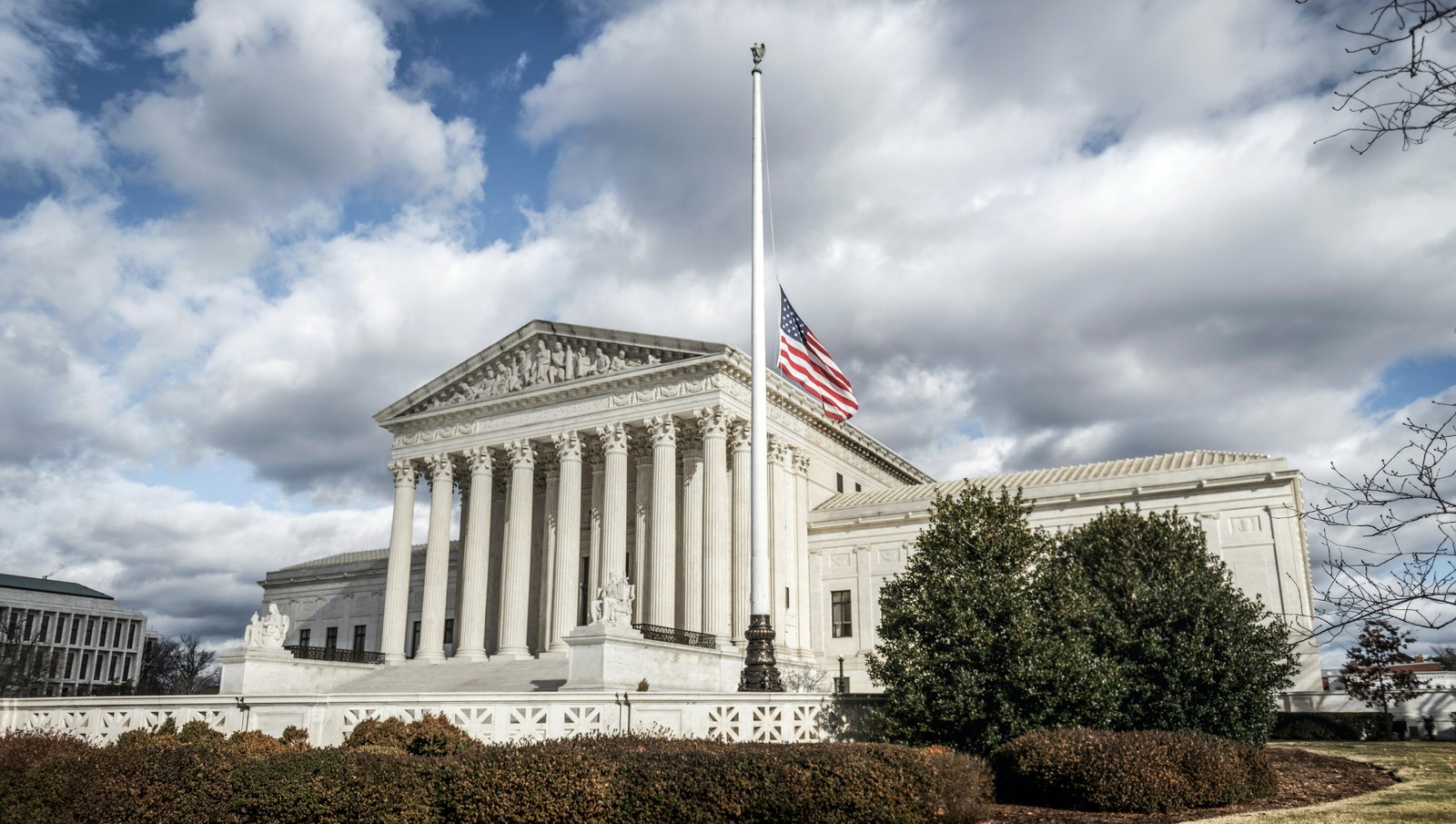
Image: Tim Mossholder

The Supreme Court typically handles weighty constitutional matters, but sometimes the cases that reach our highest court are just plain bizarre . From flying chickens to psychic predictions, these ten real cases prove that truth is definitely stranger than legal fiction. Let's dive into some of the oddest disputes that actually made it all the way to the Supreme Court.

1
The case of the suicidal chickens (1932)
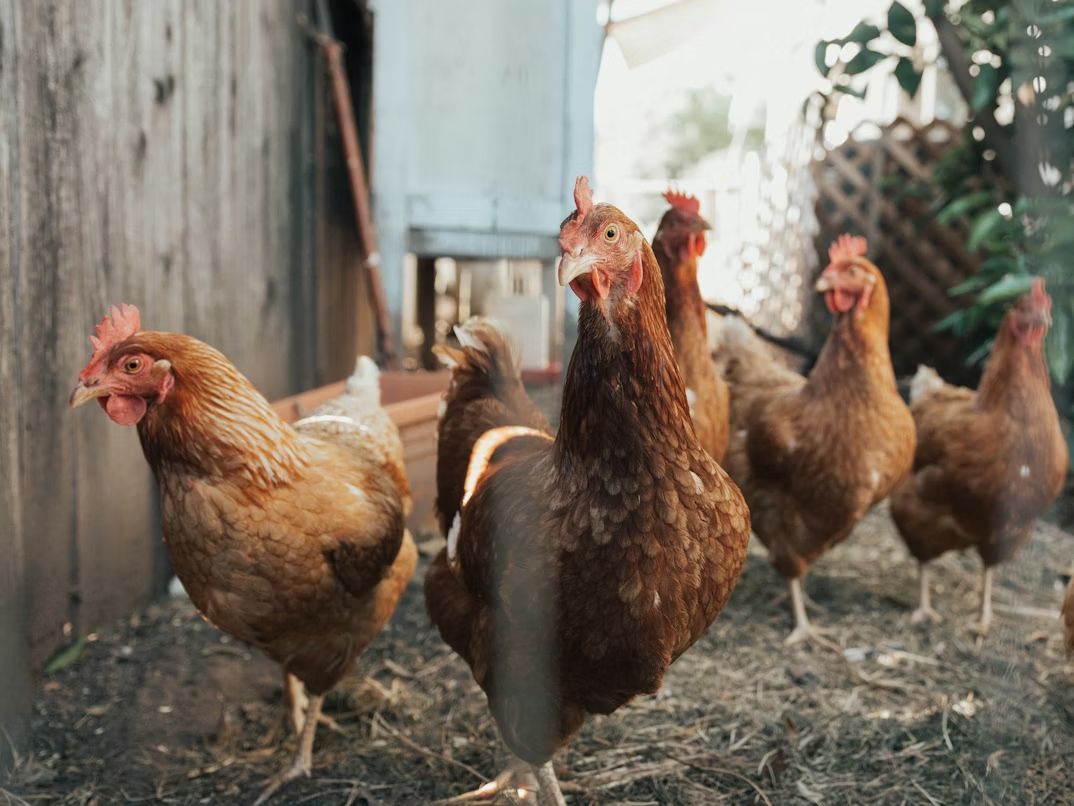
Image: Ben Moreland

In A.L.A. Schechter Poultry Corp. v. United States, a Brooklyn, New York poultry dealer found himself in hot water for selling "unfit chickens" and violating New Deal regulations. The case became known as "the sick chicken case" because Schechter was accused of selling diseased birds that should have been condemned .

The Supreme Court ultimately ruled in favor of the chicken seller, striking down key portions of FDR's National Industrial Recovery Act. The justices decided the federal government had overstepped its authority in regulating local businesses.

2
The tomato identity crisis (1893)
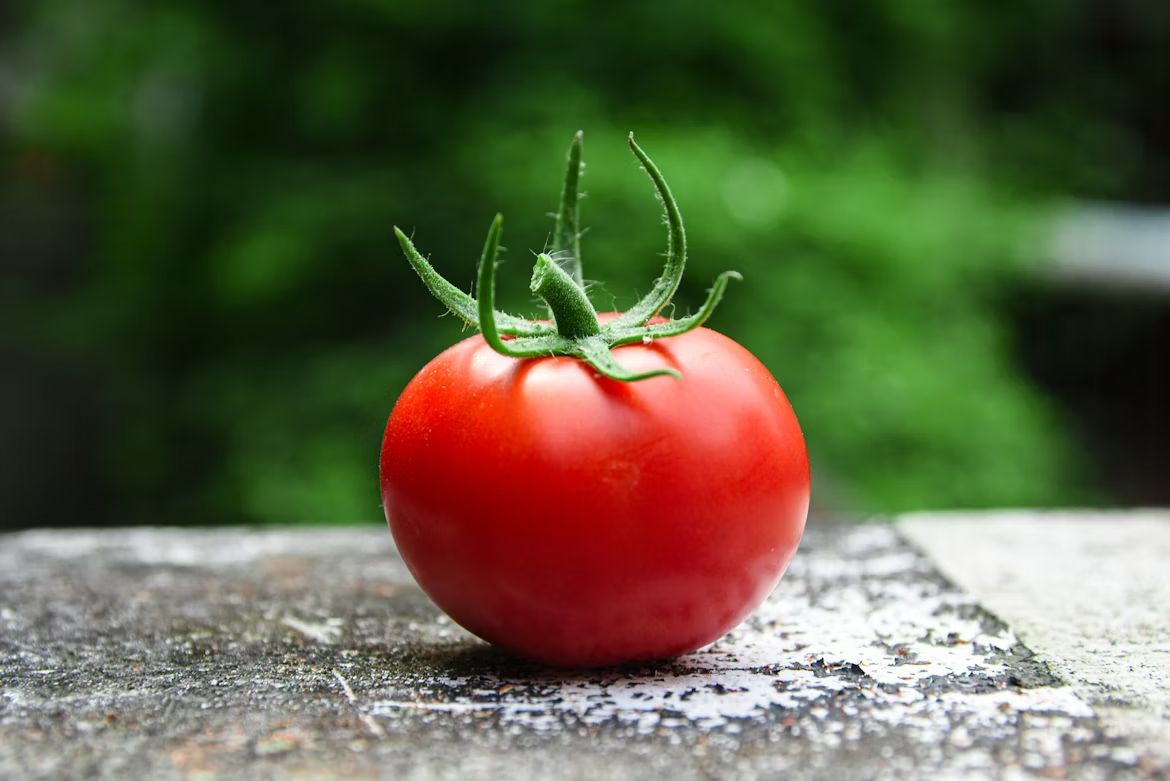
Image: Avin CP

Nix v. Hedden asked the Supreme Court to settle a burning question: Is a tomato a fruit or a vegetable? This wasn't just philosophical pondering—tariff laws taxed vegetables but not fruits, so there was serious money at stake for New York importers bringing tomatoes into the country.

The Court unanimously decided that tomatoes are vegetables for legal purposes, even though botanically they're fruits.

3
The stripper and the sales tax (1991)
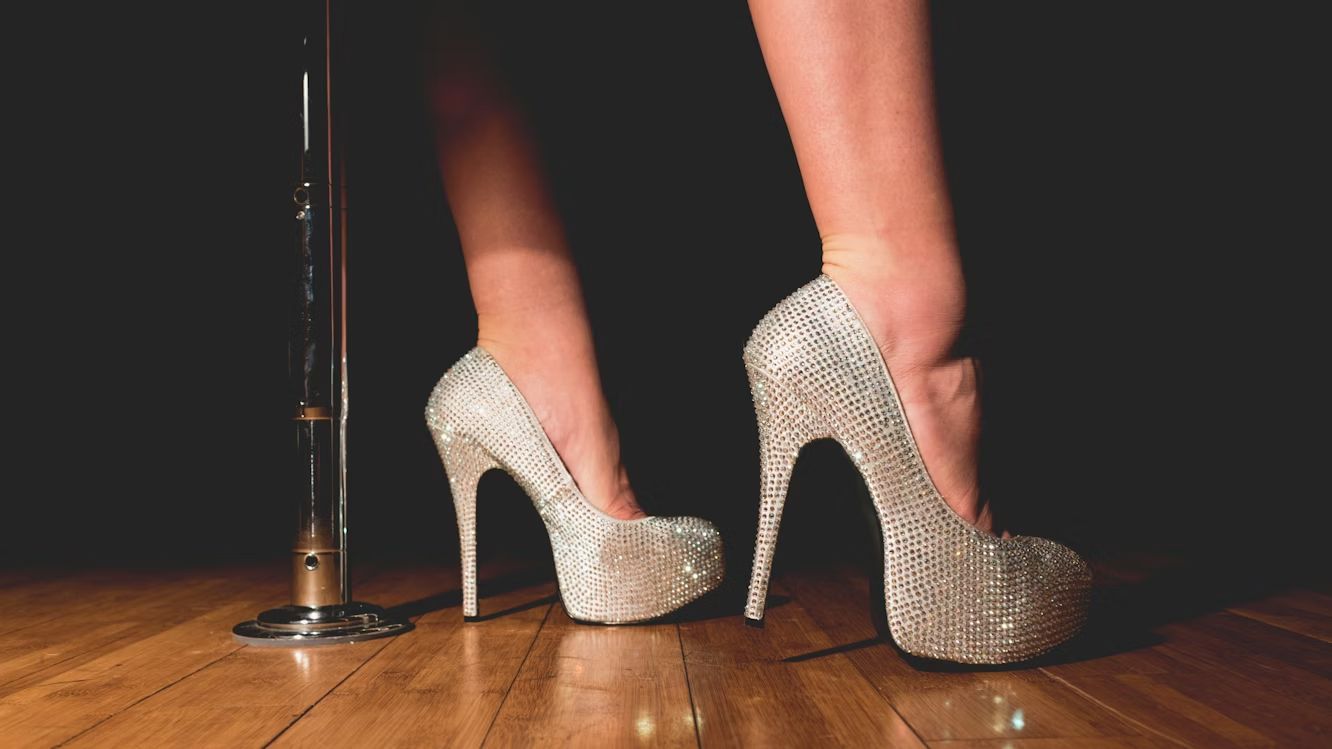
Image: Eric Nopanen

In Barnes v. Glen Theatre, Inc., the Supreme Court had to decide whether nude dancing qualified as protected expression under the First Amendment . An Indiana law required dancers to wear at least pasties and a G-string, and adult entertainment establishments in South Bend challenged this as censorship.

The Court ruled 5-4 that states could require minimal clothing without violating free speech rights. Chief Justice Rehnquist argued that the law wasn't targeting expression but public nudity itself. The dissenting justices felt this was government overreach into artistic expression, making this one deeply divided decision about very little clothing.

4
The prisoner who sued over chunky peanut butter (2011)
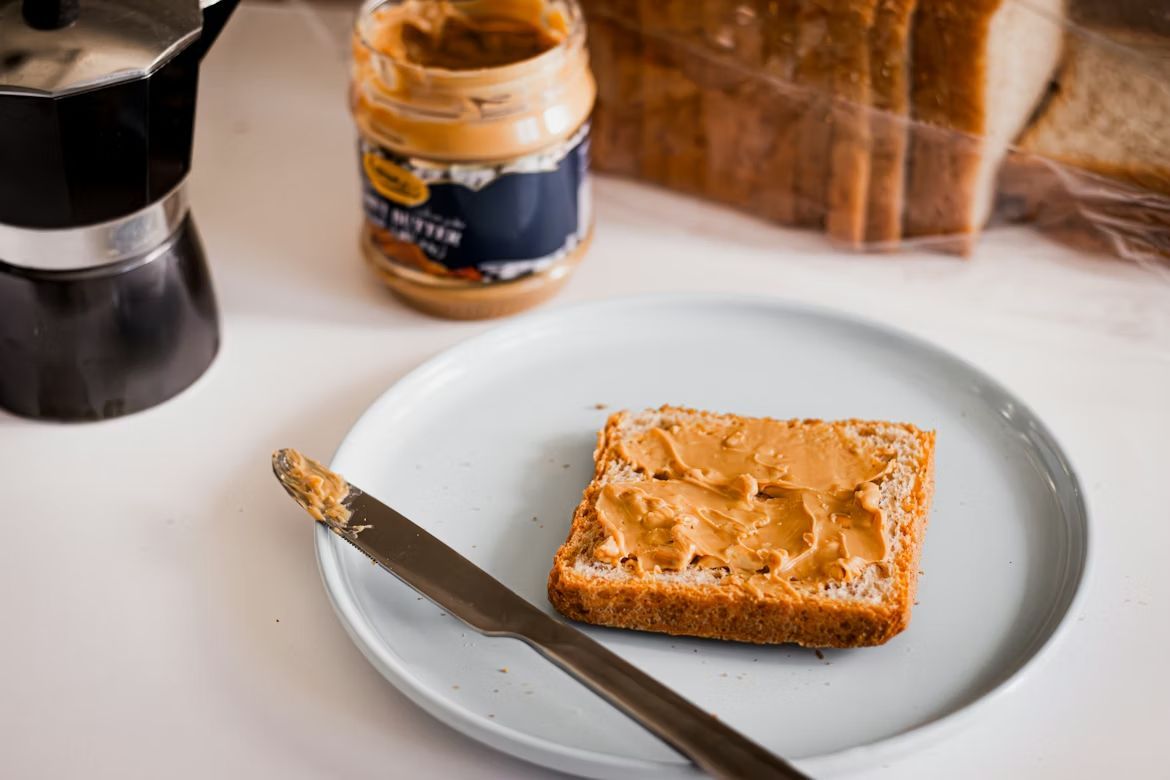
Image: The Design Lady

Michigan inmate Robert Procup filed a lawsuit that eventually reached consideration by the Supreme Court, claiming that being served chunky peanut butter instead of smooth violated his rights . He argued this constituted cruel and unusual punishment because he had digestive issues and his religious beliefs required smooth spreads.

The Court declined to hear the case, letting lower court rulings stand that dismissed his claims. While prisoners do have constitutional rights, the justices apparently felt that peanut butter texture preferences didn't rise to that level.

5
The monkey selfie dispute (2018)
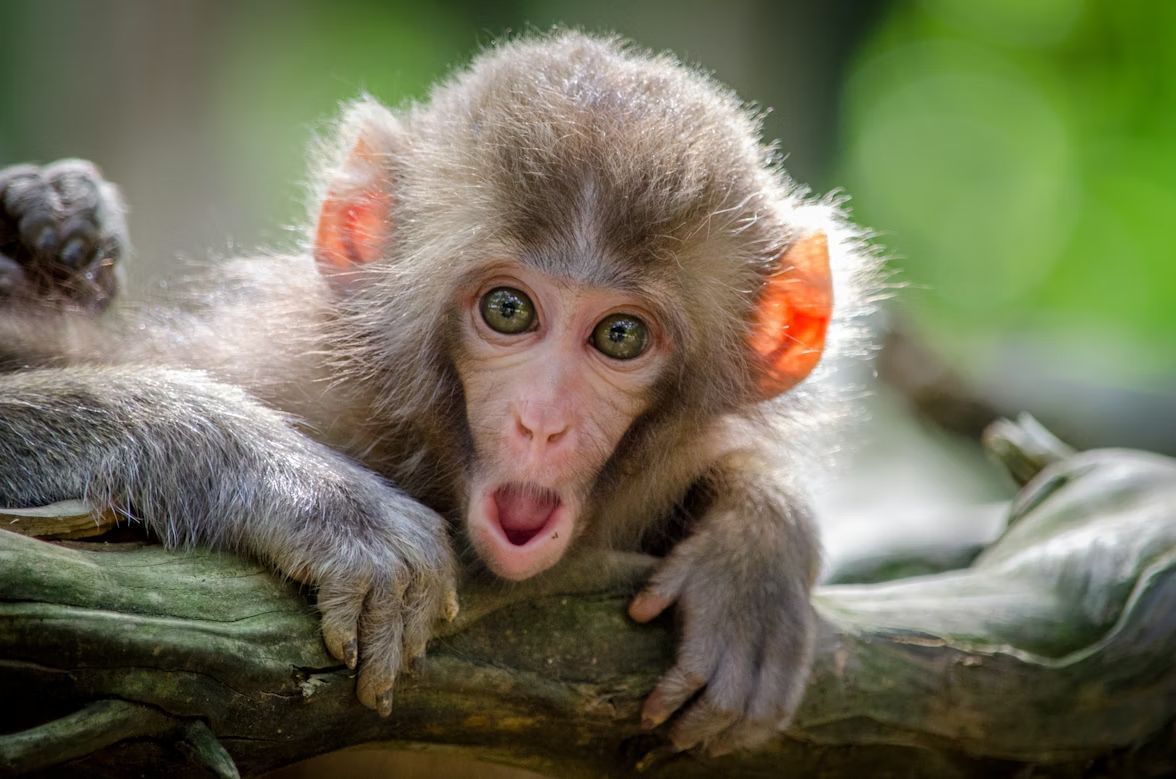
Image: Jamie Haughton

In Naruto v. Slater, a macaque monkey in Indonesia took selfies with a photographer's camera, sparking a bizarre copyright battle that reached federal courts. PETA sued on behalf of the monkey, arguing that Naruto owned the copyright to his own selfies, while California photographer David Slater claimed ownership.

The Supreme Court declined to hear the appeal, letting stand the lower court's ruling that animals cannot own copyrights under U.S. law. The case was eventually settled, but it raised fascinating questions about who owns creative works when the "creator" isn't human.

6
The psychic and the IRS (1986)
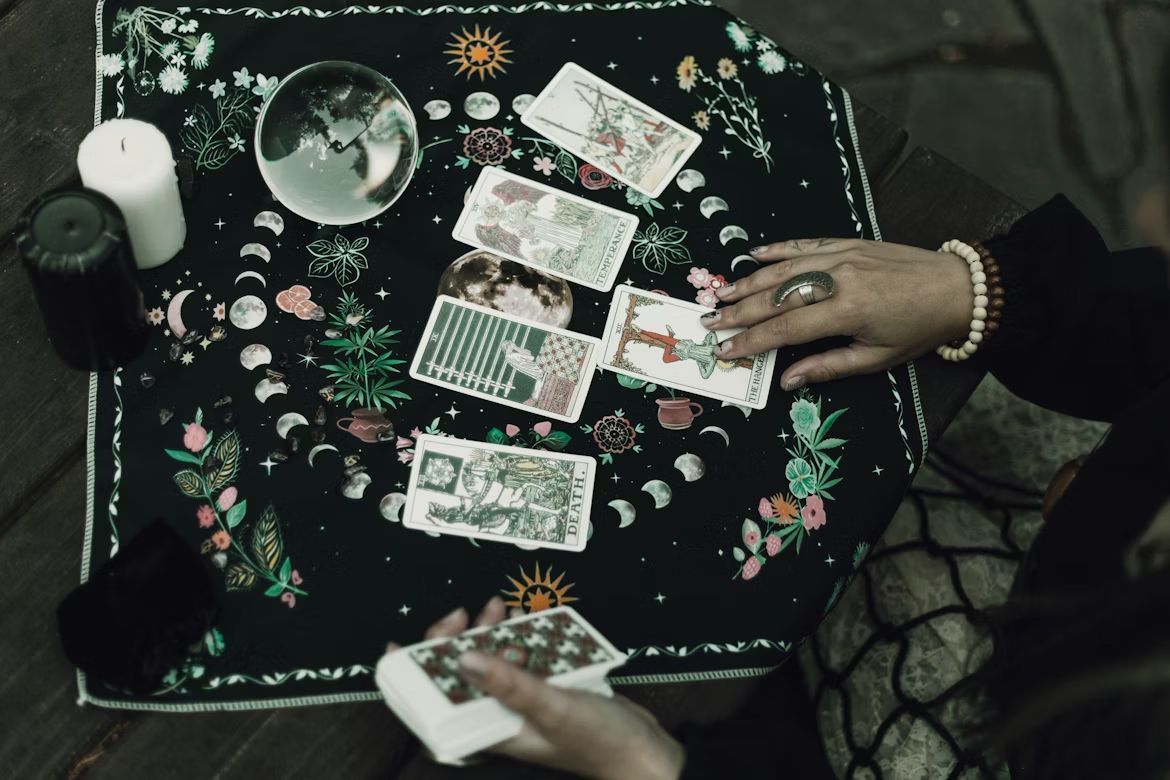
Image: Ksenia Yakovleva

In United States v. Zolin, the case involved a psychic in California who claimed the Church of Scientology had tampered with evidence. But the real weird twist was that it raised questions about attorney-client privilege when the communication involved potential criminal activity —in this case, schemes discussed during what were supposedly confidential legal meetings.

The Court established the "crime-fraud exception" to attorney-client privilege, ruling that lawyers can't help clients plan crimes and then hide behind confidentiality.

7
The case of the stubborn mule (1842)

Image: Jeff King

Swift v. Tyson didn't actually involve a mule, but it dealt with commercial disputes in New York that were about as exciting as watching one stand still. A man bought some land using a promissory note, but the land deal turned out to be fraudulent, and he didn't want to pay.

The Supreme Court created the "Swift doctrine," which allowed federal courts to ignore state court decisions in certain commercial cases. This ruling stood for almost 100 years before being overturned .

8
The singing telegram drama (1988)

Image: Vitaly Gariev

Hustler Magazine v. Falwell stemmed from a parody ad suggesting Virginia televangelist Jerry Falwell's "first time" was with his mother in an outhouse . Falwell sued for emotional distress, arguing the fake interview was defamatory and intentionally hurtful, seeking millions in damages.

The Court ruled 8-0 that parody and satire about public figures are protected speech, even when offensive and outrageous. Chief Justice Rehnquist wrote that public figures can't recover damages for emotional distress without proving actual malice.

9
The hotel that discriminated against dogs (1964)
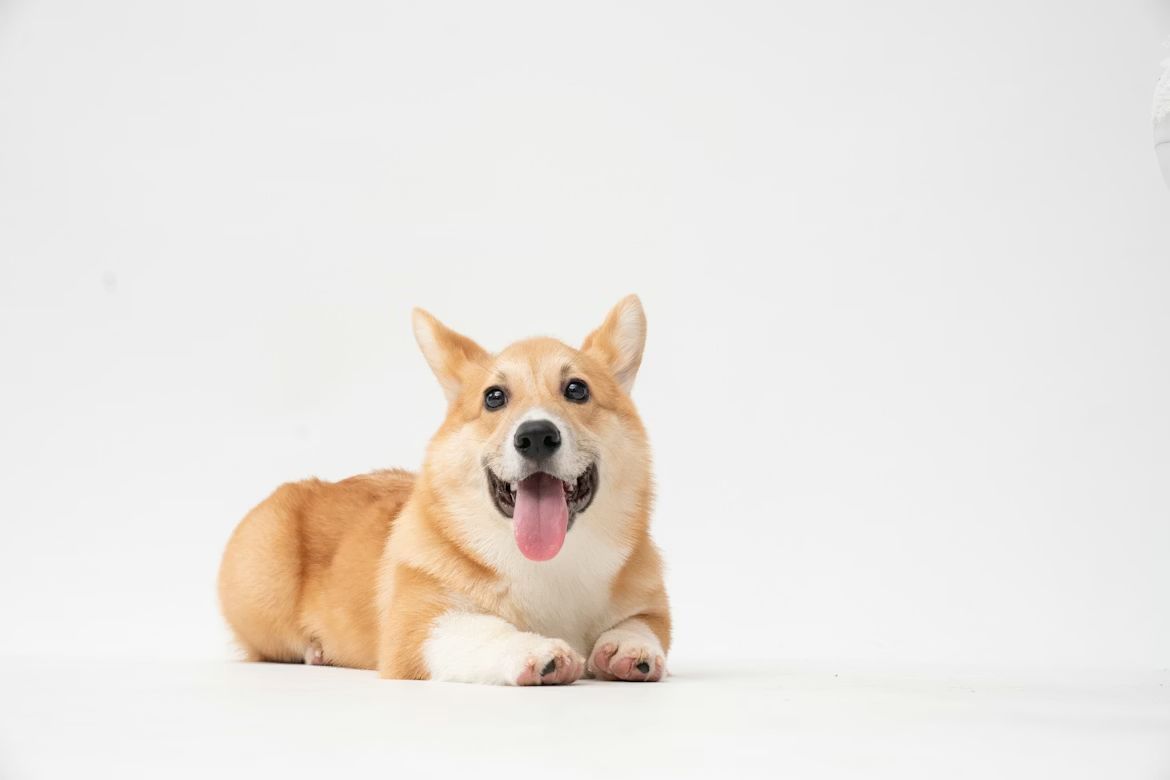
Image: fatty corgi

In Heart of Atlanta Motel v. United States, a Georgia motel owner challenged the Civil Rights Act, claiming the government couldn't force him to rent rooms to Black customers. While the racial discrimination was a serious issue, the owner's backup argument was truly bizarre: he claimed interstate commerce laws didn't apply because his guests' dogs didn't cross state lines .

The Supreme Court unanimously upheld the Civil Rights Act, rejecting all the motel's arguments, including the dog defense. This landmark case confirmed that businesses serving interstate travelers couldn't discriminate, regardless of where anyone's pets came from.

10
The battle over raisins (2015)
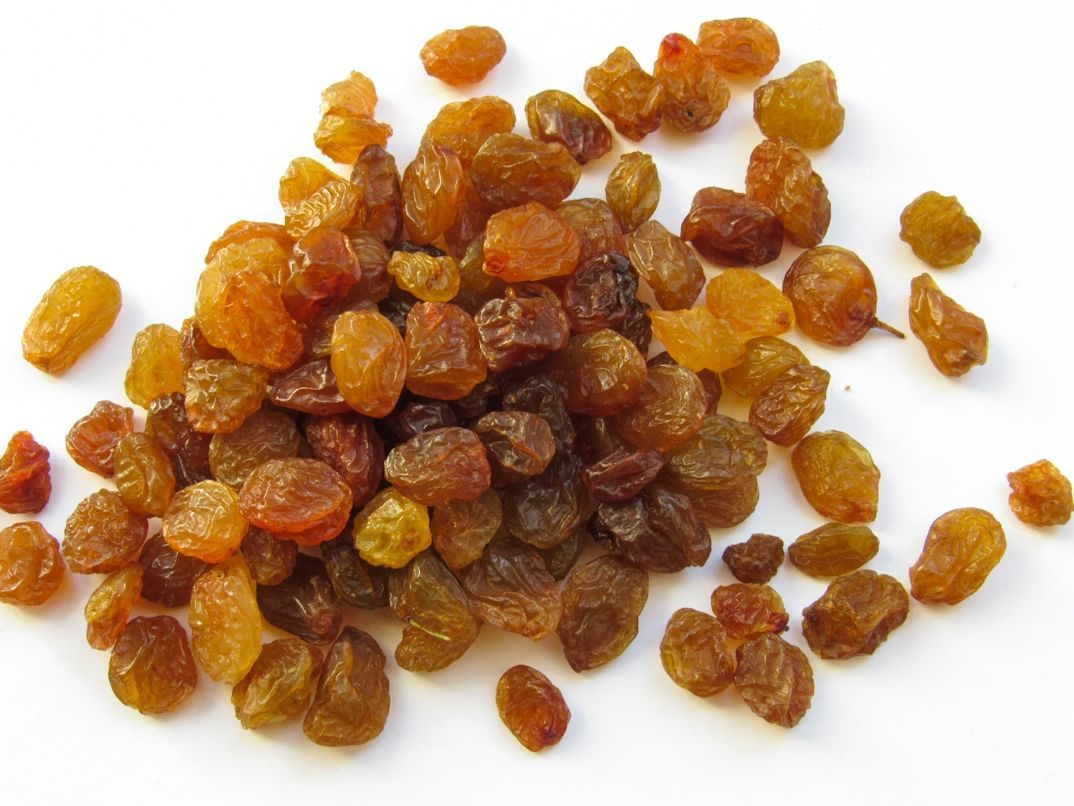
Image: Karyna Panchenko

Horne v. Department of Agriculture involved California raisin farmers who refused to surrender part of their crop to a government "raisin reserve" designed to stabilize prices . The farmers argued this was an unconstitutional taking of private property without just compensation, turning dried grapes into a constitutional matter.

The Court ruled 8-1 in favor of the raisin farmers, saying the government can't just seize personal property without paying for it, even if the goal is market stabilization. This case about wrinkled grapes actually reinforced important Fifth Amendment protections. Sometimes defending your raisins means defending everyone's property rights.

History History 3 min read

Say what?!

Believe it or not, these foods were once marketed as health remedies

Image: Barnabas Davoti

For much of American history, grocery staples didn’t just promise flavor, they also claimed to heal. Yes, you read that right: before strict regulations, inventors, pharmacists, health reformers, and plain snake oil salesmen pushed new products as cures for nerves, digestion, or things as abstract as "vitality". Take a look at 11 everyday food items that were once considered medicinal.

1
Coca-Cola

Image: Artem Beliaikin

The first item in our list is one of the most famous examples. Created in 1886 by a pharmacist named John Pemberton, Coca-Cola was introduced as a nerve tonic meant to calm headaches and boost energy . Early ads called it a "brain elixir," and it was sold from pharmacy counters.

Over time, the drink’s medicinal claims faded as its sweet and refreshing flavor alone won over the public.

2
Grape-Nuts

Image: Mona Bernhardsen

Grape-Nuts arrived in 1897 with big promises about health benefits, including digestion and even appendicitis . Ads insisted on its remarkable healing power.

As science advanced, the claims faded, but the cereal stayed popular. Its crisp texture and hearty flavor became the true selling point once the medicinal hype fell through.

3
Corn flakes

Image: Deepak N

Developed at the Battle Creek Sanitarium, Kellogg’s Corn Flakes were created as a bland, calming food meant to improve digestion and overall health . They were part of a larger awareness movement.

The cereal’s simple crunch won broad appeal, and the medical message softened. It ultimately became the breakfast staple that we know today.

4
Ovaltine

Image: pariwat pannium

Introduced in the early 1900s, Ovaltine claimed to boost strength, improve sleep, and support children’s growth . It was marketed as a malt-based health enhancer.

As breakfast habits changed, Ovaltine’s tine softened, but its cozy appeal endured. It became more of a nostalgic treat than a serious health product.

5
7-Up

Image: Shawn Powar

This one had some backing to its claims. When 7-Up was launched in 1929, it contained lithium citrate, an ingredient used in mood-stabilizing treatments . Early advertising pitched it as a mood-lifting, calming tonic.

As formulas changed and regulations grew, the lithium disappeared, and 7-Up’s identity shifted. It ultimately took its place as a crisp lemon-lime soda with no therapeutic claims.

6
Jell-O

Image: Girl with red hat

When Jell-O debuted, it was pitched as a pure, digestible food for children and invalids . Doctors were encouraged to recommend it as a gentle nourishment.

Its colorful aspect soon eclipsed any medicinal sales angle. Today, Jell-O is tied to family gatherings, not medicinal prescriptions.

7
Fig Newtons

Image: Armando Brenlha

Early ads promoted Fig Newtons as a digestive biscuit thanks to their fruit filling . They were considered easy to assimilate and helpful for regularity issues.

Modern marketing focuses on wholesome snacking rather than health claims. Their soft, chewy texture is their lasting appeal.

8
Marshmallow candy

Image: Ricardo Loaiza

Before becoming modern candy, marshmallow confections were sold in pharmacies as throat soothers made from marshmallow root. They were considered medicinal lozenges.

As recipes changed, and gelatin replaced the plant extract, their purpose shifted entirely. Today, they’re tied to desserts and campfires.

9
Peanut butter

Image: Towfiqu barbhuiya

Health reformers promoted peanut butter as a protein-rich substitute for meat , ideal for the ill or elderly who struggled with chewing. It was part of a therapeutic diet.

Soon, its versatility outshone its medicinal beginnings. Peanut butter became beloved for sandwiches and snacks rather than health regimens.

10
Ginger Ale

Image: Nancy Hughes

Ginger Ale entered the market positioned as a stomach soother . Ginger’s long-standing reputation as a digestive remedy made the drink appealing to pharmacies.

Over time, ginger ale settled into its role as a refreshing mixer and comfort beverage. Its gentle reputation lingers, though it’s no longer pitched as a medical aid.

11
Welch’s Grape Juice

Image: Callum Hill

Welch’s promoted grape juice as a pure, healthful alternative to alcohol . Early ads suggested it supported vitality and overall well-being.

Its wholesome image stuck, though the medical claims did not. Today, Welch’s is associated more with family and wholesome habits than with old health ideals.

General General 5 min read

Have you visited any?

10 American food festivals worth traveling for

Image: Ashley Owen

From seafood extravaganzas to chocolate wonderlands, America knows how to throw a party around food . These festivals aren't just about eating, they're about celebrating regional flavors, quirky traditions, and the kind of community spirit that only emerges when thousands of people gather to worship their favorite ingredient.

1
Gilroy Garlic Festival - Gilroy, California

Image: Mitch Hodiondo

This July festival has been going strong since 1979, serving up everything from garlic fries to garlic-infused desserts that'll make you question everything you thought you knew about sweetness. The festival draws over 80,000 garlic enthusiasts who aren't afraid of a little breath situation.

Beyond the obvious eating opportunities, you'll find cook-offs, live entertainment, and enough garlic braids to decorate every kitchen in America. The Miss Gilroy Garlic Festival Queen pageant is a real thing, and yes, contestants probably smell amazing.

2
Maine Lobster Festival - Rockland, Maine

Image: Michelle Tsang

Every August, this coastal town transforms into lobster paradise, where over 20,000 pounds of the crustaceans meet their delicious destiny in a five-day celebration of all things clawed and buttery. The festival serves lobster every way imaginable: boiled, in rolls, and in bisque.

Between lobster courses, you can watch the Maine Sea Goddess Coronation, browse hundreds of arts and crafts vendors, or catch big-name musical acts on the harbor stage. The parade is a charming small-town affair that reminds you why these festivals beat fancy restaurants every time.

3
National Cherry Festival - Traverse City, Michigan

Image: Reza Yaghoobian

Michigan's cherry country goes absolutely bonkers every July with eight days of cherry-flavored everything in one of the prettiest settings you'll ever see. We're talking cherry pie-eating contests, cherry pancake breakfasts, cherry salsa, and enough cherry wine to make you wonder why you ever drank grape-based beverages.

The festival isn't just about cherries: there are air shows, parades, live concerts, and a sand sculpture contest that'll make you feel inadequate about your beach castle skills. You can even participate in the Very Cherry 5K if you want to pretend you're being healthy before eating your weight in cherry pie.

4
New Orleans Wine & Food Experience - New Orleans, Louisiana

Image: Yuri Krupenin

Every May, this city throws a five-day celebration that combines world-class wine with Creole and Cajun cuisine. This is a sophisticated affair with celebrity chef dinners, wine seminars, and events in stunning French Quarter locations that make you feel fancy even with hot sauce on your shirt.

The Royal Street Stroll is the main event, where you can sample dishes from over 50 restaurants while sipping wine and listening to jazz, because New Orleans doesn't do anything halfway. This festival showcases why New Orleans is considered one of America's greatest food cities.

5
Taste of Chicago - Chicago, Illinois

Image: Stéfano Girardelli

The Windy City hosts one of the world's largest food festivals every July, transforming Grant Park into a massive outdoor dining room where deep-dish pizza competes with Italian beef sandwiches for your affection. Since 1980, this free-admission festival has been drawing millions of visitors who want to sample Chicago's legendary food scene without the hassle of restaurant reservations.

With over 300 menu items from dozens of local restaurant s, you can eat your way through Chicago's diverse neighborhoods without leaving the park. There are cooking demonstrations from celebrity chefs, live music on multiple stages, and enough food vendors to ensure you'll need a nap by 2 PM.

6
Hatch Chile Festival - Hatch, New Mexico

Image: L'Odyssée Belle

Every Labor Day weekend, this tiny town of 1,600 people swells to over 30,000 as chile pepper fanatics make their annual pilgrimage to the "Chile Capital of the World." The Hatch chile is famous for its unique flavor—earthy, smoky, and just spicy enough to make things interesting without requiring a fire extinguisher. You'll find them roasted, stuffed, turned into salsa, baked into bread , and mixed into ice cream for the adventurous.

The festival is wonderfully unpretentious, with a parade featuring the Chile Queen, live music, arts and crafts, and the kind of small-town charm that makes you want to move to New Mexico. Watching massive roasters tumble thousands of fresh chiles while their aroma fills the air is oddly mesmerizing.

7
Pebble Beach Food & Wine - Pebble Beach, California

Image: Phakphoom Srinorajan

This April event on the stunning Monterey Peninsula is where celebrity chefs, renowned winemakers, and beautiful people gather to celebrate the finer things in life. Set against the backdrop of Pebble Beach's legendary golf courses and dramatic coastline, this is food festival luxury at its finest, with Grand Tasting pavilions, intimate chef dinners, and wine seminars.

You might spot a celebrity chef or two wandering around, and the event attracts serious food lovers willing to splurge for unforgettable culinary experiences. From fresh seafood to innovative cuisine that looks too pretty to eat, this festival proves that California knows how to combine stunning scenery with exceptional food.

8
Vermont Cheesemakers Festival - Shelburne, Vermont

Image: Luba Glazunova

Every August, cheese lovers gather at Shelburne Farms, a stunning 1,400-acre estate overlooking Lake Champlain, for what might be the most civilized food festival in America. We're talking award-winning artisan cheeses from over 40 local cheesemakers, paired with local beers, ciders, and wines in a setting so picturesque you'll think you've wandered onto a movie set.

The festival celebrates Vermont's thriving cheese culture with tastings, demonstrations, and plenty of opportunities to chat with the actual cheesemakers who'll explain why their cheddar is superior to everyone else's (they're all correct, somehow). Live music, children's activities, and farm tours round out the experience, making it perfect for the whole family.

9
Epcot International Food & Wine Festival - Orlando, Florida

Image: Paul Lievens

Disney World's Epcot park transforms every fall into a global food court, with over 30 international marketplaces serving small plates from around the world. Running from late August through November, this is the longest food festival on our list, giving you plenty of chances to "drink around the world" while pretending you're culturally enriching yourself. From French wine to German beer to Canadian pretzel bread, you can passport-stamp your palate without airport security.

Sure, it's touristy, but it's also surprisingly delicious and incredibly convenient—where else can you eat in Morocco, drink in Italy, and catch fireworks over a lagoon all in one afternoon? Celebrity chef demonstrations, beverage seminars, and live concerts (included with park admission) make this festival a surprising value despite Disney's reputation for expensive hot dogs.

10
Boudin, Bourbon & Beer Festival - New Iberia, Louisiana

Image: Hybrid Storytellers

In October festival celebrates the holy trinity of Louisiana living: boudin sausage, bourbon, and beer. Held in the charming downtown district, this relatively new festival has quickly become a favorite for anyone who wants to experience authentic Cajun culture .

Local restaurants compete for the best boudin recipe while musicians play zydeco and Cajun music that'll have you dancing whether you know how or not. The bourbon and beer selections showcase both Louisiana craft beverages and national favorites, creating pairing opportunities you never knew you needed.

Explore more American facts

Choose your favorite category!

General
General

As American as apple pie—the very best America has to offer!

Culture
Culture

Delve into the astounding richness of American lore.

Geography
Geography

Hop in and explore vast and diverse American landscapes.

History
History

Discover the key moments that shaped the United States.