Culture Culture 4 min read

Serendipity at its finest

12 classic foods invented by accident. Which is your favorite?
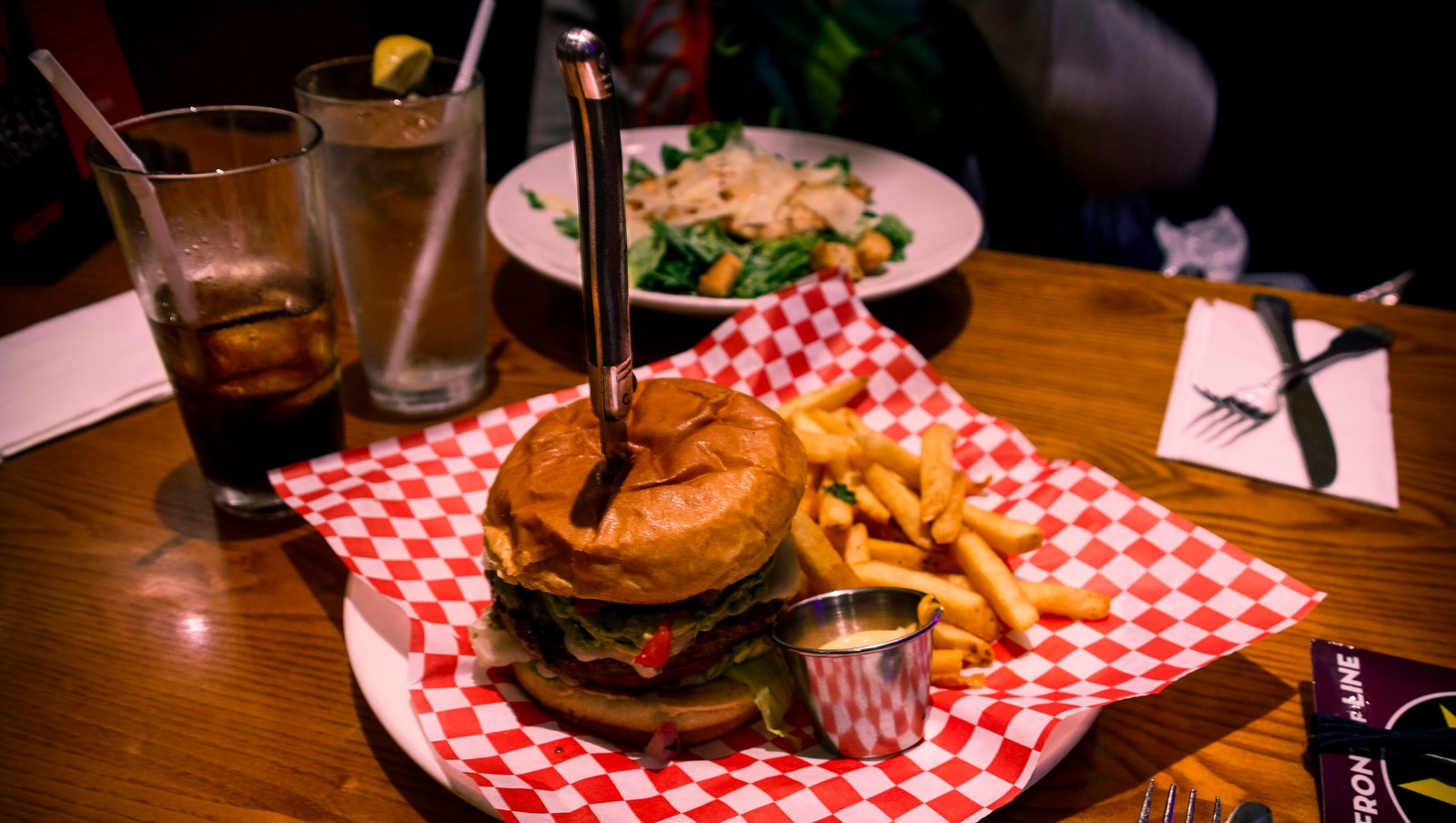
Image: Peter Boccia

Some of our most well-known foods and snacks weren’t planned at all; they were what we call serendipity: happy accidents born from spills, mix-ups, or kitchen improvisations. Can you imagine a world without potato chips? Or Coca-Cola? From small-town diners to curious labs, these 12 inventions have managed to survive to this day.

1
Potato chips
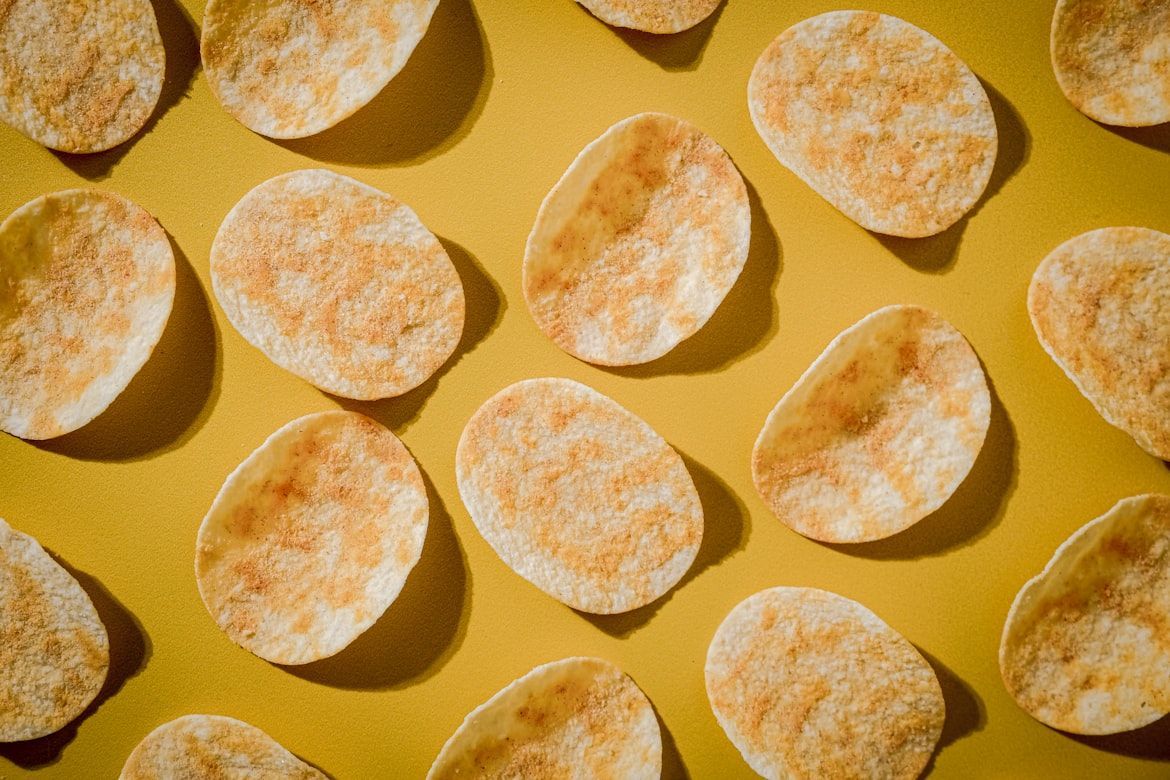
Image: Jeff Siepman

Back in 1853, a cranky diner in Saratoga Springs, New York, complained that his fries were too thick . Irritated, Chef George Crum sliced them paper-thin and fried them crisp to prove a point . To everyone’s surprise, the customer loved them.

What began as a moment of frustration turned into America’s favorite salty snack, inspiring an entire industry of chips and flavors.

2
Popsicles
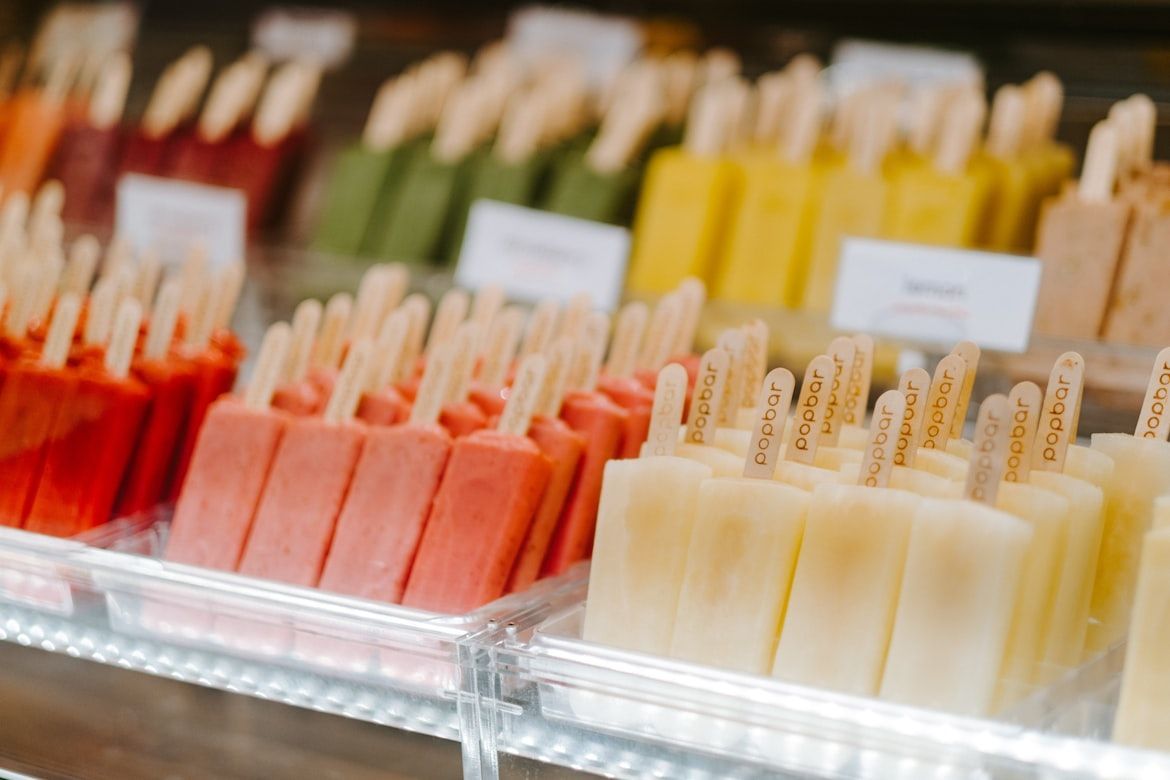
Image: Taylor Heery

In 1905, 11-year-old San Francisco native Frank Epperson accidentally left a cup of soda powder and water outside overnight, with a stick still in it. The next morning, it had frozen solid in the chilly air .

Epperson dubbed it the "Epsicle," which was later renamed the Popsicle. That childhood experiment became one of the most enduring summer treats.

3
Chocolate chip cookies
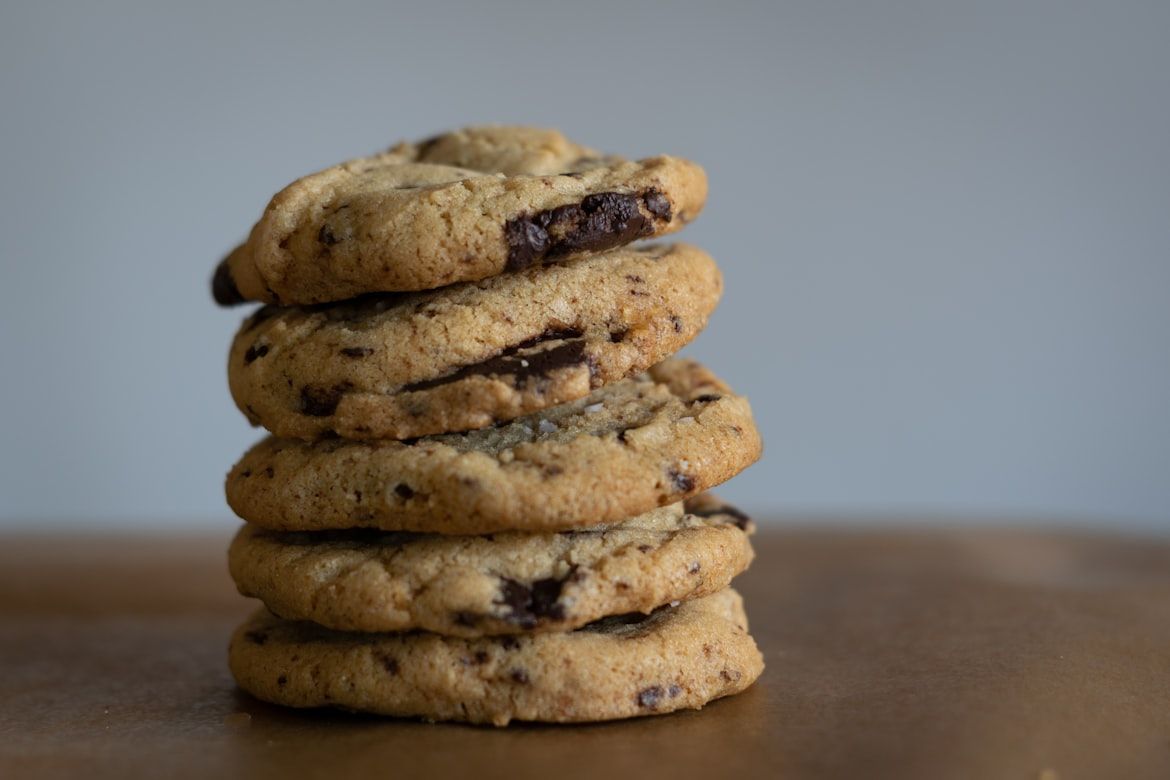
Image: Ben Lei

Ruth Wakefield ran out of baker’s chocolate when she was making traditional chocolate cookies at her Massachusetts inn, the Toll House, in the 1930s. She chopped up Nestlé chocolate snack bars instead . She expected them to melt evenly into the dough, but they stayed in chunks.

The warm, gooey results became an instant hit with her guests. Nestlé soon partnered with her to print the recipe on chocolate bar wrappers, and the rest is history!

4
Corn flakes
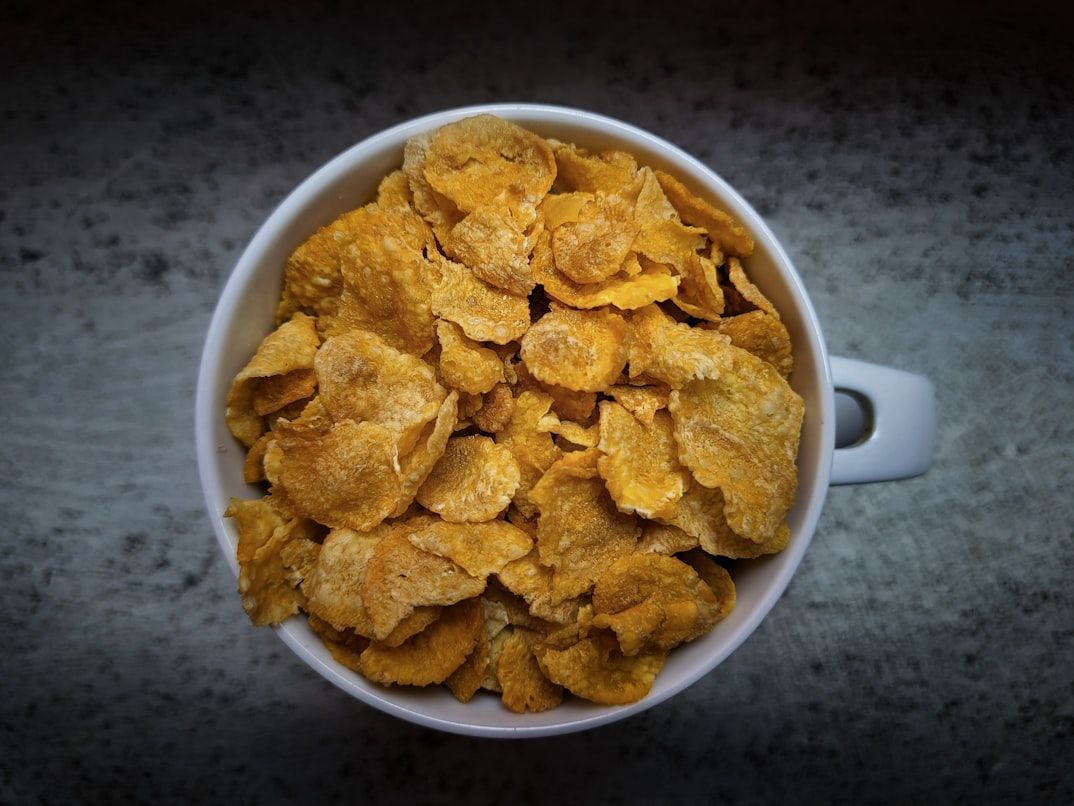
Image: Deepak N

In 1898, the Kellogg brothers accidentally left cooked wheat, unprocessed wheat kernels simmered until tender, sitting out overnight at their Michigan sanitarium, where they promoted a healthy living based on vegetarianism, exercise, sunlight, and strict hygiene. By morning, it had gone stale, but when they rolled and baked it, the flakes came out crisp and tasty .

That happy mistake inspired a new breakfast idea: simple, wholesome, and ready to pour.

5
Coca-Cola
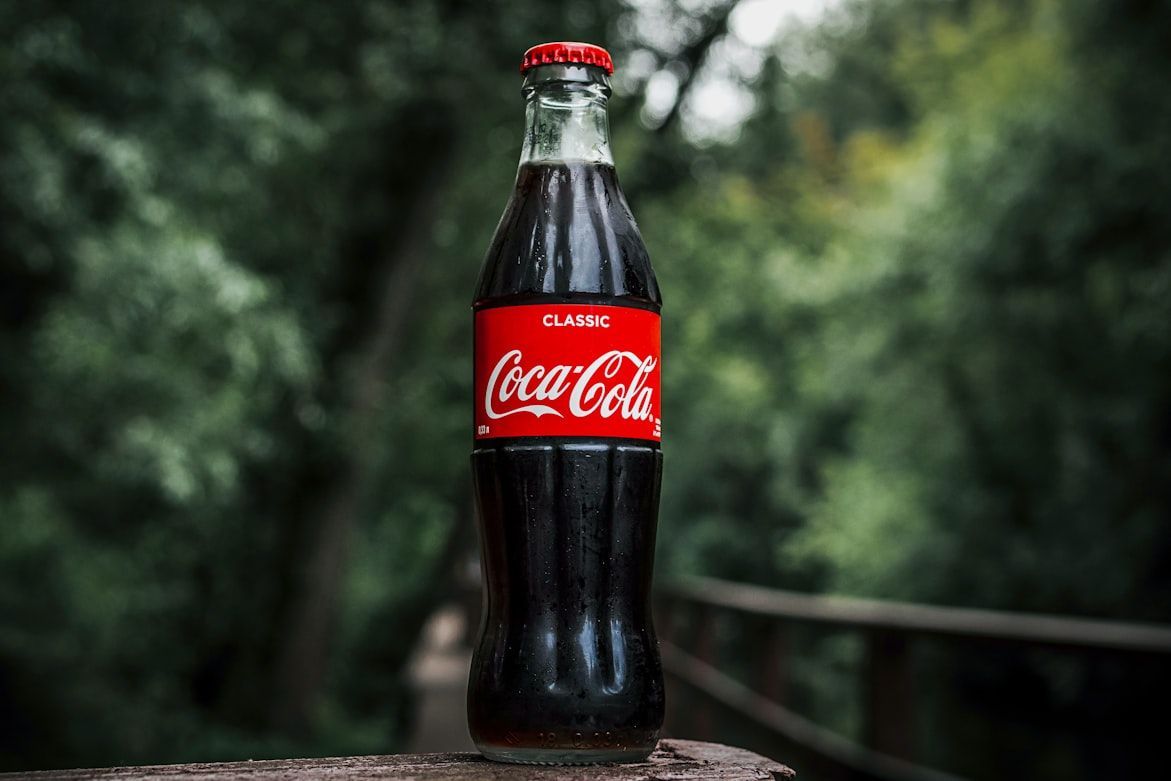
Image: Artem Beliaikin

In one of the most profitable blunders of all time, Atlanta pharmacist John Pemberton was mixing a headache tonic in 1886 when he mistakenly blended his syrup with carbonated water instead of plain water .

Finding the result quite tasty, Pemberton opened a local soda fountain and found immediate success.

6
Cheeseburgers
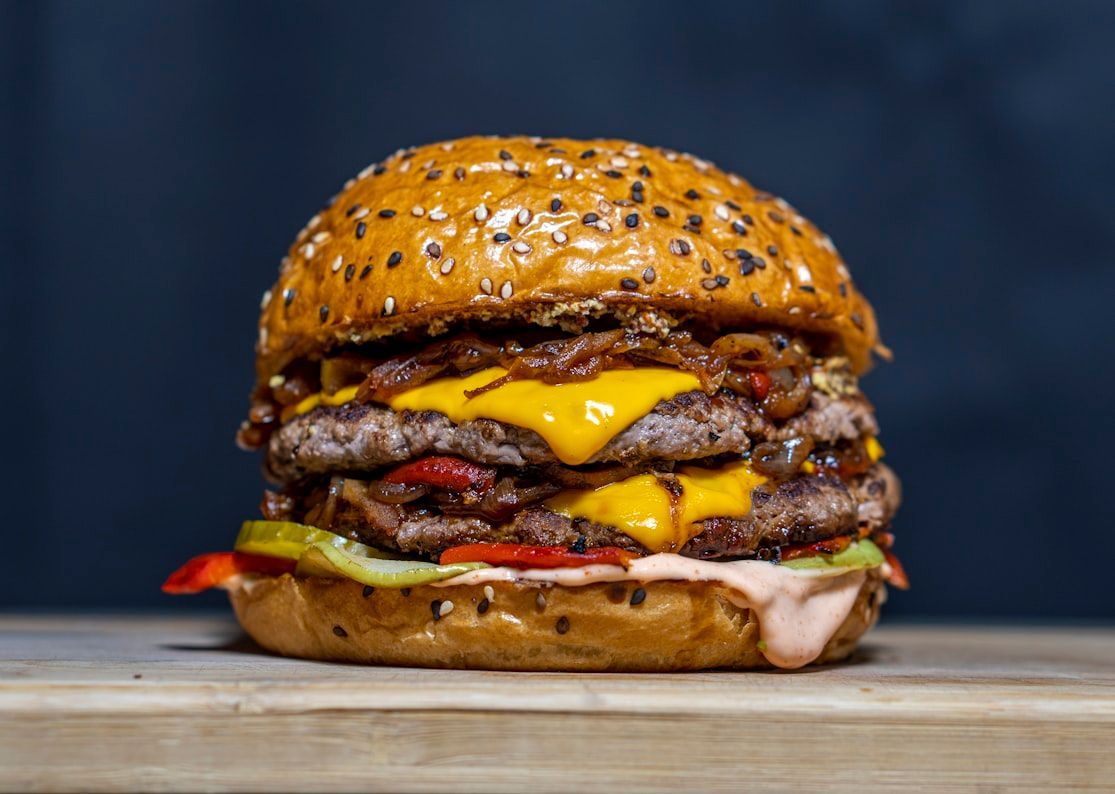
Image: amirali mirhashemian

In the 1920s, a teenage cook in Pasadena accidentally dropped a slice of cheese onto a sizzling hamburger . Instead of tossing it out, he served it to the customer.

The melted topping added a rich, savory twist that caught on fast. Soon, diners across America began adding cheese to burgers, helping to spread this classic.

7
Hard pretzels
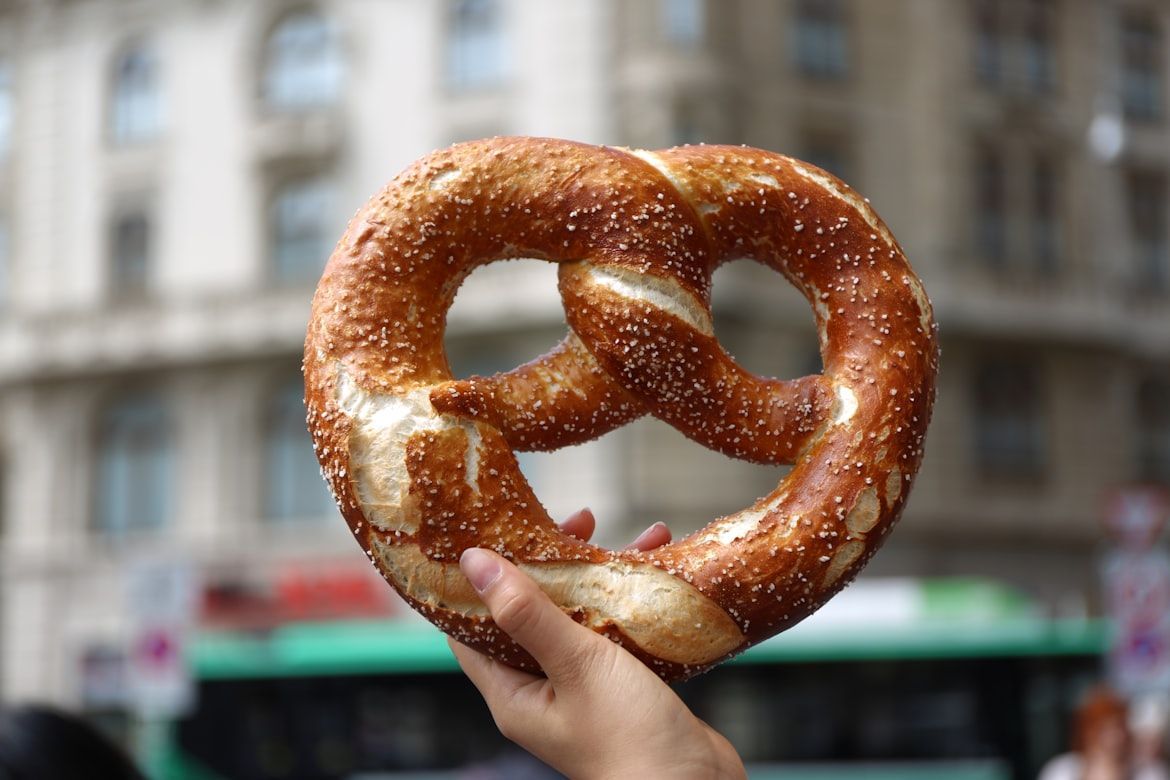
Image: Pierre Gui

One Pennsylvania baker in the 1800s left his soft pretzels in the oven too long, burning them to a deep brown . Expecting a disaster, he tried one and loved the unexpected crunch.

That overbaked batch became the first hard pretzel. The crispy, salty snack soon gained fans nationwide.

8
Slurpees
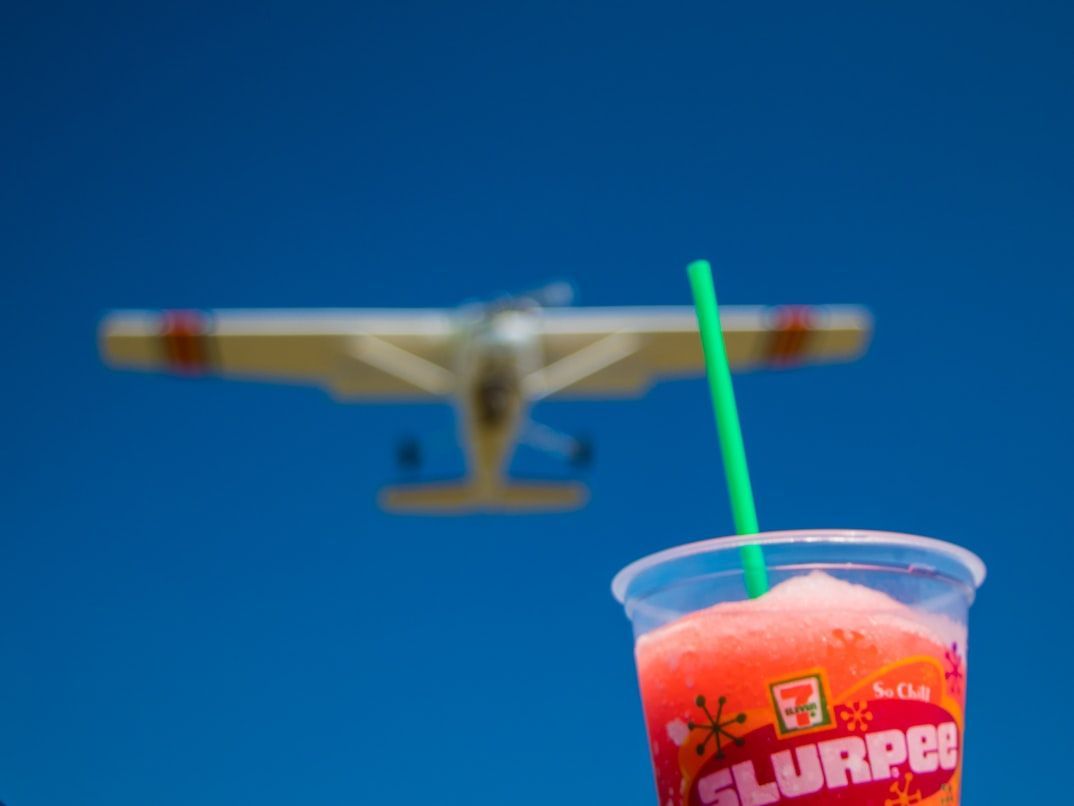
Image: Greg Rosenke

In the 1950s, a Kansas soda shop’s cooler broke down, freezing its drinks halfway . Instead of throwing them out, the owner sold the icy concoctions to curious customers.

They loved the slushy texture so much that he built a machine to reproduce it. The Icee — and later the Slurpee — turned an equipment failure into an omnipresent machine at every 7-Eleven.

9
Tortilla chips
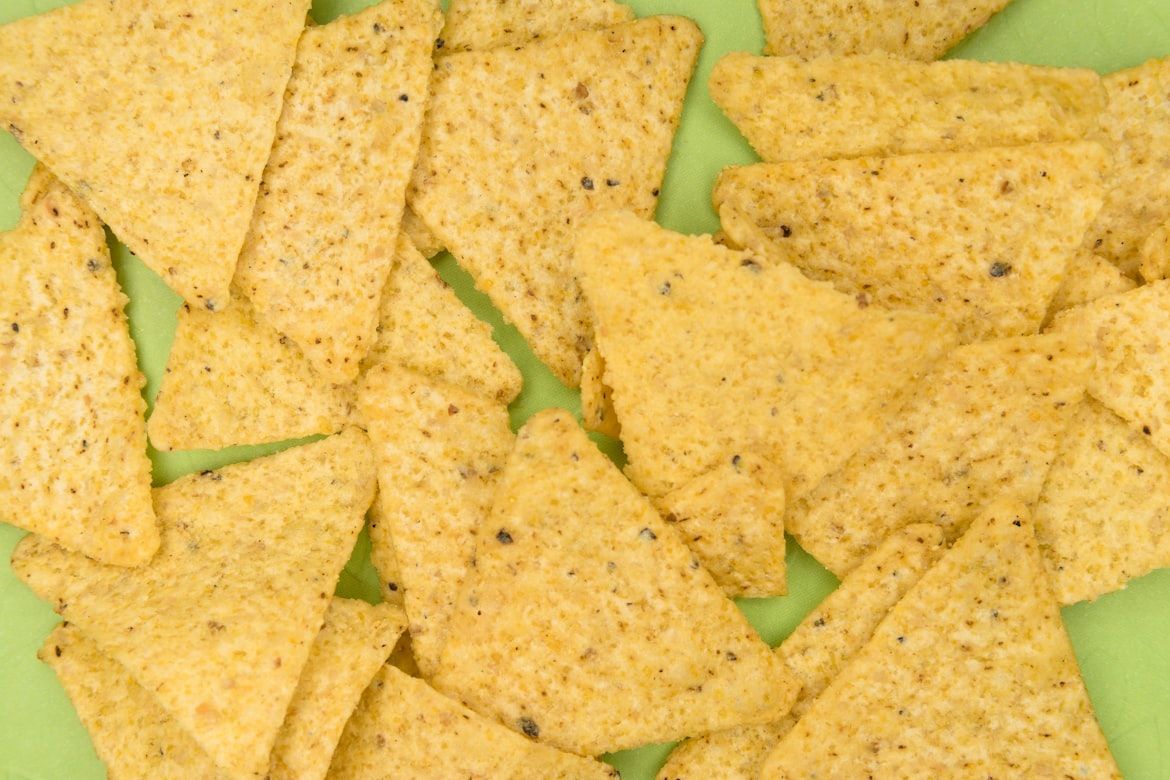
Image: Markus Winkler

In 1940s Los Angeles, a tortilla factory ended up with piles of leftover tortillas. Rather than waste them, workers cut them into triangles and fried them up .

The crunchy bites were a surprise hit. What started as a practical way to use scraps soon became a nationwide snack.

10
Tootsie Rolls
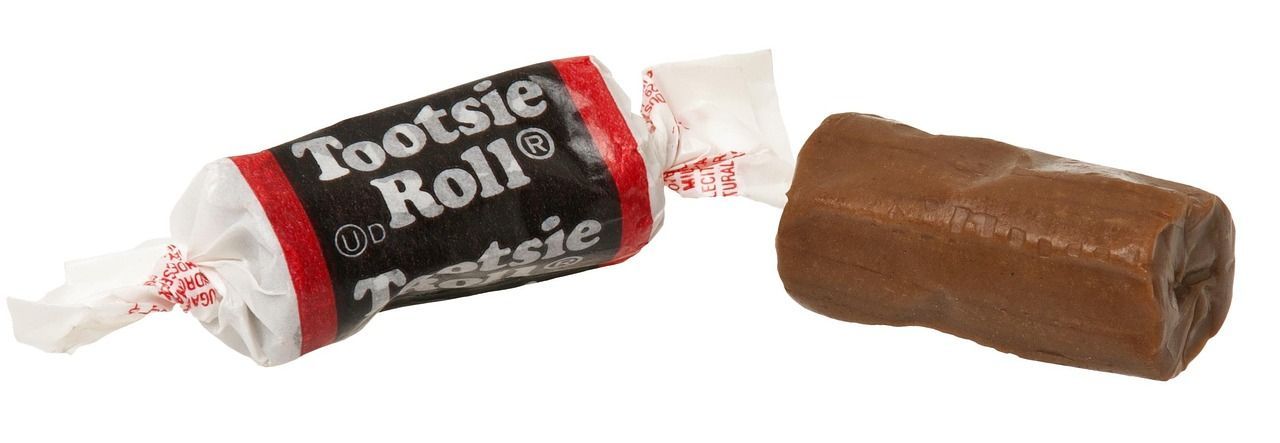
Image: WikimediaImages

Crafty candy maker Leo Hirschfeld wanted to stretch his chocolate supply in 1896, so he experimented by blending in other ingredients such as sugar, corn syrup, and condensed skim milk . The texture turned chewy instead of smooth, but the flavor was rich and lasting.

He named it after his daughter’s nickname, "Tootsie." His thrift-born invention became a candy classic.

11
Reese’s Peanut Butter Cups
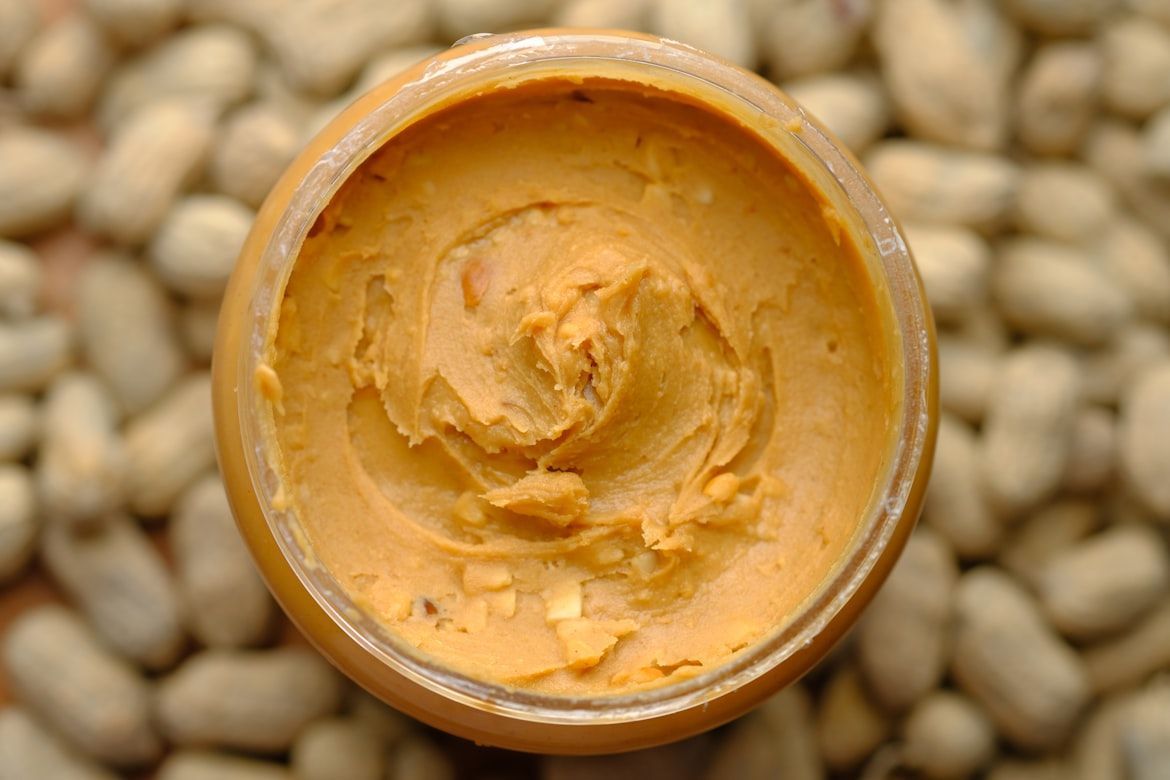
Image: Towfiqu barbhuiya

Back in 1928, a former Hershey employee, H.B. Reese, was tinkering with leftover chocolate at home when he combined it with sweetened peanut butter . The unexpected pairing turned out to be a great-tasting treat.

His homemade experiment evolved into a small business, and later became a candy legend when Hershey acquired the brand.

12
Fudge
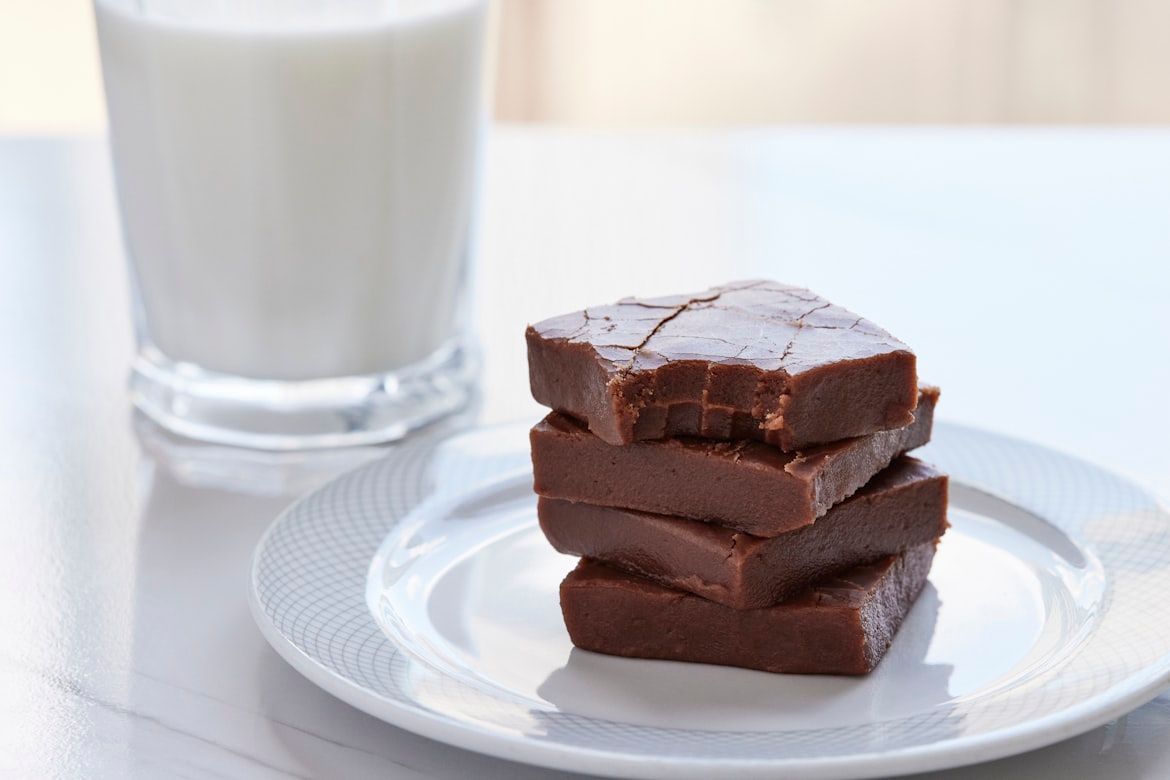
Image: American Heritage Chocolate

According to the popular story, a batch of caramel didn’t heat properly one night , and the cook sighed that it had been "fudged." The softer texture, however, turned out wonderfully creamy.

That tasty error spread quickly through American kitchens and college towns, becoming the classic dessert that it is today.
General General 3 min read

American giants

10 massive U.S. industries that secretly run America

Image: White Field Photo

Behind the scenes, the U.S. economy is driven by massive industries with global reach— shaping markets, driving innovation, and employing millions. From tech giants and energy producers to farms that feed the world, each sector plays a distinct role in keeping the country moving. This list breaks down 10 of the biggest American industries today.

1
Technology

Image: Shoeib Abolhassani

The U.S. tech sector exceeds $2 trillion in market value and leads the world in software, cloud computing, and semiconductor innovation.

While major hubs like Silicon Valley concentrate much of the activity, the industry has a nationwide footprint—from research centers and investor networks to hardware design and advanced manufacturing. Also, AI investment now represents a substantial share of the sector, which remains overwhelmingly U.S.-driven.

2
Healthcare

Image: Piron Guillaume

Healthcare spending in the U.S. surpassed $4.5 trillion recently, accounting for nearly 20% of GDP. Hospitals, insurers, biotech firms, and pharmaceutical companies together form the largest employment ecosystem in the country.

Moreover, the pharmaceutical segment alone exceeds $600 billion, placing the U.S. at the forefront of global drug development and clinical research.

3
Finance

Image: Nick Chong

Banking, investment, and insurance services generate over $2.5 trillion annually, and Wall Street remains the world’s largest capital market by trading volume.

Believe it or not, U.S. asset managers oversee more than $30 trillion in global funds, a scale unmatched anywhere else. American payment networks and credit systems also form a major part of the infrastructure that supports international commerce.

4
Energy

Image: Documerica

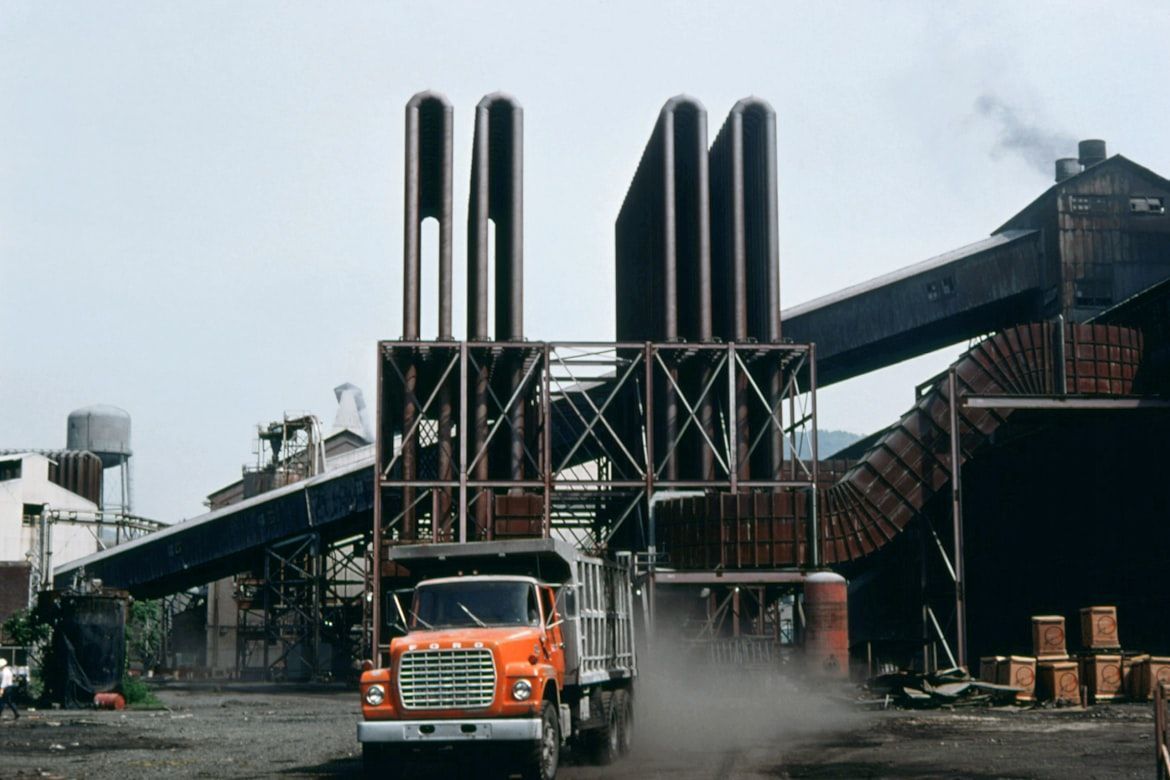
The U.S. is one of the world’s top producers of oil and natural gas, with the energy sector generating hundreds of billions of dollars each year. Texas is the largest state contributor, while New Mexico and North Dakota also rank among the leading producers.

Although renewables now surpass several fossil fuels in total electricity generation—driven largely by wind and solar—the energy sector as a whole remains robust and highly diversified.

5
Manufacturing

Image: Simon Kadula

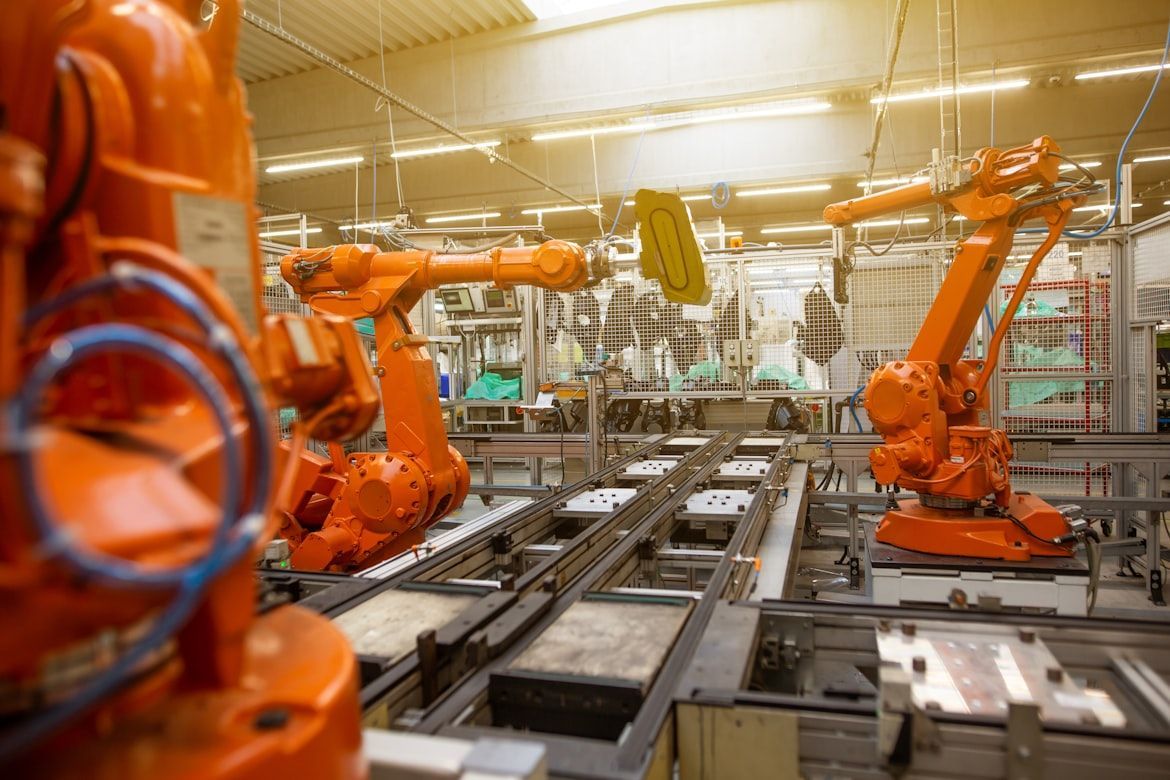
Manufacturing underpins the growth of countless other industries, and American heavy industry contributes more than $2.3 trillion to GDP, spanning automobiles, machinery, electronics, and advanced materials.

The sector employs over 12 million people and remains a global leader in areas like industrial automation, chemical production, medical devices, and food processing. U.S. factories also rank among the world’s most productive thanks to high-tech equipment, robotics, and supply chains that integrate everything from raw materials to final assembly.

6
Retail

Image: Viktor Bystrov

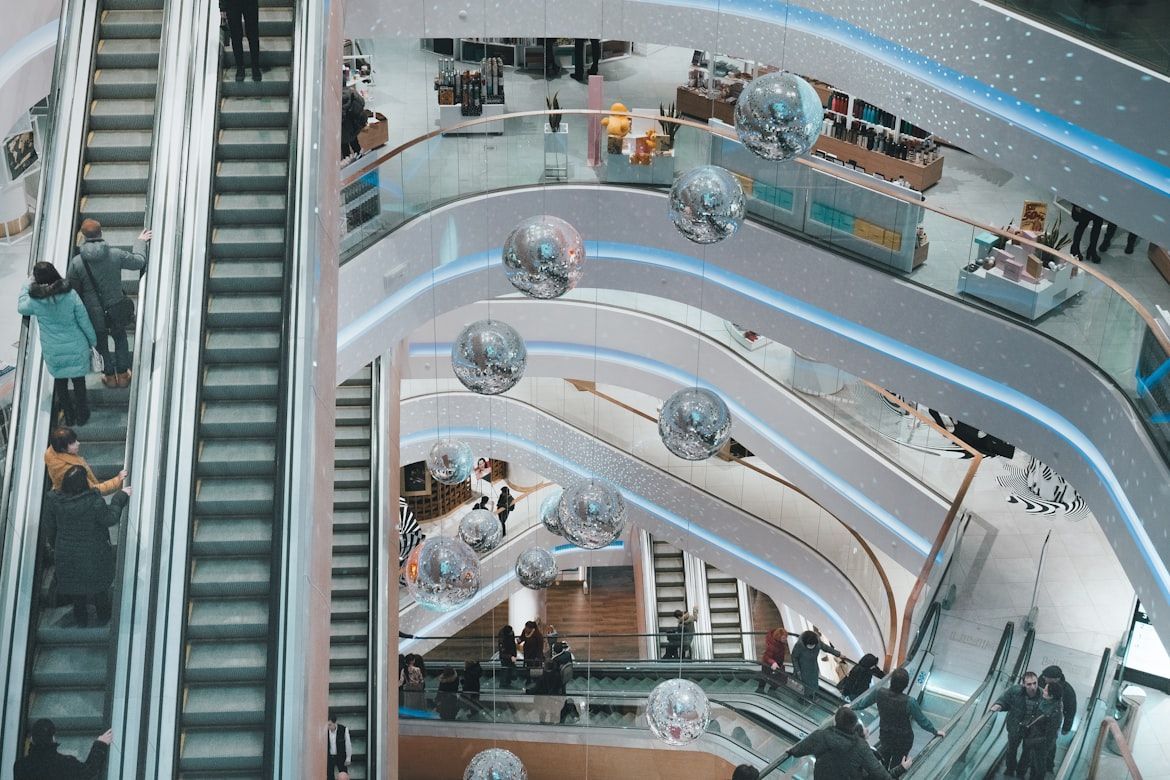
Feel like going shopping? You’re certainly not alone—the U.S. retail sector generates over $7 trillion annually. Big-box chains, e-commerce giants, and grocery networks together make up one of the nation’s largest employment sectors.

E-commerce alone now exceeds $1 trillion, fueled by major progress in logistics, fulfillment technology, and nationwide delivery networks.

7
Agriculture

Image: Hannah Shedrow

The fertile Midwest and Great Plains are often called the "breadbasket of the world," and it’s no exaggeration—U.S. farms produce more than $500 billion in goods each year.

While corn, soybeans, beef, and dairy dominate overall output, the sector supports a wide array of other crops and livestock. It also drives innovation in precision machinery, fertilizer development, and agricultural technology that shapes global food production.

8
Transportation

Image: Documerica

Transportation is a massive sector—covering airlines, shipping, trucking, and rail—and generates more than $1.4 trillion annually. Trucking alone moves over 70% of domestic freight, while rail remains essential for transporting bulk commodities like grain, coal, and industrial materials.

Air travel supports millions of jobs, with major hubs such as Atlanta and Dallas ranking among the world’s busiest by passenger traffic. Ports like Los Angeles, Long Beach, and Houston handle some of the highest cargo volumes in the Western Hemisphere, while the U.S. highway system remains one of the largest and most heavily used in the world.

9
Construction

Image: C Dustin

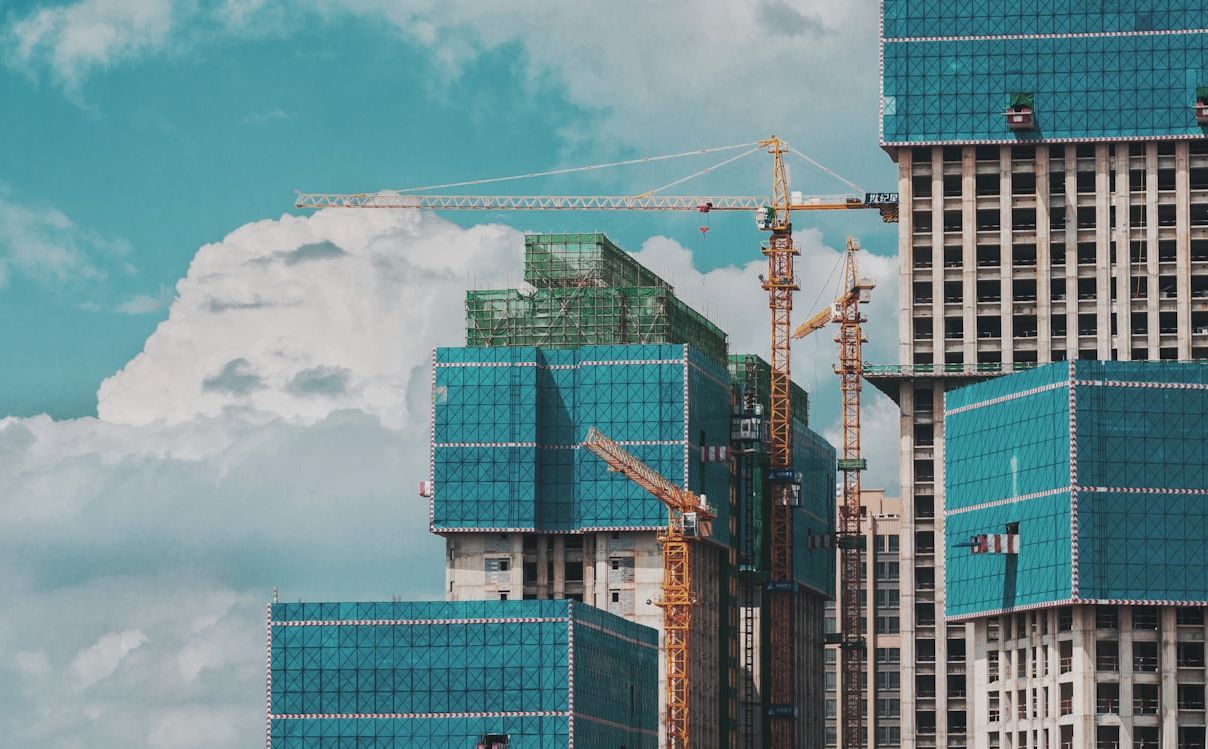
In a country where iconic skylines are considered part of the landscape, construction is naturally a major economic force. The sector now exceeds $2 trillion in annual output, driven by persistent housing demand and large-scale commercial development.

Infrastructure also accounts for a significant share of spending, covering everything from bridges and tunnels to highways and transit systems. Residential building cycles strongly influence employment, making construction one of the most sensitive indicators of broader economic health.

10
Aerospace & defense

Image: Hermeus

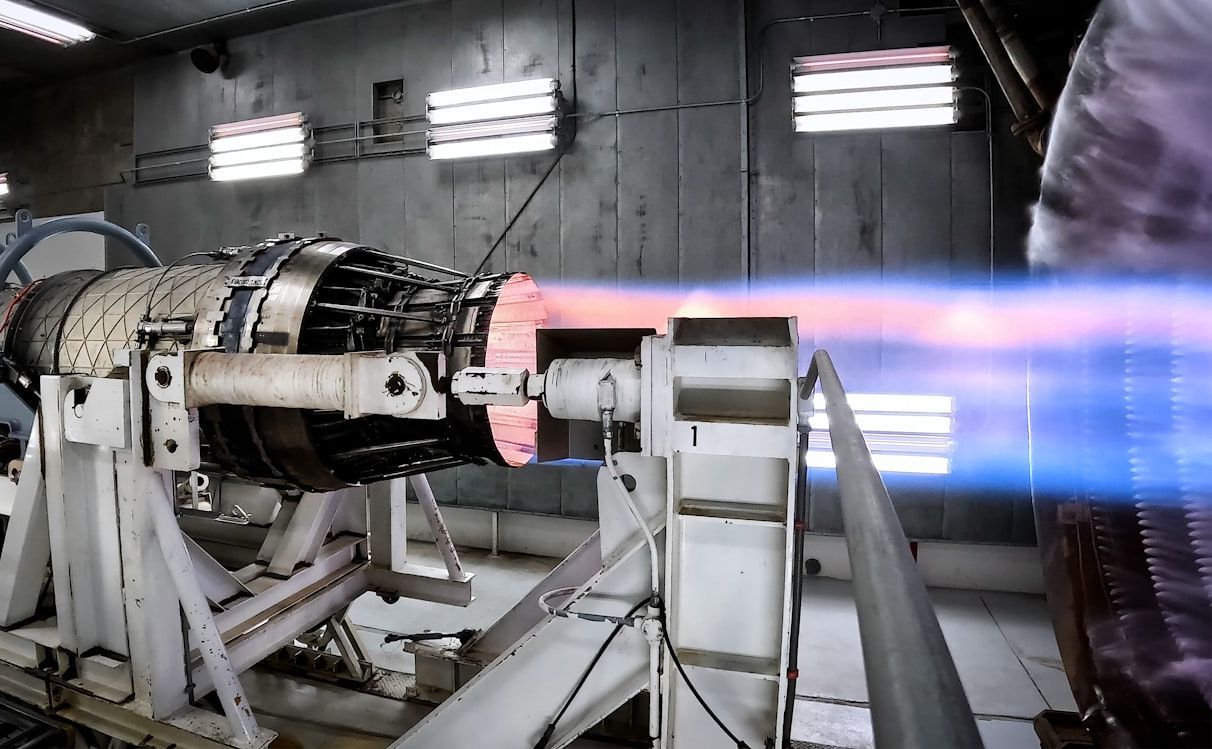
As one of the world’s leading centers of innovation, the U.S. aerospace sector—often intertwined with the defense industry— contributes more than $400 billion annually, driven by aircraft manufacturing, satellite technology, and advanced defense systems.

Government defense spending, which exceeds $800 billion per year, supports major contractors, sustains global military partnerships, and helps maintain a technological edge over international competitors.

General General 3 min read

Road laugh

Have you ever seen the Seldom Seen Road? Here are 10 bizarre street names

Image: Brendan Church

Street names usually fade into the background. You glance at the sign, make the turn, and move on. But every so often, one jumps out and makes you look twice. Somewhere along the way, a town official, developer, or local character had a sense of humor and a permanent marker. These streets are real , they’re still around, and they prove that Americans have always enjoyed a good laugh, even when naming a road.

1
Booger Hollow Road

Image: Danique Godwin

Head out from Dadeville, Alabama, and you might end up on Booger Hollow Road, a name that never fails to get a reaction. As odd as it sounds, this one is not unique. Versions of Booger Hollow Road pop up in Kentucky and Georgia, as well . The word "booger" once meant a goblin or local fright, which makes the name more rooted in old folklore than playground humor. Still, it’s hard not to grin when you pass the sign.

2
Bucket of Blood Street

Image: Jasmin Ne

Holbrook, Arizona, sits near some of the Southwest’s most stunning scenery, but one street tells a far rougher story. Bucket of Blood Street got its name from a saloon brawl reportedly sparked by a card game. According to local accounts, the aftermath looked so violent that passersby compared it to a bucket of blood being thrown about. The name stuck long after the saloon days faded into history.

3
Uptha Road

Image: Matt Foxx

Uptha Road in Maine sounds like a punchline waiting to happen, especially when spoken with a local accent. Located between Casco and Poland, the name has caused plenty of confusion for visitors asking for directions. The nearby Poland Spring connection adds another familiar note. There’s even a road with the same name in Florida, proving that this particular bit of wordplay has traveled farther than expected.

4
Memory Lane

Image: BEN ELLIOTT

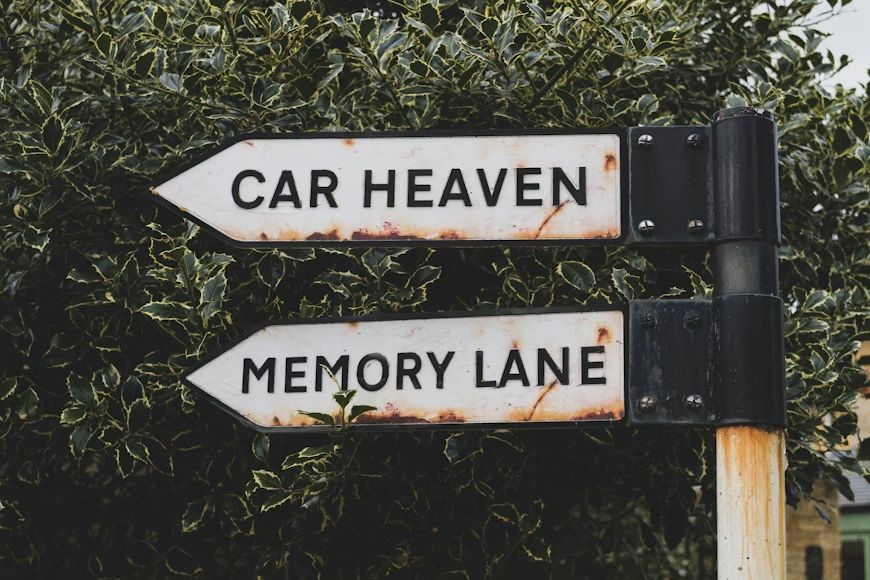
Memory Lane may sound like something out of a greeting card, but it’s an actual road near Nicholson, Mississippi, close to the Louisiana border. While it doesn’t come with guaranteed nostalgia, the name alone invites reflection .

5
Divorce Court

Image: Marek Studzinski

Jenkins Township, Pennsylvania, is home to a street called Divorce Court, and yes, it raises questions . No one seems entirely sure how it got the name. It could be a love of wordplay or perhaps a nod to the long-running TV show. Adding to the humor, Easy Lane sits just one street over. Draw your own conclusions.

6
Freshly Brewed Ct

Image: Sergey Kotenev

In Henderson, Nevada, Freshly Brewed Ct sits among other whimsically named streets, such as Quilt Place and Hourglass Drive. No one seems entirely sure why this particular name was chosen. A former resident once joked that a neighbor really did make excellent coffee . Whatever the background story, mornings here sound far more interesting!

7
Seldom Seen Road

Image: David Travis

Despite its name, Seldom Seen Road in Powell, Ohio, is anything but hidden . It’s a well-used street that leads to Seldom Seen Park, a large area filled with sports fields, wetlands, and nature trails. The road even ends at the Scioto River. It may not be overlooked, but the name still gives it a poetic feel.

8
None Such Road

Image: Liv Fletcher

None Such Road in Oklahoma City sounds like it shouldn’t exist at all, which makes giving directions an adventure. Yet this name shows up all over the country , including in Alabama, Montana, and several spots in Texas. Somehow, a phrase that suggests absence keeps getting chosen.

9
Ocean View Drive

Image: Bernd 📷 Dittrich

Just outside Morgantown, West Virginia, you’ll find Ocean View Drive surrounded by roads named after trees. The only problem is that the nearest ocean is hundreds of miles away . No waves, no sand, just hills and greenery. Whether it was optimism or humor, someone clearly had seaside dreams and a taste for irony!

10
The corner of Whiskey Road and Easy Street

Image: Vinicius amnx Amano

In Aiken, South Carolina, Whiskey Road crosses Easy Street , creating an intersection that feels more like advice than geography. It’s hard not to picture someone smiling when those signs went up. We can't help but wonder whether Bourbon Street in New Orleans was named by the same person!

Explore more American facts

Choose your favorite category!

General
General

As American as apple pie—the very best America has to offer!

Culture
Culture

Delve into the astounding richness of American lore.

Geography
Geography

Hop in and explore vast and diverse American landscapes.

History
History

Discover the key moments that shaped the United States.