History History 3 min read

Post history

11 shocking facts about the U.S. Postal Service
Image: Ekaterina Belinskaya

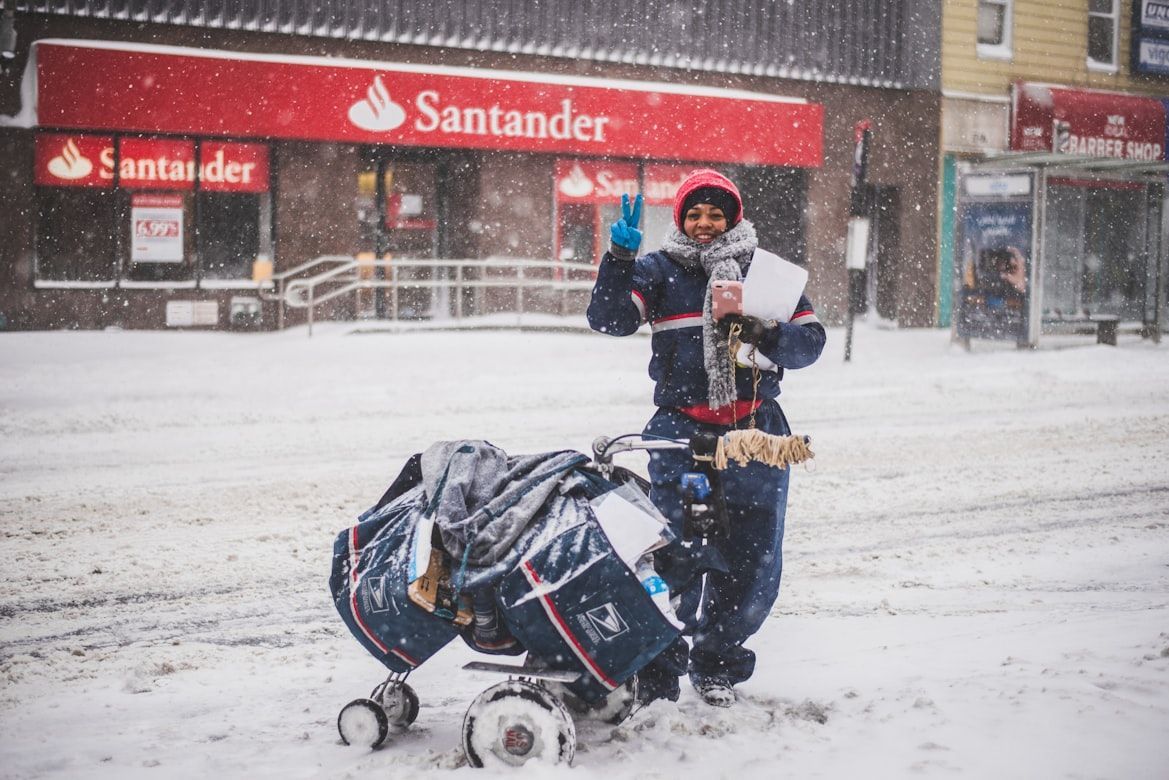
If you think that the U.S. Postal Service is just about delivering mail and selling stamps, you’ve got another thing coming. Over its long history, the USPS has encountered some unusual occurrences, like the time someone mailed a child, or how it has a whole department just to decode messy handwriting. Prepare to be surprised by these 11 incredible facts about our postal service!

1
Postal "Army" (of Sorts)
Image: Emily Powers

The U.S. Postal Inspection Service (USPIS), founded in 1775, is the nation’s oldest federal law enforcement agency . It protects the USPS, its employees, and its customers from crimes such as mail fraud, theft, and identity theft.

USPIS agents investigate mail-related crimes, provide security at postal facilities, and work to stop illegal drugs from being transported through the mail system.

2
Zip codes
Image: Tareq Ismail

ZIP codes were introduced by the USPS in 1963 to improve mail sorting and delivery. The five-digit code, short for Zone Improvement Plan, pinpoints specific geographic areas.

The digits represent a region, a city or county, and a local delivery zone . Today, ZIP codes are also used to study demographics and help businesses target mailings to particular areas.

3
The Postal Anthem

Image: Keagan Henman

The "United States Postal Service Anthem," composed by Jack Stamp (yes, that is his real name), honors the USPS and its long-standing service to the nation. It’s a musical tribute to the dedication of postal workers and the agency’s role in American life.

The lyrics highlight the USPS’s core values: honesty, integrity, and reliability, while celebrating its impact on U.S. history and everyday citizens.

‍

4
Guaranteed delivery

Image: Victória Kubiaki

The USPS is legally required to deliver to every U.S. address, no matter how remote . This includes over 153 million addresses, even in hard-to-reach areas.

To meet this huge challenge, USPS uses curbside mailboxes, local post offices, and partnerships with community centers. Virtual mailbox services, such as Stable, also help remote residents access and manage their mail online.

5
A lot of mail
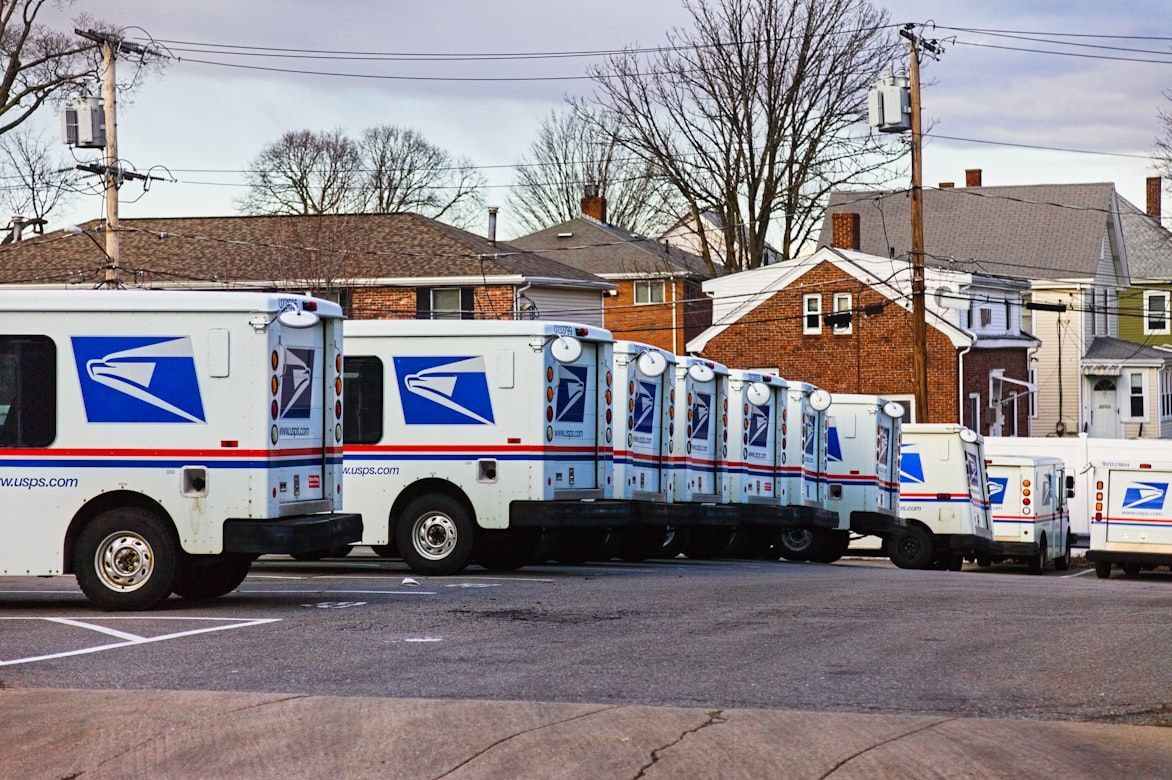
Image: Sam LaRussa

Every day, the USPS handles over 400 million pieces of mail, including 162 million First-Class items. It delivers worldwide to more than 180 countries through its Global Express Guaranteed service and processes approximately 44% of the world’s mail . That is a lot of mail, by any standard.

To manage this massive volume, USPS uses advanced automation tools and operates over 34,000 retail locations, keeping its system fast, efficient, and reliable.

6
Going out West
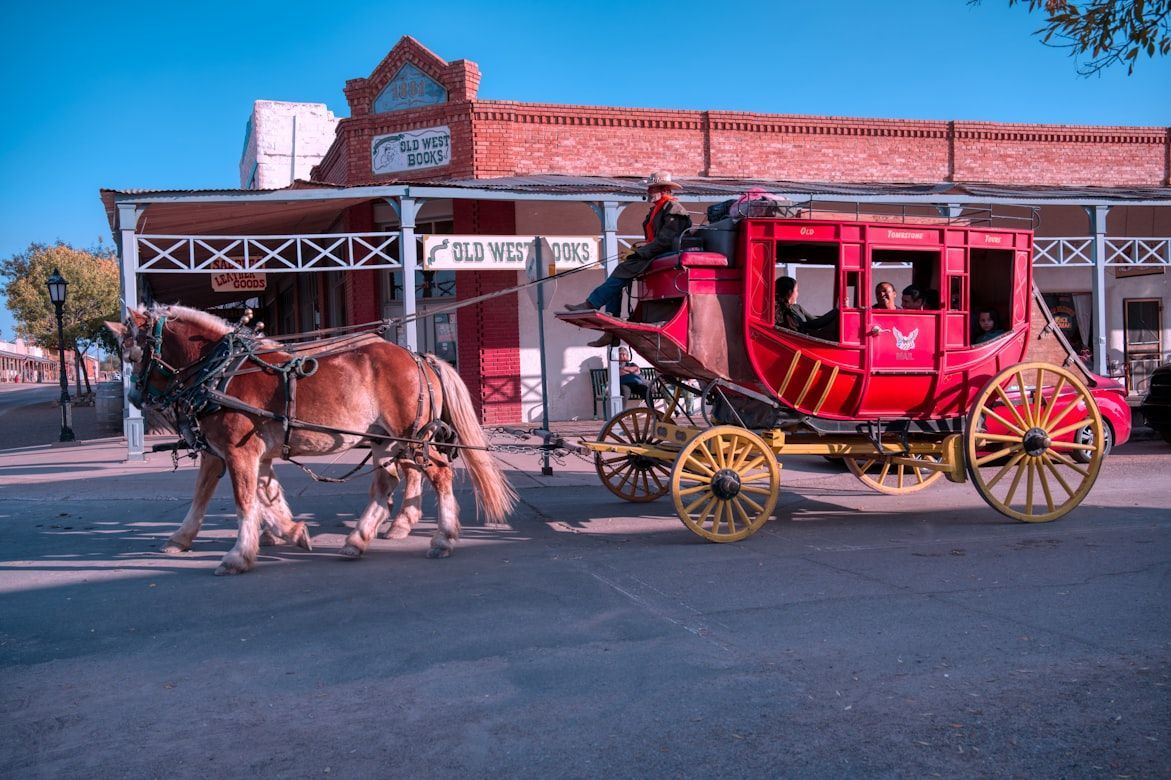
Image: Jim Strasma

In the 19th century, the USPS played a vital role in developing the American West, providing new settlements with access to mail, supplies, and communication. Post offices and mail routes connected remote areas to the rest of the country.

This network helped settlers stay in touch with loved ones, receive news, and trade goods. Without the USPS, much of the frontier would have remained isolated.

7
Post office in a tavern
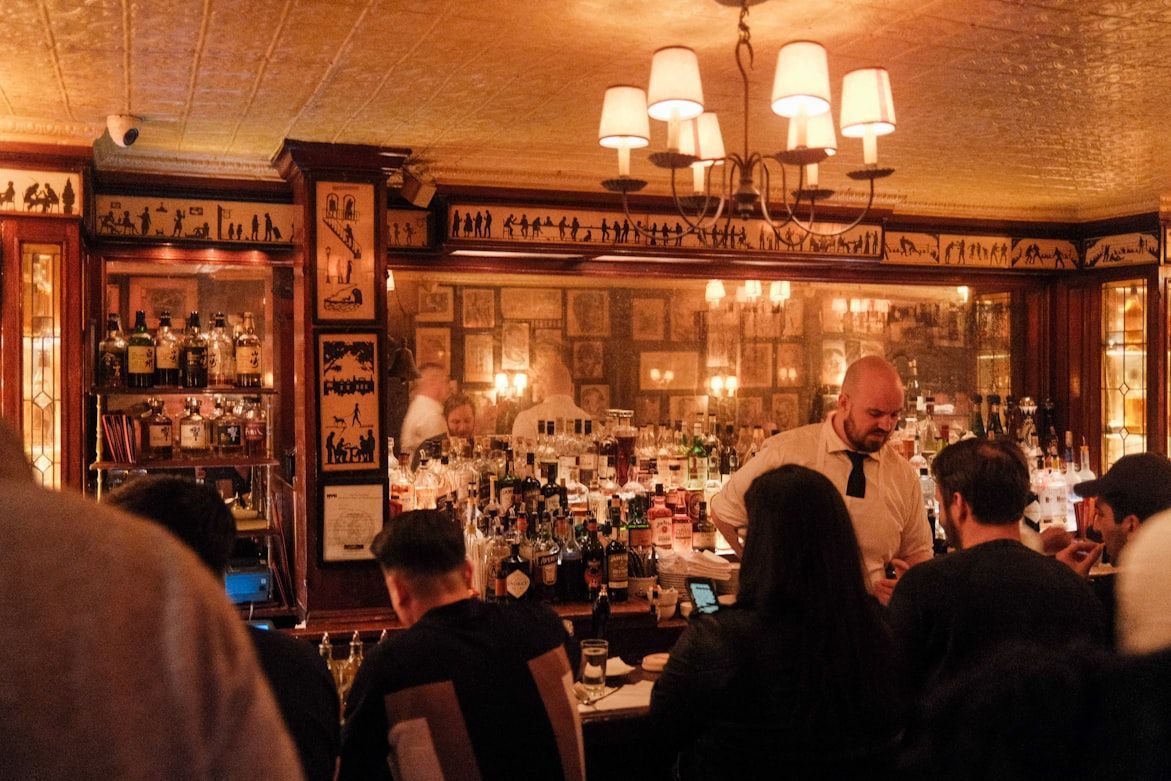
Image: Kevin Snow

‍ The first USPS office was established in Boston in 1775, inside a tavern associated with Benjamin Franklin , who served as the first Postmaster General. Franklin viewed mail delivery as key to America’s independence and began developing a postal network.

The office supported routes to Philadelphia and New York, and by 1789, post offices existed in all 13 colonies.

8
A floating post office
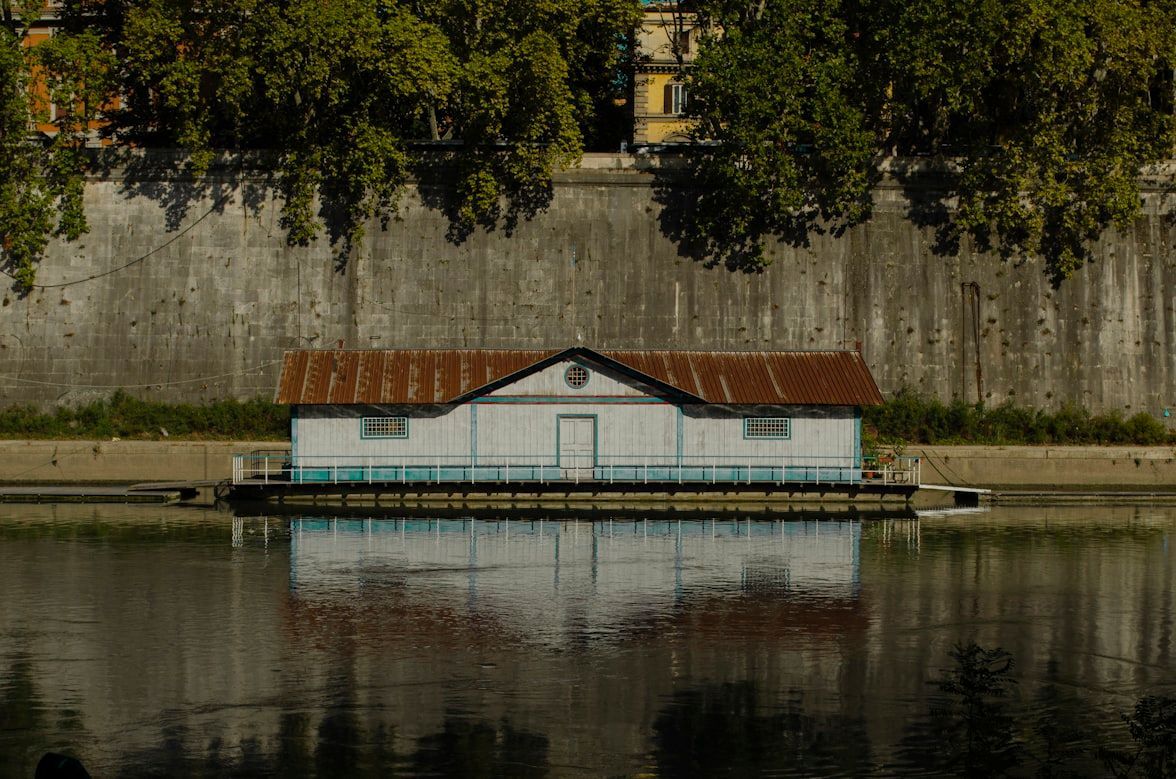
Image: Alessio Billeci

The Halibut Cove Post Office in Homer, Alaska (ZIP code 99603, in case you are interested), is unlike any other: it floats on water!

This tiny post office operates from a houseboat that’s permanently docked , serving the local community right from the harbor.

9
Bad handwriting department
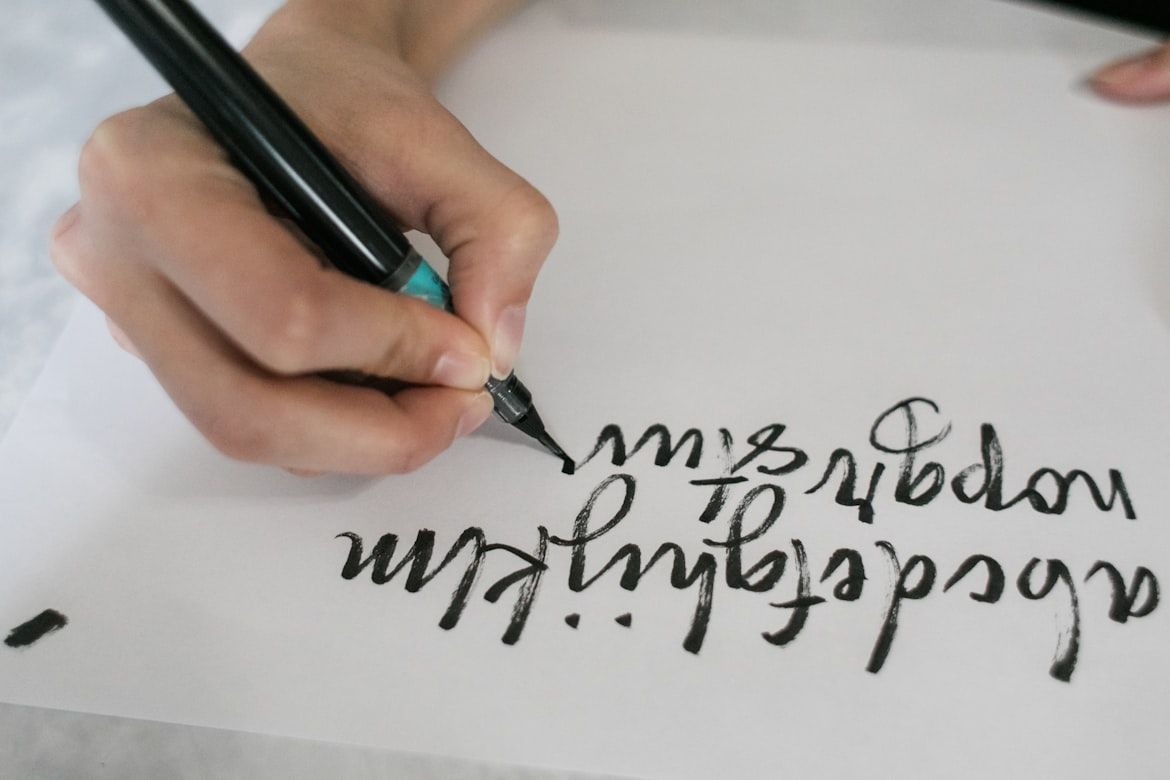
Image: Kit (formerly ConvertKit)

We are not sure as to how often this happens, but it must be often. When automated equipment at a USPS processing plant cannot read a piece of letter mail, an image of the mail is captured and sent to the Remote Encoding Center (REC). At the REC, employees review the image and manually enter the address information .

The information is matched up with a valid address, the data is transmitted back to the equipment at the plant, and a barcode is printed on the letter, which can be read by the processing machines.

10
Mail a brick

Image: Math

Yes, you can mail a brick through the U.S. Postal Service. Just write the recipient’s address and return information directly on the brick with a permanent marker .

Once it’s weighed and stamped with the correct postage, your brick is ready to ship.

11
Someone mailed a kid

Image: Jonathan Borba

In 1913, shortly after the Parcel Post service began, some parents mailed their children to relatives. One baby in Ohio was sent to his grandmother just a few miles away .

The child arrived safely, but the incident led to new rules banning people from being sent through the mail.
History History 6 min read

Traditions with a past

The president who pushed for celebrating the 2nd of July

Image: Joseph Gonzalez

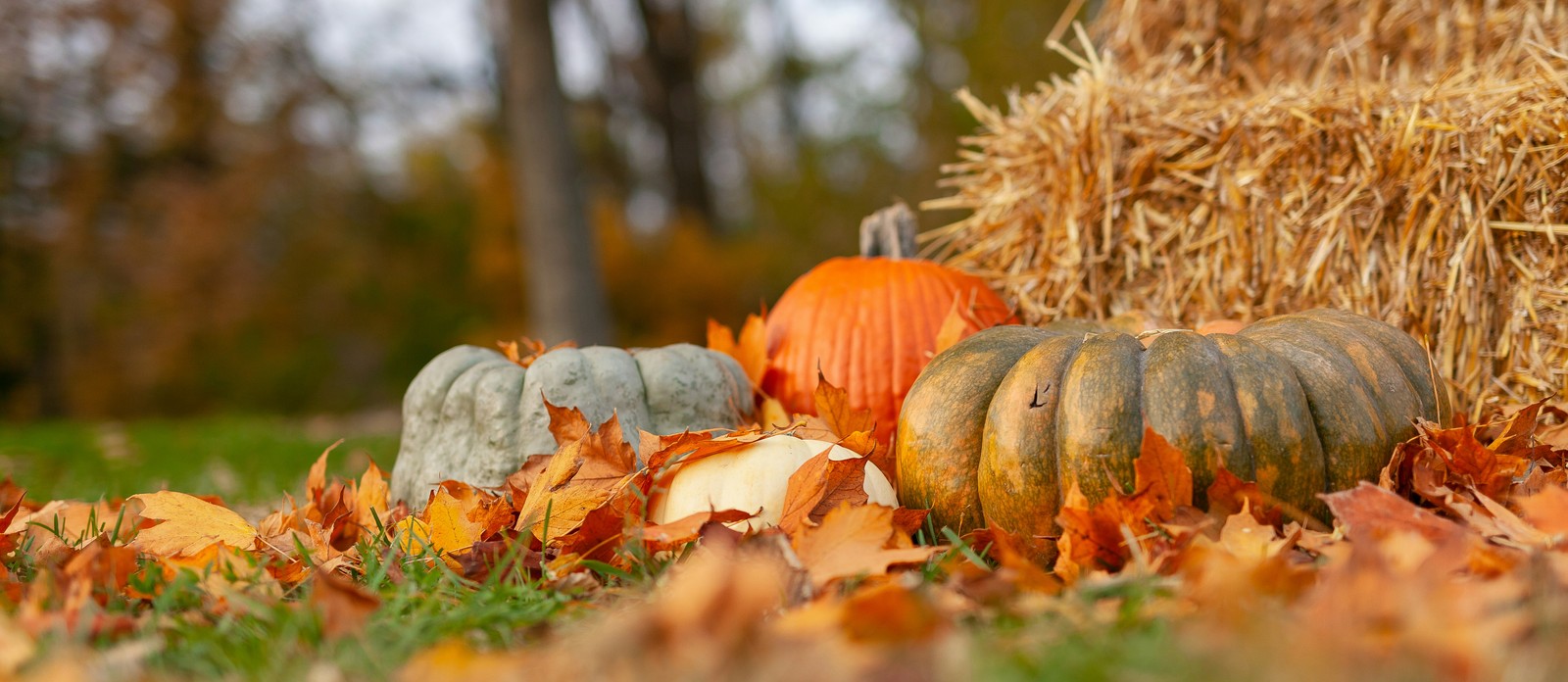
Mardi Gras, the Fourth of July, pumpkin pie on Thanksgiving– these traditions are quintessentially American, but how did they become what they are today? Did you know that one of our founding fathers refused to celebrate on July 4th? Or that pumpkin pie was resisted by many before becoming a holiday staple? Each tradition we take for granted has a story, often unknown to us. Which major holiday was once banned? Which sports event started as a marketing campaign? Keep on reading to find out!

1
The Second of July?

Image: Roven Images

The first 4th of July celebration took place spontaneously in Philadelphia in 1777 and included elements that still persist today, such as bonfires, parades, and fireworks. But not everyone was on board. Founding Father John Adams famously refused all invitations to celebrate on account of disagreeing with the date.

For him, celebrations needed to be held on July 2nd, the day independence was voted on, rather than the 4th, when independence was declared , but July 4th became widely accepted because it was the date that appeared on the distributed copies of the document. In a both poetic and ironic turn of events, Adams — along with Jefferson, who penned the document — died on July 4th, 1826, on the 50th anniversary of the Declaration of Independence.

2
Who came up with the turkey pardon?

Image: Credit: George H.W. Bush Presidential Library and Museum, Public domain, via Wikimedia Commons

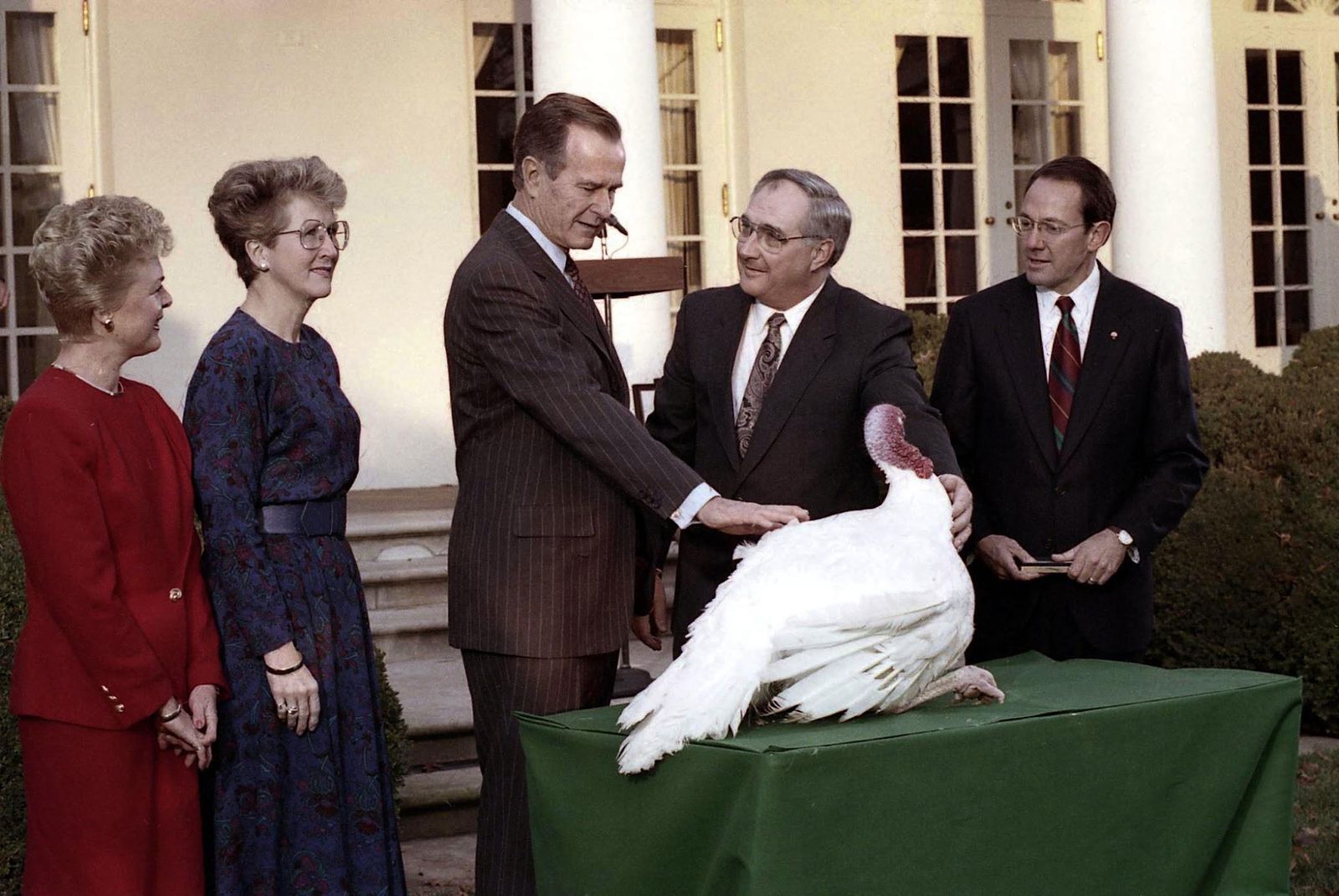
While many correctly assume that the official Presidential turkey pardon on Thanksgiving is an old event, it was not an official tradition until 1989, under the George H.W. Bush administration . But the roots of the tradition are nearly as old as the holiday itself.

In 1863, President Abraham Lincoln’s young son, Tad, asked to adopt the turkey intended for the Christmas dinner and named it Jack. This didn't become a regular tradition, but it set the precedent for President Kennedy to pardon the turkey gifted to the First Family in 1963 , a custom adopted by many of the following presidents, with Reagan being the first to call it the "presidential pardoning".

3
The anti-pumpkin movement

Image: Kelsey Weinkauf

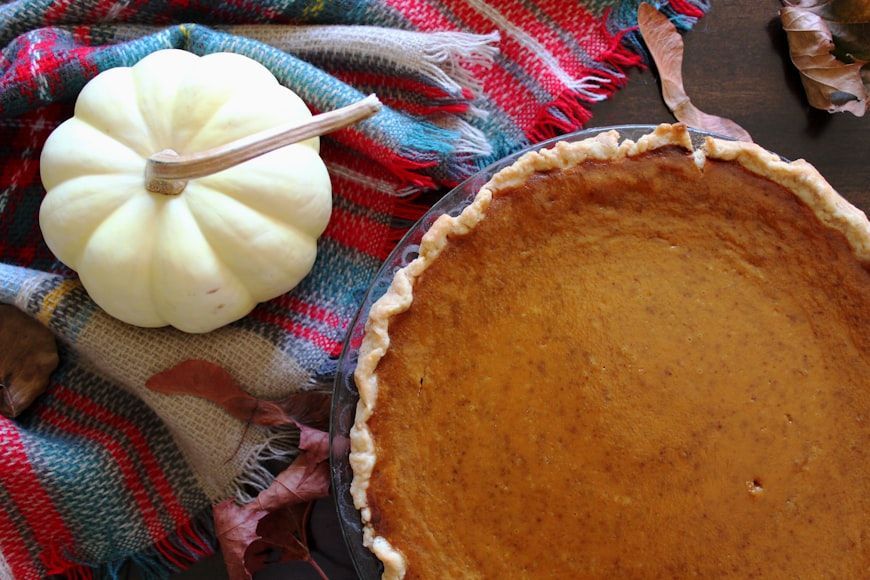
As a crop native to America, pumpkin is mentioned across American history, including the first Thanksgiving. But before pumpkin pie was a symbol of the holiday, it was a New England dessert that divided the nation.

Thanksgiving was instituted as an official holiday by Abraham Lincoln in 1863, with turkey and pumpkin pie quickly becoming the main dishes on the menu. After the Civil War, the Southern states were reluctant to adopt the holiday and its associated pie, claiming it was a "Yankee tradition" and a celebration of Northern culture. As a way of rejecting what they saw as a cultural imposition, many Southern cooks replaced the pumpkin pie with sweet potato pie, which remains much more common in the South.

4
The 22 years without Christmas

Image: Chad Madden

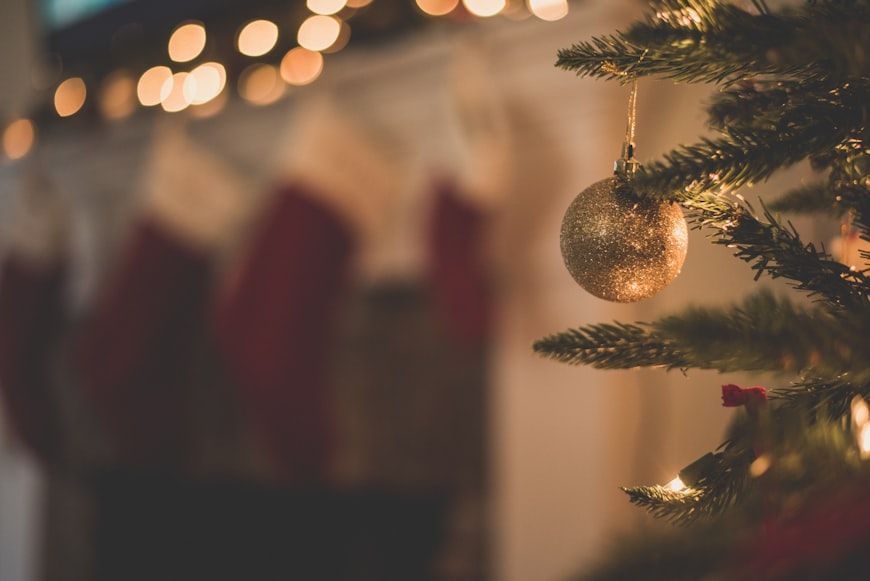
The minute Thanksgiving ends and "All I Want for Christmas Is You" returns to the top of the charts, much of the country gets into the holiday spirit. Surprisingly, just a few centuries ago, and 100 years before the United States was officially formed, Christmas was banned altogether .

During Cromwell’s interregnum (1649-1660), the Puritan-led English Parliament canceled the Christmas festivities of 1644, claiming it was a Catholic festivity of pagan origin. The sentiment echoed across the Atlantic, where the Massachusetts Bay Colony, of Puritan origins, banned Christmas in 1659 and fined those who celebrated or took the day off. The ban remained in place even after the restoration of the Monarchy, and was only lifted in 1681. Ulysses S. Grant declared it a federal holiday in 1870.

5
Mandatory anonymity

Image: Izzy Park

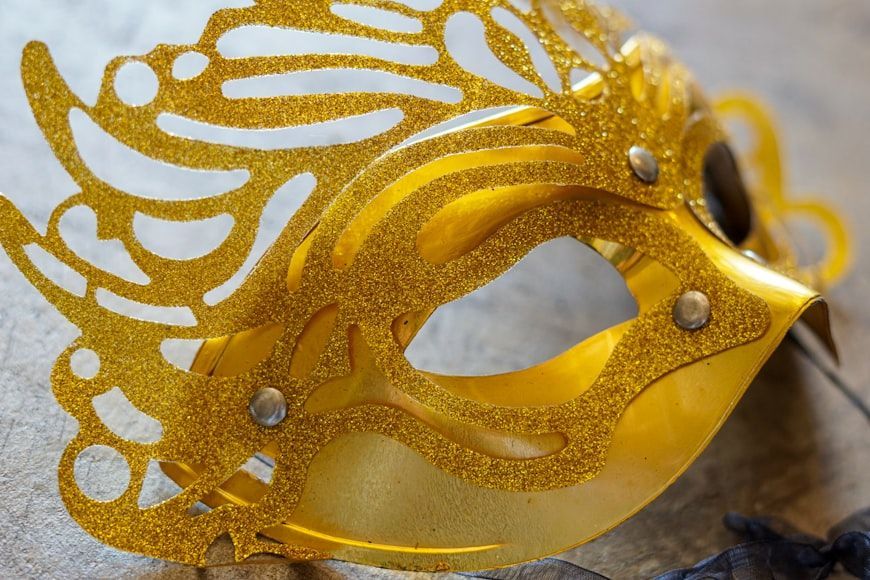
Anyone who ever celebrated Mardi Gras in New Orleans knows that masks are an integral part of the event, with those in the parade and many spectators concealing their identity. What many don’t know is that, per Louisiana law, wearing a mask in public is illegal , a statute passed in the 1920s to counteract the Ku Klux Klan’s influence and its intimidation tactics.

So, what happens during Mardi Gras? In the traditional Carnivals, masks were a way for people of all classes to mingle without endangering their reputation. While it is not a requirement for spectators today, anti-mask laws are suspended during Mardi Gras . However, if you are taking part in the parade, masks are not only allowed but mandatory.

6
A very successful campaign

Image: Flickr user Xurble, CC BY 2.0, via Wikimedia Commons

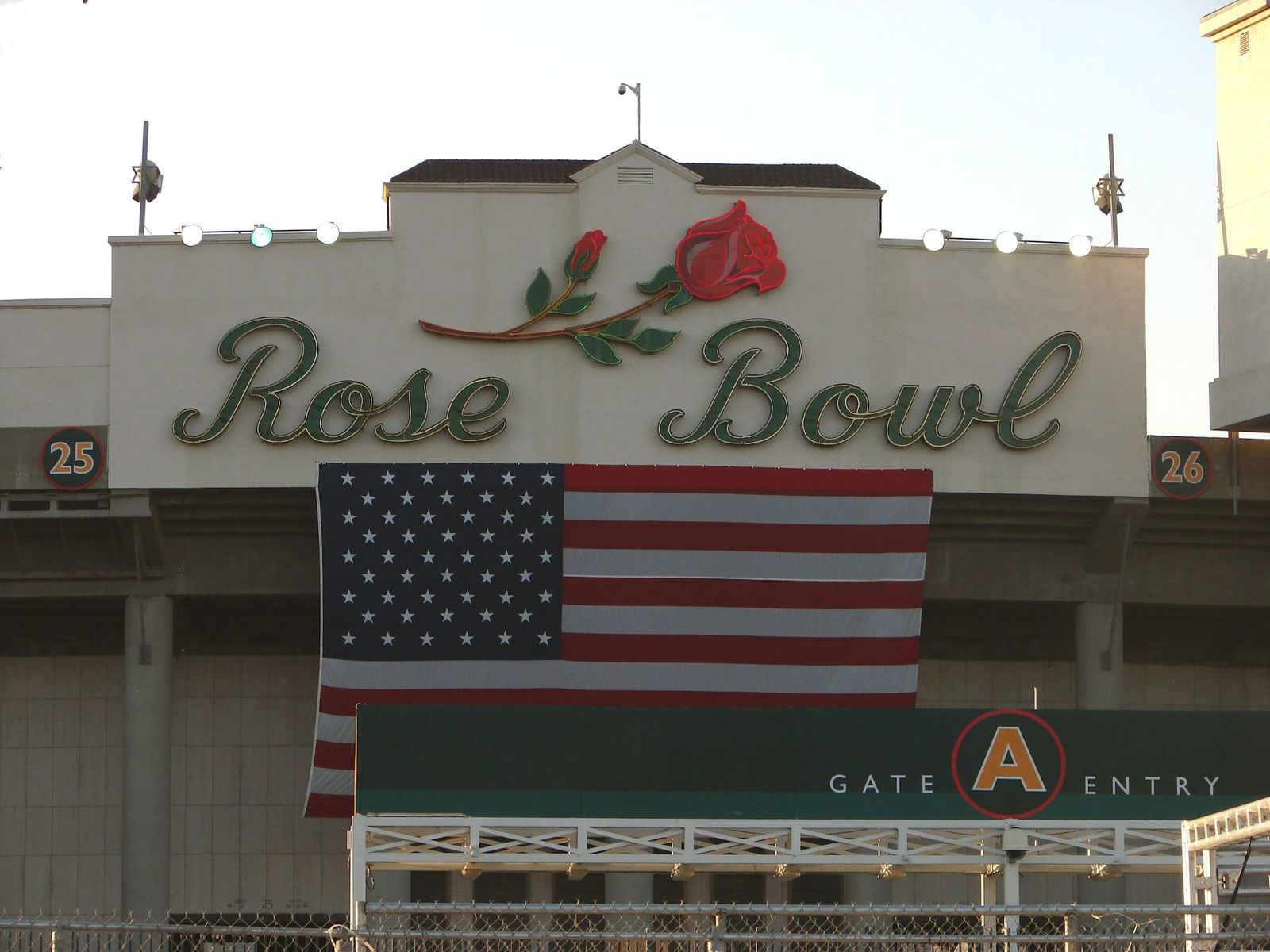
Does your family watch the Rose Bowl Game on January 1st? It’s one of the oldest postseason football games in American history . But, did you know that its origin stems from a tourism campaign?

In the 1890s, the city of Pasadena, California, started celebrating the Tournament of Roses Parade on New Year’s Day as a way to promote the city’s mild weather to tourists on the East Coast . To increase promotion, a postseason college football game was played in 1902, but the result was so lopsided —49-0— that it was not repeated the following years. In 1916, a new game was organized with resounding success, and it has been held annually since then.

7
The original Black Friday

Image: Artem Beliaikin

B efore being synonymous with big sales and discounts, Black Friday was synonymous with crisis . The first recorded use of ‘Black Friday’ dates back to 1869, when the stock market suffered a devastating crash due to financial speculation. The economic effects of the crash were so severe that the name connoted calamity and misery.

How did it become associated with the day after Thanksgiving? In the 1950s, Philadelphia received hordes of tourists who came to shop and attend the annual Army-Navy football game the day after Thanksgiving, creating such chaos that the police forces dubbed it the "Black Friday". To counteract the negativity, retailers adopted the name in association with massive discounts.

8
From Decoration to Memorial Day

Image: Greg Bulla

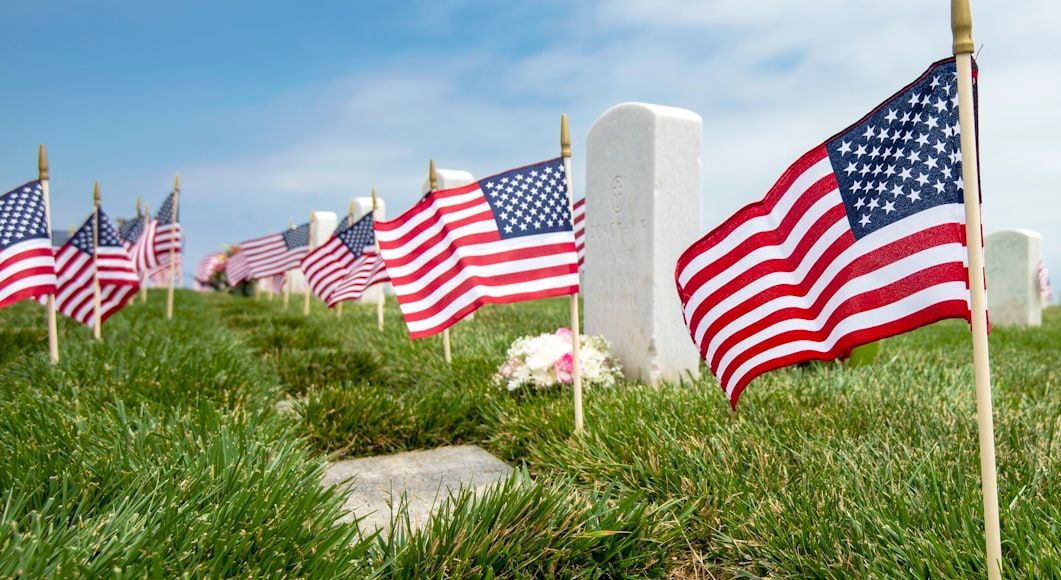
The last Monday of May, America remembers and honors those who laid down their lives in defense of the country. Friends and relatives of fallen service members gather to lay wreaths and flags in cemeteries ; the Memorial Day holiday also serves as the unofficial starting point for the summer season. But where does this tradition come from?

It wasn’t always Memorial Day. Originally called ‘Decoration Day’, the tradition of adorning graves started after the Civil War , and it was first celebrated on a national scale in 1868. After World War I, the tradition was expanded to include all American soldiers fallen during a military conflict.

9
Hedgehog Day

Image: Camerauthor Photos

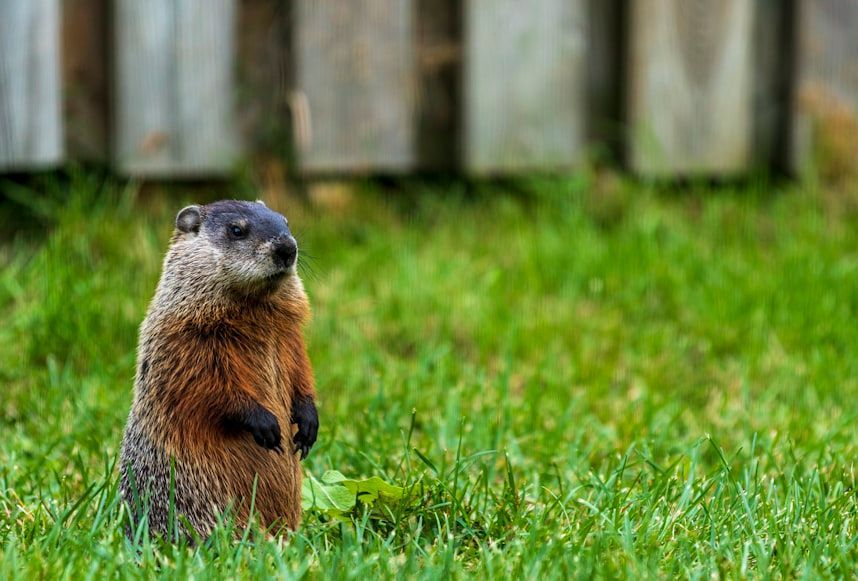
You might just know about it because of the popular 1993 Bill Murray movie, but Groundhog Day is real, and it’s celebrated every February 2nd. According to tradition, if a groundhog emerging from its burrow sees its shadow, it will go back to hibernate , and there will be six more weeks of winter. If not, spring will come early. But did you know that the tradition usually observed the behavior of a different animal?

Though Groundhog Day is celebrated across America —and even Canada— it was initially a Pennsylvania tradition, brought by German and Dutch immigrants. Back in Europe, they observed the behavior of hedgehogs and badgers to predict the length of winter, but these were not native to America. Looking for a similar local animal, they turned to the groundhog.

10
The 6-month difference

Image: Brandon Day

We can name a select few holidays that are celebrated internationally, such as New Year’s Day or Christmas. But what about Labor Day? While nearly 160 countries across the globe celebrate it on May 1st, the U.S. celebrates it six months later , on the first Monday in September.

Labor Day (also known as International Workers’ Day) started as a commemoration of the 1886 Haymarket Affair in Chicago, where a protest for workers’ rights ended with several casualties. As the protest was linked to socialist labor movements, the U.S. government was wary of celebrating workers on that date . As a compromise with labor activists, President Grover Cleveland instituted Labor Day as a federal holiday in 1894, but deliberately chose a date as far away as possible.

Culture Culture 5 min read

Awe-inspiring facts

The First Influencer: 10 times Eleanor Roosevelt was groundbreaking

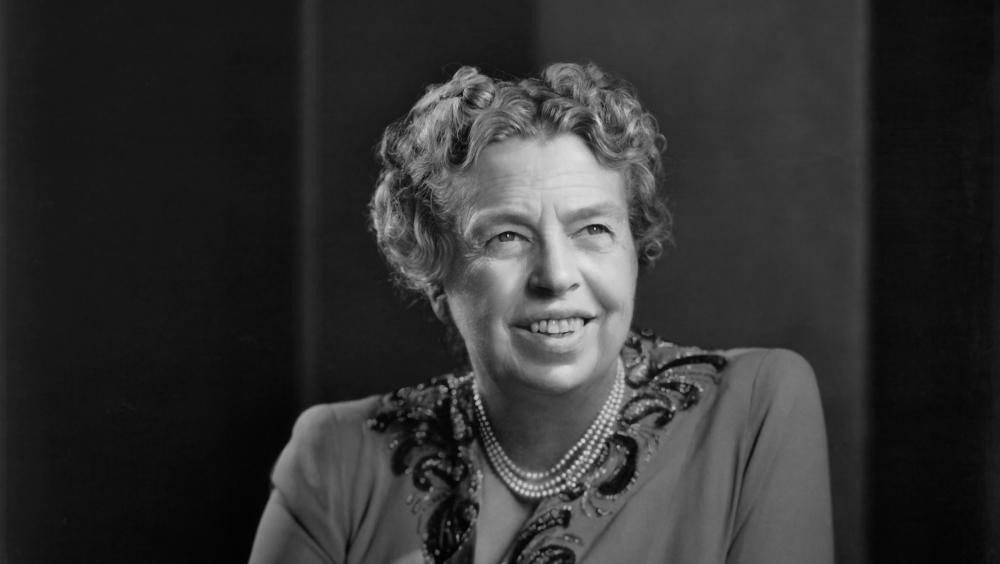
Image: Yousuf Karsh, Public domain, via Wikimedia Commons

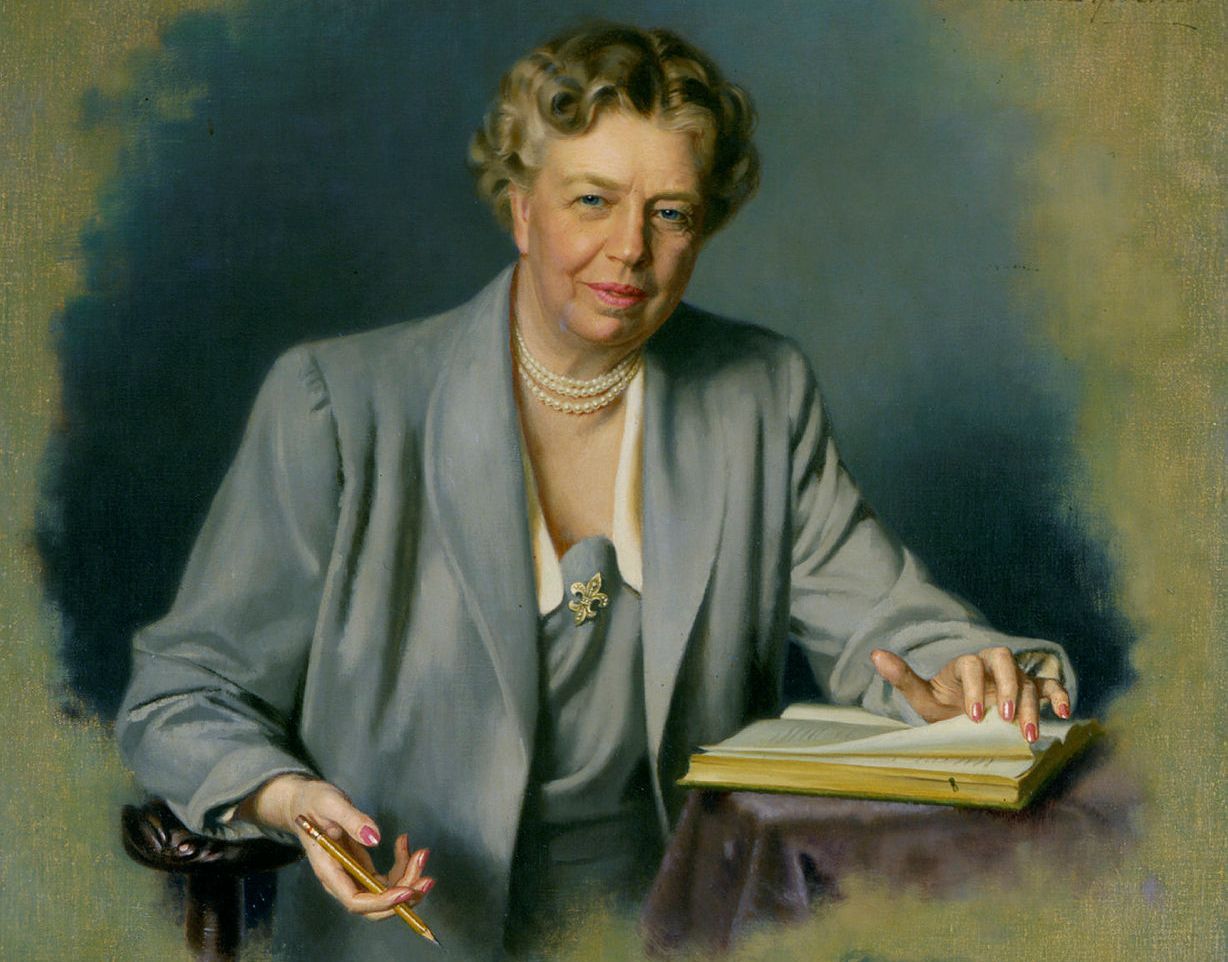
Eleanor Roosevelt led an exciting life and was a groundbreaking figure in many ways. She redefined the role of First Lady and went on to become the U.S. delegate to the newly created United Nations. Her lifetime achievements are almost too numerous to list, yet these 10 facts serve as a reminder of why she's still celebrated as one of America's most influential First Ladies and diplomats. Keep reading to learn more!

1
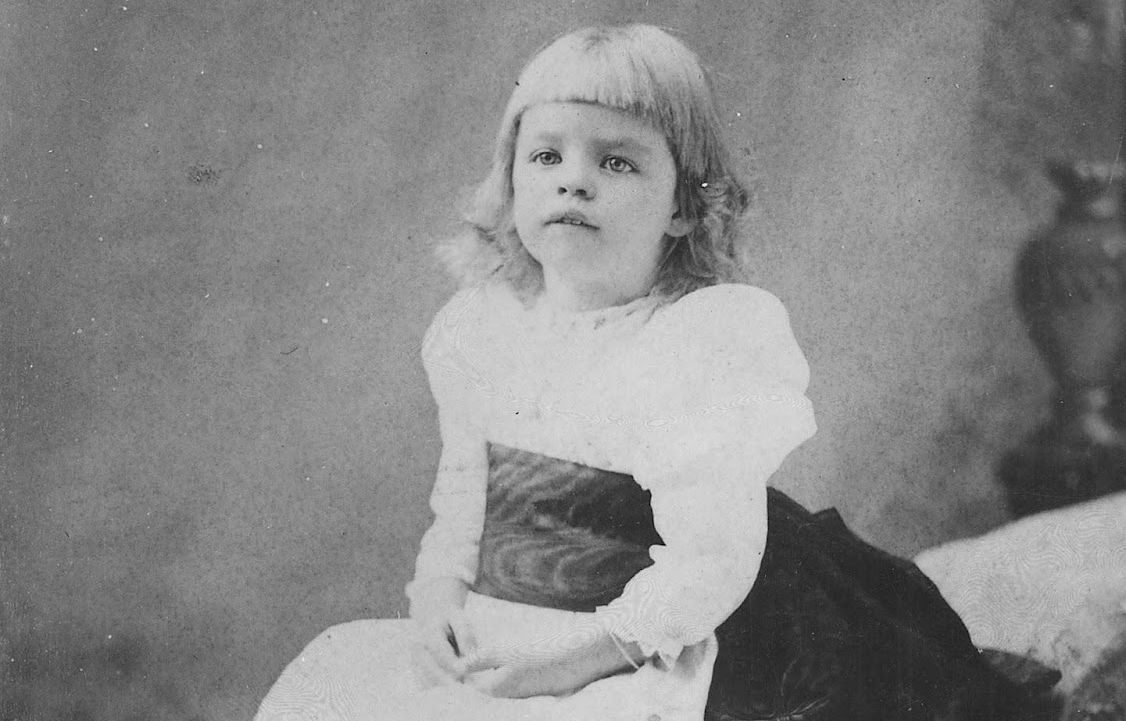
Early childhood

Image: National Archives and Records Administration, Public domain, via Wikimedia Commons

Despite being born into a prominent family, Eleanor Roosevelt’s childhood was not easy. She became an orphan when she was still very young. Her mother, Anna Hall, passed away in 1892, and her father died in 1894 from injuries sustained during a suicide attempt.

Following these tragic events, young Eleanor was left in the care of her maternal grandmother, Valentine Hall, before she was sent to a school for girls in England at the age of 15.

2
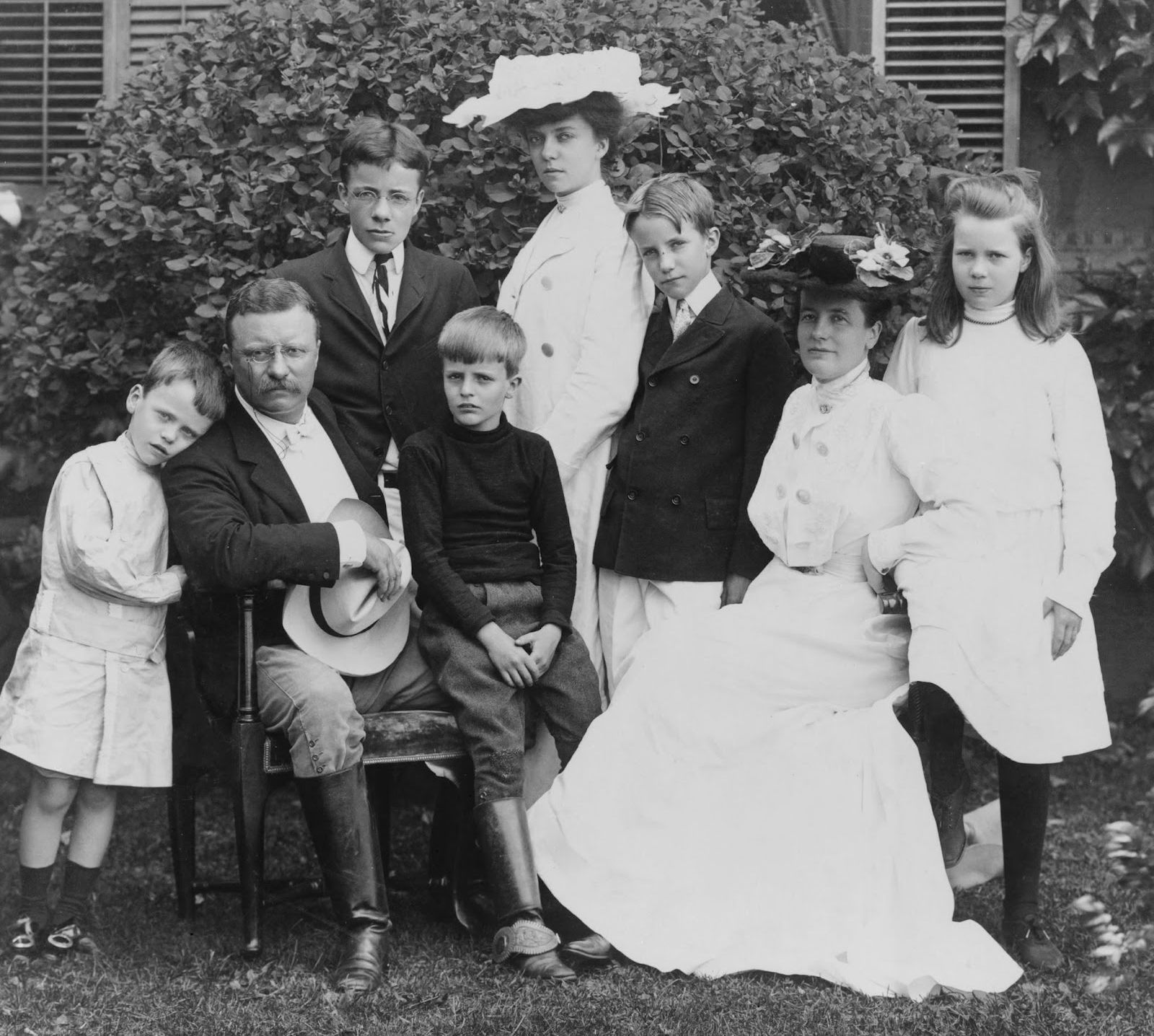
Family ties

Image: Public domain, via Wikimedia Commons

Eleanor had presidential connections way before her marriage to FDR. Her father was Elliott Roosevelt, the younger brother of former President Theodore Roosevelt. Franklin D. Roosevelt, in turn, comes from a different branch of the Roosevelt family. The family was divided into two distinct clans, both based in New York, each with its own unique culture. Franklin belonged to the Hyde Park Roosevelts and was Theodore Roosevelt’s fifth cousin, while Eleanor was Theodore’s fifth cousin once removed .

Theodore was very fond of his niece and treated Eleanor like a daughter. In fact, in 1905, just a few months into his second term, the president gave her away at her wedding to Franklin D. Roosevelt. There’s nothing like keeping the name in the family!

3
American Red Cross volunteer

Image: National Archives and Records Administration, Public domain, via Wikimedia Commons

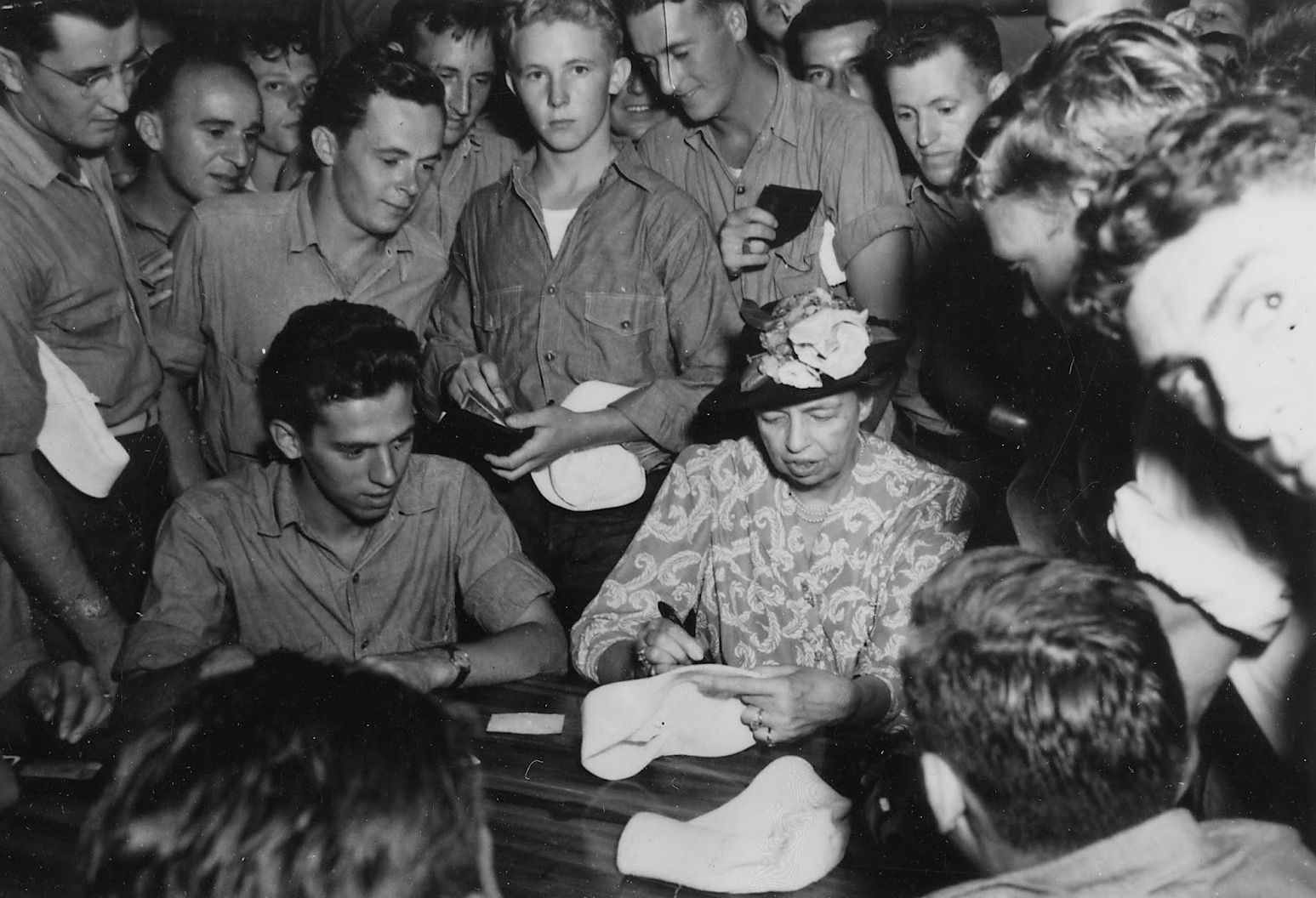
From a young age, Eleanor Roosevelt was actively involved in volunteer work. In 1917, when the United States entered World War I, women’s roles shifted dramatically. For Eleanor, this meant volunteering with the Red Cross and visiting wounded naval soldiers.

During her husband’s presidency, in the midst of World War II, Eleanor would inspire others to join the Red Cross and help raise funds to improve care and assistance for soldiers and their families. In August 1943, she even embarked on a month-long journey through the South Pacific to visit hospitals and infirmaries on military bases and ships.

4
An adventurous First Lady

Image: National Portrait Gallery, CC0, via Wikimedia Commons

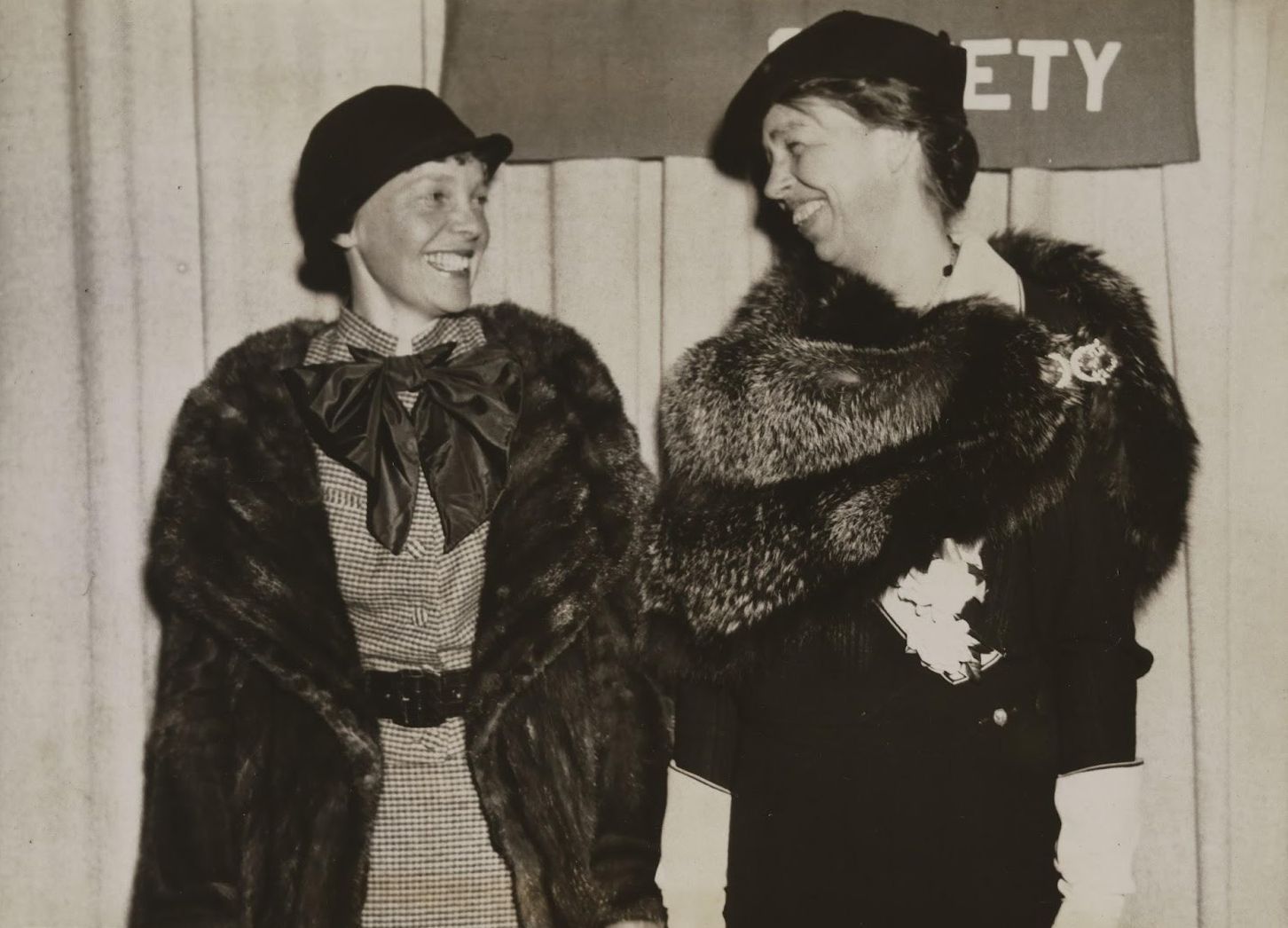
Despite being an introvert, Eleanor Roosevelt was an adventurer at heart. She liked to travel and throughout her life practiced different sports. What did Eleanor consider the happiest day of her life? The day she made the field hockey team at her private school!

During the 1930s, she became close to American aviator Amelia Earhart . The pilot took the First Lady on a flight from Washington, D.C., to Baltimore in 1933 and even inspired Eleanor to apply for her own pilot’s license. After Earhart vanished during her attempt to fly around the world, Roosevelt told reporters, "I am sure Amelia’s last words were ‘I have no regrets.’"

5
Women's advocate

Image: National Archives and Records Administration, Public domain, via Wikimedia Commons

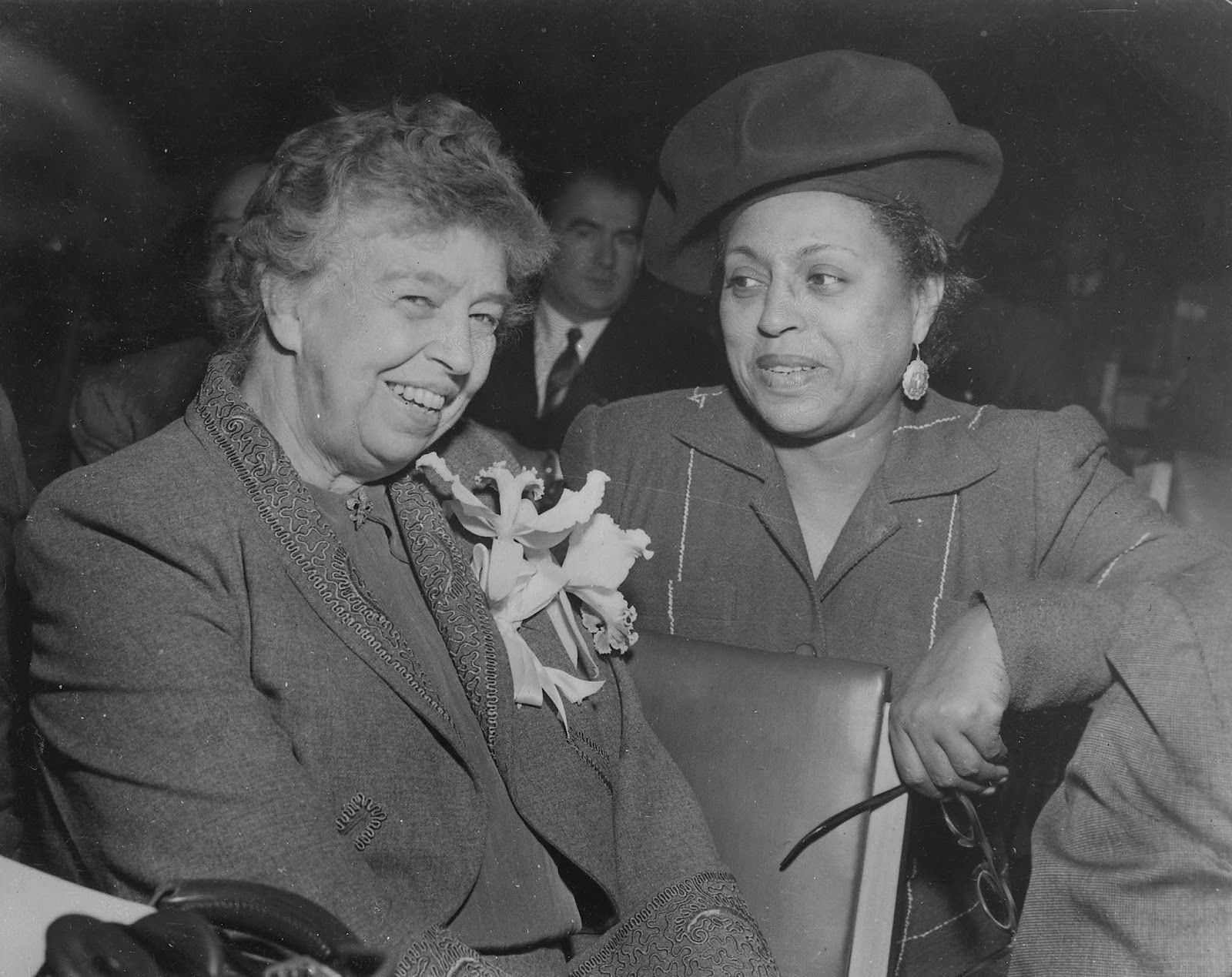
When Franklin D. Roosevelt was elected President of the United States, Eleanor redefined the role of the First Lady. Unlike her predecessors, she led a very active political life, participating in a multitude of events advocating for women's rights.

For example, before FDR’s presidency, female journalists were often excluded from media events at the White House. Eleanor helped reverse this injustice by hosting a series of women-only press conferences . This courageous and revolutionary act eventually pressured newspapers to hire more female reporters and helped Eleanor win over female voters on behalf of her husband.

6
Newspaper columnist

Image: Douglas Chandor, Public domain, via Wikimedia Commons

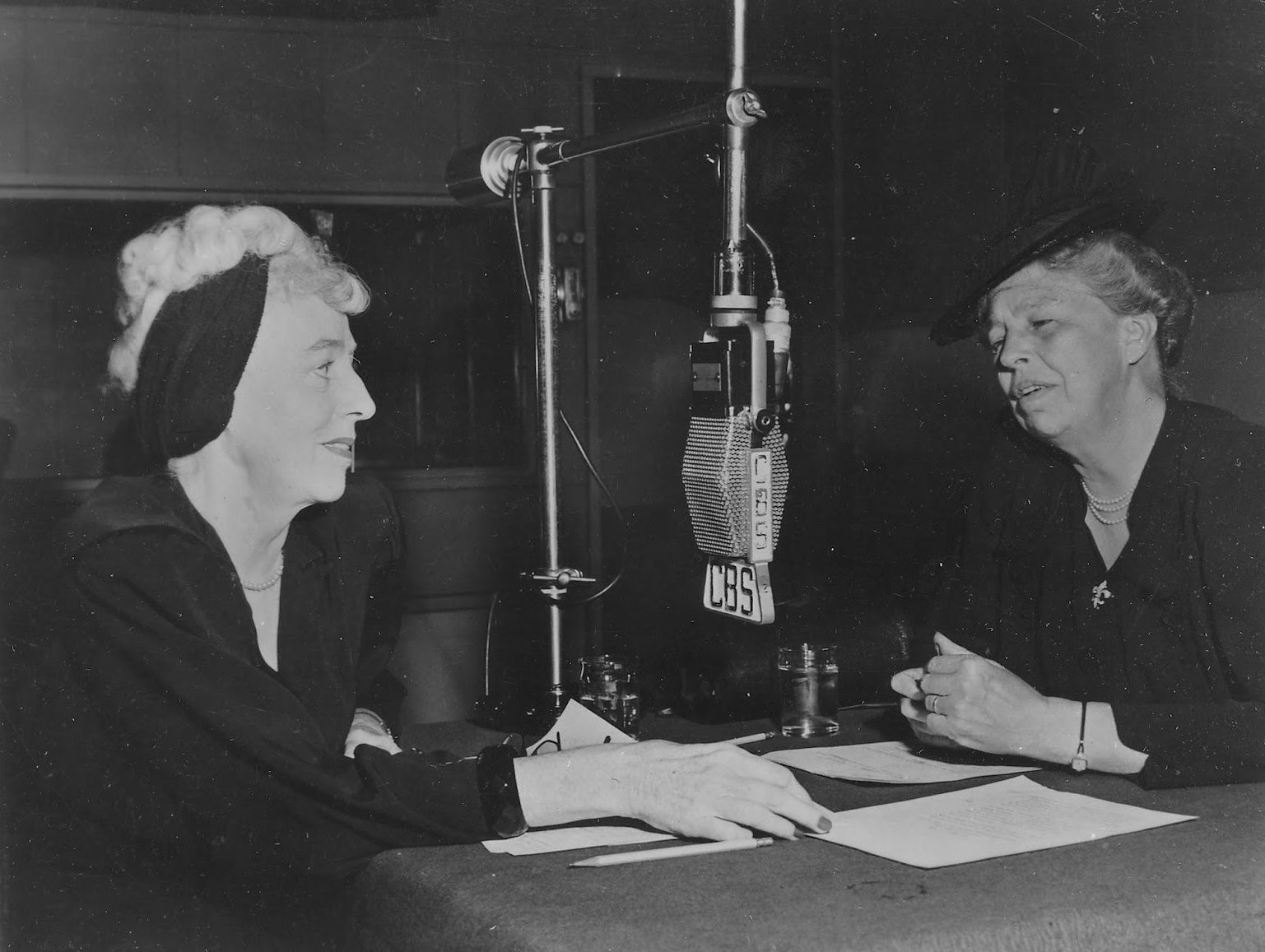
Did you know Eleanor Roosevelt wrote a syndicated newspaper column for 27 years? From 1935 until her death in 1962, Roosevelt penned six articles a week about her political views and personal life.

Simply titled "My Day," the column featured her thoughts on hot topics such as prohibition, Pearl Harbor, and Joseph McCarthy’s communist witch hunt. In all that time, Eleanor missed only a single week's worth of deadlines after her husband died in 1945.

7
Civil rights activist

Image: National Archives at College Park, Public domain, via Wikimedia Commons

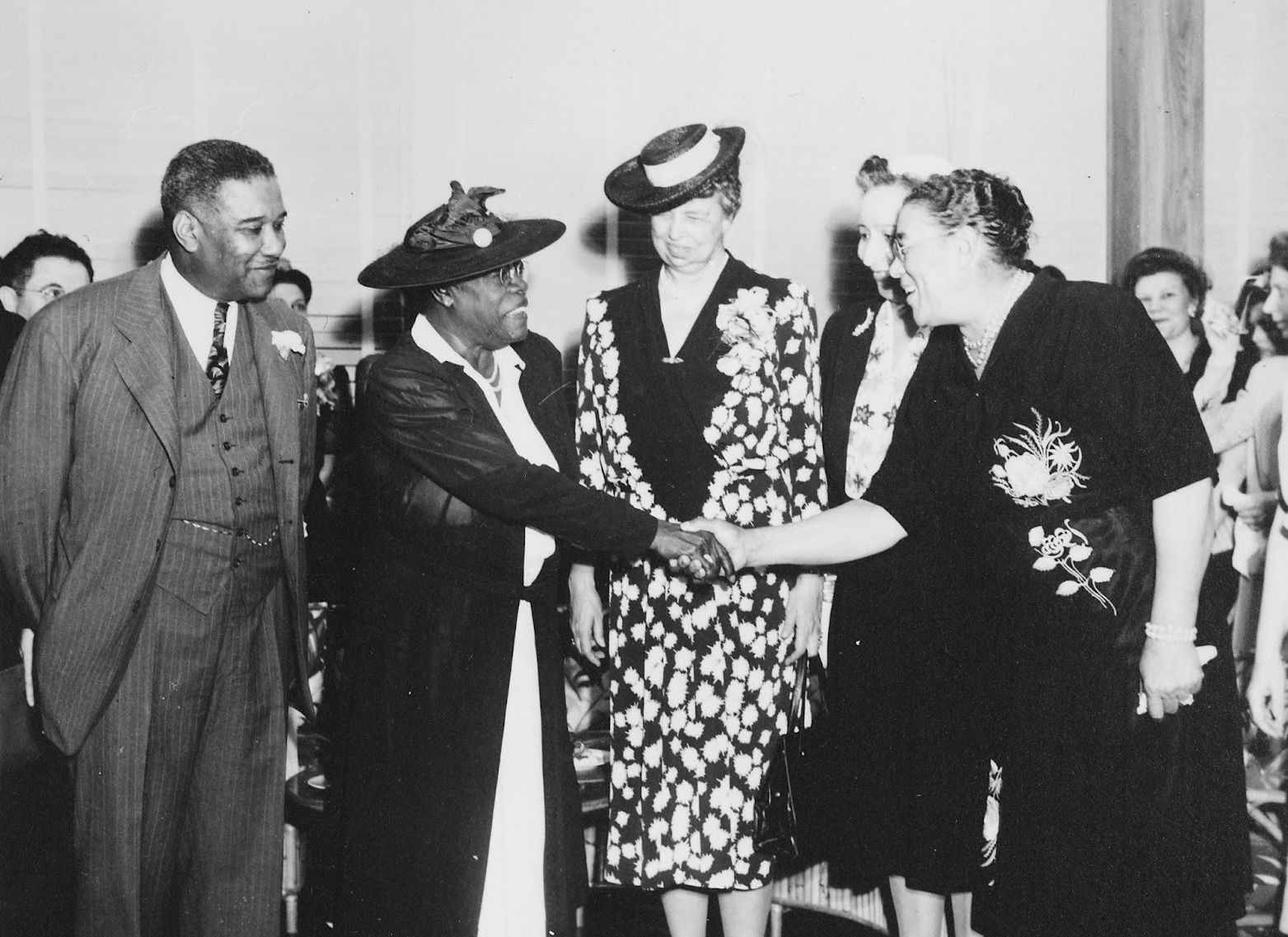
Eleanor Roosevelt was notably more progressive on civil rights than her husband. During the era of segregation, the First Lady became a crucial ally to the African-American community .

For example, she regularly invited African-American guests to the White House, breaking established protocols. In 1938, she even attended the inaugural meeting of the Southern Conference for Human Welfare in Birmingham, Alabama. On that occasion, after learning that segregationist policies prohibited white and African-Americans from sitting together at public functions, Eleanor protested. "They were afraid to arrest her," one witness recalled.

8
J. Edgar Hoover's public enemy

Image: National Archives and Records Administration, Public domain, via Wikimedia Commons

Because of her support for civil liberties and promotion of social programs, Eleanor Roosevelt was labeled a communist by the most conservative wing of American society. She was especially unpopular with J. Edgar Hoover’s FBI, which viewed her as a threat to the status quo.

In fact, the First Lady was the subject of one of the largest single FBI files, totaling around 3,000 pages . She publicly criticized Hoover’s abusive tactics, calling them "Gestapo-ish."

9
The first influencer

Image: Evert F. Baumgardner, Public domain, via Wikimedia Commons

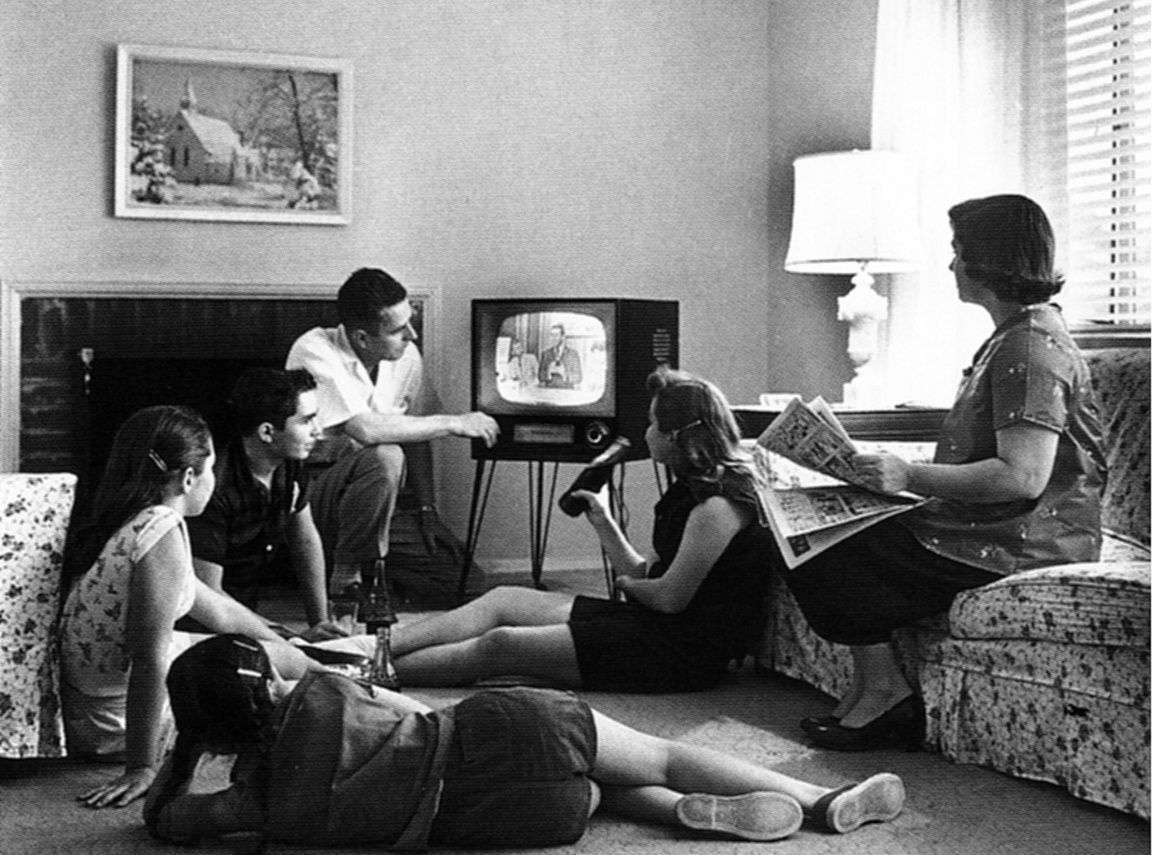
In 1959, Eleanor Roosevelt made a surprising appearance in a TV commercial that helped popularize margarine as a preferred spread in America.

Her endorsement of the product not only had a significant impact on consumer choices but also earned her a substantial income of $35,000. As evidence of her commitment to social causes, Eleanor used the earnings to purchase 6,000 care packages for families in need , providing critical support and assistance.

10
Universal Declaration of Human Rights

Image: Franklin D. Roosevelt Presidential Library and Museum, Public domain, via Wikimedia Commons

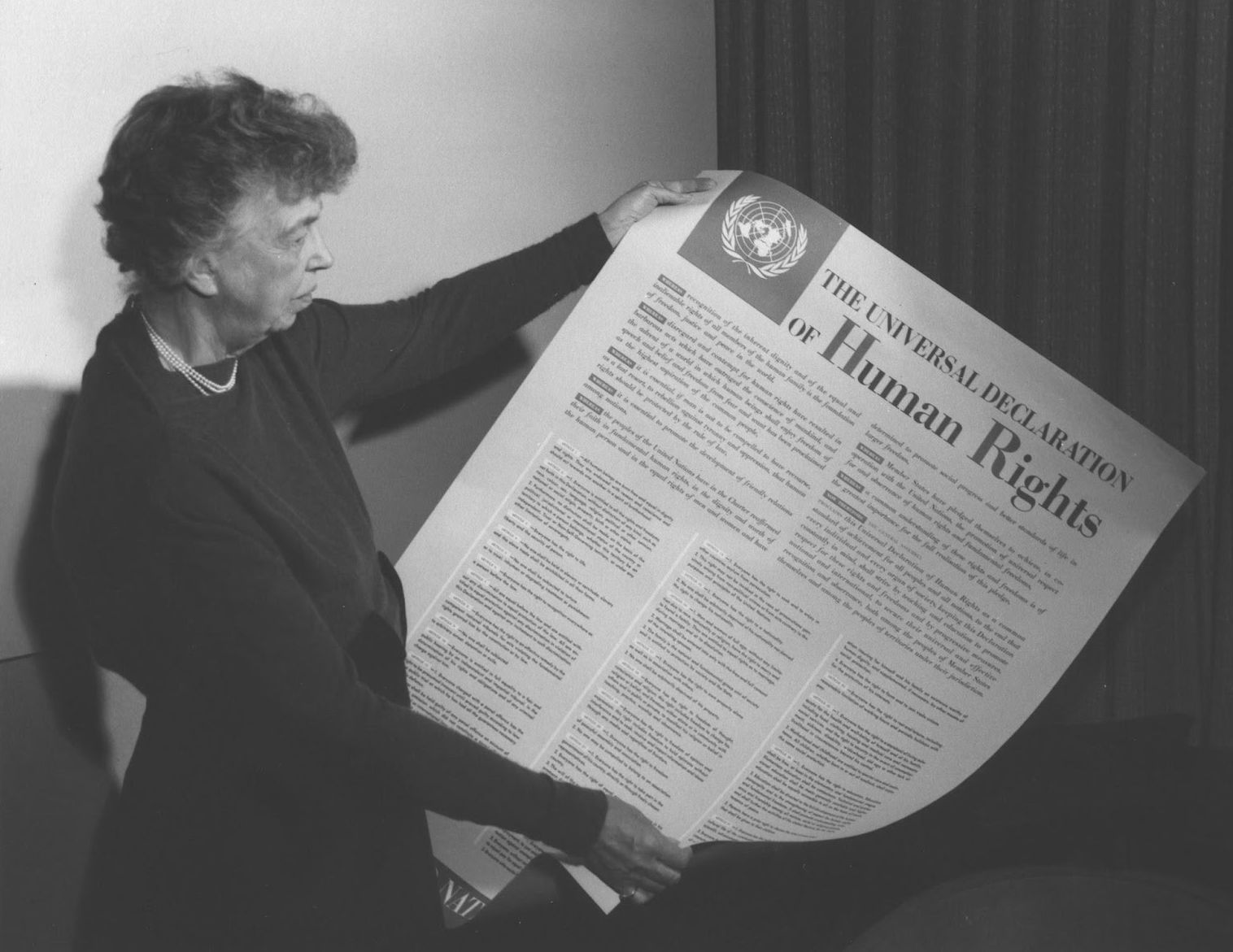
In 1946, President Harry S Truman appointed Eleanor Roosevelt as the U.S. representative to the United Nations Human Rights Council. In this influential role, she played a key part in shaping the Universal Declaration of Human Rights.

Along with 50 other members, Eleanor worked tirelessly to establish a comprehensive framework that protected and upheld the fundamental rights and dignity of individuals worldwide. Her dedication to this important endeavor marked a significant milestone in the advancement of human rights on a global scale. The Universal Declaration of Human Rights remains, without a doubt, one of Eleanor Roosevelt’s greatest legacies.

Explore more American facts

Choose your favorite category!

General
General

As American as apple pie—the very best America has to offer!

Culture
Culture

Delve into the astounding richness of American lore.

Geography
Geography

Hop in and explore vast and diverse American landscapes.

History
History

Discover the key moments that shaped the United States.