Culture Culture 5 min read

10 unforgettable times patriotism conquered pop culture
Image: STILLFX

Pop culture has always been a mirror of society, but few forces shape it as much as patriotism. From the birth of a new nation to the geopolitical tensions of the Cold War and the grief of a post-9/11 world, our national identity has spilled over into fashion, film, music, and television. Here is a look at 10 iconic moments when patriotism both captured and influenced the pop culture landscape.

1
Rocky IV
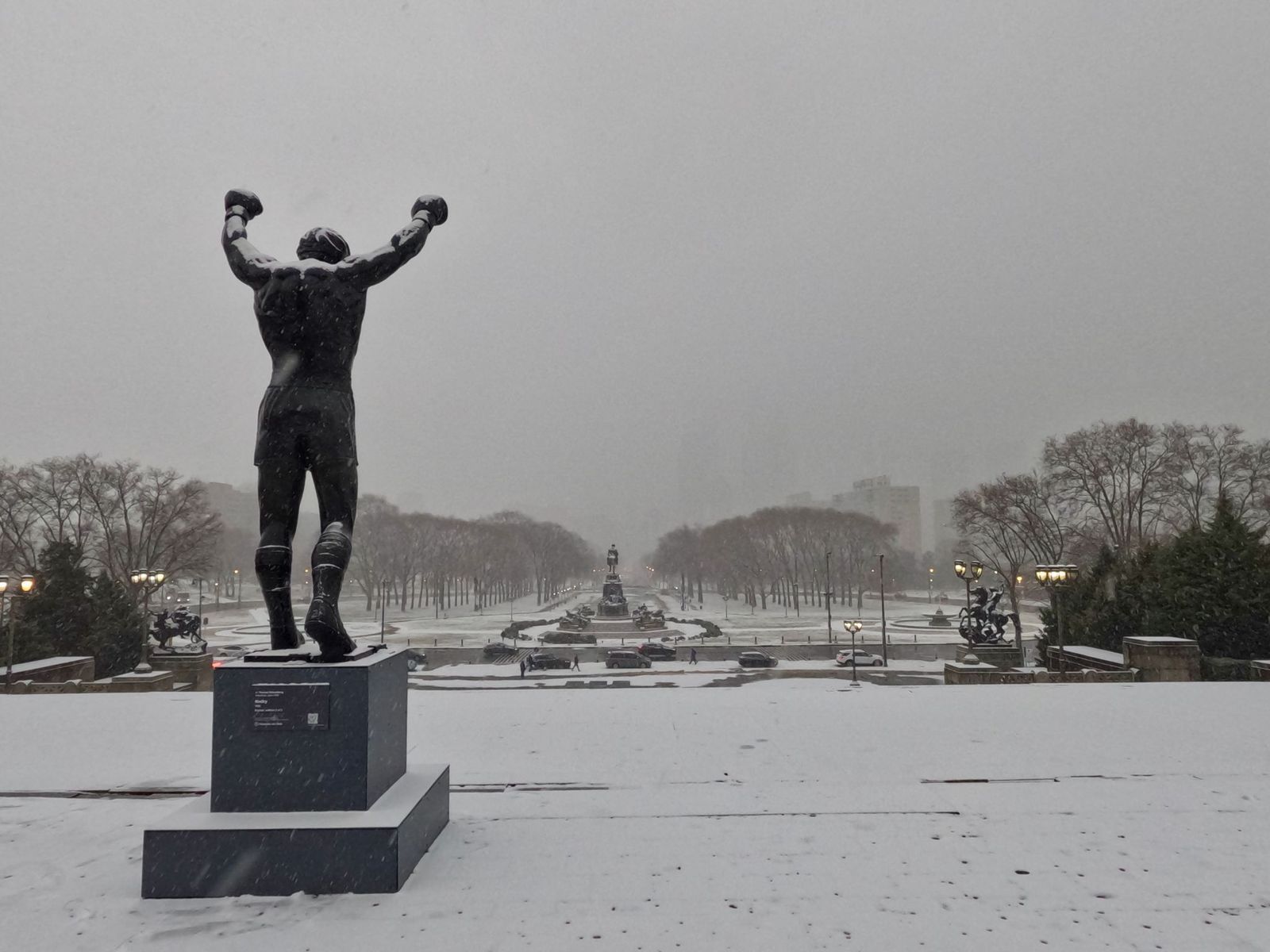
Image: Bryan Littel

If you want to see late Cold War patriotism condensed into a two-hour blockbuster, look no further than Rocky IV . Written, directed by, and starring Sylvester Stallone, the 1985 sequel details the rivalry between self-made American underdog Rocky Balboa and Ivan Drago (Dolph Lundgren), a state-sponsored Soviet boxer.

The film serves as an allegory for the geopolitical tensions between the USA and the USSR. With Rocky stepping into the Moscow ring wearing the late Apollo Creed's iconic stars-and-stripes trunks, his eventual victory symbolizes a triumphant win of Western individualism over Soviet collectivism.

2
Neil Diamond's "America"
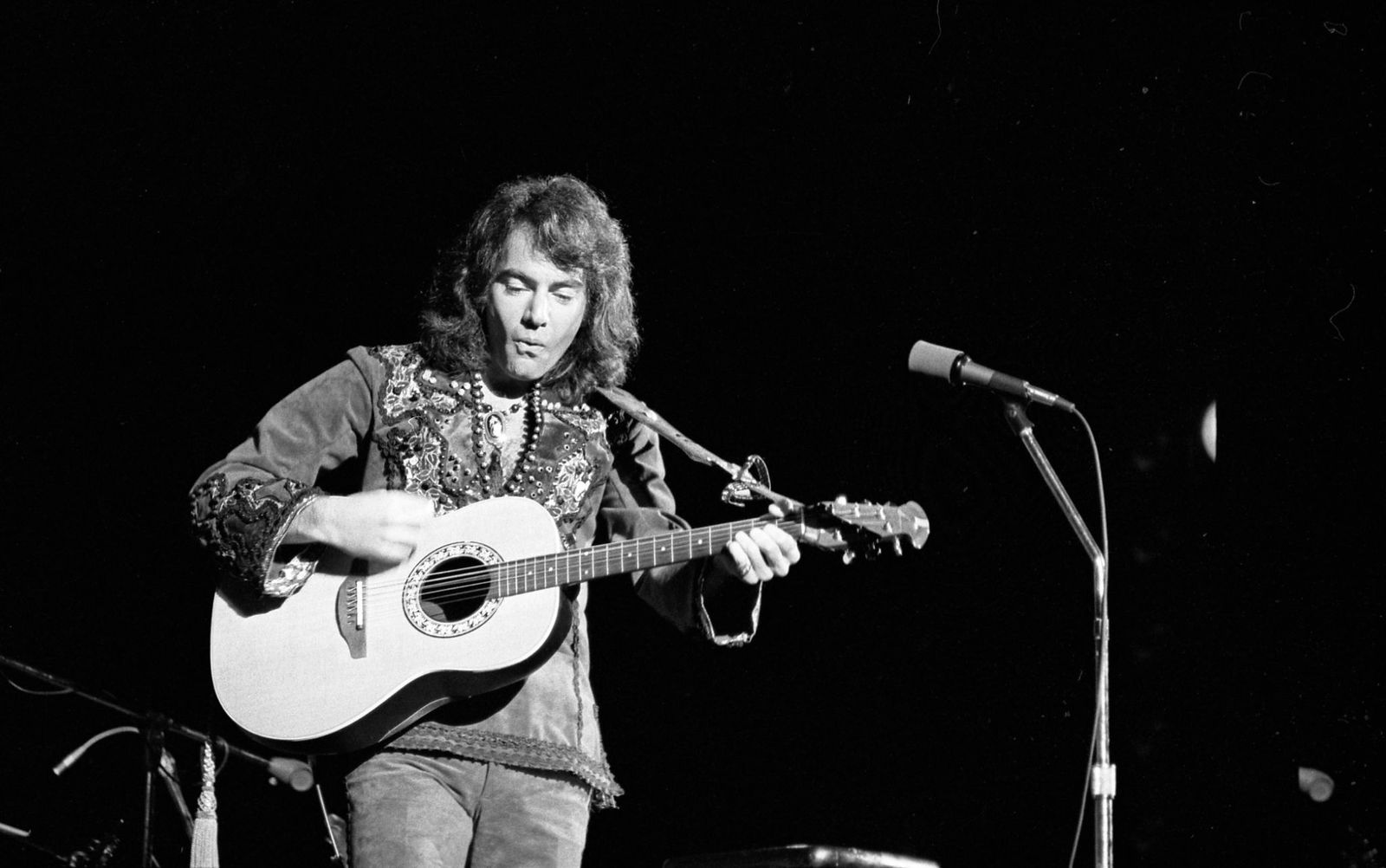
Image: Larry Bessel, Los Angeles Times, CC BY 4.0, via Wikimedia Commons

Patriotism is not just about defending borders, it’s also about celebrating our country’s diverse mosaic of people. Neil Diamond proved it with his 1980 hit "America", written for The Jazz Singer soundtrack.

With its optimistic beat and soaring chorus, the track serves as an anthem celebrating the immigrant experience. Diamond's lyrics honor the millions of people who braved the seas to find freedom and opportunity, and has become a constant at political rallies, naturalization ceremonies, and sporting events.

3
George Washington’s suit
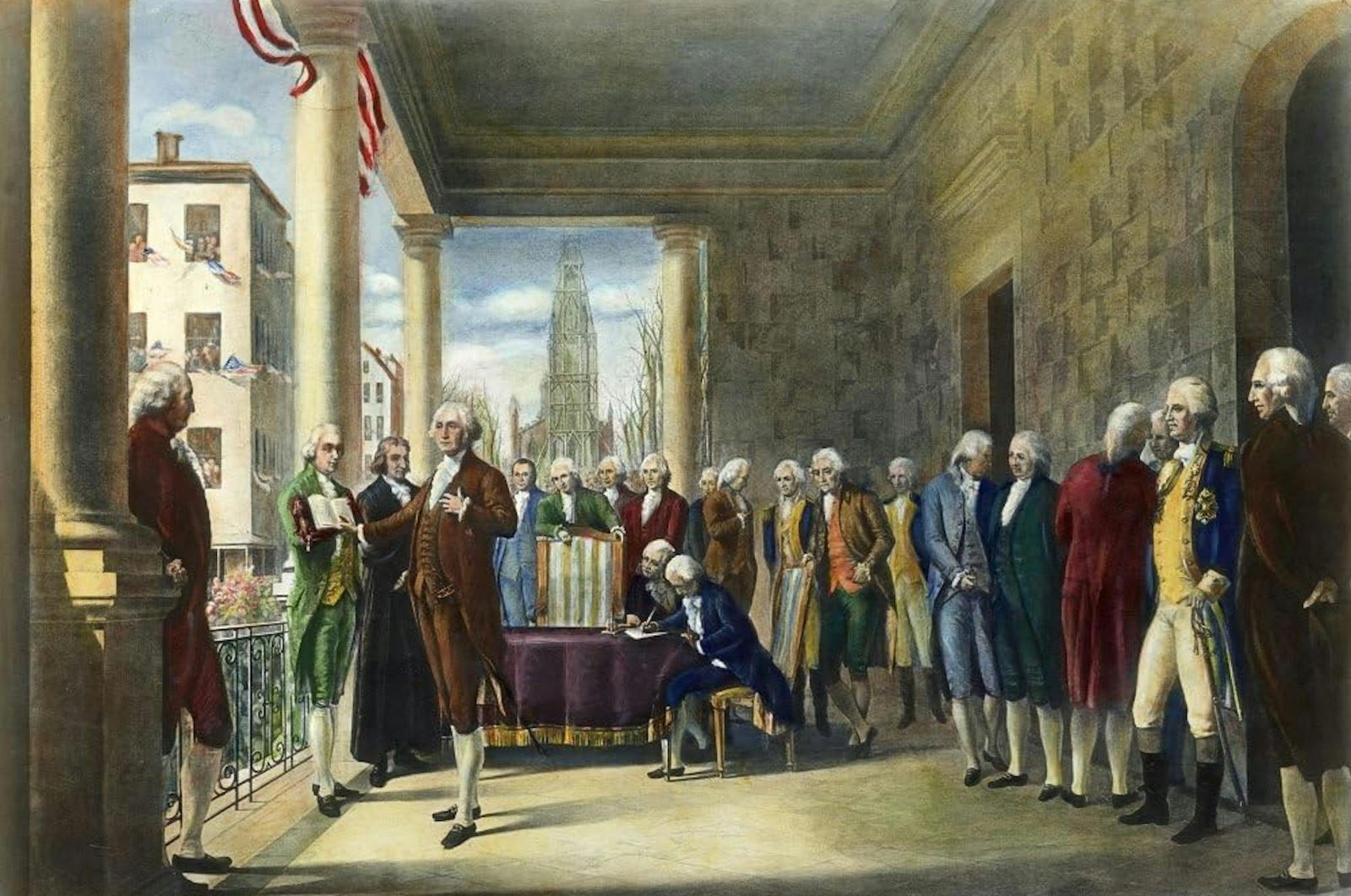
Image: Ramon Elorriaga, Public domain, via Wikimedia Commons

Did you know America’s very first president used his attire to send a message of national independence? For his 1789 inauguration, George Washington rejected the luxurious, imported silks favored by the European aristocracy. Instead, he arrived wearing a simple, American-made brown broadcloth suit crafted from wool produced at the Hartford Woolen Manufactory in Connecticut.

Featuring custom metal buttons engraved with the Great Seal of the United States, Washington's suit was an intentional statement meant to promote domestic industry, reject European economic dominance, and symbolize democratic equality.

4
Captain America

Image: phol_66

Comic books have long relied on patriotic superheroes to protect the innocent, but none achieved the legendary status of Steve Rogers. Created by Joe Simon and Jack Kirby, Captain America made his debut in March 1941, nearly a year before the United States officially entered World War II.

The iconic cover of Captain America Comics #1 featured the star-spangled hero delivering a right hook straight to Adolf Hitler’s jaw. Representing the ultimate underdog story, Captain America became an enduring symbol of anti-fascist determination that remains a multi-billion-dollar cinematic powerhouse today.

5
Catherine Malandrino's "Stars and Stripes" dress

Image: Carrastock

Fashion and patriotism collided at the dawn of the 21st century. Following the tragic events of September 11, 2001, the American flag evolved from a standard national symbol into an emblem of resilience and unity. French designer Catherine Malandrino captured this cultural shift perfectly with her flag-print chiffon shirtdress.

Originally debuted by Halle Berry just days before 9/11 at a movie premiere, the "Stars and Stripes Dress" quickly became a post-tragedy uniform for Hollywood's elite. It was worn by icons like Julia Roberts, Sharon Stone, and Madonna to signal solidarity, hope, and patriotism on the red carpet.

6
Kid Rock's "Born Free"
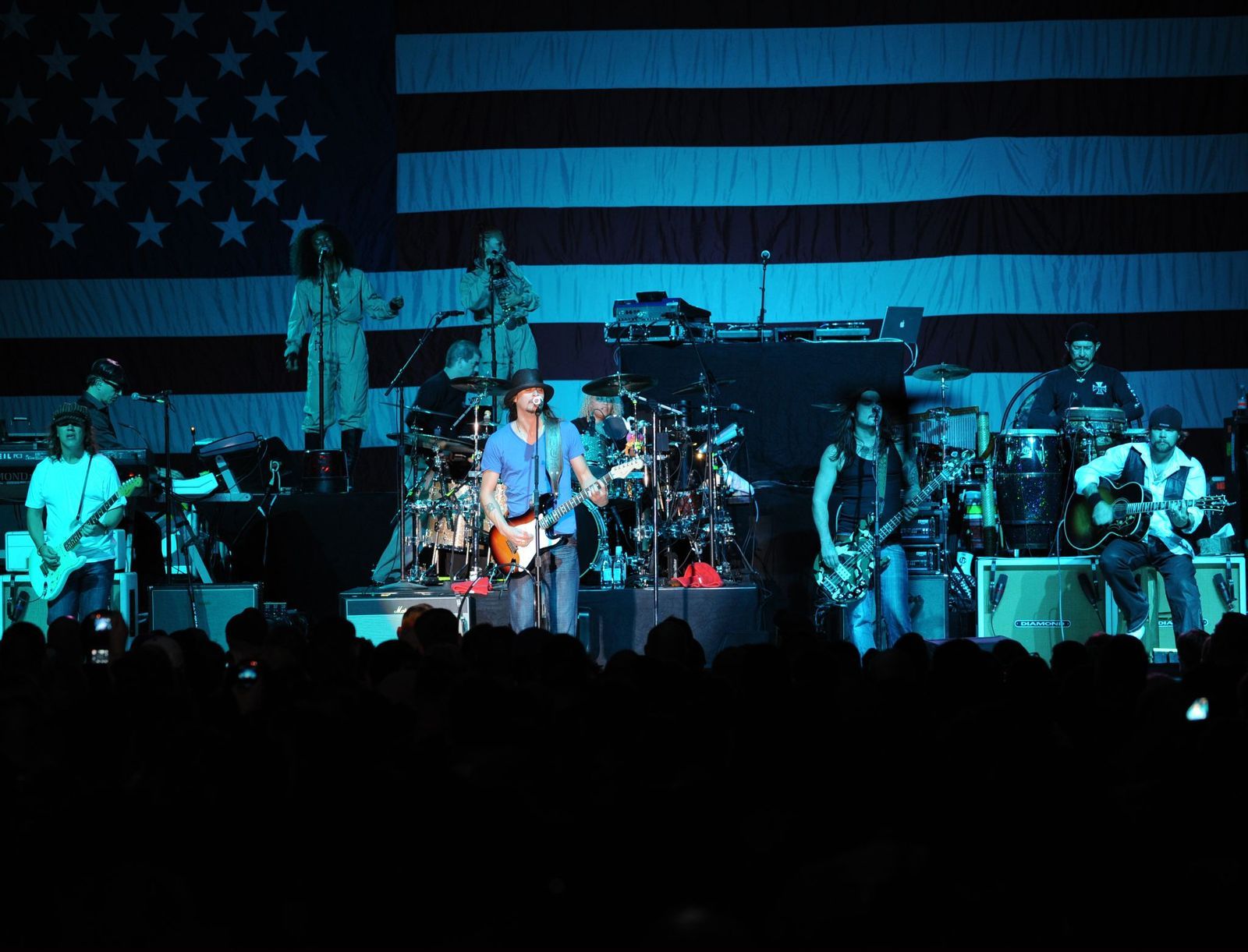
Image: U.S. Air Force photo by Airman 1st Class Caleb Pierce, Public domain, via Wikimedia Commons

Kid Rock’s 2010 single "Born Free" brought a raw energy to patriotic music. Blending elements of southern rock, country, and blues, the track was inspired by Kid Rock’s travels playing for American troops stationed overseas.

The musician has said that he penned the song as a tribute to liberty and personal freedom. The tune has been played at major sporting events, auto commercials, and has been adopted as a political campaign anthem.

7
The Americans

Image: Andy.LIU

Instead of waving the flag openly, the critically acclaimed drama The Americans (2013-2018) examined American patriotism from a different perspective. The series follows Philip (Matthew Rhys) and Elizabeth Jennings (Keri Russell), two undercover KGB spies living as a typical American family in suburban Virginia during the 1980s. As Philip increasingly finds himself seduced by the genuine freedom and lifestyle of the "American way", the series serves as an endorsement of democratic values.

8
Patton
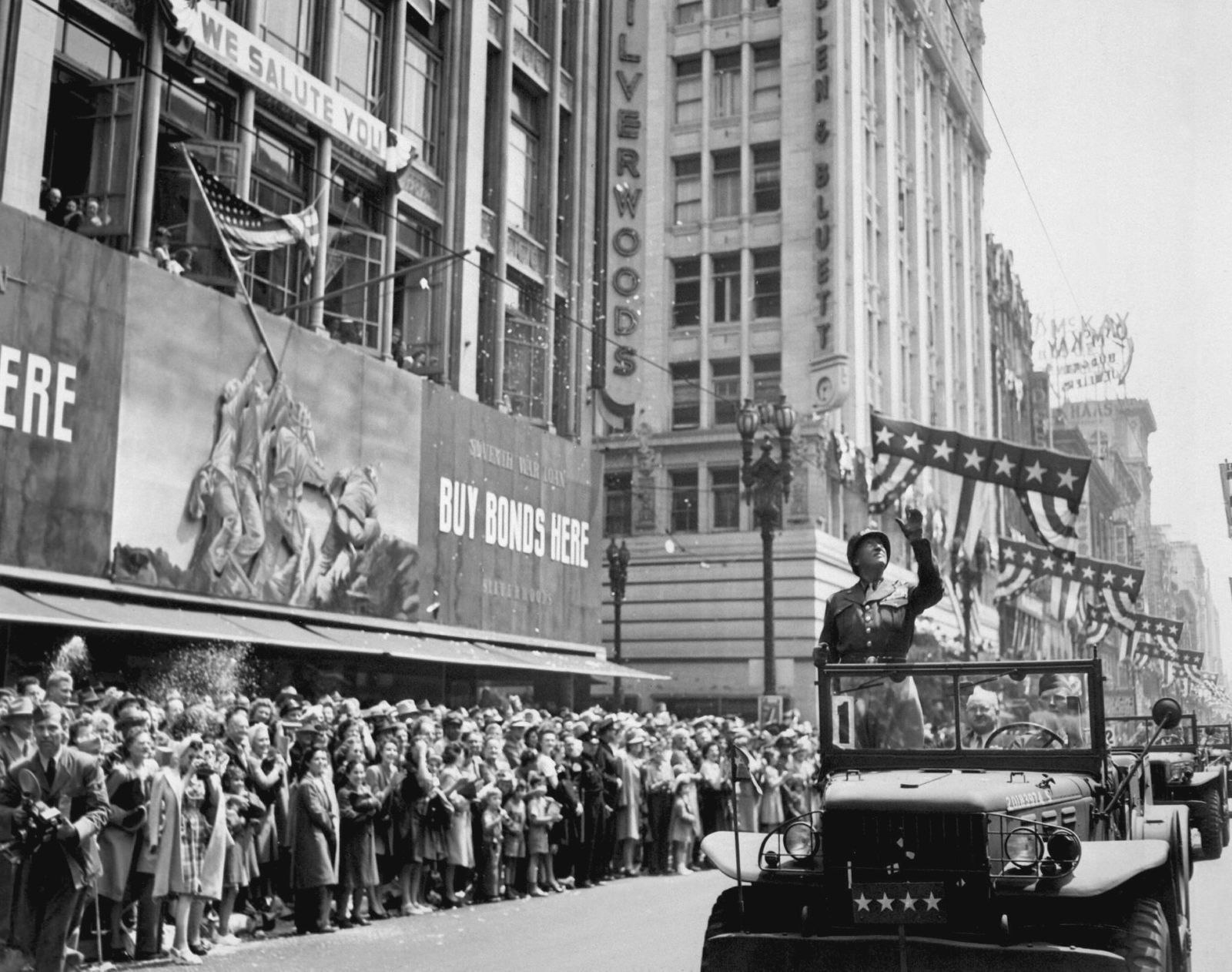
Image: Office of War Information, Public domain, via Wikimedia Commons

Biographical films often examine patriotism through a complex lens, and the 1970 masterpiece Patton is proof. Starring George C. Scott as General George S. Patton, the film opens with a legendary, six-minute monologue delivered in front of a colossal American flag.

The film, directed by Franklin J. Schaffner and written by Francis Ford Coppola and Edmund H. North, perfectly captures Patton's fierce love for his country alongside his military genius. Released during the height of the divisive Vietnam War, Patton managed to resonate across the entire political spectrum, even becoming a favorite of President Richard Nixon, who watched it repeatedly before making critical military decisions.

9
Toby Keith's "Courtesy of the Red, White and Blue"

Image: U.S. Navy photo by Journalist 2nd Class Brandan W. Schulze, Public domain, via Wikimedia Commons

In 2002, Toby Keith aptly captured the raw emotion of the post-9/11 era with his "Courtesy of the Red, White and Blue." Written in a burst of intense emotion following the terrorist attacks and the recent passing of his military veteran father, the song became a patriotic anthem.

With its lines promising that America would "put a boot in your ass," the song resonated deeply with a grieving public. It dominated the country charts, fueled troops overseas, and cemented its place as one of the most defining musical examples of early 2000s nationalism.

10
Yankee Doodle Dandy
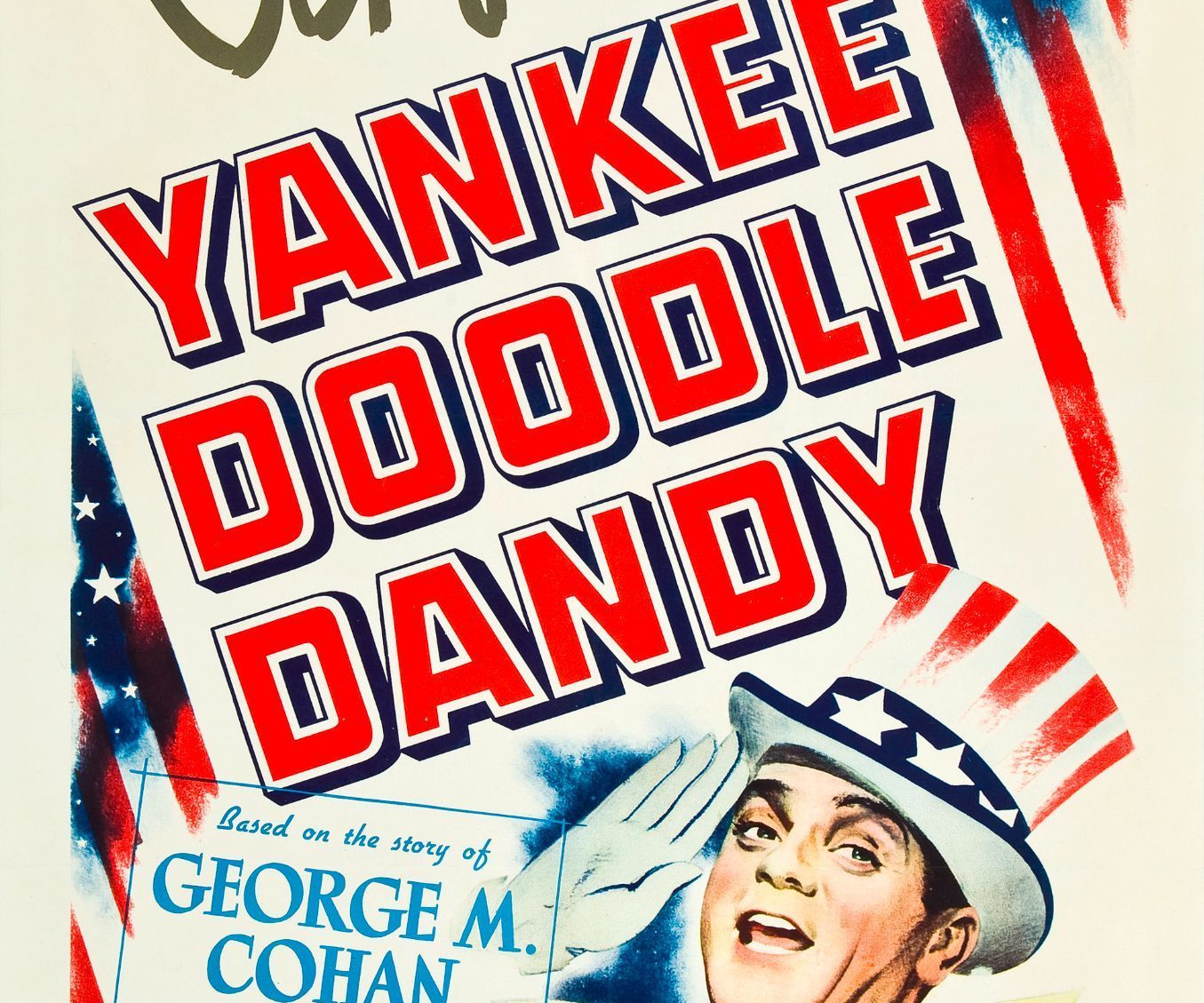
Image: Bill Gold, Public domain, via Wikimedia Commons

During the uncertain early days of World War II, Hollywood became a critical tool for boosting national morale. No film captured this era's patriotic fervor quite like Yankee Doodle Dandy , a 1942 biographical musical drama directed by Michael Curtiz.

Starring James Cagney in his Oscar-winning role as vaudeville legend George M. Cohan, the film celebrates the life of the patriotic showman who penned iconic wartime anthems like "Over There" and "The Yankee Doodle Boy". Released just months after the attack on Pearl Harbor, the film's tunes and celebration of American resilience served as a perfect cinematic cry for a nation entering a massive global conflict.

Geography Geography 5 min read

Streets ahead

City hearts: The 10 most iconic neighborhoods in America

Image: Breno Assis

America’s history comes alive in its bustling streets and ever-expanding urban landscapes. But what truly pumps life into the heart of these vibrant cities are their neighborhoods—where people meet, live, work, and thrive. These communities are as diverse as our nation's cultural roots, offering a window into the inclusiveness and energy that define American society. From the jazz beats of New Orleans to the legendary avenues of Harlem, let’s take a journey through 10 iconic American neighborhoods that—each in its own way—embody the spirit of our country!

1
French Quarter – New Orleans, LA

Image: João Francisco

Also known as the Vieux Carré ("Old Square" in English), the French Quarter is the oldest neighborhood in New Orleans. Established in 1718 by the city’s founders, the neighborhood is now famous for its vibrant music scene—particularly jazz, which was born in its streets and clubs.

Architecturally, the French Quarter is characterized by a blend of Spanish and French colonial influences, with wrought-iron balconies and colorful buildings lining the streets. Jackson Square and St. Louis Cathedral remain central landmarks, standing as reminders of the city’s rich European history.

2
Harlem – New York City, NY

Image: John Money

Harlem is a neighborhood in Upper Manhattan known for its African American culture and rich immigration history. Originally founded as a Dutch settlement around 1658, it was named after the city of Haarlem in the Netherlands. Harlem's complex history has been defined by a series of economic boom-and-bust cycles, with significant population shifts accompanying each cycle.

Successive waves of immigration populated its streets with people from all over the world, including Jewish and Italian Americans in the 19th century and African American residents in the 20th century. The Harlem Renaissance of the 1920s and 1930s cemented the neighborhood's fame, giving rise to figures like Louis Armstrong and Duke Ellington, and helping to shape American popular culture.

3
Beverly Hills – Los Angeles, CA

Image: David Vives

Although technically a suburb of Los Angeles, with distinct neighborhoods of its own, Beverly Hills is still a somewhat closed-knit community, known for its opulent homes and celebrity residents. Originally settled in 1828, the area began as an agricultural community centered around Rancho Rodeo de las Aguas, a Mexican-era land grant.

In 1914, a group of investors, initially searching for oil, discovered water instead and decided to develop the area into a town. By the 1920s, Beverly Hills had become synonymous with wealth and luxury, attracting movie stars like Douglas Fairbanks and Mary Pickford, who built lavish estates and cemented the area as a celebrity haven.

4
North End – Boston, MA

Image: Zoshua Colah

Boston's North End is the city’s oldest residential neighborhood, dating back to the 1630s. It played a crucial role in the American Revolution, with notable figures like Paul Revere building their homes there. The Old North Church, where the famous "One if by land, two if by sea" signal was sent, also stands as a landmark of the city’s revolutionary heritage.

The narrow streets and historic buildings offer visitors a glimpse into colonial America, making it one of Boston’s top tourist destinations. The North End is also renowned for its Italian heritage, which took root in the early 1900s, and for hosting the annual Feast of St. Anthony, a tradition dating back over a century.

5
Hollywood – Los Angeles, CA

Image: Jeremy Bishop

Hollywood is arguably the world’s most famous neighborhood when it comes to film and entertainment. Founded in the late 1800s, it quickly became the movie capital of the world with the establishment of the Nestor Film Company in 1911, the first of many studios to call Hollywood home.

Its most iconic landmark, the Hollywood Sign, was originally created in 1923 as an advertisement for a real estate development but has since evolved into a universal symbol of the film industry. While many production studios have relocated over the years, Hollywood remains synonymous with celebrity and filmmaking. Each year, millions of visitors flock to the Hollywood Walk of Fame and explore the streets where countless film legends started their careers.

6
Little Italy – New York City, NY

Image: Alex Haney

Little Italy, located in lower Manhattan, was established in the late 19th century by Italian immigrants who brought their culture, cuisine, and traditions to New York. The neighborhood quickly became a vibrant center of Italian-American life , with bustling markets, restaurants, and festivals.

Though urban development has reduced the original neighborhood to just five blocks, Little Italy still retains its old charm. Iconic spots like Lombardi’s, America’s first pizzeria, continue to draw crowds, while the annual Feast of San Gennaro—a tradition since 1926—celebrates the rich heritage of the community.

7
Chinatown – San Francisco, CA

Image: Kevin Vision

San Francisco’s Chinatown is not only the oldest but also one of the largest Chinese enclaves in North America —and even outside of Asia. Established in 1848, it holds significant historical and cultural importance, playing an important role during the California Gold Rush and the construction of the Transcontinental Railroad.

Today, Chinatown is celebrated for its vibrant markets, distinctive pagoda-style architecture, and lively Chinese New Year festivities. Spanning 24 blocks, it remains a crucial cultural and commercial hub, drawing both tourists and locals with its authentic cuisine and historic landmarks.

8
Hyde Park – Chicago, IL

Image: Manta X

Best known as the home of the University of Chicago, Hyde Park has long been a hub for intellectuals, politicians, and social movements on Chicago’s South Side. Originally developed as a retreat for the city's affluent residents, the neighborhood is also known for its numerous museums and religious institutions, including the famous Museum of Science and Industry.

Hyde Park was also the site of the 1893 World's Columbian Exposition, where millions of visitors were introduced to groundbreaking innovations, such as the first Ferris wheel. Today, it remains one of Chicago’s most diverse neighborhoods, having been home to notable figures like President Barack Obama.

9
Beacon Hill – Boston, MA

Image: Leslie Cross

Beacon Hill is one of Boston’s most picturesque neighborhoods, known for its Federal-style row houses and gaslit streets. Established in the early 1800s, it quickly became a haven for the city's elite, featuring homes designed by notable architects of the era, including Charles Bulfinch.

Beacon Hill also played a significant role in the abolitionist movement, with prominent figures like Frederick Douglass residing in the area. Adding to its architectural charm, the Massachusetts State House, also designed by Bulfinch, crowns Beacon Hill with its stunning golden dome.

10
Little Havana – Miami, FL

Image: Kian Lem

Little Havana in Miami is the heart of Cuban-American culture in the United States. Home to Cuban exiles and Latin American immigrants, the neighborhood's main street, Calle Ocho, is famous for its colorful murals, Cuban cafés, and lively music. Each year, the Calle Ocho Festival, part of the larger Carnaval Miami celebration, draws thousands of visitors.

A symbol of cultural integration, Little Havana features several significant landmarks, including the historic Tower Theater, which has served as a cultural bridge for newly arrived immigrants by offering films in both English and Spanish.

General General 5 min read

Are you home shopping?

Watch out! Here are 12 things to pay attention to when buying a home

Image: Dillon Kydd / Thirdman

Buying a house can be a nerve-wracking experience, especially for first-time buyers who might lack the necessary experience to do so with ease and confidence. Is the electrical system okay? What about the plumbing? Is there mold in the house? Is it too noisy? Is the neighborhood safe? These are all important questions homebuyers need to ask themselves when visiting a property. The following 12 are just a few of those questions, but they are definitely important ones. Can you think of anything else?

1
House Size

Image: Esther Zheng

One of the very first things any prospective homeowner should ask themselves is what kind of house they want . Having a general idea of the size, as well as the amount and type of spaces needed, is considered basic information before starting to look for a property.

2
Roof Condition

Image: Andreas Weiland

For practical reasons, most people looking to buy a house don’t inspect the roof of a prospective home. However, that section of the house can present serious and costly problems if it has any kind of damage.

Asking about the condition of the roof is paramount. How old is it? What is it made of? Buyers can find this information on the seller’s disclosure or ask the real estate agent to find out. Asphalt shingle roofs last around 20 years, but other materials, like clay or metal, can last much longer.

3
Neighborhood Safety

Image: Alev Takil

It goes without saying: safety is a big thing. When searching for a home, make sure the neighborhood where a potential house is located is safe. It’s also highly advisable to check out the neighborhood from an insider’s perspective via social media, such as Facebook groups, where you can learn more about the area and ask locals questions.

If you’re truly interested in a particular home, spend some time in the neighborhood. Go for a walk and check out local businesses to get a feel for what it’s like to live in the area.

4
HVAC system

Image: Taylor Vick

The HVAC system heats and cools a house year-round. Anyone looking at houses should ask about the type of heating and cooling system each one has and, most importantly, how old it is. Asking for maintenance records is also a good idea.

Furnaces and AC units typically last anywhere from 10 to 25 years. If a unit is broken, repair costs vary based on the type of system and how big it is. Homeowners can spend an average of $7,000 to replace an existing HVAC unit—but don’t count on a home warranty to automatically cover that.

5
Property Taxes

Image: Recha Oktaviani

A commonly overlooked item for first-time homeowners when searching for a house is property taxes. When considering a potential home, always compare property tax amounts over several years to help you calculate the overall affordability of the property .

To find out a home's estimated property taxes, check with the county's appraisal board. Homeowners Association dues should be listed in the home's listing, or you can request them from the listing agent.

6
Plumbing

Image: PAN XIAOZHEN

The plumbing system in a house can be a mystery for a prospective buyer if they don't know how to inspect it properly. Pipe disintegration, obstructive tree root growth, and complicated clogs can all cause havoc on the system. Keep in mind that sewer line replacement can cost anywhere from $1,300 to $4,900.

Always check toilets for leaks, unstable bases, and discoloration . Look under the bathroom and kitchen sinks for signs of leaks. Turn on the hot water in the sink or tub to see if it gets hot. If it doesn’t, that could indicate a problem with the water heater.

7
Water damage and mold

Image: Hydra 4x

Water damage can cause numerous problems in a house, including structural issues, mold, and rot, especially in basements. Anyone inspecting a house should pay close attention to musty smells as well as water stains on floors, walls, or ceilings .

The cost of mold removal can be anywhere from a few hundred to a few thousand dollars, depending on the size of the affected area. And, because mold is a health hazard, it should be treated before moving in.

8
Proper ventilation

Image: Jelleke Vanooteghem

This one might be subtle, but it’s very important, especially when considering the mold issues mentioned earlier. Without adequate interior ventilation, moisture can't evaporate , which can turn a room into a breeding ground for mold.

Look for condensation on windows or slightly bubbled or peeling paint around windows, doors, or vents. These signs may indicate moisture within the walls or ceiling drywall.

9
Noise Level

Image: Rei Kim

Nobody wants to live in a noisy home. But, at the same time, this issue is often overlooked when searching for houses. Many showings are cunningly scheduled during quiet hours to disguise the noise issues.

If you are truly interested in a property, visit during high-traffic hours to assess this concern . Even if the house is perfect in every other way, the constant hum of passing cars, public transport, or other sources of noise can become a serious problem.

10
Foundation and home exteriors

Image: Aiden Craver

Foundations matter. Bulging or bowing foundation walls are signs of structural weakness that can be expensive to repair. Always check for cracks in the foundation, drywall, or ceiling ; gaps above doors and windows ; sunken stairs or porches; and sloping or uneven floors or tiling.

Of course, not every crack means the home is about to collapse. Every home experiences some degree of settling, so some cracks are to be expected.

11
Electricity issues

Image: Mila Albrecht

The electrical system in a house can be compared to the nervous system of a human being: every part must work properly, and issues can sometimes be difficult to spot. From the power outlet next to the bed to other electrical systems in the house, like the garage door opener, everything is important and contributes to your safety and comfort. Bring a phone charger and plug it into random sockets to check if they work properly .

12
Room for improvement

Image: Daniel McCullough

Buying a house is a big investment and you can be living in it for a very long time. Therefore, it is always important to take into consideration any future plans and whether these plans make sense in that particular house.

Is there a wall you could knock out to create more space if needed? A garage or attic you could potentially finish if you need an extra room? Having an easy-to-modify layout can provide more possibilities for the future.

Explore more American facts

Choose your favorite category!

General
General

As American as apple pie—the very best America has to offer!

Culture
Culture

Delve into the astounding richness of American lore.

Geography
Geography

Hop in and explore vast and diverse American landscapes.

History
History

Discover the key moments that shaped the United States.