Culture Culture 2 min read

Hollywood’s top payouts

Million-dollar roles! These 10 performers got paid big time!
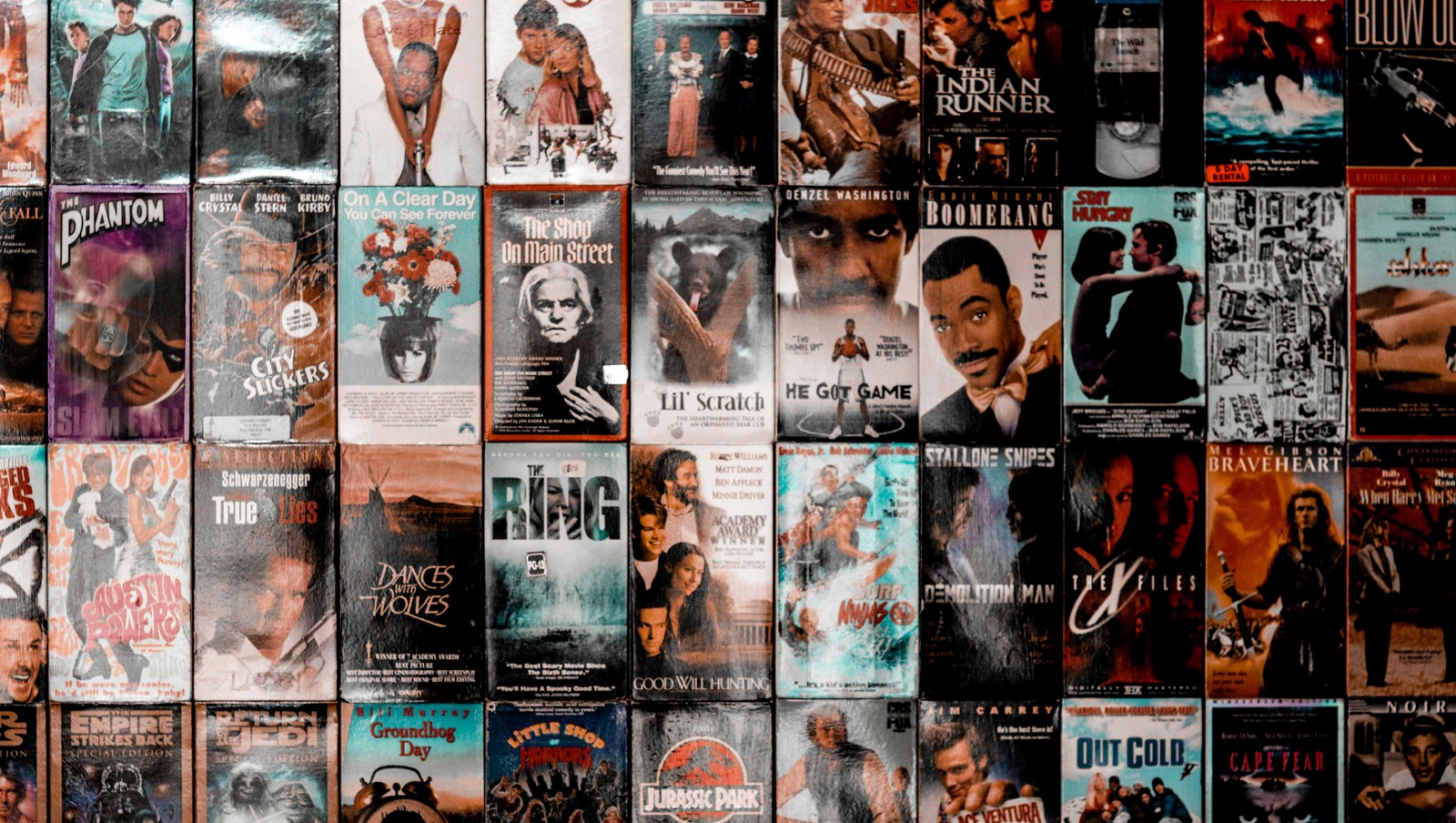
Image: DS Stories / PublicDomainPNG

Hollywood might seem like a land of glitz and glam, but behind the scenes, it's also home to some jaw-dropping paychecks. Some stars didn’t just act, they cashed in big. From old-school legends to today’s A-listers, these actors and actresses made movie history and a mountain of money. Let’s take a look at ten of the highest single-movie payouts.

1
Bruce Willis

Image: Stefano Pollio

When The Sixth Sense hit theaters in 1999, it spooked audiences—and simultaneously lined Bruce Willis’s pockets. He took home $14 million upfront, but thanks to a clever back-end deal, his total haul soared to a staggering $100 million. In this one, he saw green people!

2
Tom Cruise

Image: Ryuno

For Mission: Impossible 2 , Tom Cruise saved the world—and walked away with $100 million. Thanks to his producer credit and box office cut, this 2000 sequel became one of the most lucrative gigs in Hollywood history. Cruise really ran away with it.

3
Robert Downey Jr.
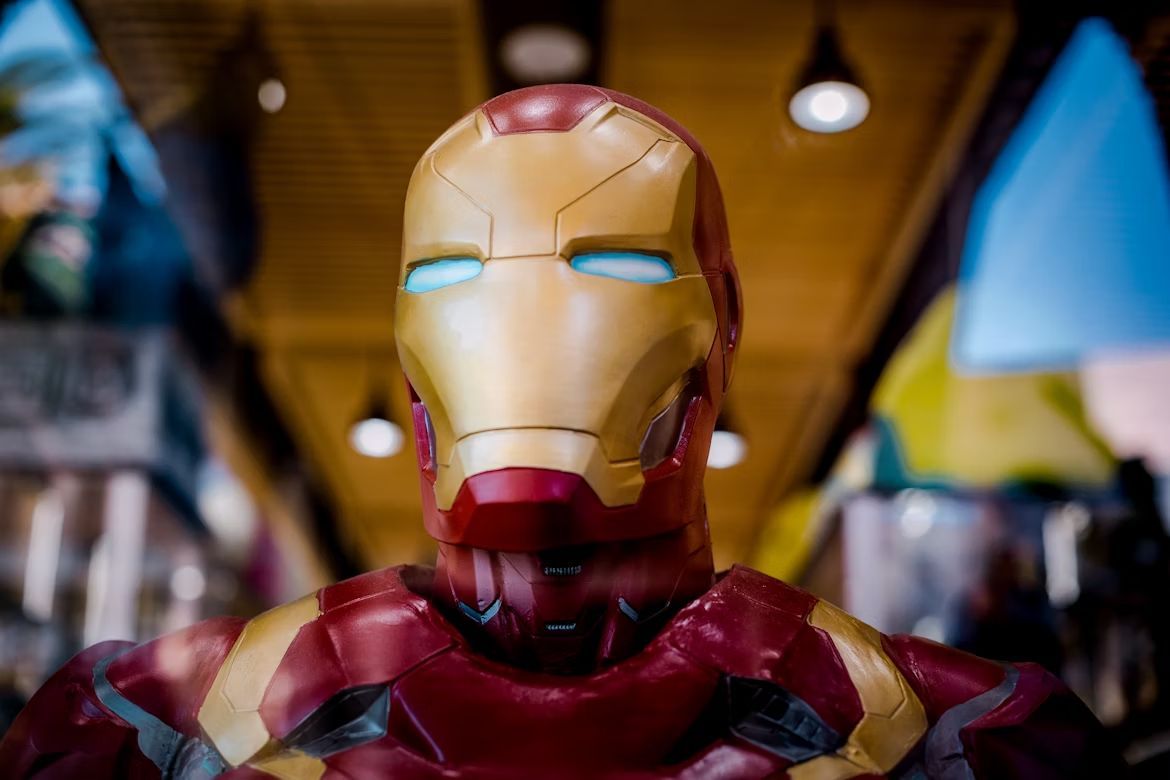
Image: Jason Leung

In 2018, Avengers : Infinity War pulled in billions, and so did Robert Downey Jr. Well, almost. With bonuses and back-end deals, his total payday for playing Tony Stark topped $75 million. That’s a superhero salary fit for a billionaire genius playboy, don’t you think?

4
Sandra Bullock

Image: NASA

Sandra Bullock scored big with Gravity in 2013. She earned $20 million upfront, but back-end profits pushed her total haul to over $70 million. Not bad for floating around in space—with a healthy dose of acting brilliance, of course.

5
Tom Hanks
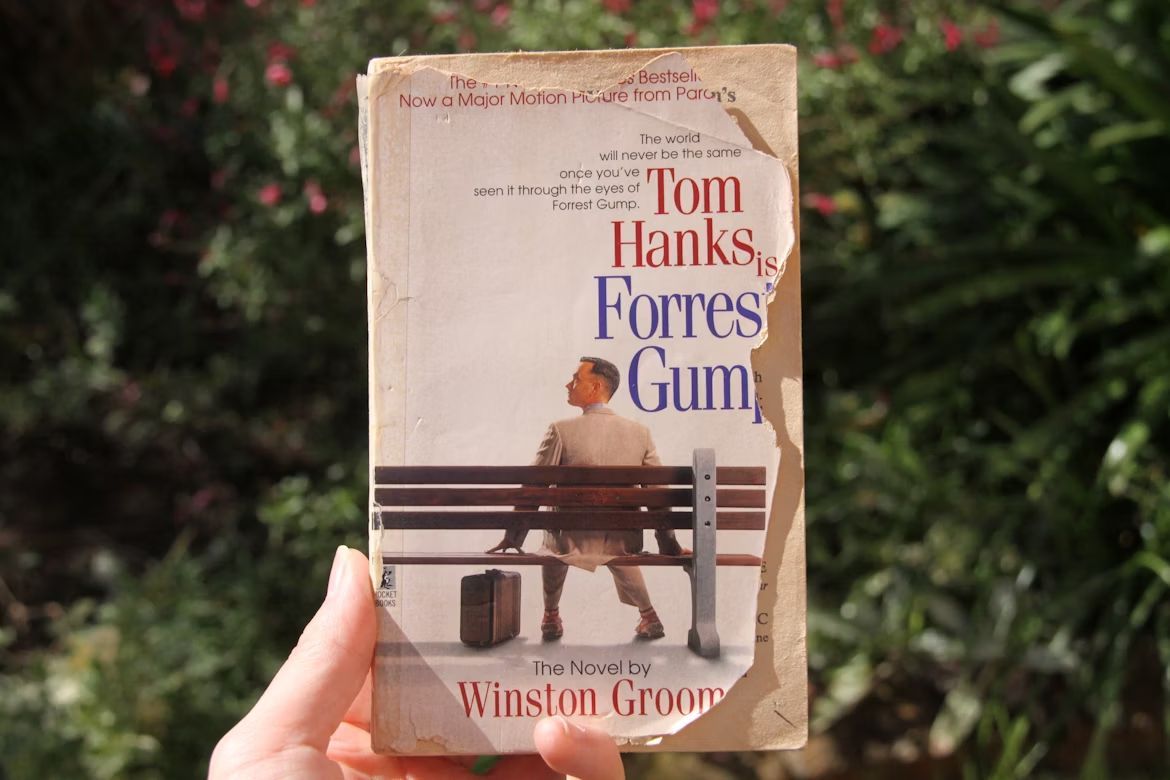
Image: Yosuke Ota

Tom Hanks brought everyone to tears in Forrest Gump , and his deal gave him a slice of the movie’s massive success. Thanks to profit sharing, he earned around $70 million for his iconic role. Life is indeed like a box of chocolates—sometimes there’s a gold bar inside.

6
Harrison Ford

Image: Intricate Explorer

Speaking of gold, in 2008, Harrison Ford returned as Indiana Jones and struck box-office gold. Thanks to a cut of the profits, he took home $65 million for Indiana Jones and the Kingdom of the Crystal Skull . Not bad for dusting off the old fedora, right?

7
Jack Nicholson
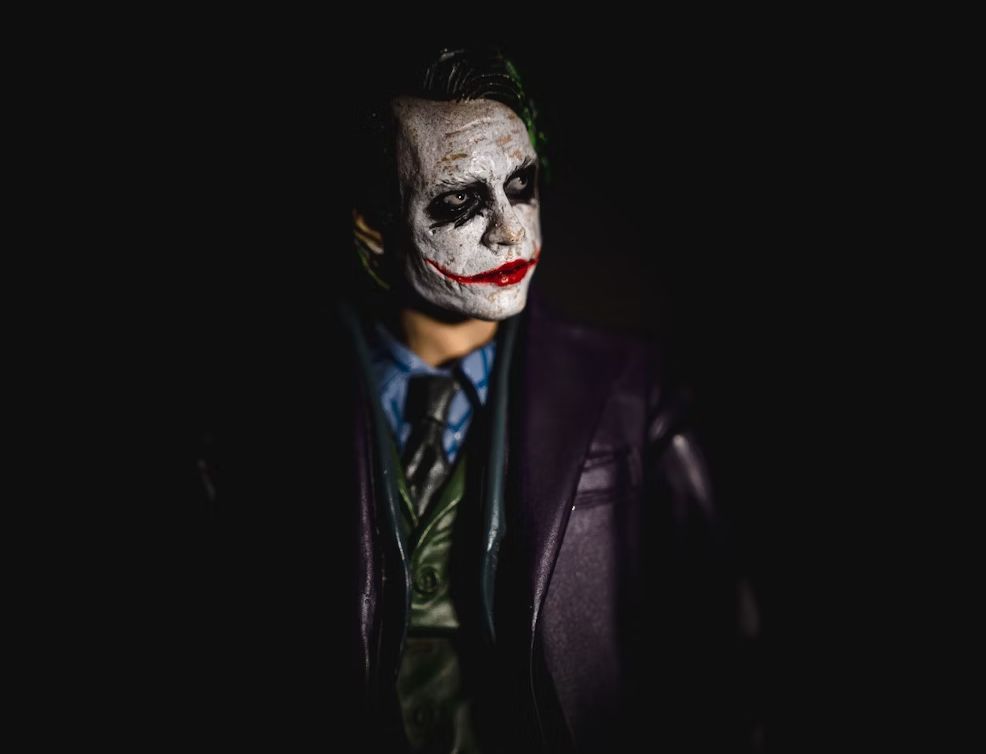
Image: Ryunosuke Kikuno

Jack Nicholson pulled more than one trick in Batman (1989). To play the Joker, he accepted a lower salary of $6 million in exchange for a percentage of merchandise and box office profits. Guess how that ended? A massive $60 million payday. The joke was on everyone else!

8
Leonardo DiCaprio

Image: Christophe Hautier

You may think we’re talking about Titanic , but Leo’s layered performance in Inception was the one that earned him a fat check. He skipped a massive upfront fee and gambled on box office bonuses, ultimately walking away with $59 million. Looks like the dream really did pay off.

9
Johnny Depp
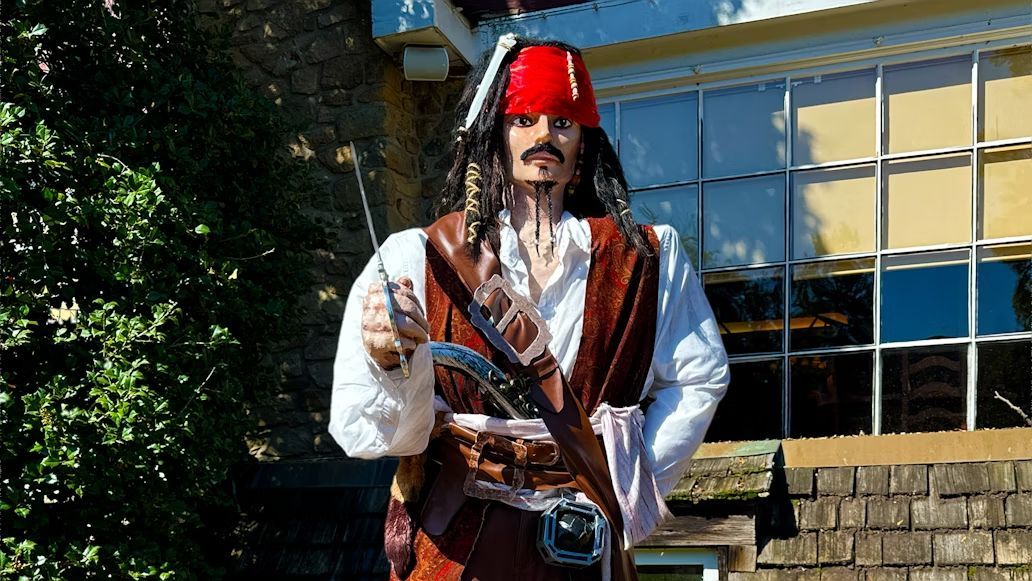
Image: Christopher Zenzel

In Pirates of the Caribbean: On Stranger Tides (2011), Johnny Depp took home $35 million just to show up. With bonuses, his total payout reached approximately $55 million. Captain Jack Sparrow really did find his fortune.

10
Margot Robbie
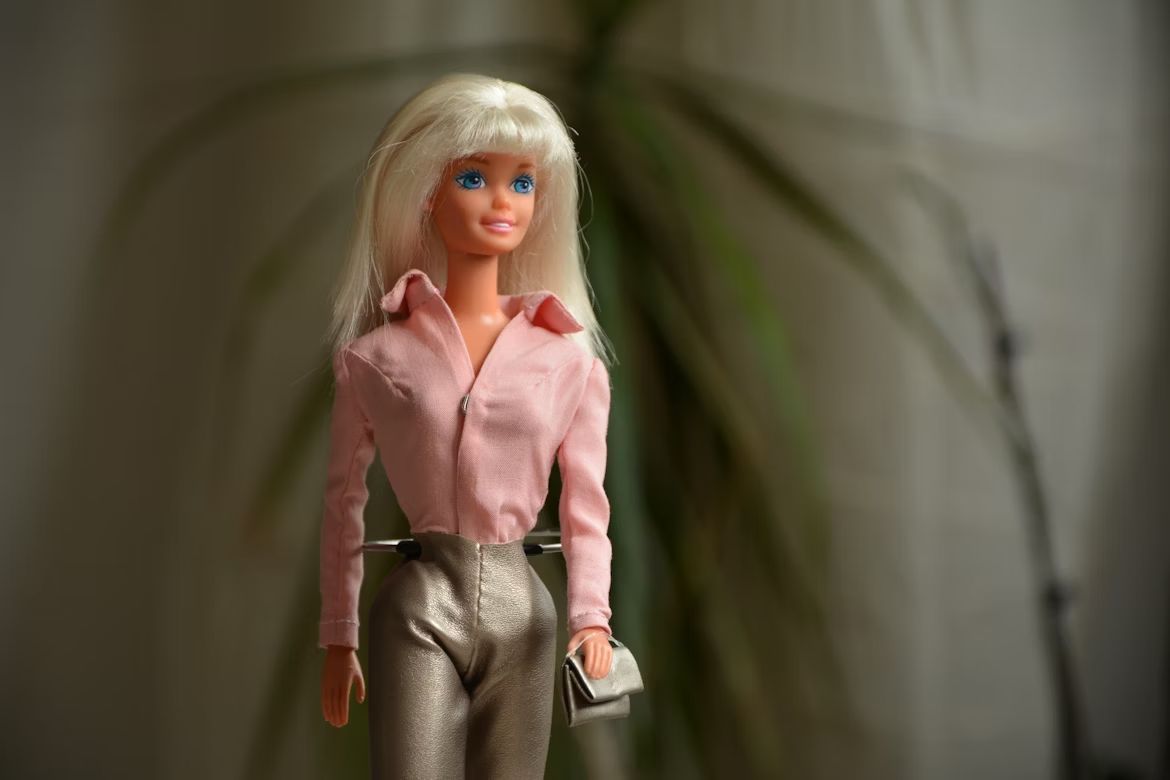
Image: Elena Mishlanova

Margot Robbie played Barbie, and for that, she banked like a superstar. Her starring and producing role in Barbie (2023) earned her $12.5 million upfront, but back-end profits boosted her total haul to $50 million. Never underestimate the power of pink strength!

Culture Culture 4 min read

Where did RadioShack go?

From Blockbuster to Pan Am: Remember these 10 giants no longer around?

Image: Sean Benesh

It can be hard to imagine a giant falling, but it happens more often than we might think. Huge companies with thousands of employees, stores across the world, and solid reputations file for bankruptcy every year—some with a loud bang, while others fade away quietly after a long decline. You will likely recognize the following ten names. These companies were once everywhere, only to one day vanish into thin air. Some are gone for good, some were absorbed by other corporate giants, and some still exist but only as a tiny fraction of what they used to be. Do you miss any of these brands?

1
Pan Am

Image: Rob Wilson

If a single name were to represent the airline industry in the 20th century, it would most likely be Pan Am. Founded as Pan American Airways in 1927, the company became an American icon , known for its many airline innovations , its distinctive blue logo, and the crisp white uniforms of its staff.

However, when the airline industry was deregulated in 1978, increased competition set the stage for Pan Am’s downfall. The company declined throughout the 1980s and ultimately declared bankruptcy in 1991.

2
Borders

Image: Araix Rand

Its huge stores were havens for book lovers, who could spend hours wandering its aisles, browsing and perusing its vast catalog of books , magazines , CDs , and more. But, alas, none of these stores had been profitable since the mid-2000s.

In 2011, after the company filed for bankruptcy, every single store was closed. Its trademarks were later purchased by its prominent rival, Barnes & Noble.

3
Circuit City

Image: Austin Distel

Starting its life as Wards Company in 1948, Circuit City became one of America’s most recognizable brands in the consumer electronics retail business . However, the turn of the century brought significant changes and financial difficulties, ultimately leading the company to file for bankruptcy in 2008.

4
Tower Records

Image: Lucía Garó

In a similar vein to Borders, Tower Records was a haven for music lovers who enjoyed the vast selection of music available in its stores. And, much like Borders, music stores have largely gone the way of the dodo.

Managerial blunders and the rise of internet piracy contributed to the company filing for bankruptcy twice—first in 2004 and again in 2006. Its assets were sold at auction to Great American Group, and the last store closed in December 2006.

5
Trans World Airlines (TWA)

Image: Ross Parmly

Pan Am was not the only major airline to disappear. The once-powerful TWA met the same fate, operating from 1930 until it was acquired by American Airlines in 2001 . It was once one of the "Big Four" domestic airlines in the United States, alongside United, Eastern, and the aforementioned American.

6
Blockbuster

Image: Bruno Guerrero

Another demise that hit hard for loyal customers was Blockbuster. While the VHS rental behemoth dominated the market throughout the ’90s and early 2000s —with over 9,000 stores and 84,000 employees—the lethal combination of the internet and piracy proved too much to withstand. As a result, the company gradually closed nearly all its stores, leaving only one remaining today in Bend, Oregon.

7
Amoco

Image: Markus Spiske

The first name on this list to disappear not due to financial difficulties but because of a merger, Amoco was a giant in the oil and gas industry. Founded in 1910, it became the largest natural gas producer in North America by the late ’90s .

In 1998, it merged with British Petroleum in a $61 billion deal. Existing service stations were rebranded under the BP name, and the Amoco brand gradually faded from view.

8
Compaq

Image: ThisisEngineering

In the ’90s, Compaq was a major player in the computer industry and, at one point, the largest supplier of PC systems in the US . However, as the century came to an end, lower-cost competitors like Dell began attracting consumers and chipping away at Compaq’s market share. In 2002, the company merged with Hewlett-Packard, and the Compaq name gradually faded away.

9
Woolworths

Image: Kay Enn

The original five-and-dime store, Woolworths, was a pioneer in the retail industry in the late 1800s . It managed to survive—and even thrive—through most of the 20th century, but by 1989, it had entered a steady decline.

Following a 1993 restructuring that led to the closure of half its 800 stores, the rest gradually shut down. While the Woolworths retail brand and name have disappeared, the company rebranded as the Venator Group in 2001 and shifted its focus to its footwear division. Today, you might know it as Foot Locker.

10
Howard Johnson’s

Image: Francesca Saraco

The last name on our list is a familiar one, especially to travelers. The iconic Howard Johnson’s began as a single ice cream stand outside Boston, Mass., before expanding to over 1,000 restaurants. In the 1950s, the chain introduced motor lodges at nearly 300 of its locations.

Howard Johnson’s was sold to Marriott in the 1980s, and most of its restaurants gradually shut down. The last remaining location, in Lake George, N.Y., closed its doors in 2017.

General General 4 min read

Icons of the 80s

Rediscover the top 10 trends from the 80s that should make a comeback!

Image: Cottonbro Studio

The 1980s were marked by ambition, progress, and reinvention. It was a decade that vibrated with the chimes of the New York Stock Exchange, the rise of cable TV, and the sound of personal computer keyboards. Fashion, of course, was not far behind: leg warmers, shoulder pads, and big hair were all the rage. In this article, we are covering ten years in which technological advances, finance, and pop culture reigned supreme in America. Ready for a flashback?

1
Bright colors

Image: Yaritza

In the 80s, neon was absolutely everywhere, and let’s be honest, it was very hard to miss. Found in clothes, accessories, makeup, signs, and posters, blindingly bright colors became a new style statement. From hot pink to acid green, neon yellow to electric blue, this color palette could be found in pop culture, on the streets, and everywhere in between.

2
Bold fashion

Image: cottonbro studio

There's only one word to describe 80s fashion: bold . B old hair, bold accessories, bold colors, bold everything! Fashion during this decade was strongly influenced by pop music and new rock subgenres such as New Wave. For the first time, different styles began to mix, combining formal garments with rebellious accents —like pairing suits with sneakers, mind you. Whether it was shoulder pads, multicolored leg warmers, or those striking Miami Vice suits, fashion in the 80s was all about vibrancy and an aura of success.

3
Big hair, strong makeup

Image: Gustavo Cerati, Public domain, via Wikimedia Commons

In the 80s, crazy cuts and dramatic makeup became an everyday thing, a way of expressing one’s personality and style everywhere you went. From musicians like Madonna to leading ladies like Demi Moore or Julia Roberts, the stars led the way with their perms, pumped-up hair volume, tanned faces, and bright eyeshadows.

But let's not forget the guys! They also introduced the iconic mullet, popularized by celebrities like Rod Stewart, tennis player Andre Agassi, and Patrick Swayze, just to name a few.

4
Rise of yuppie culture

Image: MART PRODUCTION

In a nutshell, Yuppie culture was characterized by slicked-back hair, V-neck sweaters, and a condescending attitude. The term yuppie , an acronym for "young urban professional," emerged in 1980 in an article in Chicago magazine. It described a young person in their 20s or 30s who was part of the middle to upper class, a socioeconomic group that became the forefront of the decade.

From the beginning, this label sparked divided opinions: For some, it represented ambition and success; for others, it symbolized superficiality, an excessive materialism, and an apparent superiority complex. Accurate or not, the trend eventually faded away after the 1987 Wall Street Crash.

5
Toys on TV

Image: cottonbro studio

The 1980s were marked by spending Saturday mornings watching ads on cartoon commercial breaks. How did this happen? From this decade onwards, companies were finally allowed to market directly to kids. The result was hundreds of all kinds of toy ads. They advertised everything from creative games like the Rubik's Cube or Lego to cute and cuddly toys like Care Bears and My Little Pony. This era also saw the beginnings of the must-have toy trend, with Cabbage Patch dolls leading the pack.

6
Music on the go

Image: cottonbro studio

During the 80s, it was common to see people walking down the street with a Walkman on their hips or a boombox to their ears. Although the boombox gained popularity in the 70s, it became mainstream in the 80s thanks to hip-hop and breakdancing culture. Yet, the Walkman would soon steal its thunder. This revolutionary new audio player allowed people to bring their music with them anywhere without bothering everyone around. And that’s also how mixtapes became a thing!

7
Personal computers

Image: Tomas Martinez

The 80s were a prominent decade for electronics development. In 1981, IBM introduced its first personal computer, and everyday life and work would never be the same again. More affordable computers were created thanks to the introduction of powerful, smaller, and cheaper processors, reaching a wider audience and creating greater demand. Models such as the IBM PC, the Commodore 64, and the Apple Macintosh became household names, paving the way for the era of domestic computing.

8
Rise of video games

Image: cottonbro studio

Thanks to technological advances in graphics and gameplay over the decade, video games finally became undeniably popular. With the rise of arcade machines and home consoles, a series of iconic games managed to capture the attention of a wider audience, igniting a cultural phenomenon that would influence music, film, and television. Titles such as Super Mario Bros., The Legend of Zelda, Space Invaders, Pac-Man, and Donkey Kong became classics that defined an era.

9
Cable TV goes mainstream

Image: Coline Haslé

When cable TV hit the mainstream, it not only gave the big three American networks a run for their money, but it also allowed the world access to specialized shows that better suited their tastes. Whether your interest was sports, comedy, or music, cable had something for everyone.

CNN and HBO definitely changed television forever, but it was perhaps MTV that left the most indelible mark by offering greater insight into contemporary bands and musicians via live performances and music videos.

10
Fitness fever

Image: Ron Lach

The 1980s were the golden age of fitness, a trend that reflected society's growing interest in health and wellness. Exercise routines were not just a workout, but a cultural phenomenon that turned our living rooms into mini gyms.

Major clothing brands began designing exercise-specific apparel and accessories, such as leotards, crop tops, and headbands. Celebrities also capitalized on the fitness craze. Jane Fonda, for example, became a massive hit in 1982 with her iconic workout videos, some of the best-selling VHS of all time.

Explore more American facts

Choose your favorite category!

General
General

As American as apple pie—the very best America has to offer!

Culture
Culture

Delve into the astounding richness of American lore.

Geography
Geography

Hop in and explore vast and diverse American landscapes.

History
History

Discover the key moments that shaped the United States.