Culture Culture 4 min read

TV said it first

10 popular catchphrases that were born on TV

Image: Stephen Monterroso

How many times have you said "yada, yada, yada" or "d’oh!" without thinking twice about it? Or used "wassup" or "how you doin’" as a greeting? Many catchphrases that we use regularly originated on TV —or were popularized by it — making their way into everyday conversations and interactions. Let’s have a look at some examples!

1
"Yada, yada, yada" ( Seinfeld )
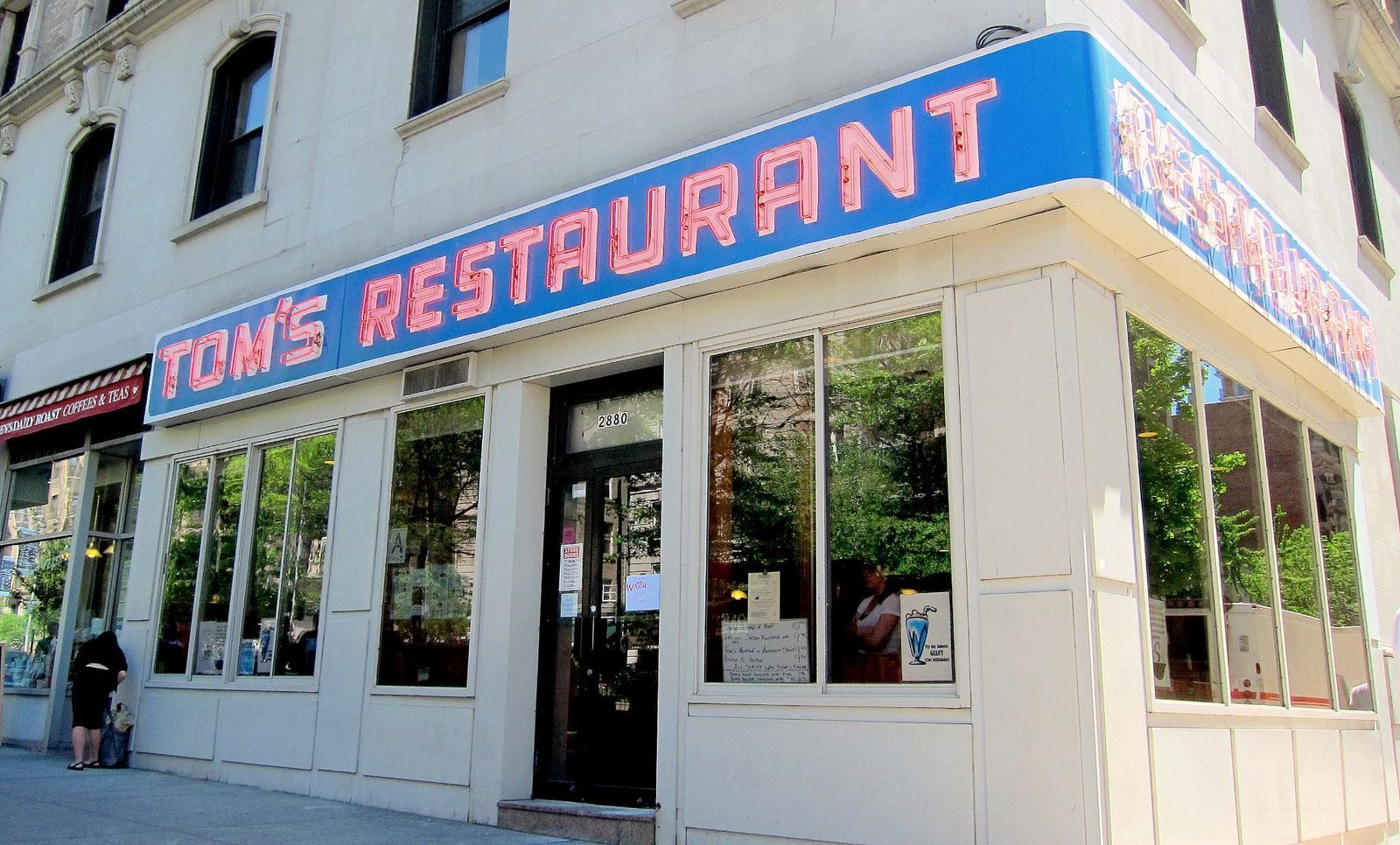
Image: Librarygroover, CC BY 2.0, via Wikimedia Commons

Though the phrase "yada, yada, yada" already existed in the 1990s, dating back to the 1940s, it was not nearly as common as it is today. It was after the April 24, 1997, Seinfeld episode, where a character constantly uses the phrase, that it became globally known , turning it into a common catchphrase for glossing over boring or irrelevant details.

2
"It's a bird! It's a plane! It's Superman!" ( The Adventures of Superman )
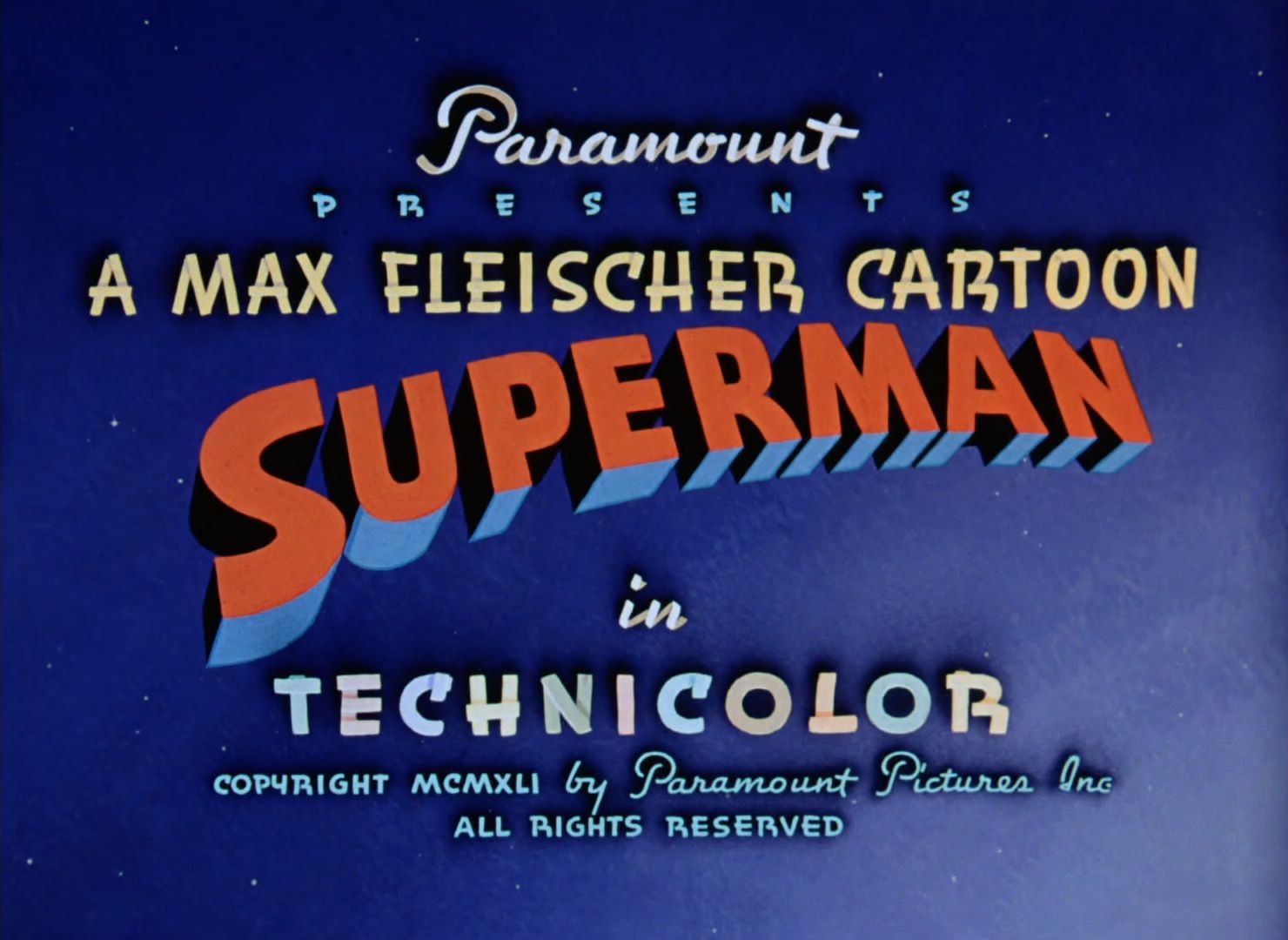
Image: Fleischer Studios, Public domain, via Wikimedia Commons

The iconic Superman opening was originally part of the 1940s Superman radio show, and it carried over to the television series. While the series was extremely popular, this catchphrase became a trope of its own beyond the Superman phenomenon and a go-to quote for any instances of unidentified flying objects.

3
"To boldly go where no man has gone before" ( Star Trek )
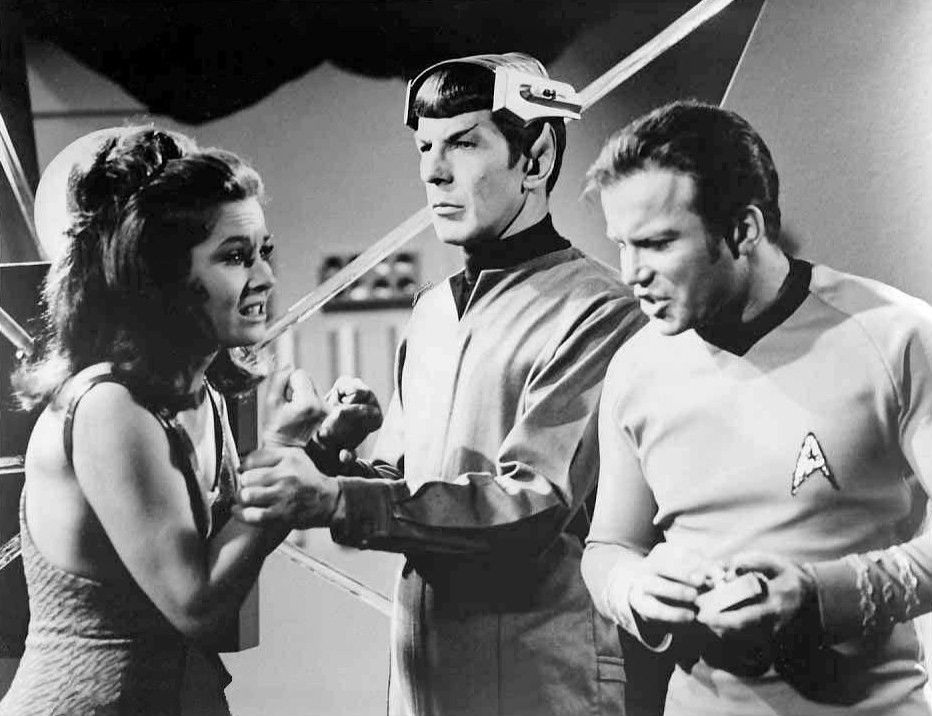
Image: Paramount Television, Public domain, via Wikimedia Commons

There is no doubt that "Space, the final frontier" is _Star Trek_’s most quoted and recognizable line, but its application to real-life situations is quite restricted by the allusion to space. The last line of the iconic intro, though, has also become a more easily adapted catchphrase of its own , even for those who aren’t into sci-fi or haven’t seen the show.

4
"Winter is coming" ( Game of Thrones )
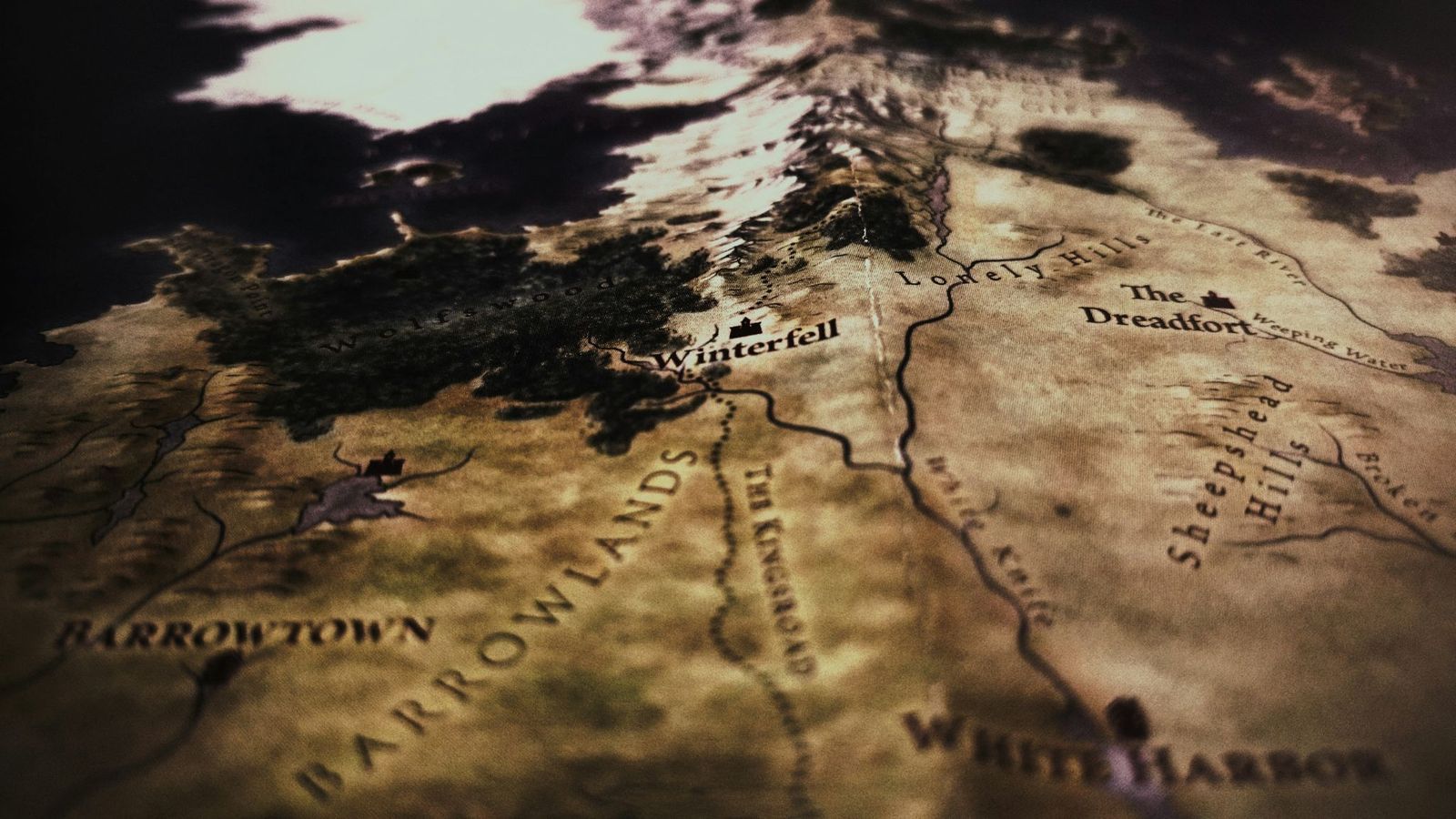
Image: mauRÍCIO SANTOS

HBO’s famed TV adaptation of George R. R. Martin's A Song of Ice and Fire book series is one of the most successful shows of all time, and many of its elements have become part of popular culture. "Winter is coming", the motto of House Stark and one of the taglines of Season 1, is now a ubiquitous catchphrase for impending challenges and difficulties.

5
"How you doin’?" ( Friends )

Image: ArtMediaWorx

It isn’t just the phrase, but Joey Tribbiani’s (Matt LeBlanc) Italian-American accent and flirtatious attitude that have made this seemingly plain greeting iconic . Out of the many hilarious and easily recognizable Friends quotes, Joey’s preferred pickup line is embedded in the minds of a whole generation.

6
"Cowabunga" ( The Howdy Doody Show & Teenage Mutant Ninja Turtles )

Image: Alex de Koning

Coined as the angry retort of a Native American chief in the 1950s The Howdy Doody Show and adopted by Californian surfers as a celebration, most people nowadays instantly associate "Cowabunga" with the Teenage Mutant Ninja Turtles , and with good reason, as it was popularized globally via the animated show. While later reboots tried to replace it with other catchphrases, "cowabunga" remains indelibly tied to the Ninja Turtles.

7
"D'oh!" ( The Simpsons )
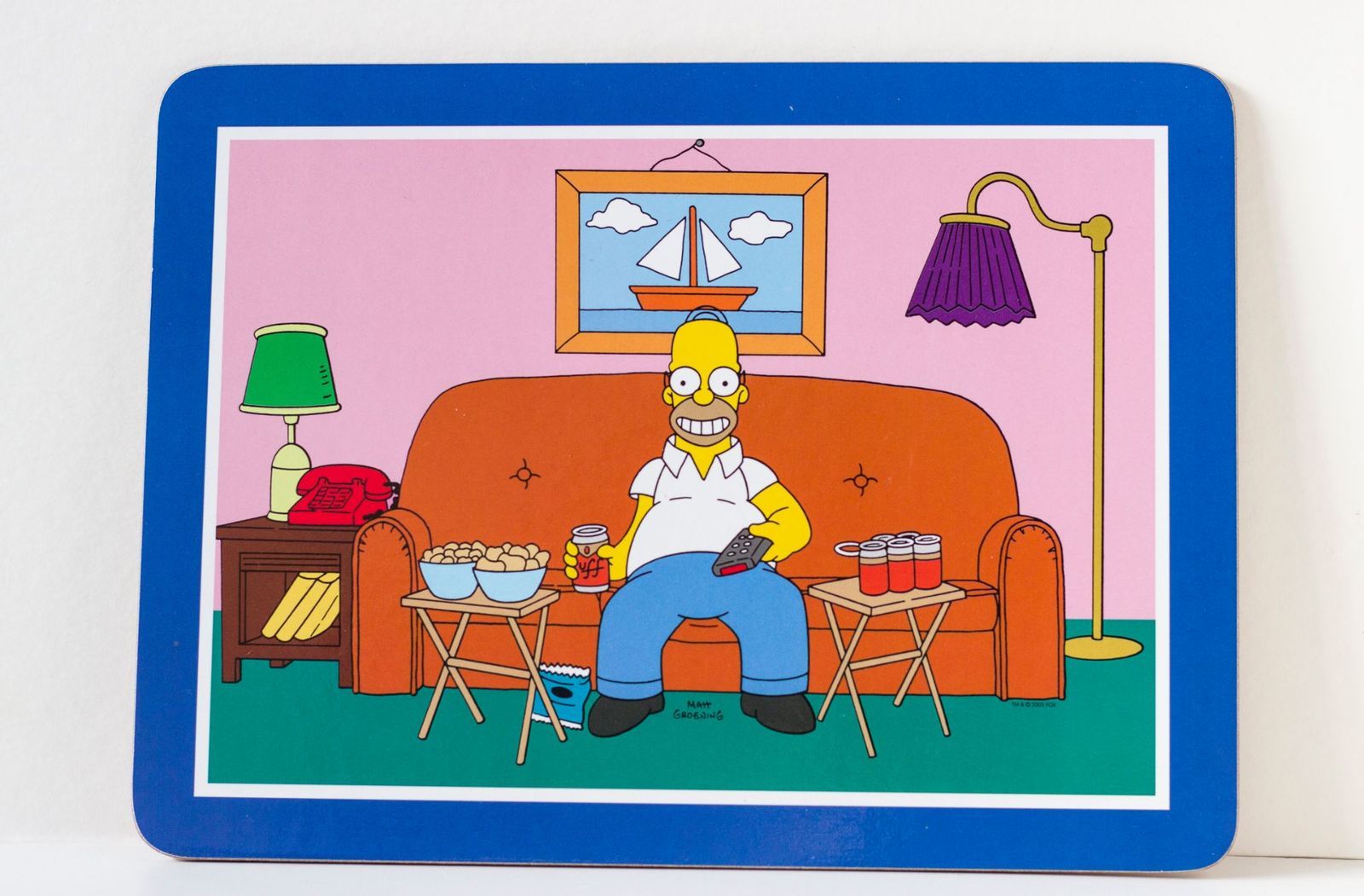
Image: Haelen Haagen

Can a TV catchphrase become so popular as to change a dictionary? It can if it’s said by Homer Simpson. Repeated more than a thousand times across the 37 seasons of The Simpsons , "D’oh!" is so ingrained in the English language that it has been incorporated into the Oxford Dictionary.

8
"You rang?" ( The Addams Family )
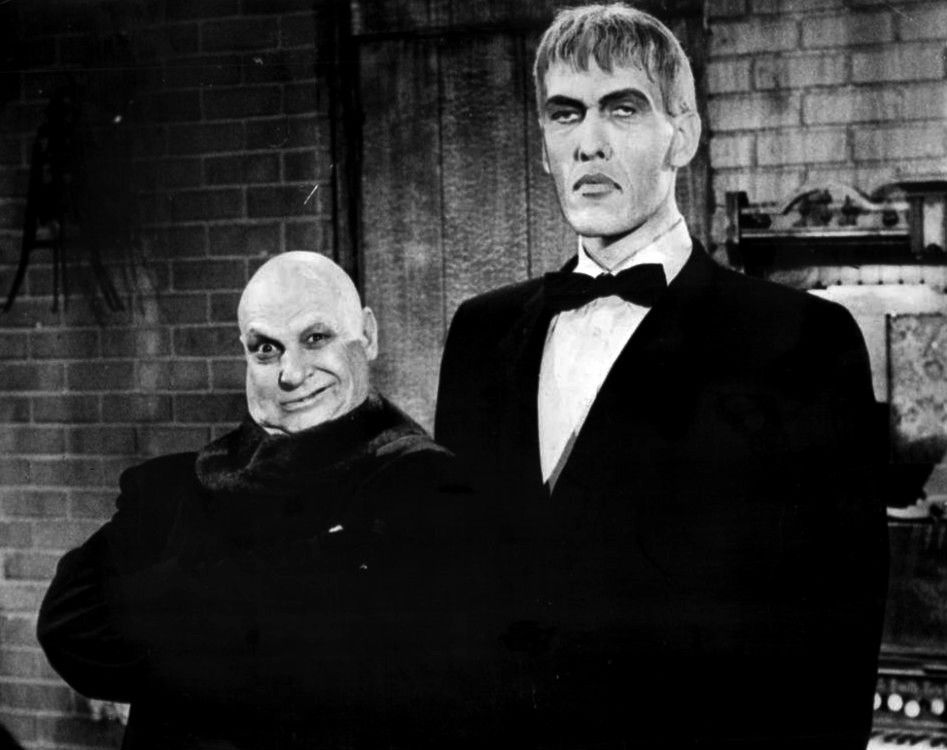
Image: Pleasure IslandUploaded by We hope at en.wikipedia, Public domain, via Wikimedia Commons

This iconic line was created by accident. In the original 1960s The Addams Family , lanky butler Lurch was supposed to be mute, but after actor Ted Cassidy ad-libbed the famous "You rang?", the producers found it hilarious and went with it. The phrase eventually transcended the Addams Family universe and became a popular catchphrase on its own.

9
"Is that your final answer?" ( Who Wants To Be a Millionaire? )
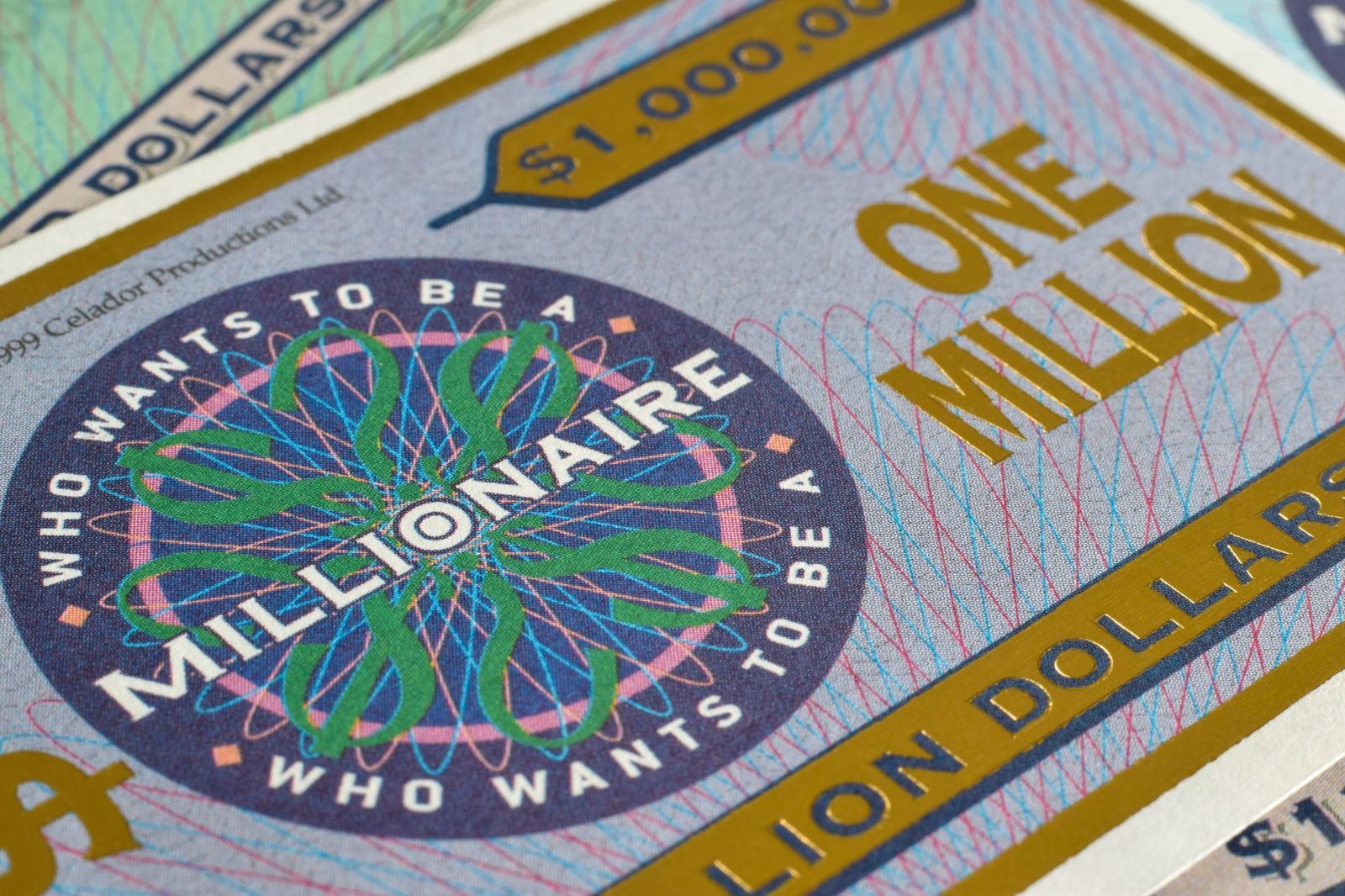
Image: JulieK2

The only entry of this list that comes from a game show, "Is that your final answer?" became the catchphrase of Who Wants To Be a Millionaire? with host Regis Philbin in the 1990s and 2000s, and is now a common way of asking "are you sure about it?".

10
"What's up, Doc?" ( Looney Tunes )
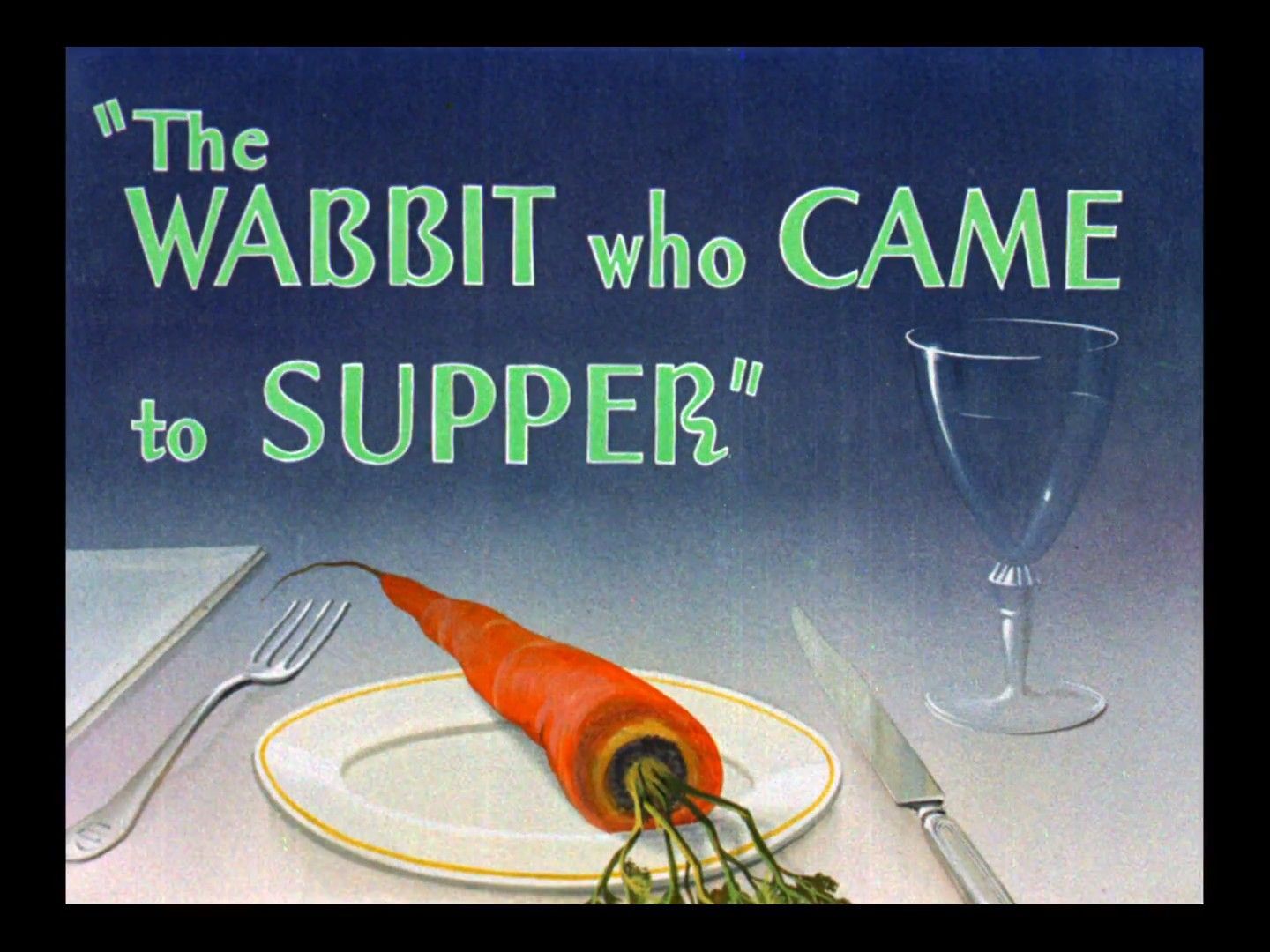
Image: https://commons.wikimedia.org/wiki/File:Wabbitwhocametosupper.jpg

One of the most popular catchphrases, but not the only one, by Bugs Bunny in Looney Tunes , the widespread popularity of "What’s up, Doc?" has had a lasting influence. First aired in the 1940s —with "Doc" as a common slang term similar to ‘pal’ or ‘dude’— it was the "what’s up" part that caused a cultural shift , with the popularity of the greeting evolving into "wassup?" in the 1990s and even inspiring the name of the messaging app WhatsApp.
Geography Geography 4 min read

Before GPS: Clever tricks Americans used to navigate the open road

Image: T.H. Chia

Image: T.H. Chia

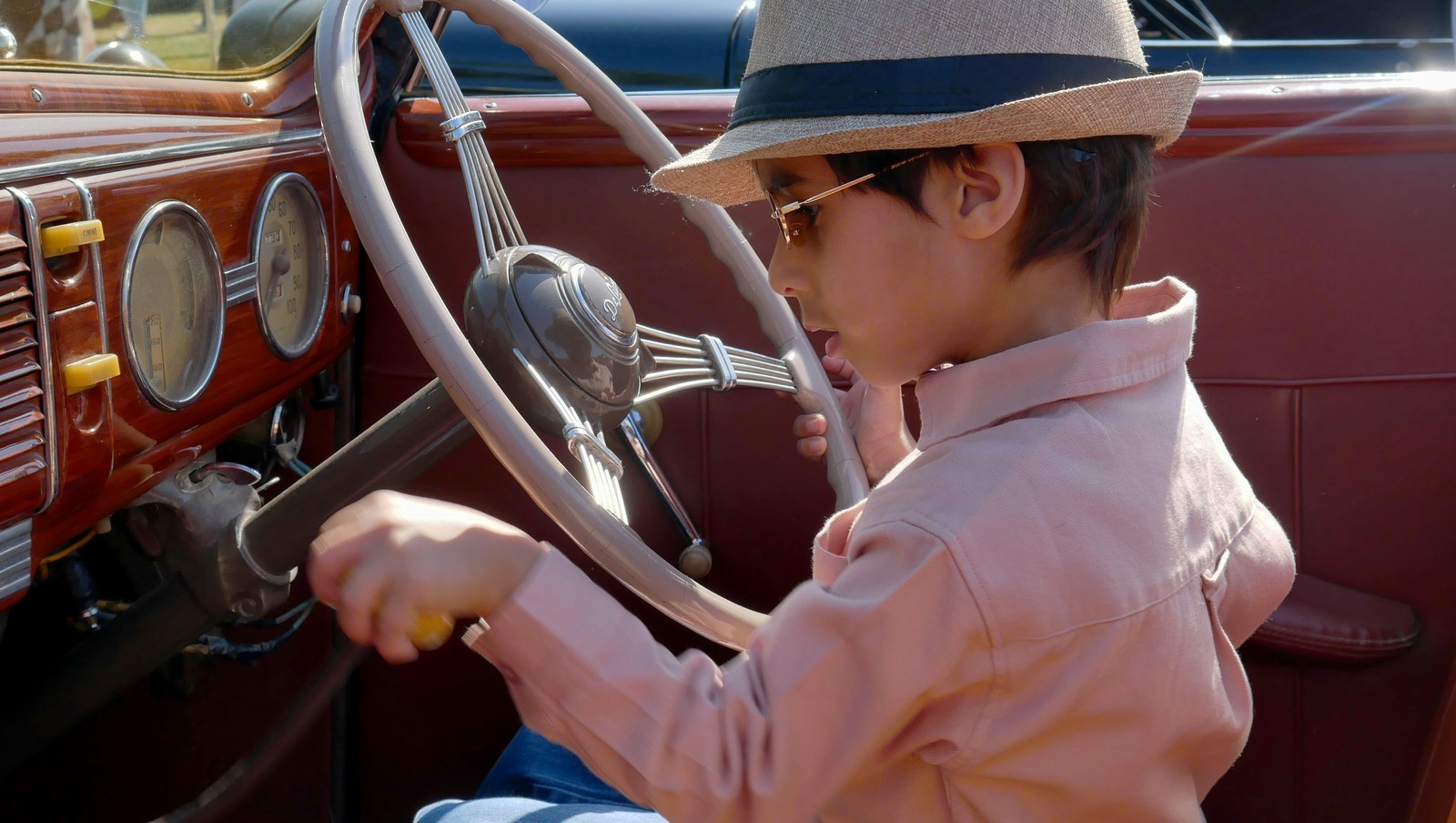
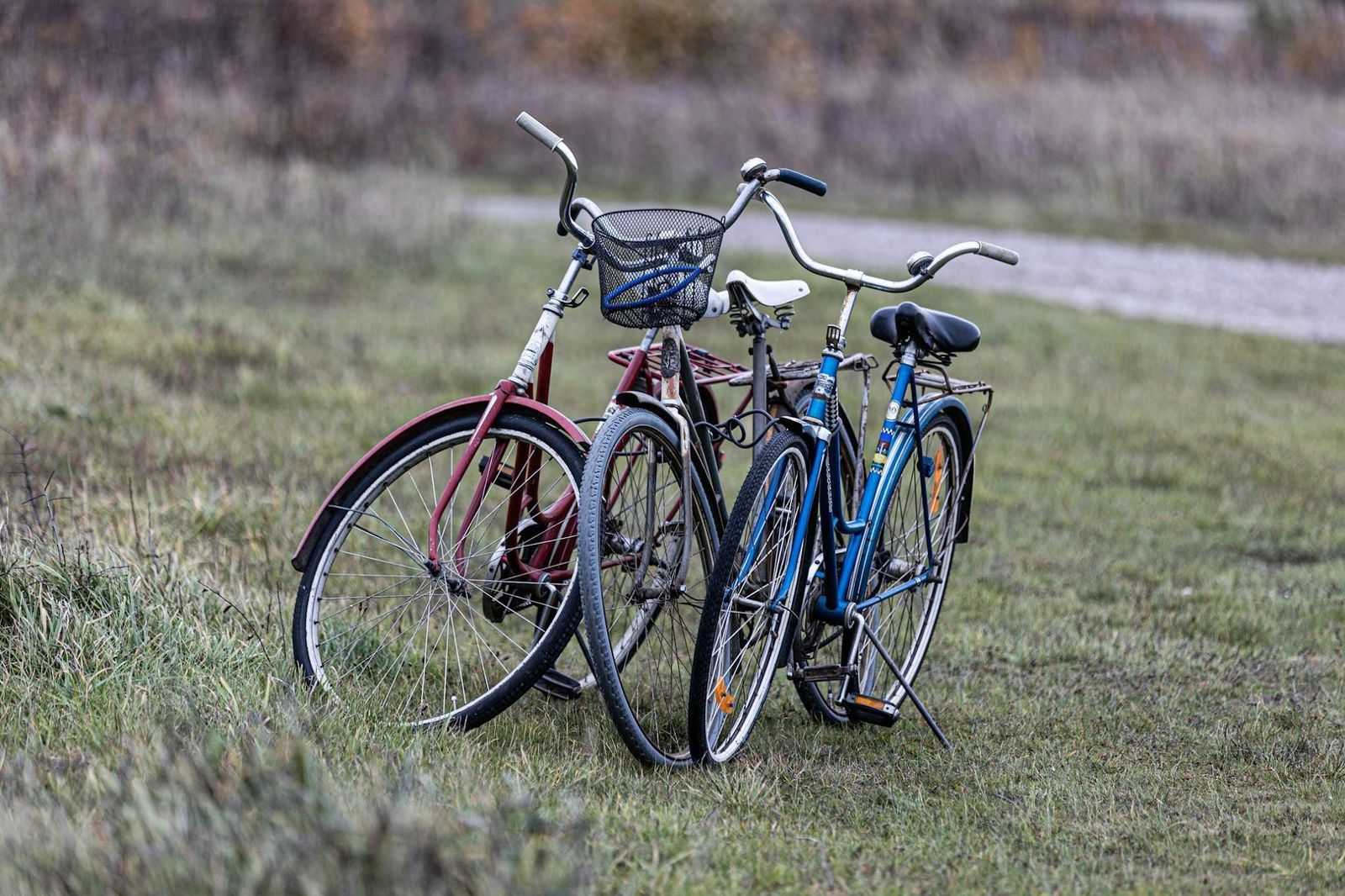
Before smartphones and GPS started telling us where to turn, getting across the country required a little planning and a few clever tricks to remember the route. Travelers relied on paper maps, strangers on the road, and even public phone booths to stay on course. If your destination ever depended on the directions of a stranger, you’ll probably enjoy remembering a few of these clever tricks!

1
The MapQuest printout ritual

Image: José Martín Ramírez Carrasco

For many travelers, the trip really began here: sitting at the computer just minutes before leaving and printing turn-by-turn directions from MapQuest. The printed pages listed every step of the route, including the distance between each turn. This method was probably the one that marked the transition from traditional paper navigation to modern GPS systems.

2
Free maps at gas stations

Image: Jean-christophe Gougeon

Back in the 1920s, advertising executive William Akin came up with an idea to promote the new Gulf Refining Company gas stations. At the time, drivers still had to buy gasoline in five-gallon containers because service stations were uncommon. Akin proposed distributing free local maps in each area where these Gulf stations were located.

The idea spread quickly, and other gas companies soon adopted the same strategy. Over time, gas stations became natural stops for travelers, and many stations eventually began selling maps instead of giving them away.

3
The American Automobile Association Trip Triks

Image: Mike Mozart

No way you forgot this one! If you were a member of the American Automobile Association, you had access to Trip Triks: spiral-bound booklets customized for each traveler’s route. AAA staff highlighted the exact path on the map, marking gas stations, hotels, and attractions along the way.

4
Lost? Find a phone booth

Image: jerry chen

Lost in the big city? Step into a phone booth. Back then, many phone booths had maps inside showing nearby streets and landmarks. If you were lost, all you had to do was step inside, and within a few minutes, the problem was solved. The good news was that big cities had a phone booth on almost every major corner and intersection, so if the one you stopped by was already taken, you only had to walk a few steps to find another.

5
The thick book that lived in every car

Image: Bromley Atlases

The city street atlas. One of the best companions for drivers, if not the very best. These thick books showed detailed maps of entire cities, page by page. If you spotted a street sign but had no idea where you were, you could look up that street in the atlas index. It would point you to the exact page and grid where the street appeared, helping you figure out your next move. Do you remember flipping through a street atlas to find your way across a city?

6
Asking locals for directions

Image: Deva Darshan

Following directions back then required a bit of blind faith. You might hear something like, "Drive a few miles and turn left when you see the church," or "After the green restaurant, take the second road on the right." In rural areas, where road signs were scarce, a local’s guidance was often the best map you could get. Sometimes those directions were the only way to find a place that didn’t appear on any map. Have you ever followed directions like these and hoped for the best?

7
The co-pilot seat

Image: Xia Hua

This trick required teamwork. If you weren’t traveling alone, one passenger was usually designated as the "navigator." Their role? Reading the map, watching for road signs, and warning the driver about upcoming turns. A good navigator also had to learn the driver’s rhythm: when to speak up, when to stay quiet, and how quickly directions needed to be given. The best driver–navigator pairs worked together almost like Batman and Robin.

8
The Rand McNally Road Atlas

Image: GeoJango Maps

The Rand McNally Road Atlas is one of the most iconic travel tools in American road trip history. The atlas includes detailed maps of every state, showing highways, towns, and points of interest across the United States. For decades, it was a common sight in glove compartments and truck cabins, guiding travelers from city to city. Unlike digital navigation, the atlas allowed drivers to see the entire route and explore alternative roads along the way. Even today, many travelers still keep one as a backup option when cell service or GPS fails.

9
Following highway numbers

Image: Anne Nygård

During the era of long road trips, drivers didn’t worry much about street names. Instead, they followed highway numbers. If you got on the right road, like Route 66 or U.S. Route 1, you could relax and stay on it for miles and miles, sometimes across several states. As long as the number on the signs stayed the same, you knew you were still on the right path. This approach later helped inspire the Interstate Highway System, which made traveling across the country even easier.

10
The church, the bridge, the water tower

Image: Anders Jildén

Here's one of the classic road trip tricks: remembering landmarks along the road. This method required both memory and self-trust. Instead of coordinates or exact addresses, travelers remembered particular spots. They learned to look for things that stood out, like churches, bridges, water towers, or unusual buildings. When you reached the right one, you knew when it was time to turn. What landmarks did you rely on the most?

History History 4 min read

AMERICAN PIONEERS

Old West Tales: 10 Key Moments of the Wildest Frontier

Image: Eniko Polgar

The Westward expansion that defined the American frontier during most of the 19th century was a time of daring pioneers and boundless possibilities, which ultimately shaped the nation in profound ways.

This expansion of our Nation’s territory to the vast lands of the American West brought about innovation, and progress, but also conflict. From the Louisiana Purchase to the Dawes Act, let’s take a deep dive into the moments that defined the frontier spirit and solidified America's path to greatness.

1
Louisiana Purchase (1803)

Image: Nik Shuliahin

It sounds crazy today, but the Louisiana Purchase almost doubled the size of the United States overnight. Thomas Jefferson, at the time, the third to occupy the position of President of the United States, bought the massive 828,000 sq mi territory from France for $15 million, securing vital land and resources.

The purchase, however, didn’t mean that the United States also gained control of the totality of the territory, as it was inhabited by Native Americans. But in any case, the acquisition paved the way for westward expansion, providing a vast area for exploration and settlement, while enhancing America's geopolitical influence.

2
Lewis and Clark Expedition (1804-1806)

Image: Charles Marion Russell

Commissioned by Jefferson, Meriwether Lewis and William Clark then embarked on a mission to map the newly acquired lands and find a viable route to the Pacific. Their legendary journey revealed the rich diversity of the western territories and established crucial relationships with Native American tribes.

Sacagawea, a Shoshone woman, played a crucial role as an interpreter and guide, helping the expedition navigate difficult terrain and gain trust with native tribes, significantly contributing to the mission's success. Ultimately, their detailed reports opened the frontier to future explorers and settlers.

3
The Oregon Trail (1811-1869)

Image: Dana Davis

Originally laid around 1811 by fur trappers and traders, the Oregon Trail soon became a critical route for thousands of emigrants moving west. Spanning over 2,000 miles from Missouri to Oregon, it was a perilous journey marked by harsh landscapes and, more often than not, disease.

Despite the hardships, the trail was improved to become passable by wagons, and it facilitated the mass migration of over 400,000 settlers during its peak, significantly contributing to the population growth and development of the Western United States.

4
California Gold Rush (1848-1855)

Image: Viviana Rishe

The discovery of gold at Sutter's Mill in 1848 triggered a massive influx of fortune seekers to California. The Gold Rush not only boosted the economy but also accelerated California's admission claim as the 31st state in 1850.

While prospectors initially used simple techniques like panning, the increasing complexity of gold extraction eventually required significant financing, favoring mining companies. And though the gold rush generated wealth worth tens of billions in today's dollars, only a few became rich; most participants earned little more than they had started with.

5
Homestead Act (1862)

Image: Kevin Butz

Signed by President Abraham Lincoln, the Homestead Act offered 160 acres of public land to settlers willing to farm it for five years. The policy primarily encouraged individual farmers who were looking to operate their own farms, as opposed to slave owners who sought to buy large tracts of land and use slave labor.

The legislation encouraged widespread migration to the Great Plains, accelerating agricultural development and expanding American settlements across the West.

6
Building of the Transcontinental Railroad (1863-1869)

Image: Johannes Plenio

The completion of the first Transcontinental Railroad in 1869 revolutionized transportation in the United States. Connecting the East and West coasts, it facilitated trade, travel, and communication.

The extensive railroad network was built by three private companies on public lands, financed with federal bonds and various subsidies. Instrumental in the nation's economic growth, the Transcontinental Railroad also helped forge a sense of national unity and identity in the American consciousness.

7
The Great Sioux War (1876-1877)

Image: Popular Graphic Arts

Also known as the Black Hills War, the Great Sioux War was a series of conflicts between the United States and the Sioux tribes. The war was sparked by the encroachment of settlers and gold prospectors on Native lands, a conflict that had been escalating since the early 19th century.

Despite many Native American victories, such as the Battle of Little Bighorn - better known as Custer's Last Stand -, the war ultimately ended in the tribes' displacement. The conflict officially finished with the Agreement of 1877, in which the Sioux tribes were forced to cede property rights of their lands to the federal government, while clearly demarcated Indian reservations were established.

8
Oklahoma Land Rush (1889)

Image: Raychel Sanner

On April 22, 1889 - soon after the signing into law of the Indian Appropriations Act, which freed over two million acres of land for settlement - thousands of settlers raced to claim land in the Oklahoma Territory during the first of several land rushes.

Those who followed the rules and waited for the official start of the land rush were known as "boomers," while "sooners" sneaked into the territory before the designated time, risking penalties but gaining advantageous claims. This sparked hundreds of legal contests that had to be settled at local land offices or even by the U.S. Department of the Interior.

9
The Dawes Act (1887)

Image: Boston Public Library

The Dawes Act aimed to assimilate Native Americans by dividing tribal lands into individual allotments. While intended to promote agriculture and integration, it resulted in the loss of tribal lands and culture.

The act was a controversial effort to reshape Native American society in the image of European-American settlers. It wasn’t until the Indian Reorganization Act, passed during the Franklin D. Roosevelt administration, that Native Americans regained some of their rights to own land collectively and form self-government.

10
Closing of the Frontier (1890)

Image: Aaron Burden

In 1890, the U.S. Census Bureau declared the frontier closed, as there was no longer a discernible frontier line. This marked the end of a significant era of American expansion.

The closing of the frontier signified the nation's transition from a period of exploration and settlement to one of modernization and industrialization.

Explore more American facts

Choose your favorite category!

General
General

As American as apple pie—the very best America has to offer!

Culture
Culture

Delve into the astounding richness of American lore.

Geography
Geography

Hop in and explore vast and diverse American landscapes.

History
History

Discover the key moments that shaped the United States.