10 natural disasters that changed the way we handle tragedies in the U.S.
Image: Willgard
America has endured its fair share of natural disasters, and dozens of these catastrophes have been forgotten. Following destructive floods, hurricanes, and wildfires, thousands of lives were lost, coastlines were completely redrawn, and entire towns vanished overnight. Some of these tragedies changed how cities were built; others sparked safety laws or inspired early disaster relief efforts. Here are 10 devastating natural disasters that made headlines before they slipped out of history’s spotlight.
1
The Johnstown flood (May, 1889)
On a gray spring afternoon in 1889, the quiet hills of Pennsylvania were covered by a long-lasting rain. Suddenly, the South Fork Dam gave way, unleashing a 40-foot wall of water that thundered down the valley at nearly 40 miles per hour. In just a few minutes, Johnstown was gone. Houses, bridges, and rail lines were ripped from the earth and swept downstream like driftwood. Survivors clung to debris as the flood turned the town into a sea of wreckage.
When the waters finally receded, more than 2,000 lives had been lost, and the landscape was unrecognizable. The tragedy marked one of the first major missions for the American Red Cross, and it forever reshaped how the country approached engineering, safety, and disaster relief.
2
The Sea Islands hurricane (August, 1893)
Back when storms had no names and forecasts were guesswork, one of the fiercest ever recorded hurricanes slammed into South Carolina’s Sea Islands in August 1893. Winds roared at more than 130 miles per hour, and a storm surge nearly 20 feet high swallowed entire communities, turning farmland and villages into open sea.
For days, survivors held onto rooftops and trees, cut off from the mainland with no food or fresh water. When rescue crews finally arrived, they had to navigate miles of flooded marshland. The Sea Islands hurricane showed how, in a single night, nature can redraw both coastlines and history.
3
The Great Midwest wildfires (October, 1871)
Everyone knows about the Great Chicago Fire of 1871, but few remember that the same dry winds also ignited Michigan’s forests. That October, firestorms swept across the state, devouring towns like Holland, Manistee, and Port Huron. Winds gusted up to 60 miles per hour, carrying burning embers for miles and turning the sky a deep, smoky red.
Entire communities vanished overnight as lumber piles and wooden houses went up in flames. Thousands were left homeless, and the region’s booming logging industry was reduced to ashes. History books gave Chicago the headlines, but Michigan’s forgotten fires burned just as fiercely and left scars that lasted far longer.
4
The Heppner flood (June, 1903)
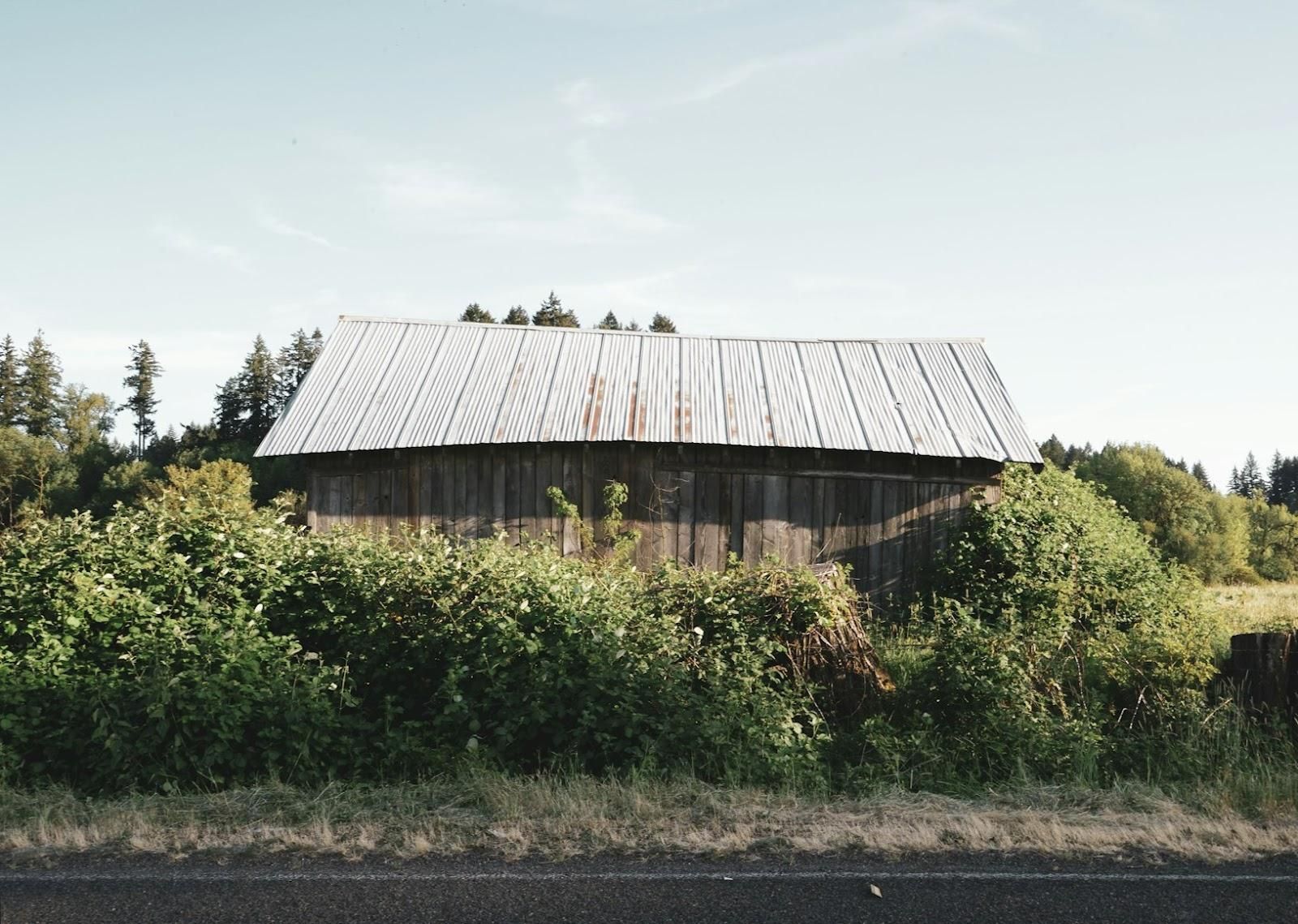
Heppner, Oregon, was the kind of quiet town where nothing ever seemed to happen. Yet, in June 1903, the peaceful blue skies turned to chaos. After a sudden cloudburst in the hills, a wall of water tore down Willow Creek with no warning, flooding the town within minutes.
The torrent reached nearly 20 feet deep, carrying homes, wagons, and trees in its path. Few had time to react. Fortunately, Heppner managed to rebuild after the wreckage, this time on higher, safer ground. More than a century later, the town’s legacy isn’t the flood that nearly erased it, but the determination of those who refused to let it disappear.
5
The Cheniere Caminada hurricane (October, 1893)
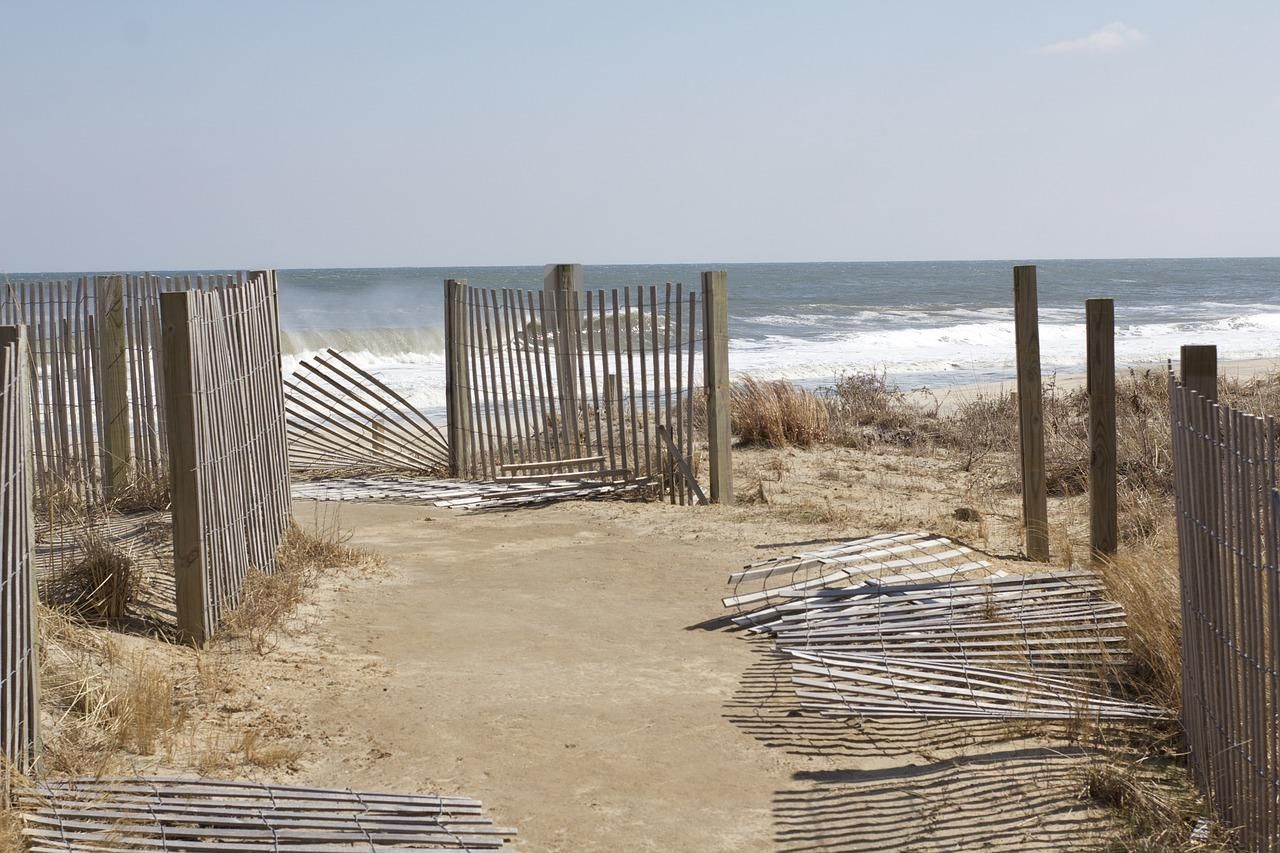
Back in the 19th century, there were no weather radars or storm trackers that could accurately predict hurricanes. In 1893, one such storm struck a small Louisiana fishing village with terrifying force. Winds roared at 140 miles per hour, waves rose nearly 20 feet, and in just hours, every building was flattened or swept into the Gulf.
Survivors had to watch their town disappear beneath the water. When the storm passed, little remained but wreckage and silence. Though quickly forgotten by history, it taught coastal communities a hard lesson: on low ground, the sea always wins. From then on, people began building higher and paying better attention to the sky.
6
The Great Ohio flood (March, 1913)
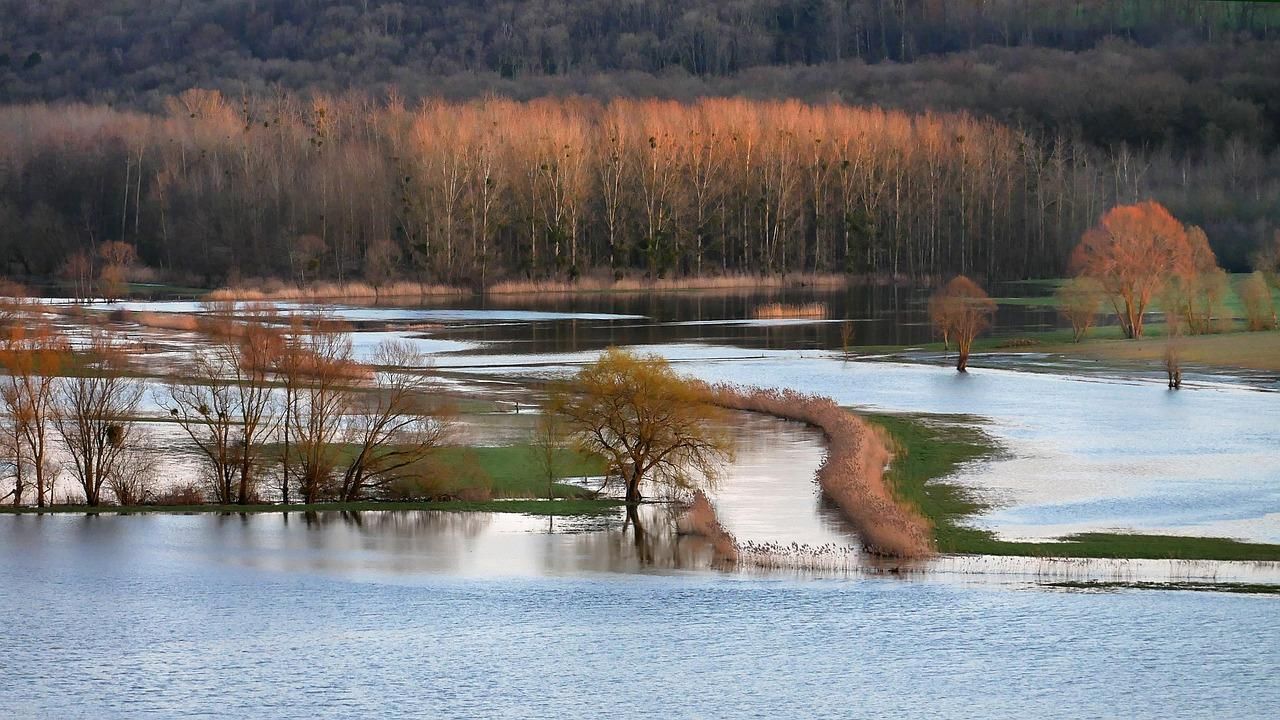
In March 1913, the skies over Ohio refused to let up. Rain poured for days across the Miami River Valley until swollen streams burst their banks and dams gave way. Within hours, Dayton was swallowed by water. Streets became rivers, cars floated like boats, and families clung to rooftops waiting for rescue. Furniture, fences, and entire houses drifted downstream as the current tore through the city.
When the flood finally receded, Dayton was unrecognizable. But from the wreckage came innovation: Ohio built one of the first large-scale flood-control systems in the United States, a network of levees and reservoirs that, more than a century later, still shields its towns.
7
The Hoboken docks fire (June, 1900)
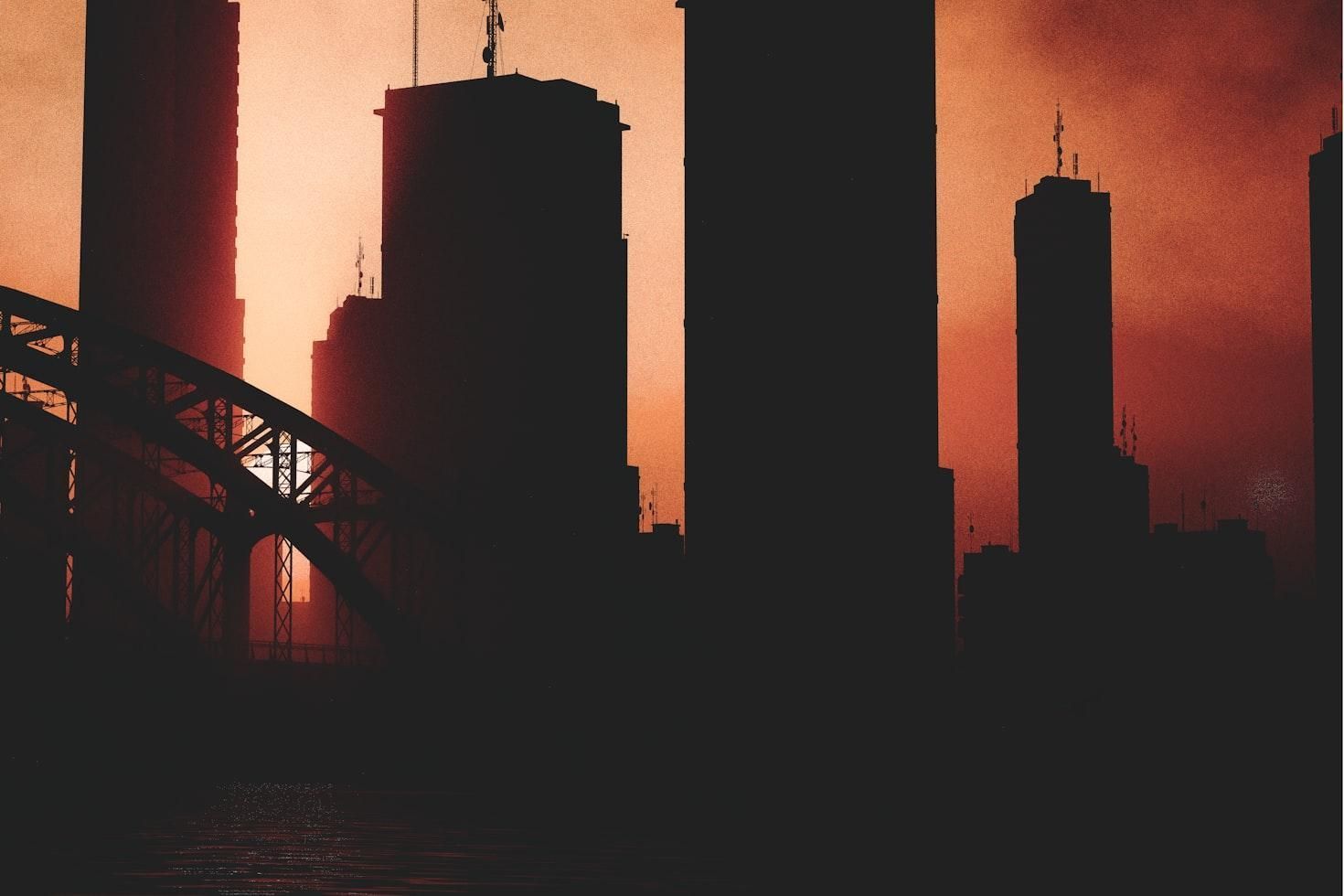
The following story proves that a single spark can ignite chaos. On a bright summer morning in 1900, New Jersey’s Hoboken docks buzzed with activity until cotton bales at the Norddeutscher Lloyd shipping company’s southern wharf ignited. Fanned by the wind, the fire jumped to containers of turpentine and oil, triggering a chain of explosions through wooden warehouses, leaping from ship to ship and sending smoke billowing across the Hudson.
Manhattan’s skyline glowed orange as glass melted and steel bent from the heat. By nightfall, the port was gone. Yet, from the ashes came progress: new safety laws and stronger building codes were passed, and the first steel fireproof docks on the East Coast were built.
8
The Great Long Island - New England Hurricane (September, 1938)
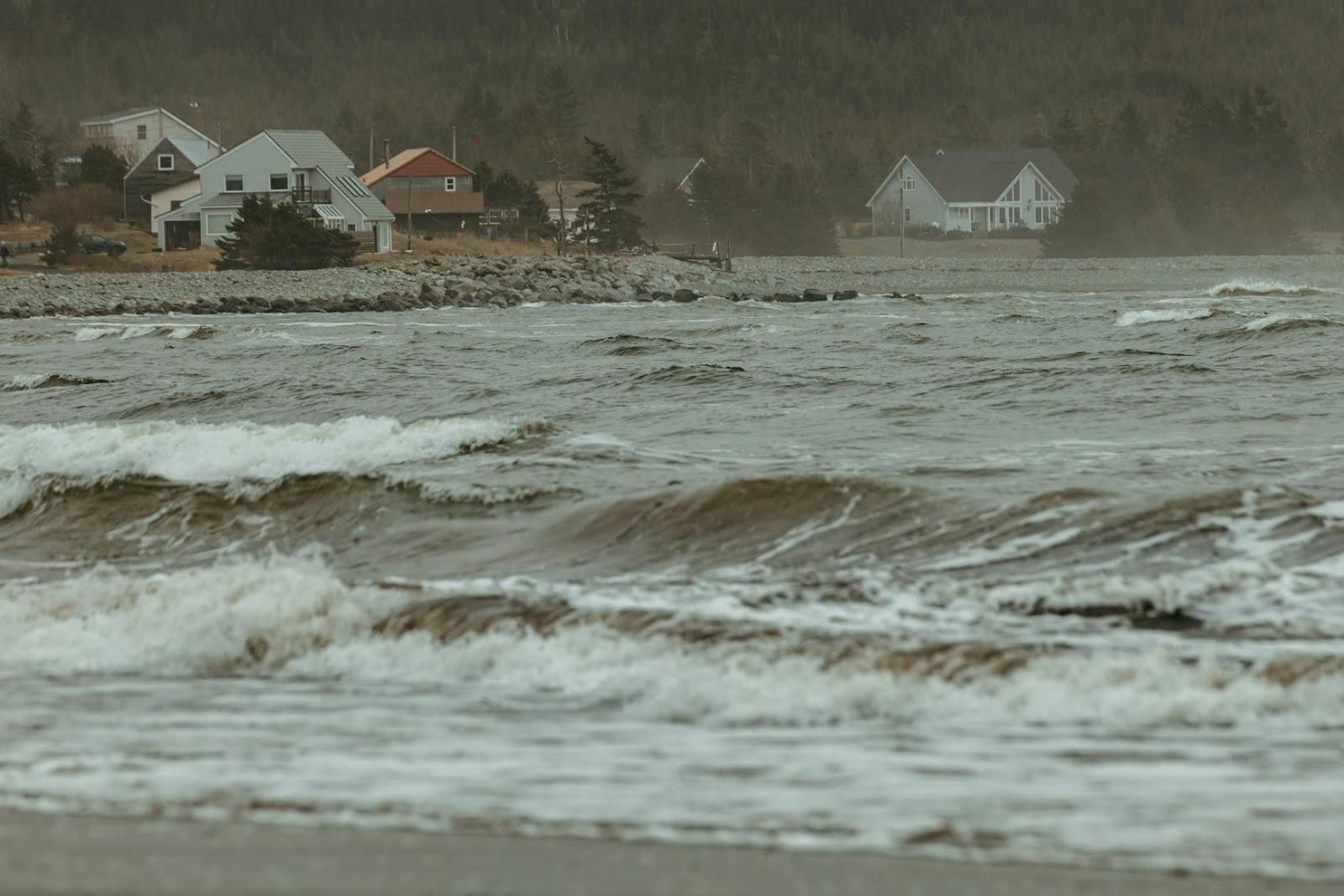
On a calm September morning in 1938, the skies over New England looked deceptively peaceful. A breeze picked up, strong but familiar—until it wasn’t. Without warning, a hurricane traveling nearly 60 miles per hour slammed into Long Island and Connecticut with the force of a freight train. Waves as high as two-story houses crashed ashore, forests snapped like matchsticks, and rivers flowed backward under the surge. Streets turned into rivers, and fishing boats were tossed into front yards. By evening, entire neighborhoods were gone, and over 500 people were left homeless. Locals later named it "The Long Island Express," a storm that arrived out of nowhere and raced through the region faster than anyone could flee.
9
The Deep South tornado outbreak (March, 1932)
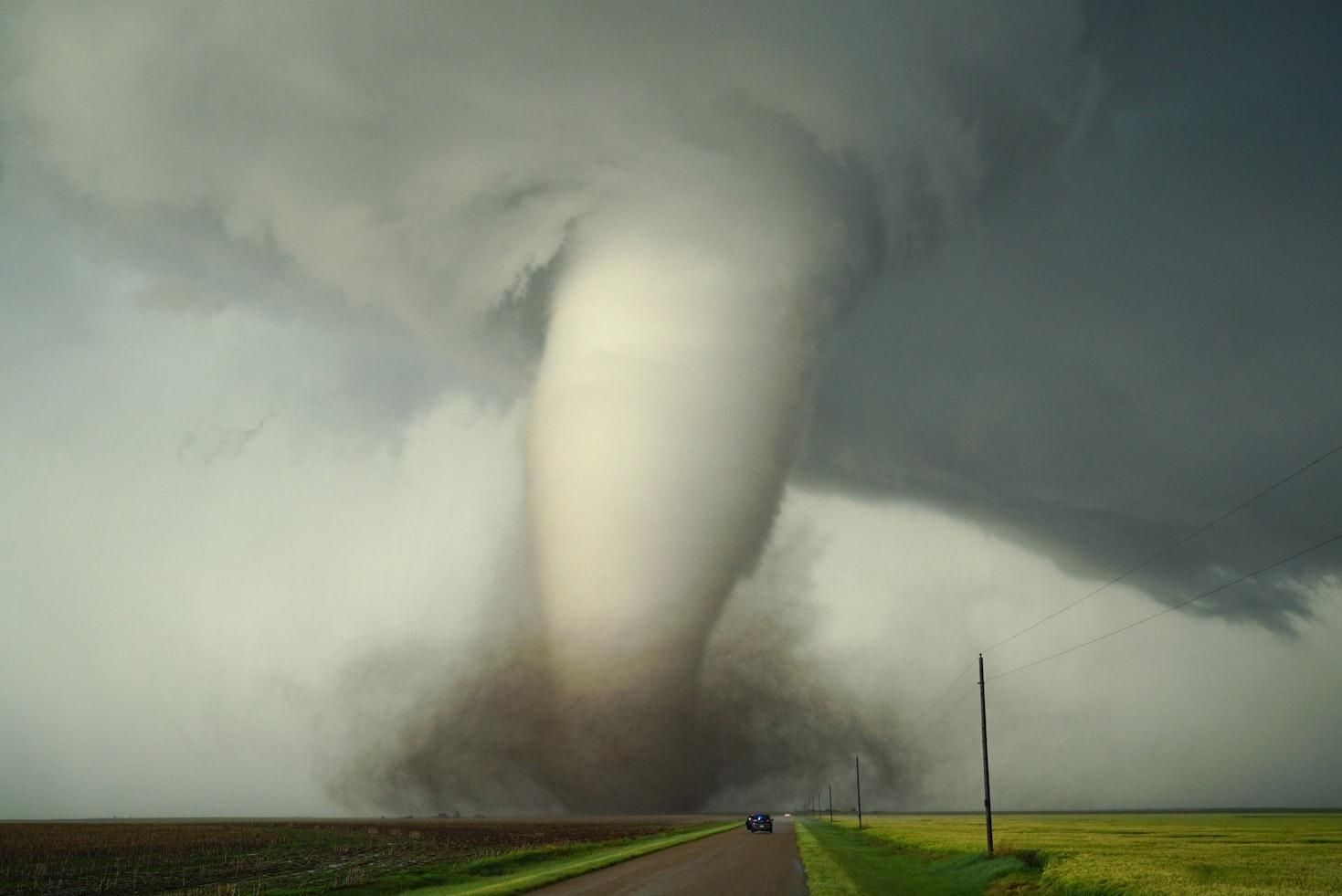
In the spring of 1932, the air turned heavy and the grass dark green: a sure sign of trouble. Suddenly, at least 38 tornadoes ripped across four southern states—Mississippi, Illinois, South Carolina, and Alabama—flattening homes and scattering debris for miles. The worst of them tore straight through Tupelo, leaving entire neighborhoods erased. When the skies finally cleared, communities rebuilt stronger and pushed for better forecasting, sparking improvements in weather science that would later save countless lives.
10
The Mississippi River flood (August, 1927)
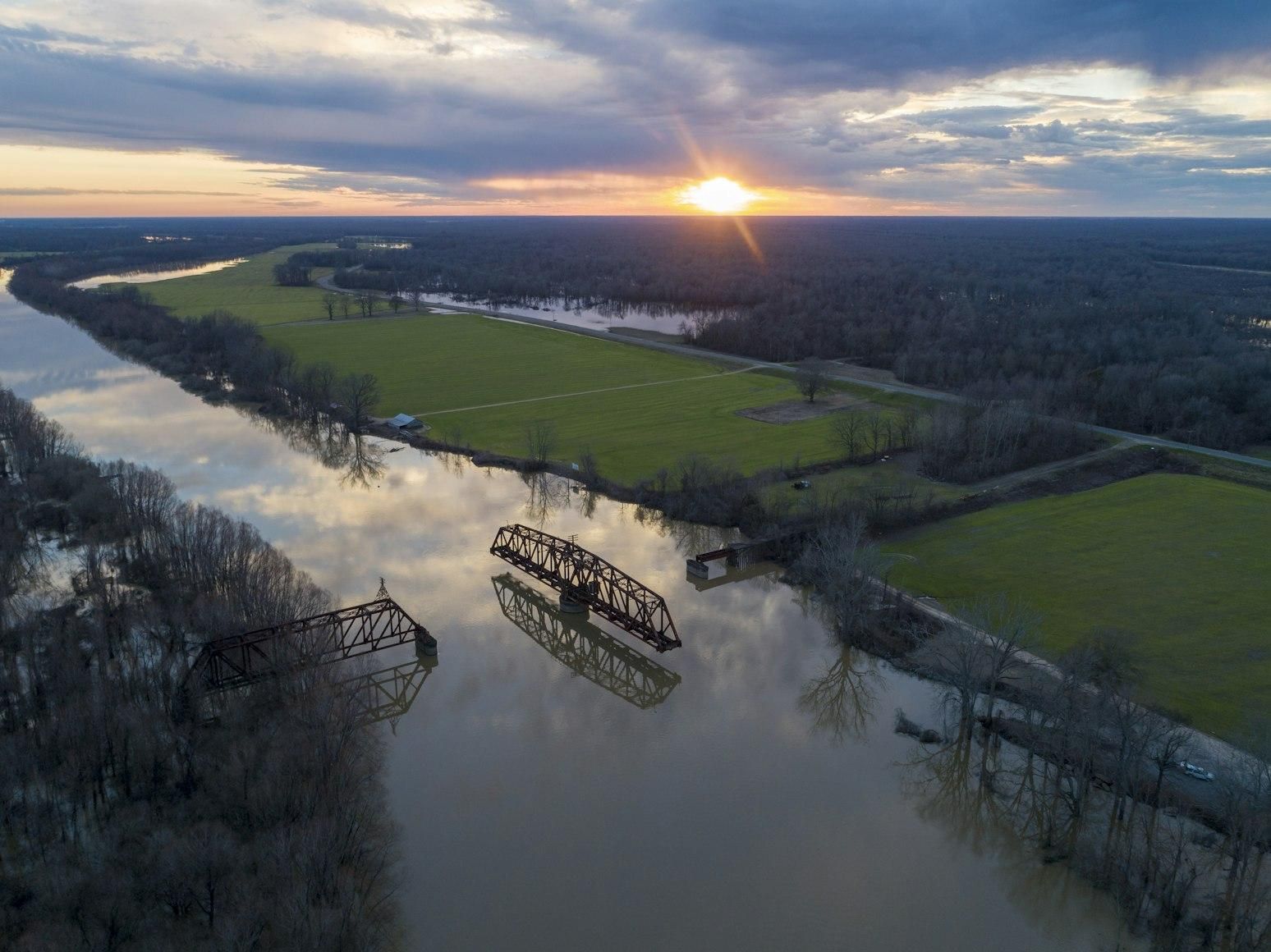
In the spring of 1927, America’s great backbone gave out. Weeks of torrential rain and rapid snowmelt sent the Mississippi River surging past its levees, swallowing towns from Illinois to Louisiana. In some places, the water stretched nearly 80 miles wide, covering more than 27,000 square miles—an area larger than West Virginia.
Entire communities disappeared beneath the muddy current, and farmland turned into inland seas. The disaster reshaped the nation’s approach to water control: new levees, dams, and flood laws followed, along with a federal promise that the river would never again be allowed to rule the land. A century later, the Mississippi still tests that promise every spring.