Classics with a twist
10 much-disputed recipe twists that most Americans have never tried
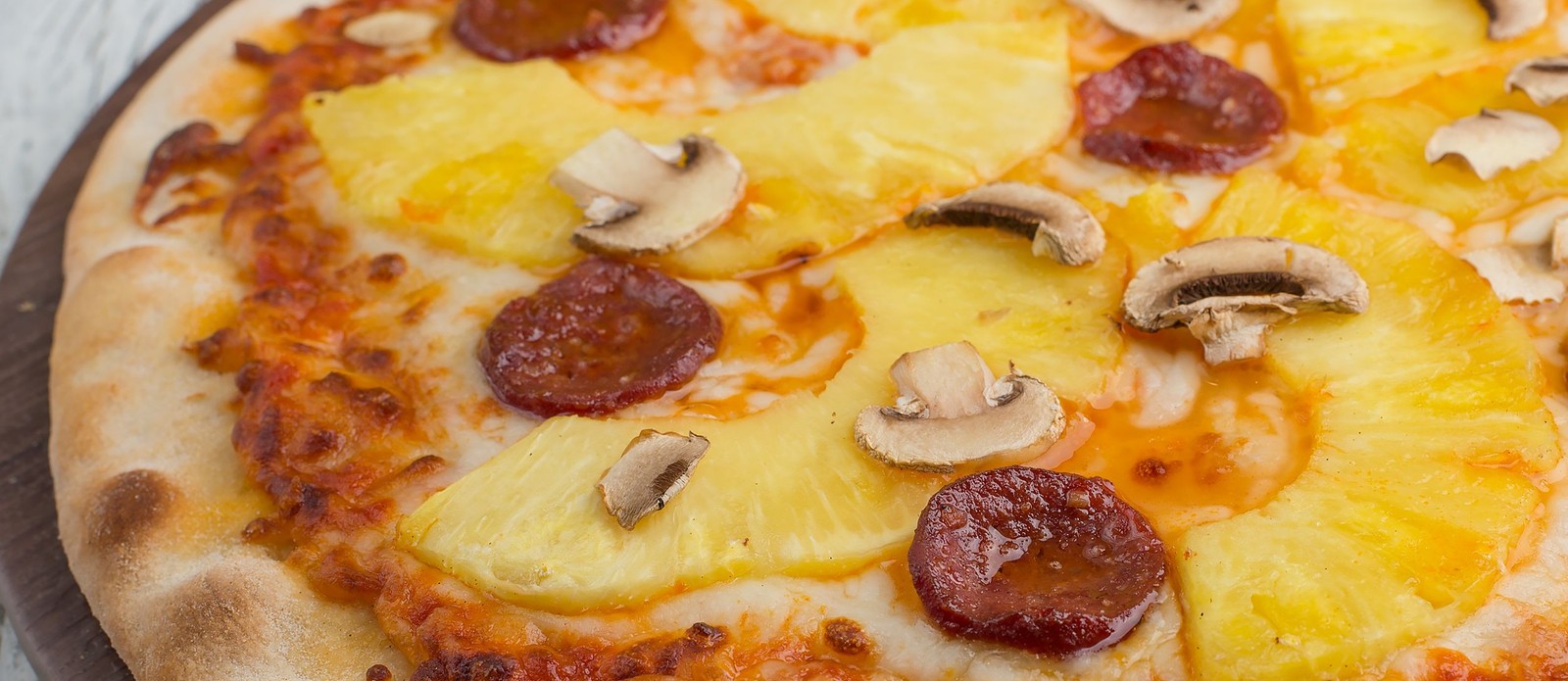
Image: Shameel mukkath
Every family has a strange recipe it will defend forever. Somewhere across the country, someone is melting strips of cheddar cheese atop an apple pie; someone is dropping bits of dark chocolate into their chili con carne; and many people are opting for Hawaiian pizza at their local slice shop. These 10 culinary tweaks range from quirky to genius , but they all deserve to be known—and tried.
1
Thanksgiving Leftover Sushi Roll
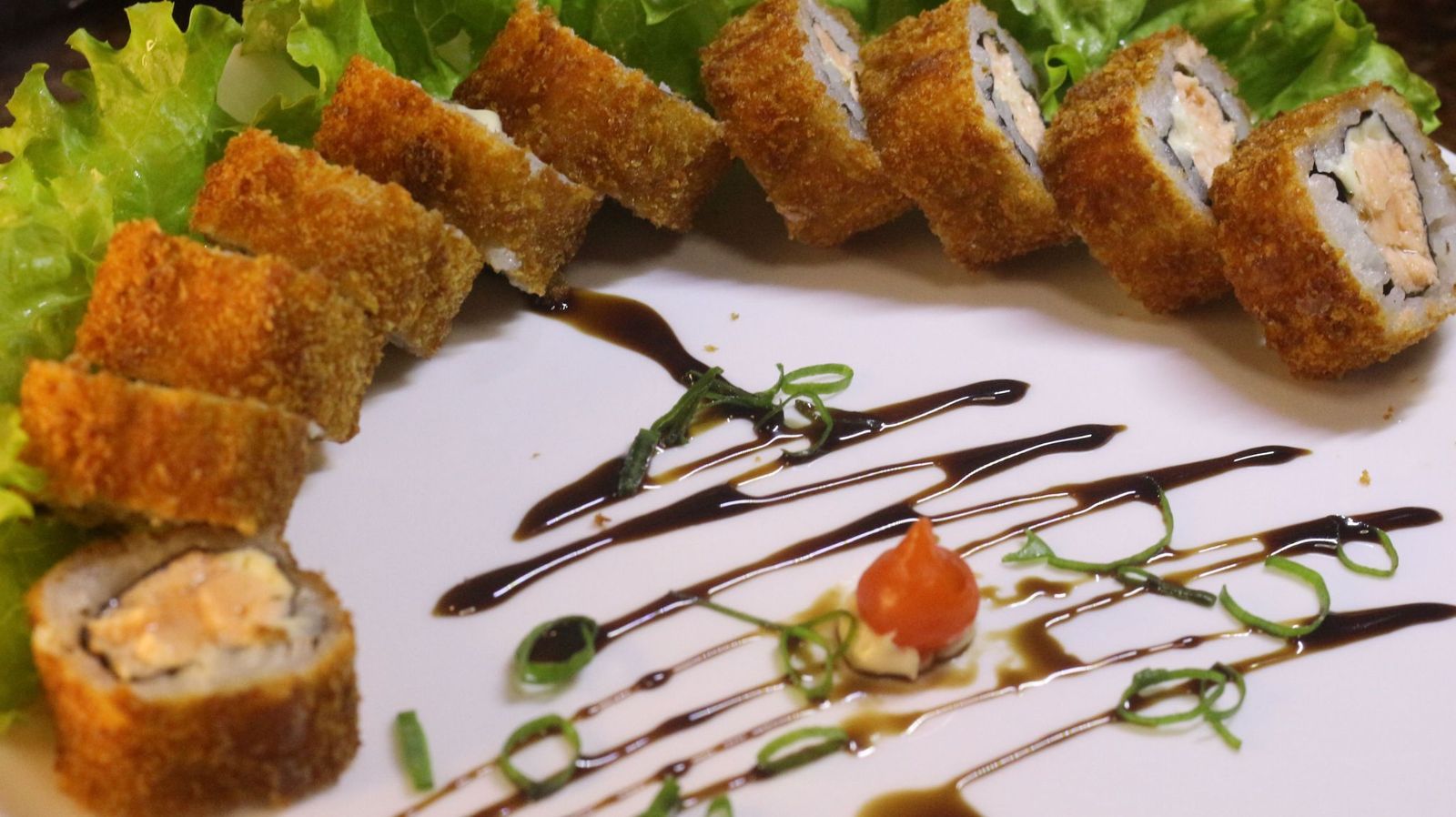
Most families turn Thanksgiving leftovers into sandwiches. But Justin Warner, who won the 2012 season of Food Network Star , wanted something different. He ran Do or Dine , a Brooklyn restaurant known for oddities like foie gras doughnuts. He devised this idea of turning leftovers into what he called "the sandwich of Japan," the sushi roll.
His Turkey Dinner Sushi Roll replaces the rice with chilled mashed potatoes. Shredded turkey and a line of cranberry sauce go down the middle. The roll is tightened, sliced into six or eight pieces, and drizzled with "soy gravy," a quick mix of melted butter, soy sauce, and a pinch of flour. Some people frown upon it; others call it way better than another boring turkey sandwich.
2
Pineapple on pizza
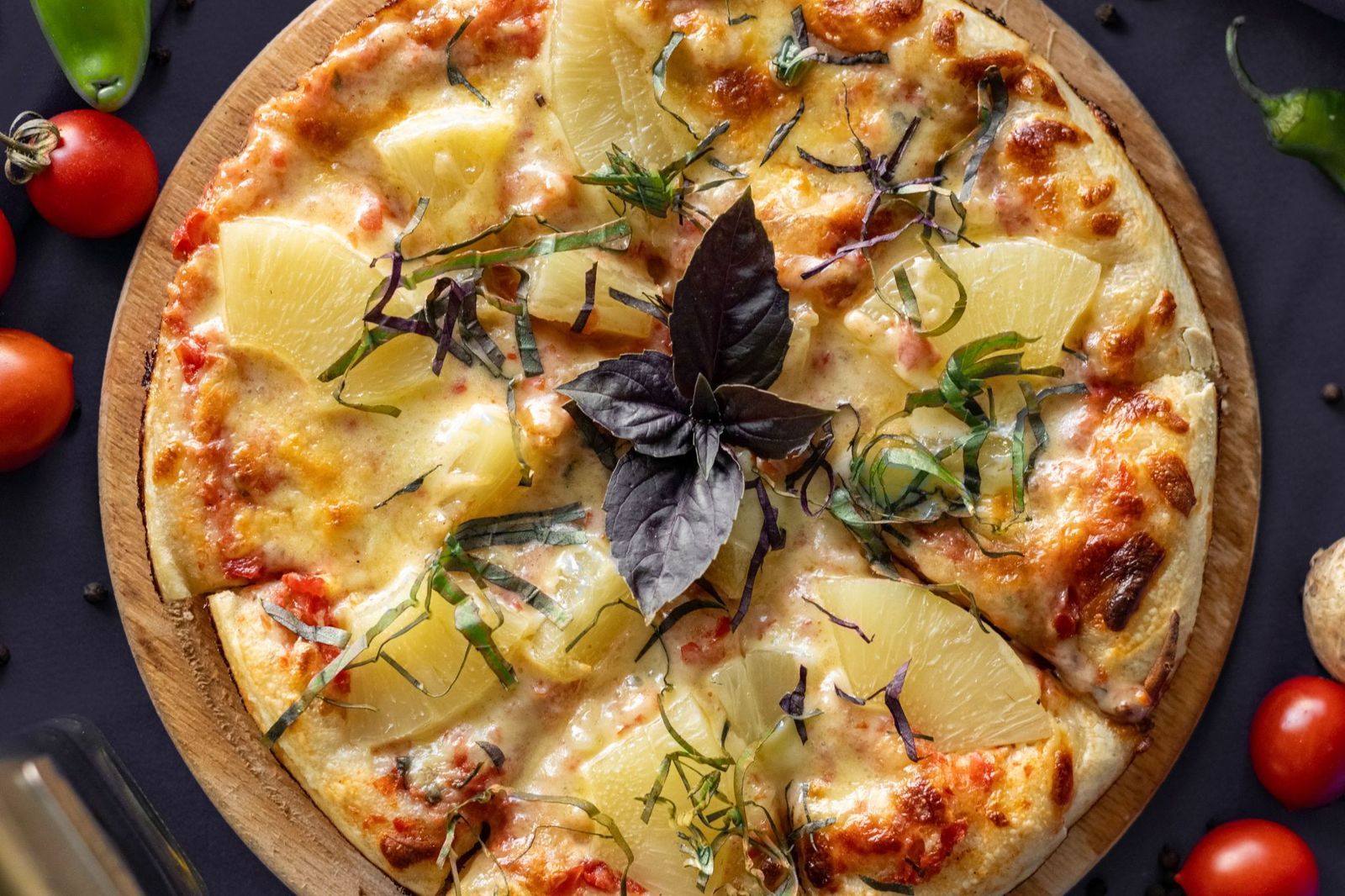
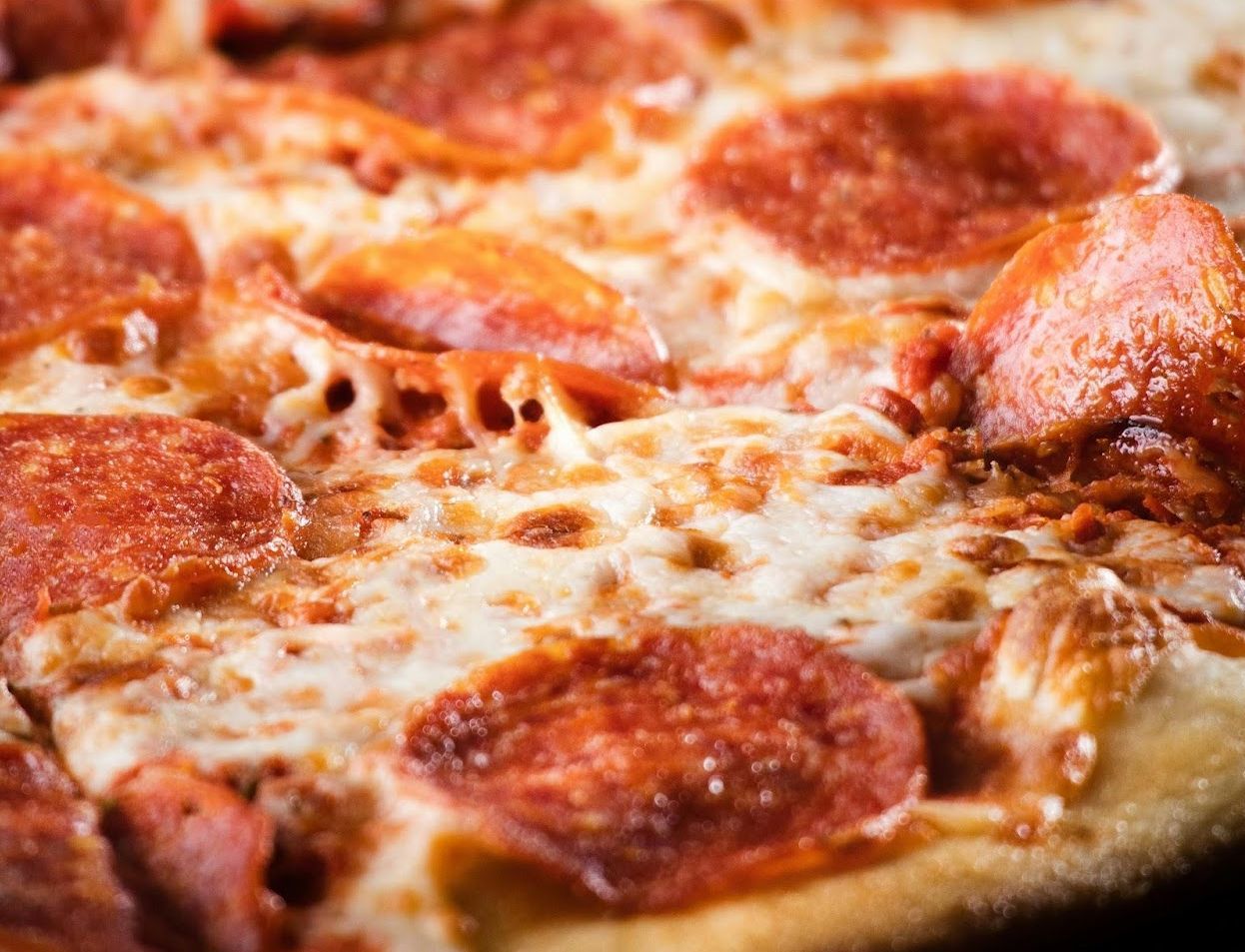
This debate is an old one. In 1962, a Greek immigrant running the Satellite Restaurant in Chatham, Ontario, drained a can of pineapple and scattered it over a pizza with ham. He named his creation after the label on the can, from the Hawaiian Pineapple Company. He admitted that nobody liked it at first, but eventually the customers came around.
The discussion over "Hawaiian pizza" never cooled down. In 2017, an online debate surged: Iceland’s then-president, Guðni Th. Jóhannesson, claimed that he would ban it if he could, while chef Gordon Ramsay ate a slice on Facebook Live for charity and called it "an Italian tragedy." Polls in the US show the country is split evenly, although Hawaiian pizza is now offered at most slice shops. Pineapple skeptics should steer clear of Sweden, where neighborhood pizzerias pile on sliced banana and curry powder.
3
Dark chocolate on chili
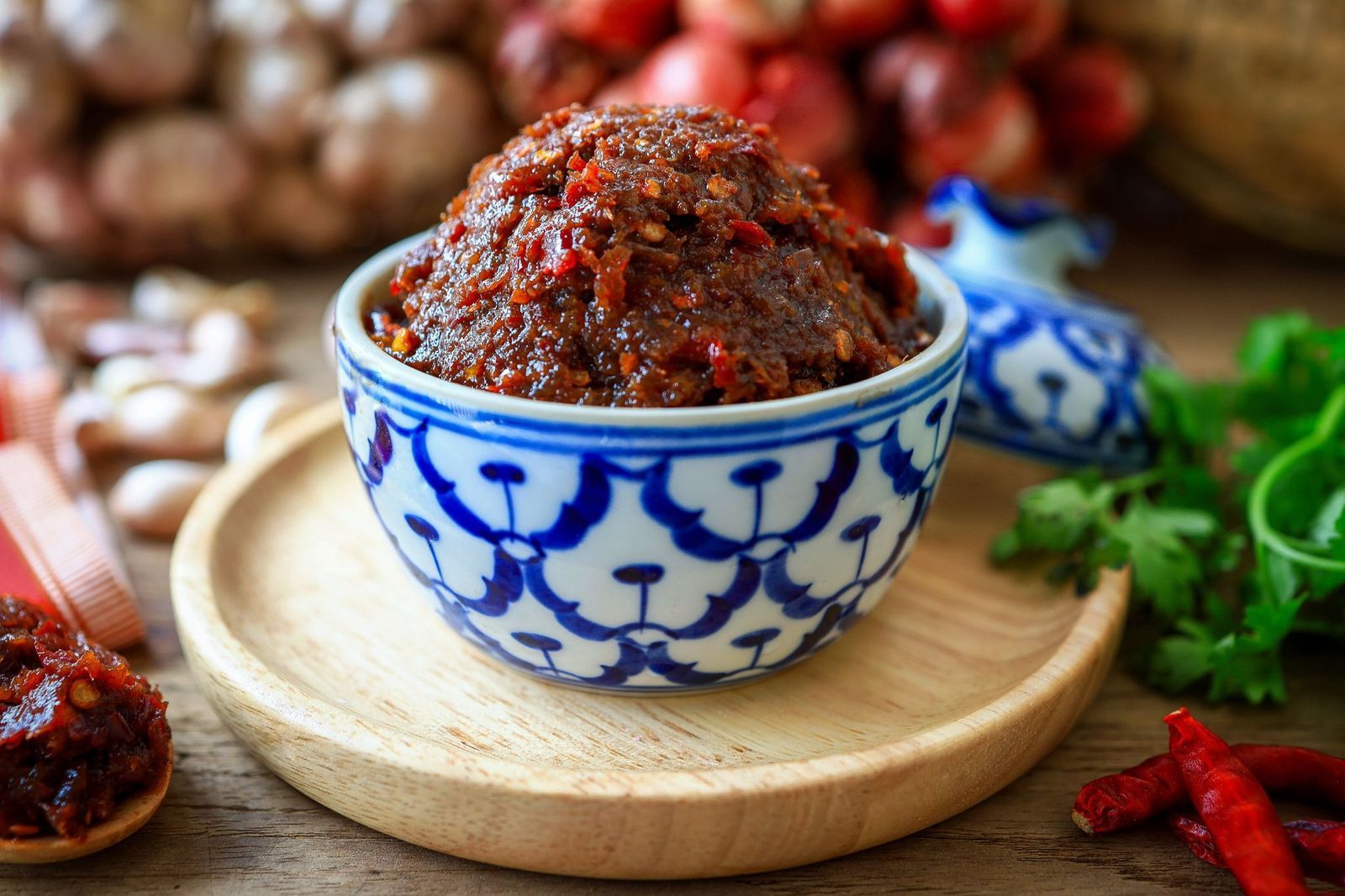
Few things divide a chili pot like dark chocolate. When a mother shared her secret ingredient for the best chili on TikTok, millions of viewers weighed in, and many answered with a flat "absolutely not." But others rushed to her defense. One commenter said chocolate had been the key ingredient at a chili cook-off for the small-town chocolate company where they once worked. Another, who identified as Mexican, said dark chocolate in chili is perfectly normal, since it goes into mole too.
After all, the pairing is ancient. Long before Europeans tasted either, the Maya and Aztecs drank cacao spiced with chili peppers. Chocolate bars including bits of spicy chili have been on the market for years.
4
Donut burgers
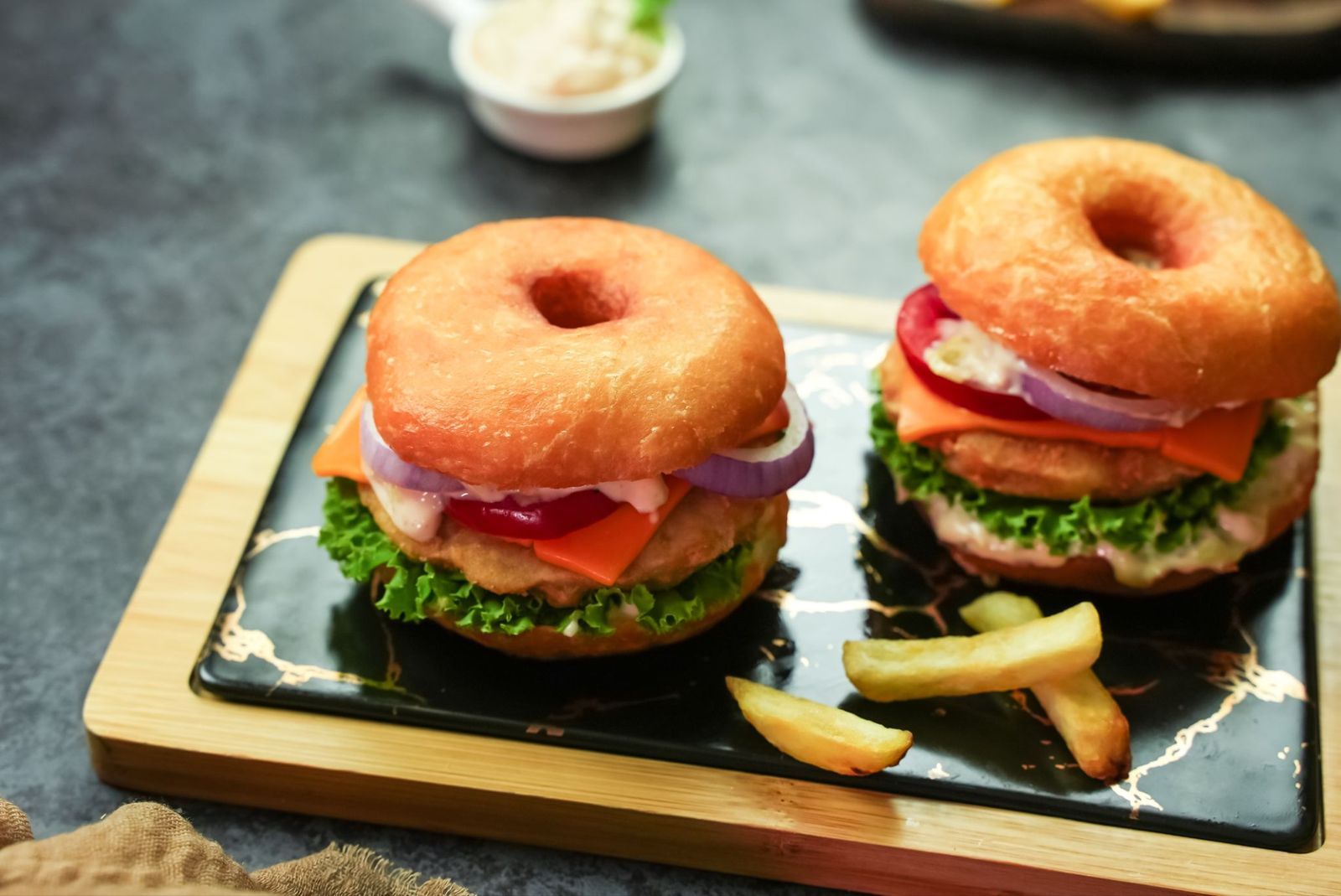
A bacon cheeseburger sandwiched inside a split glazed donut goes by a famous name: the Luther Burger. Legend credits R&B singer Luther Vandross, who supposedly improvised it in the 1990s one day when he ran out of buns.
In 2003, a Seattle blog posted a Fatburger patty between two Krispy Kreme doughnuts and called it the "Fatkreme." Purists insist on a single Krispy Kreme Original Glazed, split in half. Depending on the build, one burger runs from about 800 to 1,500 calories.
5
Mock apple pie (everything but apples)
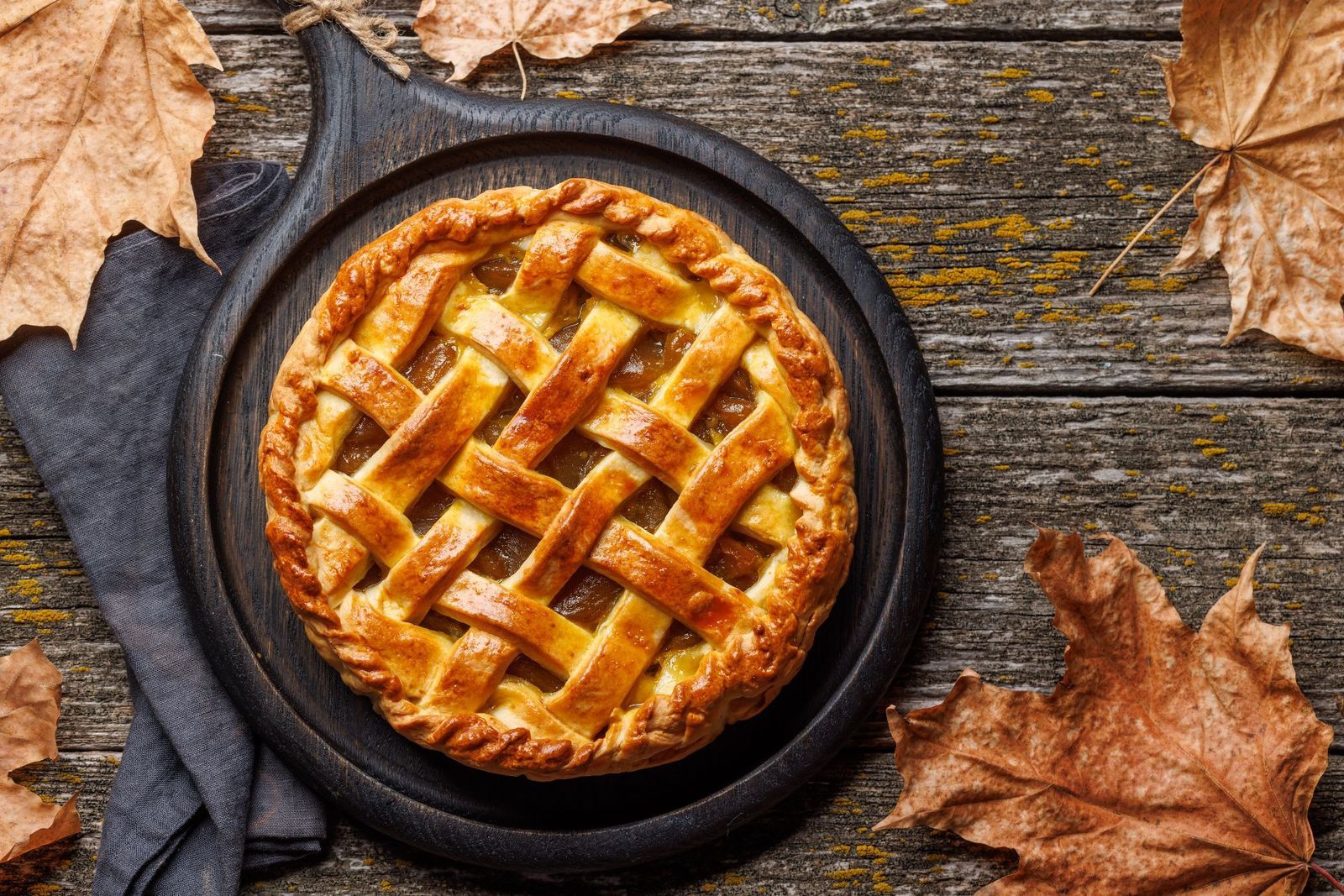
Mock apple pies include every ingredient, except for apples. In general, they replace them with a paste made with crushed, buttery crackers. Nineteenth-century recipes used soda crackers soaked in sweet syrup in place of fruit that was out of season or unavailable
Nowadays, the recipe typically uses crumbled Ritz in a sugar syrup sharpened with cream of tartar and lemon, dusted with cinnamon and baked in a double crust. Bakers who try it report the same surprise: it really does taste like apple pie.
6
Chocolate mayonnaise cake
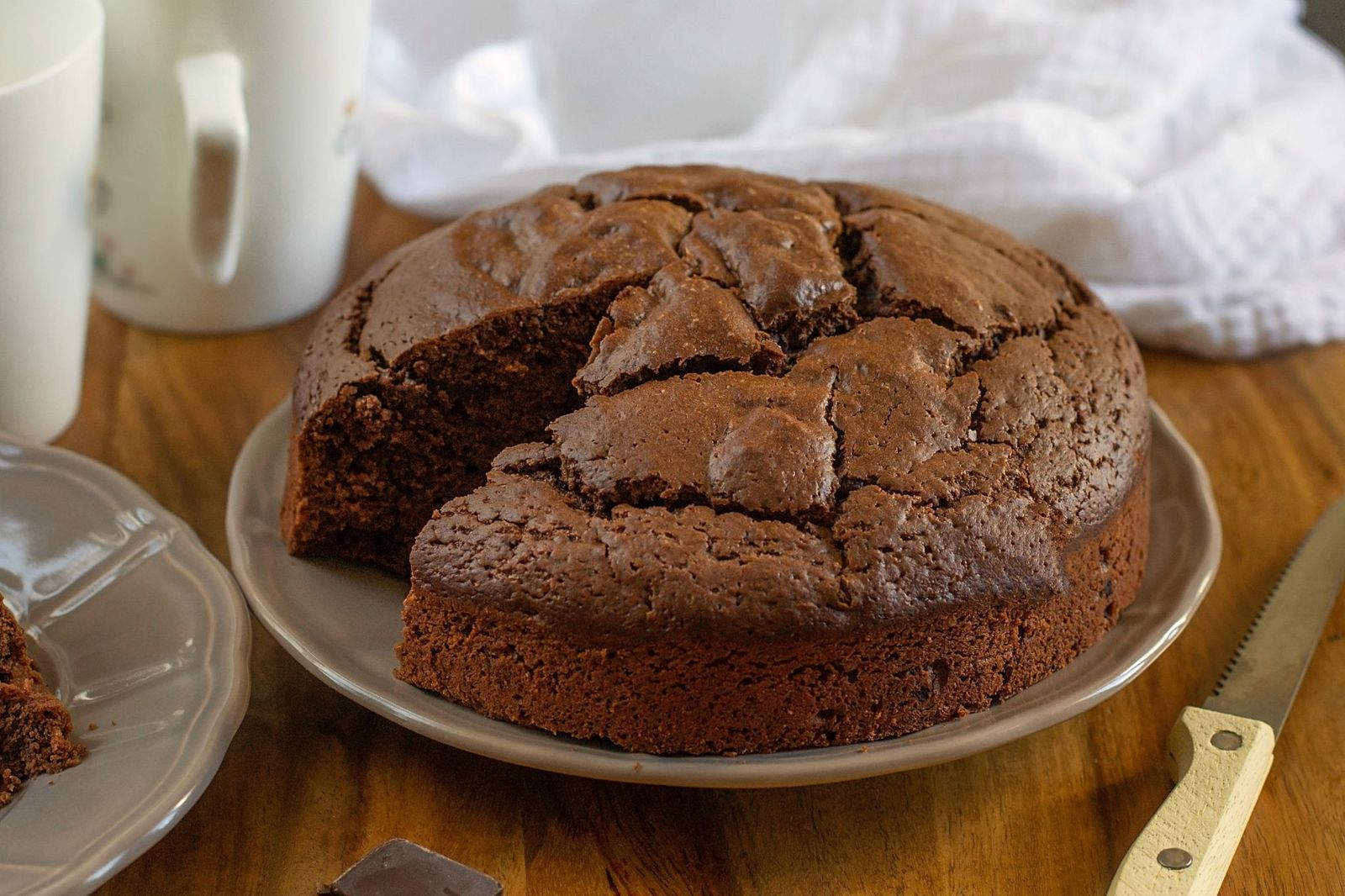
Some people flinch when hearing about mayonnaise cake. But bakers swear by this technique. They have been spooning mayonnaise into chocolate cake for nearly a century, and the logic is sound. Mayonnaise is mostly eggs and oil, two ingredients required in almost every cake recipe.
The earliest known mayonnaise cake recipe appeared in the Oakland Tribune in 1927, and it was closer to a spice cake, studded with dates and walnuts. The chocolate version took off in 1937, when Hellmann’s put its weight behind it. It had a second life during World War II, when rationing made butter and eggs hard to find. The great chef James Beard, in his 1972 American Cookery , said the cake had enjoyed bursts of popularity "mainly because it sounds daring."
7
Cincinnati chili; chili over spaghetti
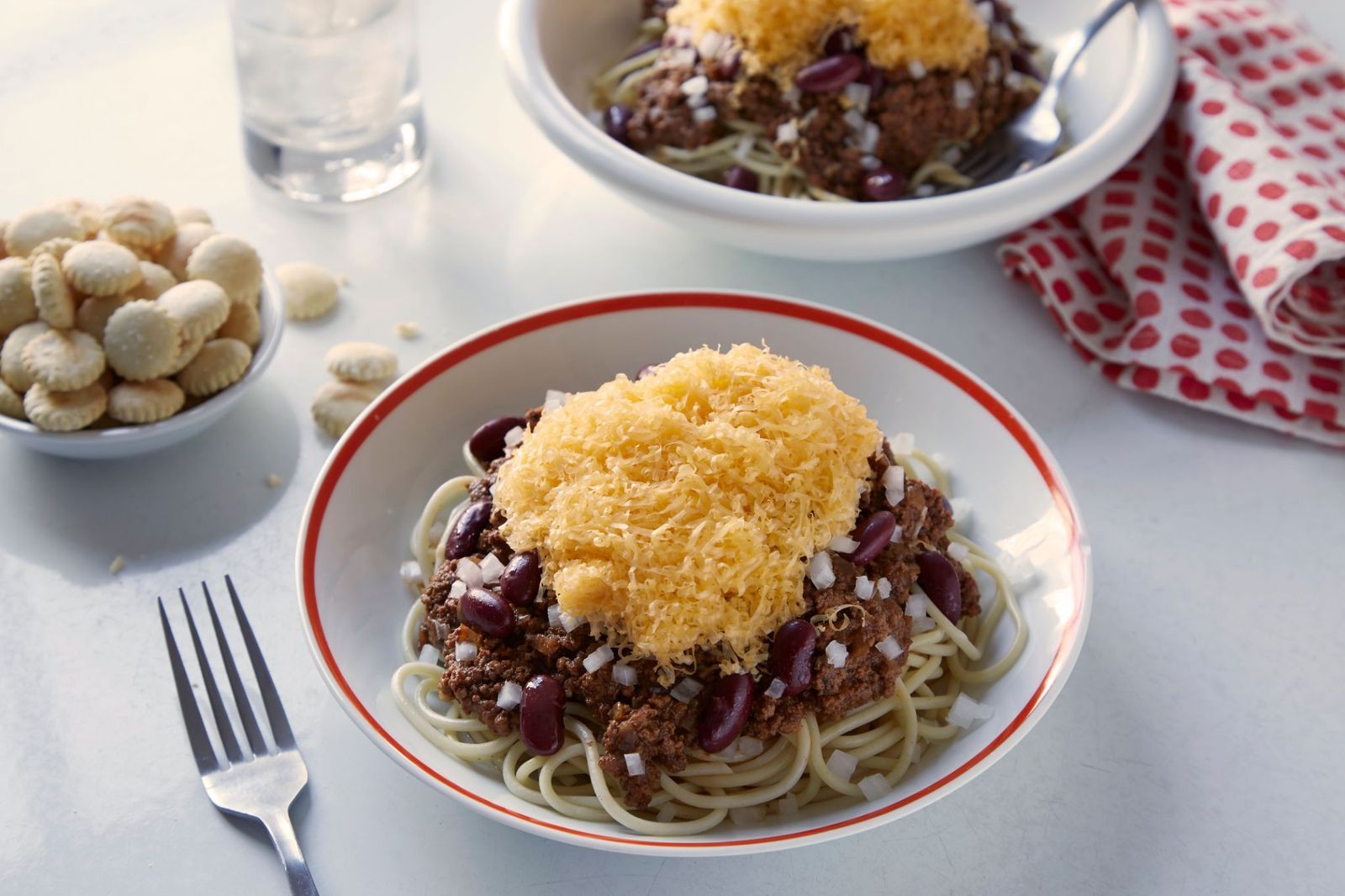
Visitors are often baffled the first time a plate of Cincinnati chili lands in front of them. It’s a mound of spaghetti under meat sauce, beans, and shredded cheddar. The dish began in 1922, when Macedonian immigrant brothers Tom and John Kiradjieff opened Empress Chili in a corner of a downtown theater in Ohio’s third-largest city. They seasoned their beef with the warm spices of a Balkan stew: cinnamon, cloves, and nutmeg.
A "three-way" is spaghetti, chili and cheese. A "four-way" adds onions or beans, and a "five-way" adds both. Some versions say that the recipe encloses a secret ingredient: chocolate.
8
Grape salad
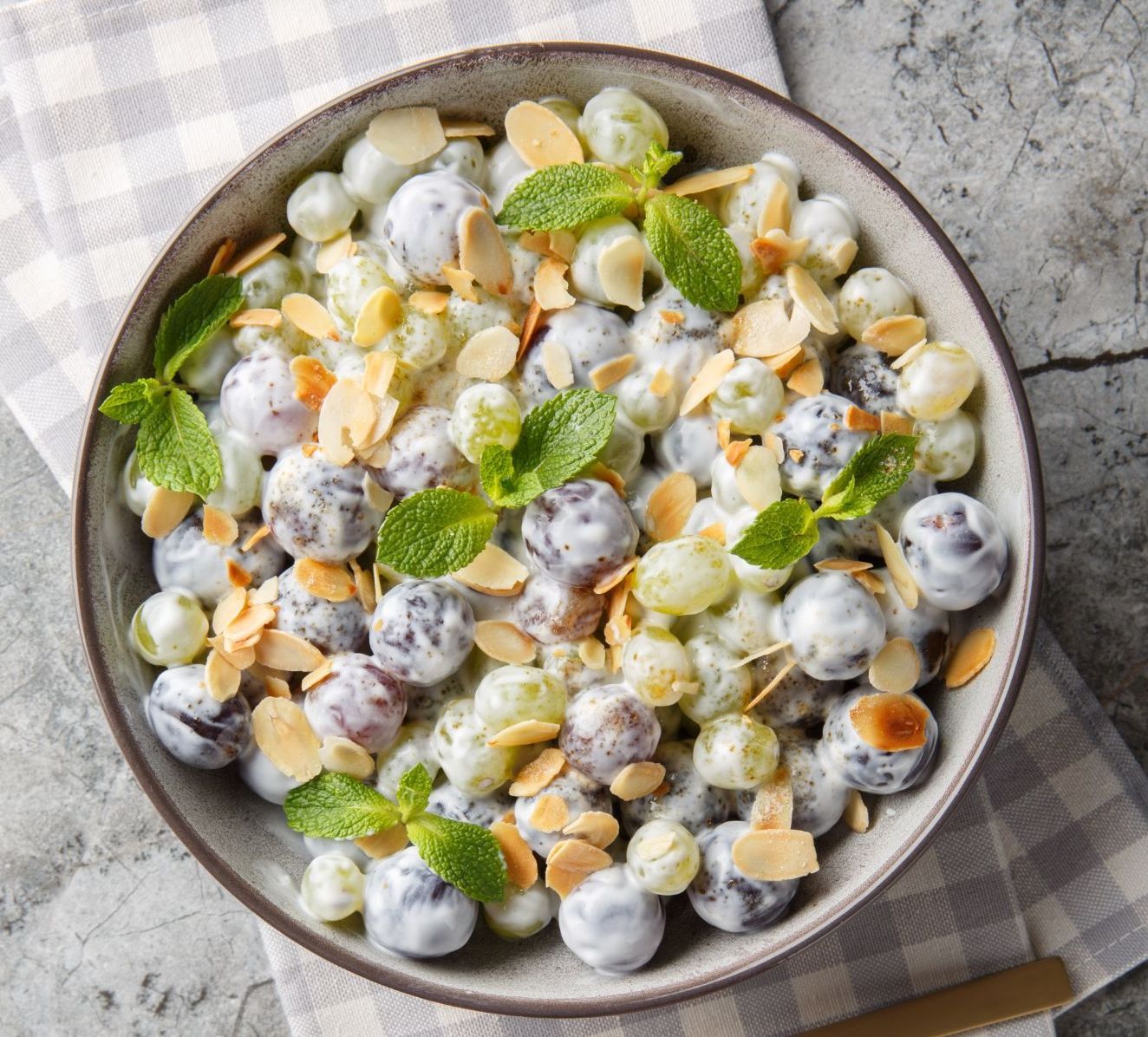
In 2014, the New York Times food section searched the nation for one Thanksgiving recipe to represent each of the 50 states. Minnesota’s pick was grape salad: grapes folded into sour cream, topped with brown sugar and slipped under the broiler. The dish allegedly was chosen by an unnamed "Minnesota-born heiress" who told columnist David Tanis that it had always been part of her family’s holiday buffet.
Minnesotans begged to differ. More than 1,000 readers flooded the outlet’s Facebook page. One woman wrote that she had lived through 74 Thanksgivings in Minnesota and Wisconsin and had never even heard of grape salad. The uproar earned its own hashtag, #grapegate, and the paper’s public editor called it "an epic recipe fail." Readers suggested the state’s true classics instead: wild rice and hotdish, a casserole made with a starch (typically Tater Tots), mushroom soup, vegetables, and a meat protein, like beef, turkey, or chicken.
9
Cheddar cheese on apple pie
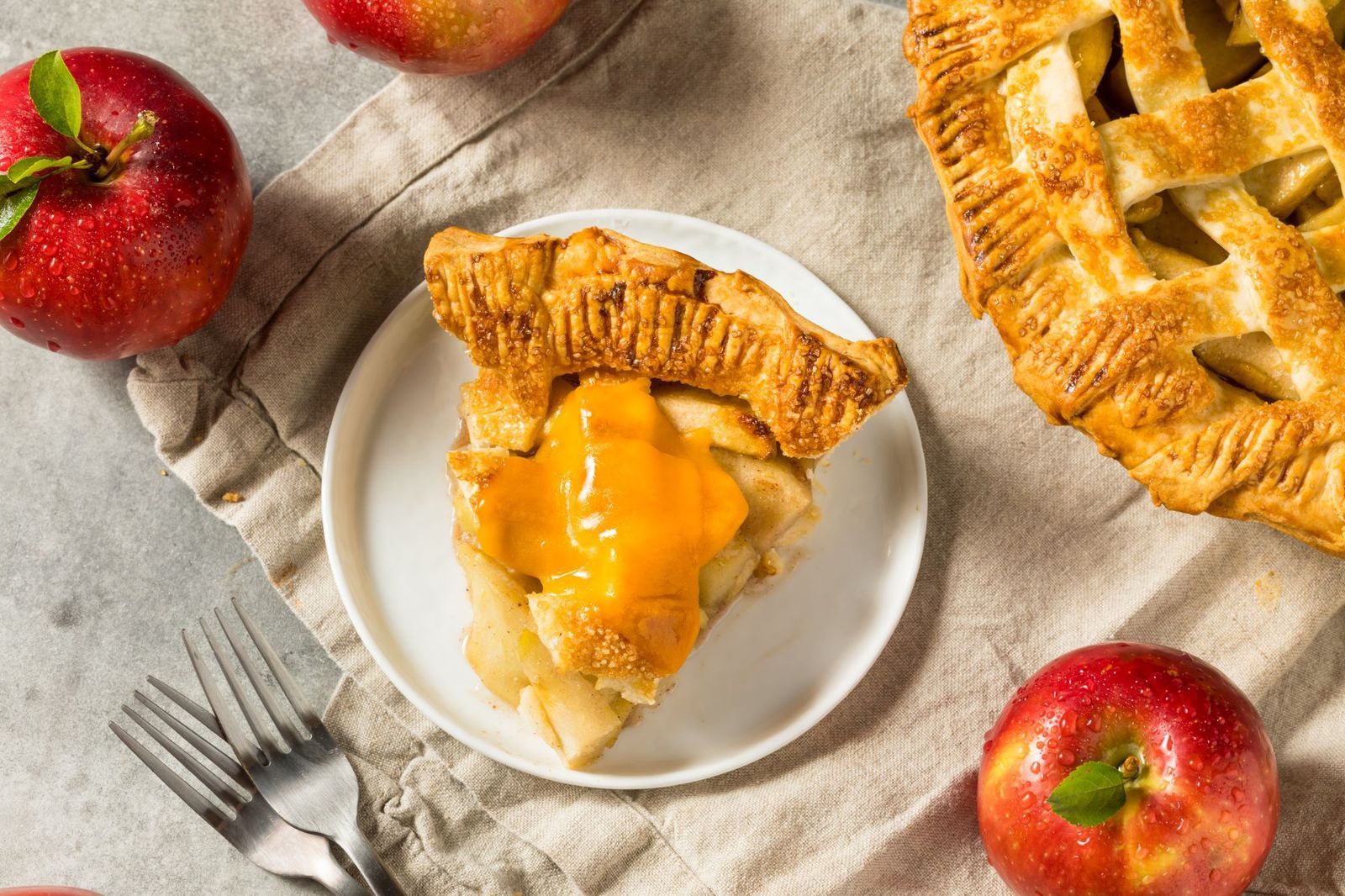
In much of the country, apple pie comes with a scoop of vanilla ice cream. In New England and the upper Midwest, it is just as likely to arrive with a wedge of sharp cheddar on top. The pairing began in England, where Yorkshire cooks served apple pie with crumbly Wensleydale.
In America, the habit thrived in dairy country. Some historical accounts show that cheese was already a regular partner to warm apple pie in the upper Midwest before 1900. In 1999, Vermont made the tradition more official. When it named apple pie the state pie, it asked anyone serving a slice to make a "good faith" effort to offer cold milk, vanilla ice cream, or a slice of cheddar weighing at least half an ounce.
10
Sugar or noodles in potato salad
Potato salad has at least two extra ingredients that are fiercely defended. The first is sugar. In Pennsylvania Dutch country, Amish-style potato salad is sweet and sour. One Pennsylvania recipe calls for three-quarters of a cup of white sugar for just six potatoes . In other places, the sweetness comes through Miracle Whip and sweet pickle relish.
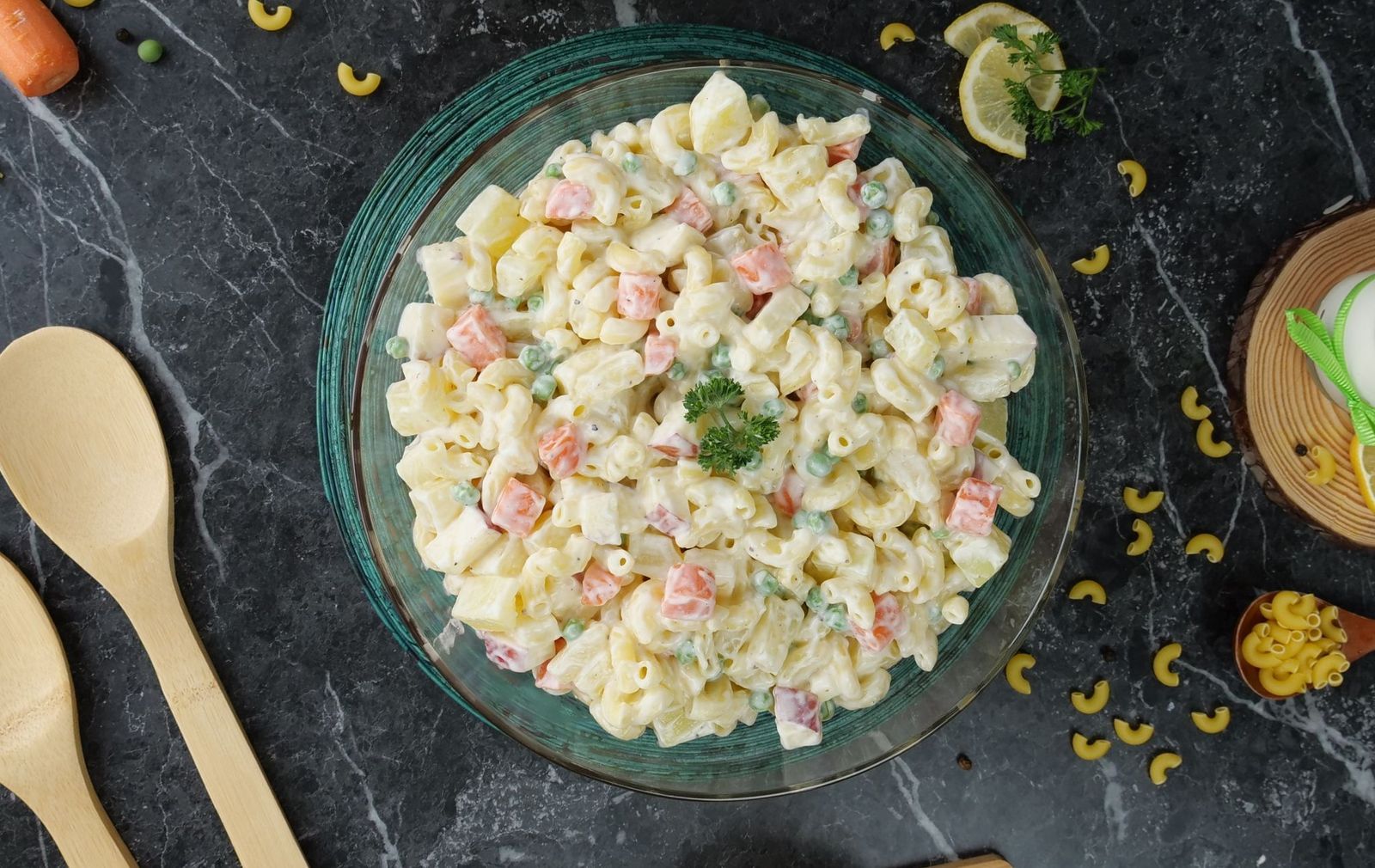
The second addition is pasta. In Hawaii, the beloved lunch plate of rice, meat, and a creamy side often comes with potato-macaroni salad . Local food historians believe plantation workers saw their European bosses eating potato salad and swapped in macaroni, which was cheaper and kept longer. Today potatoes and macaroni share the same bowl, and Zippy’s, Hawaii’s favorite diner chain, makes 46,000 pounds of mac salad every month.