General General 5 min read

Hollywood hometown magic

10 famous movie locations hiding in small towns
Image: Adam Constanza Media

From The Truman Show to Forrest Gump, there are so many classic films that have left a lasting mark on America and the world at large. Have you visited the real-life places that brought these stories to the screen? Here are 10 evocative spots around the country that became part of movie history.

1
Seaside, Florida: The Truman Show
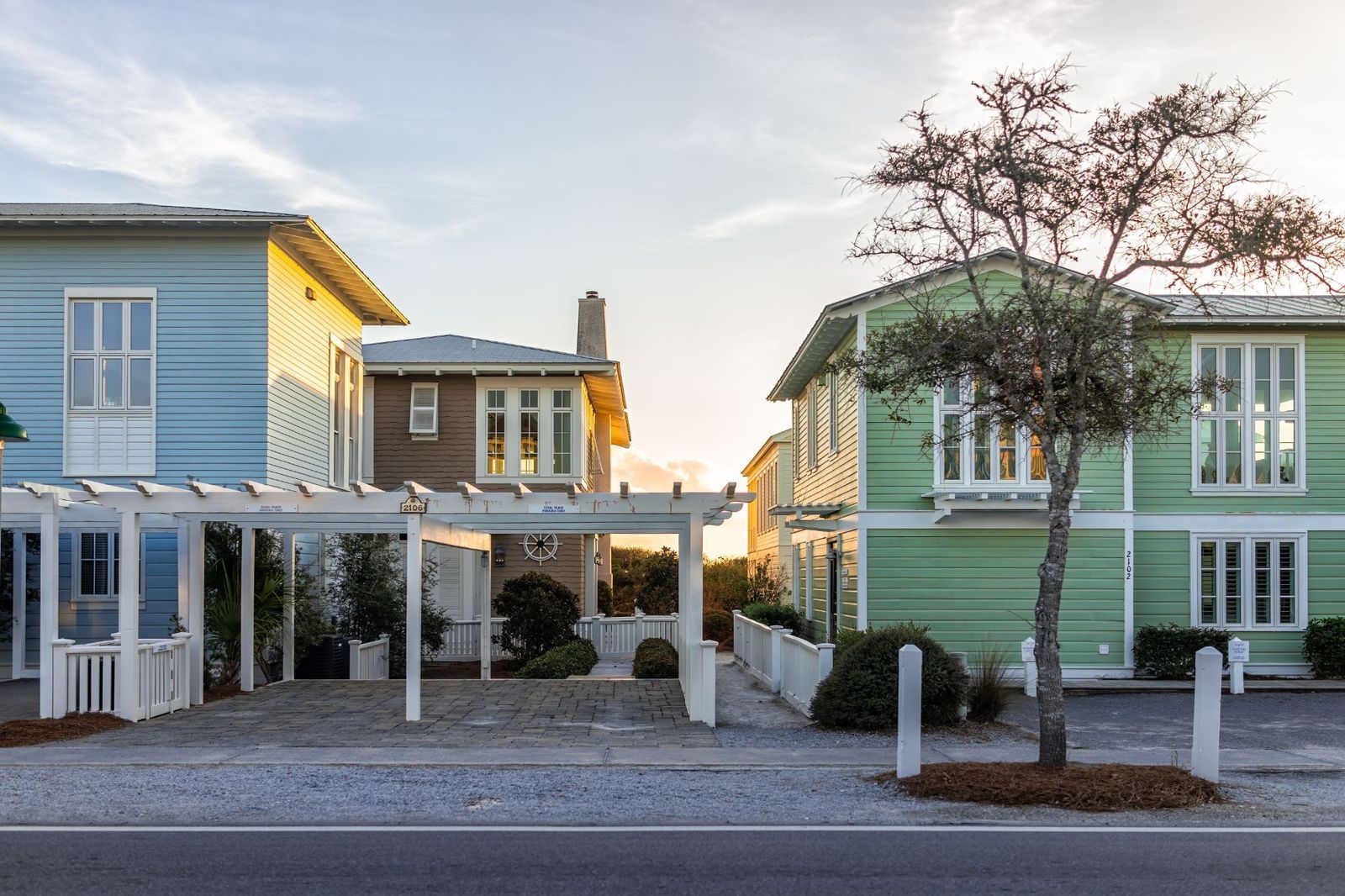
Image: Kristi Blokhin

Seaside, Florida captured the hyper-idyllic essence of the fictional "Seahaven Island" in 1998’s satirical classic, The Truman Show .

Director Peter Weir and his location scouts found the exact picture-perfect community they needed in this town , with its pristine streets, pastel homes, and carefully planned design. That’s why, instead of building a massive Hollywood soundstage, the production team filmed in this 80-acre master-planned coastal community along Northwest Florida's Scenic Highway 30A. The real town became the fictional place where Truman Burbank (Jim Carrey) unknowingly lives inside a television show. The movie helped turn this quiet Florida Panhandle community into a destination for movie fans.

2
Estes Park, Colorado: The Shining
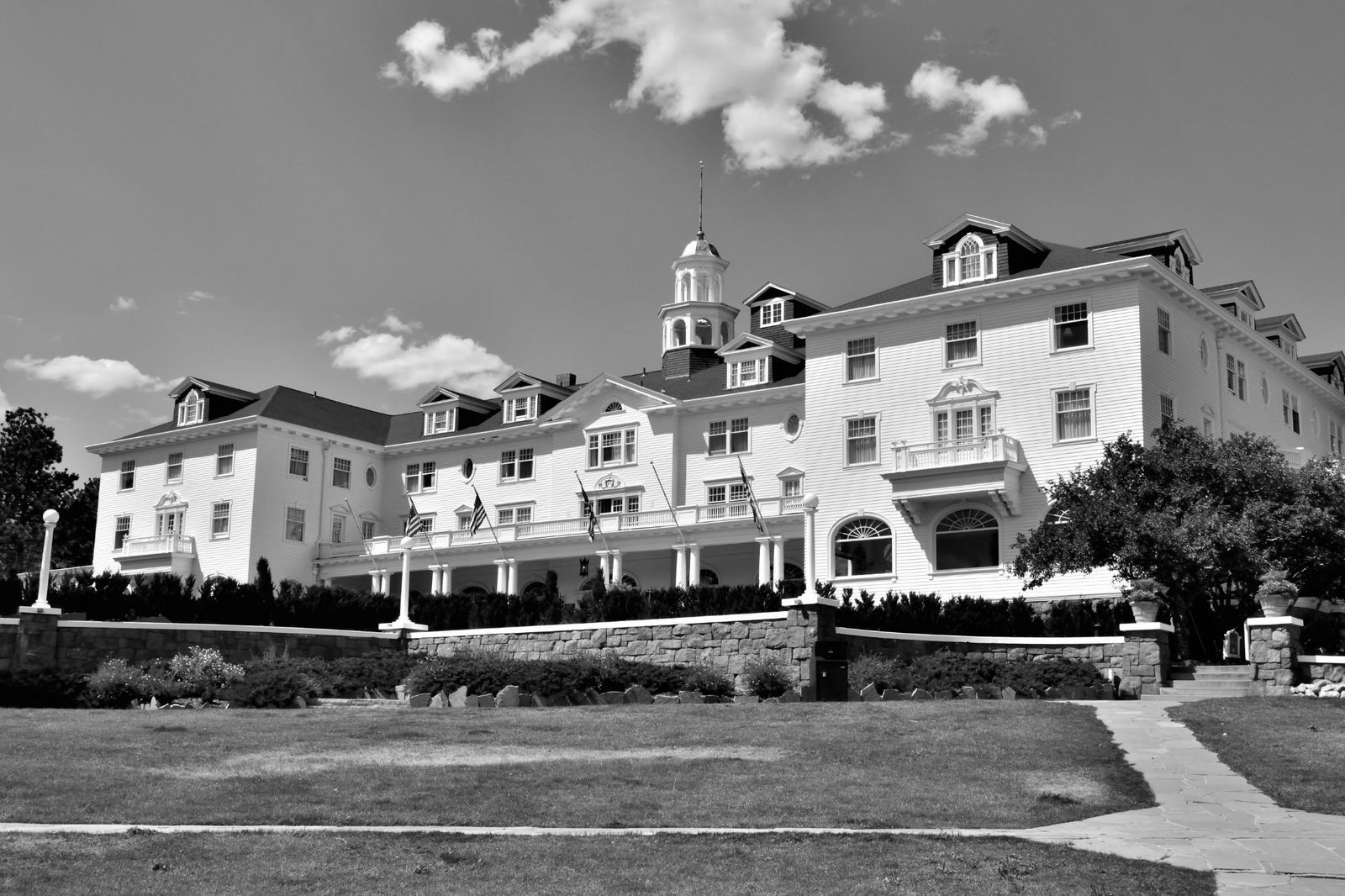
Image: Christophe KLEBERT

Estes Park, Colorado, became famous on the literary and cinematic map because its historic Stanley Hotel inspired Stephen King to write his legendary 1977 horror novel The Shinin g.

King and his wife stayed at the hotel in 1974 when it was nearly empty as the season was ending, which inevitably fueled the author's imagination. Their stay, including a night in Room 217, helped inspire the fictional Overlook Hotel. While Stanley Kubrick filmed the exterior of his 1980 movie elsewhere, the Stanley Hotel became a filming location for the 1997 television miniseries adaptation.

3
Marfa, Texas: Giant
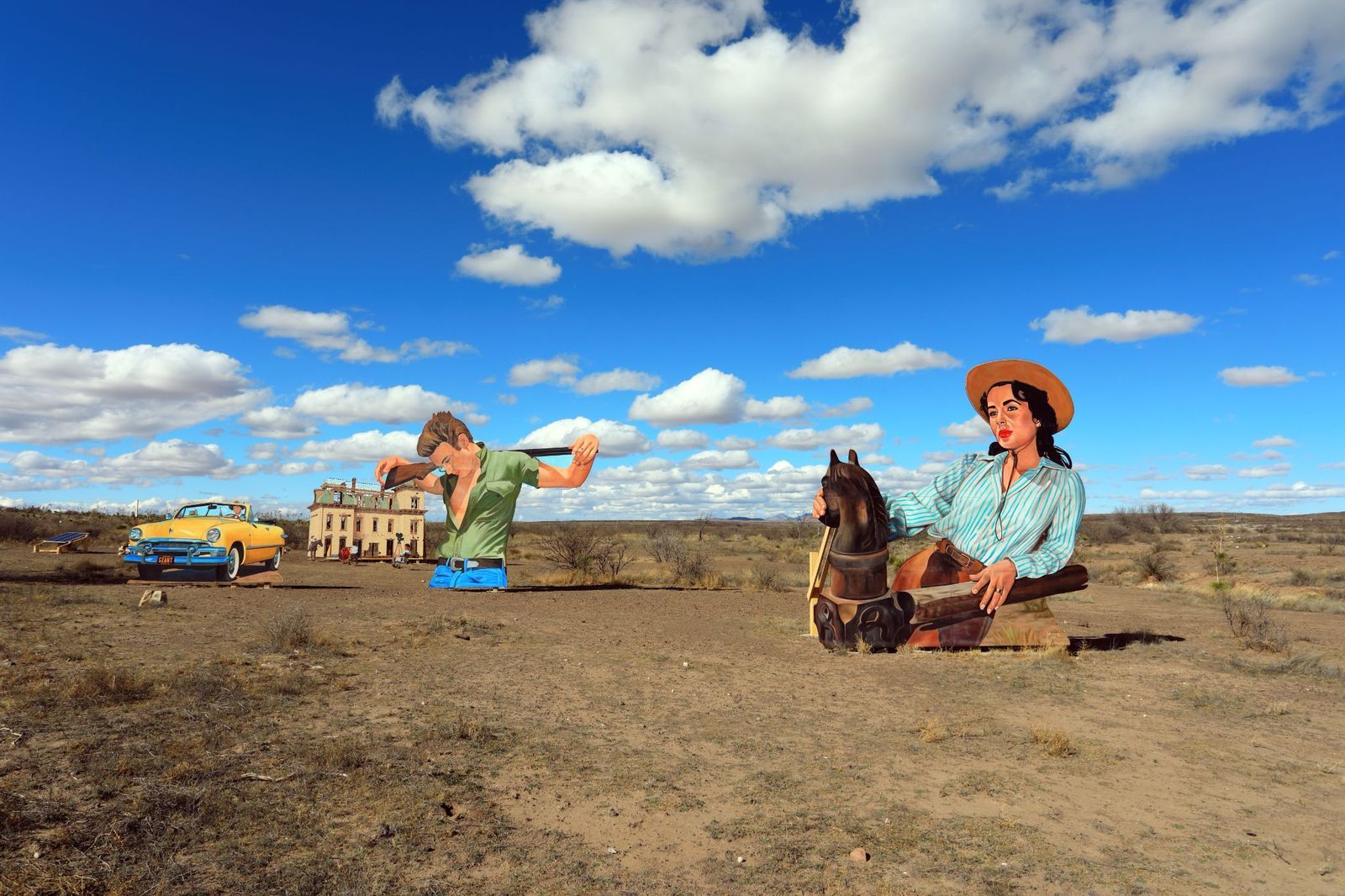
Image: Fotogro

Marfa, Texas became a legendary screen destination when it hosted the 1955 production of the classic Hollywood epic Giant, starring Elizabeth Taylor (Leslie Benedict), Rock Hudson (Bick Benedict), and James Dean (Jett Rink) in his final completed film role.

Director George Stevens used the stark West Texas desert outside Marfa to portray the sprawling "Reata" ranch. The cast and crew stayed at the historic Hotel Paisano during production, which became the center of the shoot’s off-screen life and still displays Giant memorabilia today, including giant roadside cutouts of Taylor, Dean, and Rock Hudson .

4
Monroeville, Alabama: To Kill a Mockingbird
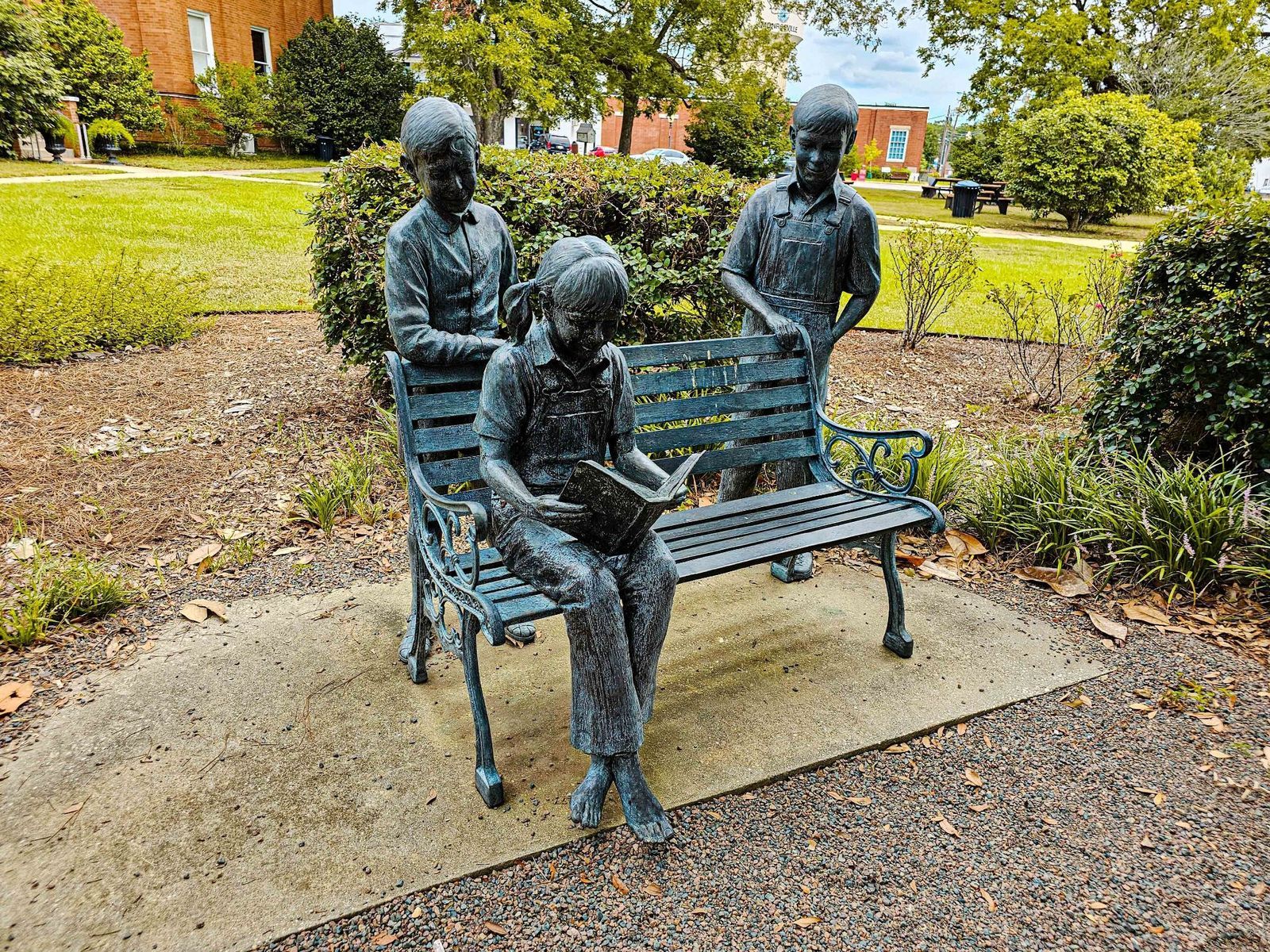
Image: AshleyGary

Monroeville, Alabama, inspired the fictional town of Maycomb in Harper Lee’s novel and the 1962 film adaptation To Kill a Mockingbird . However, the movie was largely filmed on Universal Studios’ backlot in California, rather than in Alabama itself.

Universal’s designers recreated the Southern setting on the studio lot after visiting the location and taking photographs and measurements of the town and courthouse. The courtroom was carefully modeled on the interior of Monroeville’s courthouse, helping make the fictional Maycomb feel remarkably authentic. Today, you can visit the "A Celebration of Reading" sculpture in the same square . Created by Branko Medencica, the bronze sculpture features unidentified characters from the novel, although many reasonably assume they represent Scout, Jem, and Dill.

5
Savannah, Georgia: Forrest Gump
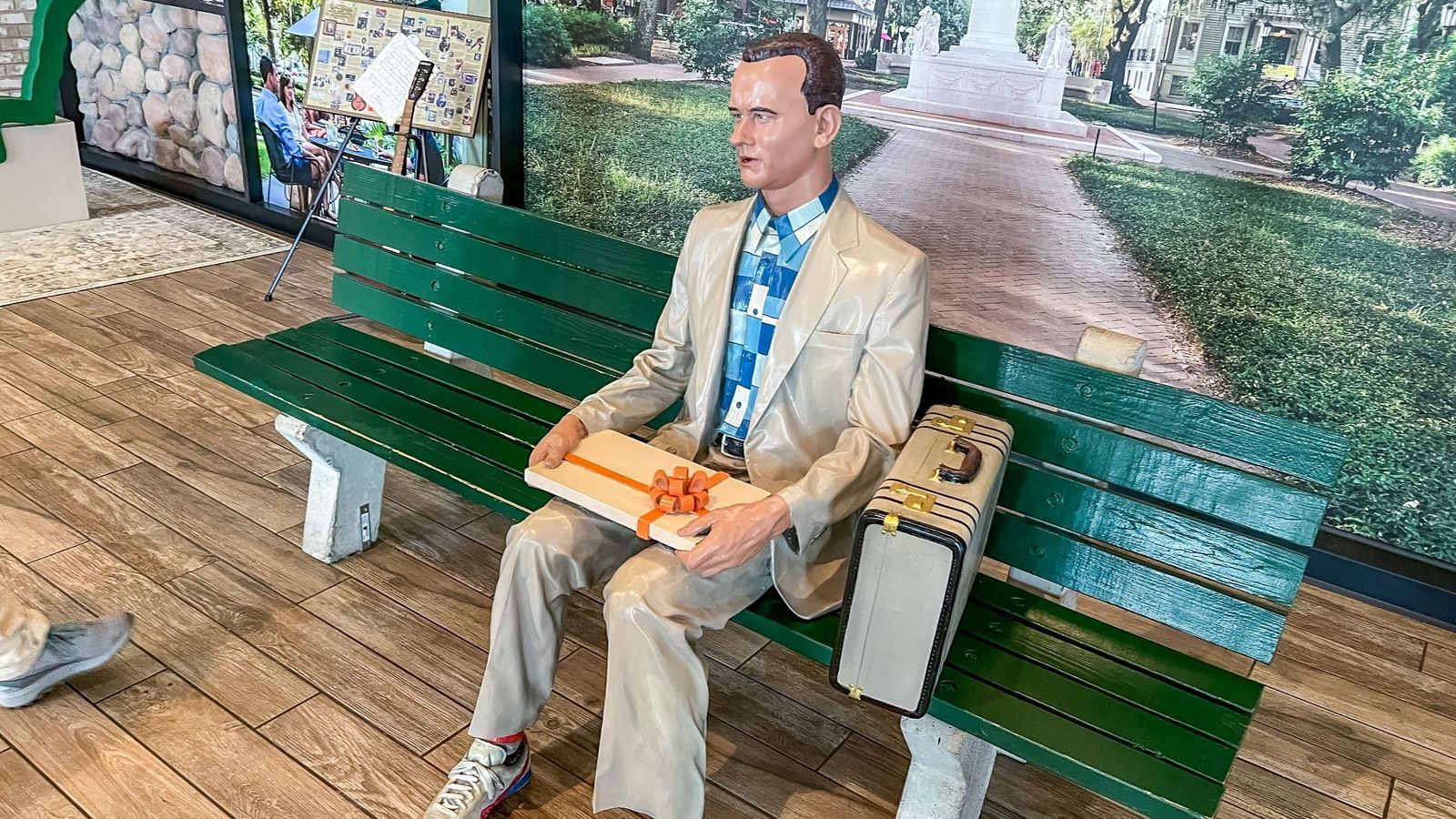
Image: JuliaDorian

Savannah, Georgia provided the setting for some of the most recognizable scenes in 1994’s Forrest Gump .

While the fictional town of Greenbow, Alabama, and many rural landscapes were actually brought to life in other parts of Georgia and South Carolina, this town was the backdrop for the movie’s famous bus-stop scenes, where Forrest (Tom Hanks) sits with his box of chocolates and recounts his life story to strangers. The movie’s opening feather sequence also passes through the city’s historic squares. The bench itself was a movie prop and was removed after filming, although a prop bench is now displayed at the Savannah History Museum.

6
Madison, Indiana: Some Came Running
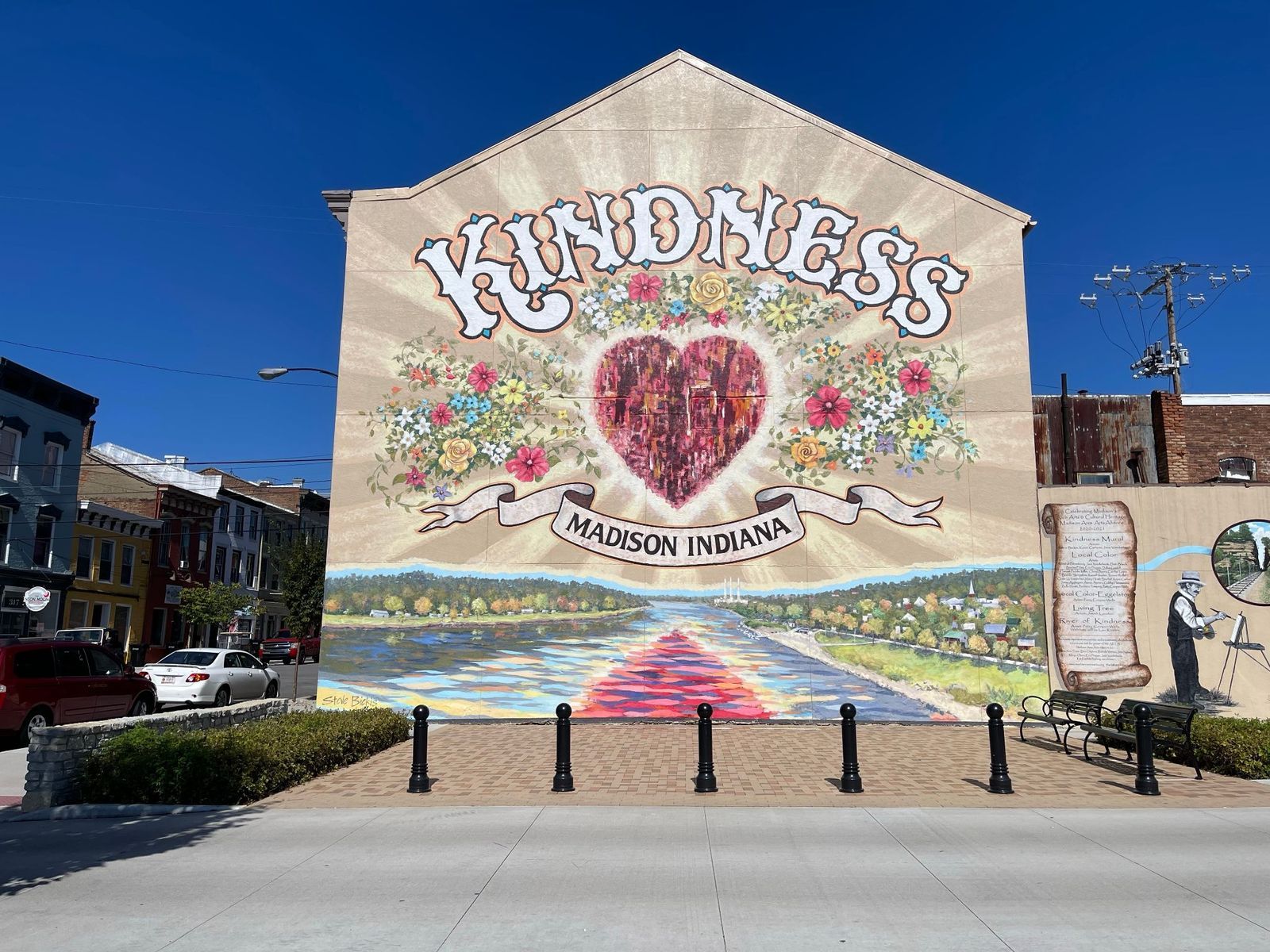
Image: Dad1966

Madison, Indiana became a temporary Hollywood set in 1958 when it served as the primary filming location for the star-studded drama Some Came Running. The movie starred Frank Sinatra as Dave Hirsh , Shirley MacLaine as Ginny Moorehead, and Dean Martin as Bama Dillert.

Directed by Vincente Minnelli, the MGM film was based on James Jones’s novel and used Madison to portray the fictional town of Parkman, Indiana. Much of the movie was filmed in and around Madison, including its streets, homes, and businesses.

7
Rome, Georgia: Remember the Titans
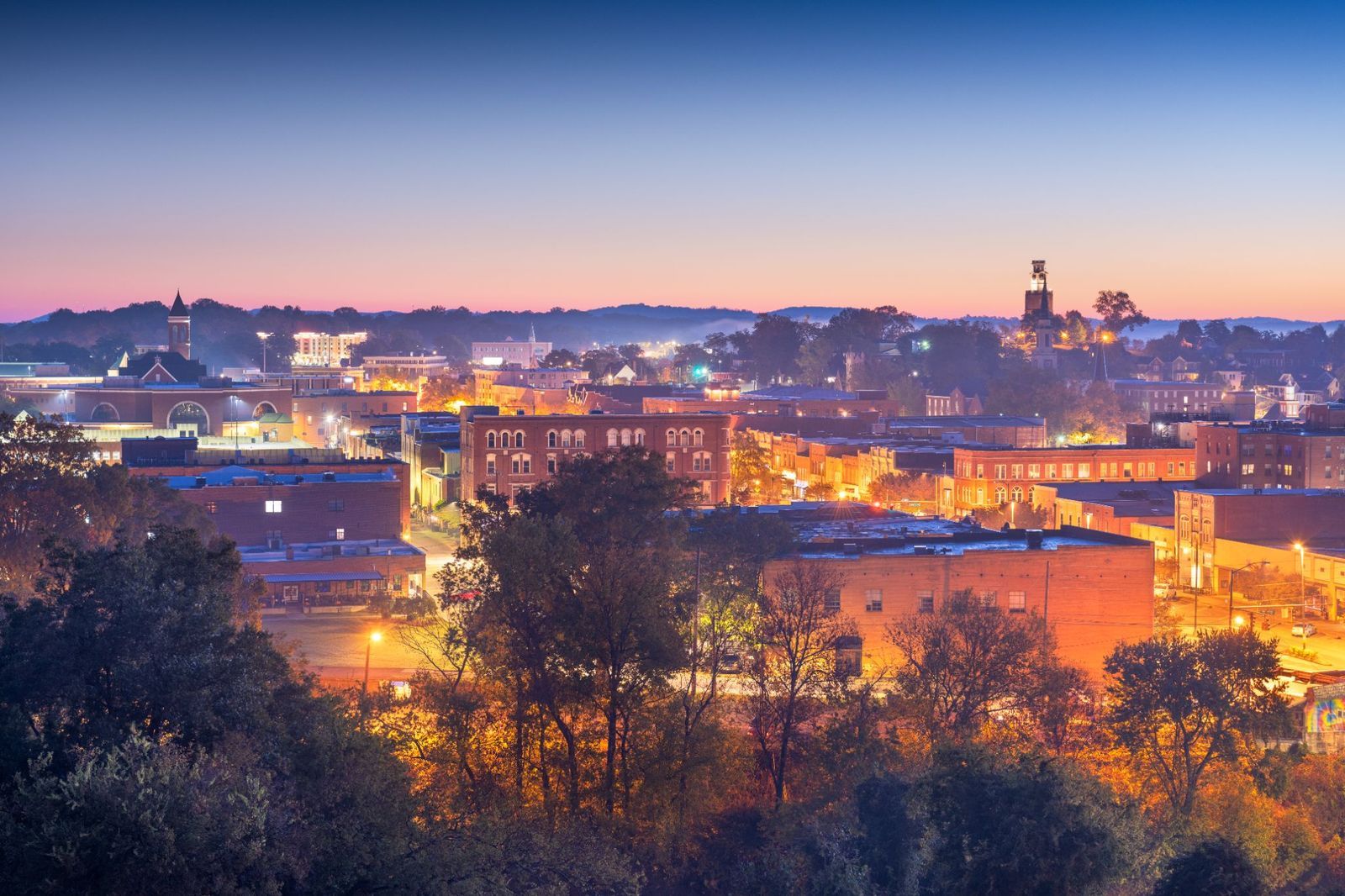
Image: Sean Pavone

Rome, Georgia, stepped into the cinematic spotlight by serving as a backdrop for the 2000 inspirational sports film Remember the Titans .

Specifically, Berry College in Rome provided the setting for the football team’s training camp. The college’s Ford Buildings, Old Mill, Oak Hill, and surrounding forest all appeared in the film. Fans can still recognize parts of the picturesque campus on screen, which was also used for other productions, including Sweet Home Alabama and Stranger Things .

8
Berlin, Maryland: Runaway Bride
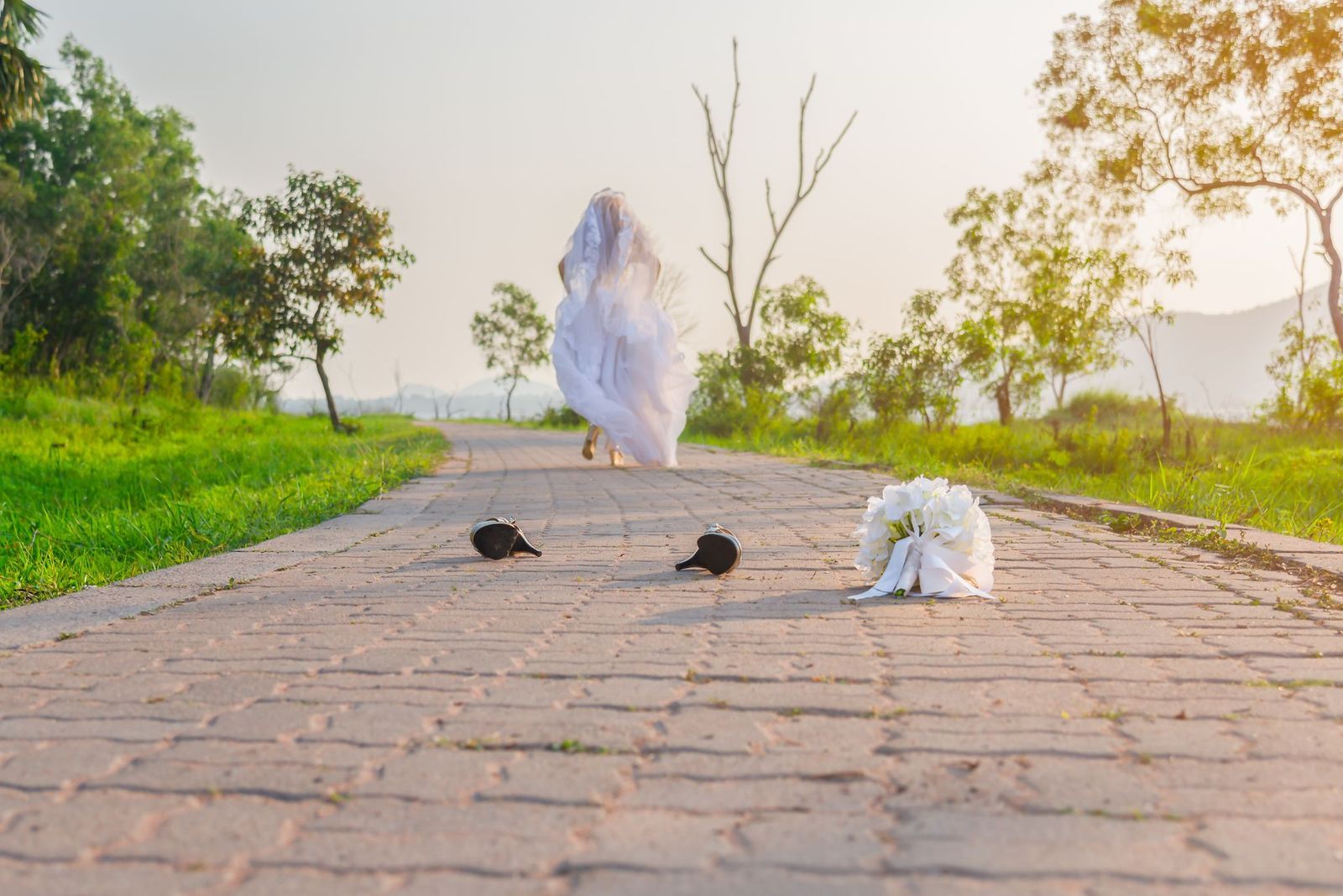
Image: APIWAN BORRIKONRATCHATA

Berlin, Maryland, stood in for the fictional town of Hale in the 1999 romantic comedy Runaway Bride , starring Julia Roberts and Richard Gere. Three weeks of filming in 1998 were estimated to have brought as much as $1 million into the local economy, while the movie’s publicity helped drive a major increase in tourism.

Downtown shops along Main Street—including a local store turned into a bridal boutique and the historic Atlantic Hotel—served as key backdrops. The hotel also became especially associated with Richard Gere, with Room 20 now known as the "Richard Gere Room."

9
Franklin, Tennessee: Hannah Montana: The Movie
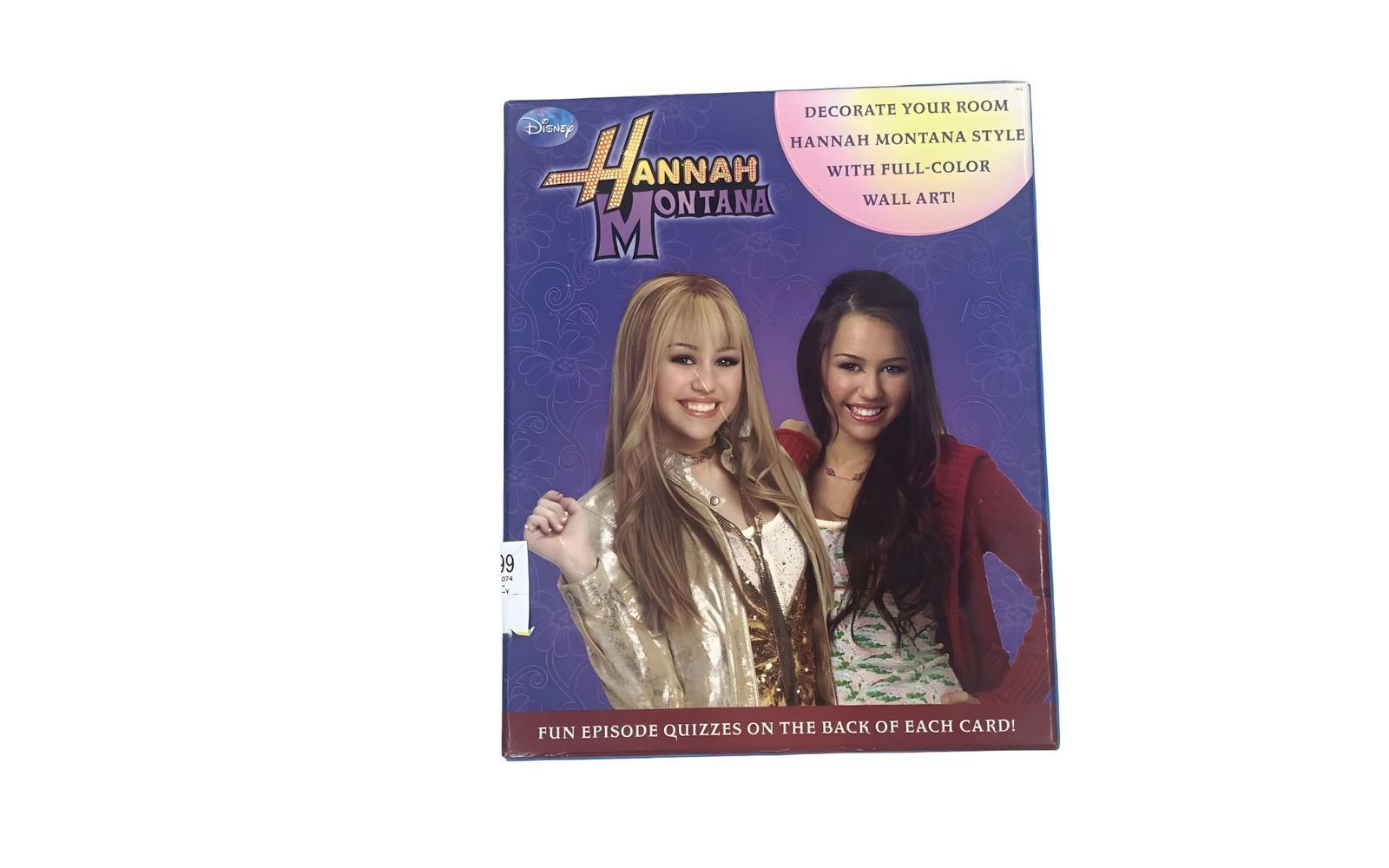
Image: teshail

Franklin, Tennessee, became famous on screen as a key filming location for the 2009 Disney hit Hannah Montana: The Movi e, starring Miley Cyrus as Miley Stewart/Hannah Montana in the role she originated on Disney’s wildly popular TV show.

Among the on-screen highlights in this town, Franklin High School stood in for the fictional Seaview High School, where Miley and Lily (Emily Osment) attend classes. CoolSprings Galleria’s Belk Department Store was also used for a memorable shoe-store scene featuring Hannah and Tyra Banks. The historic downtown area also appears in several scenes, giving the movie a distinctly Tennesseean backdrop.

10
Libby, Montana: The Revenant
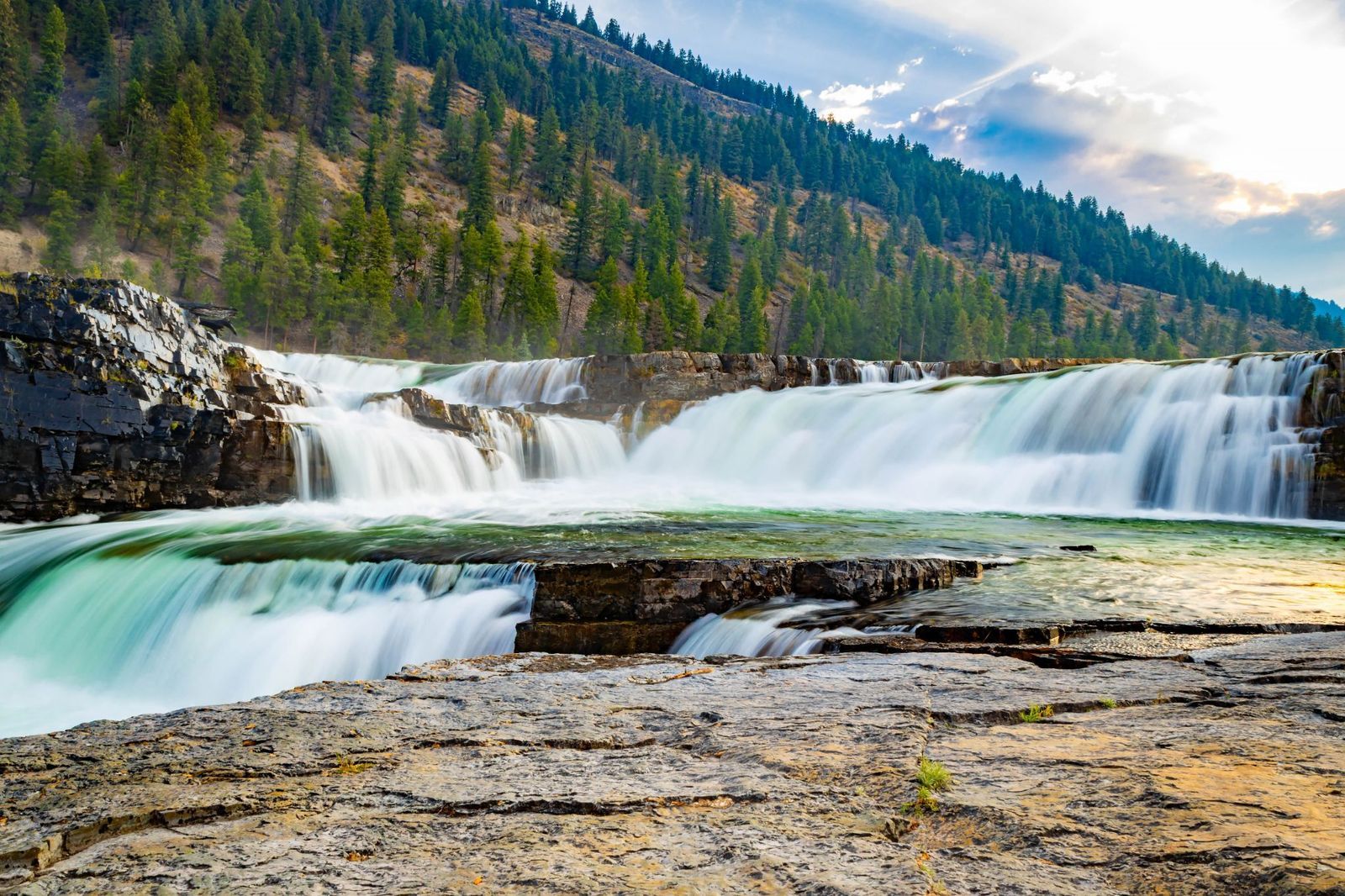
Image: Photo Spirit

Although the movie was filmed in several locations (including the remote wilderness of Canada and south of Argentina), Libby, Montana became a crucial backdrop for the 2015 Oscar-winning epic The Revenant , capturing one of the film’s most gripping and intense sequences.

The specific location used near Libby is Kootenai Falls, one of the largest free-flowing, undammed waterfalls in the Pacific Northwest. In the film, Hugh Glass (Leonardo DiCaprio) desperately escapes an ambush by a party of pursuing Arikara warriors. He throws himself into the churning rapids and is violently swept downstream before plunging straight over the edge of a massive waterfall. The sequence took 10 full days to film on location.
History History 6 min read

Space Race

The bra makers who secretly built the Apollo spacesuits

Image: Jack Weir (1928-2005), Public domain, via Wikimedia Commons

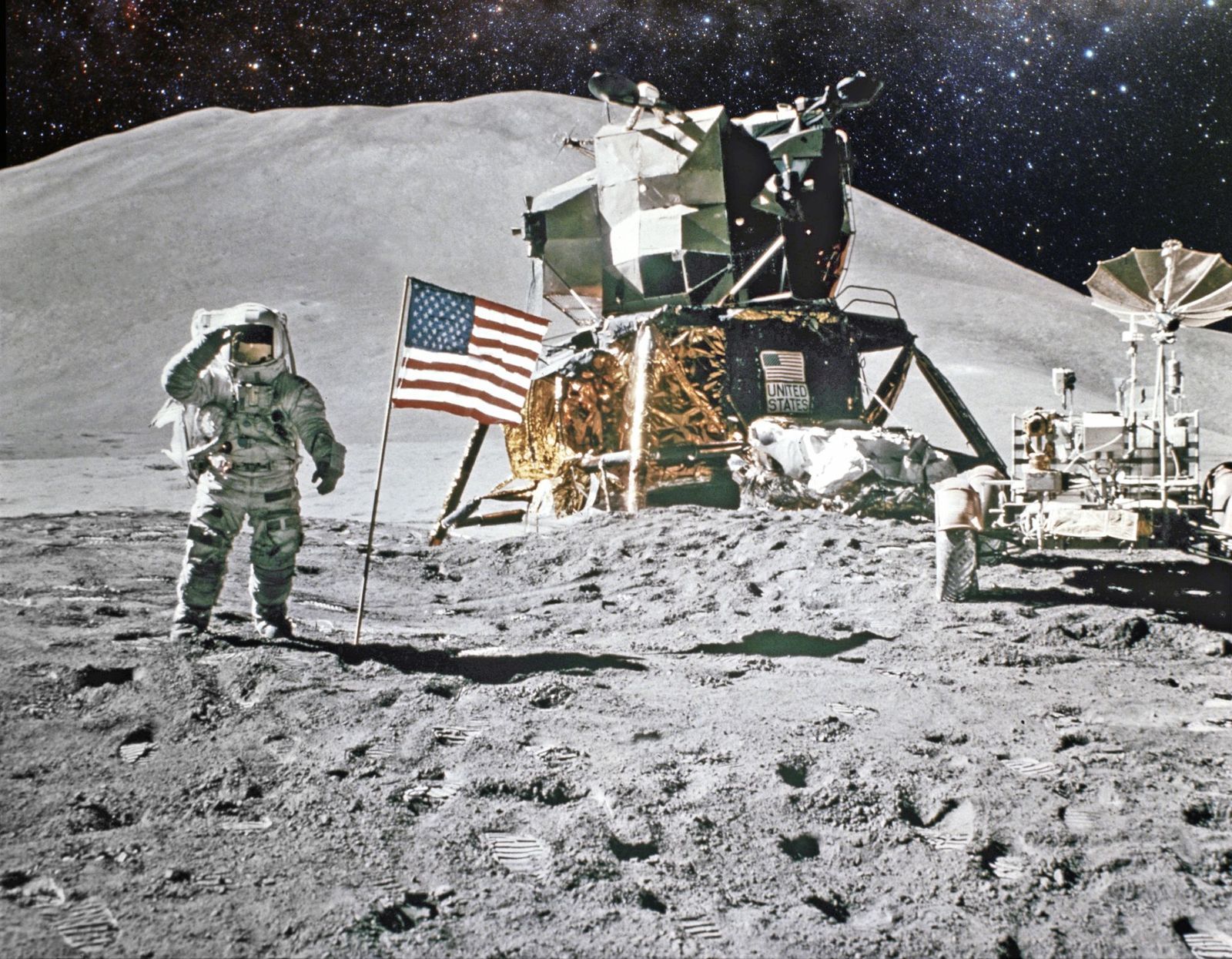
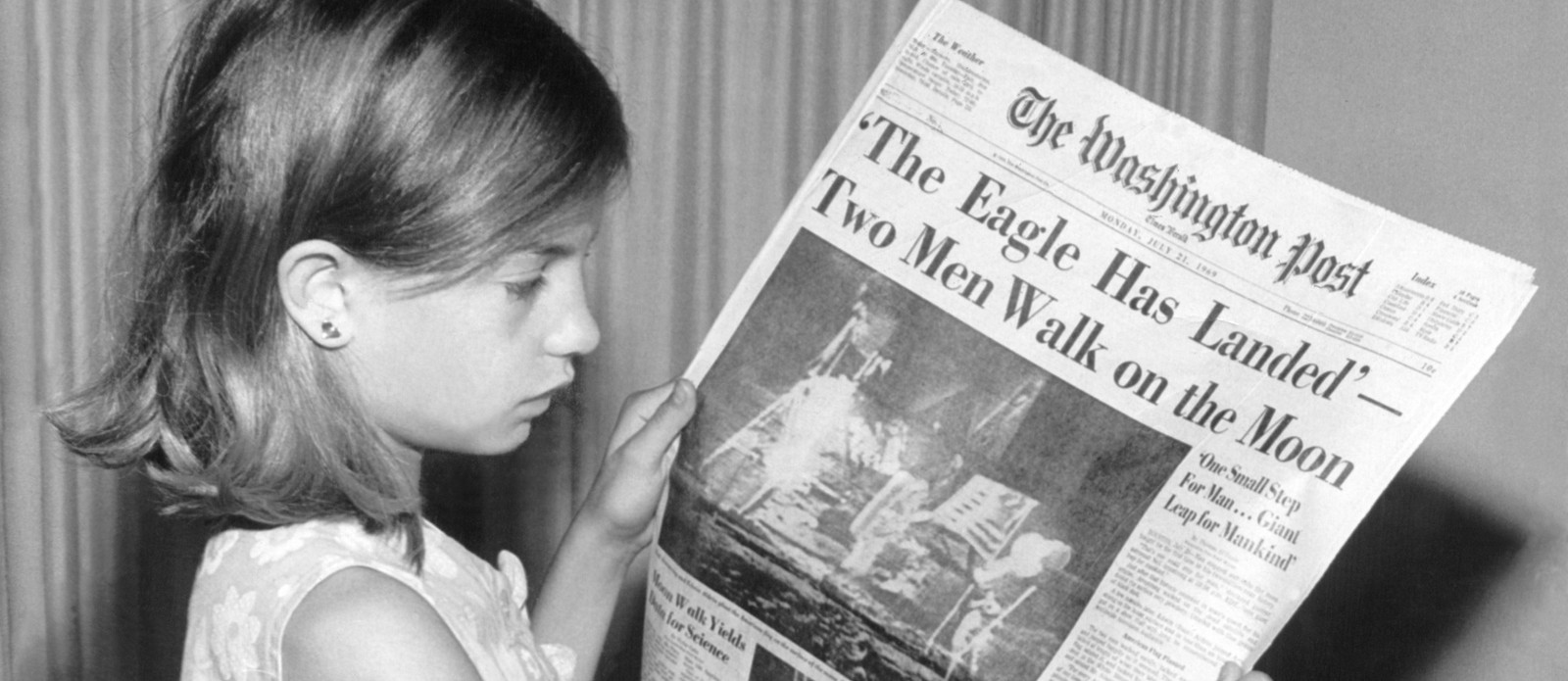
Did you know that Apollo 11 had just 25 seconds of fuel to spare when it made its historic 1969 moon landing? Or that a chimpanzee named Ham flew to space first to prove it was safe for humans? Behind the Apollo 11 flag, the spacesuits, and that giant leap sits a decade of secrets, near misses, and stories NASA never advertised. Here are 10 true stories from the Space Race that will change how you see those famous photographs.

1
Apollo 11 touched down with roughly 30 seconds of reserve fuel

Image: Neil A. Armstrong, Public domain, via Wikimedia Commons

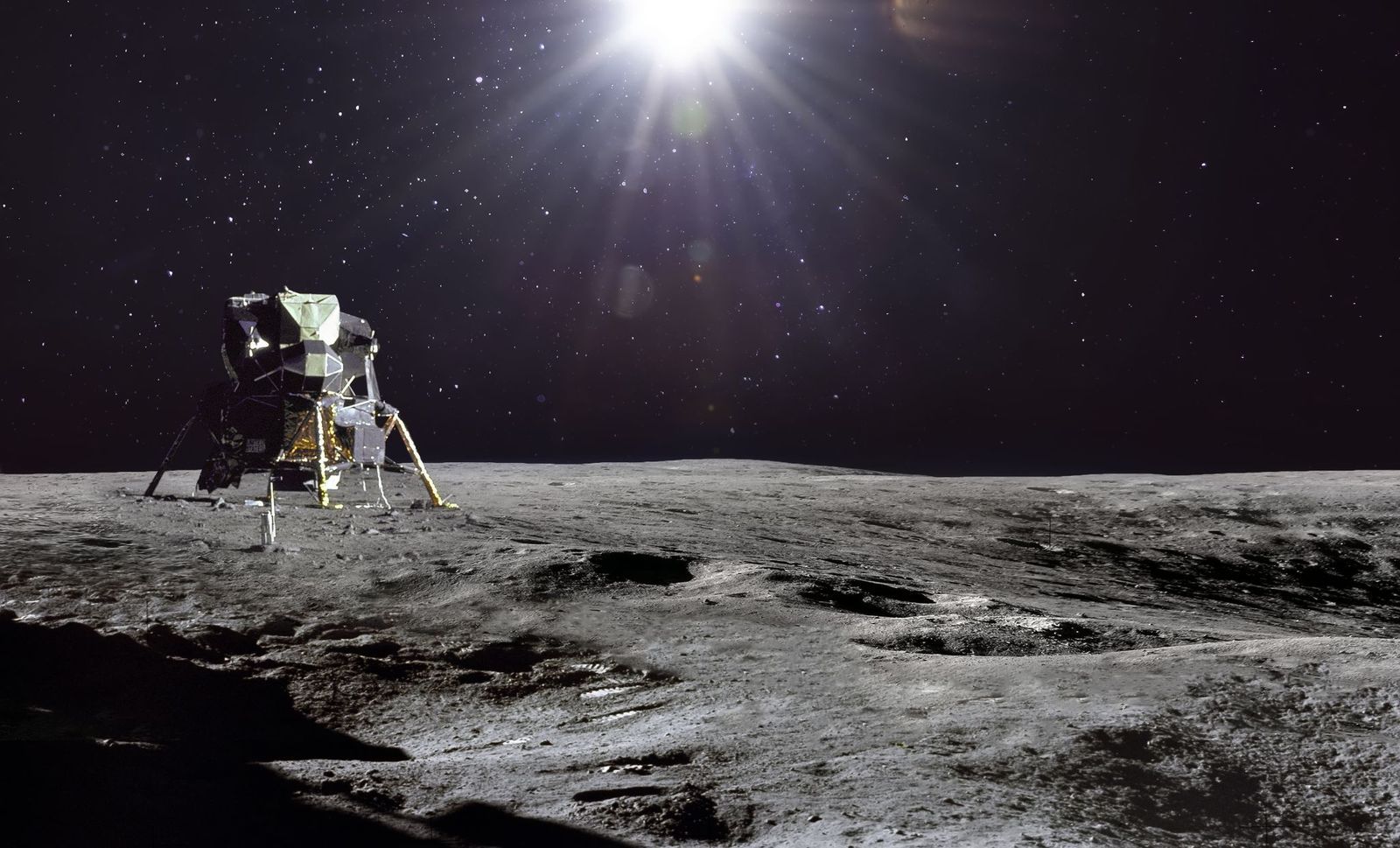
As Eagle descended toward the Sea of Tranquility on July 20, 1969, Neil Armstrong looked out the window and realized the computer was guiding them straight into a field of car-sized boulders.

He took semi-manual control, tilting the module forward to search for a clearer patch of ground while Mission Control in Houston counted down the remaining fuel out loud . Sixty seconds. Then 30. Buzz Aldrin called out altitude and speed as dust kicked up by the engine made it nearly impossible to judge distance. Armstrong finally set Eagle down with somewhere between 20 and 25 seconds of fuel left before an automatic abort would have kicked in, a margin thinner than most people realize watching the calm broadcast years later.

2
The iconic lunar flag was an altered five-dollar store-bought banner

Image: Castleski

With less than three months before launch, NASA engineer Jack Kinzler was handed an unusual assignment: figure out how to make a flag look like it was flying on a world with no wind.

Kinzler, known around the Manned Spacecraft Center as Mr. Fix It, remembered watching his mother hang curtains as a child and sketched a horizontal rod that would run through the top of an ordinary nylon flag , letting it hang stiff instead of drooping.

3
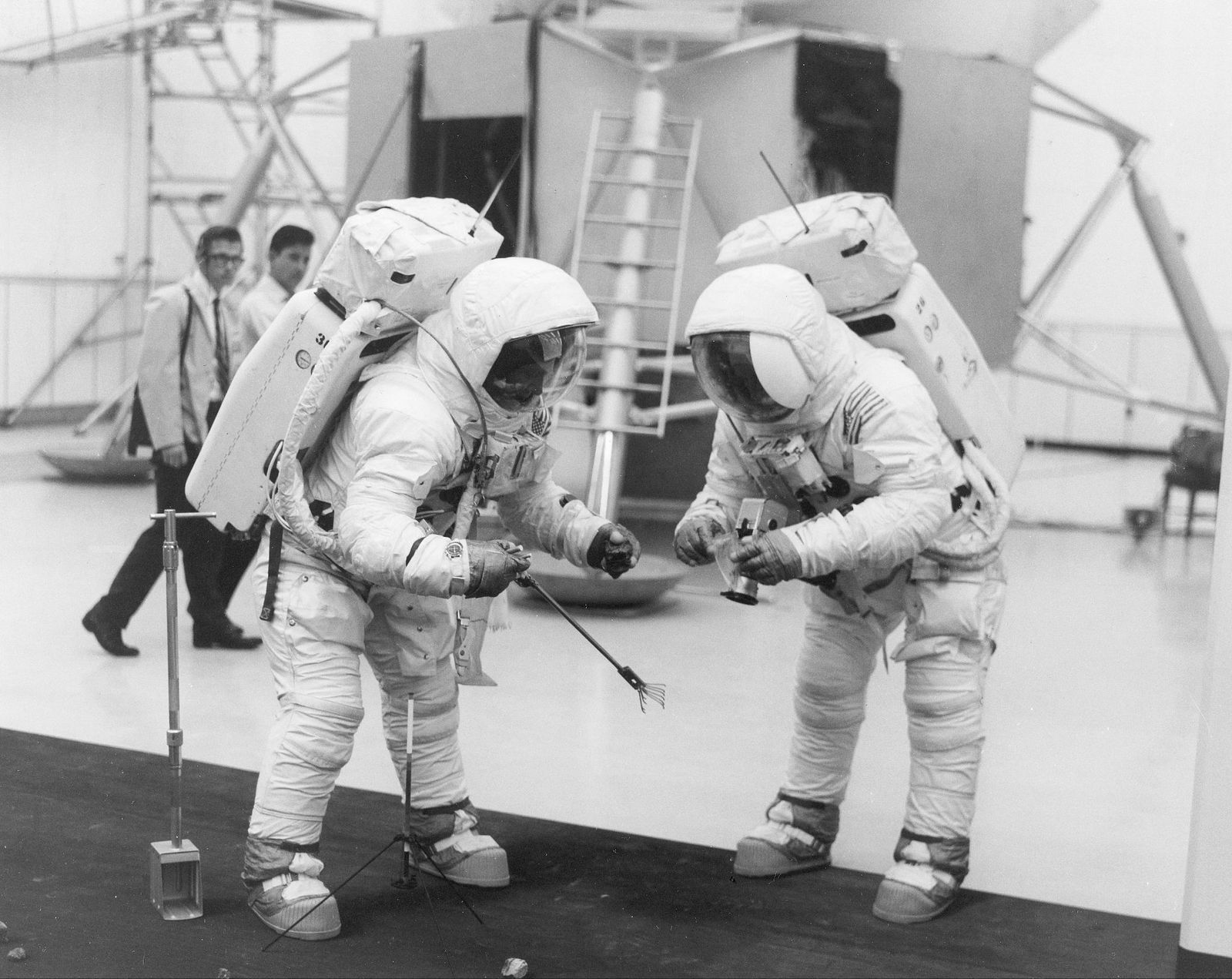
Playtex seamstresses hand-stitched the Apollo spacesuits

Image: Project Apollo Archive, Public domain, via Wikimedia Commons

In a former girdle factory in Dover, Delaware, women who had spent years sewing Playtex bras and girdles found themselves building the suit that would keep Neil Armstrong alive on the Moon.

NASA had tried stiff, engineered suits from aerospace contractors first, but nothing offered the mobility required for a human body. The International Latex Corporation, the company behind Playtex, won the contract instead, and its seamstresses stitched together 21 layers of nylon, Teflon-coated fabric, and rubber by hand, working to a tolerance of one 64th of an inch on ordinary Singer machines. No automated equipment could be trusted with a mistake that meant the difference between life and death in a vacuum, so the same hands that once sewed Cross Your Heart bras sewed history instead.

4
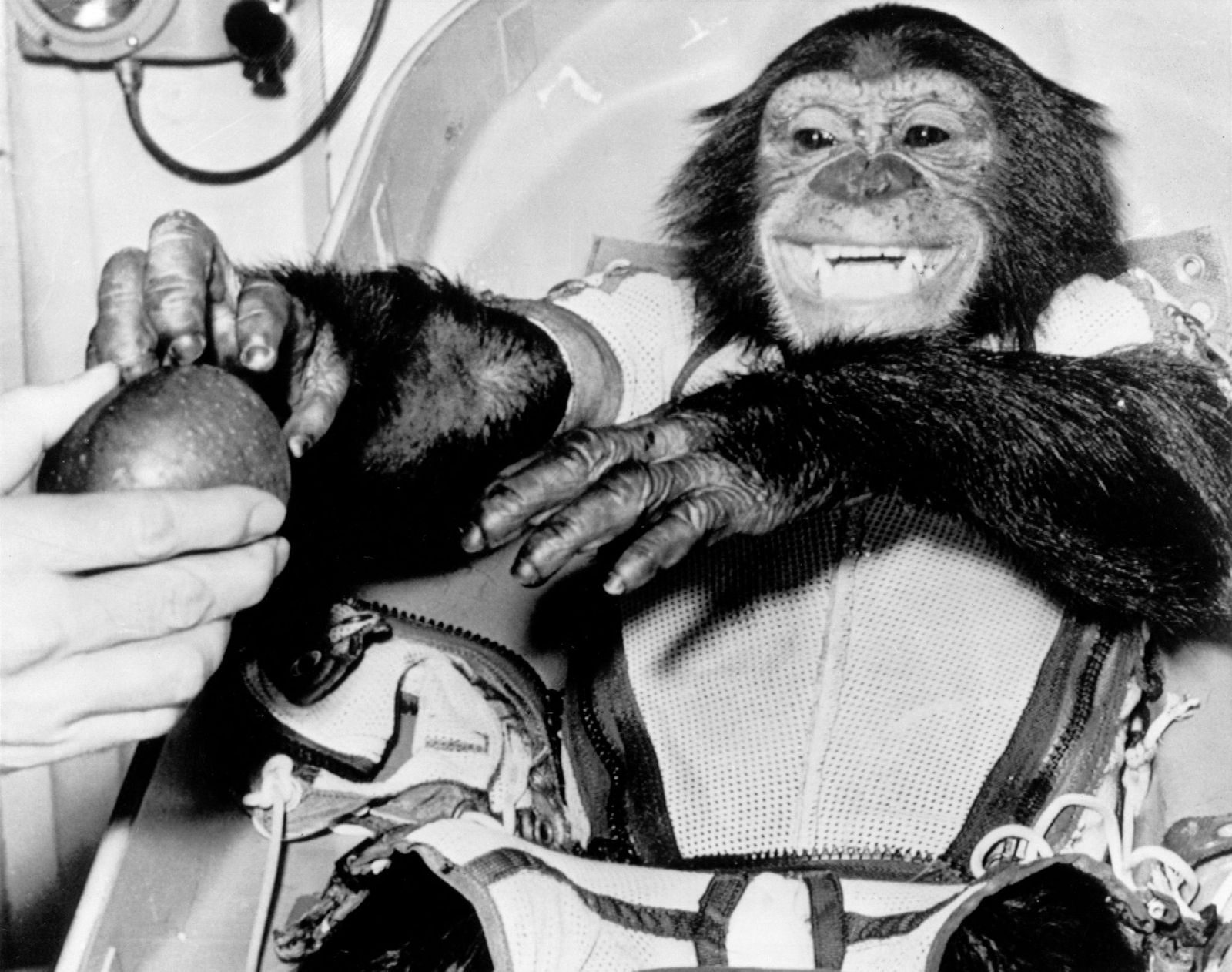
Ham the Astrochimp completed a suborbital flight in 1961

Image: NASA, Public domain, via Wikimedia Commons

Three weeks of training at Holloman Air Force Base in New Mexico came down to one morning: January 31, 1961.

A three-and-a-half-year-old chimpanzee, known to engineers simply as Number 65, was strapped into a Mercury capsule atop a Redstone rocket that launched from Cape Canaveral, Florida. His job was to pull levers in response to lights, proving an astronaut's mind could still function under the crushing forces of launch. A malfunction pushed the flight higher and faster than planned, reaching 157 miles and landing far off course in the Atlantic. He survived, tired and dehydrated but unharmed , and only afterward was given the name Ham, for the lab that trained him. Three months later, Alan Shepard became the first American in space.

5
Michael Collins became the most isolated person in human history

Image: Alones

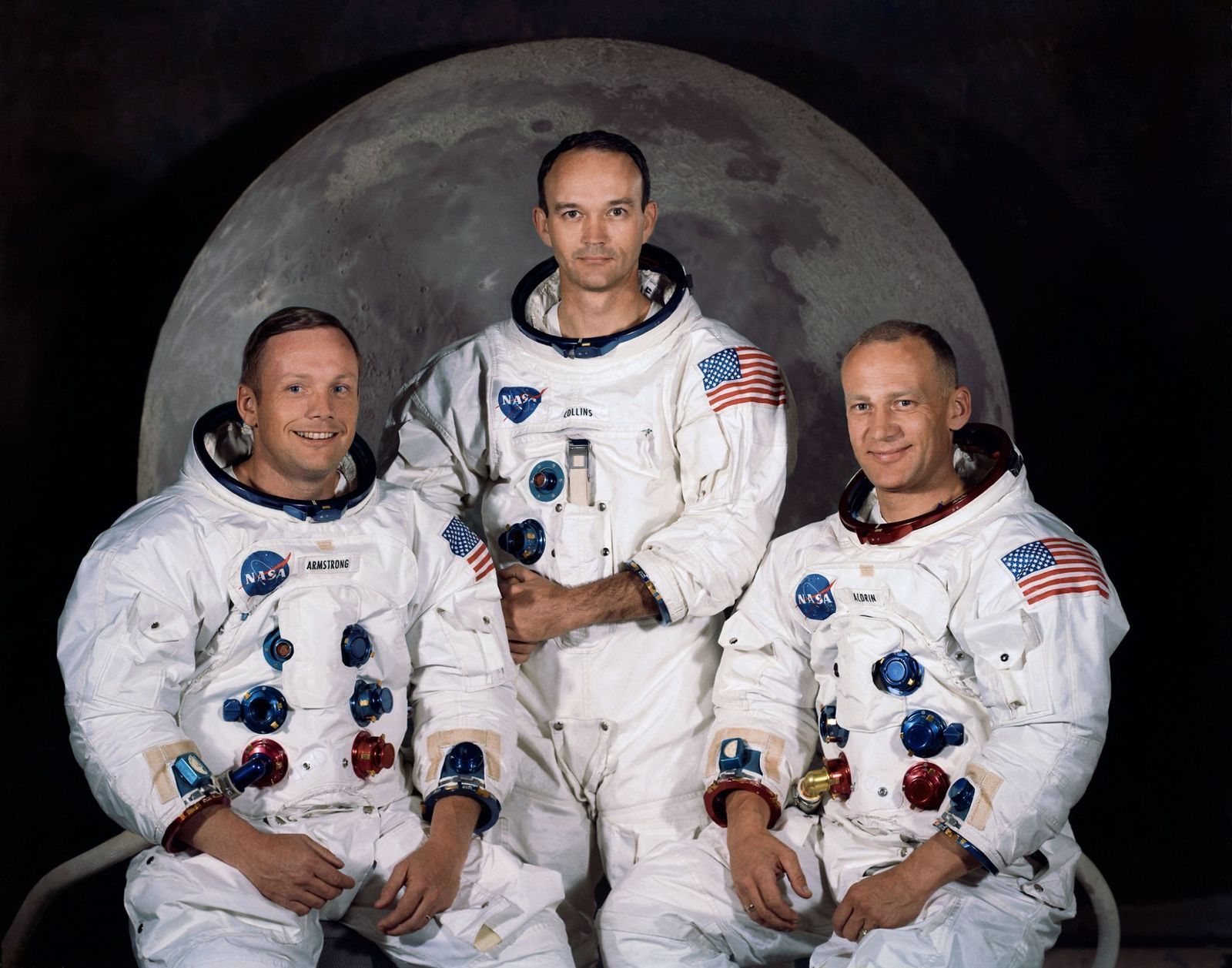
While Neil Armstrong and Buzz Aldrin walked on the lunar surface, their crewmate Michael Collins circled overhead alone in the command module Columbia.

For roughly 47 minutes of every two-hour orbit, the entire body of the Moon passed between Columbia and Earth, cutting off every radio signal from Mission Control and from his two crewmates below. Flight commentator Charlie Duke described it on the air: "not since Adam has any human known such solitude." Collins later wrote that he never actually felt lonely during those blackout stretches, only quietly aware that he was, by any physical measure, the single most isolated human being who had ever lived, with three billion people on one side of the Moon and just himself on the other.

6
The Soviet Union made the first lunar impact in 1959

Image: R. Bruneau, Public domain, via Wikimedia Commons

On September 12, 1959, a Soviet spacecraft the size of a large beach ball lifted off from Baikonur, deep in the Kazakh steppe. Two days later, Luna 2 slammed into the Moon near the craters Aristillus and Autolycus , becoming the first human-made object to ever touch another world.

Engineers in Moscow had built in a strange detail: the probe carried small metal pennants stamped with the hammer and sickle, meant to scatter across the lunar surface on impact. The timing stung in Washington. Soviet premier Nikita Khrushchev arrived in the United States for a state visit just days later, carrying a replica pennant as a gift for President Eisenhower, a not-so-subtle reminder of who had reached the Moon first.

7
Apollo 11 concluded the initial Space Race

Image: NASA, Public domain, via Wikimedia Commons

In May 1961, President John F. Kennedy stood before Congress and made a promise that sounded impossible: the U.S. would land a man on the Moon and bring him home safely before the decade was out.

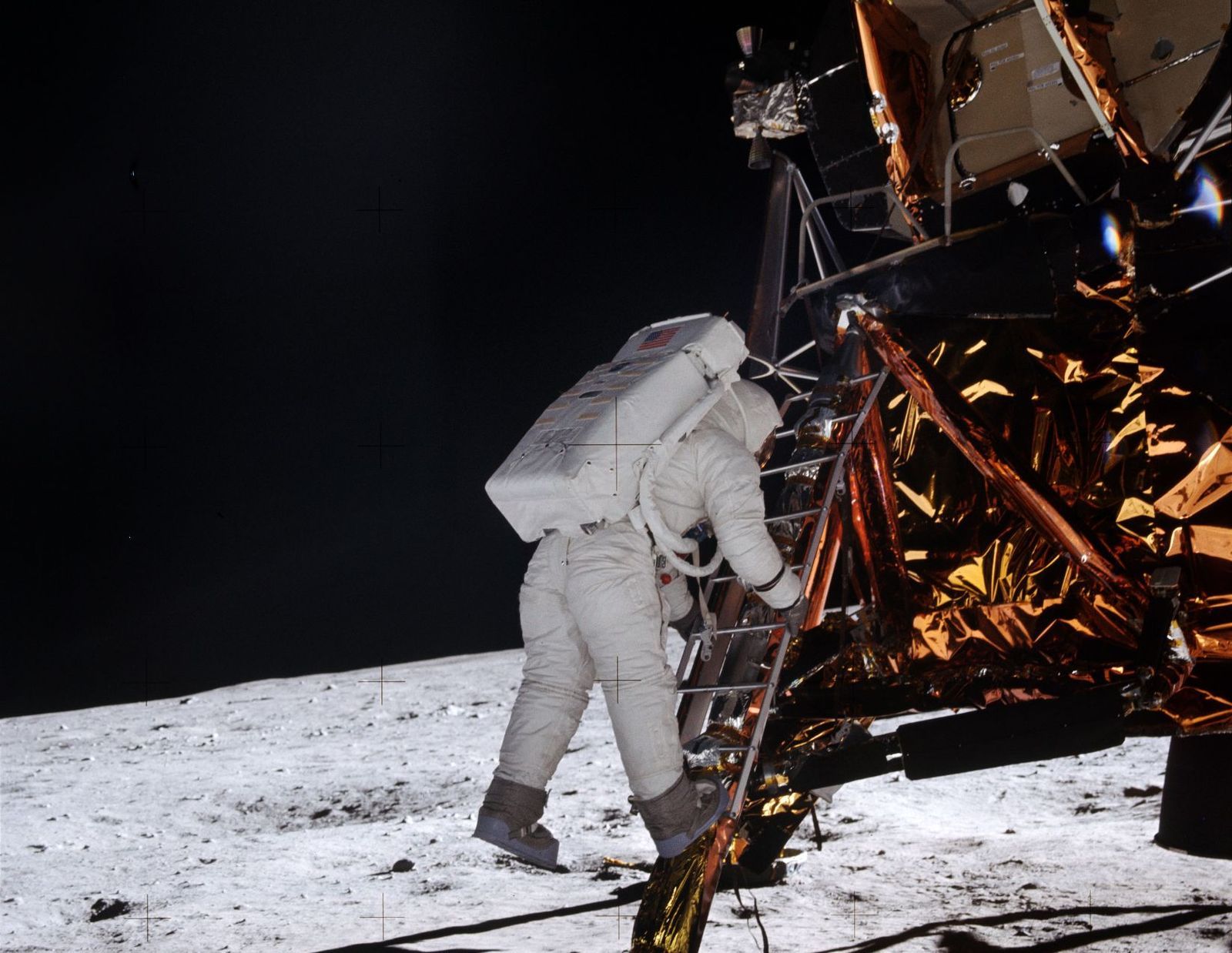
Eight years, several deaths, and one nearly disastrous fire later, Neil Armstrong stepped off the ladder of the lunar module Eagle on July 20, 1969 , and told millions watching on television that it was one small step for a man. Buzz Aldrin followed him down minutes later while Michael Collins orbited above in the command module. The landing settled a technological race that had begun with Sputnik in 1957, and for the United States, it closed the gap the Soviets had opened years earlier.

8
The lunar module was built without seats

Image: Dima Zel

Every extra pound sent to the Moon meant thousands of extra pounds of fuel needed to get it there, so NASA engineers stripped the lunar module Eagle down to its bare essentials, cutting anything that was not strictly necessary for survival.

One of the first things to go was seating. Neil Armstrong and Buzz Aldrin flew their roughly 60-mile descent to the lunar surface standing up , held in place by cables and foot restraints, much like subway commuters gripping a pole during rush hour. Standing also gave the astronauts a clearer view out the small triangular windows, which mattered enormously once Armstrong realized the automatic system was steering them toward a boulder field. The decision made purely for weight savings ended up helping save the landing itself.

9
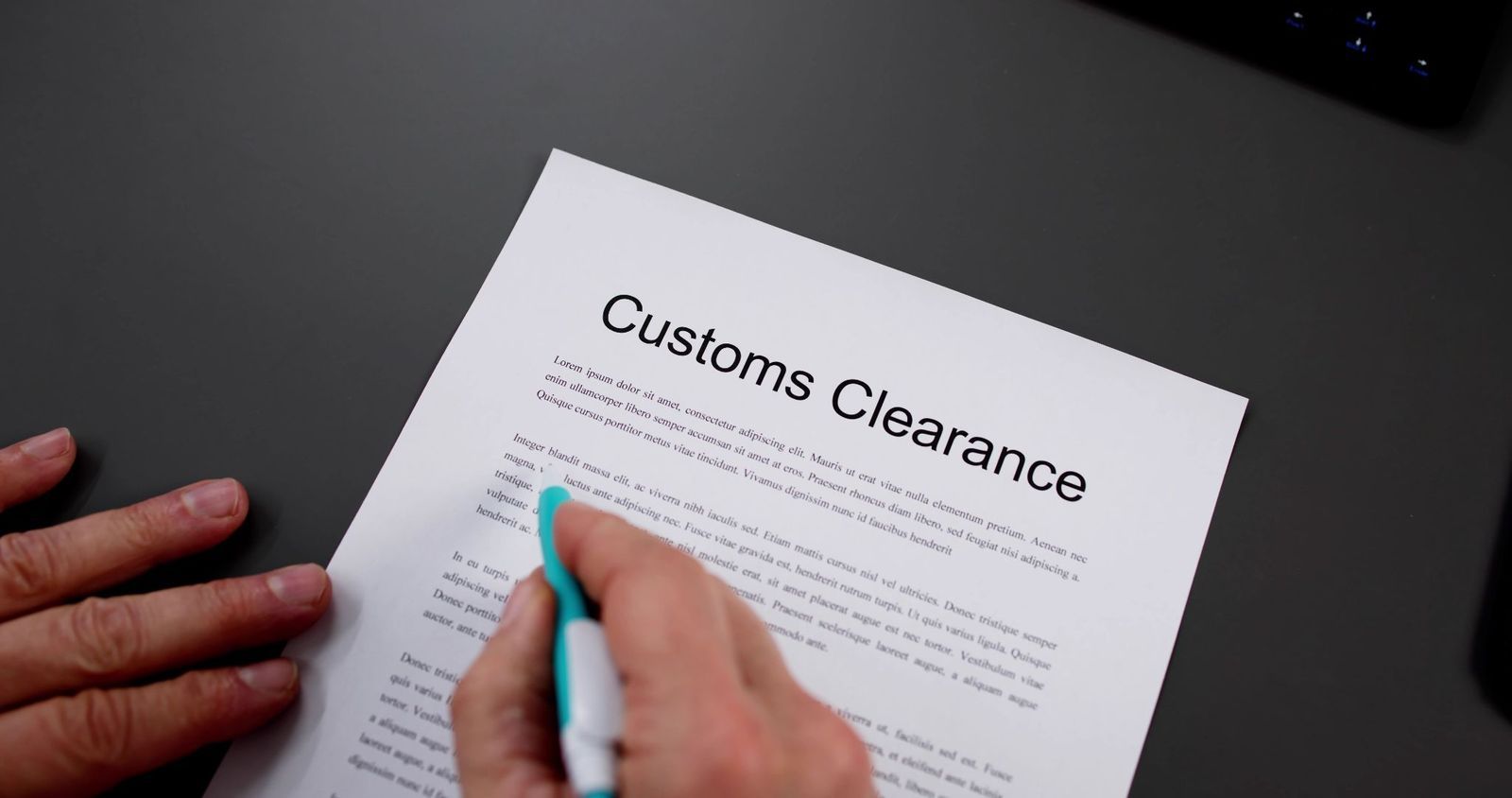
Apollo 11 astronauts signed an official customs declaration upon return

Image: Andrey_Popov

After traveling nearly half a million miles round trip, the crew of Apollo 11 still had one more piece of paperwork waiting for them back on Earth.

On July 24, 1969, the day their capsule splashed down in the Pacific near Hawaii, Neil Armstrong, Buzz Aldrin, and Michael Collins signed a standard United States Customs form filed at Honolulu Airport. Under departure point, the document read simply Moon. Arrival was listed as Honolulu, Hawaii. In the cargo section, the astronauts declared moon rock and moon dust samples, treating a piece of another world the same way any traveler might declare a bottle of duty-free perfume. The form even asked about any condition on board that could spread disease, and the honest answer at the time was simply to be determined.

10
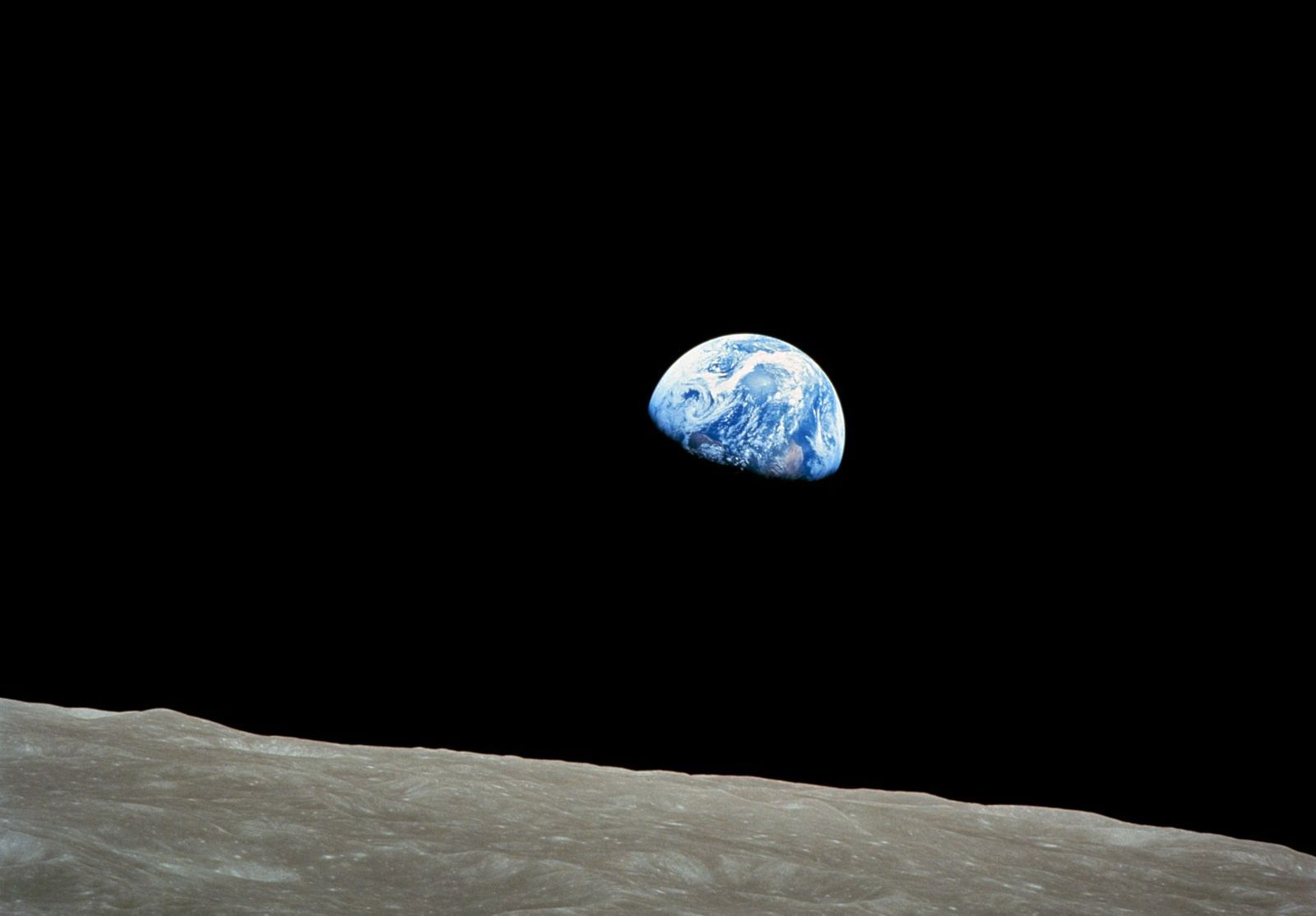
Apollo 8 astronauts captured the "Earthrise" photograph

Image: National Aeronautics and Space Administration, Public domain, via Wikimedia Commons

On Christmas Eve of 1968, astronaut Bill Anders was aiming his camera at the gray, cratered surface below when something in the window caught his eye. Earth, blue and impossibly small, was rising over the lunar horizon.

Anders, Frank Borman, and Jim Lovell had just become the first humans to orbit the Moon, and none of NASA's flight plans had accounted for this moment. Anders grabbed a color film magazine and fired off the shot in a matter of seconds, later admitting the photo was never on the schedule. Back on Earth, the image ran in newspapers worldwide and is widely credited with helping launch the modern environmental movement, giving people their first real look at how fragile and alone their home planet truly is.

Culture Culture 5 min read

Why does Japan eat KFC for Christmas? The answer will shock you!

Image: Nixx Photography

When you think of fast-food royalty, few figures are as universally recognizable as Colonel Harland Sanders. With his iconic white suit, black string tie, and goatee, his image is plastered across tens of thousands of Kentucky Fried Chicken (KFC) locations around the globe. Yet, behind that grandfatherly smile lies a corporate history filled with drama, secret recipes, and unusual marketing decisions. Here are 10 mindblowing facts about KFC and its legendary founder.

1
A rivalry becomes a business success

Image: Unclear, likely someone from the family of Colonel Sanders, Public domain, via Wikimedia Commons

During the Great Depression, Harland Sanders ran a humble Shell station in Corbin, Kentucky. Back then, business was cutthroat, and Sanders found himself in a bitter feud with Matt Stewart, a rival gas station owner who kept painting over Sanders’ highway signs to redirect traffic. After several warnings went unheard, Sanders marched over to confront Stewart.

When Stewart was caught in the act, a physical confrontation quickly escalated. Stewart drew a pistol and shot a Shell manager who was accompanying Sanders, killing him on the spot. Sanders retaliated by firing back and wounding Stewart, who was later arrested and sentenced to prison for murder. With his main competitor safely behind bars, Sanders was able to expand his service station, perfect his pressure-frying method, and ultimately transform his business into a massive commercial success.

2
The KFC you know today exists thanks to Wendy’s

Image: Pavlovska Yevheniia

Although you may view KFC and Wendy’s as distinct competitors, the reality is that the chicken giant owes its structural identity to Dave Thomas, the founder of Wendy’s. In the 1960s, Thomas worked as a head chef and regional manager for the Colonel’s franchises.

He was a marketing whiz who personally convinced Colonel Sanders to star in his own television commercials, cementing his status as a living mascot. Furthermore, Thomas created the iconic red and white striped bucket design. He became so wealthy from his shares and success at KFC that he used his payout to establish his own burger empire, Wendy’s, in 1969.

3
The secret recipe's security

Image: Patcharaporn Puttipon4289

The legendary blend of "11 herbs and spices" is one of the most famously guarded secrets. Did you know KFC keeps the recipe locked inside a top-secret vault at the corporate headquarters in Louisville, Kentucky?

The vault, encased in thick layers of concrete, is protected by motion sensors, security cameras, and 24/7 guards. To ensure the formula is never leaked, KFC splits the production pipeline: two different companies are hired to mix separate halves of the spice blend. Neither company knows the other's ingredients, and a computer system automatically combines the two halves before the seasoning is shipped out to individual franchises.

4
KFC for Christmas in Japan

Image: Tricky_Shark

In the United States, a Christmas dinner consists of roasted turkey or ham. In Japan, however, Nativity food comes in a cardboard bucket. This wild tradition dates back to 1974, sparked by Takeshi Okawara, the manager of the country's first KFC branch.

After overhearing homesick Western expats lamenting how difficult it was to source a holiday turkey in Japan, Okawara launched the national "Kentucky for Christmas" campaign, which exploded into a cultural phenomenon. Today, an estimated 3.6 million Japanese families celebrate Christmas Eve with KFC, with patrons placing their orders months in advance to avoid long lines.

5
Colonel Sanders hated KFC

Image: WayneRay, CC BY-SA 4.0, via Wikimedia Commons

By 1964, 73-year-old Colonel Snaders felt he was no longer cut out for the pace of corporate life. He sold the Kentucky Fried Chicken company to a group of investors for $2 million, under a contract that allowed the brand to continue using his likeness.

As executives changed the original recipes to cut costs, Sanders grew to hate the food KFC was serving. He began travelling the country, showing up unannounced at franchises to taste the food, throw public tantrums, and openly tell the media that the new gravy tasted like "wallpaper paste" or "sludge". He even attempted to open a rival restaurant and sued KFC for using his image, leading the company to counter-sue him. Eventually, KFC paid him an additional million dollars just to stop making public scenes.

6
KFC Double Down

Image: Boyloso

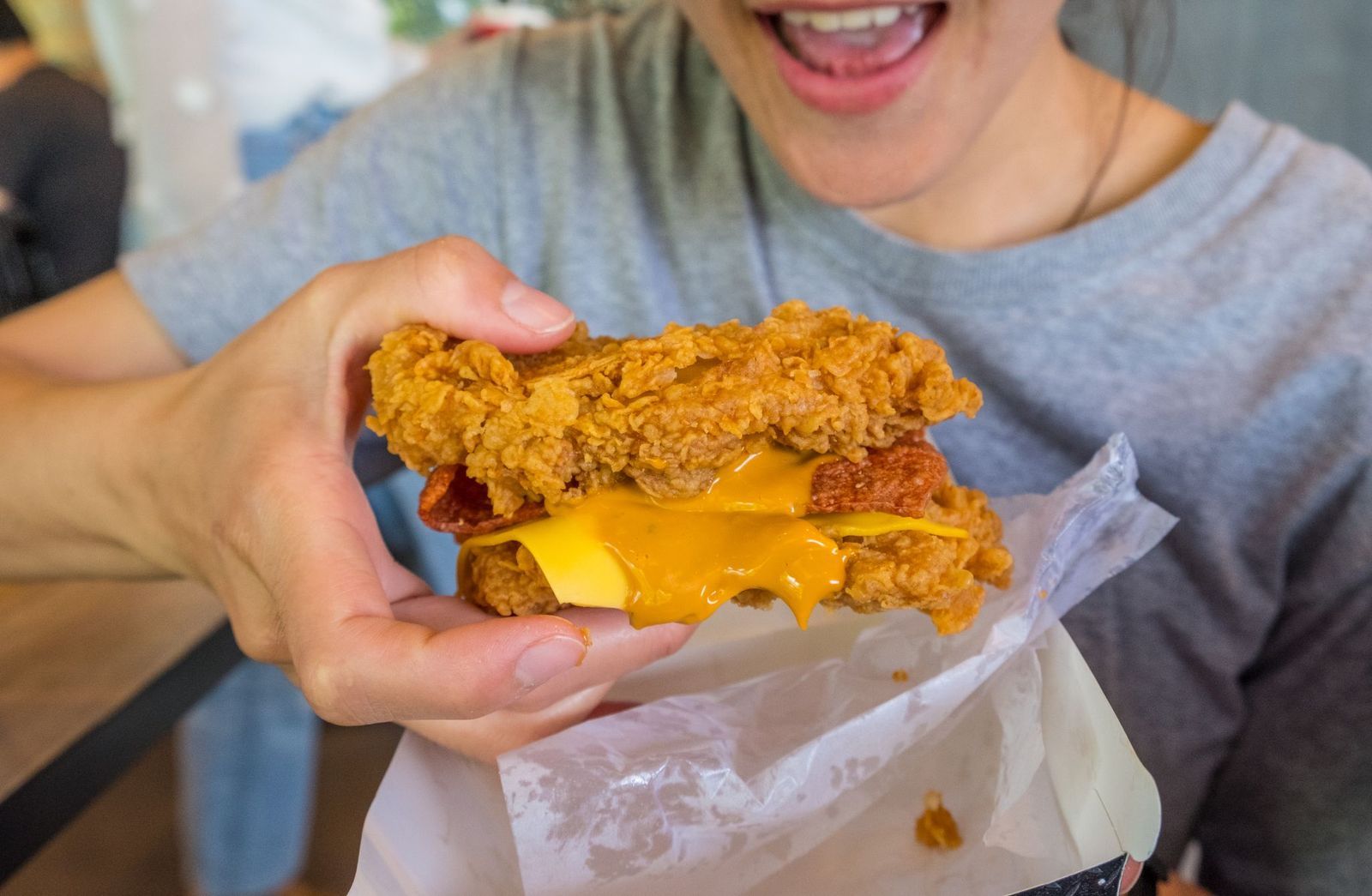
KFC has never been afraid of pushing nutritional boundaries, but in 2010 they certainly hit another level. The Double Down features bacon, Monterey Jack cheese, and a Colonel's special sauce encased between two seasoned, crispy slabs of fried chicken breast instead of bread buns.

The item sparked a media frenzy, with health advocates calling it a dietary disaster and foodies treating it as a dare. Ultimately, it proved to be a commercial hit. As it turns out, when it comes to extreme fast food, consumers are more than willing to ignore the carbs in favor of deliciousness.

7
That time KFC ran out of chicken

Image: richardjohnson

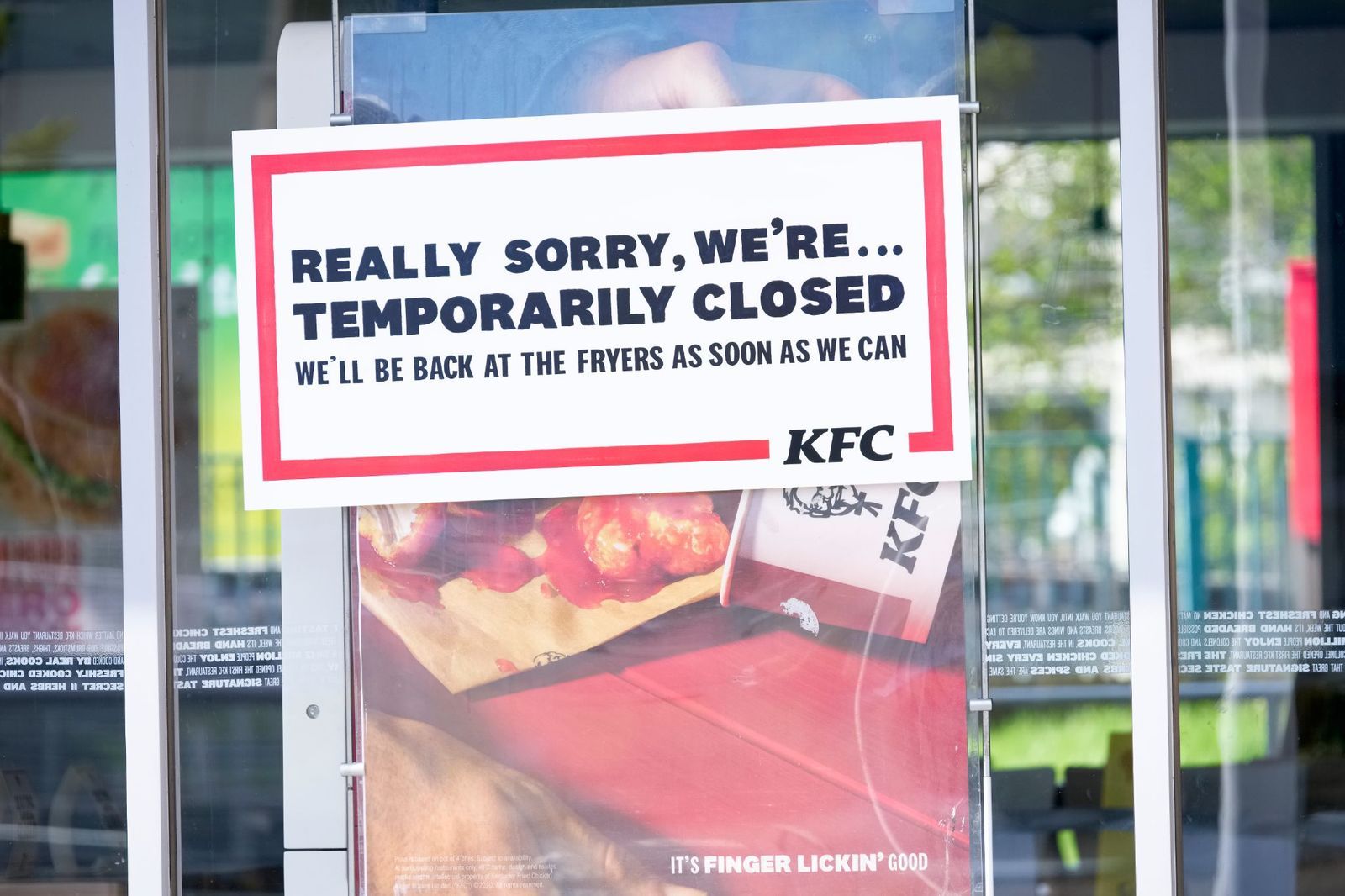
A fried chicken restaurant running out of its main ingredient sounds like a nightmare, but in 2018, it became real for KFC in the United Kingdom. In an effort to optimize logistics and save money, management switched its delivery contract to DHL. The transition went completely wrong, resulting in a supply chain jam that left over 900 UK locations with no chicken to fry.

Hundreds of stores were forced to shut down temporarily, sparking nationwide outrage, with desperate citizens even calling the police to complain. KFC managed to restore its reputation by leaning into self-deprecating humor, purchasing newspaper advertisements that featured an empty bucket rearranged to read "FCK".

8
The problem with the slogan in Chinese

Image: Patcharaporn Puttipon4289

When international fast food brands began expanding into foreign territories in the late 1980s, errors were very common. KFC experienced this firsthand when it opened its first store in Beijing, China, in 1987. The company wanted to proudly display its world-famous catchphrase, "Finger-Lickin' Good", to tempt local diners.

Unfortunately, due to an oversight in Mandarin translation, the slogan was literally translated to "Eat Your Fingers Off". While the phrase initially startled and amused local consumers, the brand quickly corrected the translation mishap to something more culturally appropriate and appetizing.

9
KFC's video game

Image: Ratana21

Decades after the Colonel’s passing, KFC’s marketing division decided to lean into modern internet subcultures. In 2019, the brand shocked the gaming community by releasing an official, anime-style video game titled I Love You, Colonel Sanders! A Finger Lickin’ Good Dating Simulator.

Developed as a visual novel, the free game places the player in a culinary school alongside a young and handsome romanticized version of Colonel Sanders. The goal of the game is to successfully navigate cooking school battles while attempting to woo the chicken chef. Against all odds, the game became a viral sensation.

10
KFC releases its own console

Image: Pixel-Shot

Following the unexpected success of their video game, KFC’s marketing team announced the KFConsole in 2020. Many assumed it was an April Fool’s joke, but it turned out to be a genuine gaming PC.

The most bizarre feature of the console is its custom "Chicken Chamber". This specialized compartment uses the heat generated by the computer’s internal components to keep pieces of fried chicken warm and crispy while you play video games.

Explore more American facts

Choose your favorite category!

General
General

As American as apple pie—the very best America has to offer!

Culture
Culture

Delve into the astounding richness of American lore.

Geography
Geography

Hop in and explore vast and diverse American landscapes.

History
History

Discover the key moments that shaped the United States.