Culture Culture 5 min read

Unexpected juxtapositions

10 films you didn't know that take place at roughly the same time
Image: konstantinrotkevich

Period pieces aim to portray specific historical events, customs, and characters. But every year, all sorts of different events happen around the world. What to cut and what to show in a historical film is an artist's main job, and the result will depend on his or her particular point of view. From Titanic and The Music Man to Grease and Malcolm X , in this article, we're going to explore 10 pairs of films that take place in the same year but couldn't be more different. Can you think of any others?

1
Titanic & The Music Man
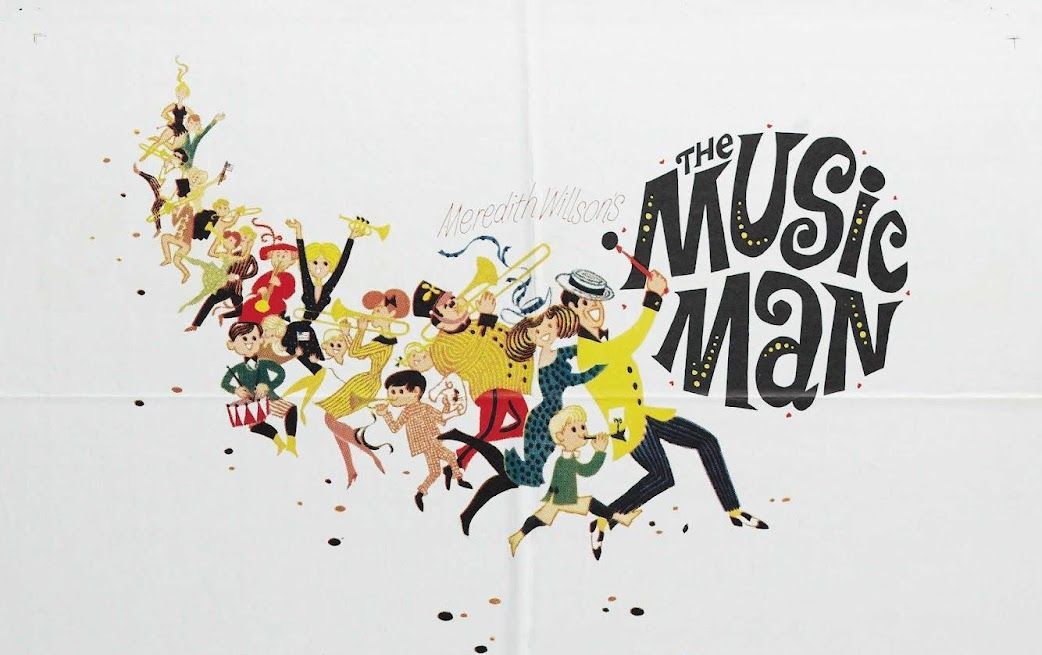
Image: Copyright © 1962 Warner Bros. Pictures Distributing Corporation - Public domain, via Wikimedia Commons

It is common knowledge that Titanic (1997), starring Leonardo DiCaprio and Kate Winslet, fictionalizes the true story of the sinking of the British ocean liner that collided with an iceberg in the North Atlantic.

The Music Man (1962), on the other hand, is a musical that tells the story of a salesman who tries to convince the residents of a small town in Iowa to start a musical band. Although the two films are set miles apart and their characters are very different, they both take place in the same year: 1912. Fascinating, don't you think?

2
Mary Poppins & The Wild Bunch
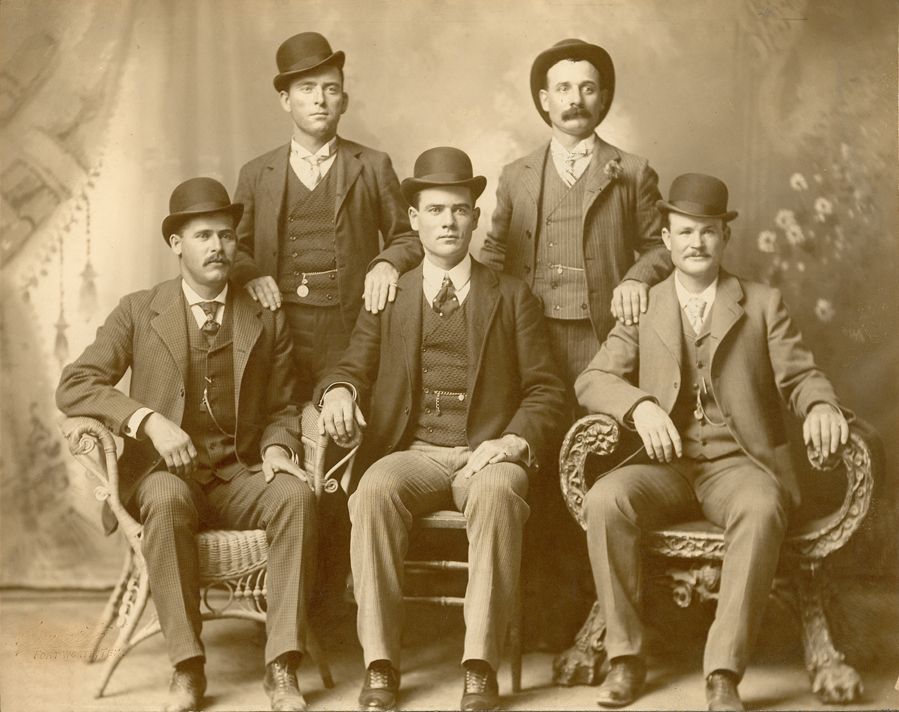
Image: From the studio of John Schwartz., Public domain, via Wikimedia Commons

Early twentieth-century London, a vibrant, sprawling city, has almost nothing in common with the wild U.S.-Mexico frontier of the same era. Yet the tender Mary Poppins (1964) and the epic revisionist Western The Wild Bunch (1969) take place during virtually the same years. Despite being vastly different stories, the two films share a similar theme: the concept of outsiders navigating a world of change and challenges.

3
There Will Be Blood & Meet Me in St. Louis
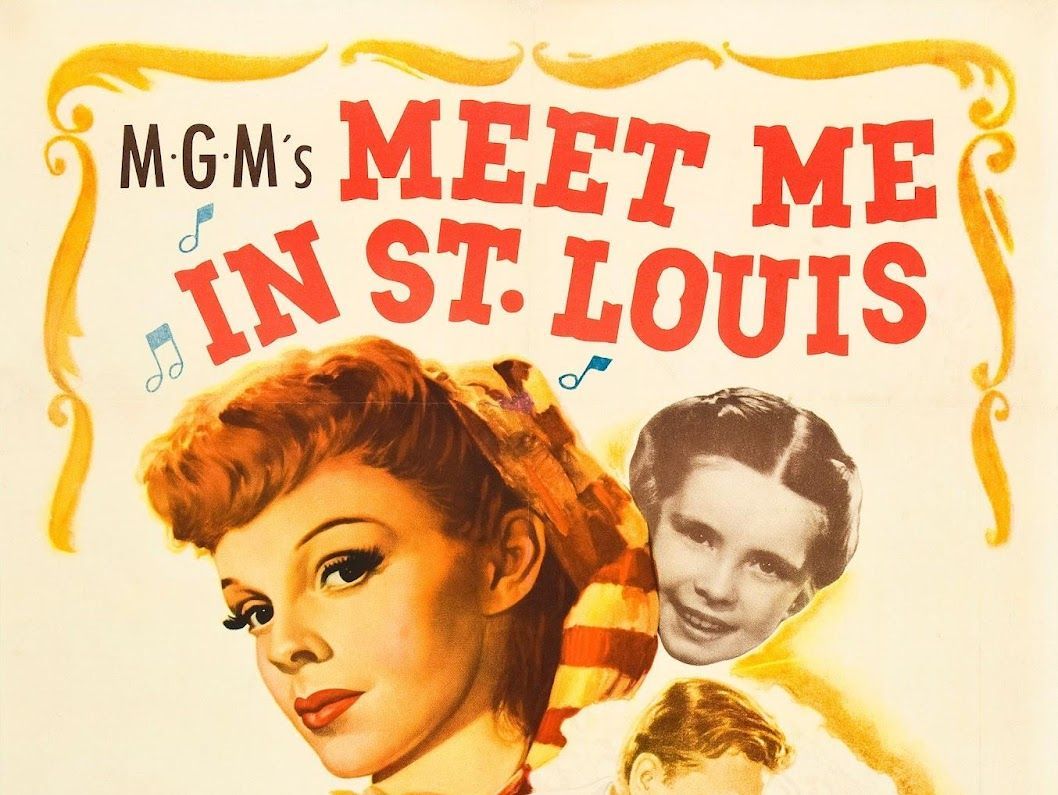
Image: Metro-Goldwyn-Mayer (Loew's Inc.), Public domain, via Wikimedia Commons

What do a Christmas musical from 1944 and a 2007 drama film have in common? They both portray the early years of the 20th century!

While There Will Be Blood is a dark film that focuses on the California oil rush, Meet Me in St. Louis , starring the iconic Judy Garland, portrays the well-to-do life of an upper-middle-class Missouri family. Watching these two films truly paints a picture of what America was like at this time in its history.

4
Grease & Malcolm X
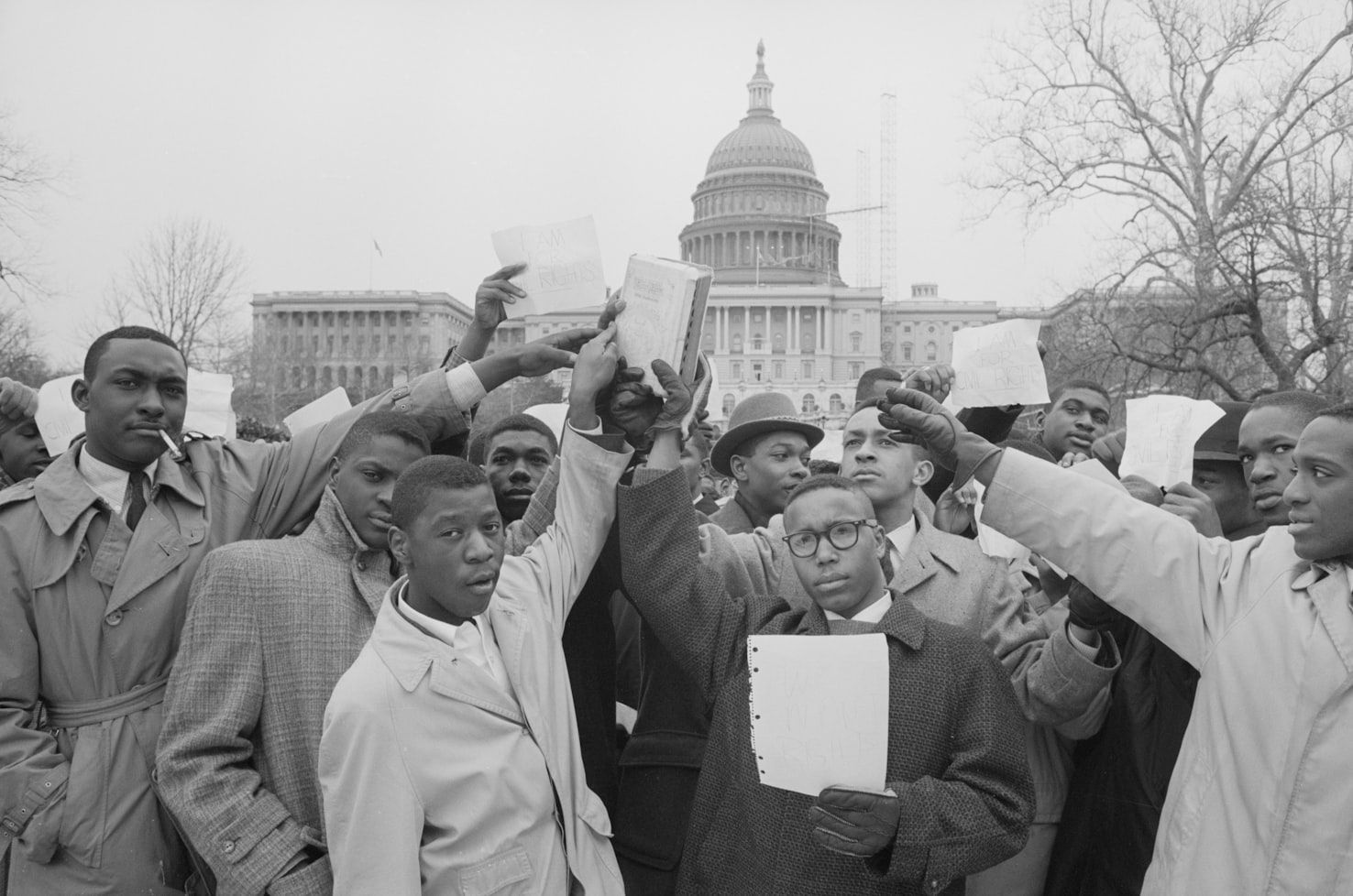
Image: Library of Congress

Two other films that offer their version of American life during a specific era are Grease (1978) and Malcolm X (1992). Both take place around 1958, but couldn't be more different.

Grease , a romantic musical with gelled hairdos and poodle skirts, portrays a group of teenagers more concerned with leather jackets, rock and roll, and fashionable cars than anything else. Malcom X , on the contrary, is based on the biography of the famous African-American activist, and dives deep into the history of the civil rights movement.

5
Barry Lyndon & Pirates of the Caribbean
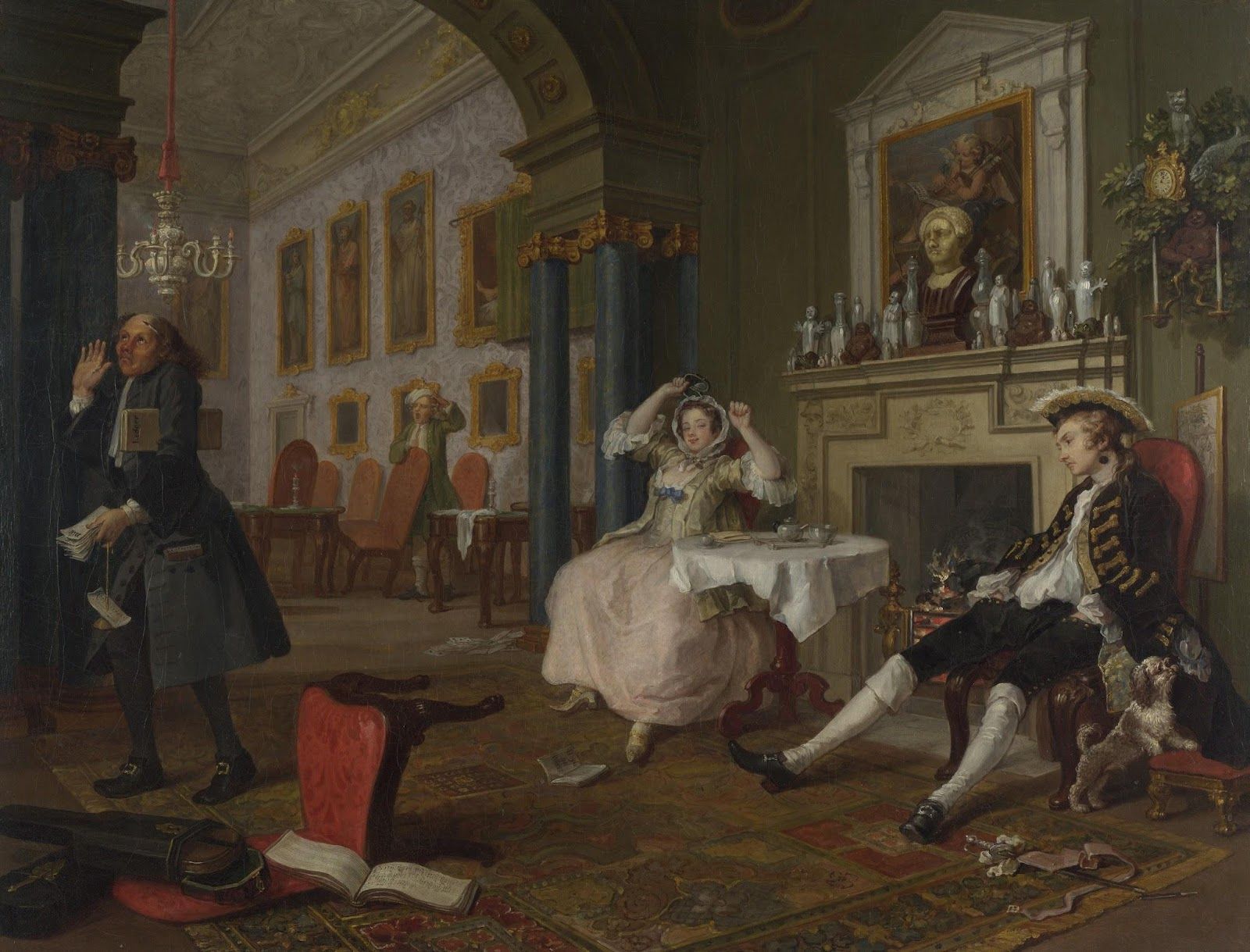
Image: William Hogarth, Public domain, via Wikimedia Commons

The story of a young Irishman trying to climb the ladder of British high society can't be too different from that of a pirate sailing through dangerous waters. However, although Barry Lyndon (1975) and Pirates of the Caribbean: On Stranger Tides (2011) take place in the 1750s, they are very dissimilar films.

While Pirates of the Caribbean is a fantasy adventure franchise chronicling the adventures of the endearing Jack Sparrow, the historic drama directed by Stanley Kubrick won four Academy Awards and is considered one of the greatest films ever made.

6
The Godfather: Part II & 1917
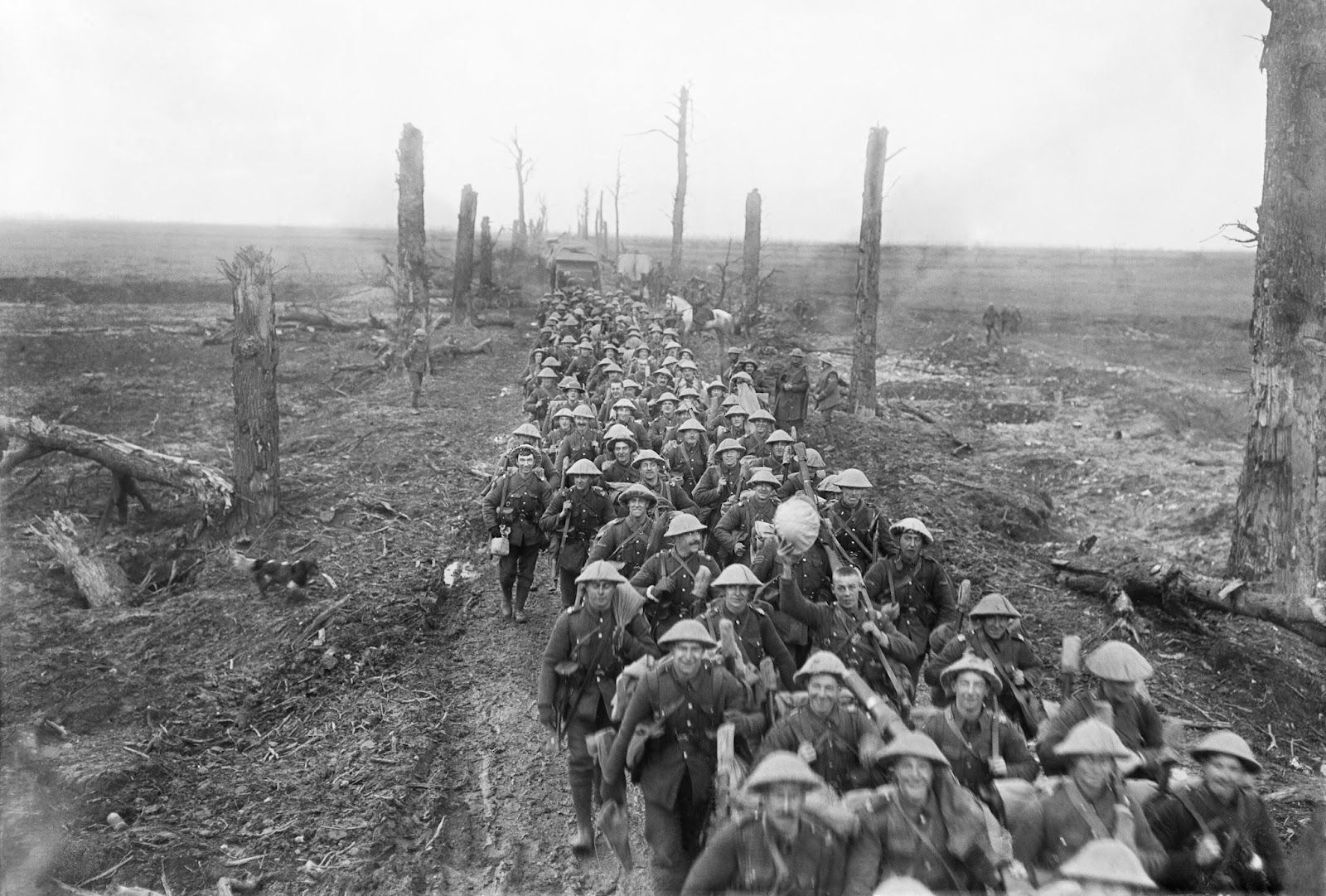
Image: Ernest Brooks, Public domain, via Wikimedia Commons

The year is 1917, and a young Vito Corleone takes his first steps in the criminal world in his native Sicily. Meanwhile, in northern France, a young British soldier is sent on a mission to save his brother.

1917 (2019) is inspired by the true story of World War I battles, and The Godfather: Part II (1974) is based on the fictional story written by Mario Puzo about a gangster family. Both films, however, portray the same period of European history, an era that had a huge impact on American society.

7
Jobs & 2001: A Space Odyssey
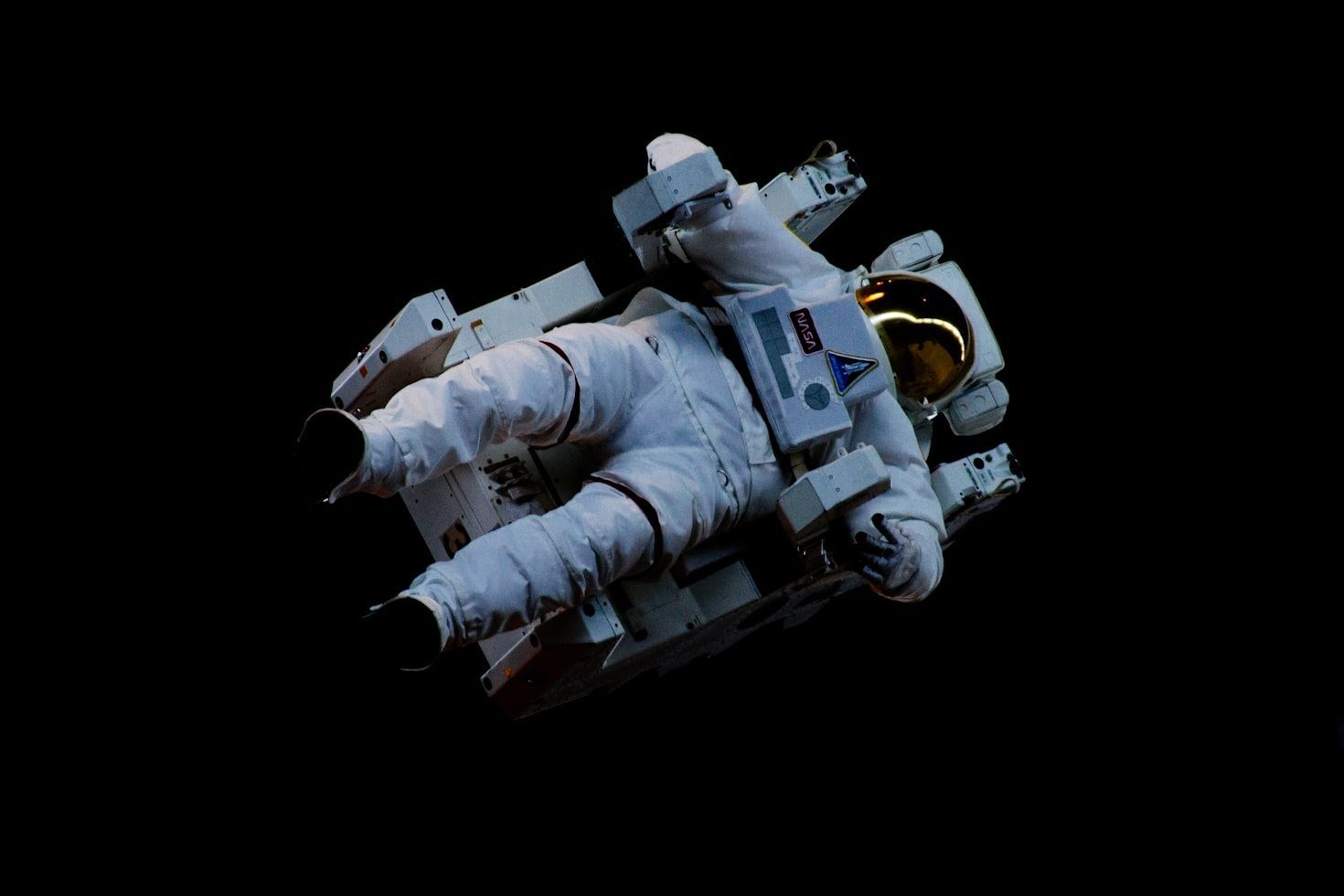
Image: Niketh Vellanki

Surely, when Stanley Kubrick directed 2001: A Space Odyssey, he was envisioning a more advanced future. But the truth is that the real 2001 was marked, among other things, by the launch of Apple's iPod.

The film Jobs (2013) begins precisely with Steve Jobs' presentation of the device that would forever change the way we listen to music. Intergalactic travel as a common currency will have to wait a few more years. Yet, to be fair, HAL 9000 is pretty much like the artificial intelligences we have today —let's just hope they don't betray us!

8
The sound of music & Harlem Nights

Image: Sanja Lazic

While a young governess falls in love with Captain von Trapp with the Austrian Alps as a backdrop, on the other side of the Atlantic, a nightclub owner in Harlem must face powerful gangsters to stay in business.

Although they may seem like two incompatible plots, The Sound of Music (1965) and Harlem Nights (1989) both take place in 1938, when the United States was recovering from the Great Depression and Europe was at the dawn of the Second World War. Two opposite views of the world.

9
13 Going on 30 & The Wolf of Wall Street
Image: engin akyurt

One is an innocent romantic comedy full of '80s pop culture references, and the other is a dark, full of foul language and racy scenes, portrait of the years when yuppies and stockbrokers dominated the New York scene. Yet, both 13 Going on 30 (2004) and The Wolf of Wall Street (2013) take place in 1987. Have you ever thought about it?

10
Hairspray & The Shape of Water

Image: Larissa Megale

The interesting thing about these two films is that they not only take place in the same year—1962—, but also in the same ‘place’: Baltimore, Maryland.

Hairspray (1988), a cult comedy directed by John Waters, tells the story of young Tracy Turnbland's quest to be taken seriously in an audition for a popular show for young dancers. The Shape of Water , on the other hand, is a fantasy film that portrays the love story between a mute woman and a humanoid amphibian. Two very different plots that offer a glimpse of what life was like in America during the Cold War.
Culture Culture 4 min read

When Hollywood breaks the bank

$400 million spent on what!? Discover Hollywood's most expensive movies

Image: Mackenzie Marco

What would you do with $465 million? Buy a private island? Maybe 5 of them! If that sounds over the top, Hollywood might disagree. Big studios spend unimaginable amounts of money, with numbers that can be mind-blowing. Keep reading if you want to learn more about the most expensive movies ever made and where all that money went; there’s one title you definitely won’t see coming!

1
Jurassic World Dominion

Image: Christopher Stark

We understand; bringing giant reptiles from millions of years ago to life isn’t easy… or cheap. Maybe that’s why Jurassic World: Dominion (2022) cost an incredible $465 million! But not all of that went to special effects. Filmed during the pandemic, the costs of safety measures and protocols for the large cast and crew were anything but low. The actors even spent months quarantining in the luxurious Langley Hotel near Pinewood Studios, which also inflated the film’s budget.

2
Star Wars: The Force Awakens

Image: Lyman Hansel Gerona

There are Star Wars fans everywhere, and for good reason, as it’s considered one of the greatest movie franchises of all time. But creating something this good comes at a high price: $447 million, to be precise. In addition to the visual effects and incredibly detailed costumes, the movie was shot across multiple countries: England, Iceland, Ireland, and even the United Arab Emirates. On top of that, the production counted with a top-tier cast, including Harrison Ford and Carrie Fisher.

3
Fast X

Image: Cook aynne

Fast X (2023) ranks among the most expensive movies ever made, with an incredible budget of $379 million. But it wasn’t just the explosions, wild rollovers, and high-speed chases that elevated the costs; a big part went into reuniting much of the original cast. On top of that, the production didn’t stick to Los Angeles alone; it also filmed in beautiful international locations such as Rome, Turin, and Lisbon.

4
Pirates of the Caribbean: On Stranger Tides

Image: Intricate Explorer

This film cost about the same as Fast X , but it came out 12 years earlier, when that budget was even more impressive. Pirates of the Caribbean: On Stranger Tides (2011) accumulated around $378.5 million in production costs, much of it going to star salaries, especially Johnny Depp, who reportedly earned $55 million for his role. And that’s not all; the film’s visual effects and far shooting locations (Hawaii, the UK, Puerto Rico) drove the budget even higher.

5
Avengers: Age of Ultron

Image: Jason Leung

The superheroes’ suits, the incredible effects that brought their powers to life, the amazing battle scenes, and all the destruction they caused pushed the budget of Avengers: Age of Ultron (2015) to $365 million. But here’s the most interesting part: another film from the same saga, Avengers: Endgame , was released four years later and actually cost less (about $356 million).

6
Avatar: The Way of Water

Image: Luke Tanis

One thing’s for sure: making a movie is never easy, especially when it features a giant blue alien species living in an underwater world. That’s the case with Avatar: The Way of Water , released in 2022 with an astounding budget of $350 million. Costs climbed even higher thanks to its long filming schedule, which stretched from 2017 all the way through 2020!

7
Indiana Jones and the Dial of Destiny

Image: Intricate Explorer

Indiana Jones always gives his all, and his latest adventure, Indiana Jones and the Dial of Destiny (2023), was proof of that. The film cost around $327 million to produce, and the action didn’t stay confined to a studio, as the cast, crew, and equipment traveled to locations across the UK, Morocco, and Italy. In addition, the innovative visual effects and de-aging technology used to bring Harrison Ford’s character to life weren’t exactly cheap.

8
Mission: Impossible – The Final Reckoning

Image: Nao Takabayashi

Powerful action scenes and chases, biplanes performing aerial stunts, fierce battles, and underwater sequences: you’ll find all this and more in Mission: Impossible – The Final Reckoning (2025). But all this didn't come out of nowhere; it cost $300 million! Beyond the vehicles and specialized equipment, security measures had to be a serious matter. On the other hand, bringing Tom Cruise back to the saga and having him perform his own stunts added more dollars to the equation, with the actor reportedly earning between $70 million and $120 million for the movie.

9
No Time to Die

Image: Marcel Eberle

We were all excited to see Daniel Craig back in James Bond’s shoes, and we were lucky enough to watch him do it! But, of course, it didn’t come cheap. Beyond Craig’s generous salary and advanced visual effects, the film’s $250 million budget also covered the costs of filming across multiple, distant locations, including Italy, Jamaica, Norway, the Faroe Islands, and the UK!

10
Snow White

Image: Priscilla Du Preez 🇨🇦

After so many scenes of action, aliens, weapons, and explosions, you probably didn’t expect Snow White (2025) to make this list, right? But it did! While the film’s budget wasn’t officially confirmed, estimates put it at around $270 million. So, where did all that money go? First of all, the film relied on high-quality visual effects to bring the magic and fantasy of the fairy tale to life. But that wasn’t all; lead actresses Rachel Zegler and Gal Gadot reportedly requested substantial salaries.

General General 3 min read

What’s in a nickname?

Did you know the stories behind the nicknames of these Americans?

Image: Capitol Records (File No. 3860-25)

Nicknames can be affectionate, teasing, intriguing—or all of these at once. Who comes up with the labels that remarkable people end up carrying forever, and what makes them stick? Here, we explore a list of quirky stories behind some of the most colorful nicknames in American history.

1
"The Chairman of the Board" – Frank Sinatra

Image: Ethan Rougon

Frank Sinatra co-founded Reprise Records in 1960, giving him full creative control over his music. The nickname "Chairman of the Board" was first used by radio host William B. Williams and quickly caught on. Although Sinatra didn’t particularly love it, the nickname came to symbolize his power and influence in the music industry.

2
"His Accidency" – John Tyler

Image: Library of Congress

The 10th U.S. president earned this snarky nickname after unexpectedly taking office in 1841, when William Henry Harrison died just one month into his term.

It was the first time a vice president had assumed the presidency due to a president’s death, and many questioned the legitimacy of his authority. His critics called him "His Accidency," a somewhat unfriendly pun that stuck.

3
"The Sphinx of the Potomac" – Calvin Coolidge

Image: Lea Kobal

President from 1923 to 1929, Coolidge was notoriously silent and stoic. His reluctance to speak in public and his poker-faced demeanor earned him the nickname "The Sphinx of the Potomac," a nod to the famous Egyptian statue and his Washington, D.C. post. One oft-repeated anecdote claims he once remarked, "I have nothing to say."

4
"The Boss" – Bruce Springsteen

Image: Jose Antonio Gallego Vázquez

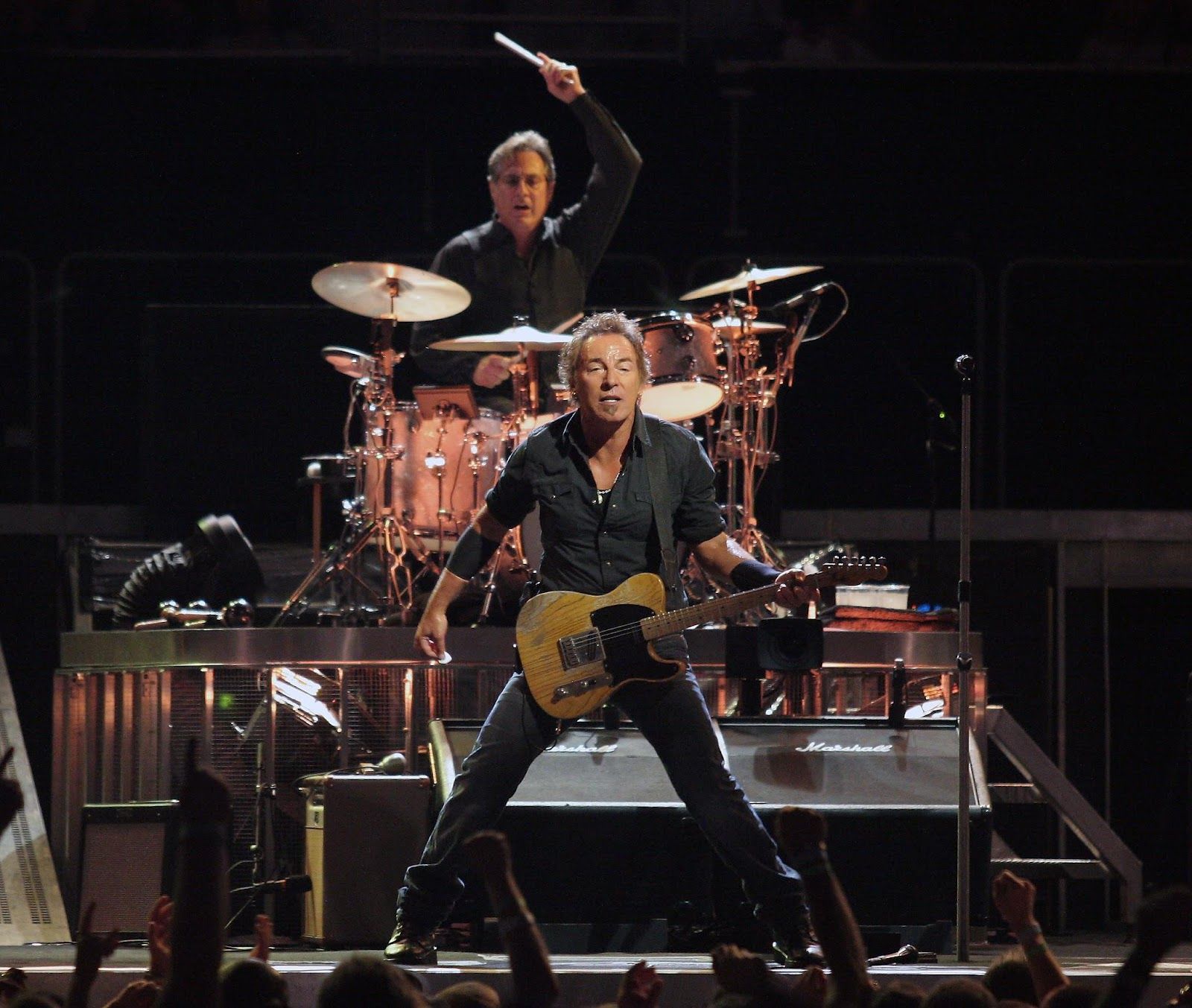
Bruce Springsteen earned this nickname in the early days of playing Jersey Shore clubs, where he was responsible for collecting and distributing gig money to his band. Originally an internal nickname within the group, it quickly caught on with the media. Ironically, Springsteen has admitted that he’s never really liked being called "The Boss."

5
"The Mad Stork" – Ted Hendricks

Image: Wynand Uys

This Hall of Fame linebacker for the Raiders stood 6’7" and had a long, lanky build. His towering figure and unpredictable style of play earned him the nickname "The Mad Stork." Despite the unusual moniker, he was a feared and legendary player in the NFL.

6
"The Snake" – Ken Stabler

Image: Timothy Dykes

Another Raiders legend, quarterback Ken Stabler, earned the nickname "The Snake" from his college coach after a long, twisting touchdown run. The name stuck because he became known for his slippery, cool-headed play under pressure.

7
"Jane the Grabber" – Hester Jane Haskins

Image: sombre

A dark figure in 19th-century New York, Hester Jane Haskins was a "procuress," luring women with promises of work and then forcing them into brothels. Her nickname, "Jane the Grabber," became infamous in the press.

8
"The Black Swallow of Death" – Eugene Bullard

Image: Heather Wilde

Born in Georgia and later a French WWI pilot, Eugene Bullard was the first African American military pilot. He earned the nickname "The Black Swallow of Death" for his fearless flying and deadly accuracy. Despite his heroism, he still faced racial discrimination upon returning to the U.S.

9
"Little Miss Sure Shot" – Annie Oakley

Image: Jp Valery

Annie Oakley was a folk heroine and a famed sharpshooter from an early age. She earned the nickname "Little Miss Sure Shot" from the Native American leader Sitting Bull, who bestowed it after watching her flawless shooting in Buffalo Bill’s Wild West show.

10
"Kid Gloves" – Benjamin Harrison

Image: Aaron Lefler

Benjamin Harrison, the 23rd president, frequently wore soft kid-leather gloves in public due to hand ailments. Political opponents seized the opportunity to mock his stiff demeanor and perceived elitism, dubbing him "Kid Gloves." The nickname pointed not only to his physical appearance but also to his aloof attitude.

Explore more American facts

Choose your favorite category!

General
General

As American as apple pie—the very best America has to offer!

Culture
Culture

Delve into the astounding richness of American lore.

Geography
Geography

Hop in and explore vast and diverse American landscapes.

History
History

Discover the key moments that shaped the United States.