10 events that changed the course of history
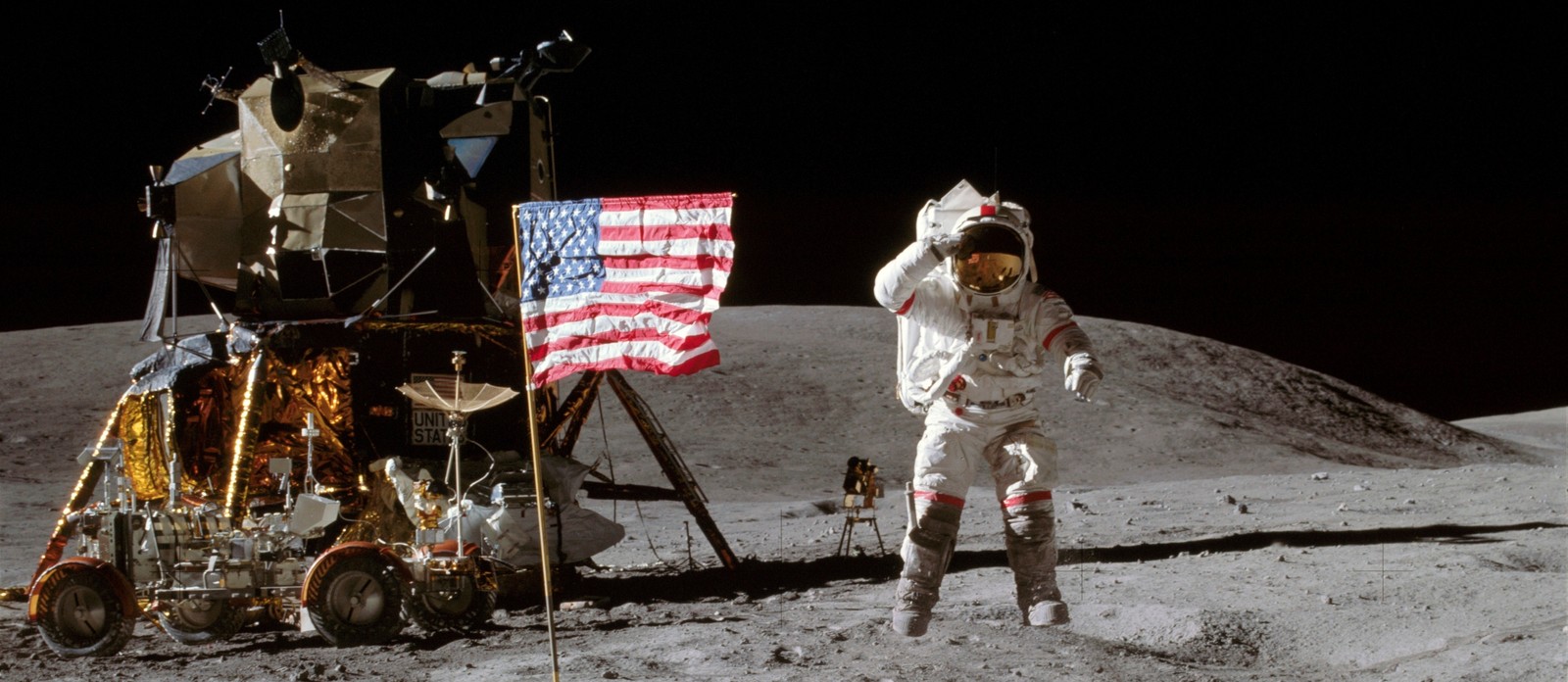
Image: Rawpixel.com
Major events have shaped the history of our country and the world. Some have directly and immediately had an impact on people’s lives, like the end of World War II , and others set off a domino effect that ultimately changed the course of history, like Columbus's 1492 voyage or the Industrial Revolution. So, to see how we got here, let’s turn the pages of history and look at 10 events that helped make the world what it is today.
1
The American Revolution
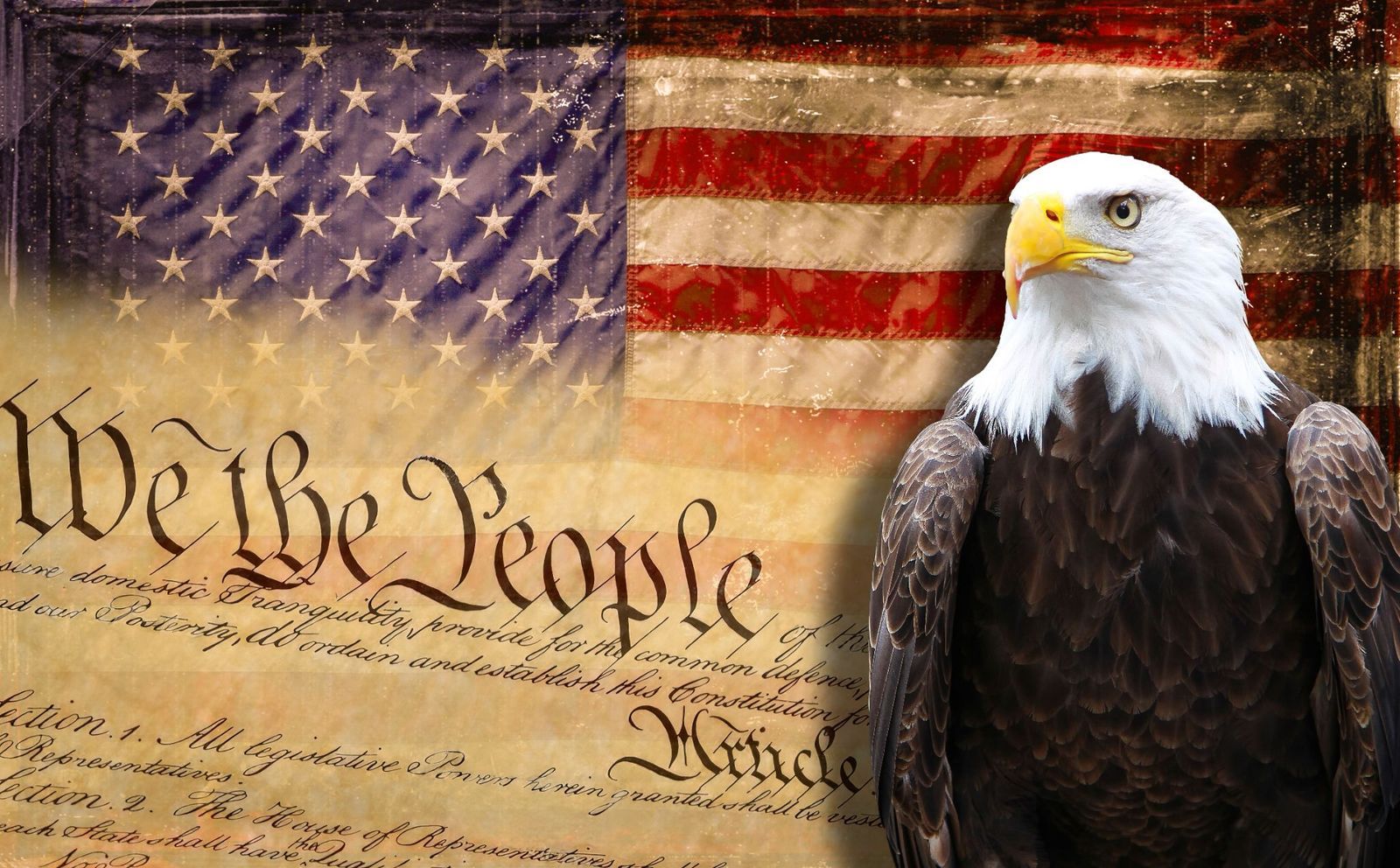
We weren’t always the United States of America. One of the very first turning points in our history was the American Revolution, when the 13 colonies fought to become a new independent nation free from the control of the British Empire.
The Declaration of Independence was adopted on July 4 , 1776, though the Revolutionary War lasted from 1775 to 1783, when American forces finally defeated Britain. This pivotal moment influenced political movements around the world and spread new ideas about representative government and individual rights.
2
The Civil War

The deadliest conflict in U.S. history, the Civil War was a devastating yet defining event that changed the way Americans lived and worked, bringing about the abolition of slavery . The conflict lasted from 1861 to 1865, during which the Union fought the Confederate states that had seceded from the United States.
In 1863, Abraham Lincoln declared enslaved people in the Confederate states to be free. This didn’t immediately end slavery everywhere in America until the war officially ended and the 13th Amendment was ratified in 1865, abolishing slavery throughout the country.
3
World War II
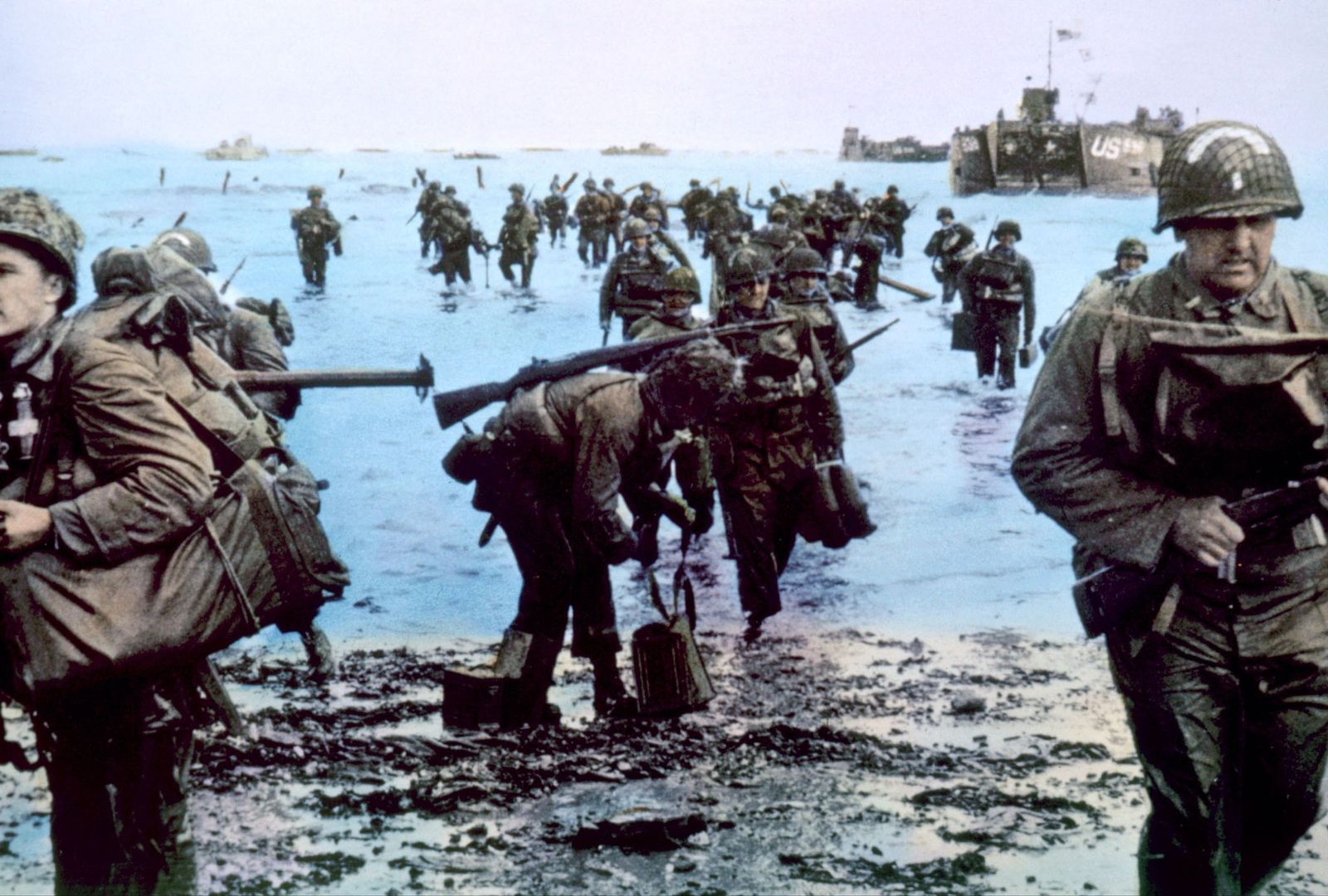
Many chilling stories have been written about how the world would be if Nazi Germany had won World War II. But in actual history, Germany surrendered on May 8, 1945, followed by Japan on September 2, 1945, officially ending the war and setting the stage for the world we grew up in .
In the aftermath of such a devastating and bloody war, the United Nations was created in October 1945 with the goal of preventing future conflicts and promoting cooperation among nations.
4
The Moon landing
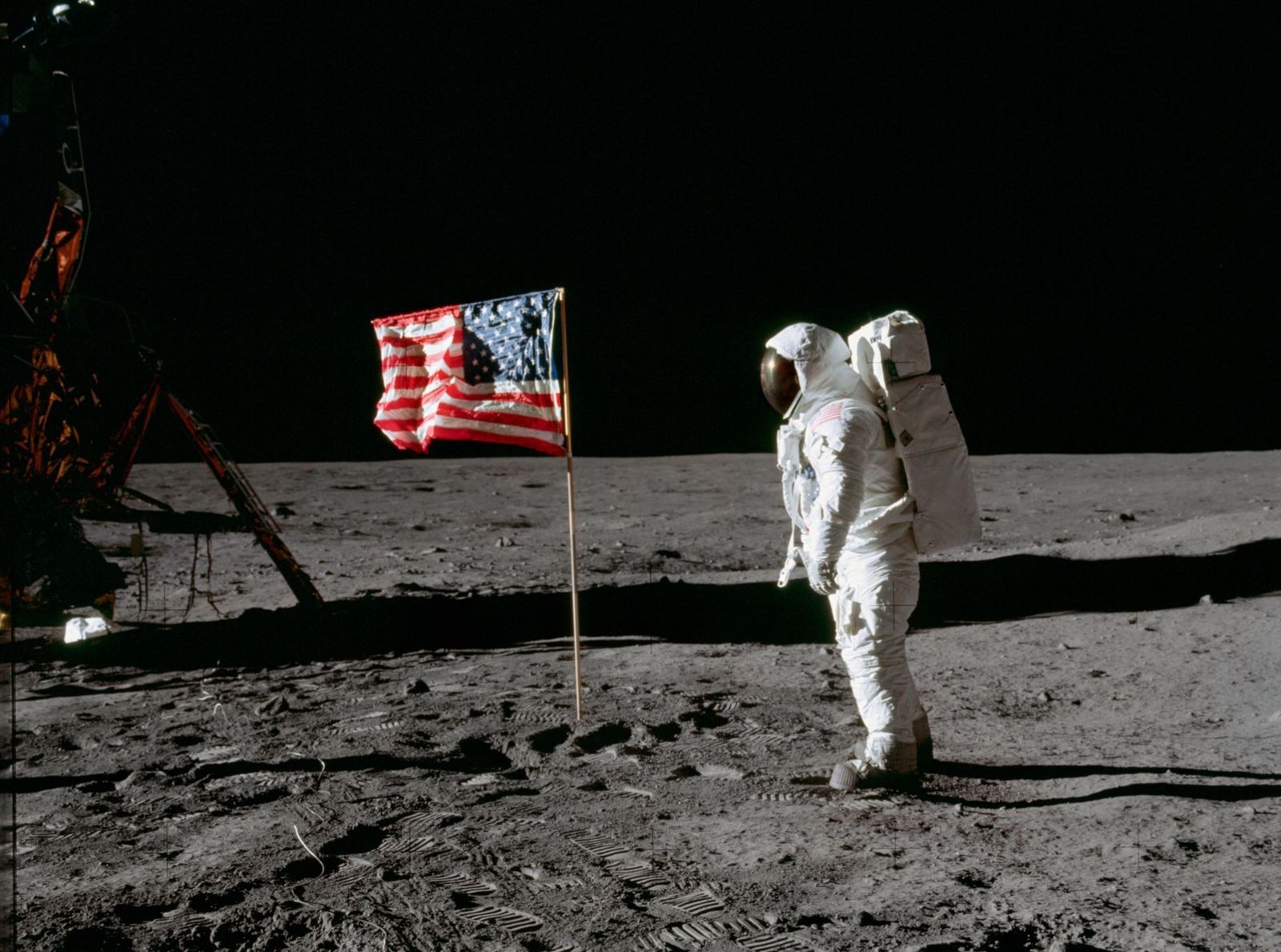
"Reach for the moon" was just a rhetorical expression until 1969, when NASA’s Apollo 11 mission put humans on the lunar surface. Neil Armstrong and Buzz Aldrin stepped on the moon in an unparalleled historical event, with an estimated 600 million people watching on television.
Such an unthinkable achievement demonstrated what was possible for humanity and opened up a whole new horizon of possibilities for science, engineering, and technology.
5
The Great Depression
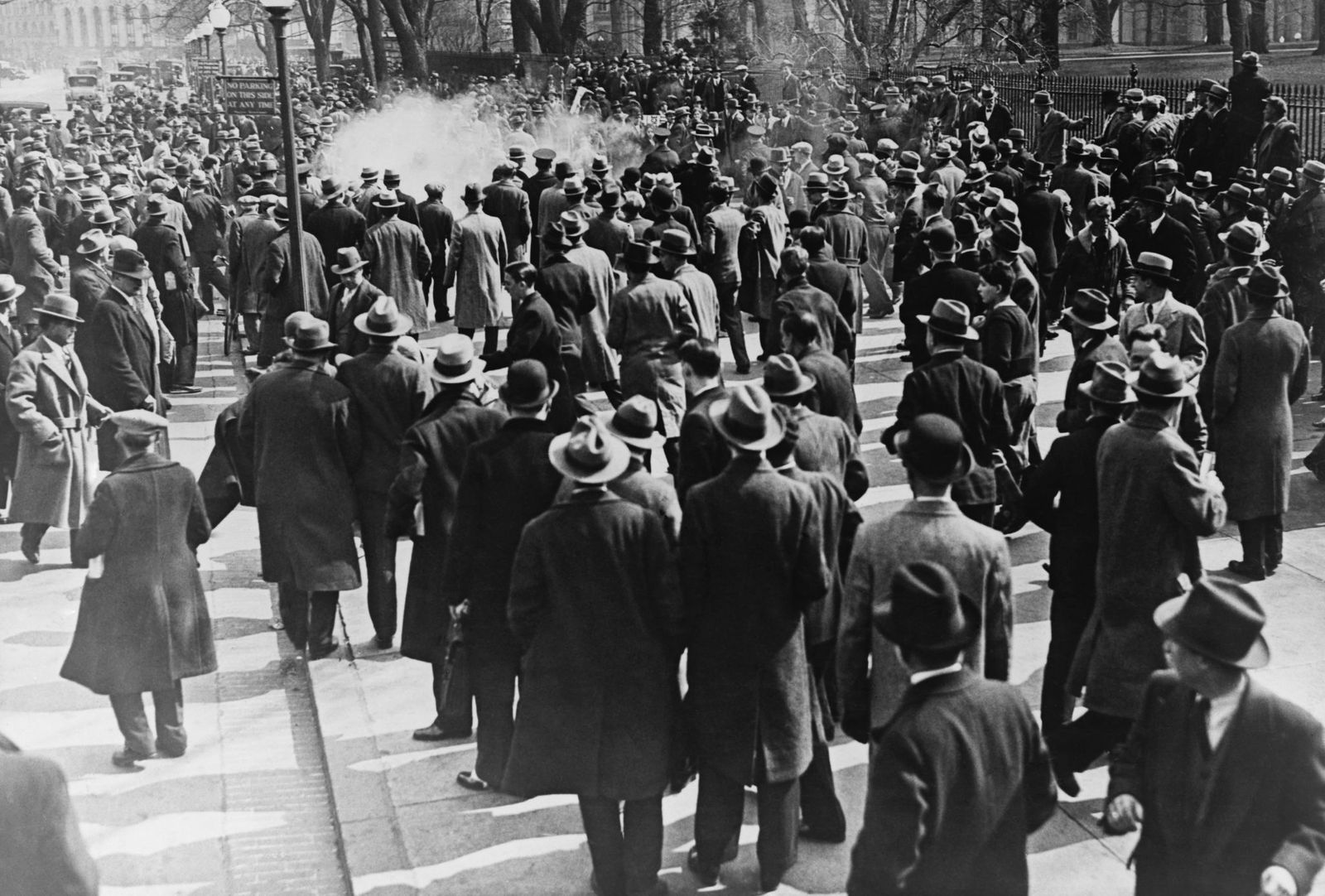
Everyone knows about the infamous stock market crash of 1929 and the start of what became known as the Great Depression. A time when banks failed, businesses shut down, and millions of Americans were left in dire straits.
This event directly led Franklin D. Roosevelt to introduce the New Deal to provide relief and economic recovery. After the Depression and these reforms, there was a new understanding of the federal government’s role in the economy that would shape American politics from then on.
6
Columbus's 1492 voyage
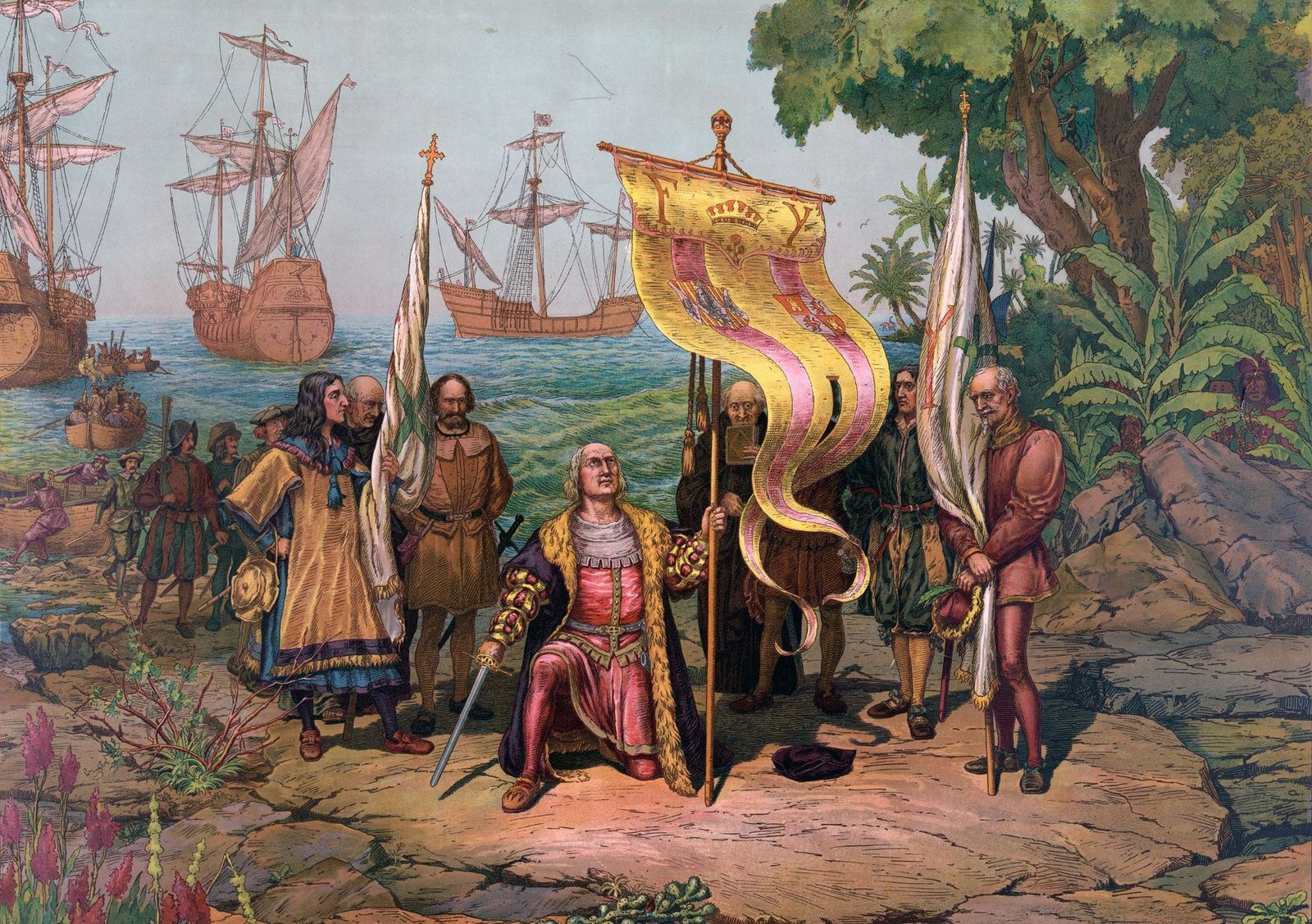
What happened after October 12, 1492, when Christopher Columbus reached an island in the Caribbean after sailing from Spain, defined the history of the Americas and the world as we know it today.
It opened the door to European exploration and conquest in the "New World" as well as the exchange of plants, animals, people, technologies, and even diseases between the Eastern and Western Hemispheres. Columbus's landing kicked off a chain reaction that unfolded over the following centuries, which also came with negative repercussions like population collapse in the continent, forced labor, and the transatlantic slave trade.
7
The Wright Brothers' first flight
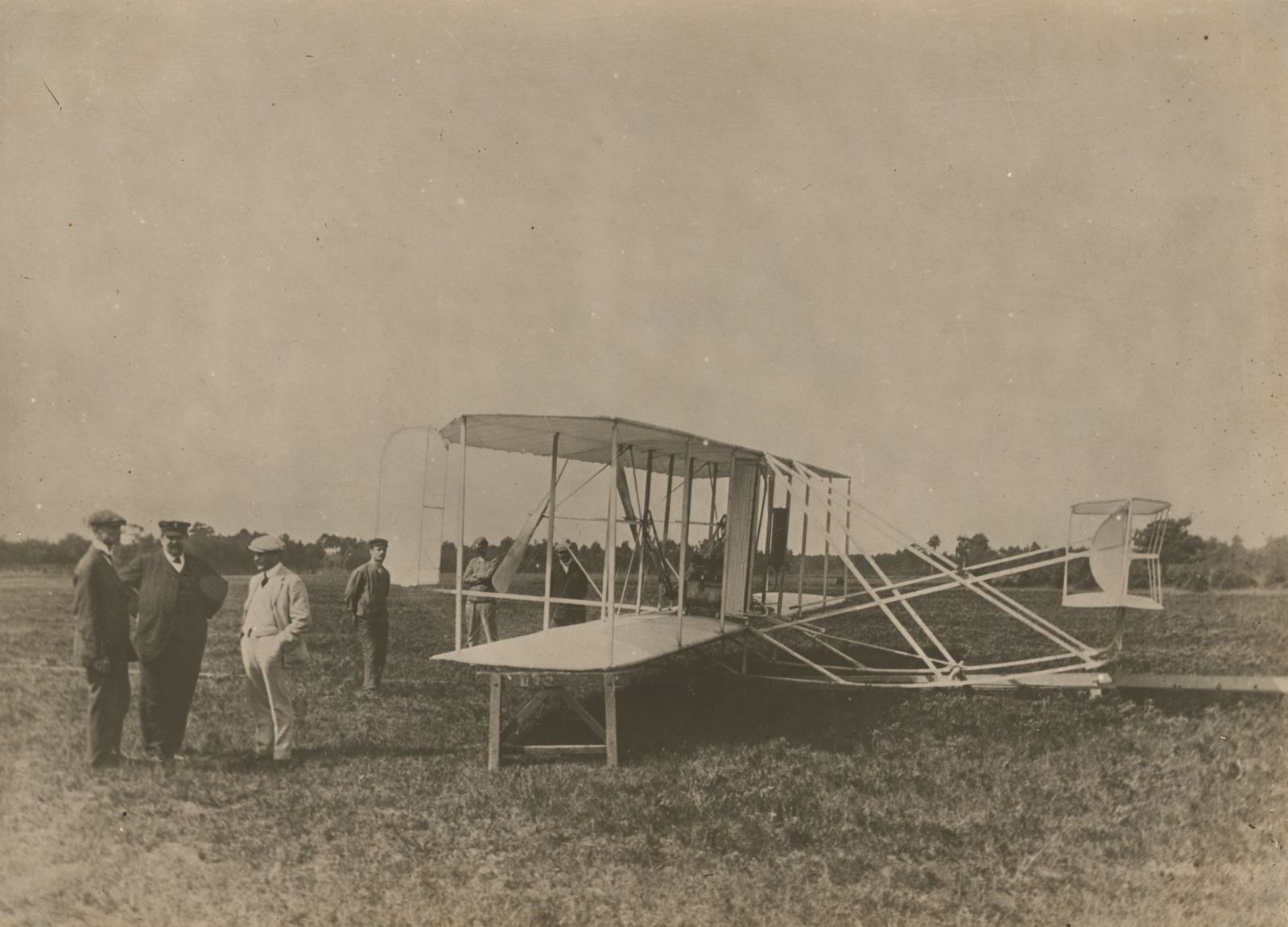
These days, hopping on a plane is no big deal. You can move around the country and the world fairly easily, and roughly 100,000 flights take off worldwide daily. But getting off the ground was a monumental achievement when Orville and Wilbur Wright did the first controlled, sustained flight of a powered, heavier-than-air aircraft on December 17, 1903.
This turning point planted the seed of modern aviation , and within the next decades, airplanes and air travel transformed the world.
8
The Industrial Revolution
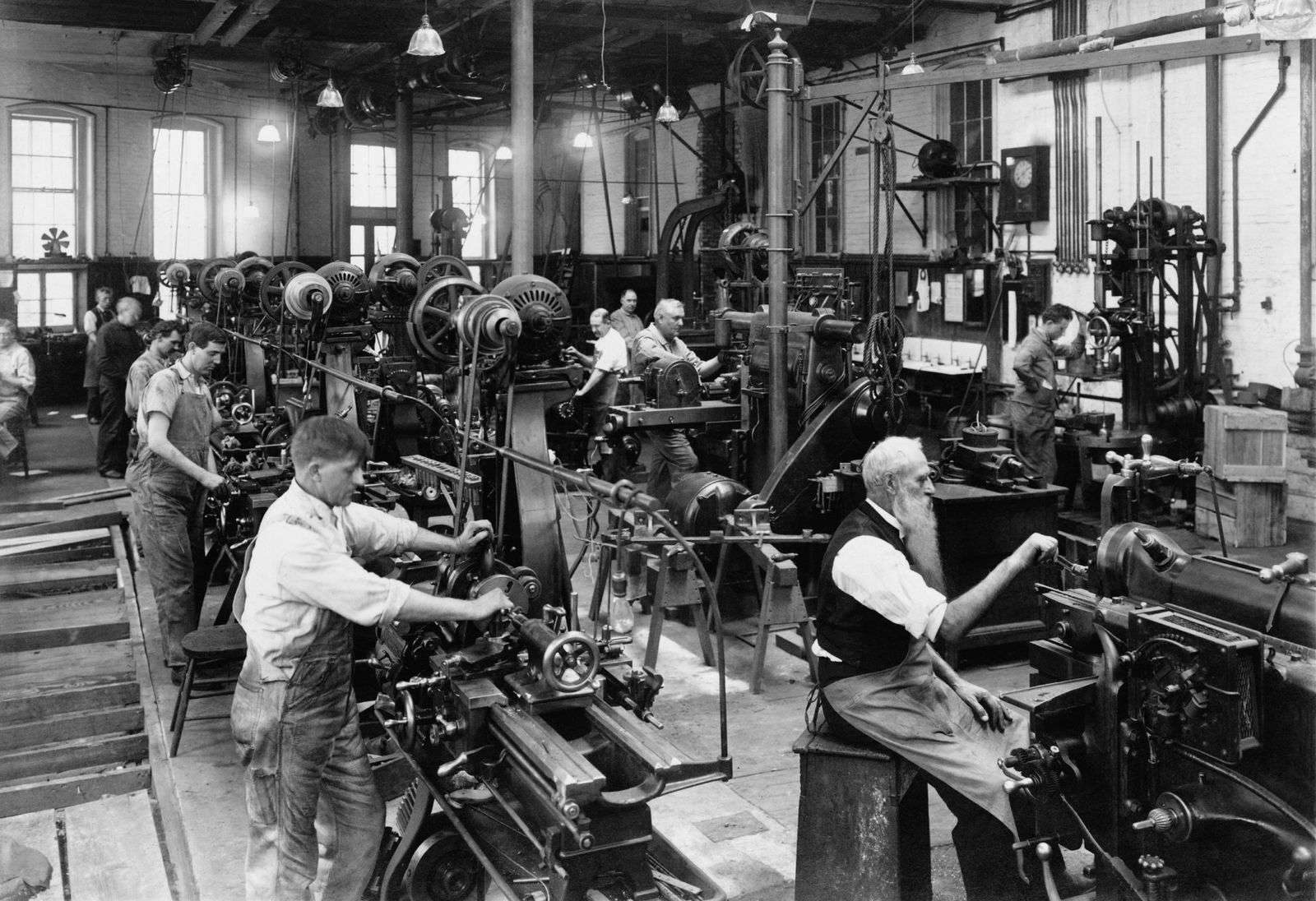
Today’s modern industry began taking shape in Britain in the late 18th century, thanks to a series of new technological advancements which saw factories and mass production take over small workshops and handcrafting.
Besides changing the way we produced goods, the Industrial Revolution redesigned the way society was structured, as millions of people moved from rural areas to cities in order to work at the new factories, causing profound changes in where and how people lived.
9
The invention of the printing press
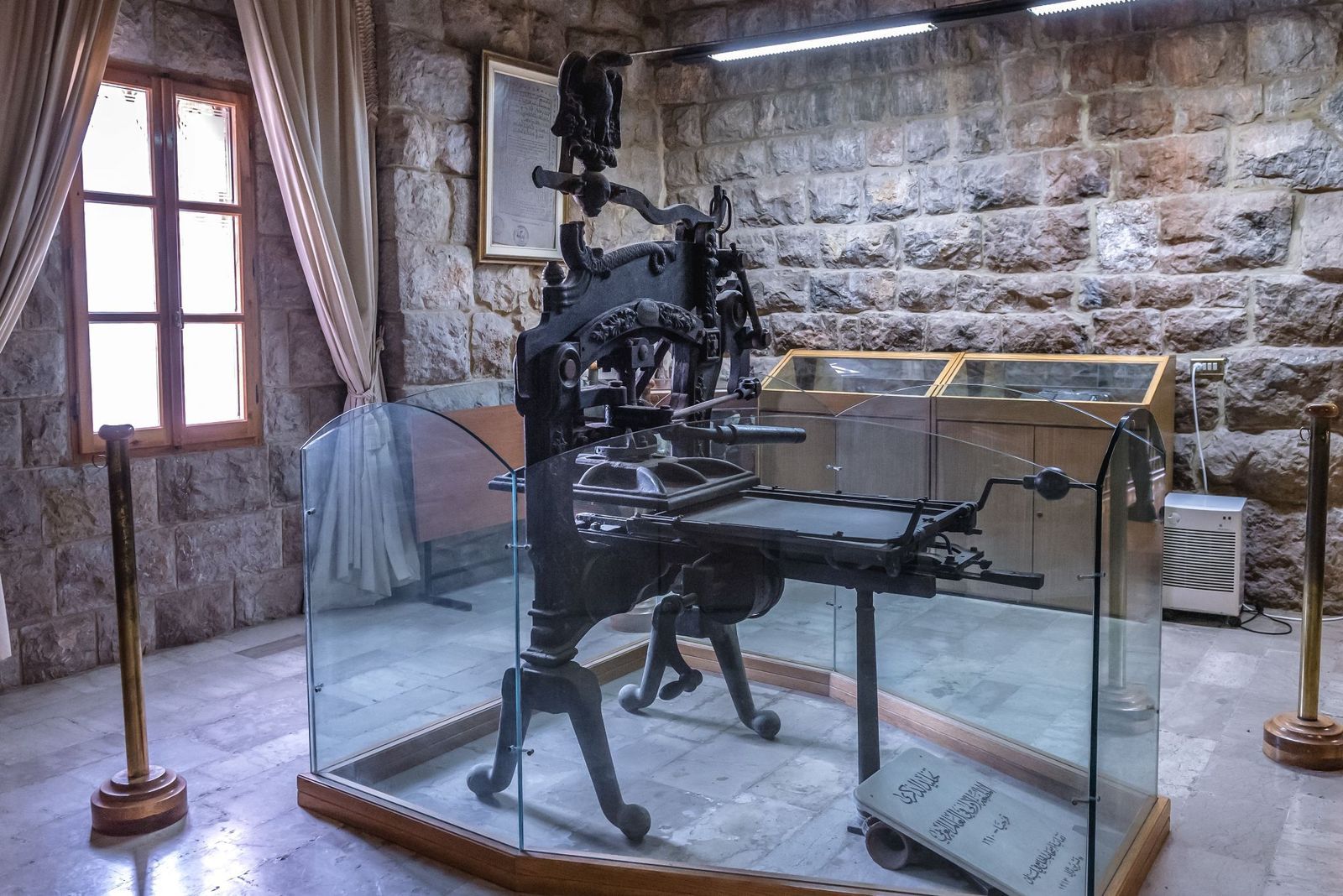
Copying books by hand wasn’t just time-consuming; it was expensive, too. Until 1440, that is, when German inventor Johannes Gutenberg created the first printing press using movable metal type.
Imagine the tremendous impact this had on religion, science, philosophy , and any other field where ideas could now circulate much more widely and quickly, expanding access to information, accelerating literacy and education, and ultimately transforming the entire world.
10
The French Revolution
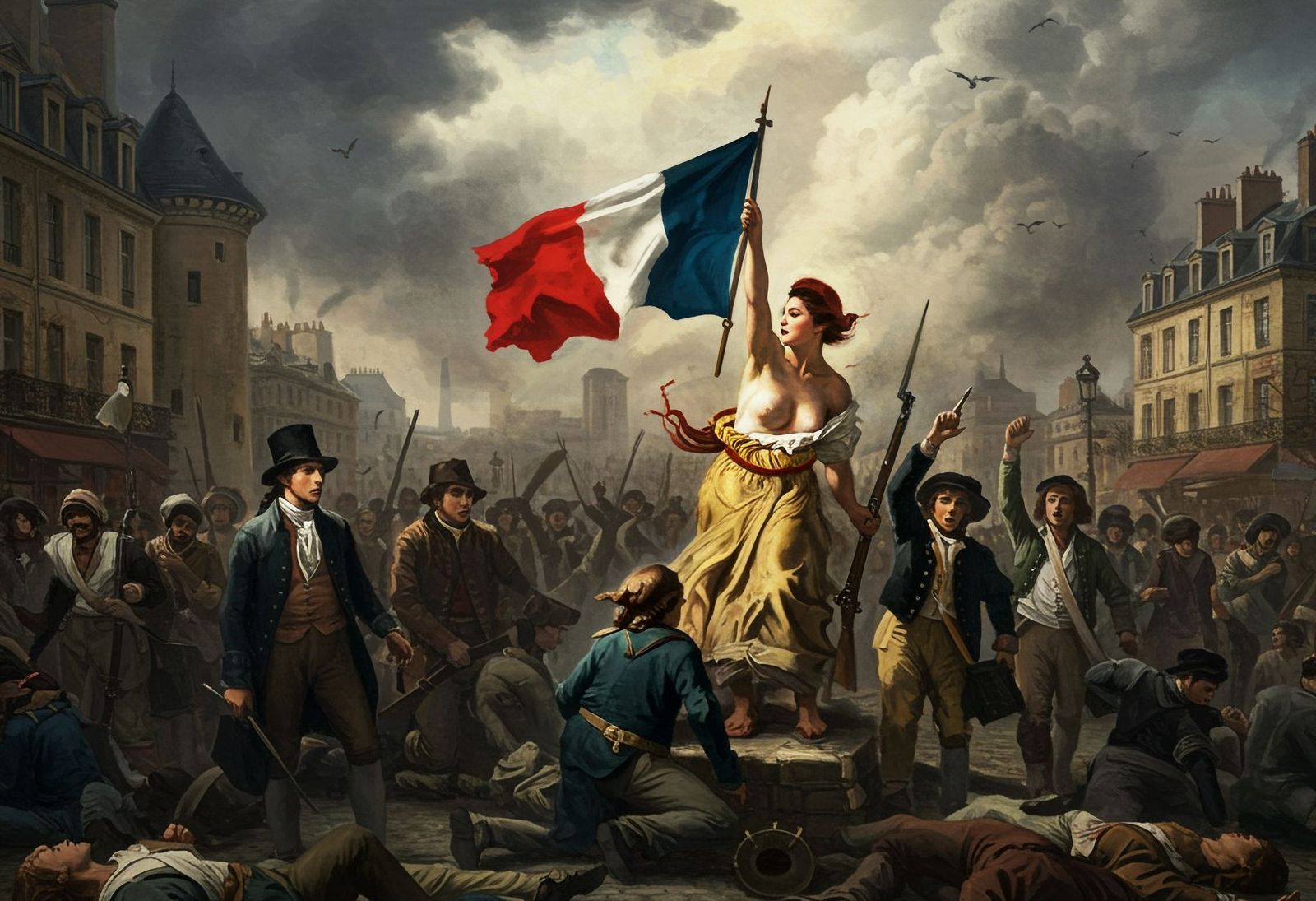
Far beyond France’s borders, the French Revolution was a game-changing moment that made waves across the world, replacing the notion that government power comes from divine right with the new understanding that it actually comes from the people.
It began in 1789 when the French people rebelled against the monarchy, proclaiming the motto liberté, égalité, fraternité, and became a republic before executing King Louis XVI by guillotine in 1793.