Geography Geography 3 min read

Beauty is everywhere

10 beautiful works of art in America that are free for all to enjoy

Image: Adriaan Greyling

While a huge portion of the world’s best artworks are in museums, galleries, and private collections, many masterpieces are out in the open, embellishing their surroundings, free for everyone to admire and enjoy. These sculptures, statues, and monuments live in our parks, streets, or almost anywhere else. Pedestrians stumble upon them, most of the time without even taking the time to look at them. But when they do, their beauty speaks to them. America is brimming with amazing works of art everywhere you look. In almost every city, you can find artworks out in the open, for everyone to admire. Are you near any one of the following ten?

1
Brookgreen Gardens, South Carolina

Image: Alano Oliveira

The largest collection of figurative American sculpture in the world –over 2,000 works– can be seen at Brookgreen Gardens in South Carolina.

Everything is displayed outdoors, in gardens laid out in 1931 in the shape of a butterfly by the sculptor Anna Hyatt Huntington and her husband, rail magnate Archer Milton Huntington. The gardens are listed on the National Register of Historic Places.

2
Laumeier Sculpture Park, St. Louis

Image: Nathaniel Shuman

With 105 acres and over 70 works, Laumeier is one of the largest urban sculpture parks in the nation . It has some really big pieces, including works by Alexander Liberman, Tony Tasset, Jonathan Borofsky, Odili Donald Odita, and more.

3
Minneapolis Sculpture Garden, Minneapolis

Image: Meizhi Lang

The massive sculpture of a cherry atop a huge spoon prompts visitors to photograph it using perspective tricks to make it look like they’re eating the cherry. As spectacular as this artwork is, the garden has many more world-class sculptures, including important pieces by Alexander Calder, George Segal, Judith Shea, and Roy Lichtenstein.

4
Nasher Sculpture Center, Dallas

Image: Zalfa Imani

Taking a walk through the Nasher Sculpture Center in Dallas feels like being inside a prestigious world-class museum, but outdoors . Works by Rodin, Picasso, Brancusi, Koons, Calder, de Kooning, Giacometti, Matisse, Serra, and other masters can be found on the premises.

These grounds offer an uncrowded, intimate experience in which the sculptures feel like they're in conversation with one another.

5
National Gallery of Art Sculpture Garden, Washington, D.C.

Image: Andriy Oliynyk

If you happen to visit the National Gallery of Art Sculpture Garden in Washington, D.C. in the winter months, you will find a skating rink along with Louise Bourgeois' Spider with a light dusting of snow, a Chagall mosaic, a variation by Robert Indiana on his famous LOVE statue , and 17 other important works of modern art. The garden is one of the most serene places in the city.

6
Nelson-Atkins Museum of Art, Kansas City

Image: Omar KH

Being at the Nelson-Atkins Museum of Art, in Kansas City, feels a bit like walking through a land of giants, amidst their huge everyday objects . Visitors will find mammoth shuttlecocks, amongst other monumental works of art.

The Nelson-Atkins Museum's outdoor sculpture park was originally named after Henry Moore because it contains a large number of bulbous works by that artist. His pieces eventually were joined by a fanciful glass labyrinth by Robert Morris, as were sculptures by Magdalena Abakanowicz, Alexander Calder, Mark di Suvero, and others.

7
Olympic Sculpture Park, Seattle

Image: Elham Abdi

The Olympic Sculpture Park treats its visitors with sweeping views over Elliott Bay . The monumental sculptures complement the view in both directions. And, if you stand in just the right spot, Alexander Calder’s Eagle frames the Space Needle perfectly.

The park also features notable works by Louise Nevelson, Roxy Paine, Richard Serra, Louise Bourgeois, Mark di Suvero, and Beverly Pepper.

8
Storm King Art Center in New Windsor, New York

Image: Mike Hindle

With 500 acres, Storm King is the largest sculpture park in the United States , offering its visitors several distinct ecosystems —woodlands, meadows, and lakes among them.

The park boasts works by numerous 20th-century art stars, including Maya Lin, Isamu Noguchi, Henry Moore, Alexander Calder, Richard Serra, Andy Goldsworthy, Anthony Caro, Louise Bourgeois, Sol LeWitt, and David Smith.

9
Frederik Meijer Gardens & Sculpture Park, Michigan

Image: Albert Dehon

The Frederik Meijer Gardens & Sculpture Park in Grand Rapids, Michigan, boasts Victorian gardens with pieces by famed artists Edgar Degas and Auguste Rodin , a collection of carnivorous plants, sweeping outdoor gardens (which include a 1930s-era farm garden), a Japanese garden, and a large outdoor amphitheater that hosts famed musicians every summer.

10
The Stuart Collection, California

Image: Is@ Chessyca

The Stuart Collection is an amazing grouping of artworks by world-famed artists like Michael Asher, John Baldessari, Mark Bradford, Jackie Ferrara, Do Ho Suh, and more. One of the collection’s goals is to reexamine conventional views of public art in playful and thought-provoking ways as it showcases experimental art to the public and the community.
Culture Culture 3 min read

The American way

Do you still do these? 10 American customs fading out of everyday life

Image: frank mckenna

Time leaves its mark everywhere, even on the things we thought would last forever. From playful prank calls to charming greeting cards, many customs from our childhood are becoming rare treasures. Today, we’ve put together a list of 10; how many others can you name?

1
Prank calls

Image: Happysurd Photography

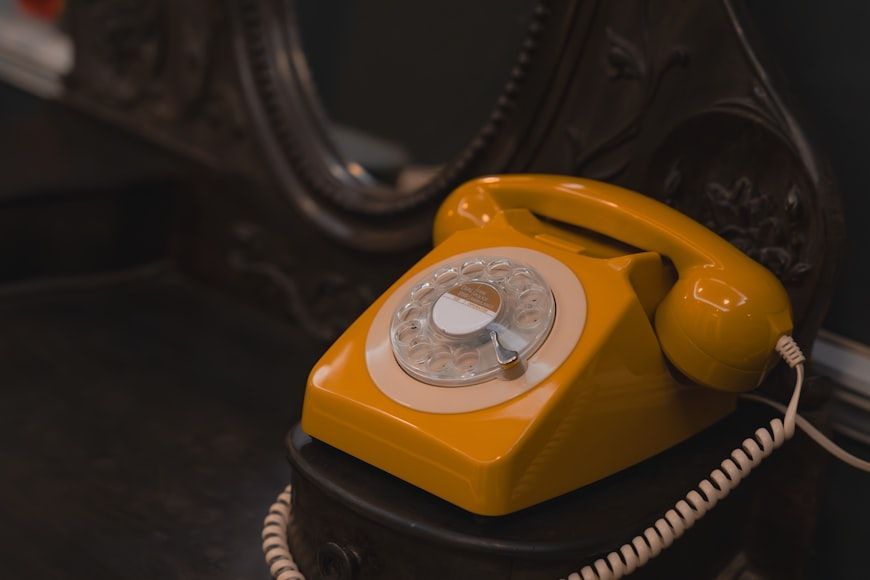
With smartphones taking over, the classic prank call is slowly fading away. Back in the day, dialing a random number to play a harmless joke and share a laugh with friends was a common pastime. Today, with caller ID and mobile phones everywhere, executing those little tricks has become more complicated.

2
Block parties

Image: Yifan Gu

We used to know all our neighbors, and that sense of community was deep. Today, things have changed. With growing cities and people moving more often, your neighbors might be gone before you even learn their names. On top of that, our lives are busier than ever, and closing off a street for a party isn’t as simple as it once was. With these new dynamics, the once-beloved block party has become a rare thing, mostly surviving in small towns or communities. Remember the last time you went to one?

3
Ding-dong ditch

Image: Waldemar Brandt

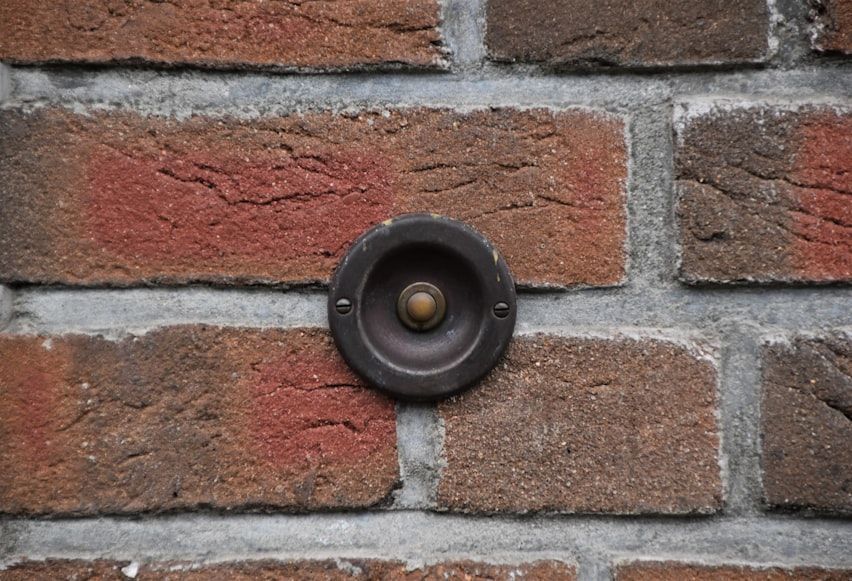
Remember when kids could safely roam the streets for hours? The good old days! Wandering around your neighborhood or even a different one, there was always someone who came up with the idea: ringing a doorbell and running away. It might have been a little annoying for the person who opened the door, but it was all in good fun.

4
Fruit baskets

Image: Nick Fewings

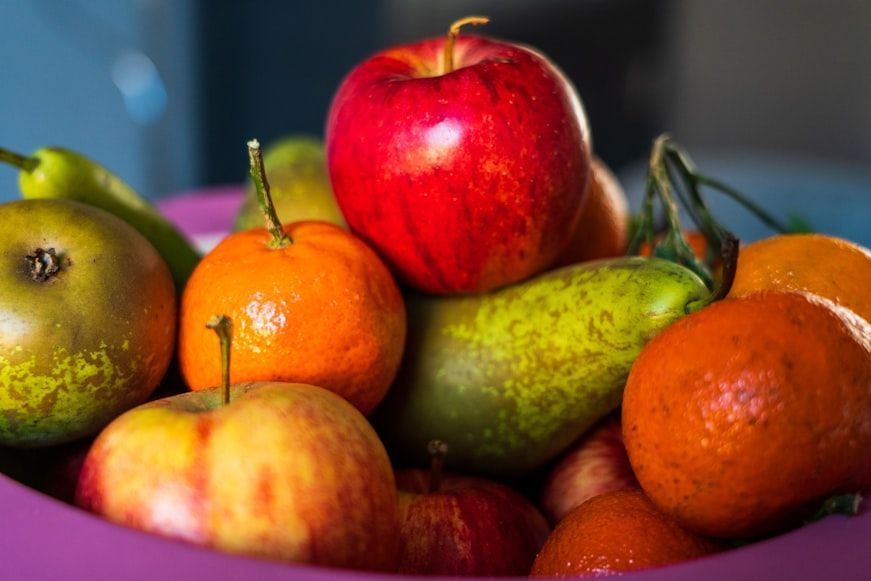
Our mothers and grandmothers knew that when it came to celebrations, anniversaries, holidays, or any special occasion, a beautifully arranged fruit basket was always a thoughtful gift. This simple gesture showed care and dedication, but today, it’s slowly disappearing. Why? The convenience of online shopping and the trend toward more personalized presents have made this classic gift increasingly rare.

5
Christmas cards

Image: Richard Bell

If you’re like us and just love greeting cards, you’ve probably noticed that fewer people are taking the time to go to the store, pick the perfect card, write a message, and send it off. While traditional greeting cards and Christmas cards are slowly being replaced by digital alternatives, there will always be those of us who appreciate this lovely ritual.

6
School reunions

Image: RUT MIIT

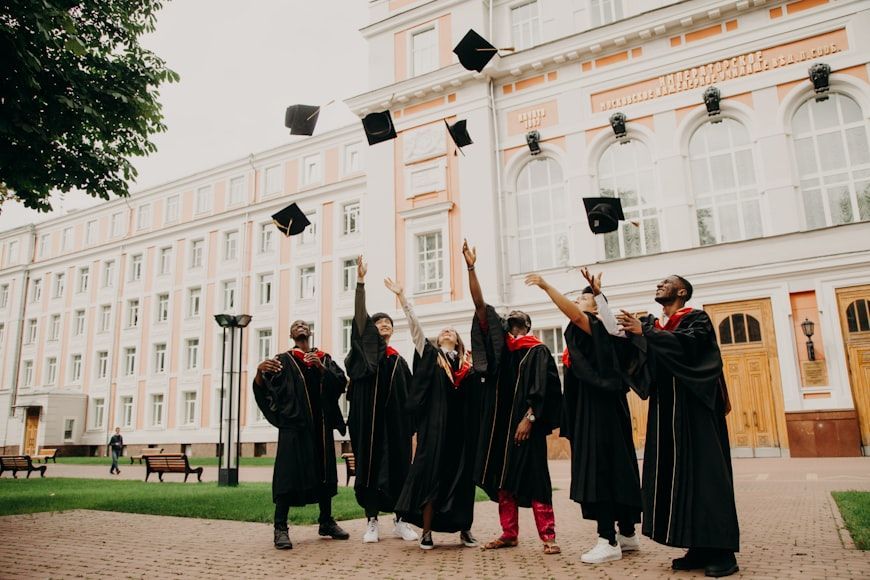
Reunions with former classmates tend to divide people: some look forward to them with excitement, while others would rather skip them altogether. We won’t ask which side you’re on, but there’s no denying that these gatherings are becoming rarer. While a few devoted groups still make an effort to keep it alive year after year, this custom doesn’t seem to be among the younger generations’ priorities.

7
Bake sales

Image: John Dancy

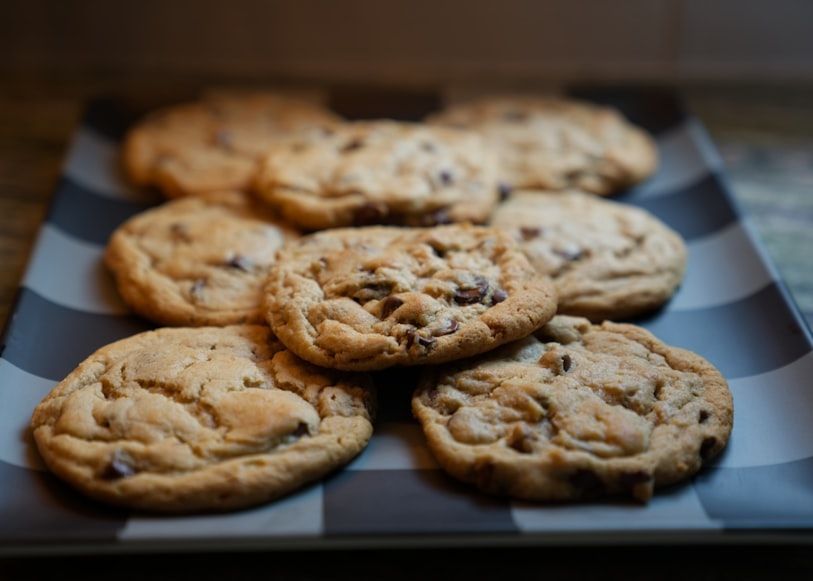
Whether at school, church, or in the neighborhood, who didn’t take part in a bake sale as a kid? However, in today’s fast-paced world, finding time to bake delicious cookies has become a rare treat. This classic way of raising money for a shared cause hasn’t vanished, but it’s definitely losing steam. With virtual wallets and social media, fundraising looks very different today.

8
Black Friday

Image: Markus Spiske

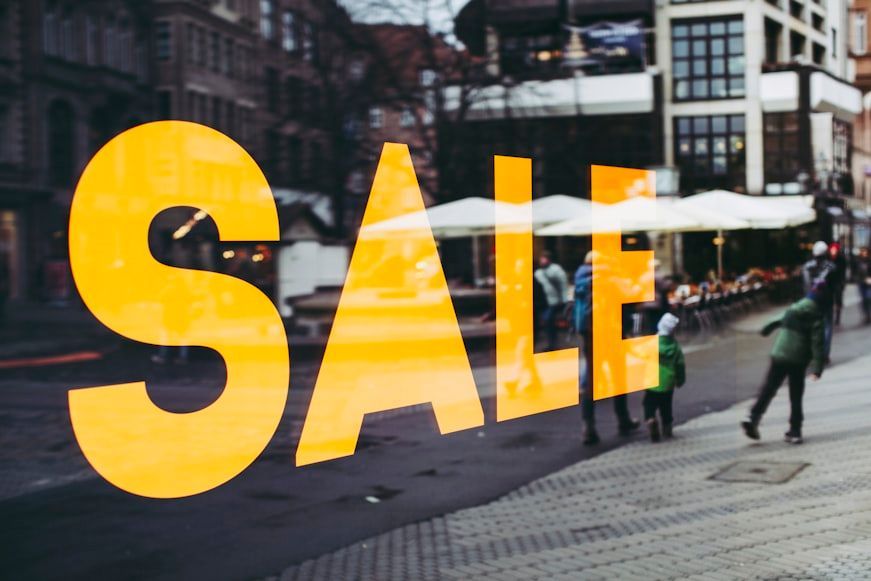
Black Friday, as we once knew it, is evolving into something new. Those endless lines outside stores are now much shorter, thanks to the rise of online shopping. In addition, with the increase in per capita consumption, Black Friday is no longer confined to the day after Thanksgiving; it now stretches across the entire week, and in many cases, the whole month.

9
Appointment TV

Image: Vitaly Gariev

We’ve all gotten used to on-demand content, which lets us watch, rewind, and replay whenever we like. While this convenience is great, it has slowly replaced the old habit of appointment TV, those moments when families or neighbors would gather in their living rooms at a set time to watch a big game, a premiere, or the season finale, sharing a sense of community that’s not so common today.

10
Private fireworks

Image: Leo Okuyama

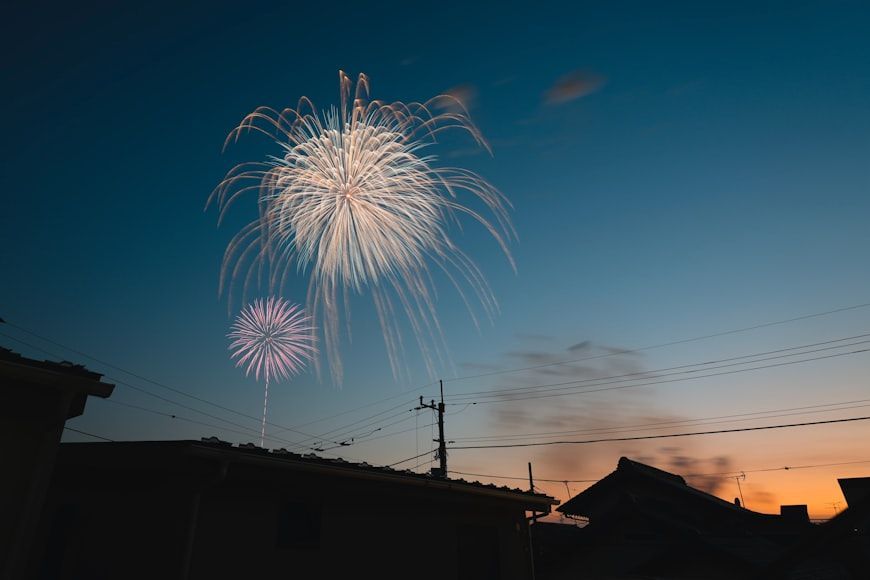
As the years have passed, we’ve learned more about the risks of fireworks: How they can frighten pets, harm the environment, and cause serious injuries in both children and adults. We can’t deny that lighting fireworks in the backyard with the family is a magical moment, but these days, that tradition has mostly moved to large events in stadiums or music festivals, where trained professionals handle the show.

Culture Culture 4 min read

Just recently legal

10 everyday things once banned in America

Image: Amigo Mobility

If you had to name something that’s illegal or banned in America, buying margarine or playing pinball probably wouldn’t be at the top of the list. But they were, and not so long ago. From buying alcohol to freestyling the National Anthem to swearing in public, many harmless, surprising activities were once outlawed, and offenders risked fines or jail time. Let’s have a look.

1
Buying alcohol (but not drinking it)

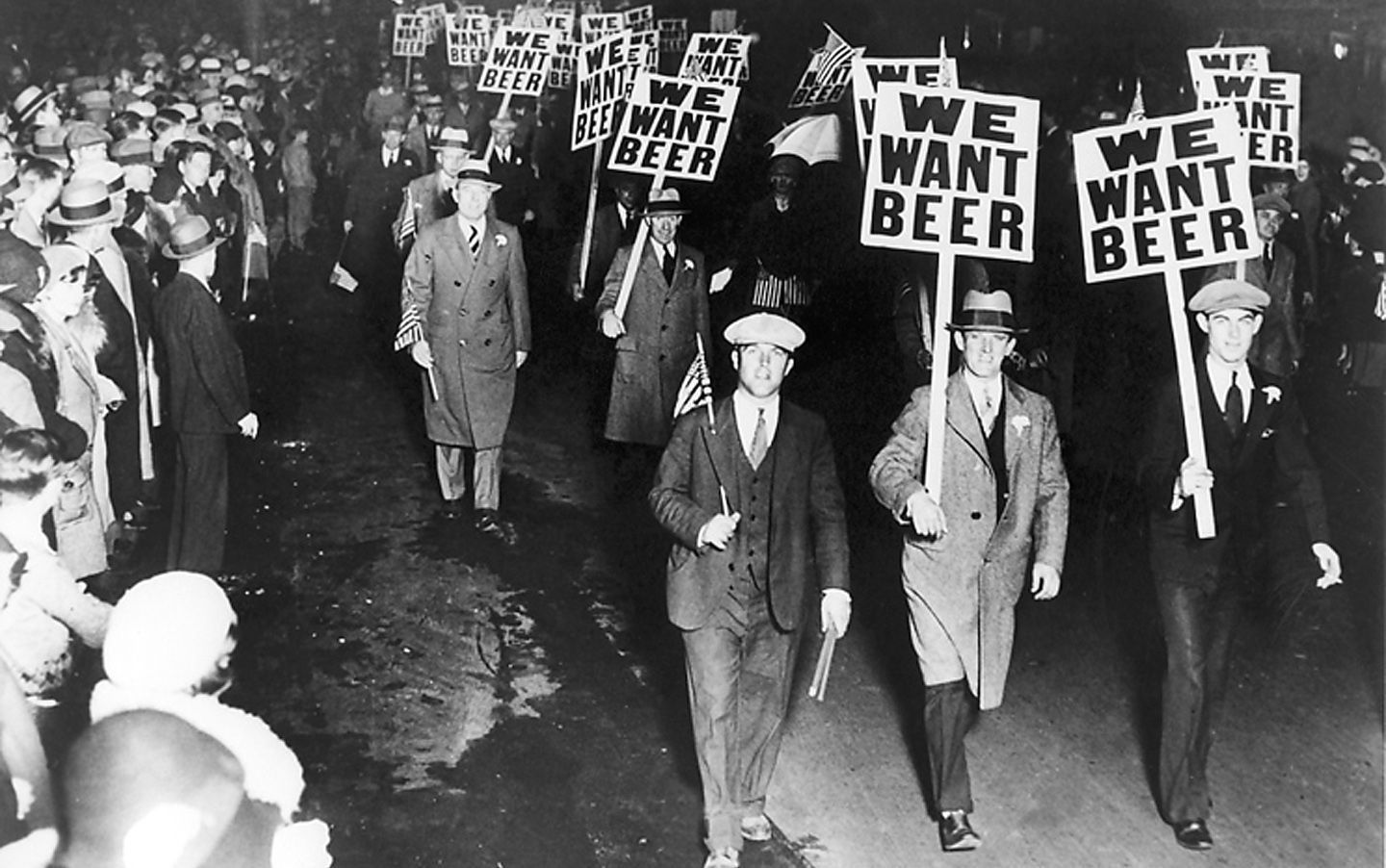
Image: https://www.loc.gov/item/99405158/, Public domain, via Wikimedia Commons

Everyone knows that alcohol was banned during the Prohibition Era (1920–1933), but what about it was illegal? The 18th Amendment banned the manufacture, sale, and transportation of liquor, but drinking it in the comfort of your home was perfectly legal. Now, if you wanted to get your hands on it, you usually had to resort to not-so-legal means, such as speakeasies or bootleggers.

2
Shopping on a Sunday

Image: Alexander Faé

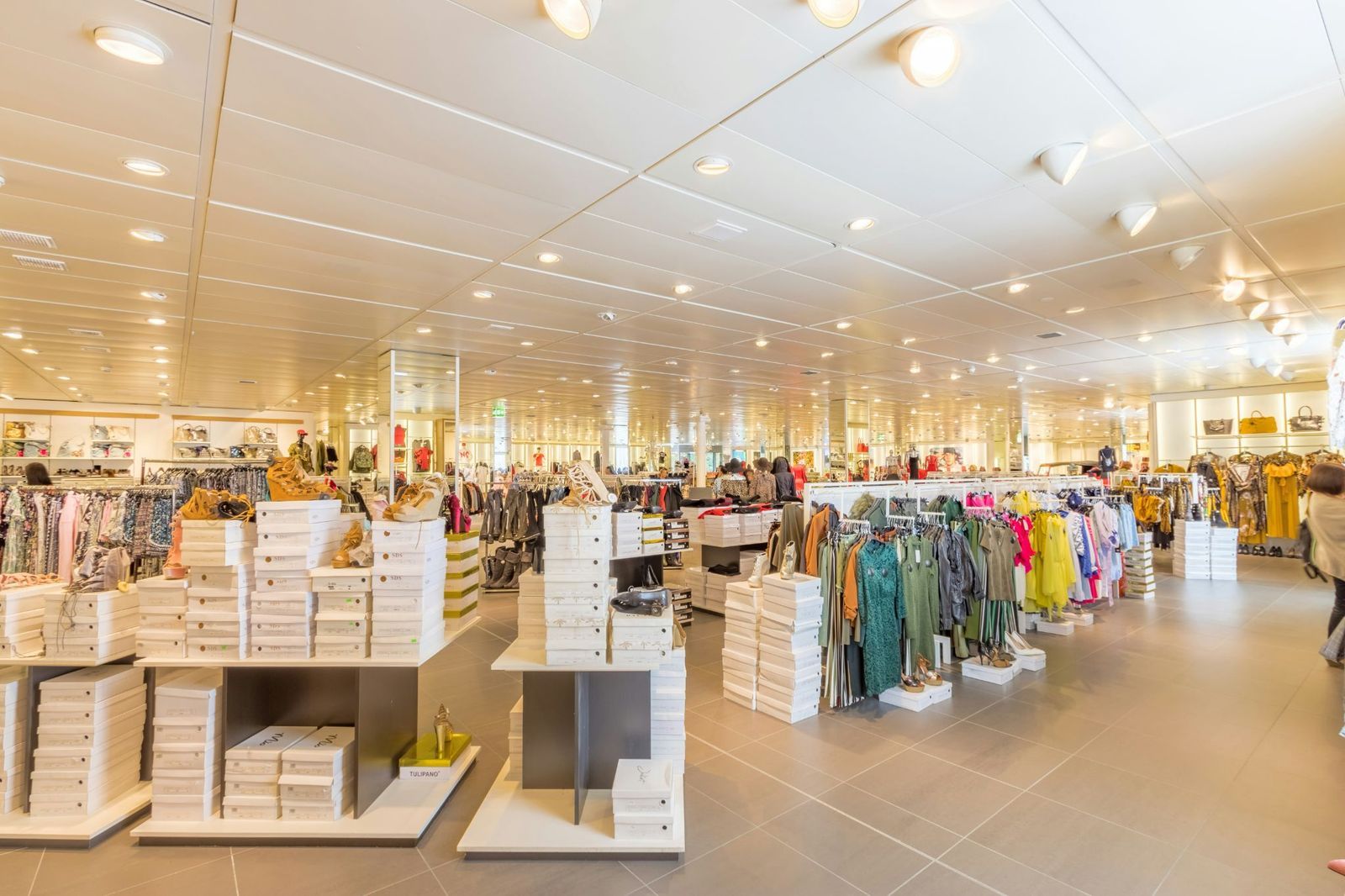
Enjoying some retail therapy on the weekends is not uncommon nowadays, but there was a time when you could only do it on a Saturday. Blue laws, also known as Sunday laws, were statutes that restricted commercial and recreational activities on Sundays , from buying alcohol to hunting, to ensure rest on the Lord’s day. Most blue laws were repealed in the 1960s, but some counties and states still enforce them to some extent.

3
"Modifying" the National Anthem

Image: Daniel Lloyd Blunk-Fernández

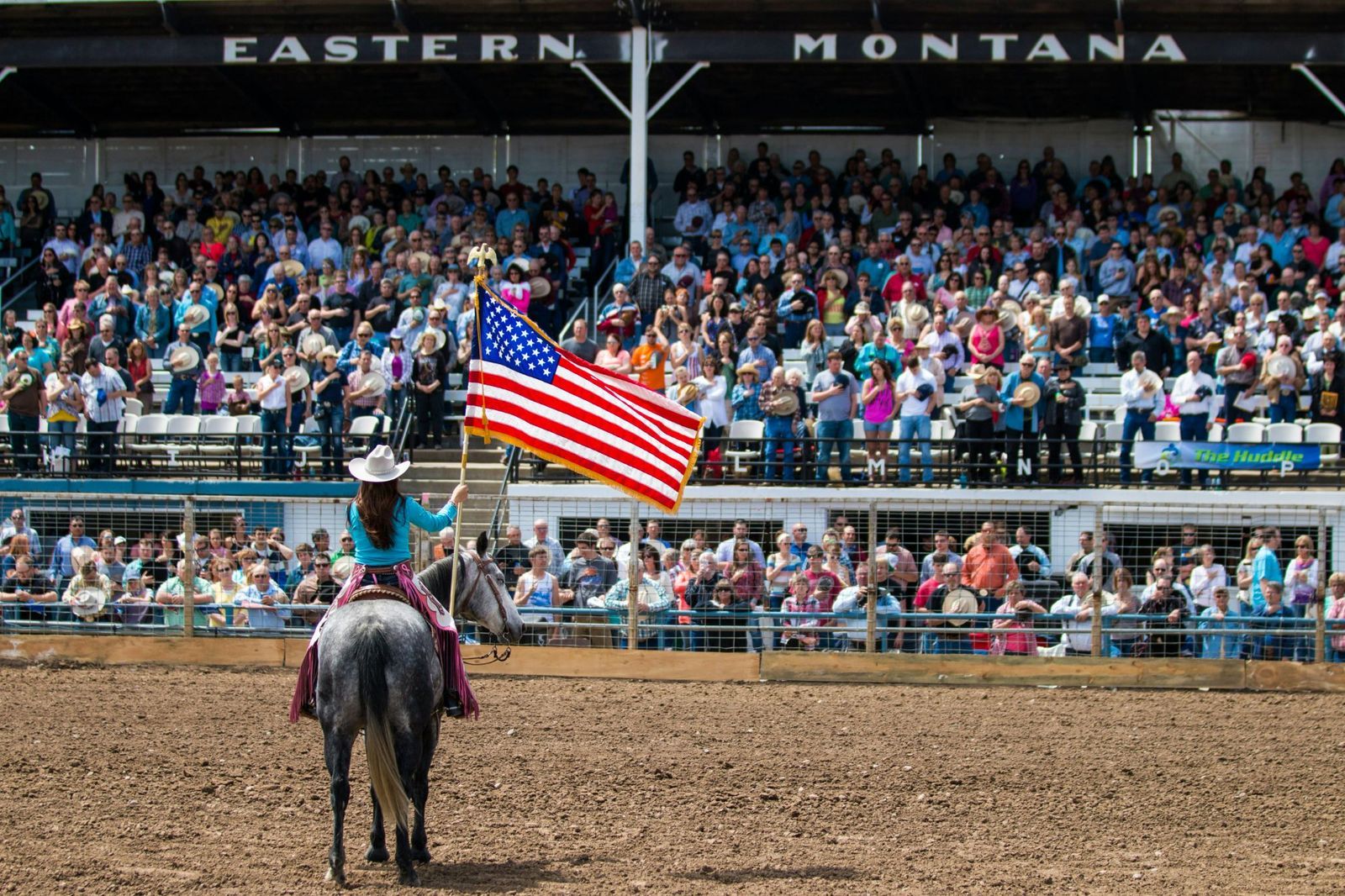
The National Anthem deserves respect—in fact, making a musical arrangement for it or playing only a part was once illegal. In the early 20th century, many states passed laws against the "musical desecration" of the Star-Spangled Banner , which outlawed embellishing the melody, using it as part of a medley, or dancing to its tune. These laws are no longer standing, and all etiquette regarding the National Anthem is voluntary for civilians.

4
Voting as an 18-year-old

Image: Element5 Digital

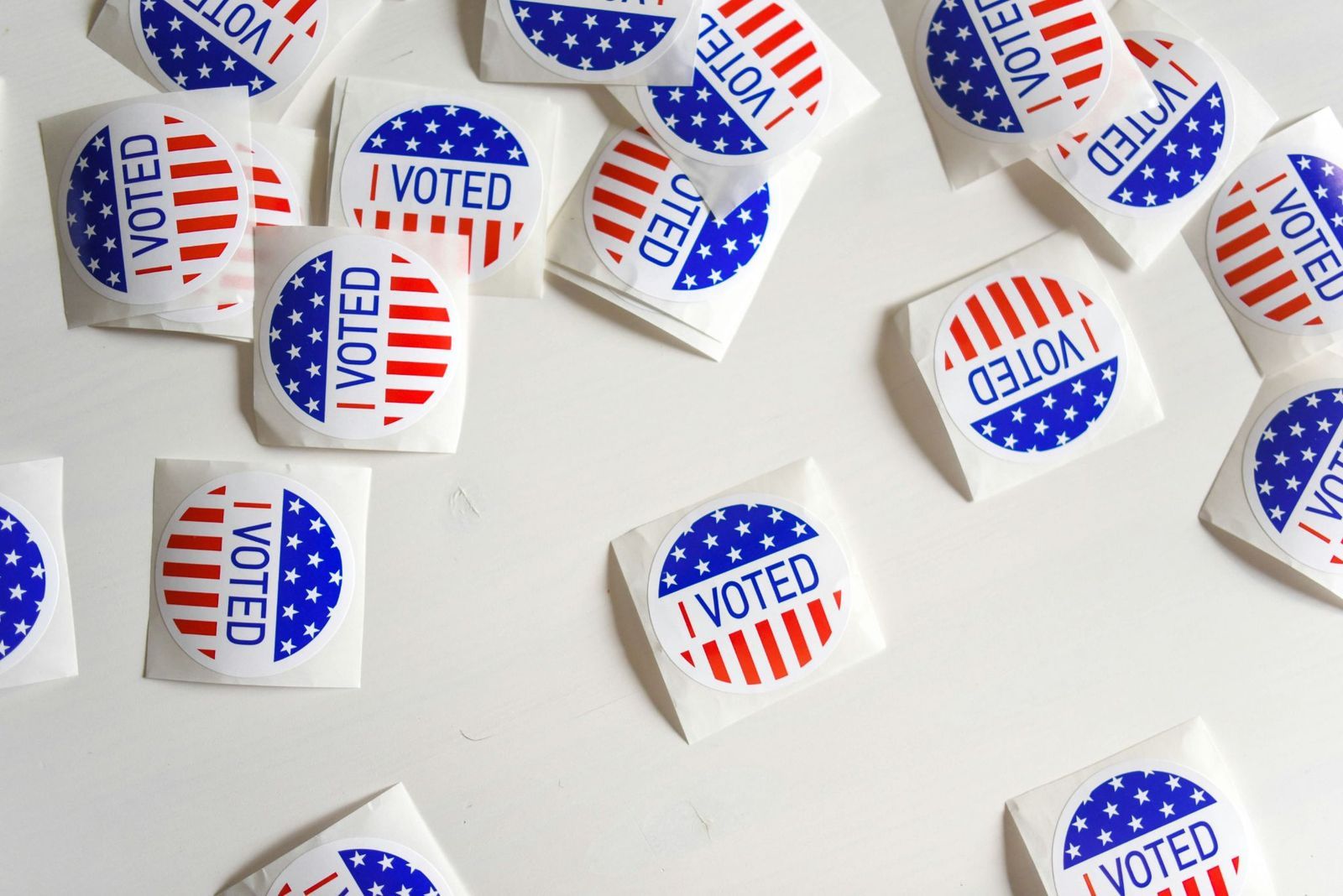
Although there is no consensus among states about the legal age of majority, there is a national standard when it comes to voting in state and federal elections, something all Americans can do at 18 years old. However, this is a relatively new development. The 26th Amendment, which lowered the voting age from 21 to 18, was passed in 1971 as a result of controversies surrounding the Vietnam War draft of young men who were not entitled to the vote.

5
Swearing in public

Image: Etienne Girardet

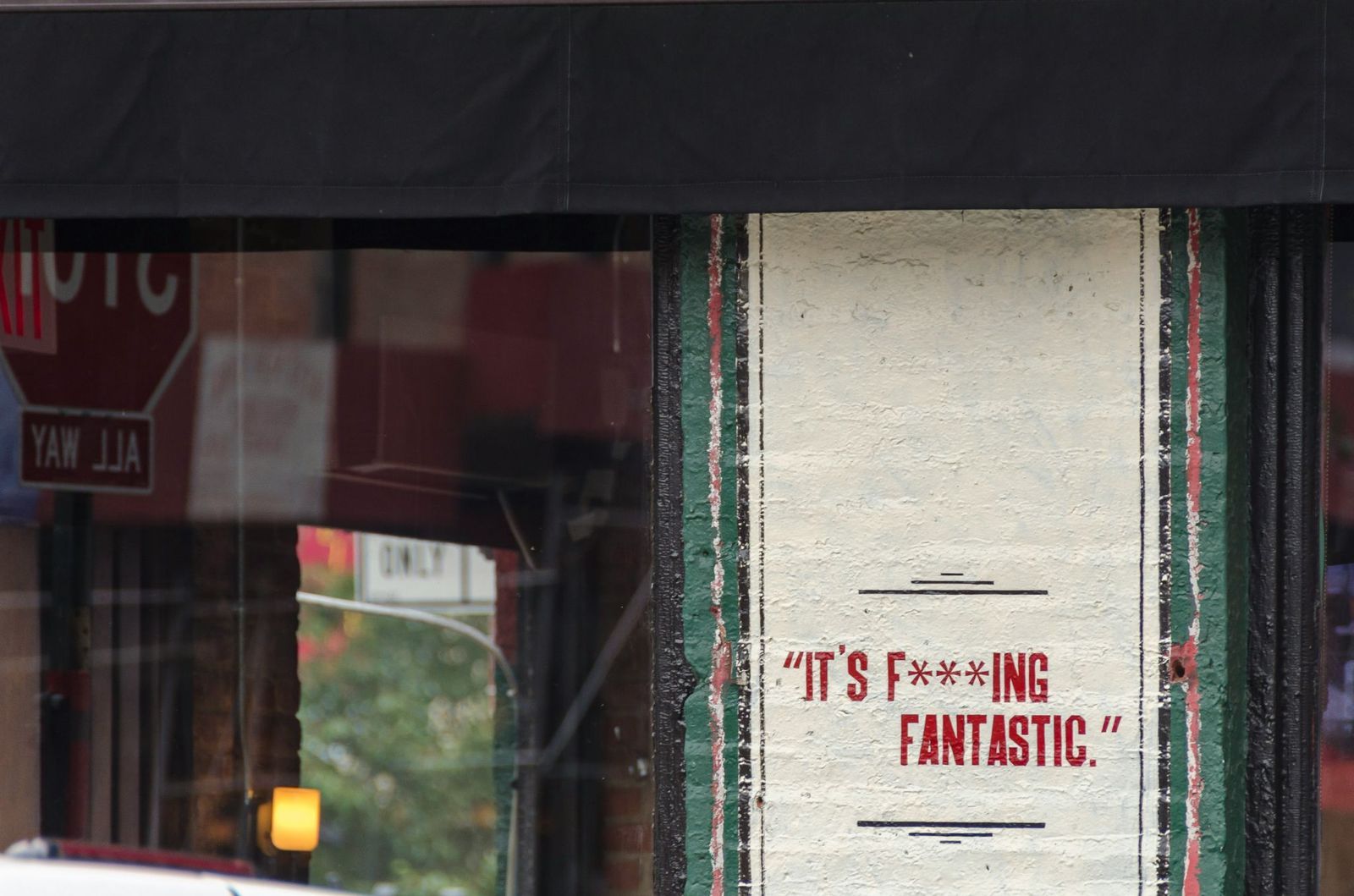
While federal laws against profanity are unconstitutional under the First Amendment, several states have passed statutes against public swearing and indecent language . While most of these statutes have not been enforced for decades, you’d be surprised to know that they were still standing in states such as California, Virginia, and Michigan within the past decade.

6
Margarine

Image: Jess Bailey

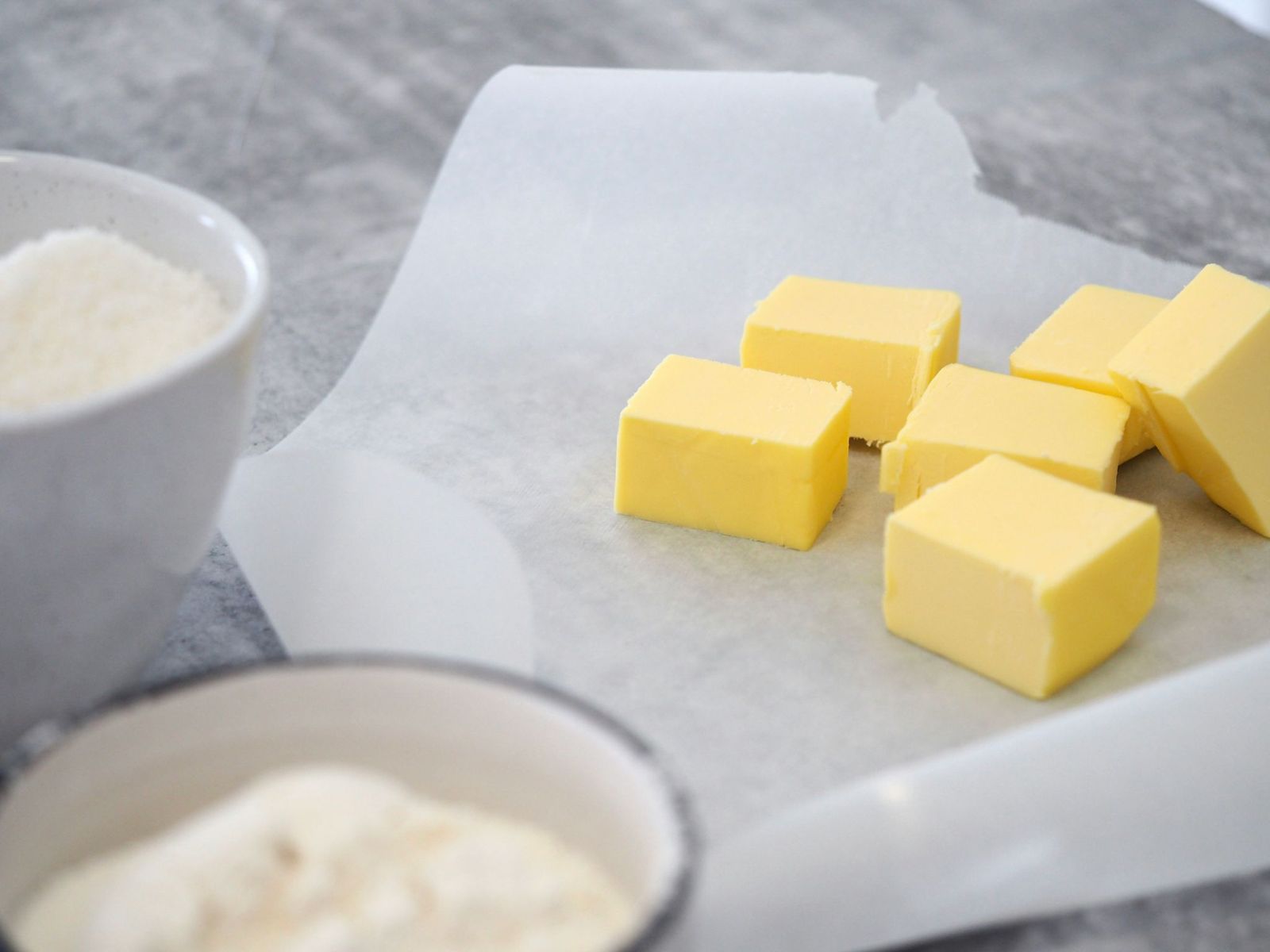
D id you know that margarine was banned or severely restricted until the 1950s? In the late 19th century, many states banned the sale of margarine to protect the butter industry, while others allowed its sale on the condition that it was dyed pink to render it unappealing. Margarine with a butter-like appearance could sometimes be sold with an added tax. In 1950, President Harry Truman passed the Margarine Act, lifting all bans and taxes on yellow margarine.

7
Wearing pants as a woman

Image: Nikita Chaturov

Wearing pants as a woman was never banned or criminalized on a federal level, but most states outlawed it with crossdressing laws and ordinances. In 1923, the US Attorney General stated that it was legal for women to wear pants in public, but this was not a federal law, which meant that state ordinances still stood. Although women's pants became standard during World War II, many places—such as the U.S. Senate—still banned them until the 1990s.

8
Eating popcorn at the movies

Image: Corina Rainer

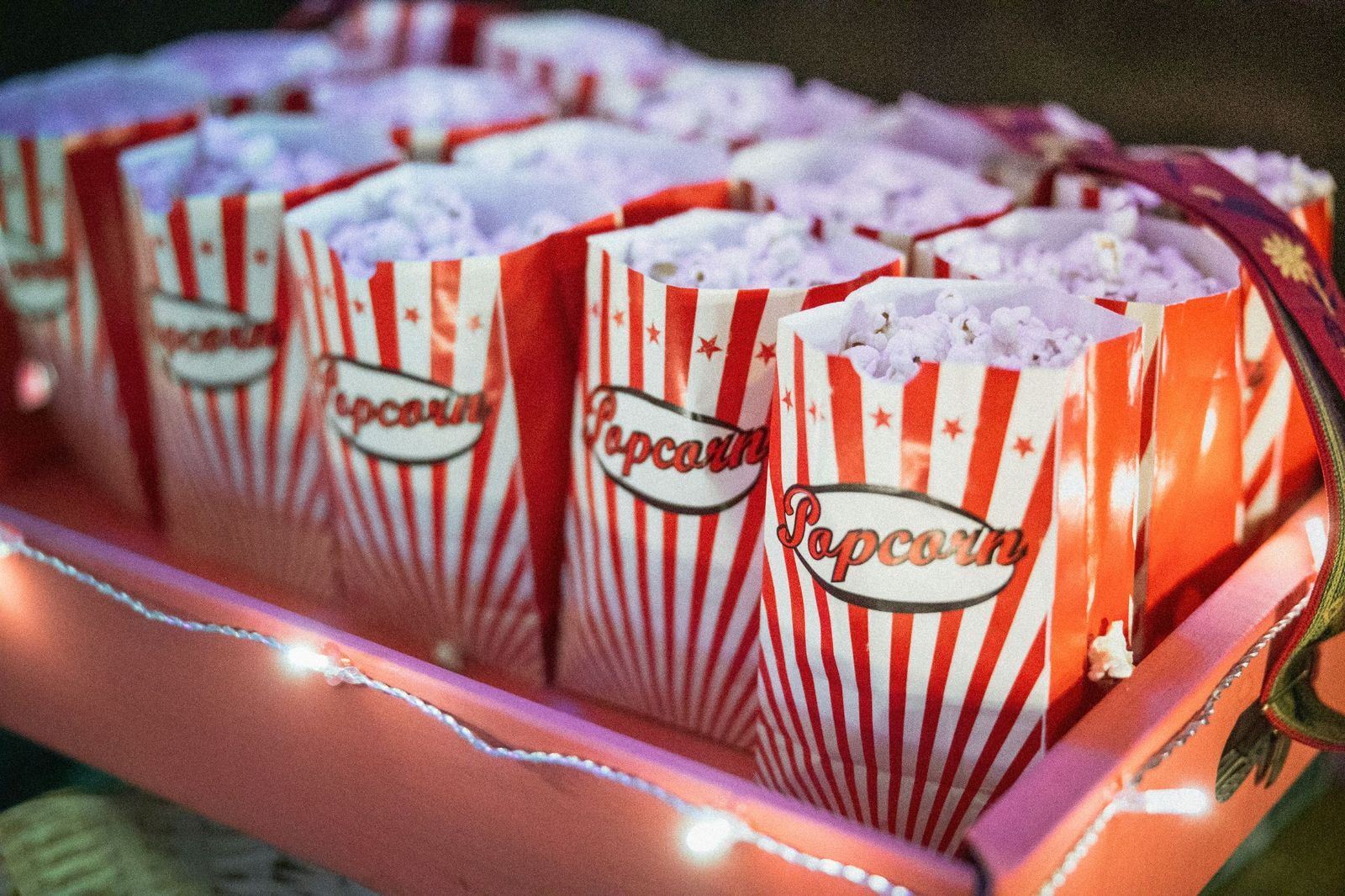
There was never a law or a statute banning popcorn at the cinema, but not for lack of trying. During the Silent Era of Hollywood, food was banned inside most theaters, and popcorn was the public enemy #1 due to the noise . When did it become a movie staple? With the introduction of sound in film, the crunching of popcorn was less of an issue, and street vendors started selling it outside cinemas. Eventually, theaters realized that there was major profit in snacks and started selling them, at a huge markup, in the theater.

9
Pinball machines

Image: Patrick Von

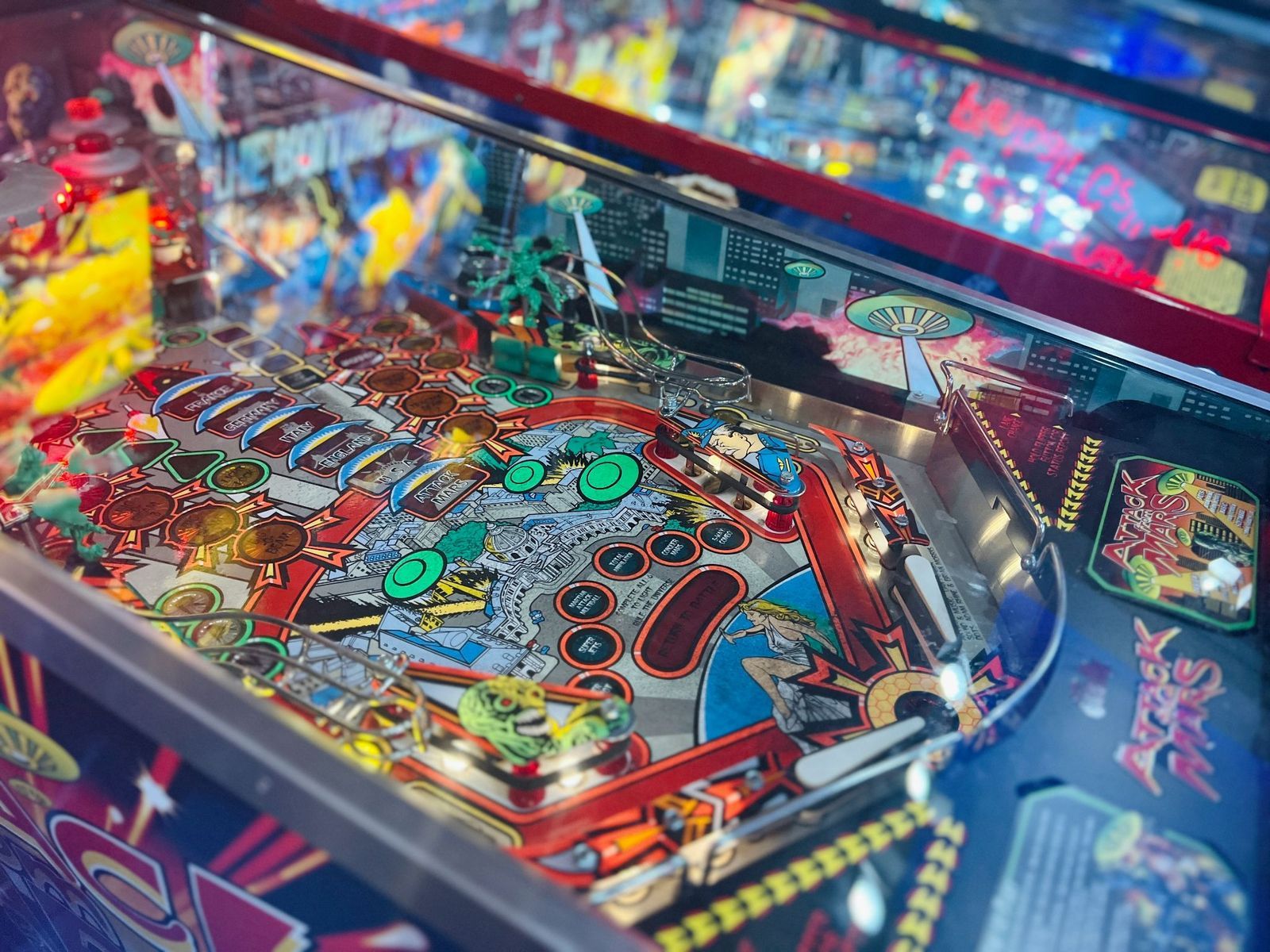
In what was known as the ‘Pinball Prohibition’, cities all across America made pinball machines illegal. The rationale was that pinball machines were gambling devices and were used by the mafia to lure children into illegal gambling . Luckily, most anti-pinball laws were repealed in the late 1970s.

10
Owning gold

Image: Scottsdale Mint

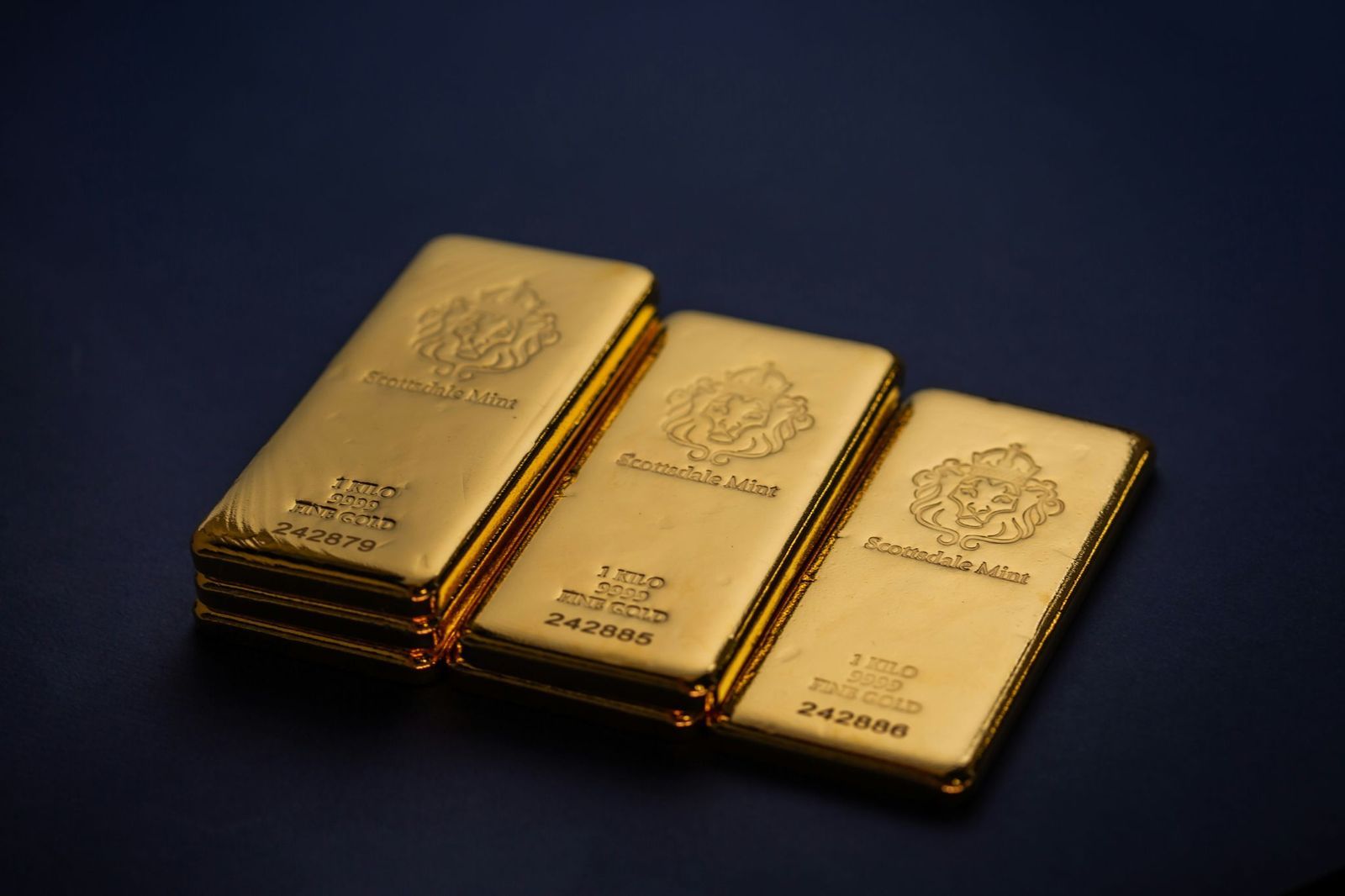
There are several things that regular citizens can’t legally own, but why gold? In 1933, President Franklin D. Roosevelt signed an executive order that banned private ownership of gold —though small amounts of gold jewelry were allowed—to prevent "hoarding". Citizens were required to turn in their gold to the Federal Reserve, and would receive $20.67 per ounce. Gold ownership was made legal again by President Gerald Ford in 1975.

Explore more American facts

Choose your favorite category!

General
General

As American as apple pie—the very best America has to offer!

Culture
Culture

Delve into the astounding richness of American lore.

Geography
Geography

Hop in and explore vast and diverse American landscapes.

History
History

Discover the key moments that shaped the United States.