Geography Geography 5 min read

10 State nicknames that tell a story
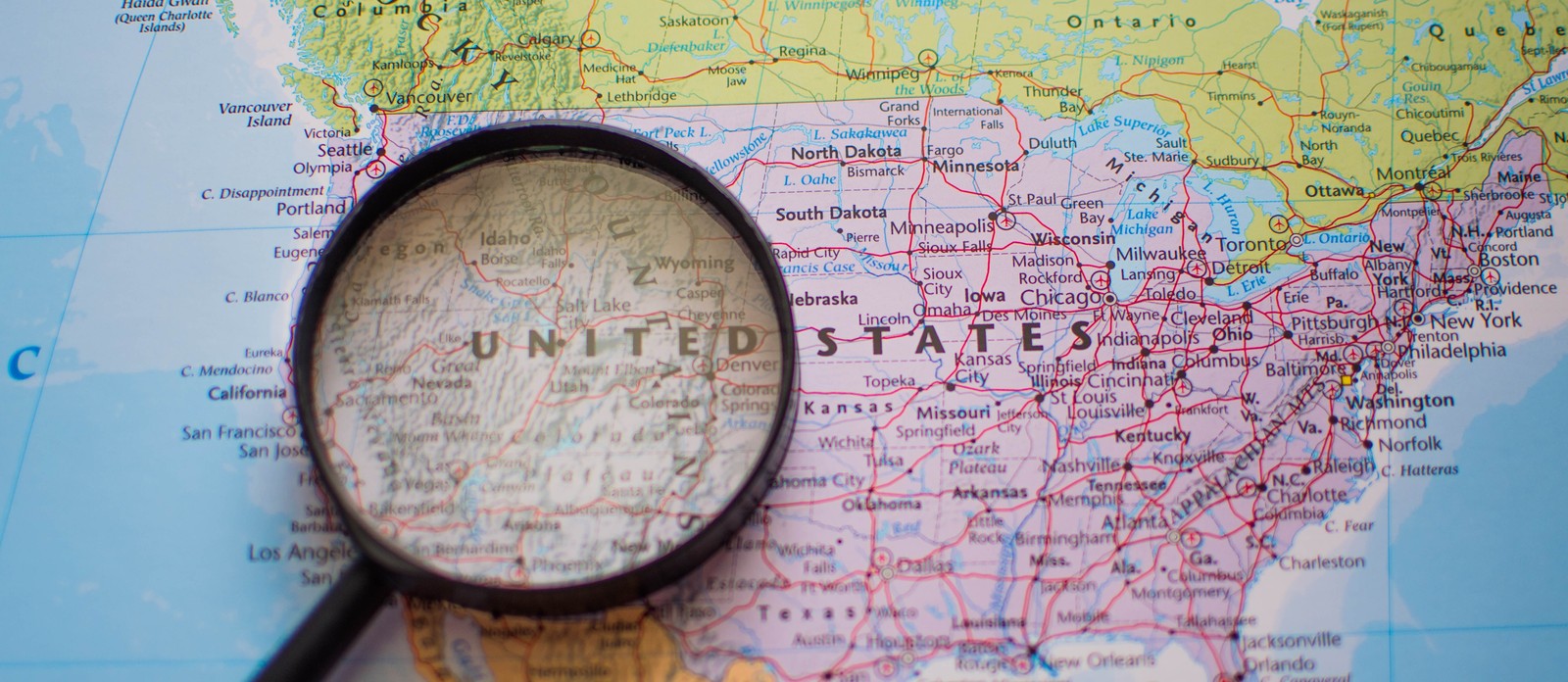
Image: Neuiiza

Ever wondered why Alaska is known as the Final Frontier? Why do we call Florida the Sunshine State (although other regions average more sunshine)? And what does it mean that Pennsylvania is called the Keystone State ? Today, we dive deep into the stories of some of our favorite regions and their pet names that reflect a bit more of what America is all about.

1
California – The Golden State
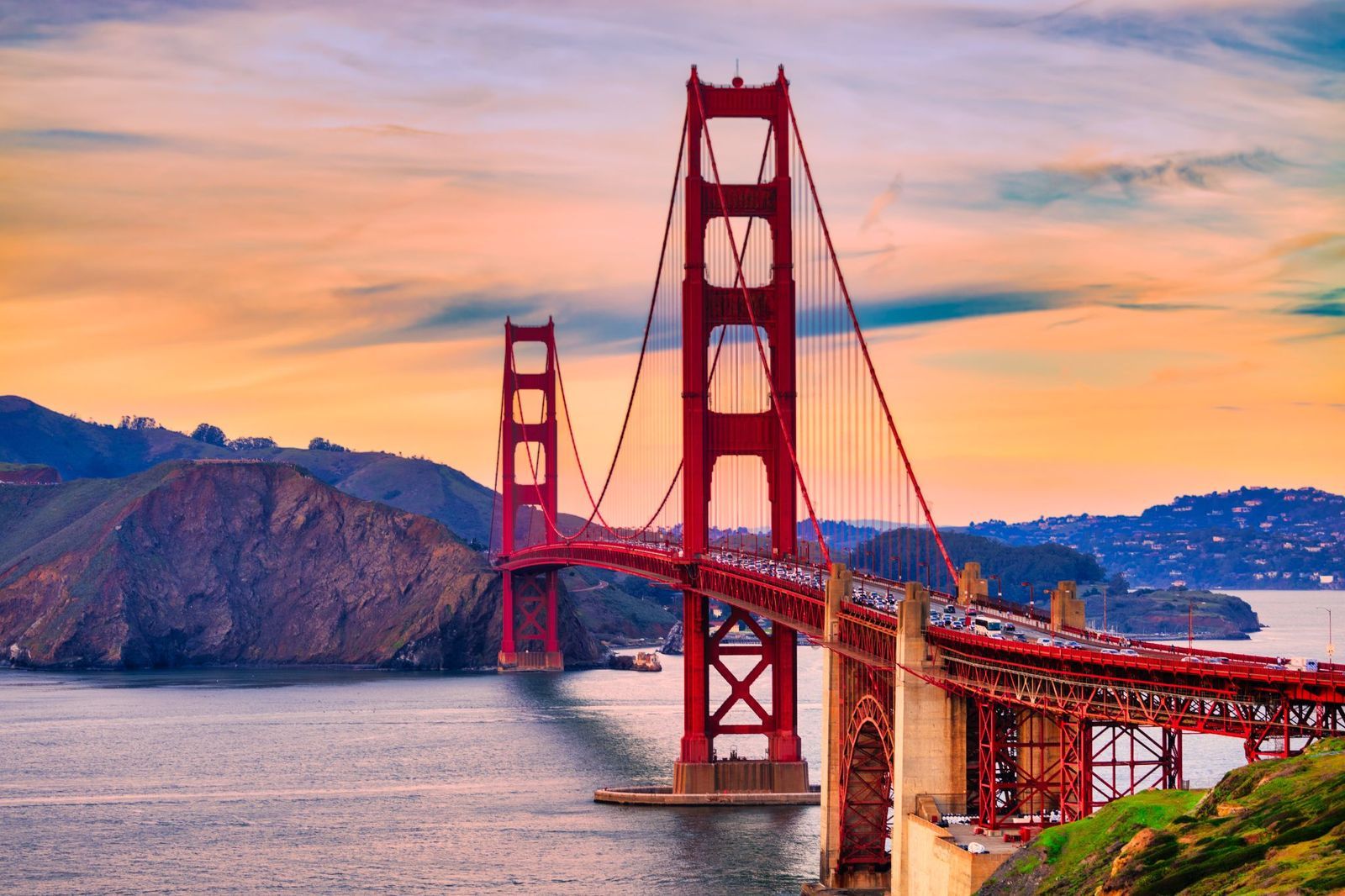
Image: UVL

California has been known as The Golden State since 1968, although the story behind why dates back to the 19th century, for three reasons: The first and main motive for this nickname is the Gold Rush, which followed the discovery of gold at Sutter’s Mill in 1848 , resulting in hundreds of thousands of Forty-Niners heading over, forever changing the economic, cultural, and social landscape.

The second explanation is the gold poppy, the state's official flower, which decorates the hills and landscape with a bright yellow hue that can sometimes be seen from the ocean. And finally, the third reason for this nickname is the state's sun-drenched climate, making it a radiant location from the inside out.

2
Texas – The Lone Star State
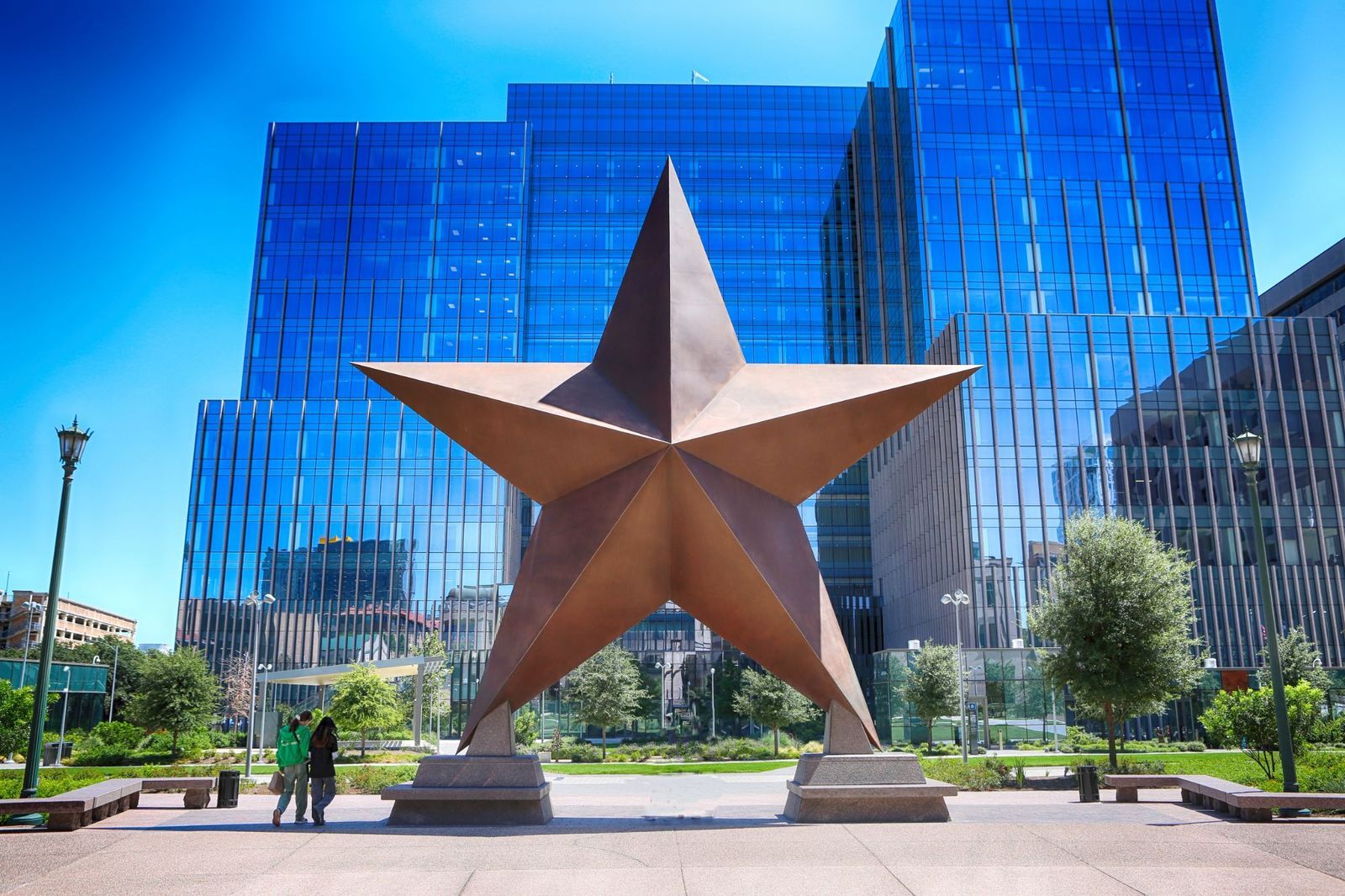
Image: GSPhotography

Texas’s alternate name is The Lone Star State because of the state’s flag, which has one big white star on its left-hand side, symbolizing the region’s fierce independence and honoring its treacherous journey to freedom from Mexico.

Not only that, but did you know that after gaining independence, Texas was actually a foreign state for almost a decade (from 1836 to 1845) ? Therefore, having the star also represents Texan’s hard work, their defiant identity, and the importance of sovereignty.

3
Florida – The Sunshine State
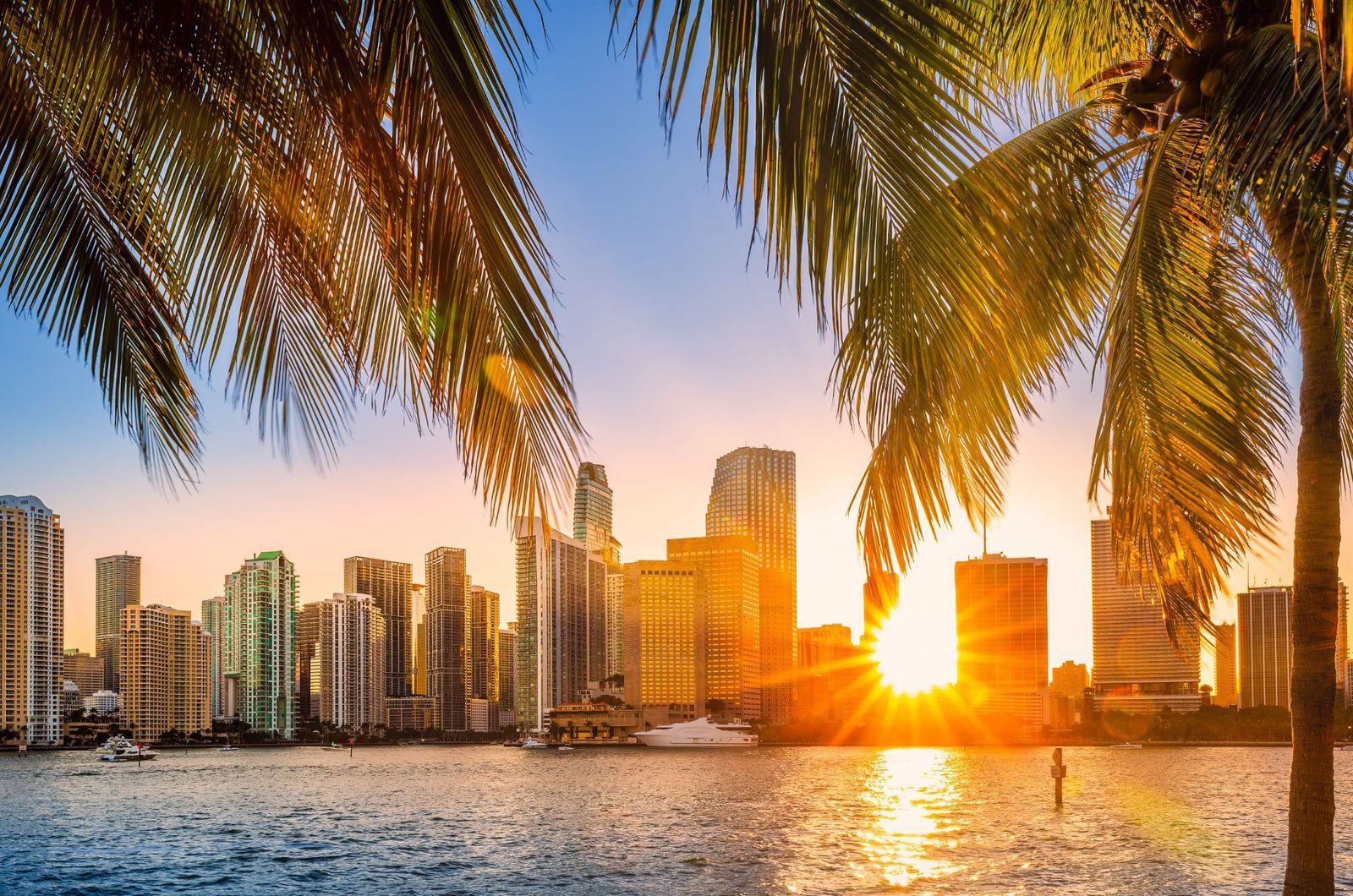
Image: Mihai_Andritoiu

Florida’s whimsical nickname was officially adopted by the legislature in 1970. It refers to the state’s amazing climate, which offers between 230 and 250 sunny days a year, due to its enviable tropical weather.

During the late 19th century and early 20th century, before marketing and tourism were as common as they are today, Florida was heavily promoted with this shiny catchphrase. The objective was to attract as many vacationers and investors as possible, and even though states such as Arizona, New Mexico, and Nevada are statistically sunnier , it worked!

4
New York – The Empire State
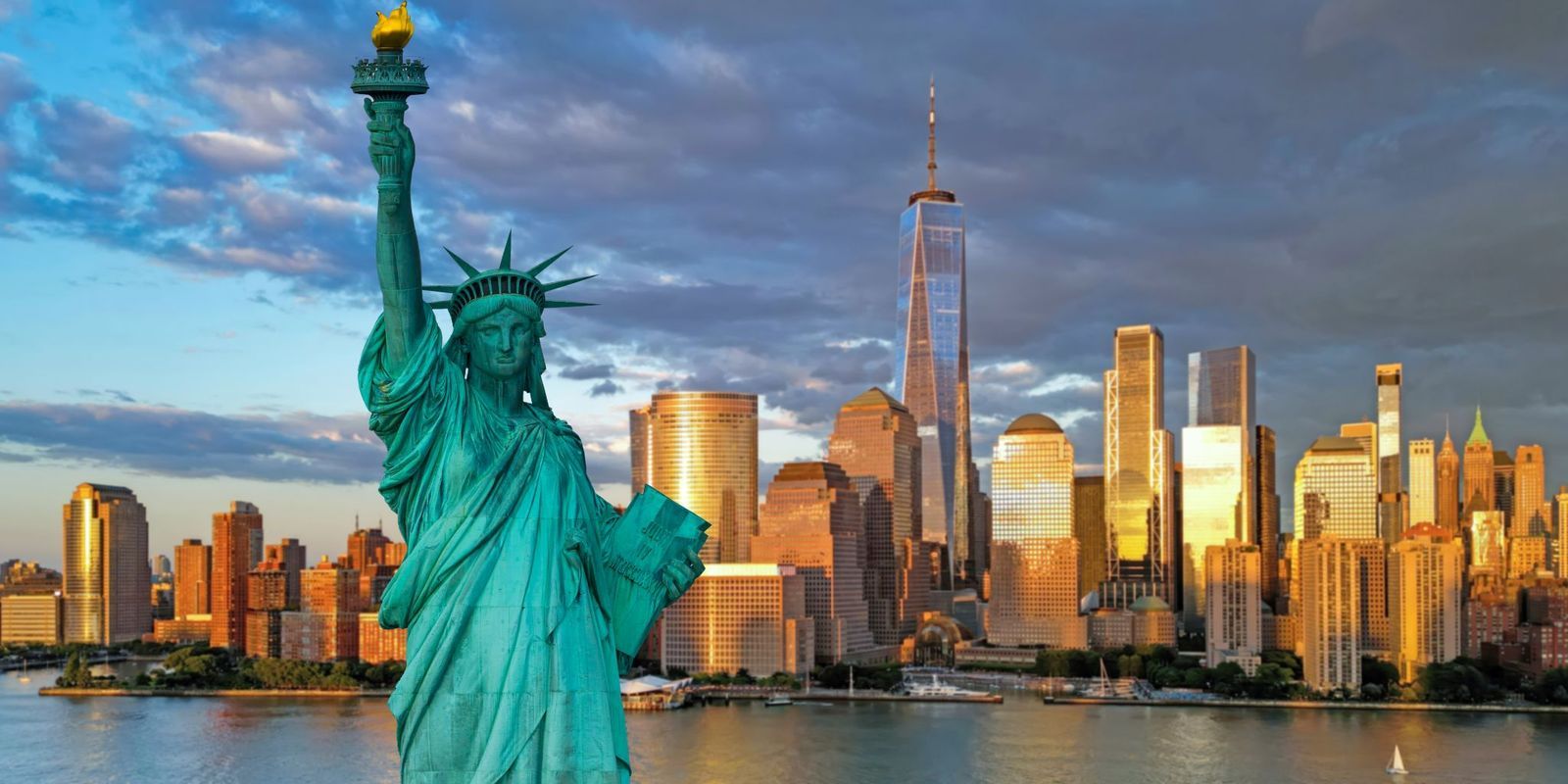
Image: Volodymyr TVERDOKHLIB

New York’s moniker is The Empire State. This powerful slogan references the unmatched ambition, wealth, and business dominance this state has over all others.

The story of how it came to be dates back to 1785, to a letter written by George Washington to the New York Common Council, describing the region as " The State of the Empire ." Later on, this reference became officially used by all in the 1800s, when, after the development of the Erie Canal, New York’s powerhouse status was solidified even further.

5
Illinois – The Prairie State
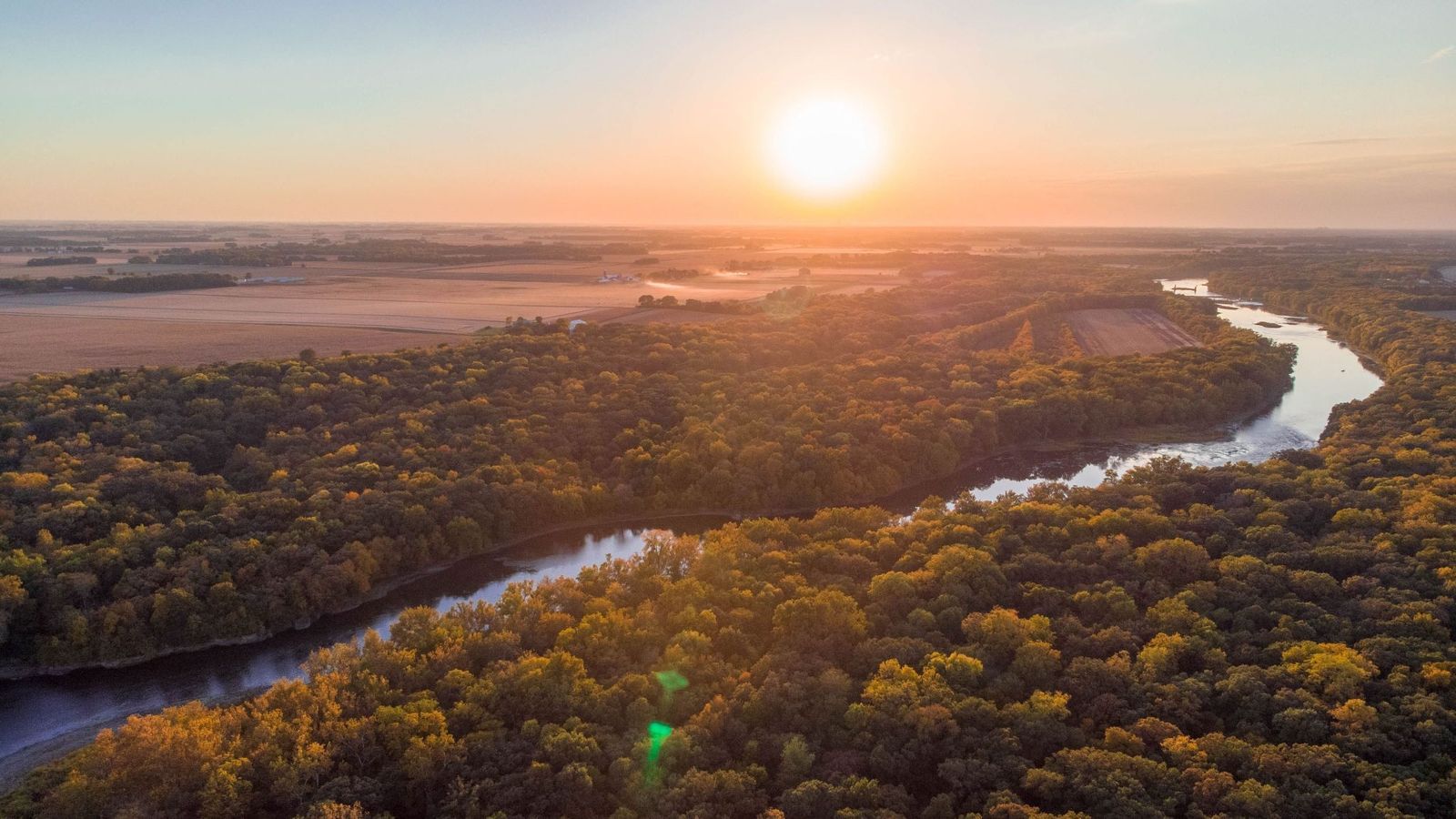
Image: David Hutton

Illinois’ nickname, The Prairie State, undoubtedly refers to its emblematic landscape of vast grasslands covering almost 22 million acres. This ecosystem, framed under stunning blue skies, has made the state a symbolic painting.

Early settlers were amazed by the immensity of the wild grasses and wild flowers. Over time, much of the area has been converted into farmland. Nowadays, only a fraction of the original prairie is intact, but the memory of its beginnings forever remains.

6
Nevada – The Silver State
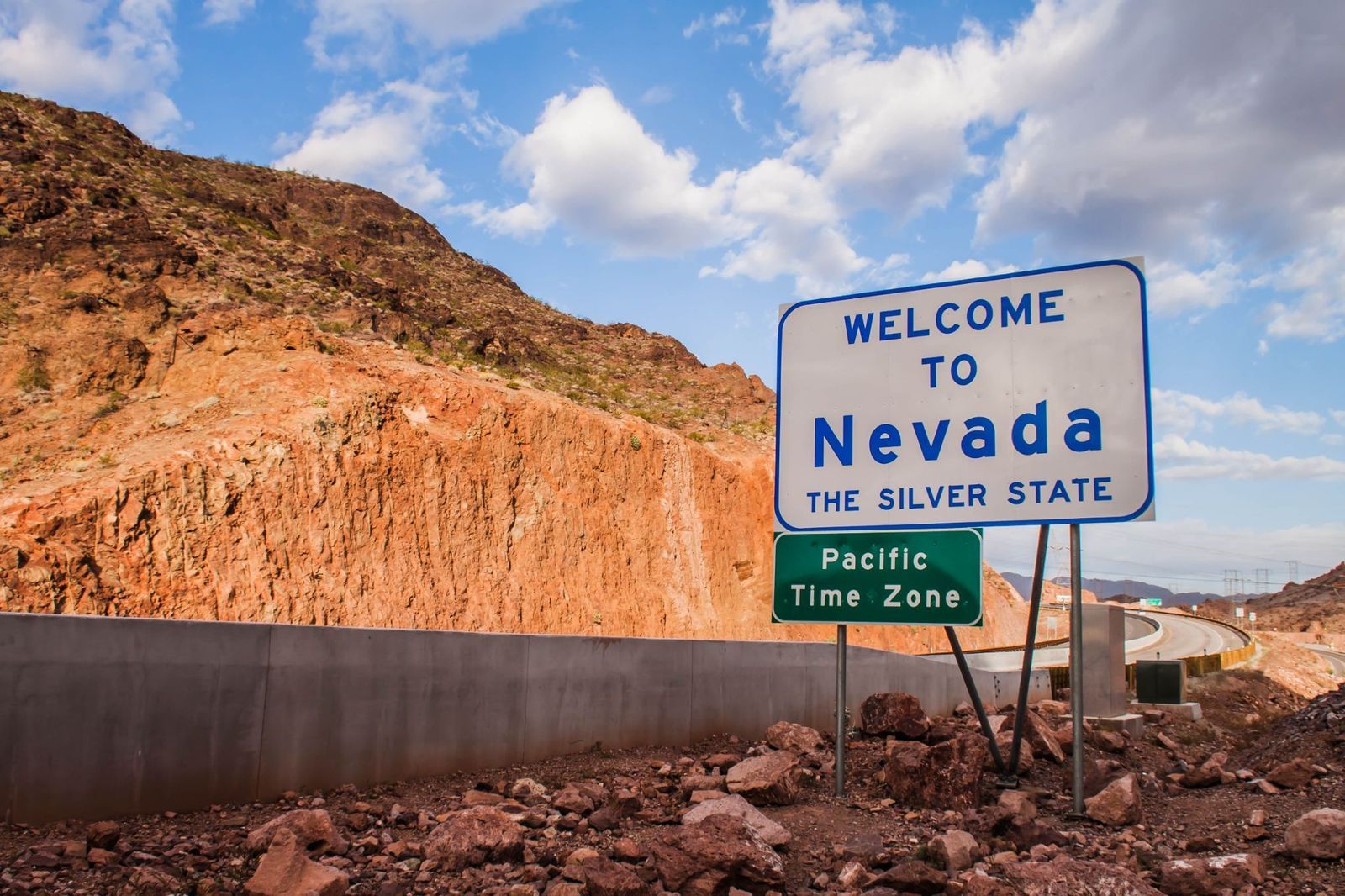
Image: Danny Thomas

Nevada's most notable nickname, The Silver State , dates back to 1859 when the Comstock Lode was uncovered. The immense discovery of so much silver led to an unimaginable mining boom, putting the area on the map.

In fact, this accelerated Nevada’s path to becoming a state in the first place and made it a defining bastion of America’s West. Other nicknames Nevada has been known for include T he Battle-Born State, The Sagebrush State, and, understandably, The Mining State.

7
Pennsylvania – The Keystone State
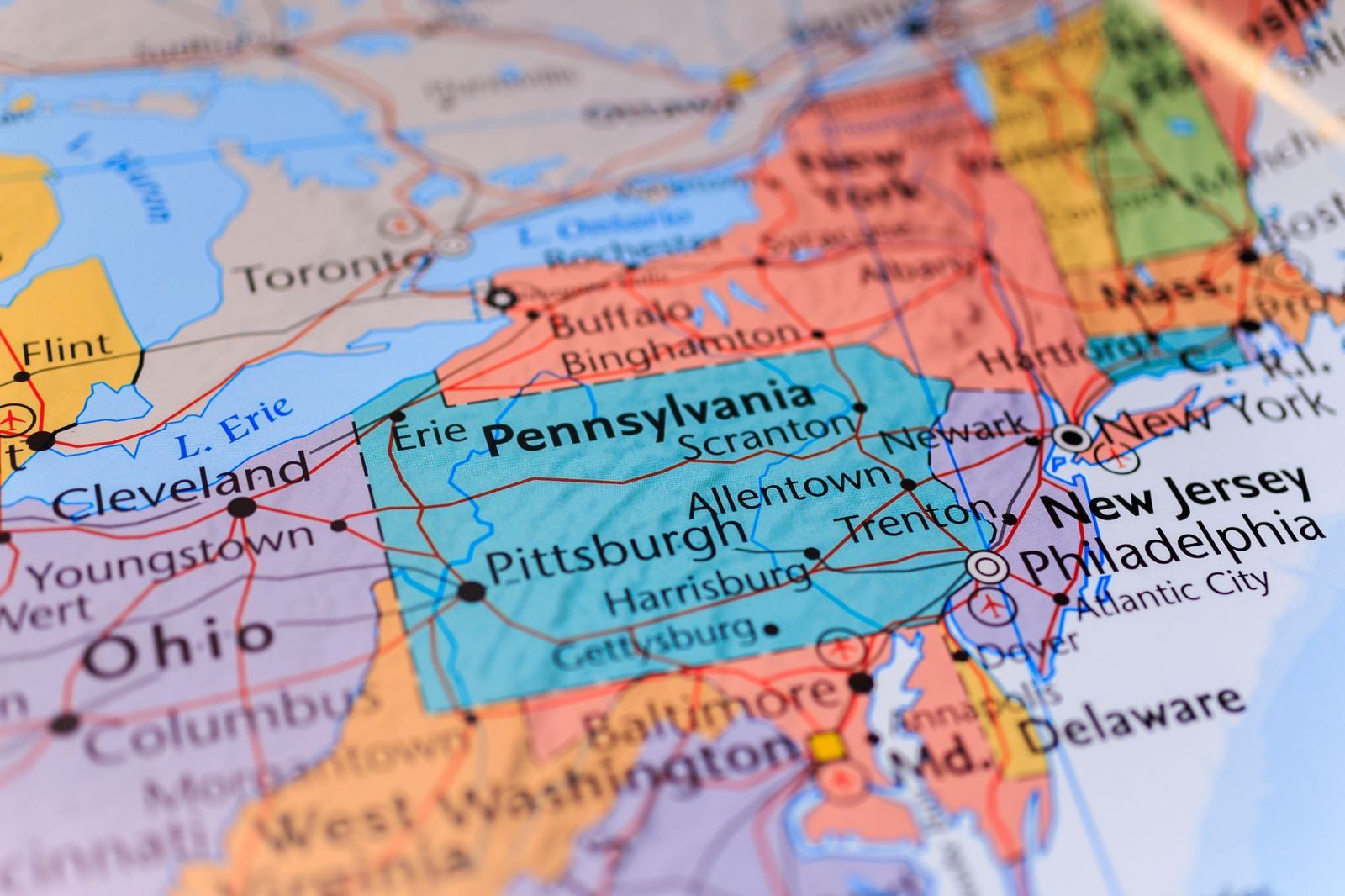
Image: Alexander Lukatskiy

Pennsylvania is famously known as The Keystone State . This derives from the architectural symbolism of a keystone, a wedge-shaped stone located at the top of an arch that locks all other pieces into place.

This reference highlights the geographic centrality of the region and the fundamental role Pennsylvania has historically played in keeping the surrounding areas connected, having held the early American Republic together .

8
Massachusetts – The Bay State
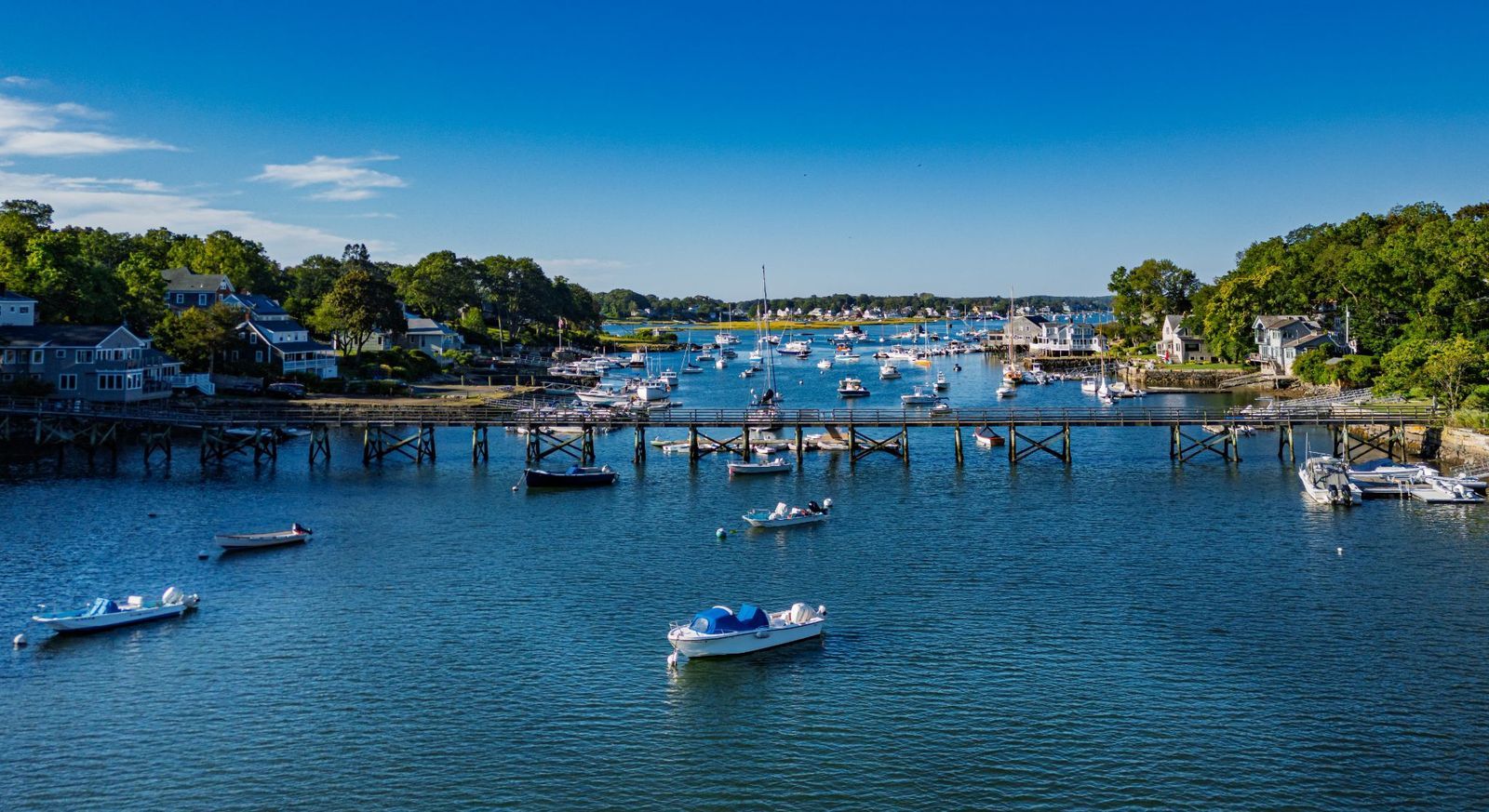
Image: Capt' Tom

Massachusetts' moniker, The Bay State , refers to the area's deep, foundational relationship with the Atlantic Ocean , tied to early colonial survival. Back in 1630, the region was known as the Massachusetts Bay Colony, defined by its hustling and bustling maritime harbor that served as a lifeline for early pioneers.

In addition, since 1990, the Massachusetts legislature has officially adopted the moniker Bay Staters as the official designation for the state’s residents.

9
Arizona – The Grand Canyon State
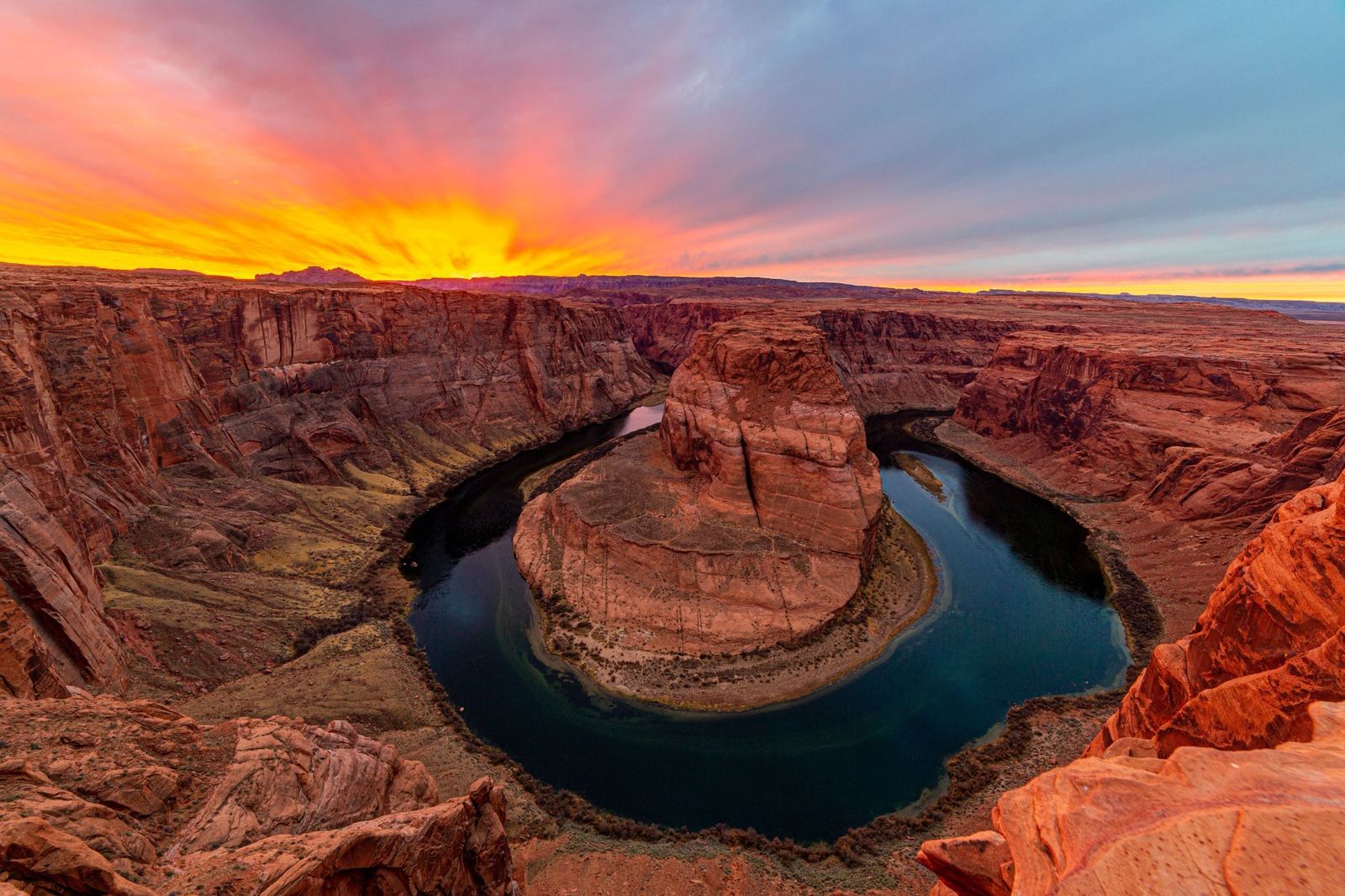
Image: Wirestock Creators

Arizona’s nickname, The Grand Canyon State, refers to its most iconic natural feature . It’s an incredible geographic wonder that has established the region as a tourism destination dreamed of by people around the country, and around the globe.

All the same, over the years, Arizona has also sparked other monikers such as The Baby State, The Valentine State, and The Copper State.

10
Alaska – The Last Frontier
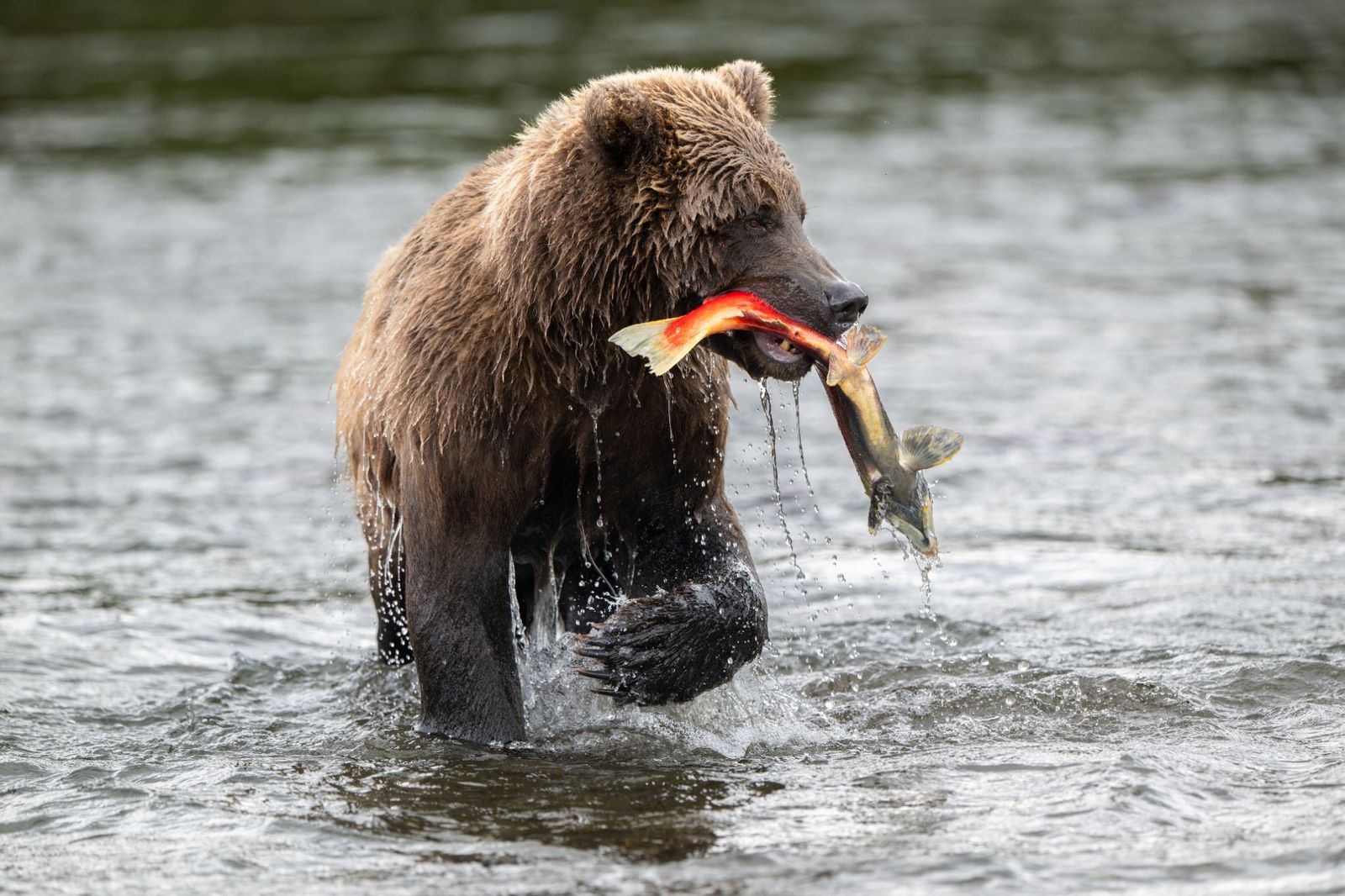
Image: Tony Campbell

Alaska's poetic nickname, The Last Frontier_,_ refers to its geography and extreme isolation . Known for its raw, pristine wilderness, it also holds historic status as the last untamed expansion in U.S. history, having joined the Union in 1959 as the 49th state.

Only about one-third of the region is organized into boroughs, leaving the majority of the massive landmass (over 660 thousand square miles) as it was: undisturbed glaciers and mountains, resulting in relentlessly extreme climatic conditions.
General General 3 min read

Banned in the USA

Would you ban velvet Elvis paintings? These towns really did it

Image: Dmitry Alexandrovich

The Land of the Free has had its fair share of strange bans over the years, and not all of them make sense today. From quirky laws to outright odd restrictions, plenty of everyday things have been outlawed at one point or another. Here are 12 unusual things that, believe it or not, were once banned in the U.S.

1
Sliced bread

Image: Laura Ockel

Not even the best of inventions are safe from odd bans. In 1943, the U.S. government temporarily banned pre-sliced bread as part of wartime resource conservation .

Thankfully, the ban only lasted a few months. Housewives, bakeries, and even newspapers complained, arguing that sliced bread was a necessity. The ban was lifted quickly due to public backlash.

2
Pinball machines

Image: Louie Castro-Garcia

Believe it or not, from the 1940s until the mid-1970s, pinball machines were outlawed in several major cities, including New York and Chicago. Officials claimed the machines promoted gambling and corruption .

Machines were confiscated and destroyed. The ban finally ended when it was proven that pinball was more skill-based than luck, leading to its revival as a popular arcade game.

3
Yo-Yos

Image: Eric Prouzet

During the 1930s, some U.S. towns banned yo-yos, believing they caused bad luck and distracted children from schoolwork . The fad was seen as both frivolous and superstitious.

Though short-lived, the bans show how something as harmless as a toy could spark moral panic and strange local laws.

4
Christmas

Image: Erwan Hesry

In the 1600s, the Puritans of Massachusetts Bay Colony banned Christmas , claiming it was rooted in pagan traditions and encouraged rowdy behavior .

Anyone caught celebrating risked punishment or fines. It wasn’t until the mid-1800s that Christmas gained widespread acceptance in the U.S.

5
Dancing after midnight

Image: Scott Broome

At different occasions during the 20th century, some cities enforced laws that restricted or outright banned late-night dancing . New York City’s "Cabaret Law" limited dancing to licensed venues only.

Authorities argued it was about maintaining order, but many saw it as cultural repression. By the 1990s, these laws faced strong opposition, and most have since been repealed, allowing nightlife to thrive.

6
Comic books

Image: Waldemar

Comic books have been a scapegoat for different things in different periods. For example, in the 1950s, they came under fire, accused of corrupting America’s youth . Parents, educators, and politicians believed violent and horror-themed comics encouraged delinquency.

Entire towns banned sales, and even public book burnings took place in different corners of the country.

7
Yellow margarine

Image: Marine Le Gac

Being a substitute for butter, margarine was heavily lobbied against by dairy farmers in the late 1800s. Several states passed laws banning margarine dyed yellow to resemble butter .

As a result, margarine was sold plain white, or consumers had to mix in dye packets themselves. These odd restrictions lasted well into the mid-1900s before finally being repealed.

8
Men’s long hair

Image: Siri louis

During the 1960s and 70s, schools across the U.S. cracked down on boys with long hair . Beatles-inspired styles were viewed as rebellious, unclean, and disruptive.

Some students were suspended or expelled over hair length. These policies reflected the cultural clashes of the era.

9
Left-handed writing

Image: Anna Savina

For much of the 19th and early 20th centuries, left-handed students were forced to switch hands . Teachers tied their left arms or punished them until they wrote with their right hand.

This practice was based on superstition and prejudice, with left-handedness considered "wrong" or even sinister.

10
Bathing suits above the knee

Image: Brett Jordan

In the early 1900s, strict laws dictated swimwear modesty at public beaches . Bathing suits that rose above the knee could result in fines or even arrest by "beach police."

Photographs from the time show officers measuring swimsuit lengths with rulers. The bans slowly disappeared as fashion and social norms shifted.

11
Coffee

Image: Jakub Dziubak

In the late 1600s, in Boston, coffee was briefly banned for being considered dangerous and unproductive . Authorities feared it encouraged idleness and vagrancy.

Coffeehouses were seen as gathering places for gossip and dissent. The ban didn’t last long, and coffee soon became a staple of American culture, eventually surpassing tea in popularity.

12
Velvet Elvis paintings

Image: Susan Mohr

In the 1970s and 80s, velvet Elvis paintings became a kitschy art craze. Some towns, embarrassed by the trend, tried banning their sale, calling them indecent or tacky .

Though the bans were rarely enforced, they reflected how taste and morality sometimes crossed into law.

General General 4 min read

Strangest movie title translations

You'll never believe what they called "Jaws" in France!

Image: Markus Spiske

Hollywood movies travel far and wide, but sometimes, their titles don’t make the journey intact. When films are released in other countries, they often get wildly different names: Some are literal, some are hilarious, and some even spoil the plot! Did you know Grease became Vaseline in Argentina? Or that The Sixth Sense revealed its big twist in China? Let’s take a look at some of the most entertaining, bizarre, and downright confusing movie title translations from around the world!

1
The Teeth of the Sea

Image: Kelsey K

Steven Spielberg’s Jaws terrified audiences with its simple but chilling title. But in France, the name was softened to The Teeth of the Sea . Are we watching a horror movie or a National Geographic documentary?

Don’t get us wrong, the title still conveys the idea of a deadly shark, but it lacks the punch of the original. Can you imagine the famous Jaws poster with this title instead? Not the same impact!

2
Mom, I Missed the Plane

Image: Alsu Vershinina

Can you guess which movie we’re talking about? Of course, it’s Home Alone ! We all know this movie as the classic Christmas comedy about little Kevin McCallister, whose family accidentally leaves behind.

But in France, the title suggests that Kevin missed the flight himself, as if this was his own fault! Mom, I Missed the Plane shifts the blame away from his forgetful parents, making it sound like he had one job and messed it up. That’s a different movie!

3
The War of the Stars

Image: Emmanuel Denier

It’s hard to imagine Star Wars being called anything else, but in France, it became The War of the Stars , and in Spain, it was The War of the Galaxies . That’s not too far off, but some translations went a bit crazy.

For example, in Germany, Han Solo’s ship, the Millennium Falcon, became the Speeding Falcon. In France, Han himself was renamed Yan Solo, and Chewbacca was Chico. And their ship? The Millennium Condor! We feel confident in saying that the Force was not with those translators.

4
Super Power Dare Die Team

Image: Lance Grandahl

The 2016 Ghostbusters reboot wasn’t a huge hit, but it would have had an even stranger fate in China. The translated title was Super Power Dare Die Team , which sounds more like an extreme sports competition than a paranormal comedy, don’t you think?

In reality, the movie was never officially released in China due to censorship laws against supernatural themes. But if it had made it, fans would have been left wondering just what kind of movie they were about to watch!

5
A Very Powerful Whale Runs to Heaven

Image: Gabriel Dizzi

The heartwarming story of a boy helping a whale escape captivity became something far more dramatic in some countries.

Free Willy was translated to A Very Powerful Whale Runs to Heaven in China. This movie sounds like a spiritual journey rather than an animal rescue mission. While the whale does leap to freedom, it doesn’t quite run anywhere, and it definitely doesn’t go to heaven, at least not in the movie! That’s an odd twist!

6
A Twin Seldom Comes Alone

Image: Alexander Grey

The Parent Trap was a fun family film about separated twin sisters and their adventurous reunion . But it became something oddly deep in Germany.

The title was translated to A Twin Seldom Comes Alone , which sounds more like an ancient proverb than a Disney remake, right? Maybe they were making a poetic statement about how twins always come in pairs. We don’t know, but we think it’s a pretty dramatic title for a lighthearted comedy!

7
He’s a Ghost!

Image: Tandem X Visuals

The Sixth Sense , by M. Nigh Shatamalan, is famous for its shocking twist ending , unless you were in China, where the title literally gave it away.

Instead of the mysterious The Sixth Sense , the movie was released as He’s a Ghost! , ruining the entire plot before the opening credits even rolled. Spoiler is the understatement of the century here!

8
The Boy Drowned in the Chocolate Sauce

Image: Pete Wright

Denmark took a grim approach to Willy Wonka & the Chocolate Factory : They renamed it The Boy Drowned in the Chocolate Sauce . While it’s true that Augustus Gloop’s chocolate river mishap is one of the film’s most memorable moments, it makes the movie sound more like a crime drama than a whimsical adventure.

Meanwhile, Portugal softened the title to Charlie’s Wonderful Story , and Spain went with A Fantasy World . Denmark gets the prize for morbid and hilarious, anyway!

9
Vaseline

Image: JUNHYUNG PARK

John Travolta and Olivia Newton-John’s beloved musical Grease got a slick new name in Argentina: Vaseline . Can you guess the logic behind this choice?

Grease refers to the oily hair product used by 1950s greasers, so Vaseline was the closest match. While it technically makes sense, it definitely changes the feel of the movie. The Musical doesn’t quite have the same ring to it!

10
Fantastic Emotional Turmoil

Image: Dean Gibbons

Pixar’s Inside Out was a clever way to teach kids about emotions, but in Thailand, the title got extra dramatic . The movie was released as Fantastic Emotional Turmoil , which makes it sound like a high-stakes psychological thriller. We know the human experience can be difficult, but this is too much!

Other countries struggled with the translation too: in China, for example, it was The Great Team Inside the Head . Clearly, Pixar’s abstract concept wasn’t the easiest to put into words!

Explore more American facts

Choose your favorite category!

General
General

As American as apple pie—the very best America has to offer!

Culture
Culture

Delve into the astounding richness of American lore.

Geography
Geography

Hop in and explore vast and diverse American landscapes.

History
History

Discover the key moments that shaped the United States.