Culture Culture 4 min read

10 Oscar-winning movies worth watching again
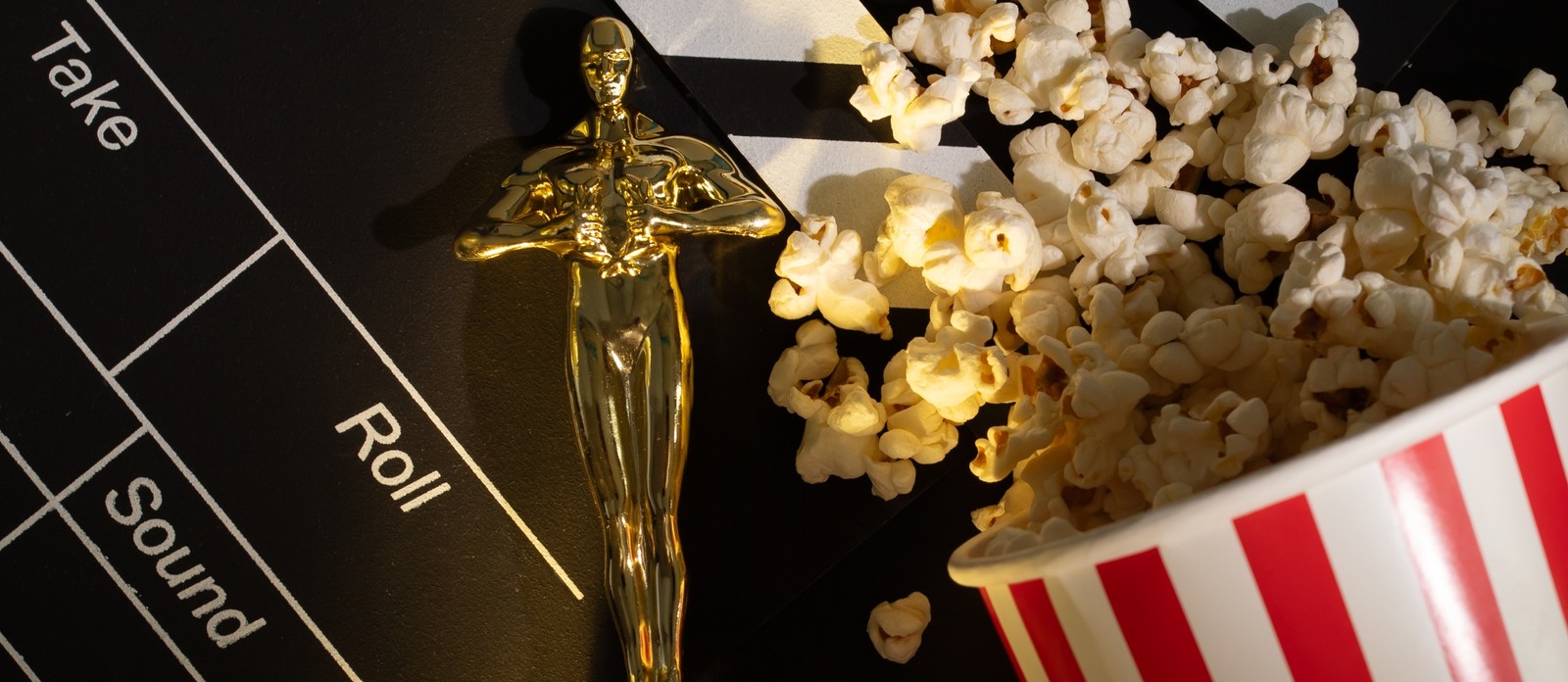
Image: Yta23

The Academy Awards are the most prestigious awards in cinema ; they recognize the best movies and artists each year with a very coveted statuette. Several unforgettable Oscar-winning movies have endured the test of time and keep captivating us. The Godfather (1972) with Marlon Brando’s impressive performance; Forrest Gump (1994) and its heartwarming plot; or The Sound of Music (1965) with its iconic and memorable songs. If it’s been a while since you’ve seen them, these 10 Oscar-winning films are well worth revisiting.

1
The Godfather (1972)
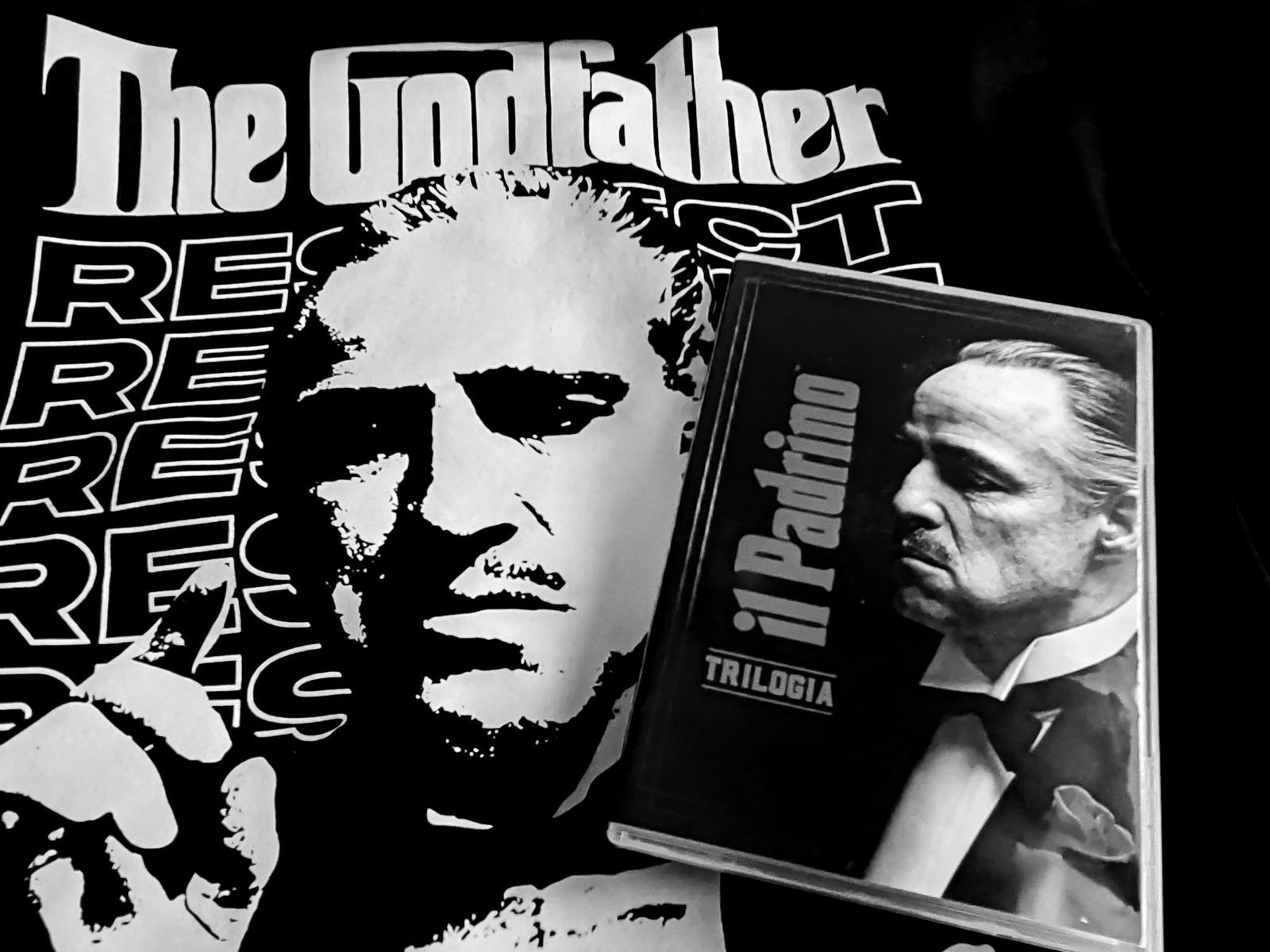
Image: Stefano Chiacchiarini '74

The Godfather (1972) is considered the greatest Mafia film of all time . Directed by Francis Ford Coppola and starring Marlon Brando, Al Pacino, Robert Duvall, and Diane Keaton, it tells the story of the Corleone family and how they maintain power and control in the underworld of 1945-1955.

The movie won three Oscars : Best Picture, Best Actor (Marlon Brando), and Best Adapted Screenplay, and sparked two sequels. Few classic movies have been referenced as much in pop culture as The Godfather , and some of its lines, like "I'm gonna make him an offer he can't refuse," have been quoted endlessly.

2
Forrest Gump (1994)
Image: Dawid K Photography

Robert Zemeckis’ masterpiece, Forrest Gump (1994), holds a place in everybody’s heart. It features one of Tom Hanks’ most celebrated performances, with a story that continues to captivate us no matter how much time has passed. This classic has a little bit of everything: humor, romance, history, and memorable lines.

Forrest Gump was tremendously successful, winning six Oscars , including Best Picture, Best Director, Best Actor (Tom Hanks), Best Adapted Screenplay, Best Film Editing, and Best Visual Effects.

3
The Sound of Music (1965)
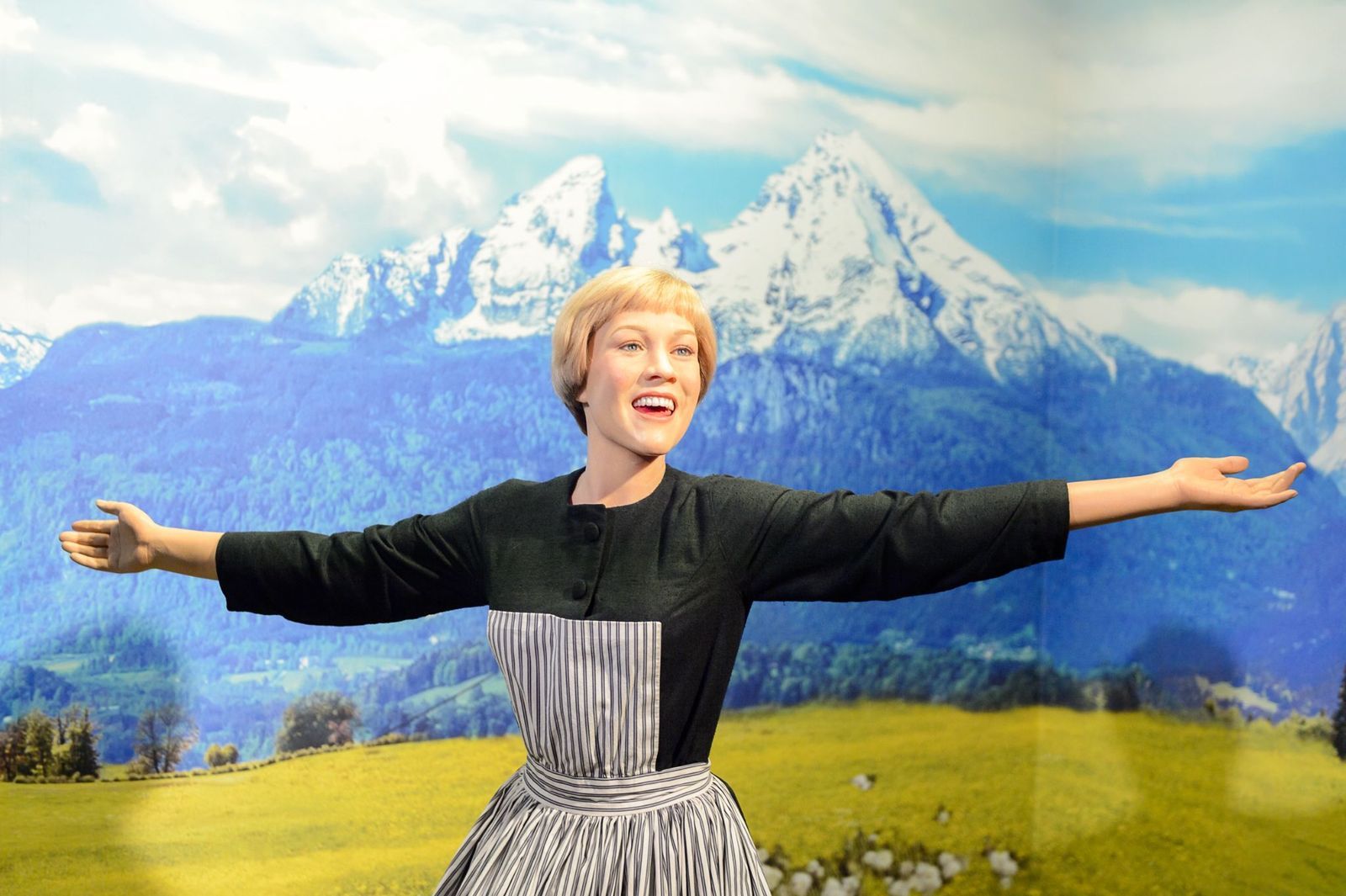
Image: Anton_Ivanov

The Sound of Music (1965) is a beloved classic and one of Julie Andrews’ most iconic performances in cinema. She plays María, a young woman who leaves a convent to become the governess of the seven children of a widowed naval officer.

The classic musical features a timeless love story and a fantastic soundtrack, with songs like "Do, Re, Mi," "My Favorite Things," "Edelweiss," and of course, "The Sound of Music." It received five Oscars , including Best Picture and Best Director.

4
Titanic (1997)
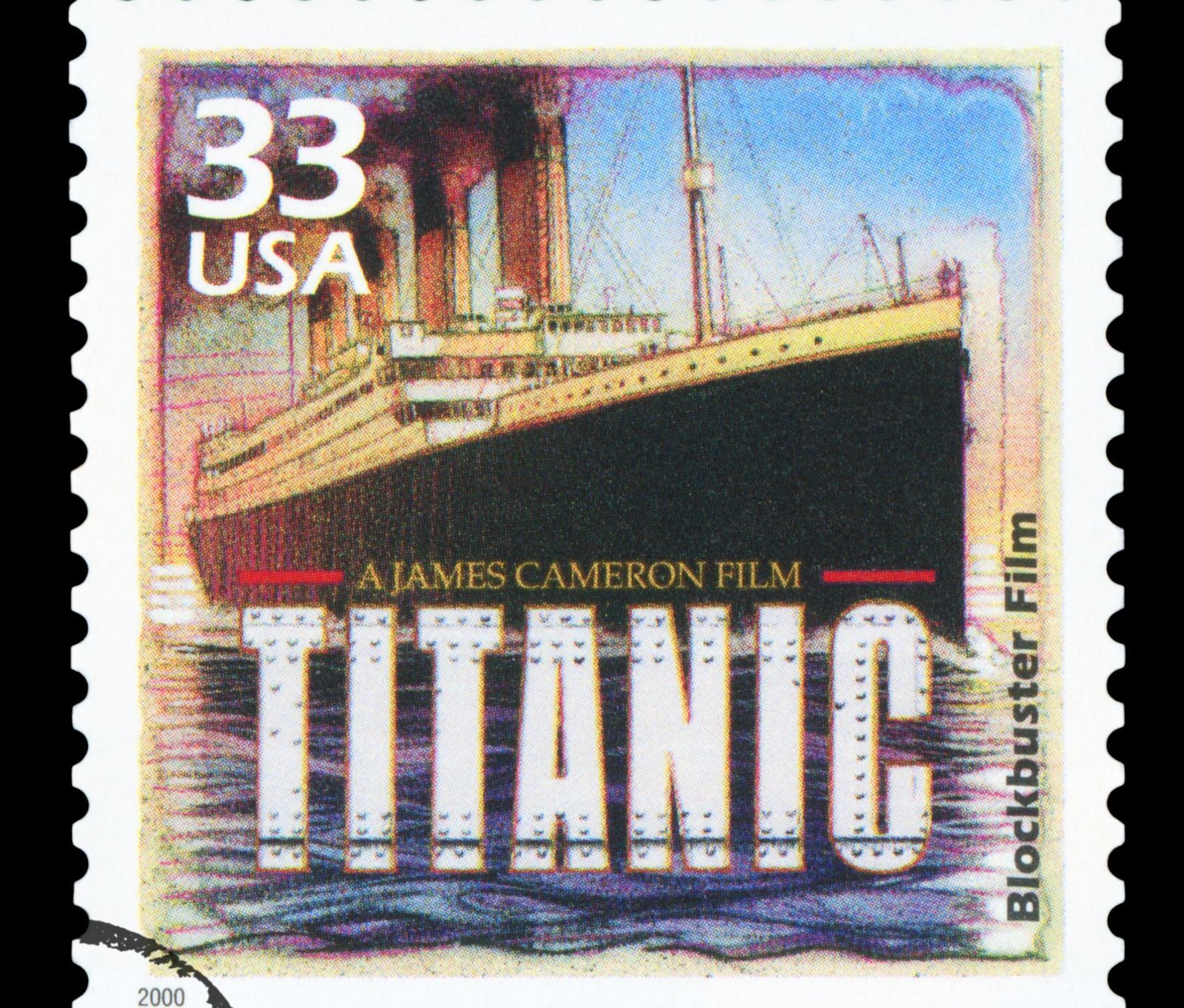
Image: MM_photos

Titanic (1997) will make you cry. This timeless classic, based on the real-life tragedy of the ocean liner that struck an iceberg and sank, features one of cinema’s most heartbreaking stories . Leonardo DiCaprio and Kate Winslet star in this unforgettable love story that left iconic moments like the "I’m flying" scene.

Titanic also did an incredibly good job with visual effects, reimagining one of history’s most famous disasters, and it won a striking 11 Oscars ; the most a single movie has ever won, along with The Return of the King (2003).

5
Rocky (1976)

Image: codyn83

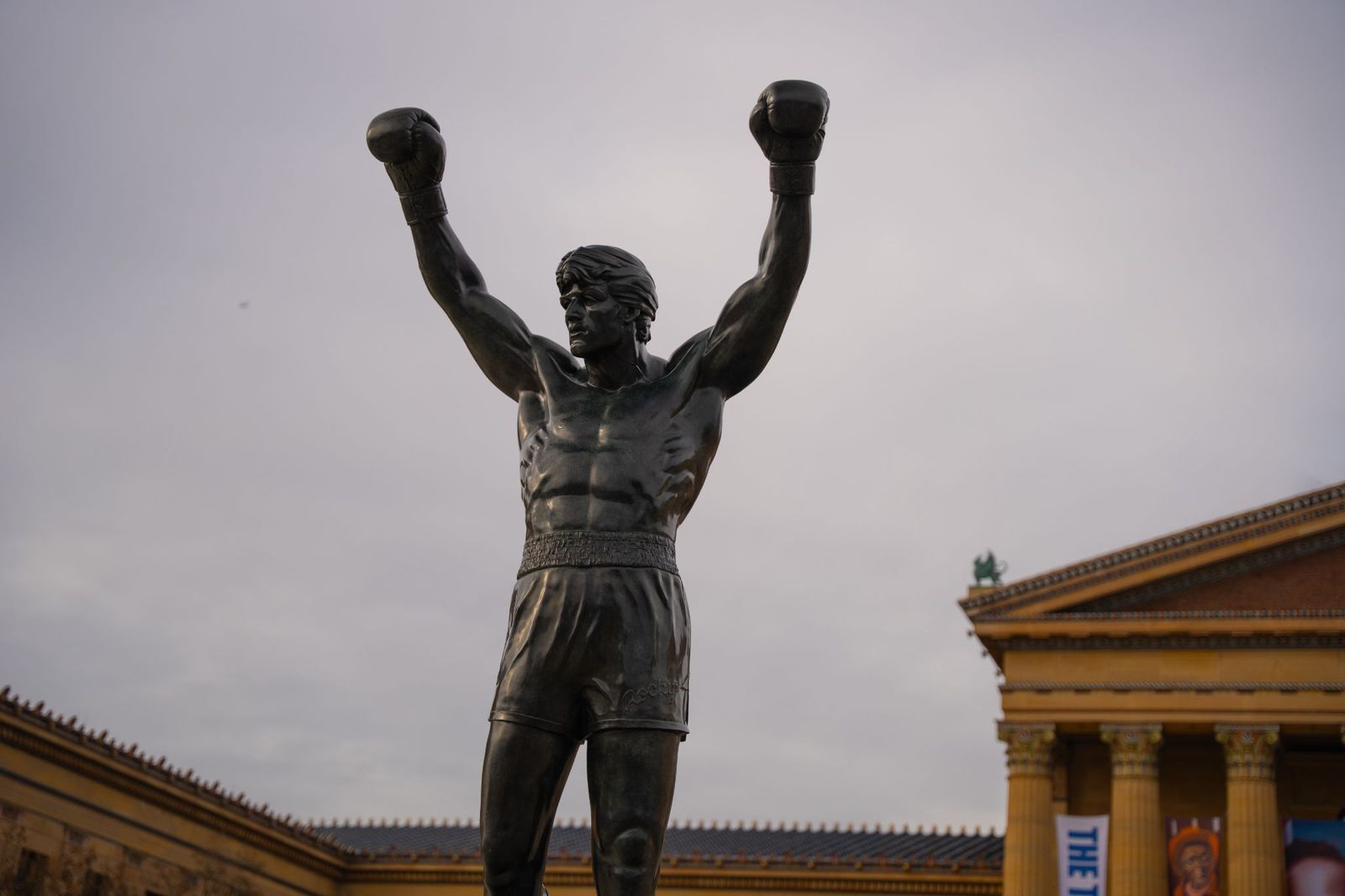
Few sports movies have been as inspiring as Rocky (1976) . Written by and starring Sylvester Stallone, the story follows the small-time boxer Rocky Balboa, who gets the opportunity of a lifetime when he’s chosen to fight the boxing champion Apollo Creed. But what seems to be only a sports movie turns out to be an emotional narrative about determination and self-belief.

Rocky Balboa’s story became a symbol of hard work and pursuing your dreams. Rocky took home three Academy Awards for Best Picture, Best Director, and Best Film Editing.

6
Gone with the Wind (1939)
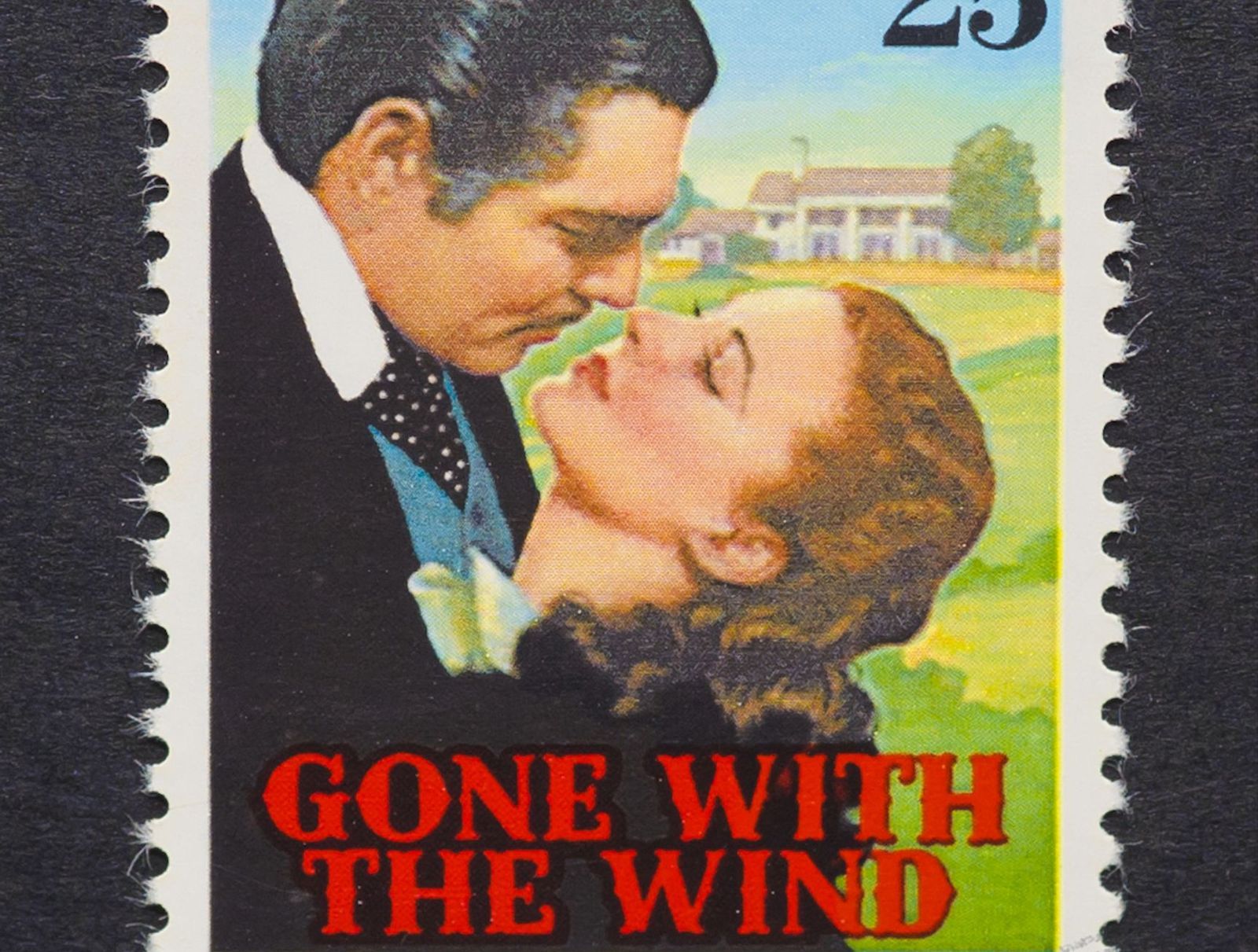
Image: catwalker

Victor Fleming’s Gone with the Wind (1939) belongs to Hollywood’s Golden Age and is one of the most influential films ever made. It was based on Margaret Mitchell’s famous novel of the same name, and its characters, dialogue, love stories, and masterful portrayal of the Civil War and the American South still fascinate modern audiences.

The movie earned 10 Academy Awards , with Hattie McDaniel making history by being the first African American to win an Oscar for Best Supporting Actress.

7
Back to the Future (1985)
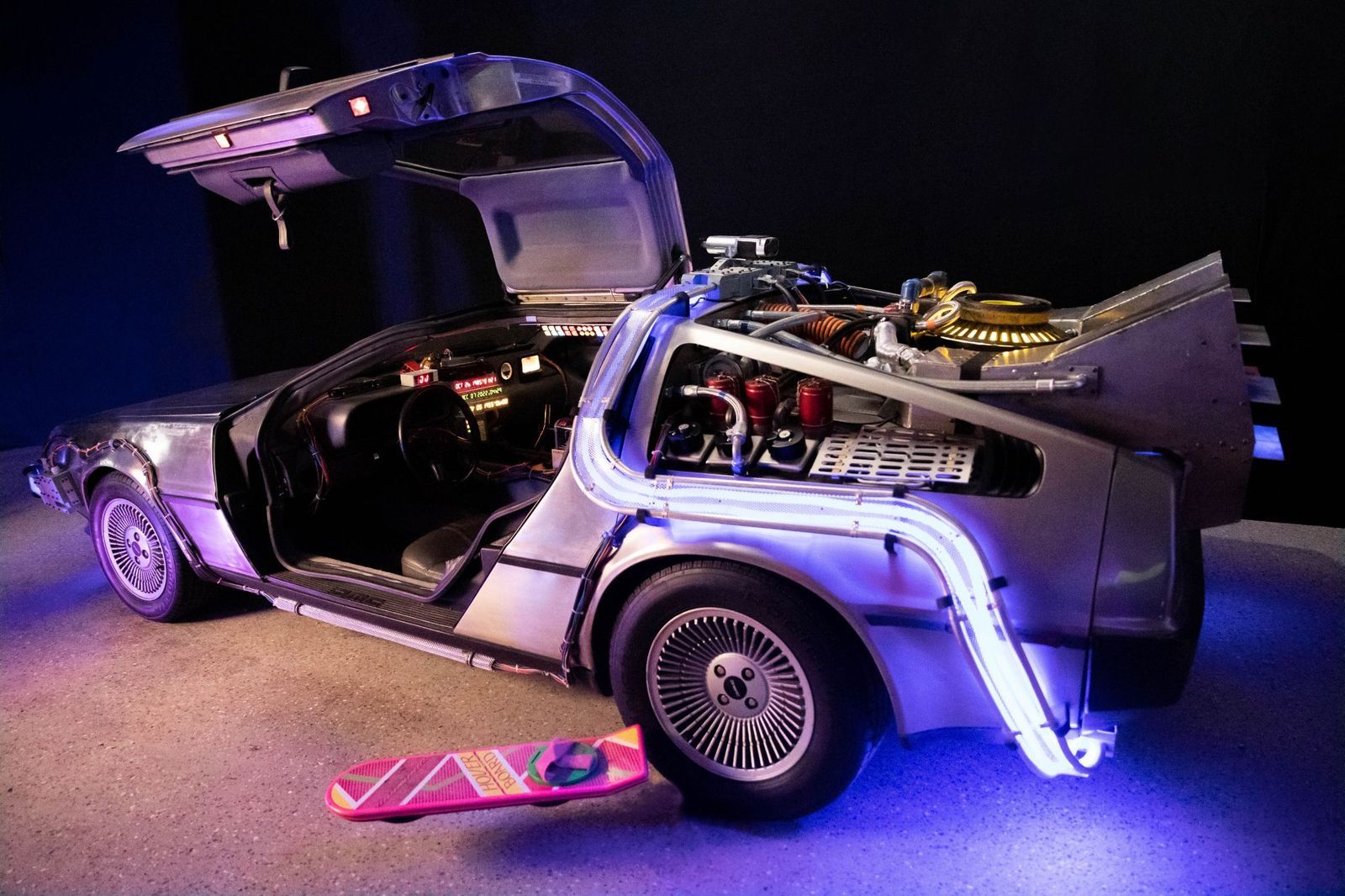
Image: Hethers

Robert Zemeckis shows up again on this list, now with the sci-fi classic Back to the Future (1985) . This movie has it all: a fun, engaging script, eccentric and lovable characters, action, comedy, and one of the most fascinating time-travel stories in cinema.

Marty McFly (Michael J. Fox) and Doc Brown (Christopher Lloyd) are still one of cinema's most iconic duos, whose chemistry together left us with unforgettable movie moments. Back to the Future picked up only one Oscar (Best Sound Effects Editing) but received three nominations.

8
One Flew Over the Cuckoo's Nest (1975)
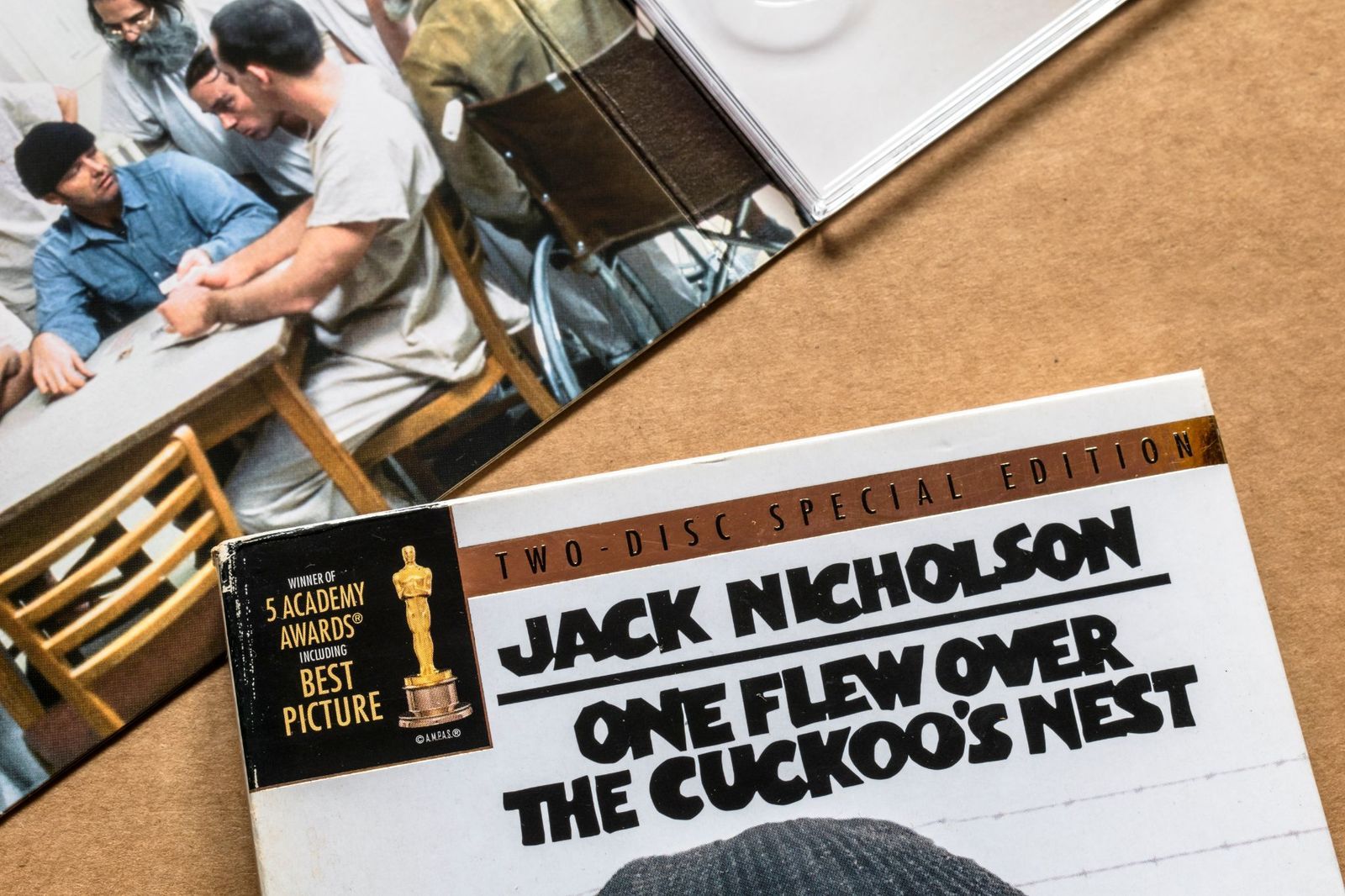
Image: Snap Spot

One Flew Over the Cuckoo's Nest (1975) features the disturbing story of a rebellious convict who pretends to have a mental illness to avoid prison labor and clashes with the strict and controlling head nurse of the psychiatric hospital where he is sent.

It was directed by Milos Forman, with the Oscar-winning performances of Jack Nicholson as Randle McMurphy and Louise Fletcher as the chilling Nurse Ratched. Including Nicholson and Fletcher’s awards, the movie got a total of five Oscars .

9
Schindler's List (1993)
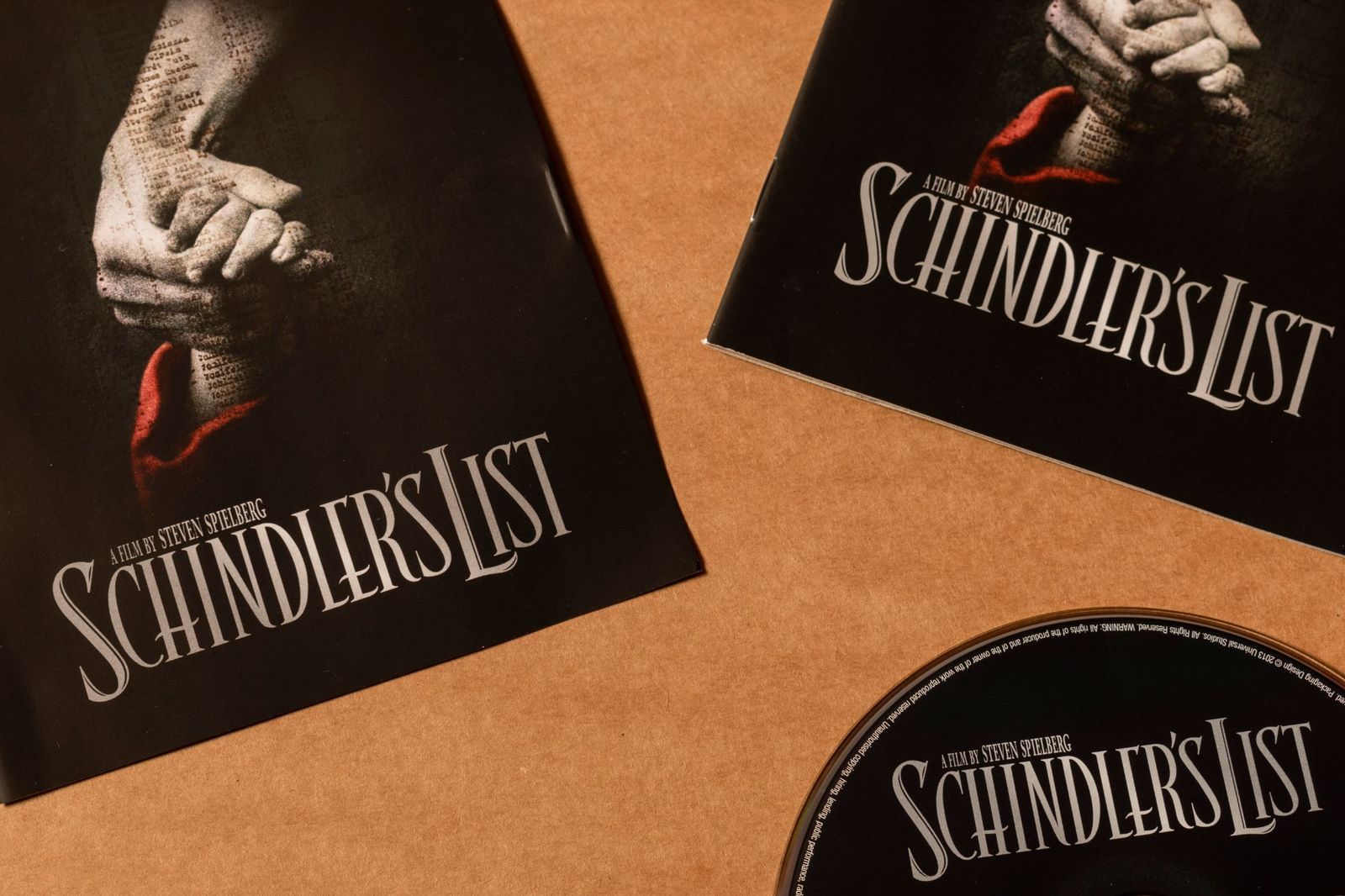
Image: Snap Spot

Schindler's List (1993) is a captivating classic about the real-life heroism of Oskar Schindler (Liam Neeson), a German businessman who risked everything in his power to save thousands of Jewish lives during the Holocaust.

The movie is filled with many emotional and tense scenes as well as the amazing performances of Liam Neeson and Ralph Finnes as the intimidating Nazi officer Amon Göth. Schindler's List won seven Oscars , including Best Picture and Best Director.

10
The Deer Hunter (1978)
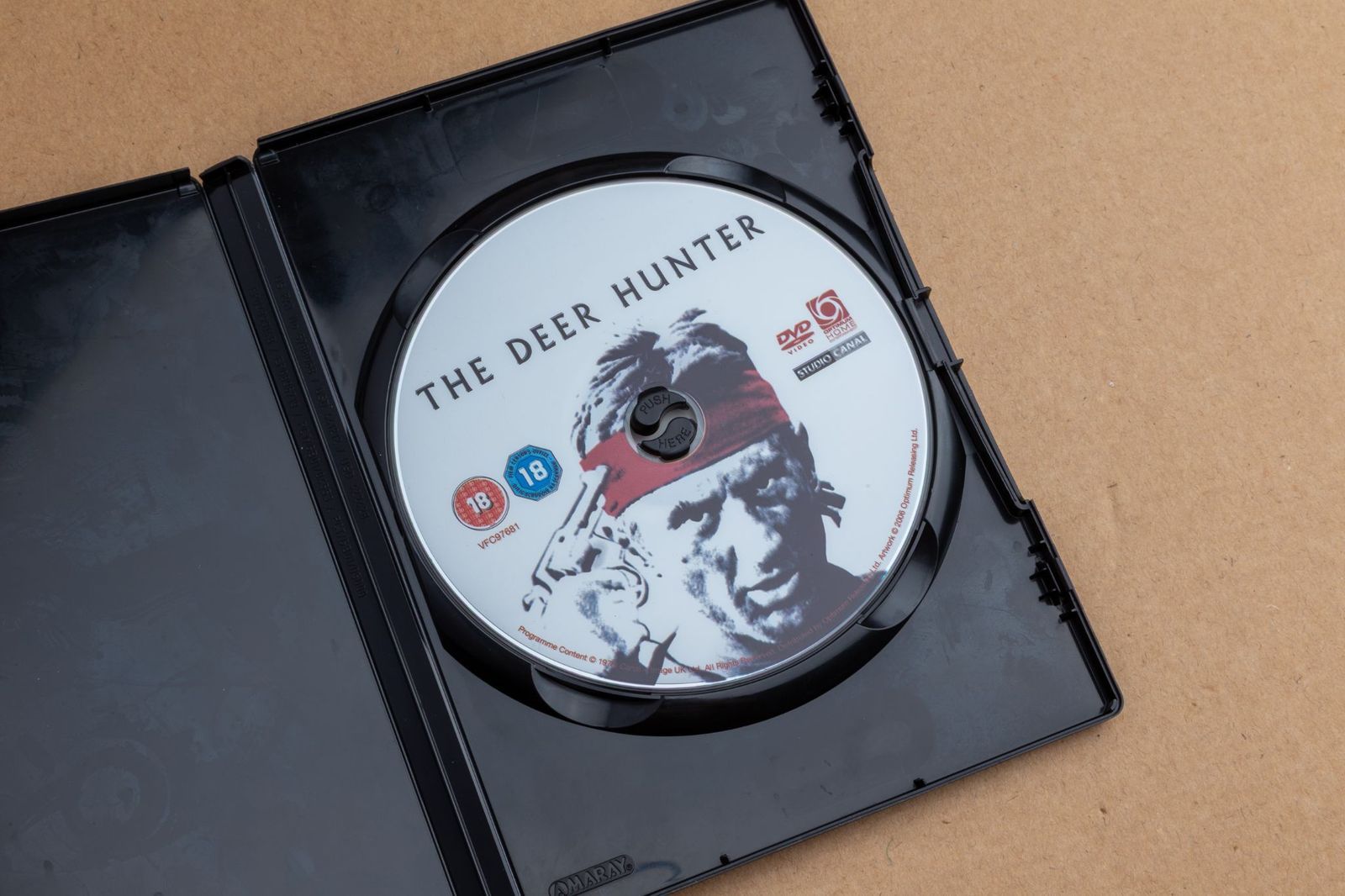
Image: Stas Knop

Rather than focusing only on action, The Deer Hunter (1978) is a war drama that explores the emotional trauma caused by the Vietnam War on a group of friends . It was directed by Michael Cimino and has an outstanding cast that includes Robert De Niro, Christopher Walken, Meryl Streep, and John Cazale. Best Picture, Best Director, and Best Supporting Actor were three of the five Oscars The Deer Hunter took home.
General General 6 min read

From the Nike Air to the Cell phone camera

NASA in your house: 10 inventions that revolutionized everyday life

Image: NASA

You probably never realized that NASA, the same agency that revolutionized space travel back in the sixties and seventies, is also responsible for the microchips in your favorite electronics, the alarm that warns you of fire, the sensor that lets you take a quick selfie on your phone , among other everyday inventions. Ready to rediscover them?

1
Microchip

Image: Laura Ockel

Before microchips, computers relied on glass vacuum tubes that were large, fragile, and too heavy for a spacecraft. To solve this, NASA, during the moon race in the 60s, made a massive bet on a new invention called the integrated circuit, which packed complex electronics onto a tiny sliver of silicon. While these early "microchips" were very expensive and unproven, the Apollo program committed to buying over 60 per cent of all chips made in America. This guaranteed market gave companies like Fairchild Semiconductor, a Californian technology company, the support they needed to perfect the tech and lower the costs. NASA's support as the principal customer for microchips helped the digital revolution happen much sooner than expected. Today, that technology is within almost every electronic device, from the microwave to the laptop.

2
Smoke Detector

Image: Yosuke Ota

They are among the most important safety tools in our homes, and most people don't know their modern version was shaped for a 1970s space mission. Truth is, the first electric smoke detector was invented in the 1930s by Swiss physicist Walter Jaeger, almost by accident, while working on a gas detection device. Early smoke detectors worked, but they were often too expensive or sensitive for everyday homes.

In the 1970s, NASA teamed up with Honeywell Corporation, a North Carolina-based technology and manufacturing company, to improve the design for Skylab, the first U.S. space station. Astronauts needed an alarm that could detect a real fire without constantly reacting to harmless gases inside the station's tight living quarters. So they added an adjustable sensitivity and long-lasting backup batteries, creating the "nuisance-free" smoke alarm we still use in our homes today.

3
Cell Phone Camera

Image: JD Mason

In the 1990s, NASA's Jet Propulsion Laboratory needed to shrink cameras down so they could fit on small spacecraft without draining the battery. Engineer Eric Fossum invented the image sensor, which put all the camera's functions onto a single tiny chip , making cameras much smaller and more efficient than ever before.

In 1995, Fossum founded the company Photobit to bring this space-age sensor to the commercial market. Today, this technology allows smartphones to take high-quality photos while staying thin enough to fit almost everywhere, making it the most used camera tech in the world.

4
Cordless Tools

Image: rakhmat suwandi

In the early 1960s, Black & Decker developed the first cordless electric drill for commercial use. NASA later recognized the potential and, in 1965, contracted Black & Decker to adapt and refine this technology for the Apollo program, creating a lightweight, battery-powered drill that could operate in the moon's harsh environment and in zero gravity.

But that wasn't all. To make it work for space, they had to improve a specialized motor and smart software that didn't drain the battery too fas t. By the late 1970s, the Dustbuster, the first cordless vacuum, was created, along with the improved battery-powered tools we still rely on today.

5
Memory Foam

Image: Kier in Sight Archives

Have you ever wondered why your mattress is smart enough to remember its original shape? Memory foam is a type of high-density polyurethane foam that softens when heated and under pressure. When you lie down on it, it molds to your body, and when you get up, it slowly returns to its original shape. That's what the "memory" part is about.

NASA developed memory foam in the 1960s to improve seat cushioning and crash protection for airline pilots and passengers, and later adapted it to protect astronauts from "G-forces" during space travel . As it reacted to body heat, the foam softened and molded perfectly to a person's frame, absorbing shock on impact. It took about twenty years to reach the public; the first memory foam mattress didn't hit the market until the early 1990s by companies like Tempur-Pedic and Fagerdala World Foams.

6
Sneaker Air Cushioning

Image: Damian Barczak

Ever wondered how Nike Airs were created? The truth is that the bounce in many modern sneakers is actually a product of the space industry. A NASA engineer named Frank Rudy, who worked on the Saturn and Apollo rocket engines, was introduced to a process called blow rubber moulding, used to create sealed, pressurised membranes for aerospace applications. He realized this same process could be used to trap gas inside a shoe sole.

In 1977, he brought this idea to Nike, and this led to the creation of the Nike Air Tailwind in 1978, the first shoe to feature this space-inspired cushioning. Today, air-cushioned soles are a standard, using the same aerospace tech to protect joints in every step.

7
Water Filters

Image: RephiLe water

In 1963, NASA faced an important challenge for the Apollo program: keeping drinking water pure for long missions without using heavy chemicals. To solve this, they pioneered a system that used silver ions to kill bacteria and activated carbon to remove pollutants. This allowed astronauts to have clean water stored for weeks.

By the 1970s, NASA shared this technology with the public, leading to the creation of companies like Aquaspace. These days, this same silver-ion and carbon tech is used inside household water pitchers and refrigerator filters to remove contaminants.

8
Scratch-Resistant Lenses

Image: Alireza Hashemi

In the 1970s, NASA scientist Ted Wydeven of the Ames Research Center was working on a spacecraft water purification system when he coated a filter with a thin plastic film using an electric discharge of an organic vapor. The result protected the plastic surfaces of aerospace equipment from scratching.

This film made plastic up to ten times more scratch-resistant than earlier materials. In 1983, Foster-Grant licensed the technology and used it to produce scratch-resistant lenses for sunglasses and eyeglasses, introducing space technology to our daily lives.

9
Ear Thermometer

Image: Artur Solarz

NASA technology and modern healthcare are surprisingly close. It turns out that the same tech used to measure the heat of distant stars is now in our medicine cabinet . In the 1980s, NASA developed special infrared sensors because scientists evidently couldn't place a physical thermometer on a planet millions of miles away. These sensors worked by "reading" invisible heat energy from a distance.

By 1991, a medical technology company called Diatek teamed up with NASA to bring this space tech into daily medicine. They realized the human eardrum also emits infrared heat, and that could work as a perfect window to measure our body temperature. This partnership resulted in the first handheld ear thermometer, making fever checks much more comfortable and easier.

10
Super Soaker

Image: Michael Starkie

You probably assumed that the world's most famous water gun was created in a toy lab. It was actually invented in the home workshop of NASA engineer Lonnie Johnson. In 1982, while working on a new heat pump that used water instead of refrigerant, a nozzle he was testing shot a powerful stream across his bathroom.

Johnson realized its toy potential and licensed his "Power Drencher" design to the toy company Larami. It was renamed to the Super Soaker in 1991, and it uses the same air-pressure principles Johnson applied to spacecraft systems.

History History 5 min read

What’s in a speech?

10 speeches that marked America

Image: The New York Public Library

In more than two centuries of American history, countless speeches and addresses have proven worthy of remembrance. These words and ideas were expressed by all kinds of Americans, from presidents to fugitive slaves , and each left a lasting mark on the hearts and memories of their audiences. Here are 10 speeches that earned their place in the nation’s memory.

1
Patrick Henry: Give Me Liberty or Give Me Death!

Image: Eric Wiser

On March 23, 1775, those gathered at the Second Virginia Convention debated whether Virginia should raise troops in preparation for armed resistance against Great Britain. Patrick Henry, a delegate from Hanover County, addressed the convention and argued that war had already started and the confrontation was inevitable , so an independent militia was necessary. Henry concluded with the famous declaration: "I know not what course others may take; but as for me, give me liberty or give me death!", a passionate appeal that helped secure the required votes.

2
Jimmy Carter: A Crisis of Confidence

Image: WikiImages

Also known as the "malaise speech" (though Carter never used that word), this address by President Carter recognized a dire problem in 1979’s America: the people felt abandoned by the government in their time of need. The crisis was much more than an economic issue, and Carter wanted to know what everyday Americans thought and needed . In a speech shaped by conversations he had with ordinary Americans, Jimmy Carter declared that America’s crisis was " a crisis of confidence" that had struck at the very heart and soul of the nation.

3
Martin Luther King, Jr.: I Have a Dream

Image: Raffaele Nicolussi

In one of the most iconic speeches in civil rights history, Martin Luther King Jr. addressed more than 200,000 people at the Lincoln Memorial in Washington, D.C., on August 28, 1963, during the March on Washington for Jobs and Freedom. Nearly a century after the Emancipation Proclamation, those freed from slavery were still not really free . After denouncing the laws that legalized racism and segregation, MLK expressed his wish for a free and unified America with a phrase that would go down in history: "I have a dream!"

4
Abraham Lincoln: The Gettysburg Address

Image: Timothy Pierce

Fought between July 1 and July 3, 1863, the Battle of Gettysburg was one of the bloodiest engagements of the American Civil War and was a decisive victory for the Union. Four and a half months later, President Lincoln delivered this speech on the battlefield, now a cemetery for more than 50,000 fallen soldiers. Lasting only about two minutes, Lincoln’s address reminded those present that it was the responsibility of the living to ensure that the sacrifice of the fallen would not have been in vain .

5
Sojourner Truth: Ain’t I a Woman?

Image: Hussain Badshah

Born into slavery as Isabella Baumfree, Sojourner Truth escaped after her enslaver failed to honor a promise to free her early under New York’s gradual emancipation law and uphold the New York Anti-Slavery Law of 1827. She later became an itinerant preacher and was involved in both the women’s rights and abolitionist movements. At the 1851 Women’s Rights Convention, she delivered a speech highlighting the double discrimination suffered by Black women . Even without full rights, white women received deferential treatment from men. Her phrase "Ain’t I a woman?" denounced that, while she had done all the things white women did and more, she was not considered worthy of respect because of her race.

6
Franklin D. Roosevelt: Pearl Harbor Address to the Nation

Image: Winston Chen

The bombing of Pearl Harbor by the Imperial Japanese Navy on December 7, 1941, marked the United States’ entry into World War II. The next day, President Roosevelt addressed Congress during a joint session, asking for a declaration of war. This address, famously remembered by its opening line—"Yesterday, December 7, 1941—a date which will live in infamy"— reinforced the idea of the attack as an unprovoked aggression that had resulted in over 2,400 casualties, both civilian and military, and appealed to patriotic sentiments. The speech attracted the largest live audience in American history (over 80% of the adult population) and resulted in Congress unanimously declaring war on Japan that same day.

7
John F. Kennedy: Inaugural Address

Image: History in HD

John F. Kennedy gave several memorable speeches during his presidency, but his inaugural address remains one of the most remarkable, and for good reason. According to accounts from his inner circle, the speech was meticulously crafted and reworked multiple times by Kennedy , who consulted the opinion of friends and advisors, and poured hours into making sure his first address as president would reflect the route he intended to take. As the youngest person elected to the presidency, Kennedy represented a generational change in the government. The central theme of his address was a call for civic responsibility and national service, an idea summarized in the address’s most memorable line: "Ask not what your country can do for you—ask what you can do for your country."

8
Frederick Douglass: What to the Slave is the Fourth of July?

Image: Stephanie McCabe

A writer, orator, and statesman, Frederick Douglass was a major figure of the abolitionist movement. Born into slavery, he became renowned for his autobiographical writings and powerful oratory, offering a living refutation against the slavist argument of the inferior capacity of African Americans. His most famous speech, What to the Slave Is the Fourth of July? , given to the Rochester Ladies' Anti-Slavery Society in 1852, is an acute analysis of how the American values of freedom and liberty were contradicted by the state and treatment of those in slavery.

9
Theodore Roosevelt: The Man in the Arena

Image: Rafael Camacho Greilberger

"Citizenship in a Republic" is one of Theodore Roosevelt’s most memorable speeches. He delivered it on April 23, 1910, at the Sorbonne in Paris, after leaving the presidency. In his long address, Roosevelt explains his convictions about democracy, civic virtue, and leadership. But there is a passage that stands out: "The Man in the Arena" highlights the value of those who strive and go on despite failure and ongoing challenges, and even those who fail in the end, but not for lack of effort . This passage has been quoted numerous times in American politics, including by Richard Nixon in both his 1968 victory speech and his 1974 resignation address.

10
Ronald Reagan: Tear Down this Wall

Image: André Fuck

More than two decades after Kennedy’s " Ich bin ein Berliner " speech, President Reagan delivered another historic address at the Berlin Wall. Speaking at the Brandenburg Gate in a Berlin much more hostile to the American president’s presence, aides and advisors had recommended a change in the tone of the speech to avoid straining the relationship between the American and Soviet administrations . Reagan retained the passage that had caused concerns, which contained the most iconic phrase. In a direct appeal to the Soviet leader Mikhail Gorbachev, he declared: "Mr. Gorbachev, open this gate! Mr. Gorbachev, tear down this wall!" The speech was not widely covered by the media, and the reactions were lukewarm. Only after the fall of the Berlin Wall in 1989 did the address gain widespread recognition as a symbol of American resolve during the final years of the Cold War.

Explore more American facts

Choose your favorite category!

General
General

As American as apple pie—the very best America has to offer!

Culture
Culture

Delve into the astounding richness of American lore.

Geography
Geography

Hop in and explore vast and diverse American landscapes.

History
History

Discover the key moments that shaped the United States.