History History 6 min read

10 American milestones that didn't happen where you think

Image: DS stories

When we think of the great milestones of American history, we often think of the obvious: the signing of the Declaration of Independence in Philadelphia, the Wright brothers’ flight in North Carolina, or the Gold Rush in California. However, the fabric of modern American life was woven all over the map. Many of the conveniences we take for granted today didn’t originate in massive tech hubs or political capitals. Instead, they were born in quiet college towns, military outposts, and colonial settlements. Here are ten unexpected "firsts" from across the United States.

1
Alabama: The first 911 call
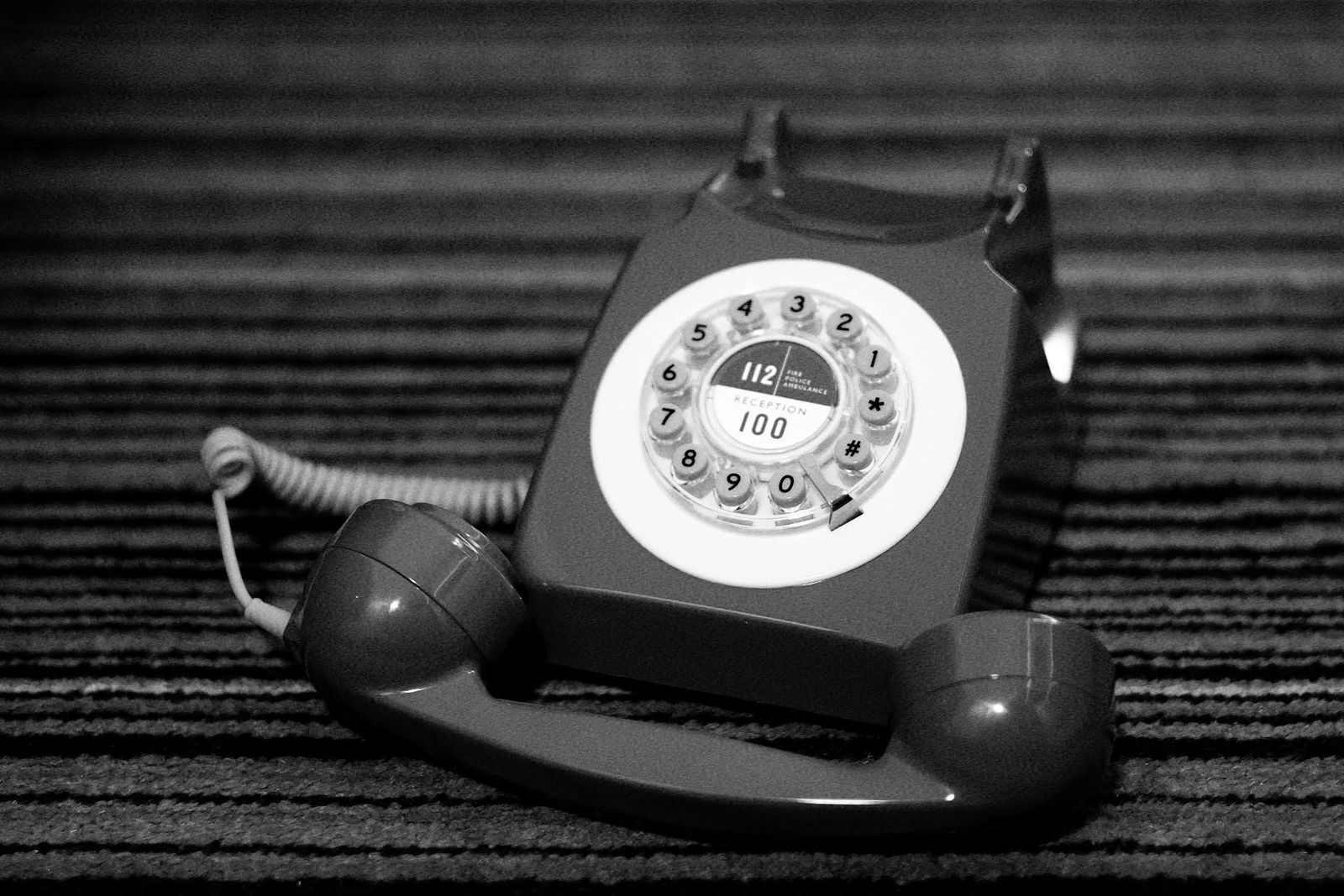
Image: Anna

Today, the number 911 is synonymous with emergency assistance. Yet, before 1968, there was no universal number to call for help. In fact, citizens had to remember specific ten-digit numbers for their local police, fire department, or ambulance service.

Contrary to what you may think, the first 911 call didn’t take place in a metropolis like New York or Los Angeles. The Alabama Telephone Company developed the system to prove that a universal emergency number was a good idea. So, on February 16, 1968, Alabama Speaker of the House, Rankin Fite, made the inaugural call from the mayor’s office in the small town of Haleyville.

2
Florida: The first sunscreen

Image: www.kaboompics.com

Florida is famously known as the Sunshine State, so it’s no wonder that it’s the birthplace of the world’s first effective sunscreen. That said, the invention wasn’t driven by beachgoers looking for a tan, but by the war.

In 1944, during World War II, a Florida pharmacist named Benjamin Green was concerned about the severe sunburns suffered by soldiers stationed in the Pacific. So, he developed a substance known as "red vet pet", a thick, red, petroleum product. While it was sticky and messy, it worked by physically blocking UV rays. After the war, Green refined the formula, added coconut oil and cocoa butter, and eventually founded the world-famous Coppertone brand.

3
Iowa: The first electronic digital computer
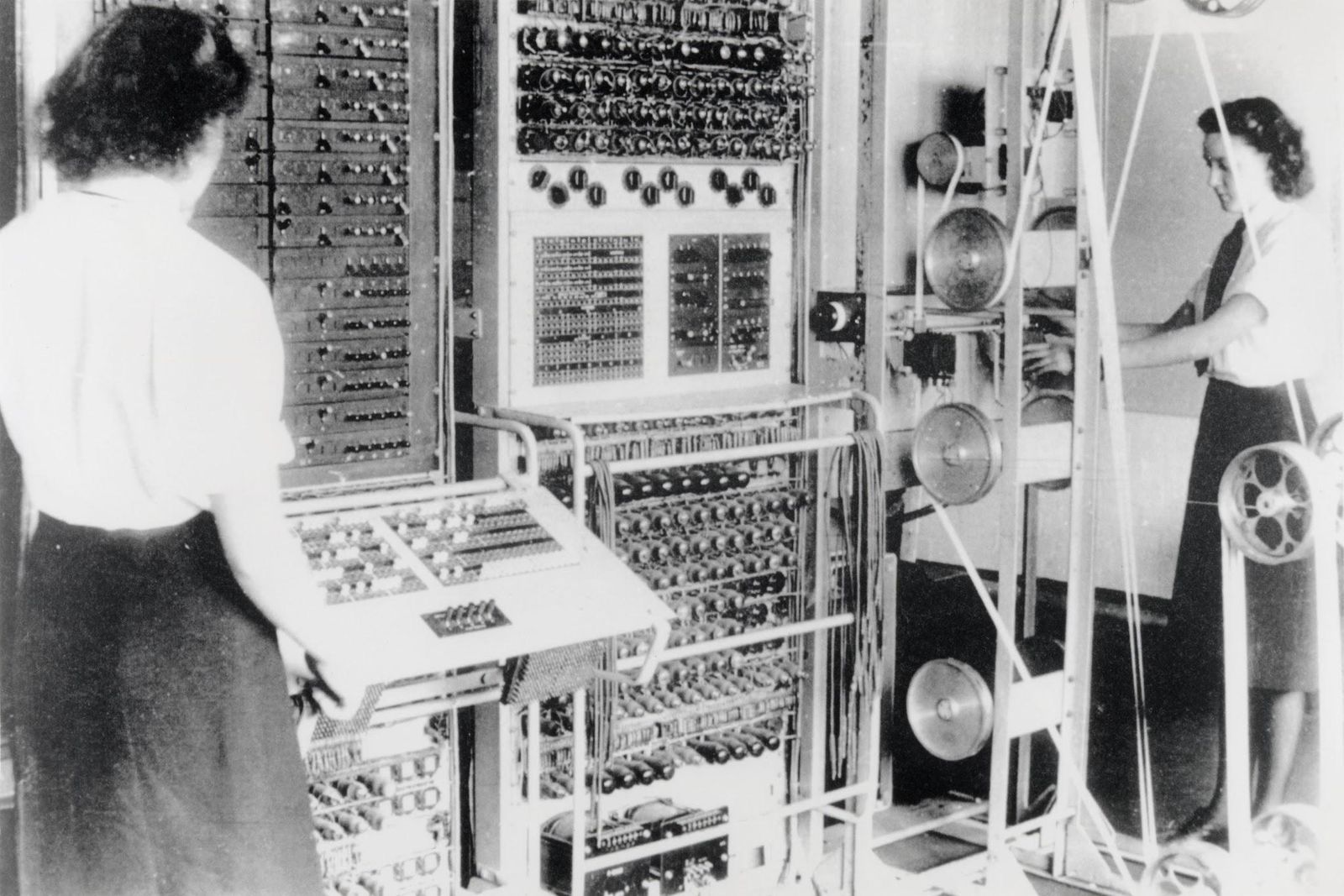
Image: See page for author, Public domain, via Wikimedia Commons

If you think of the birth of computers, the first thing that comes to mind is probably Silicon Valley or the ENIAC machine in Pennsylvania. However, the world’s first electronic digital computer was built in the basement of the physics building at Iowa State University.

Between 1937 and 1942, Professor John Vincent Atanasoff and graduate student Clifford Berry developed the Atanasoff-Berry Computer (ABC). Unlike previous mechanical calculators, the ABC used vacuum tubes and binary math, and it was the first to separate the memory from the processor.

4
New York: The first commercial brewery
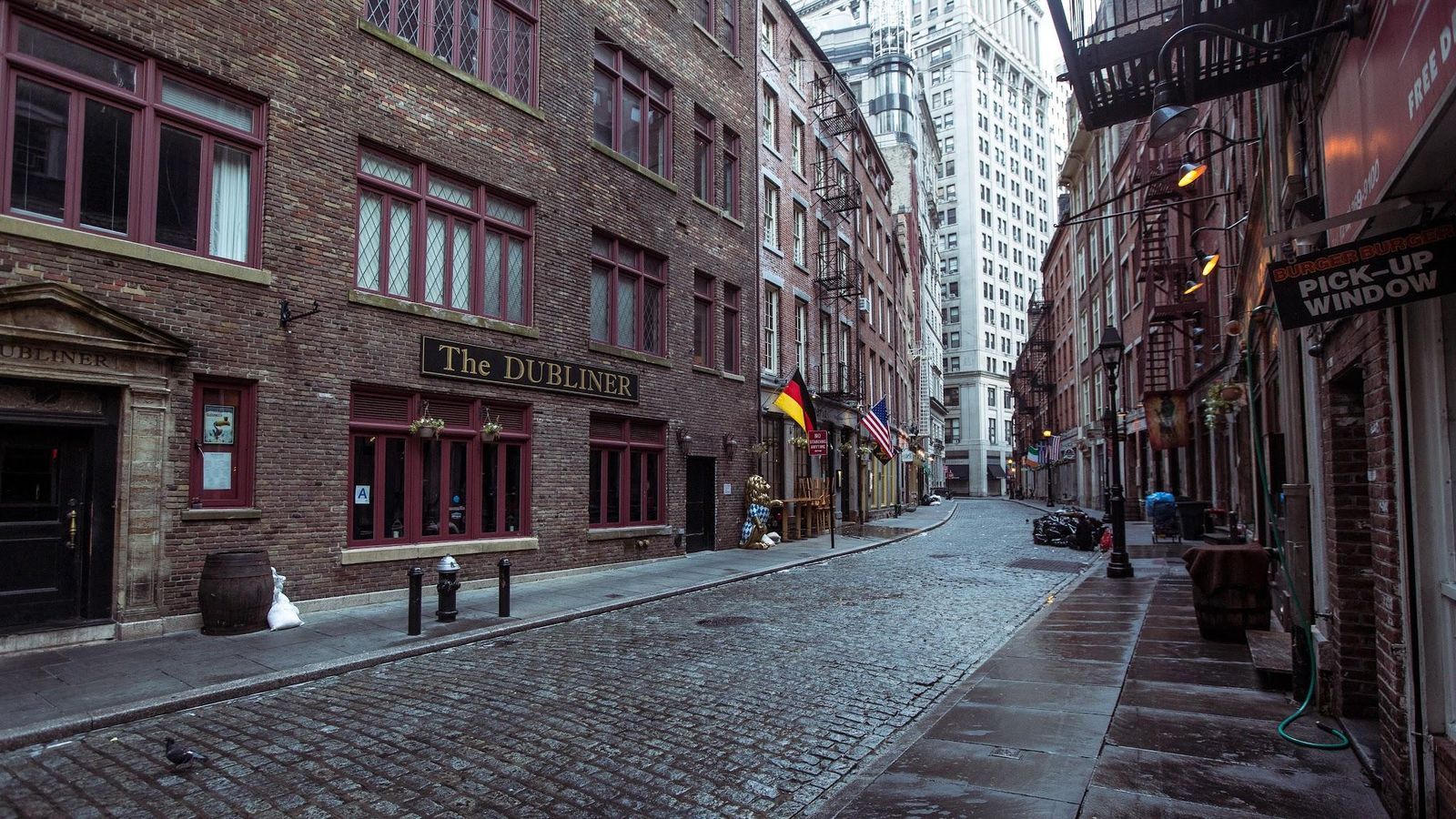
Image: Vladimir Kudinov madbyte, CC0, via Wikimedia Commons

New York City may be the mecca of finance, but in the 1600s, its primary concern was refreshment. Long before the craft beer craze, the first commercial brewery in the New World was established in New Amsterdam (now Manhattan) in 1632.

The brewery was built by the Dutch West India Company on what is now named Stone Street, near Wall Street. At a time when water was often unsafe to drink, beer was a dietary staple for both adults and children. This early industry laid the foundation for New York’s long relationship with brewing, which would eventually make the state a global powerhouse for beer production in the 19th century.

5
South Carolina: The first opera performance

Image: Leo Heisenberg

While the high arts are typically associated with the Northeast, the first opera performed in the American colonies took place in Charleston, South Carolina.

In the colonial era, Charleston was a wealthy, culturally vibrant port city, and its citizens loved European entertainment. So, on February 18, 1735, the British ballad opera Flora premiered at a makeshift theater built in a courtroom. Needless to say, this performance predated the formal theaters of Philadelphia and New York.

6
Maryland: The first dental school
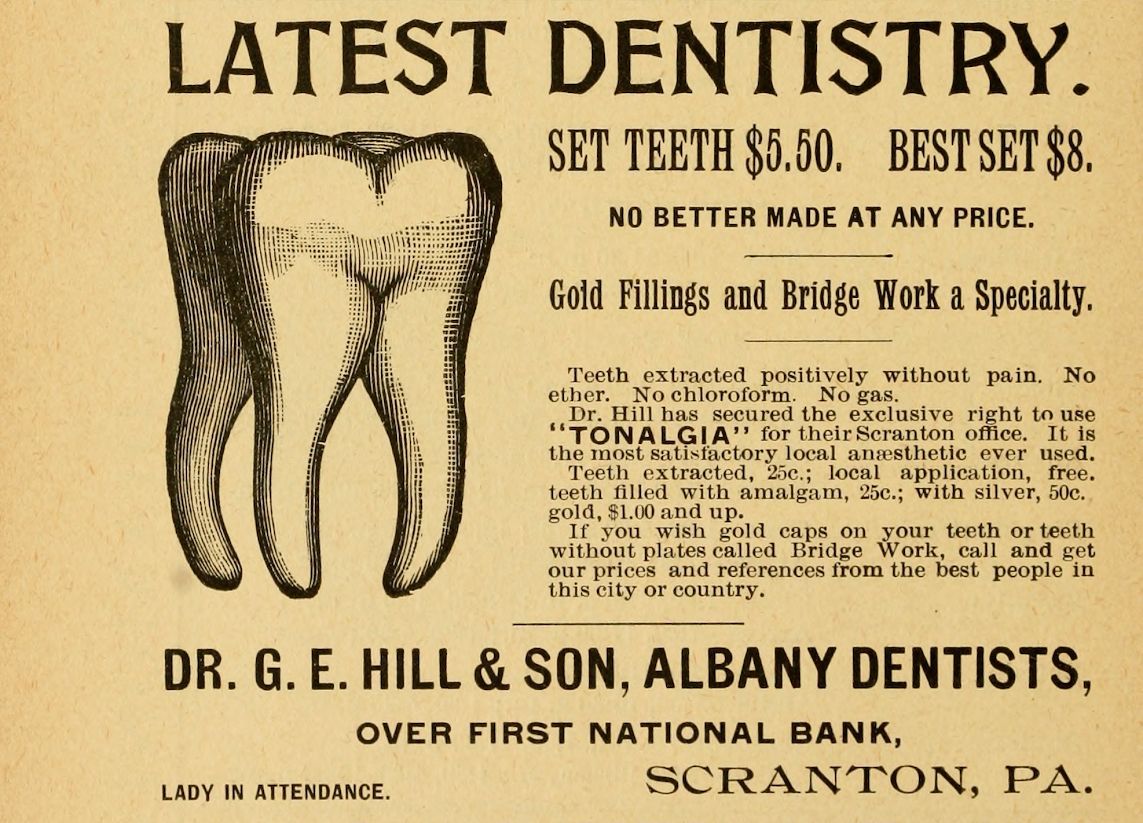
Image: Scranton Postoffice, Public domain, via Wikimedia Commons

For centuries, dentistry was a trade practiced by blacksmiths and barbers who had no formal medical training. This changed in 1840 in Baltimore, Maryland, with the founding of the Baltimore College of Dental Surgery.

Established by dentist Horace Henry Hayden and doctor Chapin A. Harris, it was the first school in the world to offer a formal degree in dental surgery. The founders had initially approached the University of Maryland’s medical school to include dental instruction, but they were dismissed by physicians who claimed dentistry wasn’t that important. They didn’t give up and eventually started their own college, which still exists today as the University of Maryland School of Dentistry.

7
Maine: The first city
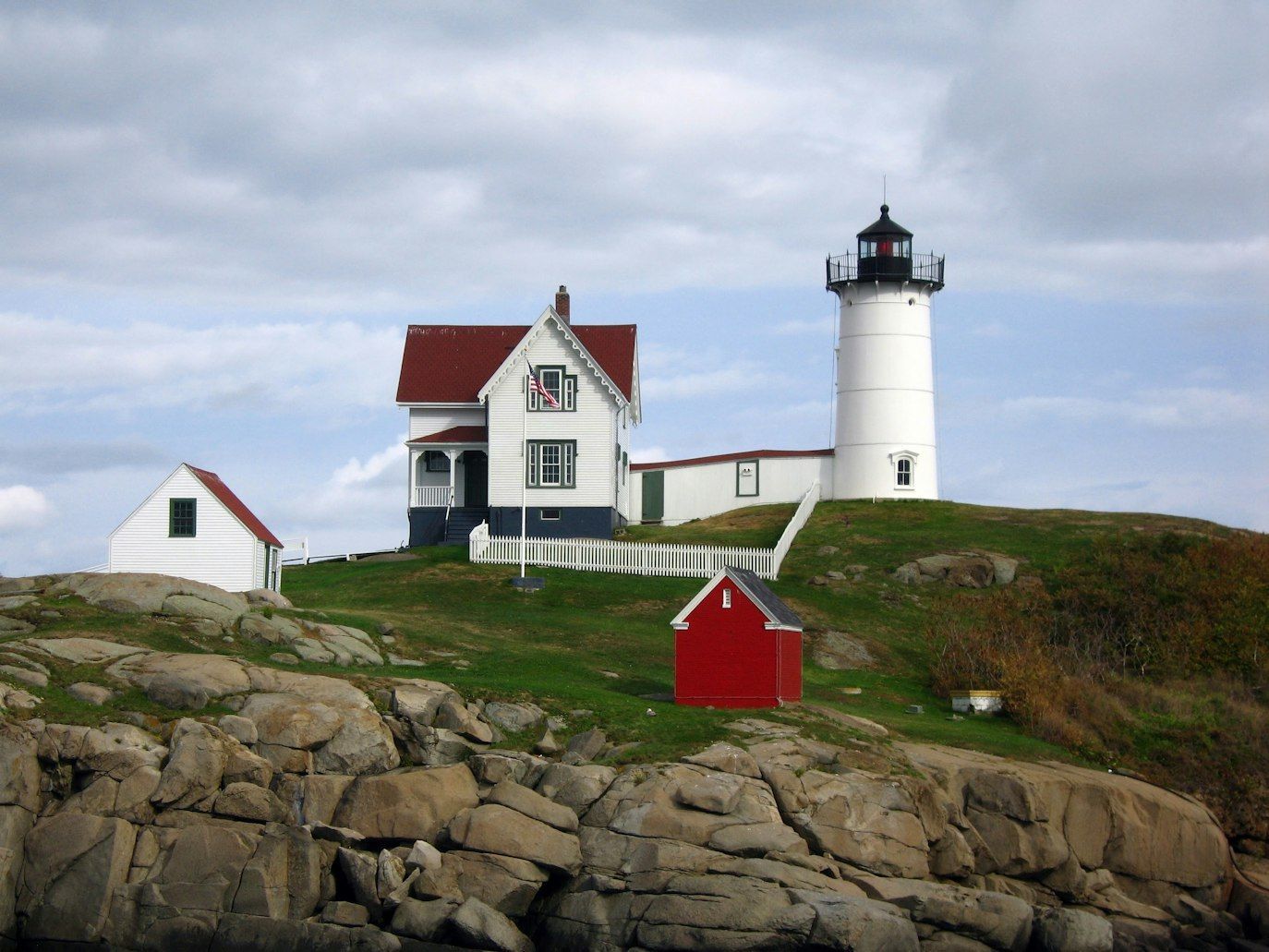
Image: Kerani

There are many really old cities in America. However, the first place to be officially chartered as a city in the English colonies was located in what is now York, Maine. In 1642, English military commander and proprietor of the Province of Maine, Sir Ferdinando Gorges, granted a charter to a settlement then known as Gorgeana. He even envisioned it as a grand capital for his new territory. While the city’s status was eventually revoked when the Massachusetts Bay Colony took control of the area, the charter remains the first of its kind in American history.

8
Michigan: The first paved road
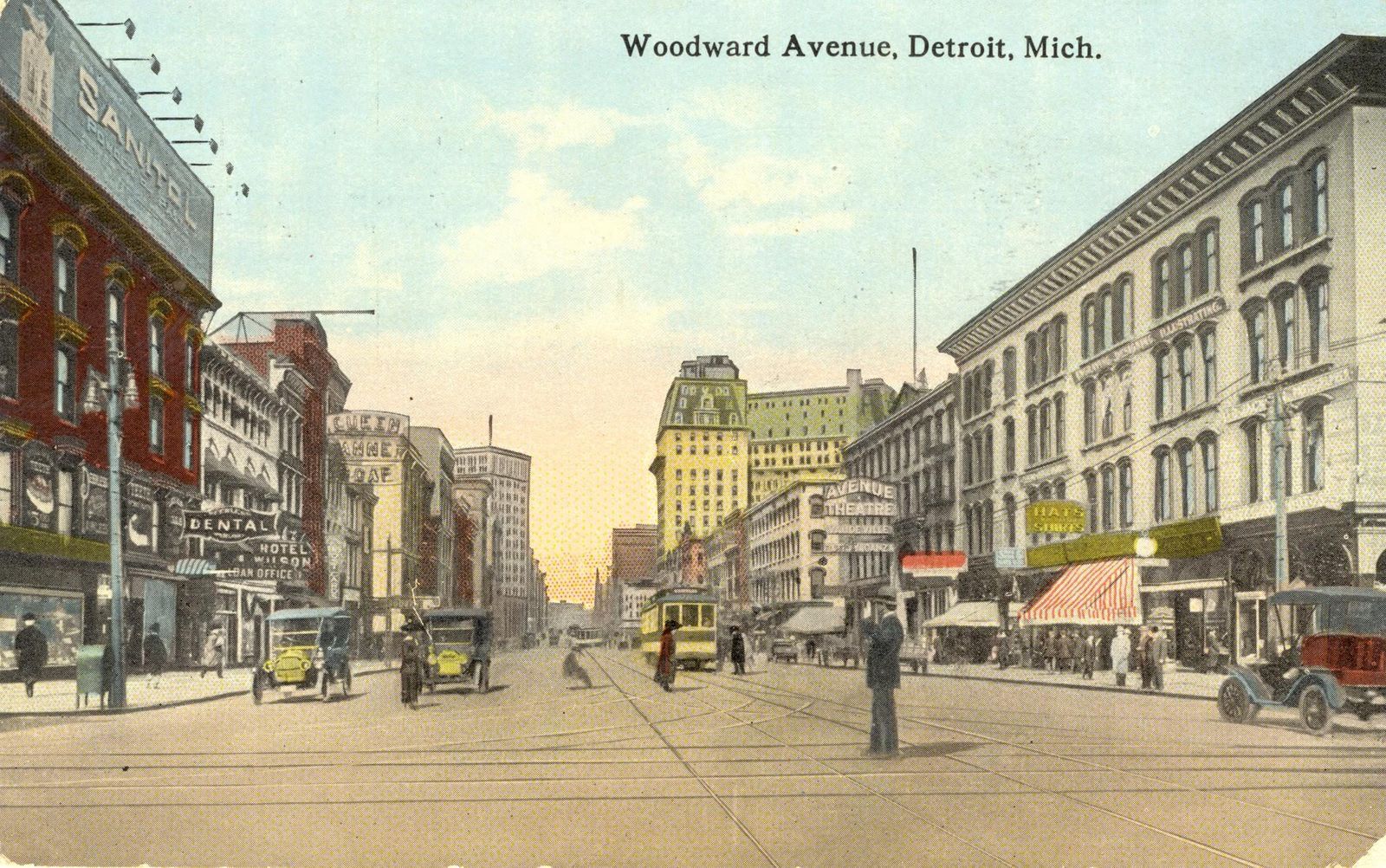
Image: Curt Teich & Co., Chicago., Public domain, via Wikimedia Commons

As the home of the American automotive industry, it is only fitting that Michigan would be the birthplace of the modern road. Before the beginning of the 20th century, most American roads were made of dirt, gravel, or bricks, which were ill-suited for the weight and speed of the newly invented automobile.

In 1909, the Wayne County Road Commission paved a one-mile stretch of Woodward Avenue in Detroit with concrete. It was the first time cement had been used to create a long-distance road surface. The experiment was so successful—costing less to maintain and providing a smoother ride—that it became the global standard for road construction.

9
Minnesota: The first shopping mall
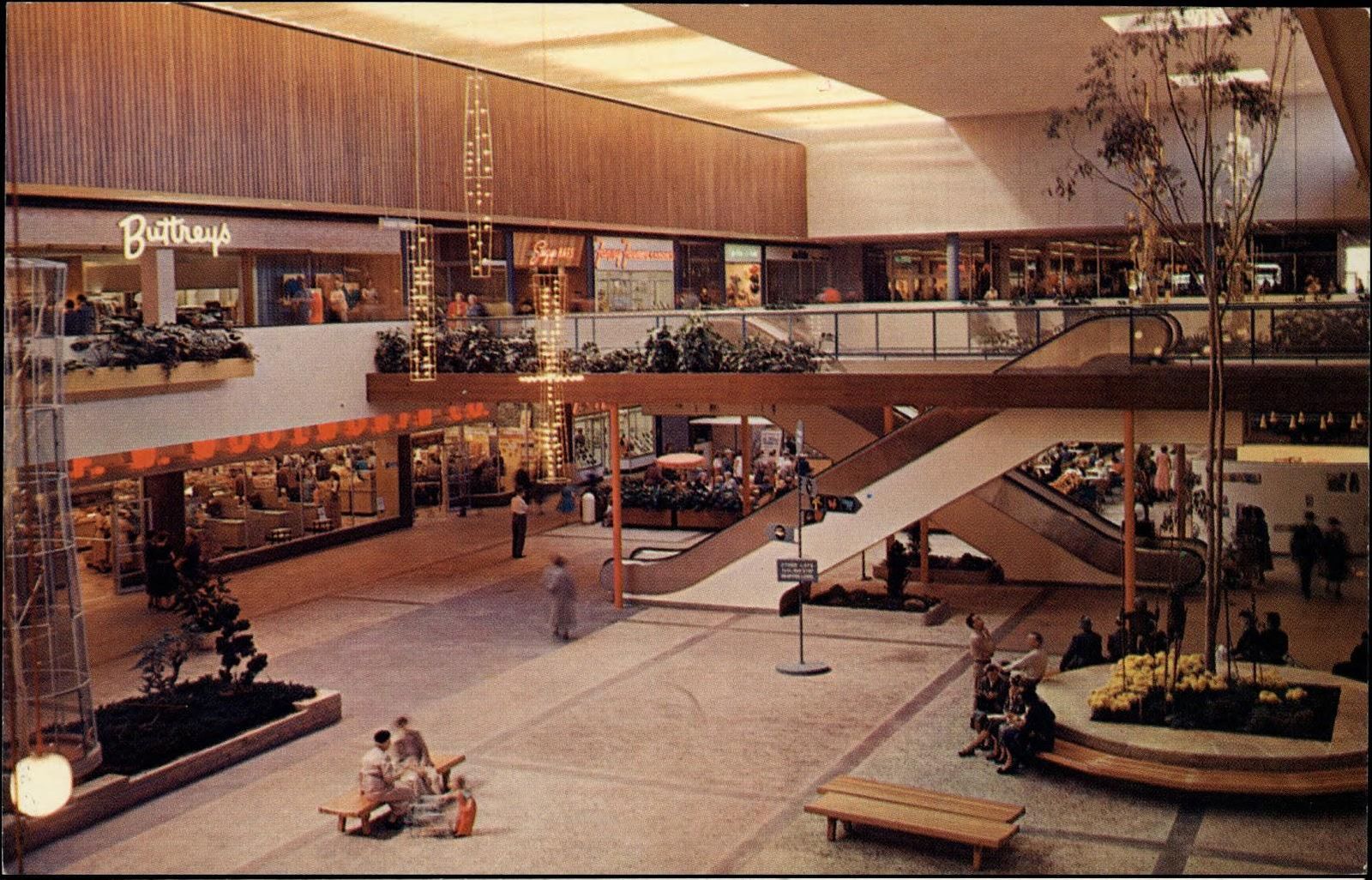
Image: Hennepin County Library, Public domain, via Wikimedia Commons

The American shopping mall is a cultural icon, but did you know it was born of a desire to escape the brutal winters of the Midwest? In 1956, the Southdale Center opened in the Minneapolis suburb of Edina, Minnesota, becoming the first fully enclosed, climate-controlled shopping mall in the U.S.

The mall was intended to be a town square that would foster community interaction regardless of the weather outside. It featured two levels of shops and a central atrium. The design was so revolutionary that it served as the blueprint for thousands of malls across the globe. Fun fact: Minnesota is also home to the largest shopping mall in the world, the Mall of America, which opened in 1992 in Bloomington.

10
Arizona: The first McDonald’s drive-thru
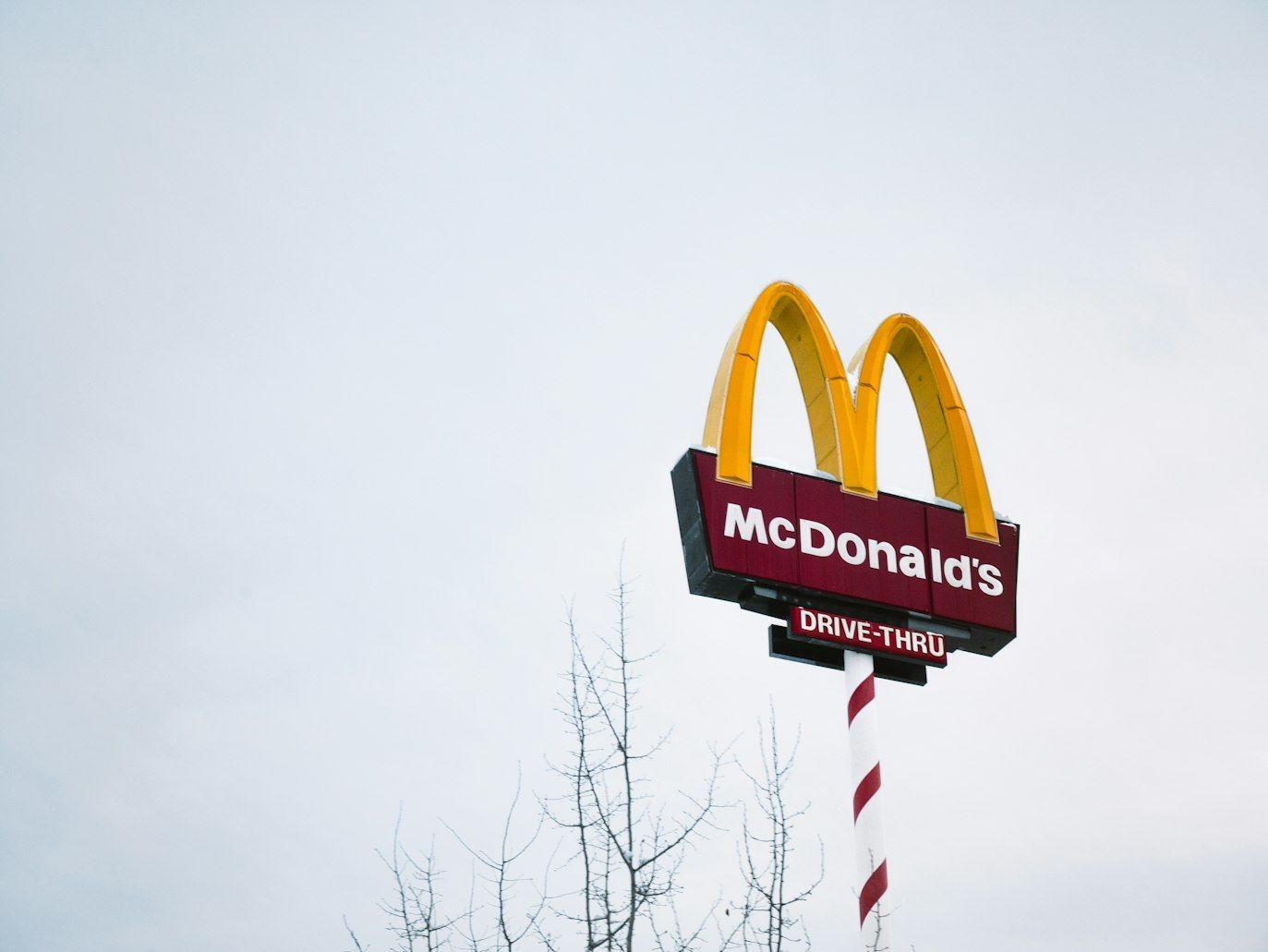
Image: Macarena Ollarzú

The drive-thru is a staple of fast food culture. Yet, contrary to what you may think, the first one wasn’t created for convenience but for military compliance. In 1975, a McDonald’s in Sierra Vista, Arizona, installed a service window to feed soldiers from the nearby Fort Huachuca.

At the time, soldiers were forbidden from wearing their military uniforms in public establishments. However, they were allowed to remain in their vehicles while in uniform. To capture the business of the hungry soldiers who couldn’t legally walk inside the restaurant, the owner installed a sliding window in the wall. The concept was an immediate success, quickly adopted by the rest of the venues.
General General 5 min read

The heart of the nation

What was the original plan for the Washington Monument?

Image: Stephanie Rhee

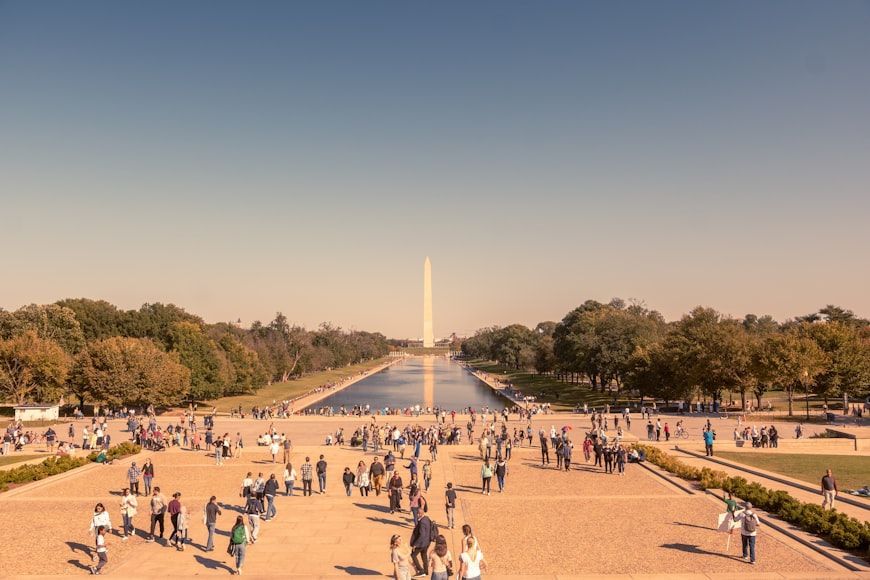
If you’ve been to Washington, D.C., you likely walked by the White House, the Washington Monument, and the many Smithsonian museums . And you’ve certainly seen photographs of presidential inauguration ceremonies, landmark events like Martin Luther King Jr.’s "I have a dream" speech, and annual Fourth of July fireworks — all of them on the National Mall. The heart of the capital and so-called "America’s front yard," the site is a mix of living history and remembrance , and a place for all Americans to gather. Here’s all you need to know about the National Mall.

1
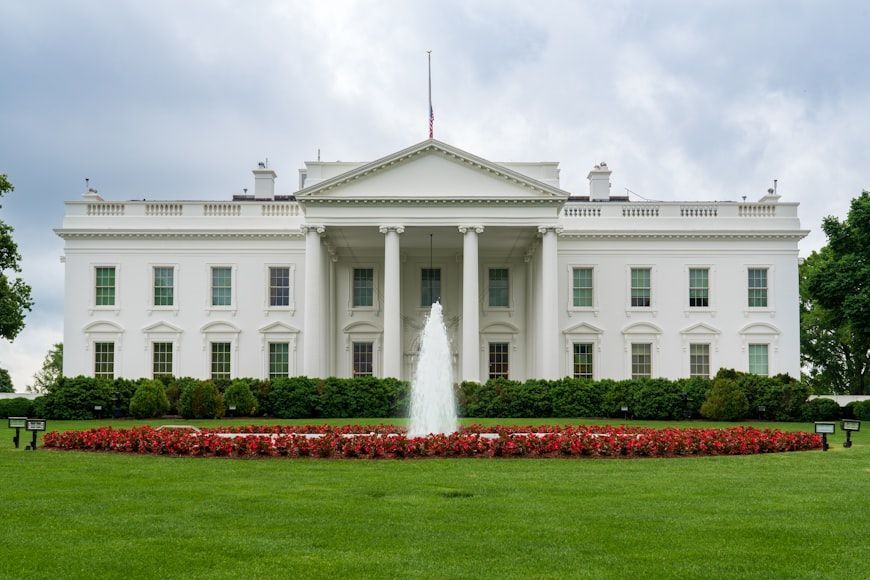
The White House

Image: Tomasz Zielonka

Though America’s most famous house, located at 1600 Pennsylvania Avenue, is not technically on the National Mall, it has been historically considered part of it due to its proximity and importance. It is separated from the National Mall by the Ellipse public park, and has a direct view of one of the most important Mall landmarks, the Washington Monument.

2
How America’s front yard came to be

Image: Samuel Girven

When Pierre Charles L'Enfant designed Washington, D.C., in 1791, he envisioned a majestic avenue going from the Capitol to an equestrian statue of George Washington (now the site of the Washington Monument). The chosen name referenced the Mall in London, a fashionable avenue near Buckingham Palace. During the following century, L’Enfants’ plans for the Mall were ignored, and the space was used for canals, railways, and gardens. In 1901, the U.S. Senate decided to expand the number of monuments in Washington, D.C., which led to the renewal of the National Mall and to the addition of most of its iconic landmarks.

3
American history in action

Image: Unseen Histories

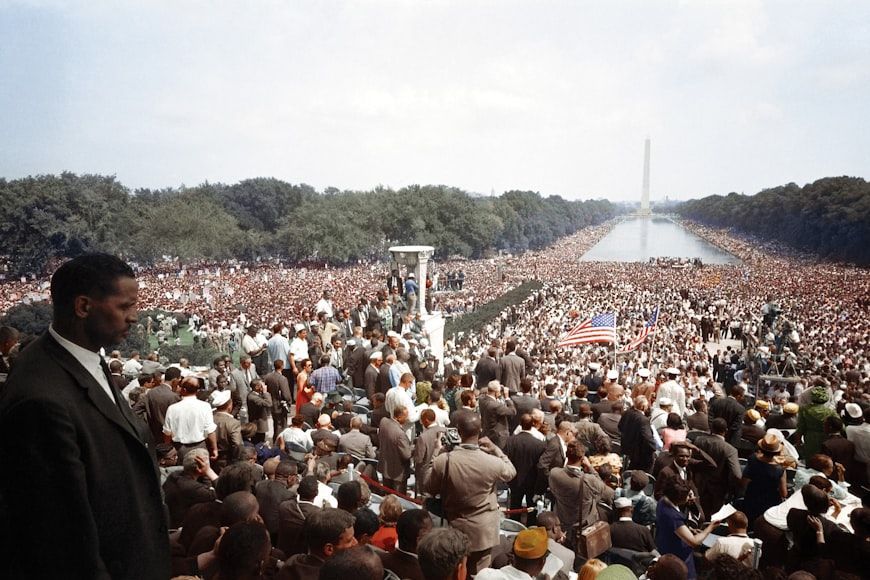
As a space open to all Americans and one that is close to the Capitol and the White House, the National Mall has been the scene of many historical moments, from presidential inaugurations to festivals and protests. Among the most important events to take place in the National Mall, we can remember the 1963 March on Washington, the late 1960s Vietnam War protests, the 1987 AIDS Memorial Quilt, and the 1939 Marian Anderson concert.

4
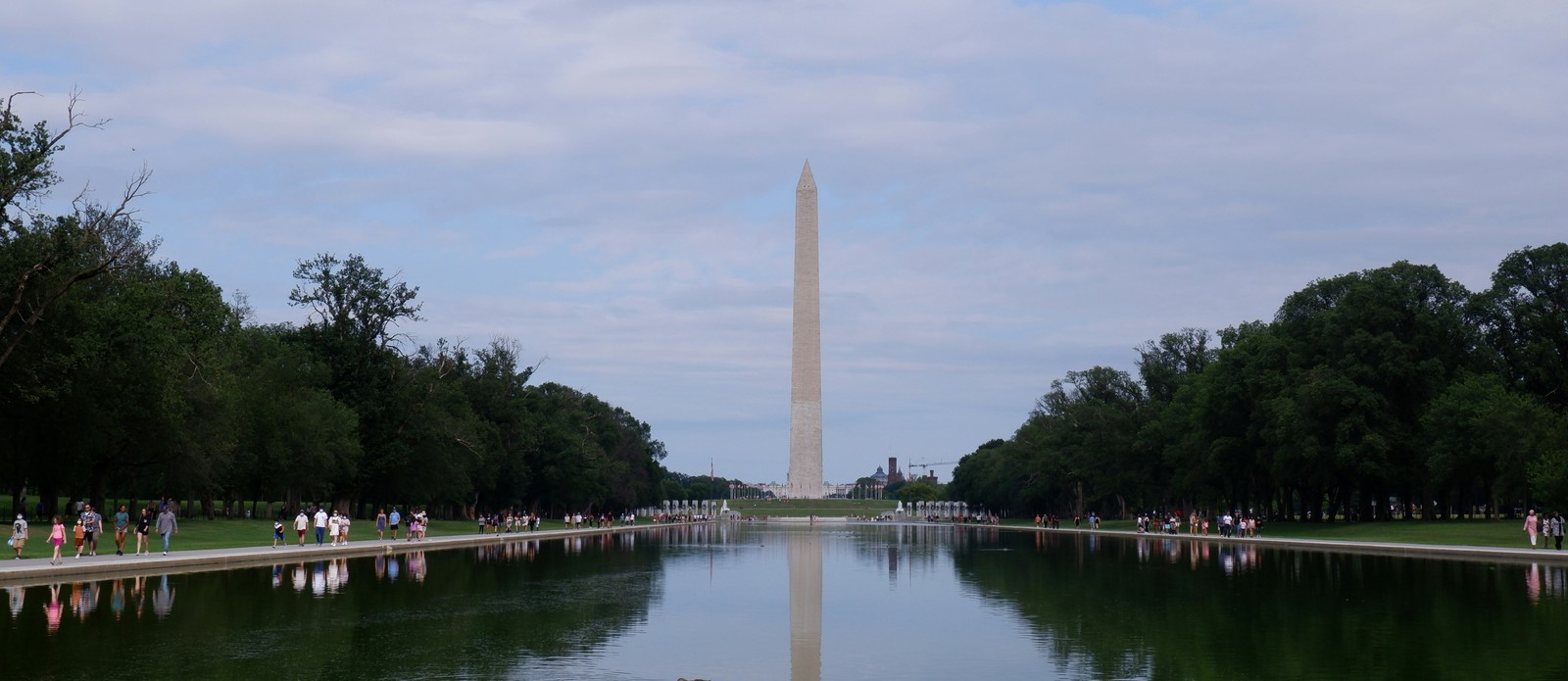
Washington Monument

Image: Andy He

Located where L’Enfant initially envisioned an equestrian statue of George Washington, this 555-foot marble and granite obelisk was designed in the 1830s , but was not completed until 1884 due to fund shortages and political disputes. In 2011, damages caused by a 5.8 magnitude earthquake forced the closing of the monument, which reopened in 2014.

5
Lincoln Memorial

Image: Andy Feliciotti

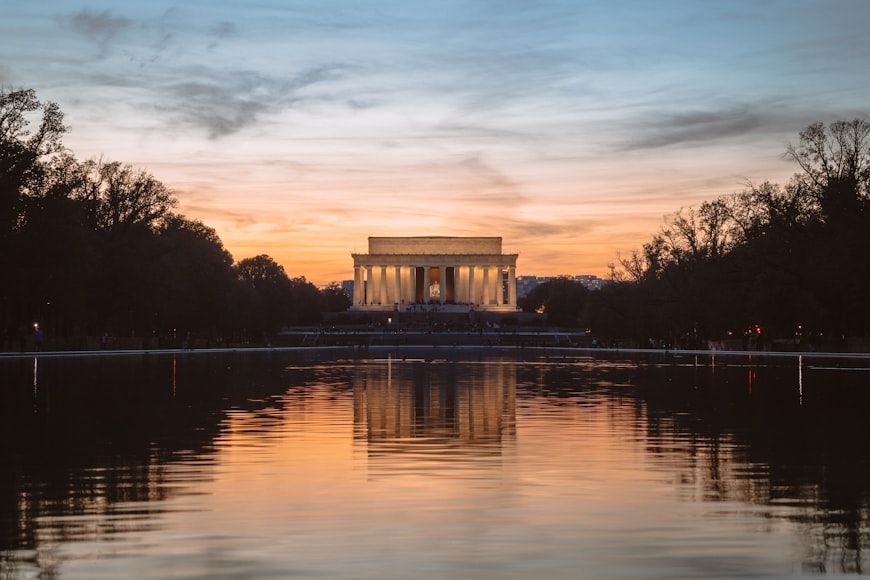
Conceived shortly after Lincoln’s assassination in 1865, construction began only in 1914, and the memorial was dedicated in 1922. The Neoclassic structure is surrounded by 36 columns, representing the 36 states that formed the Union at the time of Lincoln’s death . The famous statue of Lincoln in the interior is 19 feet tall, and both the Gettysburg Address and Lincoln’s Second Inaugural Address are inscribed on the north and south interior walls.

6
Jefferson Memorial

Image: Rafik Wahba

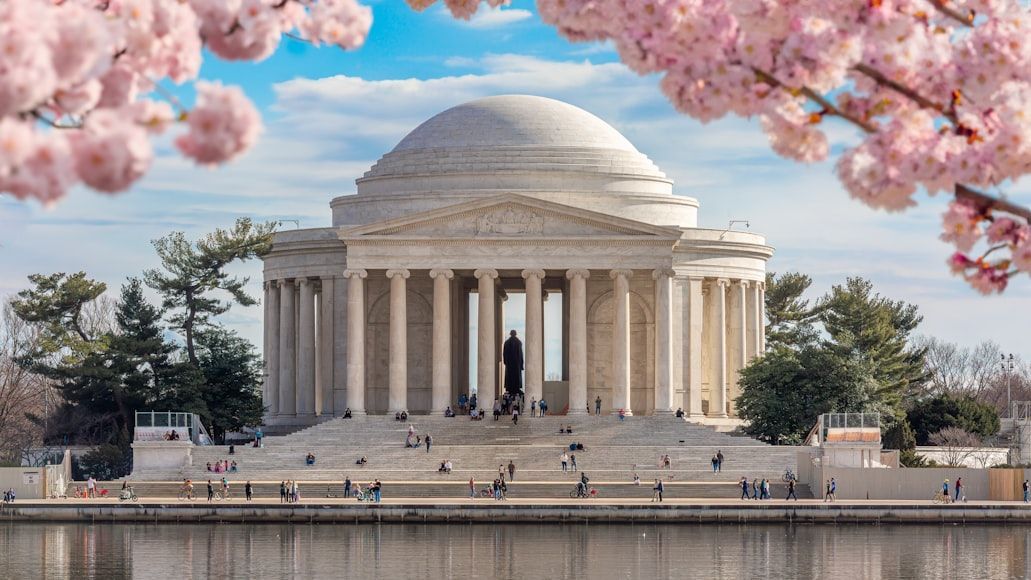
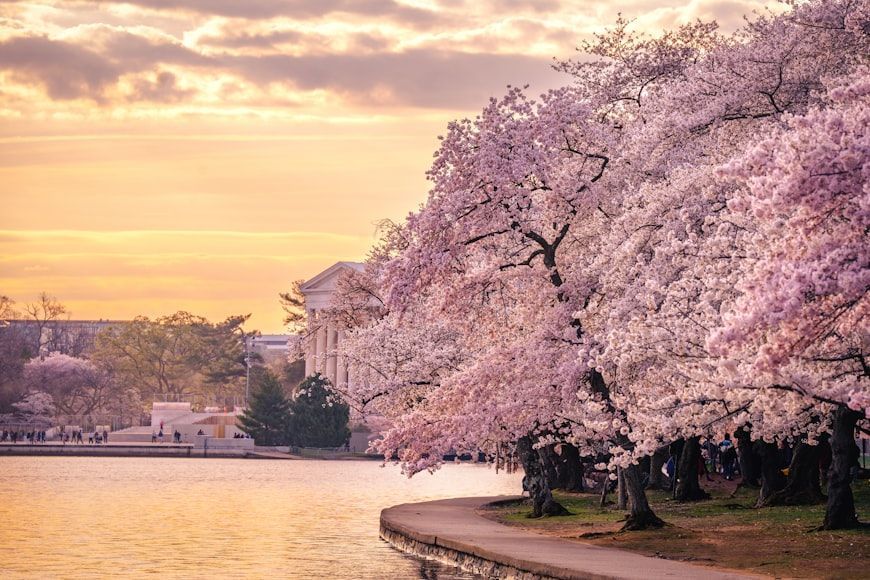
Authorized by Congress in 1934 and dedicated on April 13, 1943, the construction of this monument sparked outrage, as i t required clearing parts of the Tidal Basin and cutting down some of its cherry trees to make space for the memorial. In what is known as the 1938 Cherry Tree Rebellion, protestors chained themselves to the trees. In the end, a compromise was reached, and most of the trees were transplanted. The monument, an homage to Jefferson’s estate of Monticello and the rotunda of the University of Virginia, features excerpts of his most notable writings.

7
The Capitol

Image: Tomasz Zielonka

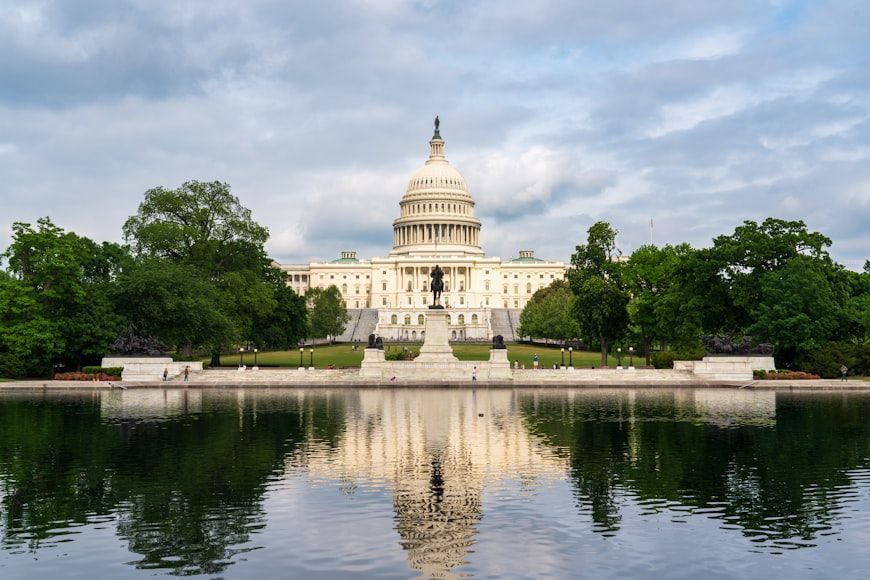
The first building to be constructed in the National Mall, the House of Congress is located in what was then known as Jenkins' Hill (now Capitol Hill) . George Washington laid the foundational stone in 1793, and the initial building was completed in 1800, but it was set on fire by the British during the War of 1812. It was reconstructed in 1826 and expanded during the 19th and 20th centuries.

8
War memorials

Image: Brett Wharton

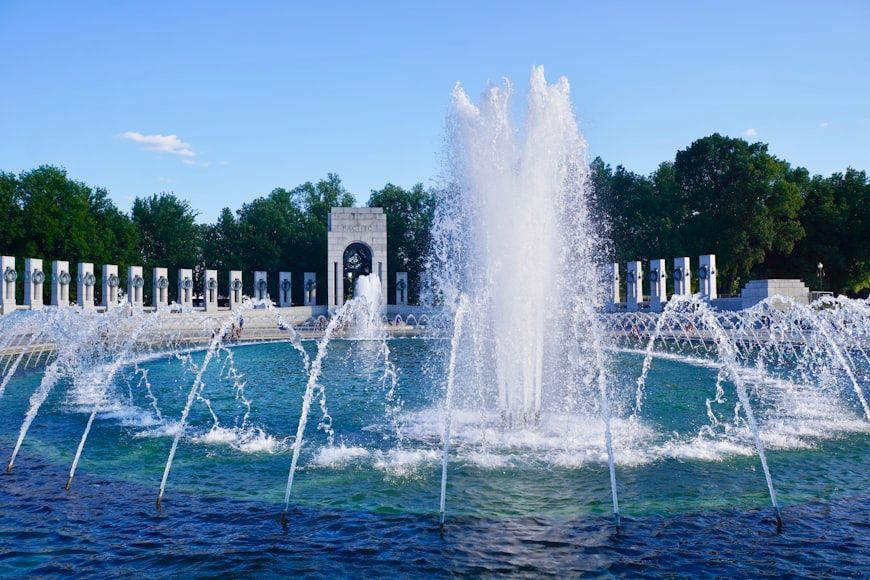
Several memorials across the National Mall honor the thousands of Americans who gave their lives while serving the country . The first war memorial was the District of Columbia War Memorial of 1931, dedicated to honor residents of Washington, D.C. killed in WWI. Among the most significant memorials, we can find the National World War II Memorial of 2004, the Korean War Veterans Memorial of 1995, the Vietnam Veterans Memorial of 1982, and the National World War I Memorial of 2014.

9
FDR Memorial

Image: Caroline Léna Becker, CC BY 3.0, via Wikimedia Commons

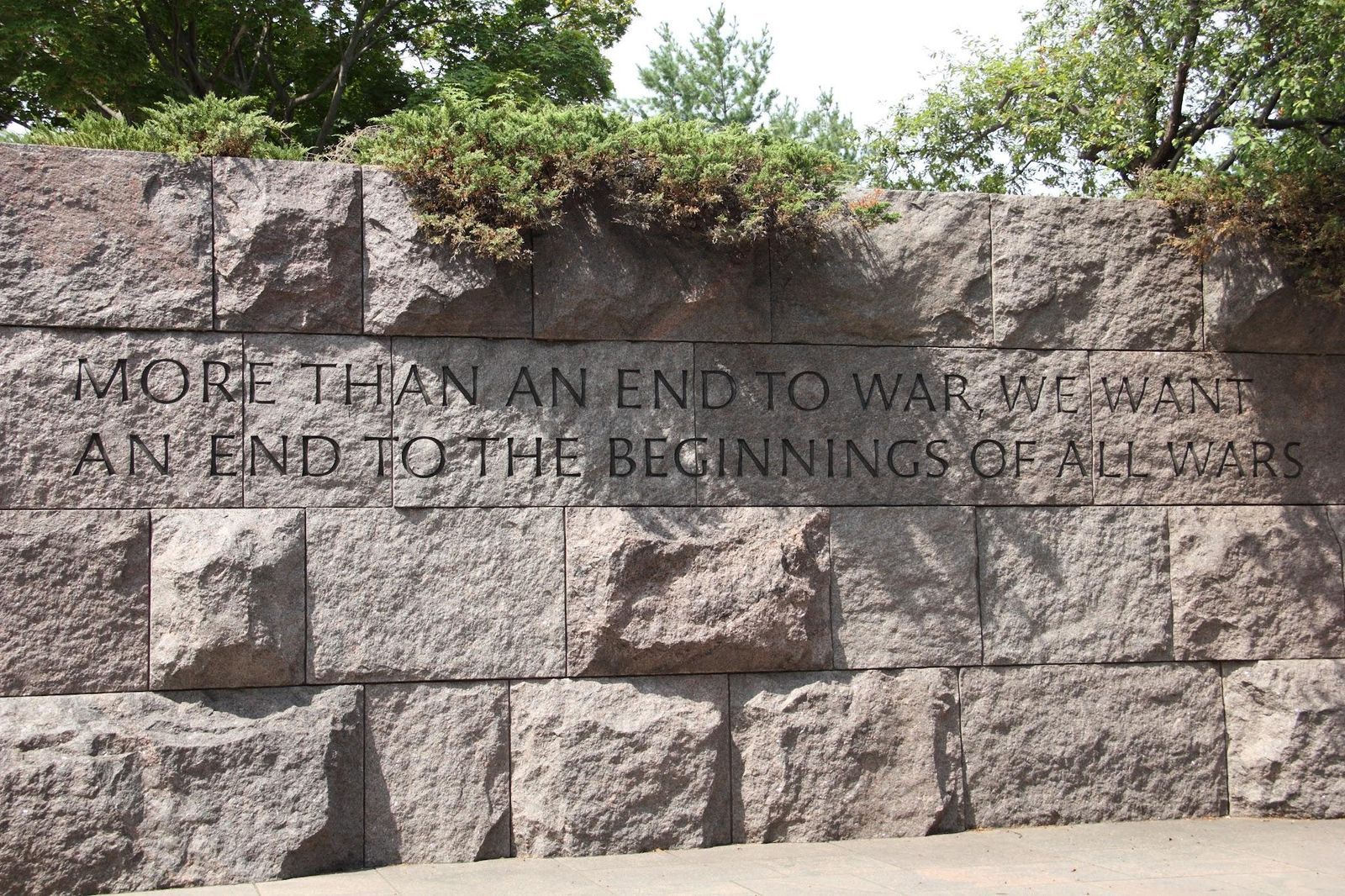
Despite President Roosevelt’s wish for an understated memorial near the National Archives, the project approved by Congress after his passing was much grander. Instead of a monolithic monument, the FDR Memorial consists of a park-like landscape , with areas representing the four terms he served and the conflicts he led the nation through. It is also the only presidential memorial to include a tribute to a First Lady, in the form of a bronze statue of Eleanor Roosevelt.

10
Museums

Image: Sheng L

The National Mall is one of the places with the highest concentration of museums in the world , most of them managed by the Smithsonian Institution. Among its most famous museums are the National Museum of American History, the National Museum of Natural History, the National Gallery of Art, the National Air and Space Museum, and the U.S. Holocaust Memorial Museum.

11
MLK Memorial

Image: E

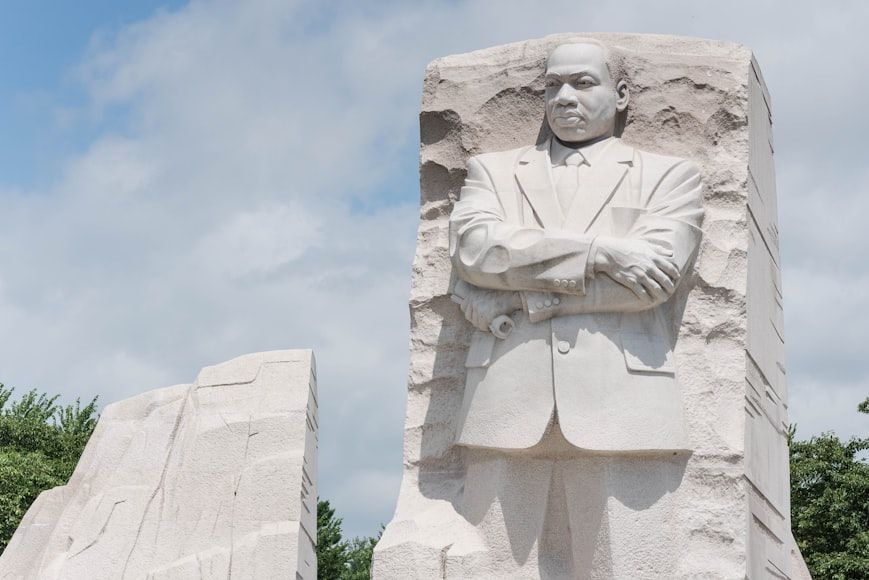
In 1963, the National Mall was the stage for Martin Luther King Jr.’s most famous speech, "I have a dream" , during the March on Washington for Jobs and Freedom. After his 1968 assassination, members of the Alpha Phi Alpha fraternity —to which King belonged— petitioned to build a memorial in his honor on the National Mall, and were allowed by President Clinton in 1996. The memorial features a split rock —inspired by the iconic line "Out of the mountain of despair, a stone of hope."— and a central figure depicting MLK Jr.

12
Parks and Tidal Basin

Image: Sharosh Rajasekher

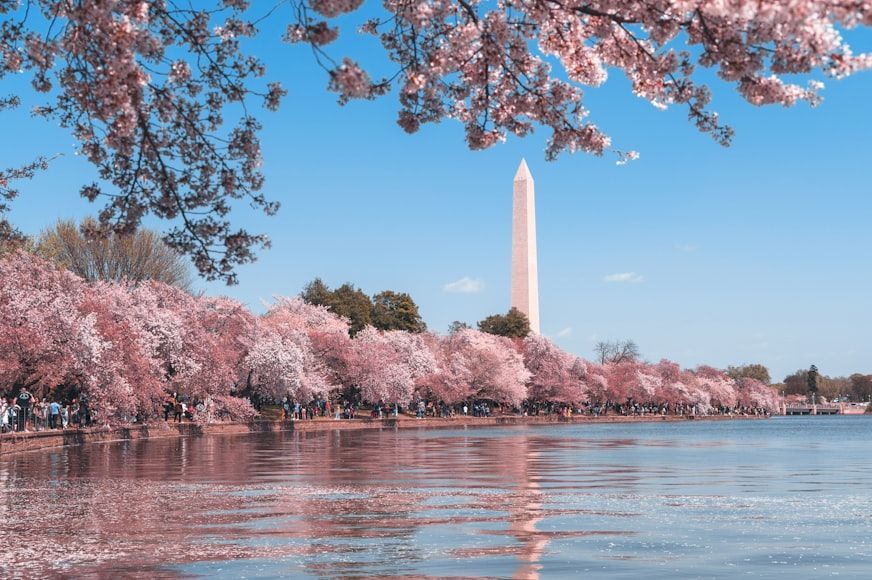
The National Mall's original plan included several landscaped areas, but they were not designed as part of it until 1901, when the area was cleaned to include open lawns and rows of trees lining the different sections . In 1882, part of the Potomac River was dredged to reclaim 628 acres of land, creating the Tidal Basin and adding space for many of the current monuments. In 1912, the city of Tokyo gifted Washington, D.C., more than 3,000 cherry trees as a sign of friendship, now an iconic part of the Tidal Basin landscape. In 1965, the parks in the National Mall were consolidated as a unit as the National Mall and Memorial Parks.

Geography Geography 4 min read

Behind tall faces

Why is Mount Rushmore named after a New York lawyer?

Image: Jake Leonard

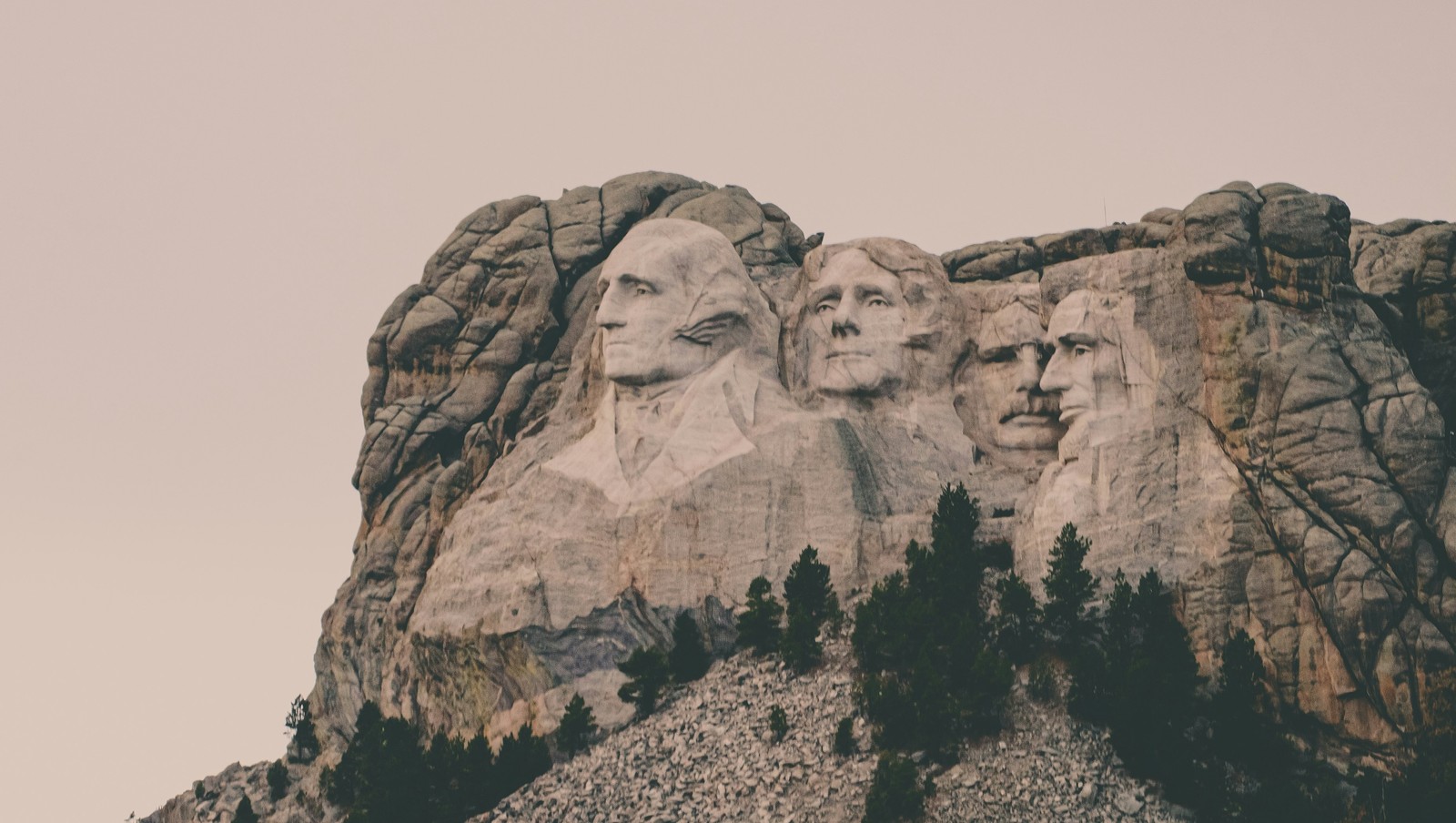
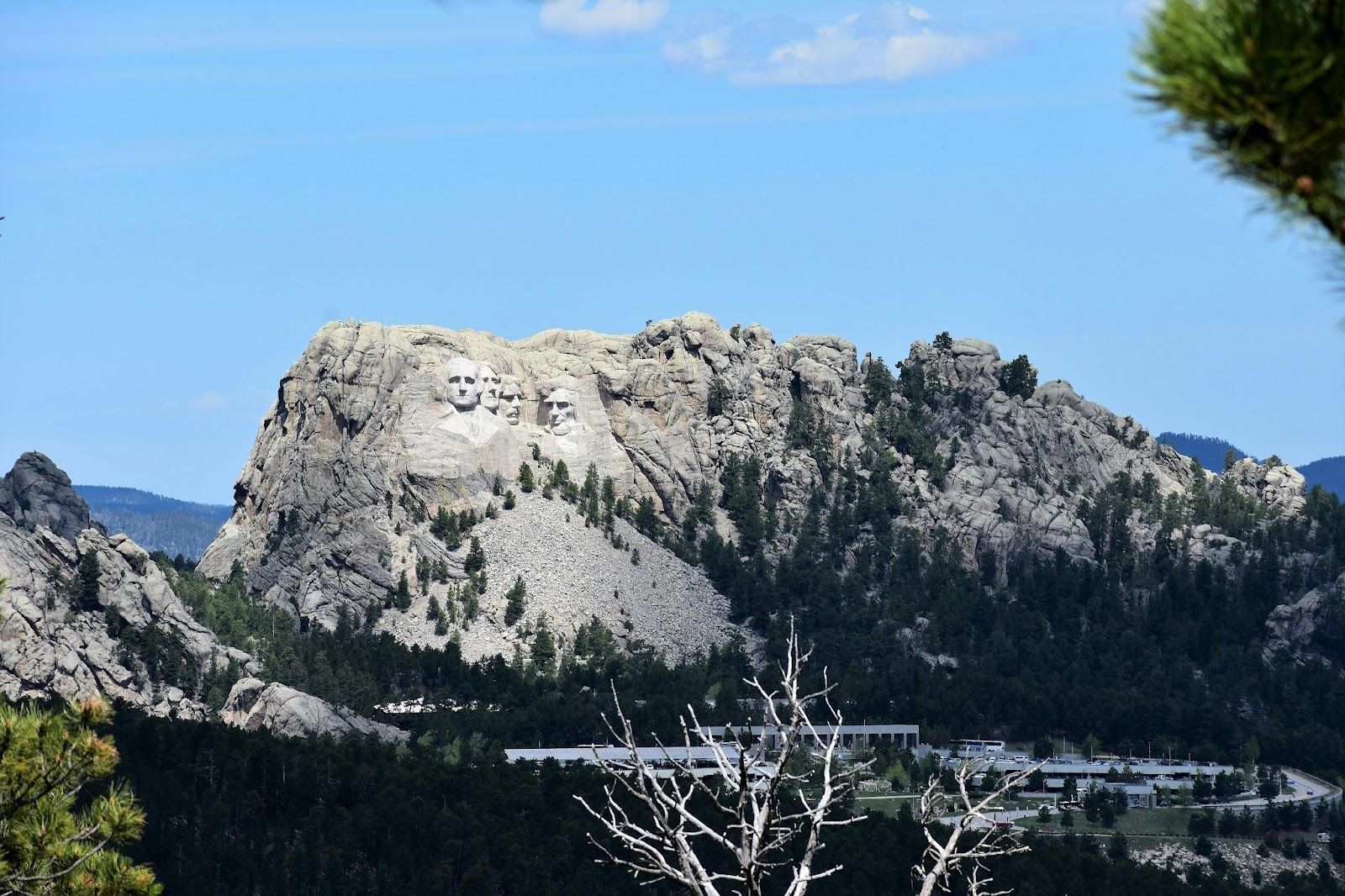
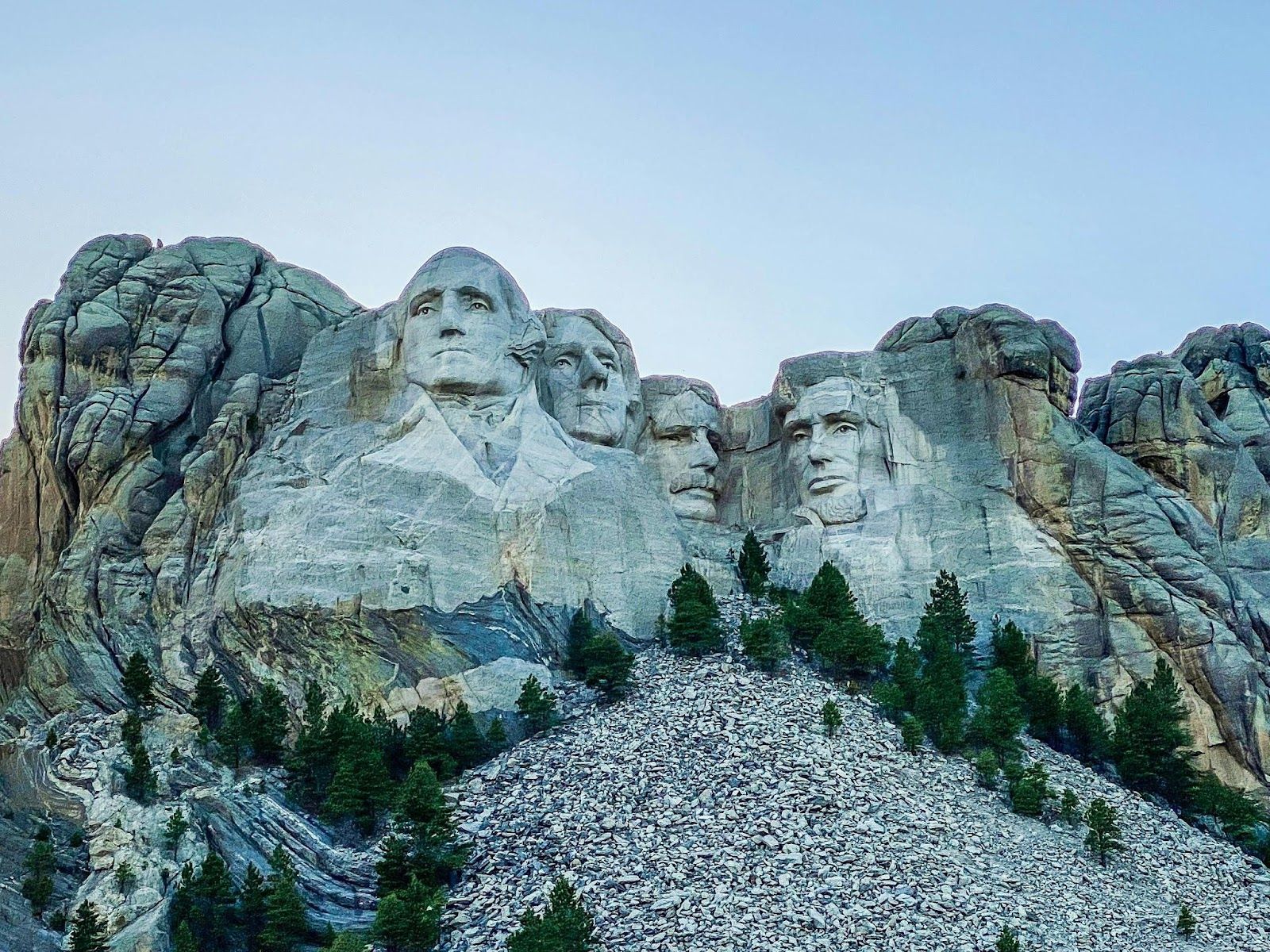
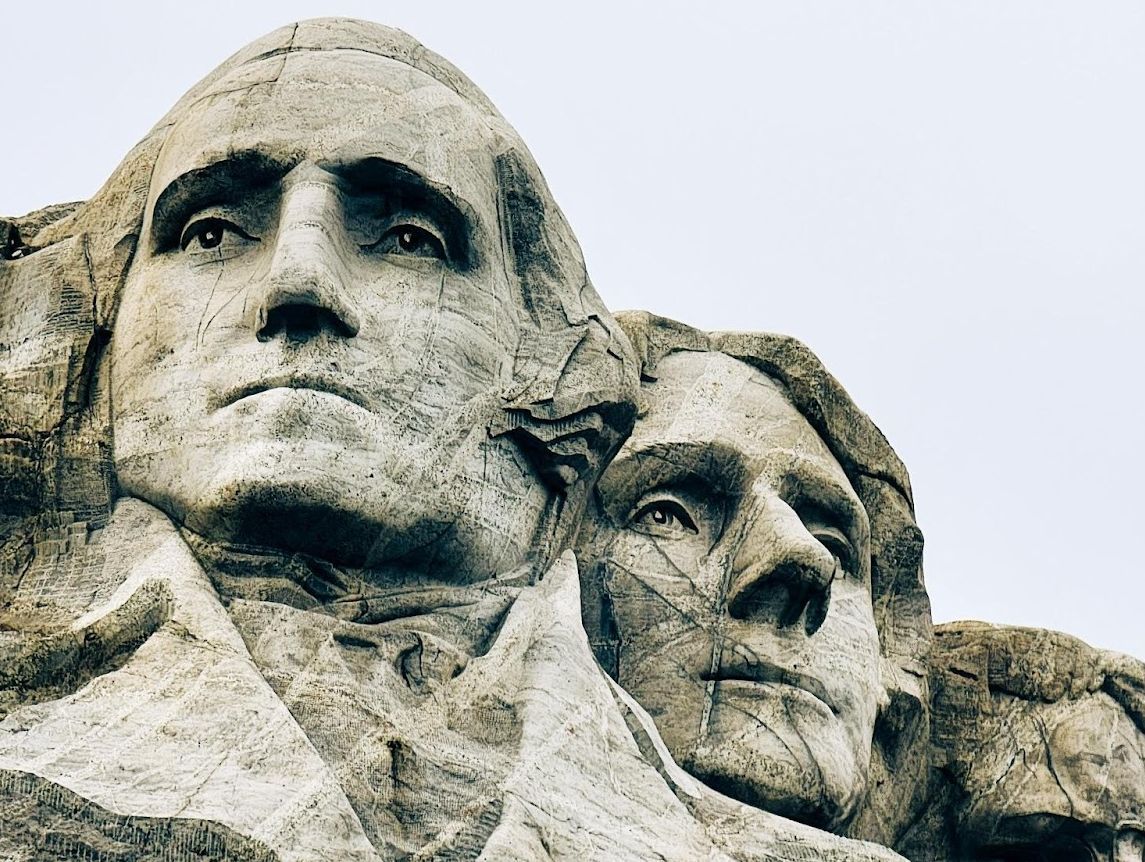
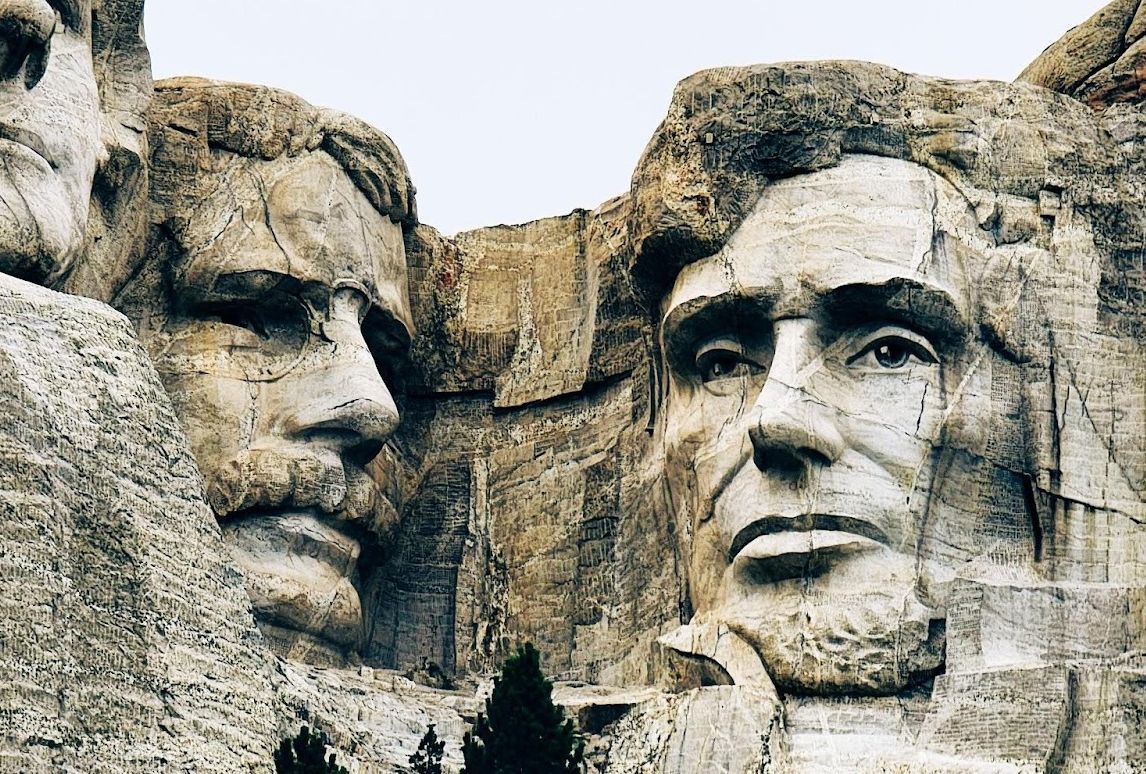
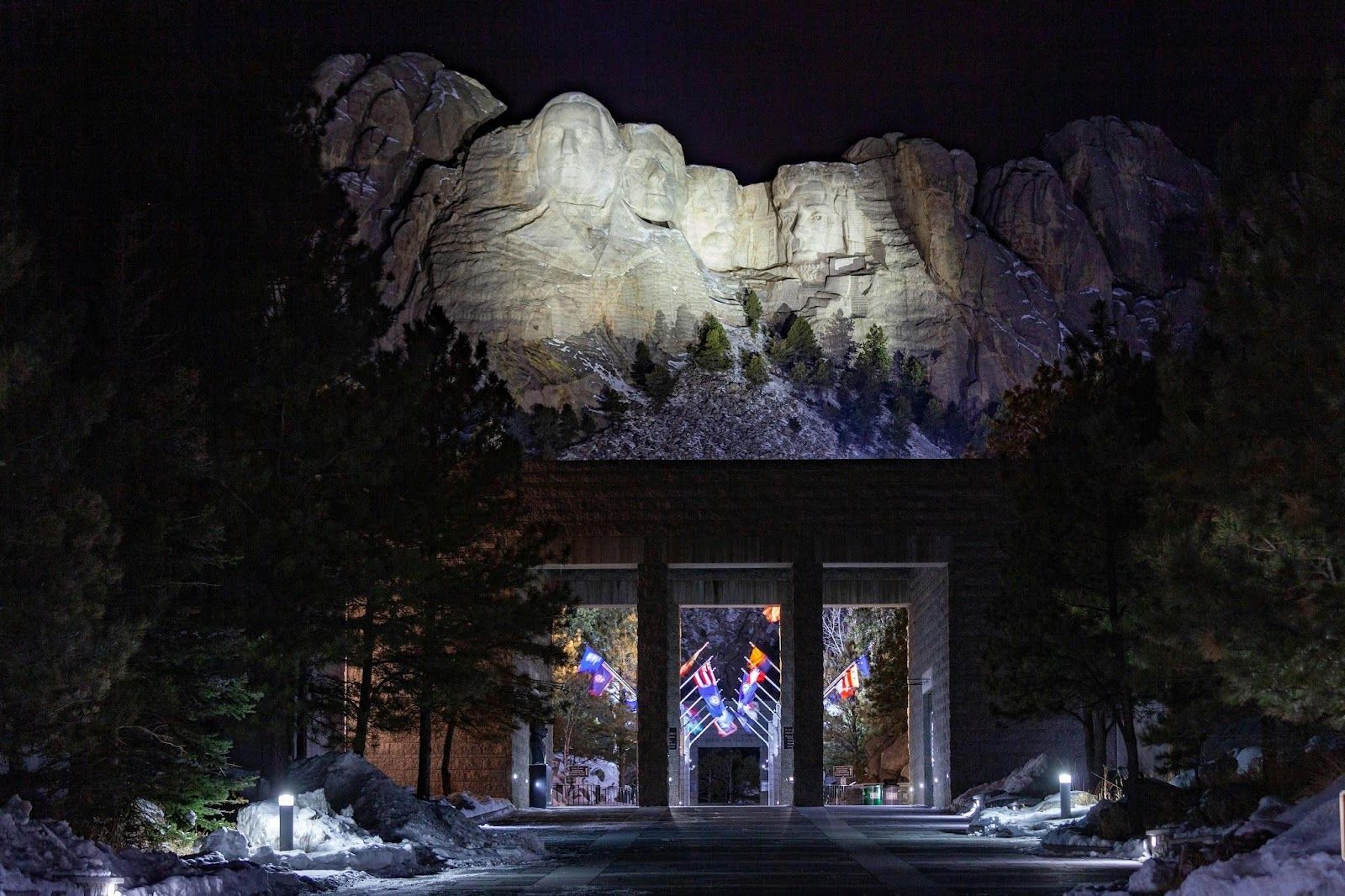
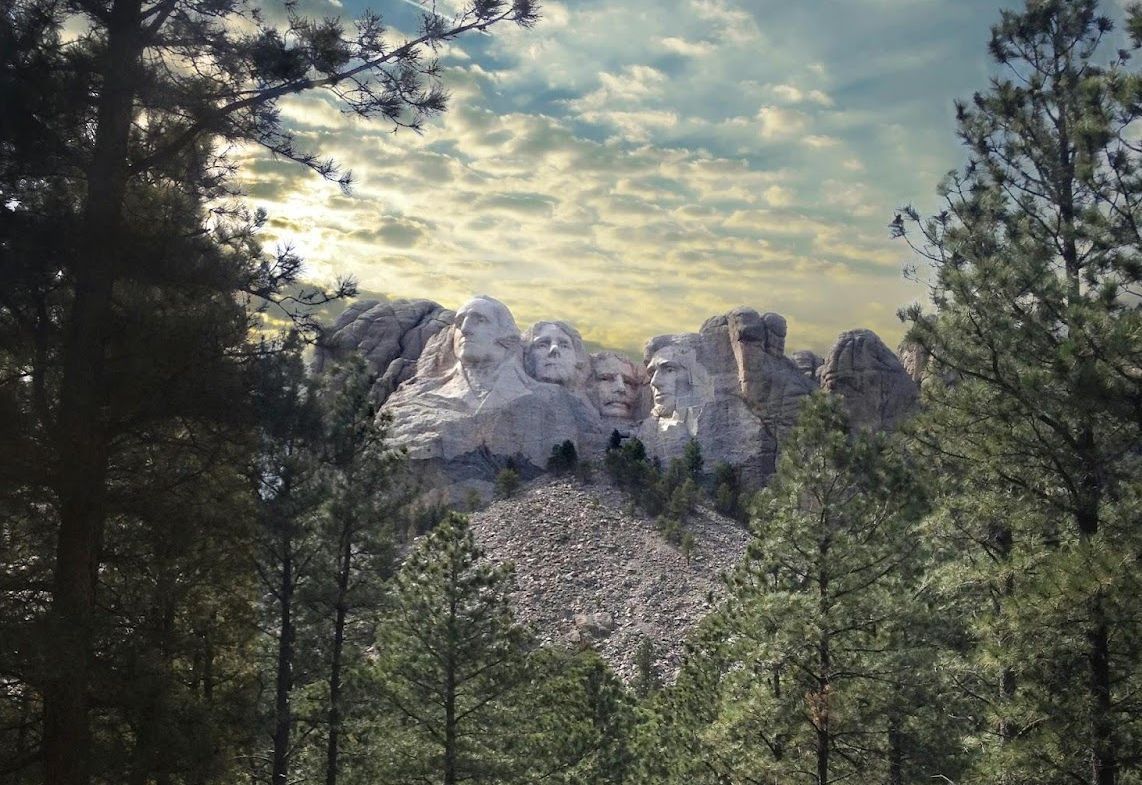
What famous woman’s face almost became the fifth face on Mount Rushmore? Did the sculptor Gutzon Borglum really intend to just carve out the heads? Why is the mount named that, and not Borglum? The answers to these questions are some lesser-known facts about one of the most famous landmarks and sights in our country. Let’s dive into these stories!

1
The original plan included full-body figures

Image: Thomas Shockey

Mount Rushmore was supposed to be even more colossal than it already is. Sculptor Gutzon Borglum envisioned the four presidents carved from the waist up .

He even made plaster models showing Abraham Lincoln's coat folds and Teddy Roosevelt’s hand clutching his lapel. But as costs went up, Congress said: "heads only, please."

2
Charles Rushmore was just a curious New Yorker

Image: Maarten van den Heuvel

Back in 1925, when the mount was about to be carved into a monument, Charles Rushmore wrote a letter explaining why the peak bore his name. He recalled that in the 1880s he was a young New Yorker working in the area, and fell fond of that particular granite peak .

When he asked the locals about it, they informed him that it had no name, but that if he wished so, they would just start calling it Rushmore Peak, or Mount Rushmore, or the likes. Years later, that very name had been inscribed in the public domain to designate the peak.

3
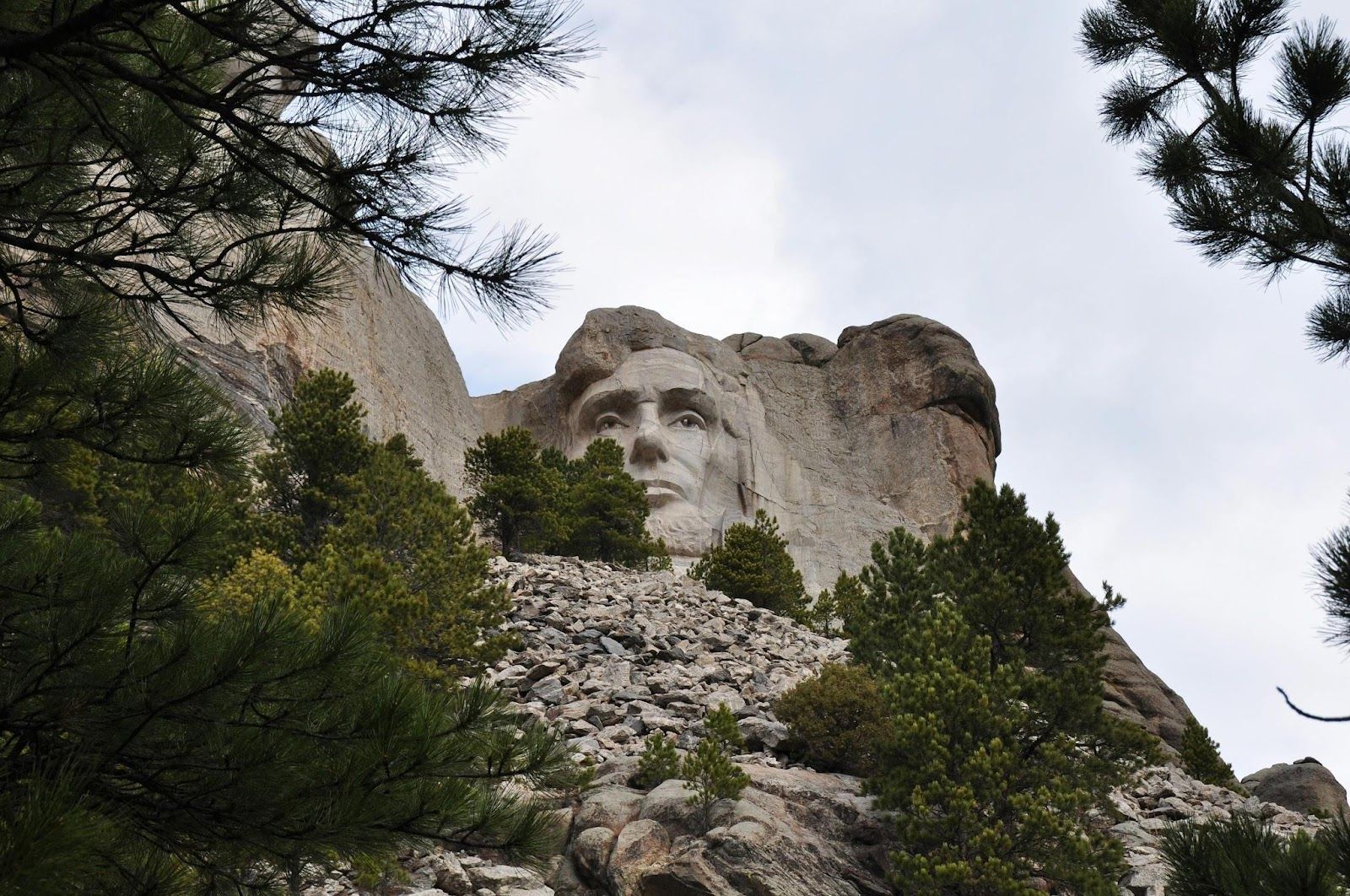
Yes, there’s a hidden room behind Lincoln’s head

Image: Laura Nyhuis

Behind Abraham Lincoln’s hairline lies a hidden chamber, part of Borglum’s lofty idea for a "Hall of Records." This room was meant to house foundational American documents like the Constitution or the Declaration of Independence.

Instead of that, in 1998, a titanium box was placed inside, filled with copies of important documents and biographies, as a time capsule to preserve the treasure of knowledge for future generations.

4
Thomas Jefferson was moved

Image: Dave Baraloto

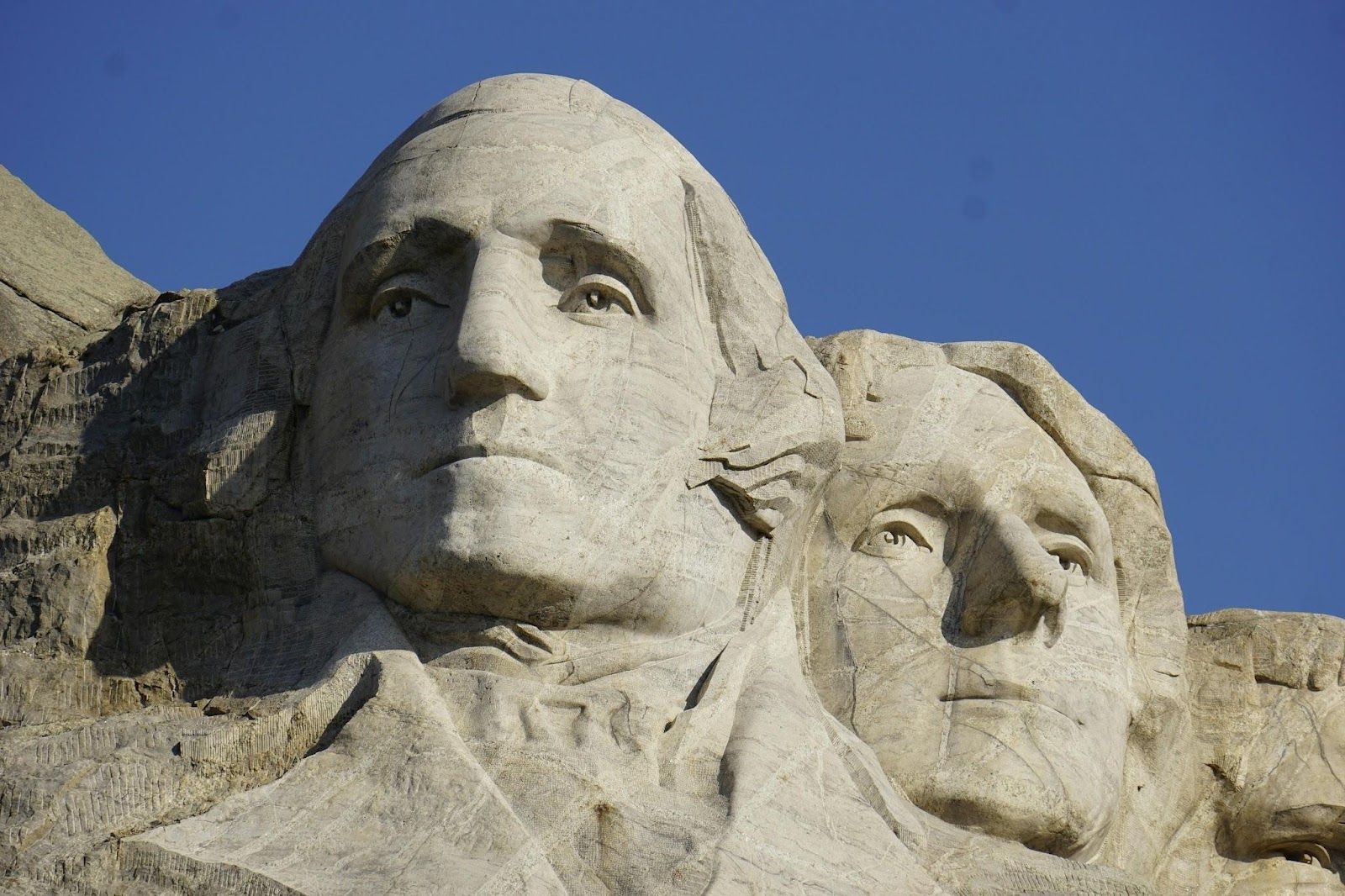
Jefferson was originally supposed to go to Washington’s right, but after 18 months of chiseling , the granite betrayed them. Cracks and flaws made the site unworkable.

Borglum made the painful decision to blast Jefferson’s half-formed face clean off and start anew on Washington’s left.

5
The mountain was almost a monument to western heroes

Image: Timberly Hawkins

Before presidents took over, the mountain was pitched as a giant tribute to the Wild West . South Dakota historian Doane Robinson wanted to see frontier legends like Lewis & Clark carved into the Black Hills.

But when Borglum came aboard, he had a grander (and more politically bankable) idea: four presidents to symbolize national unity and expansion.

6
A woman’s face was almost added

Image: Tom Fournier

In the 1930s, there was serious talk of honoring Susan B. Anthony alongside the Founding Fathers, as a nod to the women’s suffrage movement.

Borglum wasn’t opposed to the idea, but Congress quickly nixed it, stating that only U.S. presidents could be included.

7
The workers were mostly local miners and loggers

Image: Pixabay

They were neither sculptors nor artists. Most of the workforce came from nearby Keystone, South Dakota: miners, loggers, and hard-up laborers looking for work during the Great Depression.

Borglum trained them himself. There were no safety harnesses, and yet, remarkably, no one died on the job.

8
Dynamite did 90% of the work

Image: Alexander Paramonov

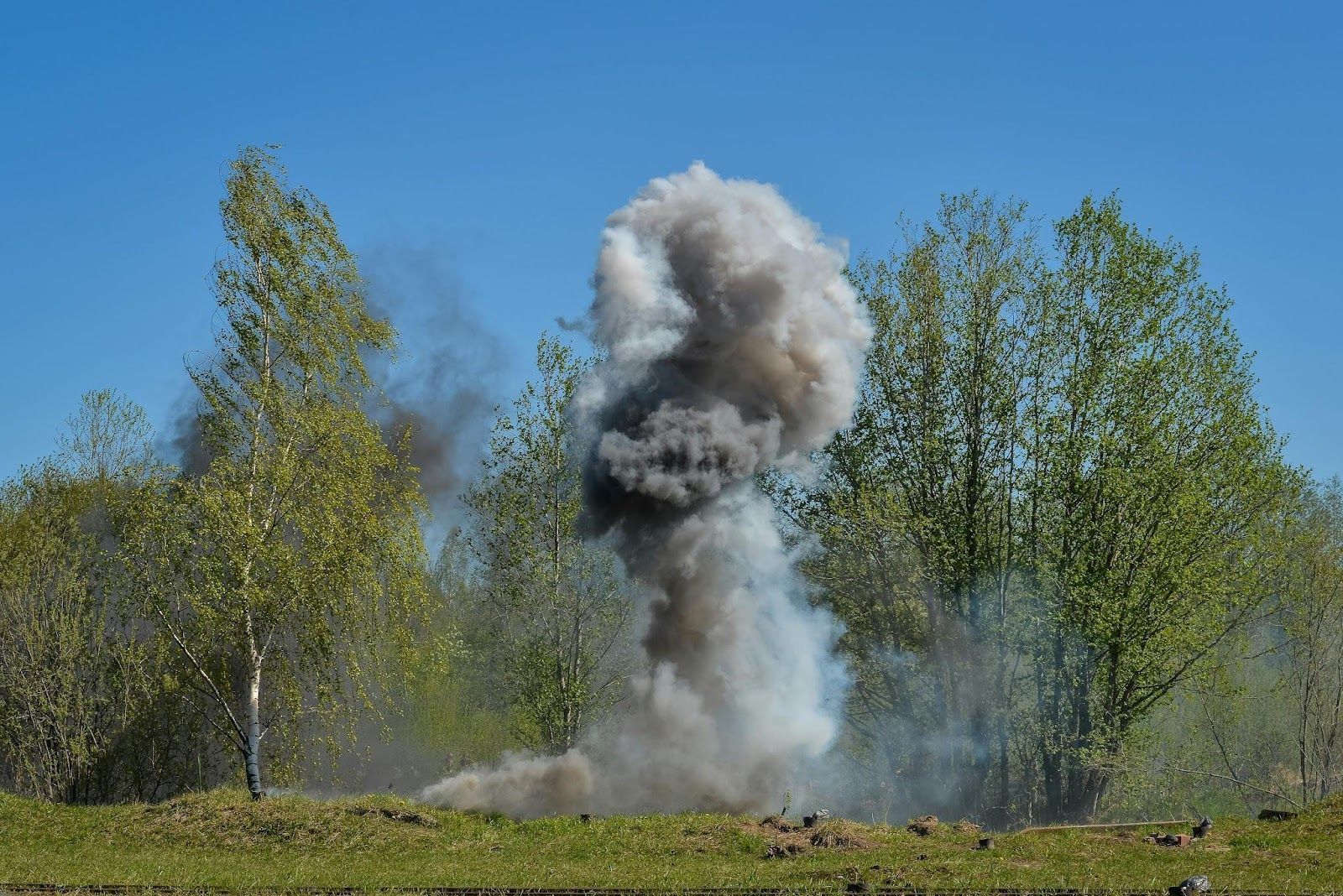
To carve the faces of Washington, Jefferson, Roosevelt, and Lincoln, workers used carefully timed dynamite blasts to remove over 450,000 tons of rock. They got so precise, they could blast within inches of where the final surface would be.

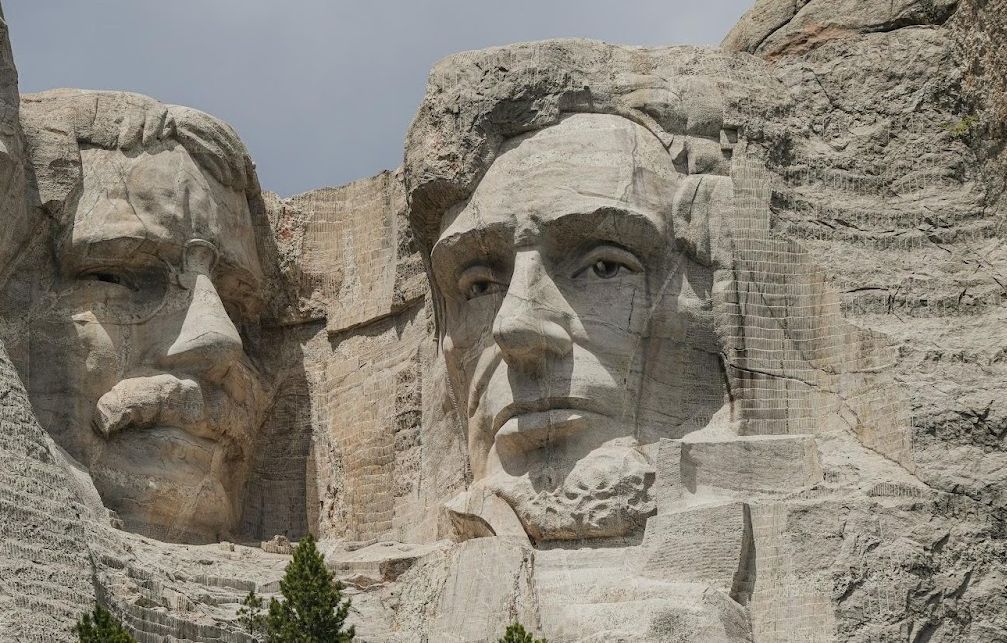
The last details, like wrinkles, pupils, or Roosevelt’s glasses, were done with jackhammers and chisels.

9
The noses are disproportionate

Image: Dudubangbang Travel

Standing in front of the mountain, the faces seem alright. But that’s a trick of perspective. Each presidential nose is a whopping 20 feet long .

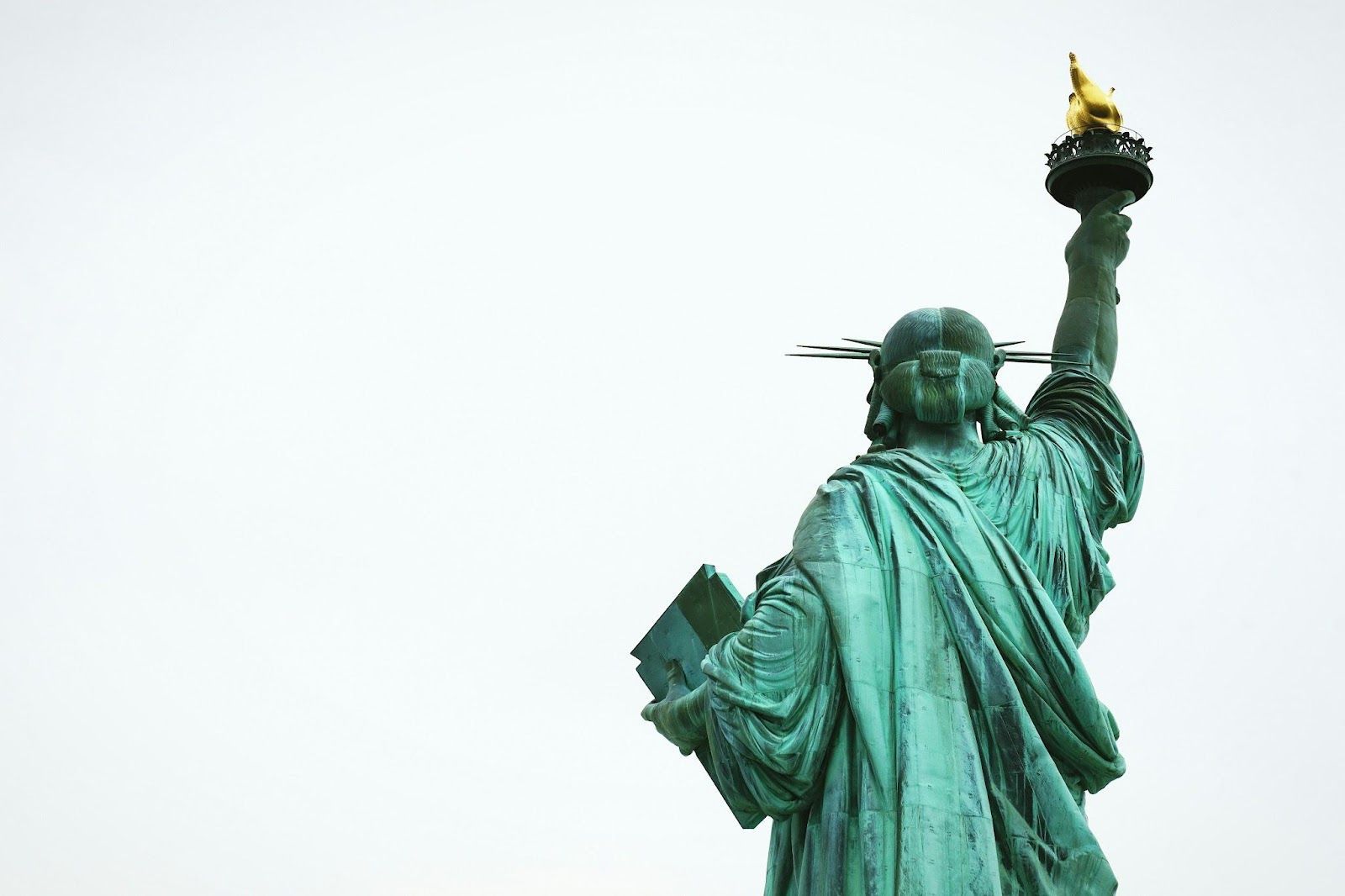
If the sculptures had included full bodies as planned, each figure would have stood 465 feet tall. That’s taller than the Statue of Liberty and most downtown skyscrapers.

10
Teddy Roosevelt was the most controversial pick

Image: Dudubangbang Travel

Washington, of course. Jefferson, made sense. Lincoln, sure. And Teddy? Some critics raised their eyebrows at Borglum’s fourth choice. Roosevelt had only recently passed away in 1919, and many questioned whether he'd stood the test of time.

But Borglum defended the decision Roosevelt’s role in breaking up monopolies, conserving national parks, and engineering the Panama Canal. Plus, Borglum had met him personally and was a fan.

11
It was supposed to have inscriptions

Image: Dan Pick

Borglum had grander plans than just four giant heads. He wanted to carve a massive inscription next to them, a timeline of America’s most important milestones , chiseled straight into the mountain. In time, the idea was scrapped for practical and aesthetic reasons.

12
The visionary died before completion

Image: Lisa Reichenstein

Gutzon Borglum, the visionary behind it all, didn’t live to see his masterpiece finished. He died in March 1941, just as the construction was reaching its end. His son, Lincoln Borglum (yes, named after that Lincoln), took over the project.

Still, with WWII drawing resources elsewhere, funding was slashed, and Lincoln had to wrap things up quickly . Some features, like Lincoln’s ear, were never fully detailed.

Explore more American facts

Choose your favorite category!

General
General

As American as apple pie—the very best America has to offer!

Culture
Culture

Delve into the astounding richness of American lore.

Geography
Geography

Hop in and explore vast and diverse American landscapes.

History
History

Discover the key moments that shaped the United States.