American trendsetters
10 American figures who used fashion as a tool
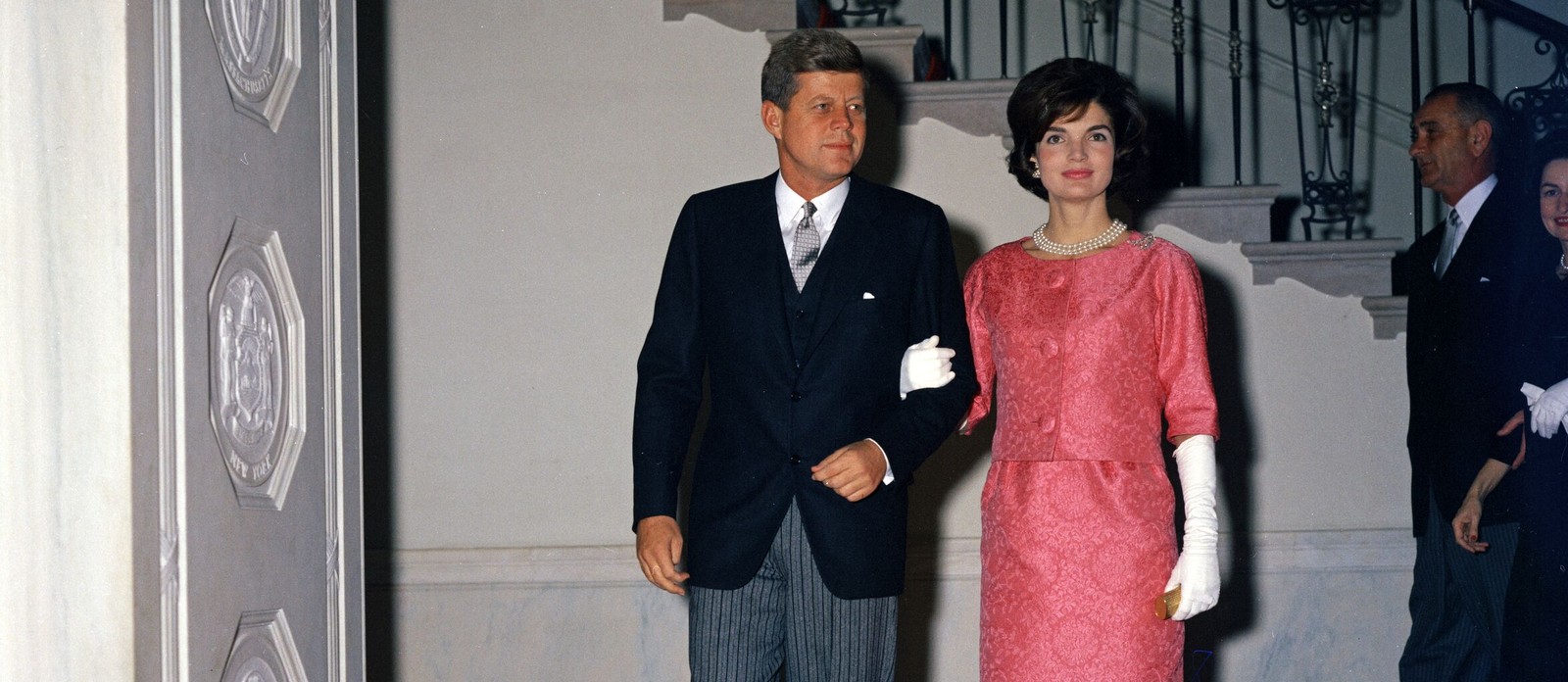
Image: Robert Knudsen. White House Photographs. John F. Kennedy Presidential Library and Museum, Boston, Public domain, via Wikimedia Commons
From bold colors to innovative fabrics and daring silhouettes, American fashion has been influenced by people of all stripes, intentionally or not, who became style icons. Political figures, artists, first ladies, and social activists all used fashion as a tool for diplomacy, protest, self-expression, and rebellion. Here are 10 undisputed fashion icons in American history.
1
Elvis Presley
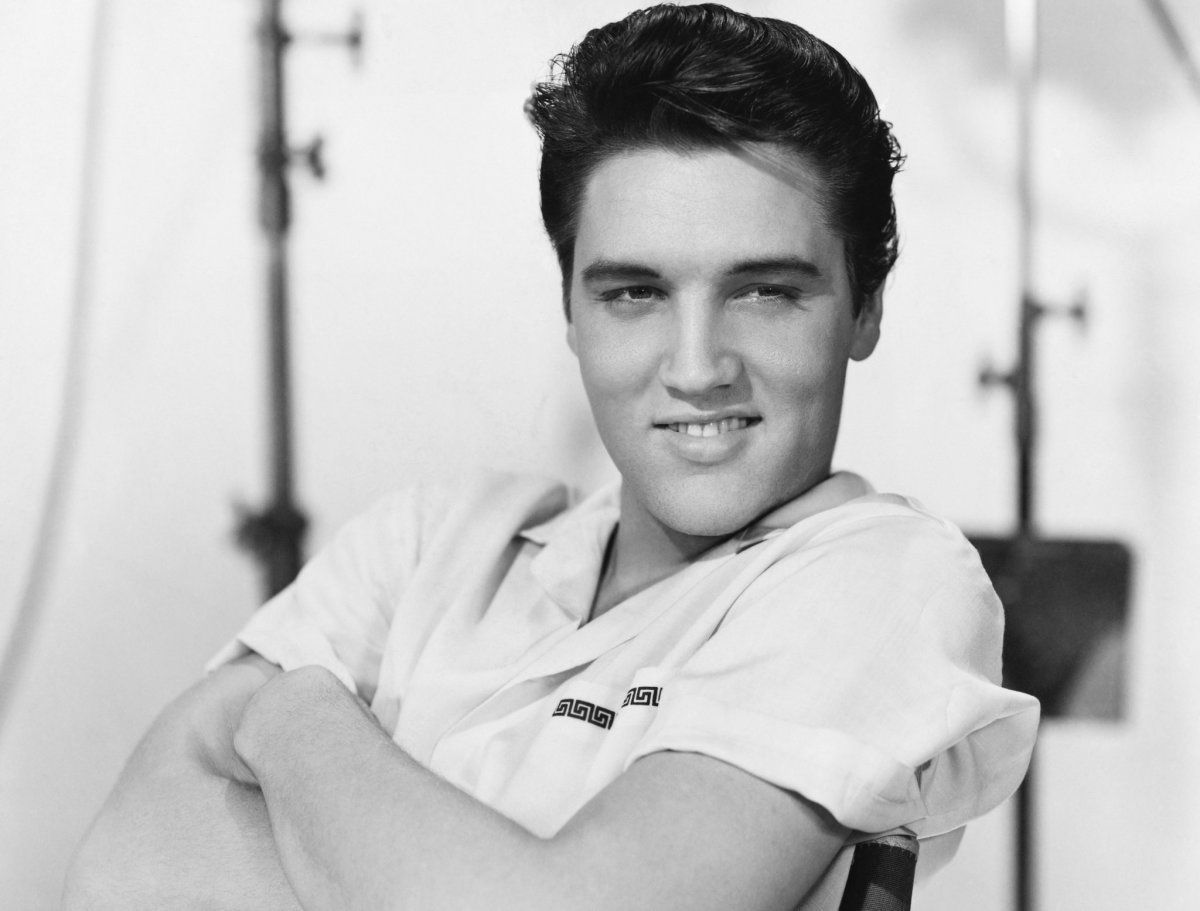
The King of rock n’ roll had several distinct fashion phases across his nearly 25 years on the stage. From his rockabilly origins to his leather era and later to his Vegas glam, Elvis always favored bold colors, tailored suits, and extravagant fabrics that went against the standards , a trend he also followed with his hairstyles, accessories, and even in his custom-painted pink Cadillac.
2
Benjamin Franklin
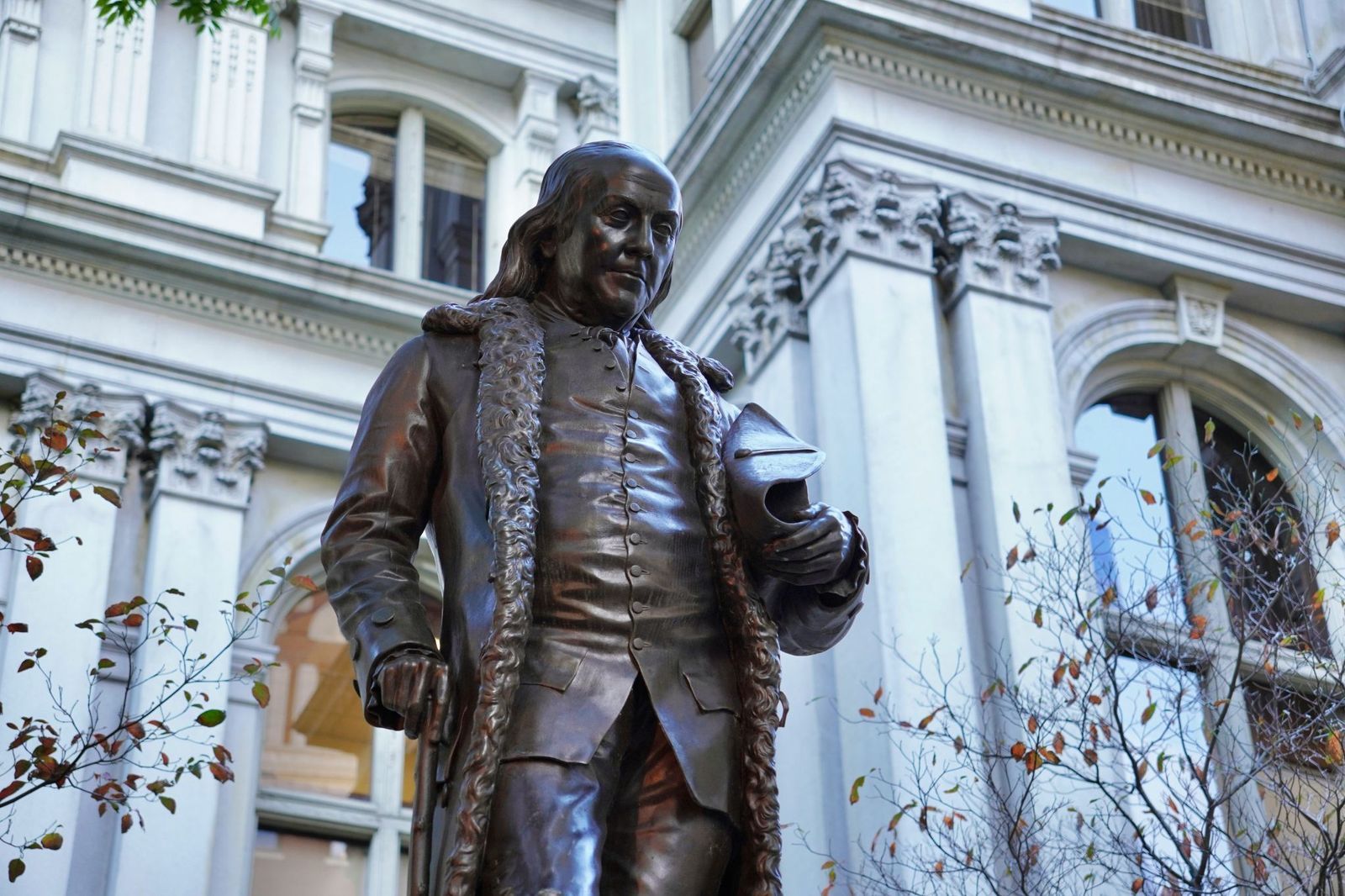
One might not think of a Founding Father as a trendsetter, but Benjamin Franklin deliberately used fashion as a diplomatic tool, arguably becoming the first American fashion icon. Sent as ambassador to France in 1776, he set out to portray an image of republican simplicity and ruggedness, donning a fur cap, plain, dark clothes, and unpowdered hair that contrasted with Versailles’ opulence. His appearance impacted the French elites, who quickly started wearing the Coiffure à la Franklin , oversized hats and wigs that mimicked his fur cap. When Franklin later started using a white hat, the trend was quickly replicated by the French.
3
Sojourner Truth
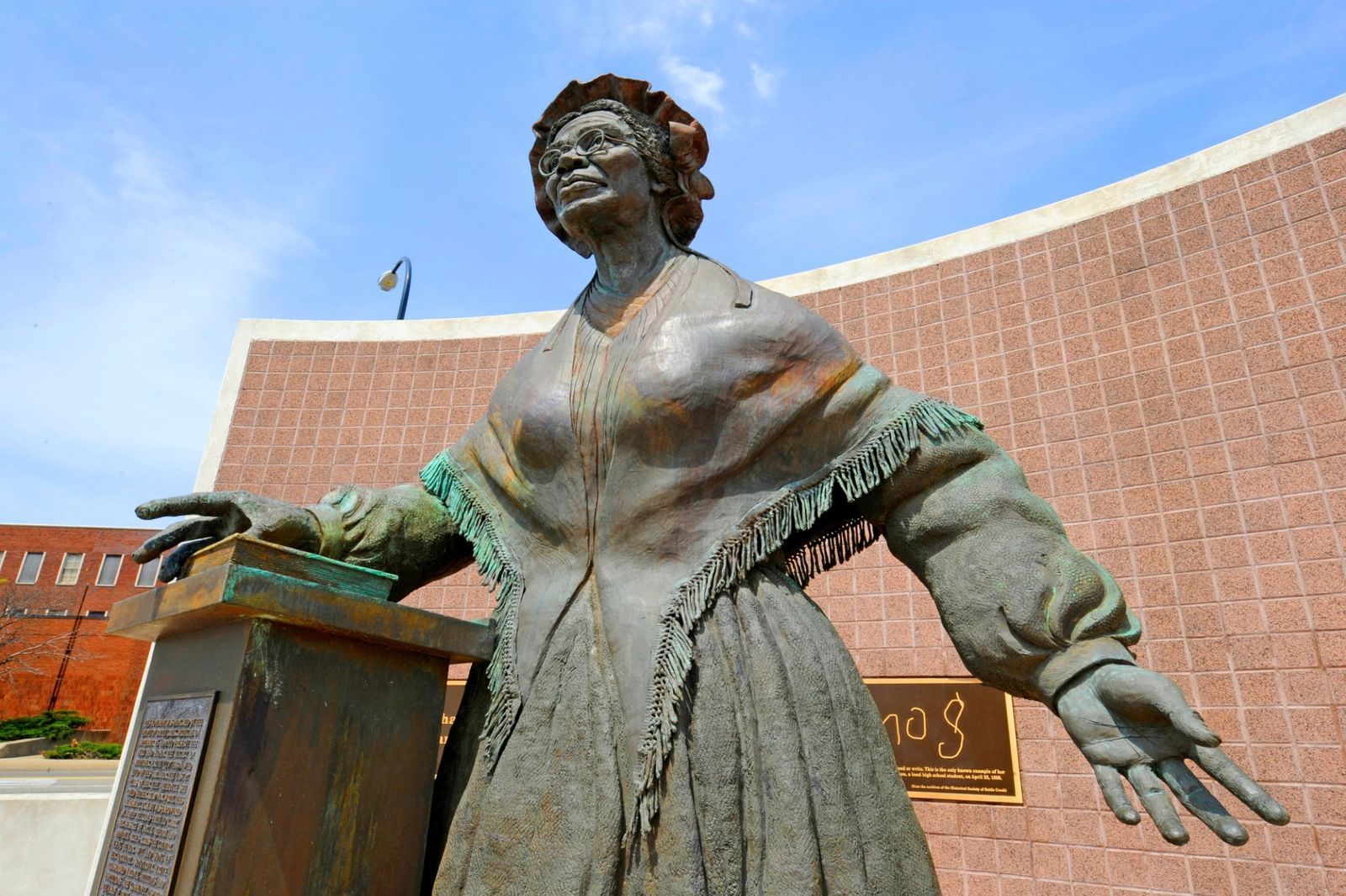
Black abolitionist Sojourner Truth brilliantly used her image as one of her greatest tools. Unable to read and write, and often misquoted and misrepresented in the papers, she resorted to photography to establish an image of Black people different from the paternalistic portrayal favored by some abolitionists. Dressed in typical Victorian fashion, she was often photographed with books, knitting, or portraits of her family, all symbols of respectability. She used these photographs as presentation cards, and also sold them, with the quote "I Sell the Shadow to Support the Substance" printed on the back.
4
Jackie Kennedy
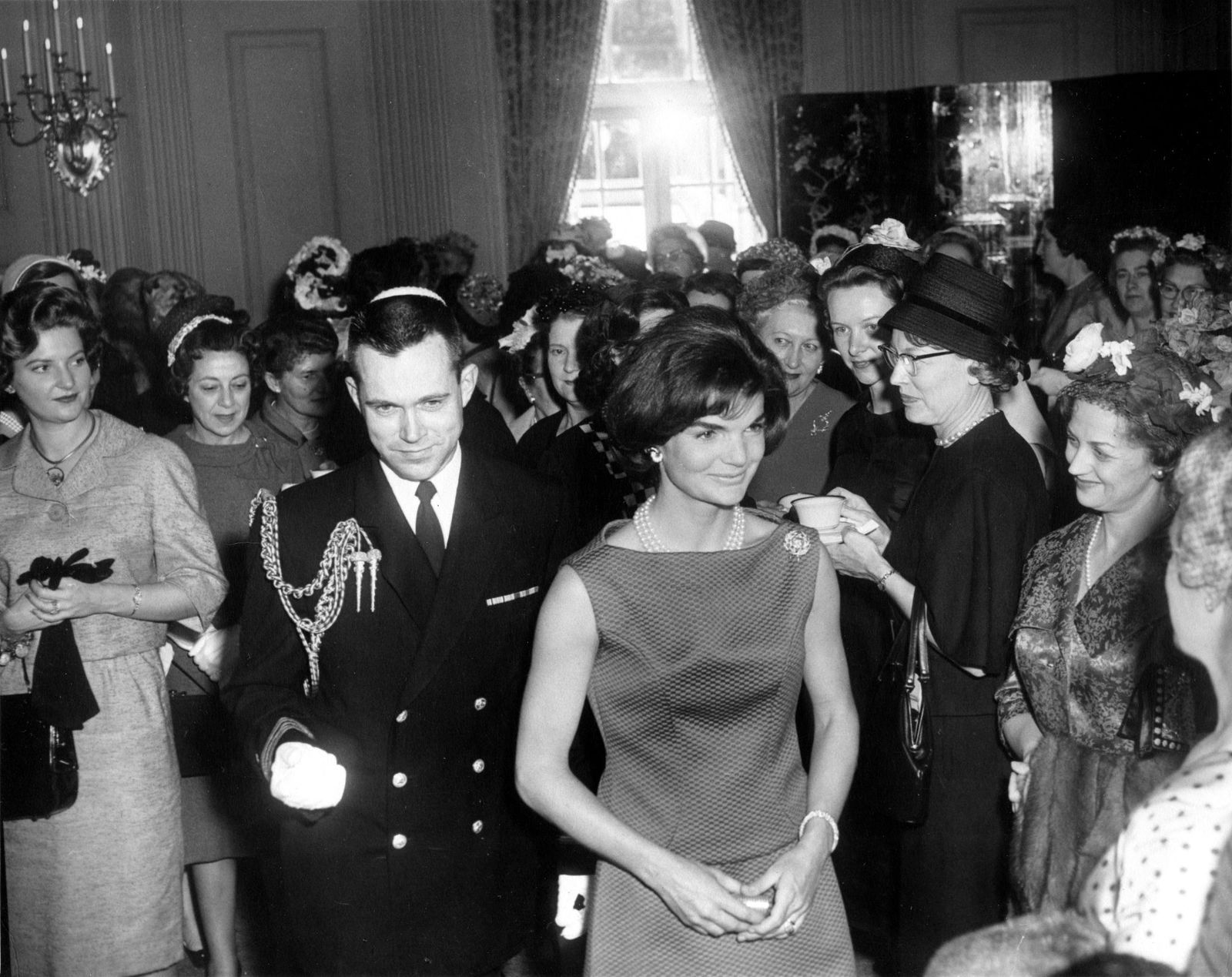
In 1961, Jackie Kennedy became First Lady at just 31 years old, but she knew that her appearance was an invaluable tool for her husband’s political image and presidency. In collaboration with Hollywood designer Oleg Cassini, she carefully curated a clean, striking, but still youthful style, centered around tailored suits, boxy jackets, shift dresses, and dramatic accessories. Her classic bouffants, pillbox hats, and pearl necklaces are among her most remembered signature fashion choices.
5
George and Martha Washington
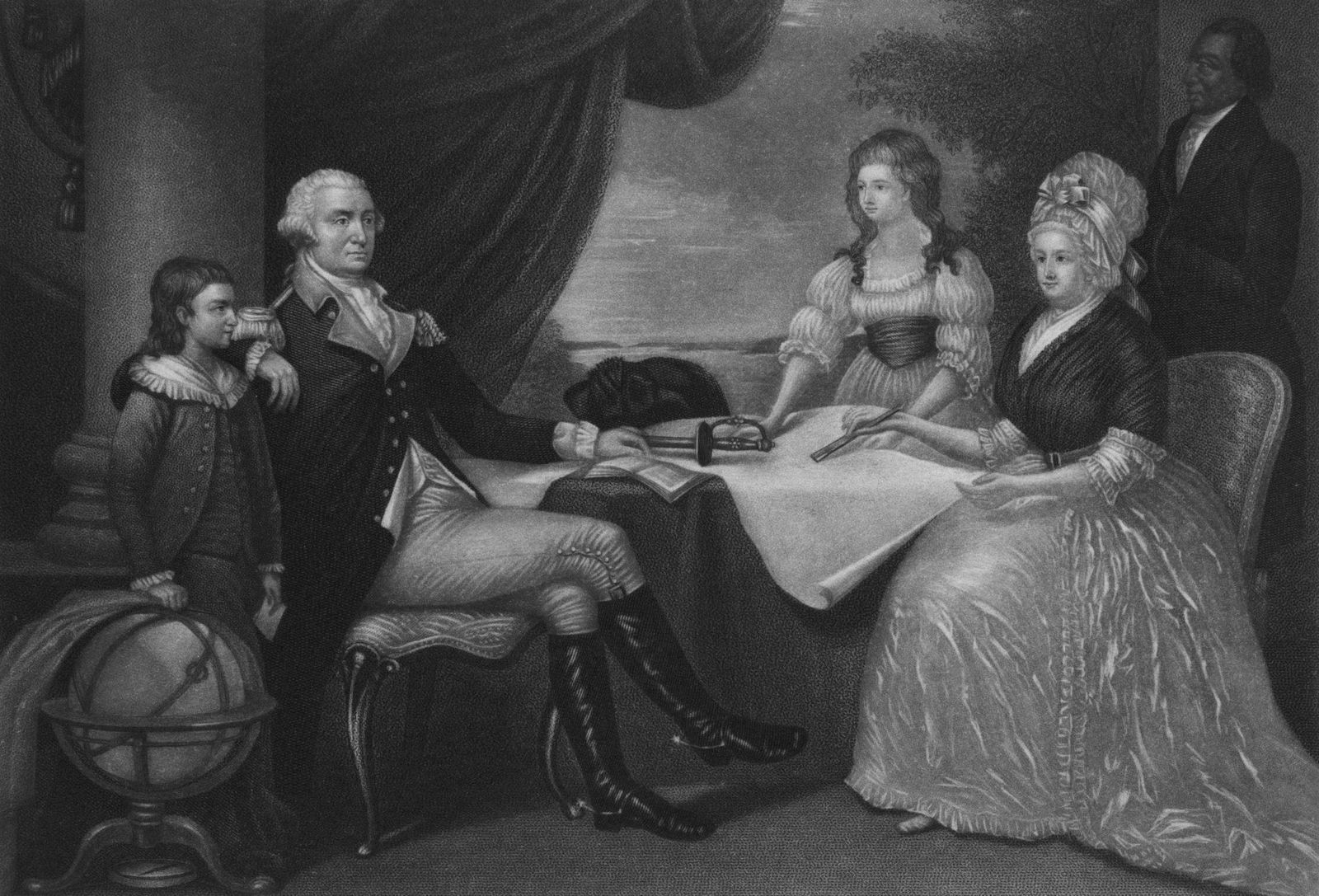
As the first president of a young republic, George Washington knew that his actions carried a lot of weight, setting trends and potentially influencing future decisions, and this care extended to his fashion choices. He and his wife Martha purposefully wore simple clothes, favoring American textiles and sober adornments instead of luxurious British fabrics and fashion trends, as a way to represent independence and avoid giving an image of luxury and indulgence.
6
Amelia Bloomer
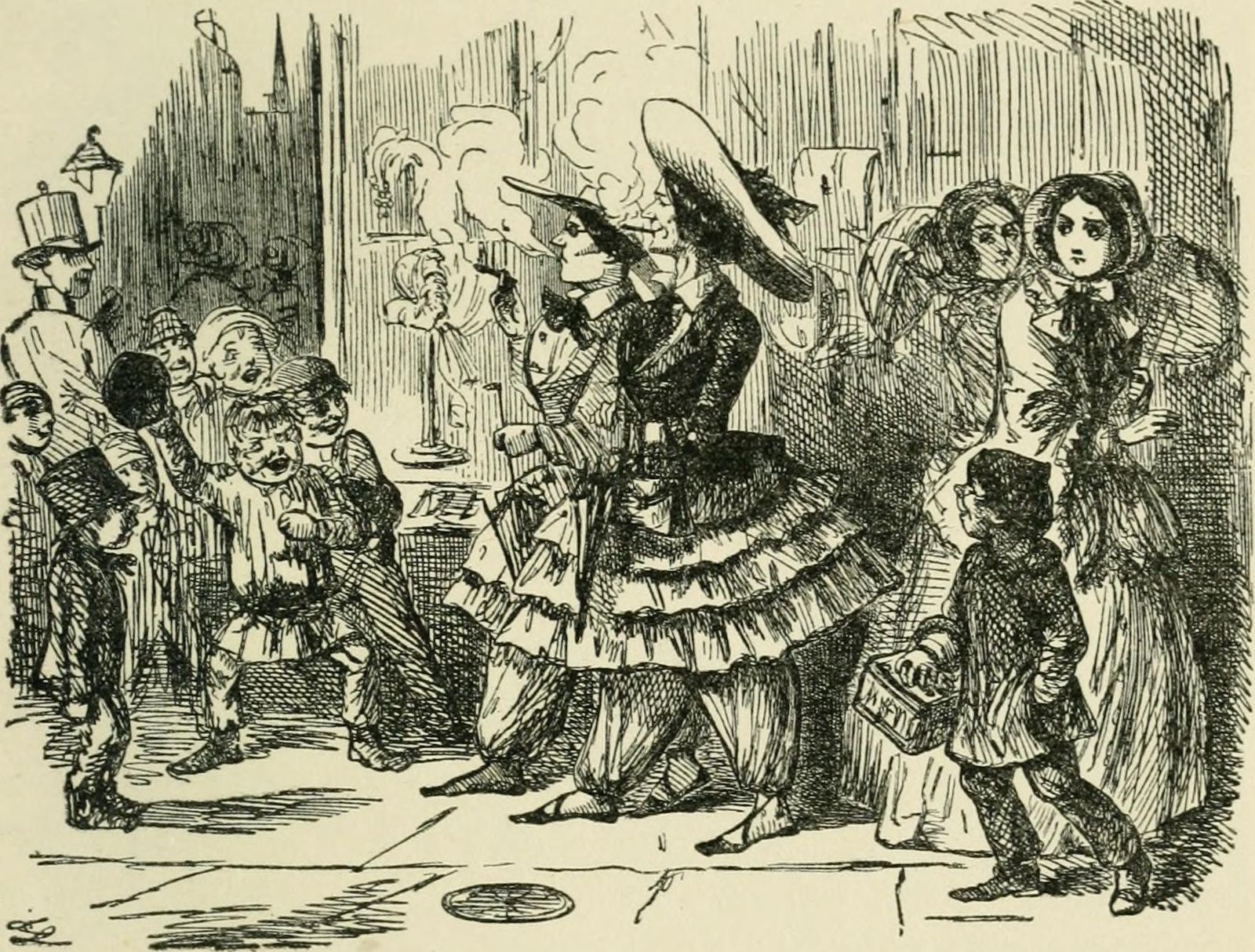
We often think of women's rights activists as mainly concerned with suffrage and political representation, but fashion and clothing were also part of their agenda. Figures like Amelia Jenks Bloomer (1818–1894) championed the women's dress reform movement (also known as the rational dress movement) against restrictive fashions such as corsets, petticoats, and heavy skirts. Although Bloomer herself was not the creator of this particular style, she favored loose trousers under a shorter dress, quite different from the heavy petticoats in fashion at the time . Her fierce advocacy of this ensemble, from wearing it publicly to printing patterns for it in her newspaper, resulted in the outfit, and later the pants themselves, being nicknamed "bloomers".
7
Duke Ellington
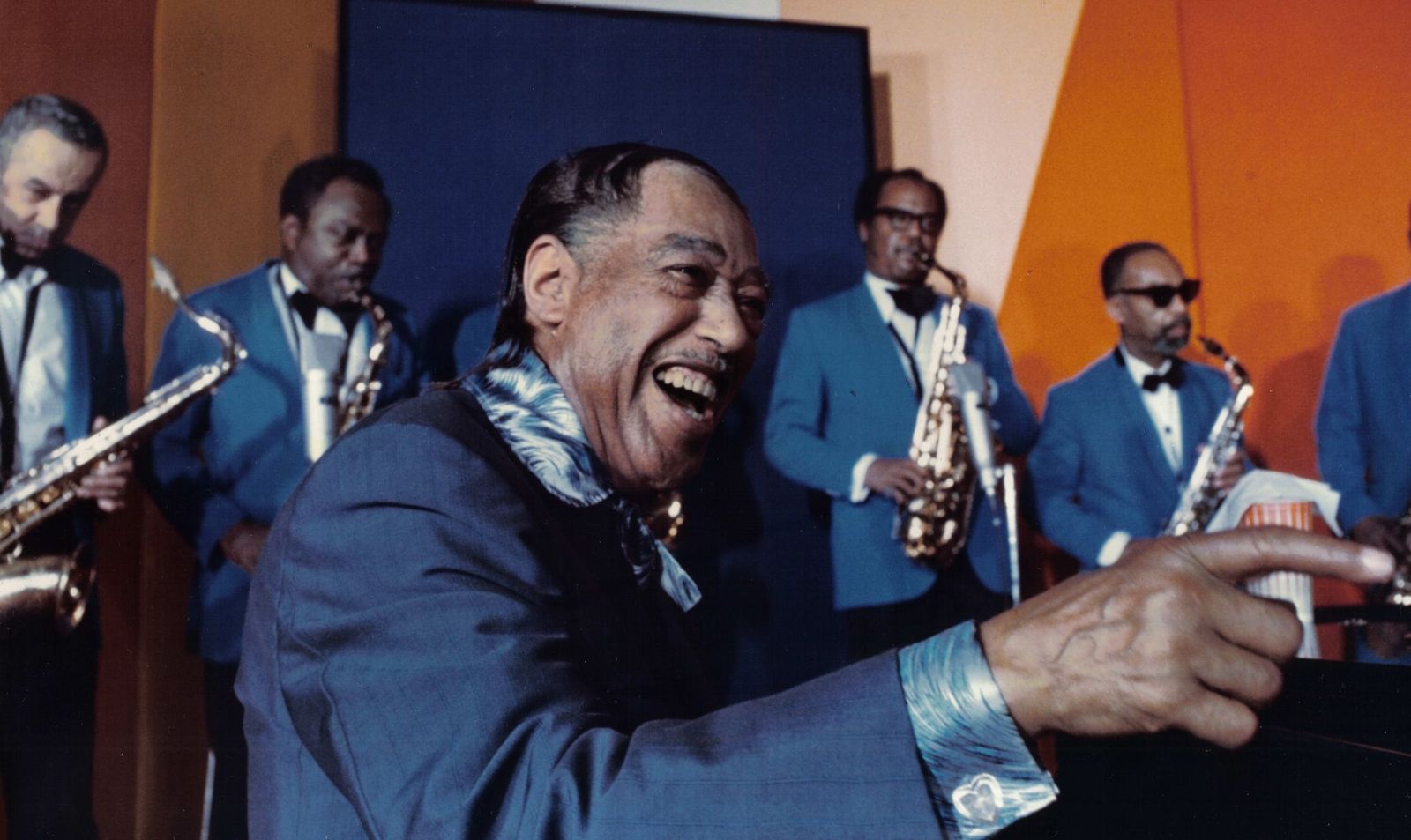
Black jazz musicians in the 1920s faced a double disadvantage. Not only were they victims of racial prejudice, but the new genre they championed was labeled as immoral, unsophisticated, and vice-inducing. For figures like Duke Ellington, fashion became a tool and a presentation card. He chose formal suits with impeccable tailoring, dress shoes, crisp shirts, and neckties, often traveling with multiple outfit changes. Considered a symbol of early 20th-century elegance, his formal wear and sophisticated image helped establish the idea of the jazz musician as a serious artist.
8
Mary Todd Lincoln vs. Varina Davis
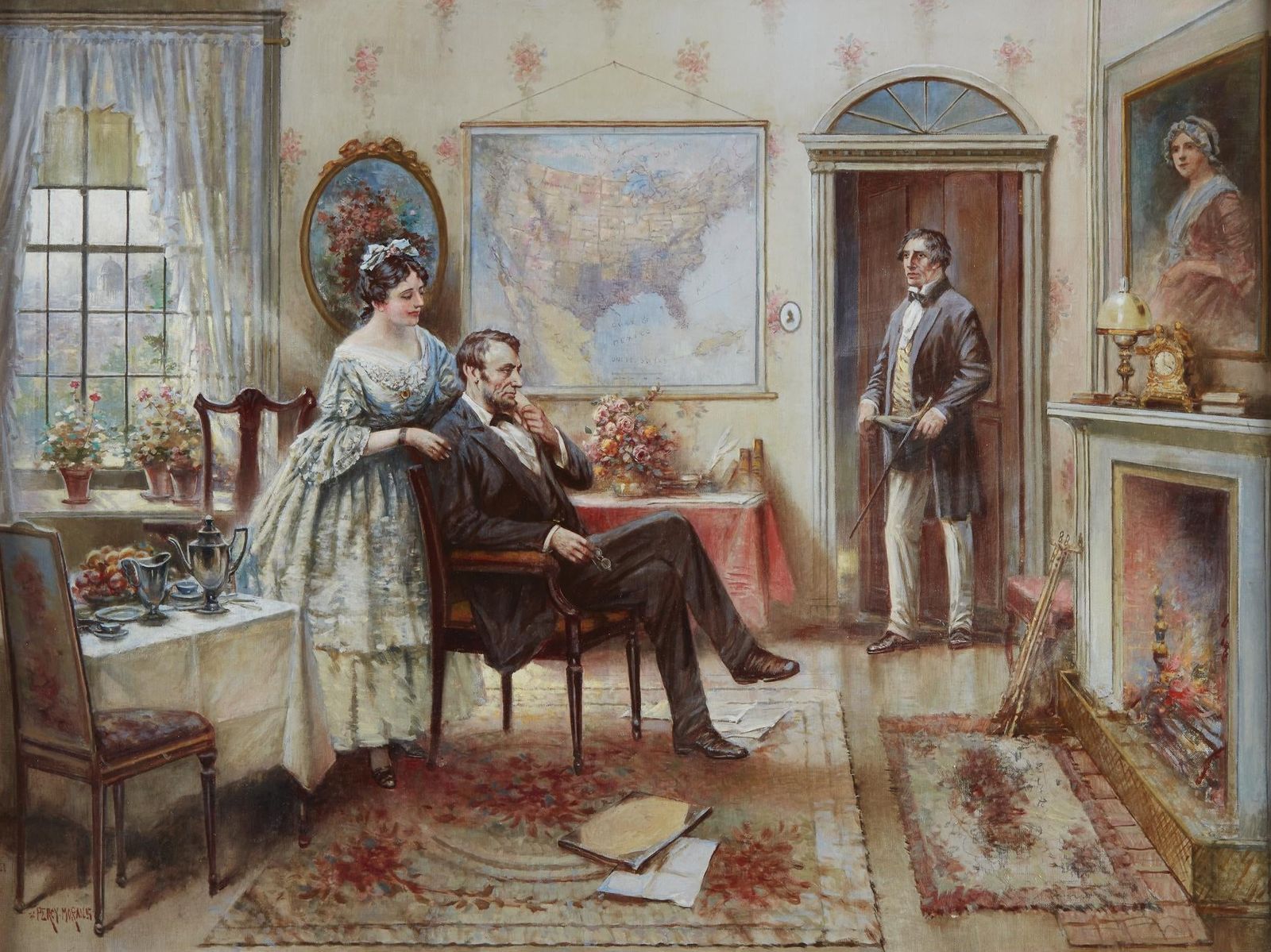
While the Union and the Confederacy were at war, their First Ladies relied on fashion to aid the cause of their husbands. Mary Todd Lincoln and Varina Davis (the wife of Jefferson Davis, president of the Confederate States) were both fashion icons and favored the same Victorian style in vogue, but their choices differed as the Civil War progressed . In the North, Mary Todd Lincoln chose lavish textiles and fashion-forward trends to project an air of cosmopolitan sophistication and confidence, while in the South, Varina Davis was forced to adapt her elegant fashion choices as the resources were diminished by the blockades, favoring a simpler and more practical style that transmitted an image of patriotic frugality. Fun fact: Varina’s former dressmaker, an emancipated Black woman named Elizabeth Keckley, began working for Mary Todd Lincoln when she became first lady.
9
Katharine Hepburn
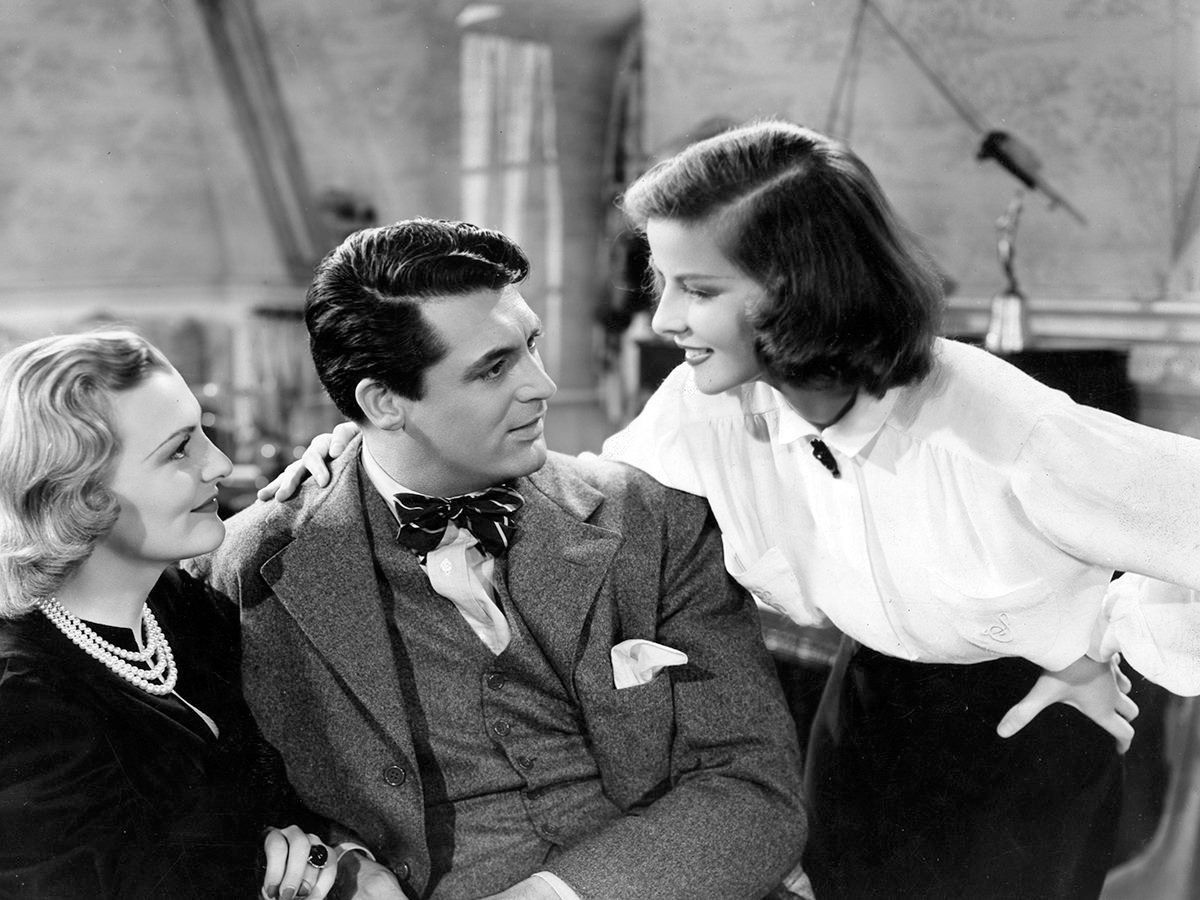
Besides her magnificent career as an award-winning actress, Katharine Hepburn also made waves in Hollywood thanks to her fashion style. Unlike other leading ladies of the 1930s and 40s, she favored menswear such as wide-legged trousers, collared shirts, polos, structured blazers, loafers, and low heels . Her choice was based on comfort and practicality, but also on a defiance of Hollywood's expectations and of studios pressuring her to wear lavish and glamorous outfits and dresses. Her androgynous, fashionable style not only contributed to normalizing trousers as women's apparel, but also redefined what was considered feminine and acceptable in fashion.
10
James Dean
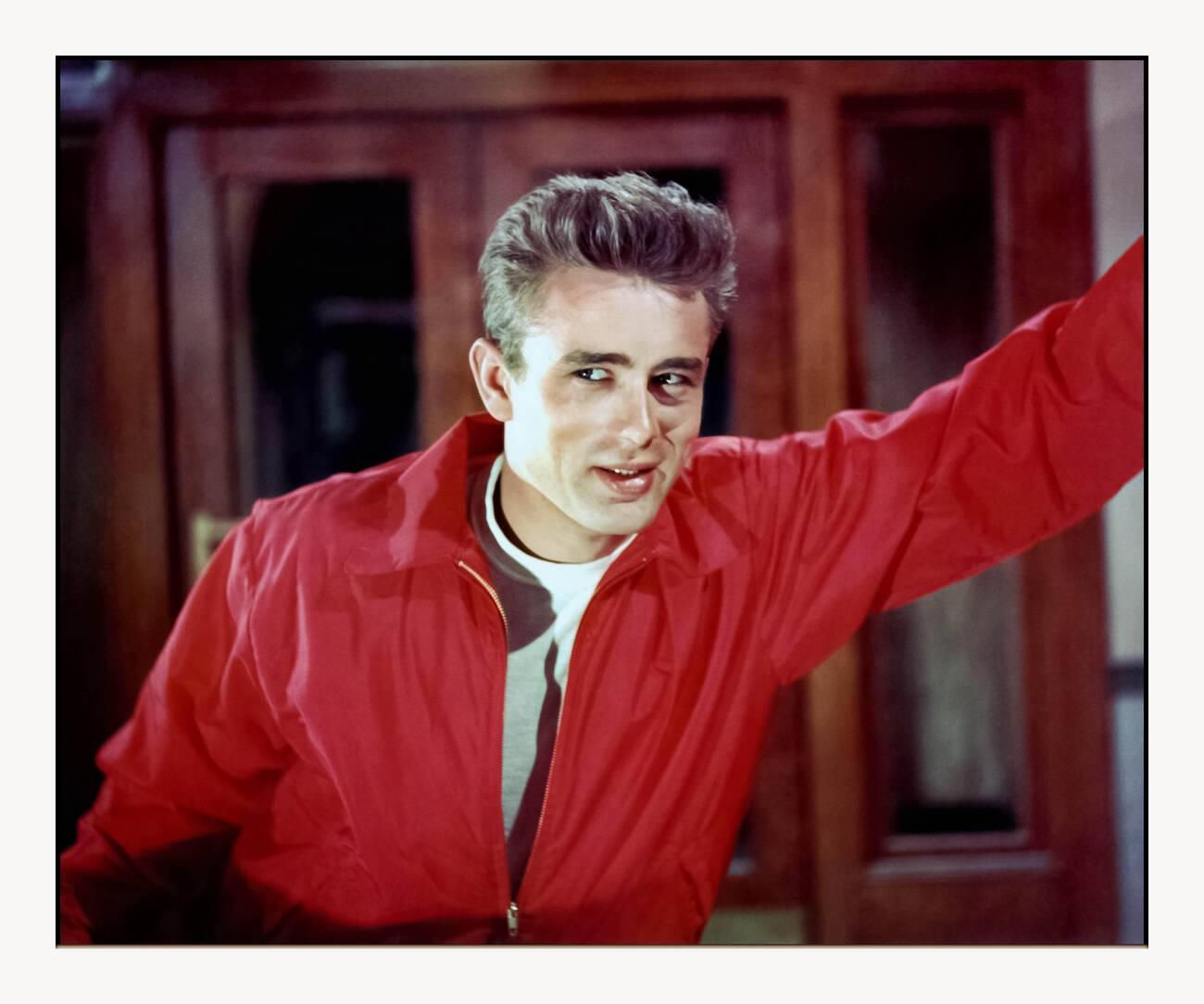
A cultural icon of the 1950s, James Dean redefined rebellion in his short five-year career through the use of everyday American workwear. Basics such as denim jeans, white T-shirts, leather jackets, and boots became synonymous with teenage rebels, defiance, and effortless style. Although his career was cut short by a fatal accident at 24 years old, his image permanently altered what was considered fashionable for young Americans.