General General 4 min read

We do it our way

10 American conventions that shock the rest of the world
Image: Luke Michael

Have you ever travelled abroad and felt that some things you thought were completely normal are not the standard elsewhere? Or maybe a foreign friend comes to America for a visit and keeps getting surprised by random things like sales taxes, drink refills, or dollar bills? Customs naturally change from country to country, but some American customs can be shocking to others, even if they are completely natural for us. Here are ten American conventions that set us apart from the rest of the world.

1
Unlimited drink refills

Image: Jonas Jacobsson

The only thing better than a tall glass of iced tea on a hot day is knowing that you can get up and get a refill as many times as you want. This is nothing new for Americans, but it’s one of the most surprising things for foreign tourists. While American restaurants see unlimited refills as a way to keep customers happy at extremely low prices, in most other countries, you usually pay for each drink separately.

2
The measuring system
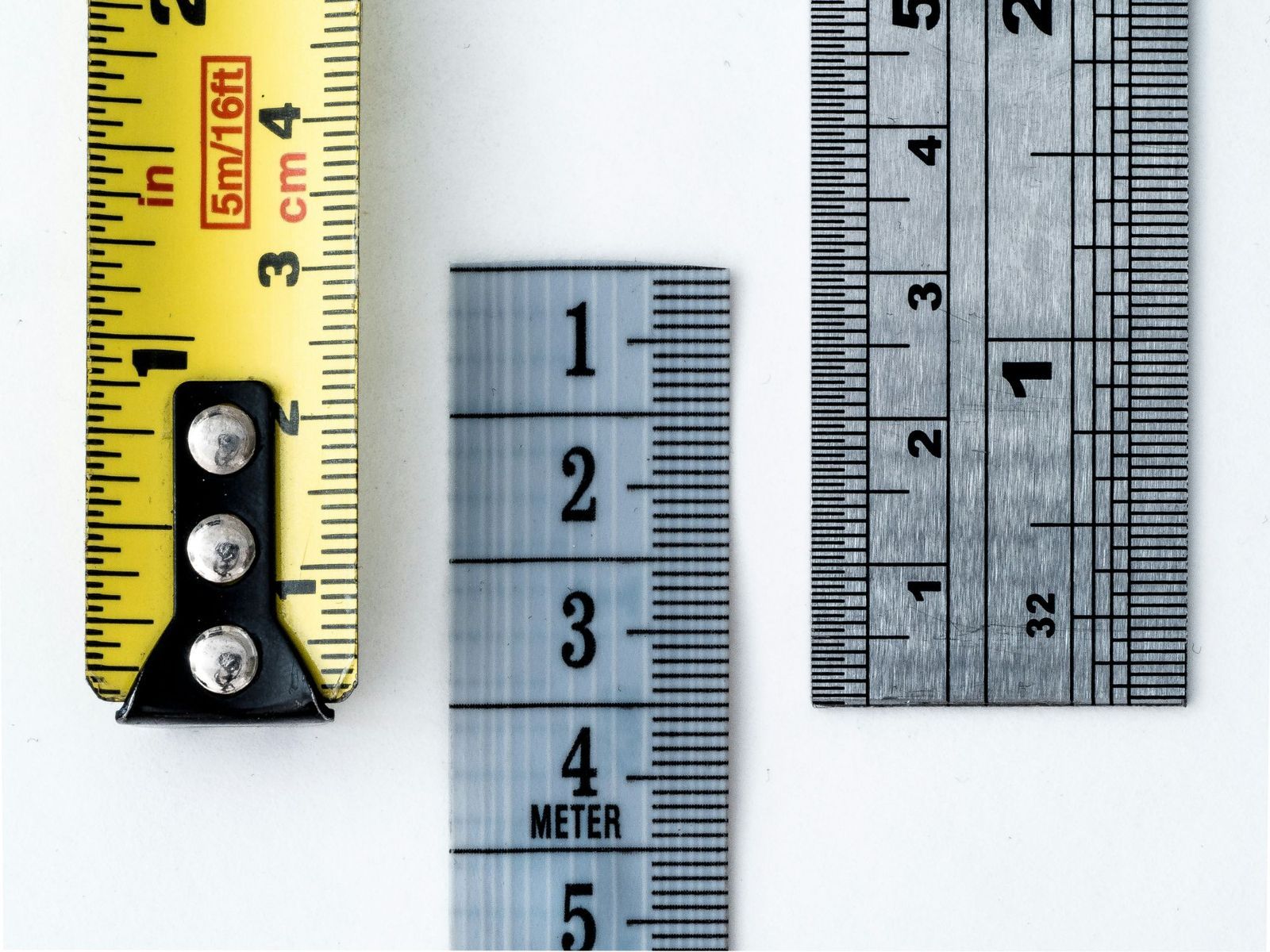
Image: William Warby

America follows the U.S. customary units system, which includes elements derived from the old Imperial System used in the United Kingdom. Why is it so difficult for foreigners from other English-speaking countries to understand the American system, then? Although countries like Canada or the UK use Imperial units for things like body weight or distances, they also use metric units for other areas, while non-English-speaking countries, as well as Australia and New Zealand, rely entirely on the metric system.

3
Sales taxes

Image: Alexander Faé

How do you know if you have enough money to buy anything at a store? You look at the price and calculate the sales tax that will be added at checkout —unless you are in one of the five states that don’t charge sales taxes. If you travel abroad, however, you don’t have to worry about calculations; you just have to look at the price tag. It’s not that sales taxes don’t exist elsewhere, but that they are already included in the advertised tag.

4
Measuring temperature

Image: Jarosław Kwoczała

If foreigners are confused about the American measuring system, they are definitely baffled by the way we measure temperature. The Fahrenheit scale was developed following scientific parameters, but also considering human body temperature: 0°F is really cold weather, and 100°F is really hot weather. The Celsius scale, however, is based on water: at 0°C, water freezes, and at 100°C, water boils. The range difference often results in foreigners being confused at the high temperature numbers.

5
Entrees

Image: Hyoshin Choi

The topic of American portion sizes being bigger than portion sizes elsewhere is nothing new, but is not the only important difference when it comes to eating out. In a standard American menu, the Entree section will include dishes that are considered main courses, while the Appetizer section will have snacks or finger foods typically eaten before the main course. Why is this confusing for non-Americans? The word ‘entree’ originally referred to appetizers, and is still used with that sense in most countries, especially in Europe and Latin America.

6
Dollar bills

Image: Lukasz Radziejewski

American dollar bills are easily recognizable all around the world, not only because they are often used as an international currency, but also because dollar bills are somewhat unique. Firstly, they are made of a special cotton and linen blend that gives them a unique texture and makes them extremely durable. They are also the same size and color, no matter the value, while other countries tie the size or color of the bill to the different values.

7
Decimals and thousands separators

Image: Mika Baumeister

This is less of a U.S. and more of an English-speaking countries issue, but one that confuses foreigners nonetheless. All around the world, we learn that big numbers are grouped in threes: once we go from nine hundred and ninety-nine to a thousand, we have to use a comma. Or is it a period? While English speakers use a comma for the thousands, non-English speakers use a period. When it comes to decimals, the symbols are also swapped: in English, decimals are separated by a period, but for the rest of the world they are separated by a comma.

8
Citizen-based taxation

Image: Olga DeLawrence

Foreigners often find the American taxing system confusing, but this particular instance can also surprise many American citizens who realize that they have to pay taxes even if they live abroad and don’t do business or have properties in America. The U.S is one of two countries in the world that uses citizenship (and not residence) as a taxing basis. The only other country that uses this system is Eritrea, located in East Africa.

9
Political colors

Image: Clay Banks

The history of political colors in the U.S. is fairly recent —the red-blue dichotomy was formally established during the 2000 presidential election— but no less important or symbolic. It does, however, stand out from the political use of color in other parts of the world where —leaving specific color associations aside— red is often tied to left-wing ideologies, and yellow (not blue) is the color associated with liberalism.

10
Football

Image: Dave Adamson

Why is America the only country that uses the name football for a sport that is not soccer? The English are to blame here. In the 19th century, football was used for many different sports, among them Rugby football, Association football, and Gridiron football. Association football, also called assoccer (and later, soccer), became extremely popular in England, while Gridiron became popular in America. While the English ultimately decided to use football for Association football, Americans had already identified that word with Gridiron football, so they adopted soccer as the alternative.

Culture Culture 4 min read

Wings of innovation

Do you know what links the Wright Brothers to Neil Armstrong?

Image: Ashutosh Sonwani

The mere mention of the iconic Wright brothers always rings a bell. They were the pioneering duo who made it possible for human beings to achieve a long-sought dream: to fly. But beyond being grateful for the plane that takes you on vacation, there are many other facts about them you may not yet know. If you want to learn more about the siblings' bond and their journey to build the first plane in history, read on as we share 10 little-known facts about the incredible Wright brothers!

1
Brothers

Image: Juan Pablo Rodriguez

If you have siblings, you know that the relationship is often a mix of joy, complicity, and occasional rivalry.

The Wright brothers' bond was like that of any other pair of siblings. Wilbur, the eldest, was born on April 16, 1867, in Millville, Indiana. Four years later, he welcomed Orville, his younger brother and fellow adventurer, who was born on August 19, 1871, in Dayton, Ohio.

Their relationship, built on mutual respect and shared interests, led them to be the authors of nothing less than the first sustained, controlled flight in history.

2
The toy

Image: Yurii Khomitskyi

While most of us are familiar with the Wright brothers' historic achievement on December 17, 1903, you might not know how it all began.

Believe it or not, that great adventure started with a toy. That's right! In 1878, their father, Milton Wright, brought home a small flying toy made of cork and paper, which flew thanks to an elastic band. This simple object sparked the brothers' curiosity, which would later become the driving force behind their groundbreaking work.

3
Skilled mom

Image: Matt Artz

We all pick up a few tricks from our moms, don't we? Well, the Wright brothers were no exception. Their father wasn't the only one who fueled the little Wrights' curiosity; their mother, Susan Catherine Koerner Wright, also played a key role.

Susan had impressive mechanical skills and great practical problem-solving aptitudes. As the daughter of a wagon maker, she knew how to use tools to perfection, and often built household items and repaired appliances at home. Her mother's skills definitely influenced Orville and Wilbur's development!

4
Entrepreneurs

Image: Curdin

The brothers were not afraid of business and entrepreneurship—quite the opposite!

From a very young age, Wilbur and Orville dedicated their time and effort to different jobs tied to their passions. One of their earliest endeavors was a bicycle sales and repair business in Dayton, Ohio. Of course, they didn't just focus on repairs; they gave free rein to their irrepressible imagination. The pair of siblings began designing and building their own bicycles, gaining a reputation as skilled engineers and raising money to finance their experiments with flight.

5
All kinds of innovations

Image: Iqbal Pohan

On their path to becoming pioneering aviators, the Wright brothers made important contributions to transportation in many different ways.

Before them, bicycle wheels functioned adequately but often broke down and required regular maintenance. Luckily, Orville and Wilbur's ingenuity came to the rescue. The brothers created a system of greaseable wheel hubs, which provided better lubrication and, therefore, reduced the risk of failure. This innovation made bicycle maintenance less frequent and much more convenient.

6
Coin toss

Image: Derrick Treadwell

Sometimes, fate must be left to chance —and that’s exactly what Wilbur and Orville Wright did at a crucial historical moment.

When they had already succeeded in creating a machine capable of flying and transporting them, it was time for the test. But they couldn't decide which of them would be the first to test their invention, so they let a coin decide.

The coin toss declared Wilbur, the elder brother, as the first to fly their aircraft. However, that first attempt failed. So, On December 17, 1903, at Kitty Hawk, North Carolina, Orville piloted the Wright Flyer for 12 seconds, covering a distance of 120 feet and becoming the first man to do so in history.

7
$1,000 plane

Image: History in HD

Did you know that the Wright Flyer—that impressive creation that allowed humans to fly sustainably for the first time in history—cost about $1,000?

That's right! For such an achievement, that price could be considered modest, right? However, the brothers worked very hard to reach their goal.

As you know, the money from their bicycle business, along with income from other ventures, provided the funds they needed to acquire the parts for numerous prototypes, conduct countless tests, and finally build and launch their spectacular airplane.

8
Together

Image: Chalo Garcia

Wilbur and Orville were inseparable since childhood, yet as surprising as it may seem, the brothers only flew together in an aircraft once! This historic event took place on October 5, 1905, when they flew the Wright Flyer III.

It seems it was crucial for one brother to pilot the aircraft while the other stayed on the ground, watching over the flight to ensure the other's safety. Although one stayed on the ground while the other soared through the air, all their work was the outcome of a careful and dedicated team effort.

9
Single

Image: Jack Douglass

As you might expect, the Wright brothers' intense focus on their work left little time for other pursuits, including love.

A fun fact about their personal lives is that neither Wilbur nor Orville ever married. While they formed friendships and social connections throughout their lives, there are no known partners, romantic relationships, or commitments of that nature. One thing is clear: the Wright brothers' one and only true passion was their work!

10
Neil Armstrong souvenir

Image: NASA

Wilbur and Orville’s dream was to reach as high as they could—and so they did. However, their memory not only reached the skies but went beyond that and also reached the moon!

That's right, it was Neil Armstrong, the first man to set foot on the moon, who carried a memento of the Wright brothers on his mission aboard Apollo 11. When the astronaut achieved the iconic feat of reaching the moon on July 20, 1969, he had with him a small piece of fabric from the Wright brothers' 1903 Flyer.

Through that small gesture, Armstrong honored the memory of his fellow Americans who, just like him, took a giant leap for humankind.

Culture Culture 6 min read

Bad blood

Did you know these celebrities were declared rivals?

Image: Thea Hdc

Hollywood is not just about glitz and glamour. Sometimes, behind the cameras, famous stars clash in ways that are mysterious, amusing, or simply unforgettable. From bitter arguments on set to long-lasting rivalries, these legendary feuds tend to leave a mark on pop culture history. Here are 12 famous celebrity disputes fans can’t stop talking about.

1
Robert De Niro vs Mickey Rourke

Image: Vitruvian Badr

At first glance, it was the typical 1980s film set. But when Robert De Niro and Mickey Rourke worked together in Angel Heart , their differences in style weren’t just noticeable; they were combustible. De Niro, famous for disappearing into his roles with a strict Method approach, didn’t always mesh well with Rourke’s more unpredictable, improvisational take.

According to lore, all hell broke loose when Rourke decided to ignore De Niro’s suggestions for a scene. What was supposed to be a straightforward shoot turned into multiple takes, frustrating not just the two stars but the entire crew. The altercation quickly became Hollywood gossip, with insiders saying it was a classic case of two strong personalities refusing to give in.

2
David Letterman vs Jay Leno

Image: John-Mark Smith

Who deserved the late-night crown , Letterman or Leno? For years, Americans were unable to settle the debate. On screen, both comedians exchanged polite words and even jokes, but behind the curtain, the situation was a little more complicated.

Reporters loved to stir the pot, writing headline after headline about which funnyman truly deserved the throne. Viewers, meanwhile, treated it almost like a sporting match, tuning in to see who would come out on top. In truth, much of the "feud" was blown out of proportion, yet the friendly jabs and constant comparisons managed to keep audiences entertained.

3
Dean Martin vs Jerry Lewis

Image: anncapictures

On stage, there were only gags, music, and applause. But behind the scenes, Dean Martin and Jerry Lewis were falling apart. Martin often felt stuck playing the calm, serious foil while Lewis stole all the laughs with his wild, over-the-top routines.

Over time, that imbalance created real tension. After starring in 16 hit films together, the famous duo finally called it quits. Their split was so final that they didn’t exchange a word for two full decades. Fans were stunned when they eventually patched things up later in life, a reminder that even the biggest comedy legends aren’t immune to bruised egos and long silences.

4
Olivia de Havilland vs Joan Fontaine

Image: cottonbro studio

Few family feuds reached the heights of Olivia de Havilland and Joan Fontaine’s legendary rivalry. The sisters were competitive long before the bright lights of Hollywood, each vying for their mother’s attention. Once both became movie stars, the bad blood only grew stronger.

In 1942, the two actresses were even nominated for Academy Awards in the same category. Fontaine ended up winning and later claimed her older sister pulled her hair during the ceremony. That incident became one of Hollywood’s most talked-about snubs. Their quarrel stretched on for decades, marked by jealousy, pride, and the kind of family drama that the public can’t get enough of.

5
Elton John vs Madonna

Image: HubertPhotographer

It may sound like sensational news, but Elton John once declared Madonna’s Bond theme "the worst ever." From that point on, the two megastars exchanged sharp words through the press, with Elton poking fun at her performances and Madonna brushing off the criticism with icy charm.

Reporters loved every jab, turning their spat into tabloid gold. Though they occasionally patched things up, the rivalry lingered. Even music royalty can squabble just like the rest of us!

6
Marilyn Monroe vs Jayne Mansfield

Image: WikiImages

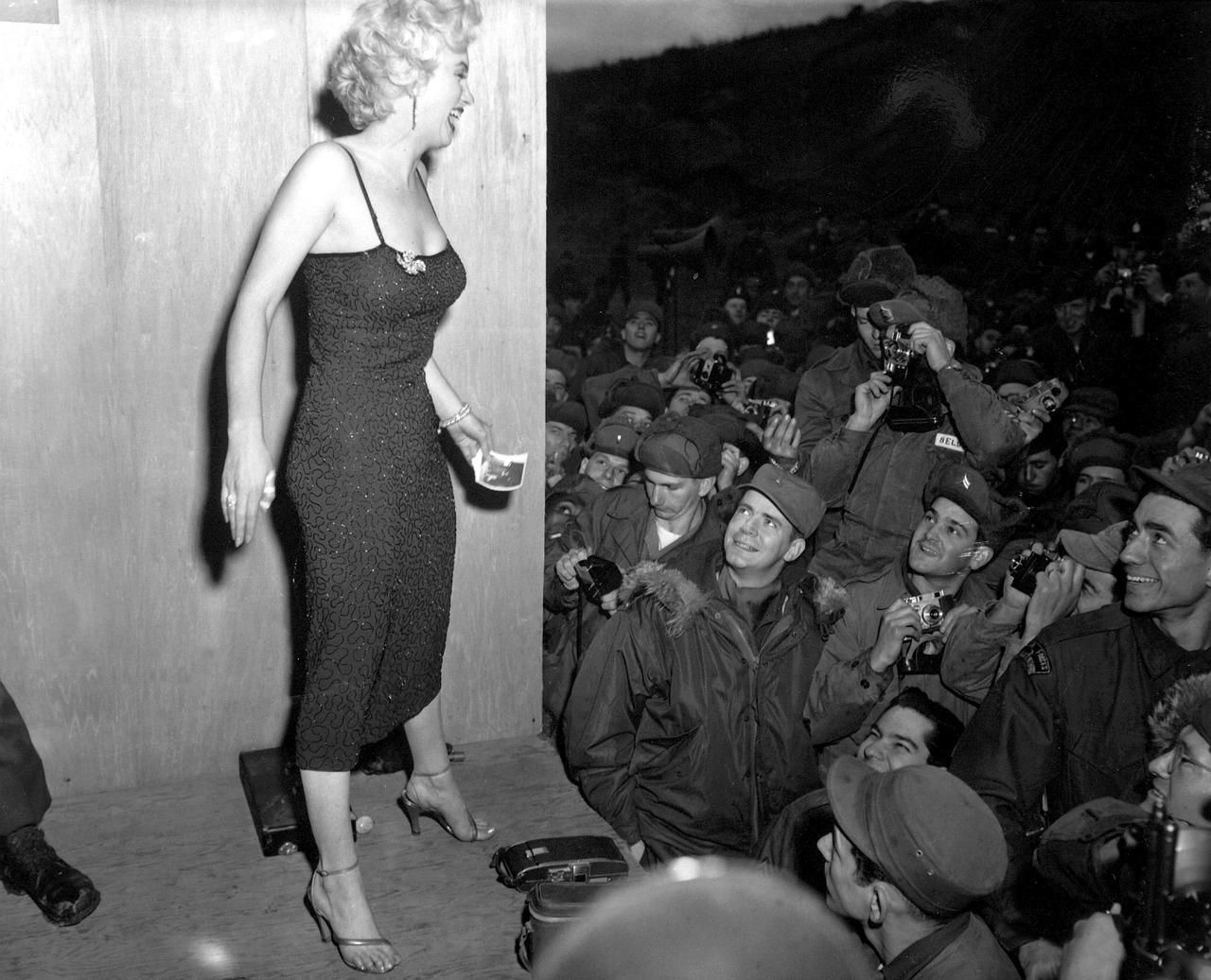
In the 1950s, Hollywood had room for only so many platinum blondes, and Marilyn Monroe was already the reigning queen. When Jayne Mansfield came to light with her hourglass figure and playful charm, the press quickly dubbed her "the next Monroe."

Marilyn, who guarded her image carefully, bristled at the idea of a copycat stealing her thunder. Meanwhile, Mansfield leaned into the comparisons, showing up at events in daring outfits and orchestrating photo ops that guaranteed headlines. The result was a highly public rivalry that fascinated fans, turning every red carpet into a showdown.

7
Johnny Carson vs Joan Rivers

Image: Debby Hudson

One phone call never answered, one friendship lost forever. Joan Rivers owed much of her early success to Johnny Carson, who gave her a career-changing boost as a regular guest on The Tonight Show . For years, she was seen as his comic protégé, someone he personally championed. But when Rivers accepted an offer to host her own late-night program, Carson viewed it as a betrayal.

He cut off contact immediately, refusing to take her calls, and the friendship that once seemed unbreakable collapsed overnight. Fans were stunned to see the bitter end of what had appeared to be a classic mentor-and-student bond. The silence lasted all their lives.

8
Debbie Reynolds vs Gene Kelly

Image: Kazuo ota

When Debbie Reynolds starred in Singin’ in the Rain , she was a 19-year-old performer stepping into a major role for the first time. Gene Kelly, already an established star, demanded flawless performances and wasn’t known for his patience. Reynolds later recalled long hours of grueling rehearsals, where Kelly frequently criticized her every move, reducing her to tears.

Though their discord was rooted more in his high standards than personal dislike, the experience marked a harsh introduction to Hollywood for the young actress. Today, their behind-the-scenes tension is remembered as both a glimpse into Kelly’s tough reputation and a reminder of the enormous pressures that came with working alongside legends.

9
Orson Welles vs William Randolph Hearst

Image: William Warby

When Citizen Kane hit the screens, it wasn’t just a film debut; it was the spark of one of Hollywood’s fiercest battles. William Randolph Hearst, the media tycoon who saw too much of himself in the story, launched an all-out war against Orson Welles.

He tried to bury the film before it could reach audiences, banning ads in his papers and fueling smear campaigns. What began as a clash of egos grew into a cultural showdown, forever linking their names to both scandal and cinematic history.

10
Frank Sinatra vs Marlon Brando

Image: Brett Sayles

If you watch Guys and Dolls today, all you’ll see is glamour. In reality, the shooting was pretty stressful: Sinatra craved efficiency, Brando thrived on slow-burning performance. Brando’s Method acting tested Sinatra’s patience, as Ol’ Blue Eyes favored efficiency and clean, polished takes.

Rumors of heated exchanges and icy silences hit the media, and by the final days of filming, the pair were barely speaking. What should have been a classy production became notorious for its behind-the-scenes tension, adding an extra layer of drama to the musical classic.

11
Bette Davis vs Joan Crawford

Image: Nathan DeFiesta

So iconic was their hatred that it later inspired documentaries and TV series. Davis and Crawford didn’t just feud; they redefined what a Hollywood rivalry is. For decades, the two icons sparred over leading roles, critical acclaim, and public adoration.

Gossip included backhanded insults, stolen lovers, and outright sabotage during productions. When they finally shared the screen in 1962’s What Ever Happened to Baby Jane? , the film’s unsettling tension was magnified by their very real animosity.

12
Chevy Chase vs Bill Murray

Image: Aleks Dorohovich

In the early days of Saturday Night Live , Chevy Chase and Bill Murray were usually at each other’s throats. Chase’s sharp, polished delivery often clashed with Murray’s more offbeat, improvisational style, and the tension spilled offstage.

Reports of heated arguments (and even a near brawl backstage) turned their working relationship into one of the show’s most notorious conflicts. Though both later moved on, their rocky career start stands as a reminder of how fragile chemistry can be in comedy’s spotlight.

Explore more American facts

Choose your favorite category!

General
General

As American as apple pie—the very best America has to offer!

Culture
Culture

Delve into the astounding richness of American lore.

Geography
Geography

Hop in and explore vast and diverse American landscapes.

History
History

Discover the key moments that shaped the United States.