Culture Culture 5 min read

American stars

10 American actresses that earned their place among Hollywood royalty

Image: Stephen Leonardi

Since the dawn of cinema, Hollywood has stood as a pioneer in the industry, producing groundbreaking films, creating amazing TV shows, and, perhaps more prominently, helping launch the careers of incredible actors and actresses. In that sense, the world has always stared in admiration at the talented, gorgeous, and charismatic actresses who have shone brightly in a sky already filled with stars. With that in mind, we have decided to celebrate the incredible lives of these 10 American actresses, who have inspired so many Americans throughout the ages. Enjoy!

1
Meryl Streep

Image: Montclair Film, CC BY 2.0

We’ll begin with a modern icon. Since her start in stage plays in 1975, Meryl Streep has completely risen to stardom, to the point of being considered by many as the very best actress of her generation.

Streep holds the distinct honor of being the most nominated actress for an Academy Award in history, with 21 nominations and 3 wins. Some of her most memorable performances include Sophie's Choice , Kramer vs. Kramer , and The Bridges of Madison County .

2
Marilyn Monroe

Image: Los Angeles Times, CC BY 4.0

What more can be said about the "Blonde Bombshell" that hasn’t been said before? Born Norma Jeane Mortenson, Marilyn Monroe is definitively one of America’s most famous pop icons. There’s a good reason why legendary pop artist Andy Warhol decided to immortalize her with a series of paintings: Marilyn not only perfectly encapsulates Hollywood in the '50s but also serves as a great representation of how the world sees the American dream.

Monroe’s first on-screen appearance dates back to 1947, when she briefly appeared as a waitress. Nobody knew that this small role would be followed by an extremely profitable career, which included classics like Some Like It Hot , The Seven Year Itch , and The Misfits .

3
Grace Kelly

Image: Los Angeles Times, CC BY 4.0

Many of the actresses on this list are considered Hollywood royalty, but only Grace Kelly holds the honor of being an actual princess. However, while her marriage to Prince Rainier III of Monaco was truly a spectacular moment, we shouldn’t overlook the incredible career of this amazingly talented actress.

After a number of small roles, Kelly first achieved stardom with her performance in John Ford's 1953 film Mogambo , for which she was nominated for her first Academy Award. That being said, perhaps her most iconic roles are the numerous Hitchcock films she appeared in, including such classics as Dial M for Murder , Rear Window , and To Catch a Thief .

4
Judy Garland

Image: Los Angeles Times, CC BY 4.0

Sometimes actresses and actors are typecast after a particularly amazing role: Carrie Fisher will always be Princess Leia, Anthony Hopkins will always be Hannibal Lecter, and Judy Garland will always be remembered as the brave Dorothy Gale from The Wizard of Oz . And while this role truly cemented Garland as an undisputed American icon, there’s so much more to this amazing actress's career.

Garland’s incredible voice and acting chops skyrocketed her to fame from an early age. One year before portraying Dorothy, she starred alongside Mickey Rooney in the 1938 film Love Finds Andy Hardy . As an adult, she received Oscar nominations for such iconic films as A Star Is Born and Judgment at Nuremberg .

5
Elizabeth Taylor

Image: photo by Alan Light, CC BY 2.0

If there’s one thing that you probably remember about Elizabeth Taylor , it’s those hauntingly beautiful eyes of hers: They were a gorgeous blue that almost seemed to shift into a unique shade of violet under the right light. Regardless, this amazing American actress is still remembered as one of Hollywood’s most iconic legends.

Elizabeth Taylor’s many acting roles are too many to count, so we’ll leave you with a few of our favorites: two film adaptations of Tennessee Williams’ plays, Cat on a Hot Tin Roof and Suddenly, Last Summer , and her performance as the Queen of the Nile herself in the 1961 film Cleopatra .

6
Katharine Hepburn

Image: Volha Kudzina

Throughout her nearly sixty-year career, Katharine Hepburn amassed an impressive number of awards and accolades. Critics and fans alike adored the outspokenness, independence, and freedom that she brought to her characters. It seems only natural that her amazing talent earned her 4 Academy Awards for Best Actress, a record she holds to this day.

Born and raised in Hartford, Connecticut, Hepburn started acting during her college years. After a very successful run on Broadway, she gained international fame after Hollywood discovered her. Her third film, Morning Glory , earned Hepburn her very first Academy Award.

7
Ginger Rogers

Image: Kyle Head

It should go without saying that all the actresses on this list have multiple talents, including singing and dancing. However, it would be a safe bet to state that Ginger Rogers , Fred Astaire’s most beloved dance partner, is the very best dancer on this list (which is definitely saying something).

Born in Independence, Missouri, but raised in Kansas City, Rogers began her career in a vaudeville act at the age of 14. In the 1930s, she met her perfect partner in crime, Fred Astaire. From 1933 to 1939, the duo starred in 9 iconic films, which completely revolutionized the Hollywood musical genre.

8
Julia Roberts

Image: David Shankbone, CC BY 3.0

Julia Roberts became an instantly recognizable icon in the ‘90s, starring in such classics as Steel Magnolias , Pretty Woman , and My Best Friend’s Wedding . However, it wasn’t until the start of the new millennium that she earned her first well-deserved Academy Award, when she played the paralegal-turned-environmental activist in the 2000 film Erin Brockovich .

Nowadays, Roberts continues to shine on the silver screen. The 21st century saw her starring in films like Ocean's Eleven and Eat Pray Love . Not only that, she was nominated for a Primetime Emmy Award in 2014 for her performance in the 2014 TV film The Normal Heart .

9
Whoopi Goldberg

Image: Canadian Film Centre from Toronto, Canada, CC BY 2.0

Caryn Elaine Johnson, known to the world as Whoopi Goldberg , is undeniably a jack of all trades. She is an Academy Award-winning actress, received the Mark Twain Prize for American Humor for her work as a comedian, and is also a TV personality who entertains millions of American homes every day.

Whoopi first rose to prominence for her wonderful performance in Steven Spielberg’s 1985 film The Color Purple , for which she received a Golden Globe for Best Actress. That first recognition was quickly followed by a myriad of awards, including an Academy Award for Ghost and an Emmy for hosting the TV show The View .

10
Rita Hayworth

Image: photo by Alan Light, CC BY 2.0

Just like Judy Garland, many people know Rita Hayworth as "Gilda," a nickname she earned after starring in the titular 1946 film. However, there’s so much more this actress contributed to Hollywood throughout her spectacular career, so we decided to honor her life and work with this final entry.

Born Margarita Carmen Cansino, Rita was already a professional dancer by age 12, performing on stage with her father, who was also a dancer. By the time she was in her early 20s, she had already taken the world by storm, becoming one of the most profitable actresses of the Golden Age of Hollywood.
History History 5 min read

What’s in a speech?

10 speeches that marked America

Image: The New York Public Library

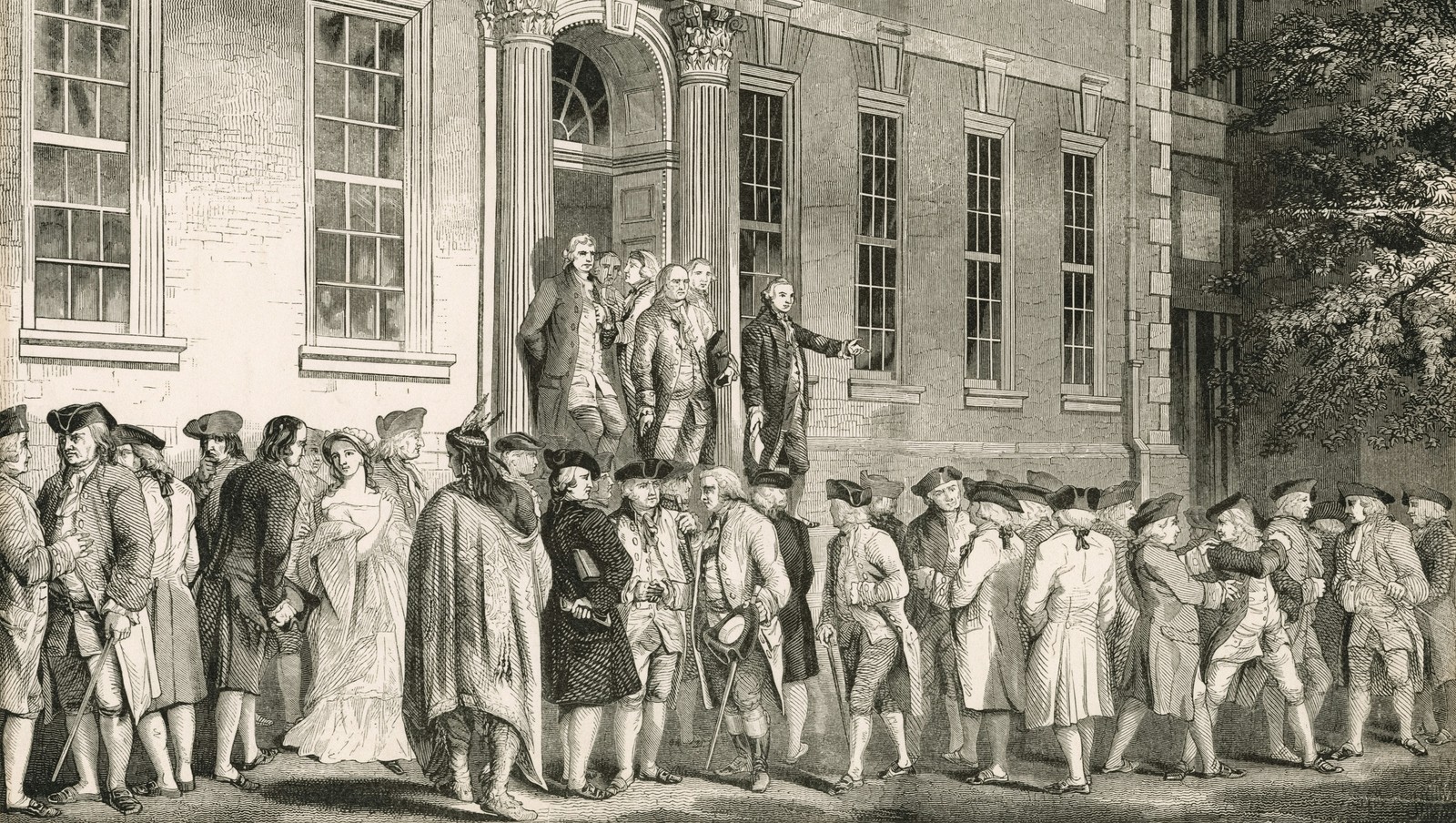
In more than two centuries of American history, countless speeches and addresses have proven worthy of remembrance. These words and ideas were expressed by all kinds of Americans, from presidents to fugitive slaves , and each left a lasting mark on the hearts and memories of their audiences. Here are 10 speeches that earned their place in the nation’s memory.

1
Patrick Henry: Give Me Liberty or Give Me Death!

Image: Eric Wiser

On March 23, 1775, those gathered at the Second Virginia Convention debated whether Virginia should raise troops in preparation for armed resistance against Great Britain. Patrick Henry, a delegate from Hanover County, addressed the convention and argued that war had already started and the confrontation was inevitable , so an independent militia was necessary. Henry concluded with the famous declaration: "I know not what course others may take; but as for me, give me liberty or give me death!", a passionate appeal that helped secure the required votes.

2
Jimmy Carter: A Crisis of Confidence

Image: WikiImages

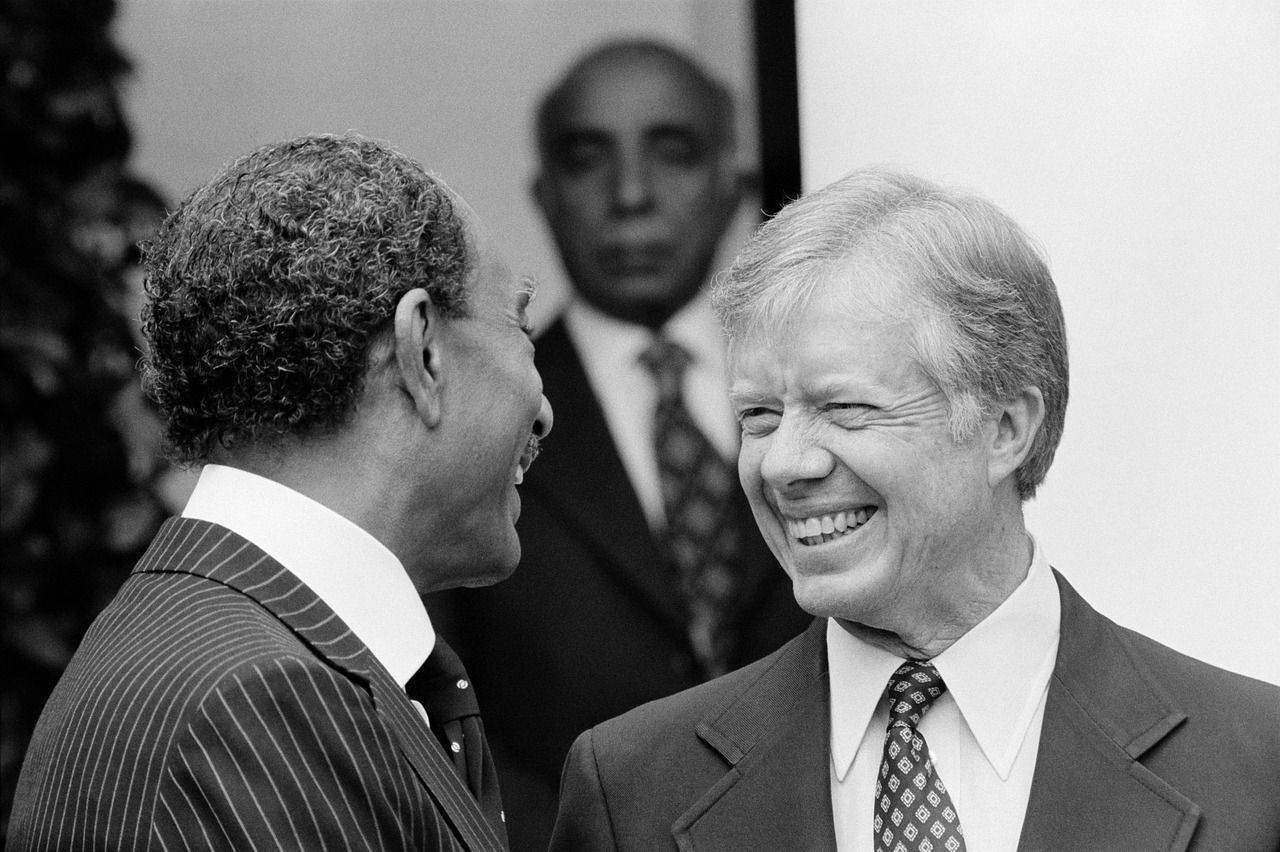
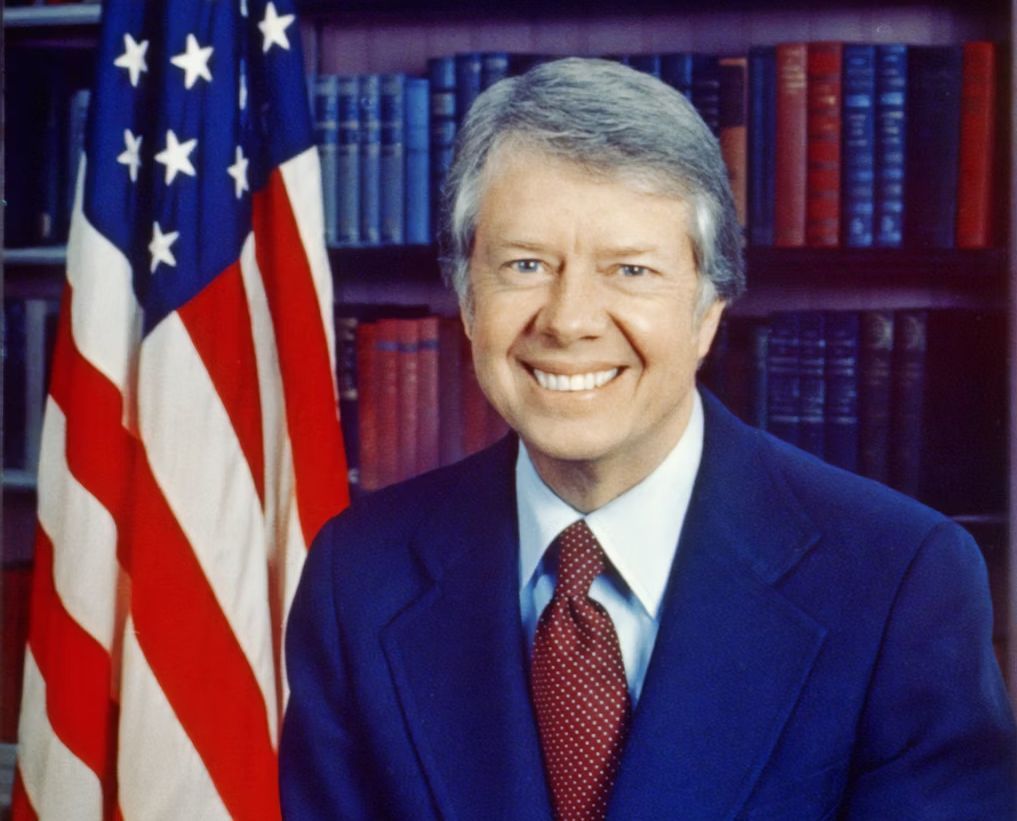
Also known as the "malaise speech" (though Carter never used that word), this address by President Carter recognized a dire problem in 1979’s America: the people felt abandoned by the government in their time of need. The crisis was much more than an economic issue, and Carter wanted to know what everyday Americans thought and needed . In a speech shaped by conversations he had with ordinary Americans, Jimmy Carter declared that America’s crisis was " a crisis of confidence" that had struck at the very heart and soul of the nation.

3
Martin Luther King, Jr.: I Have a Dream

Image: Raffaele Nicolussi

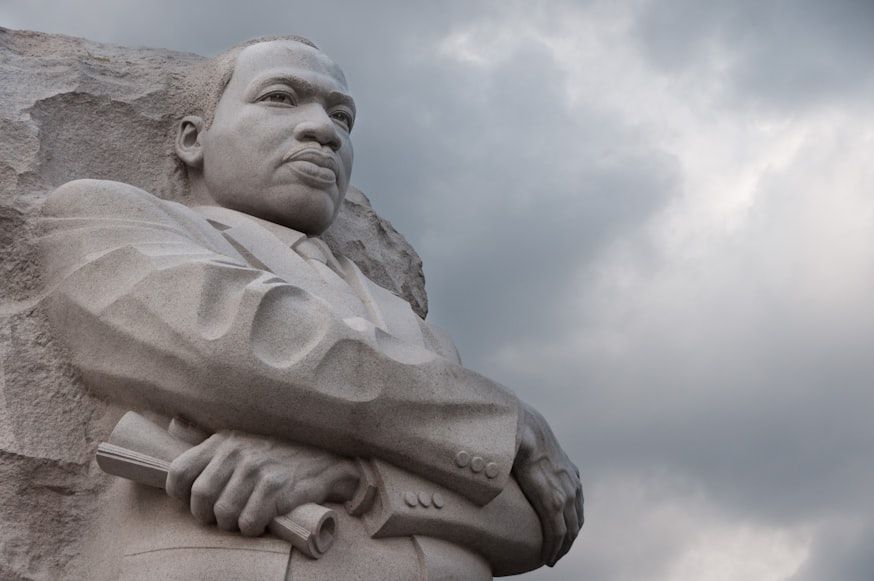
In one of the most iconic speeches in civil rights history, Martin Luther King Jr. addressed more than 200,000 people at the Lincoln Memorial in Washington, D.C., on August 28, 1963, during the March on Washington for Jobs and Freedom. Nearly a century after the Emancipation Proclamation, those freed from slavery were still not really free . After denouncing the laws that legalized racism and segregation, MLK expressed his wish for a free and unified America with a phrase that would go down in history: "I have a dream!"

4
Abraham Lincoln: The Gettysburg Address

Image: Timothy Pierce

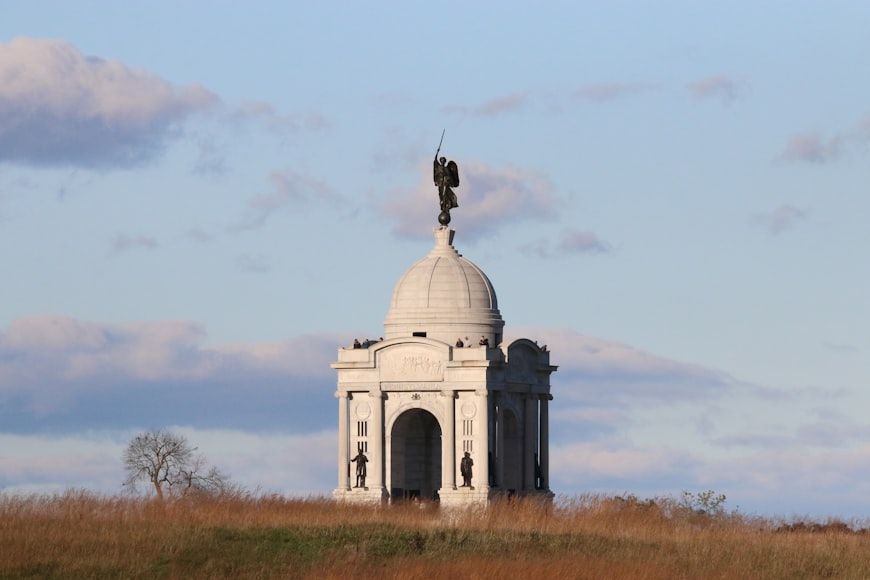
Fought between July 1 and July 3, 1863, the Battle of Gettysburg was one of the bloodiest engagements of the American Civil War and was a decisive victory for the Union. Four and a half months later, President Lincoln delivered this speech on the battlefield, now a cemetery for more than 50,000 fallen soldiers. Lasting only about two minutes, Lincoln’s address reminded those present that it was the responsibility of the living to ensure that the sacrifice of the fallen would not have been in vain .

5
Sojourner Truth: Ain’t I a Woman?

Image: Hussain Badshah

Born into slavery as Isabella Baumfree, Sojourner Truth escaped after her enslaver failed to honor a promise to free her early under New York’s gradual emancipation law and uphold the New York Anti-Slavery Law of 1827. She later became an itinerant preacher and was involved in both the women’s rights and abolitionist movements. At the 1851 Women’s Rights Convention, she delivered a speech highlighting the double discrimination suffered by Black women . Even without full rights, white women received deferential treatment from men. Her phrase "Ain’t I a woman?" denounced that, while she had done all the things white women did and more, she was not considered worthy of respect because of her race.

6
Franklin D. Roosevelt: Pearl Harbor Address to the Nation

Image: Winston Chen

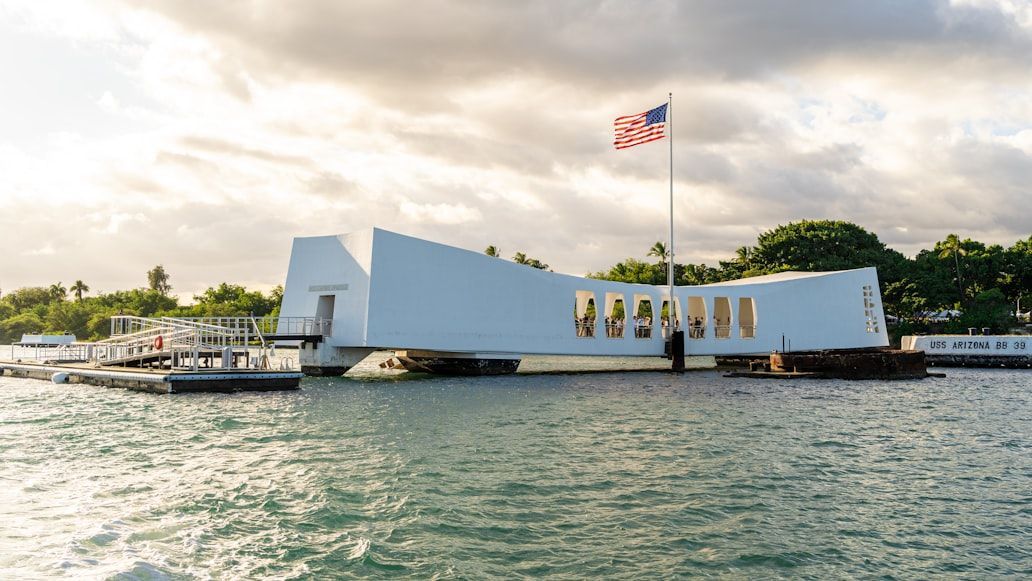
The bombing of Pearl Harbor by the Imperial Japanese Navy on December 7, 1941, marked the United States’ entry into World War II. The next day, President Roosevelt addressed Congress during a joint session, asking for a declaration of war. This address, famously remembered by its opening line—"Yesterday, December 7, 1941—a date which will live in infamy"— reinforced the idea of the attack as an unprovoked aggression that had resulted in over 2,400 casualties, both civilian and military, and appealed to patriotic sentiments. The speech attracted the largest live audience in American history (over 80% of the adult population) and resulted in Congress unanimously declaring war on Japan that same day.

7
John F. Kennedy: Inaugural Address

Image: History in HD

John F. Kennedy gave several memorable speeches during his presidency, but his inaugural address remains one of the most remarkable, and for good reason. According to accounts from his inner circle, the speech was meticulously crafted and reworked multiple times by Kennedy , who consulted the opinion of friends and advisors, and poured hours into making sure his first address as president would reflect the route he intended to take. As the youngest person elected to the presidency, Kennedy represented a generational change in the government. The central theme of his address was a call for civic responsibility and national service, an idea summarized in the address’s most memorable line: "Ask not what your country can do for you—ask what you can do for your country."

8
Frederick Douglass: What to the Slave is the Fourth of July?

Image: Stephanie McCabe

A writer, orator, and statesman, Frederick Douglass was a major figure of the abolitionist movement. Born into slavery, he became renowned for his autobiographical writings and powerful oratory, offering a living refutation against the slavist argument of the inferior capacity of African Americans. His most famous speech, What to the Slave Is the Fourth of July? , given to the Rochester Ladies' Anti-Slavery Society in 1852, is an acute analysis of how the American values of freedom and liberty were contradicted by the state and treatment of those in slavery.

9
Theodore Roosevelt: The Man in the Arena

Image: Rafael Camacho Greilberger

"Citizenship in a Republic" is one of Theodore Roosevelt’s most memorable speeches. He delivered it on April 23, 1910, at the Sorbonne in Paris, after leaving the presidency. In his long address, Roosevelt explains his convictions about democracy, civic virtue, and leadership. But there is a passage that stands out: "The Man in the Arena" highlights the value of those who strive and go on despite failure and ongoing challenges, and even those who fail in the end, but not for lack of effort . This passage has been quoted numerous times in American politics, including by Richard Nixon in both his 1968 victory speech and his 1974 resignation address.

10
Ronald Reagan: Tear Down this Wall

Image: André Fuck

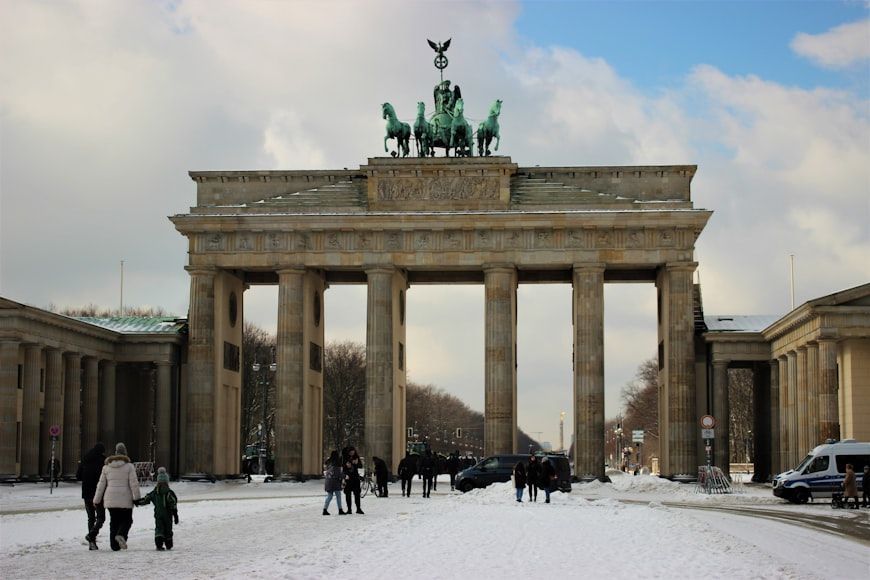
More than two decades after Kennedy’s " Ich bin ein Berliner " speech, President Reagan delivered another historic address at the Berlin Wall. Speaking at the Brandenburg Gate in a Berlin much more hostile to the American president’s presence, aides and advisors had recommended a change in the tone of the speech to avoid straining the relationship between the American and Soviet administrations . Reagan retained the passage that had caused concerns, which contained the most iconic phrase. In a direct appeal to the Soviet leader Mikhail Gorbachev, he declared: "Mr. Gorbachev, open this gate! Mr. Gorbachev, tear down this wall!" The speech was not widely covered by the media, and the reactions were lukewarm. Only after the fall of the Berlin Wall in 1989 did the address gain widespread recognition as a symbol of American resolve during the final years of the Cold War.

History History 4 min read

Side hustles

Whiskey, Hollywood, and Grammys? Unexpected jobs of former presidents!

Image: The Cleveland Museum of Art

Picture this: You have just finished your term as President of the United States. It was a tough job to tackle, but you made it. It’s your first day out of office, and you wonder, "What’s next?" A world of possibilities opens up. What is the first thing you would do in that position? These former presidents, from Washington to Bush, went different ways and took up activities most Americans don’t even know about. Let’s take a look at some fascinating second acts of former U.S. presidents.

1
George Washington - The whiskey-making Founding Father

Image: Daniel Vogel

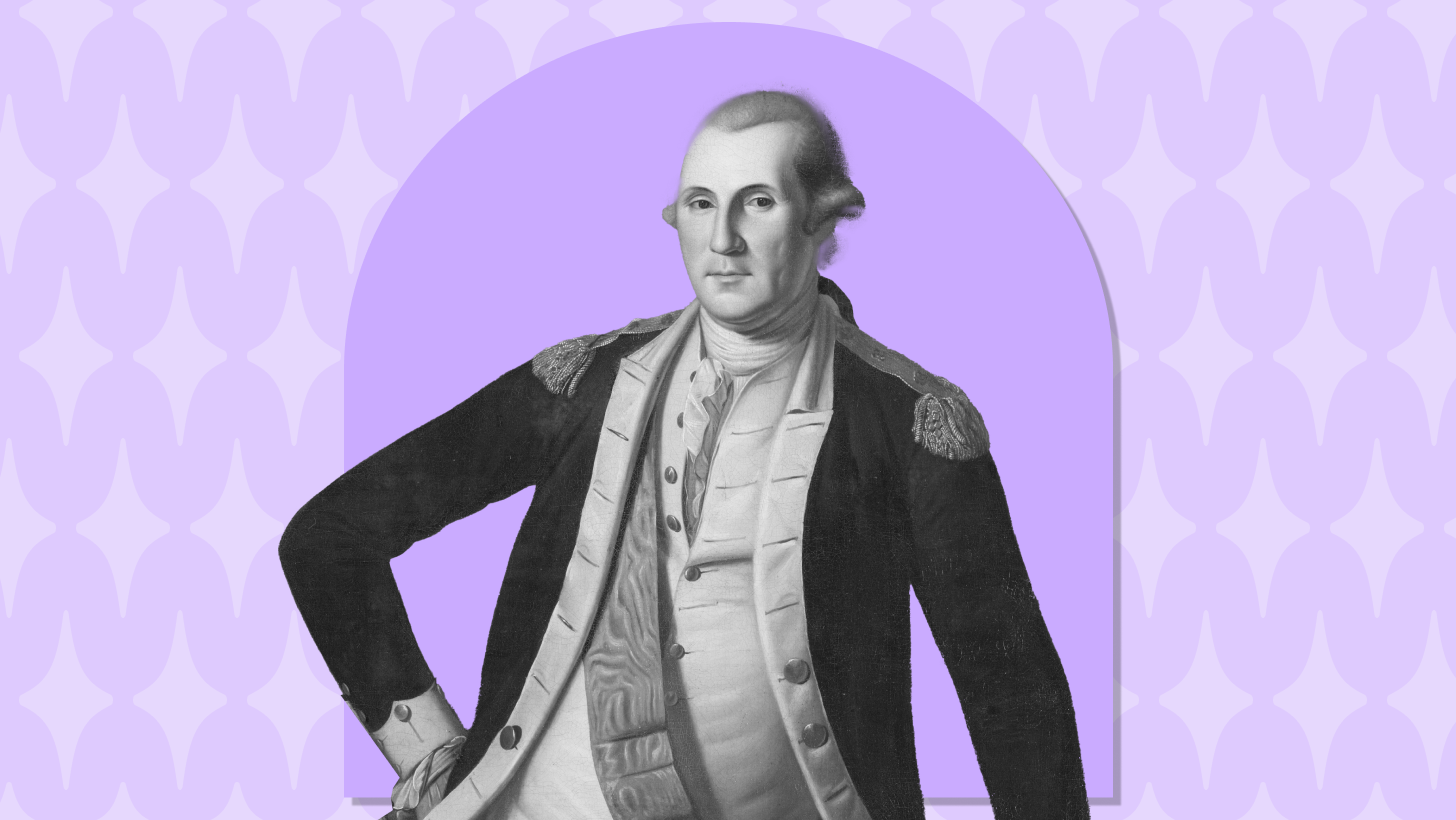
After leading the nation, George Washington stepped into the world of spirits, whiskey spirits, that is! In 1797, his farm manager convinced him to open a distillery at Mount Vernon . Within two years, it became one of the largest in the country, producing nearly 11,000 gallons of whiskey annually.

Here’s a fun fact: Washington didn’t need a marketing team. His whiskey was sold in unmarked barrels to local merchants, and his operation was so successful that it became one of the top money-makers in the area. The best part? You can try it today at the reconstructed distillery!

2
Theodore Roosevelt - Adventurer-in-Chief

Image: Zetong Li

Not one to sit still, Theodore Roosevelt went on an exploration of the Amazon rainforest after leaving office. In 1913, he embarked on a seven-month journey to map an uncharted river . Guess what it’s called today? The Roosevelt River, of course!

The expedition was grueling: he caught malaria, suffered a leg injury, and nearly died. Though he made it back home, his health never fully recovered. Roosevelt’s post-presidency was all about adventure and risks!

3
Thomas Jefferson - The University Founder

Image: Ryan Ledbetter

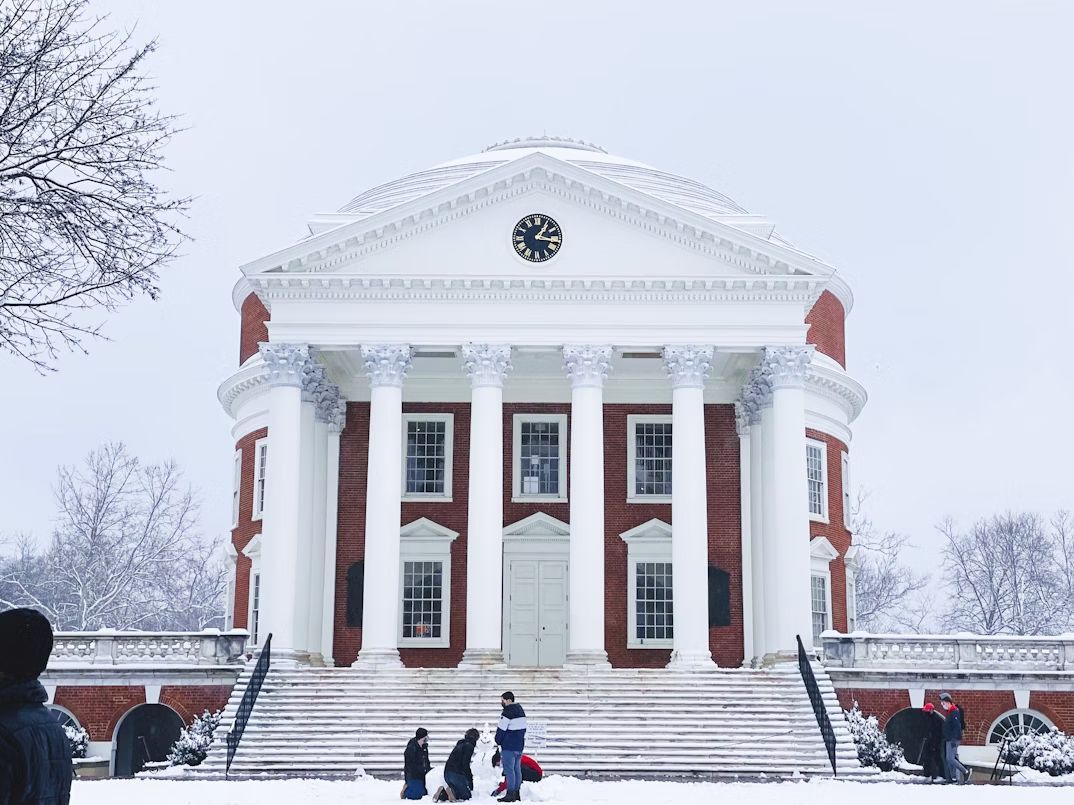
Thomas Jefferson didn’t just help write the Declaration of Independence; he also founded the University of Virginia . A firm believer in education, he wanted to create a university that emphasized academic freedom and rigorous learning. So, in 1819, ten years after leaving office, he established the University of Virginia, which opened in 1825.

Jefferson personally designed the campus, including its iconic Rotunda, and hand-picked the first professors. He once called the university one of his greatest accomplishments, right up there with drafting the Declaration of Independence.

4
John Quincy Adams - From President to Congressman

Image: Ian Hutchinson

John Quincy Adams didn’t believe in retirement, you know? He didn’t go back for a second term, but instead of stepping away from public service, he returned to Congress, serving in the House of Representatives for nine terms until his death in 1848.

His dedication earned him the nickname "Father of the House." Even in his final moments, he was working: he collapsed on the House floor after casting a vote and died two days later. Well, once a public servant, always a public servant.

5
William Howard Taft - From President to Supreme Court Justice

Image: Adam Michael Szuscik

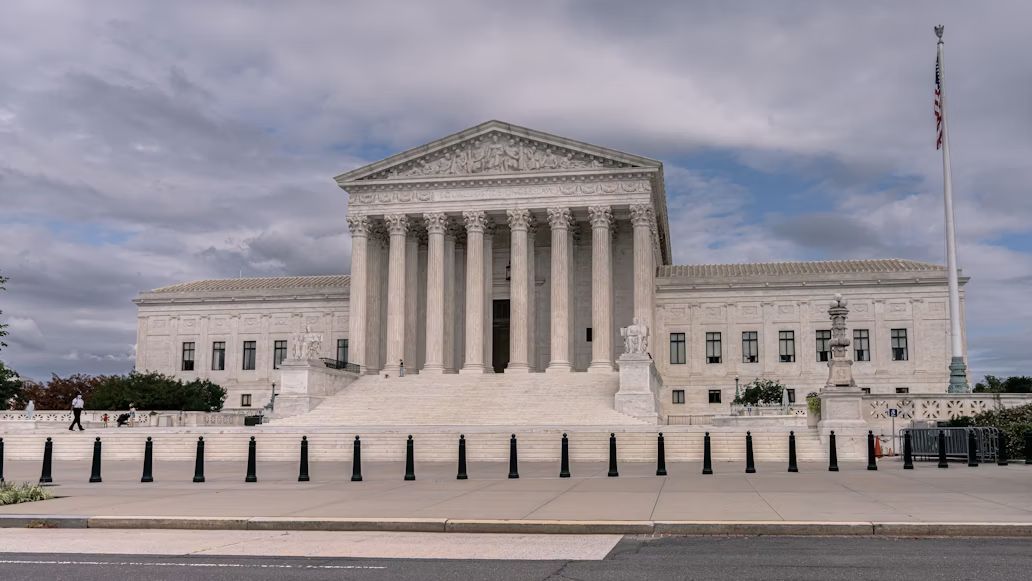
Most former presidents take a step back from government, but William Howard Taft went in the opposite direction. After serving as the 27th president, he was appointed Chief Justice of the Supreme Court in 1921.

He later admitted that being on the Supreme Court was his true calling, famously stating, "I don’t remember that I ever was president." Taft remains the only person in history to have served in both roles! Talk about an upgrade!

6
Calvin Coolidge - Presidential columnist

Image: AbsolutVision

Some former presidents write memoirs, but Calvin Coolidge took it a step further. From 1930 to 1931, he wrote a nationally syndicated newspaper column titled Thinking Things Over with Calvin Coolidge .

His articles covered a range of topics, from politics to everyday life. As it turns out, running a country gives you plenty to write about!

7
Jimmy Carter - The humanitarian president

Image: Library of Congress

If there’s one president who redefined life after the White House, that is Jimmy Carter. In 1982, he founded the Carter Center , a nonprofit organization focused on democracy, health, and human rights.

He has also spent decades working with Habitat for Humanity, personally helping to build homes for those in need. In 2002, Carter’s humanitarian work earned him the Nobel Peace Prize, making him the only former president to receive the honor for efforts made after leaving office. He once said his post-presidency was "more gratifying" than his time in politics. Only logical, right?

8
Ronald Reagan - A Knight of the Realm

Image: Annie Spratt

Yes, that’s a literal title. Ronald Reagan didn’t take up a new career after leaving office, but he did receive an unexpected knighthood from Queen Elizabeth II. In 1989, just months after stepping down as president, he was made a Knight Grand Cross of the Most Honorable Order of the Bath.

While it’s a prestigious honor, American citizens aren’t allowed to use the title "Sir," so there was no "Sir Ronald" in the works. Reagan wasn’t the only president to receive this honor; Dwight Eisenhower and George H.W. Bush were also knighted.

9
Bill Clinton - Grammy-winning storyteller

Image: Annie Spratt

Bill Clinton has always been a gifted speaker, so it’s no surprise that he won not one, but two Grammy Awards, though they weren’t for playing his famous saxophone. He won Best Spoken Word Album in 2004 and 2005, narrating both a children’s book and his autobiography.

Clinton joins a small but prestigious club of American presidents who have won Grammys, including Barack Obama and Jimmy Carter. His ability to captivate audiences didn’t end with politics; he simply found a new stage.

10
George W. Bush - From the White House to the Art Studio

Image: Yannis Papanastasopoulos

After serving two terms as president, George W. Bush discovered a surprising new passion: painting. How about that? In 2012, he began taking art lessons , and by 2013, his paintings were revealed to the public following an email hack.

Bush embraced his new hobby and has since published several collections, including Portraits of Courage , which features paintings of US military veterans. His artwork has been exhibited in galleries, proving that a president can become an artist, too. While politics was his career, painting has become his personal form of expression.

Explore more American facts

Choose your favorite category!

General
General

As American as apple pie—the very best America has to offer!

Culture
Culture

Delve into the astounding richness of American lore.

Geography
Geography

Hop in and explore vast and diverse American landscapes.

History
History

Discover the key moments that shaped the United States.